
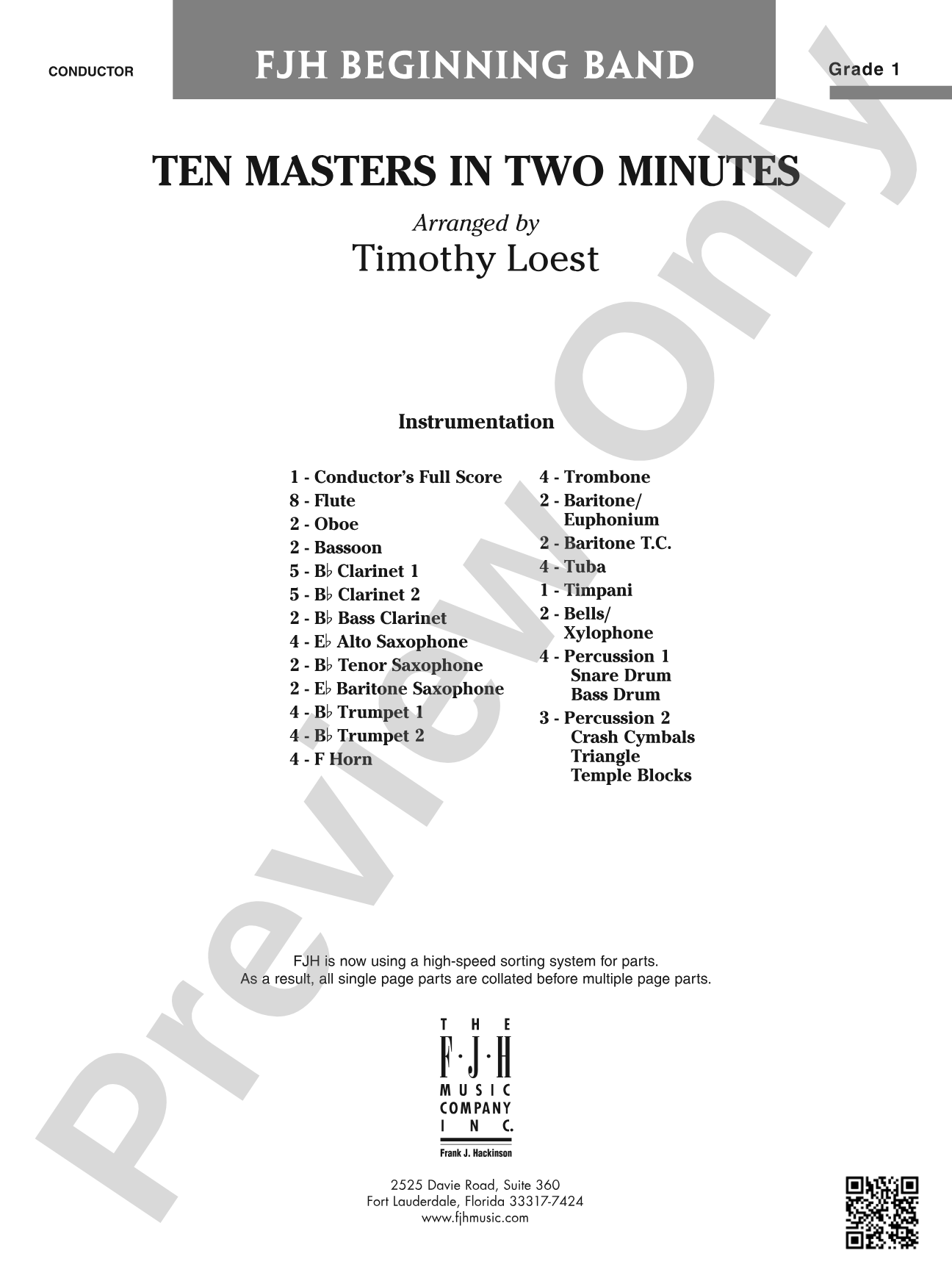

Ten Masters in Two Minutes: Concert Band Conductor Score & Parts
Arranged by Timothy Loest
Grade: 1
Item: 98-DB1328
$45.00
Pickup currently not available
Buy Extra Parts (Digital PDF Download)
Parts Added to Cart!
Related Items
Ten Masters in Two Minutes: Concert Band Conductor Score & Parts |
$45.00
|
View |
Description
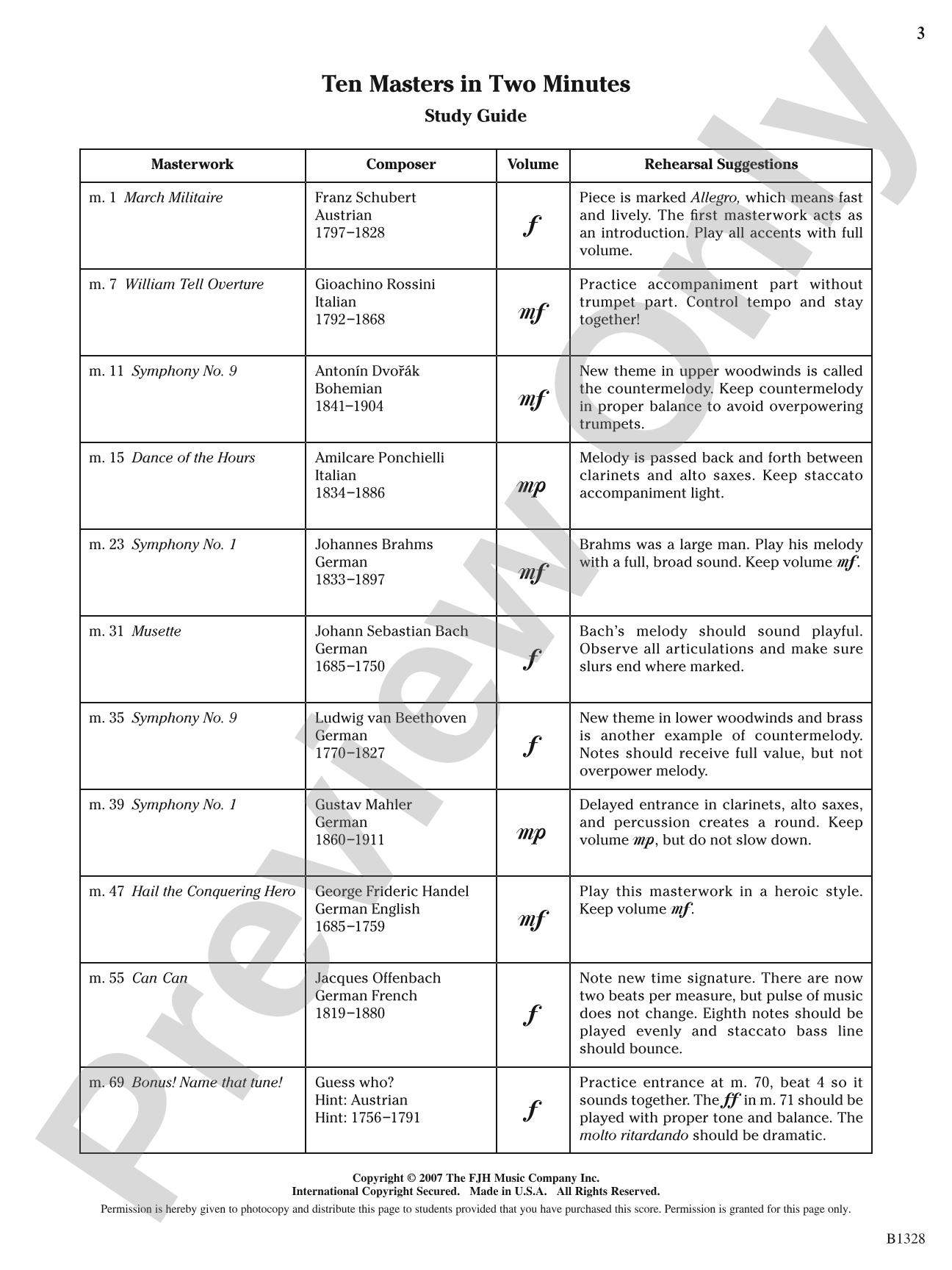
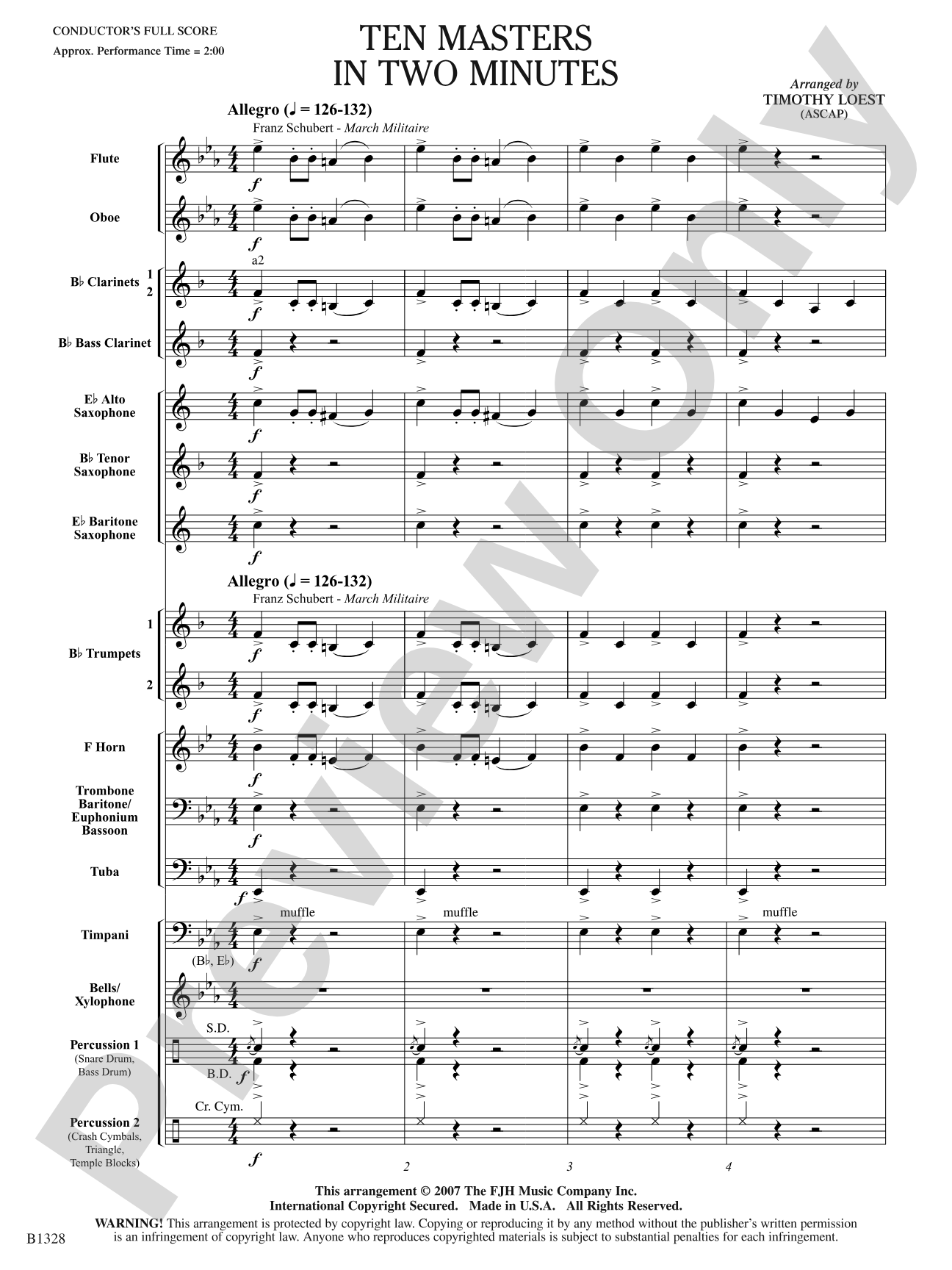
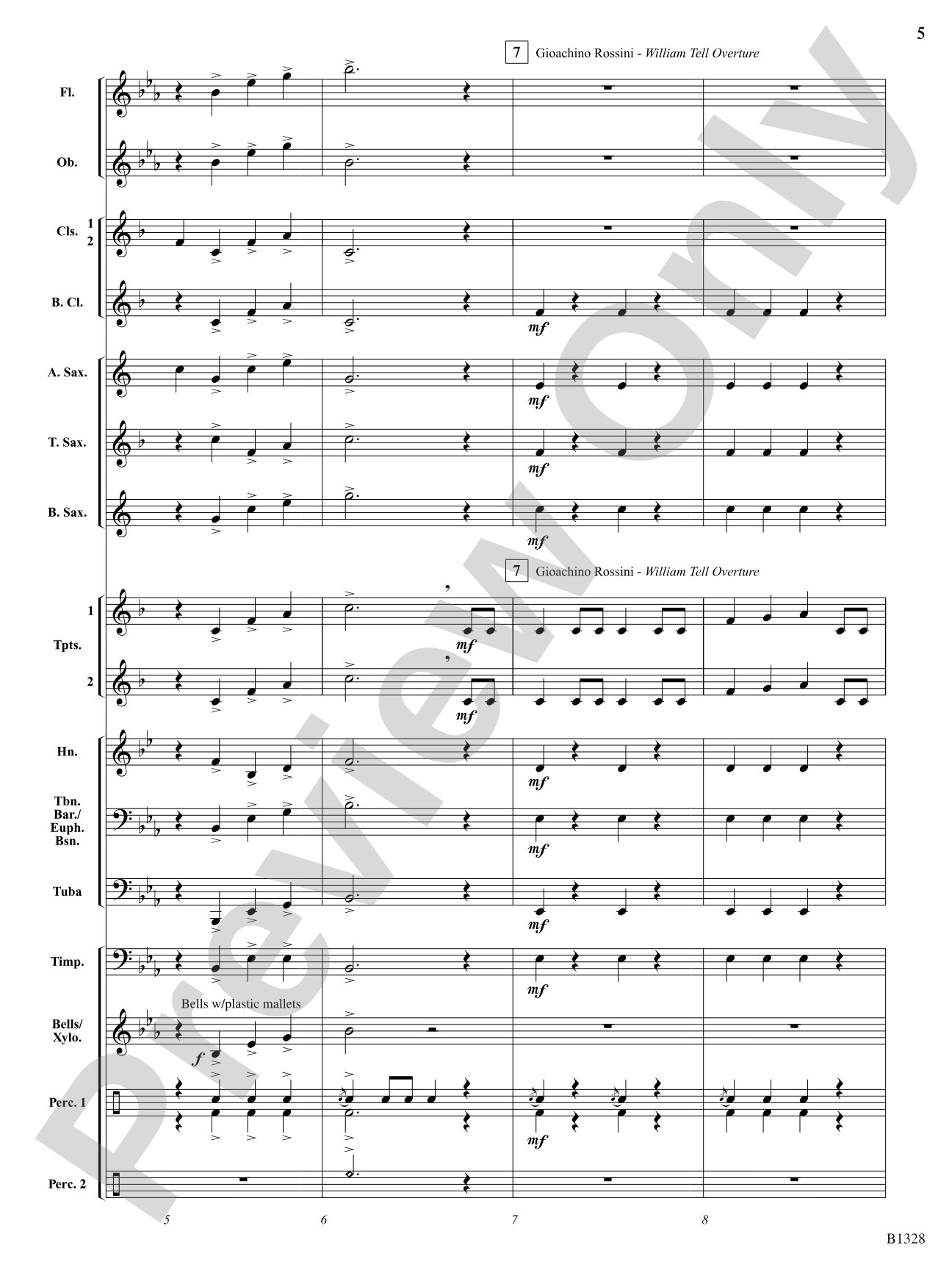
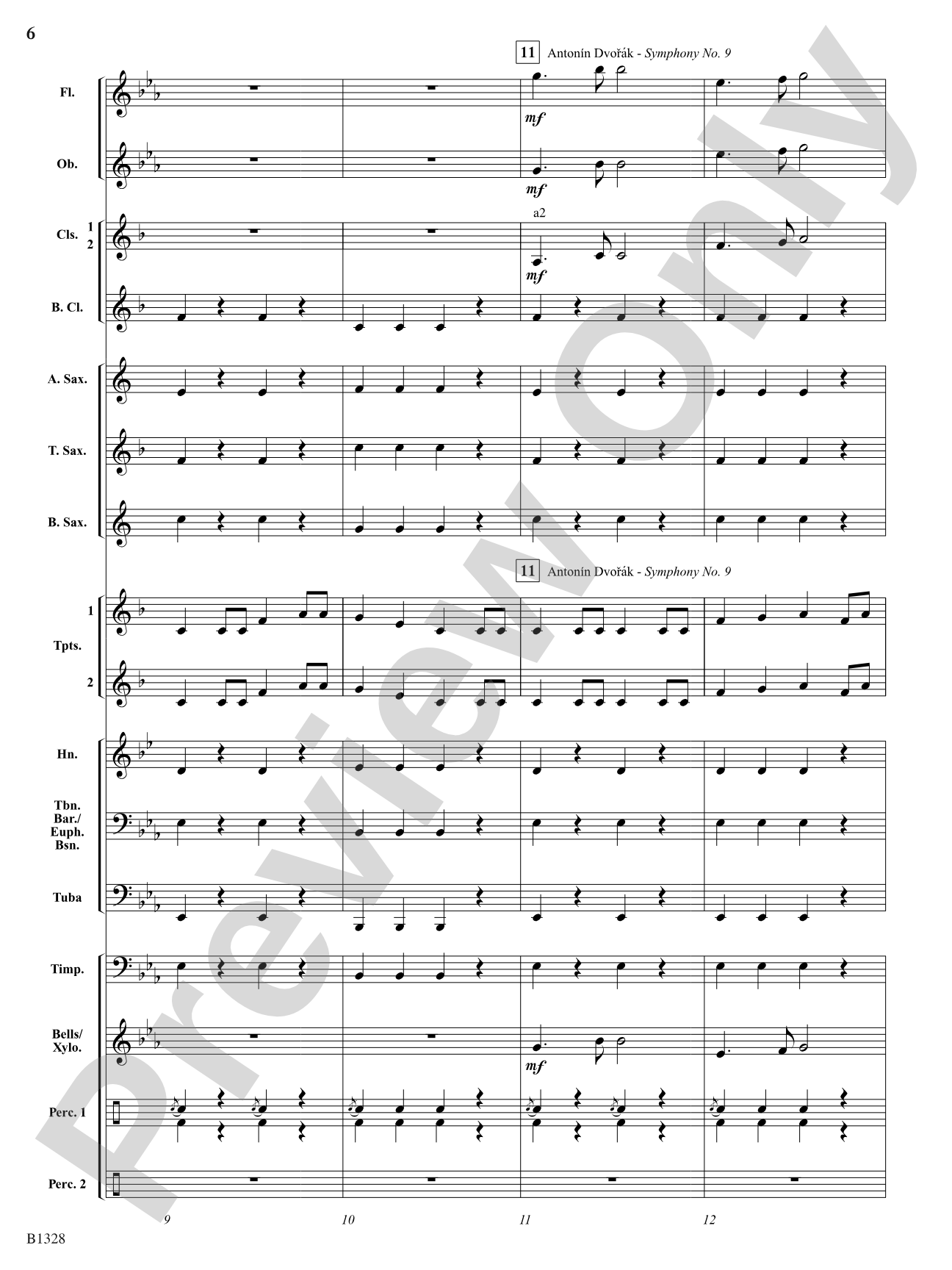
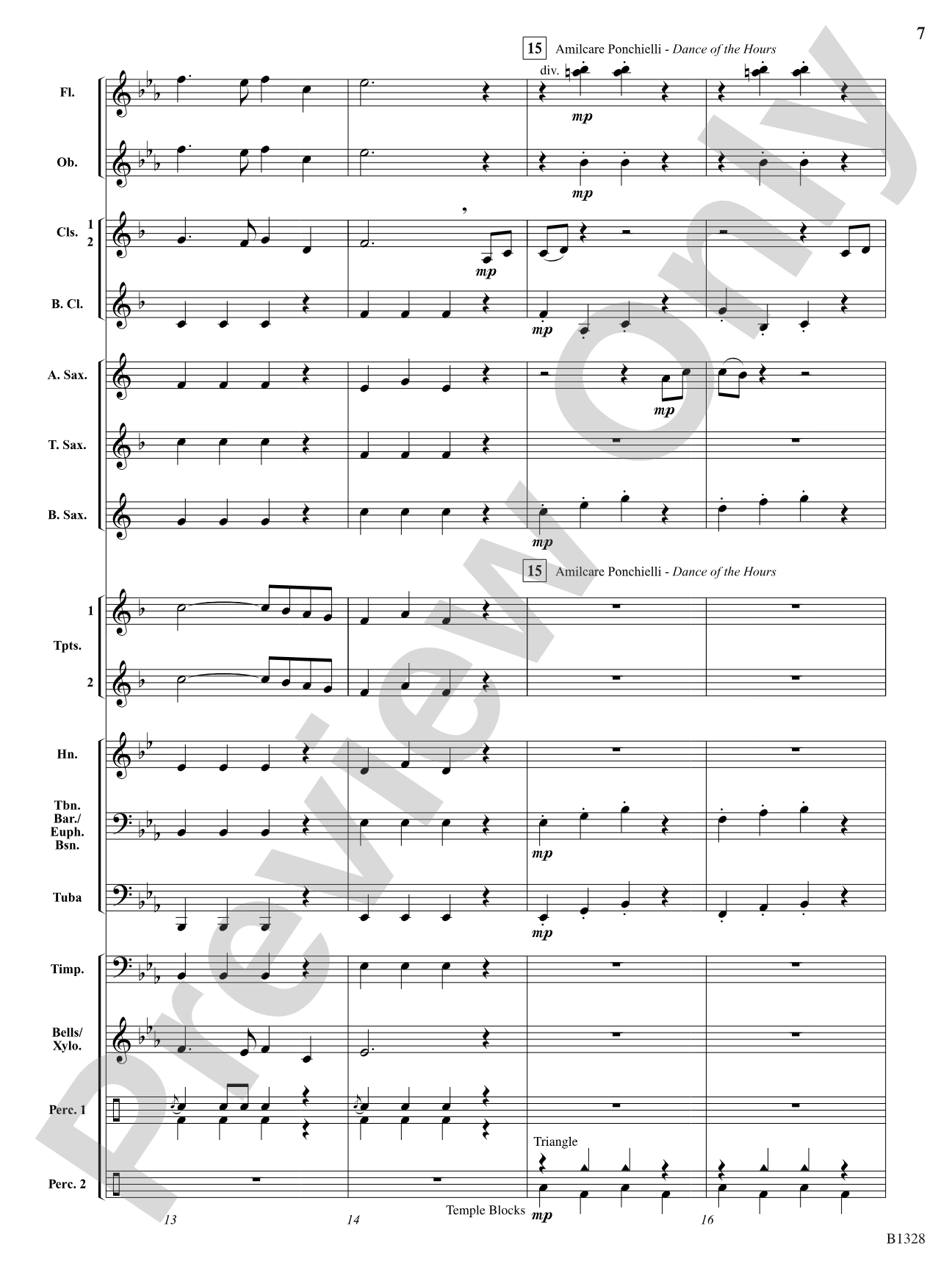
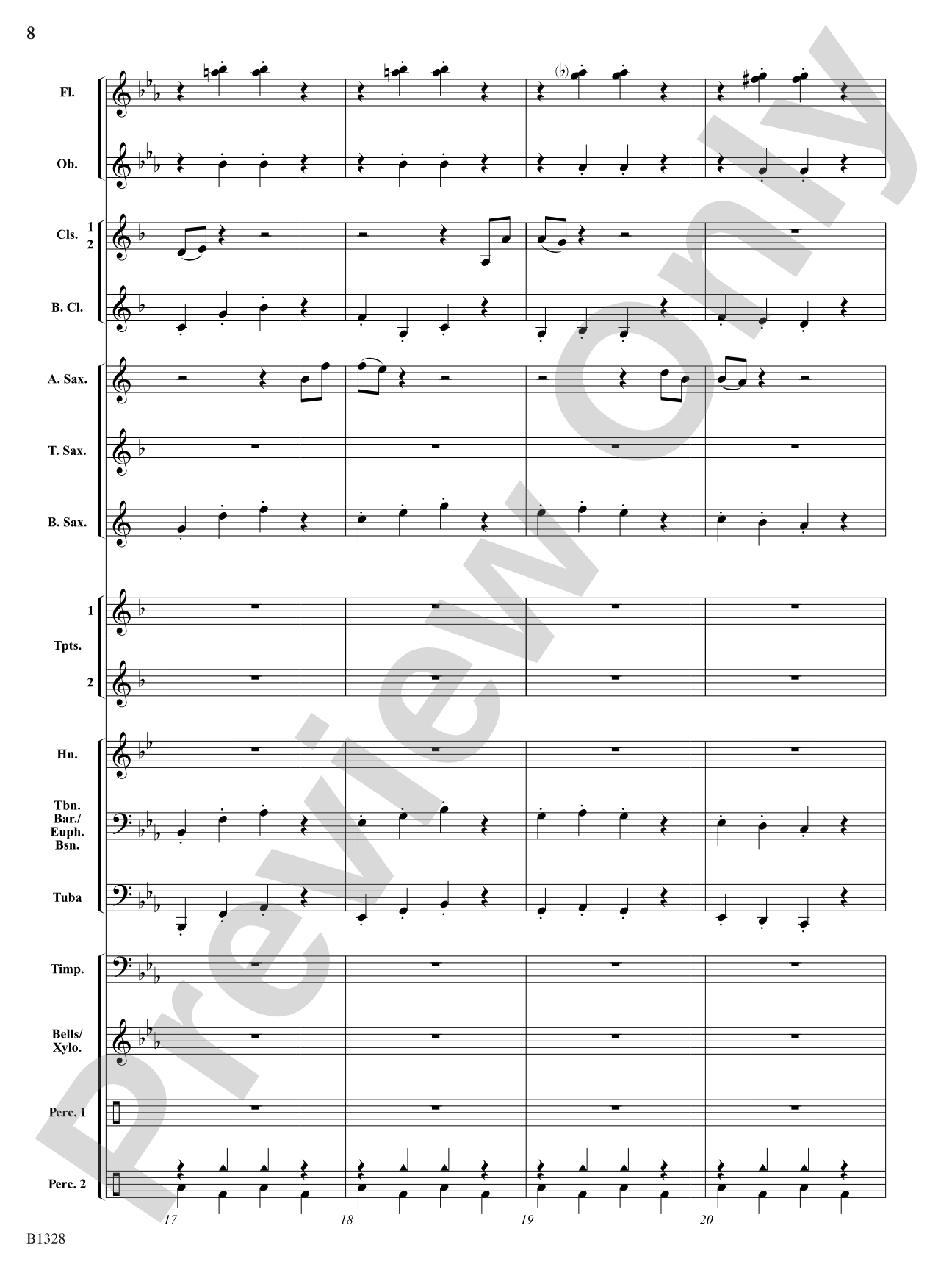
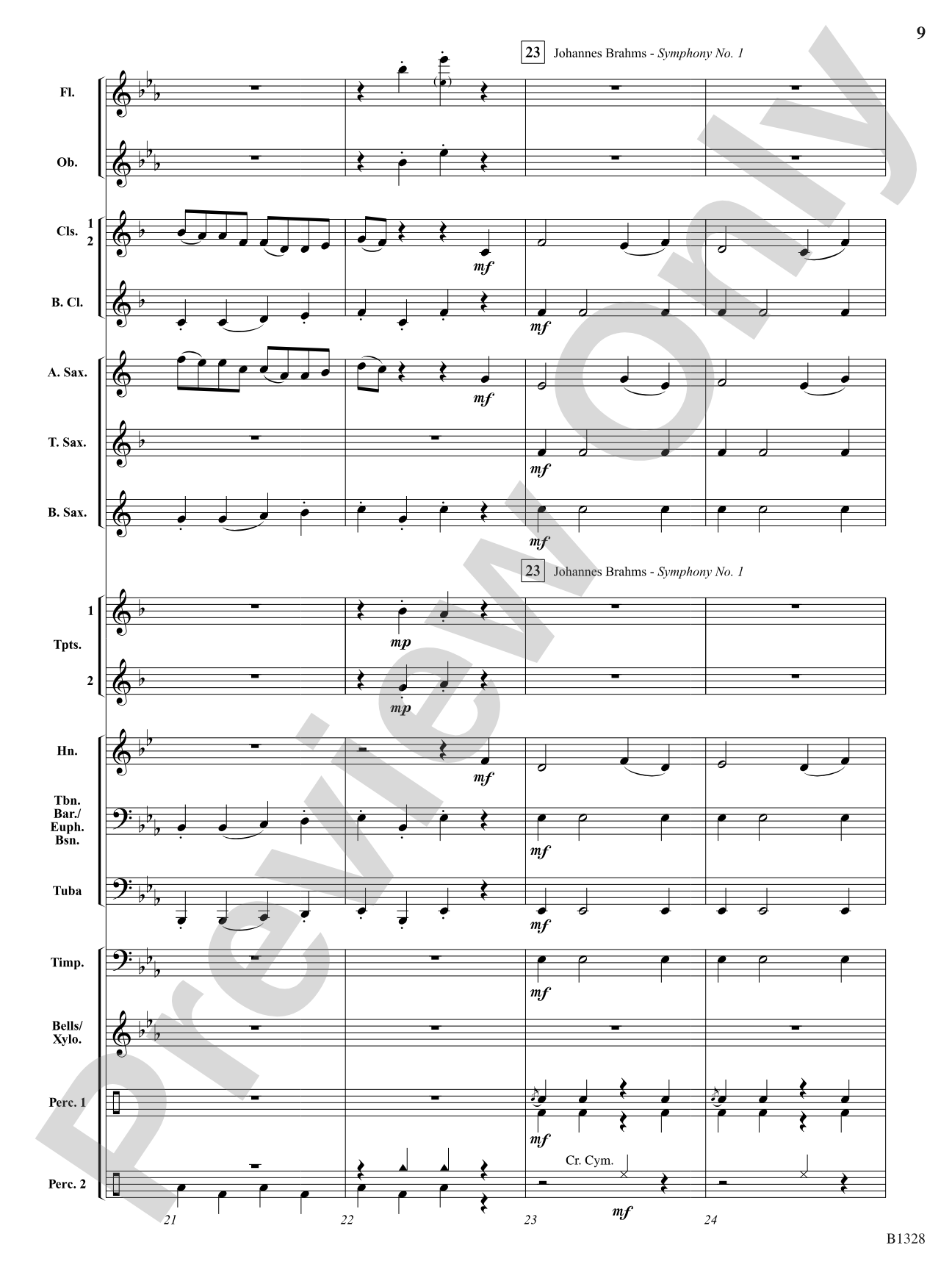
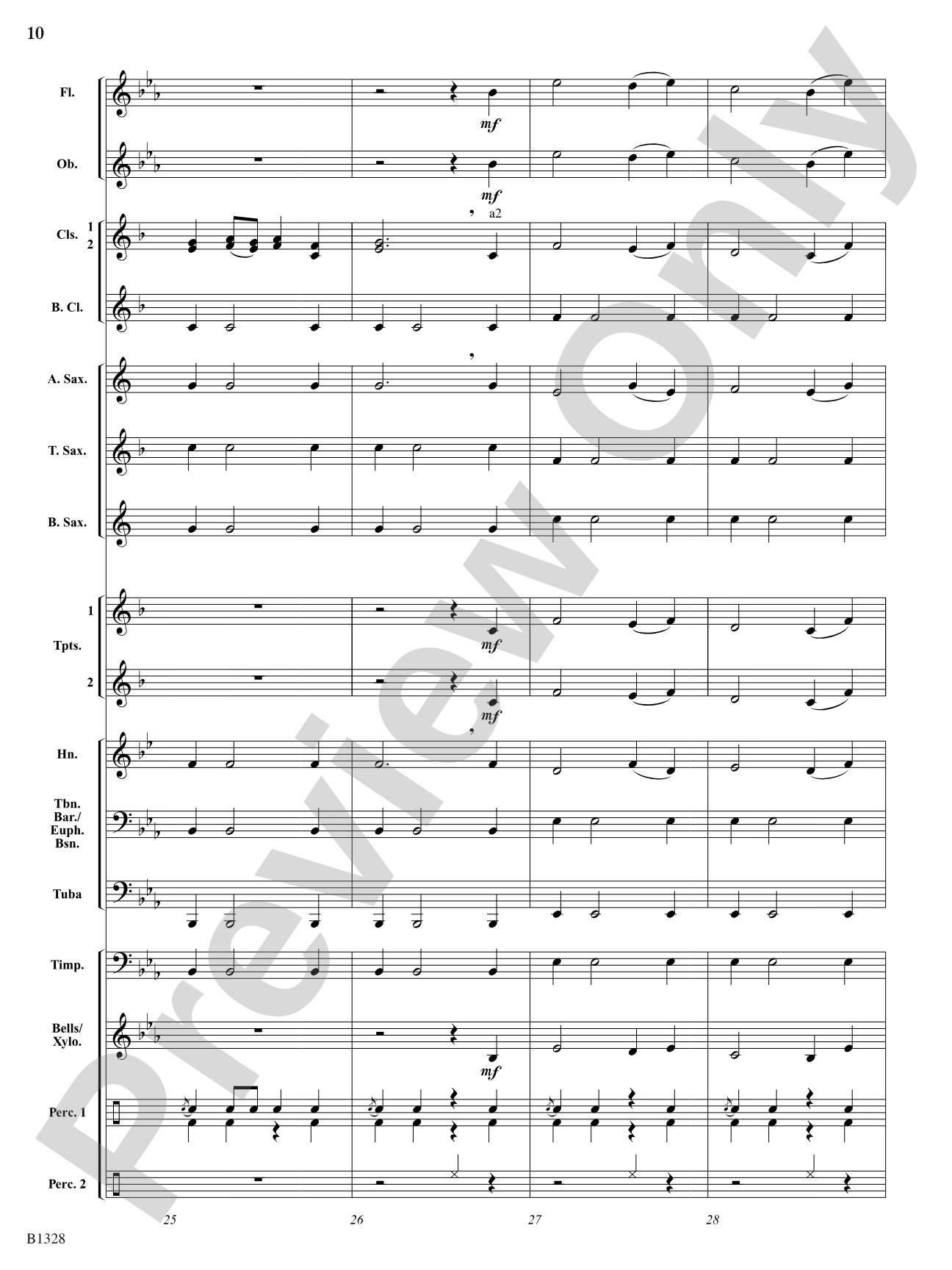
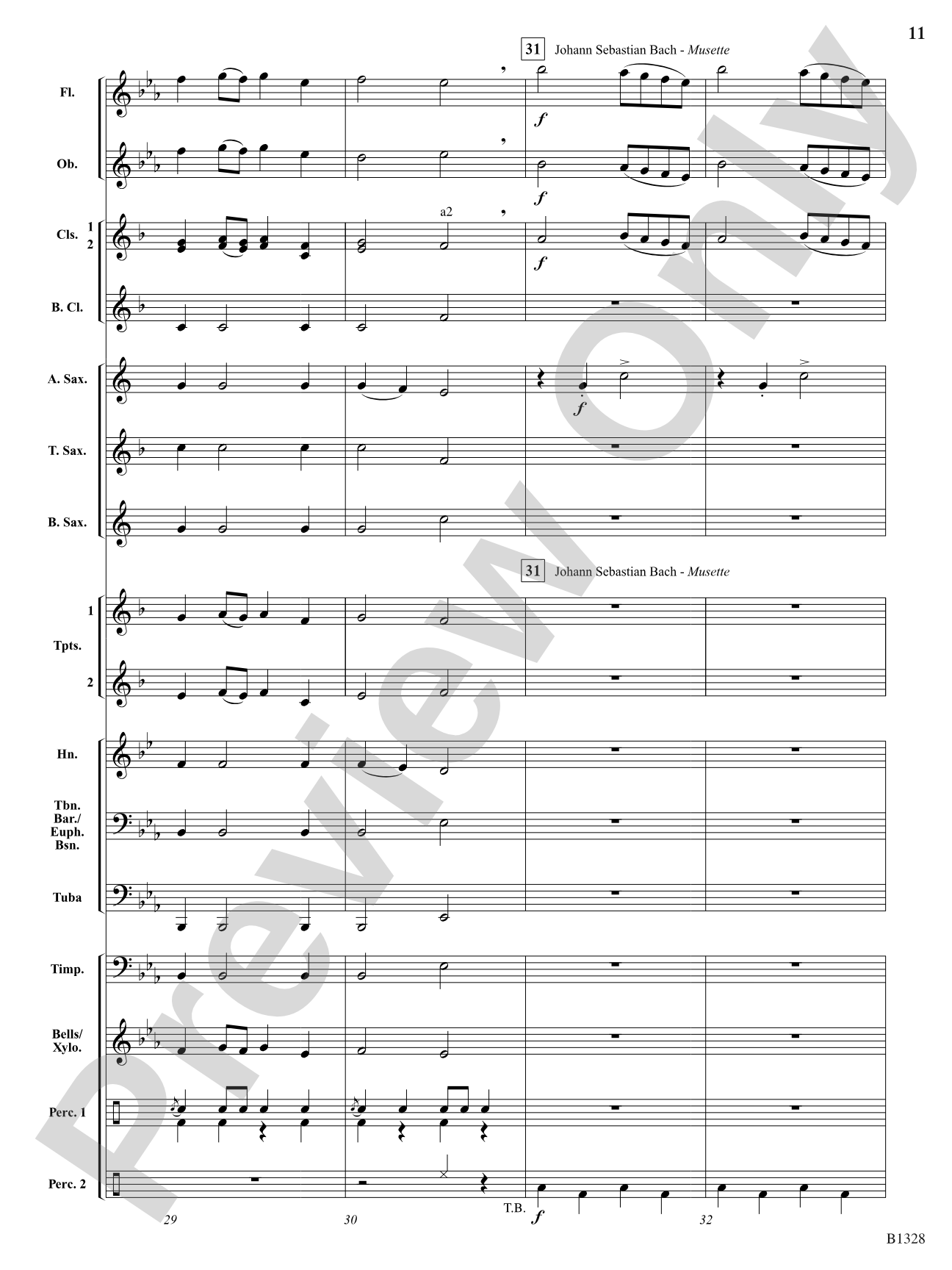
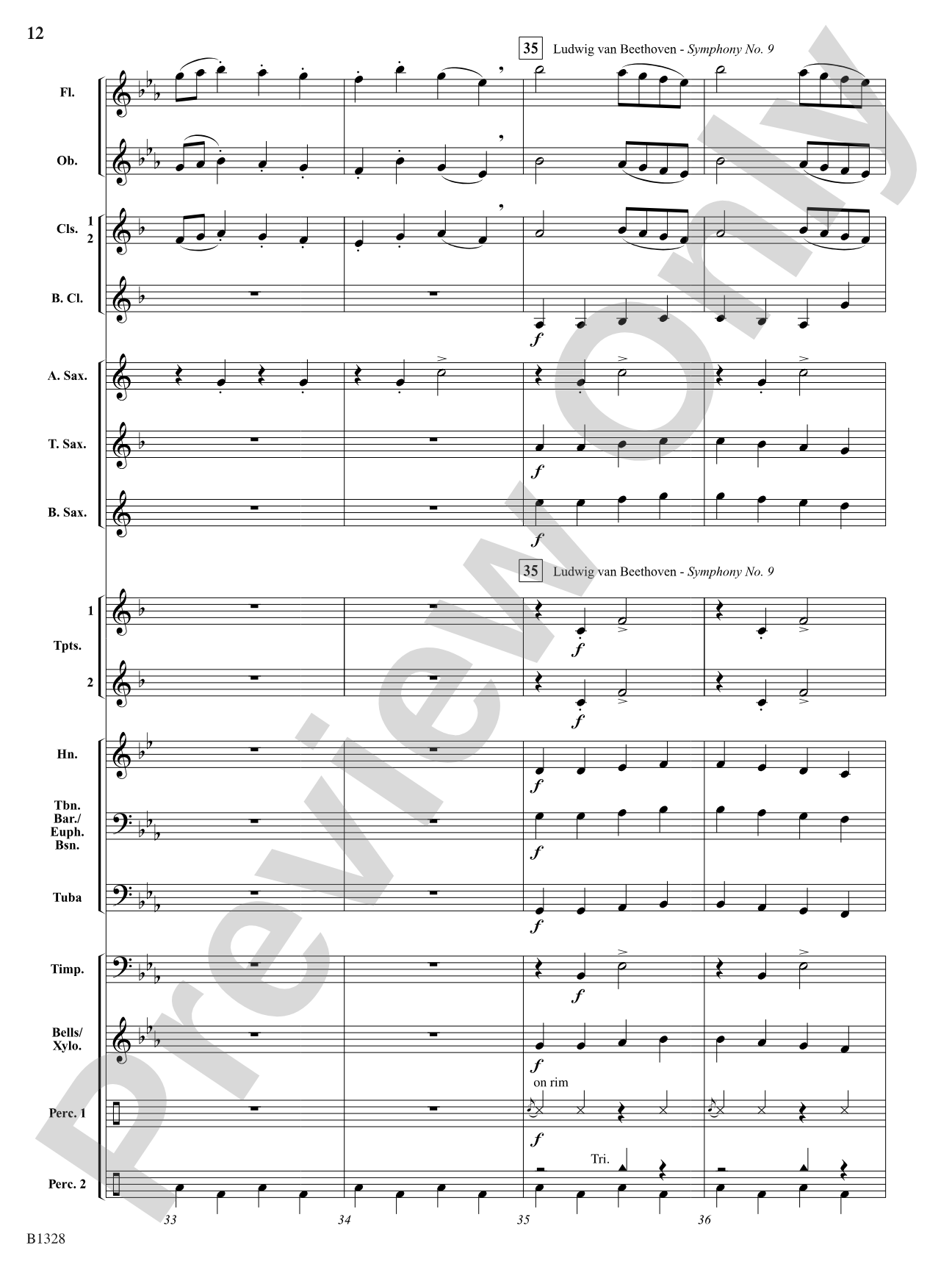
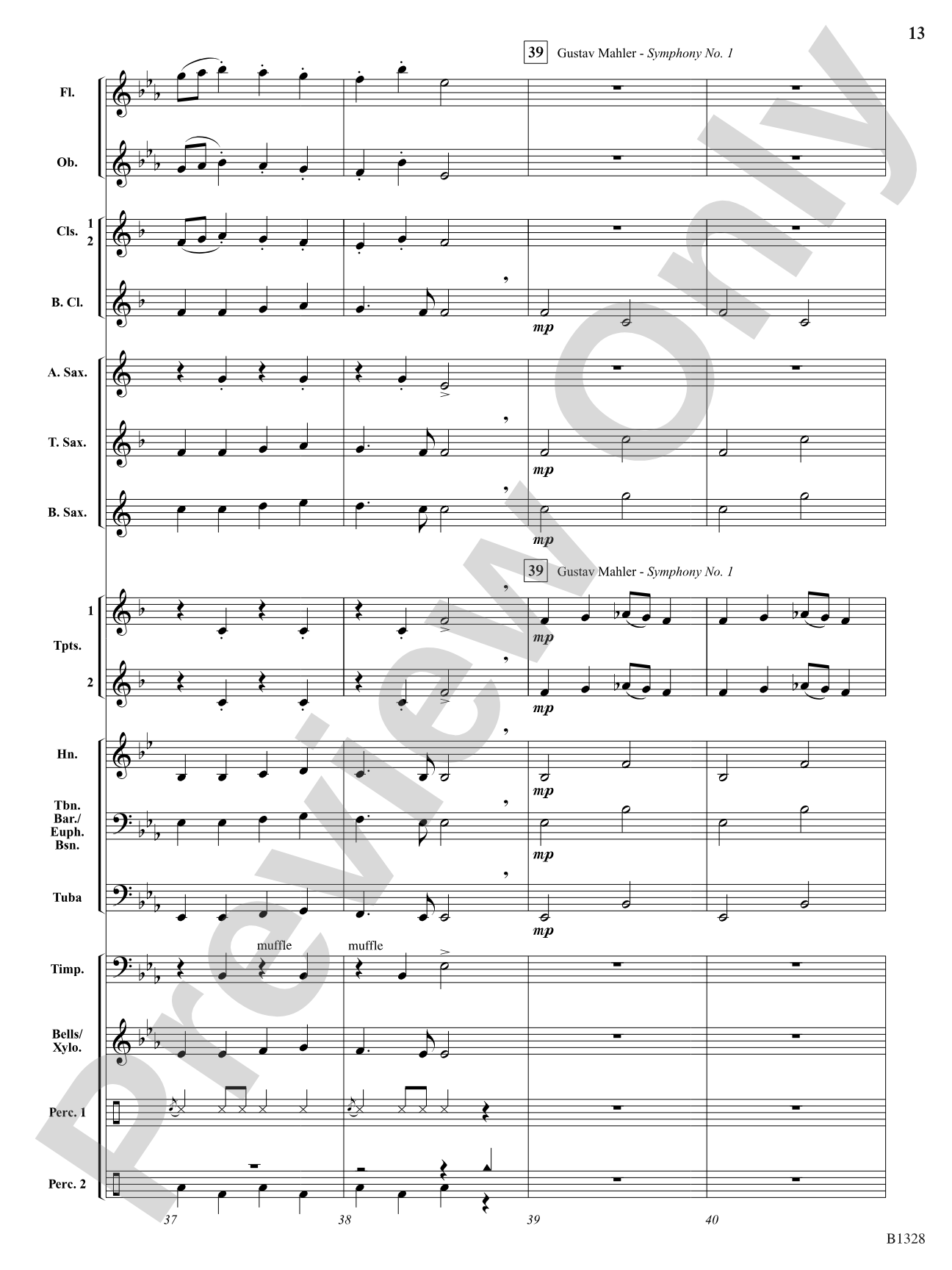
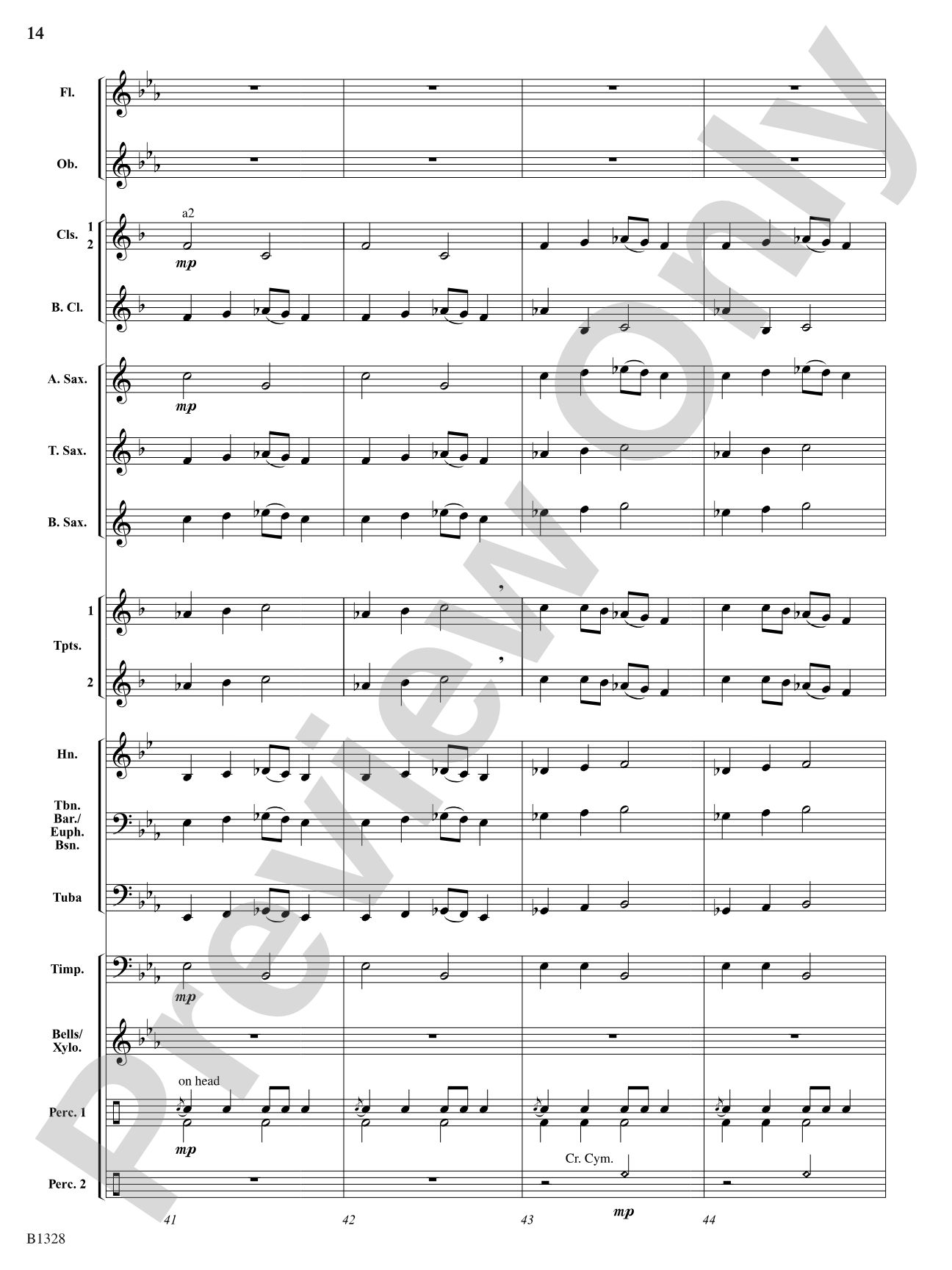
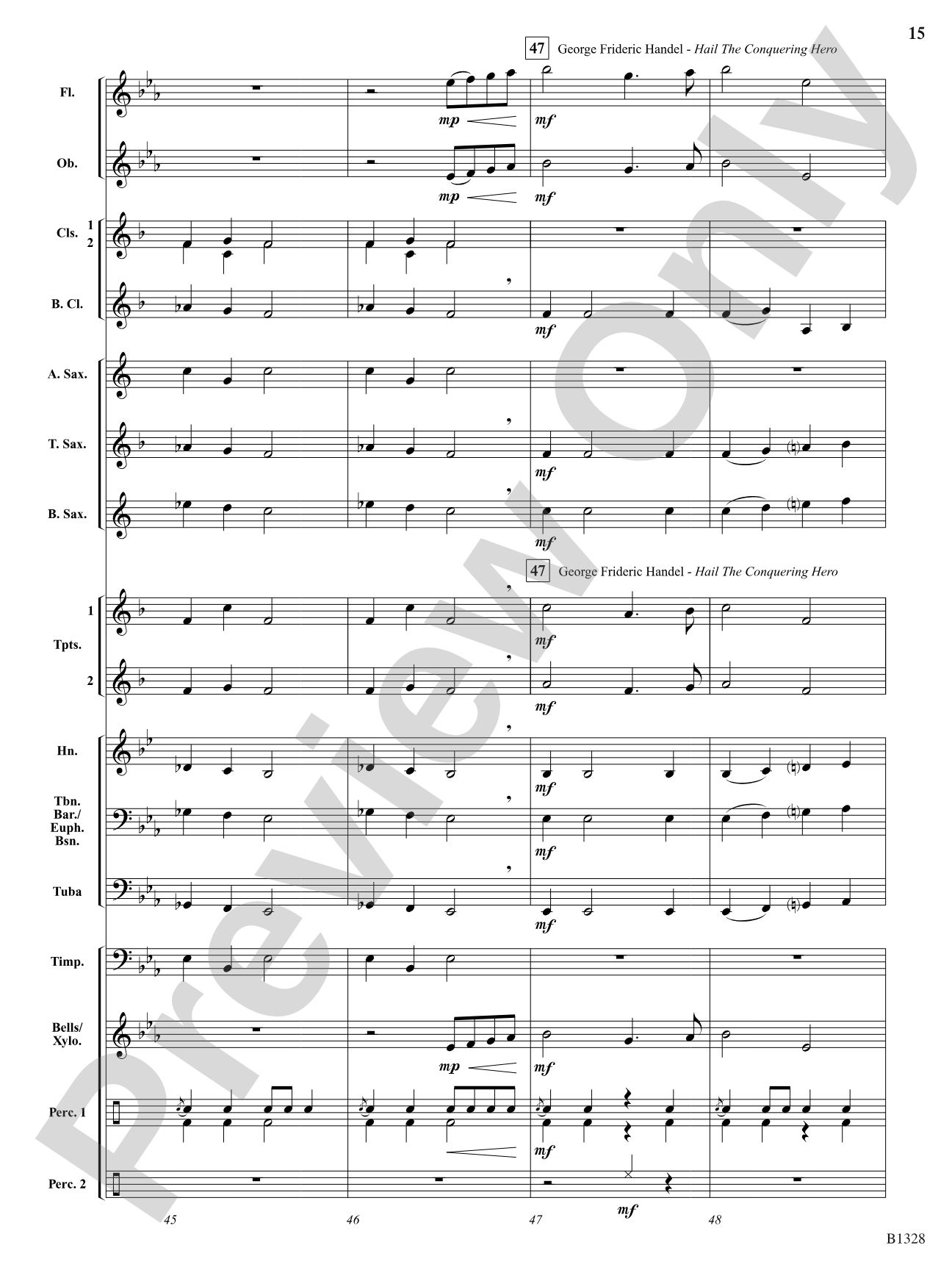
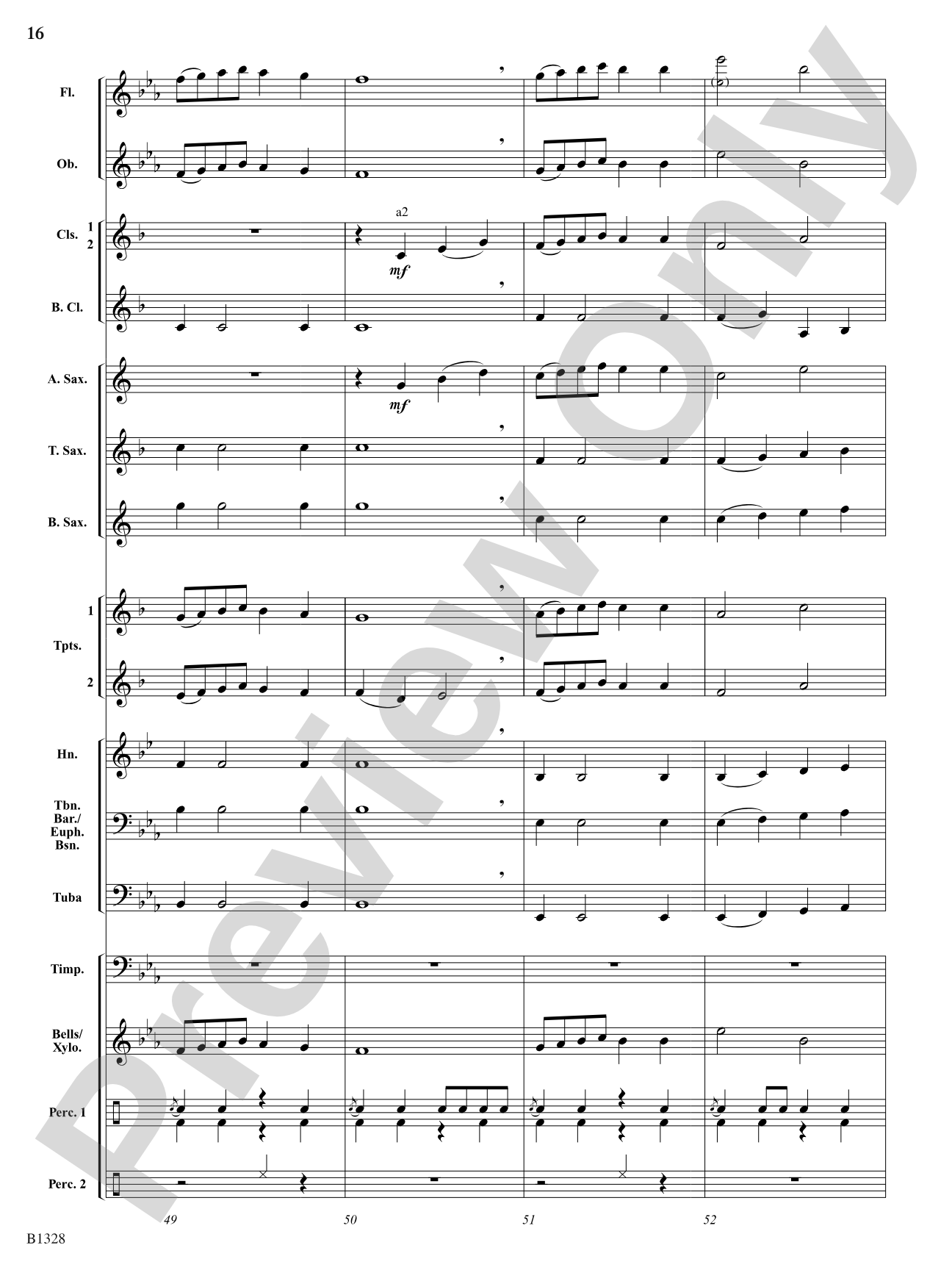
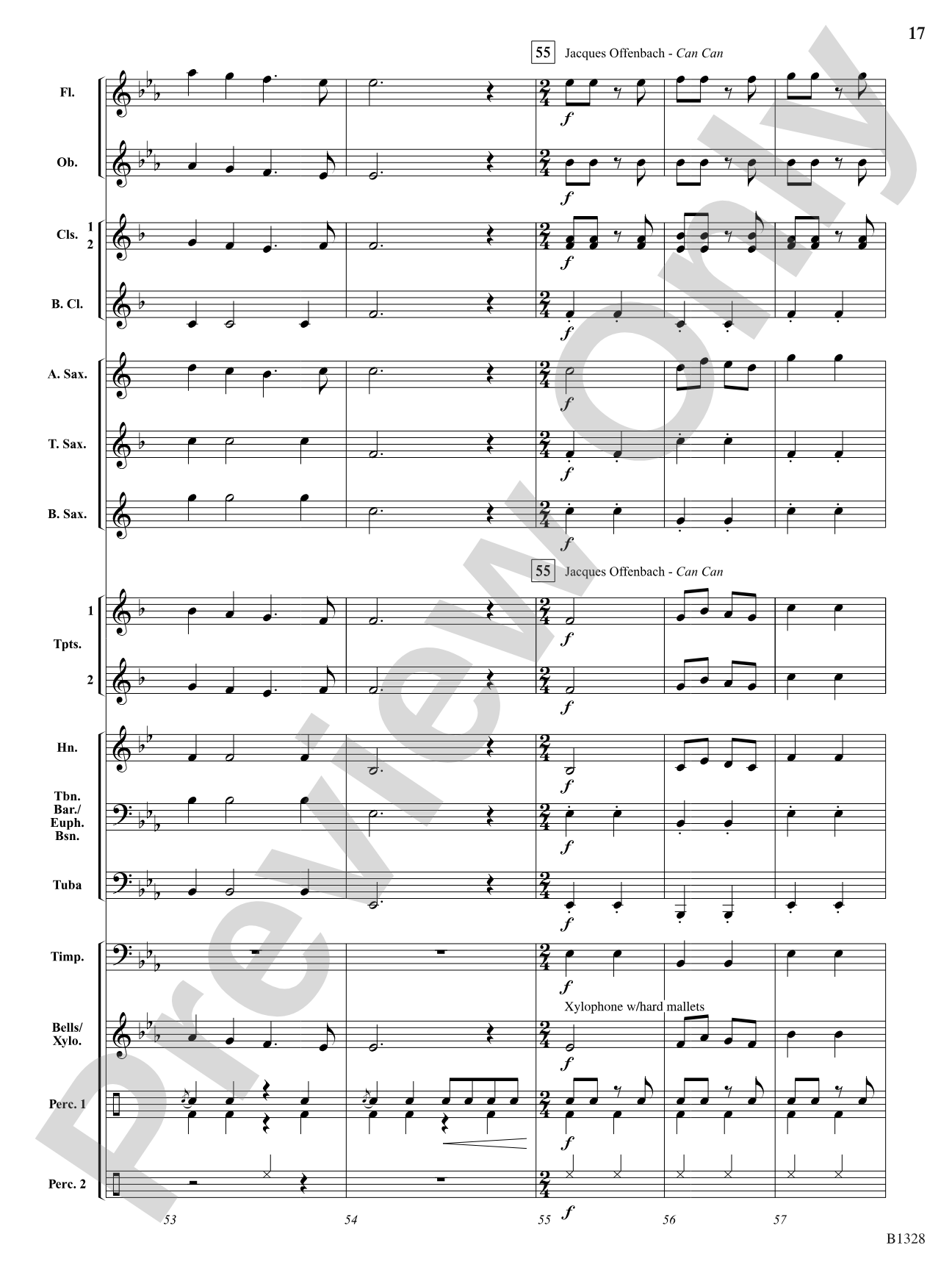
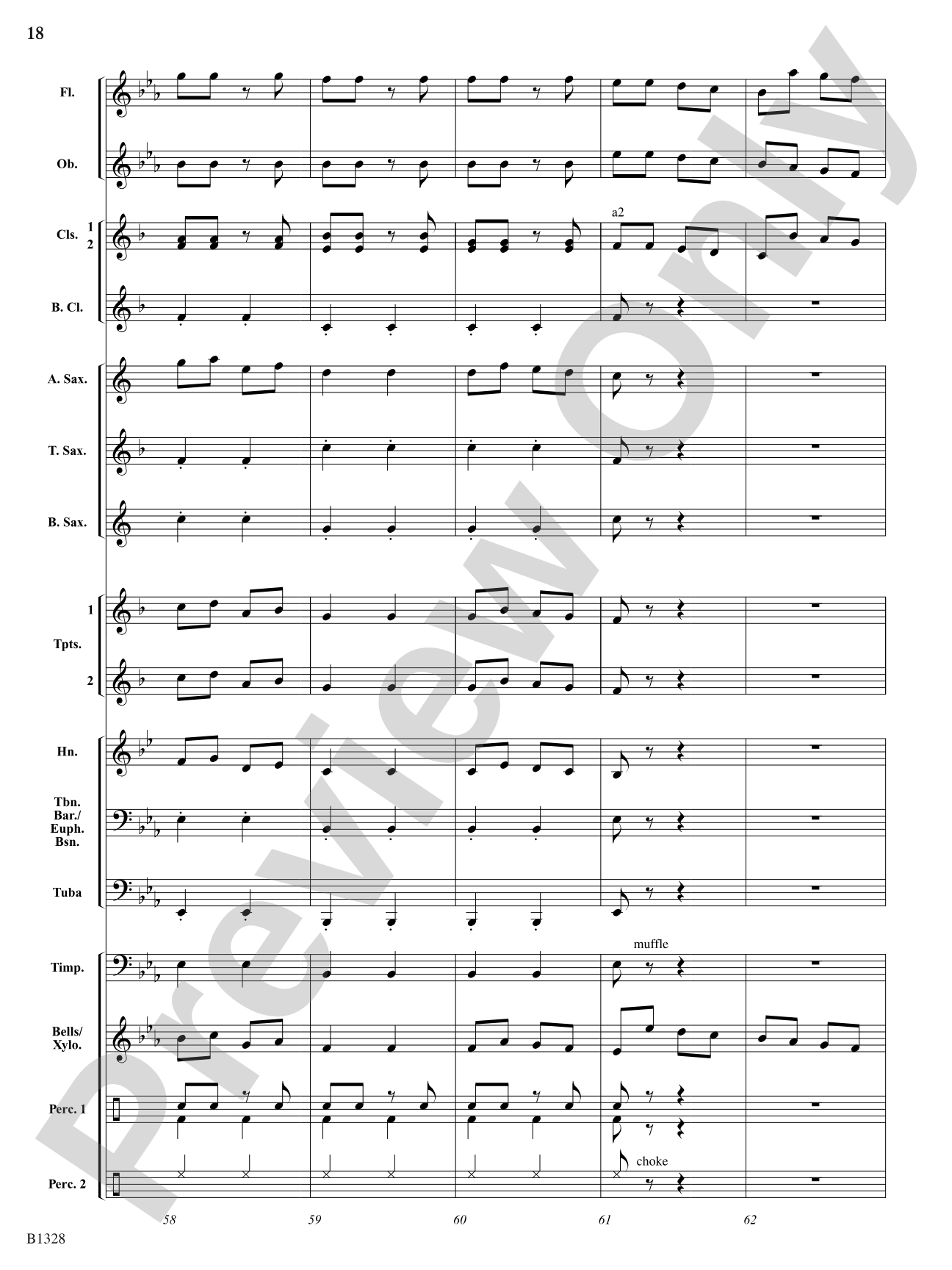
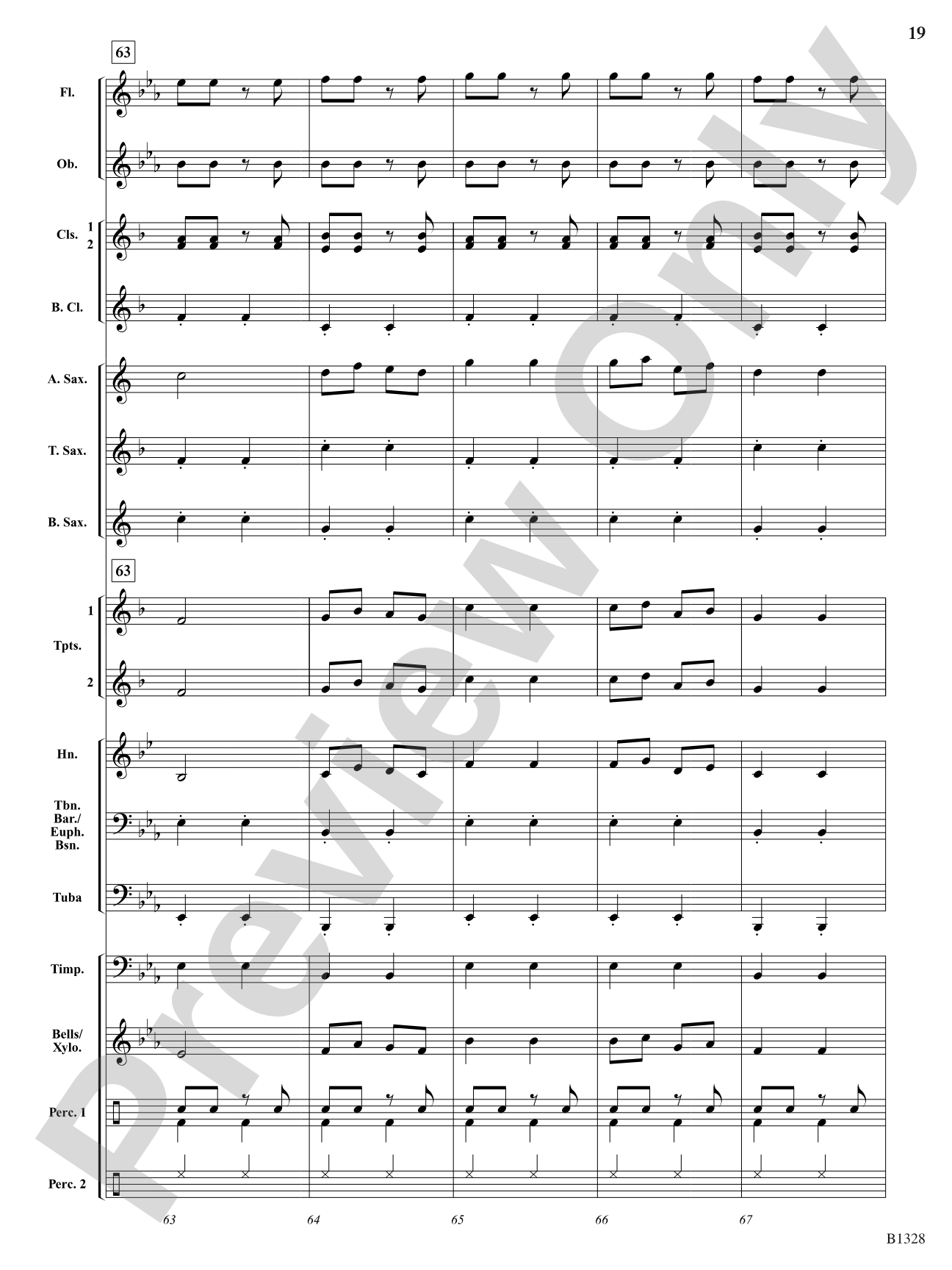
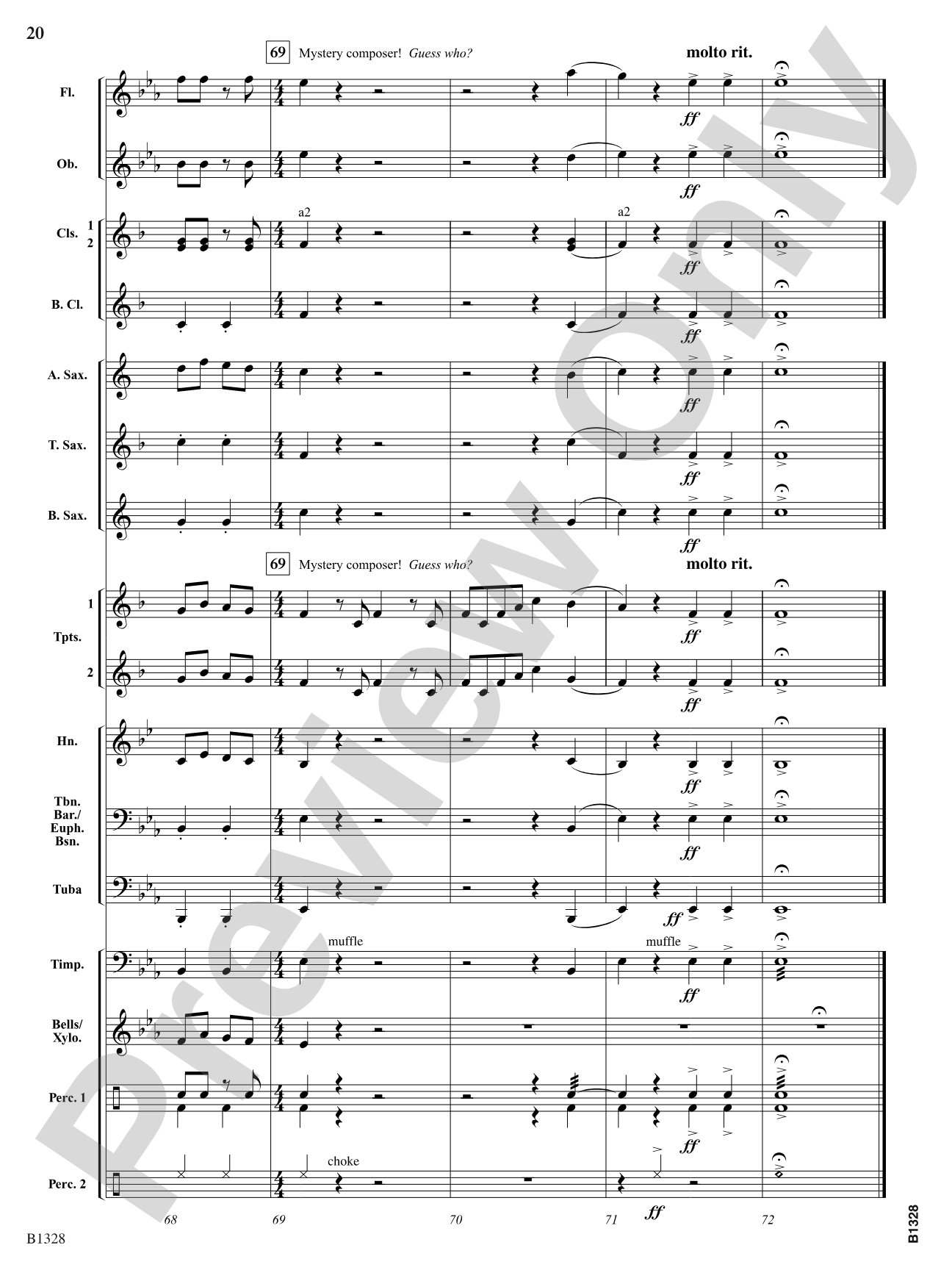
Treat your students and audience to a crash course in classical composers with this clever musical anthology of masterworks, including composers such as Schubert, Rossini, Brahms, Bach, Beethoven, Mahler, Handel, Offenbach, and even a mystery composer! Also included is a one-page study guide that is reproducible for student use. An invaluable teaching resource and excellent material for your next concert!


Ten Masters in Two Minutes: Concert Band Conductor Score & Parts isn't in MakeMusic Cloud just yet...but it could be. Let us know you'd like to see it, and you'll help shape what comes next. In the meantime, start a free trial and dive into thousands of interactive titles your students can play along with today.
Request This Title
Tell us you want it.
Start Your Free Trial
Explore everything that's ready to play right now.
Sample Audio
1
Audio File
--:--
0:00
0:00
Sample Video
No sample videos found.
Additional Details
Series:
FJH Beginning Band
Publisher:
The FJH Music Company, Inc.
SKU:
98-DB1328
More about this title
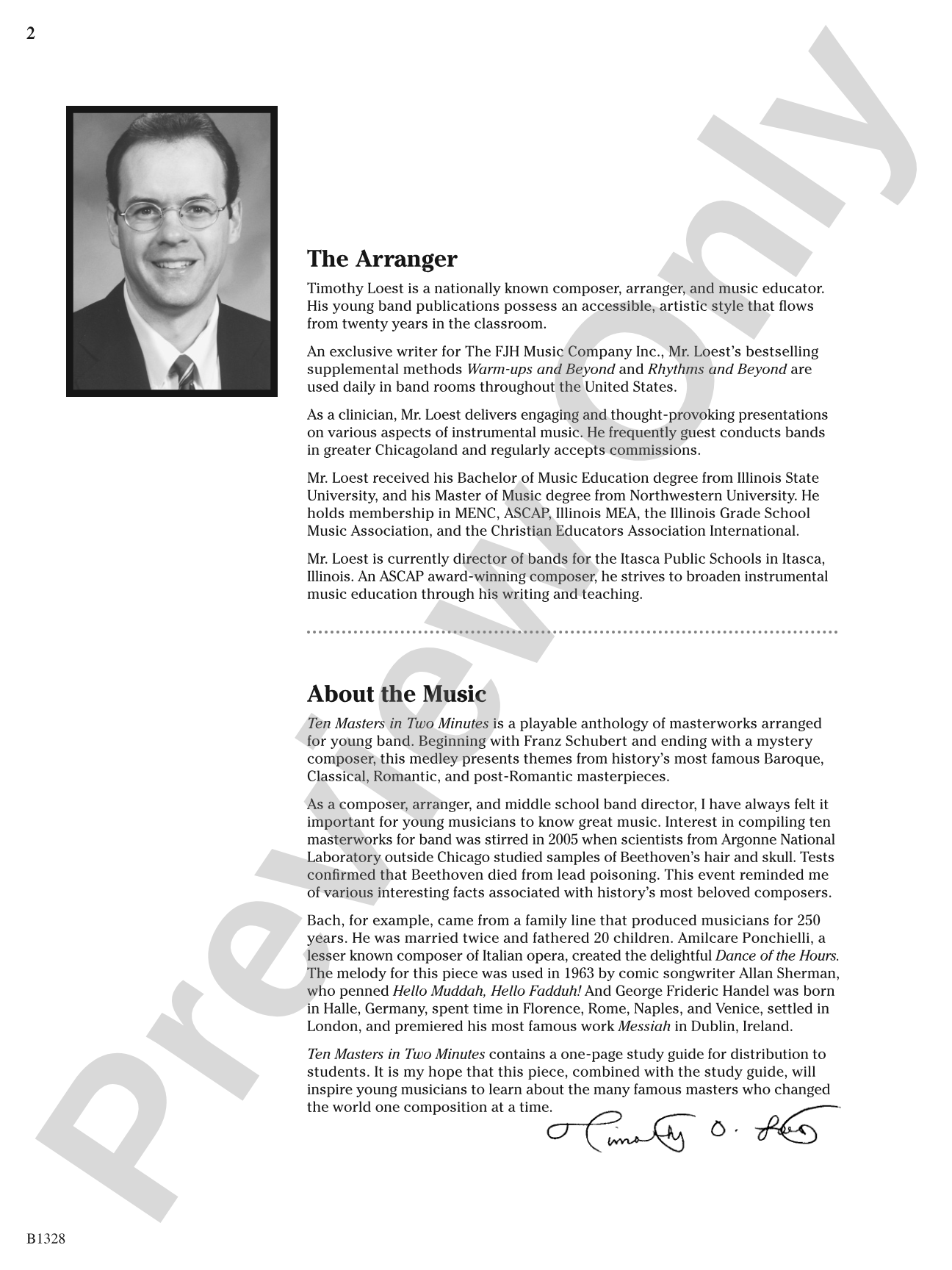
About the Composer: Timothy Loest

Timothy Loest has built a career around making sophisticated musical concepts accessible to young performers. His compositions and arrangements have reached audiences far beyond the concert hall, his work has appeared on network television including The Tonight Show Starring Jimmy Fallon and Good Morning America, and a 2017 premiere of Cloud Gate at Chicago's Millennium Park drew over 5,000 listeners. He received the Illinois Grade School Music Association's highest honor, the Cloyd Myers Memorial Award for Excellence in Music Education, recognizing three decades of impact as a classroom teacher.
Loest's publishing history spans multiple major houses including Warner Bros. Publications, C.L. Barnhouse Company, and The FJH Music Company. He co-authored several influential method books including Measures of Success: A Comprehensive Musicianship Band Method and the Beyond series (Warm-ups, Rhythms, and Chorales). In 2022, he founded Fanfare Music Press to continue publishing high-quality band compositions and arrangements. He holds degrees from Illinois State University (BM Music Education, high honors) and Northwestern University (MM, program honors), and is an ASCAP member.
Why we love this
Grade 1 bands rarely get repertoire this musically literate and entertaining at the same time. Loest doesn't dumb down the masterworks or stretch them thin across too many bars, instead, he distills what makes each composer recognizable into focused, engaging arrangements that teach and delight simultaneously. Your students get a genuine introduction to classical music history, and your audience leaves the concert having heard real substance delivered with wit.
What to expect
A well-curated museum tour set to music. Each excerpt arrives with its own character fully formed, you recognize Rossini's rhythmic swagger, Bach's harmonic architecture, Mahler's emotional weight, yet nothing overstays its welcome. The mystery composer element adds a playful challenge that keeps both audience and performers listening.
Who it's for
Beginning concert bands performing their first formal concert or looking to add variety to a program dominated by one genre. Directors seeking repertoire that entertains audiences while modeling excellent compositional writing from history. Grade 1 ensembles ready for something smarter than simple novelty.
How to get the most out of it
- Let each excerpt breathe as its own moment. The strength of this piece rests on clear contrast between composers, so avoid bleeding transitions; a genuine pause between movements gives students a chance to reset and the audience time to recognize each new voice.
- Encourage your brass section to shape the melody lines with purpose. Even at Grade 1, phrasing discipline makes the difference between a novelty item and a genuine musical statement.
- The study guide is your rehearsal goldmine. Use it to frame listening assignments before rehearsals so students come in with context about who Schubert, Rossini, and the others were. Recognition deepens engagement.
How to use it
Program this as a concert centerpiece or opening movement that establishes your ensemble's musical sophistication early. It works particularly well on family concert programs where you want to bridge the gap between accessibility and artistry. The educational component makes it ideal for a concert preceded by a brief classroom presentation about each composer.
Skills your students will build
- Recognizing and performing distinctive stylistic traits of multiple composers
- Managing contrast in articulation and tone color across genre shifts
- Reading concert band voicing and part independence at an introductory level
- Understanding the structure of classical forms through abbreviated examples