
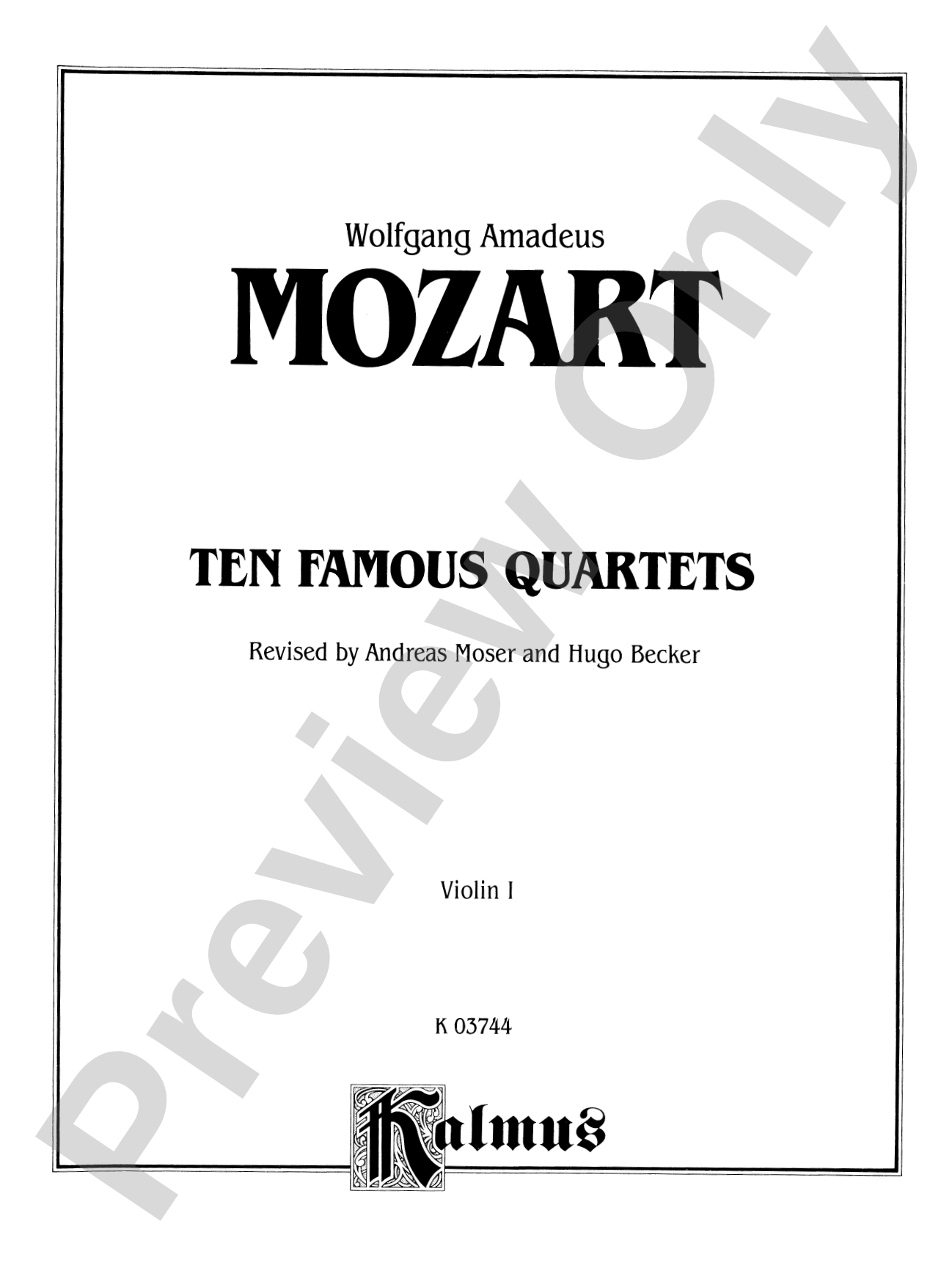
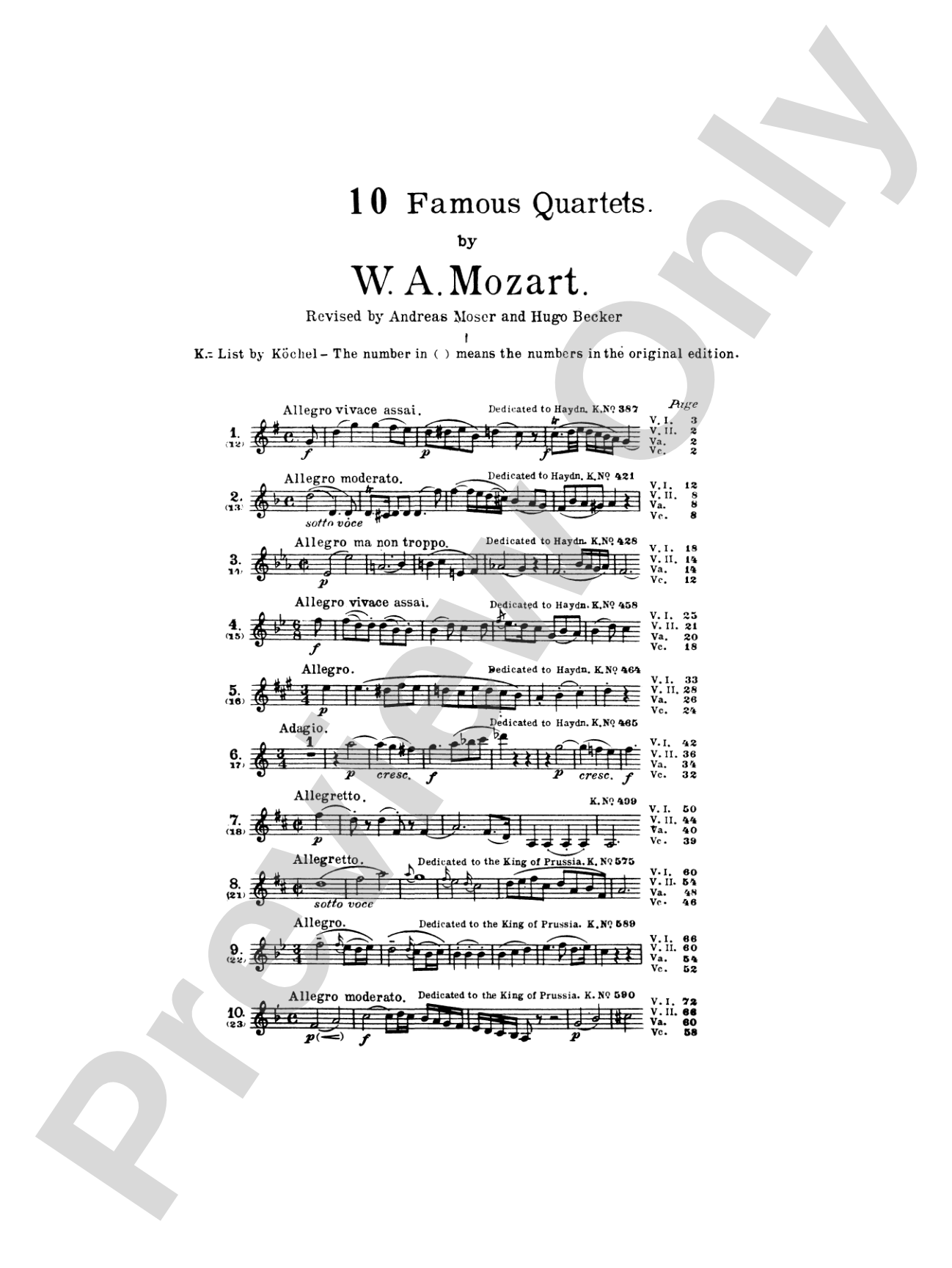
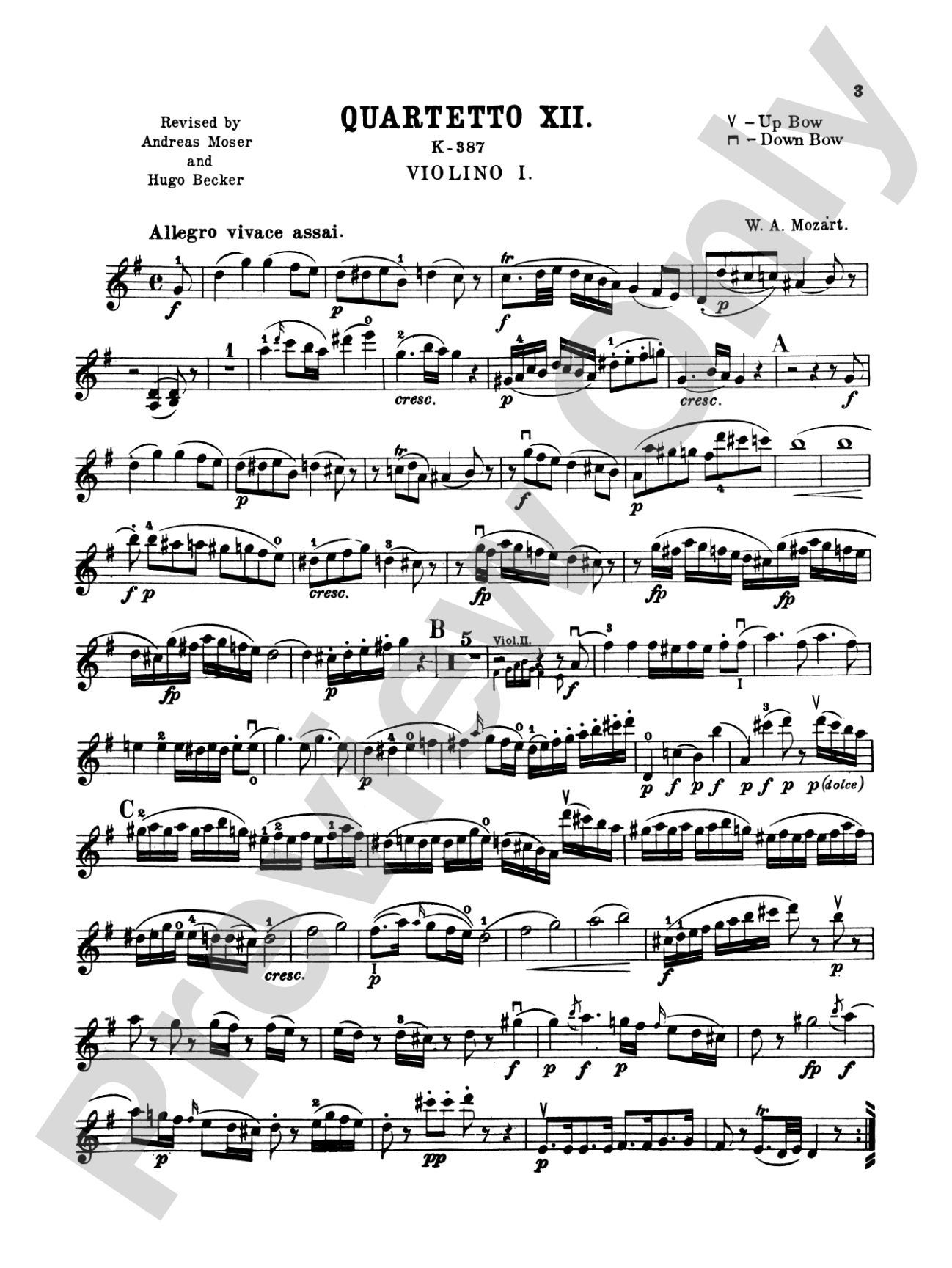
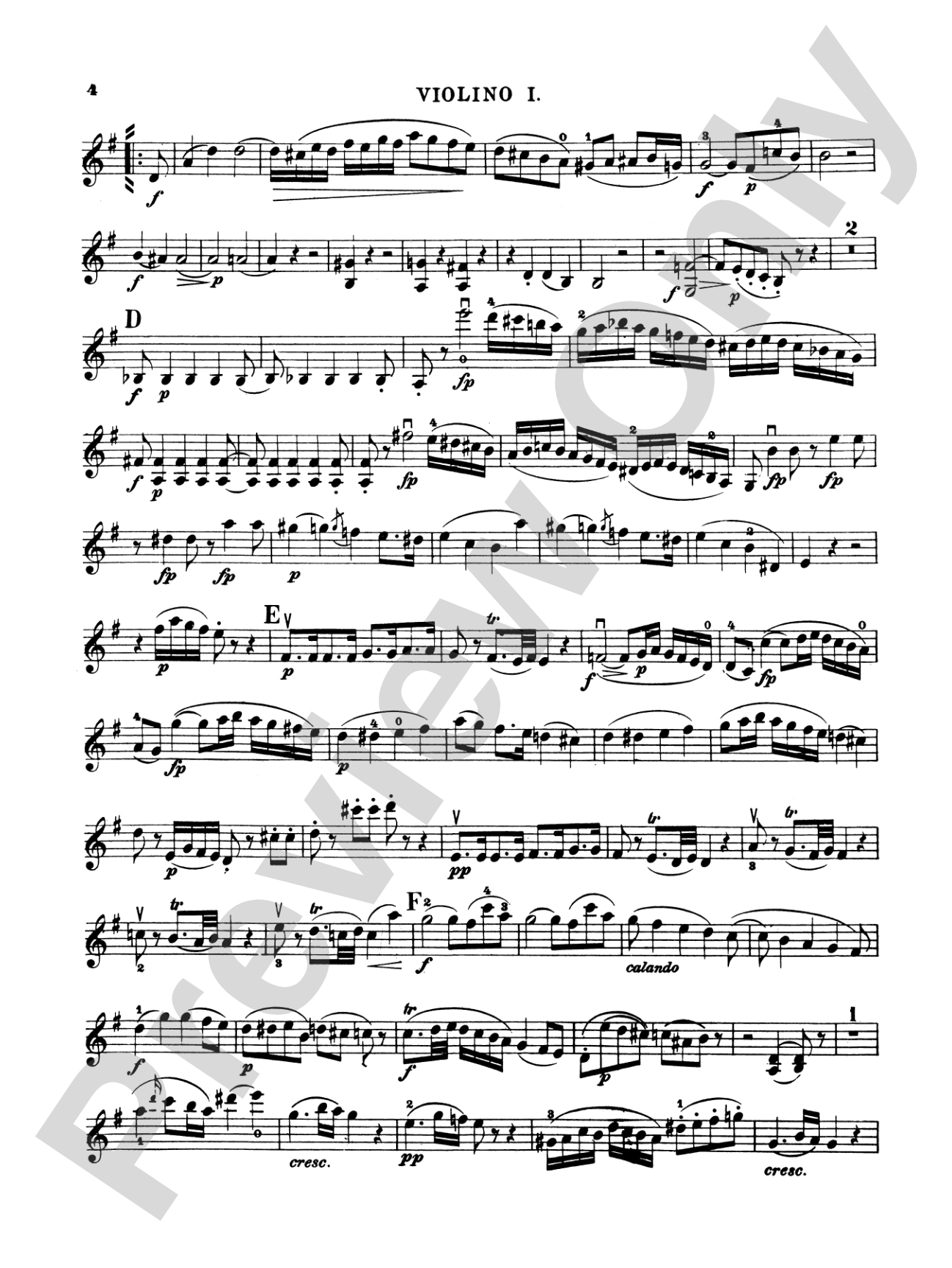
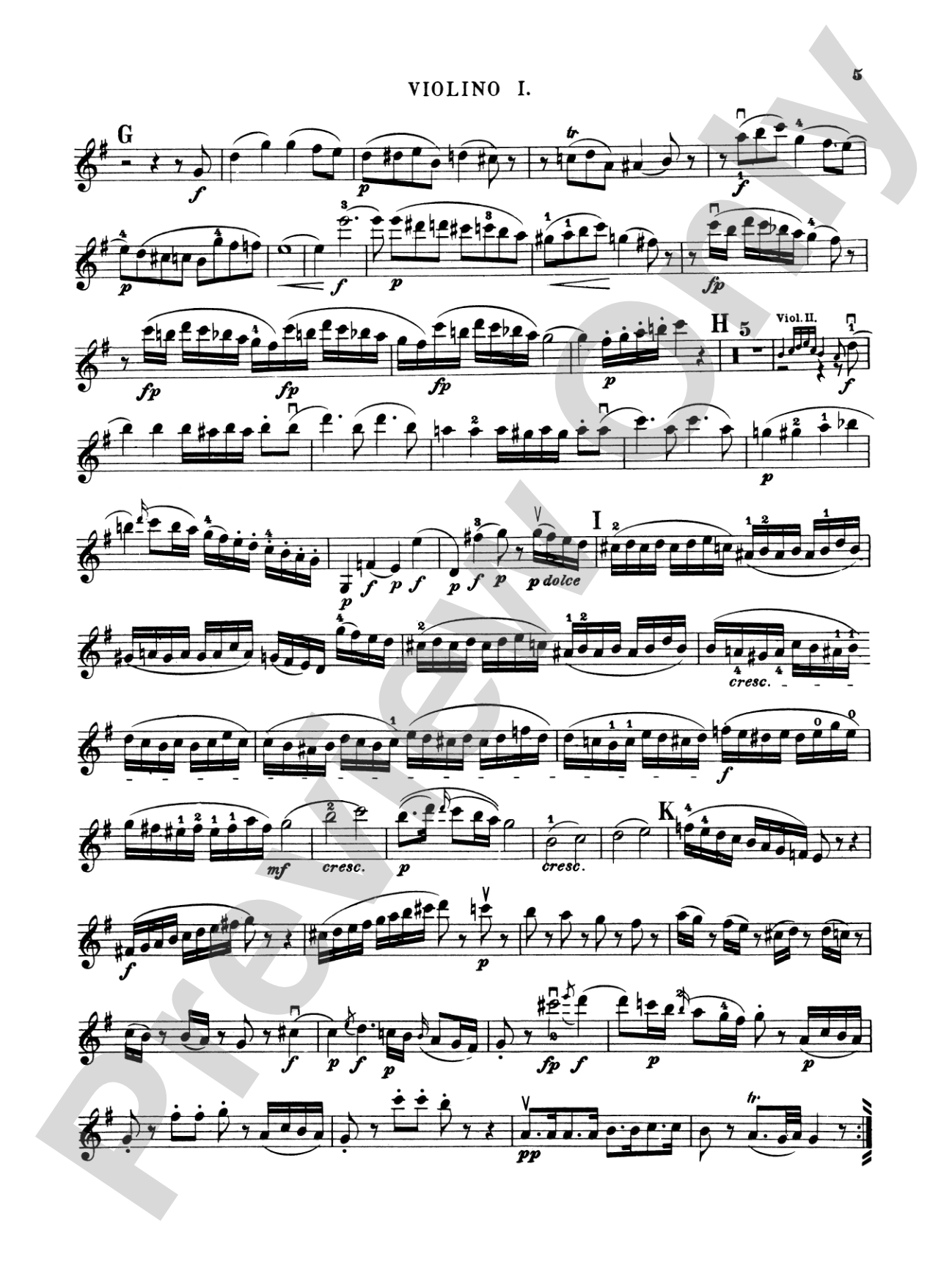
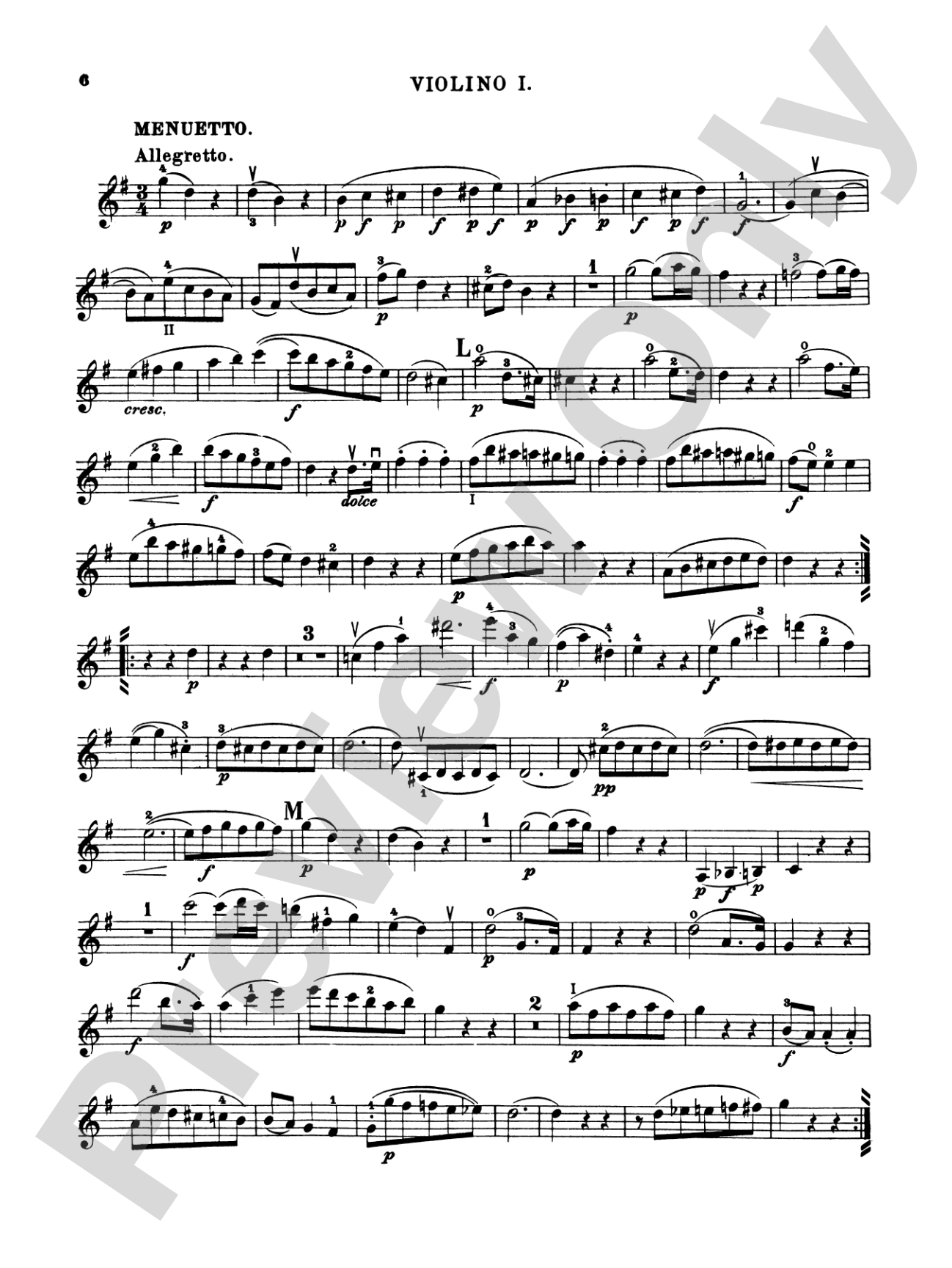
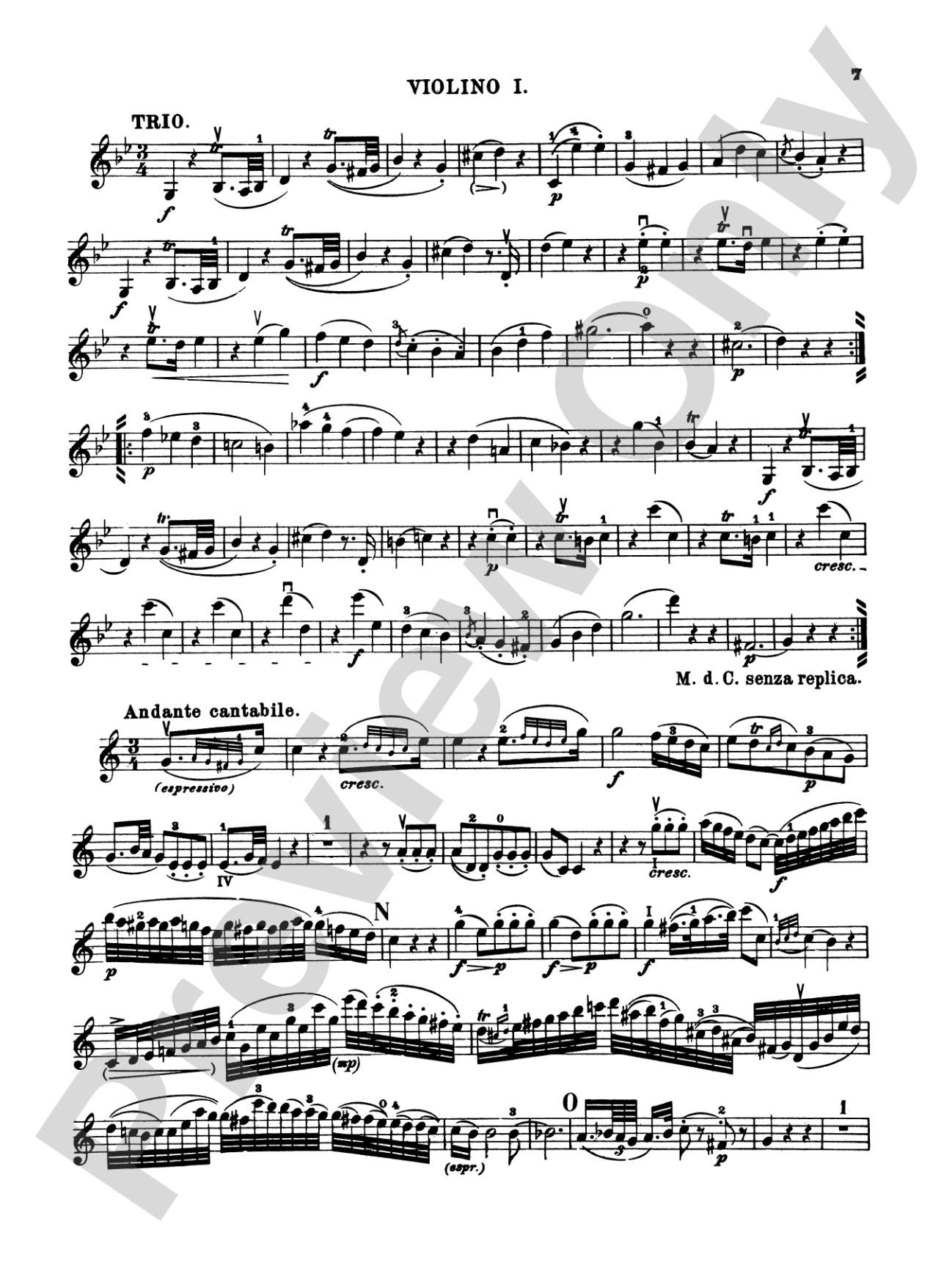
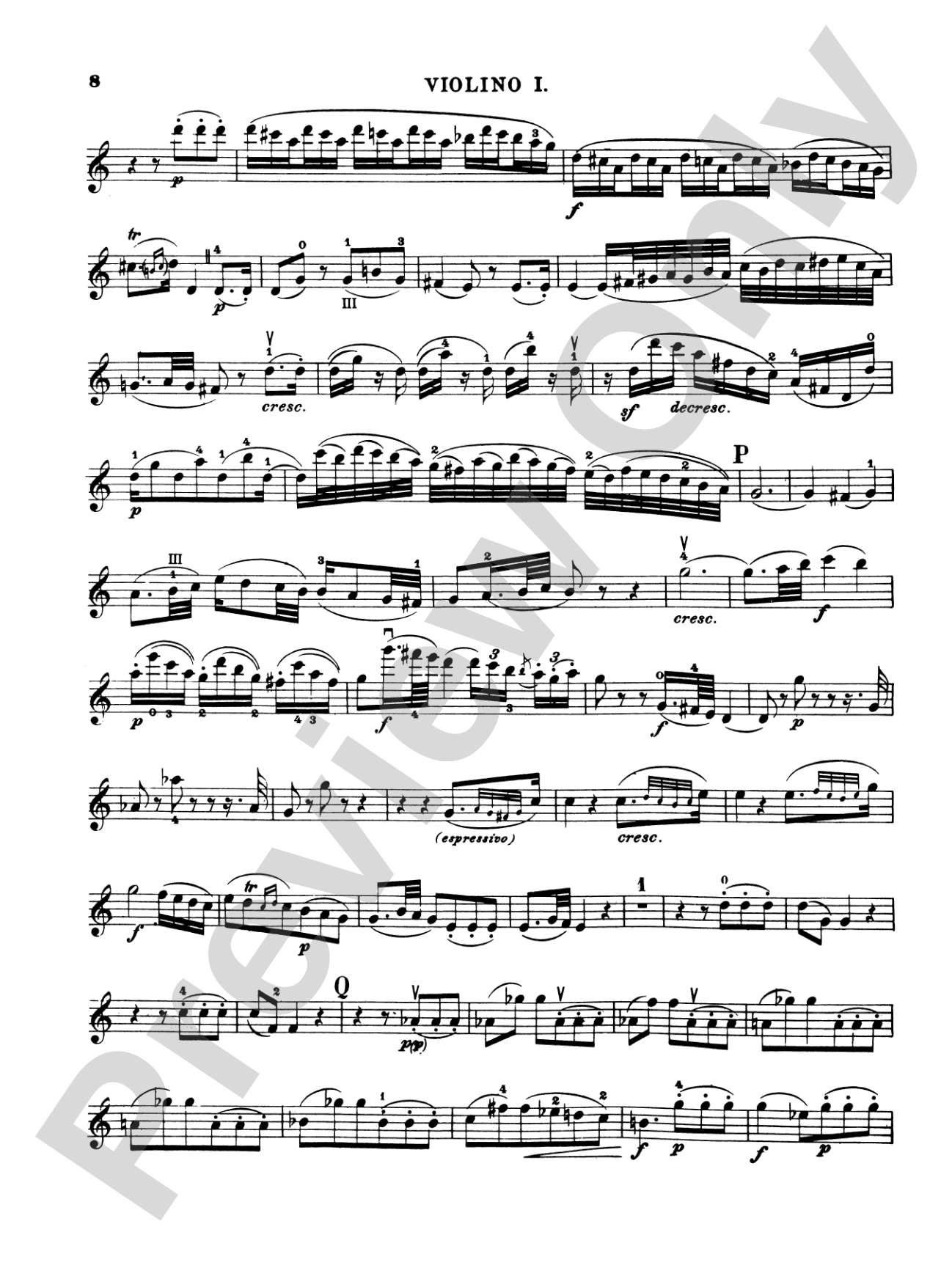
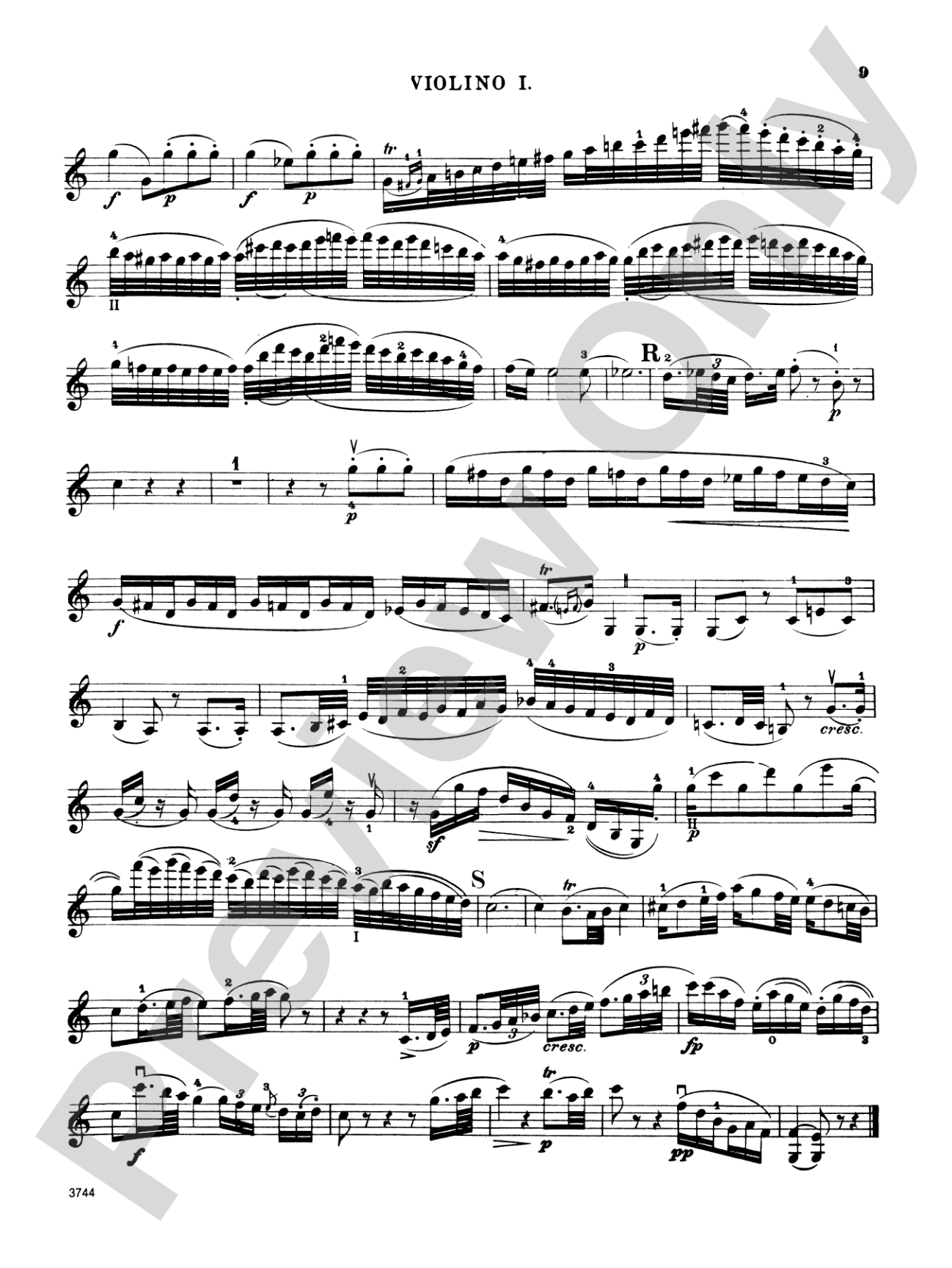
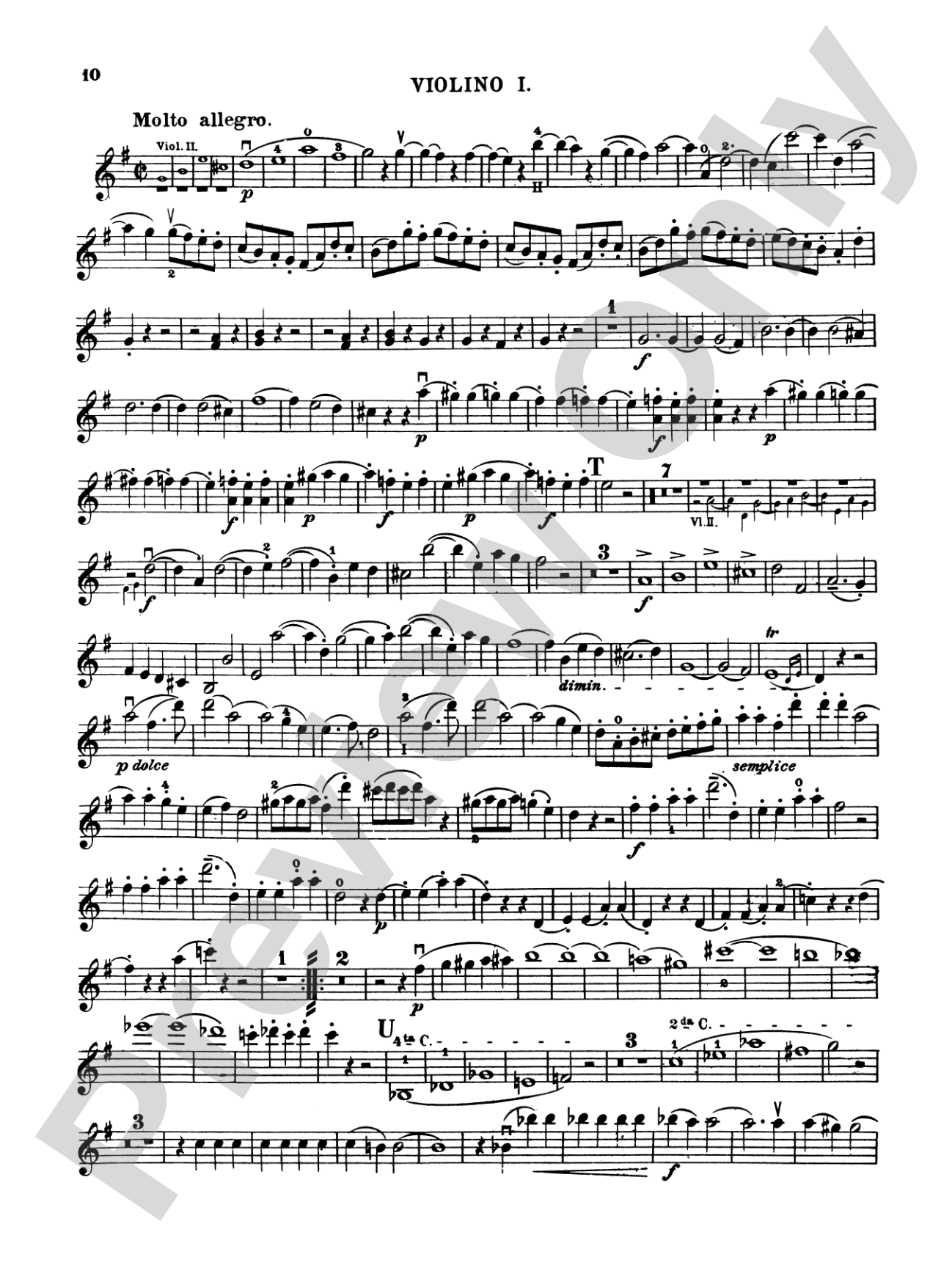
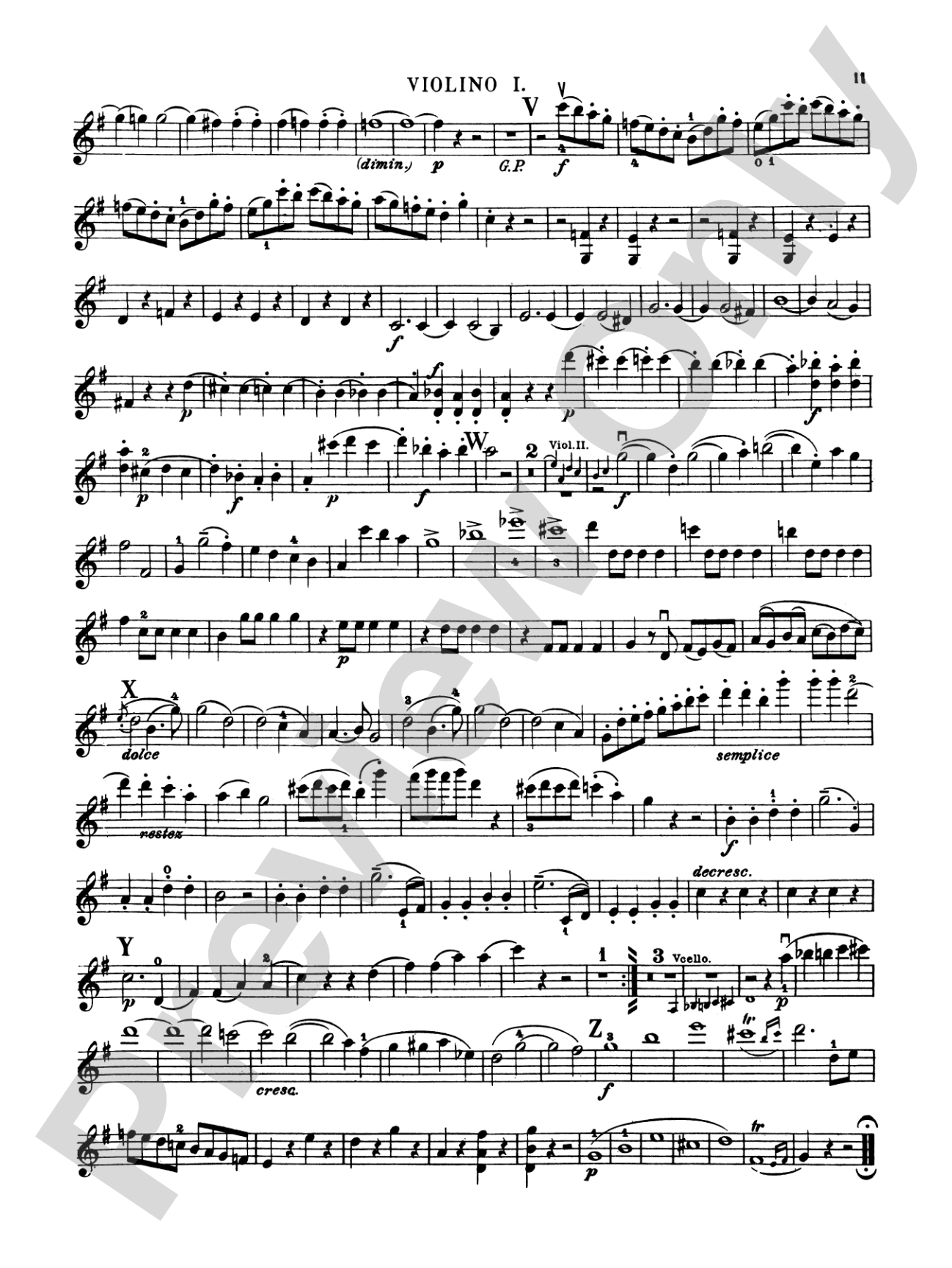
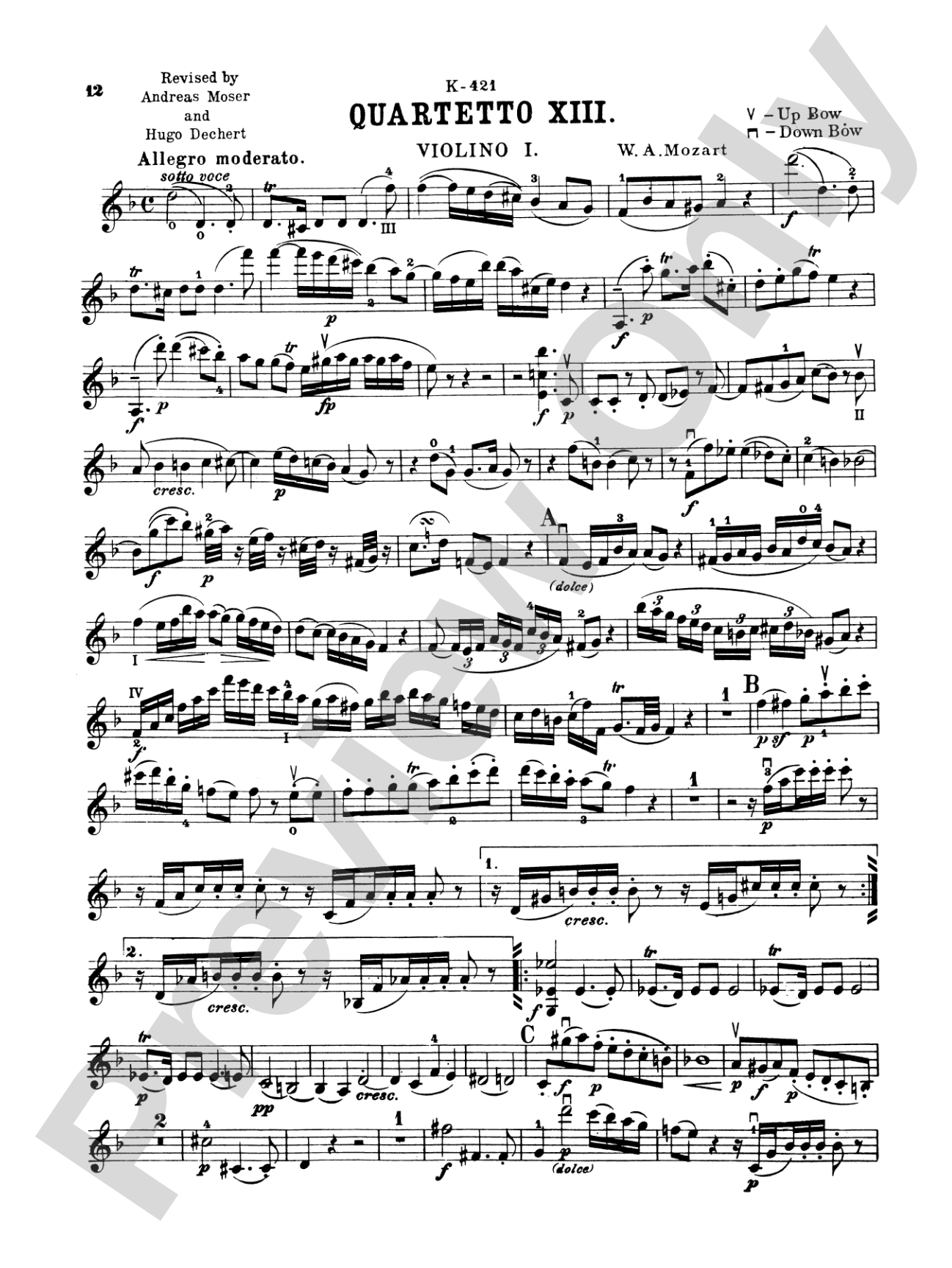
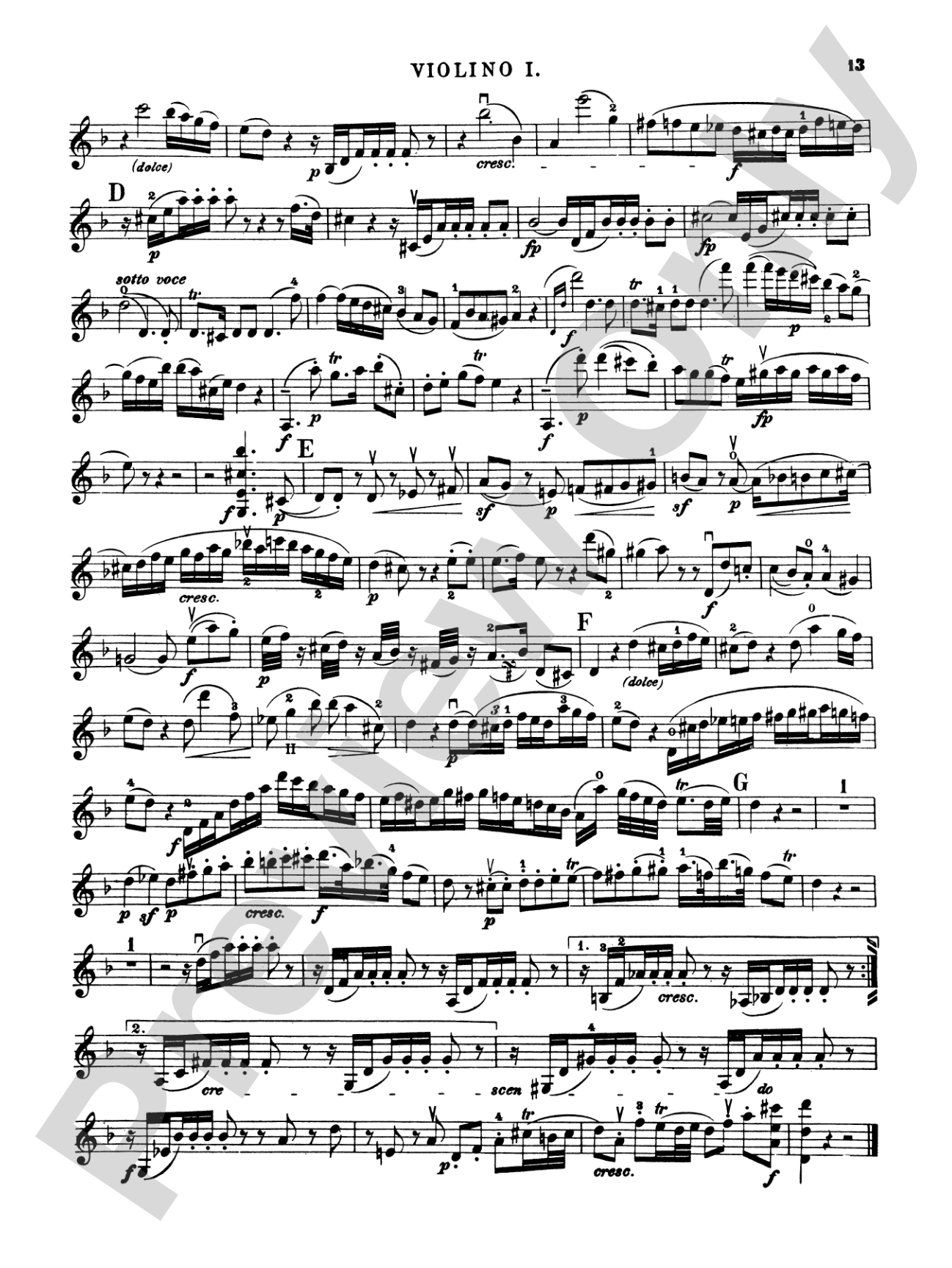
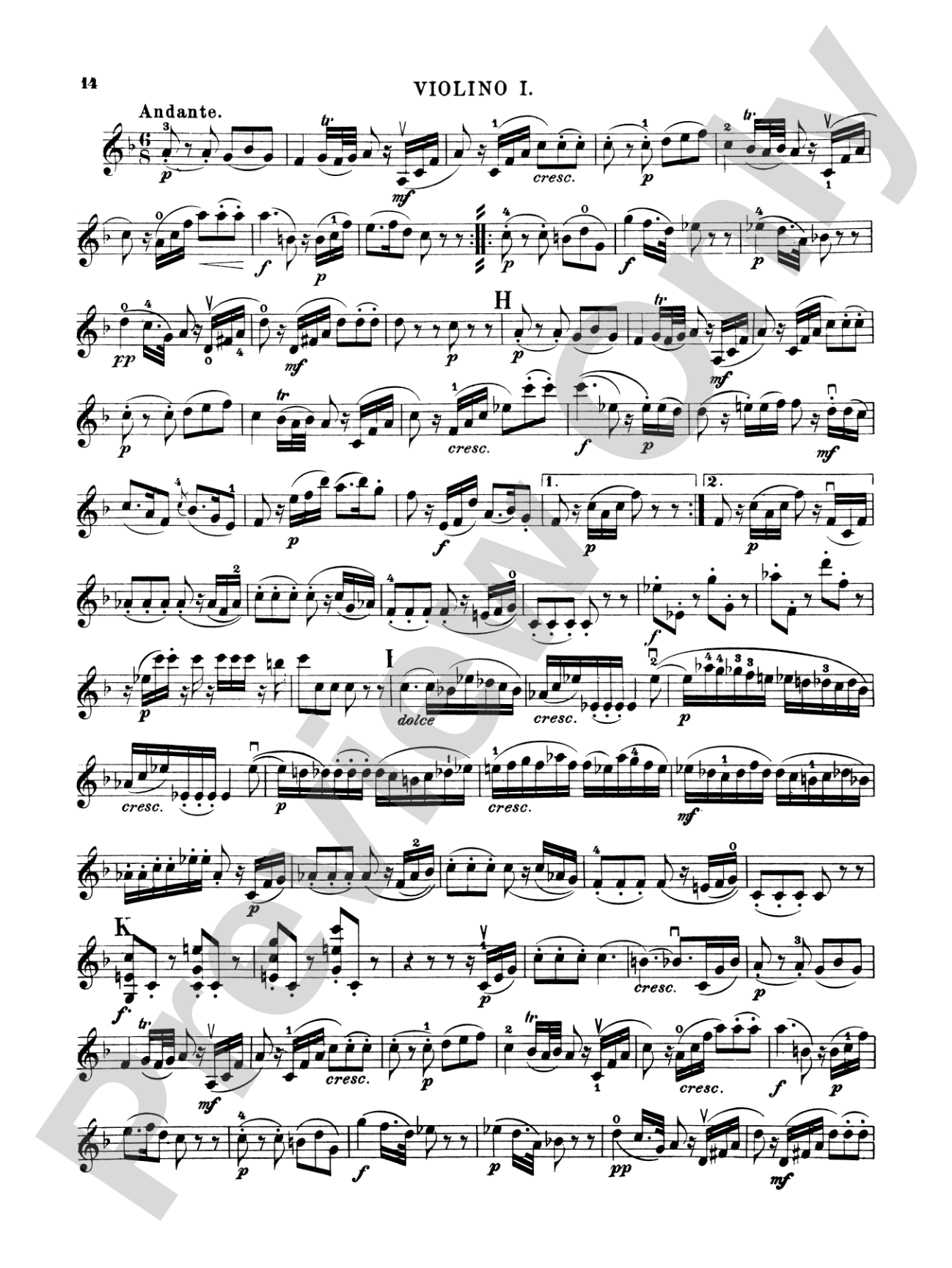
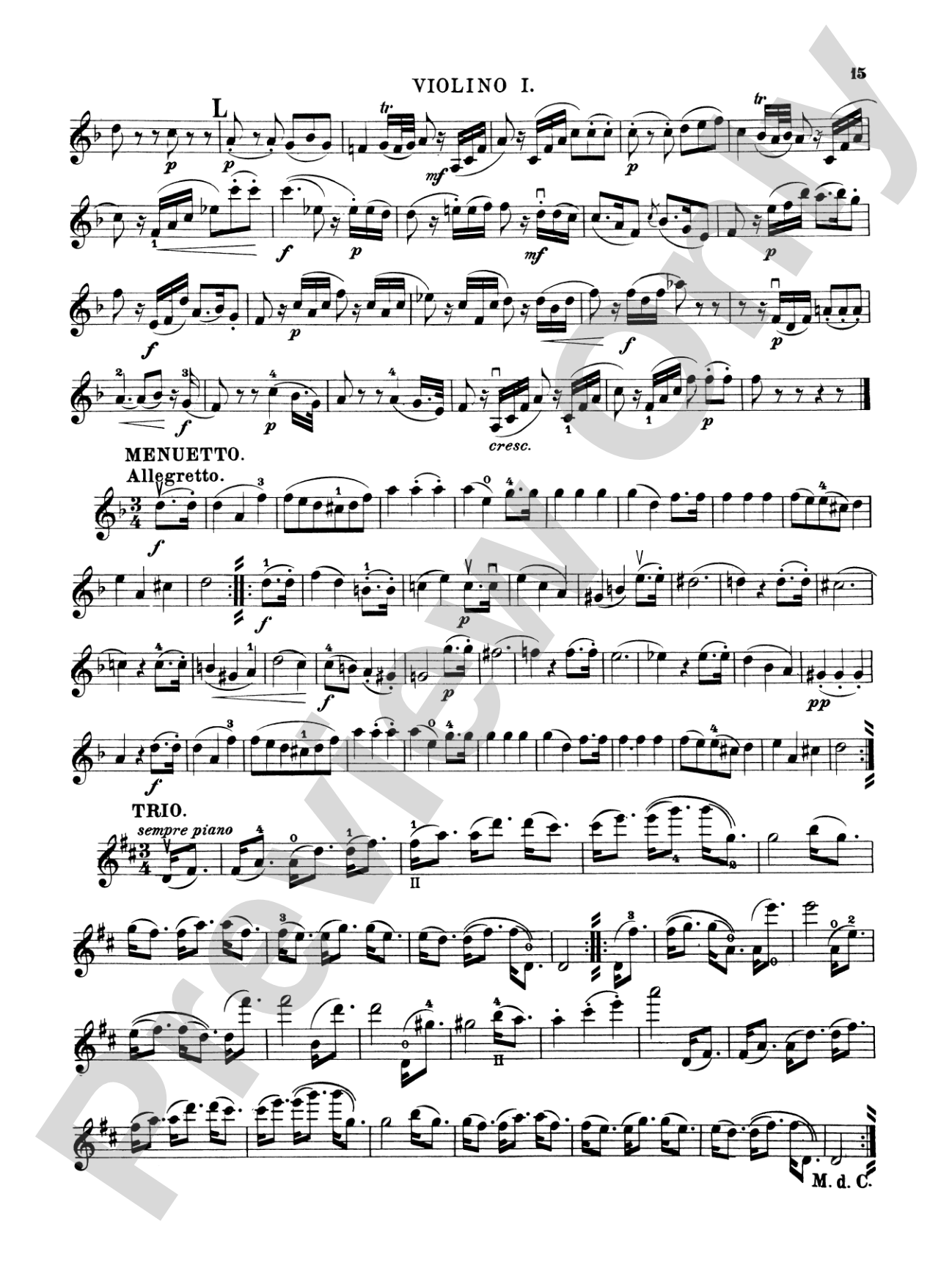
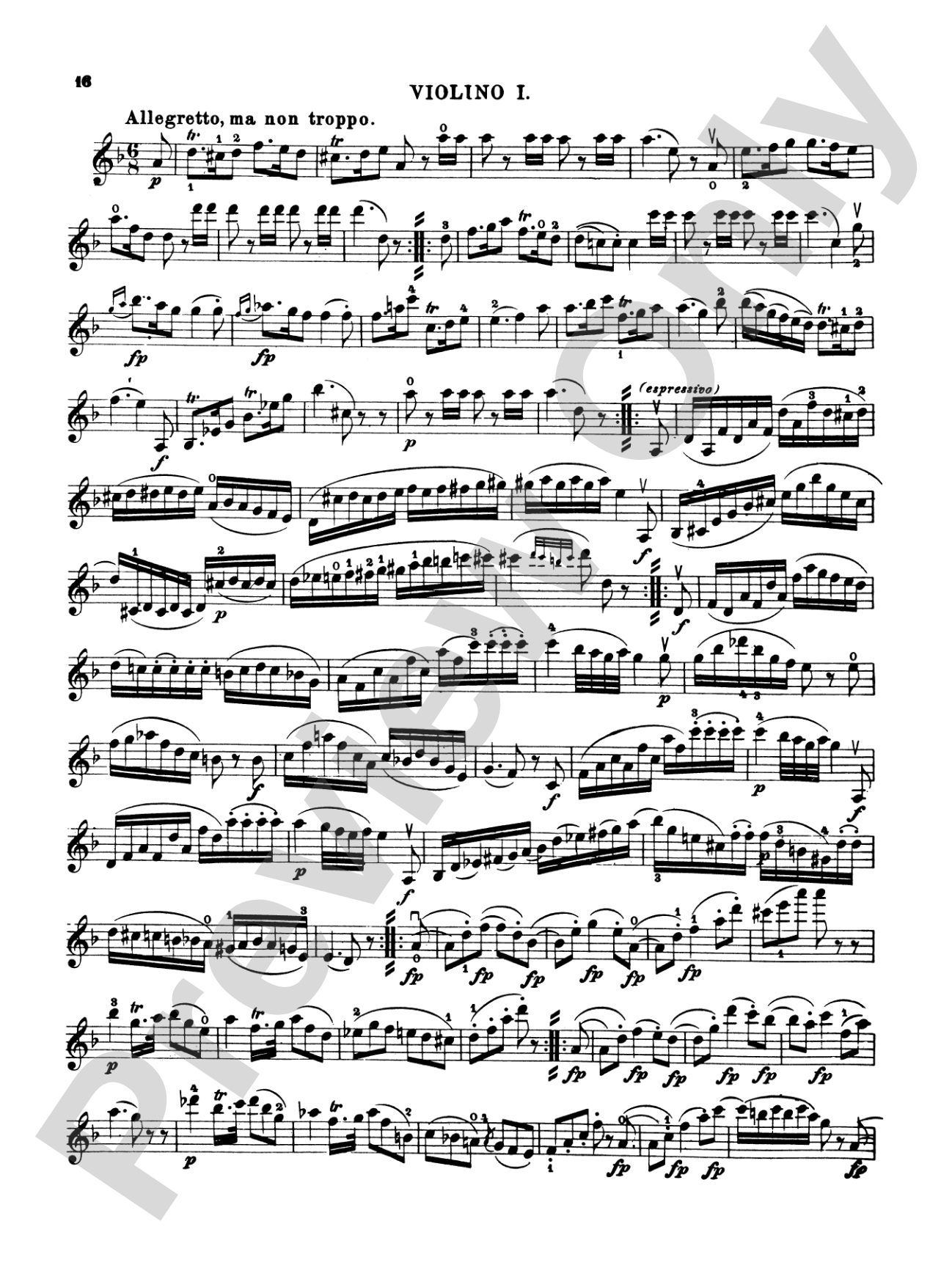
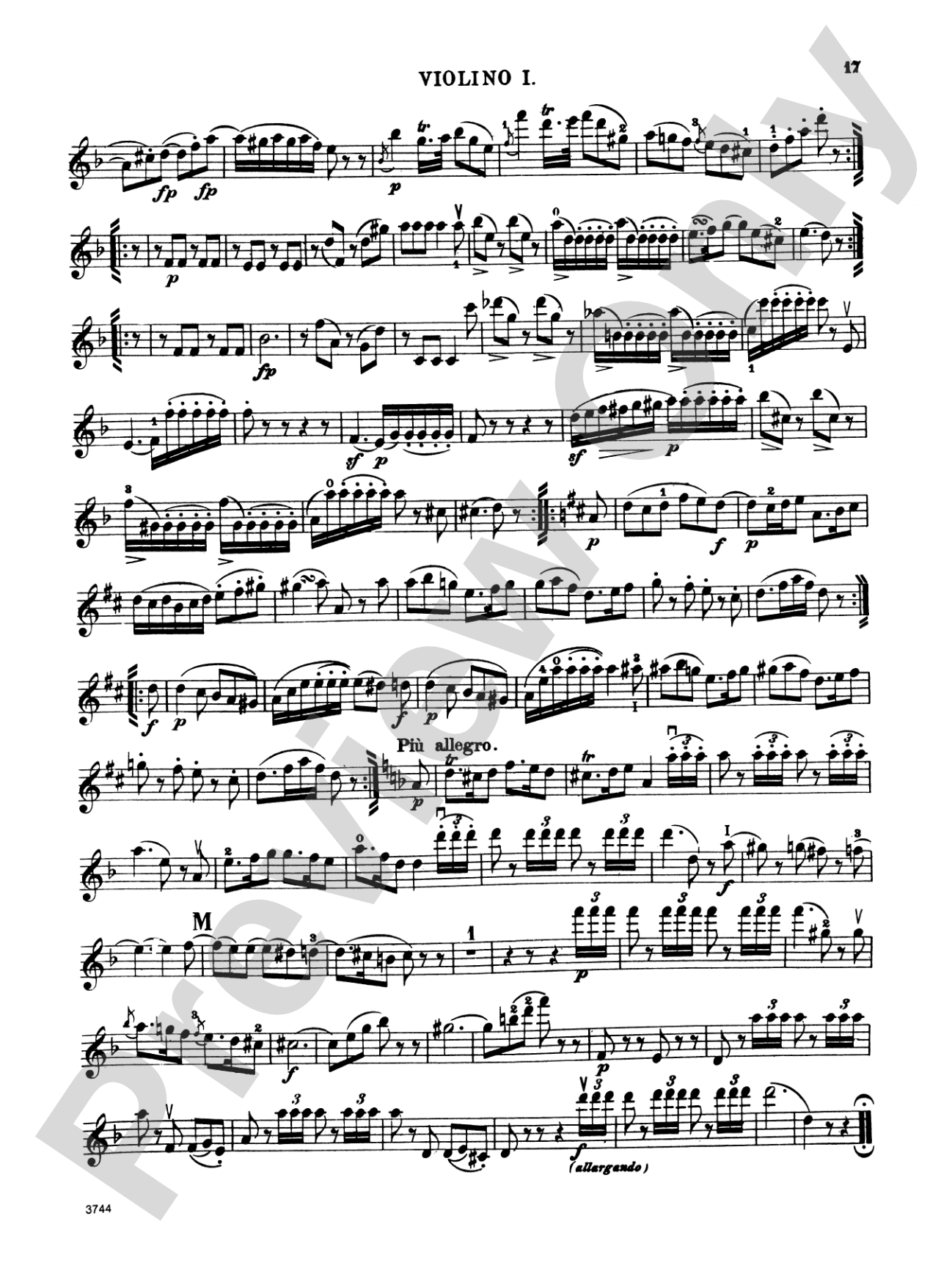
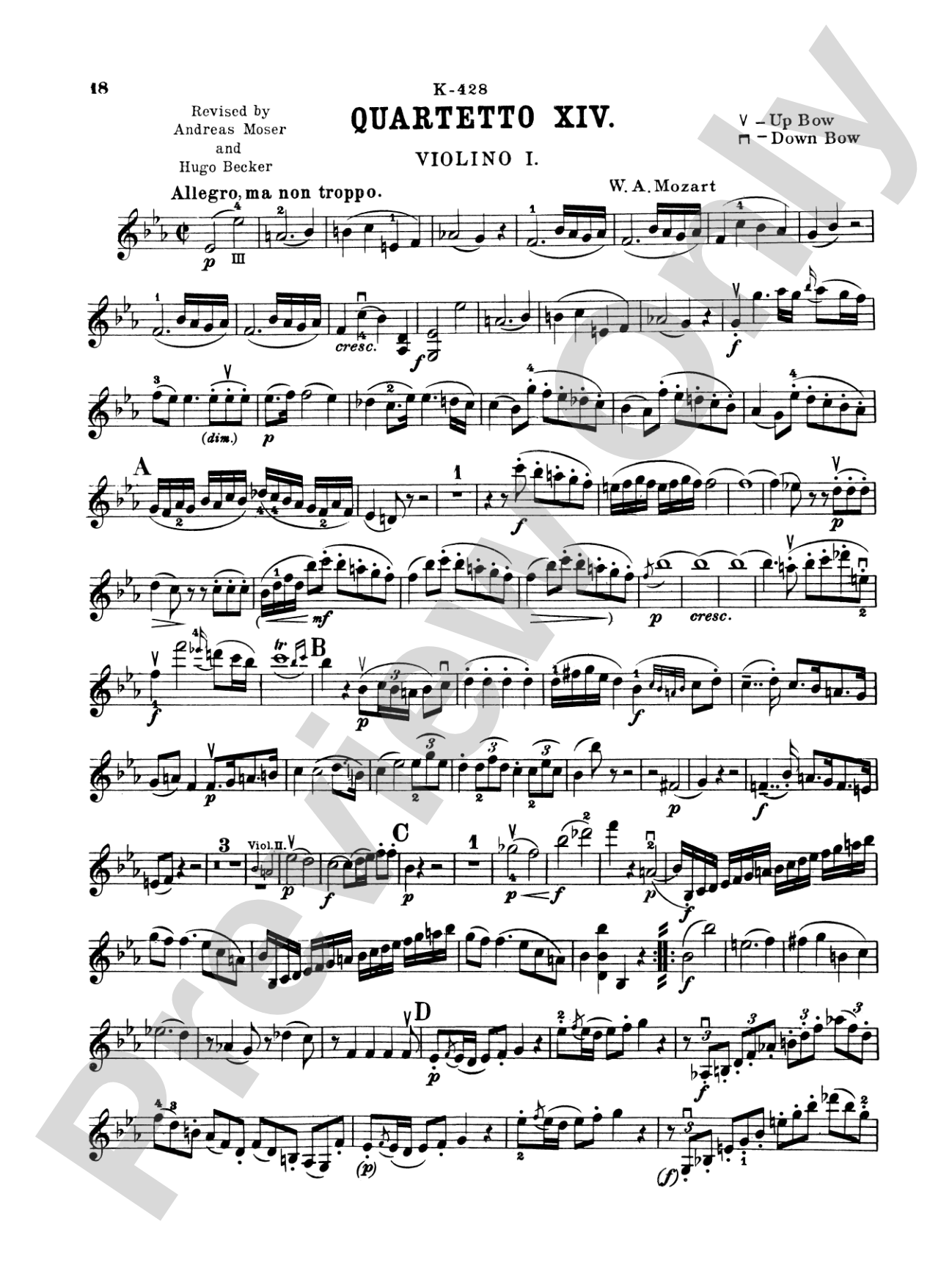
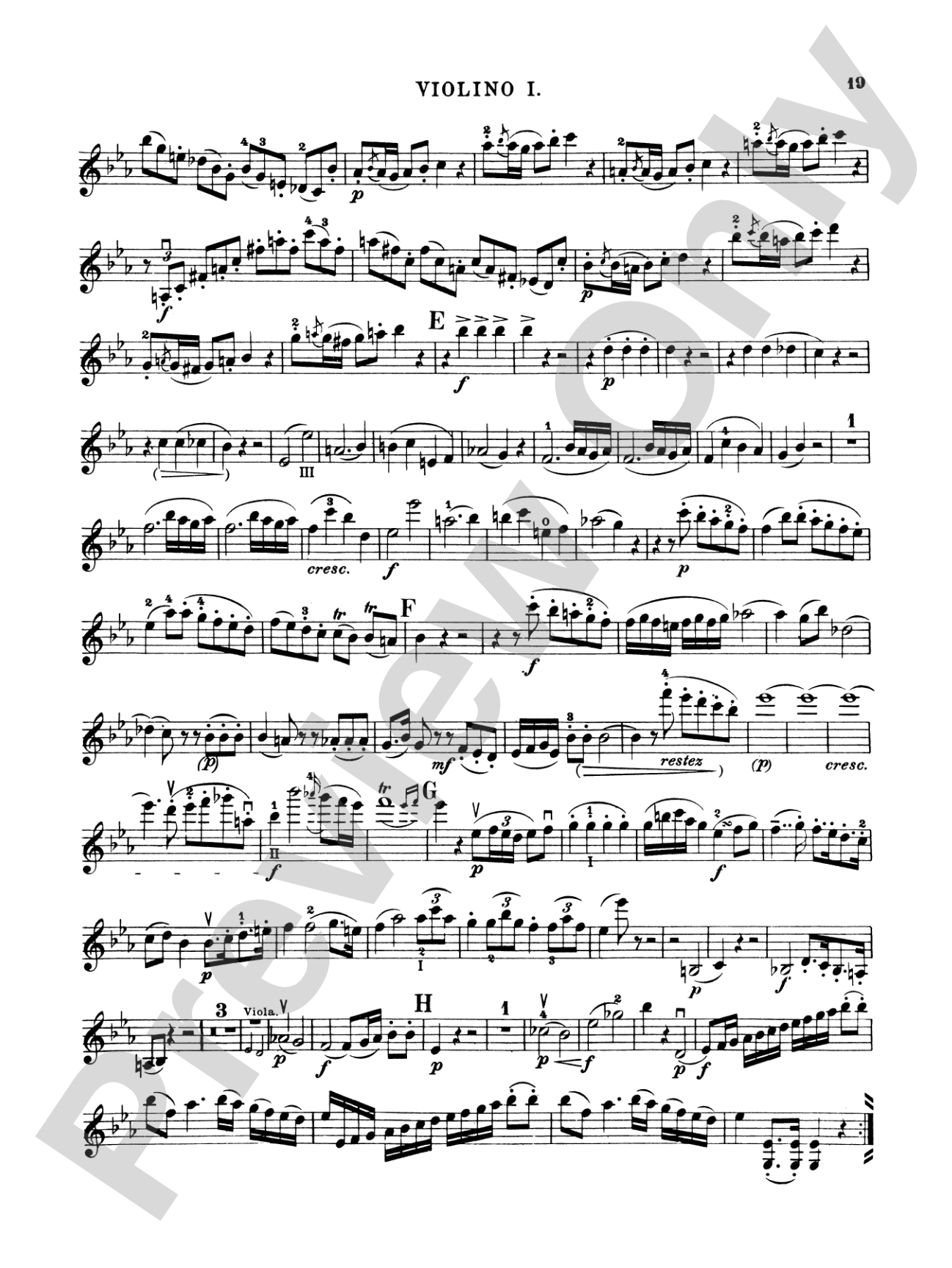
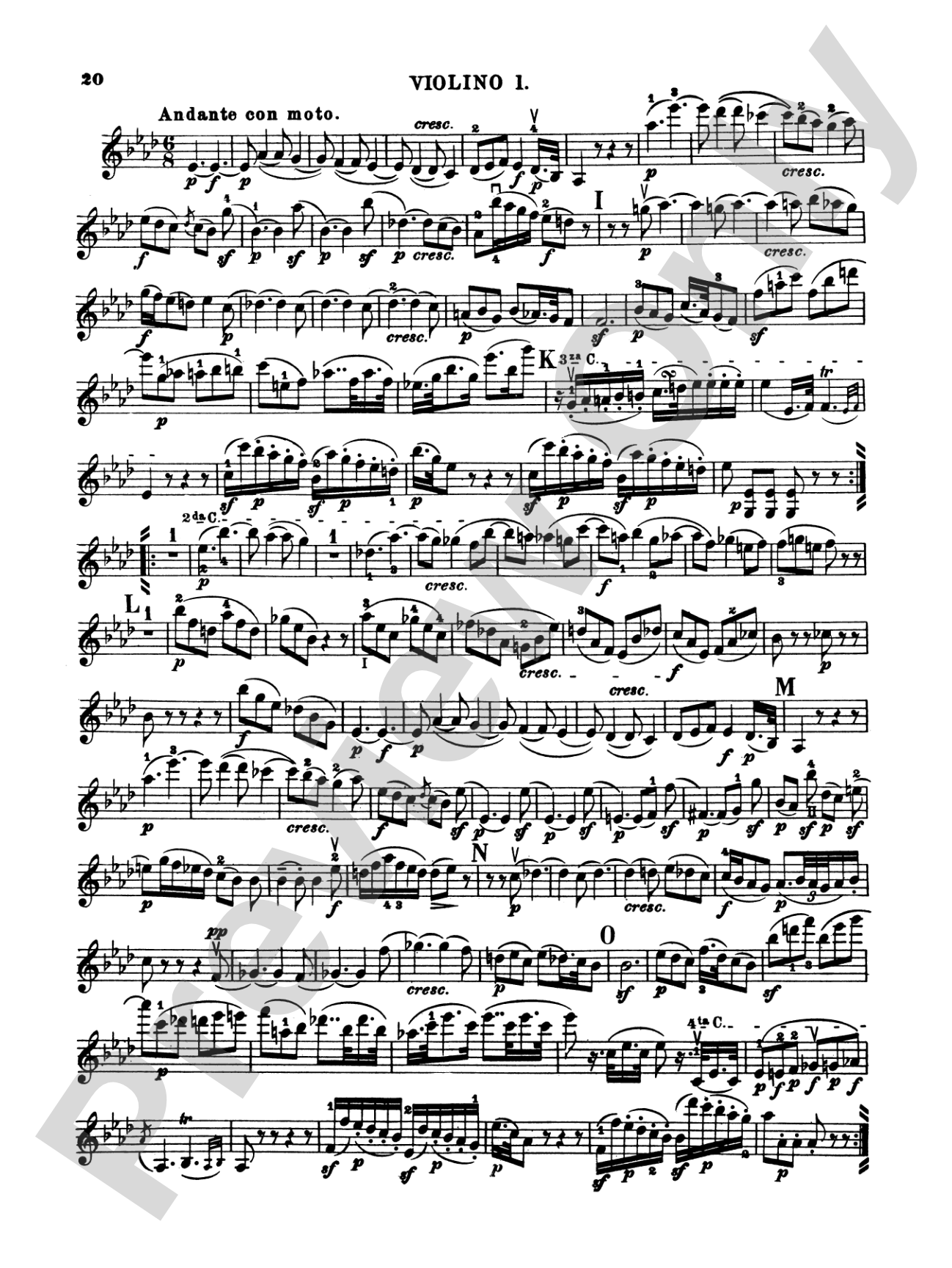
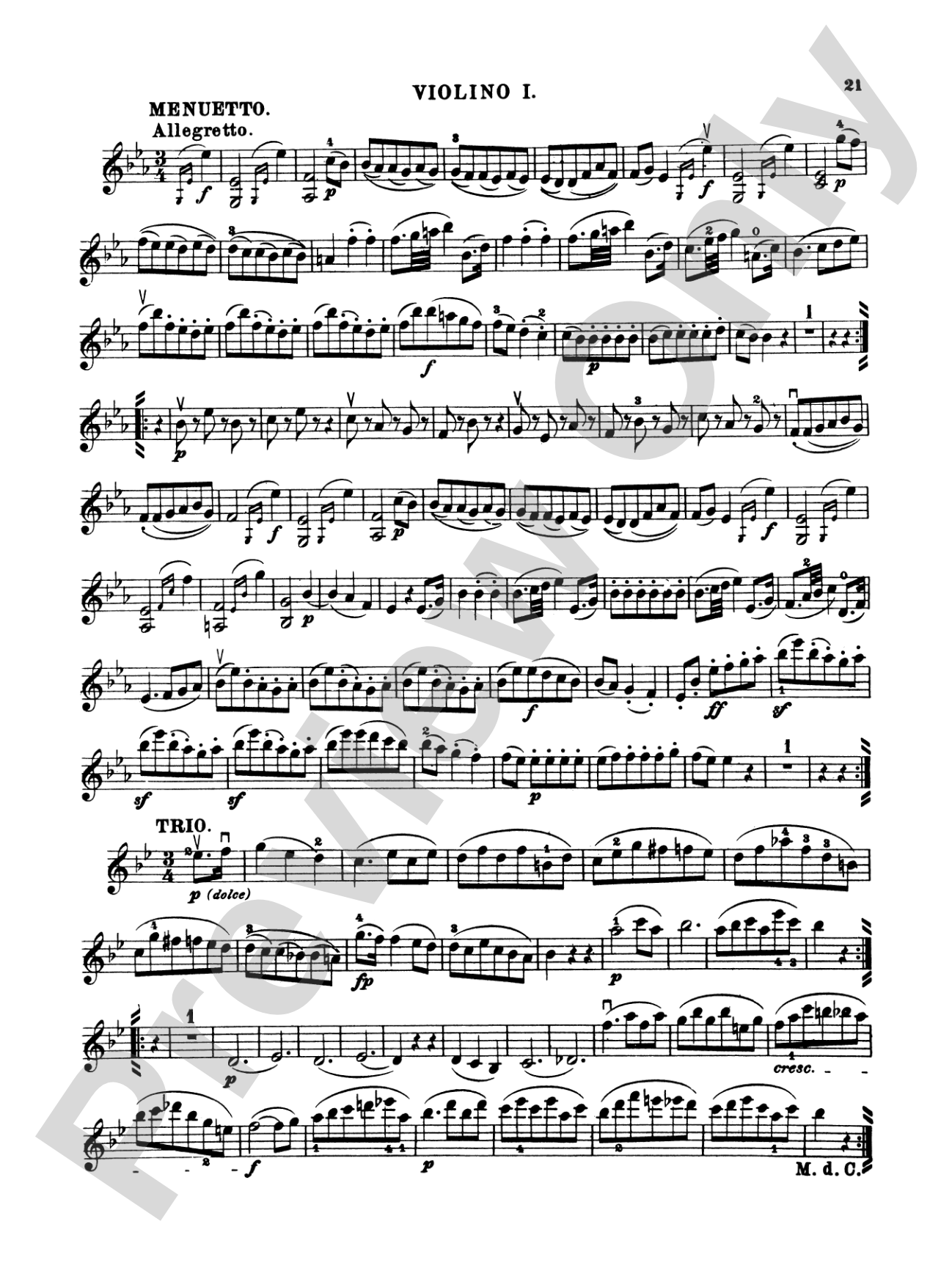
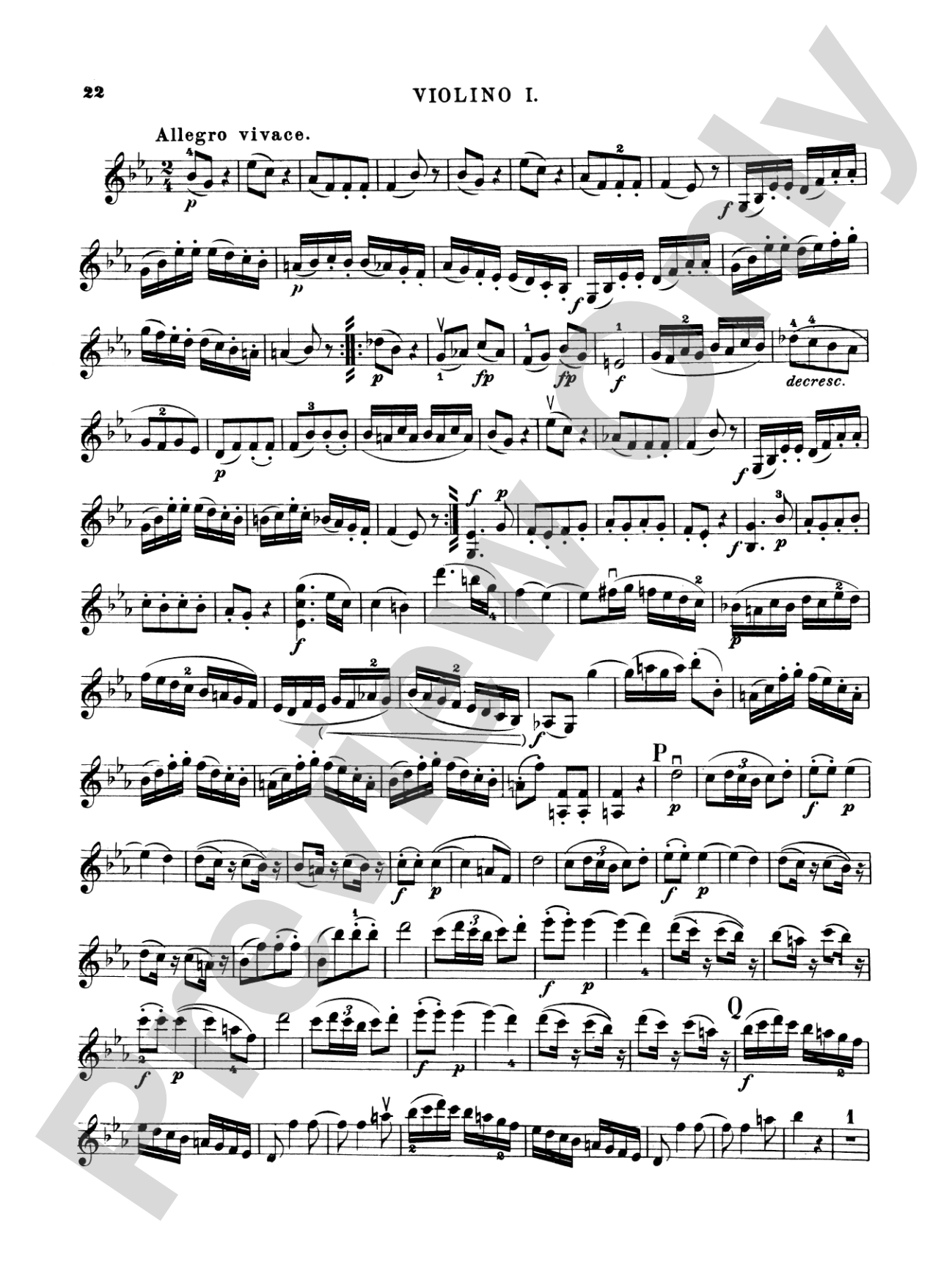
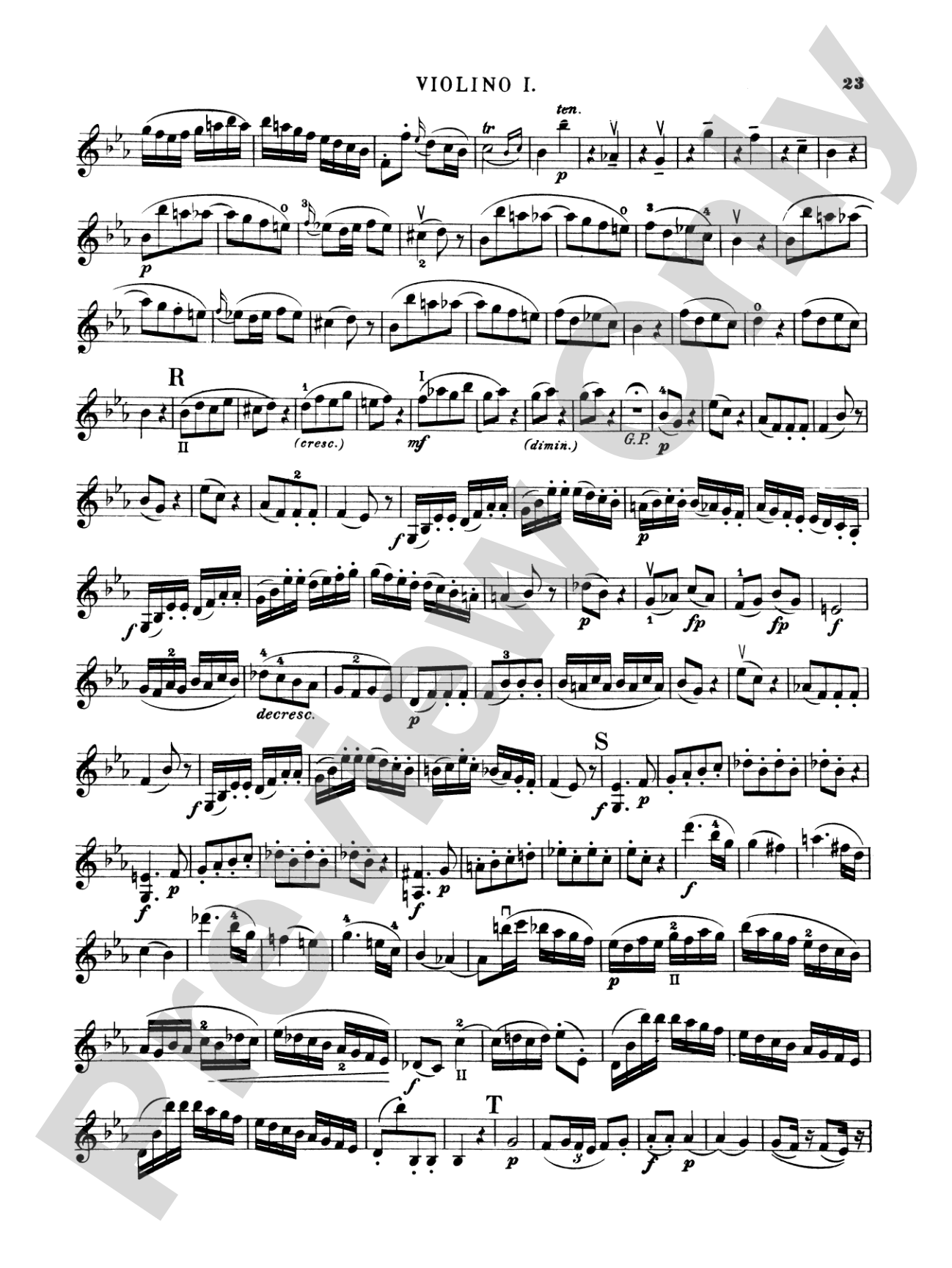
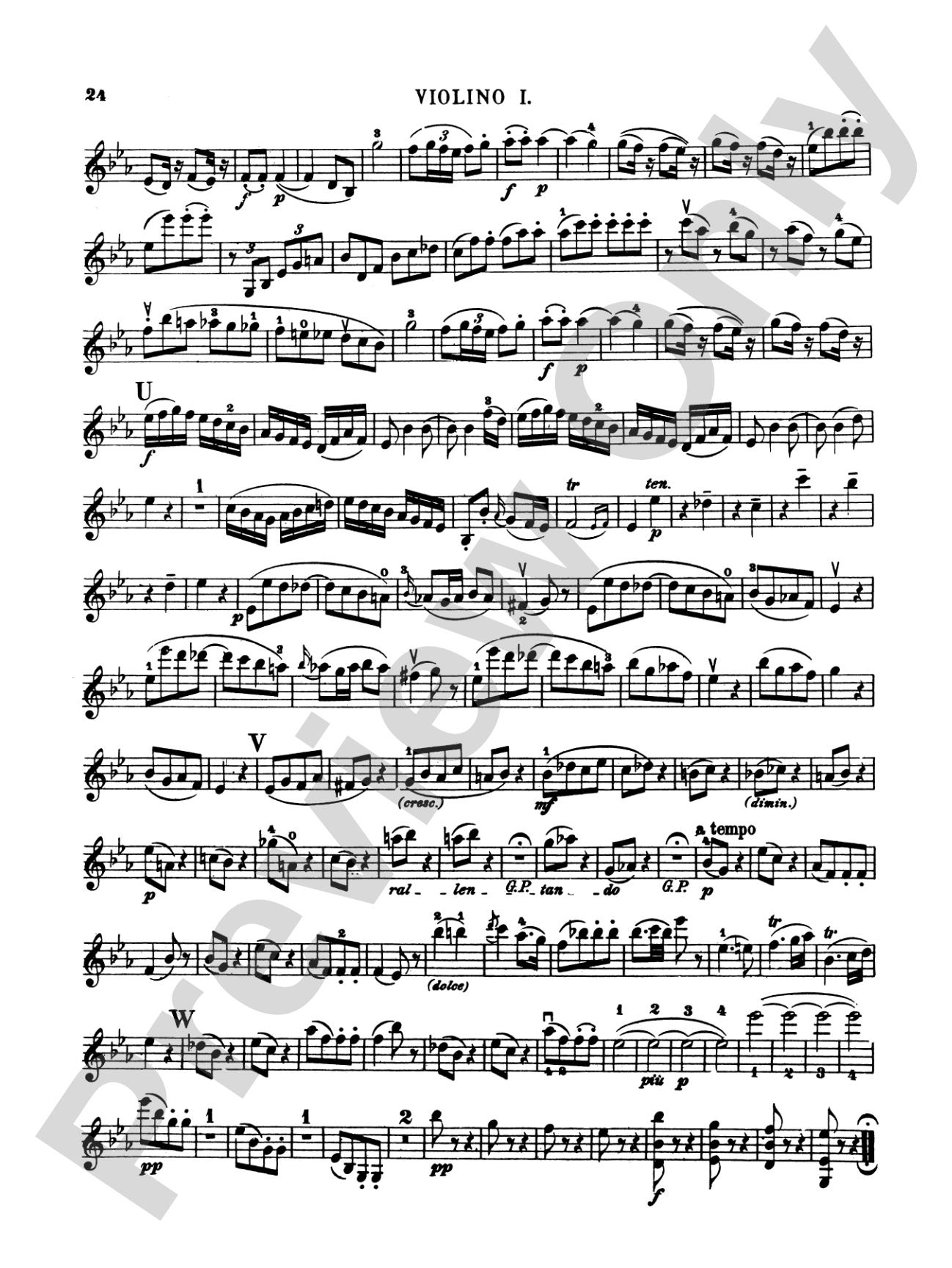
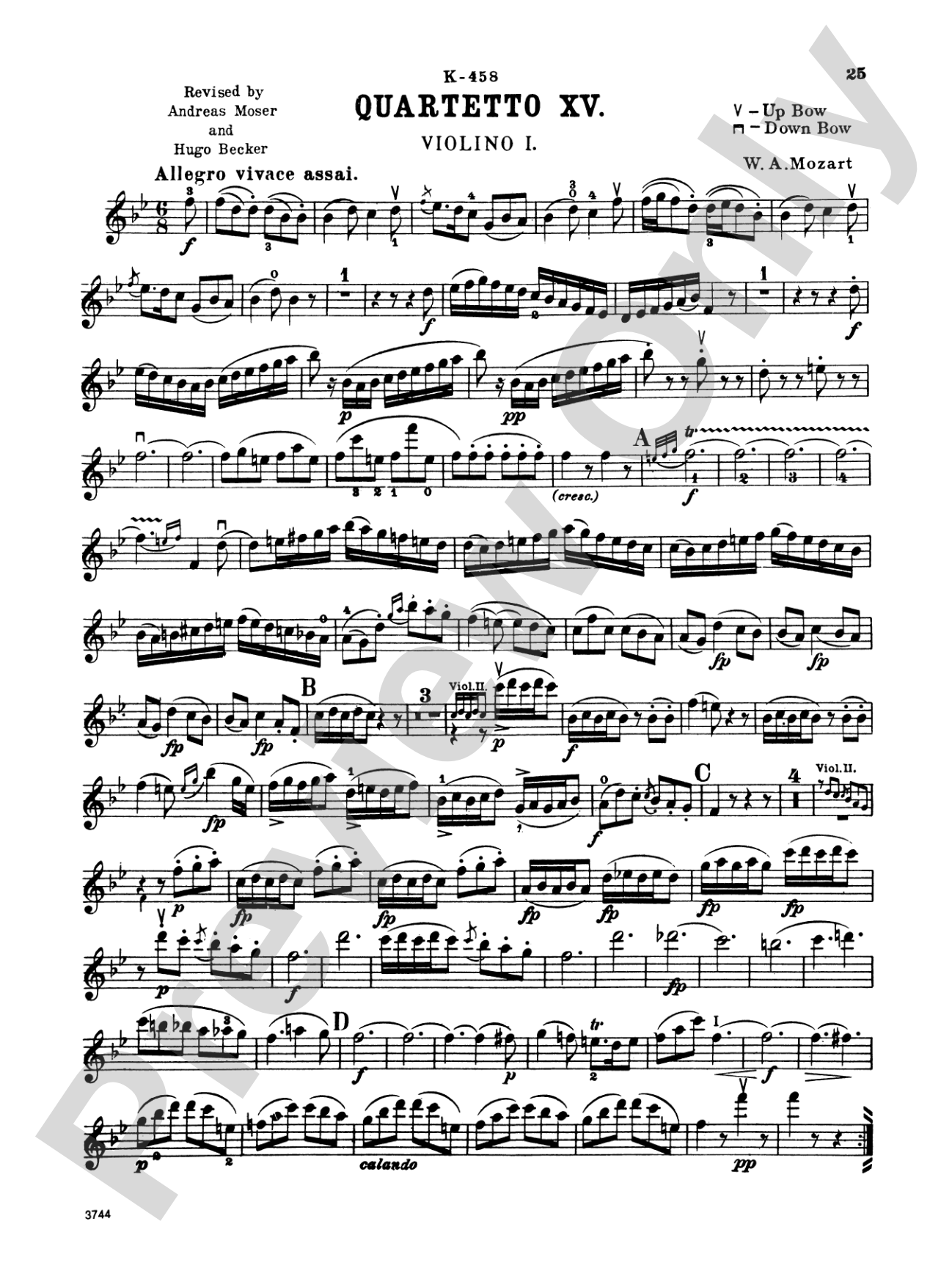
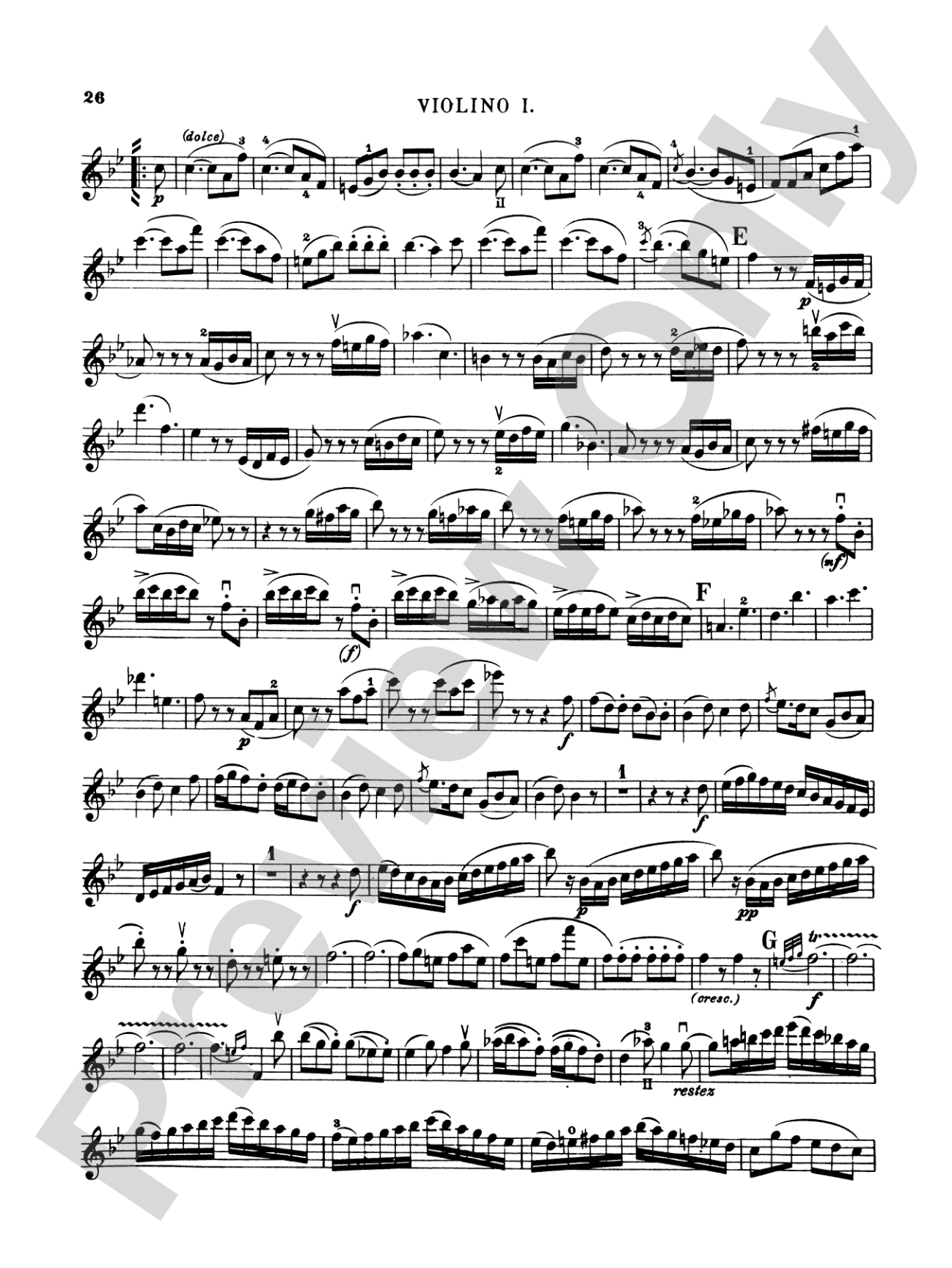
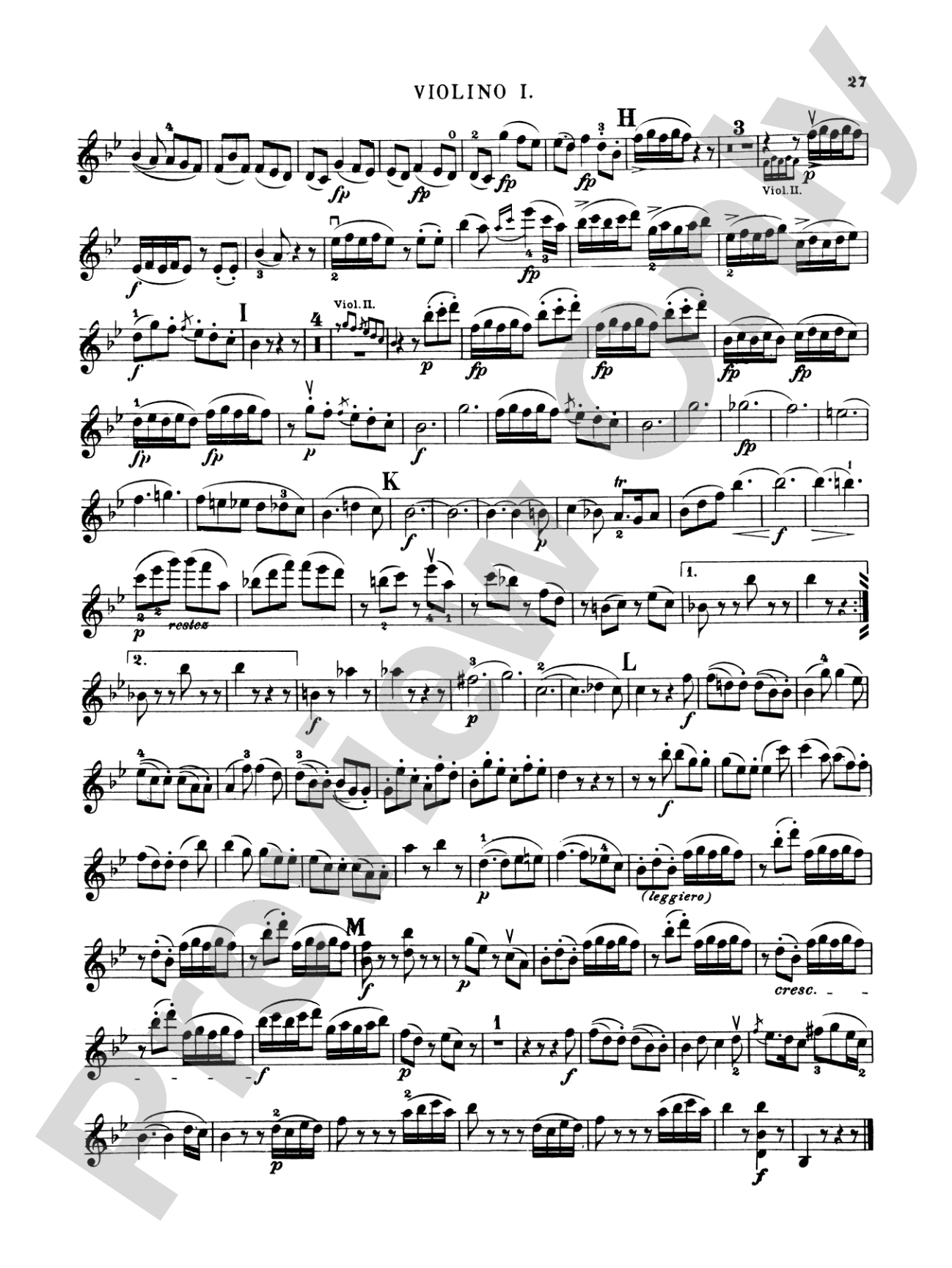
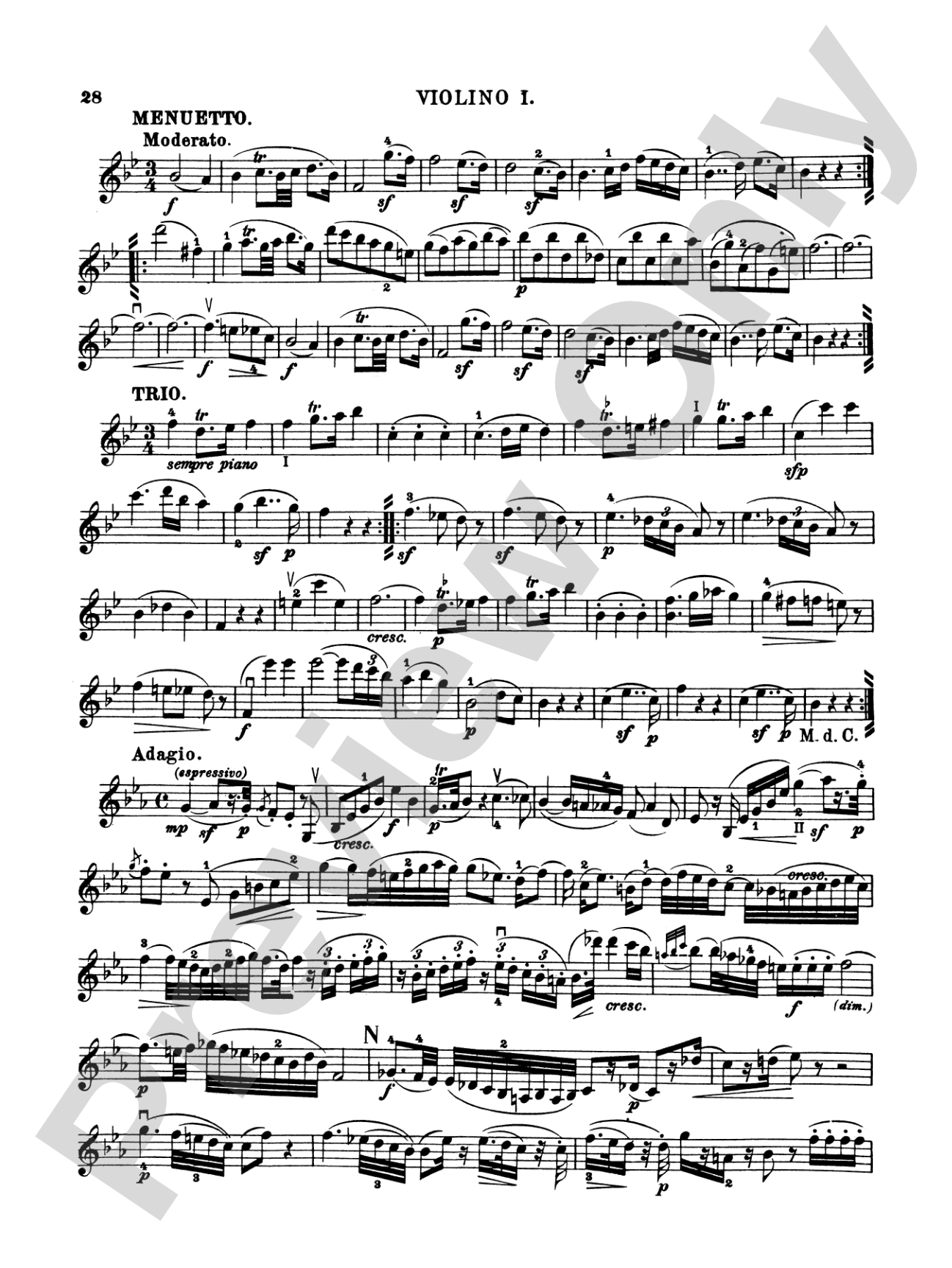
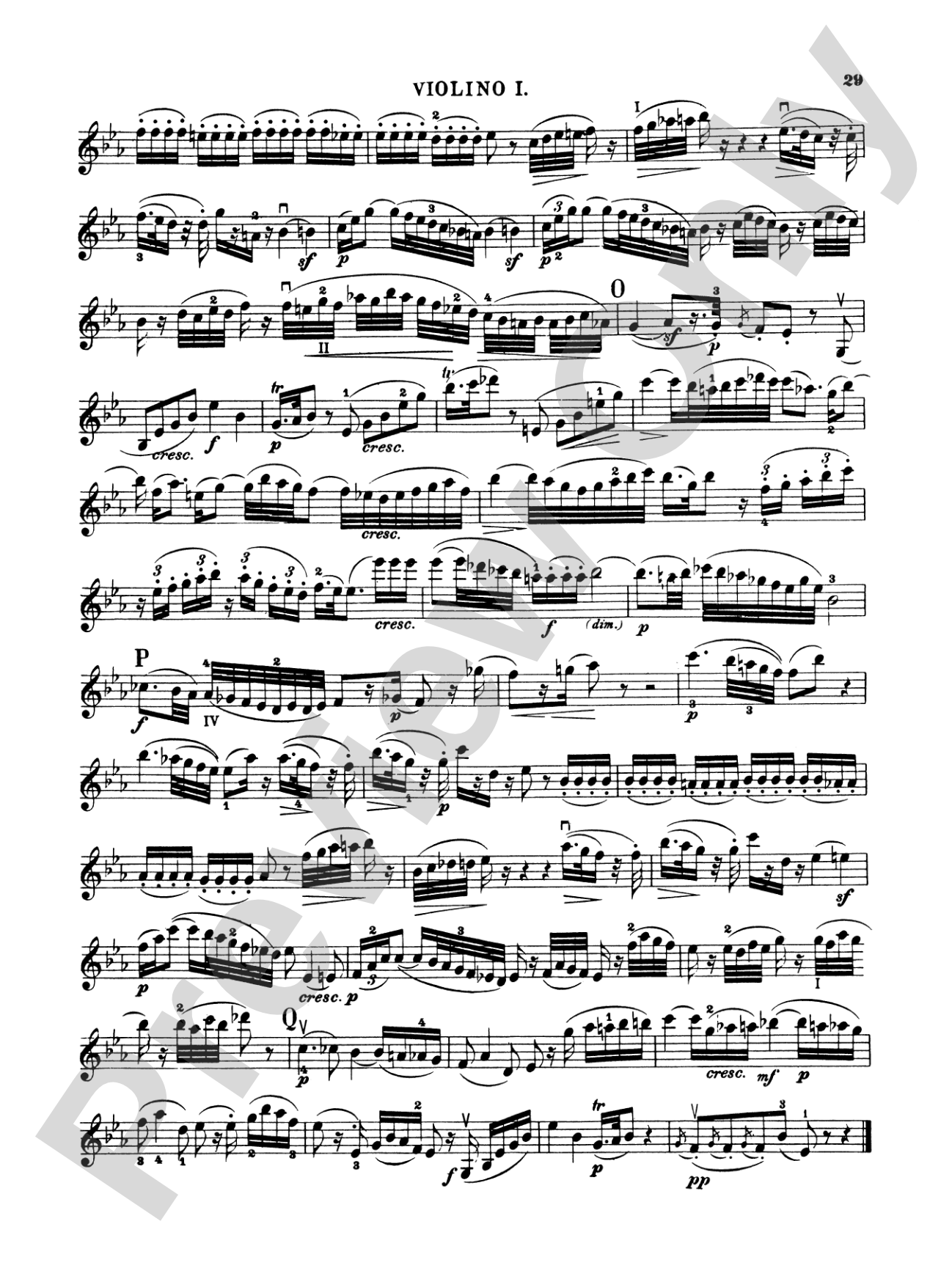
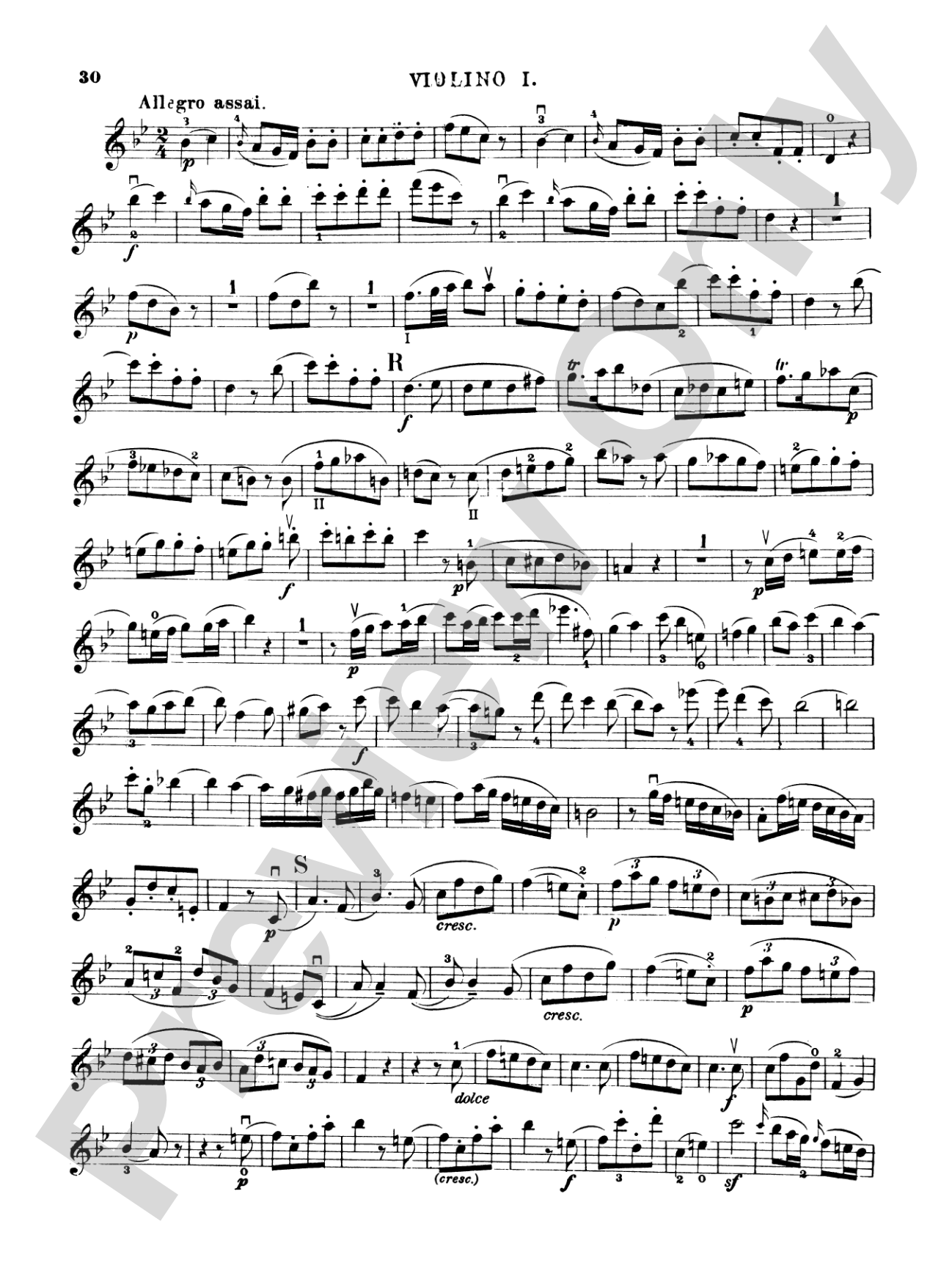
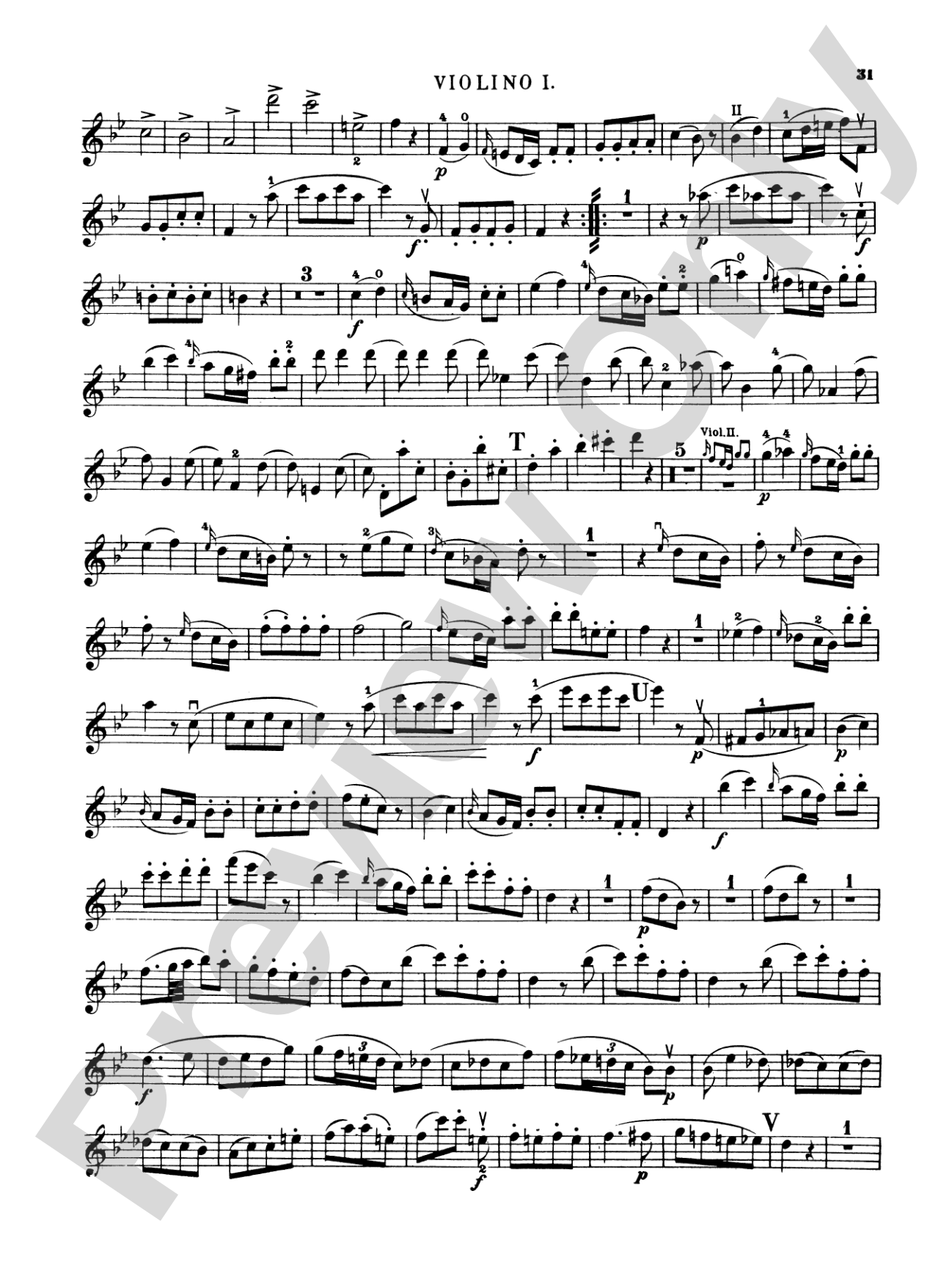
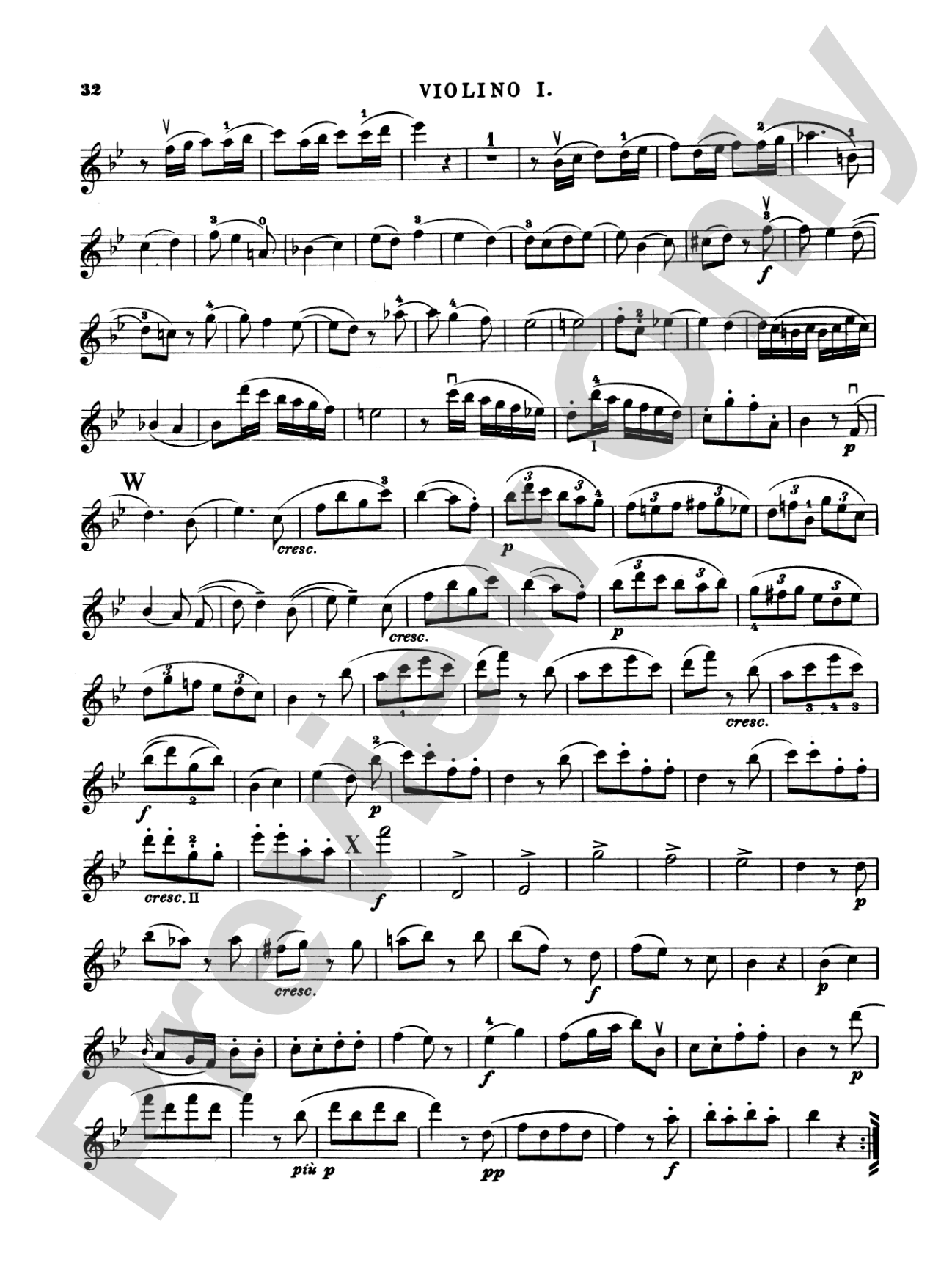
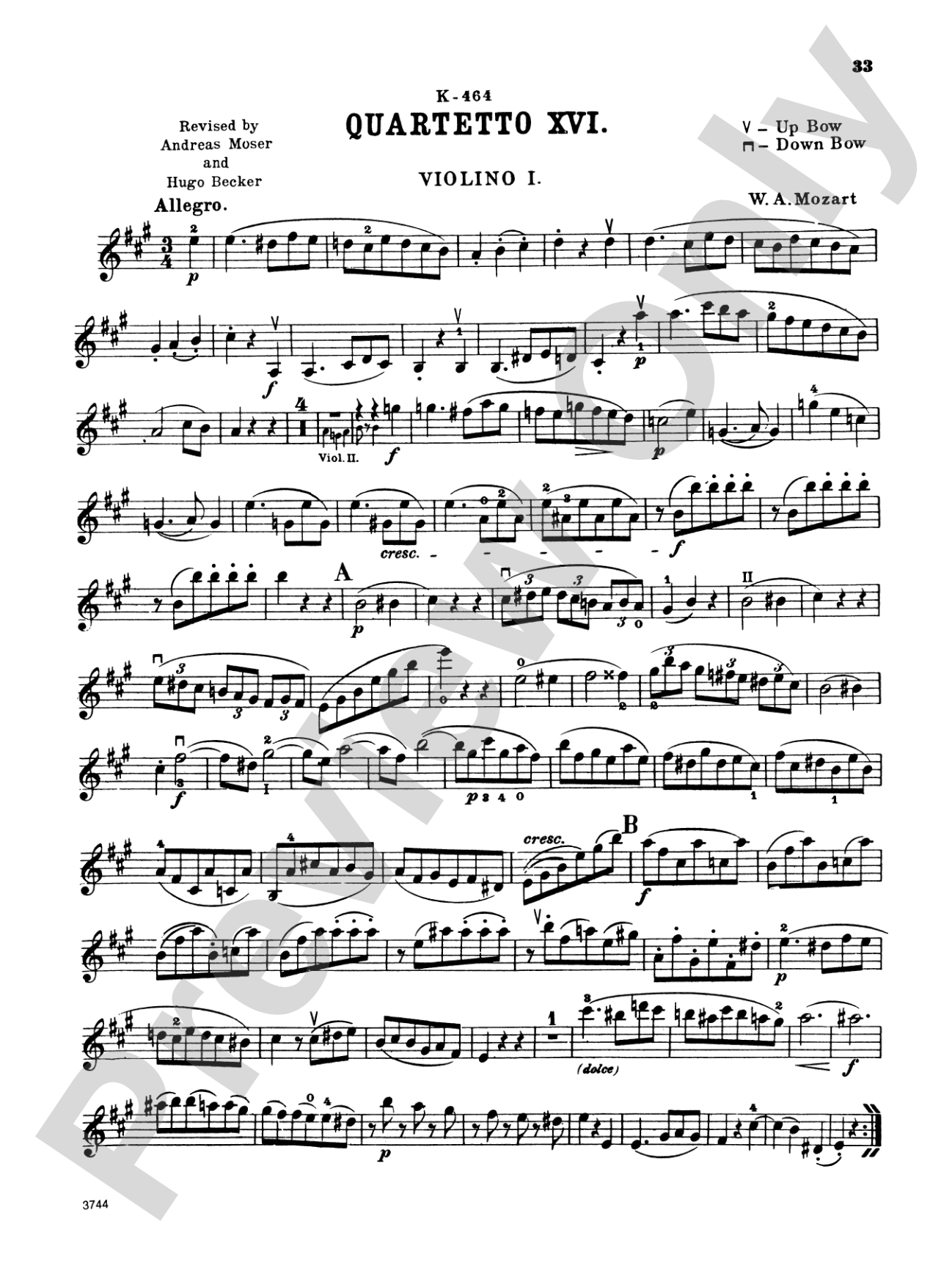
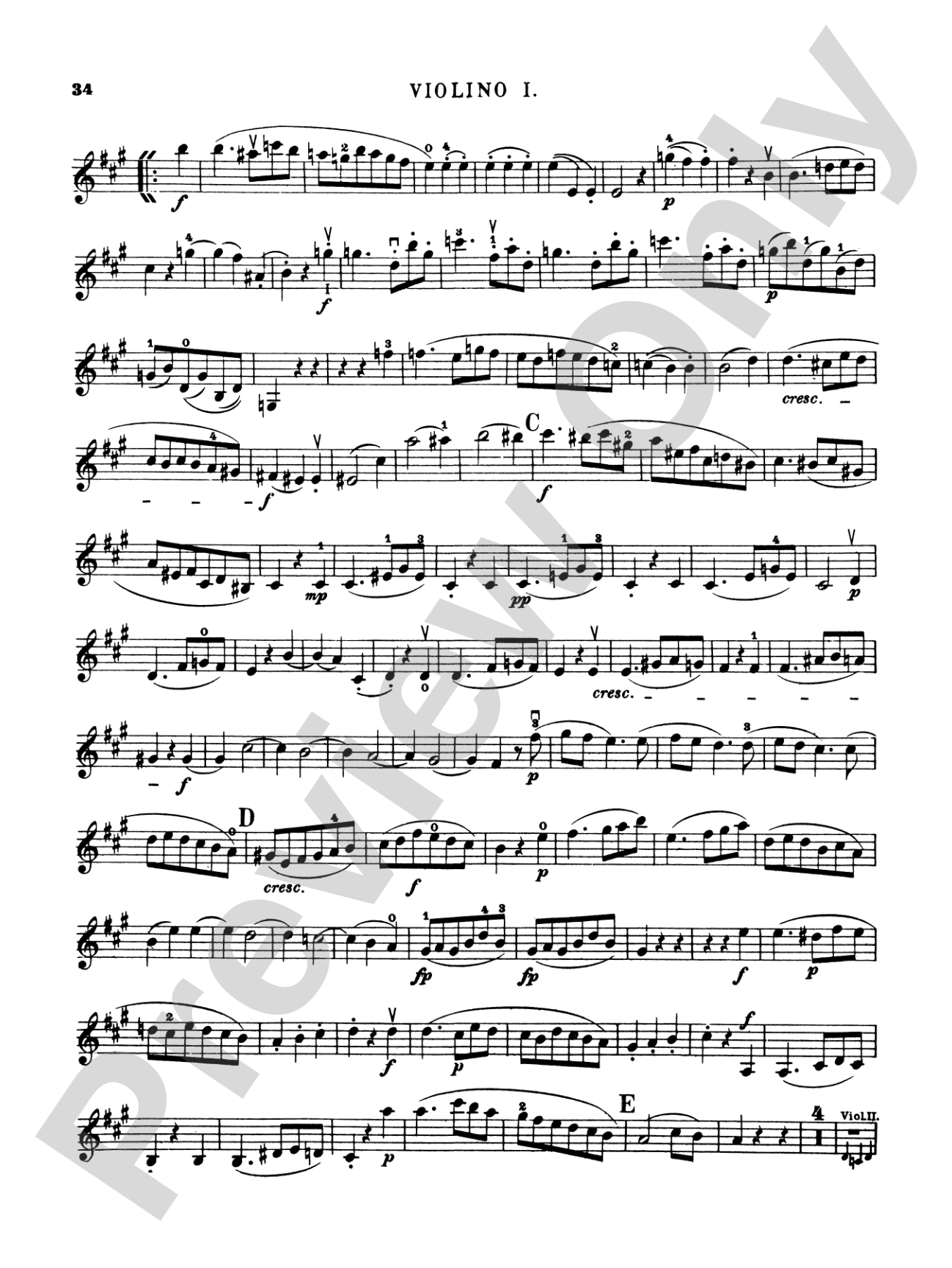
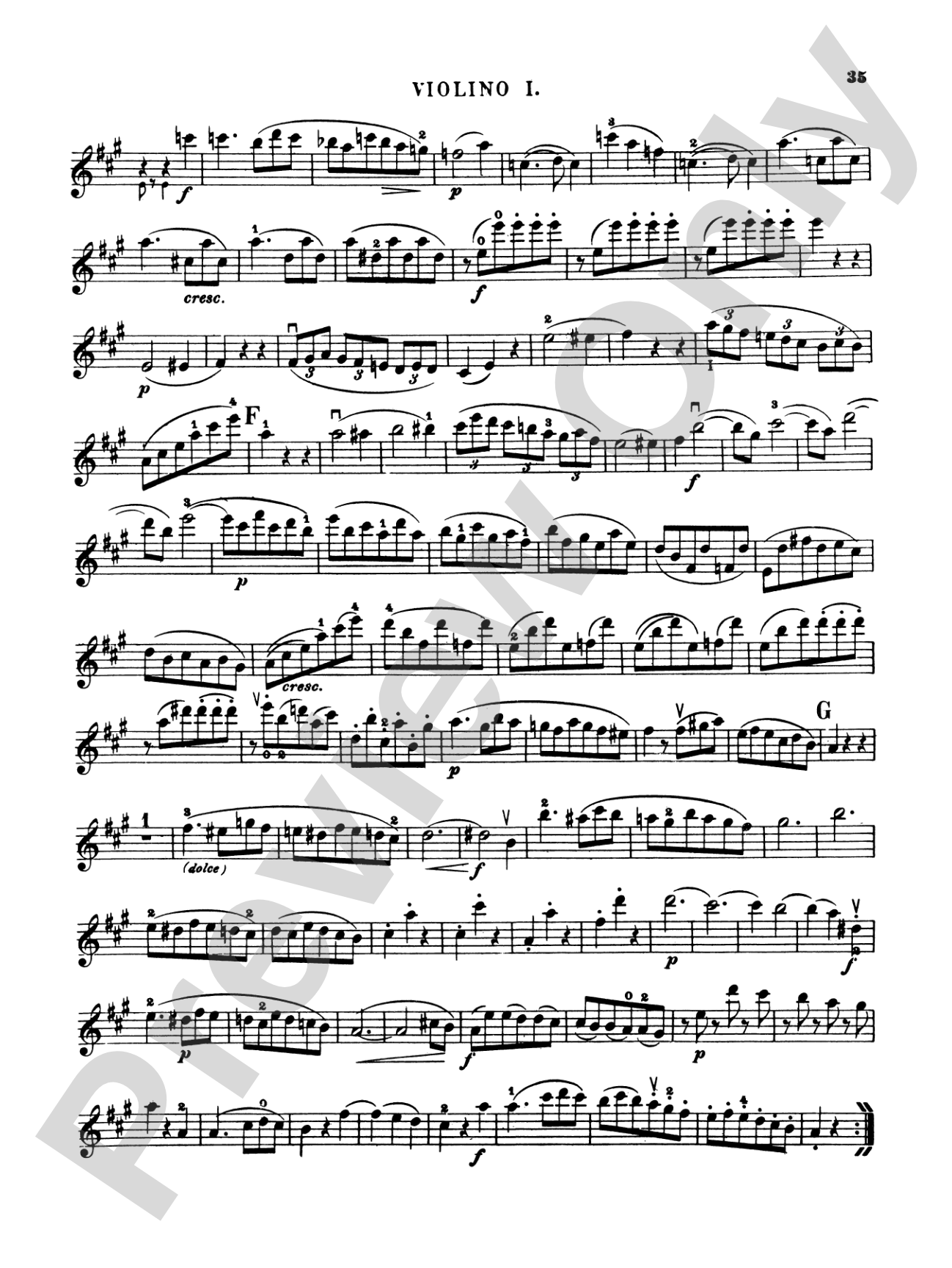
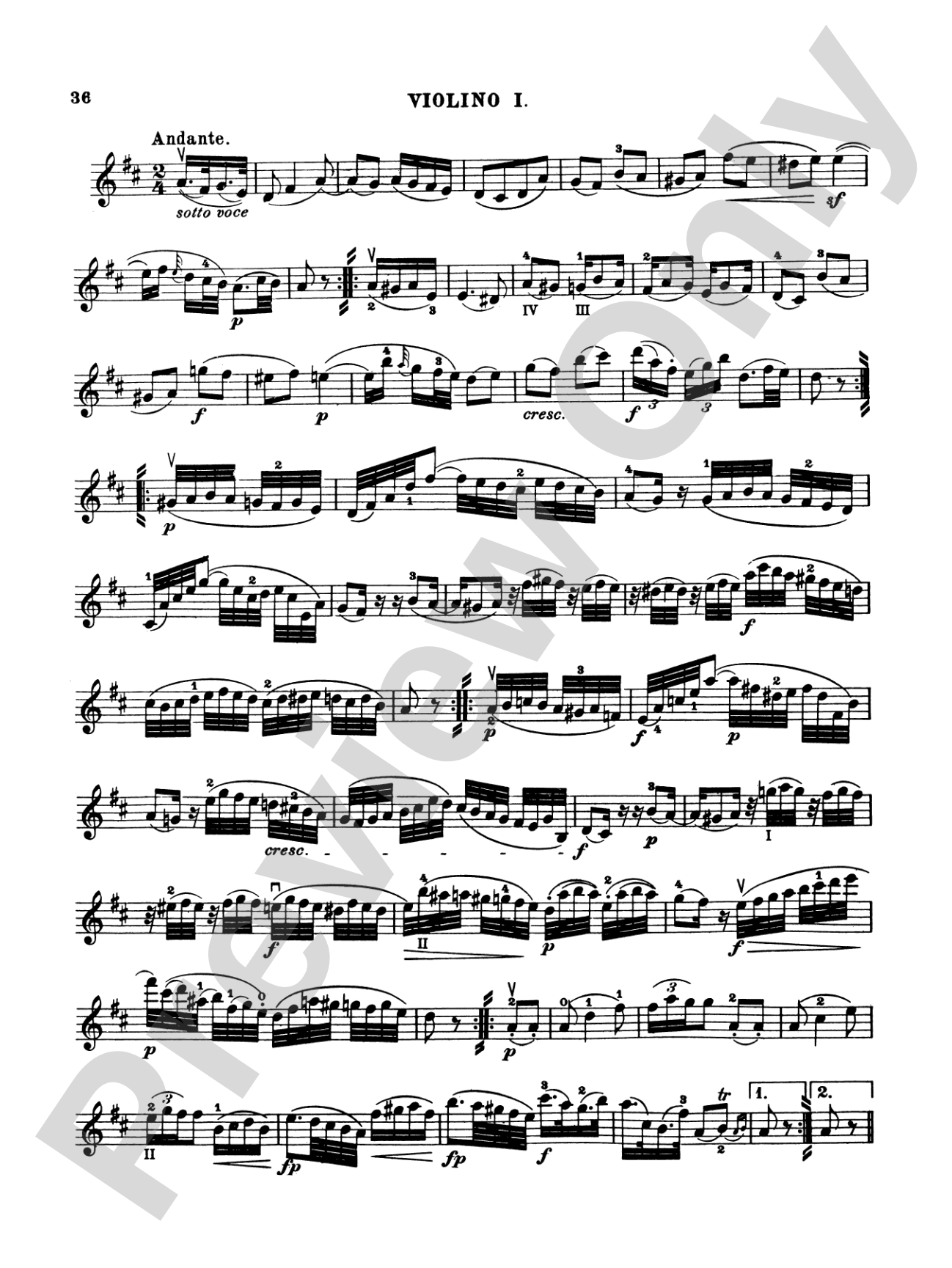
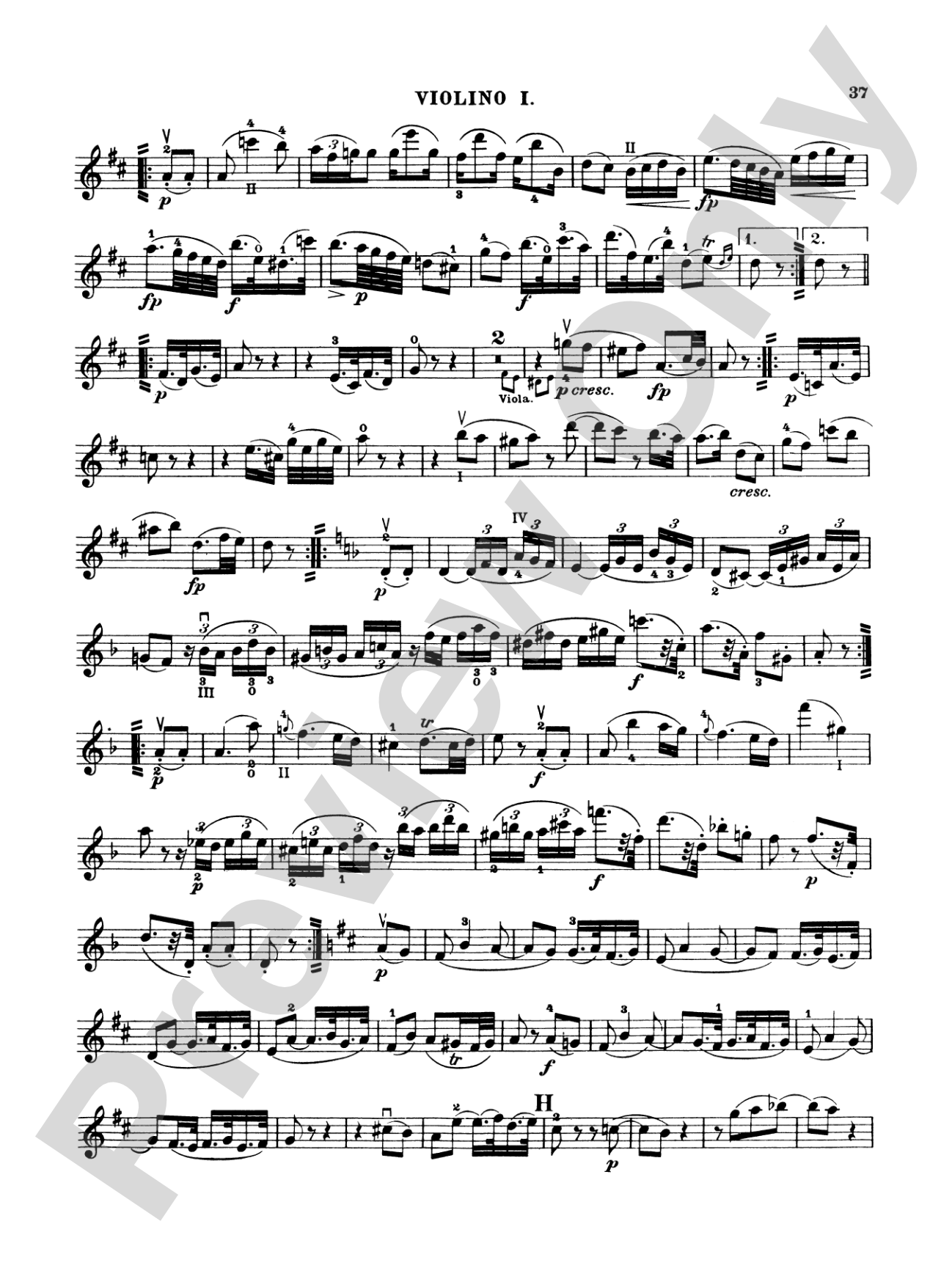
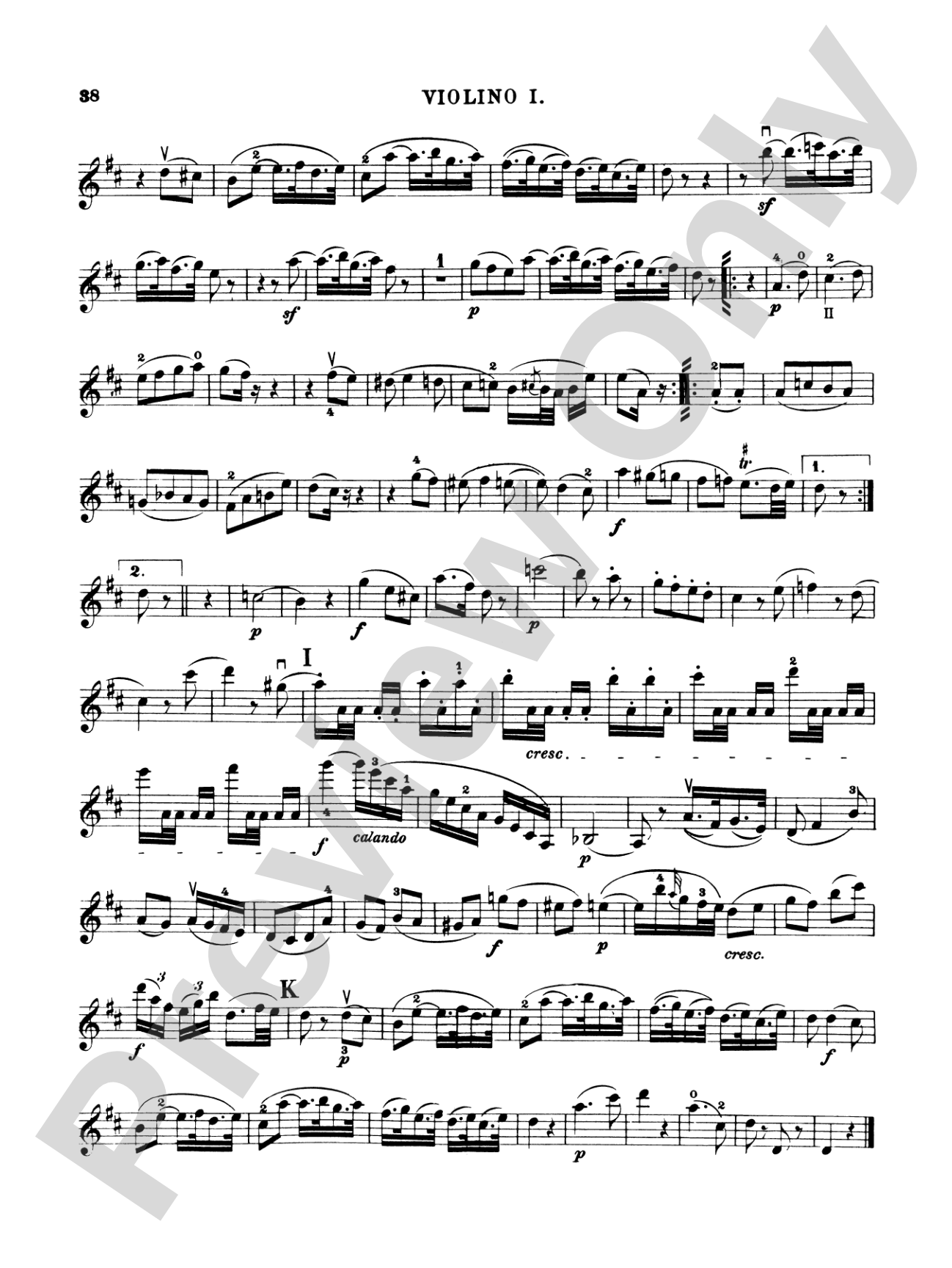
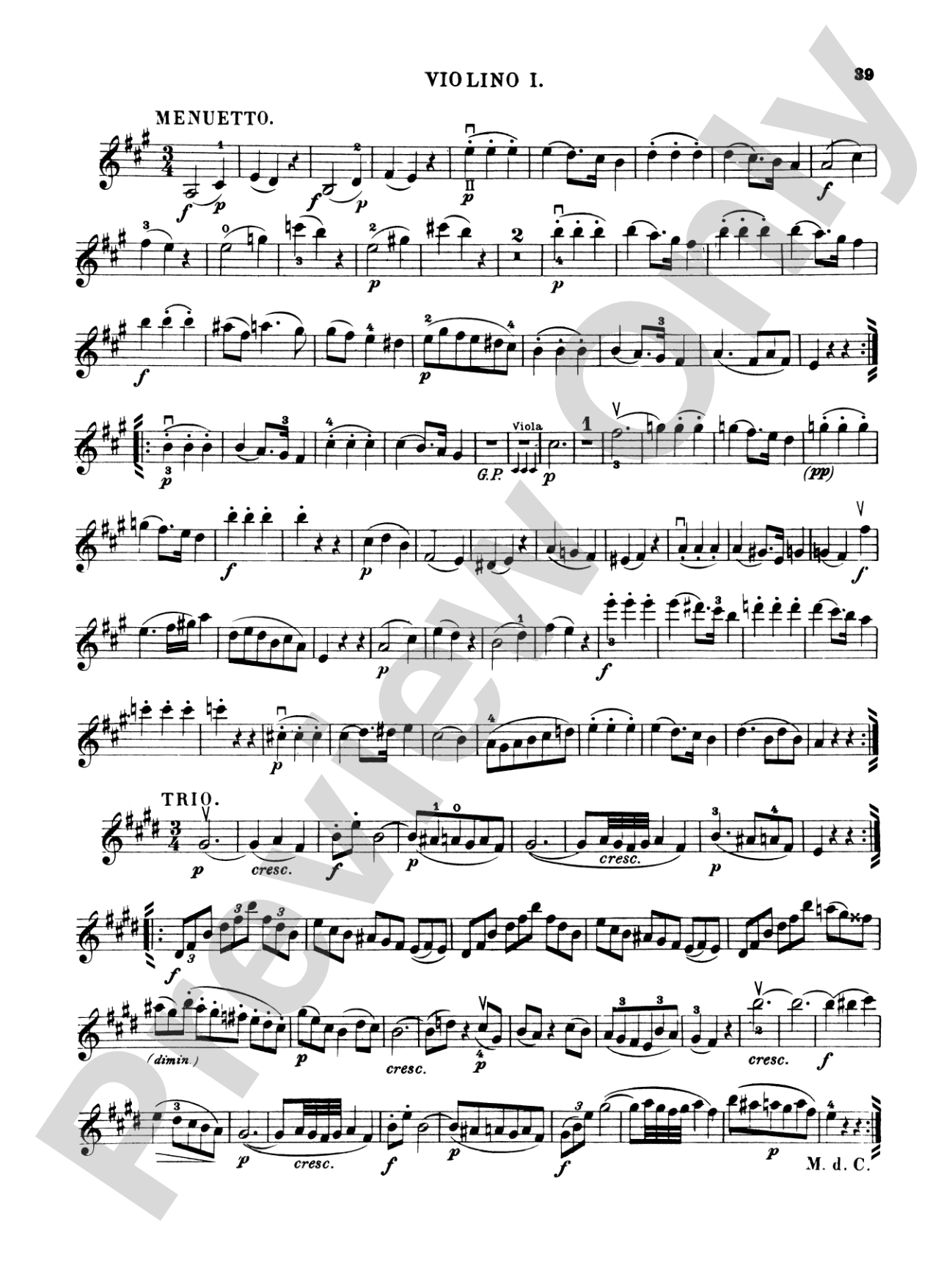
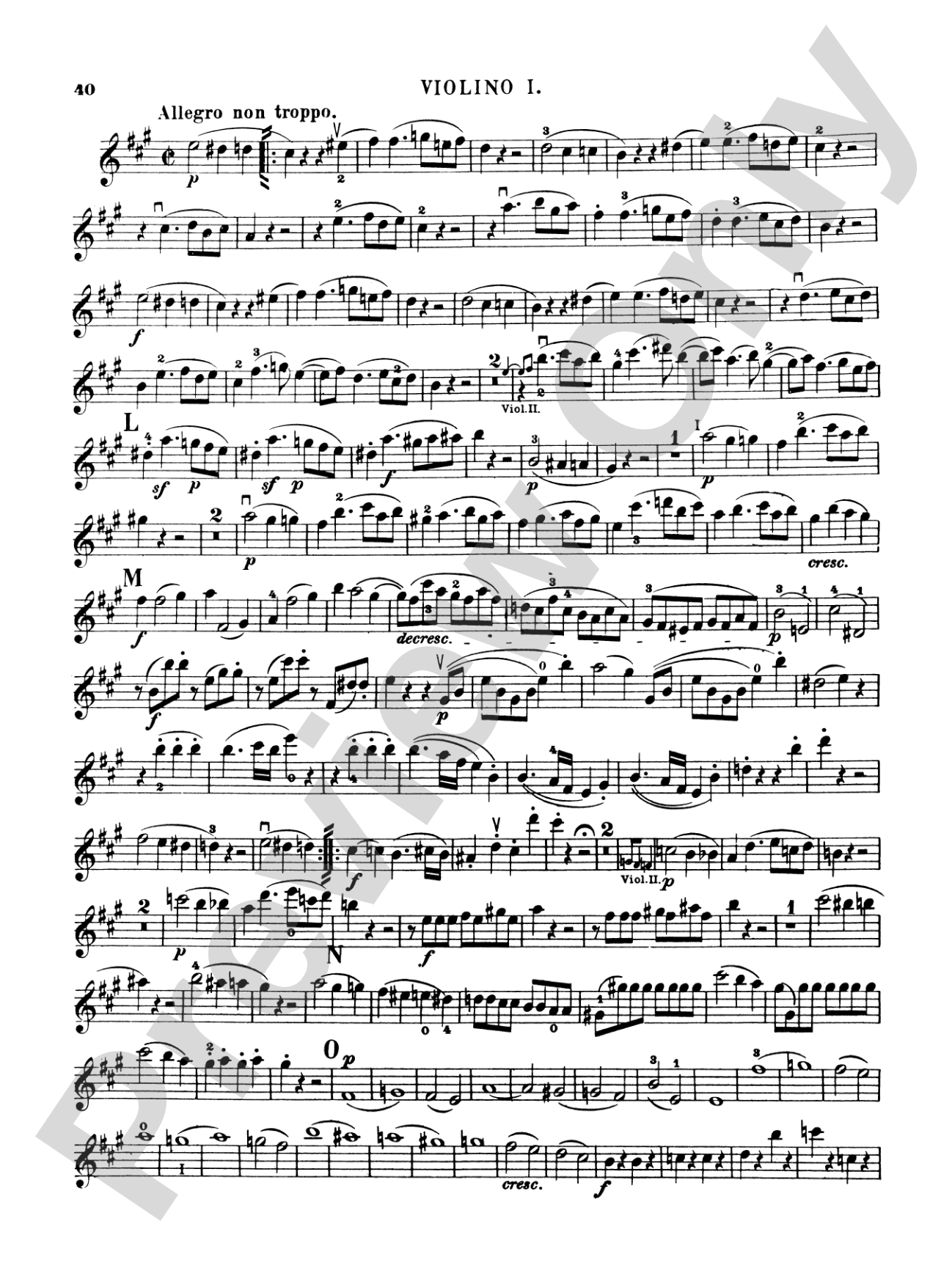
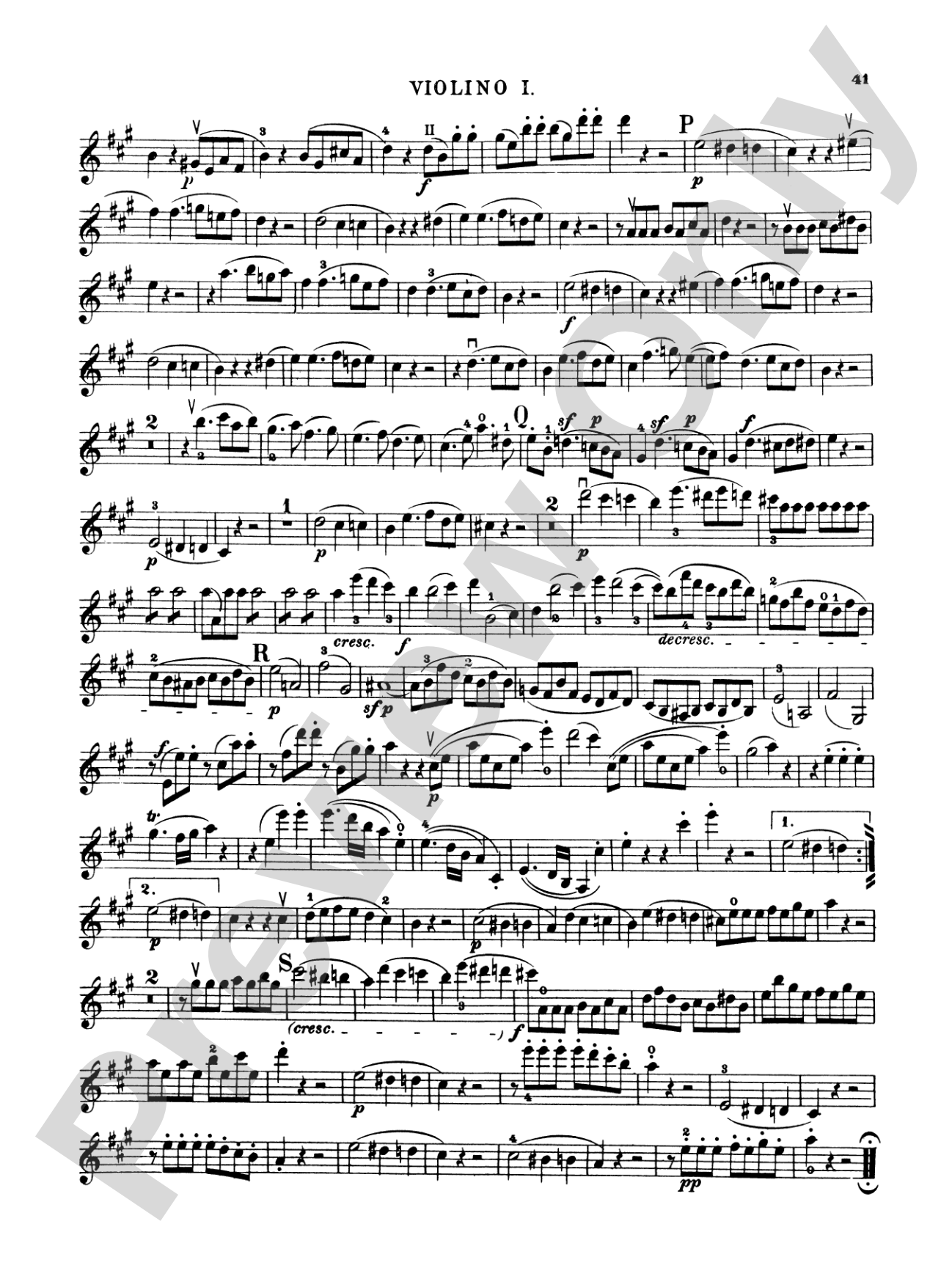
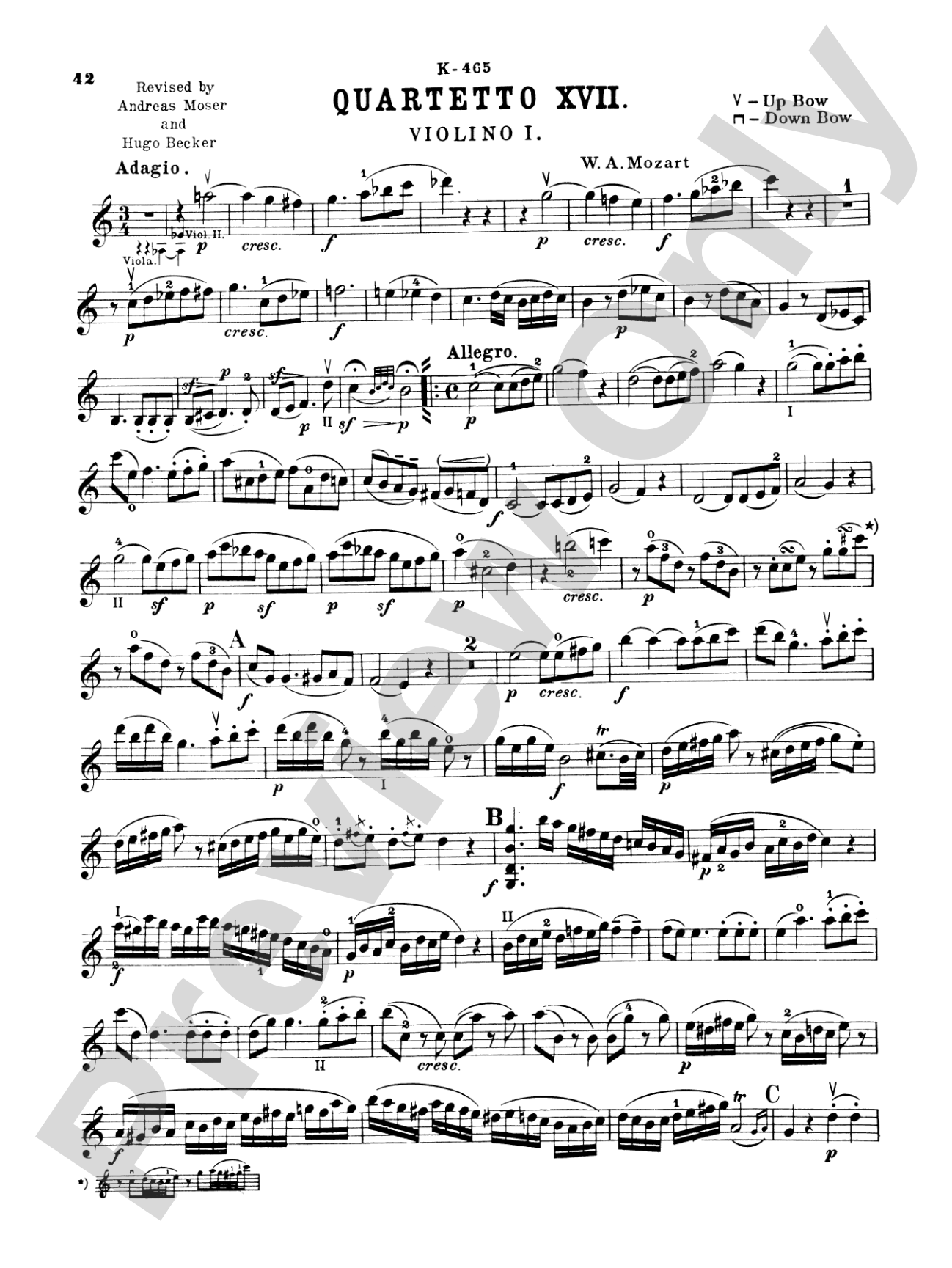
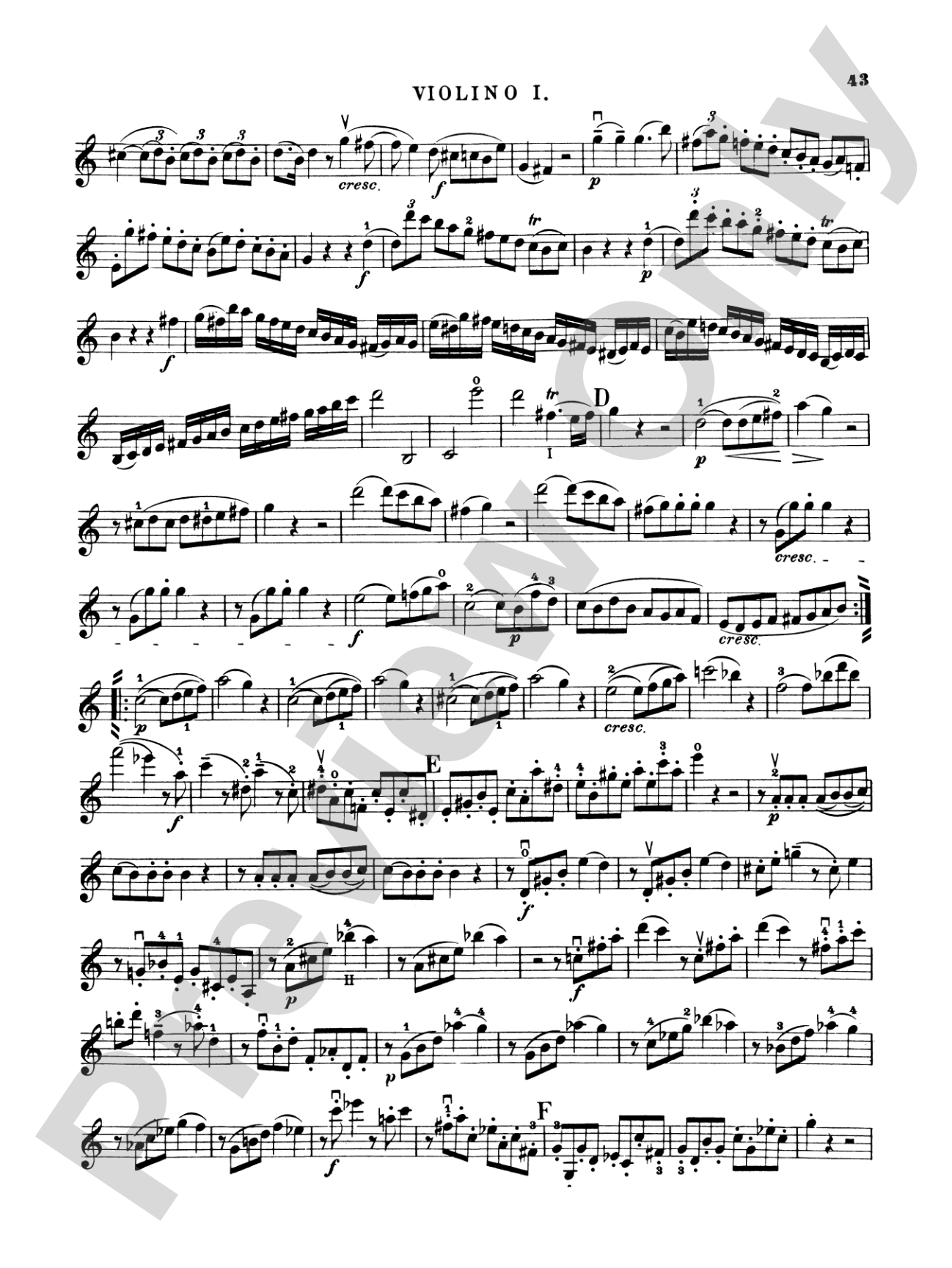
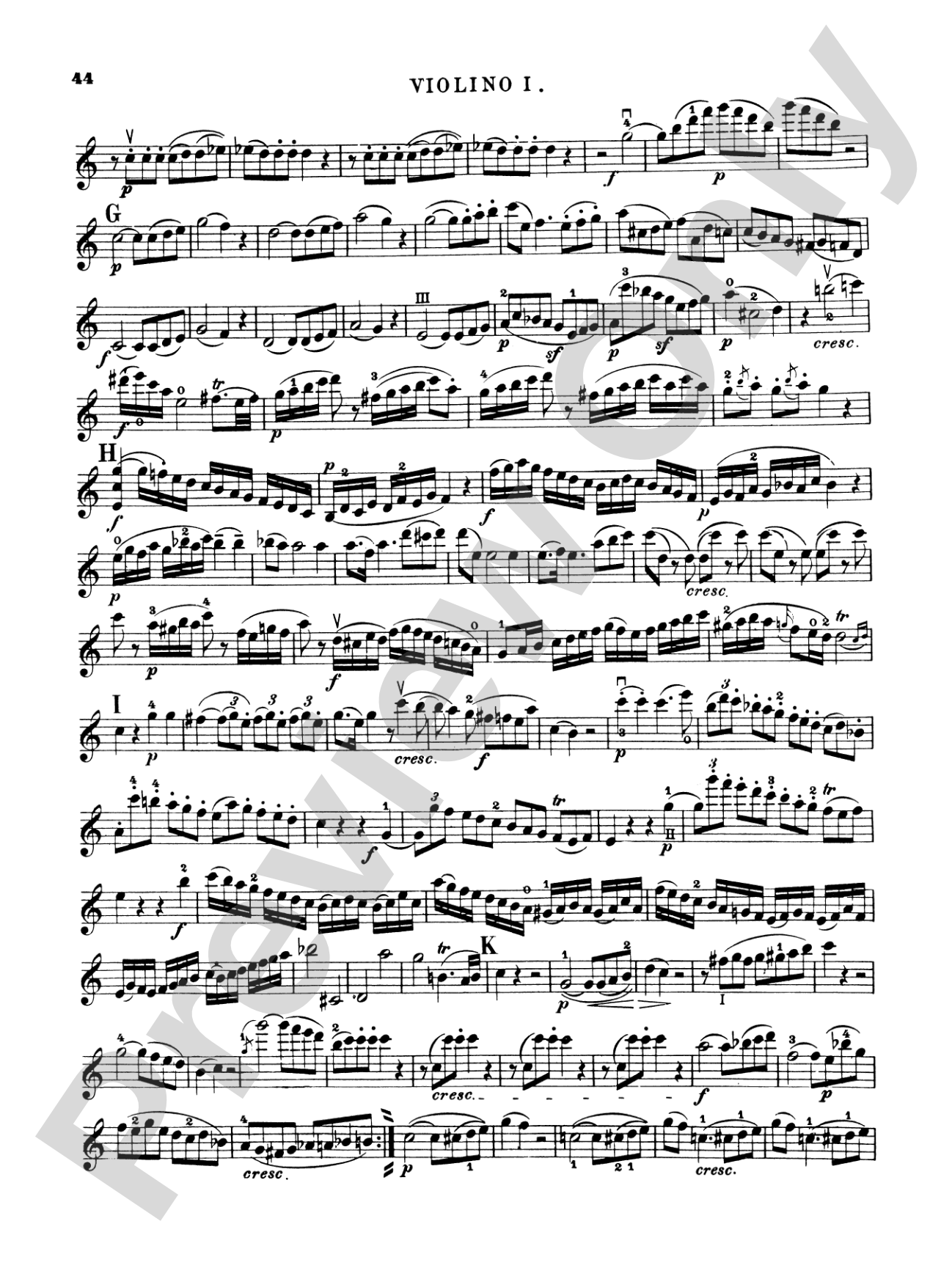
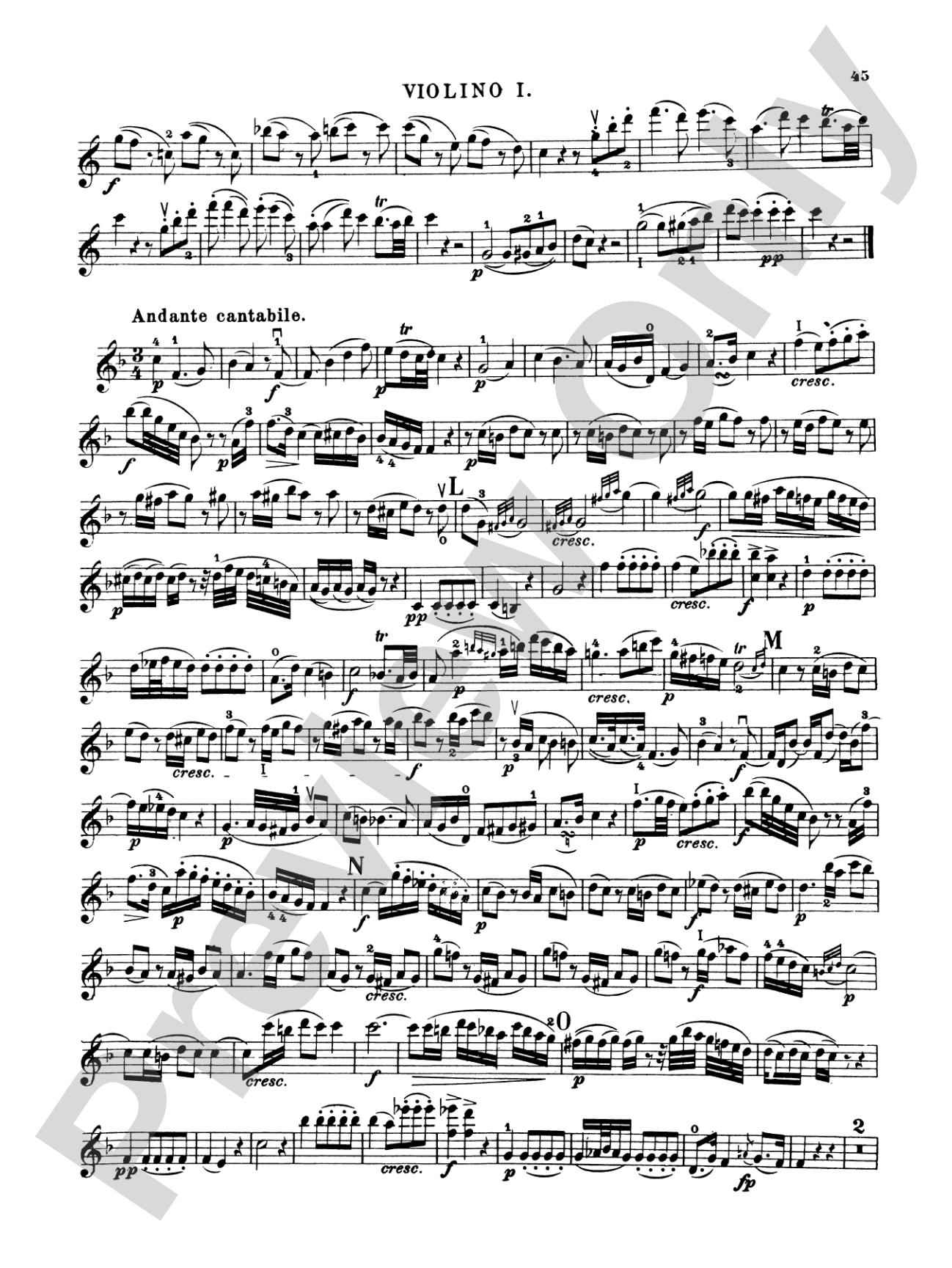
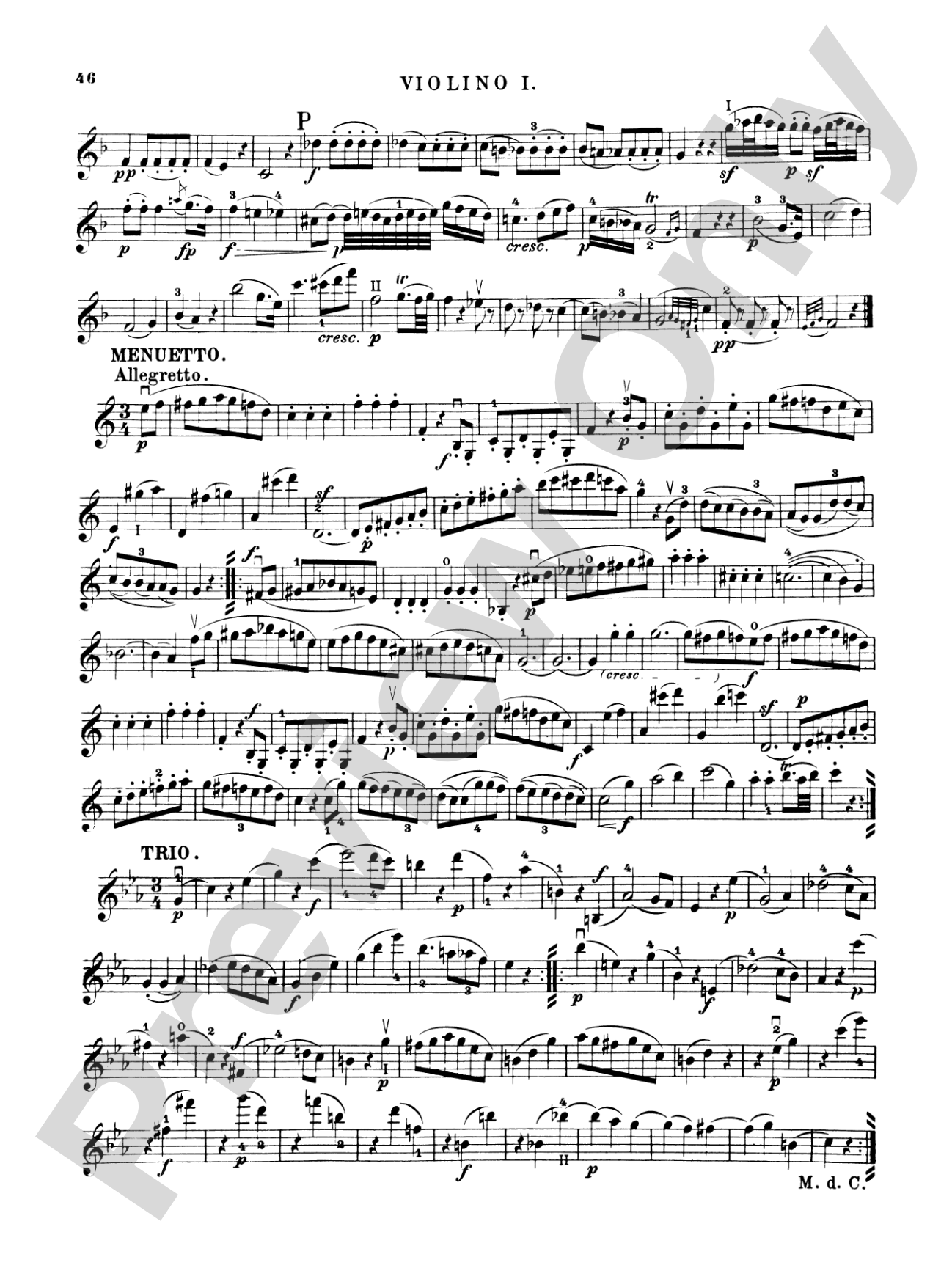
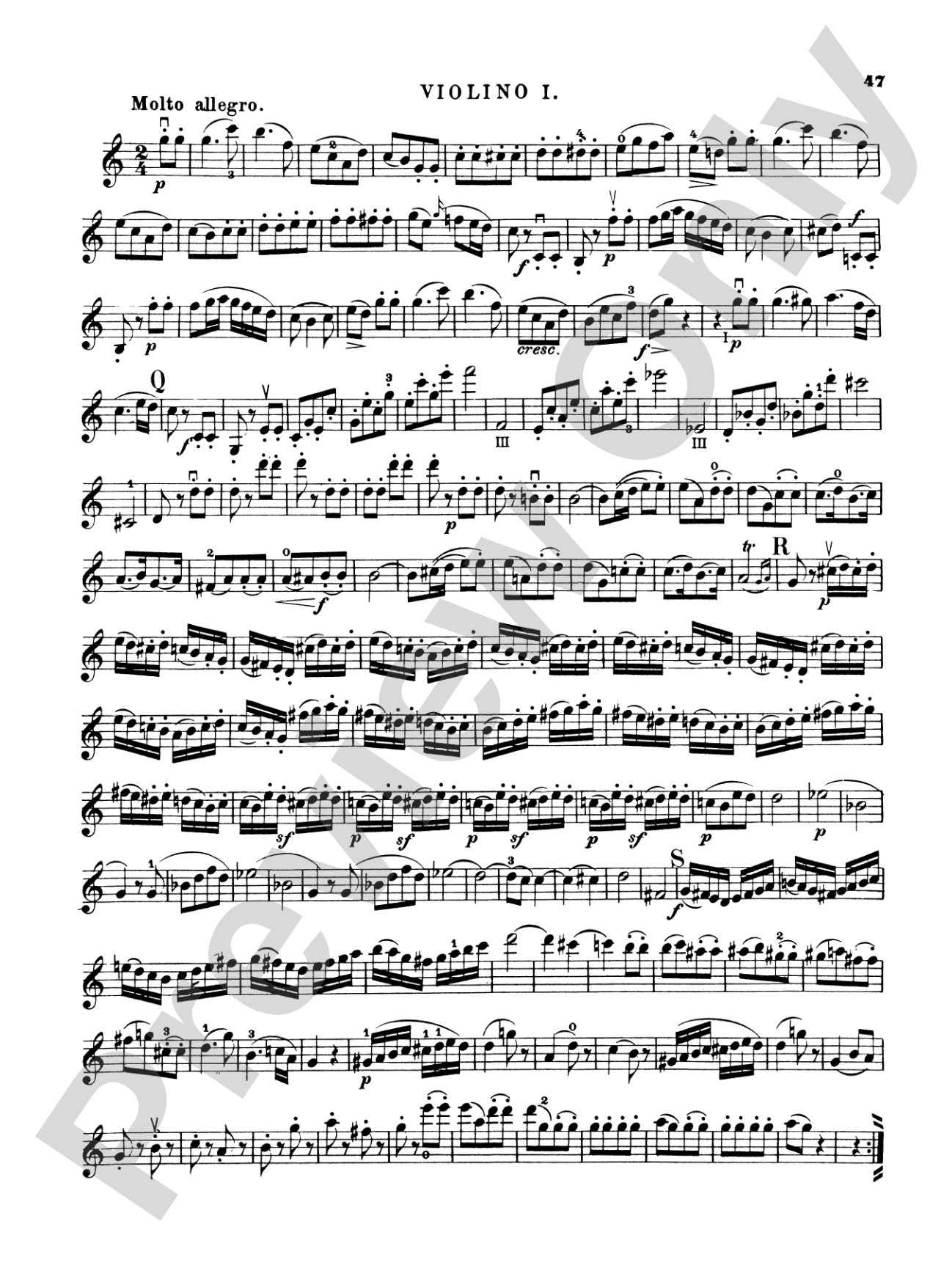
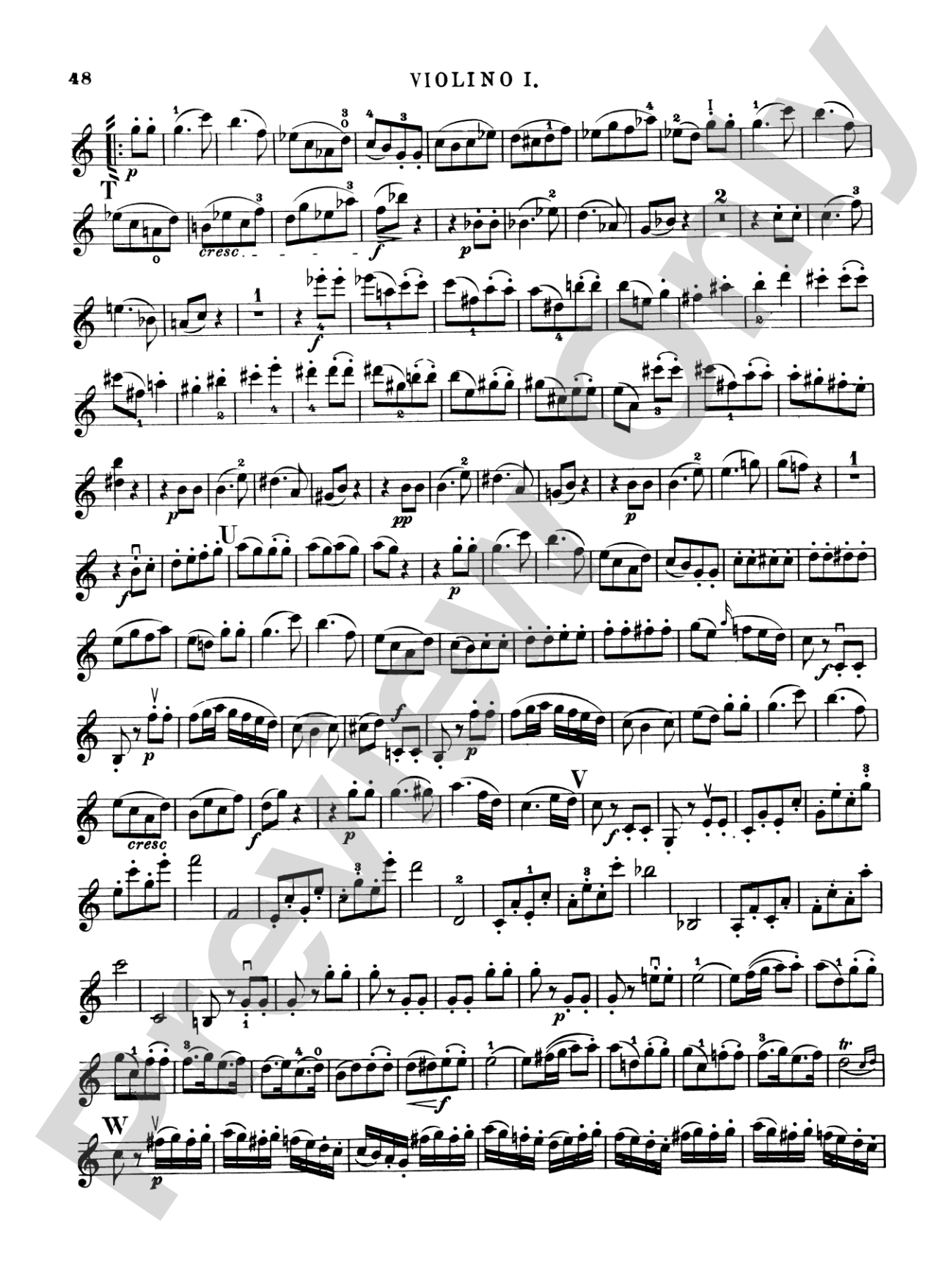
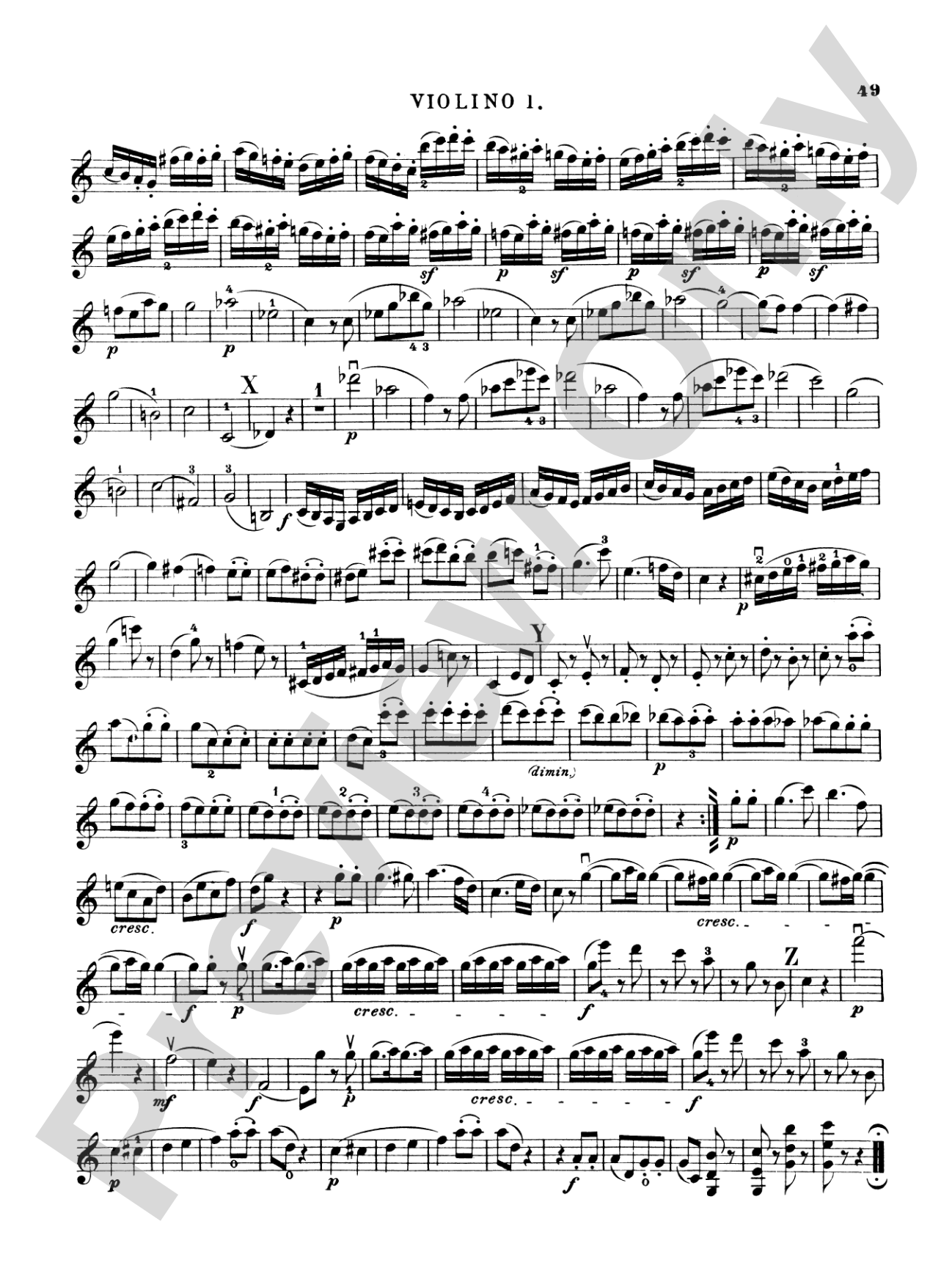
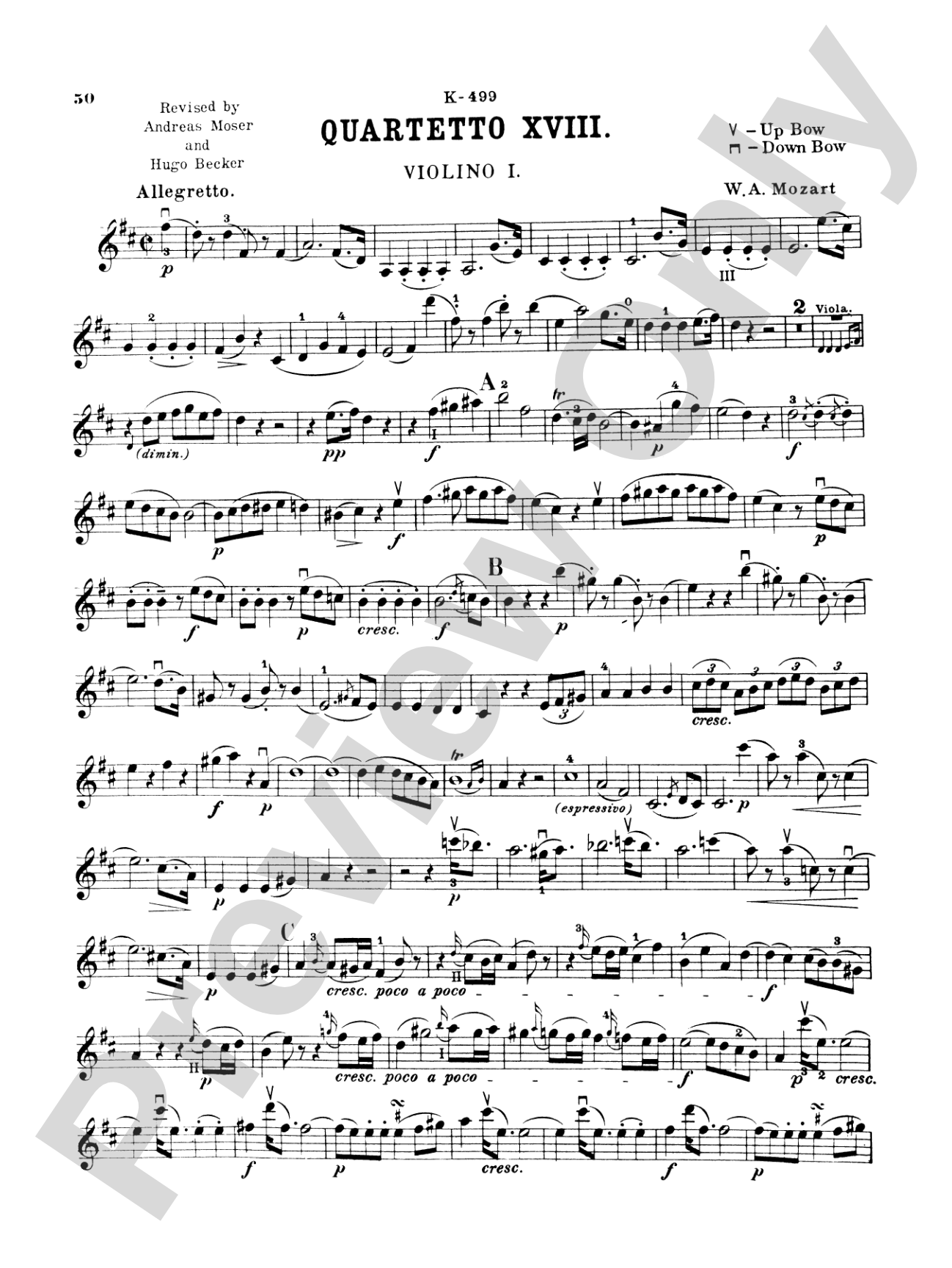

Ten Famous Quartets, K. 387, 421, 428, 458, 464, 465, 499, 575, 589, 590: String Quartet Book
By Wolfgang Amadeus Mozart / rev. Andreas Moser and Hugo Becker
Item: 00-PK-0002584
$42.99
Pickup currently not available
Buy Extra Parts (Digital PDF Download)
Parts Added to Cart!
Related Items
Ten Famous Quartets, K. 387, 421, 428, 458, 464, 465, 499, 575, 589, 590: String Quartet Book |
$42.95
|
View |
Description
Expertly arranged String Quartet by Wolfgang Amadeus Mozart from the Kalmus Edition series. This is from the Classical era.


Ten Famous Quartets, K. 387, 421, 428, 458, 464, 465, 499, 575, 589, 590: String Quartet Book isn't in MakeMusic Cloud just yet...but it could be. Let us know you'd like to see it, and you'll help shape what comes next. In the meantime, start a free trial and dive into thousands of interactive titles your students can play along with today.
Request This Title
Tell us you want it.
Start Your Free Trial
Explore everything that's ready to play right now.
Sample Audio
No sample audio found.
Sample Video
No sample videos found.
Additional Details
Series:
Kalmus Edition
Publisher:
Alfred Music
Page Count:
284
SKU:
00-PK-0002584
More about this title
About the Composer: Wolfgang Amadeus Mozart
Wolfgang Amadeus Mozart (1756-1791) composed his ten most celebrated string quartets across two decades, from his early twenties through his final years. These works represent the pinnacle of Classical chamber music, each one advancing the form's expressive and structural possibilities while maintaining the crystalline balance and melodic grace that define his legacy.
Why we love this
Mozart's string quartets are foundational repertoire that every ensemble at this level must engage with, and this complete collection lets you work through all ten in one authoritative score. The Kalmus Edition provides clean, reliable text that honors the original while remaining practical for rehearsal. These works teach the language of Classical chamber writing so thoroughly that playing through them transforms how musicians hear balance, phrasing, and dialogue.
What to expect
Mozart's string quartets range from sparkling and elegant to deeply introspective, often within a single movement. The music breathes with conversational ease while containing harmonic surprises and moments of genuine emotional depth; playing them feels both natural and infinitely refinable.
Who it's for
String quartets preparing for festivals, competitions, or concert programming will find this collection essential. Upper-level high school ensembles and college quartets benefit most, though intermediate groups tackling the earlier works will build toward mastery of the later, more complex ones.
How to get the most out of it
- Establish clear sectional balances before worrying about tempo; the first violin carries the line while the cello anchors harmony, but inner voices often share motivic material that needs audibility.
- Shape phrases by breath rather than by bar line; Mozart's phrasing often spans unexpected lengths, and respecting these arcs prevents the music from fragmenting.
- Listen for the way Mozart voices his textures within pieces; some movements feature true four-part writing while others lean heavily on first violin with accompaniment, and adjusting transparency accordingly keeps the architecture clear.
How to use it
Program individual quartets across a season rather than performing all ten in one concert. A single Mozart quartet pairs beautifully with contemporary work or serves as an elegant concert closer. Festival contexts allow you to showcase different quartets as your ensemble develops, building a visible trajectory of growth.
Skills your students will build
- Dialogue and conversation within four-part texture
- Period-appropriate articulation and phrasing in Classical style
- Intonation refinement in close harmonic writing
- Balance between melody and accompaniment
- Structural listening across multi-movement forms
- Interpretation of dynamic and expressive nuance without editorial markings