

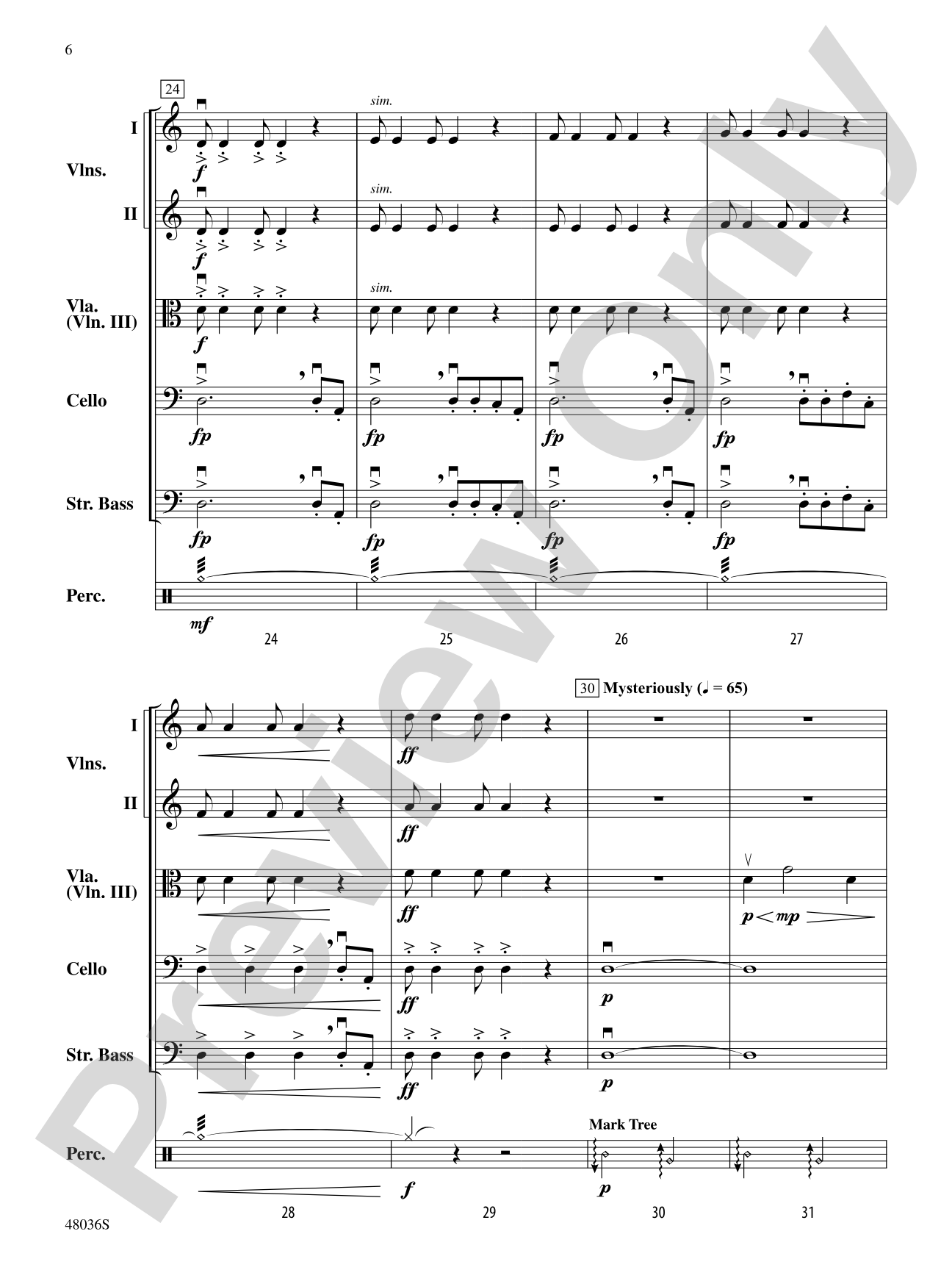
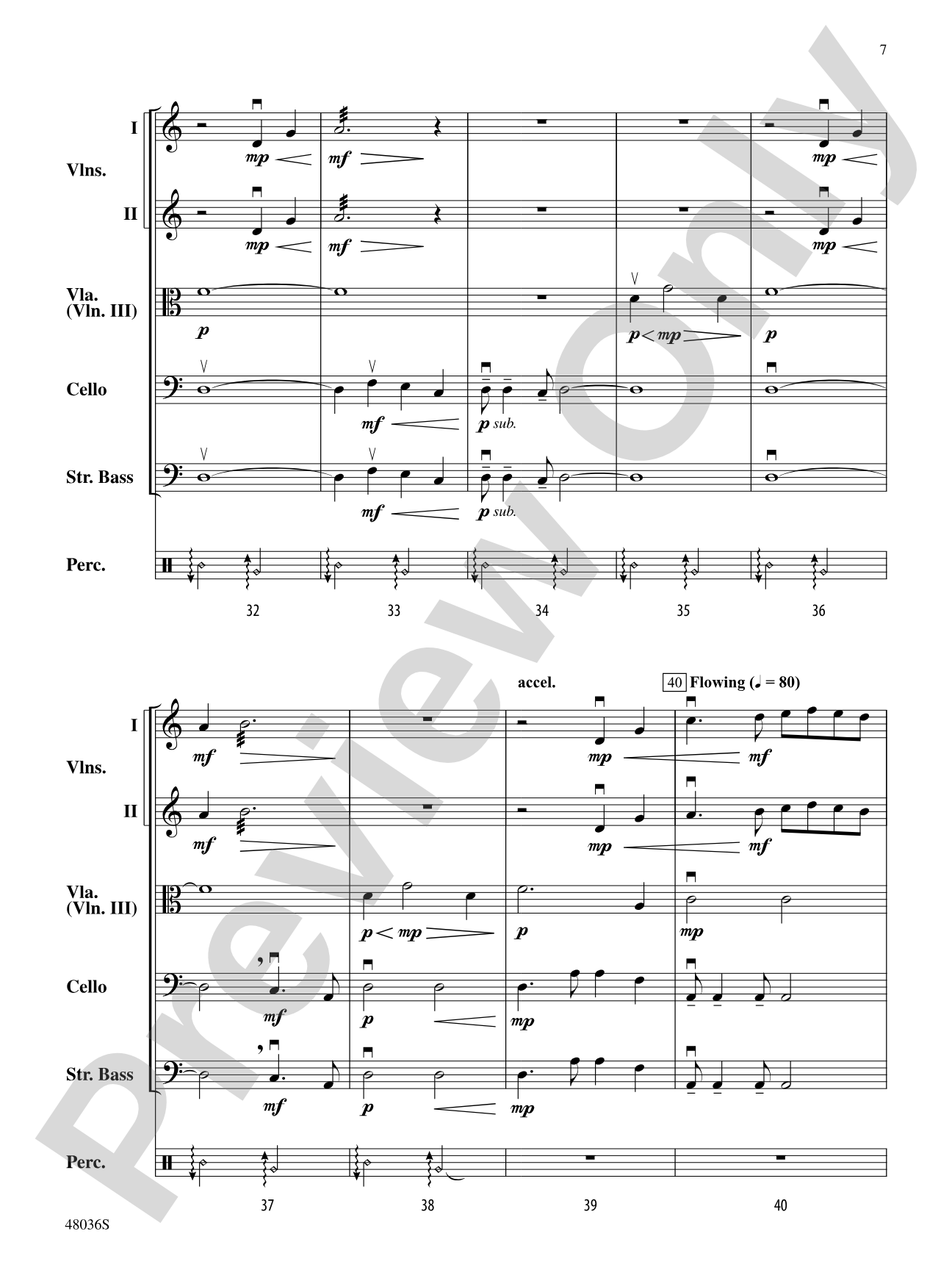
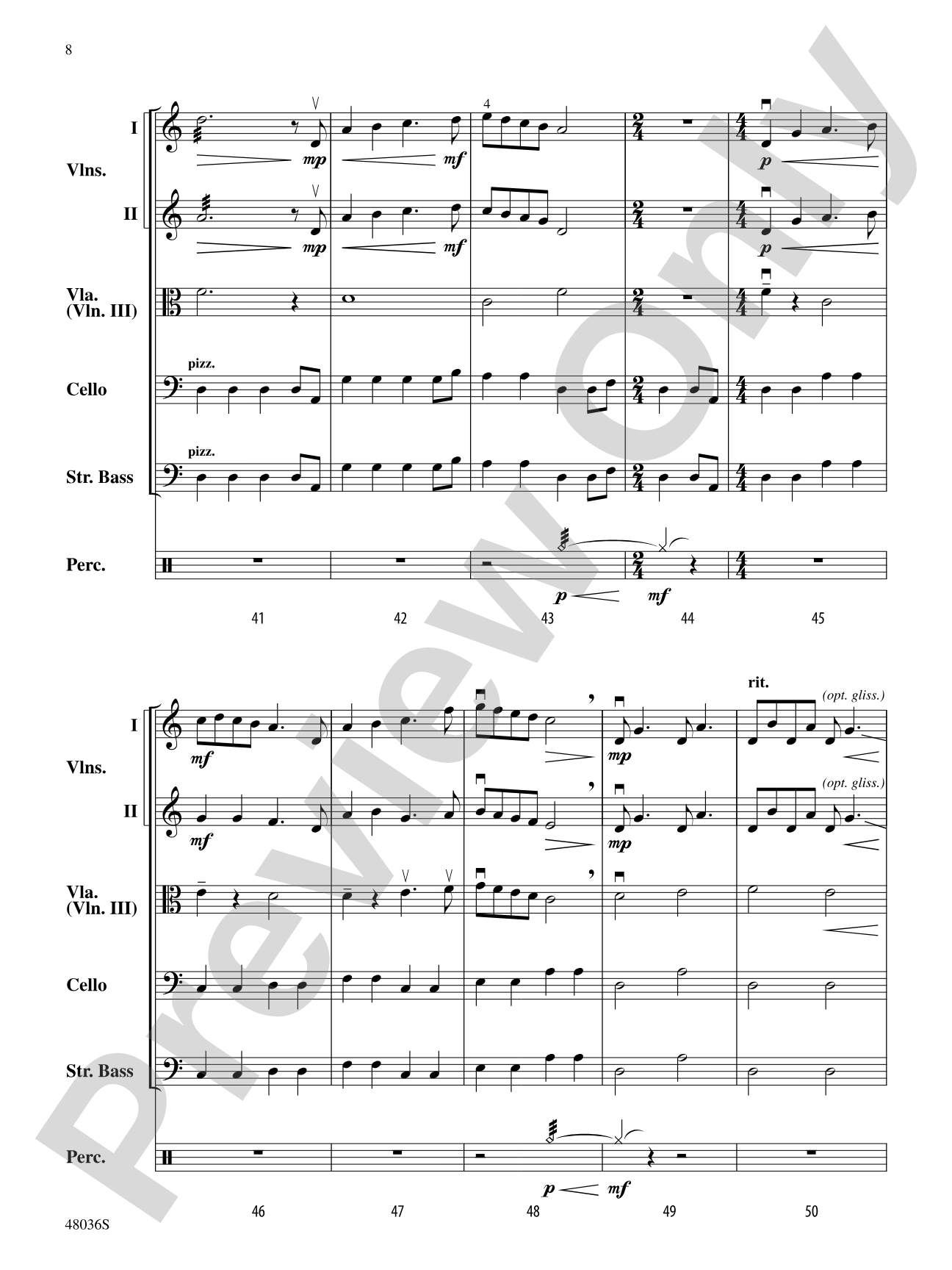
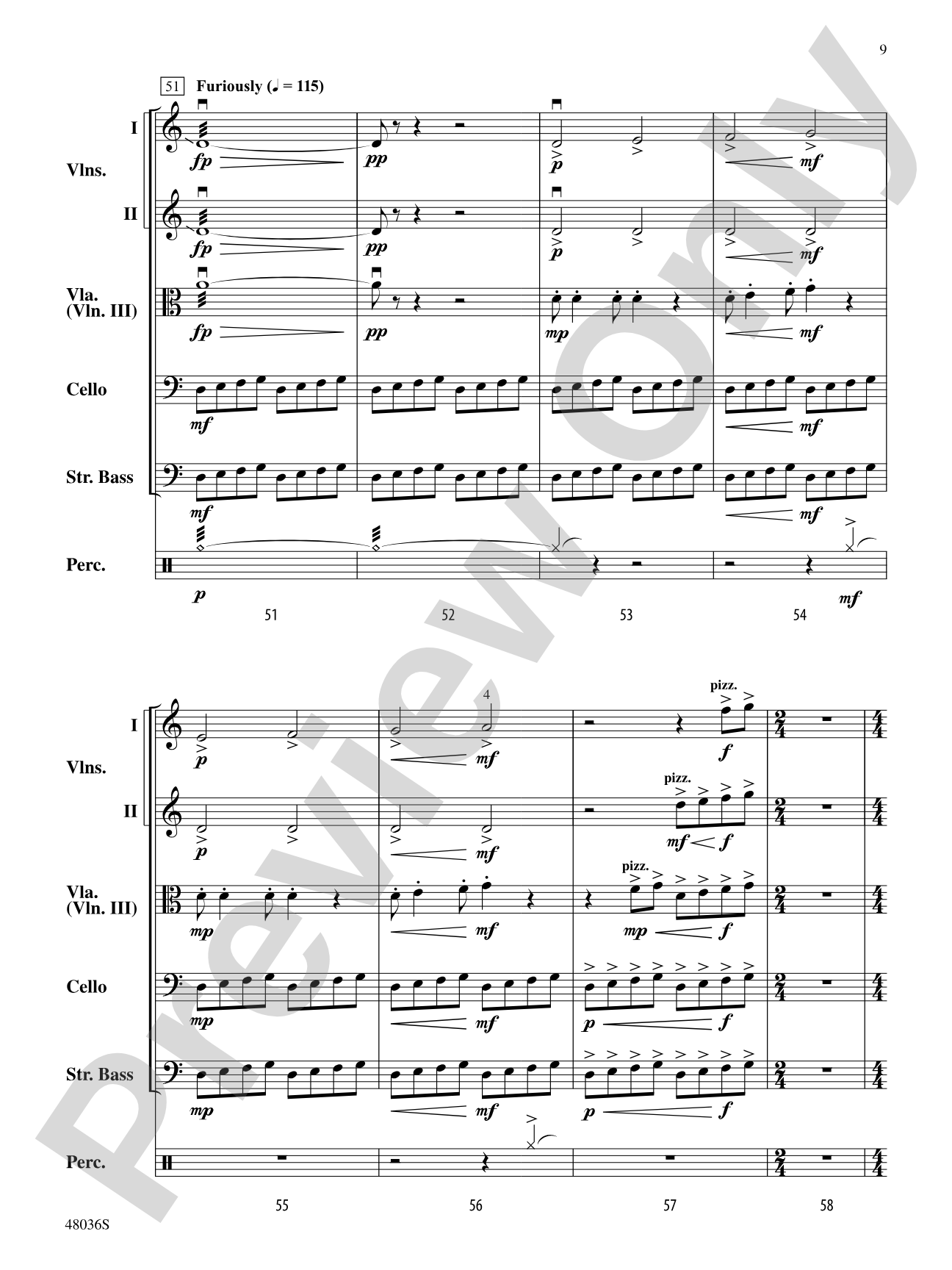

Temple Raider: Score
By Mark Hillegass, Jr.
Grade: 1.5
Item: 00-PR-0006625
$9.00
Pickup currently not available
Description
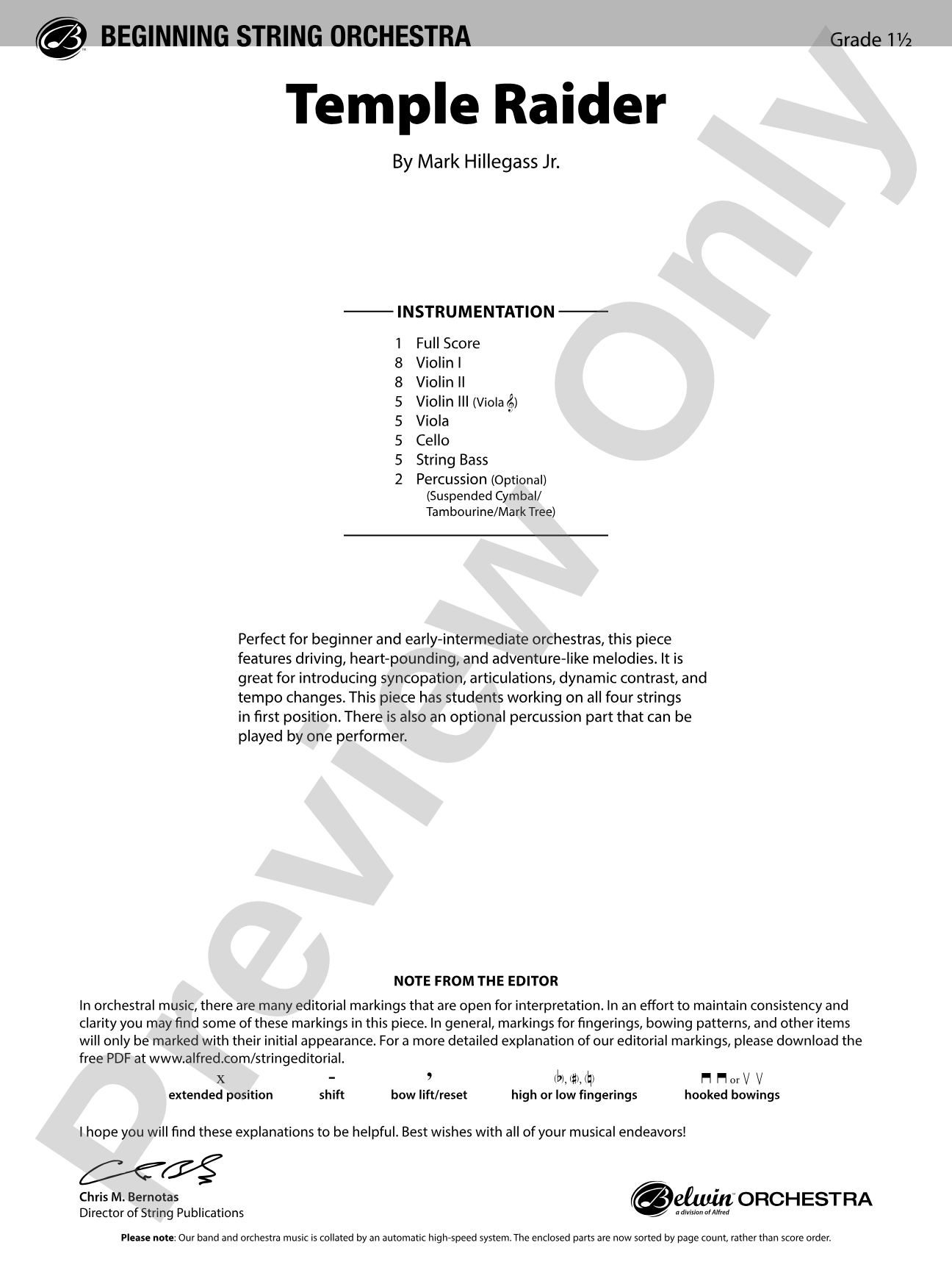
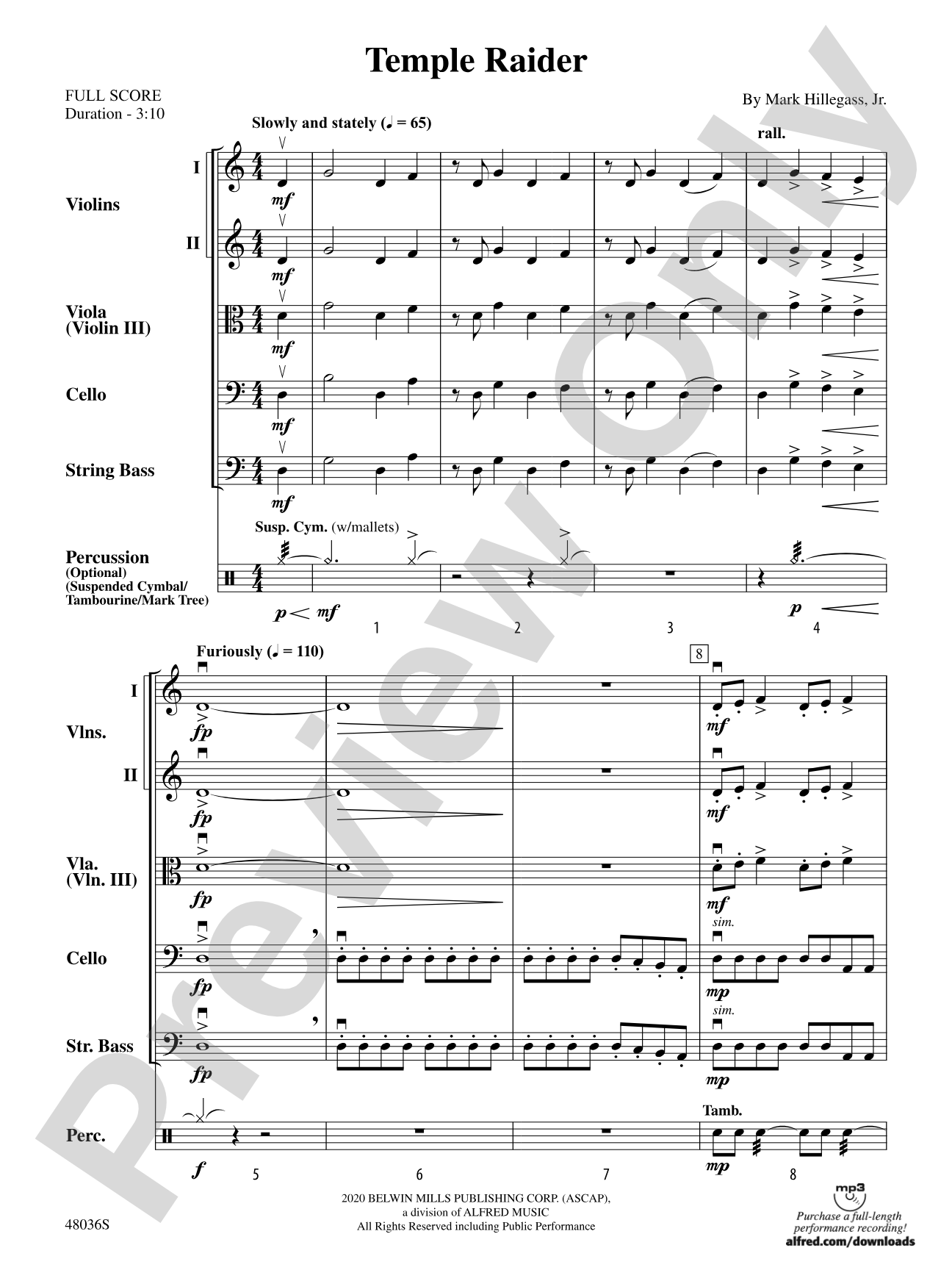
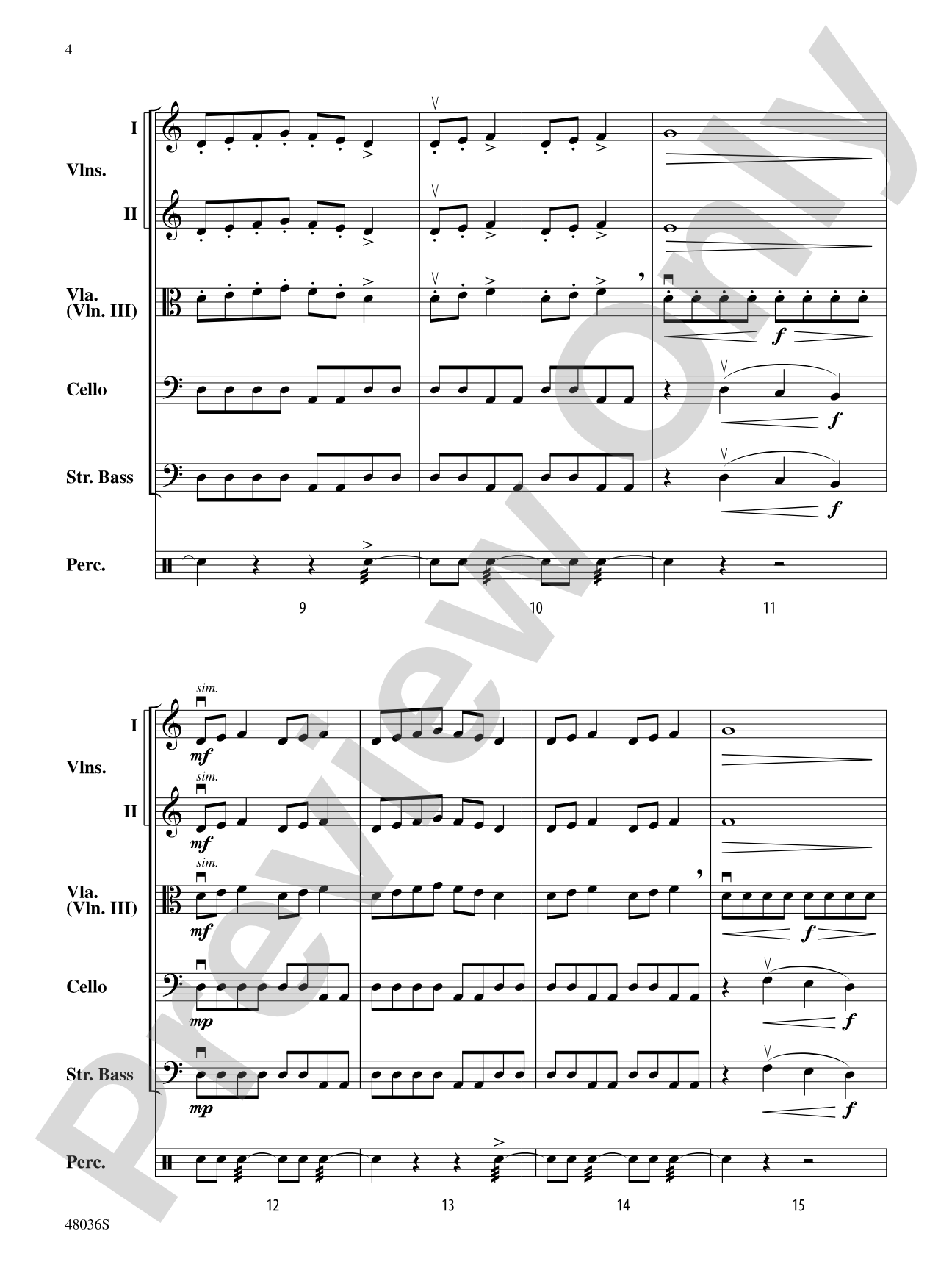
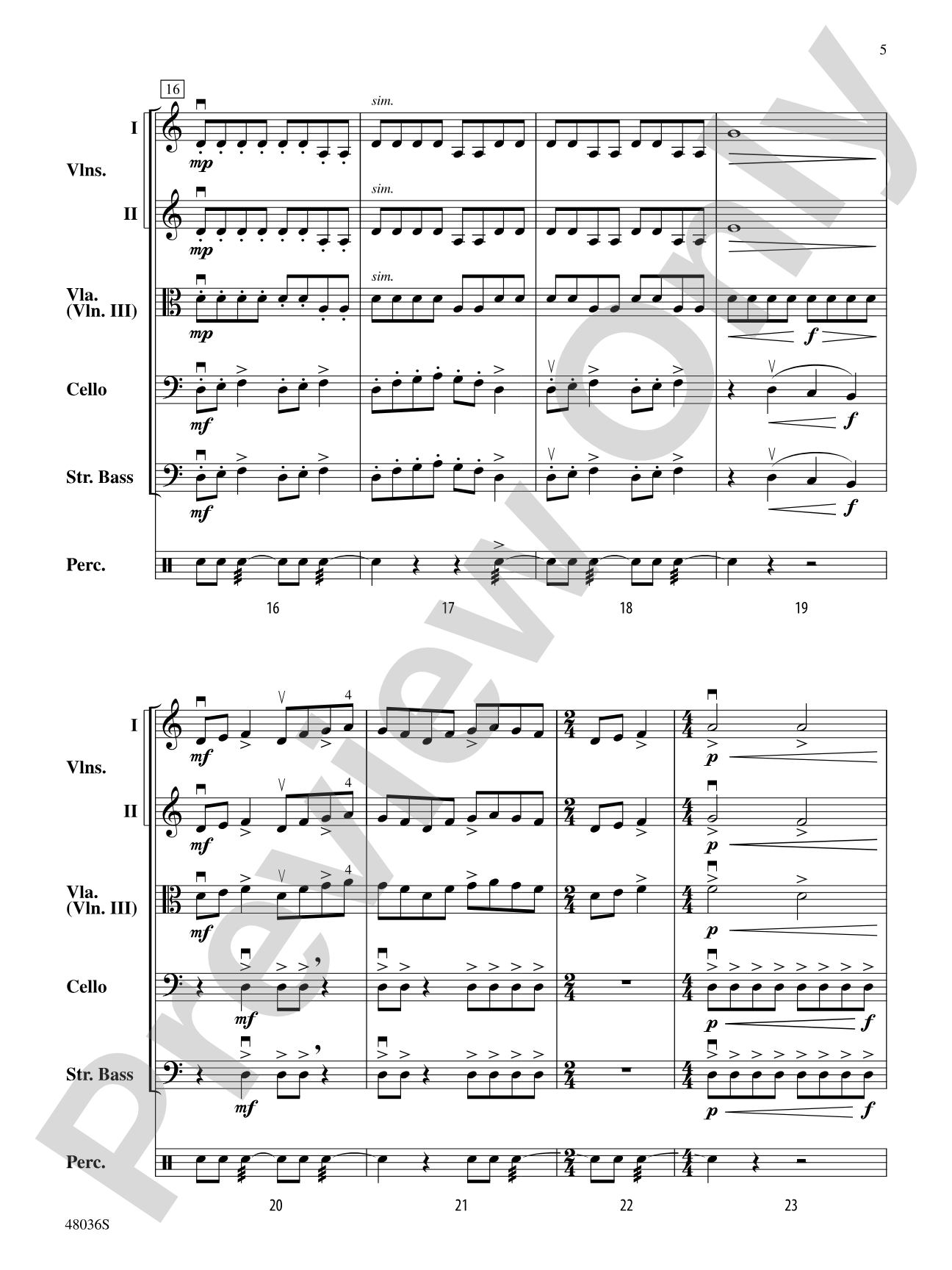
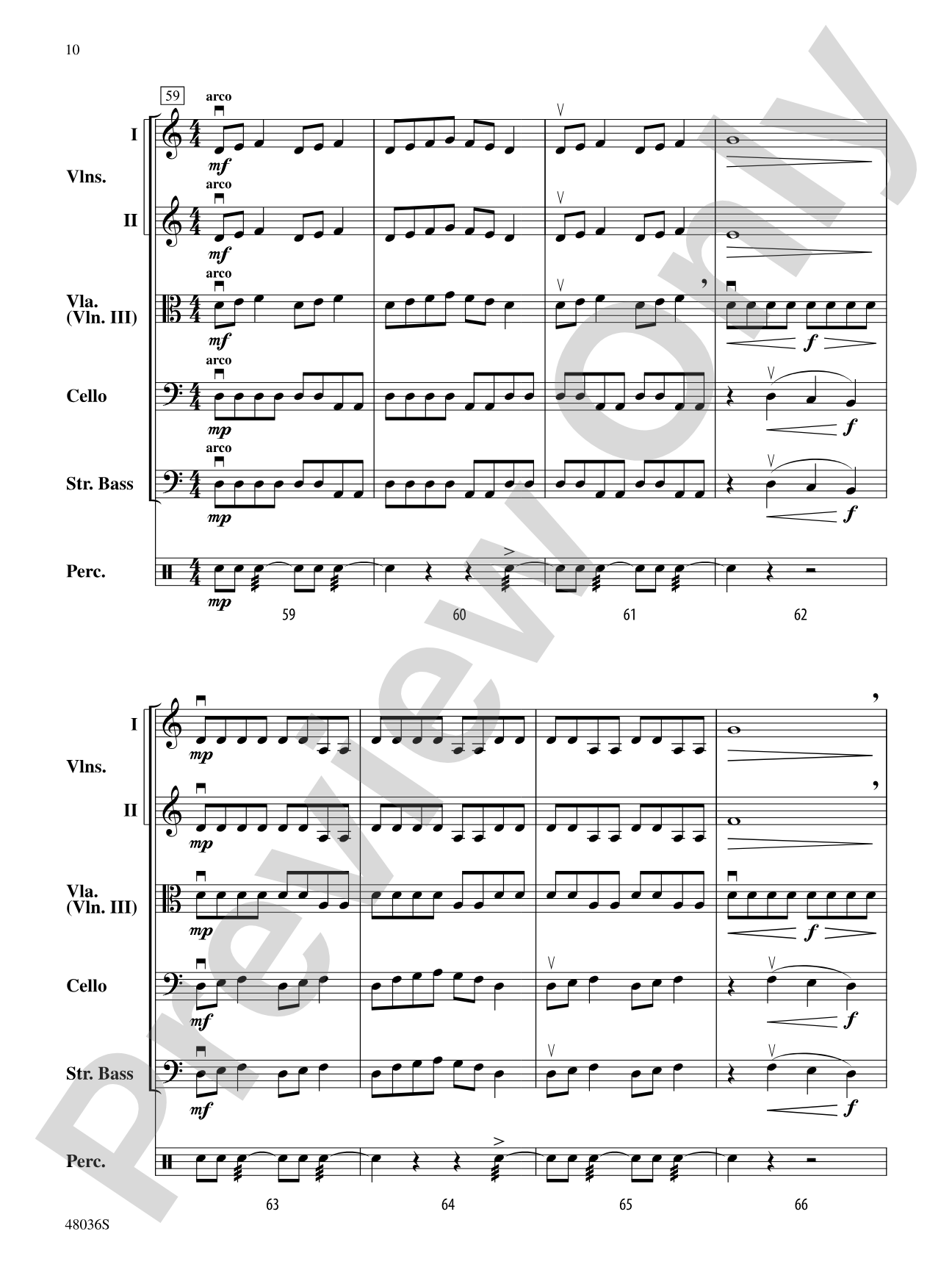
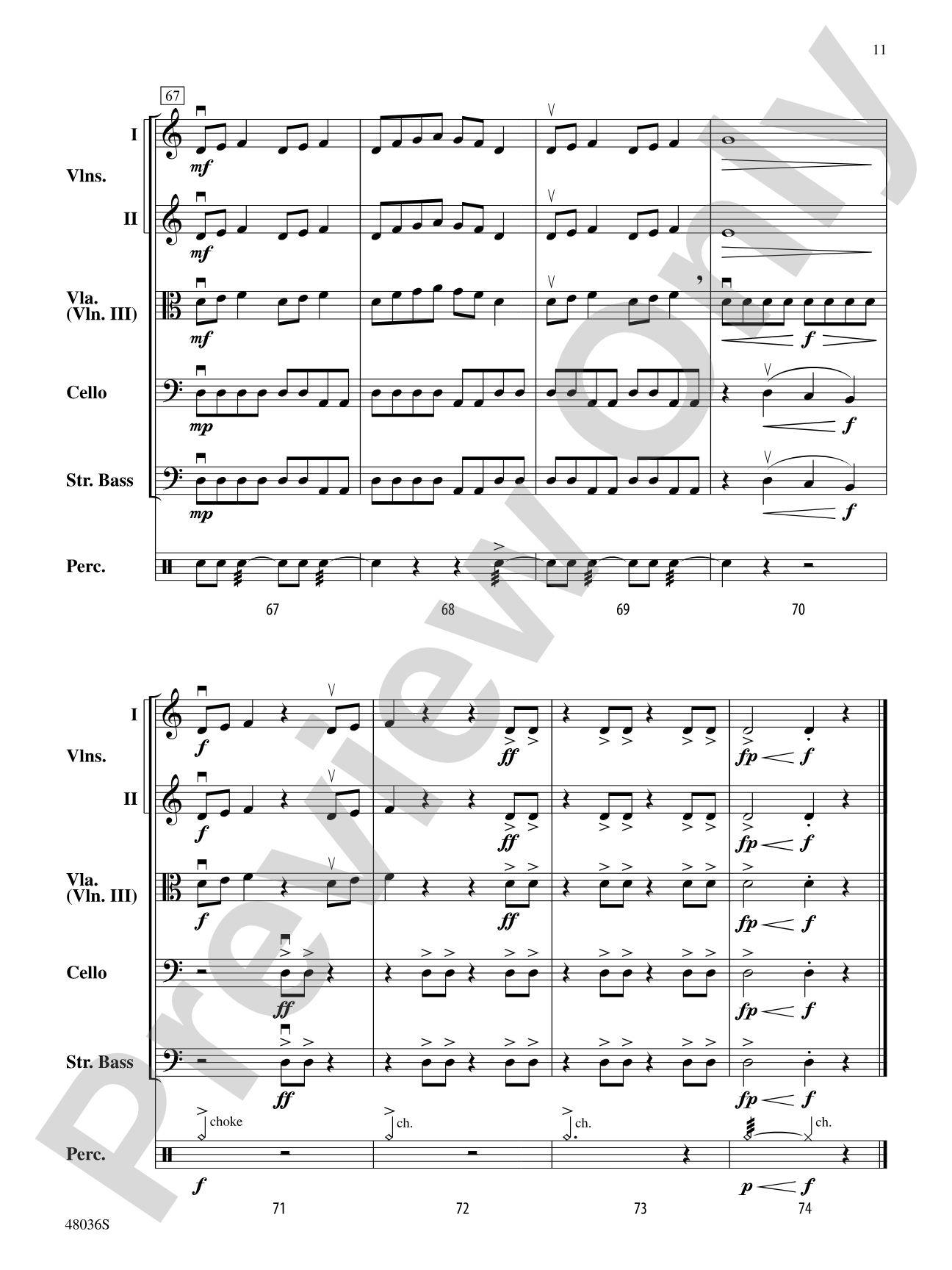
Perfect for beginner and early intermediate orchestras, Temple Raider by Mark Hillegass, Jr. features driving, heart-pounding, mystical, and adventure-like melodies. This piece is great for introducing syncopation, articulations, dynamic contrast, and tempo changes and has students working on all four strings in 1st position. Temple Raider also features the use optional percussion that can be played by one performer. (3:10)


Don't just read it, hear it, play along with it, and watch your students grow with it. In MakeMusic Cloud, Temple Raider: Score comes alive with professional accompaniment, adjustable tempo, and built-in practice tools that turn solo practice into real progress.
Open in the Player
Jump straight in and assign it today.
Start Your Free Trial
Open this title and explore the full library in minutes.
Sample Audio
1
Audio File
--:--
0:00
0:00
Sample Video
Additional Details
Series:
Belwin Beginning String Orchestra
Publisher:
Alfred Music
Page Count:
152
SKU:
00-PR-0006625
More about this title
About the Composer: Mark Hillegrass
Mark Hillegrass, Jr. has built his reputation writing accessible orchestral music that engages young musicians without sacrificing musicality. His work for beginning and intermediate ensembles prioritizes clear pedagogical goals while maintaining the kind of narrative drive that keeps students invested in rehearsal.
Hillegrass understands what motivates young players: arrangements and original works that sound impressive when performed, feel rewarding to learn, and build foundational technique through musical context rather than isolated drills.
Why we love this
Hillegrass writes for young orchestras with real musical ambition. He doesn't shy away from syncopation and dynamic storytelling at this level, which means your students get to tackle actual compositional challenges rather than oversimplified exercises. The optional percussion part is a smart touch that keeps non-string players engaged without complicating the core ensemble.
What to expect
Adventure music that feels urgent and exploratory. The syncopation and tempo changes give it momentum while the mystical melodic content keeps it from becoming purely energetic; there's an underlying sense of mystery that makes students lean into their playing.
Who it's for
Beginning and early intermediate string orchestras ready to explore articulation and syncopation without abandoning accessible instrumentation. This works particularly well for programs where most players are in their first or second year and need repertoire that challenges musicianship without requiring advanced technique.
How to get the most out of it
- Establish the syncopation patterns clearly in sectional rehearsals before running the full piece. Mark the off-beat entrances prominently so players don't chase the downbeat.
- Layer the dynamic shifts gradually rather than executing them suddenly. The contrast between quiet, mysterious passages and driving sections will land harder if transitions feel intentional.
- Let the percussion player hear the string parts in context so they understand the pulse under their optional material. A player who knows the orchestral architecture will execute their part with better musical instinct.
How to use it
This piece announces itself as substantial enough for a festival or contest setting while remaining accessible enough not to overwhelm a developing orchestra. Program it alongside a slower, lyrical work to showcase your ensemble's range in dynamics and tempo. It also works as the anchor piece in a spring concert that celebrates how much your young orchestra has grown.
Skills your students will build
- Reading and executing syncopated rhythms across all string parts
- Dynamic contrast and controlled crescendos/decrescendos
- Articulation variety (staccato, marcato, and legato in rapid succession)
- Tempo changes and maintaining ensemble cohesion through transitions
- First position work across all four strings with musical intention