
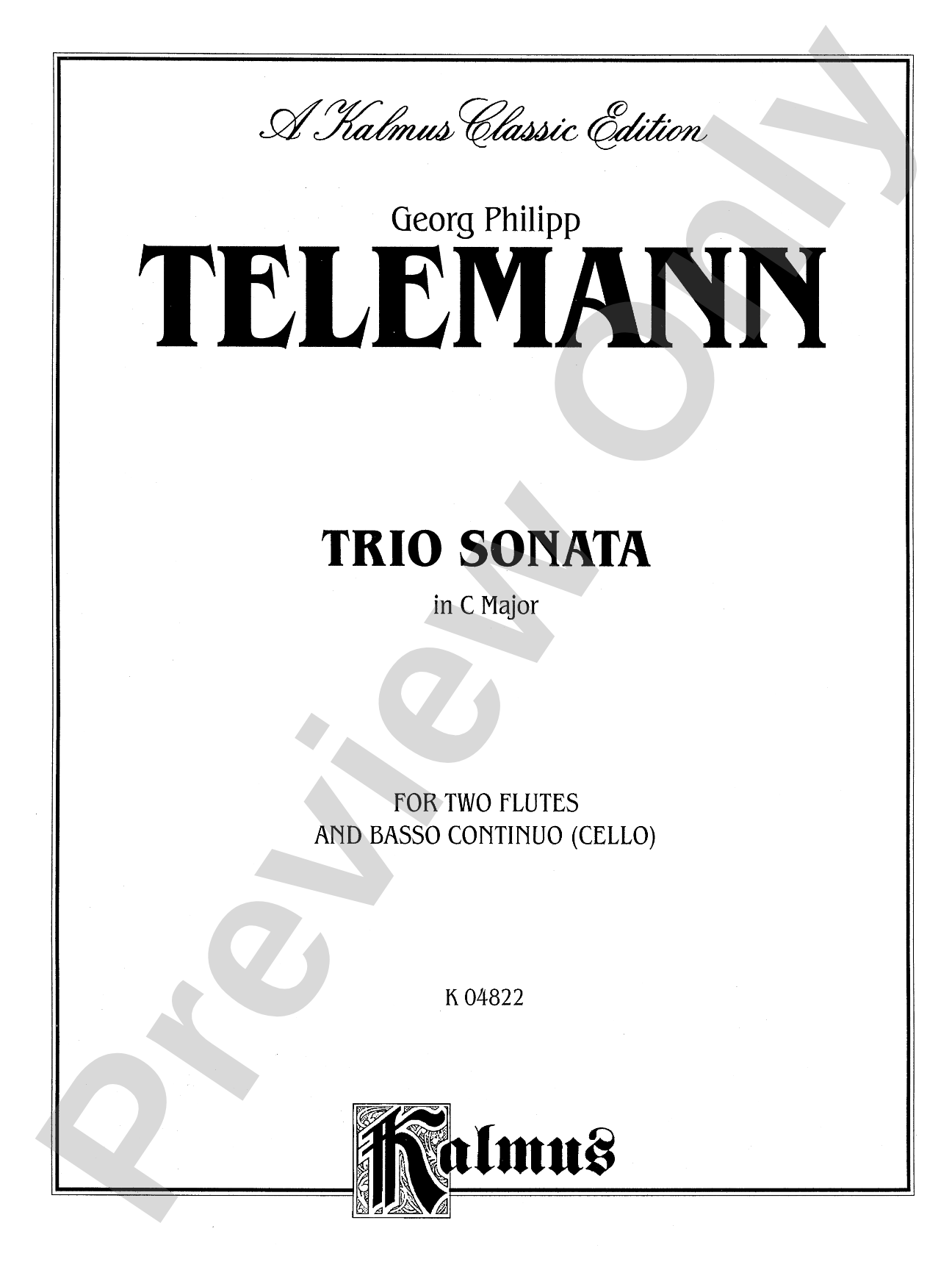
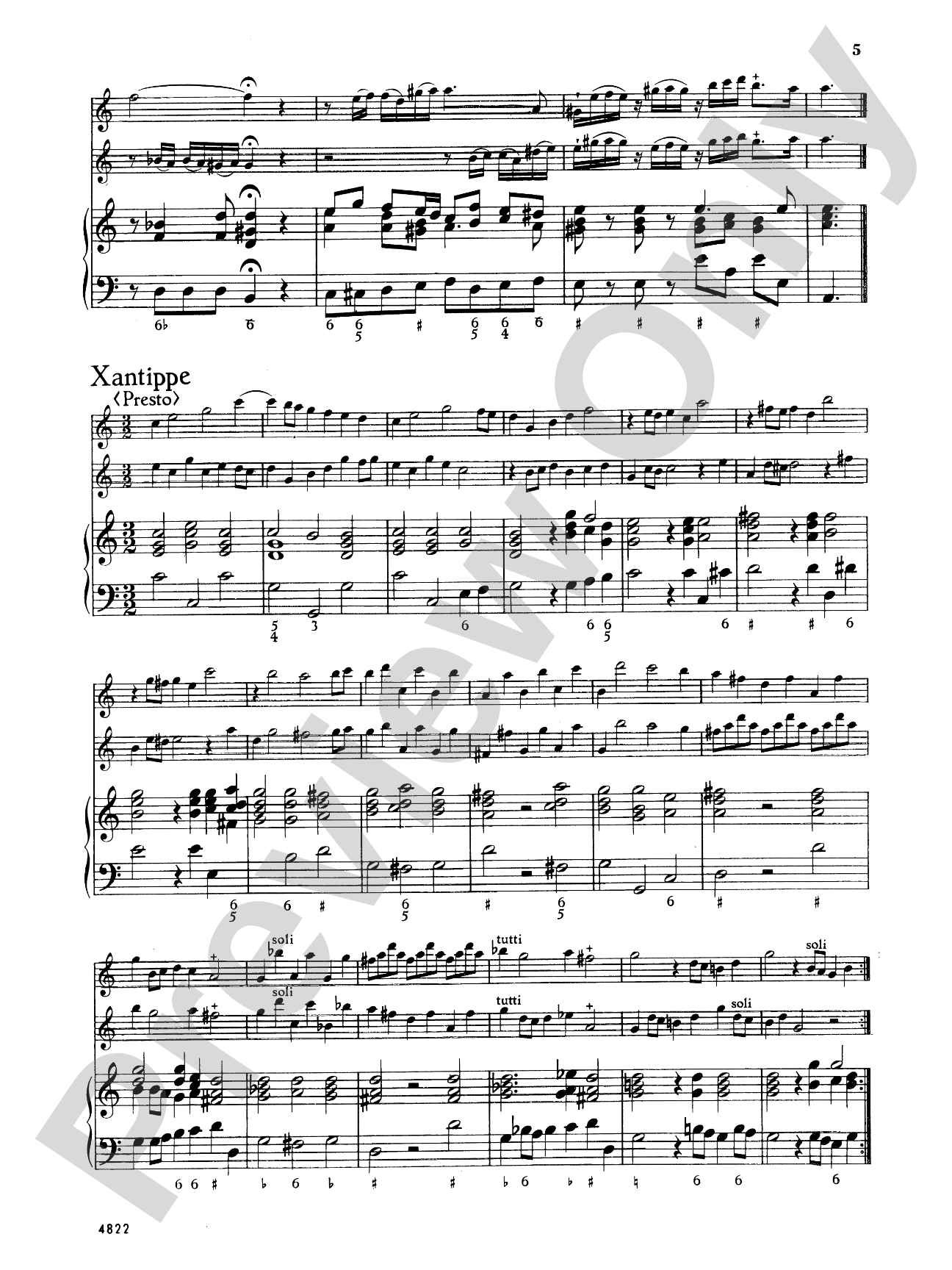
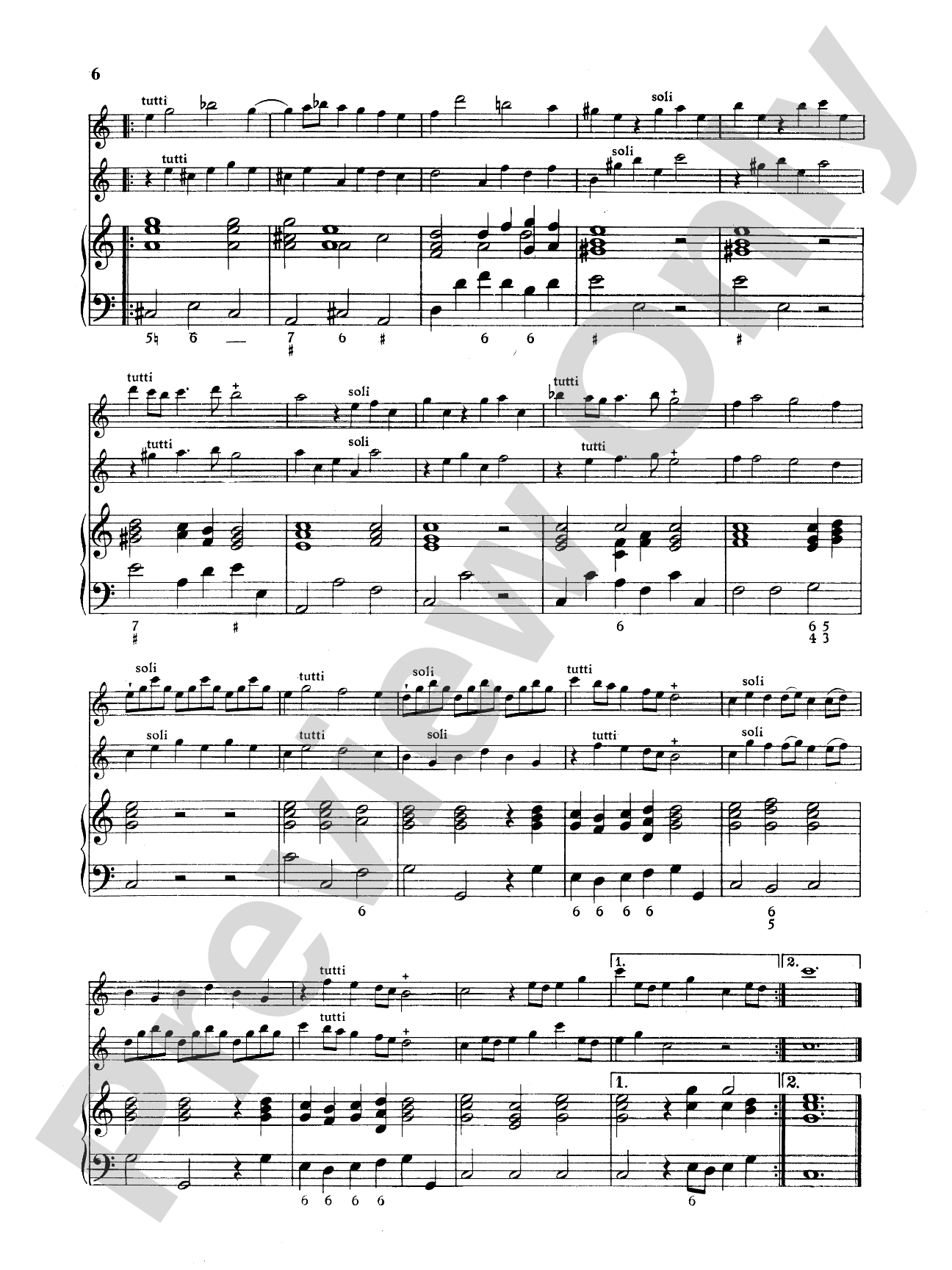
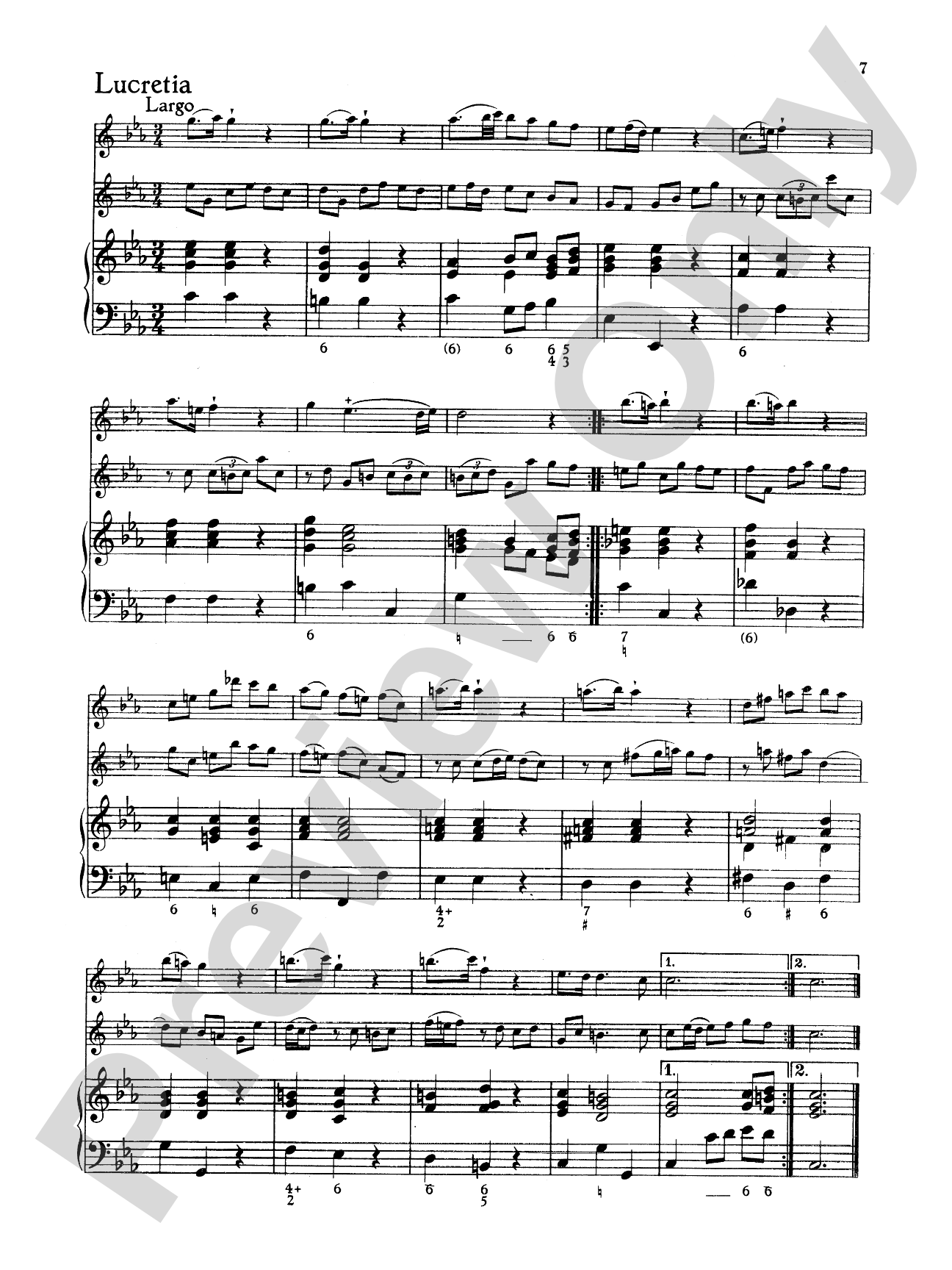
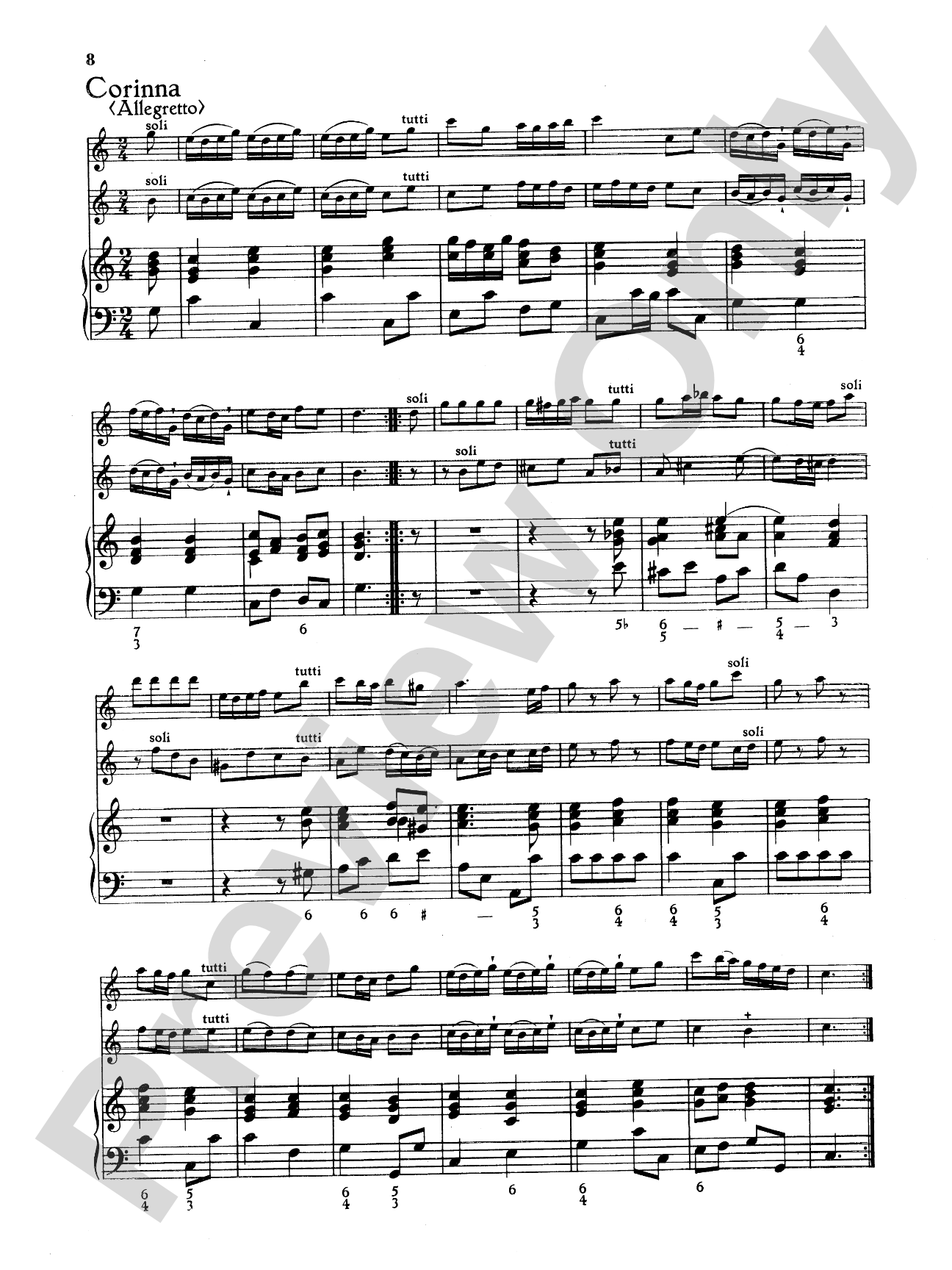
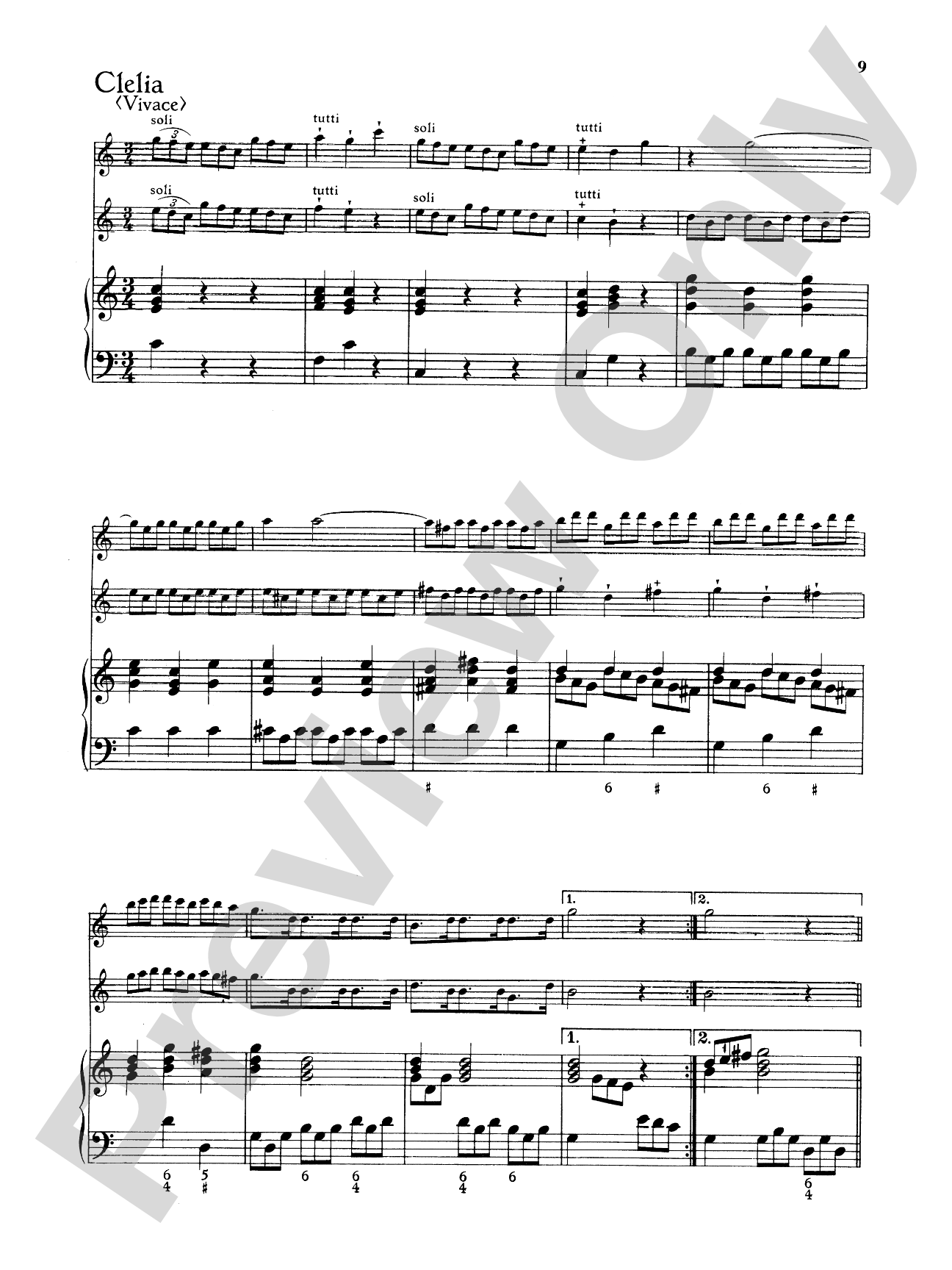
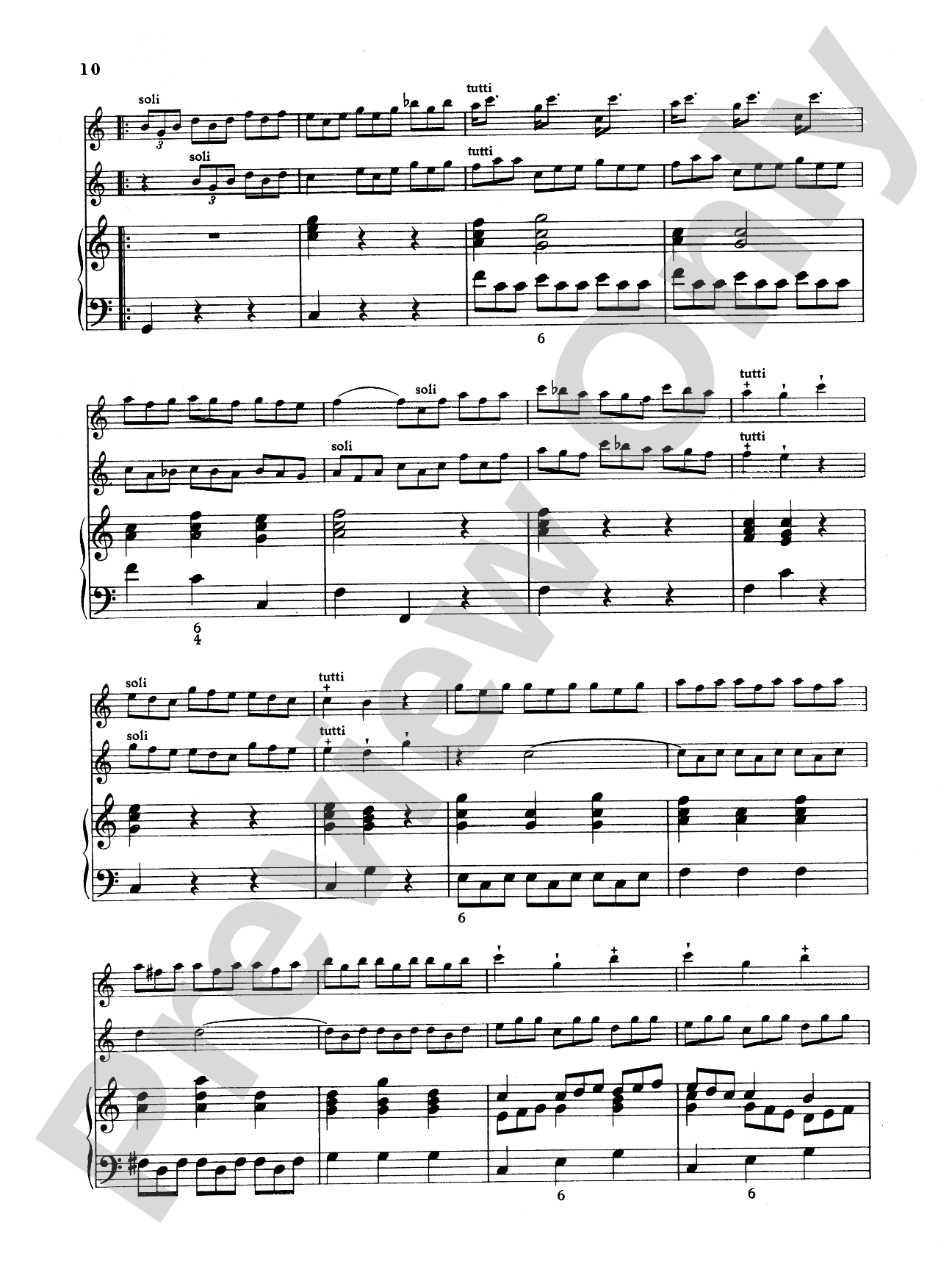
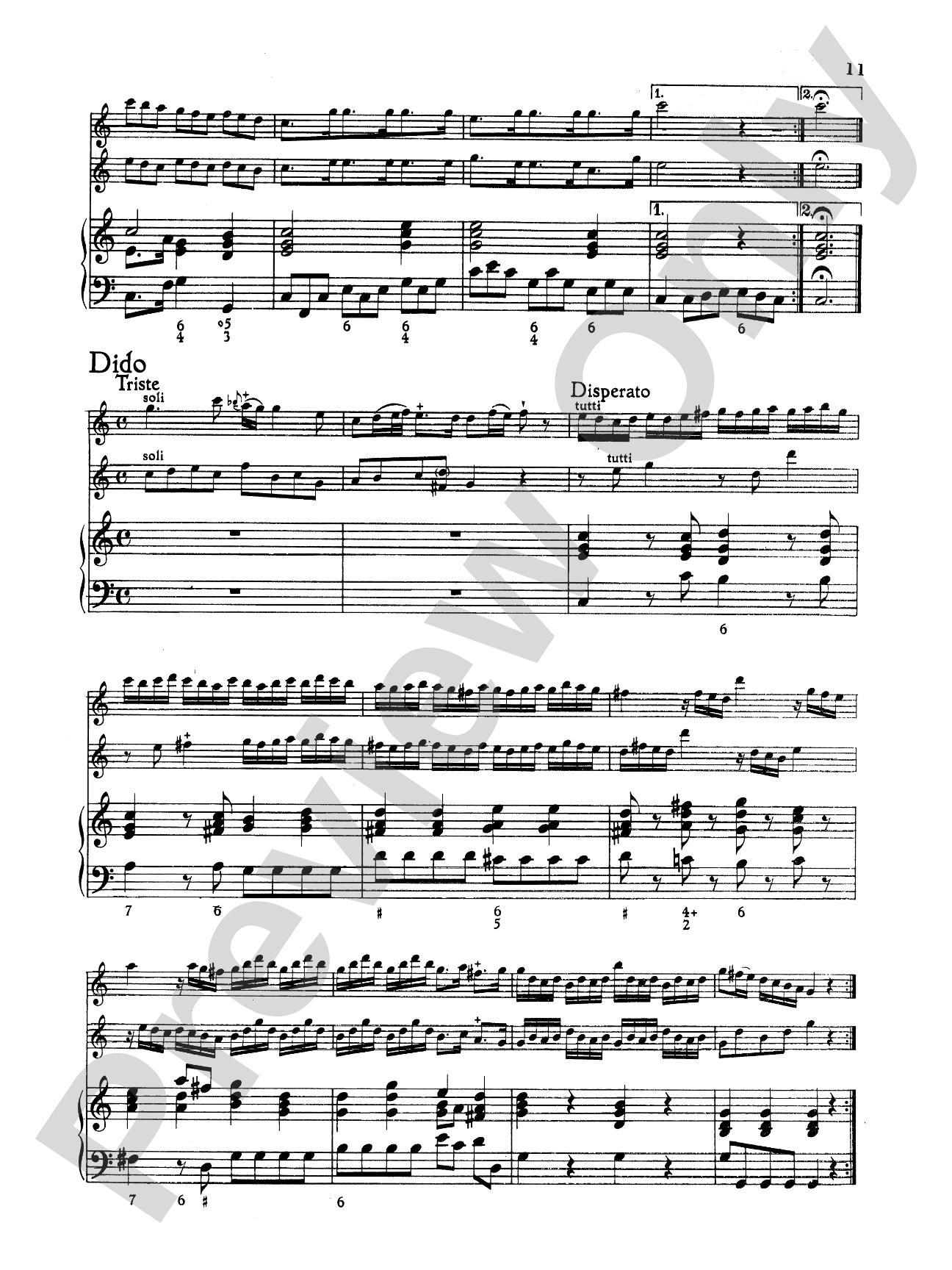
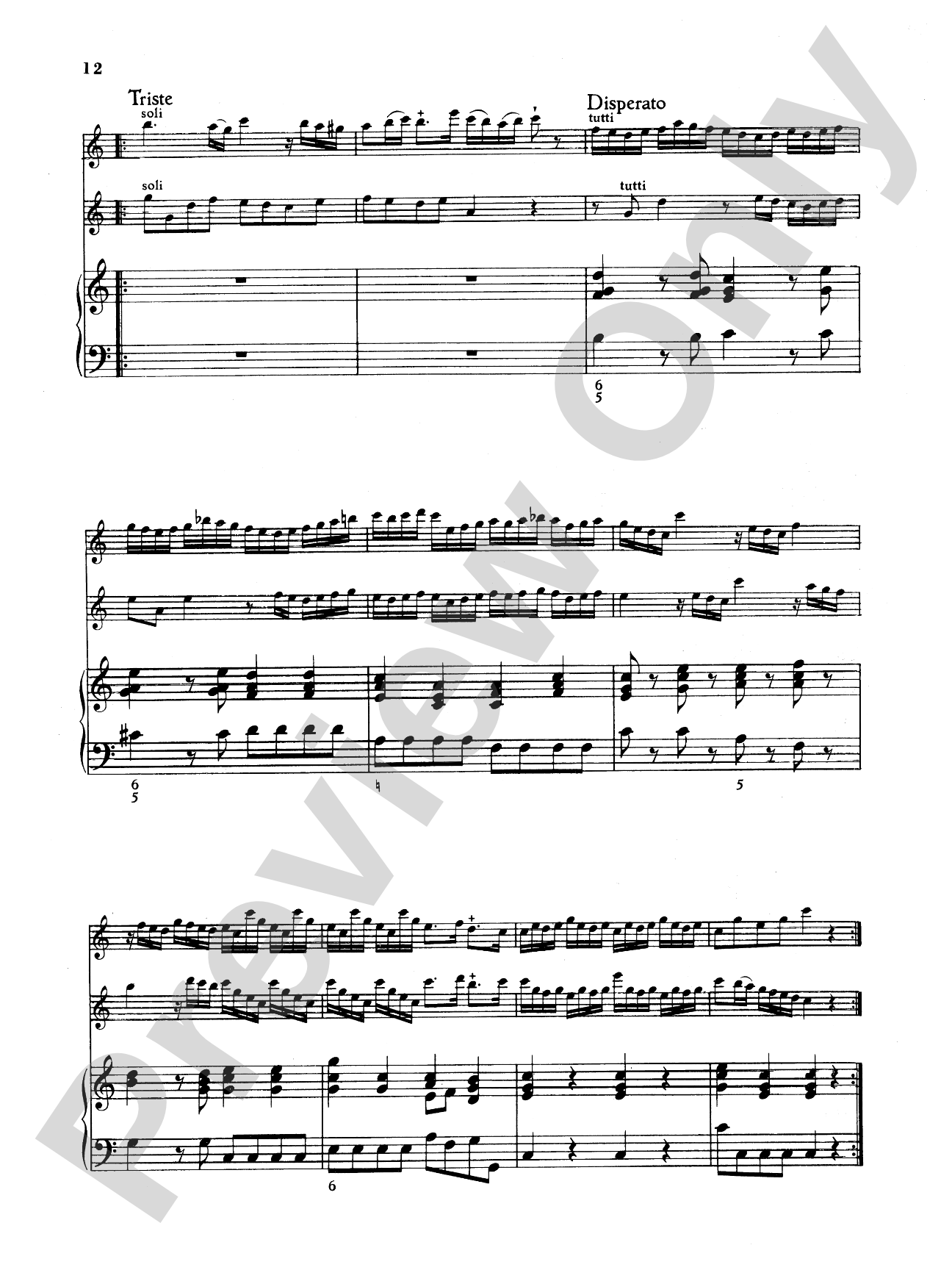

Telemann: Trio Sonata in C Major: Chamber Trio Book
For Two Flutes and Basso Continuo (Cello)
By Georg Philipp Telemann
Item: 00-PK-0003620

$9.99
Pickup currently not available
Buy Extra Parts (Digital PDF Download)
| Product | Price | Quantity |
|---|---|---|
| Telemann: Trio Sonata in C Major | $8.99 |
Parts Added to Cart!
Related Items
Trio Sonata in C Major: Chamber Trio Book |
$9.95
|
View |
Description
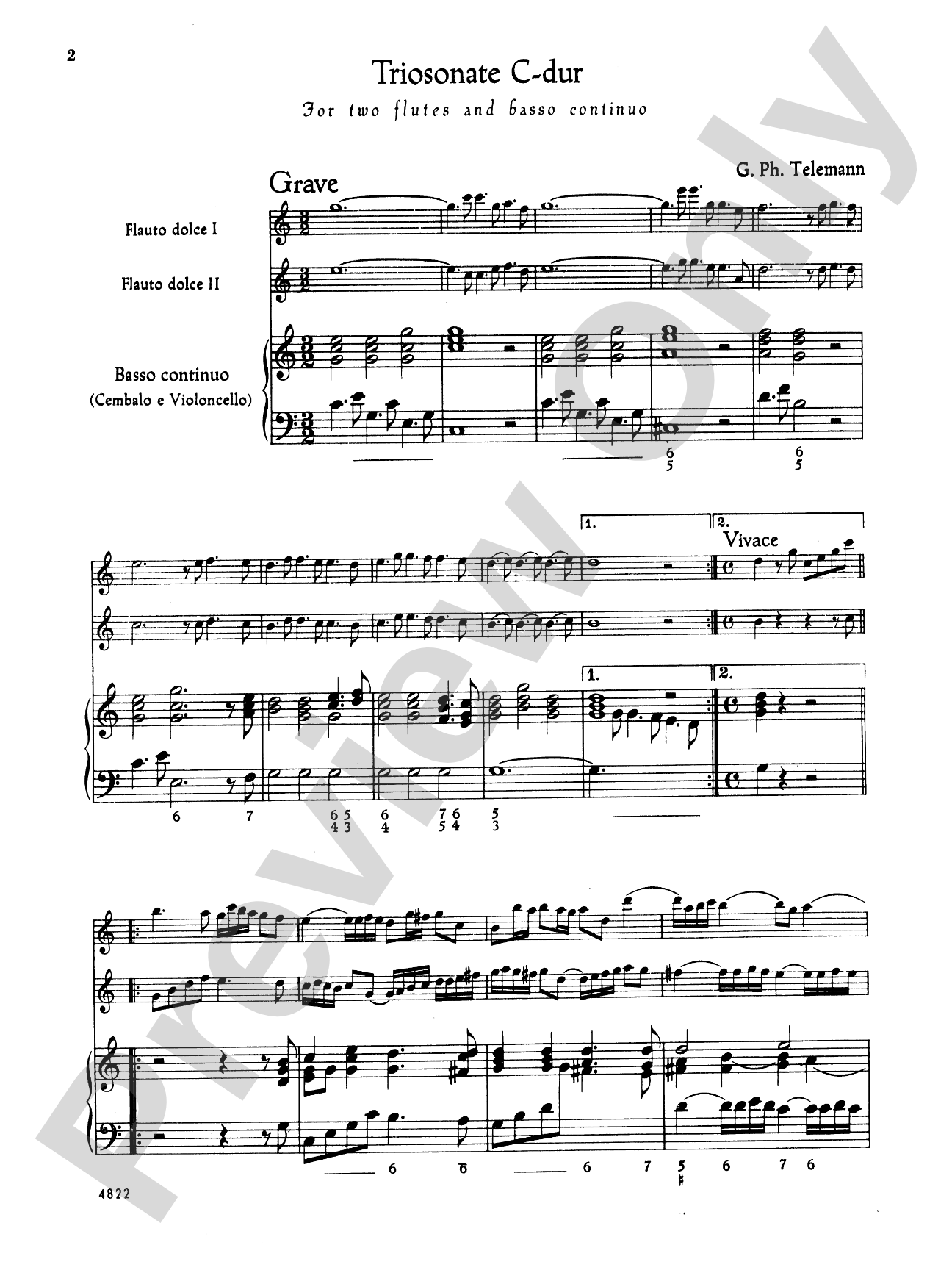
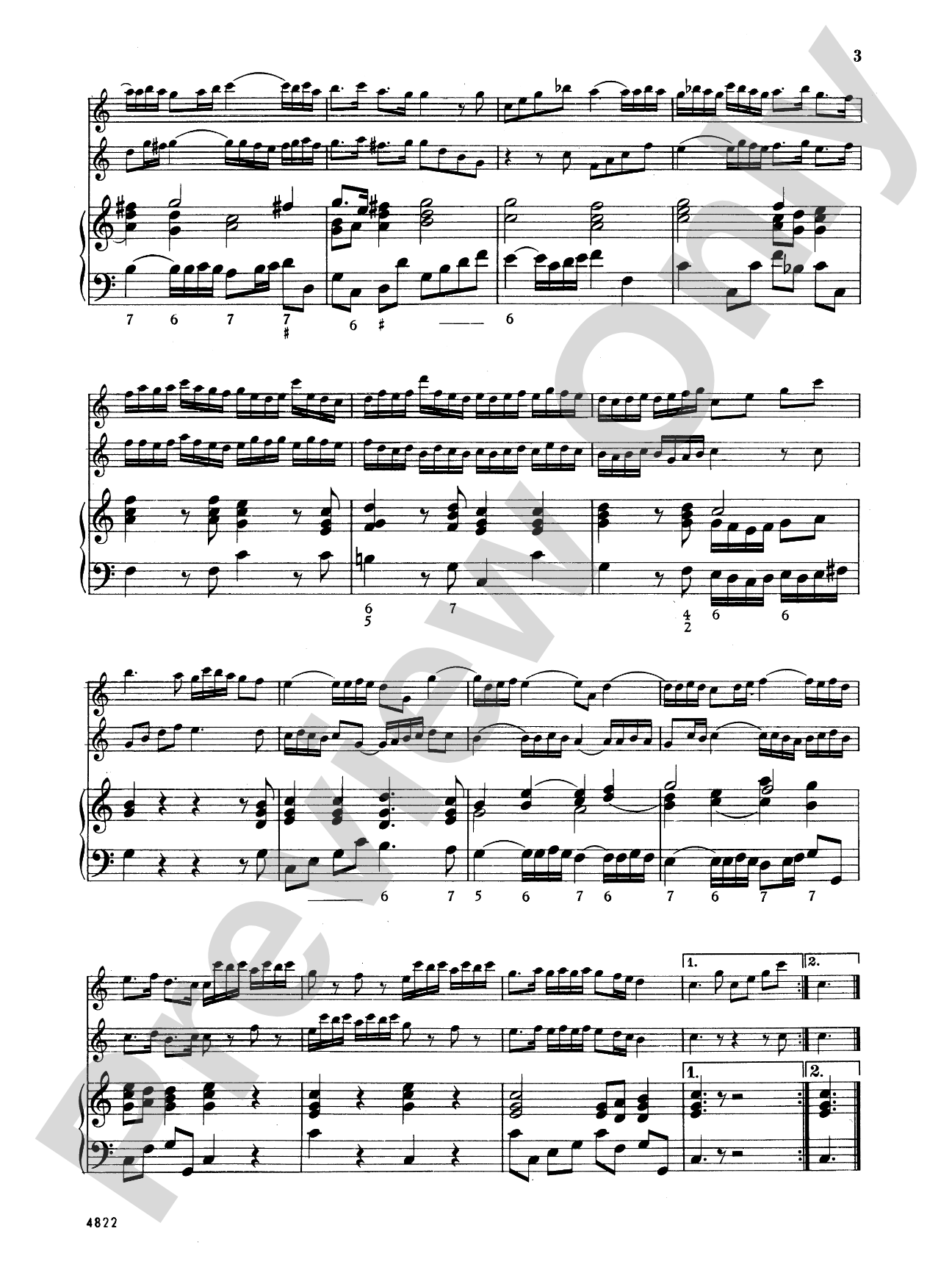
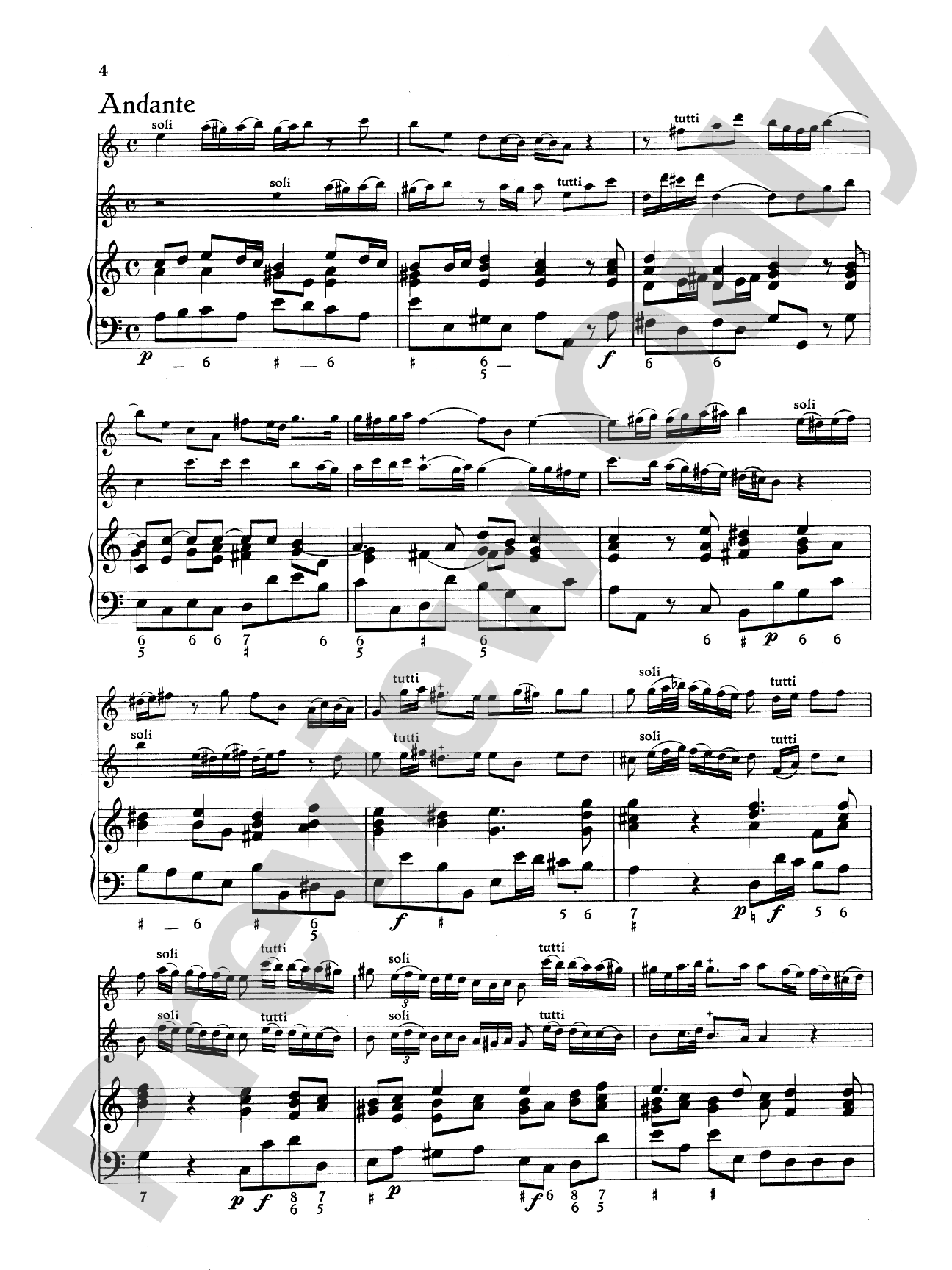
For 2 flutes and basso continuoso.


Don't just read it, hear it, play along with it, and watch your students grow with it. In MakeMusic Cloud, Telemann: Trio Sonata in C Major: Chamber Trio Book comes alive with professional accompaniment, adjustable tempo, and built-in practice tools that turn solo practice into real progress.
Open in the Player
Jump straight in and assign it today.
Start Your Free Trial
Open this title and explore the full library in minutes.
Sample Audio
No sample audio found.
Sample Video
No sample videos found.
Additional Details
Series:
Kalmus Edition
Publisher:
Alfred Music
Page Count:
24
SKU:
00-PK-0003620
More about this title
About the Composer: Georg Philipp Telemann
Georg Philipp Telemann (1681–1767) was one of the most prolific composers of the Baroque era, producing an estimated 3,000 works across every genre. A master of both instrumental and vocal music, he held major positions in Frankfurt, Eisenach, and Hamburg, where he became Kapellmeister at the five principal churches. His compositional output shaped the transition from late Baroque style toward the emerging galant aesthetic.
Telemann's chamber music reveals his gift for writing idiomatically for instruments while maintaining elegant melodic lines and clear harmonic language. His trio sonatas were widely circulated throughout Europe and remain essential repertoire for understanding how Baroque chamber music functioned in both court and civic settings. Teachers value his work for its direct musical sense and reasonable technical demands.
Why we love this
Telemann's trio sonatas strike an ideal balance between structural sophistication and accessibility. The two-flute writing avoids the thick counterpoint of Bach while maintaining genuine musical substance, making this an excellent entry point into Baroque chamber literature without sacrificing integrity or style.
What to expect
The music unfolds with elegant clarity and measured grace typical of Telemann's style. Gentle dialogue between the two flutes creates an intimate, conversational quality, while the continuo provides harmonic structure without overwhelming the transparent orchestration.
Who it's for
Intermediate to advanced flutists seeking substantial Baroque chamber repertoire will find this trio sonata rewarding. It works equally well in educational settings for ensemble students learning Baroque style and as performance material for adult amateur groups or semi-professional ensembles.
How to get the most out of it
- Balance the two flute parts as equal voices rather than treating one as accompaniment. Telemann voices both lines expressively, and clarity improves when both players commit to projection and articulation.
- Shape phrases across the bar line with the continuo. Communicate with your harpsichord or cello player about harmonic rhythm and cadence points so the continuo supports rather than interrupts melodic momentum.
- Use light articulation and period-appropriate ornamentation where Telemann's notation suggests it. His style tolerates modest embellishment in repeat sections and at cadential points; consult a period-performance edition if available.
- Establish consistent tempo before beginning. The two flutes must lock rhythmically, especially in passage work, and a solid continuo foundation allows both flutes freedom to phrase expressively without losing coordination.
How to use it
Program this as a centerpiece for a Baroque chamber concert or as part of a theme exploring German Baroque composers. It pairs naturally with other Telemann works, Bach trio sonatas, or flute sonatas by Handel, and its modest length (about 12-15 minutes) makes it ideal for mixed-era chamber recitals seeking historical variety.
Skills your students will build
- Reading figured bass notation and understanding continuo function
- Baroque articulation and phrasing conventions
- Ensemble balance and voice independence in two-part writing
- Coordination with keyboard and bass continuo players
- Interpretation of Baroque ornamentation and cadential decoration