

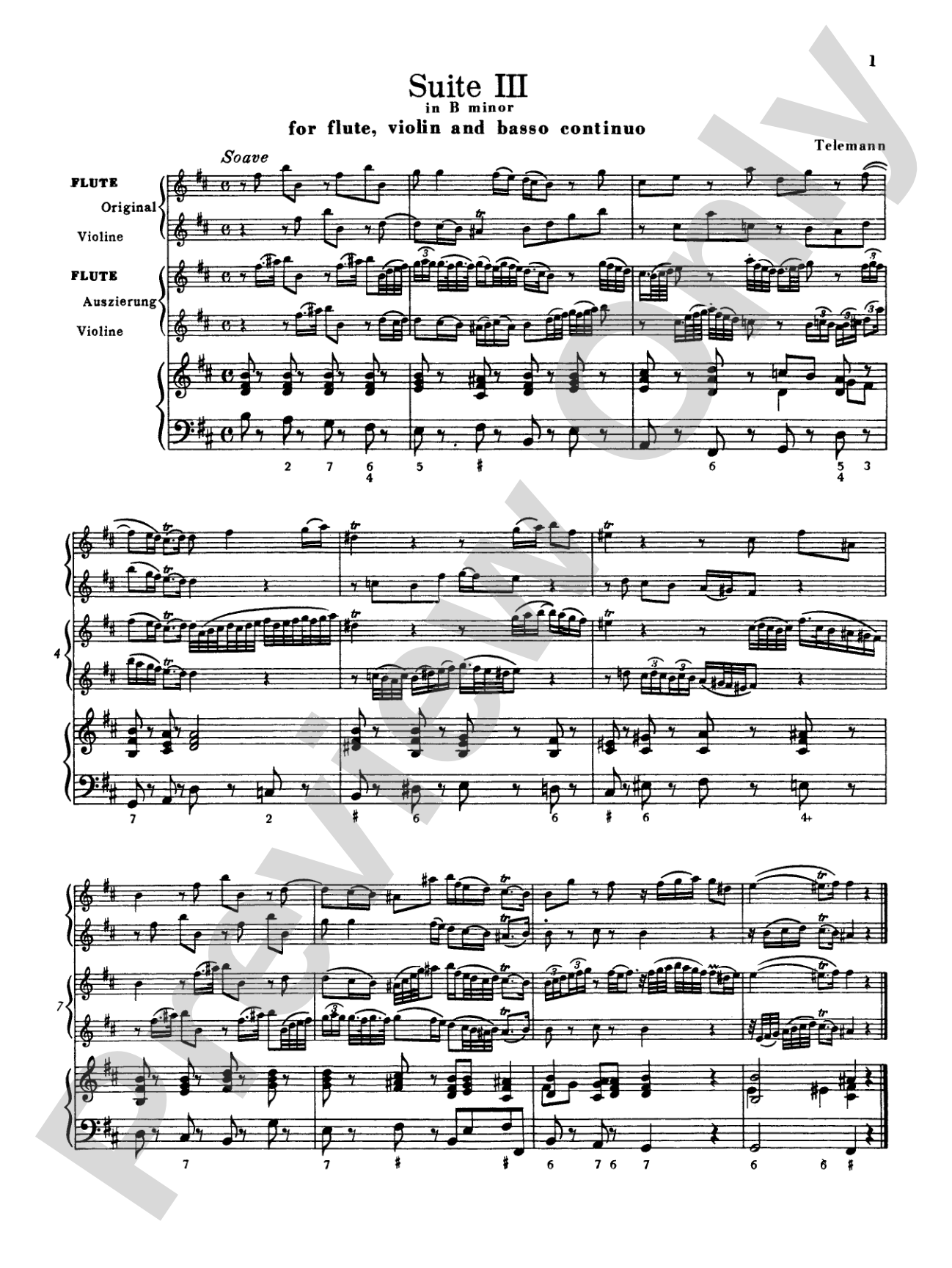
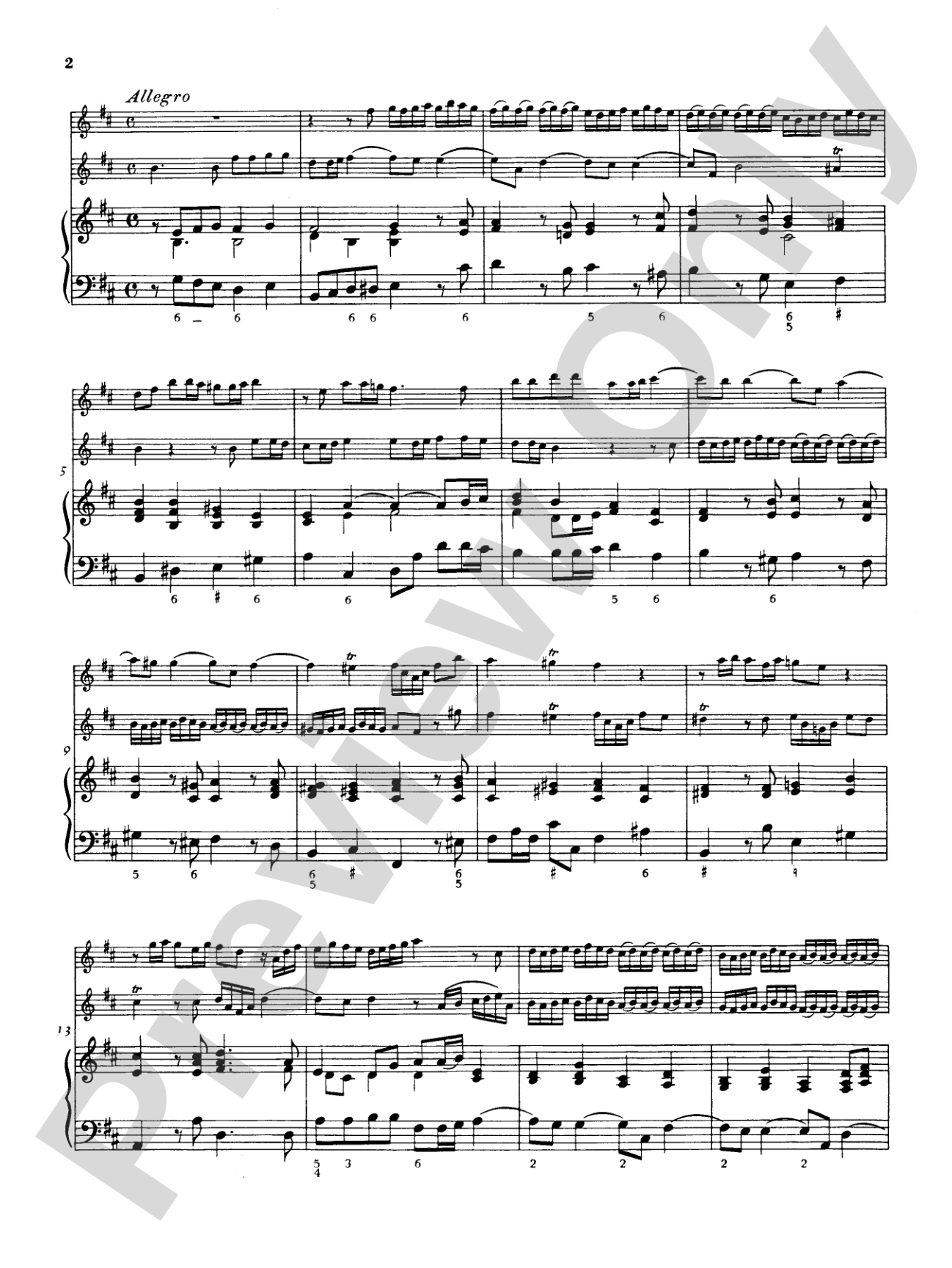
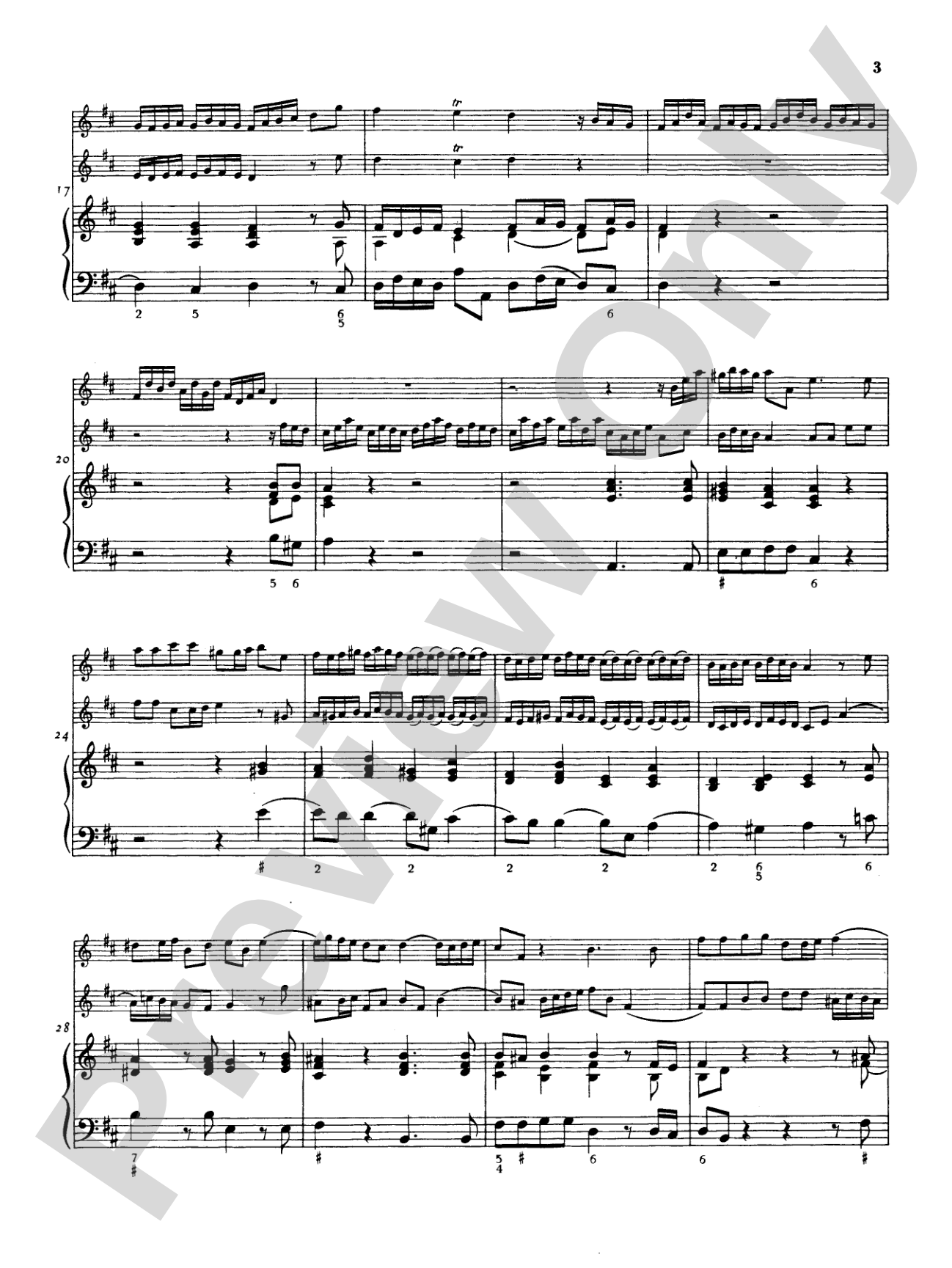
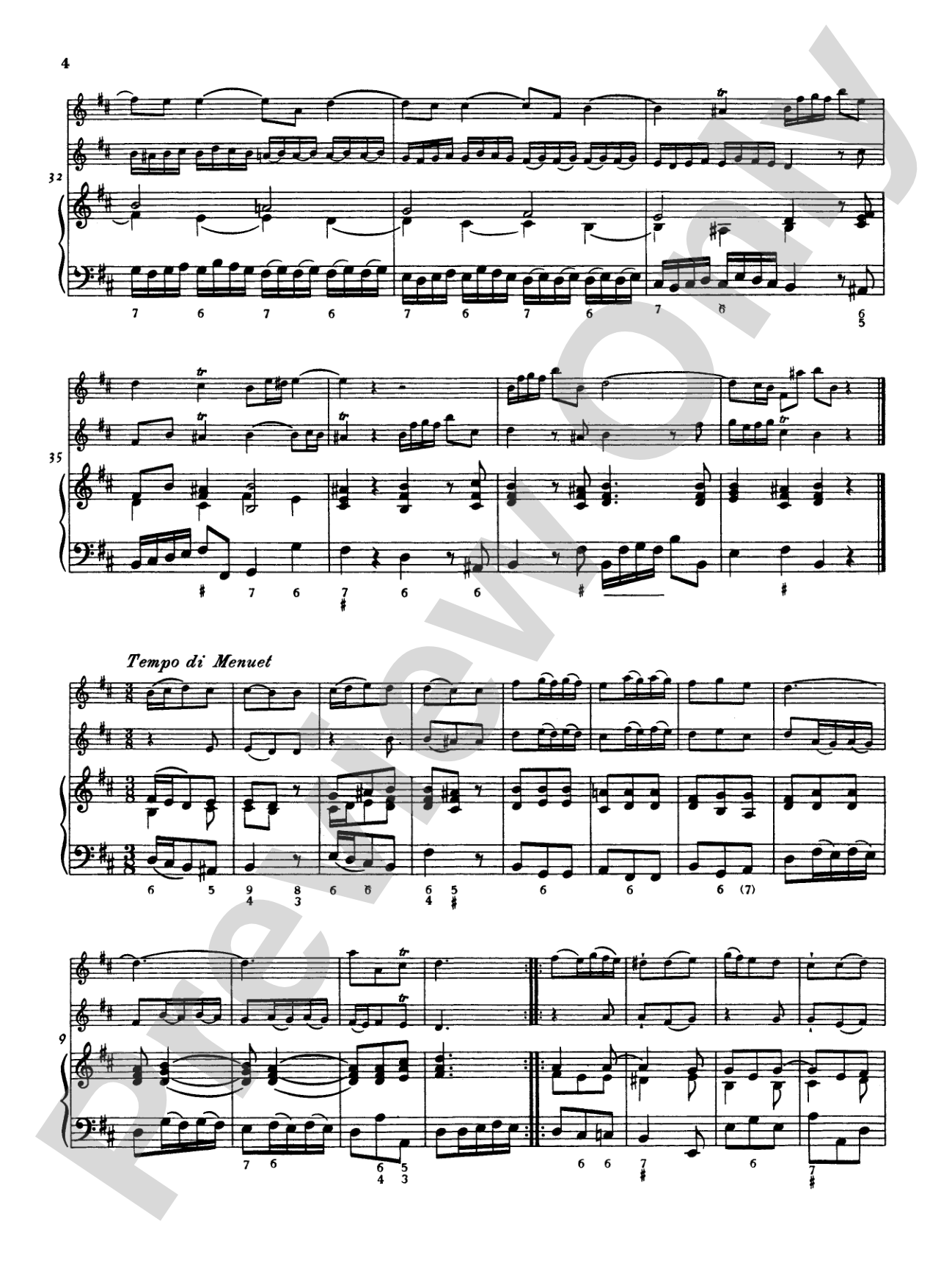
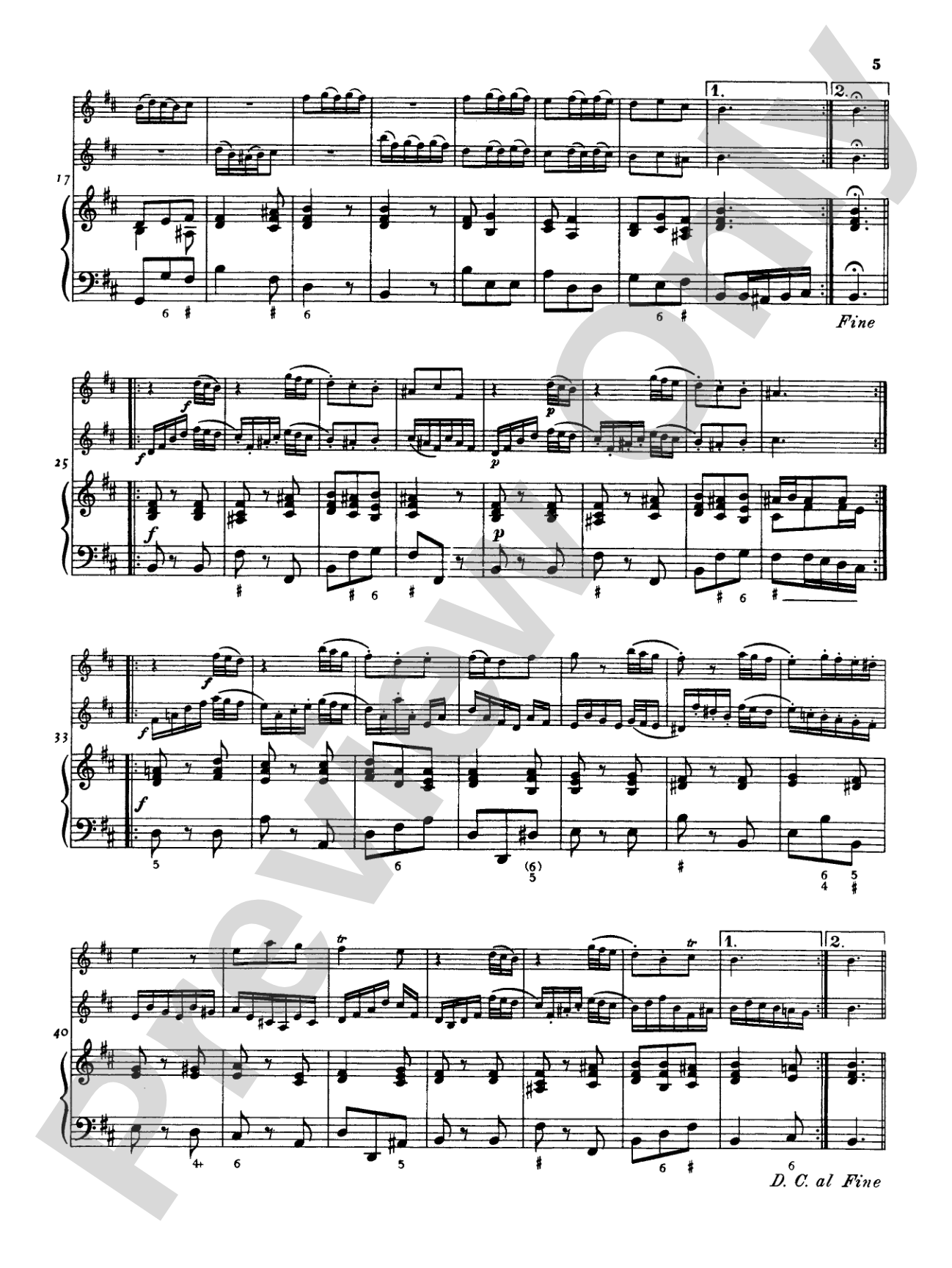
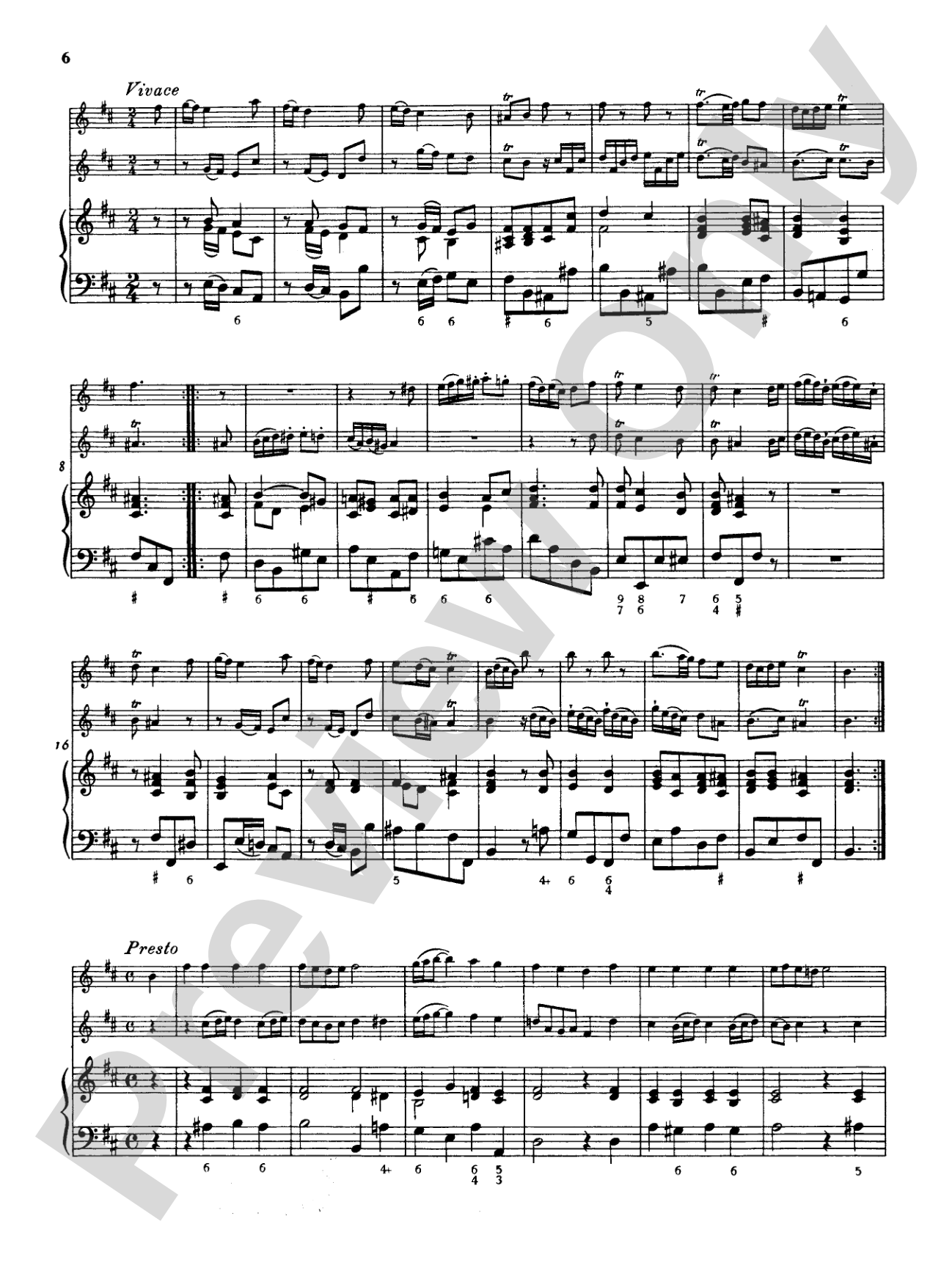
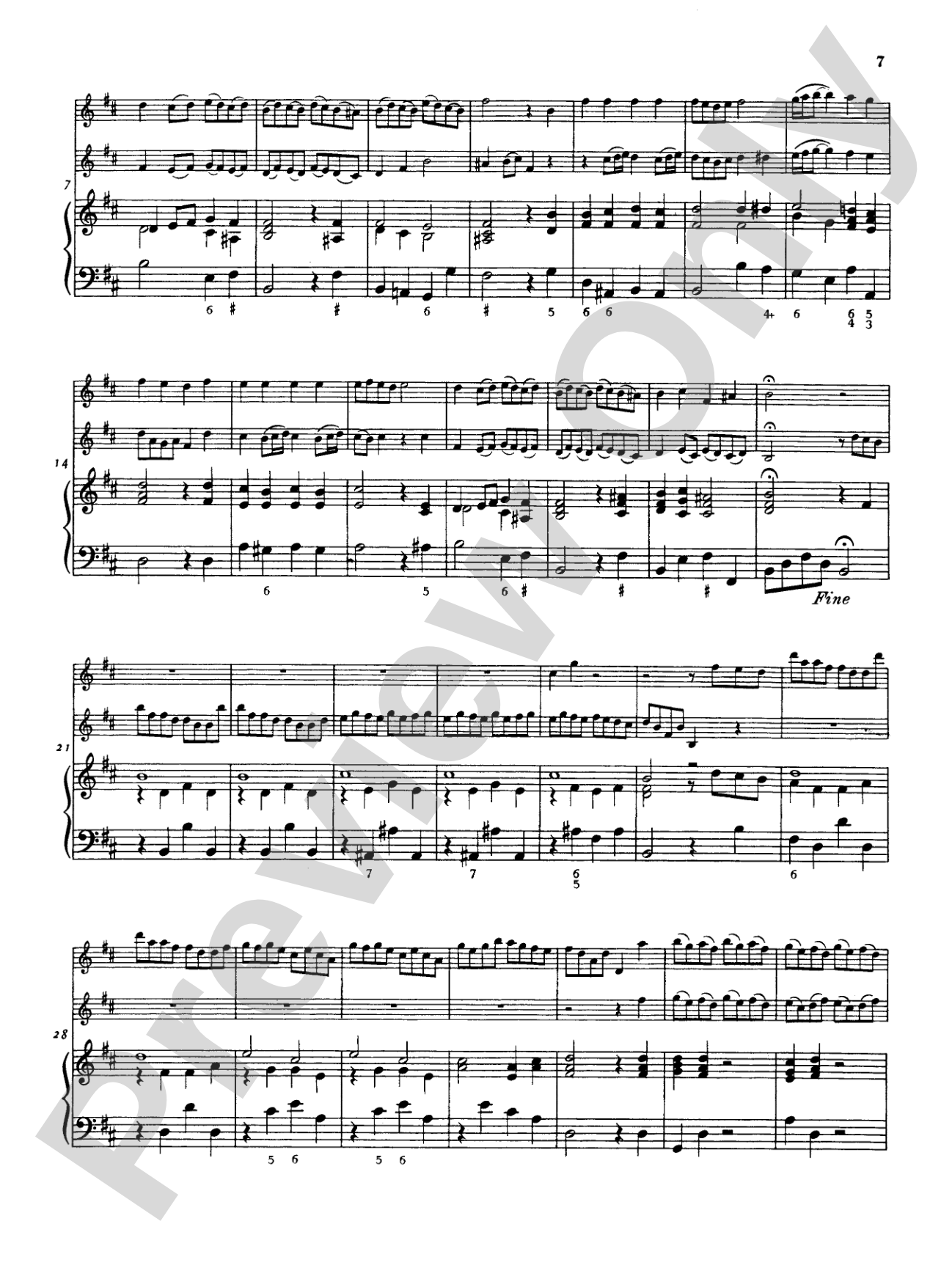
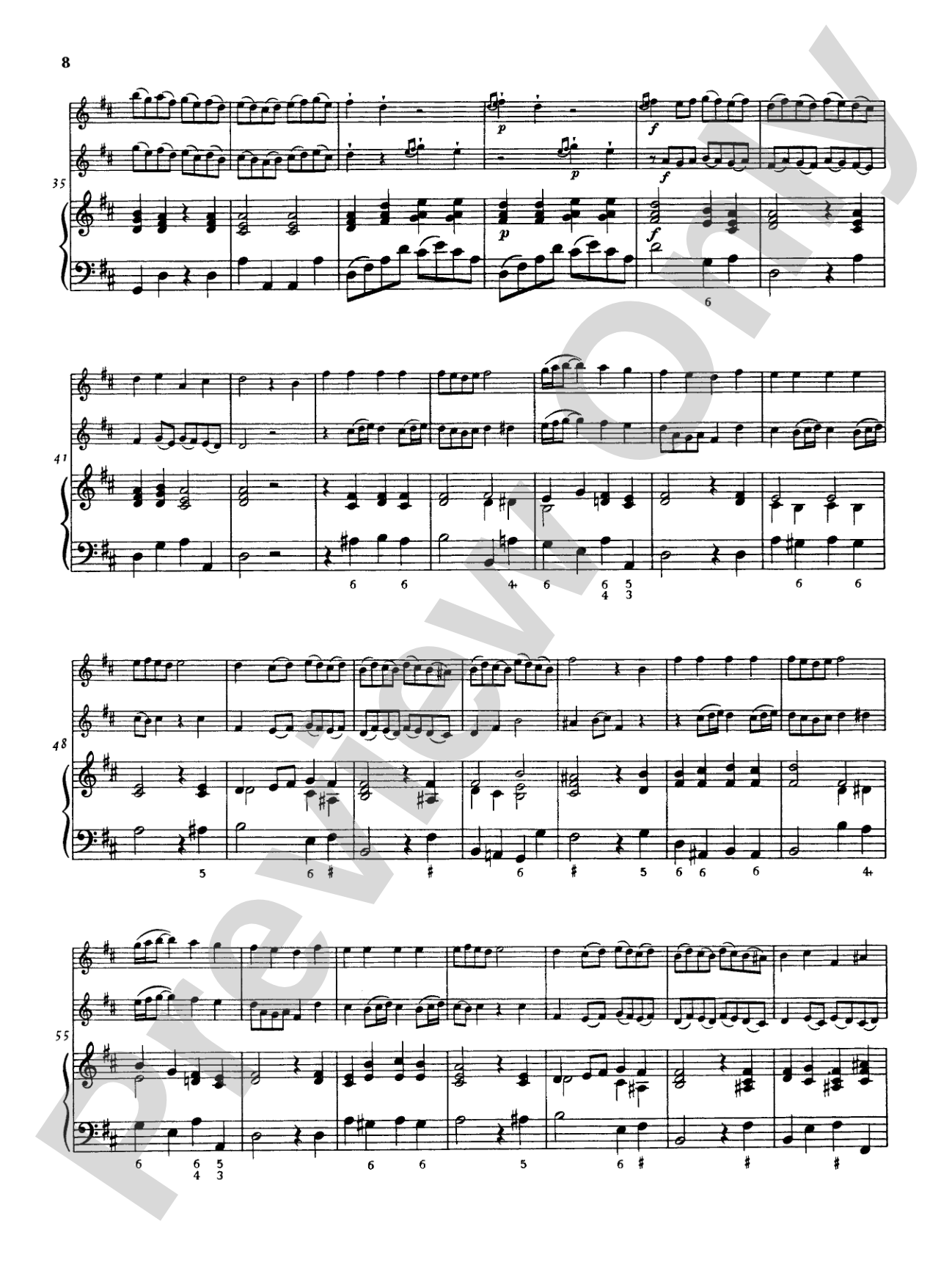
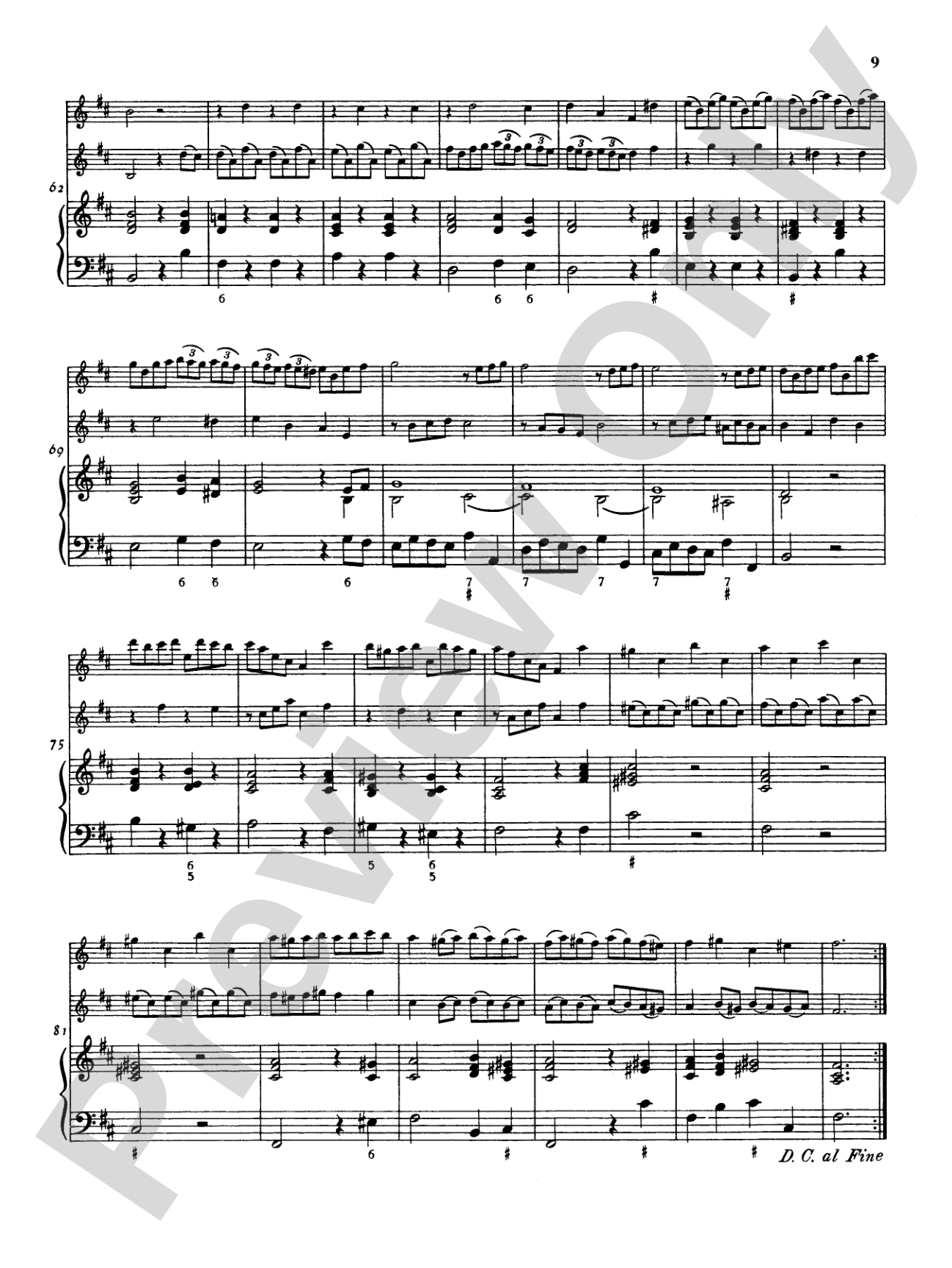
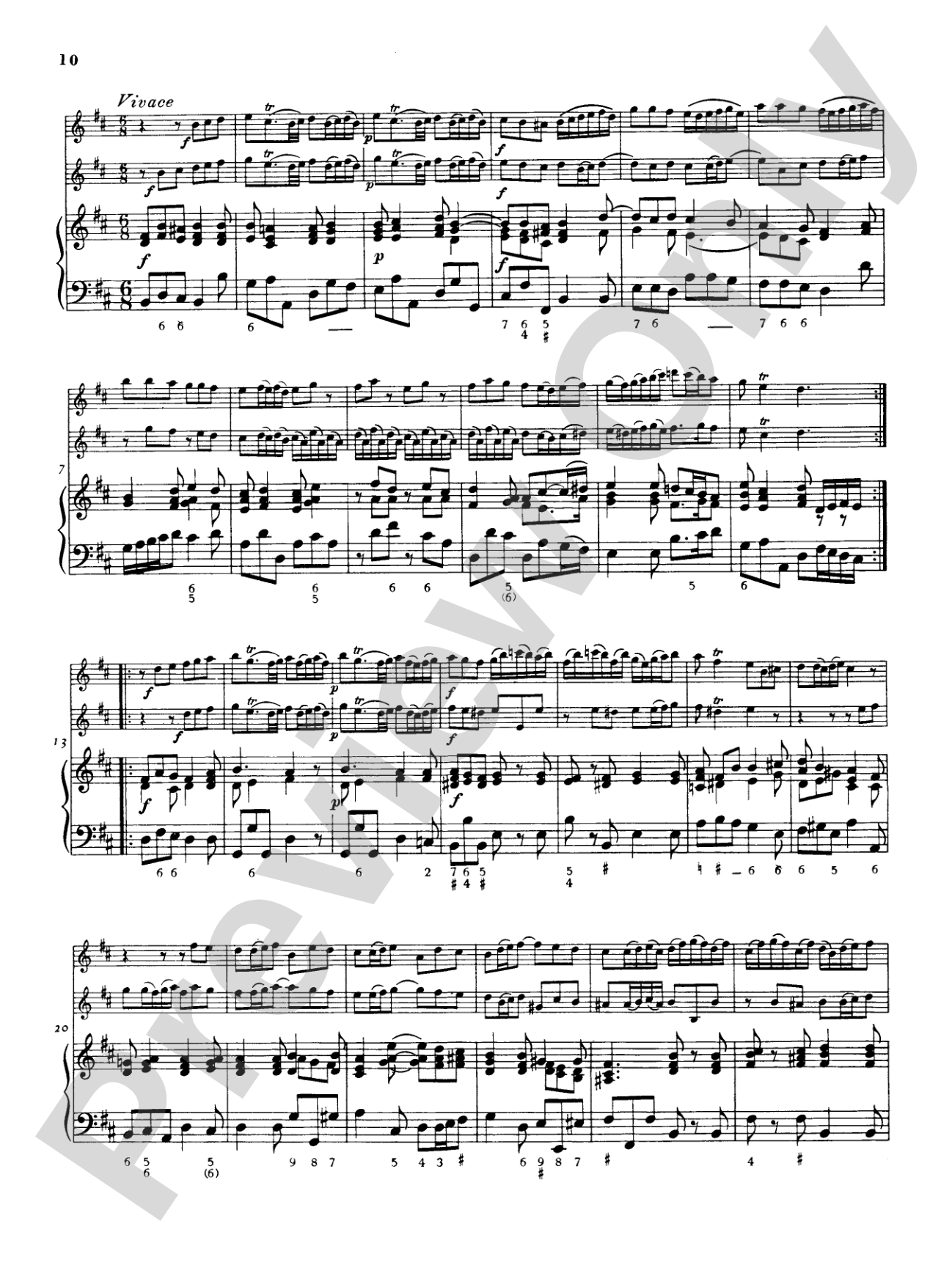
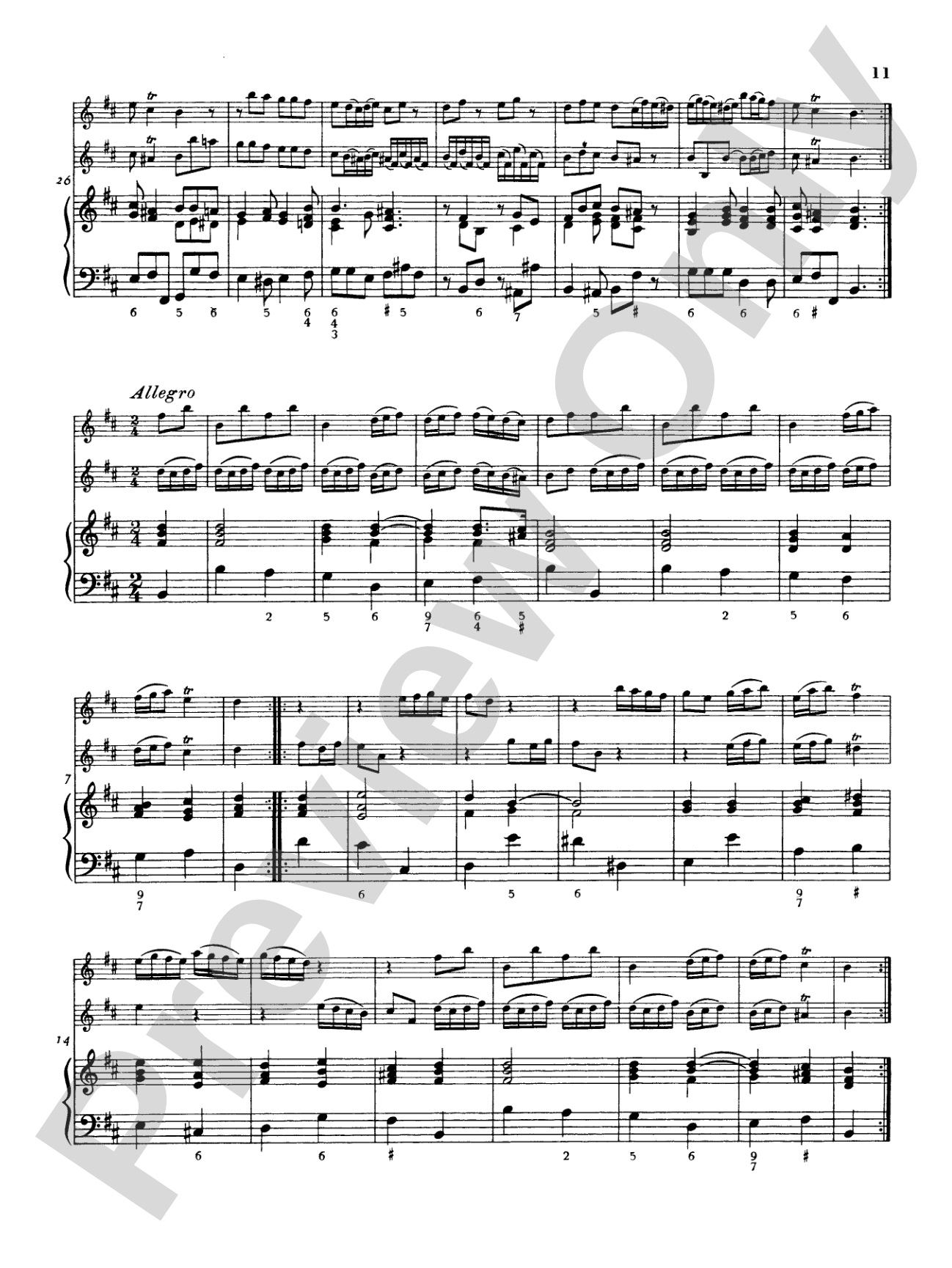
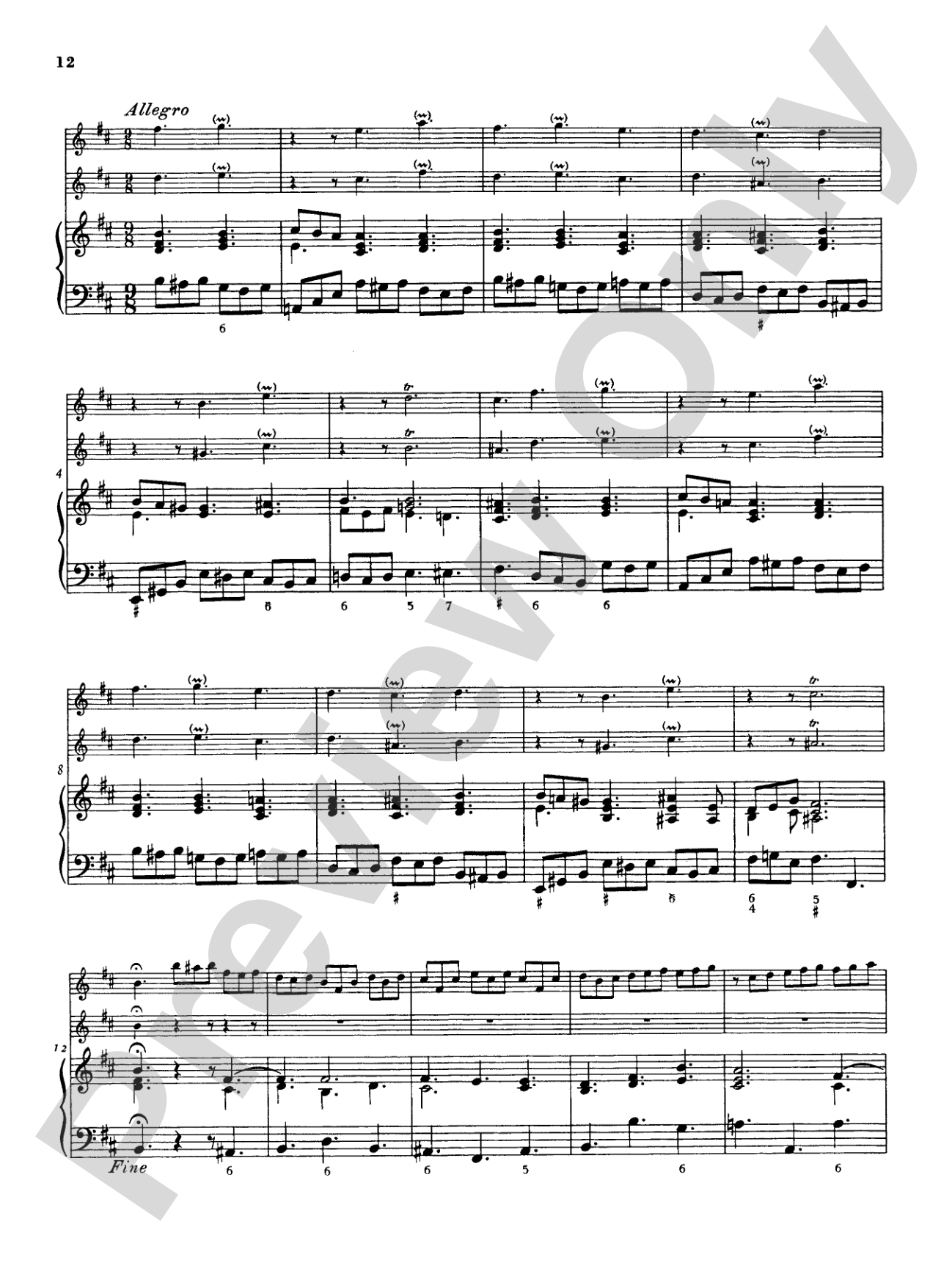
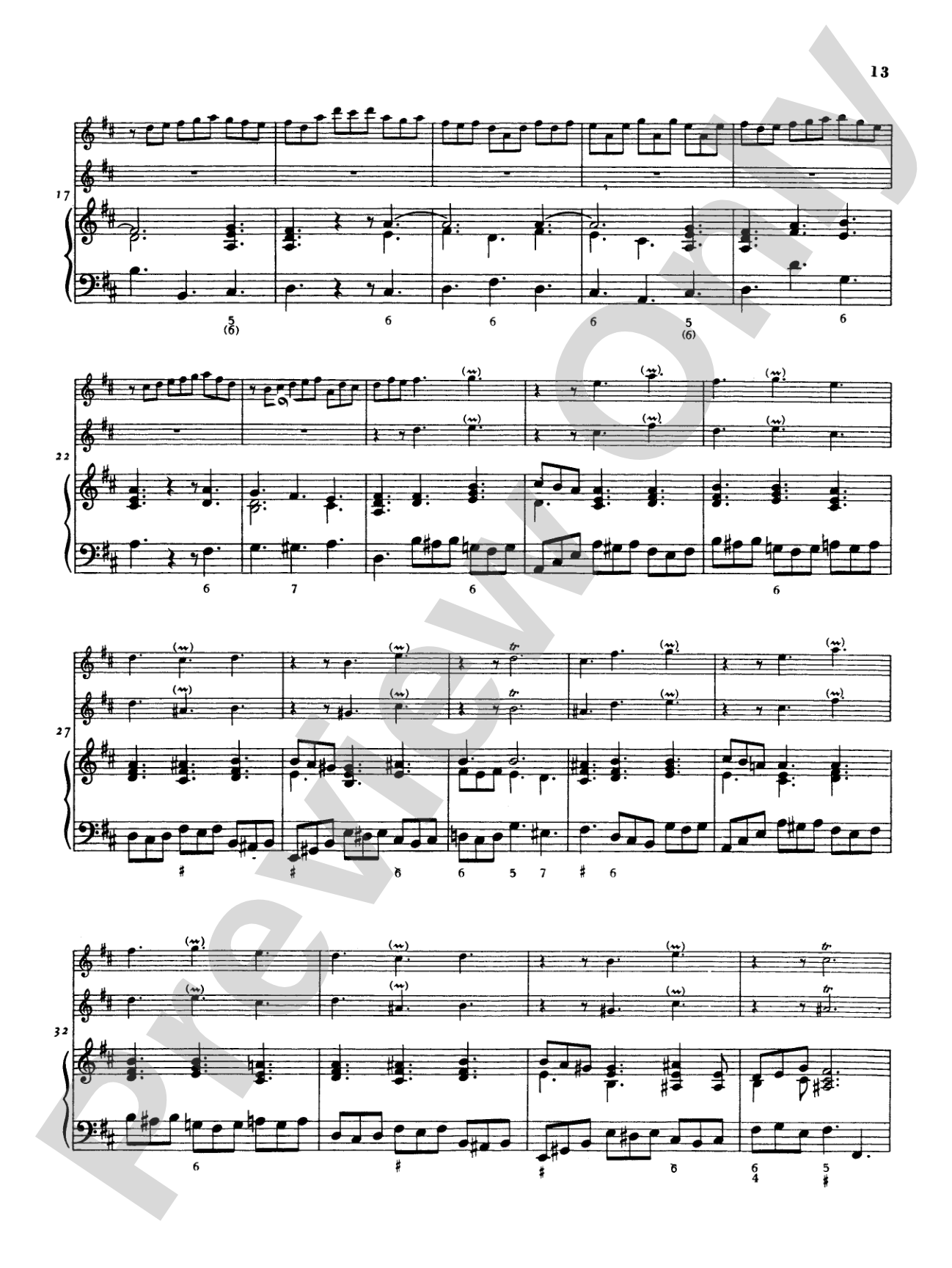
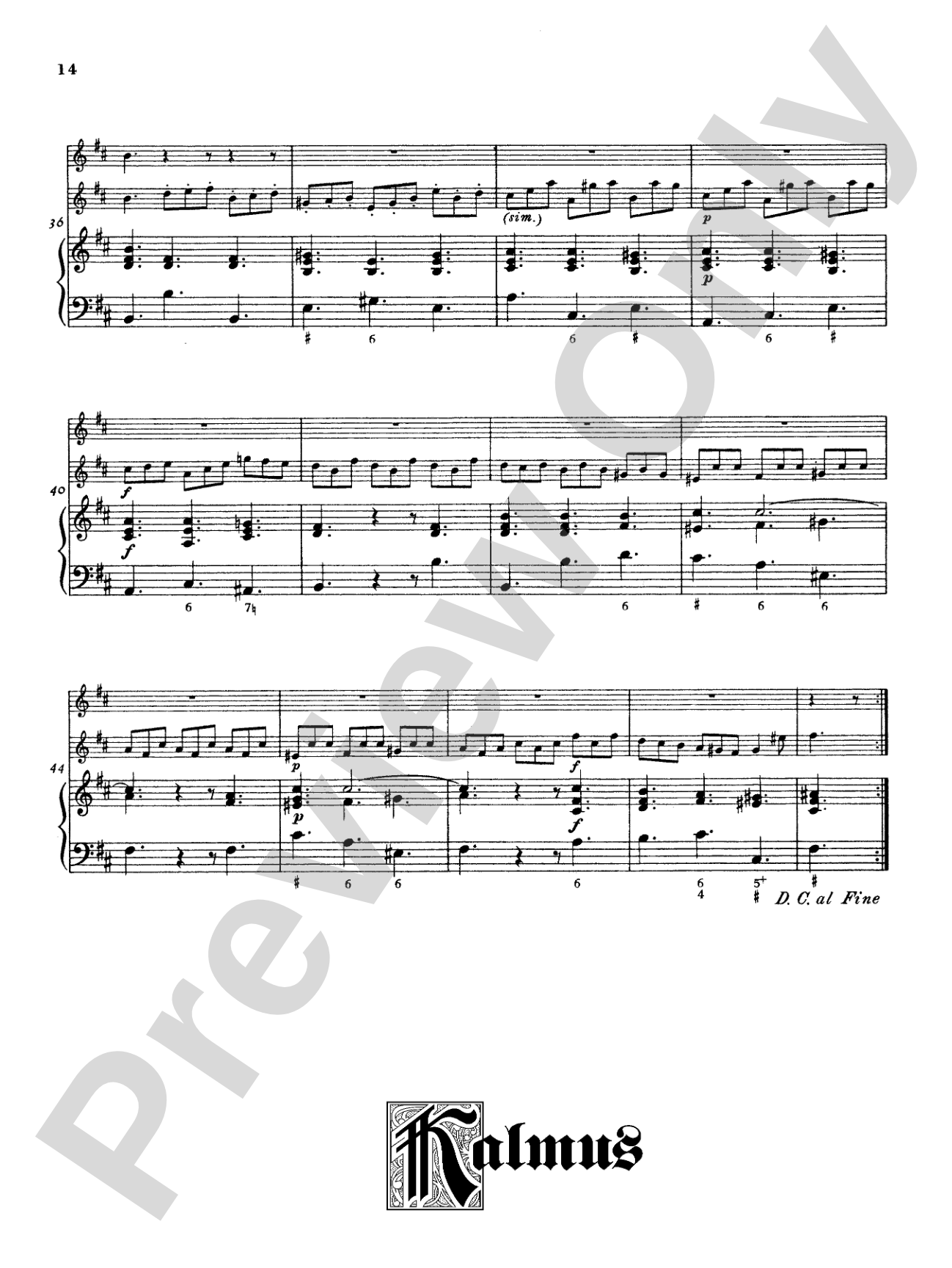

Telemann: Suite No. 3 in B Minor: Chamber Trio Score & Parts
By Georg Philipp Telemann
Item: 00-PK-0003623

$9.99
Pickup currently not available
Buy Extra Parts (Digital PDF Download)
| Product | Price | Quantity |
|---|---|---|
| Telemann: Suite No. 3 in B Minor | $8.99 |
Parts Added to Cart!
Description
For flute, violin, and basso continuo (cello).


Don't just read it, hear it, play along with it, and watch your students grow with it. In MakeMusic Cloud, Telemann: Suite No. 3 in B Minor: Chamber Trio Score & Parts comes alive with professional accompaniment, adjustable tempo, and built-in practice tools that turn solo practice into real progress.
Open in the Player
Jump straight in and assign it today.
Start Your Free Trial
Open this title and explore the full library in minutes.
Sample Audio
No sample audio found.
Sample Video
No sample videos found.
Additional Details
Series:
Kalmus Edition
Publisher:
Alfred Music
Page Count:
20
SKU:
00-PK-0003623
Instrumentation:
Basso Continuo (with Piano)
More about this title
About the Composer: Georg Philipp Telemann
Georg Philipp Telemann (1681-1767) was one of the most prolific composers of the Baroque era, producing over 3,000 works across virtually every genre. A master of both German and Italian styles, he held prestigious positions throughout his career, including Kapellmeister roles in Eisenach, Frankfurt, and Hamburg. His chamber music reveals a gift for elegant counterpoint and memorable melodic writing that influenced composers across Europe.
Telemann's output was staggering in both quantity and quality. He composed hundreds of chamber works, many designed for amateur musicians and professionals alike, making him one of the most performed composers of his own time. His ability to balance technical interest with accessibility made his music ideal for the growing market of keyboard and chamber music throughout the 18th century.
Why we love this
This suite exemplifies Telemann's gift for graceful, singable writing that sits naturally on each instrument while maintaining sophisticated harmonic language. The combination of flute and violin over walking continuo creates a sonorous trio texture that rewards careful listening, and the published parts and score make rehearsal straightforward. Chamber musicians at the intermediate level and beyond find these works both musically satisfying and technically reasonable.
What to expect
The suite unfolds with the poise and refinement of 18th-century salon music, where elegance and technical skill converge. Telemann's melodies unfold naturally within their harmonic framework, creating a sense of inevitability and grace. The dialogue between flute and violin feels intimate yet formally structured, embodying the Baroque preference for orderly beauty.
Who it's for
Chamber musicians preparing for recitals or competitions, intermediate to advanced ensembles seeking authentic Baroque repertoire, and educators introducing students to the chamber music tradition. This score and parts set works well for mixed-instrument trios where musicians have some experience with period style.
How to get the most out of it
- Balance the flute and violin as equal conversational partners rather than treating one as soloist; Telemann's writing assumes both melodic lines carry equal weight.
- Let the keyboard player realize the basso continuo with stylistic awareness, using typical Baroque interval patterns and filling harmonic space without overwhelming the two treble lines.
- Shape phrases with attention to the dance-like character of the individual movements; Telemann often borrowed forms from the French suite, so allow breathing room between gestures.
- Maintain steady pulse in the continuo foundation while allowing the upper lines subtle rhythmic flexibility within that framework.
How to use it
Program this suite as part of a Baroque chamber music recital alongside works by Bach, Vivaldi, or Corelli, or feature it as a standalone chamber concert focusing on German Baroque composers. It also serves well in educational settings where students encounter the historical development of the trio sonata genre.
Skills your students will build
- Reading and performing with basso continuo accompaniment
- Baroque phrasing and ornamentation within a structured harmonic context
- Balancing two equal melodic lines while anchoring to continuo support
- Ensemble cohesion across different instrumental voices
- Understanding period-appropriate articulation and style