
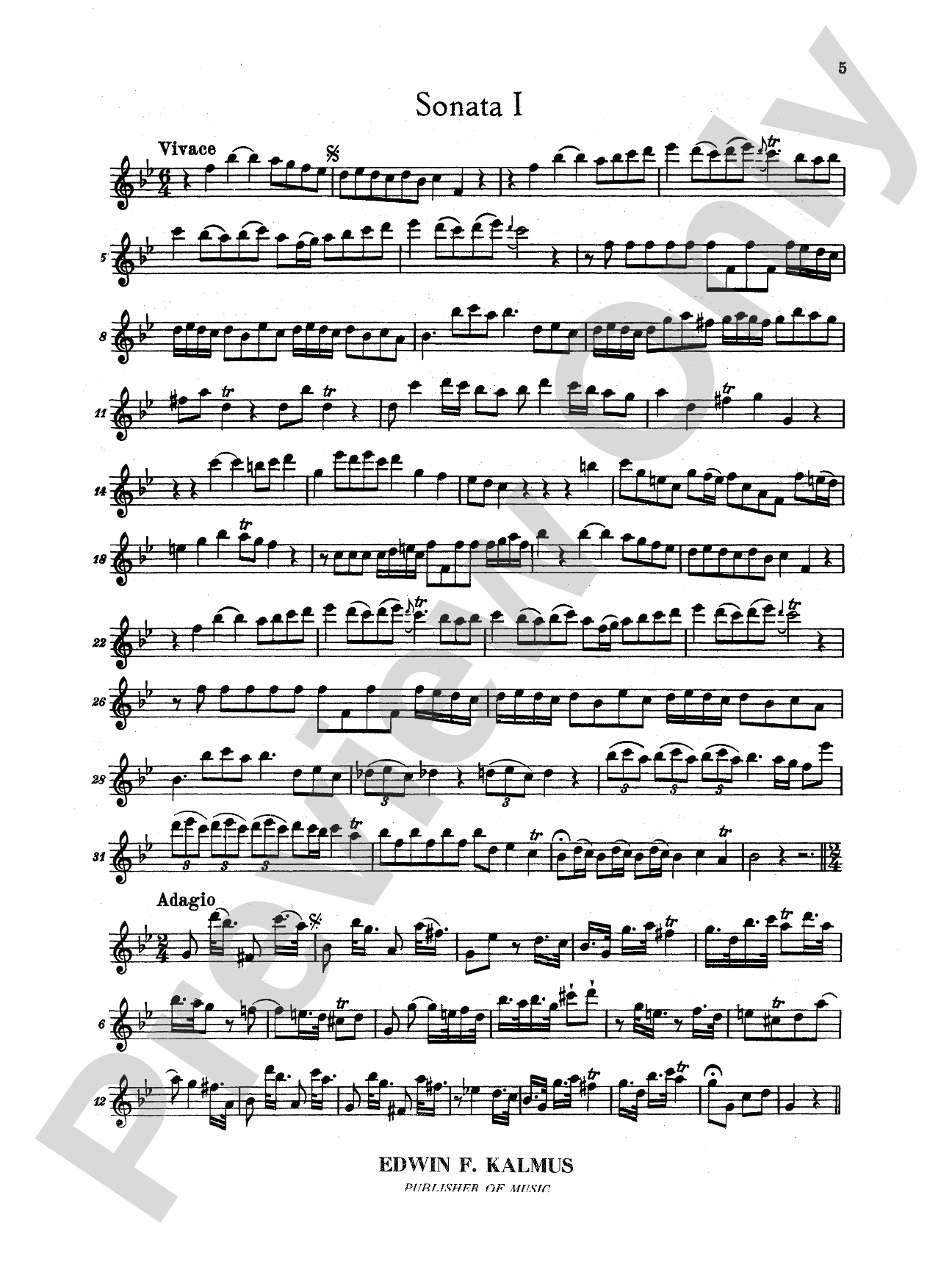
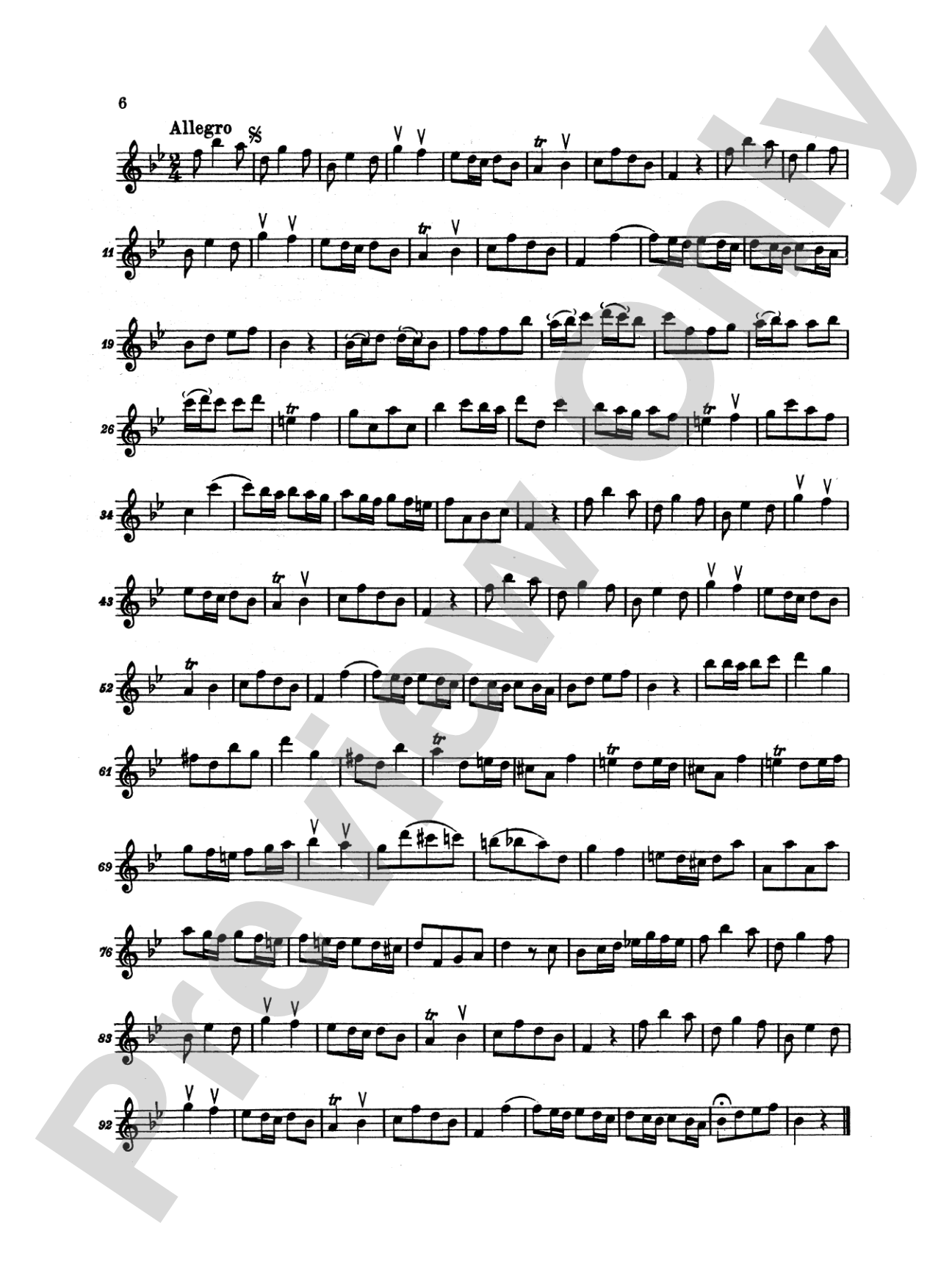

Telemann: Six Sonatas in Canon Form: Recorder Book
By Georg Philipp Telemann
Item: 00-PK-0003672

$7.99
Pickup currently not available
Buy Extra Parts (Digital PDF Download)
| Product | Price | Quantity |
|---|---|---|
| Telemann: Six Sonatas in Canon Form | $0.99 | |
| Telemann: Six Sonatas in Canon Form | $0.99 | |
| Telemann: Six Sonatas in Canon Form | $0.99 | |
| Telemann: Six Sonatas in Canon Form | $0.99 | |
| Telemann: Six Sonatas in Canon Form | $0.99 | |
| Telemann: Six Sonatas in Canon Form | $0.99 |
Parts Added to Cart!
Related Items
Six Sonatas in Canon Form: Recorder Book |
$7.95
|
View |
Description
For two recorders.


Don't just read it, hear it, play along with it, and watch your students grow with it. In MakeMusic Cloud, Telemann: Six Sonatas in Canon Form: Recorder Book comes alive with professional accompaniment, adjustable tempo, and built-in practice tools that turn solo practice into real progress.
Open in the Player
Jump straight in and assign it today.
Start Your Free Trial
Open this title and explore the full library in minutes.
Sample Audio
No sample audio found.
Sample Video
No sample videos found.
Additional Details
Series:
Kalmus Edition
Publisher:
Alfred Music
Page Count:
20
SKU:
00-PK-0003672
More about this title
About the Composer: Georg Philipp Telemann
Georg Philipp Telemann (1681-1767) was one of the most prolific composers of the Baroque era, creating over 3,000 works across nearly every genre. A master of instrumental writing, he held major positions in Frankfurt, Eisenach, and Hamburg, where he shaped the musical life of northern Germany for decades. His gift for melody and structural clarity made his music accessible to amateurs and professionals alike.
Telemann's recorder works remain central to the early music and recorder repertoire because they balance technical interest with genuine musicality. Unlike some pedagogical writing of his time, these pieces reward both the players and listeners; they sound sophisticated without requiring virtuosic technique, making them ideal for serious amateurs and developing musicians.
Why we love this
Canon writing in the Baroque doesn't get much better than this. Telemann crafts six sonatas where the voices weave together with remarkable clarity and independence; each line sings on its own while the harmonic logic remains impeccable. For two recorders at a moderate level, this collection offers that rare combination of genuine musical substance and playable technical demands.
What to expect
The music unfolds with Baroque elegance and conversational logic. Melodies dance forward with natural phrasing, and the canonic structure creates an intimate dialogue where both players share equal footing. There's a satisfying sense of balance and proportion throughout; nothing feels forced or overstretched.
Who it's for
This collection serves recorder players with solid fundamentals who are ready for duet repertoire that demands musical maturity alongside technical competence. Ensemble directors programming two-part recorder music will find these sonatas more rewarding than lighter fare, and serious amateur duos looking for Baroque literature beyond method-book exercises will return to these pieces repeatedly.
How to get the most out of it
- Distinguish the parts clearly from the outset. Even though they're in canon form, each recorder should voice its line as if leading; resist the urge to accompany.
- Pay close attention to the breathing points. In a duo, staggered breathing preserves line continuity and creates a seamless texture.
- Shape the phrases by ear rather than mechanically. Baroque phrasing often peaks before the barline, so experiment with where each line reaches its weight.
- Use articulation to clarify the canonic relationship. Slight differences in tonguing style can help listeners hear which voice enters first.
How to use it
Include these sonatas in concerts featuring Baroque chamber music, where they pair naturally with other duet works from the same period. A pairing of two or three contrasting sonatas from this set makes an effective short program segment that demonstrates both technical skill and musical sensitivity. They also work well as recital openers, setting an elegant and refined tone for what follows.
Skills your students will build
- Reading and performing canonic voice leading
- Maintaining rhythmic independence while blending with another part
- Baroque phrasing and articulation practices
- Ensemble balance and listening awareness
- Musical expression without modern dynamic markings