

Technique for the Advancing Pianist: An Essential Collection of Progressive Exercises and Etudes: Piano
An Essential Collection of Progressive Exercises and Etudes
Ed. Valerie Cisler and Maurice Hinson
Level: Early Advanced
Item: 00-PB-0001099
$15.99
Pickup currently not available
Related Items
Technique for the Advancing Pianist: Piano Book |
$15.99
|
View |
Description
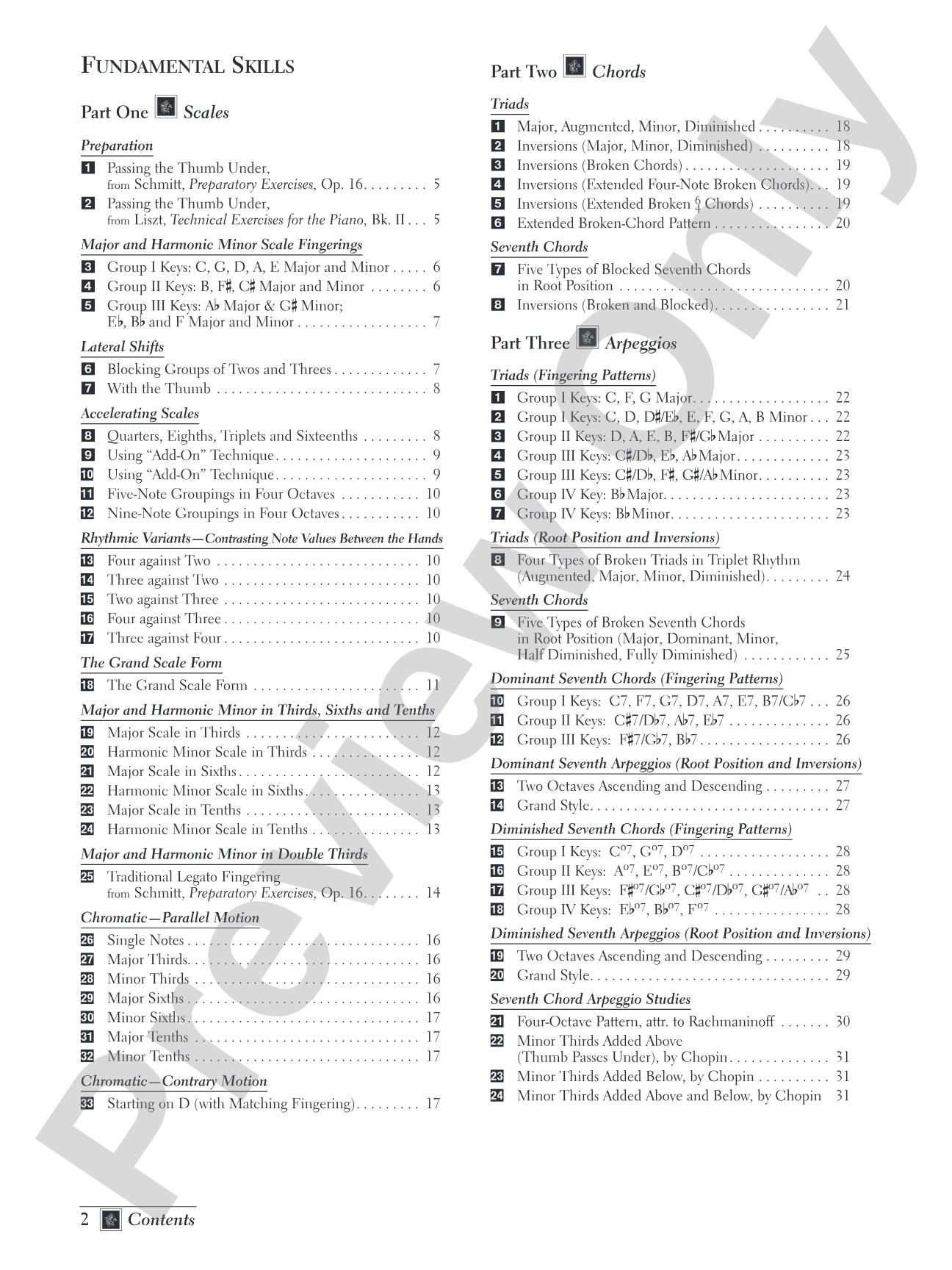
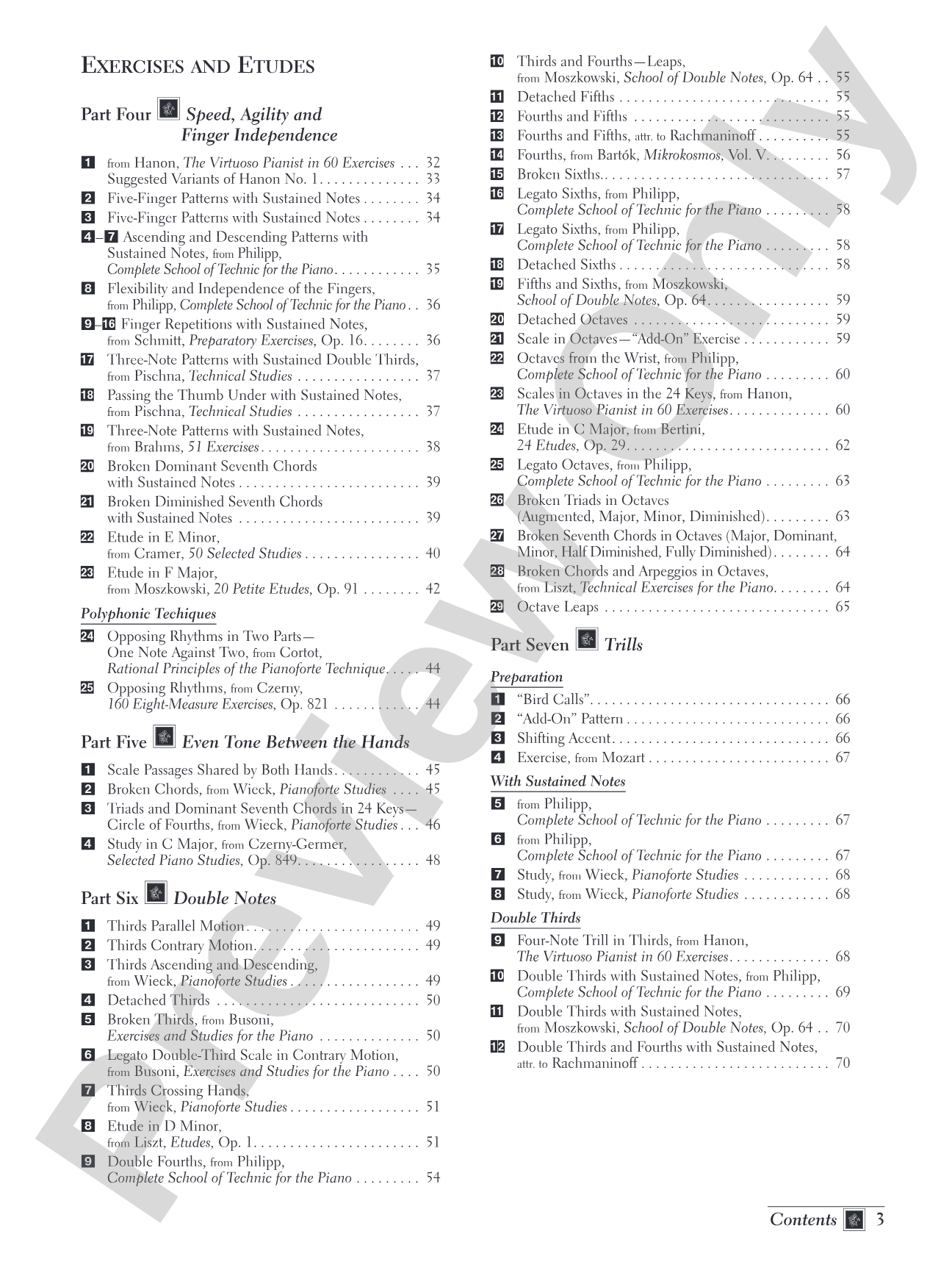
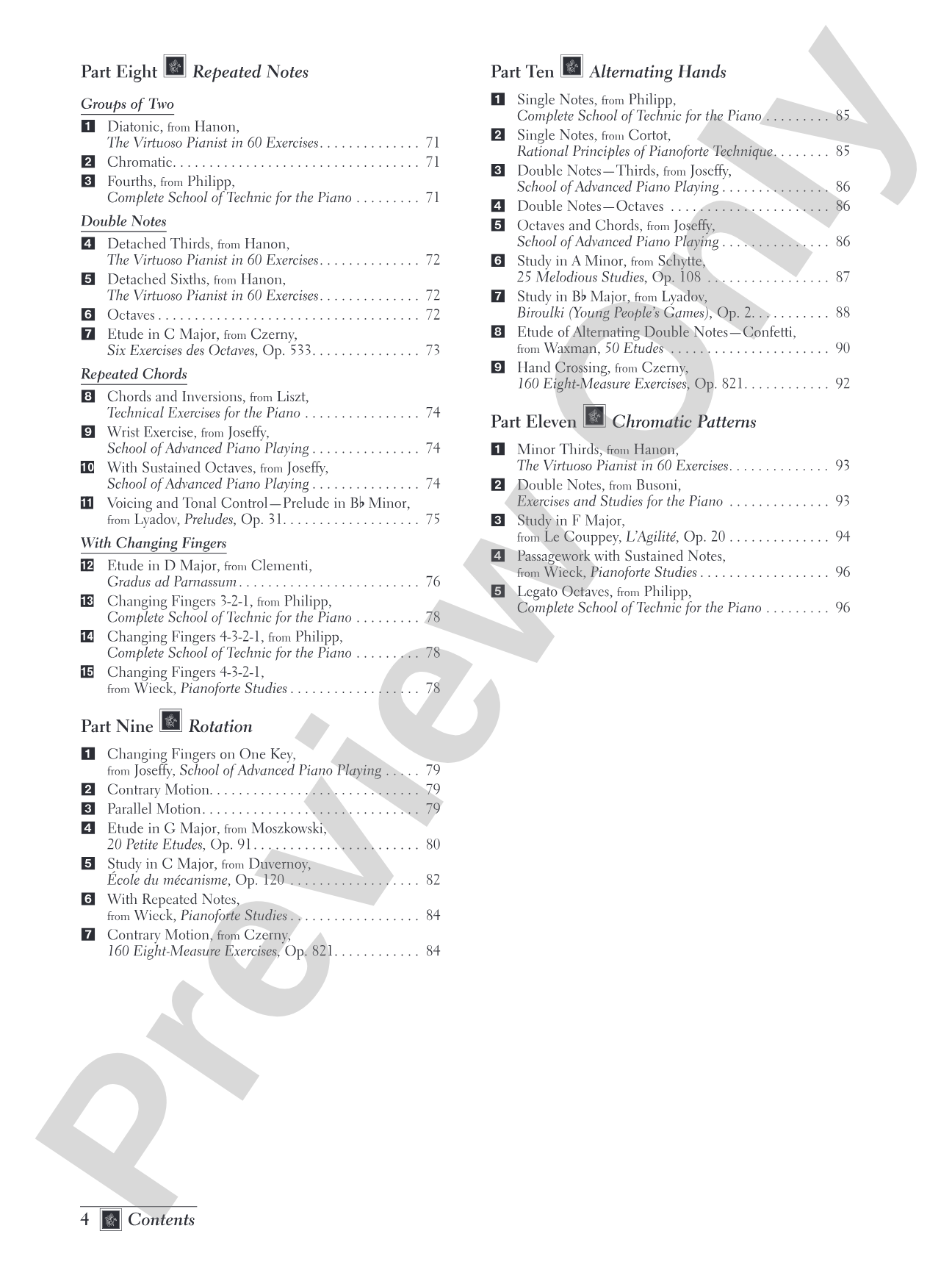
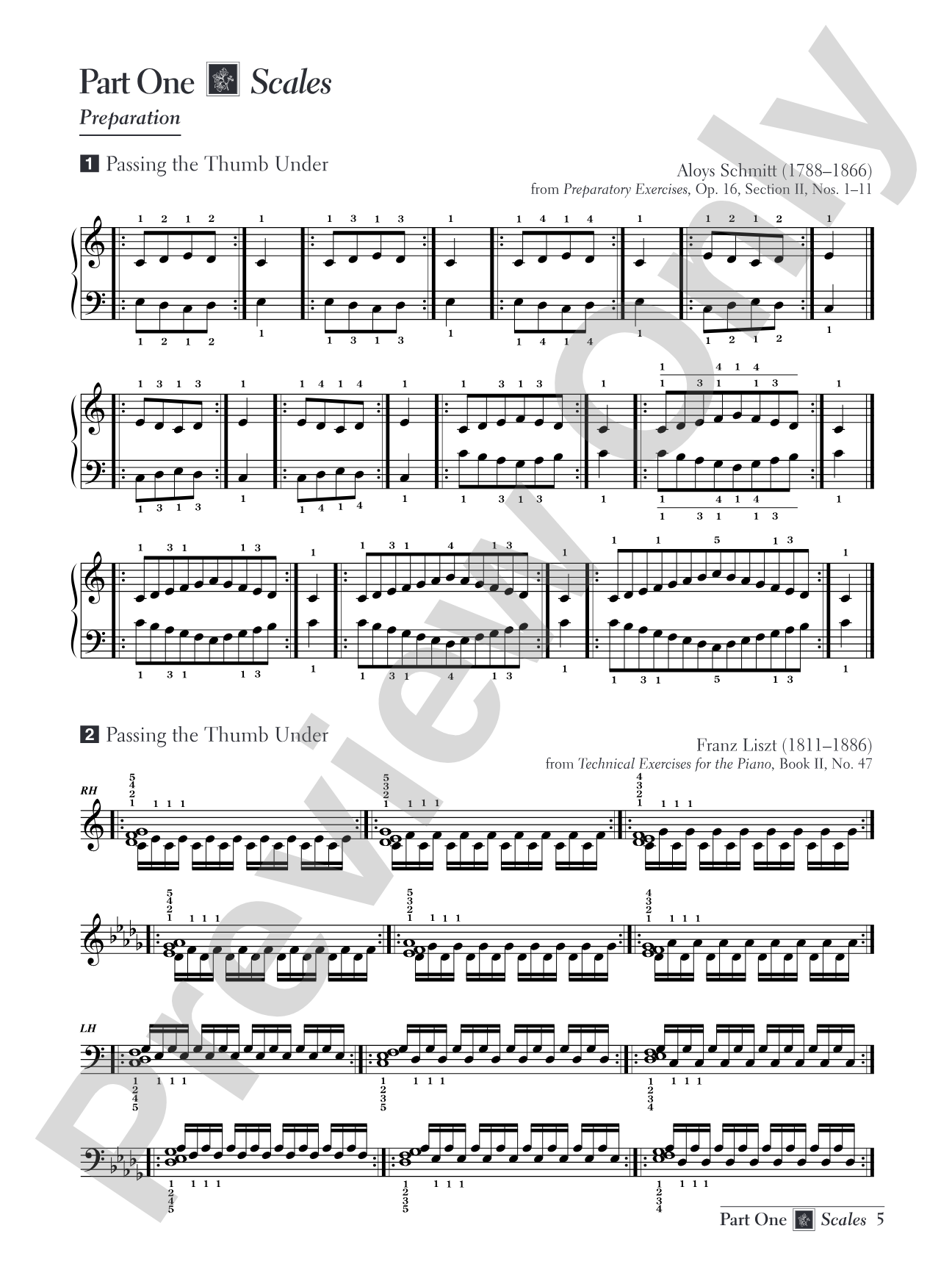
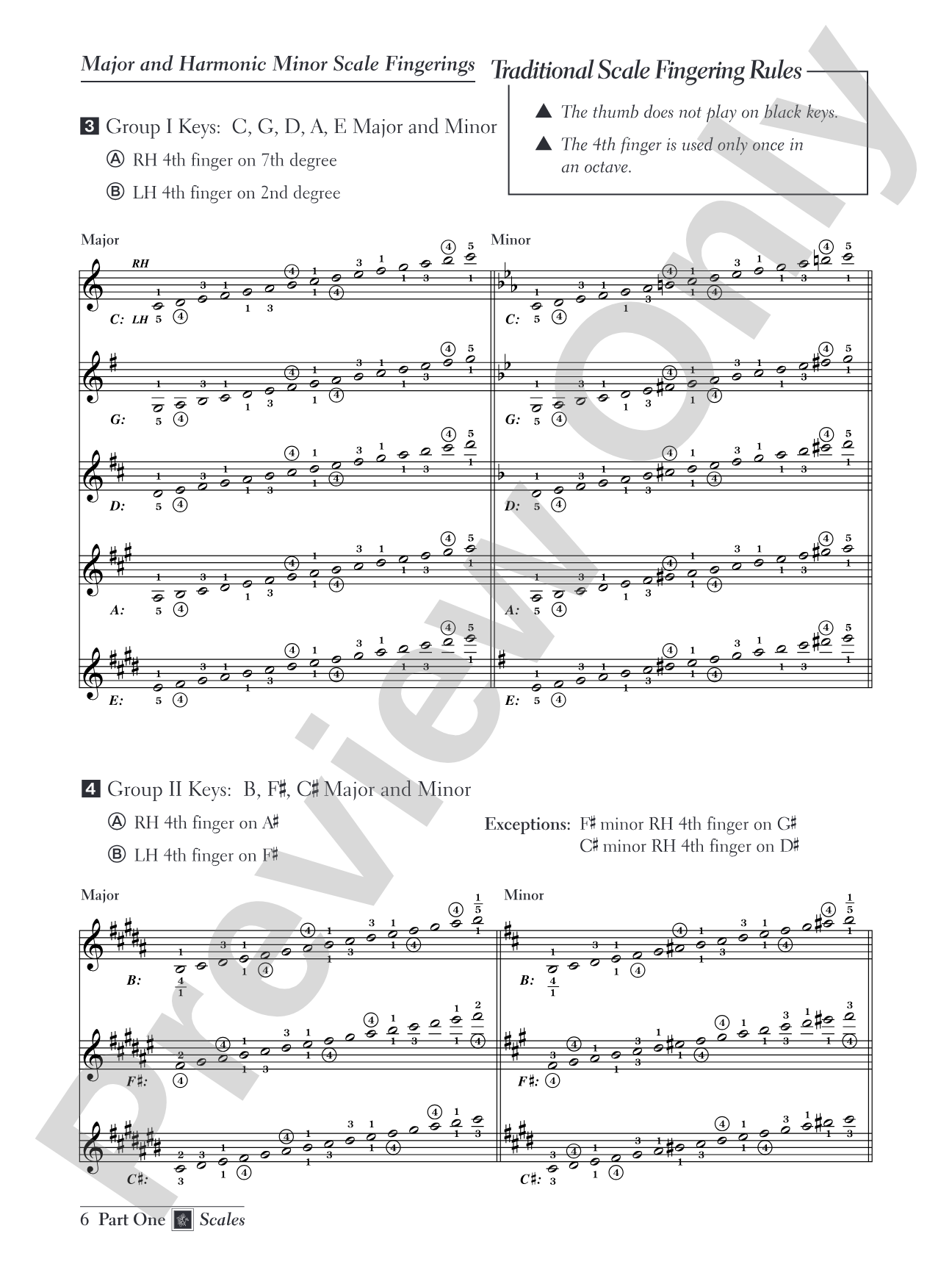
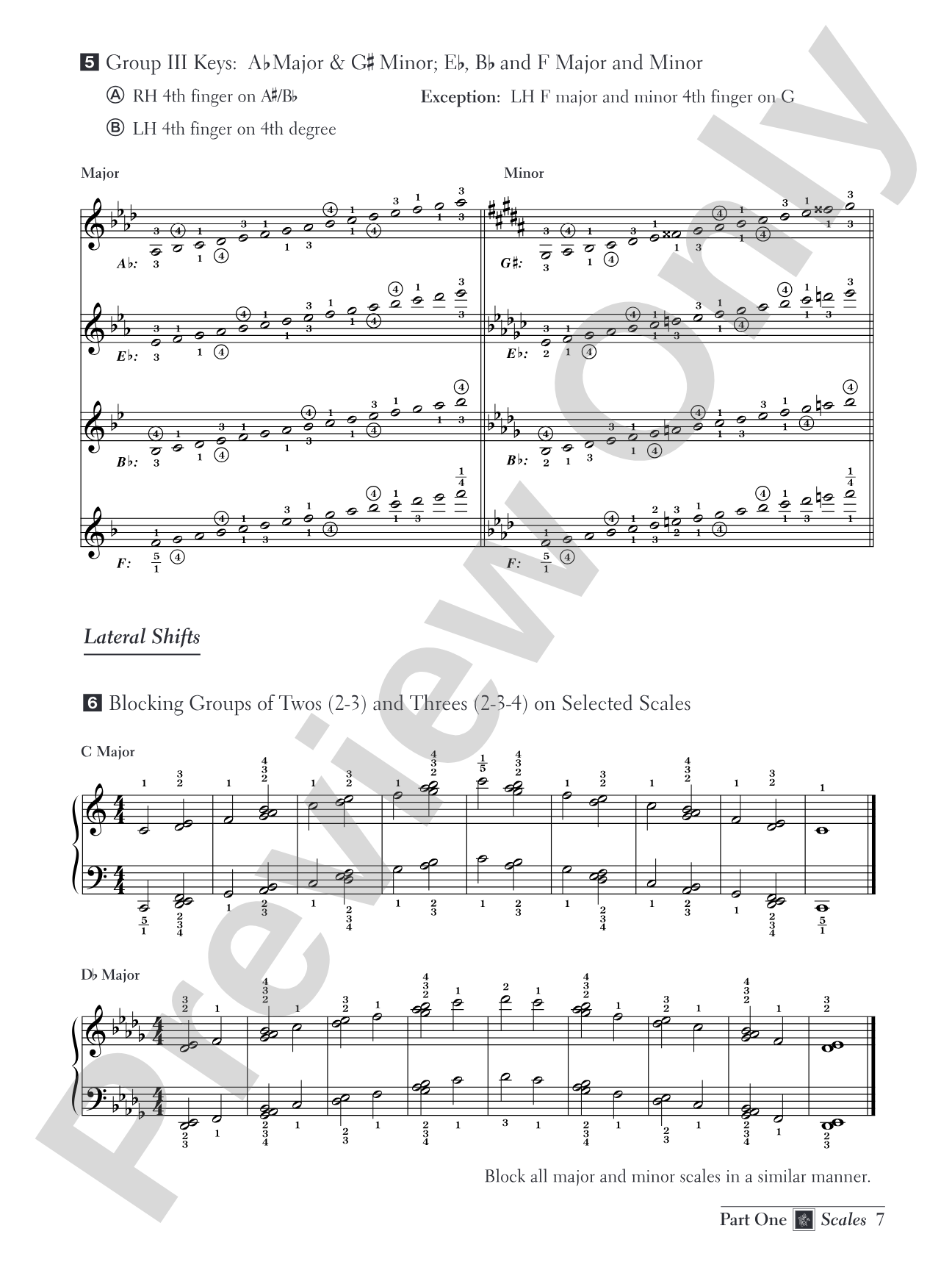
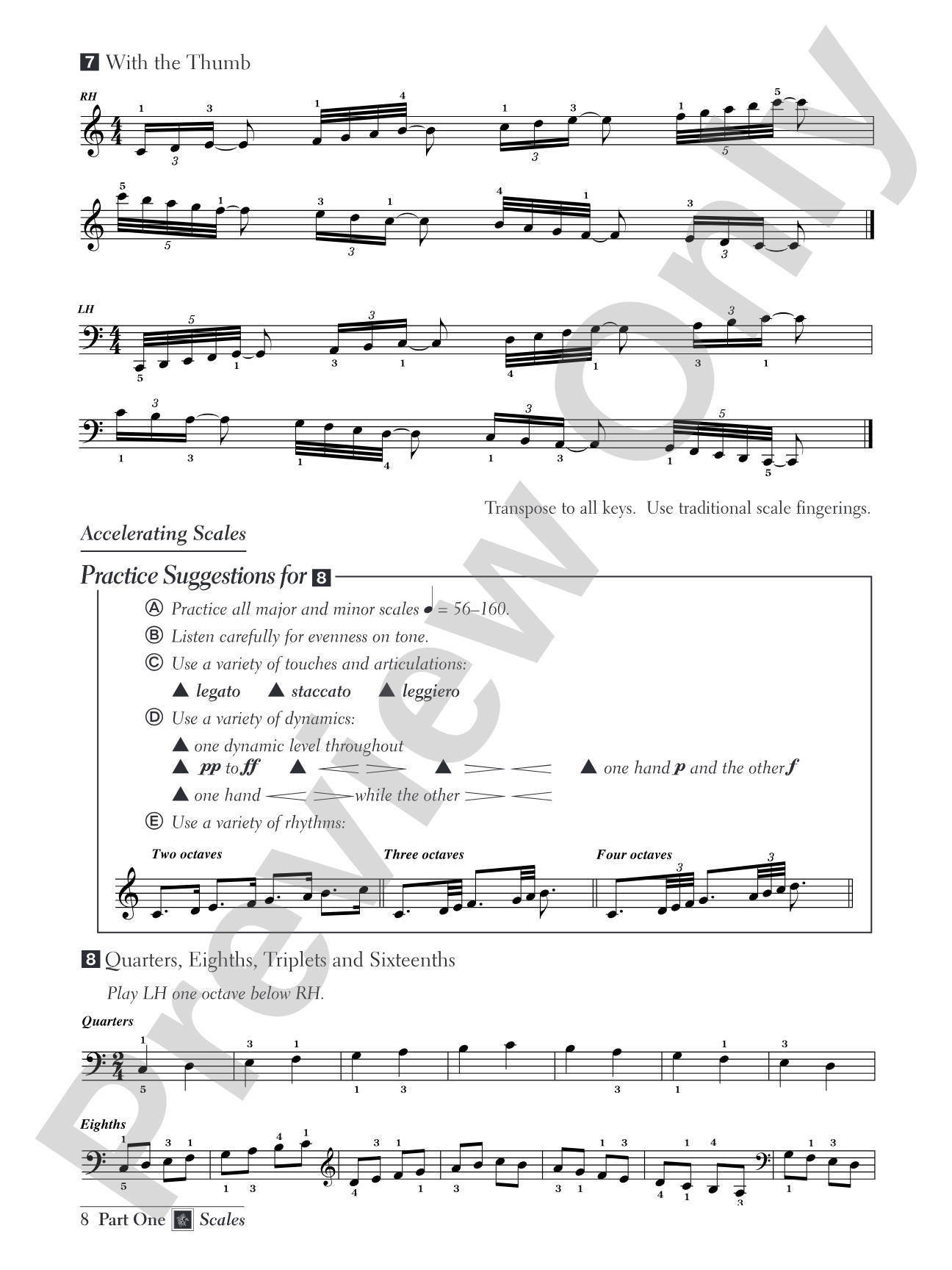
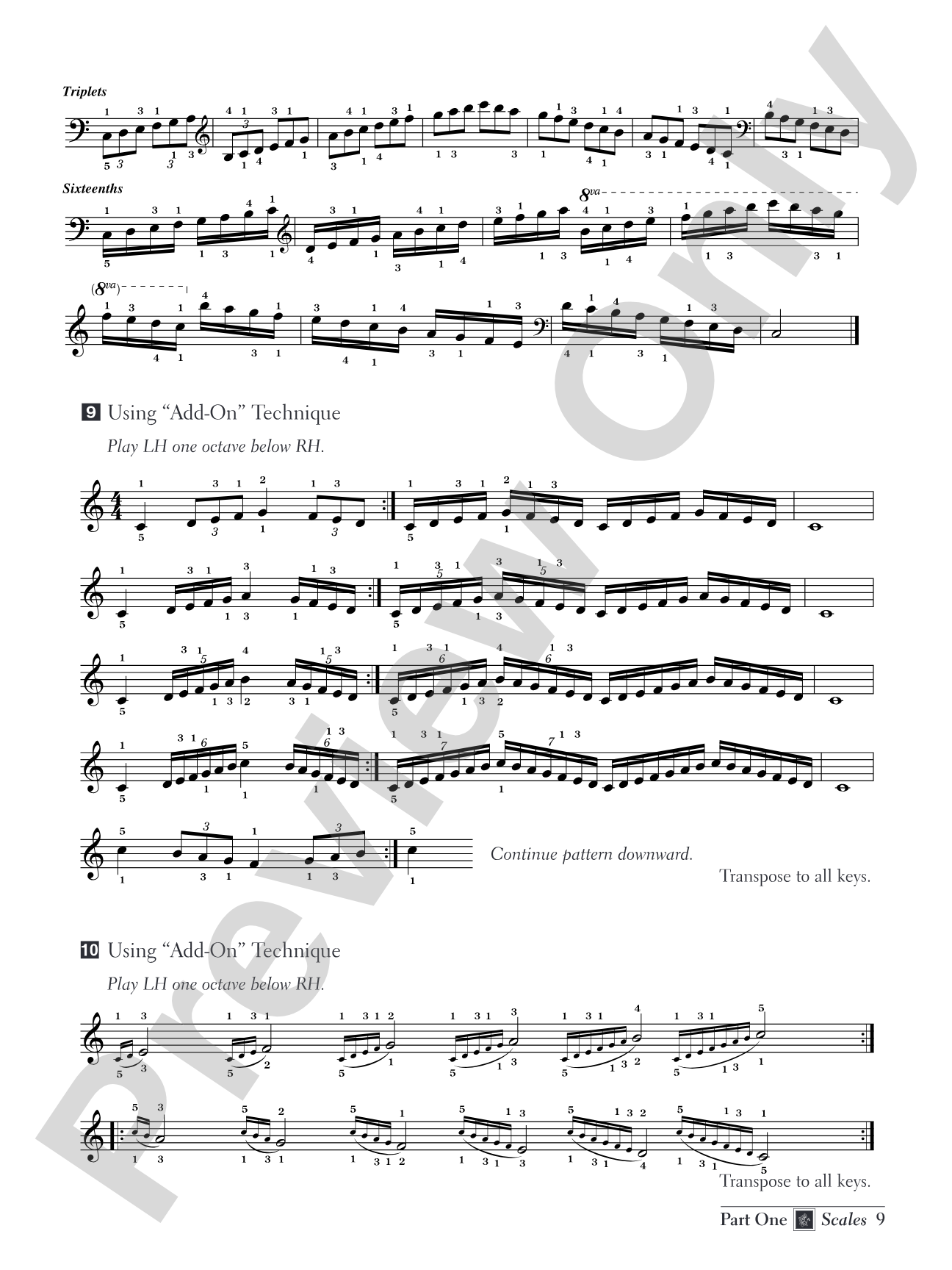
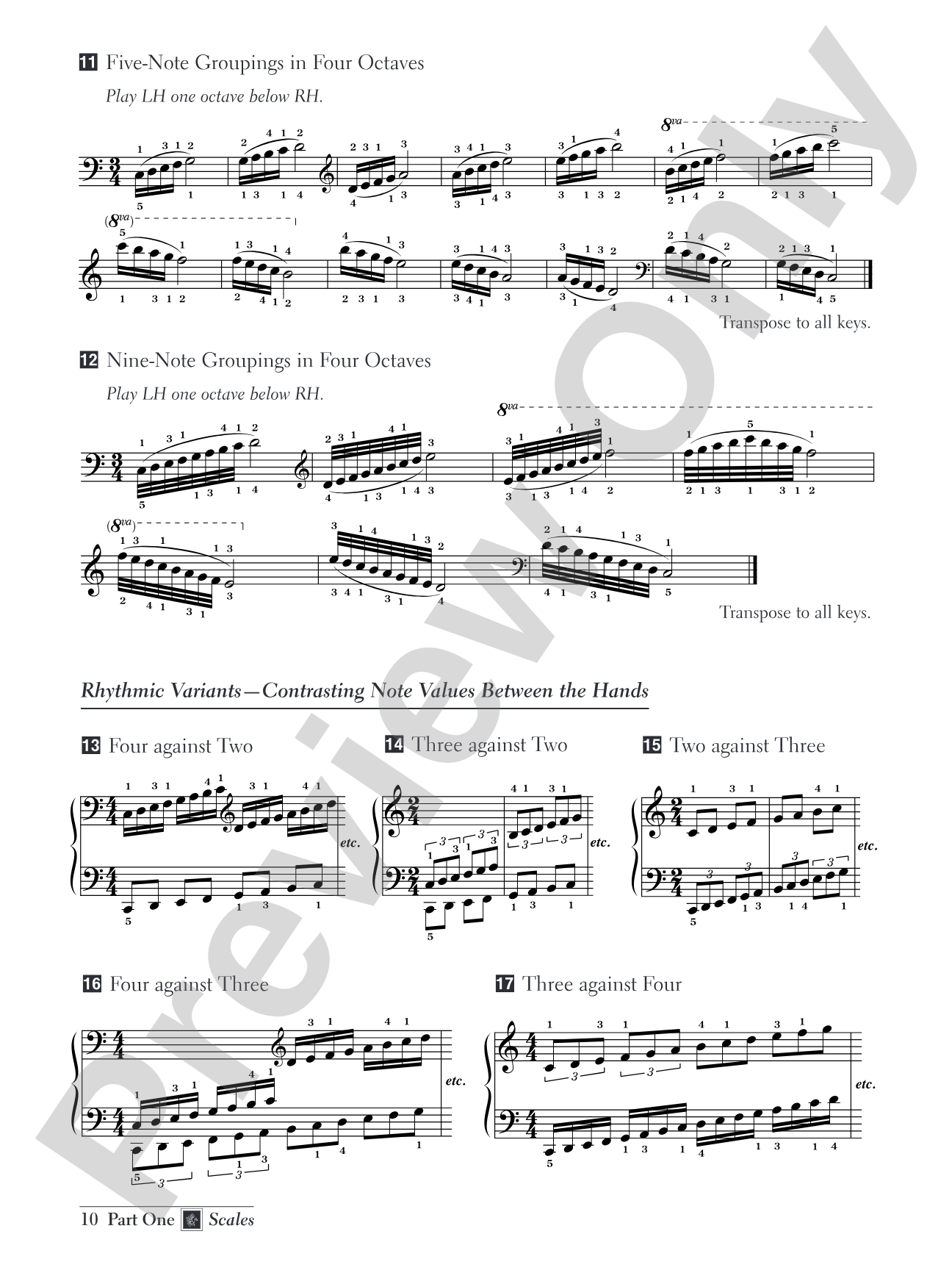
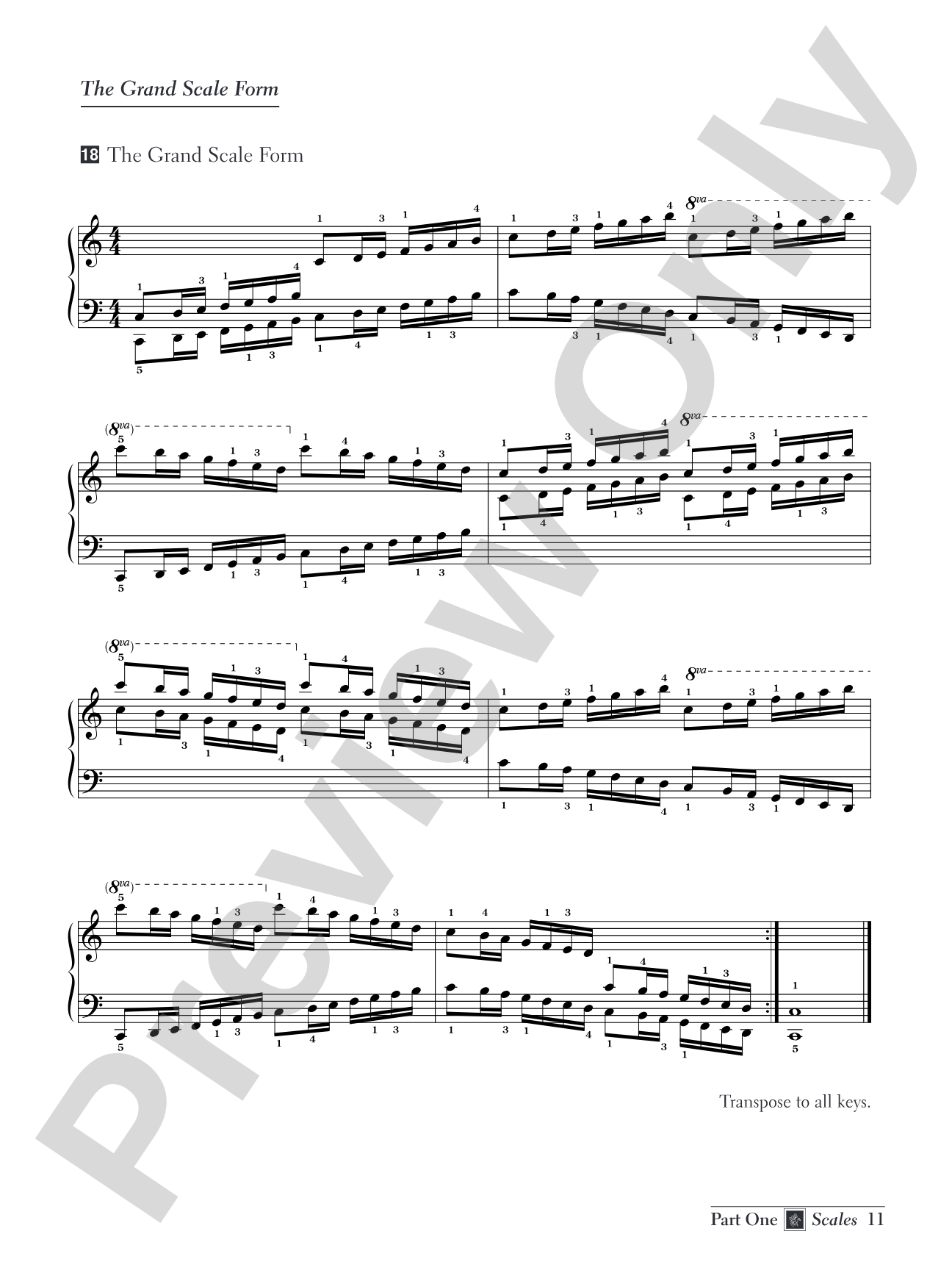
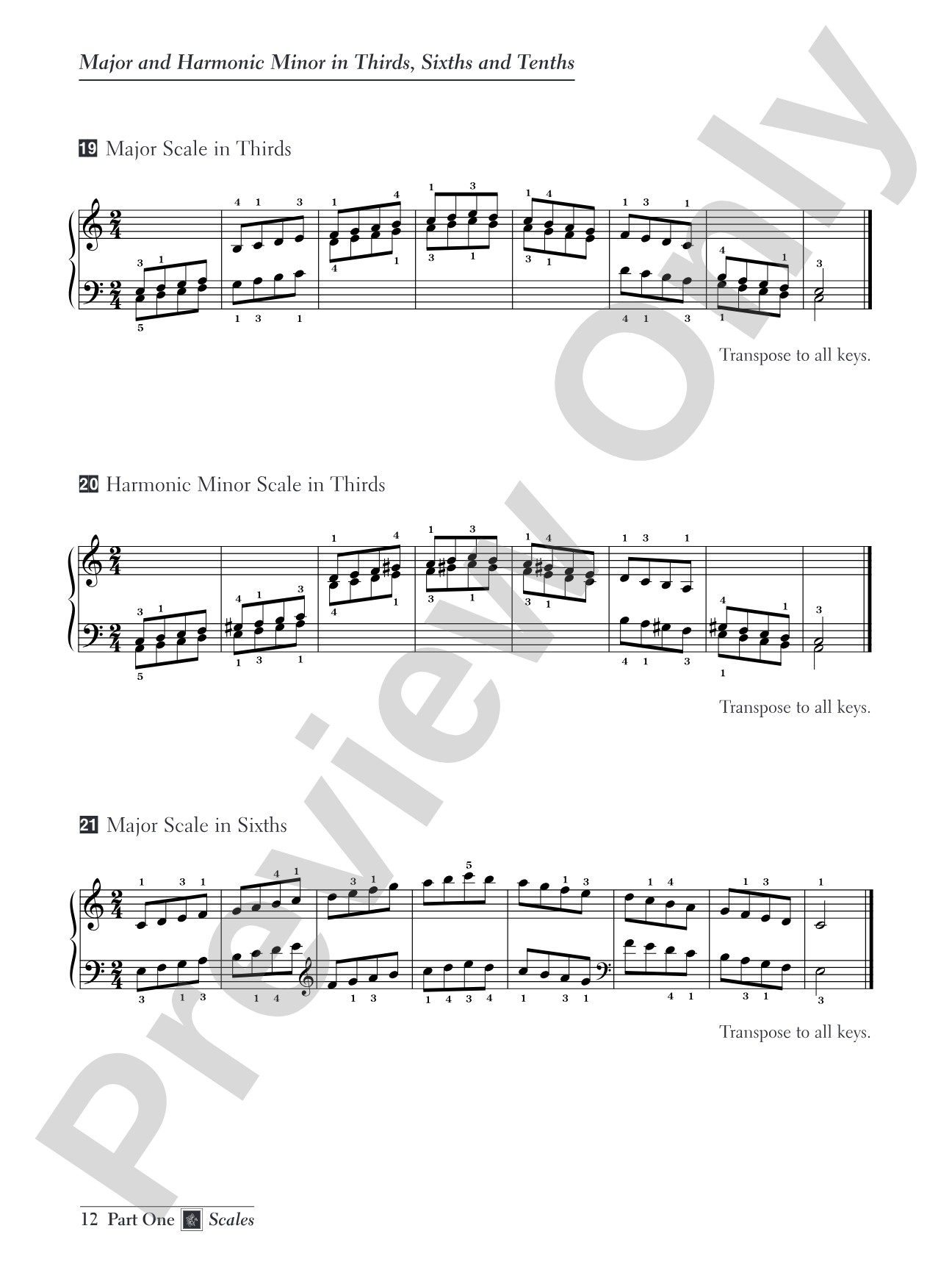
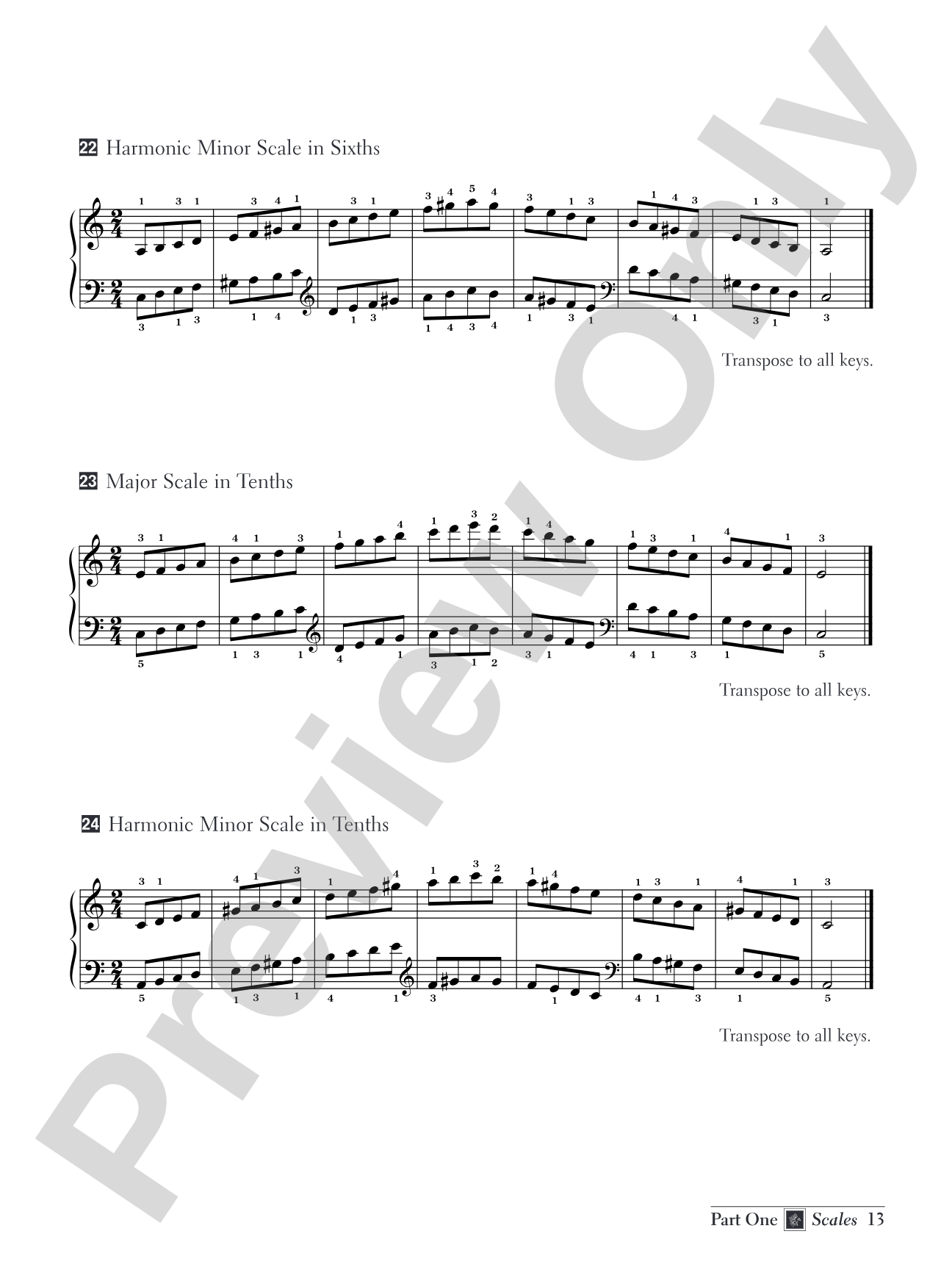
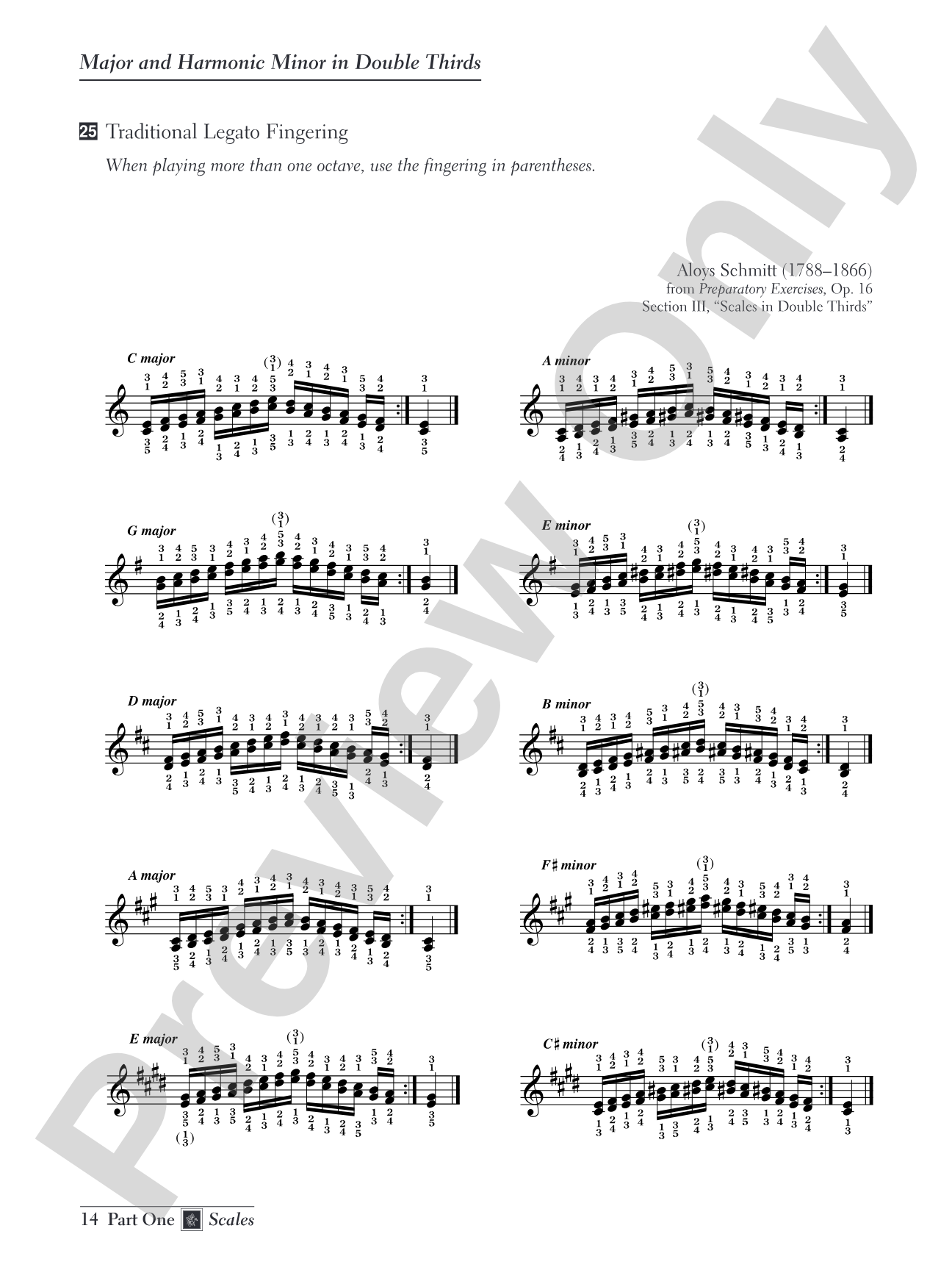
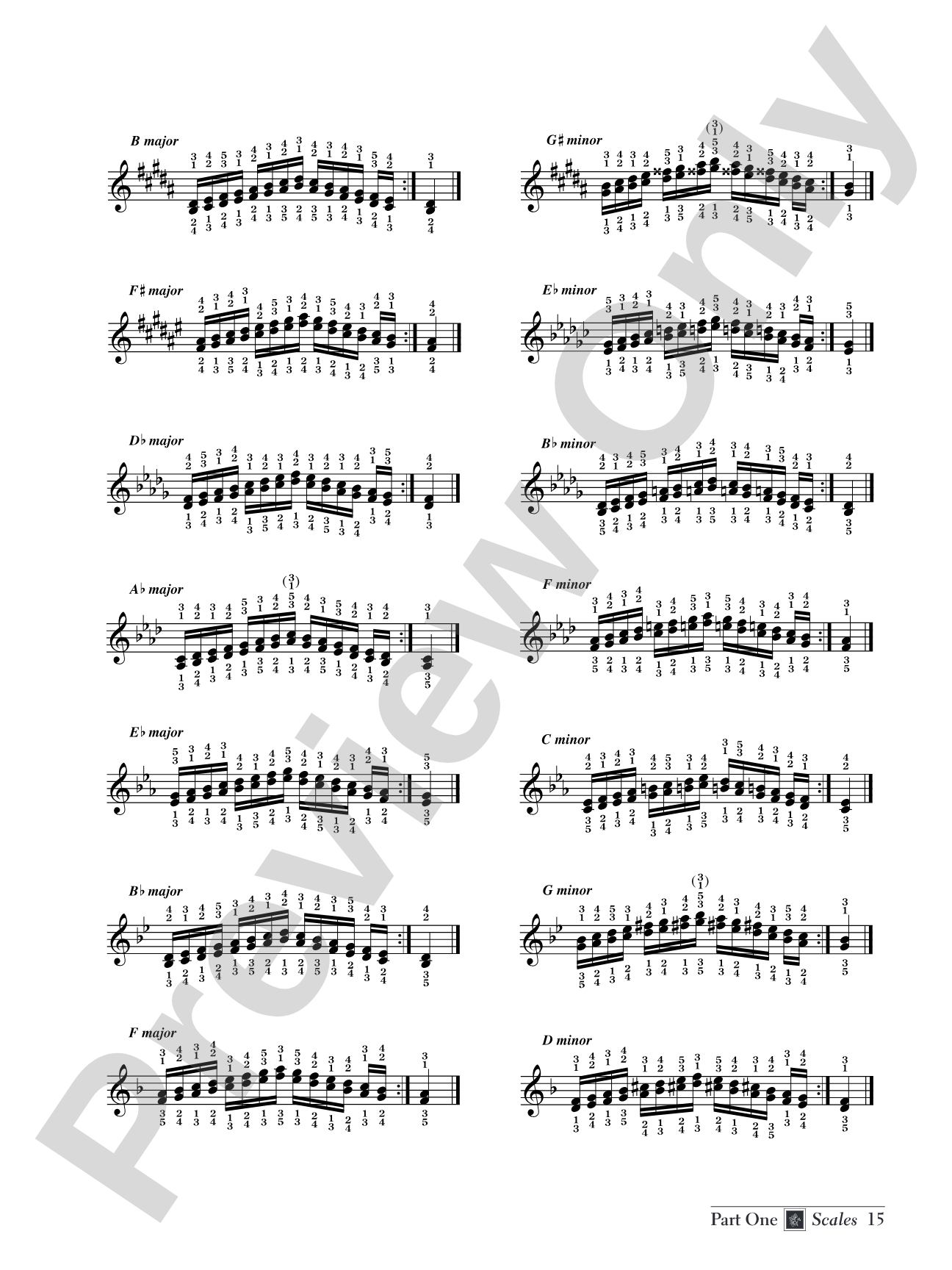
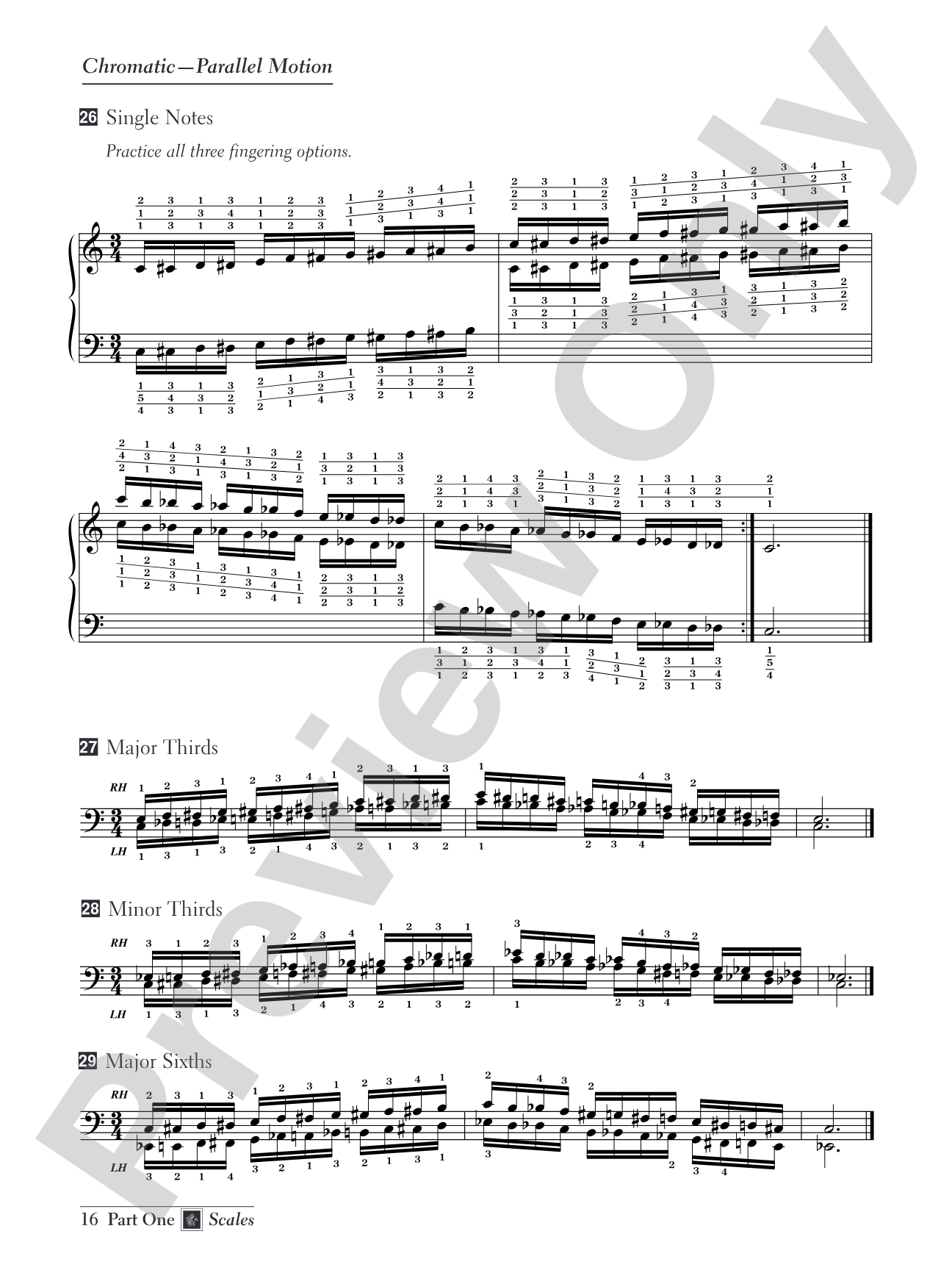
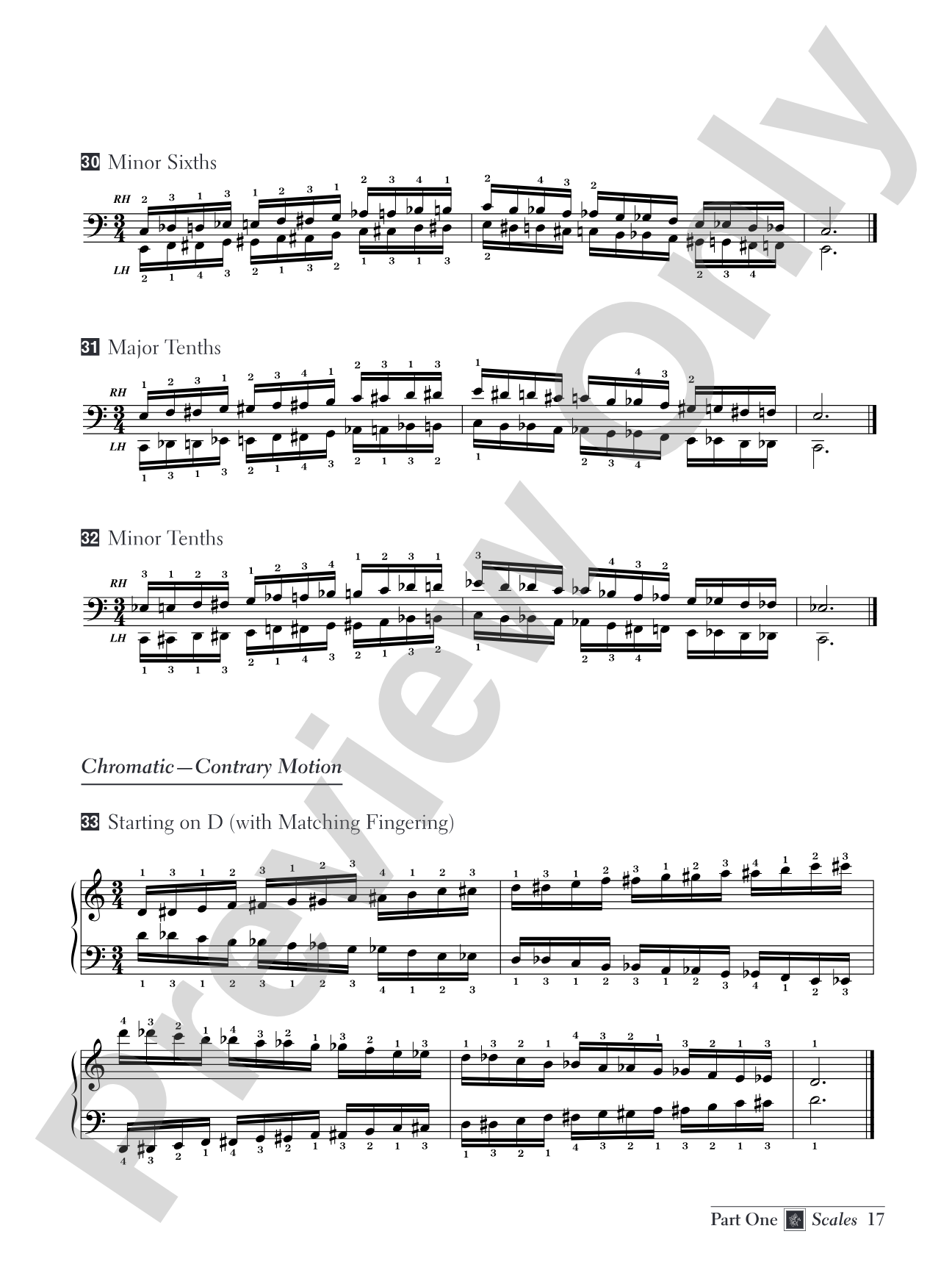
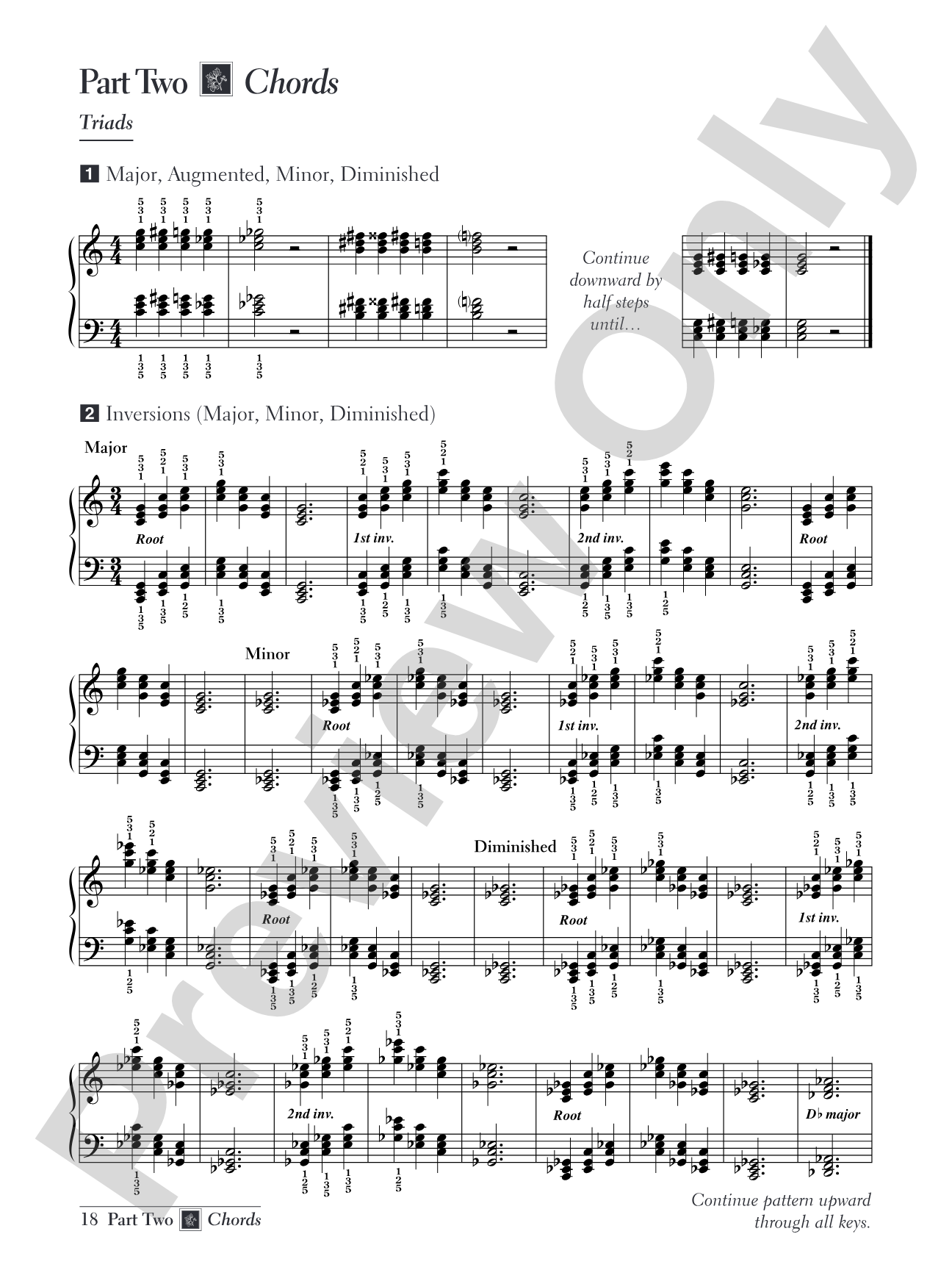
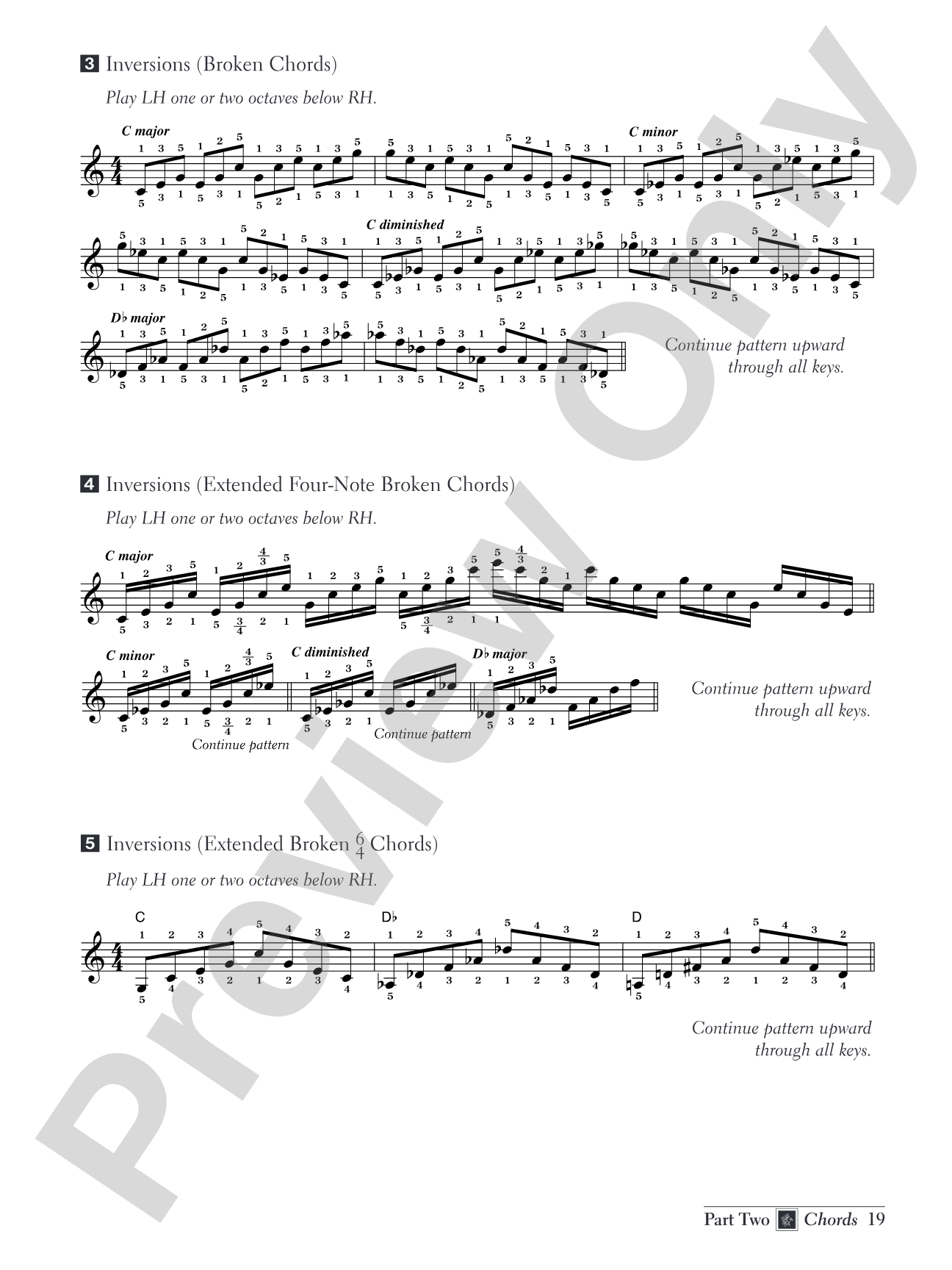
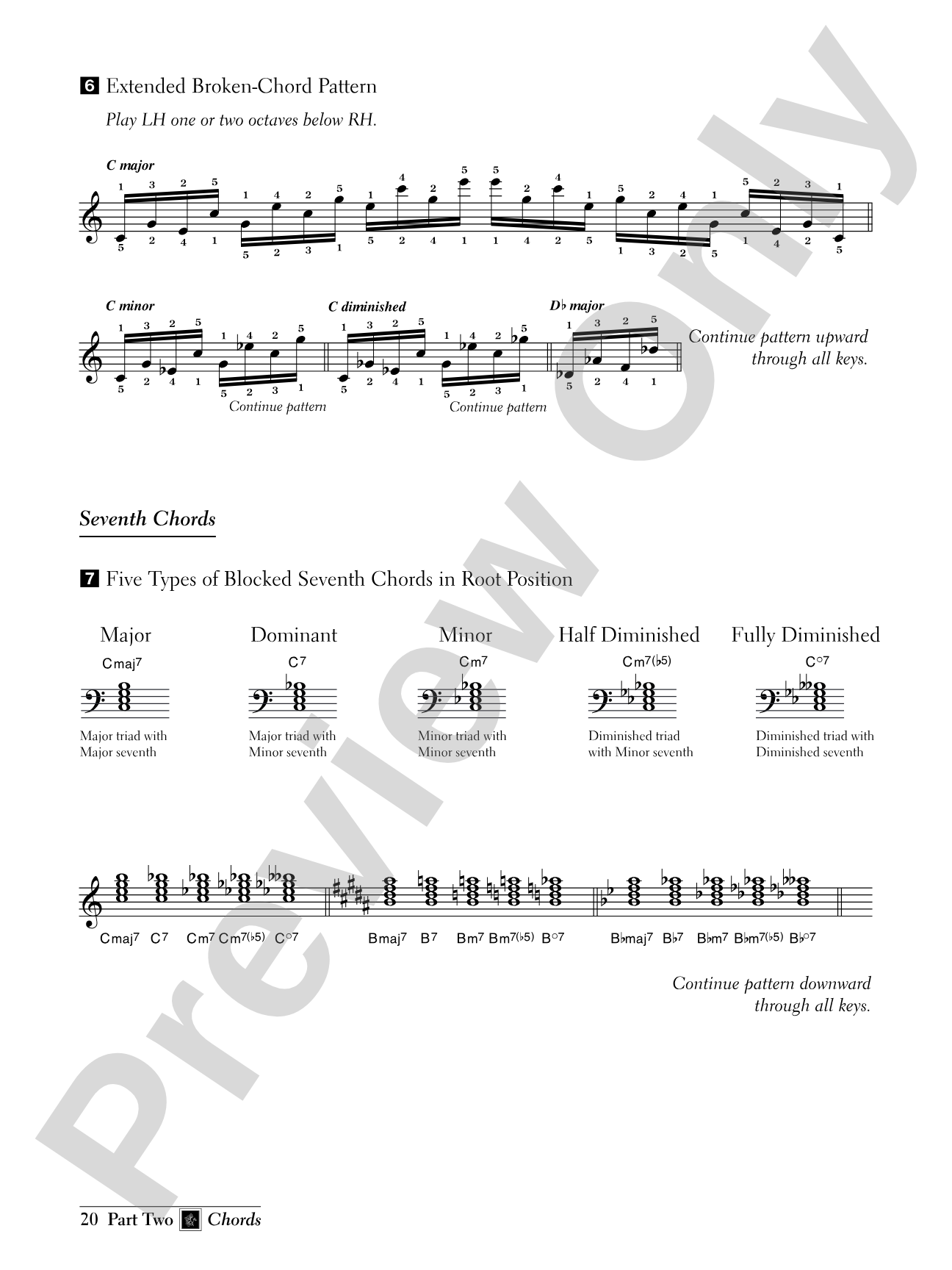
This practical resource provides foundational tools for scale, chord, and arpeggio playing; exercises for developing precision, speed, agility, and clarity of tone; and exercises and etudes that focus on a variety of technical challenges.


Technique for the Advancing Pianist: An Essential Collection of Progressive Exercises and Etudes: Piano isn't in MakeMusic Cloud just yet...but it could be. Let us know you'd like to see it, and you'll help shape what comes next. In the meantime, start a free trial and dive into thousands of interactive titles your students can play along with today.
Request This Title
Tell us you want it.
Start Your Free Trial
Explore everything that's ready to play right now.
Sample Audio
No sample audio found.
Sample Video
No sample videos found.
Additional Details
Publisher:
Alfred Music
Page Count:
96
SKU:
00-PB-0001099
More about this title
Why we love this
A comprehensive technique book organized by clear progression means students spend rehearsal time on what they actually need, not wading through material they've already mastered. The balance between scales, chords, arpeggios, and etudes that target specific technical challenges makes this resource work as both a daily warm-up and a focused problem-solving tool.
What to expect
Purposeful and direct. Each exercise and etude arrives with a clear intent, eliminating the meandering quality of collections that pile on exercises without reason. The progression feels like climbing a staircase where you can always see the next step.
Who it's for
Pianists working at early advanced level who need systematic, focused exercises to build speed, precision, and tonal control without leaving gaps in their technique foundation. Teachers managing mixed-level private studios or group piano classes will find this collection efficient for targeting individual student needs during lesson time.
How to get the most out of it
- Establish a daily rotation through the scale and chord exercises before moving into the etudes; consistency yields faster gains in finger independence and evenness than sporadic, longer sessions.
- Record yourself playing passages that feel uneven or unclear, then listen back to identify which fingers are lagging or rushing; this builds awareness faster than teacher feedback alone.
- When an etude targets a specific technical challenge, isolate just that passage at a slow tempo first, then gradually increase speed only after you can play it cleanly at three consecutive tempos.
- Use the variety of etudes to alternate between different hand shapes and technical demands; moving from a trill study to a broken-chord piece keeps the practice session fresh and prevents fatigue.
How to use it
Integrate specific etudes into lesson plans as problem-solvers for technical issues that emerge during repertoire work; a student struggling with rapid scalar passages in a Beethoven sonata, for example, can target the relevant scale exercise and related etudes without reviewing material they've already conquered.
Skills your students will build
- Scale fluency across multiple keys and articulations
- Chord voicing and smooth voice leading
- Broken-arpeggio patterns with even tone and balanced dynamics
- Finger independence and precision at moderate to fast tempos
- Clarity of tone under technical demands
- Trill and tremolo technique
- Hand coordination and balance between upper and lower voices
- Reading and executing a variety of rhythmic and technical patterns