Technic Tricks, Book 1 Sheet Music Preview

Technic Tricks, Book 1: Piano

By John W. Schaum

Item: 00-PB-0001895

Digital Download
$8.99
Description
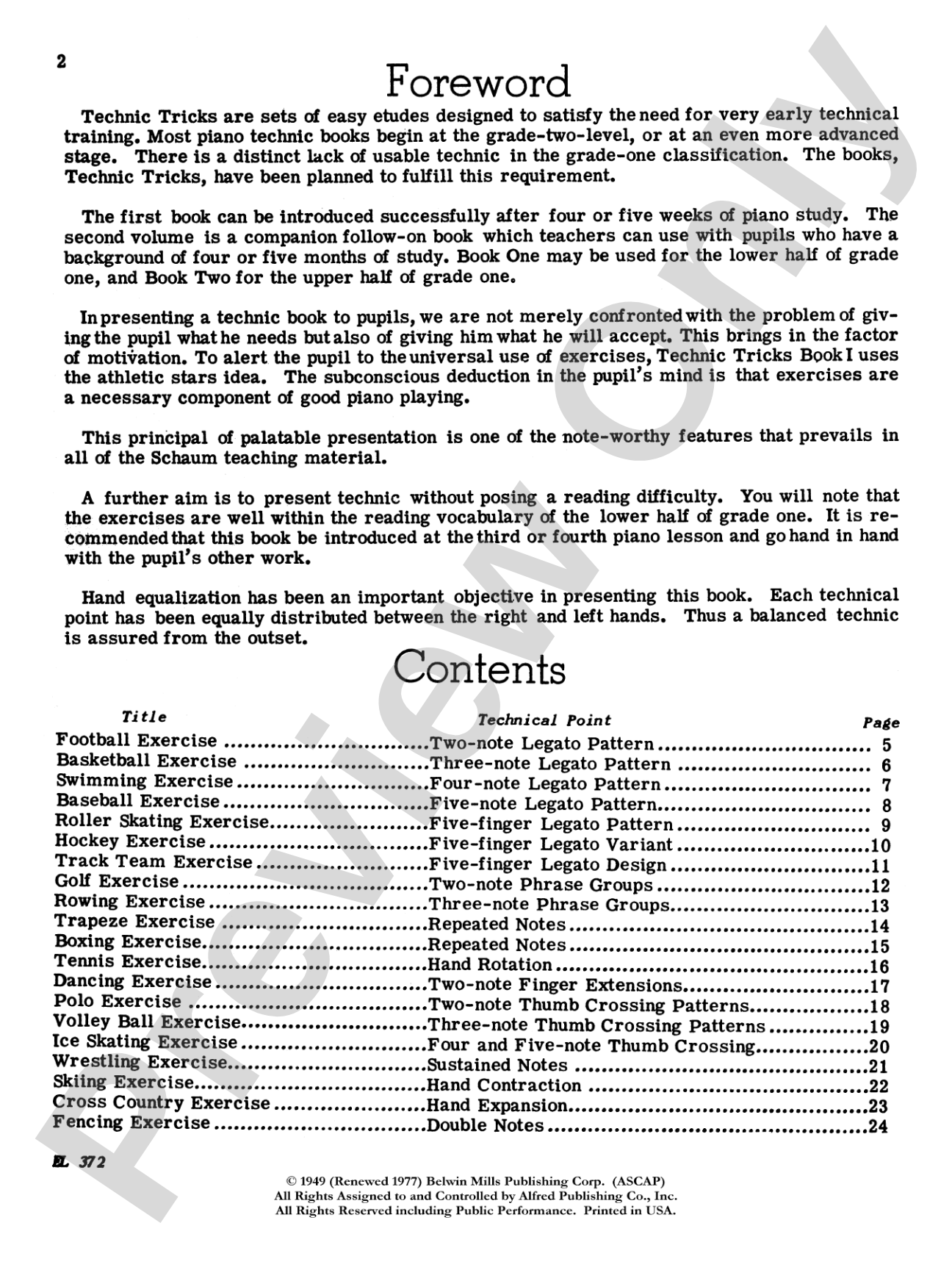
TECHNIC TRICKS are sets of easy etudes designed to satisfy the need for very early technical training. Most piano technic books begin at the grade-two-level, or at an even more advanced stage. There is a distinct lack of usable technic in the grade-one classification. The books, TECHNIC TRICKS, have been planned to fulfill this requirement.

Technic Tricks, Book 1: Piano isn't in MakeMusic Cloud just yet...but it could be. Let us know you'd like to see it, and you'll help shape what comes next. In the meantime, start a free trial and dive into thousands of interactive titles your students can play along with today.


Sample Audio
No sample audio found.
Sample Video
Additional Details
Series: Schaum Method Supplement
Publisher: Alfred Music
Page Count: 24
SKU: 00-PB-0001895

More about this title

About the Composer: John W. Schaum

John W. Schaum (1905-1988) was a pivotal figure in accessible piano pedagogy, designing materials that met students where they actually were rather than where method books assumed they should be. His systematic approach to technical foundation building became foundational to private studio instruction across North America, with his method books remaining widely adopted more than three decades after his death.

Schaum understood that early technical habits determine lifelong playing patterns. Rather than waiting until grade two or beyond to introduce finger work, he created progressions that let absolute beginners tackle technical challenges with the same careful scaffolding he applied to note reading and rhythm.

Why we love this

This book solves a genuine curricular problem that many private teachers face: the frustrating gap between grade-one repertoire and the technical demands of grade-two standard method books. Schaum fills that space with etudes that build finger independence and control without requiring reading skills or hand positions beyond what first-year students already possess, making the transition to more substantial technical work feel natural rather than abrupt.

What to expect

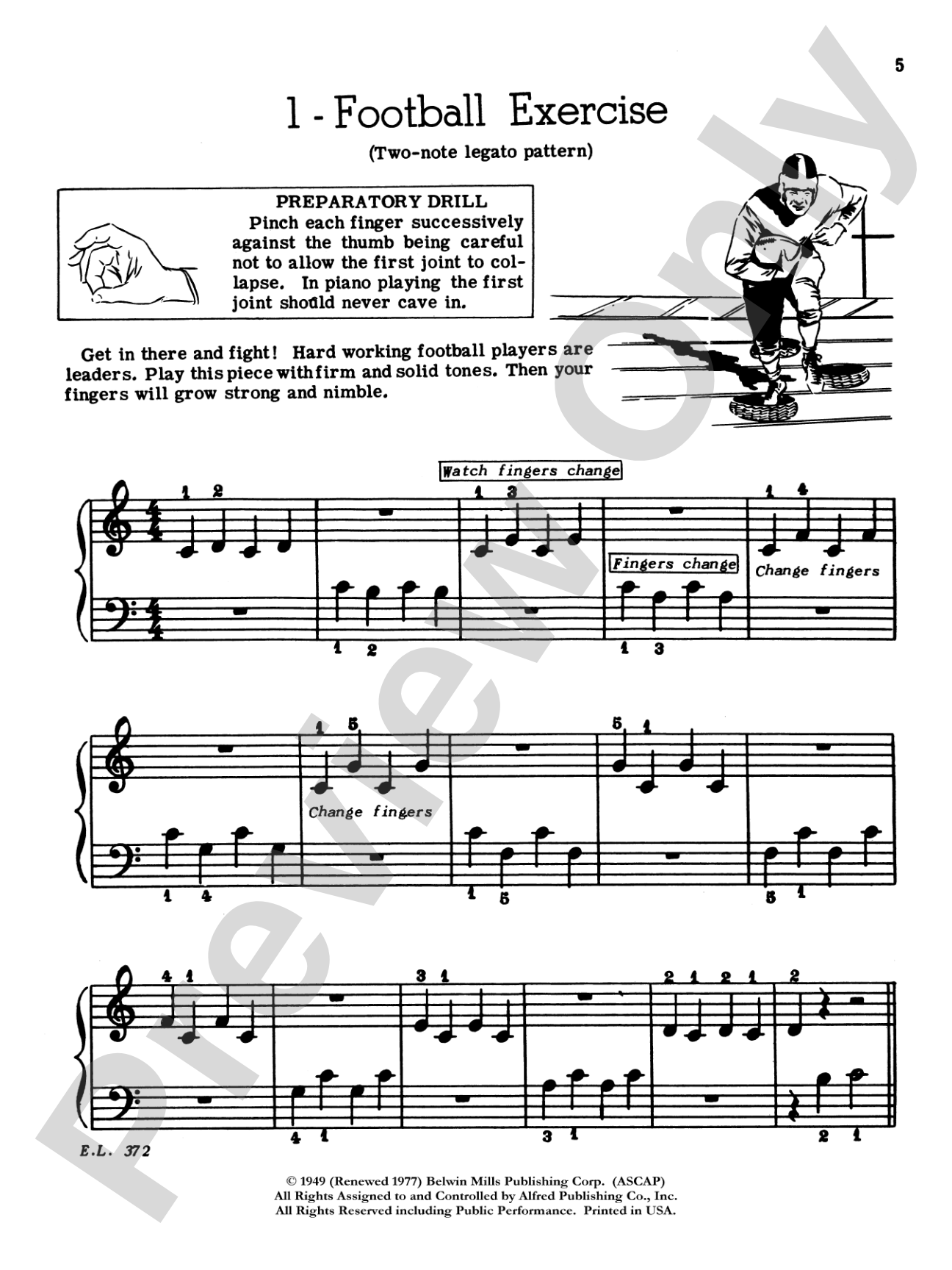
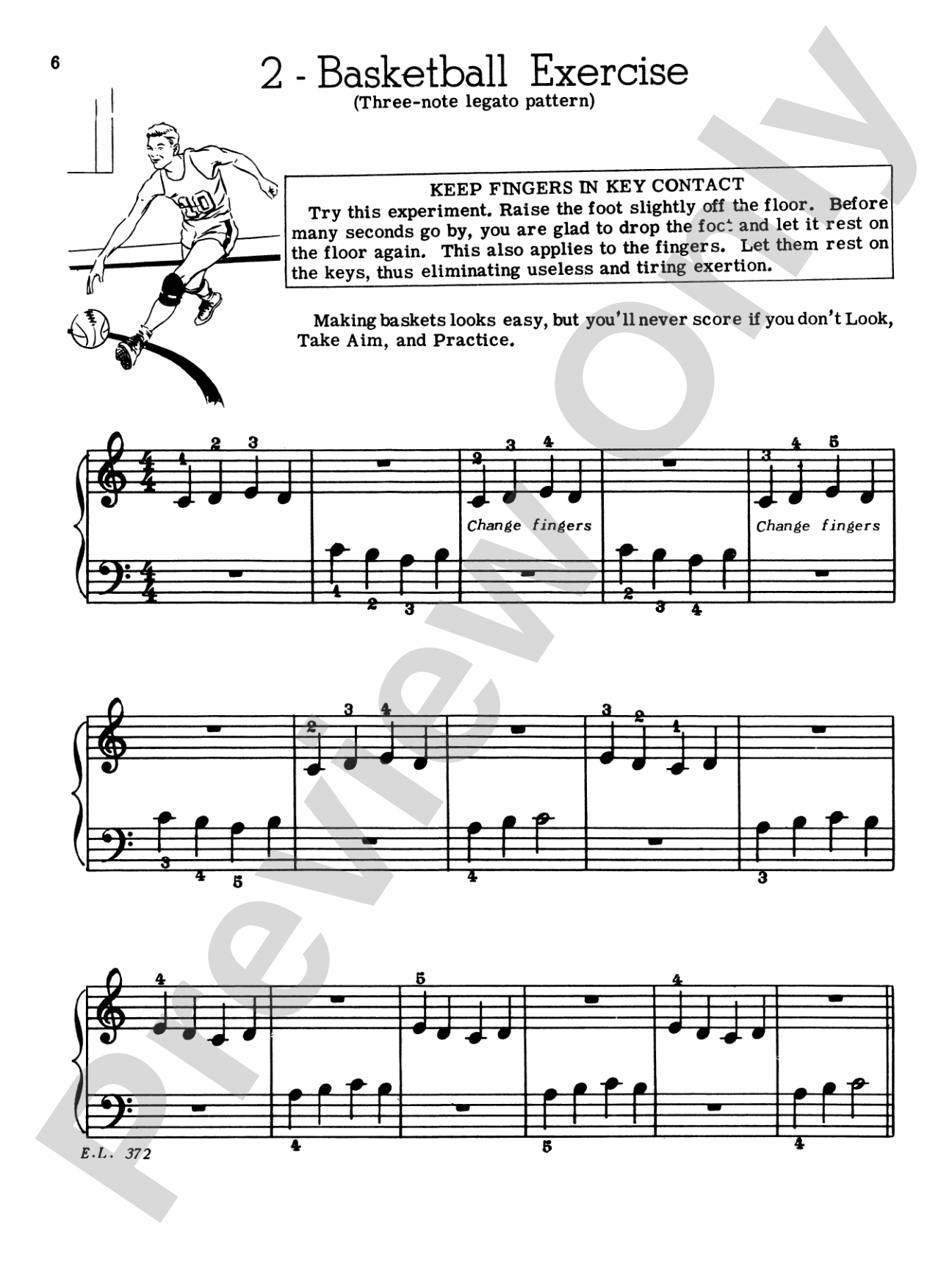
These etudes are direct and purposeful, each one designed around a single technical idea rather than trying to be miniature concert pieces. There's clarity in their construction that lets students focus entirely on the physical challenge at hand without wrestling with complex rhythm or unfamiliar note patterns.

Who it's for

This collection is essential for private piano teachers working with beginners and for studio pianists who want supplemental technical material that matches grade-one vocabulary and hand size. It's particularly valuable for teachers who follow the Schaum method but find their first-year students need more focused finger work than the main book provides alone.

How to get the most out of it

  • Play through the entire book yourself first to identify which etudes address specific technical needs in your studio (hand position, finger strength, legato control) so you can assign strategically rather than sequentially.
  • Have students practice these with a deliberate focus on maintaining the hand position shown at the beginning of each etude, since repetition here builds the physical habits that enable faster progress later.
  • Pair these with pieces from the main Schaum method book so students experience technical concepts in musical context immediately after isolating them.

How to use it

Assign one or two etudes each week alongside regular method book lessons to accelerate technical development without overwhelming the student. These work best when introduced early in the first year of study, allowing the second half of grade-one study and the transition into grade-two to feel like a continuation rather than a leap.

Skills your students will build

  • Finger independence and controlled finger movement within a fixed hand position
  • Early legato touch and smooth hand motion
  • Coordinated use of both hands at different rhythmic patterns
  • Awareness of hand shape and finger curvature through repetitive practice
  • Confidence playing simple technical figures using only the white keys

You May Also Like