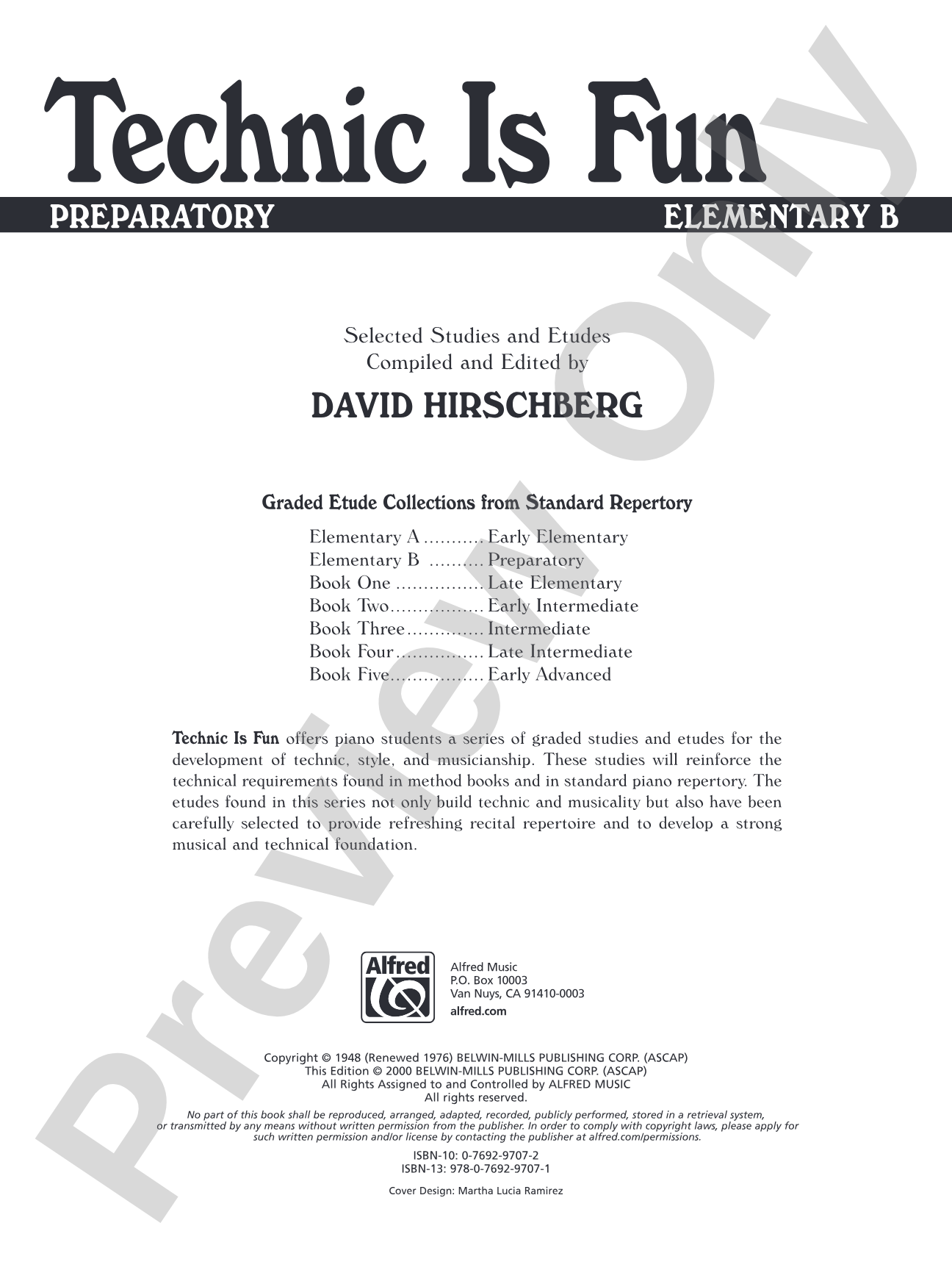
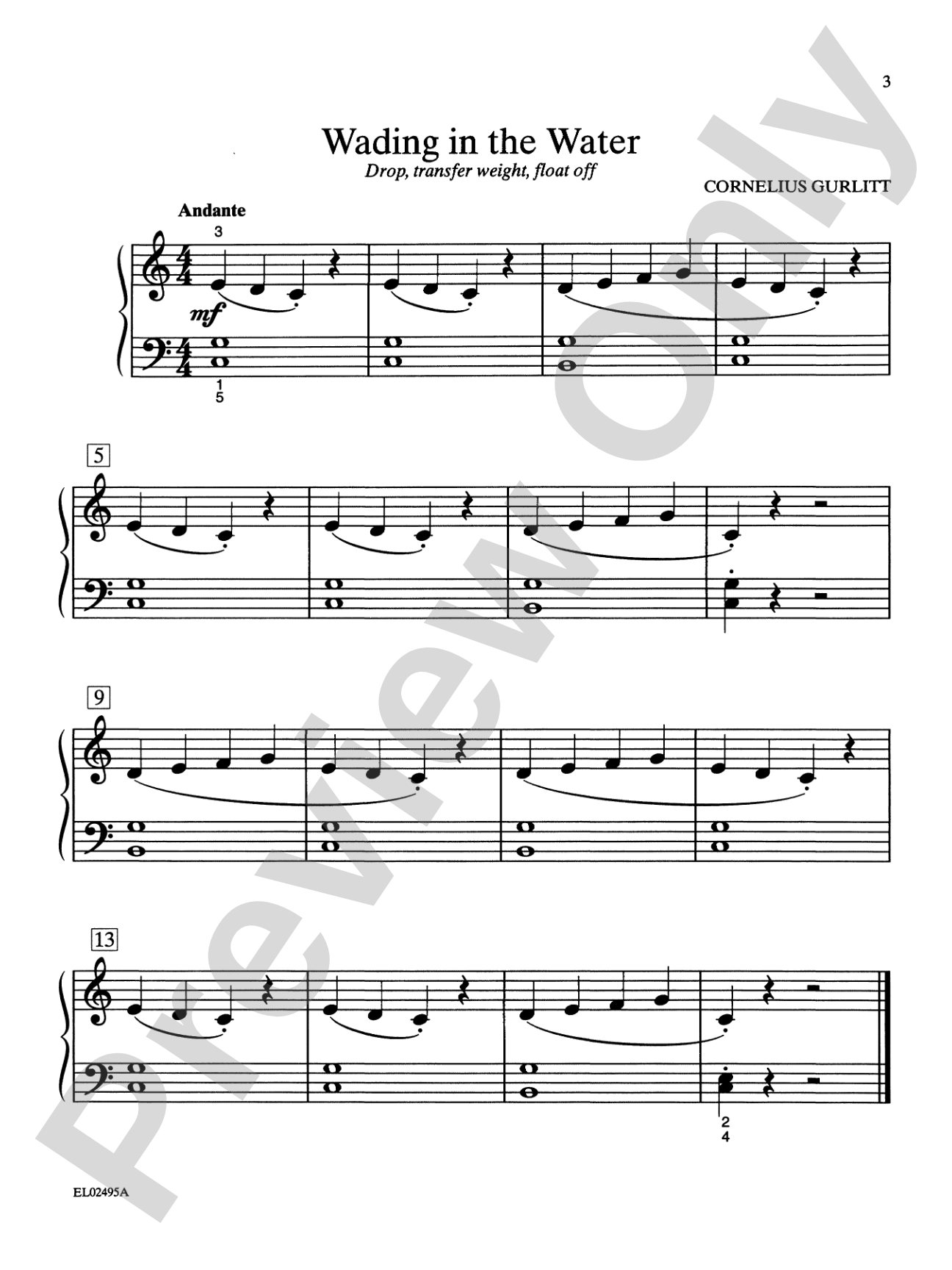
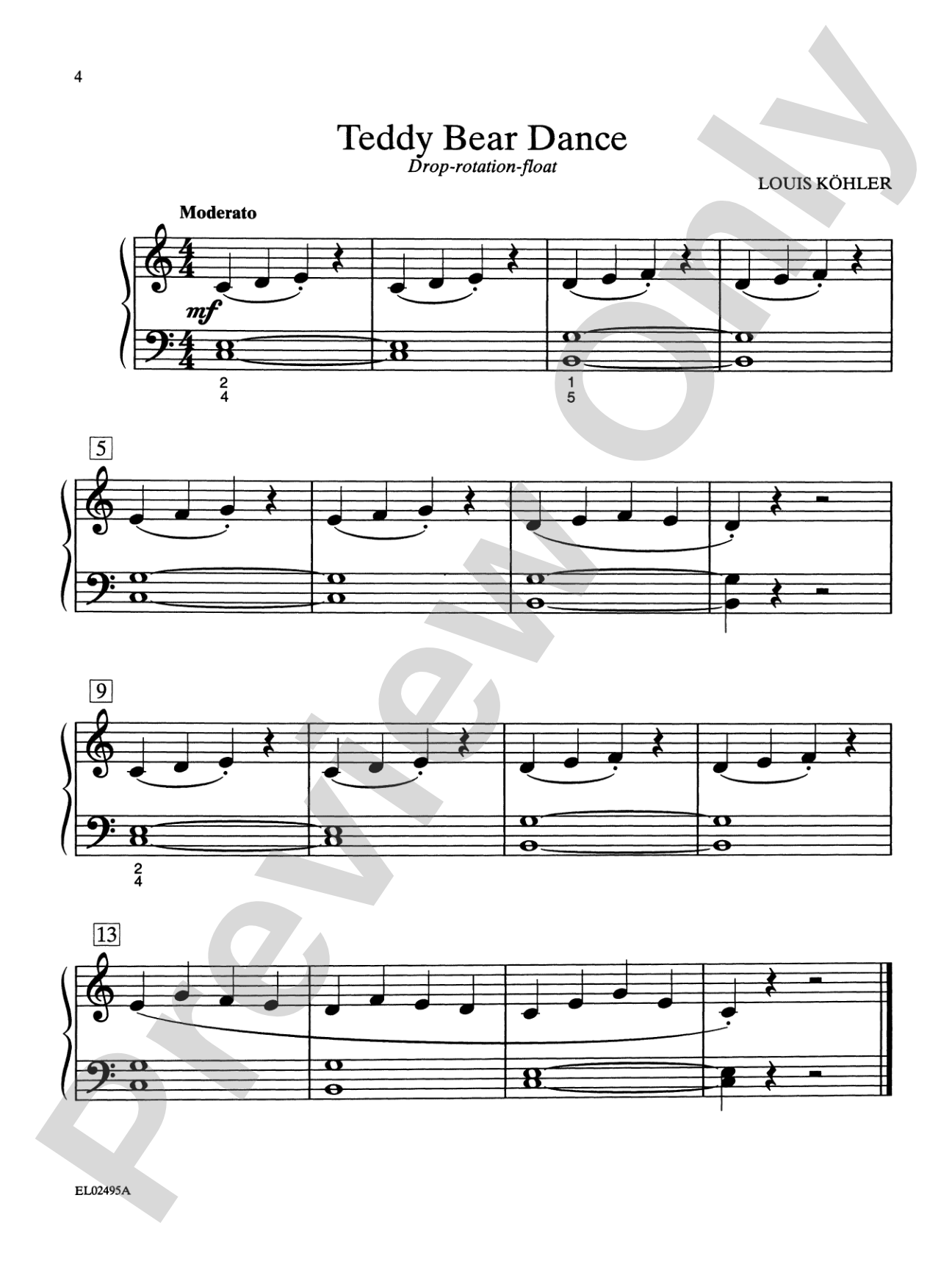
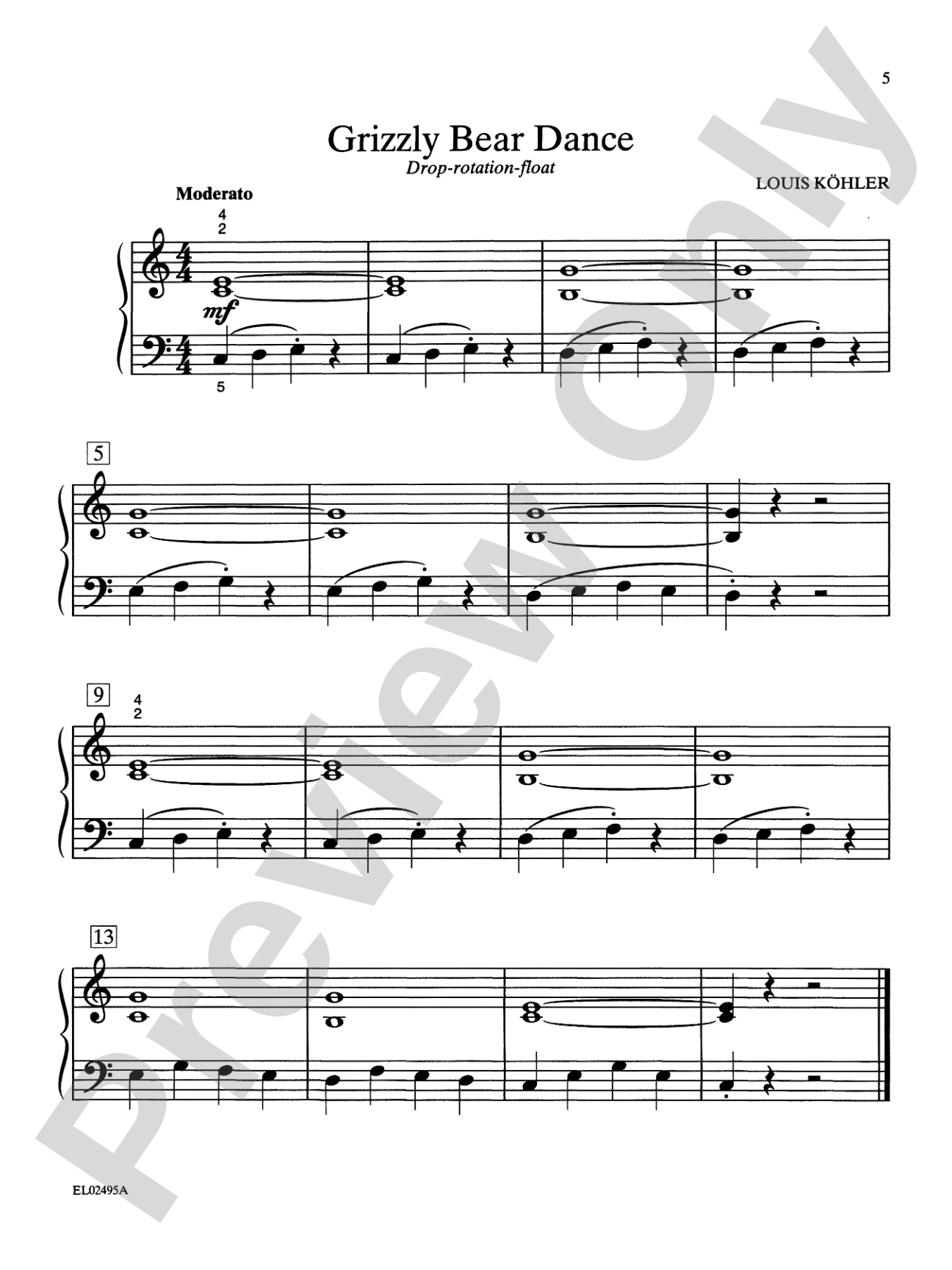
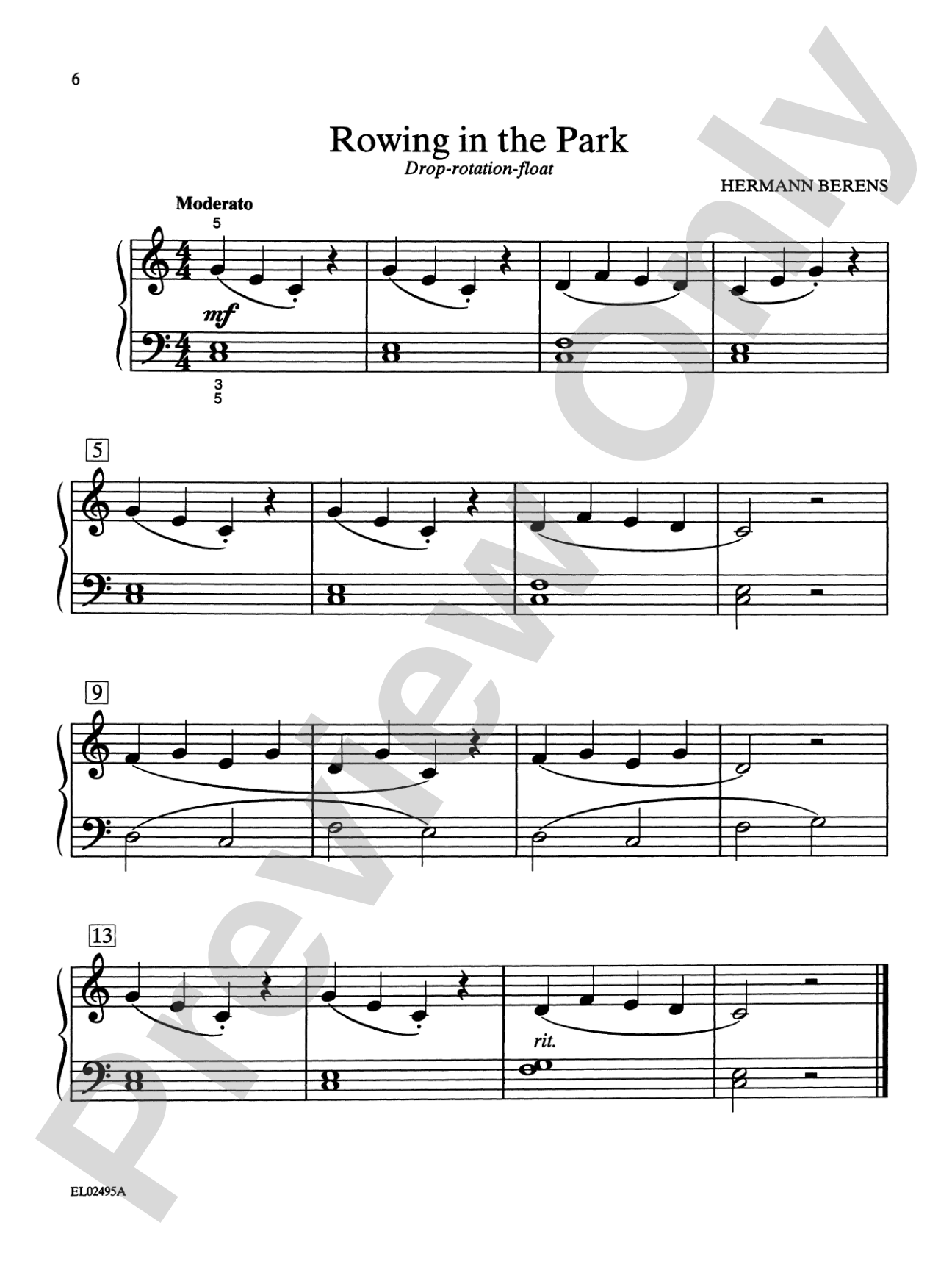
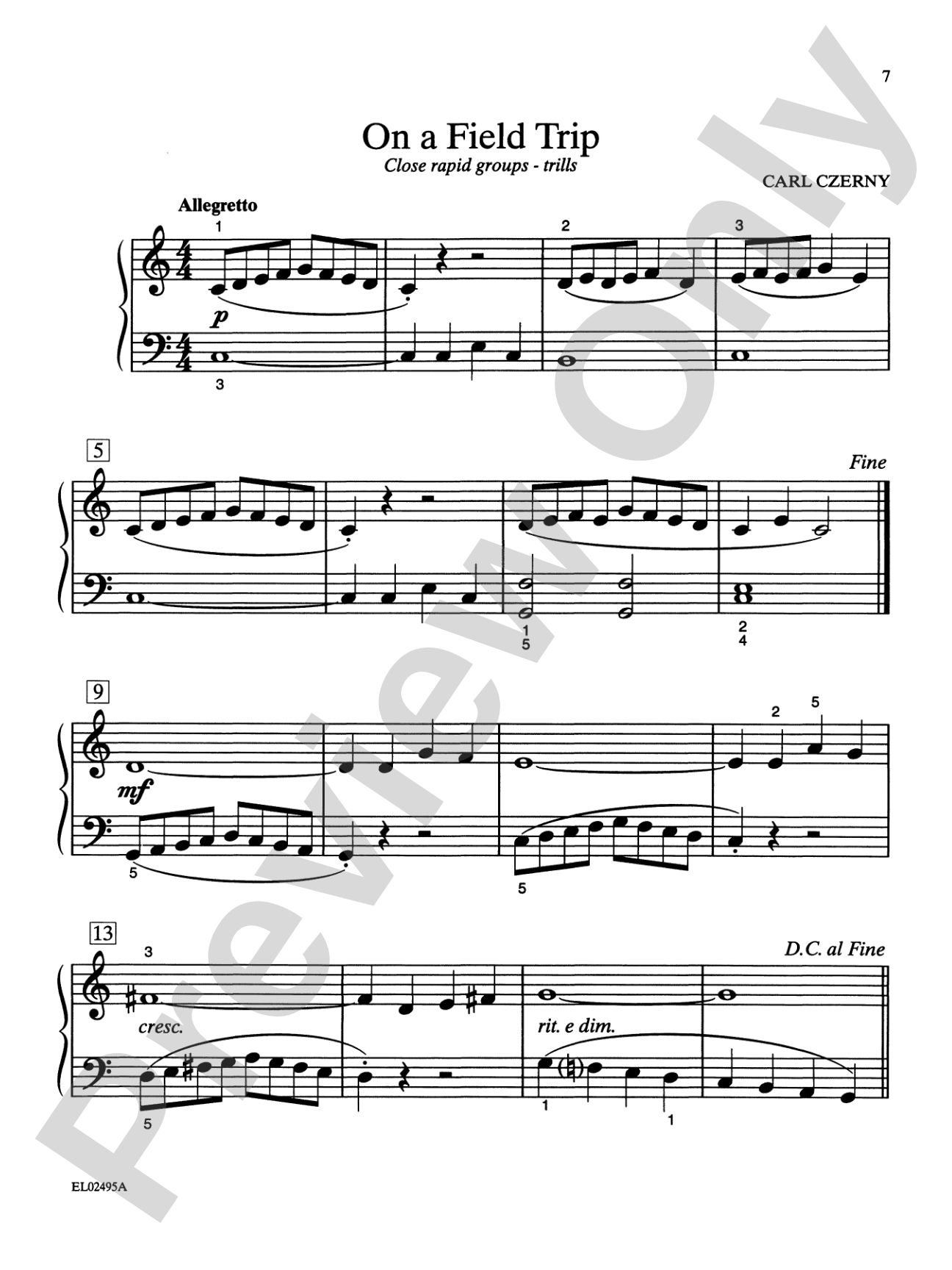
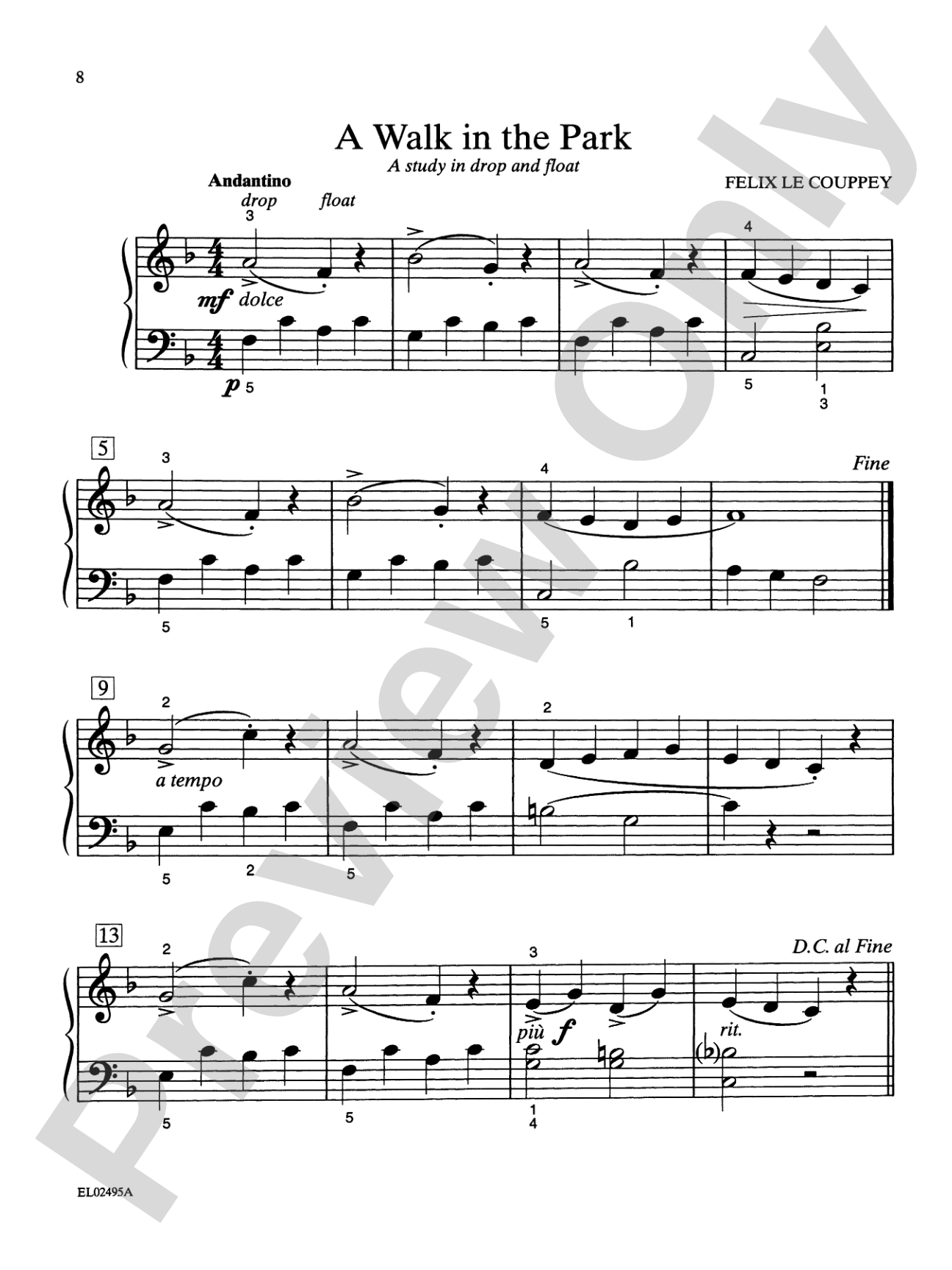
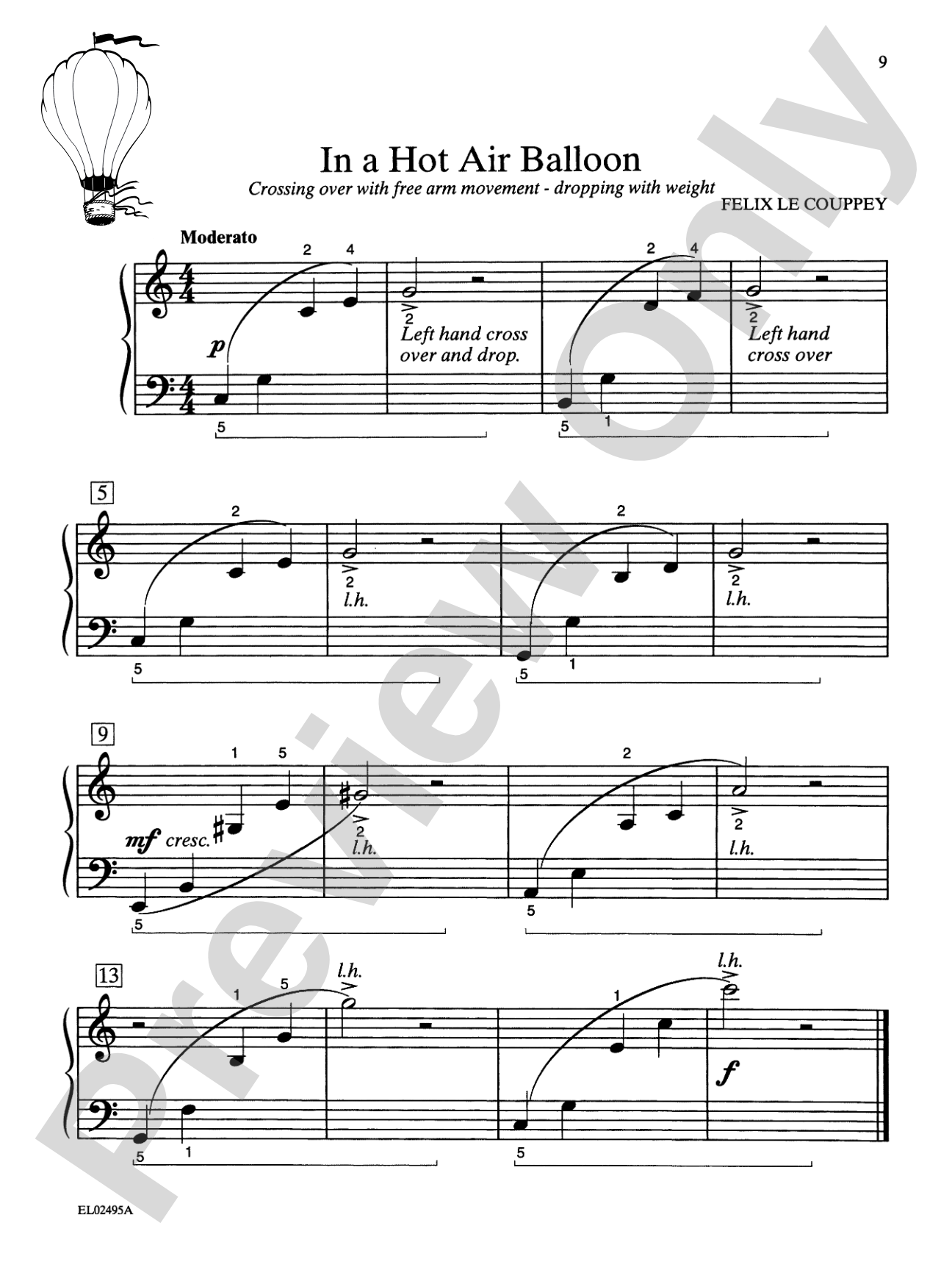
The Technic is Fun series offers piano students a series of graded studies for the development of technic, style, and musicianship. These studies reinforce the technical requirements found in method books and in standard piano repertory. The etudes found in this series not only build technic and musicality but have been carefully selected to provide refreshing recital repertoire as well as to develop a strong musical and technical foundation.
Discover MakeMusic Cloud: thousands of interactive titles your students can play along with today.
David Hirschberg has built a reputation for creating pedagogical piano materials that treat students as serious musicians from the start. His Technic Is Fun series reflects a philosophy that technical development need not feel mechanical or disconnected from actual music making.
Why we love this
Hirschberg understands that elementary pianists need etudes that feel like real pieces, not finger exercises dressed up as music. These studies slip into recitals without apology, letting students experience the satisfaction of performing something substantial while the technical work happens invisibly.
What to expect
Unpretentious and musical. These etudes respect young pianists' ears; they contain genuine harmonic interest and melodic shape rather than serving as abstract technical vehicles. Playing through them feels like making music, not completing homework.
Who it's for
Elementary B pianists ready to tackle studies that demand something beyond basic note-reading. These pieces work well for students who benefit from technique-focused material but lose interest in pure drills, and for teachers seeking recital repertoire that doubles as serious skill building.
How to get the most out of it
Isolate any hand position shifts before playing hands together; marking them in pencil helps students anticipate the physical transition without breaking momentum.
Listen for evenness in scalar or repeated patterns by having students play at a slower tempo first, focusing on consistent tone quality across all fingers.
Record your students playing these pieces; many young pianists develop confidence and awareness by hearing themselves at different tempos and dynamic levels.
Consider pairing these etudes with the corresponding method book material so students see the technical concept reinforced across different musical contexts.
How to use it
Slot individual pieces into student recitals throughout the year as technique develops, or program several together to showcase a student's progress across a semester. These also work as performance material for studio classes where peer learning and mutual encouragement matter.
Skills your students will build
Hand position security and finger independence across multiple technical patterns
Legato pedaling and dynamic control within a limited range
Reading accidentals and maintaining orientation in slightly expanded harmonic environments
Rhythm accuracy at moderate tempos with standard time signatures
Musical phrasing and basic interpretation within accessible ranges
You May Also Like
Scan to Complete Your Purchase
Use your phone's camera to scan the code below
You'll log in on your phone and the order will be added to your account