

Technic Is Fun, Book 5: Piano
By David Hirschberg / ed. Gail Lew
Level: Early Advanced
Item: 00-PB-0001913
$8.95
Pickup currently not available
Related Items
Technic Is Fun, Book 5: Piano Book |
$8.95
|
View |
Description
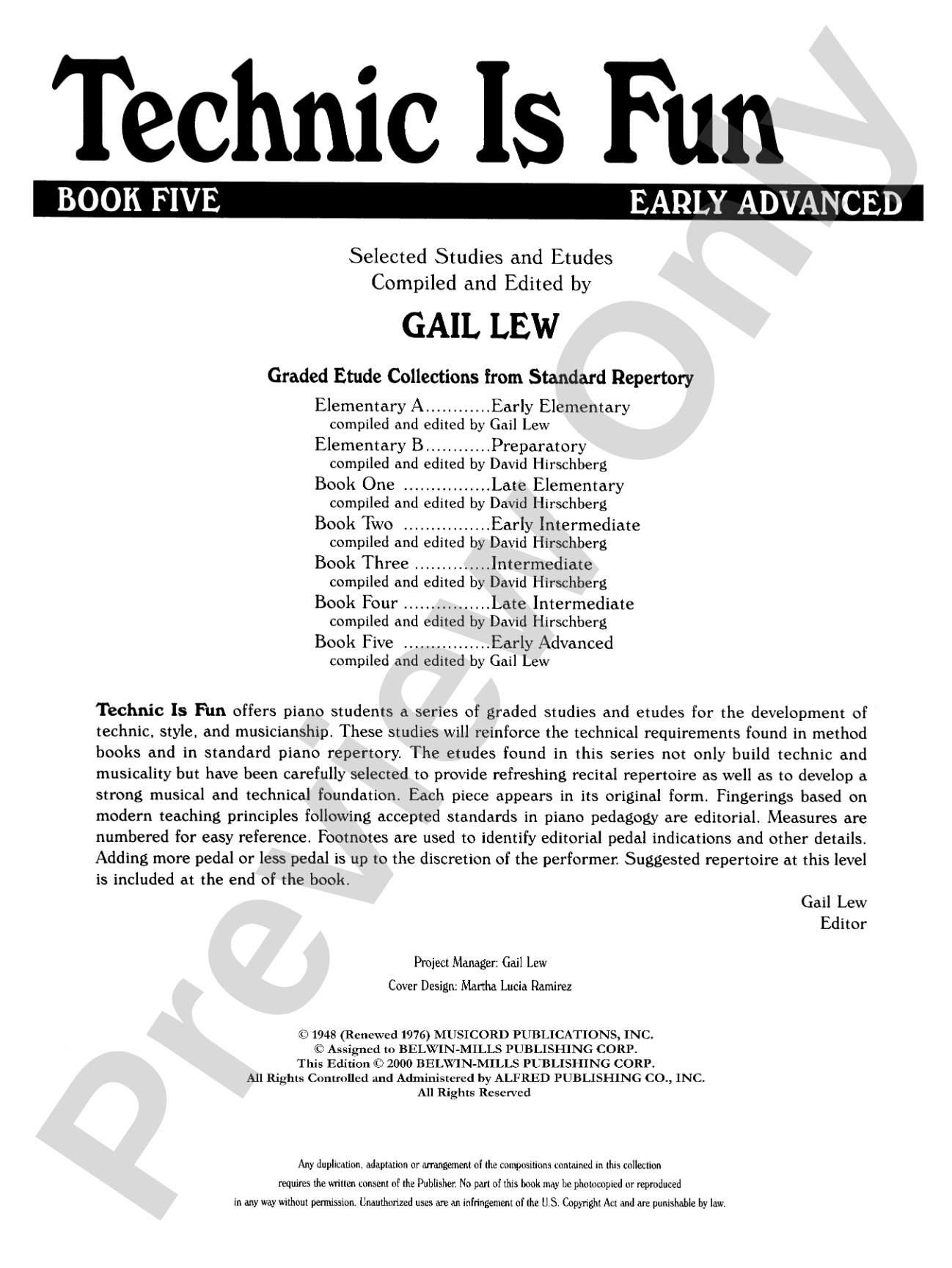
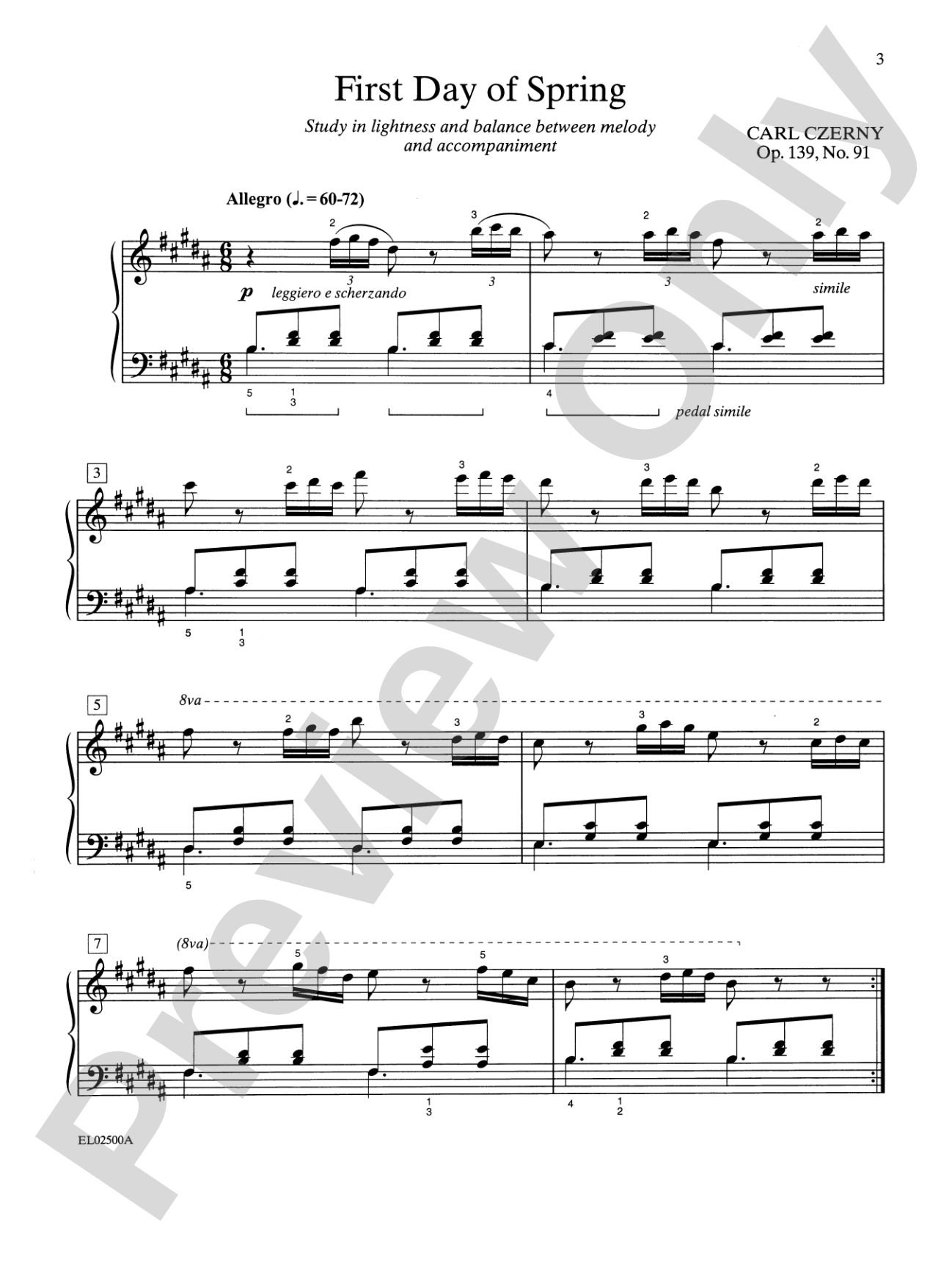
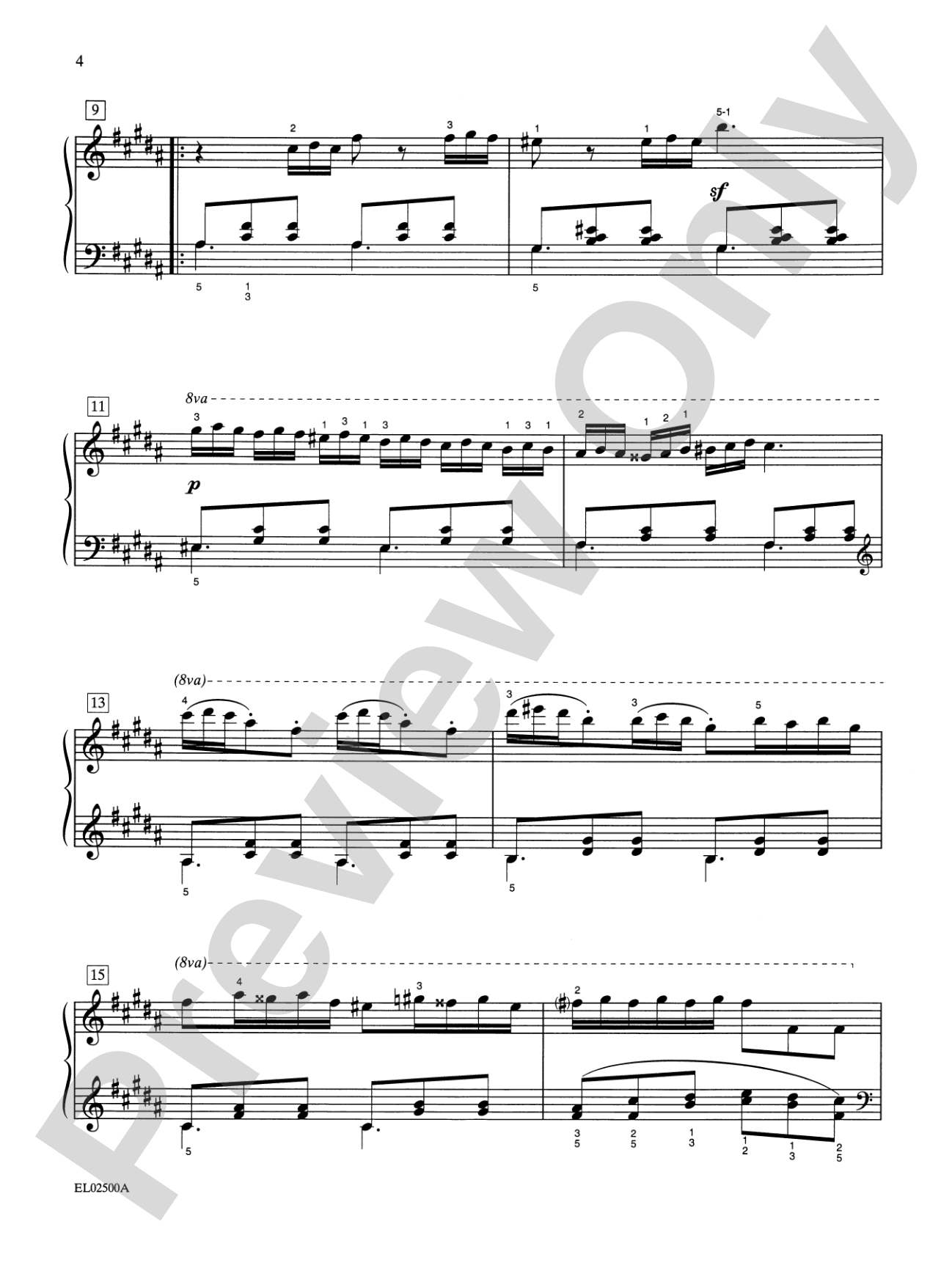
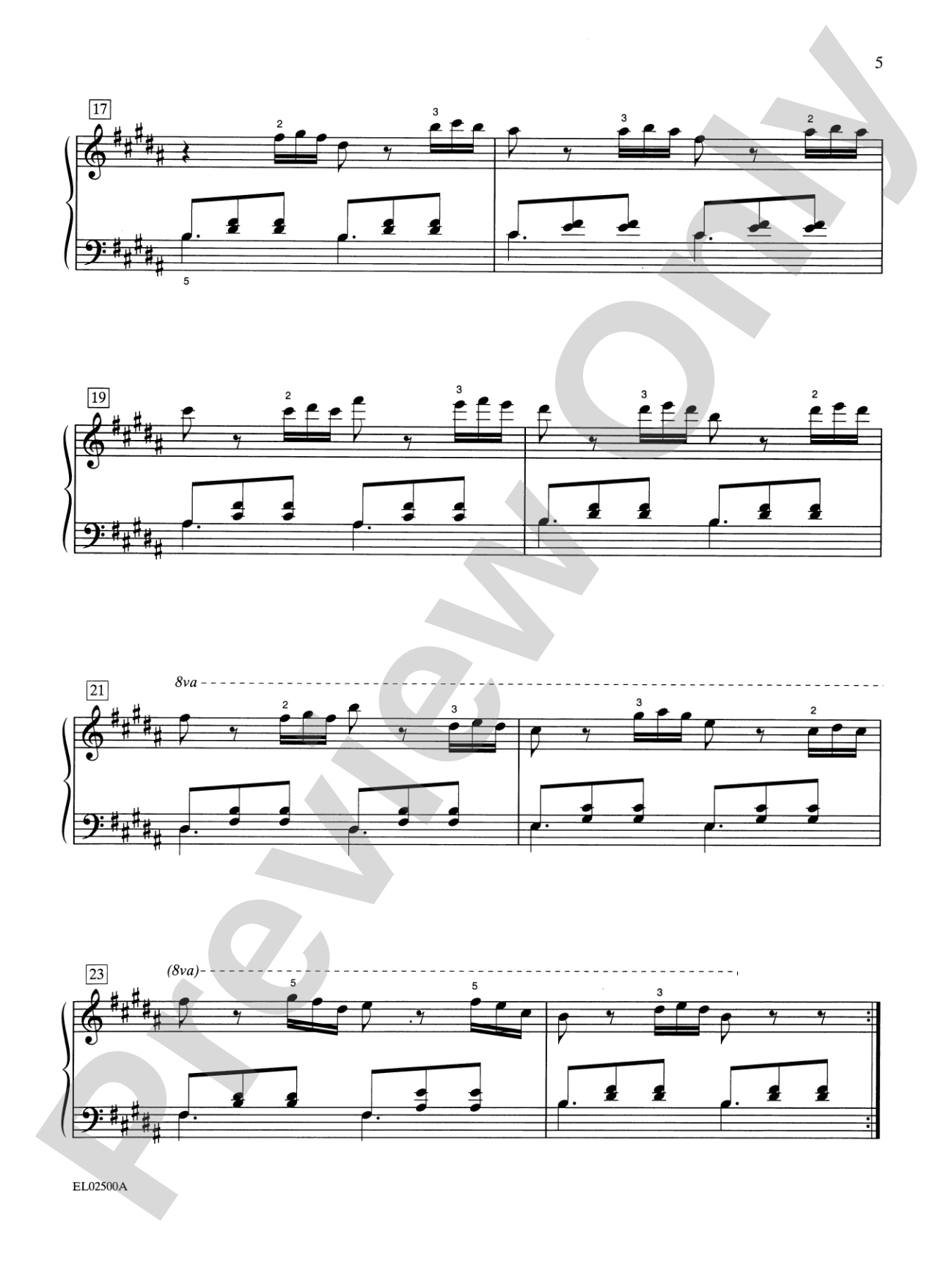
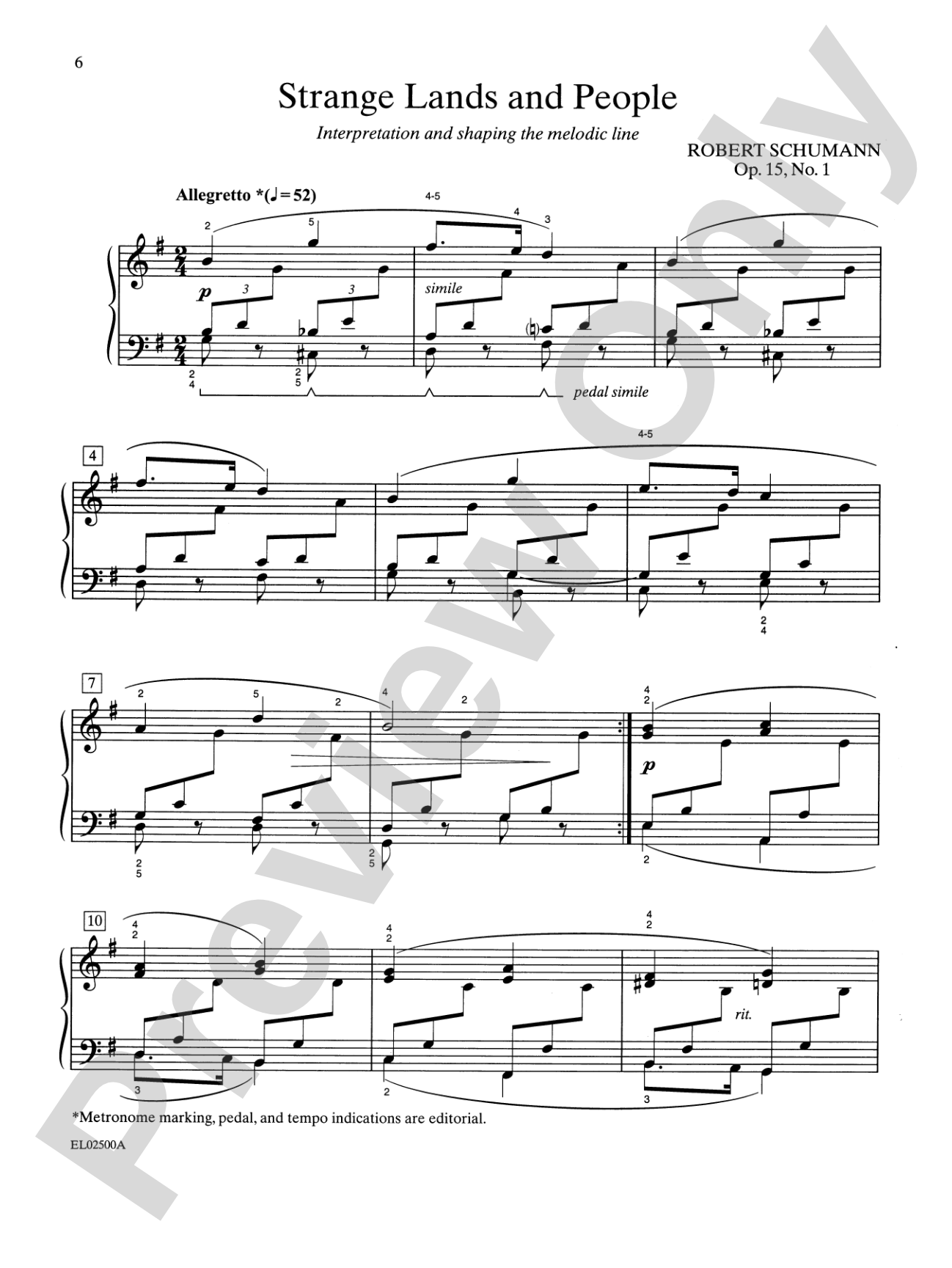
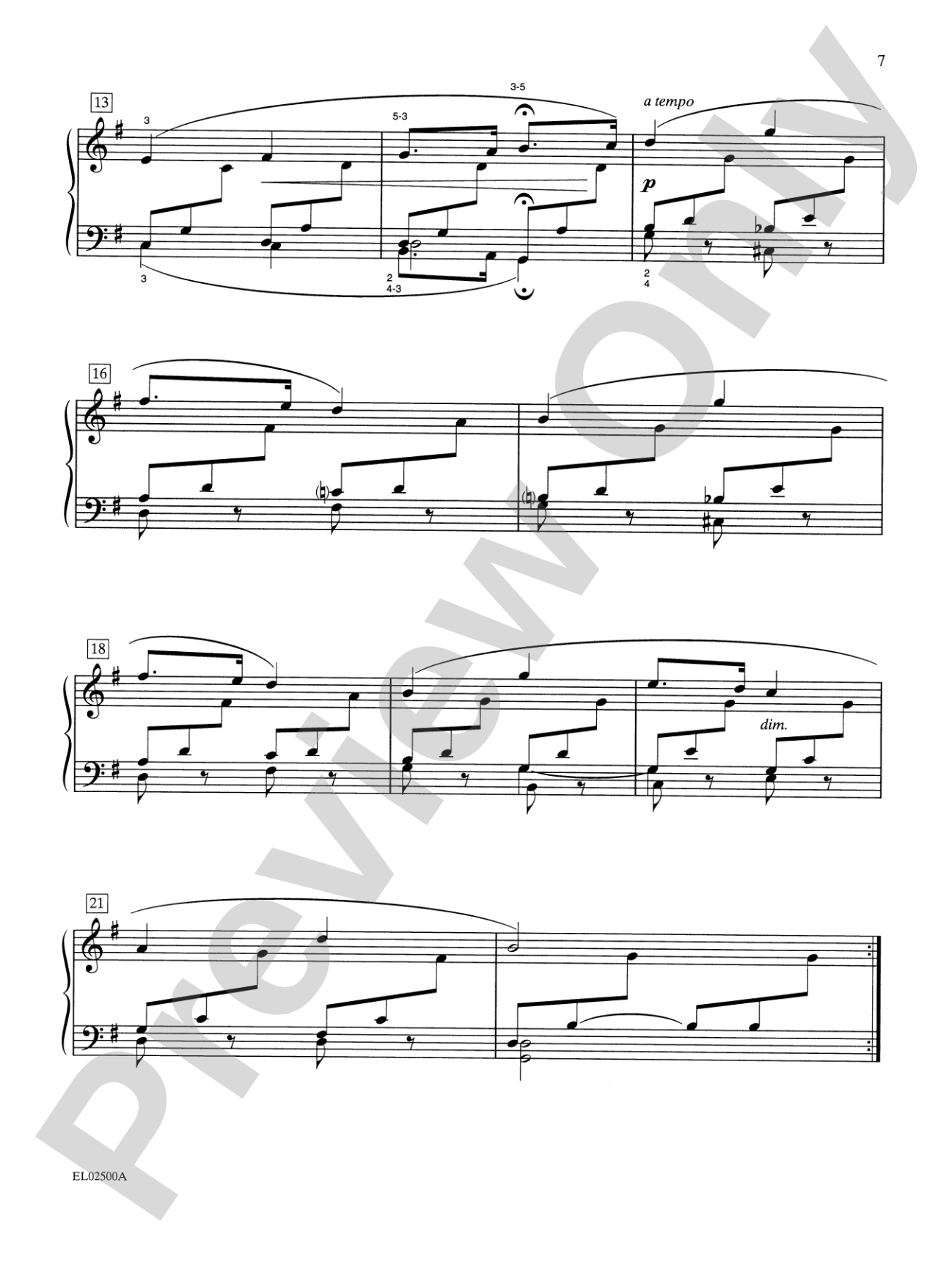
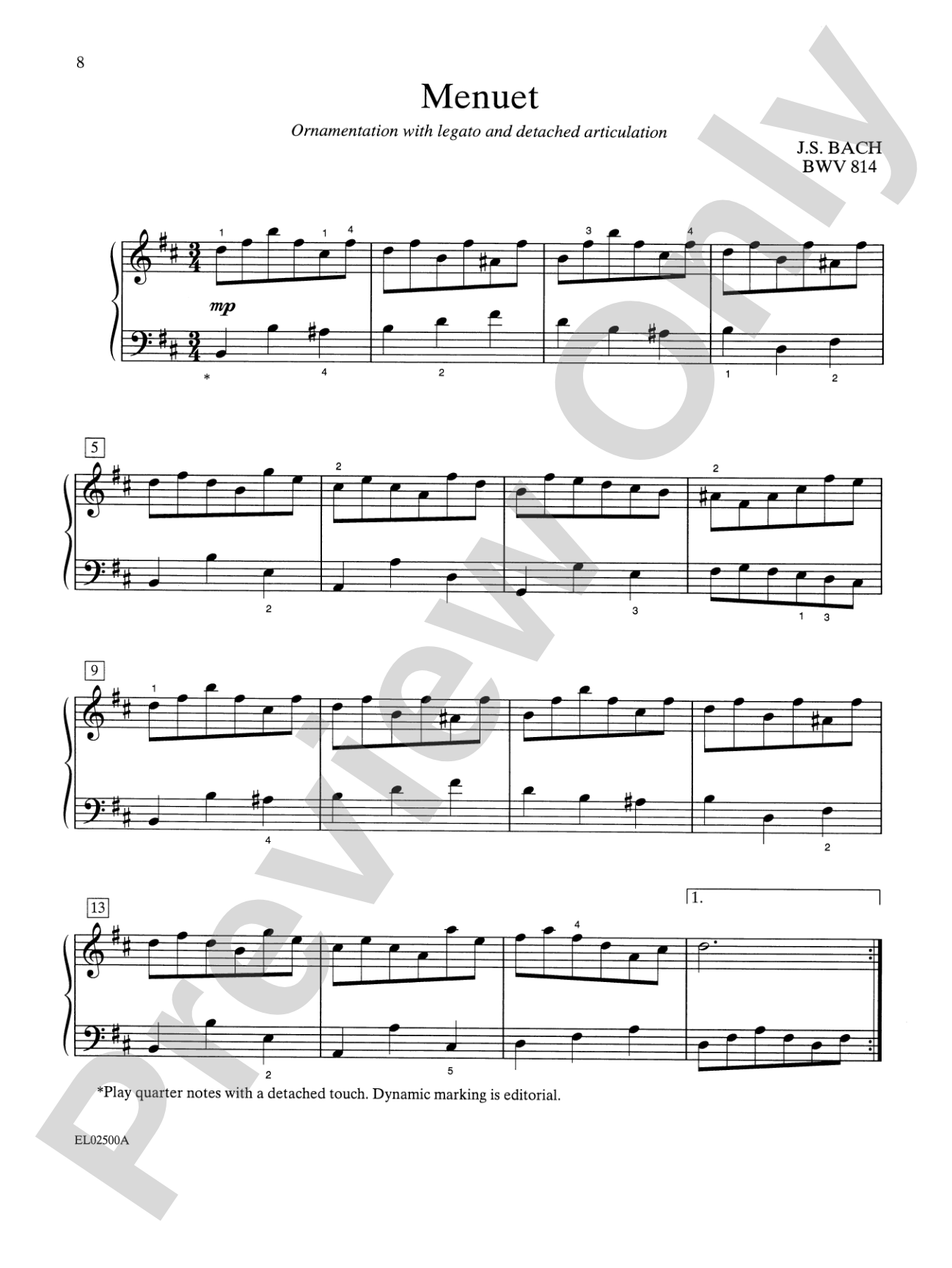
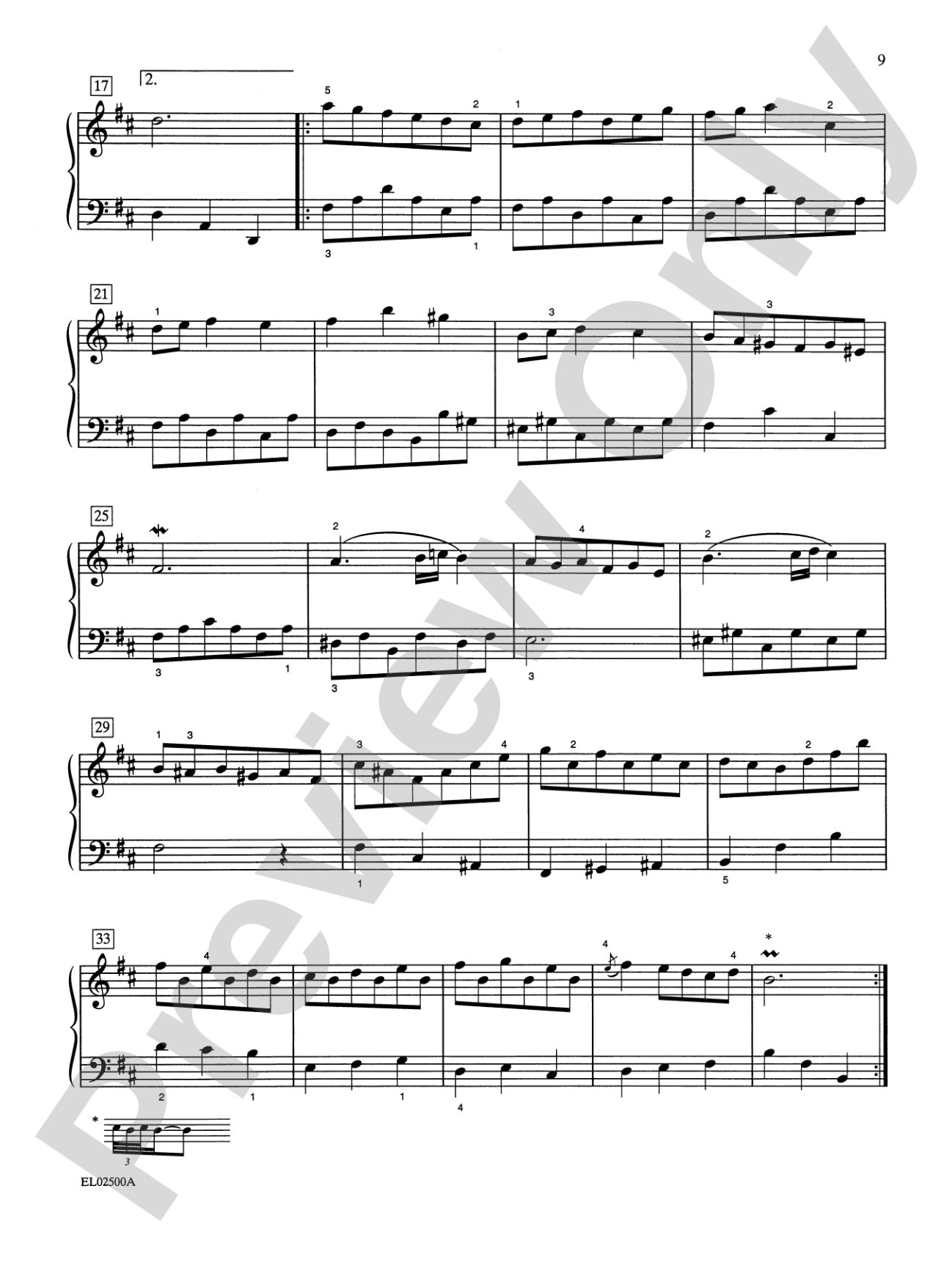
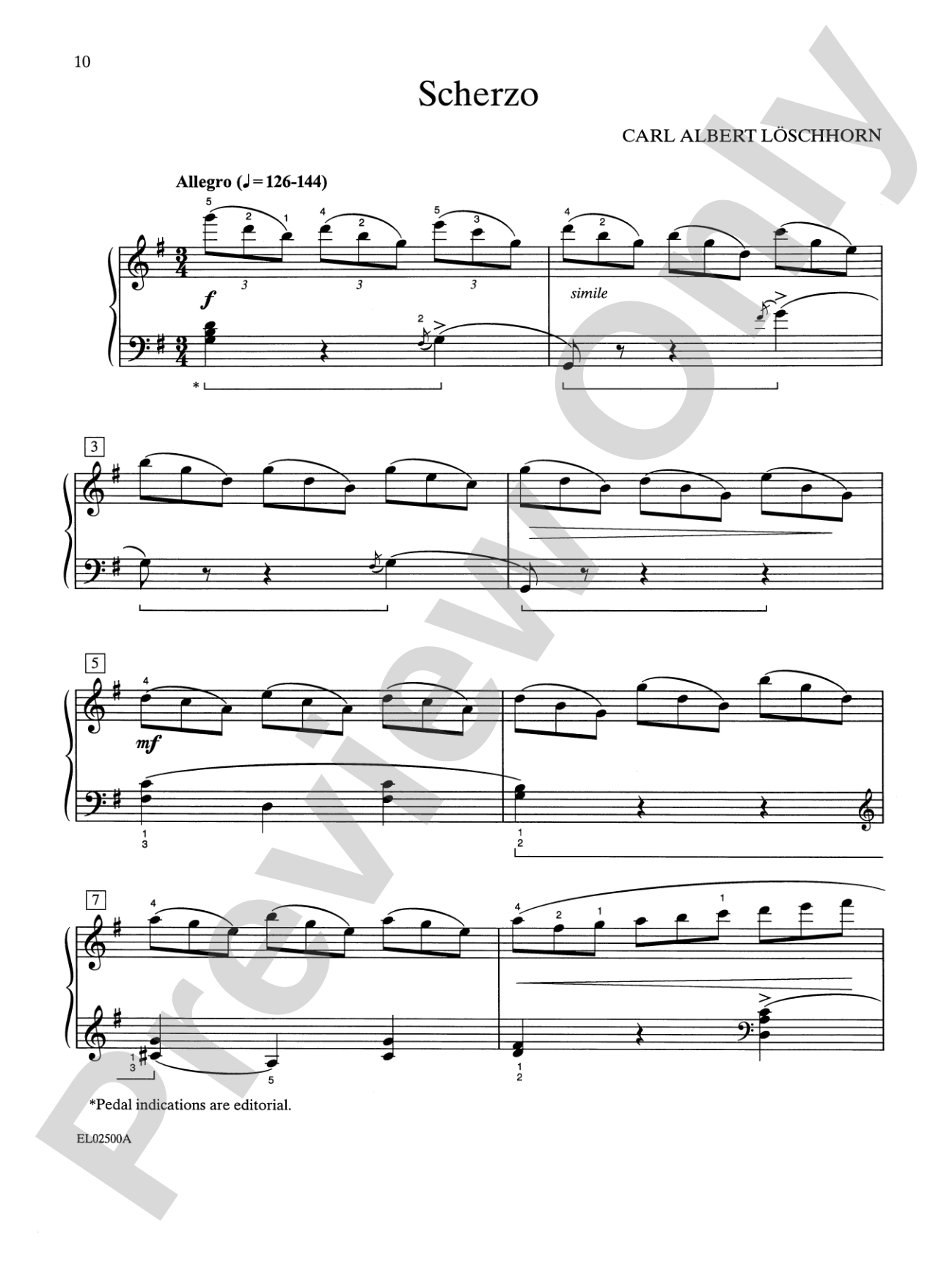
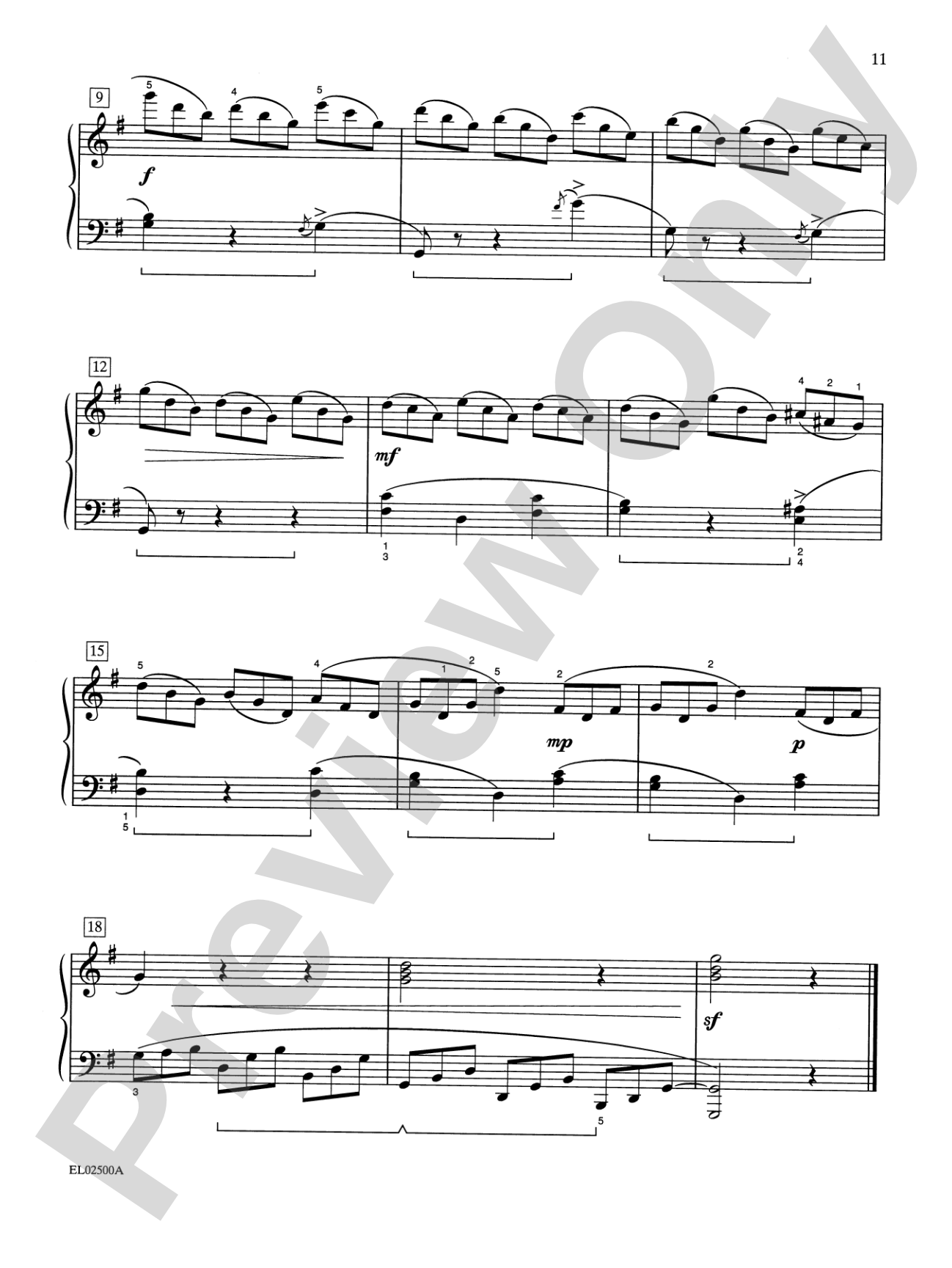
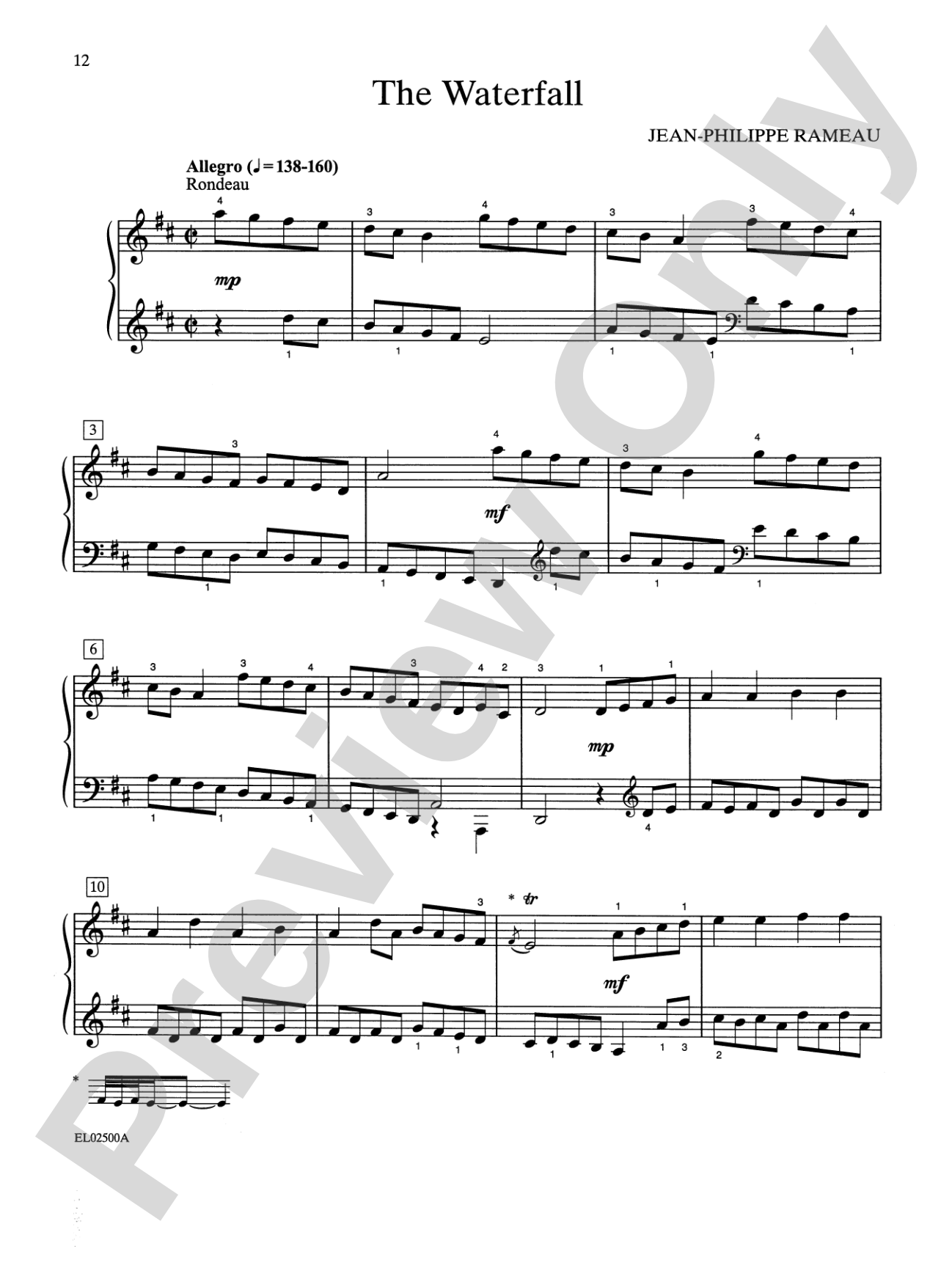
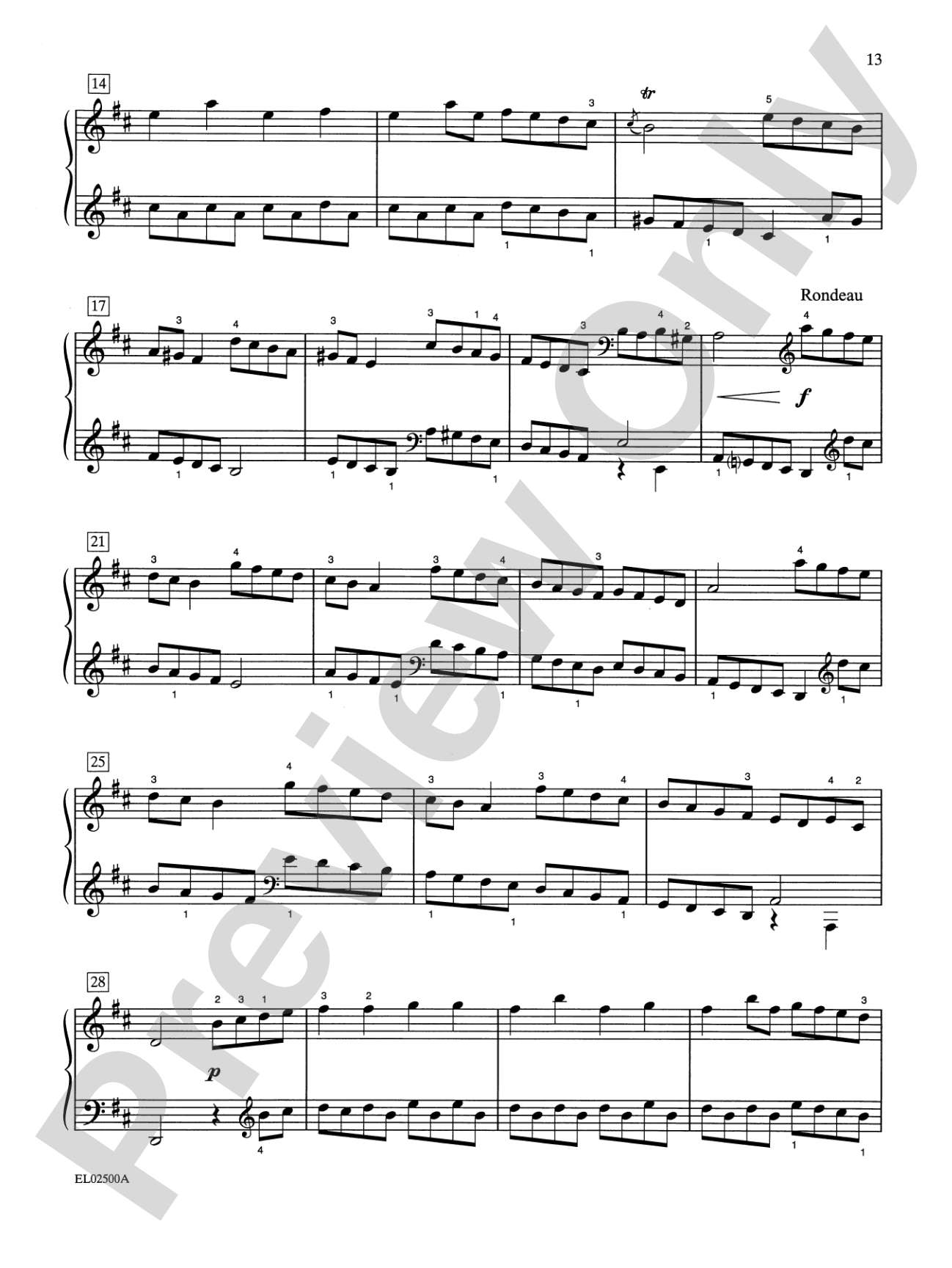
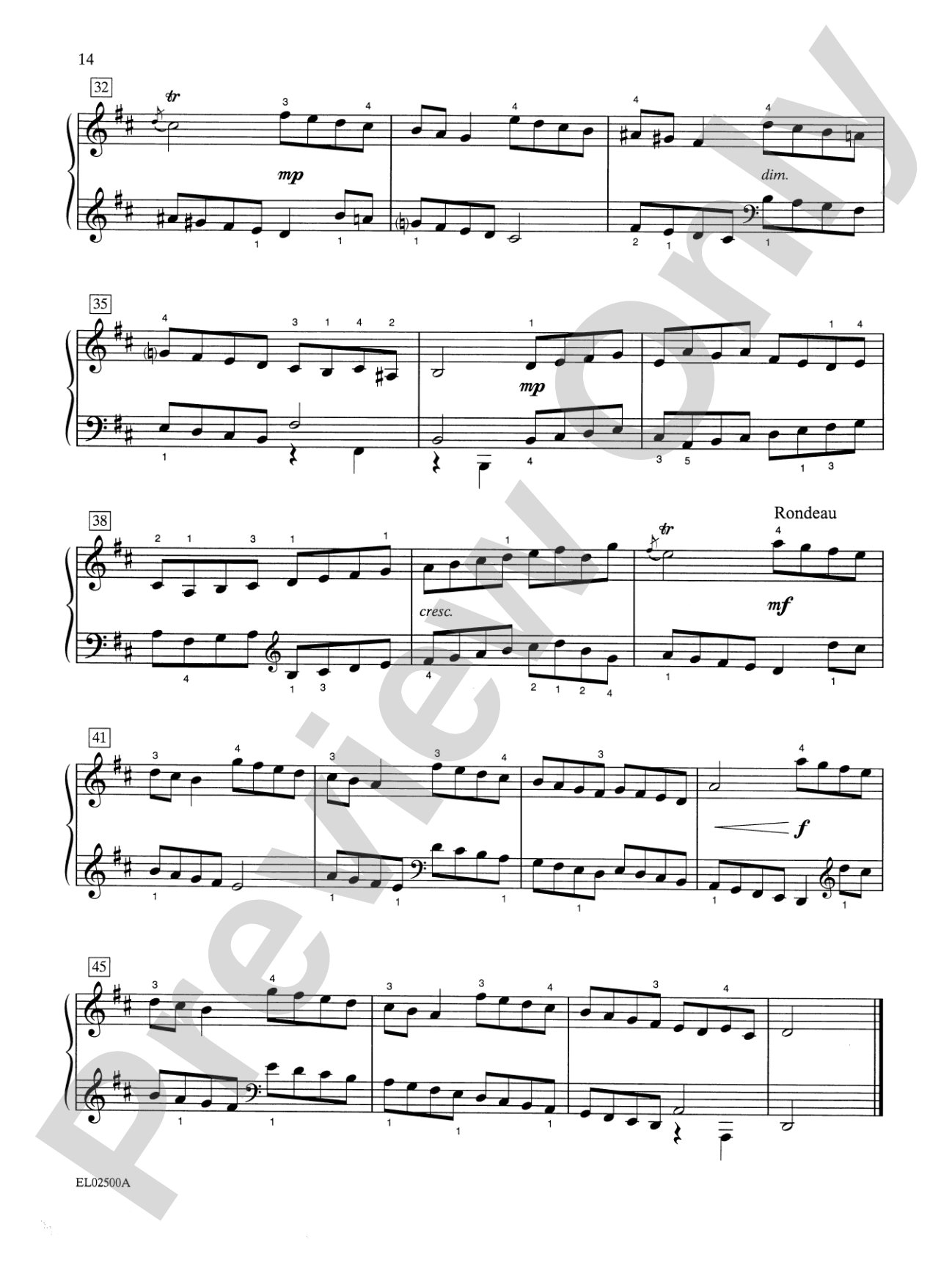
The Technic is Fun series offers piano students a series of graded studies for the development of technic, style, and musicianship. These studies reinforce the technical requirements found in method books and in standard piano repertory. The etudes found in this series not only build technic and musicality but have been carefully selected to provide refreshing recital repertoire as well as to develop a strong musical and technical foundation.


Technic Is Fun, Book 5: Piano isn't in MakeMusic Cloud just yet...but it could be. Let us know you'd like to see it, and you'll help shape what comes next. In the meantime, start a free trial and dive into thousands of interactive titles your students can play along with today.
Request This Title
Tell us you want it.
Start Your Free Trial
Explore everything that's ready to play right now.
Sample Audio
No sample audio found.
Sample Video
No sample videos found.
Additional Details
Series:
Hirschberg Fun Series
Publisher:
Alfred Music
Page Count:
68
SKU:
00-PB-0001913
More about this title
About the Composer: David Hirschberg
David Hirschberg is a composer and pedagogue whose work centers on the daily realities of studio teaching. His Technic Is Fun series reflects decades of experience identifying exactly what students need to build both technical security and musical confidence at each developmental stage.
Hirschberg understands that etudes need not choose between rigor and engagement. His studies meet the technical demands of advancing repertory while remaining genuinely musical enough to perform, a balance that transforms practice sessions from obligation into artistry.
Why we love this
Book 5 sits at that crucial transition where students move into early advanced playing but still benefit from focused technical work grounded in compelling musical contexts. Hirschberg's etudes give your students pieces that develop real facility without feeling like obligation, and they finish the book with repertoire worth performing.
What to expect
These studies balance precision with musicality. You'll find yourself working on finger clarity or hand position one moment, then getting caught up in the phrase you're building the next. The music never feels mechanical.
Who it's for
Early advanced pianists ready to refine technique through structured repertoire rather than pure exercises. Students in this book have the foundational skills to manage rapid passages, hand independence, and interpretive nuance but still benefit from targeted technical reinforcement.
How to get the most out of it
- Work through the studies in order. Each one builds on technical foundations established in earlier pieces, so skipping around dilutes their pedagogical power.
- Record yourself playing these etudes. The combination of technical work and musical demand makes them excellent for developing the listening skills students need to self-correct.
- Use individual studies as recital openers or intermission pieces. They're concise enough to program practically but substantial enough to showcase real growth.
How to use it
Assign one study every week or two as part of regular lesson repertoire, using recitals to showcase the finished pieces. You might also program 3-4 studies from this book on a student recital to demonstrate technical achievement in a cohesive way.
Skills your students will build
- Finger independence and rapid scalar passages at an early advanced tempo
- Hand position stability during complex figuration
- Pedal control in contemporary harmonic contexts
- Stylistic variety across multiple musical genres within one book
- Memorization strategies for etude-length pieces
- Self-assessment through performance and recording