

Technic Is Fun, Book 4: Piano
By David Hirschberg
Level: Late Intermediate
Item: 00-PB-0001912
$8.99
Pickup currently not available
Related Items
Technic Is Fun, Book 4: Piano Book |
$8.99
|
View |
Description
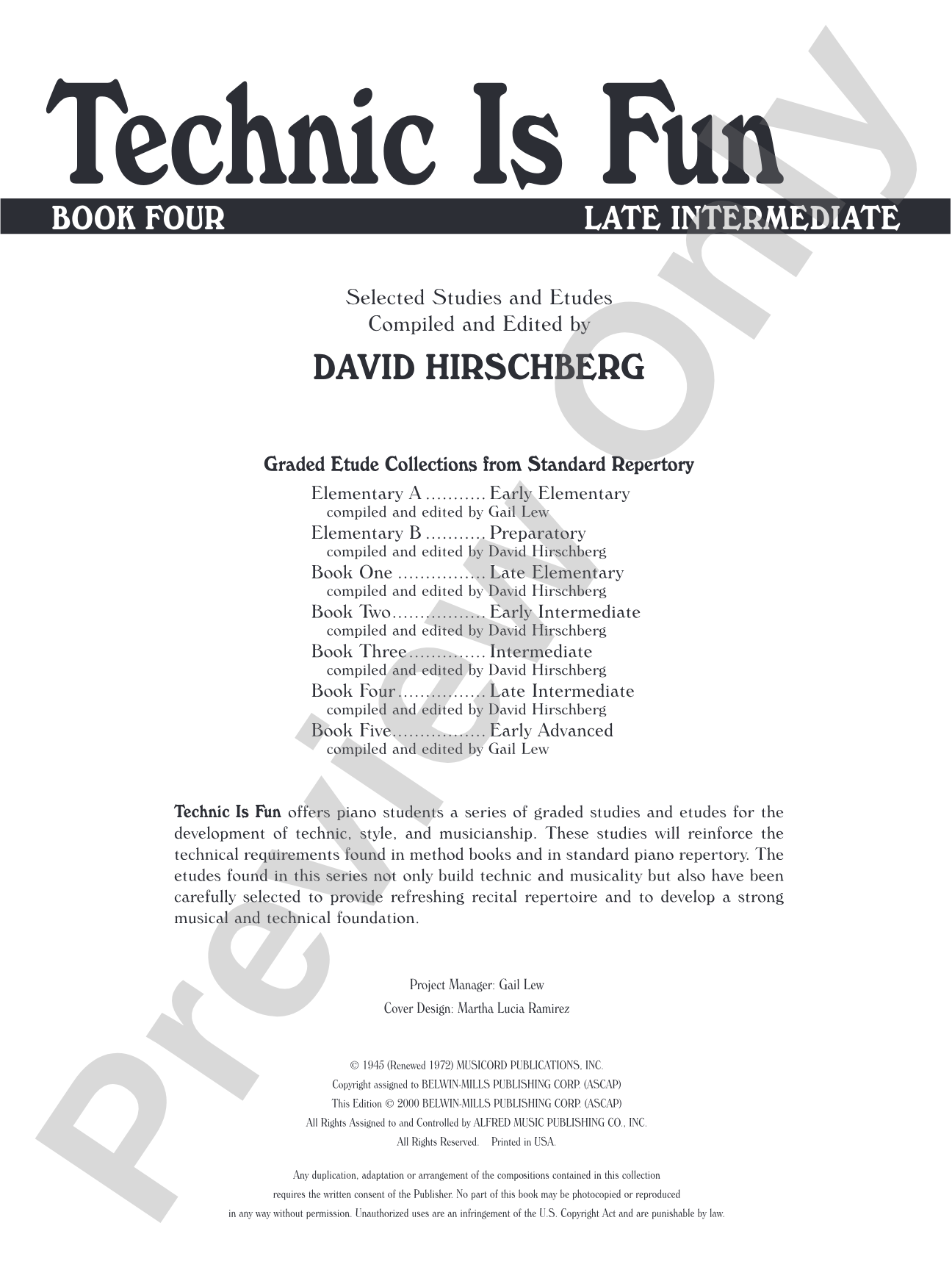
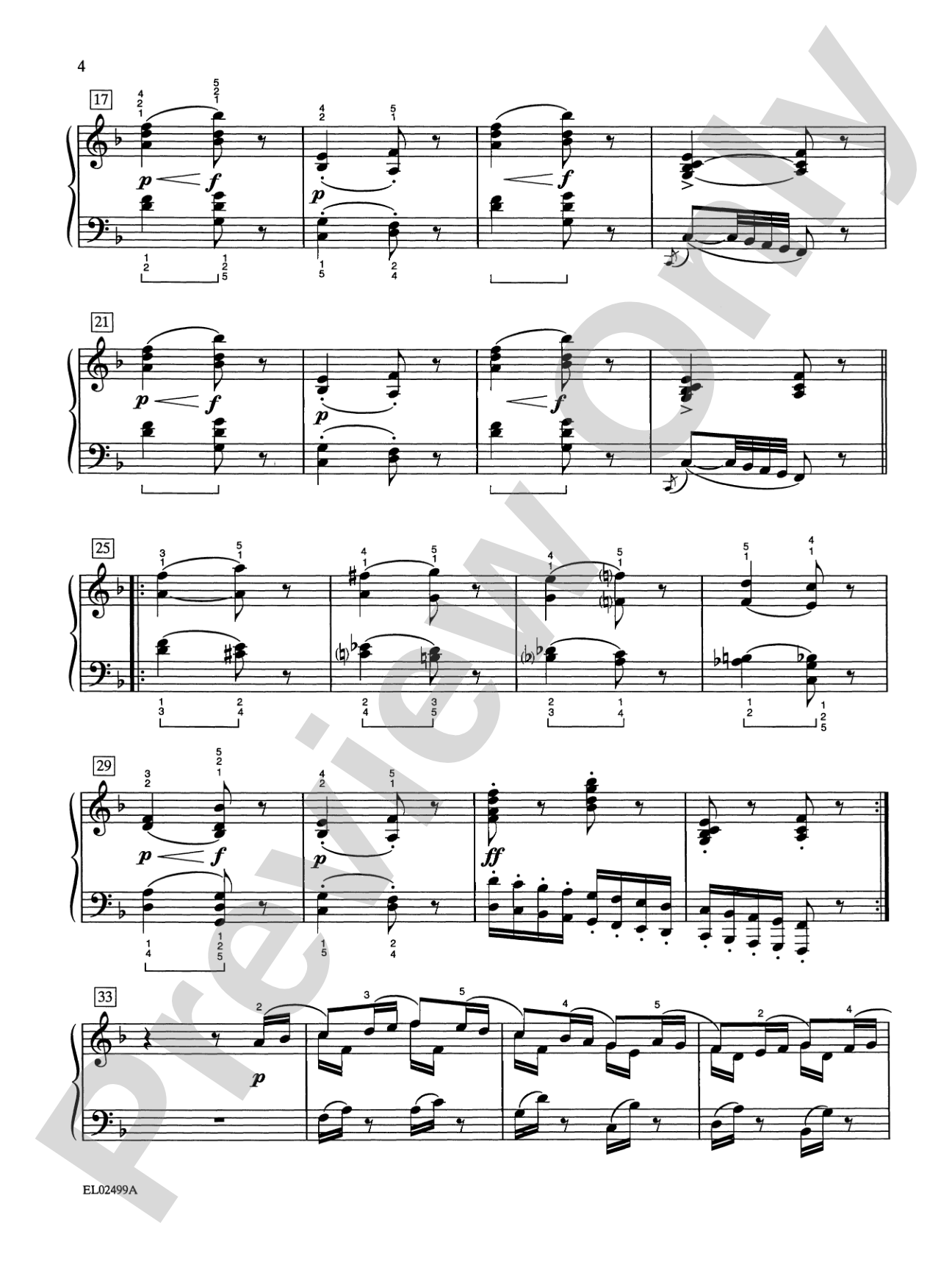
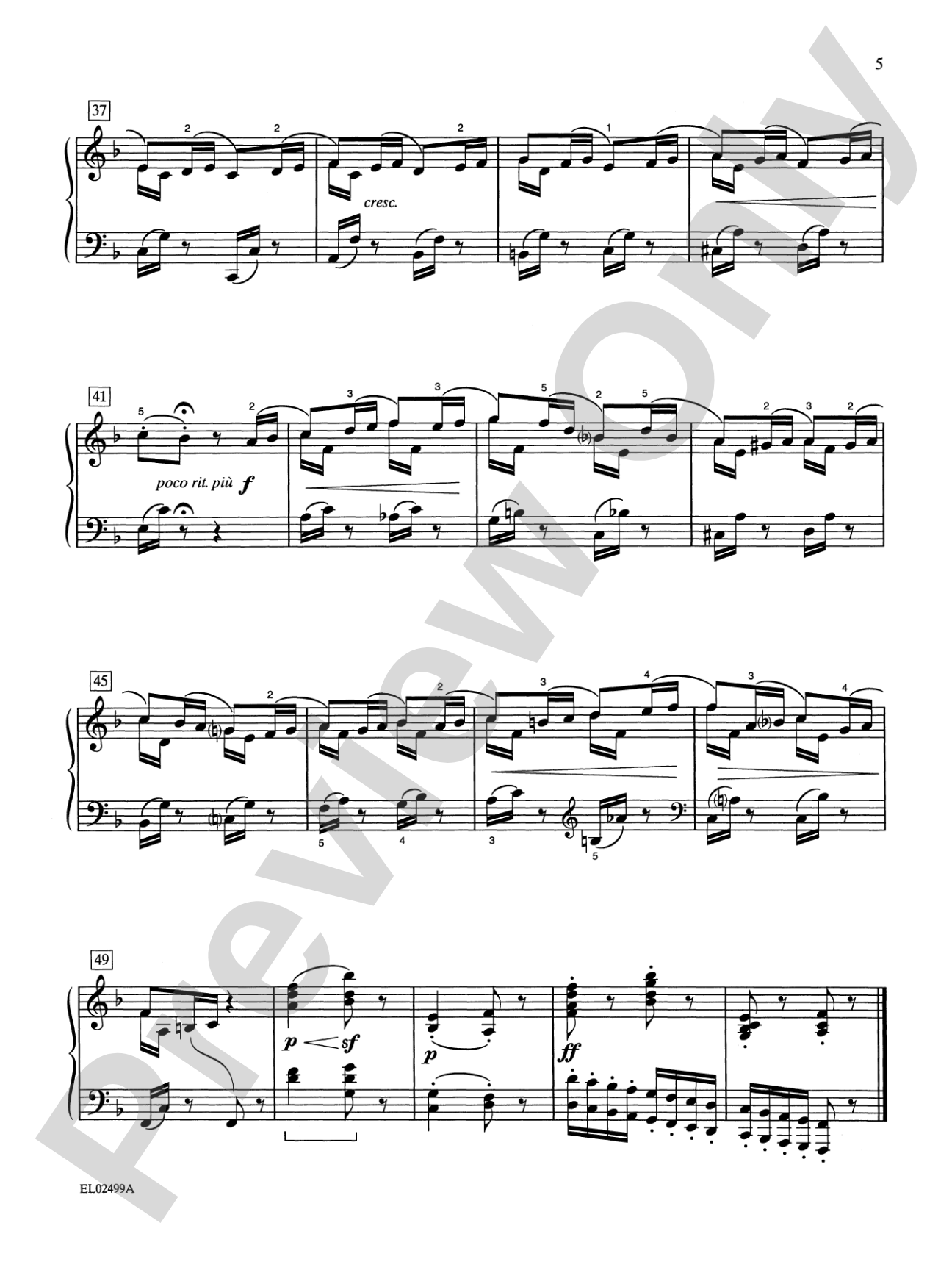
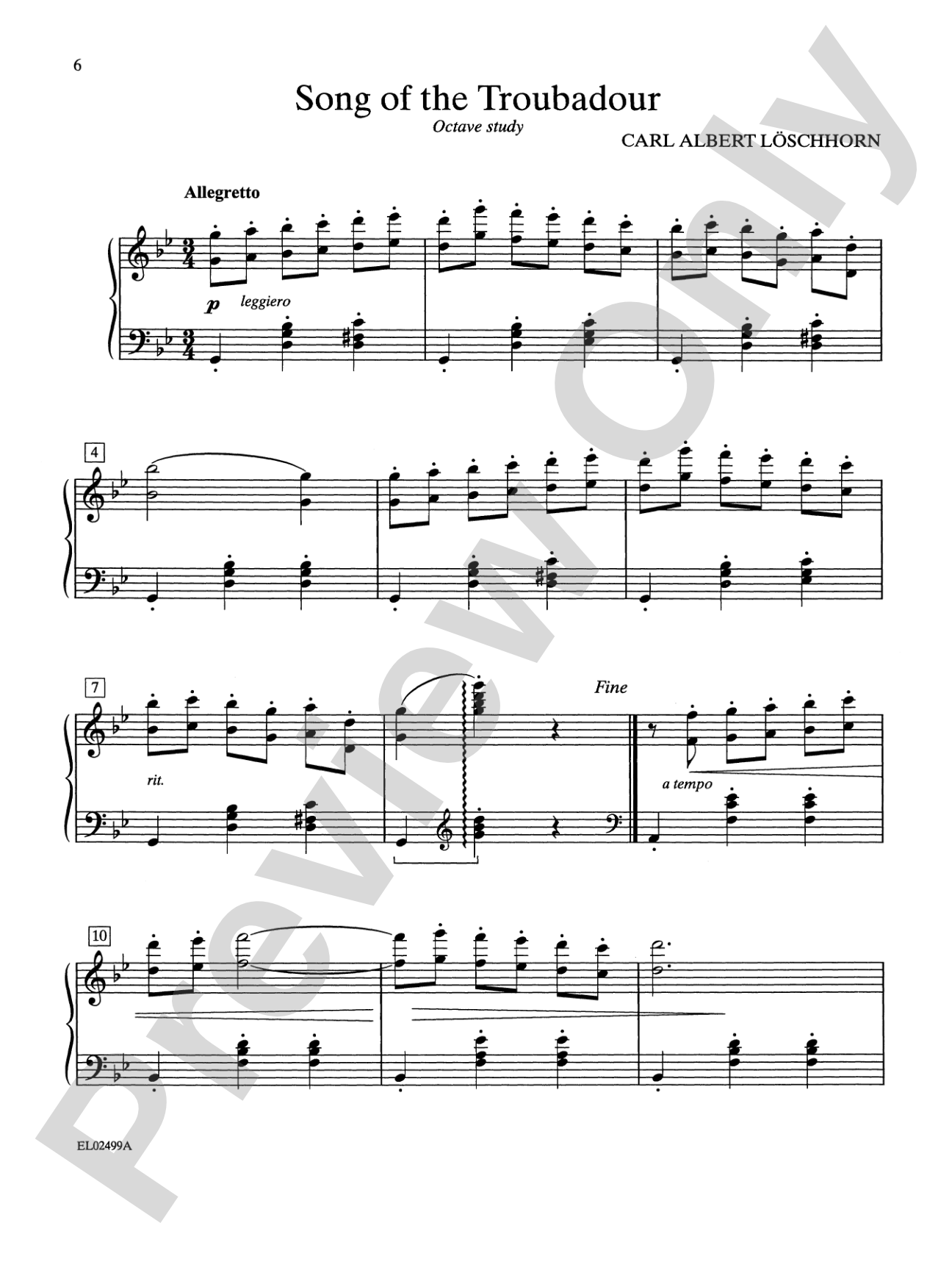
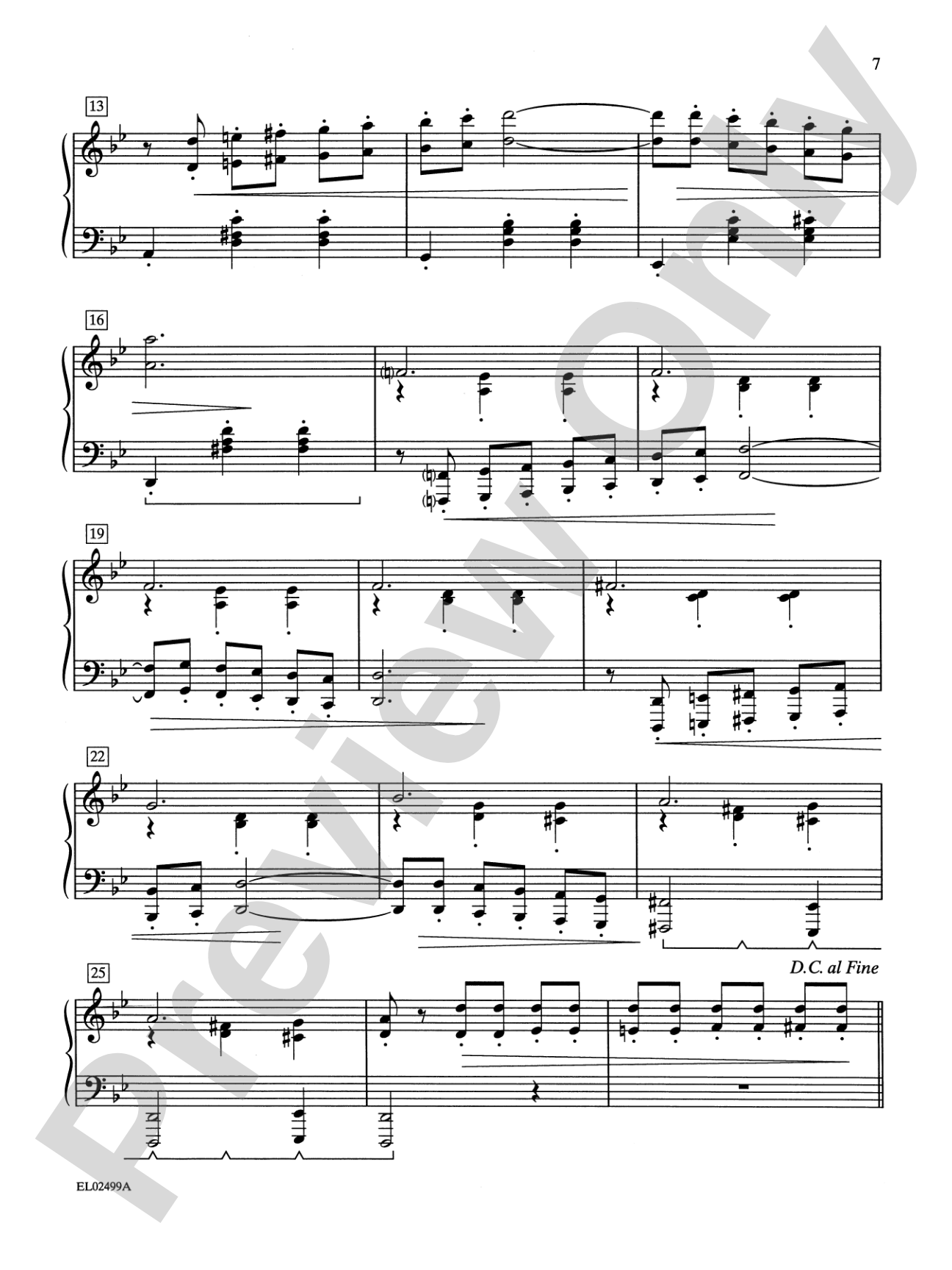
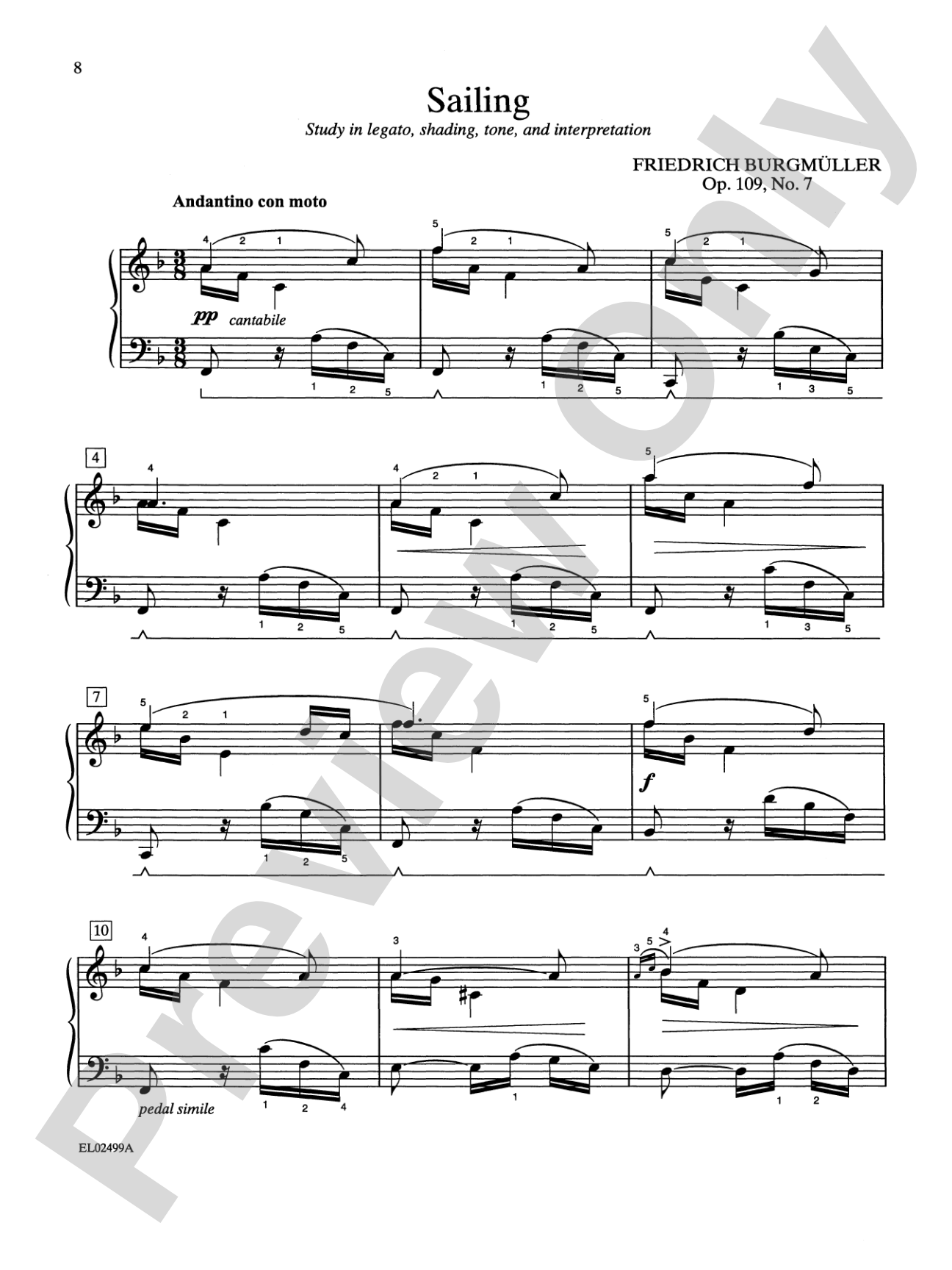
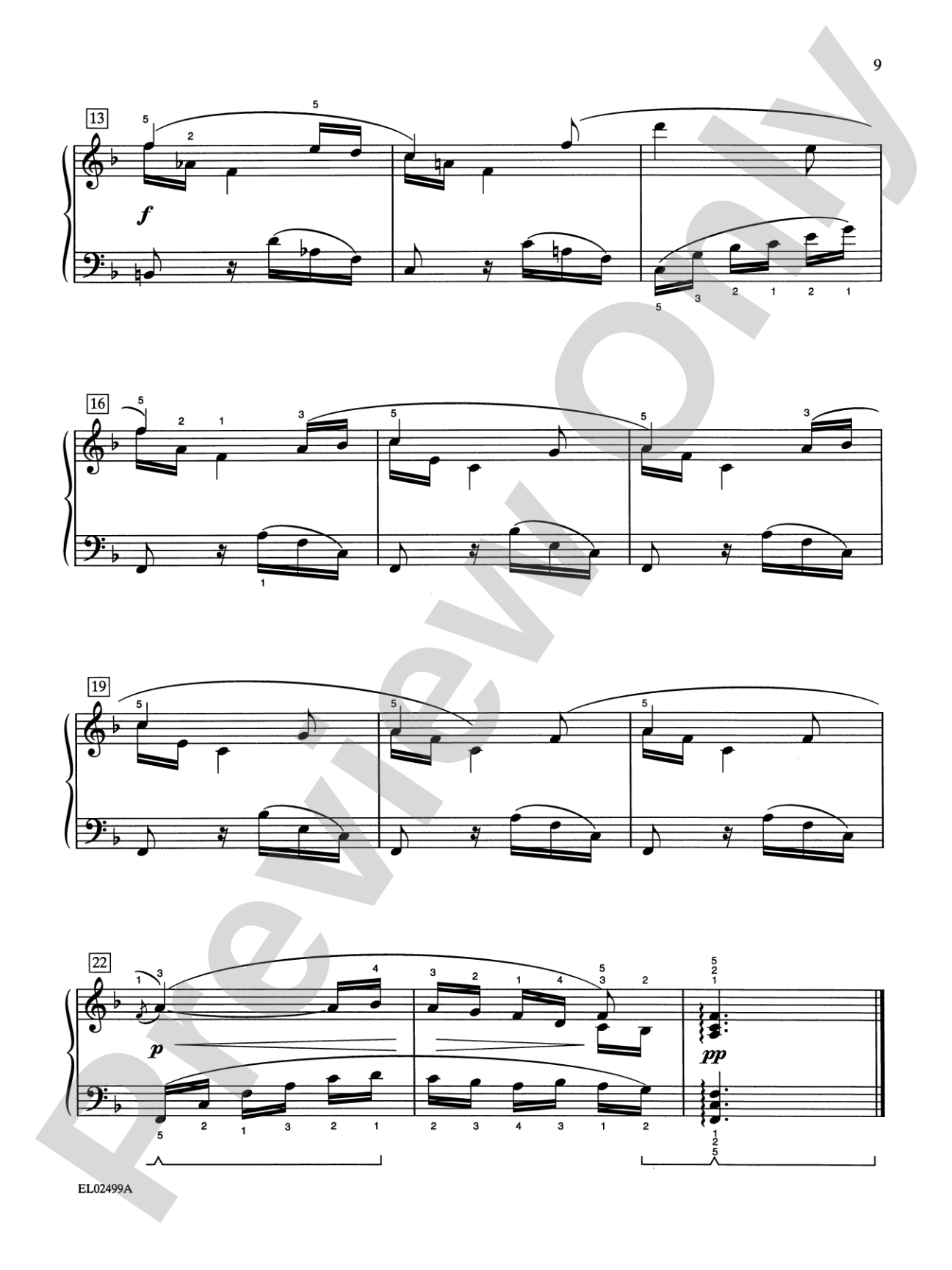
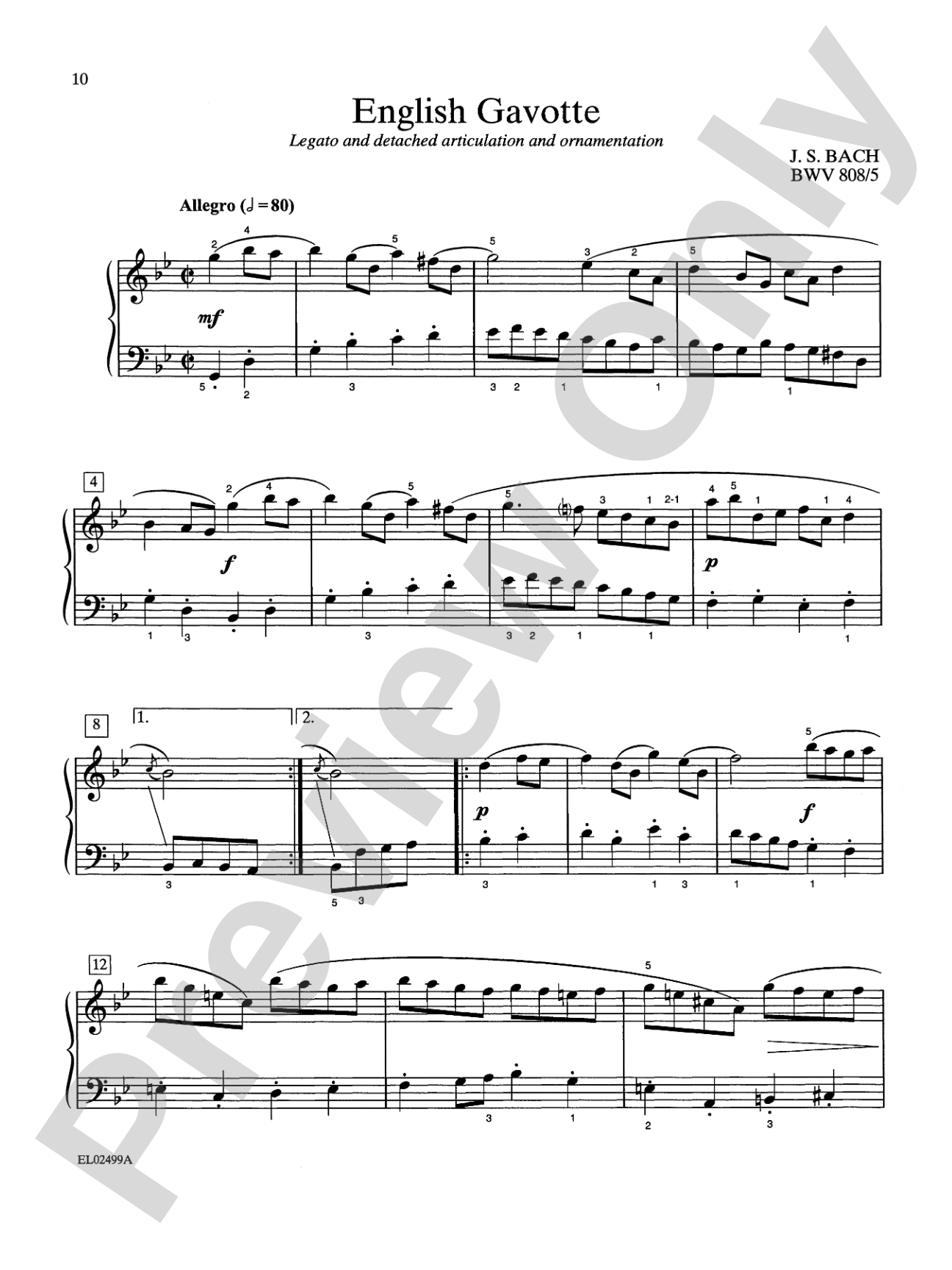
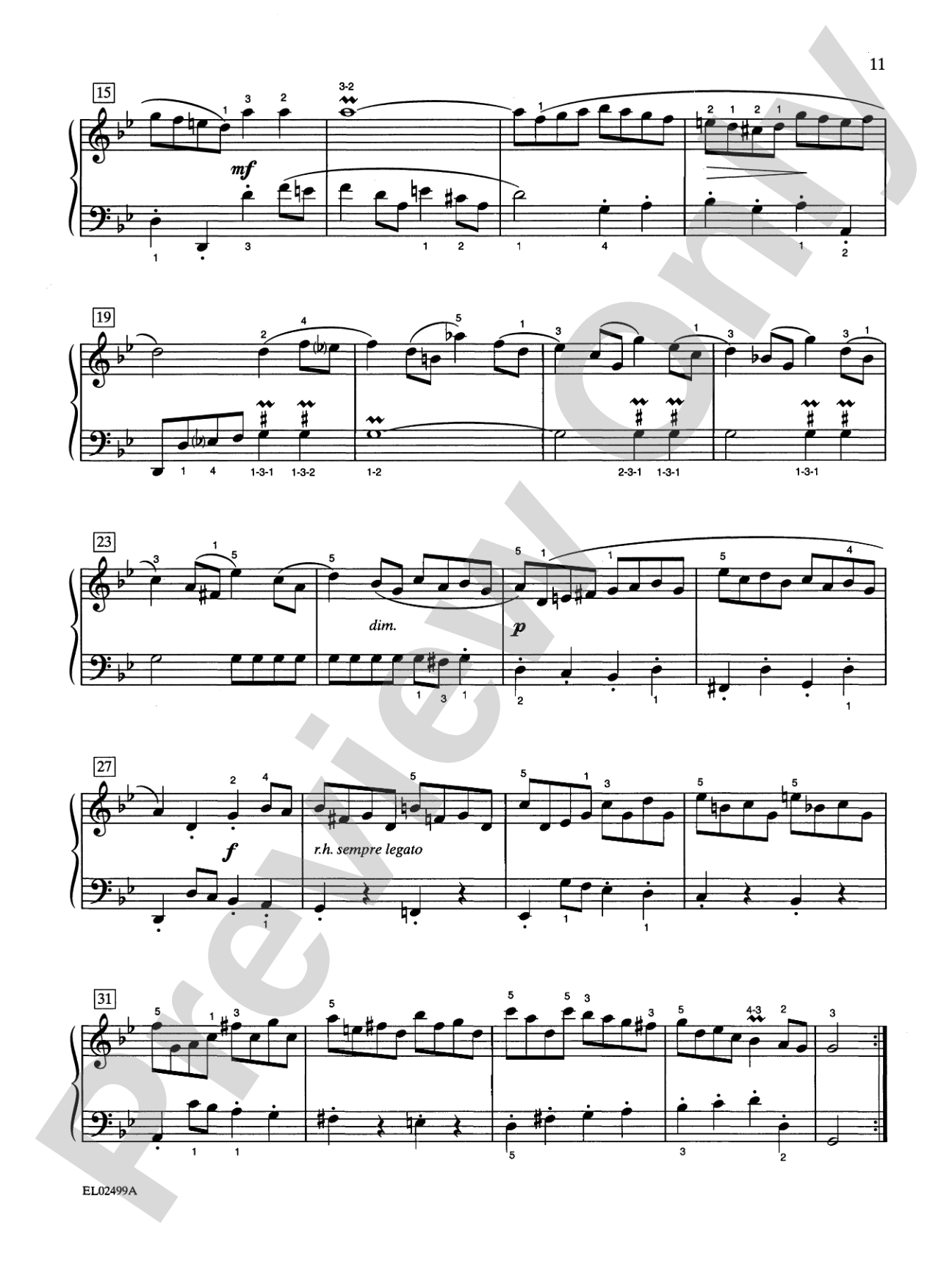
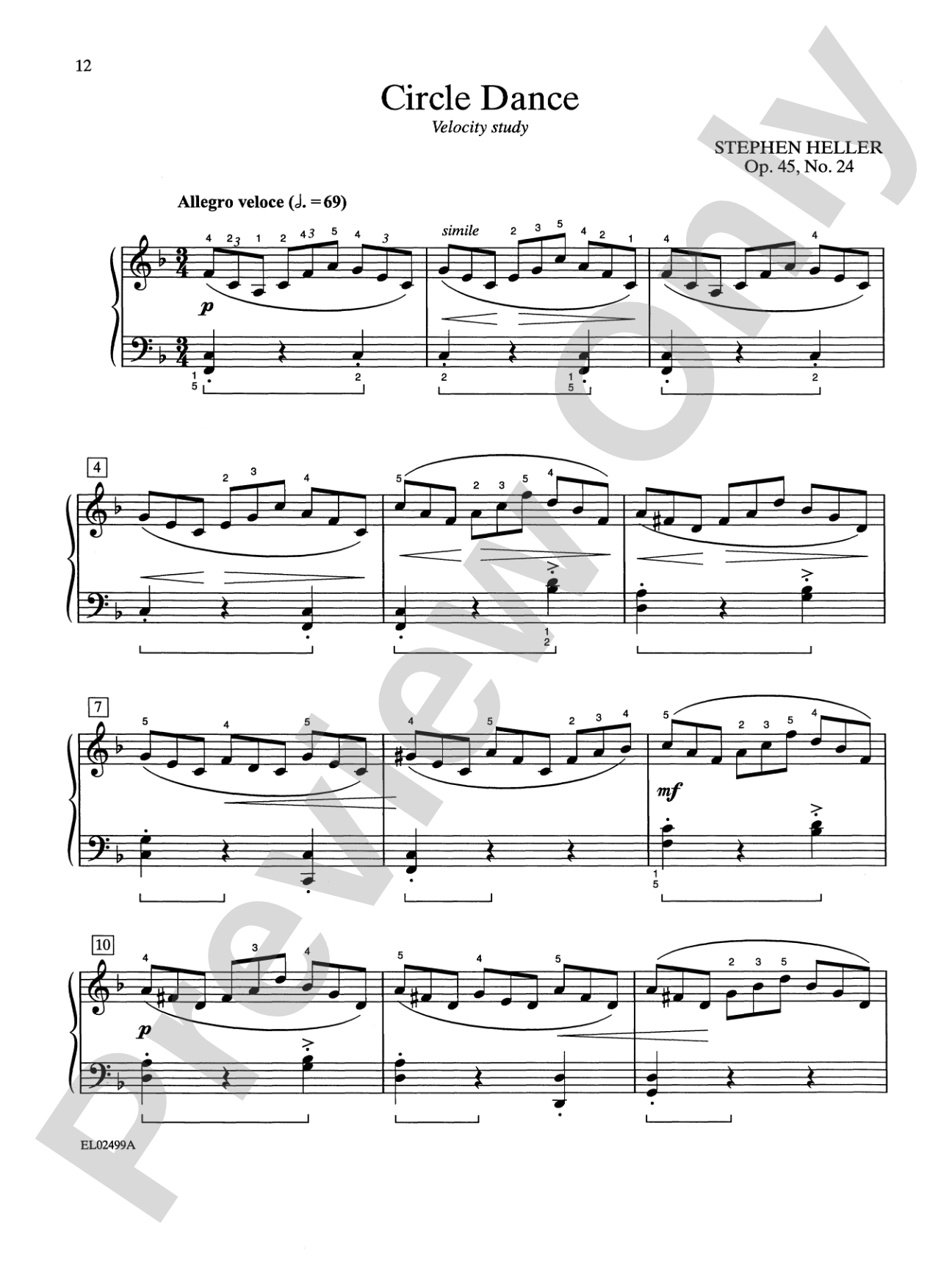
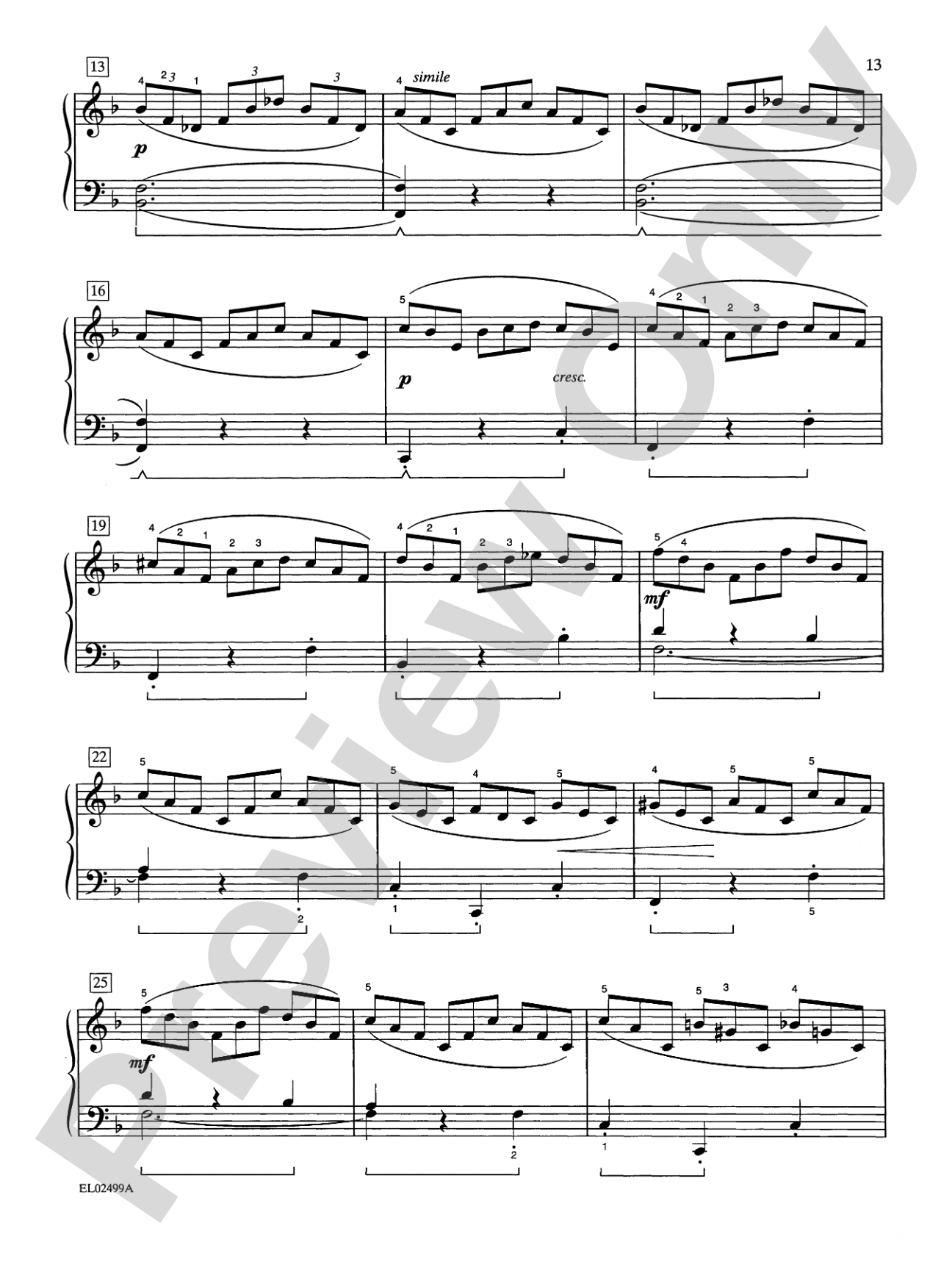
The Technic is Fun series offers piano students a series of graded studies for the development of technic, style, and musicianship. These studies reinforce the technical requirements found in method books and in standard piano repertory. The etudes found in this series not only build technic and musicality but have been carefully selected to provide refreshing recital repertoire as well as to develop a strong musical and technical foundation.


Discover MakeMusic Cloud: thousands of interactive titles your students can play along with today.
Sample Audio
No sample audio found.
Sample Video
No sample videos found.
Additional Details
Series:
Hirschberg Fun Series
Publisher:
Alfred Music
Page Count:
64
SKU:
00-PB-0001912
More about this title
About the Composer: David Hirschberg
David Hirschberg has spent decades understanding what late intermediate pianists actually need: studies that develop real technique without feeling like punishment. His Technic Is Fun series emerged from years of teaching experience, built on the conviction that students learn best when they're genuinely engaged with the music in front of them.
Hirschberg's approach prioritizes musicality alongside finger work. Rather than isolating technical problems, he embeds them within pieces that students want to practice and perform, making the connection between daily work and recital readiness unmistakable.
Why we love this
Book 4 strikes a real balance between substance and accessibility. Each study targets specific technical demands without pretending to be something it isn't; students recognize immediately that they're building chops for the repertory they'll actually play. The fact that these etudes work as recital pieces means you're not asking students to do separate "practice work" and "real music."
What to expect
Working through Book 4 feels purposeful. These studies have melodic life and harmonic interest, so practicing them doesn't feel like grinding through finger exercises. The technical demands are real but never gratuitous; every challenging passage teaches something transferable to standard repertory.
Who it's for
Late intermediate pianists ready to move beyond beginner method books but still building the technical foundation for Romantic and early modern repertory. Teachers seeking etudes that develop genuine technique while remaining engaging enough for recitals or informal performances.
How to get the most out of it
- Treat tempo markings as starting points, not restrictions. Many of these studies benefit from slightly slower initial tempos that allow clean passagework before gradual acceleration.
- Map out hand position shifts before running full passages. Hirschberg's voice leading often disguises position changes, so deliberate marking prevents fumbling.
- Listen for internal phrasing within technical figures. Even rapid passages have shape; let musicality drive the articulation choices rather than defaulting to even, mechanical execution.
- Record yourself periodically. Late intermediate students often plateau without objective feedback; hearing themselves reveals inconsistencies that feel smooth in the moment.
How to use it
Slot individual studies into student recitals between larger works, letting them demonstrate solid technique without requiring the memorization demands of a full sonata movement. Works well as regular lesson material alongside concurrent method book studies or early Baroque and Classical repertory, reinforcing parallel technical needs.
Skills your students will build
- Hand independence and complementary rhythmic patterns between hands
- Scalar and arpeggio passages with accurate finger work and even tone
- Pedal coordination integrated with technical passages
- Baroque and Classical style conventions reflected in ornament execution and phrasing
- Tempo and rhythmic precision at moderate speeds
- Musically informed interpretation of etude material