
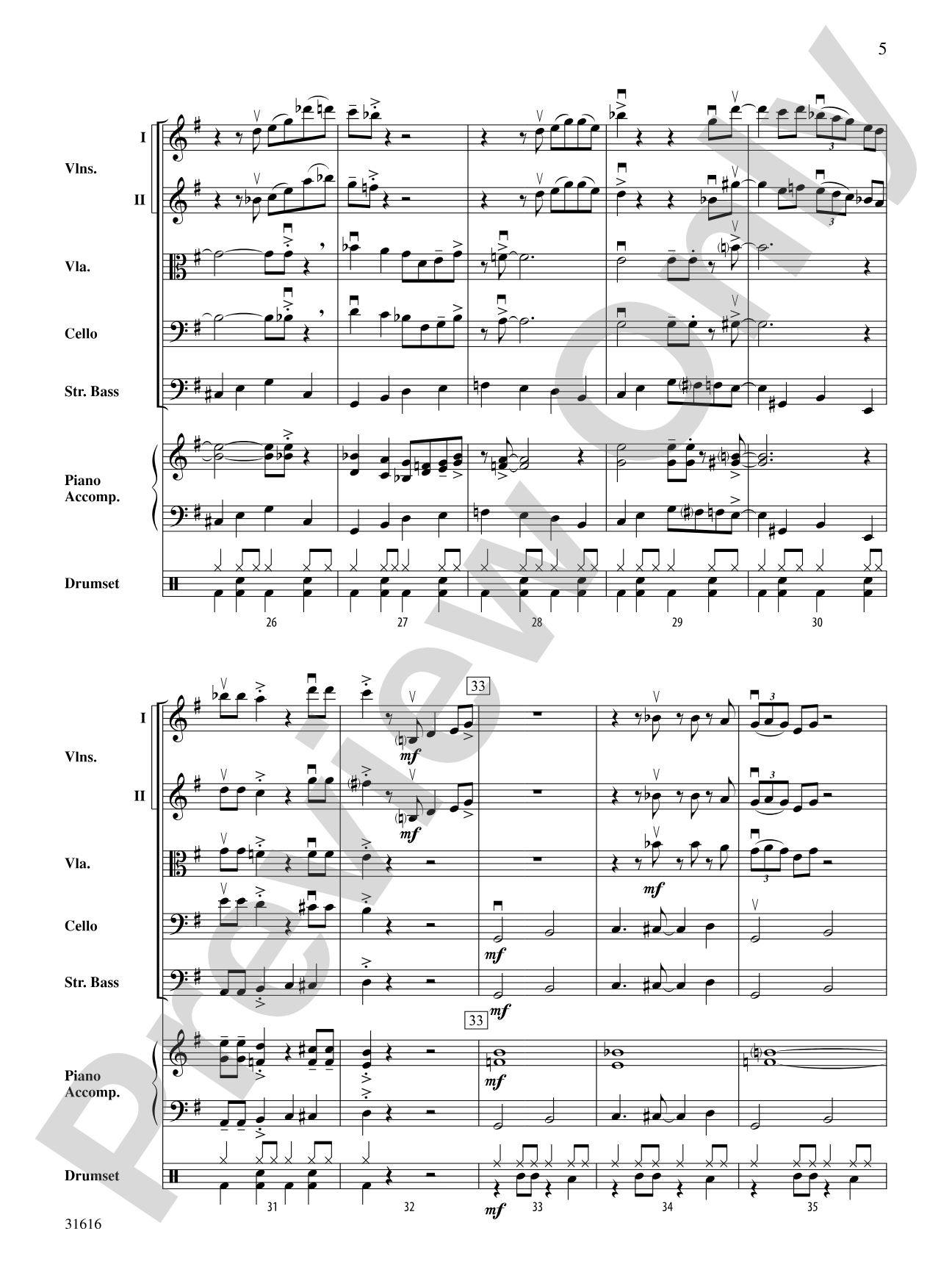
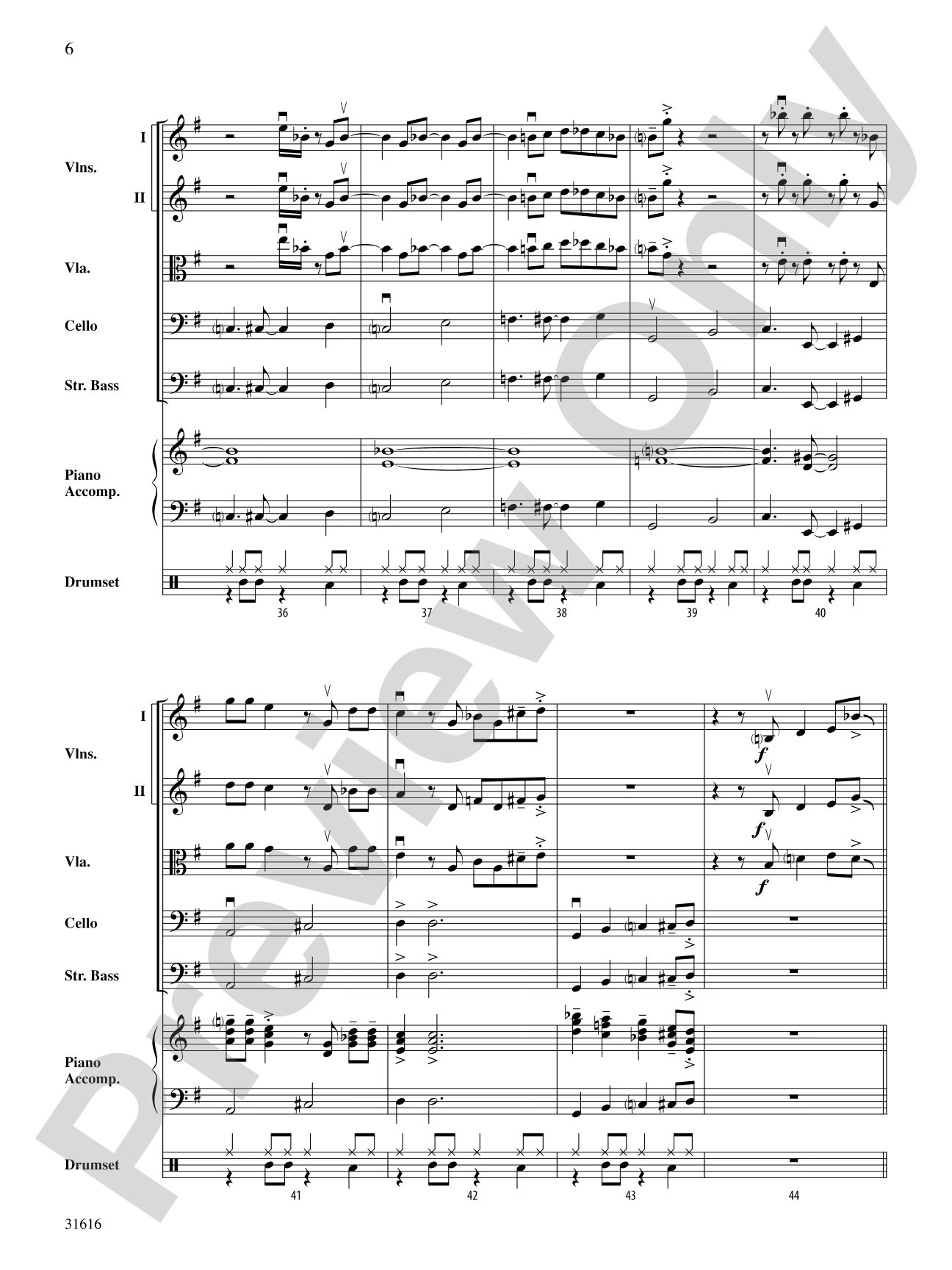
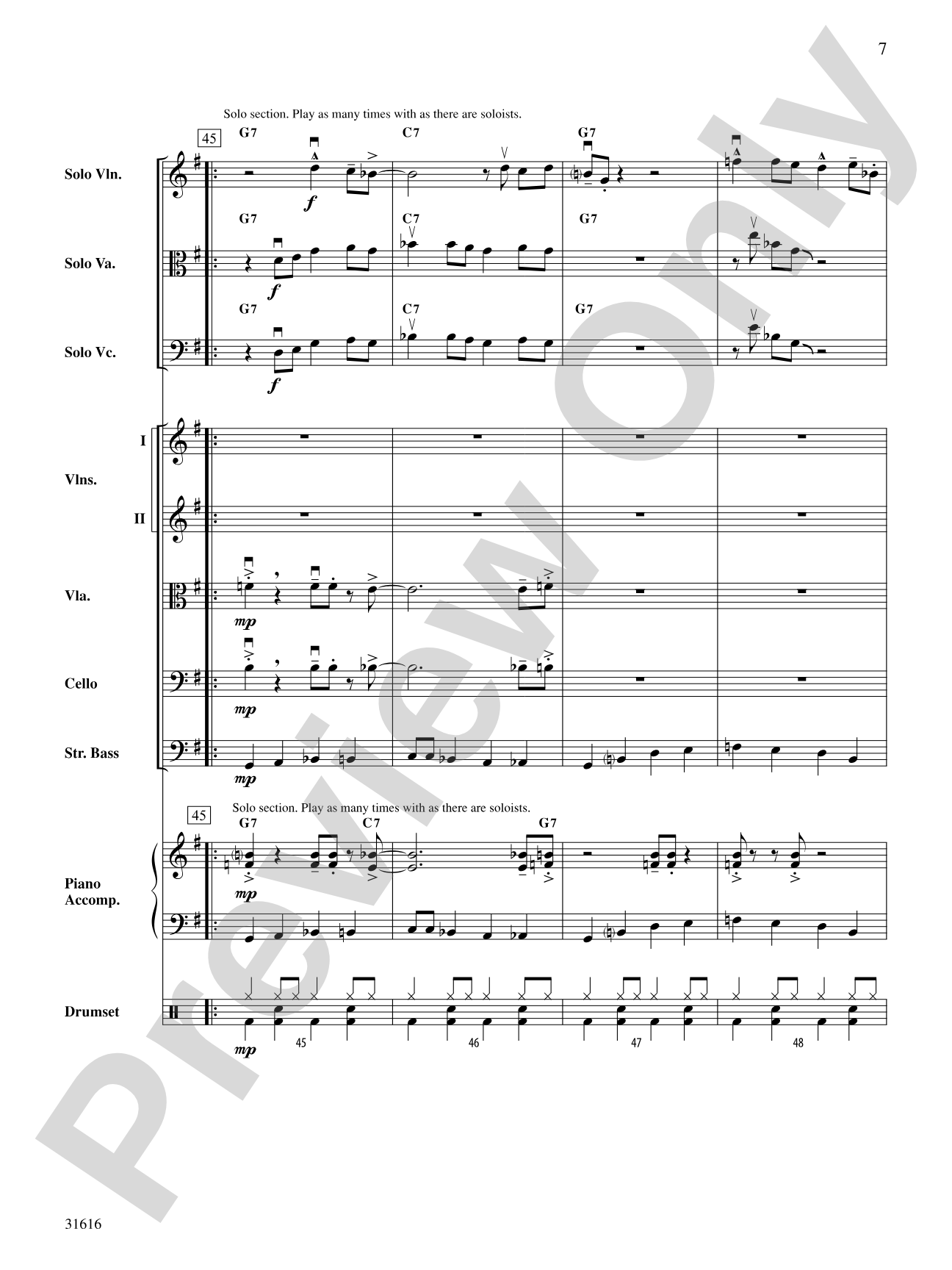
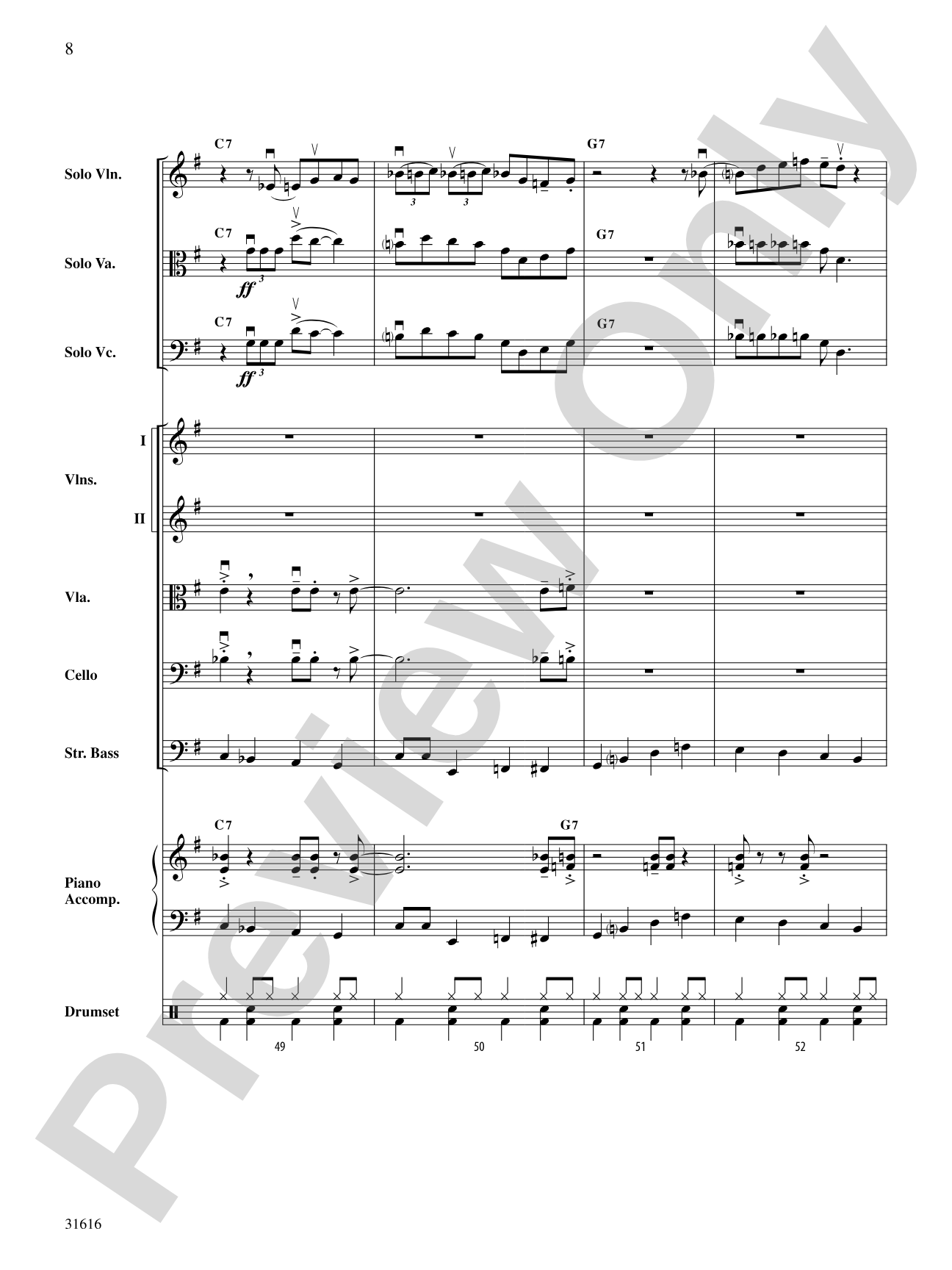
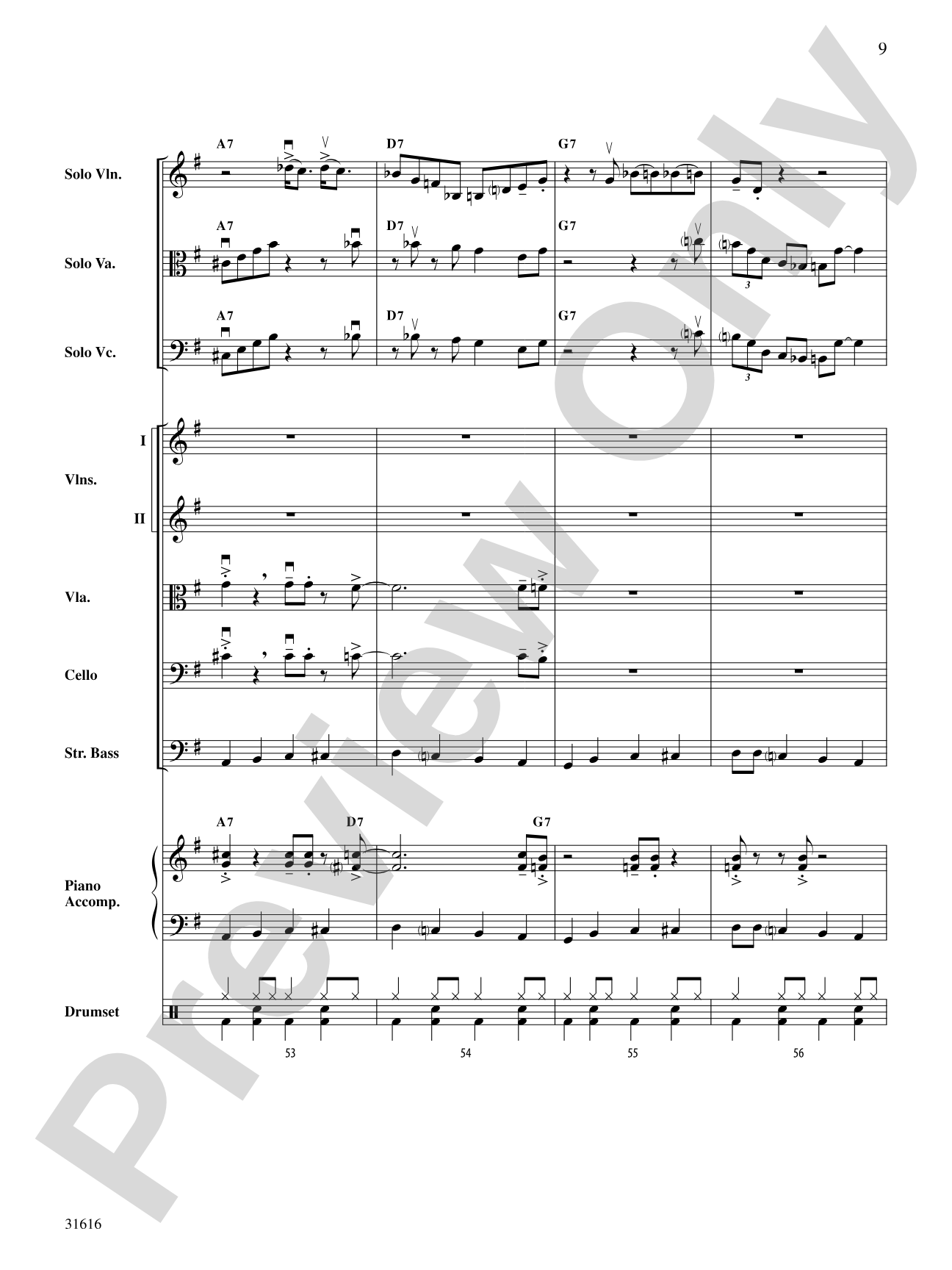
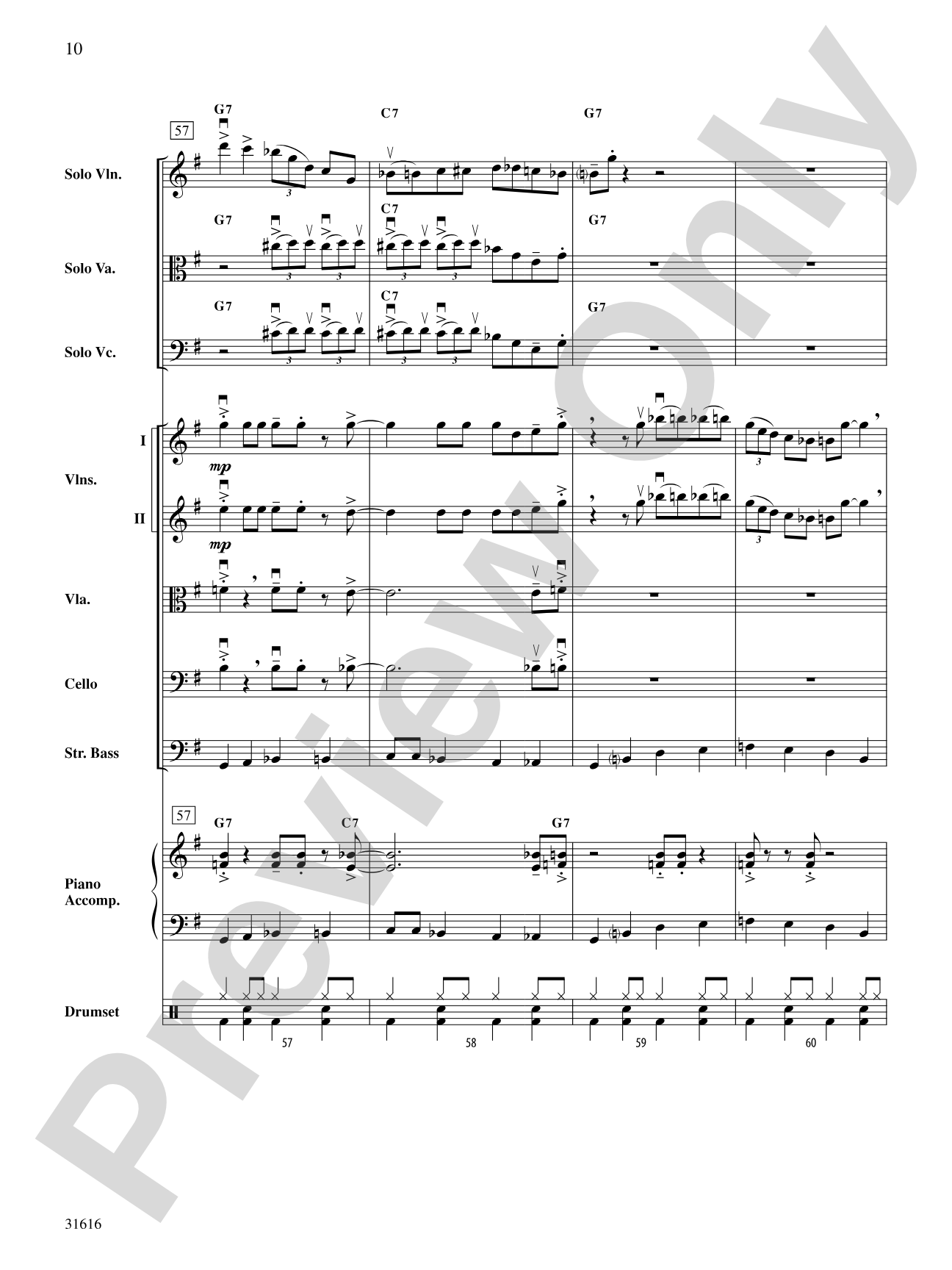
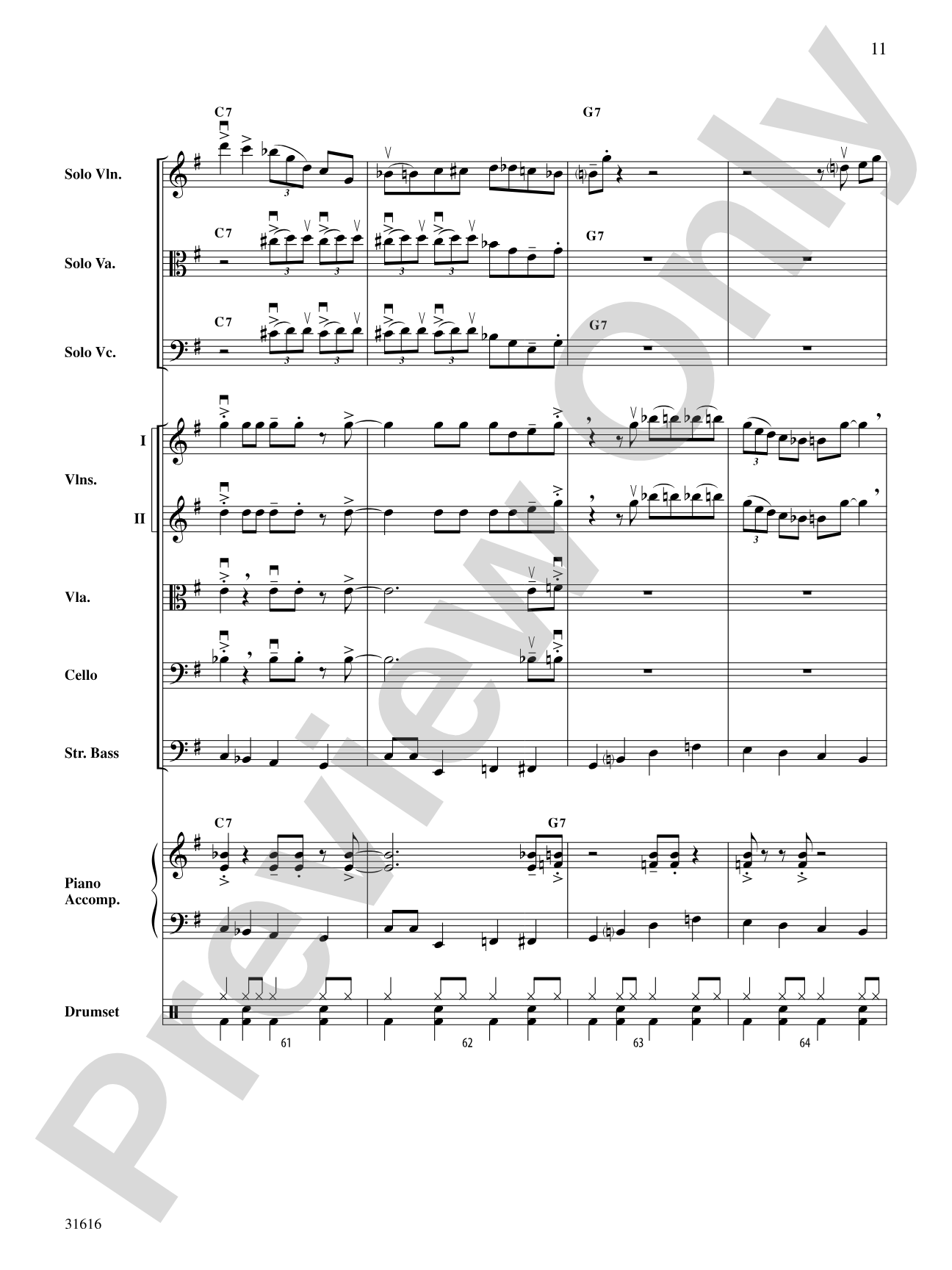
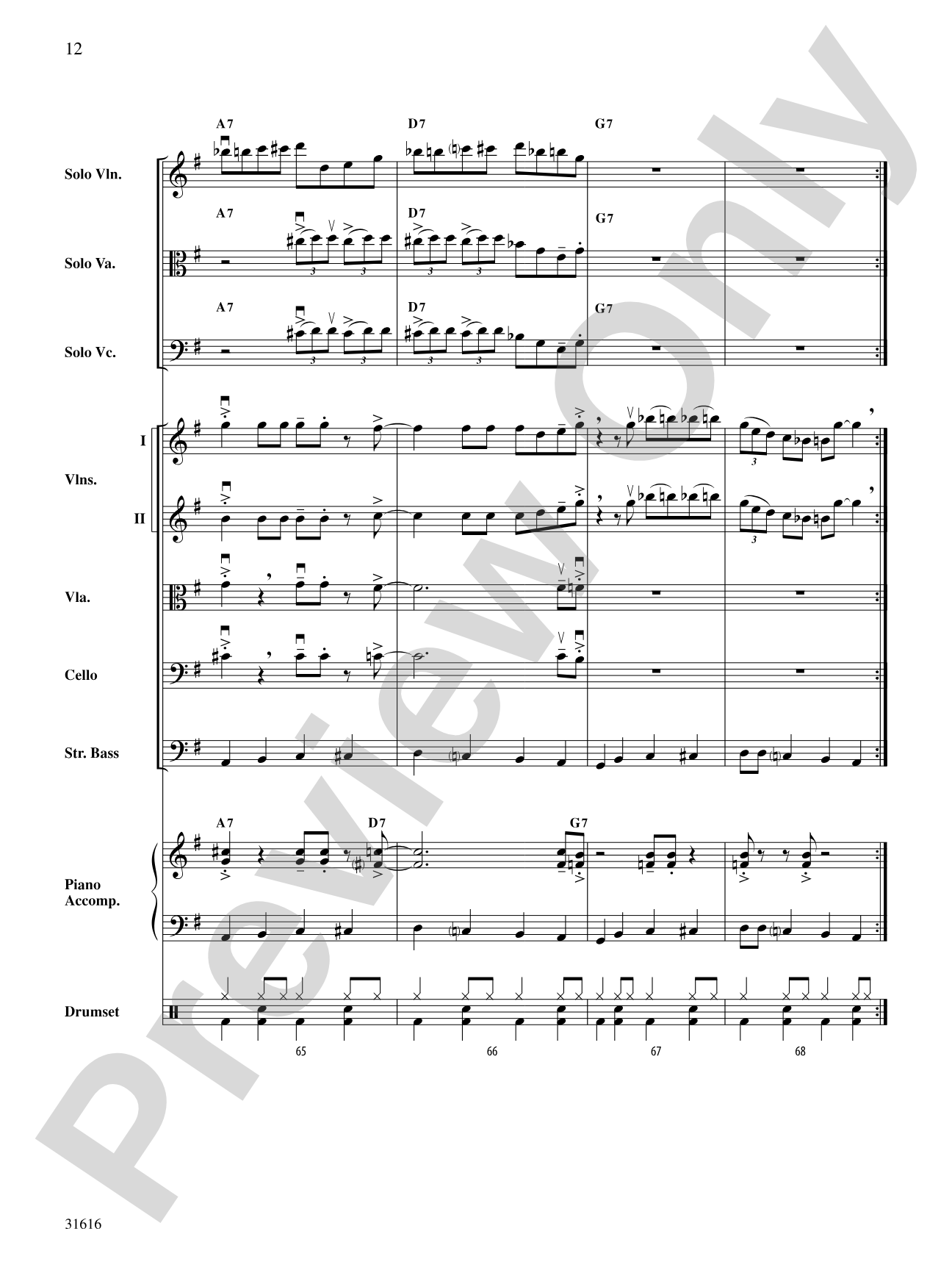

Tchefuncte Shuffle: String Orchestra Conductor Score & Parts
By Tim Aucoin
Grade: 3.5
Item: 00-PK-0004563

$55.00
Pickup currently not available
Buy Extra Parts (Digital PDF Download)
| Product | Price | Quantity |
|---|---|---|
| Tchefuncte Shuffle: Score | $7.00 | |
| Tchefuncte Shuffle: 1st Violin | $5.99 | |
| Tchefuncte Shuffle: 2nd Violin | $5.99 | |
| Tchefuncte Shuffle: Viola | $5.99 | |
| Tchefuncte Shuffle: Cello | $5.99 | |
| Tchefuncte Shuffle: String Bass | $5.99 | |
| Tchefuncte Shuffle: Piano Accompaniment | $5.99 | |
| Tchefuncte Shuffle: Drums | $5.99 |
Parts Added to Cart!
Related Items
Tchefuncte Shuffle: String Orchestra Conductor Score |
$7.00
|
View |
Description
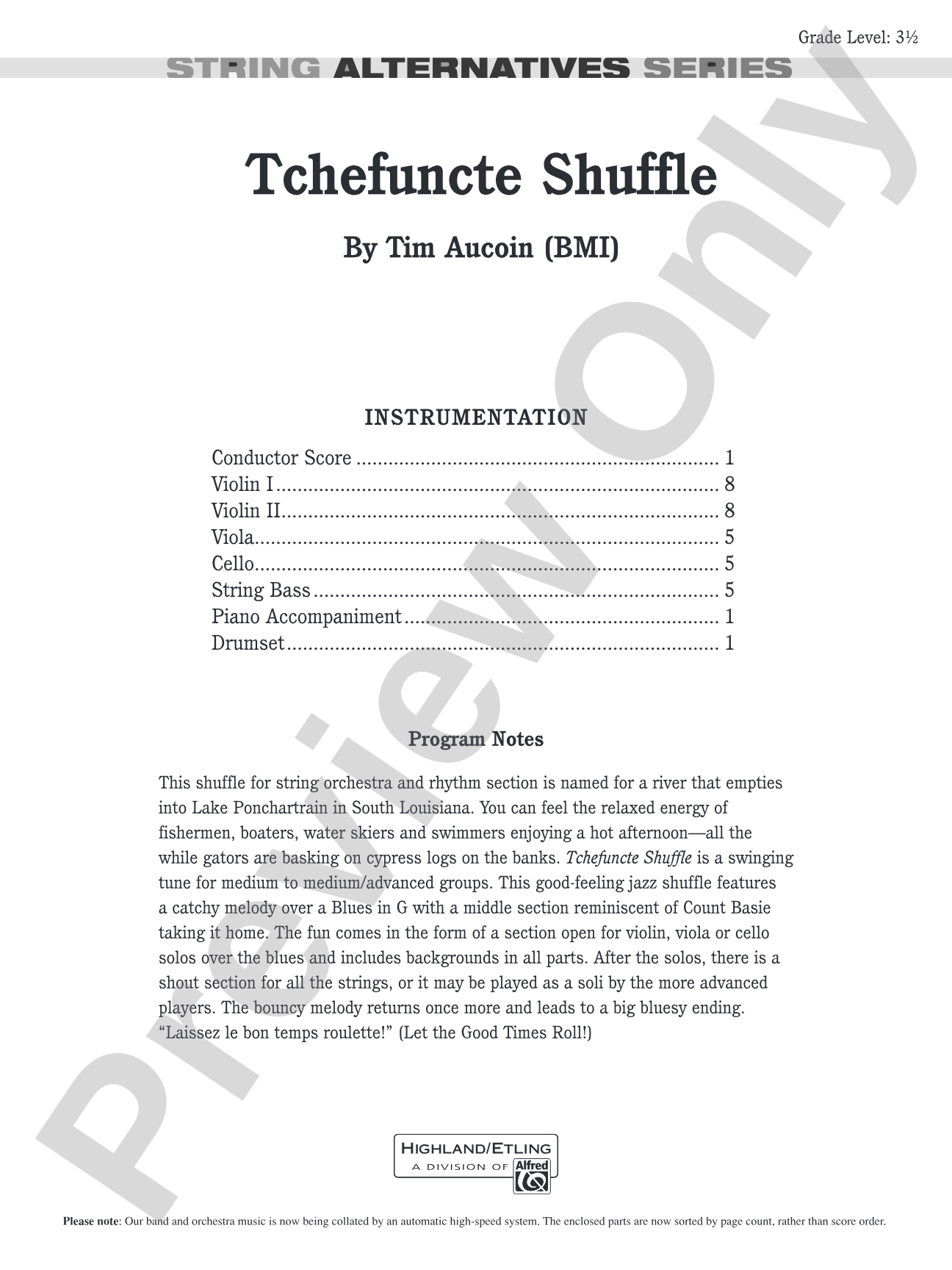
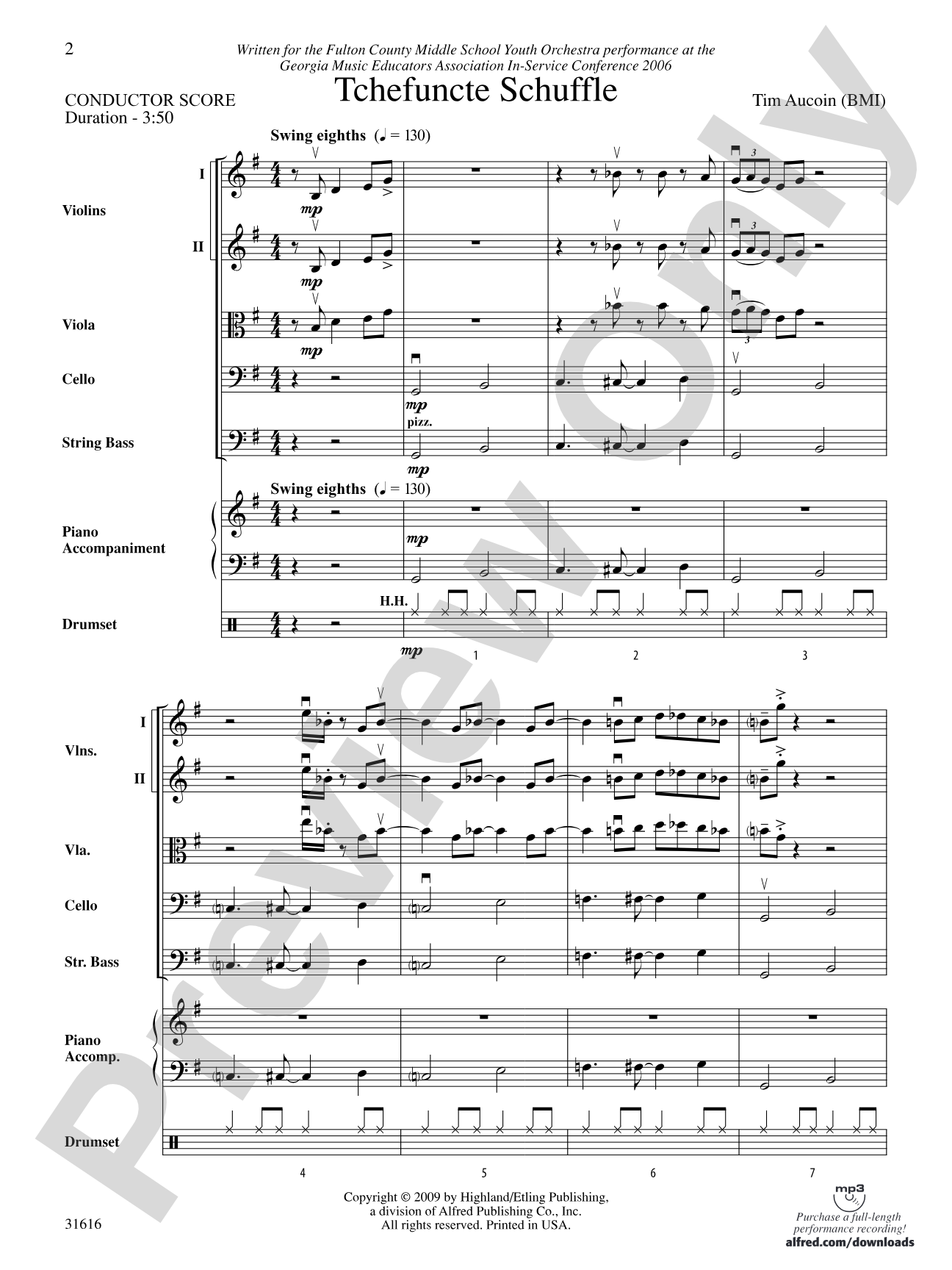
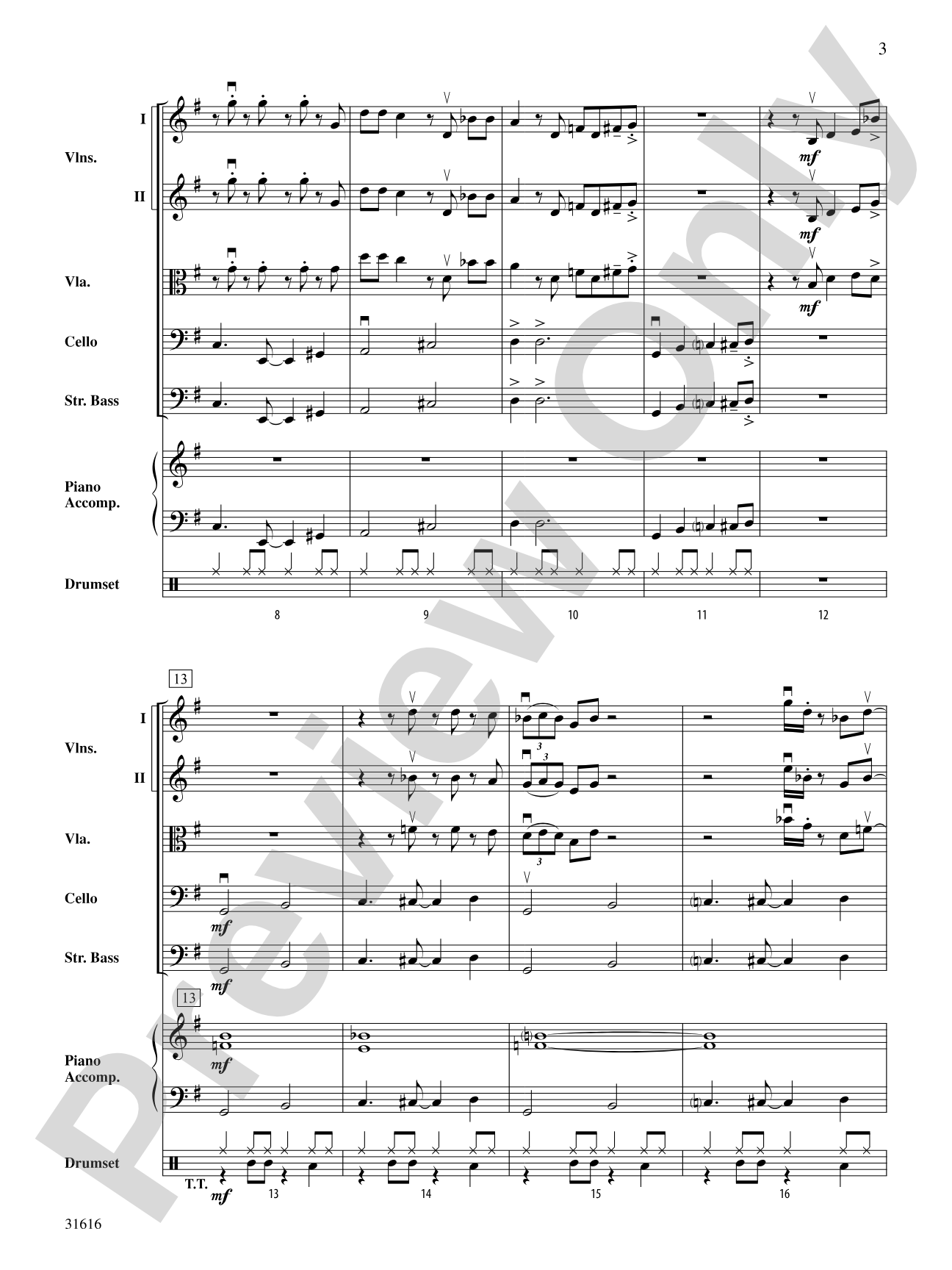
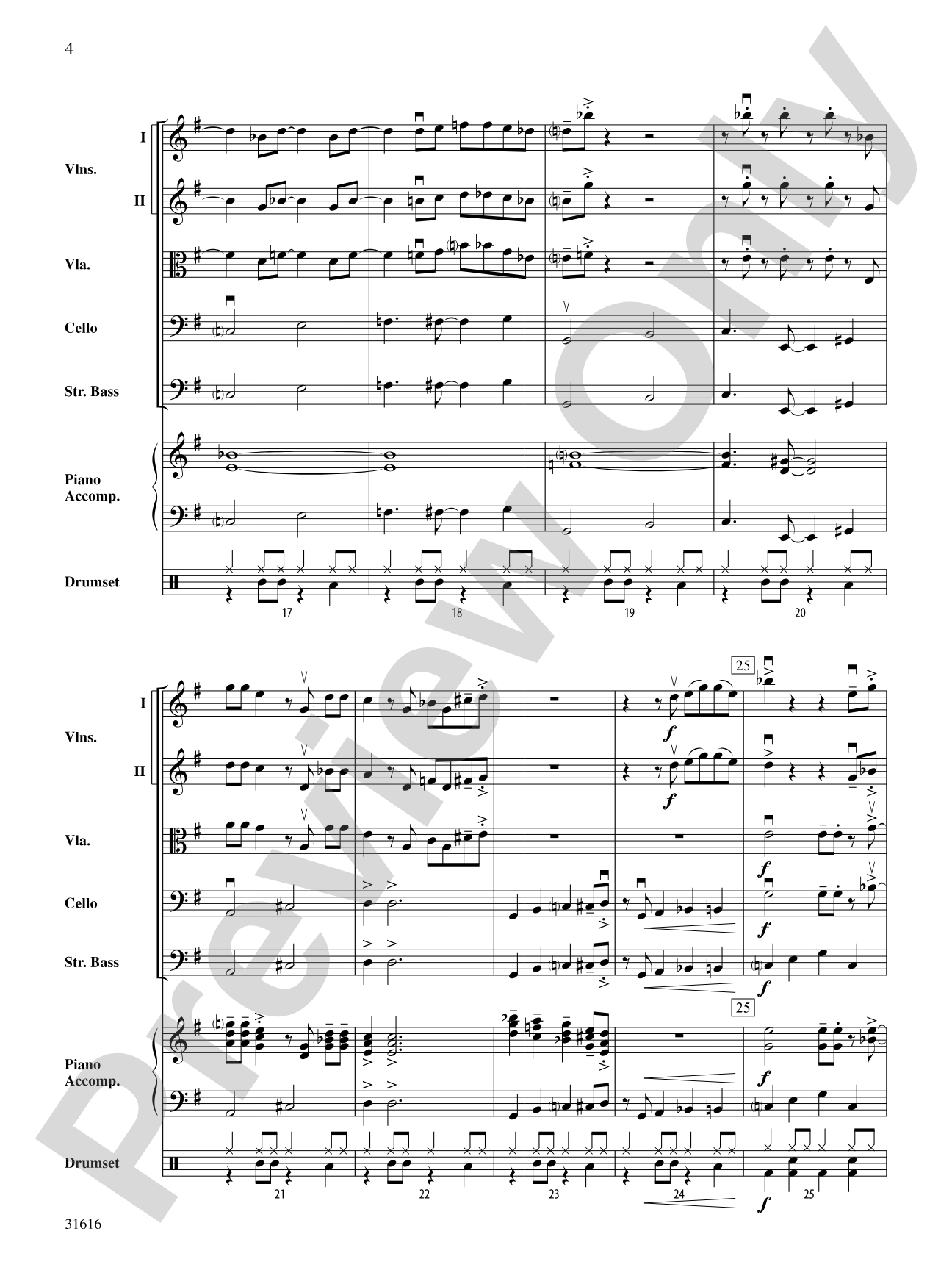
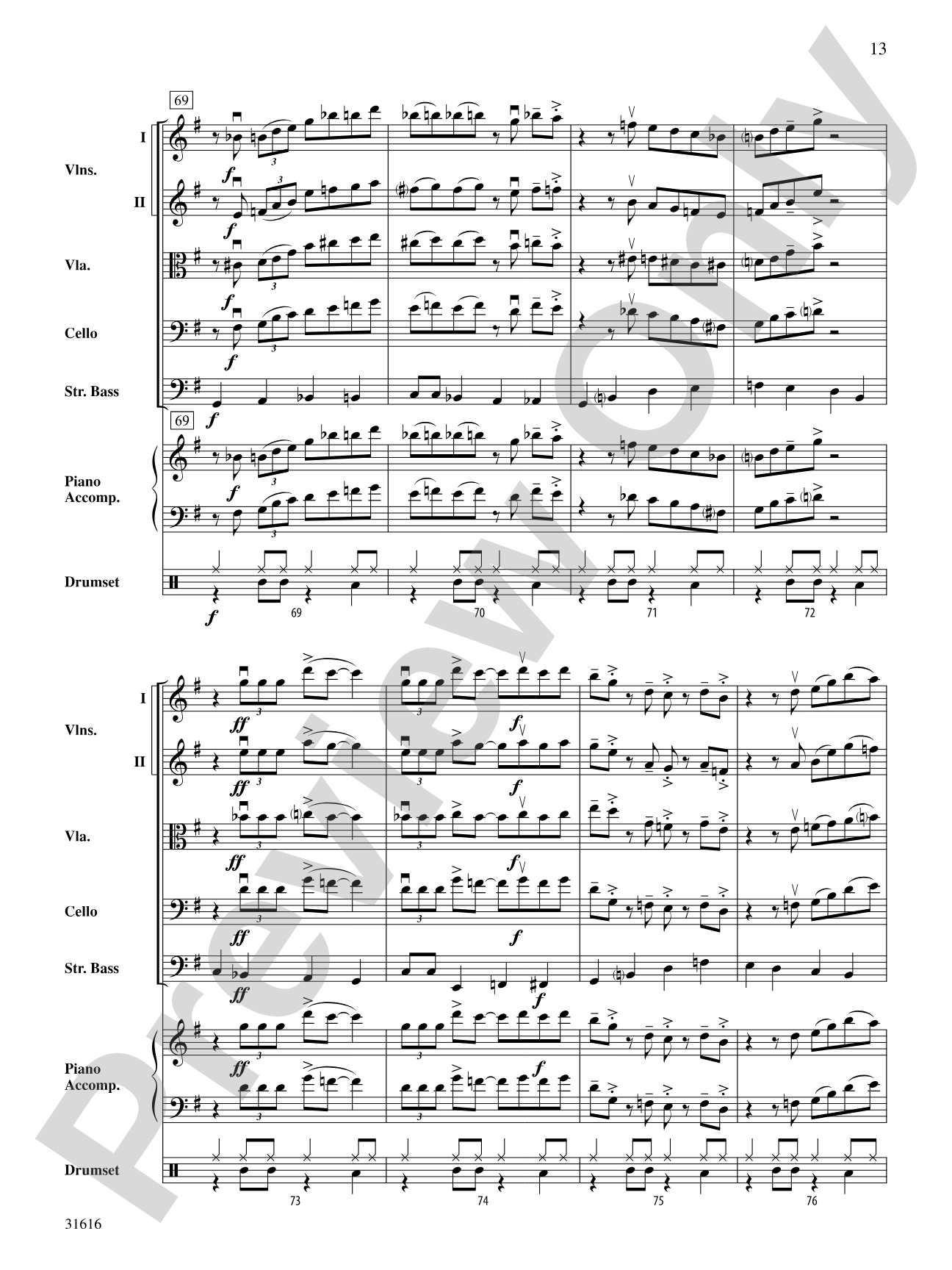
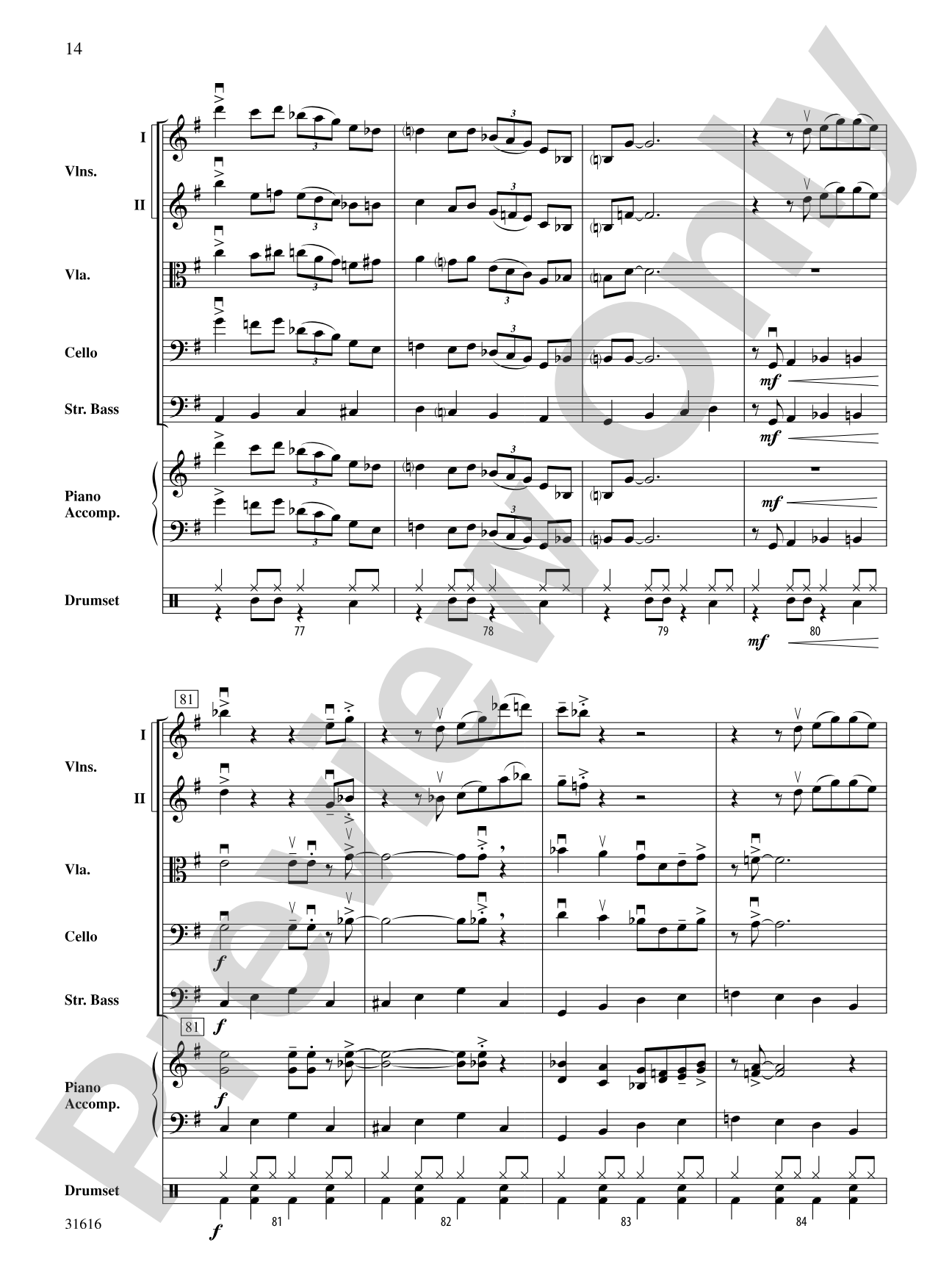
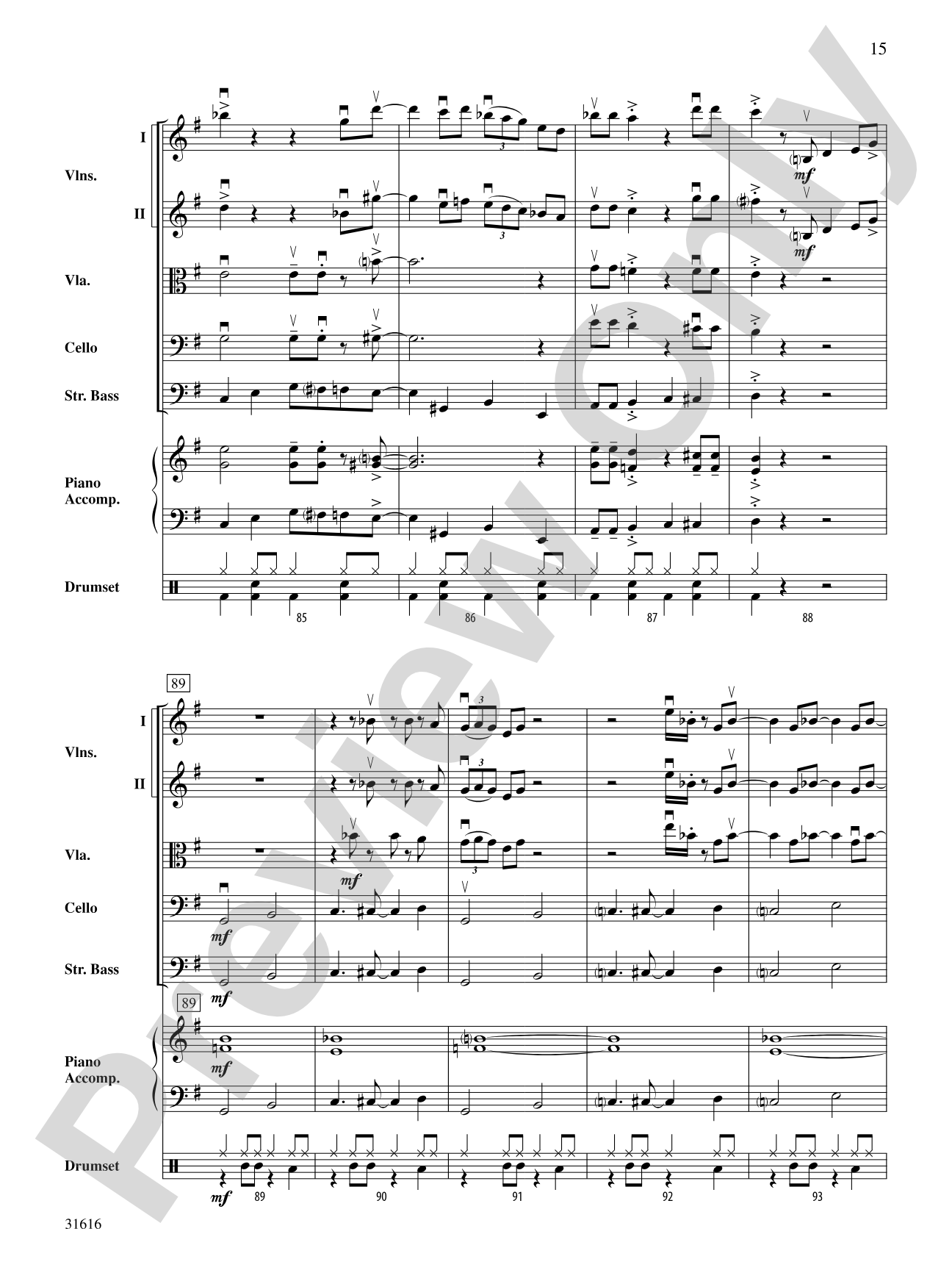
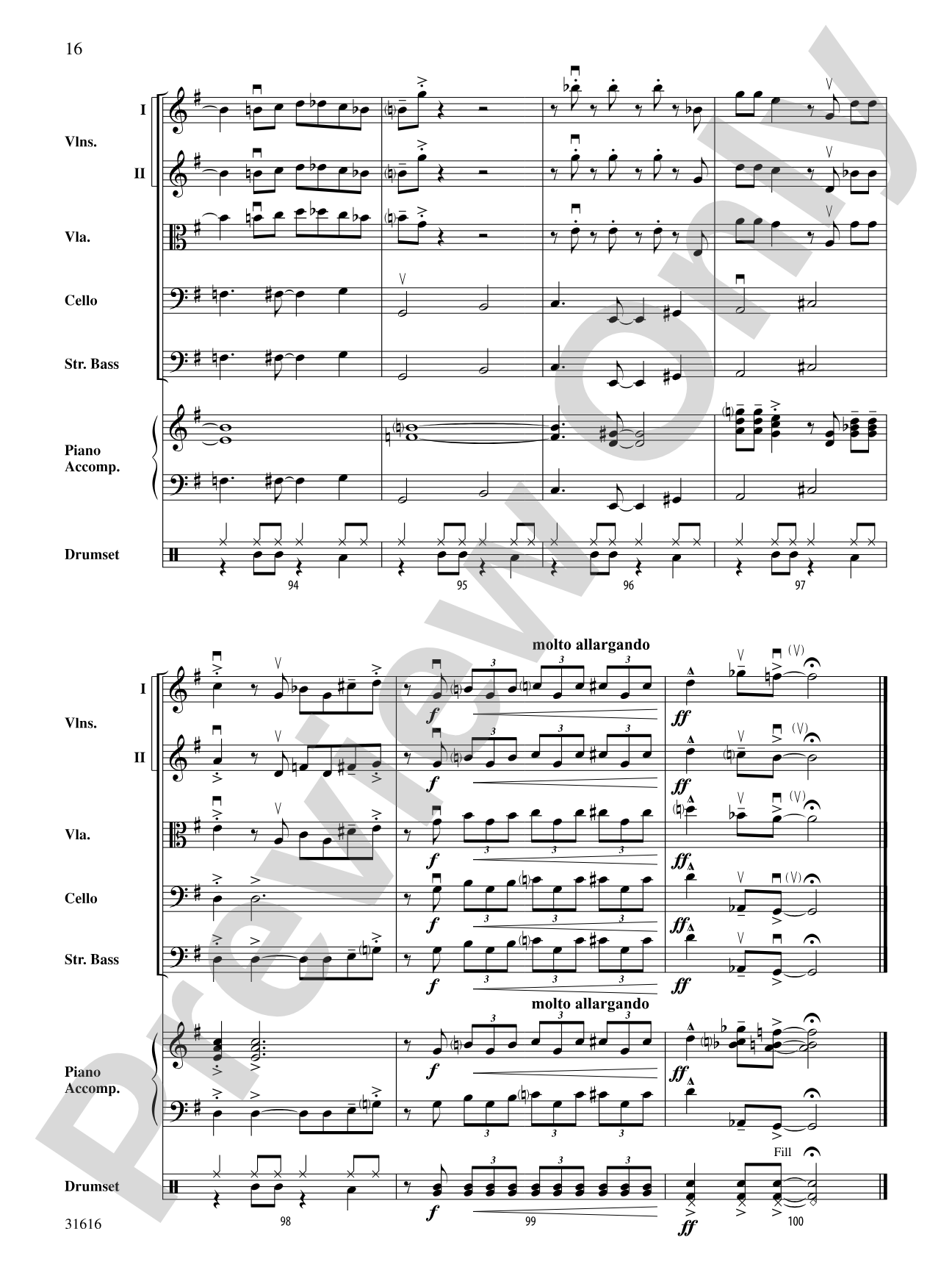
Feel the relaxed energy of a hot afternoon while the gators bask on the banks of the Tchefuncte River in Louisiana! This swingin' feel-good jazz shuffle features a catchy melody over a Blues in G with a middle section reminiscent of Count Basie taking it home. Written out solos for violin, viola and cello are included with backgrounds for all sections. Let the Good Times Roll! (3:50)


Don't just read it, hear it, play along with it, and watch your students grow with it. In MakeMusic Cloud, Tchefuncte Shuffle: String Orchestra Conductor Score & Parts comes alive with professional accompaniment, adjustable tempo, and built-in practice tools that turn solo practice into real progress.
Open in the Player
Jump straight in and assign it today.
Start Your Free Trial
Open this title and explore the full library in minutes.
Sample Audio
1
Audio File
--:--
0:00
0:00
Sample Video
No sample videos found.
Additional Details
Series:
Highland/Etling String Alternatives
Publisher:
Alfred Music
Page Count:
132
SKU:
00-PK-0004563
More about this title
About the Composer: Tim Aucoin
Tim Aucoin brings a distinctive voice to string education through compositions that blend accessibility with genuine musical substance. His work across multiple genres demonstrates a commitment to writing for student ensembles without sacrificing stylistic authenticity or engaging orchestration.
Why we love this
Aucoin captures the swagger of classic blues big band writing while keeping the technical demands reasonable for Grade 3.5 orchestras. The inclusion of written-out solos for three different instruments means every section gets a moment in the spotlight, and the rhythmic drive of a true shuffle feel teaches ensemble cohesion in ways that straight-eighth repertoire cannot.
What to expect
Lazy heat and riverside humidity come alive through Aucoin's writing. The gently swaying shuffle rhythm suggests gators at rest while the catchy melody dances overhead, then the energy shifts into the driving middle section where Count Basie's ghost seems to be conducting from the banks.
Who it's for
String orchestras at the Grade 3.5 level ready to explore jazz idioms beyond concert hall traditions. This score works equally well for orchestras seeking programming flexibility, chamber ensemble directors looking for a shorter piece with personality, or any director wanting to introduce students to swing rhythm and blues harmony in an accessible, high-energy package.
How to get the most out of it
- Establish the shuffle swing feel with the rhythm section first. Have your violas and cellos lock the shuffle rhythm before adding the melody, so the entire orchestra feels the bounce rather than playing straight eighths.
- Balance the melody against the backgrounds during solo sections. The written parts for violin, viola, and cello solos need room to breathe, so reduce the background texture when those passages occur rather than trying to hear everything equally.
- Let the tempo breathe slightly during the blues progression, especially in the Count Basie-influenced middle section. A small ritardando at structural moments will enhance the relaxed Louisiana afternoon feel.
- Encourage vibrato and tone flexibility from soloists. Jazz phrasing requires more expressive vibrato and dynamic control than classical passages, so spend rehearsal time on this element with your featured players.
How to use it
Program this as a palate cleanser between more formal concert works, or build an entire set around Louisiana musical traditions and American jazz influences. The three-minute-fifty-second duration makes it ideal for filling time on a concert while avoiding filler; it earns its place through distinctive writing and ensemble appeal.
Skills your students will build
- Swing rhythm and shuffle feel interpretation
- Jazz phrasing and expressive vibrato
- Blues harmonic progressions (Blues in G)
- Balancing solo lines against background accompaniment
- Reading written-out solos and improvisation-style parts
- Dynamic control and nuanced tone production in non-classical contexts