
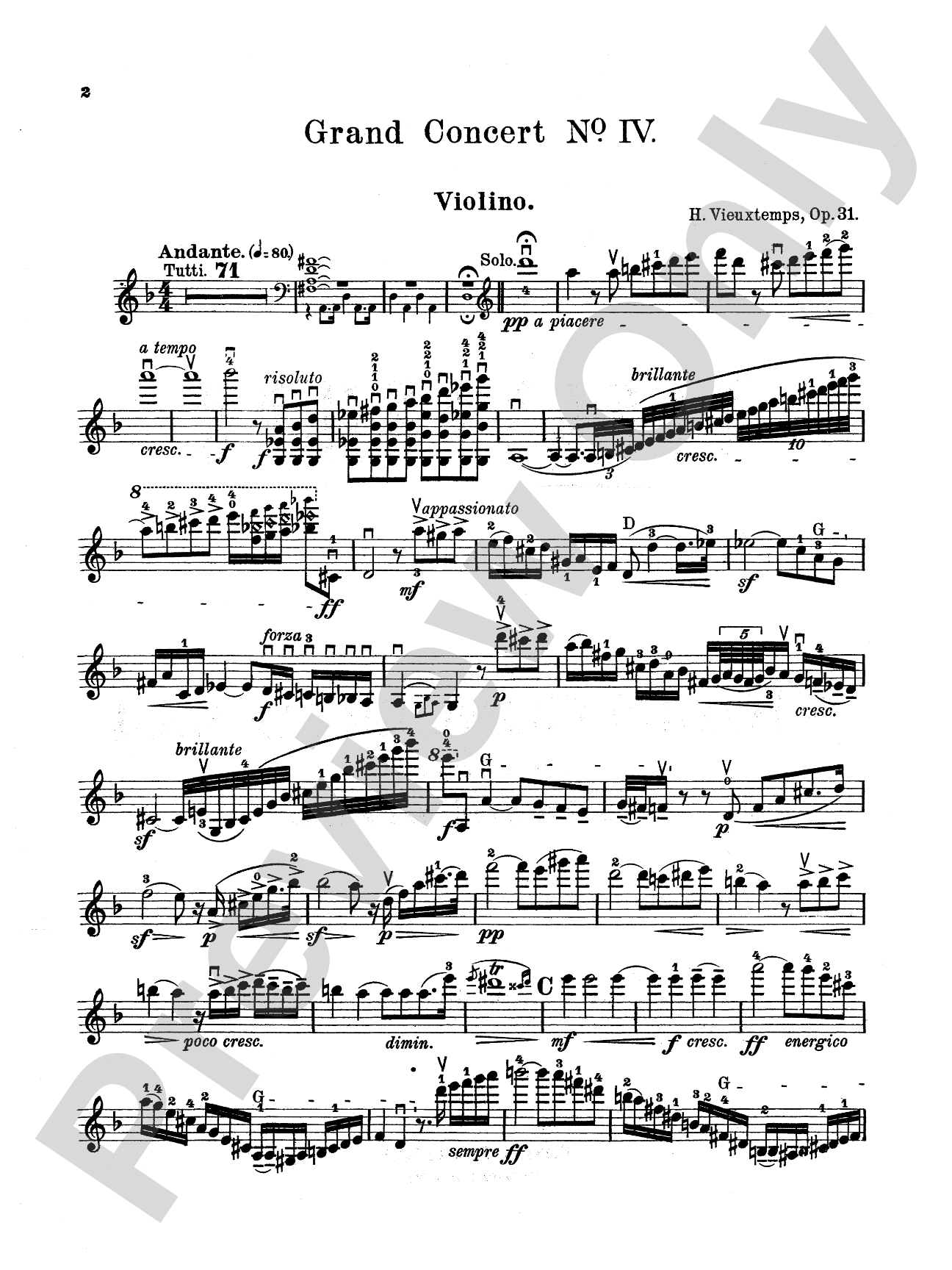
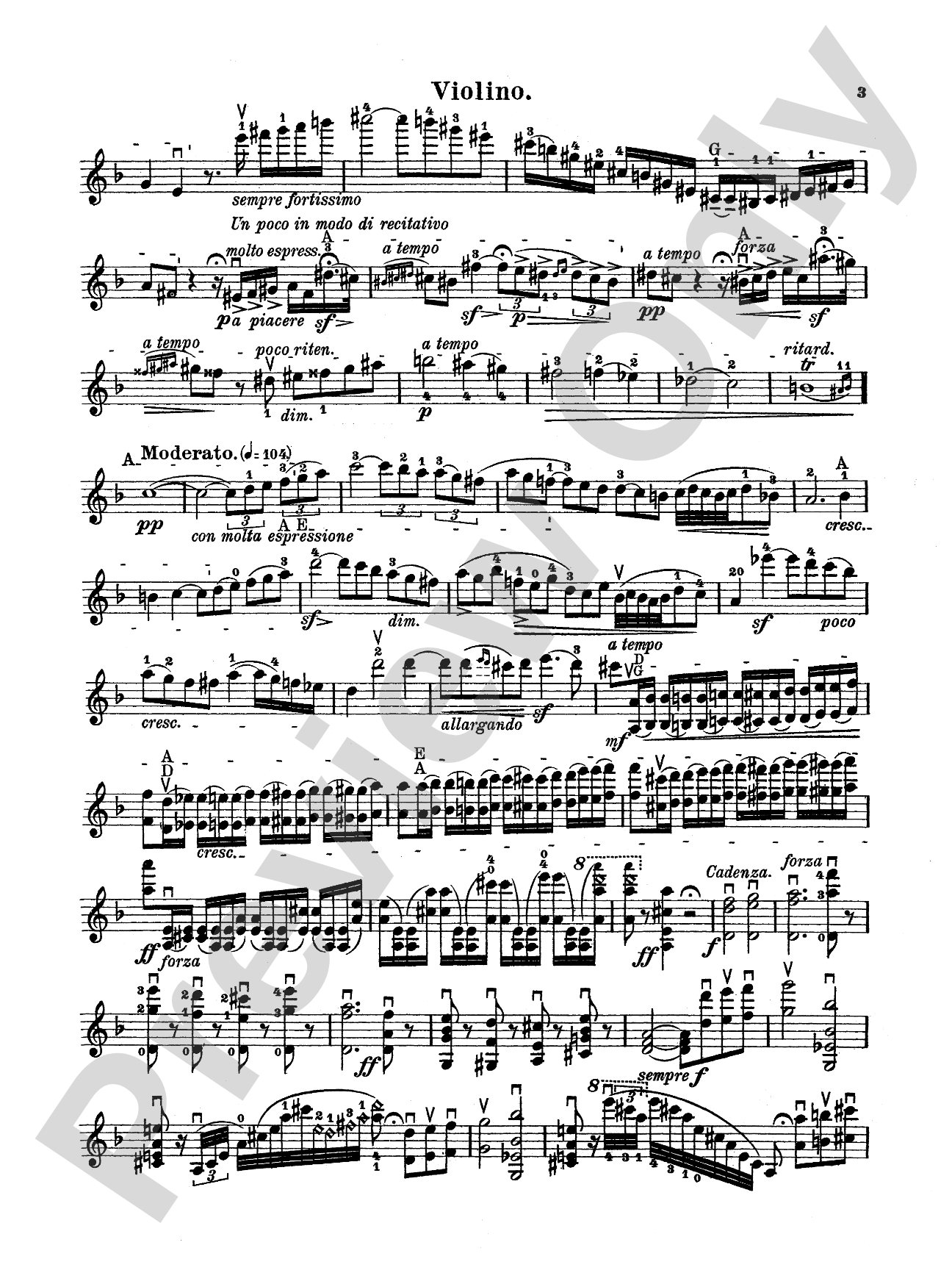
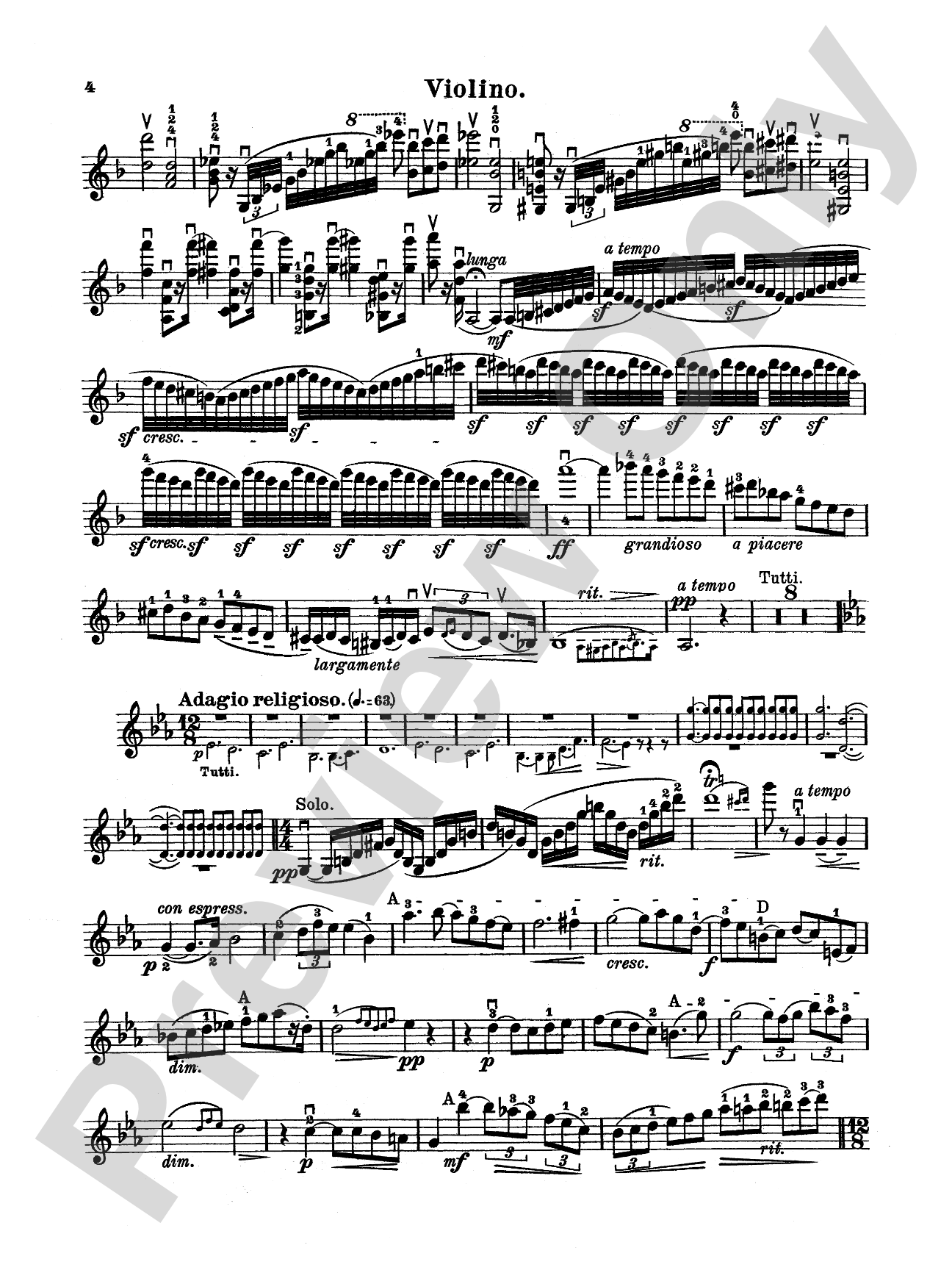
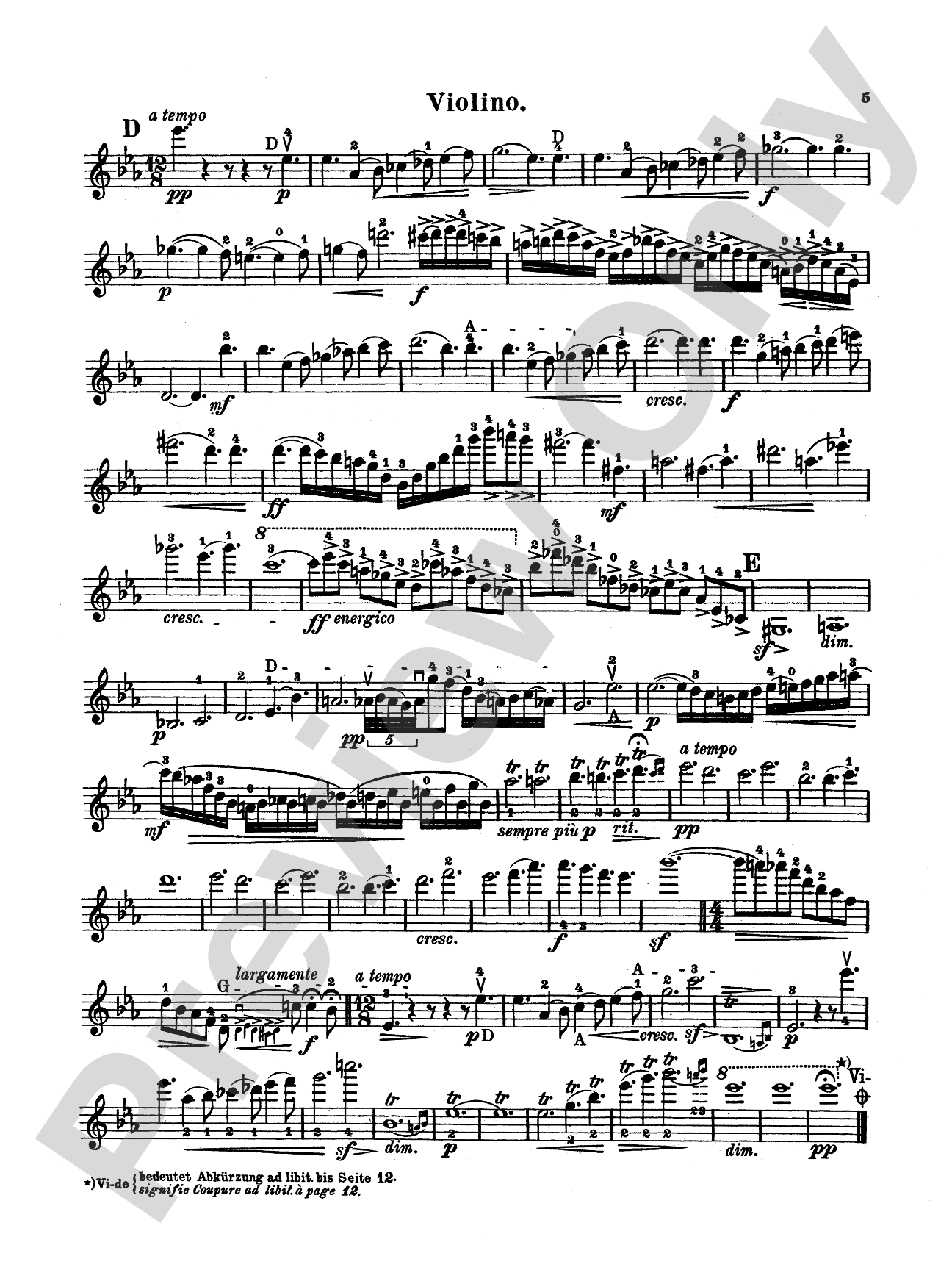
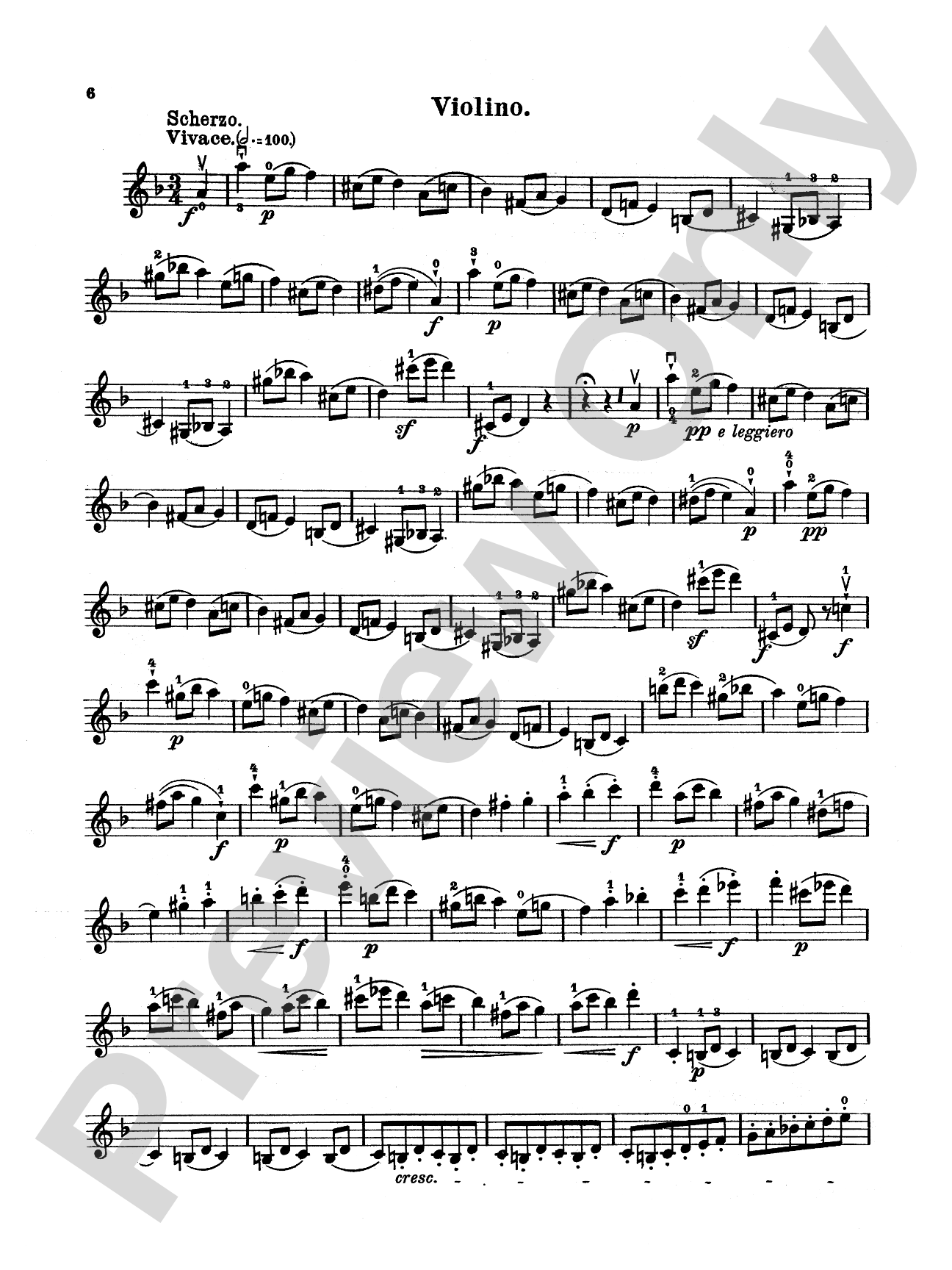
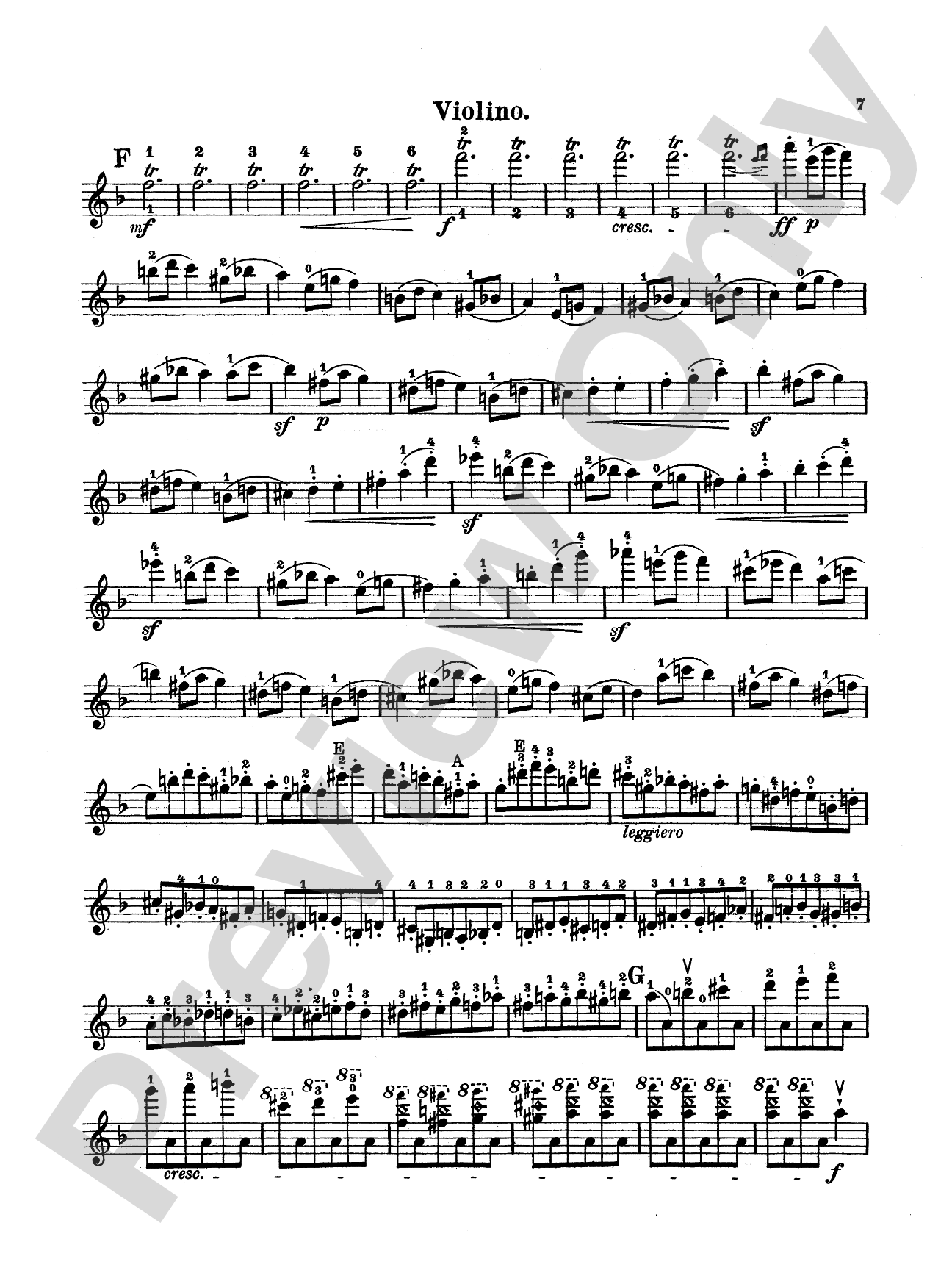
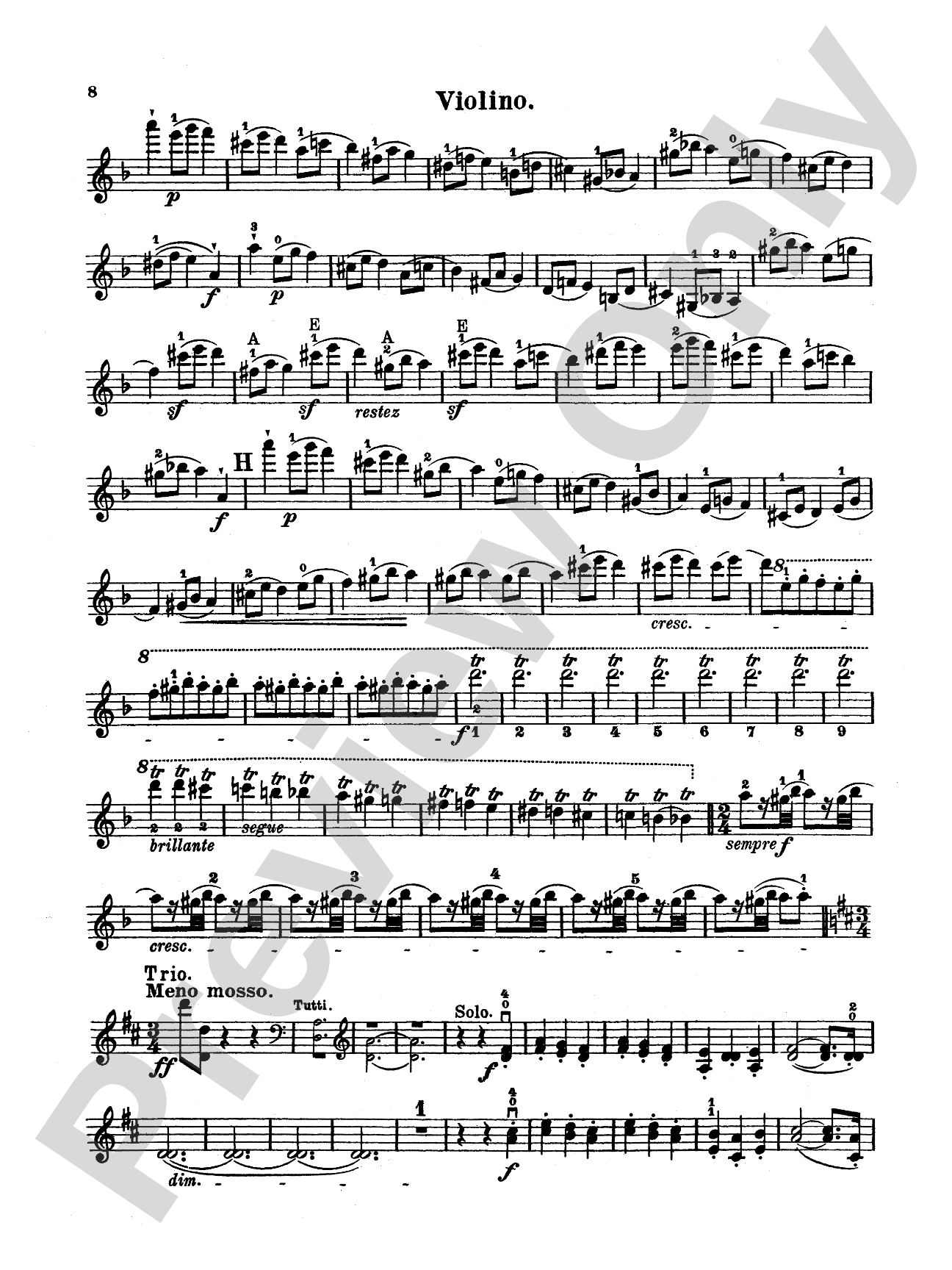
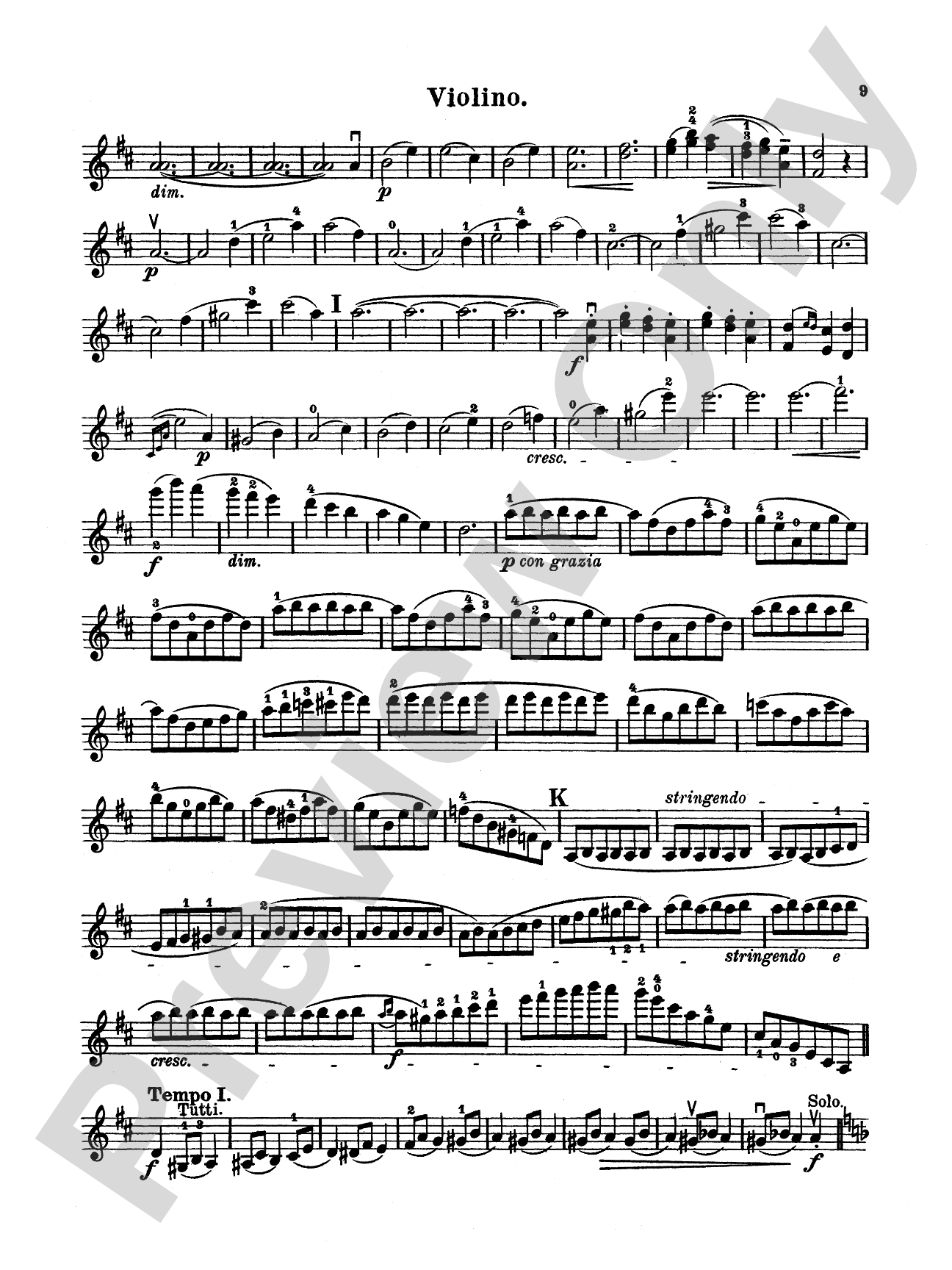
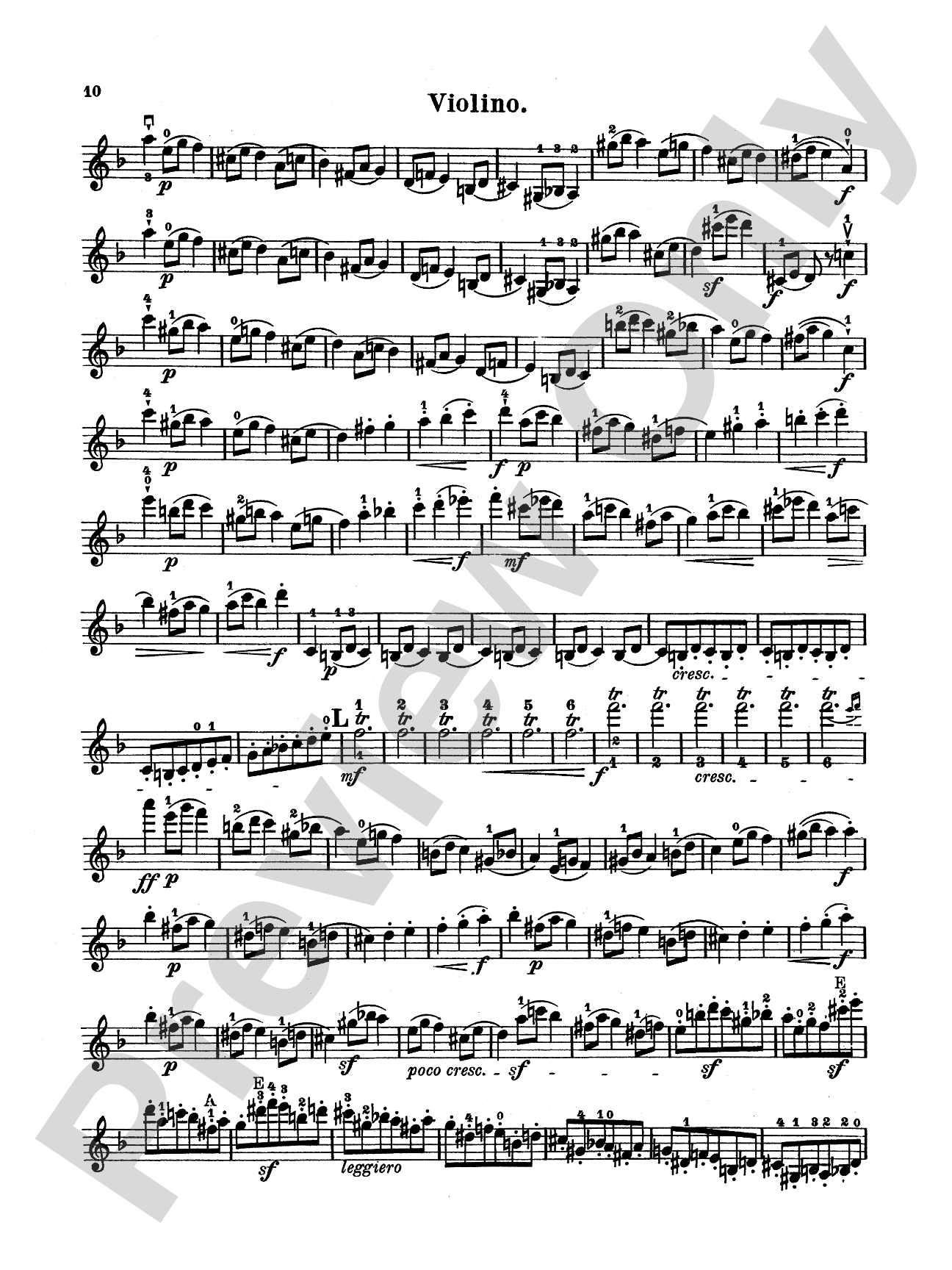
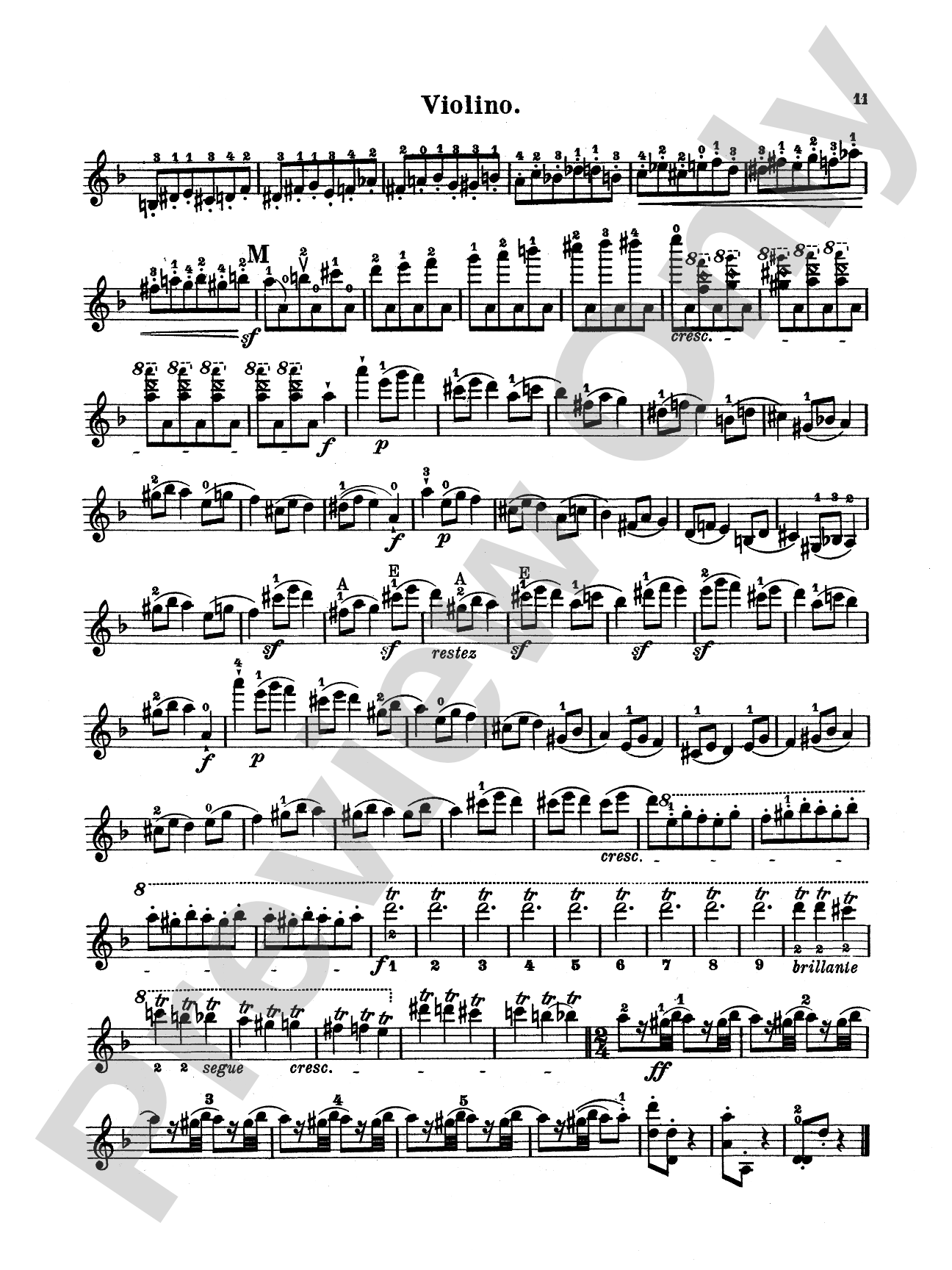
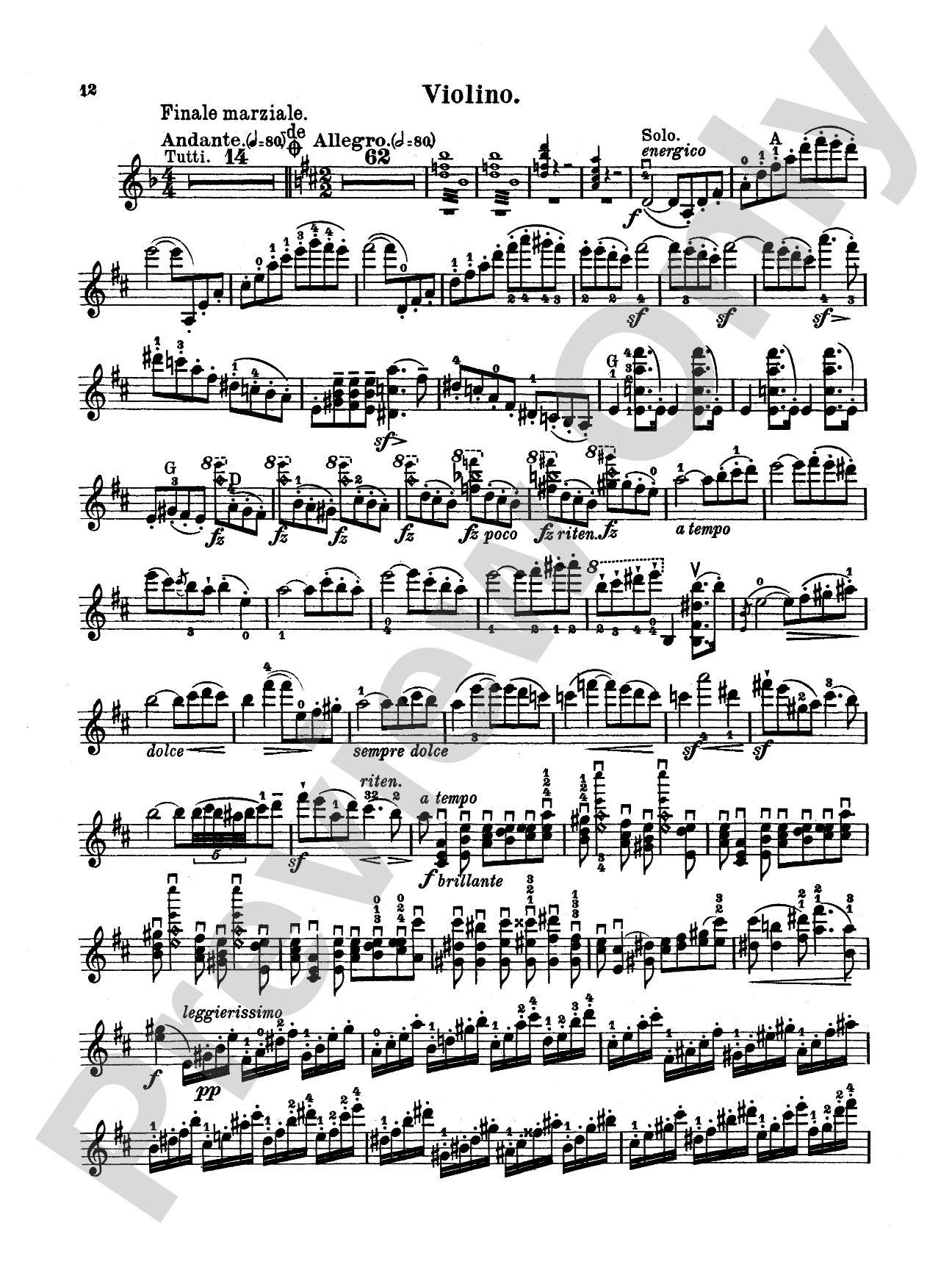
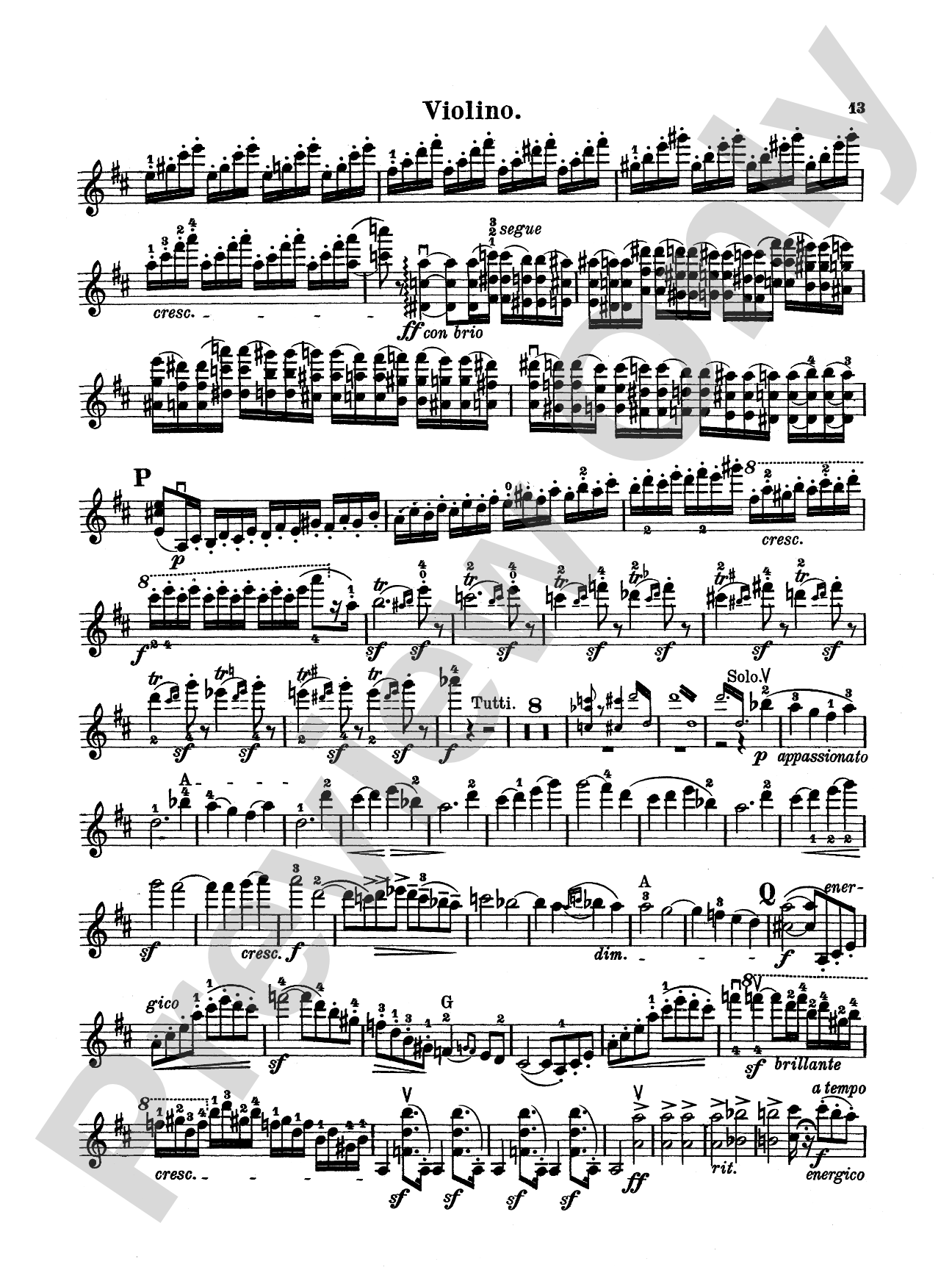
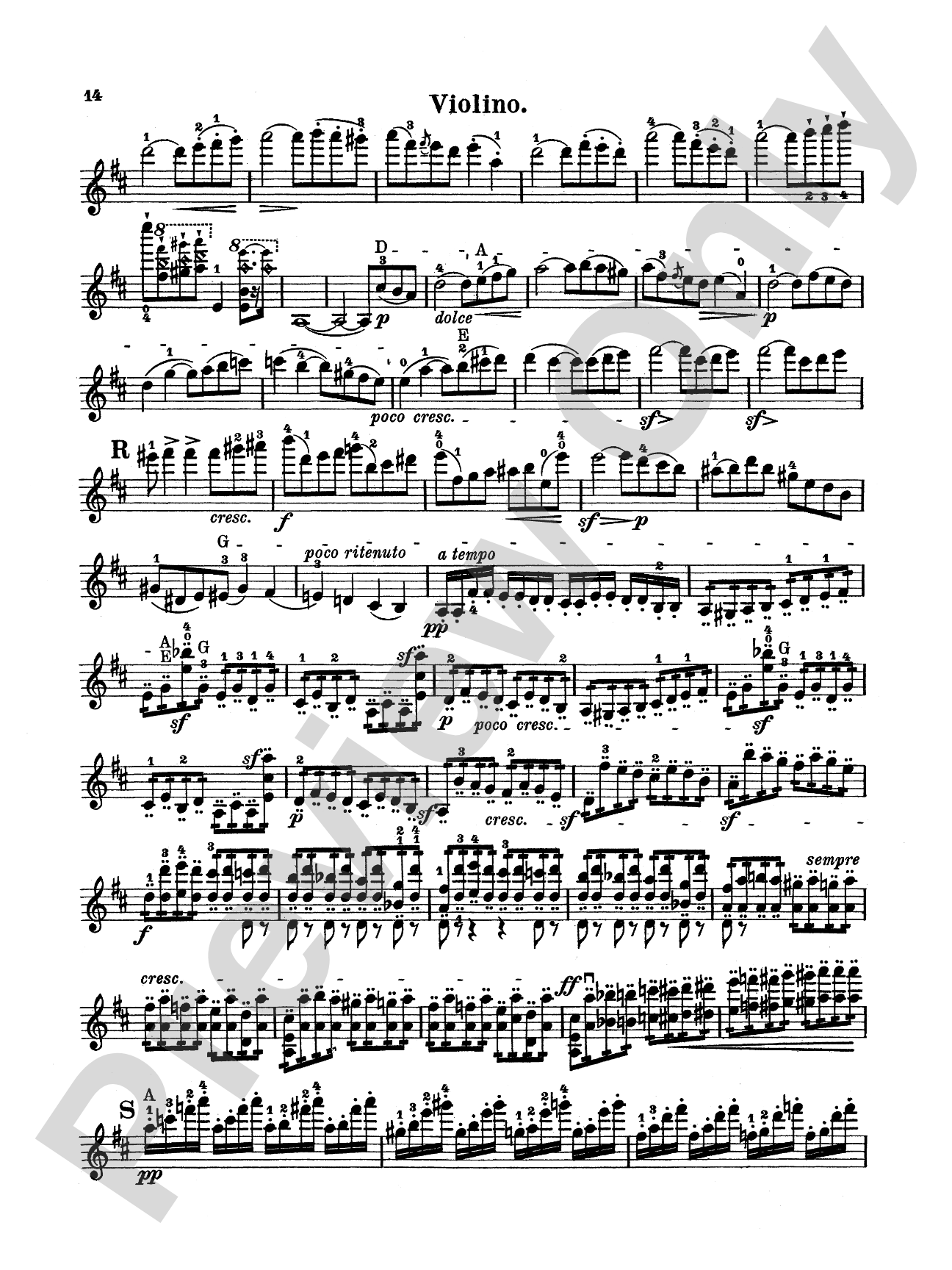
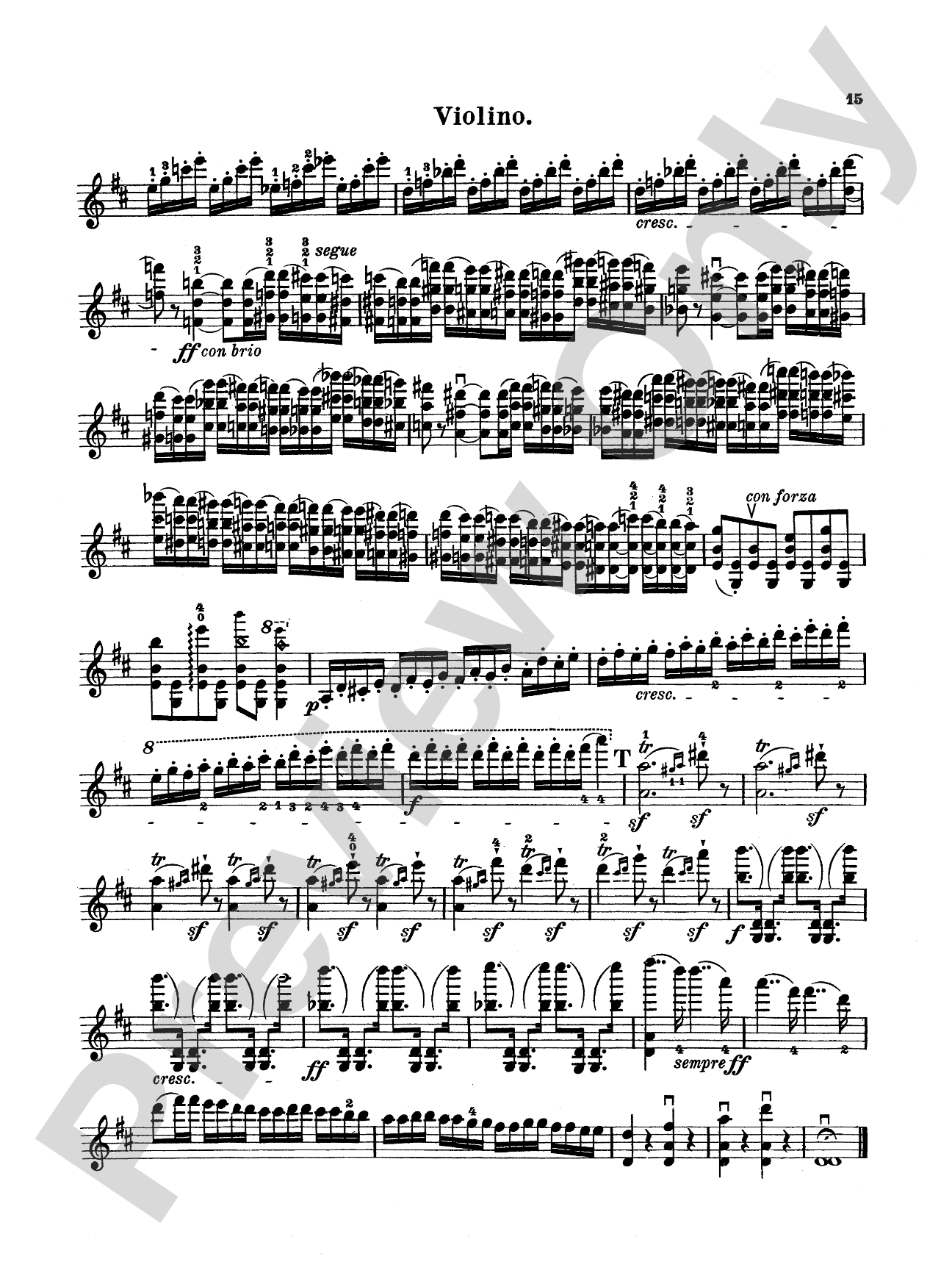


Tchaikovsky: Violin Concerto No. 4 in D Minor, Op. 31: Violin Book
By Henri Vieuxtemps
Item: 00-PK-0003375
$11.99
Pickup currently not available
Buy Extra Parts (Digital PDF Download)
| Product | Price | Quantity |
|---|---|---|
| Tchaikovsky: Violin Concerto No. 4 in D Minor, Op. 31 | $4.99 | |
| Tchaikovsky: Violin Concerto No. 4 in D Minor, Op. 31 | $4.95 |
Parts Added to Cart!
Description


Tchaikovsky: Violin Concerto No. 4 in D Minor, Op. 31: Violin Book isn't in MakeMusic Cloud just yet...but it could be. Let us know you'd like to see it, and you'll help shape what comes next. In the meantime, start a free trial and dive into thousands of interactive titles your students can play along with today.
Request This Title
Tell us you want it.
Start Your Free Trial
Explore everything that's ready to play right now.
Sample Audio
No sample audio found.
Sample Video
No sample videos found.
Additional Details
Series:
Kalmus Edition
Publisher:
Alfred Music
Page Count:
52
SKU:
00-PK-0003375
More about this title
About the Composer: Peter Ilyich Tchaikovsky
Peter Ilyich Tchaikovsky (1840-1893) stands as one of the most performed composers in the concert repertoire, celebrated for his gift for orchestration and his ability to translate visceral emotion into memorable melody. A graduate of the St. Petersburg Conservatory, he composed across all genres: symphonies, ballets, operas, concertos, and chamber works that continue to define the Romantic era for audiences worldwide.
His violin concerto represents one of the cornerstone works of the nineteenth-century violin literature. Written in 1878, it demanded technical mastery and interpretive maturity from soloists of his time and remains a standard by which advanced violinists are measured. The concerto's combination of technical display and profound musical substance reflects Tchaikovsky's mature compositional voice.
Why we love this
This concerto gives advanced violinists access to one of music's most rewarding and structurally sophisticated works. The Kalmus edition provides a clear, practical score that lets the soloist focus on the music's emotional arc rather than deciphering notation, making it ideal for students preparing for auditions, competitions, or professional recitals.
What to expect
The concerto opens with brooding intensity and scales toward passages of soaring lyricism, creating an emotional landscape that feels both deeply personal and grand in scope. The demands are relentless: virtuosic passage work, sustained singing lines, and moments of intimate vulnerability coexist within a four-movement architecture that rewards both technical precision and expressive risk-taking.
Who it's for
Advanced violinists preparing for competitions, festival appearances, and recital programs will find this edition indispensable. Studio teachers working with upper-level students can use it as a cornerstone repertoire selection that builds interpretive depth alongside technical facility.
How to get the most out of it
- Work through the double-stop passages in the first movement methodically, isolating each pair and attending to intonation before increasing tempo. The romantic idiom demands warmth in these sonorities.
- Shape the lyrical second movement melody with long phrases and subtle vibrato variation; avoid the trap of playing it sentimentally. Tchaikovsky's lyricism is direct and purposeful.
- Coordinate with your pianist on the orchestral textures in the final movement. Many passages require the violin to cut through thick accompanimental writing, so clarity of tone and secure rhythmic placement are essential.
- Mark your position shifts clearly in pencil during early learning stages. The range demands in this concerto span four positions regularly, and advance planning prevents hesitation under performance pressure.
How to use it
Feature this as a showcase piece in a concerto competition or chamber ensemble concert featuring piano accompaniment. Its reputation and musical weight make it suitable as a recital centerpiece for an advanced student or professional violinist, particularly when paired with works from the Classical or early Romantic periods for contrast.
Skills your students will build
- Double-stop intonation and technique in romantic harmonic contexts
- Sustaining extended melodic lines across multiple positions without tonal compromise
- Position shifting at tempo across a wide range while maintaining smooth legato
- Coordinating with piano accompaniment in densely textured passages
- Interpreting Romantic-era phrasing conventions and vibrato control
- Technical command of rapid figurations, octaves, and left-hand pizzicato