
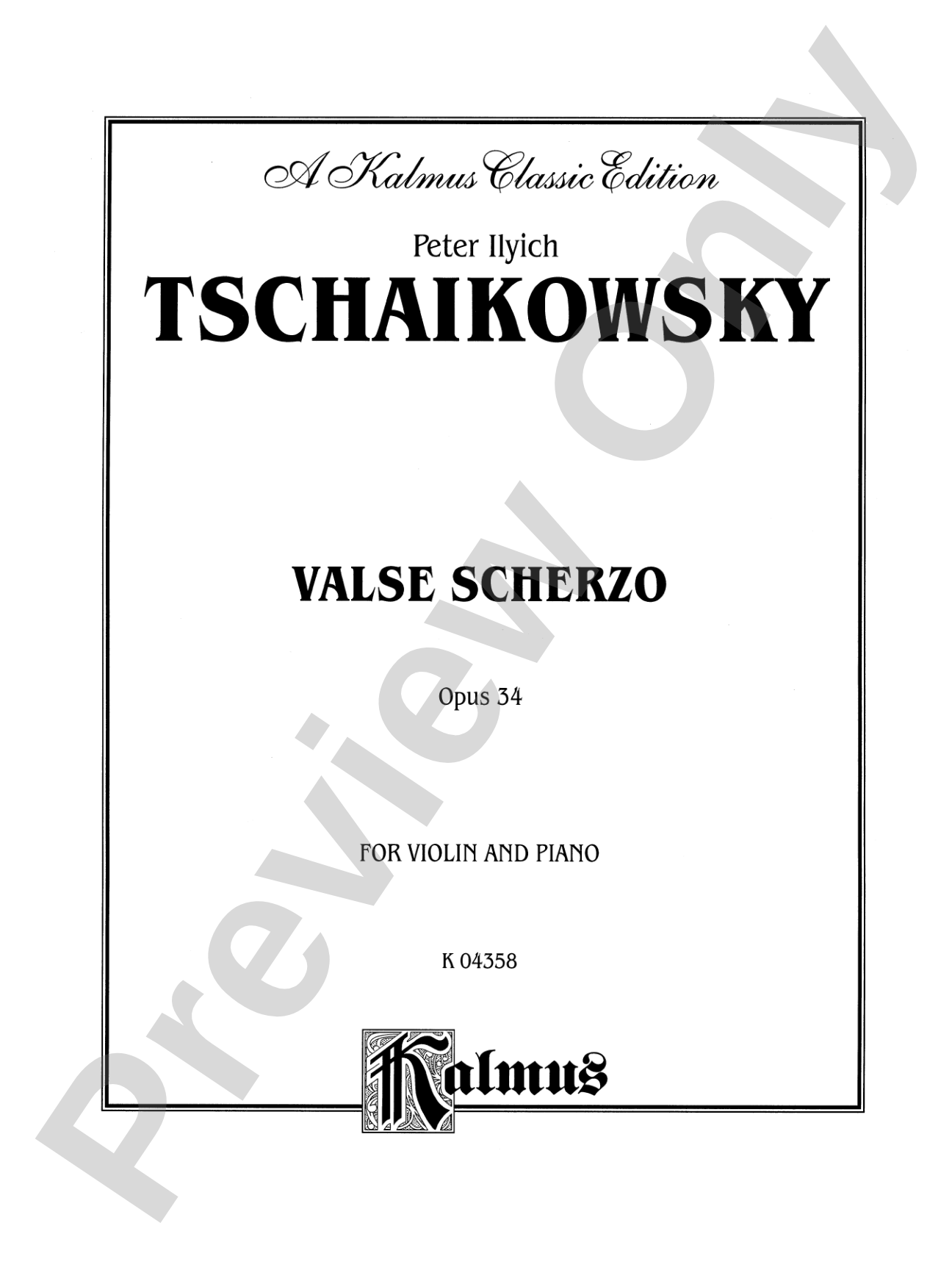
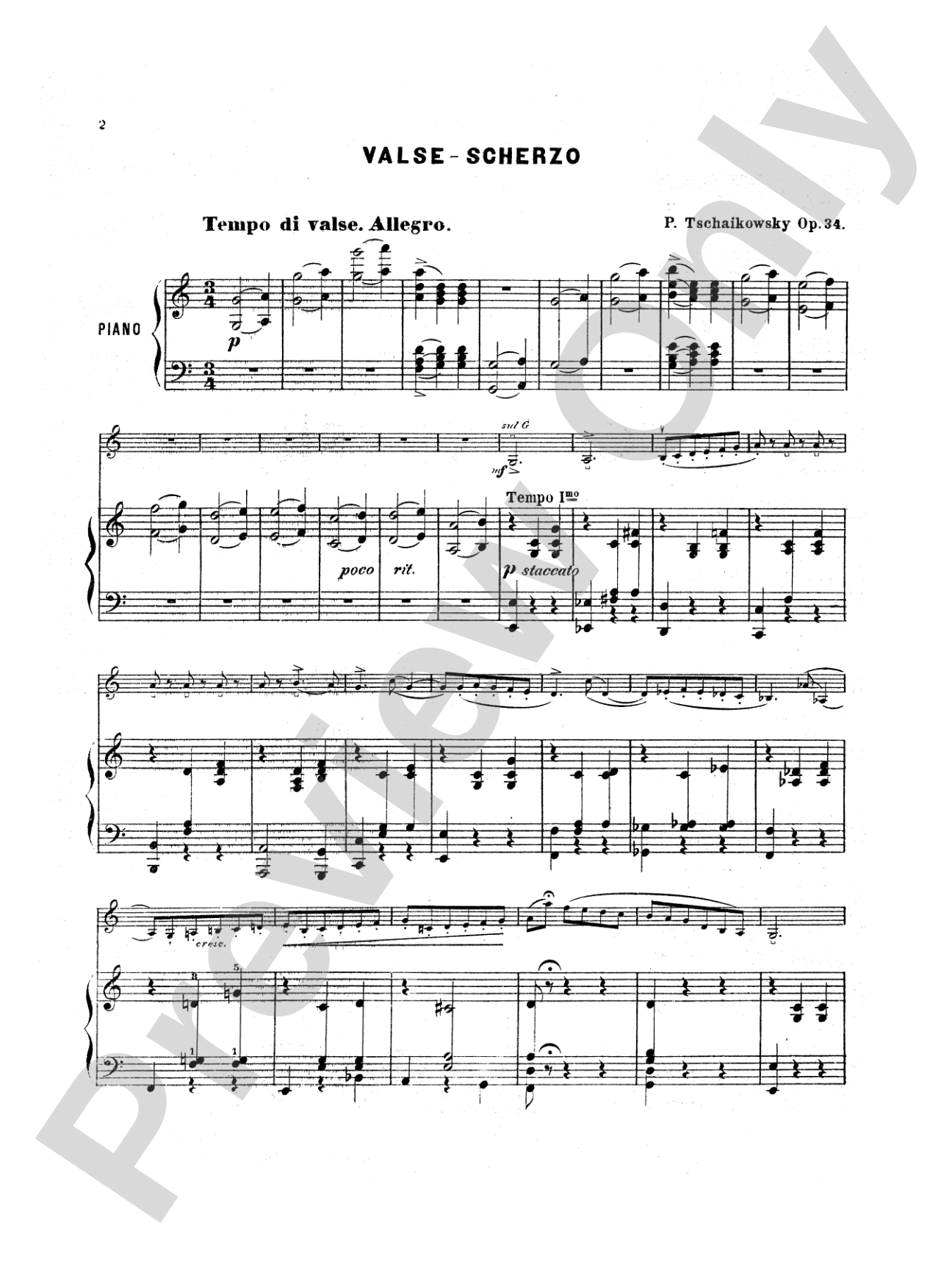
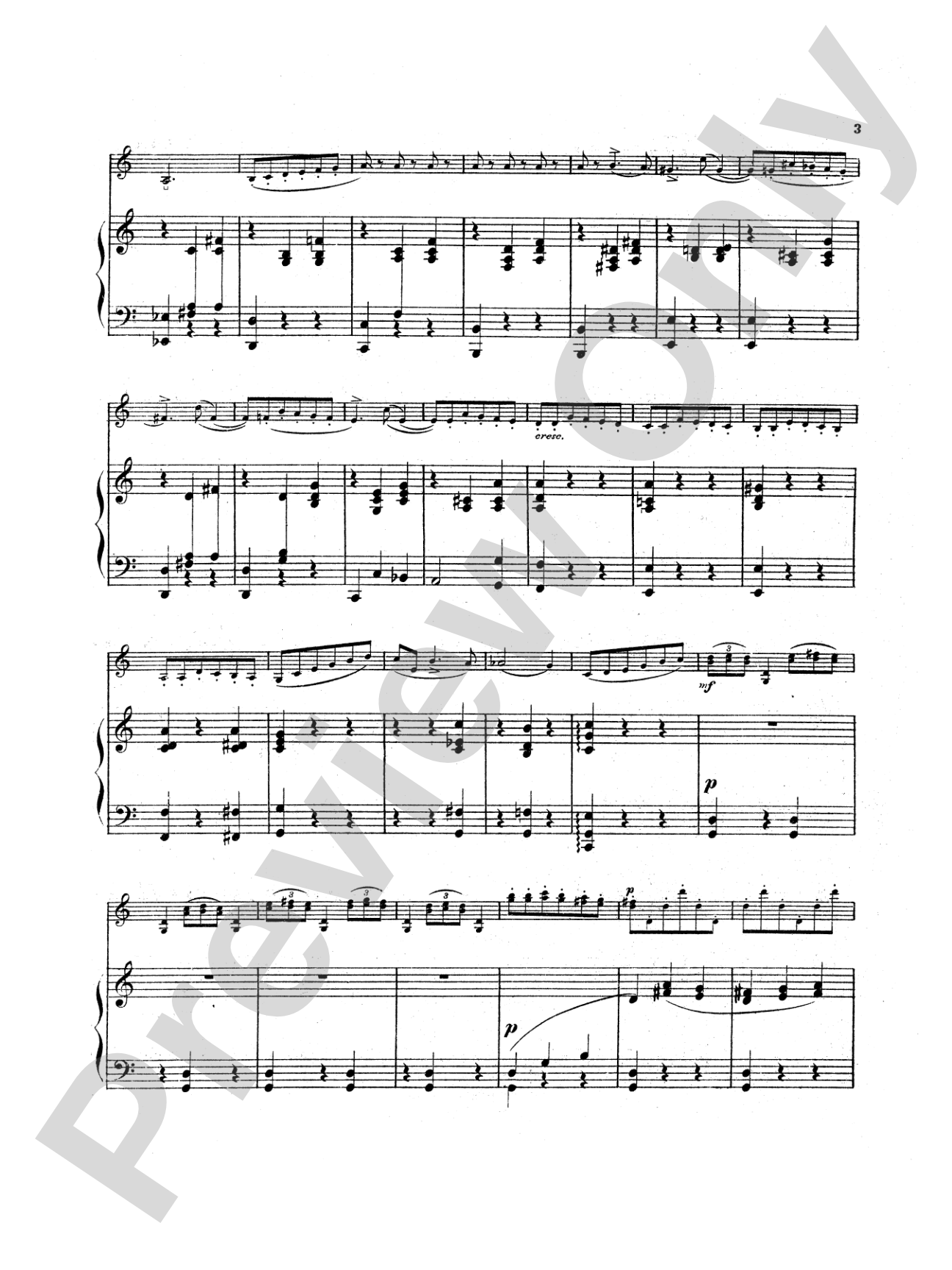
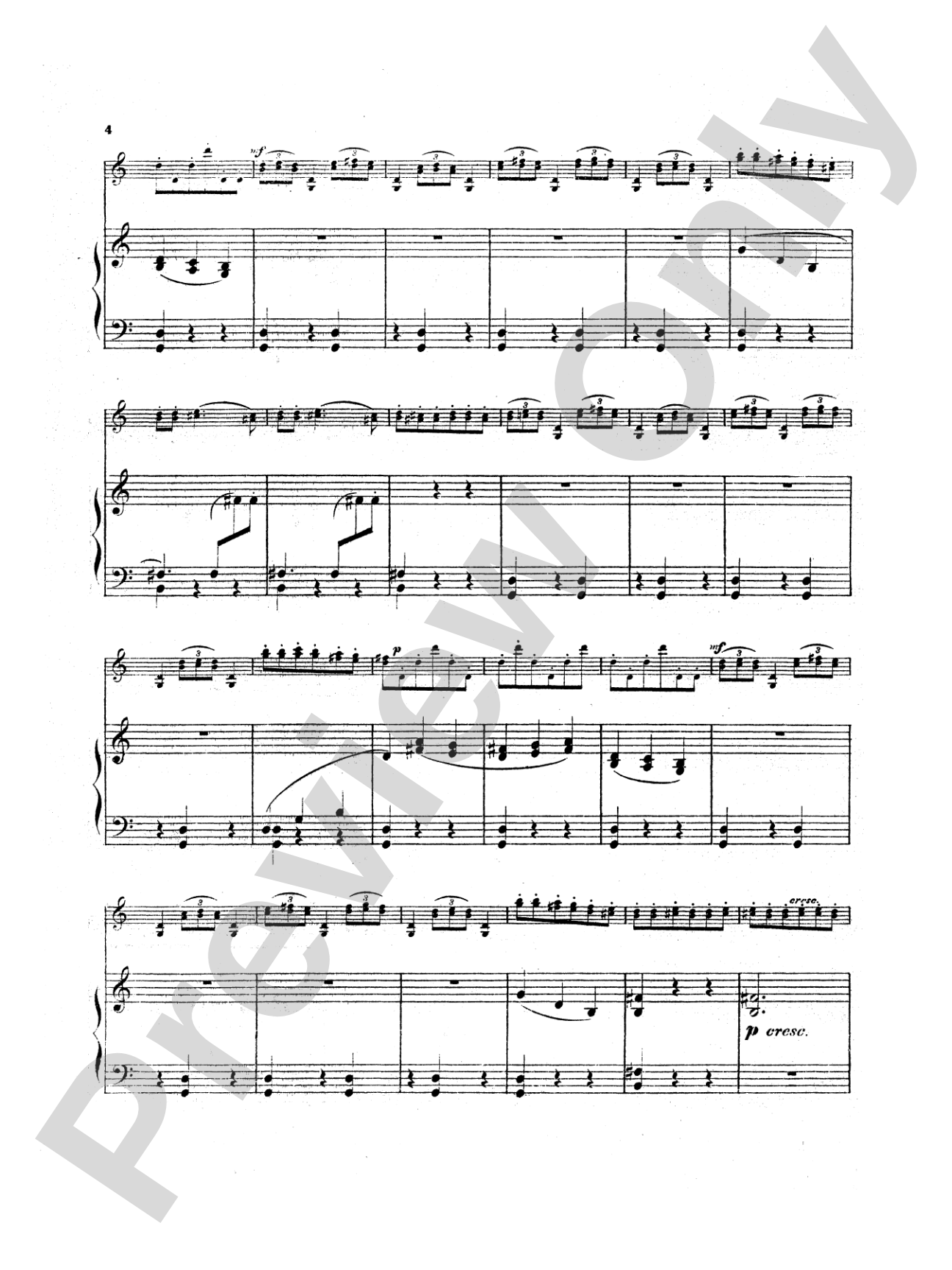
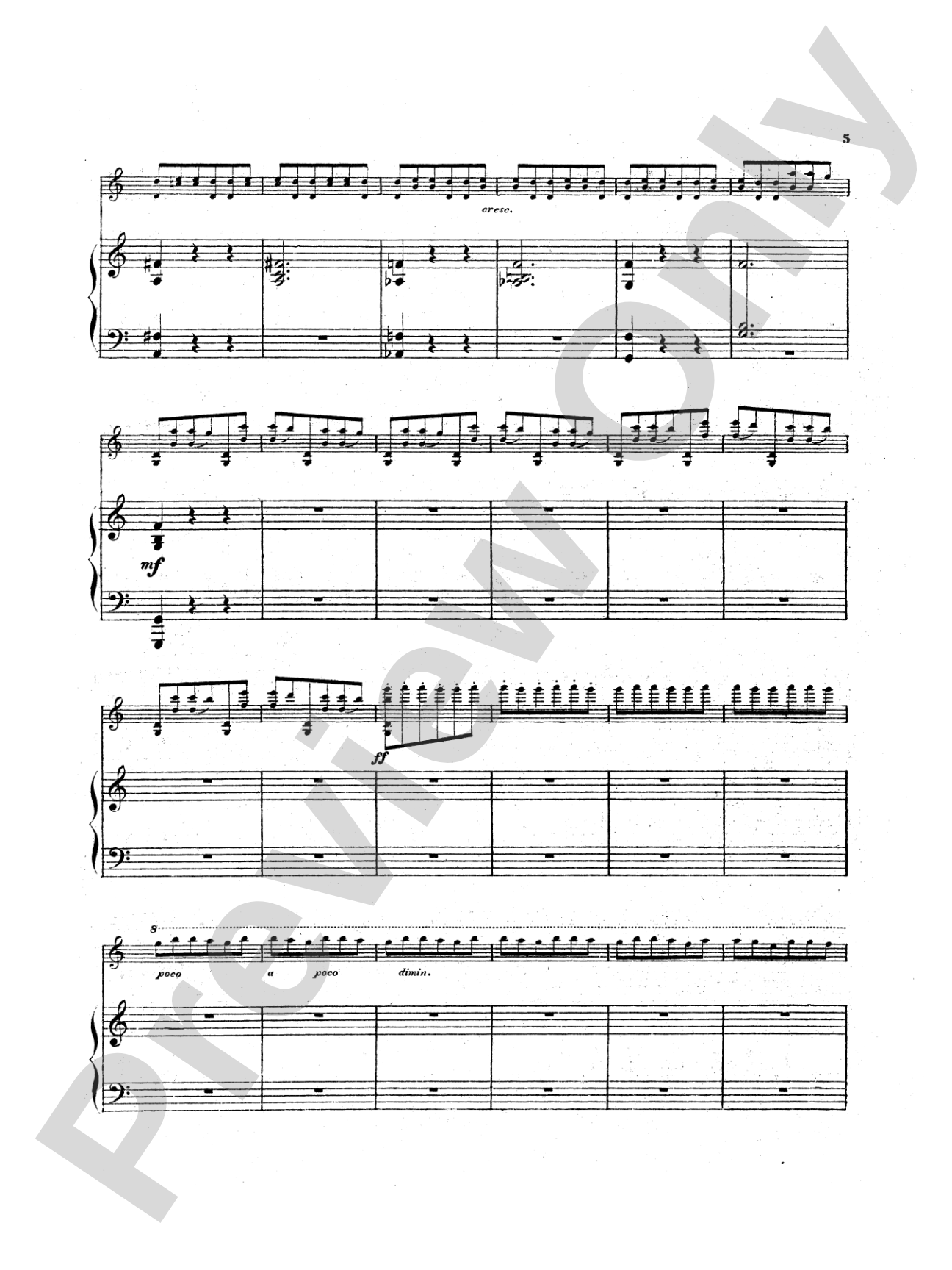

Tchaikovsky: Valse Scherzo, Op. 34 (Urtext)
By Peter Ilyich Tchaikovsky
Item: 00-PC-0010270
$3.95
Pickup currently not available
Description
A Violin solo with Piano Accompaniment composed by Peter Ilyich Tchaikovsky.


Don't just read it, hear it, play along with it, and watch your students grow with it. In MakeMusic Cloud, Tchaikovsky: Valse Scherzo, Op. 34 (Urtext) comes alive with professional accompaniment, adjustable tempo, and built-in practice tools that turn solo practice into real progress.
Open in the Player
Jump straight in and assign it today.
Start Your Free Trial
Open this title and explore the full library in minutes.
Sample Audio
No sample audio found.
Sample Video
No sample videos found.
Additional Details
Series:
Kalmus Edition
Publisher:
Alfred Music
Page Count:
32
SKU:
00-PC-0010270
More about this title
About the Composer: Peter Ilyich Tchaikovsky
Peter Ilyich Tchaikovsky (1840-1893) stands as one of the most performed composers in the concert repertoire, celebrated for music that balances formal structure with emotional directness. A Russian Romantic master, he composed across all genres, from grand ballet scores to intimate chamber works, and his influence on violin literature remains profound. His string works demand technical virtuosity while rewarding performers with passages of lyrical beauty and dramatic intensity that audiences find immediately gripping.
Tchaikovsky's relationship with the violin as a solo instrument shaped some of the most rewarding roles in the string world. The Valse Scherzo exemplifies his gift for writing music that sounds effortless and elegant while requiring genuine command of the instrument. His careful orchestration and understanding of violin capabilities ensure that performers grow musically with each rehearsal.
Why we love this
This work sits at the intersection of showpiece and chamber music, offering violinists a piece substantial enough for serious recitals and competitions without the exhausting technical demands of flashier virtuoso fare. The Valse Scherzo is refreshingly musical: the character emerges from Tchaikovsky's melodic gift and harmonic sophistication rather than from endless passage work. Pianists appreciate the elegant accompanying part, which provides genuine musical support rather than mere chordal background.
What to expect
The Valse Scherzo opens with aristocratic grace, its lilting waltz melody immediately establishing a sense of ballroom elegance. A mischievous scherzo section interrupts the reverie with lighter character and trickier rhythmic play, before the opening waltz returns, now deepened by the contrast. Throughout, Tchaikovsky maintains an almost effortless sophistication, as though inviting you to dance rather than perform.
Who it's for
Advanced high school violinists and college students preparing for recitals, competitions, or auditions will find this piece both accessible and musically rewarding. Experienced community orchestra and chamber musicians seeking a work that brings elegance and structure to a program will return to it repeatedly. The piece demands secure intonation and rhythmic control, but rewards mature interpretation over raw speed.
How to get the most out of it
- Treat the waltz rhythm as a physical gesture rather than a metronomic grid; let the weight of each beat land naturally and allow the triple meter to breathe through subtle rubato.
- Shape each melodic phrase with long-line thinking, even in sections that sound light or skittering; Tchaikovsky's lines reward singers' approach to breathing and architecture.
- Balance the scherzo sections with clarity of articulation and rhythmic precision, using this contrast to make the return to the waltz feel like genuine relief.
- Listen actively to the piano part during rehearsal and performance; the accompaniment contains harmonic and rhythmic information that supports your phrasing rather than following it.
How to use it
This pairs beautifully with Bach or other Baroque solo works, offering a bridge between historical repertoire and Romantic showpieces. Use it as the centerpiece of a recital program: substantial enough to stand alone yet concise enough to allow room for contrasting pieces. It also fits naturally into spring recitals or competitions where you want to showcase both technical control and musical maturity.
Skills your students will build
- Waltz rhythm and triple-meter phrasing
- Contrast between lyrical passages and scherzo articulation
- Rubato and expressive timing within structured form
- Intonation security in the upper positions
- Chamber music listening and collaborative balance with piano