
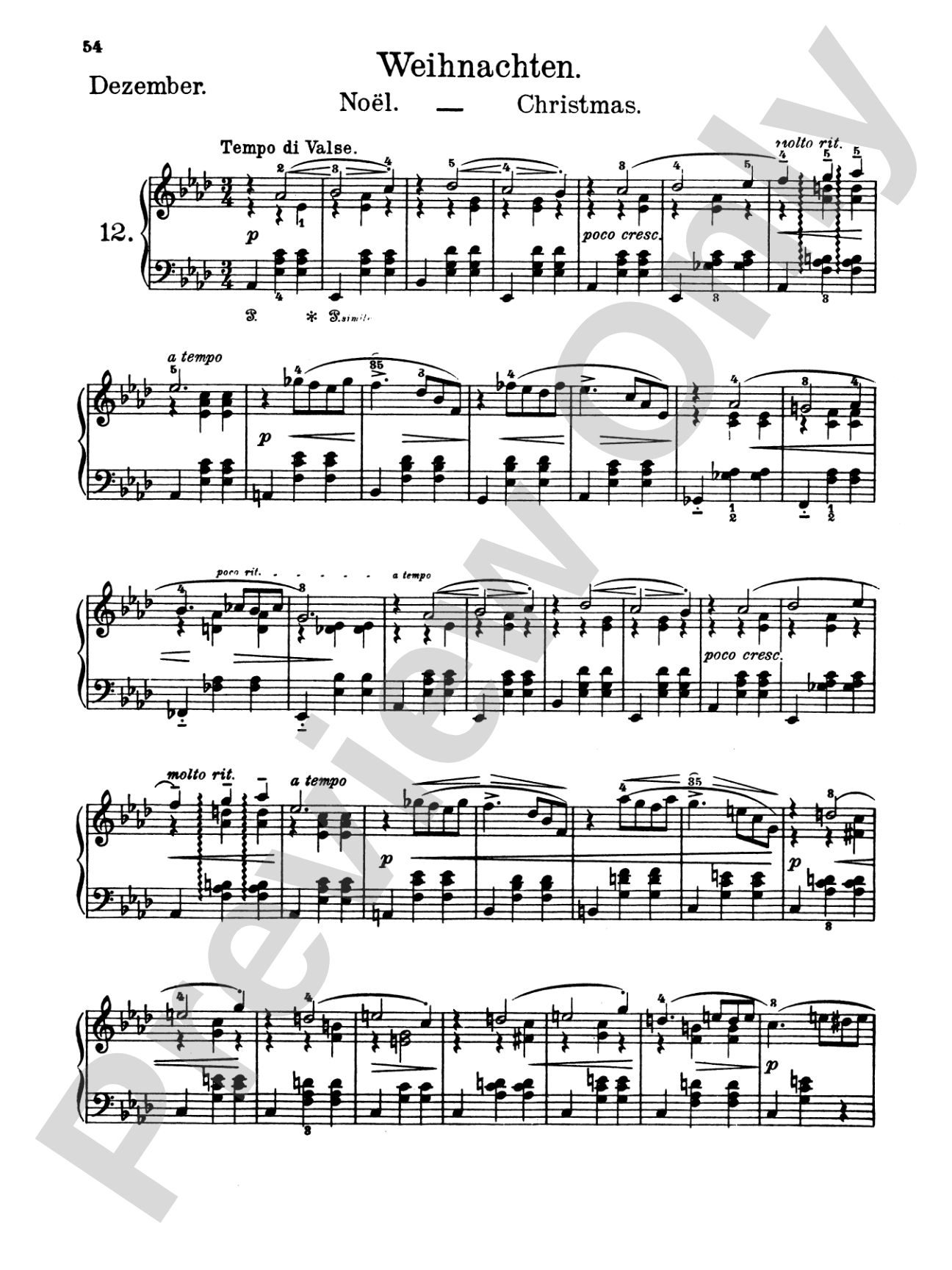
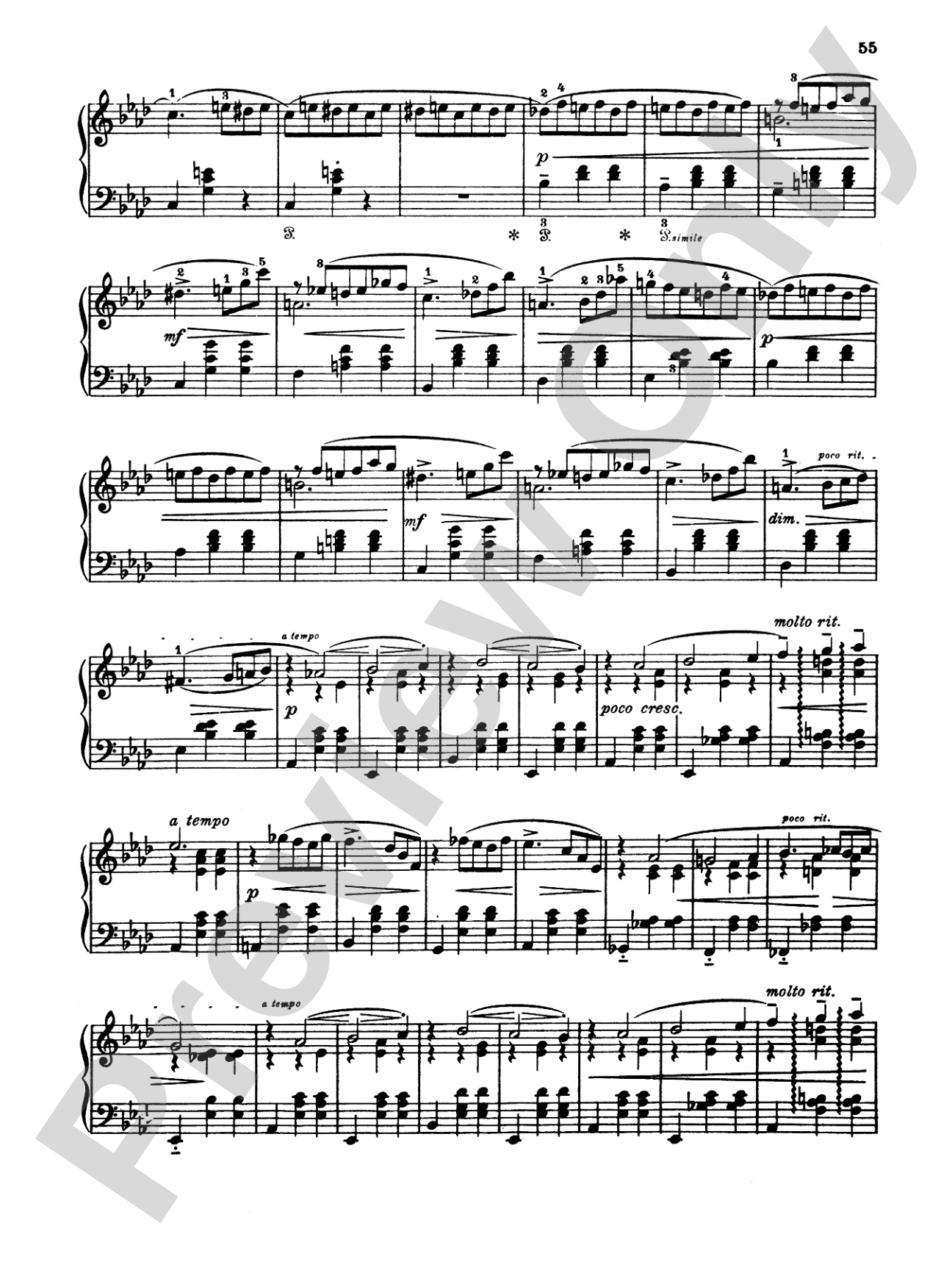

Tchaikovsky: The Seasons, Op. 37A
By Peter Ilyich Tchaikovsky
Level: Advanced
Item: 00-PC-0009562
$0.99
Pickup currently not available
Description
Titles: At the Fireside * Carnival * Song of the Lark * Lily of the Valley * Starlight Nights * Barcarolle * Song of the Reapers * Harvest Song * Hunting Song * Autumn Song * "Troika" Drive * Christmas.


Don't just read it, hear it, play along with it, and watch your students grow with it. In MakeMusic Cloud, Tchaikovsky: The Seasons, Op. 37A comes alive with professional accompaniment, adjustable tempo, and built-in practice tools that turn solo practice into real progress.
Open in the Player
Jump straight in and assign it today.
Start Your Free Trial
Open this title and explore the full library in minutes.
Sample Audio
No sample audio found.
Sample Video
No sample videos found.
Additional Details
Series:
Kalmus Edition
Publisher:
Alfred Music
Page Count:
60
SKU:
00-PC-0009562
More about this title
About the Composer: Peter Ilyich Tchaikovsky
Peter Ilyich Tchaikovsky (1840-1893) was a Russian composer whose gift for melody and orchestral color reshaped European Romantic music. His works span symphonies, concertos, ballets, and operas, each marked by emotional directness and structural sophistication. Though trained in the Western European tradition, Tchaikovsky drew deeply from Russian folk song and dance, creating a distinctive voice that influenced generations of composers.
For pianists and teachers, Tchaikovsky's piano works offer a gateway to his larger instrumental idiom. The Seasons represents one of his most accessible achievements: twelve character pieces that demand musical maturity and technical command while remaining rooted in melody and human feeling. These works teach the piano to sing.
Why we love this
The Seasons cycle gives advanced pianists a complete, cohesive set of character pieces that sound far more substantial than many contemporary salon works. Tchaikovsky's orchestrations breathe naturally under the piano; these are not pale reductions but pieces that celebrate what the instrument can express. Programmers love these because twelve well-written miniatures can anchor a recital or provide flexible material for seasonal concerts without requiring a full-length work.
What to expect
The Seasons capture seasonal mood through Tchaikovsky's lens: opulent (Carnival, Christmas), tender (Song of the Lark), rhythmically alive (Troika's gallop), and nostalgic (Autumn Song). There is a Russian sensibility here, rooted in landscape and folk tradition, yet expressed through Romantic harmony and song-like melody. Each movement invites the pianist into a specific emotional and sensory world without ever becoming sentimental.
Who it's for
Advanced pianists preparing for recitals, competitions, or undergraduate repertoire requirements will find these pieces essential. Teachers can draw from individual movements to address specific technical challenges (octaves, repeated figuration, hand independence, dynamic shaping) while building musical understanding. These pieces suit mature students who have moved beyond pedagogical methods and are ready to engage with Romantic interpretation and expression.
How to get the most out of it
- Approach each month as a distinct personality rather than treating the cycle as a through-composed narrative. Some movements (Carnival, Troika) demand extroversion; others (Song of the Lark, Starlight Nights) require translucent lyricism.
- Balance textural clarity in pieces like Harvest Song and Song of the Reapers where ostinatos support melody. The piano must deliver both layers without muddying.
- Honor the folk-dance rhythms in Troika and Hunting Song with precision and lift; these pieces collapse without crisp articulation and steady pulse.
- Use the recorded accompaniment to internalize tempo relationships across the cycle if one exists in your edition, ensuring coherence when performing multiple pieces in sequence.
How to use it
Program the full cycle as a self-contained recital offering, using thematic or seasonal programming to organize a concert around these twelve pieces. Alternatively, select individual movements strategically throughout a season (Song of the Lark in spring programs, Harvest Song in fall, Christmas in holiday concerts) as filler or featured items between larger works. The collection's flexibility and broad appeal make it ideal for both formal recitals and community events.
Skills your students will build
- Pedal control and voicing in romantic-era textures
- Reading and executing rapid figurations and ostinatos without sacrificing singing tone
- Characterization of miniature forms and mood painting
- Hand independence (managing melody over accompaniment patterns)
- Dynamic range from pp to ff with tonal control at both extremes
- Interpretation of Russian folk idioms and dance rhythms in Romantic context