
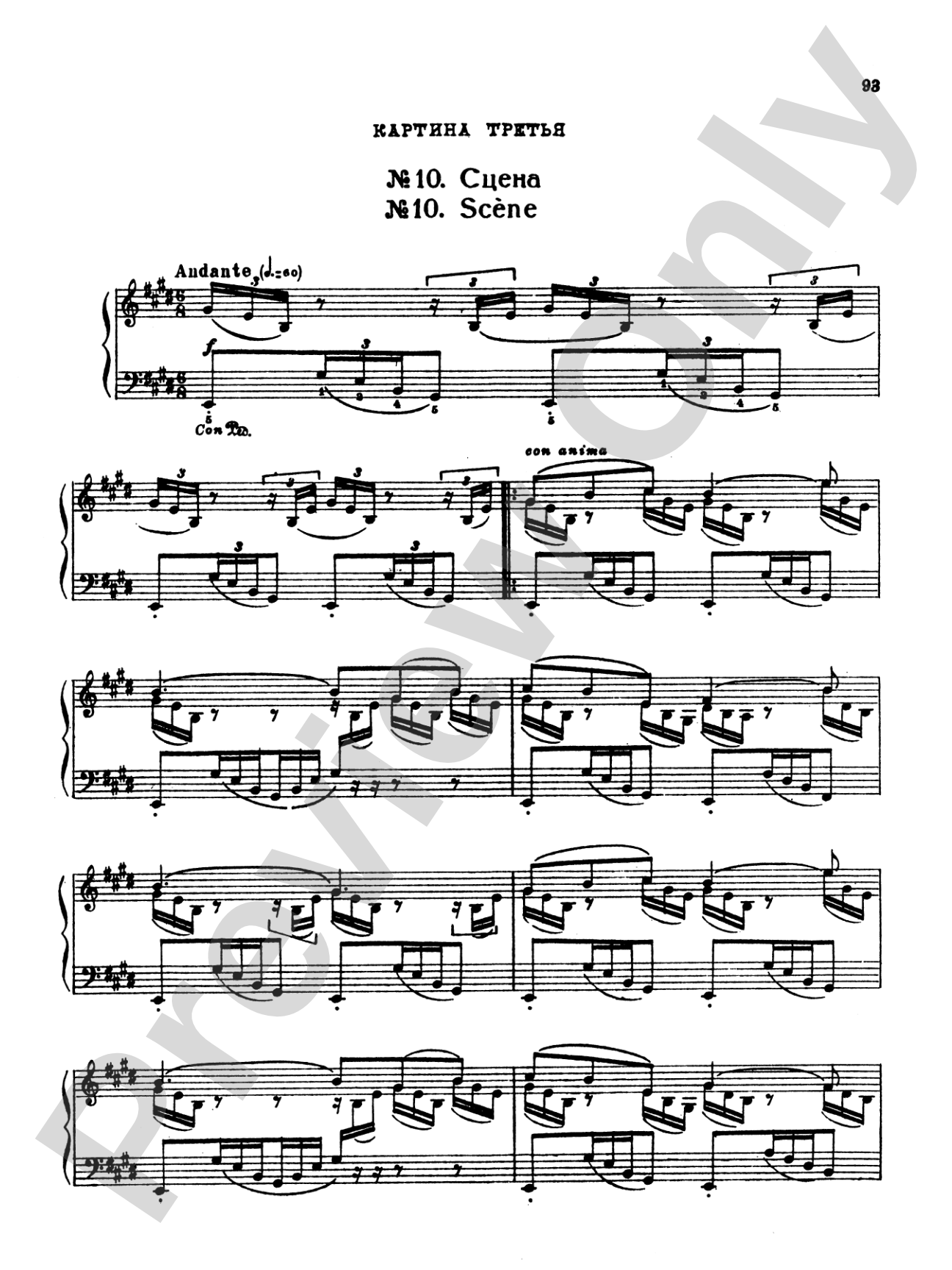
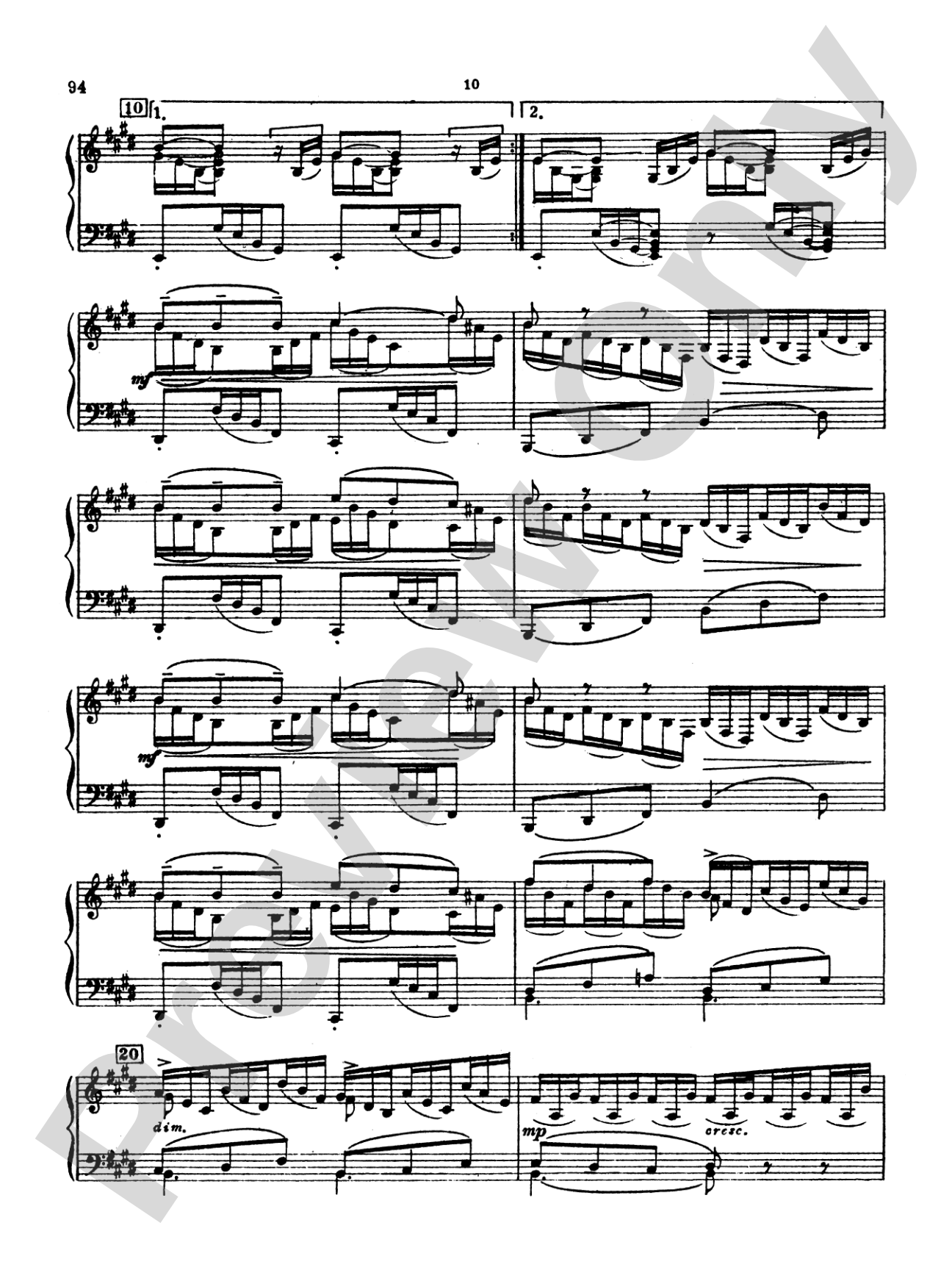

Tchaikovsky: The Nutcracker, Op. 71 (Complete, Octavo Size)
A Ballet in Two Acts
By Peter Ilyich Tchaikovsky
Item: 00-PC-0009730
$0.99
Pickup currently not available
Description
From the Complete Works According to the Russian Edition, Octavo Size


Don't just read it, hear it, play along with it, and watch your students grow with it. In MakeMusic Cloud, Tchaikovsky: The Nutcracker, Op. 71 (Complete, Octavo Size) comes alive with professional accompaniment, adjustable tempo, and built-in practice tools that turn solo practice into real progress.
Open in the Player
Jump straight in and assign it today.
Start Your Free Trial
Open this title and explore the full library in minutes.
Sample Audio
No sample audio found.
Sample Video
No sample videos found.
Additional Details
Series:
Kalmus Edition
Publisher:
Alfred Music
Page Count:
168
SKU:
00-PC-0009730
More about this title
About the Composer: Peter Ilyich Tchaikovsky
Peter Ilyich Tchaikovsky (1840-1893) was a Russian Romantic composer whose gift for memorable melody and orchestral color made him one of the most performed composers in the concert world. Though trained in law, he pursued composition with fierce determination and created works across symphonies, concertos, ballets, and operas that continue to captivate audiences of all ages.
The Nutcracker stands among his most enduring achievements. Commissioned for the Imperial Theaters in St. Petersburg, the ballet premiered in 1892 and has since become inseparable from the winter holiday season. Tchaikovsky's piano arrangement captures the magic of the full orchestration in a form accessible to serious pianists.
Why we love this
The Nutcracker occupies a rare space in piano literature: it is instantly recognizable, genuinely rewarding to perform, and demands real musicianship without overwhelming the player. This Kalmus edition preserves Tchaikovsky's original orchestrations in a complete piano reduction, giving pianists access to the entire 168-page score rather than extracted highlights. The result is a serious musical undertaking that students can grow into over years of study.
What to expect
The Nutcracker pulses with Tchaikovsky's gift for infectious rhythms and soaring melodies. Movements shift from crystalline delicacy (the Dance of the Sugar Plum Fairy) to rousing celebration (the Grand Finale), with passages of genuine virtuosity and moments of contemplative beauty woven throughout. The complete score reveals the structural coherence of the original ballet, moving across scenes of wonder, magical transformations, and festive triumph.
Who it's for
This is a score for pianists with solid technique and musical maturity, typically at the high school or early college level and beyond. Serious students preparing for competitions, recitals, or ensemble performances will find a complete, authoritative score that rewards deep study. Teachers looking for substantial concert repertoire or advanced students seeking a major work to build career repertoire will recognize this as a definitive edition.
How to get the most out of it
- Tempo relationships between movements matter as much as absolute speed. Work through the score to identify which sections accelerate or decelerate relative to their neighbors, particularly in the transitions between dances.
- The orchestration often implies specific voicing and balance in the left hand. Experiment with where you place the primary melodic weight; many sections work best when the inner voices carry more color than tradition suggests.
- Break the score into musical units (act, scene, dance) rather than practicing through every page consecutively. Each section has its own character and technical profile, and compartmentalizing speeds up learning.
- Listen to multiple recorded versions to hear how different pianists and orchestras interpret tempo, rubato, and articulation. The ballet's flexibility allows for personal interpretation within the structure.
How to use it
Consider programming this as a full recital work, or extract individual movements for concert programming when you need a substantial solo piano piece that connects with broad audiences. Solo pianists might perform individual acts or scene groupings for holiday concerts. Teachers can use extended excerpts for repertoire study within the context of 19th-century Romantic keyboard writing.
Skills your students will build
- Interpreting orchestration idioms and translating them to single-staff piano writing
- Sustaining musical momentum across multi-movement forms lasting 40 minutes or more
- Balancing rapid scalar and figurative passages with singing melodic lines in the same hand
- Navigating varied time signatures and rhythmic patterns (waltz, trepak, Russian dance rhythms)
- Developing stamina and focus for extended concert performance