
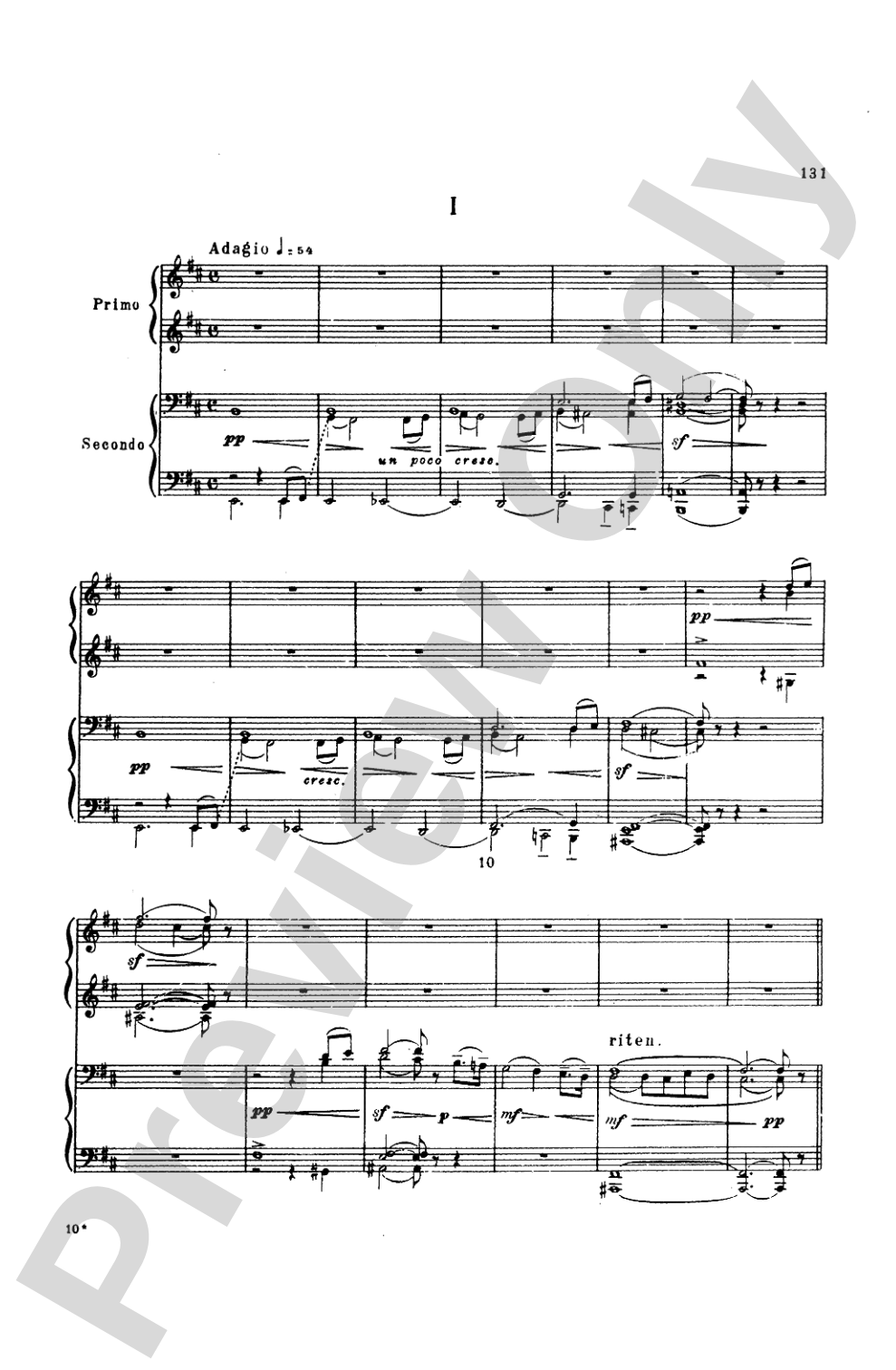
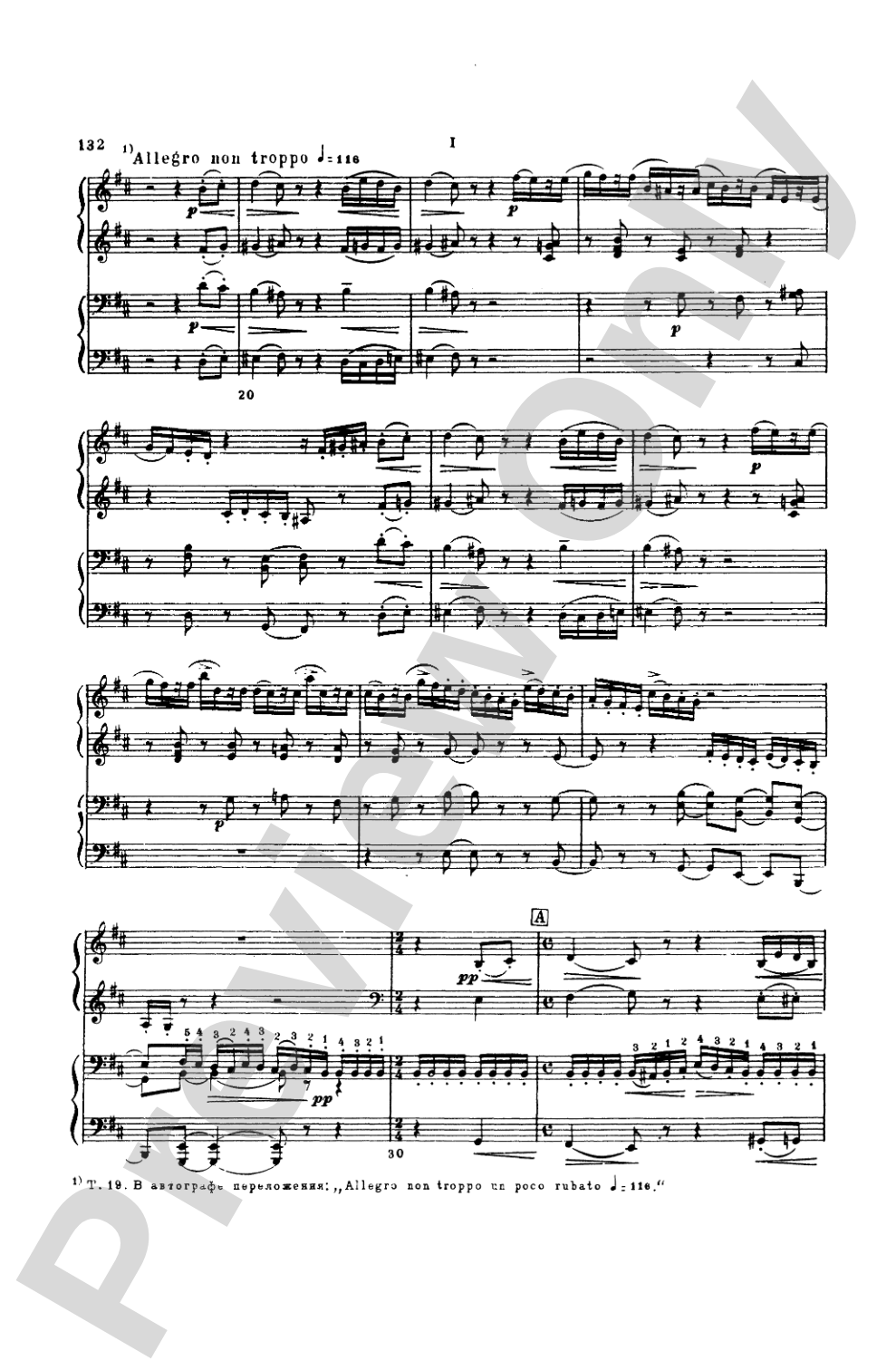
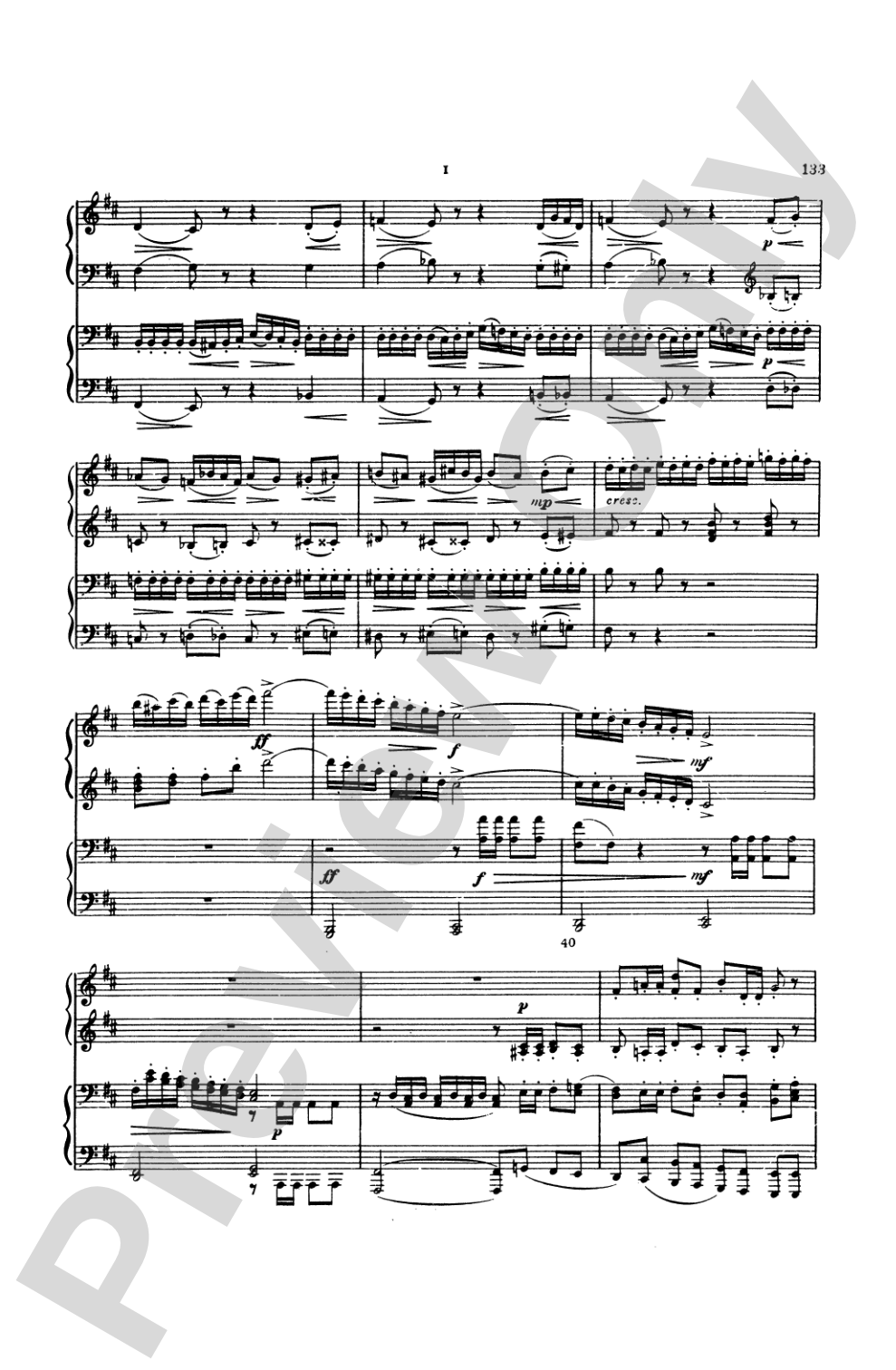
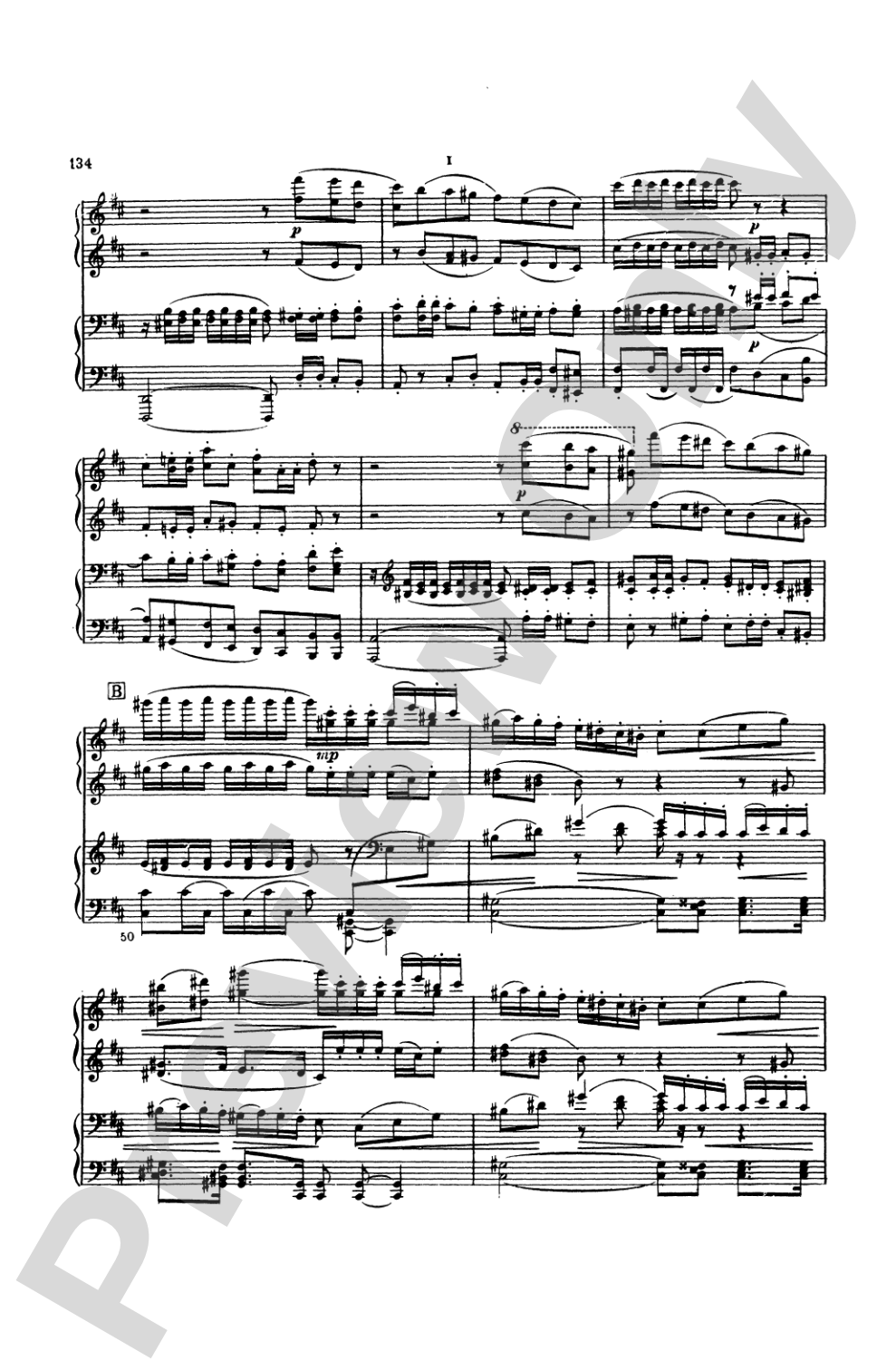
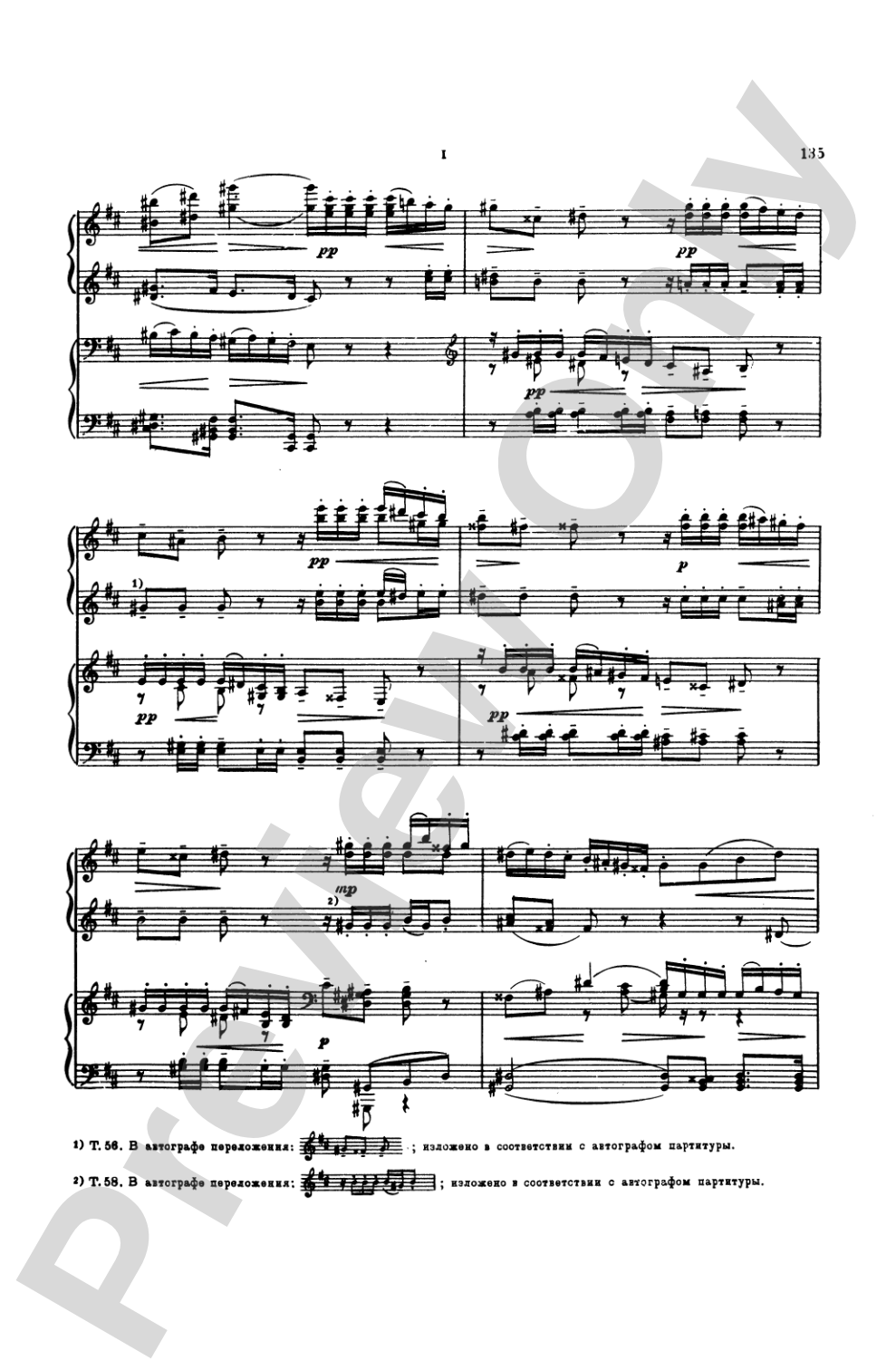
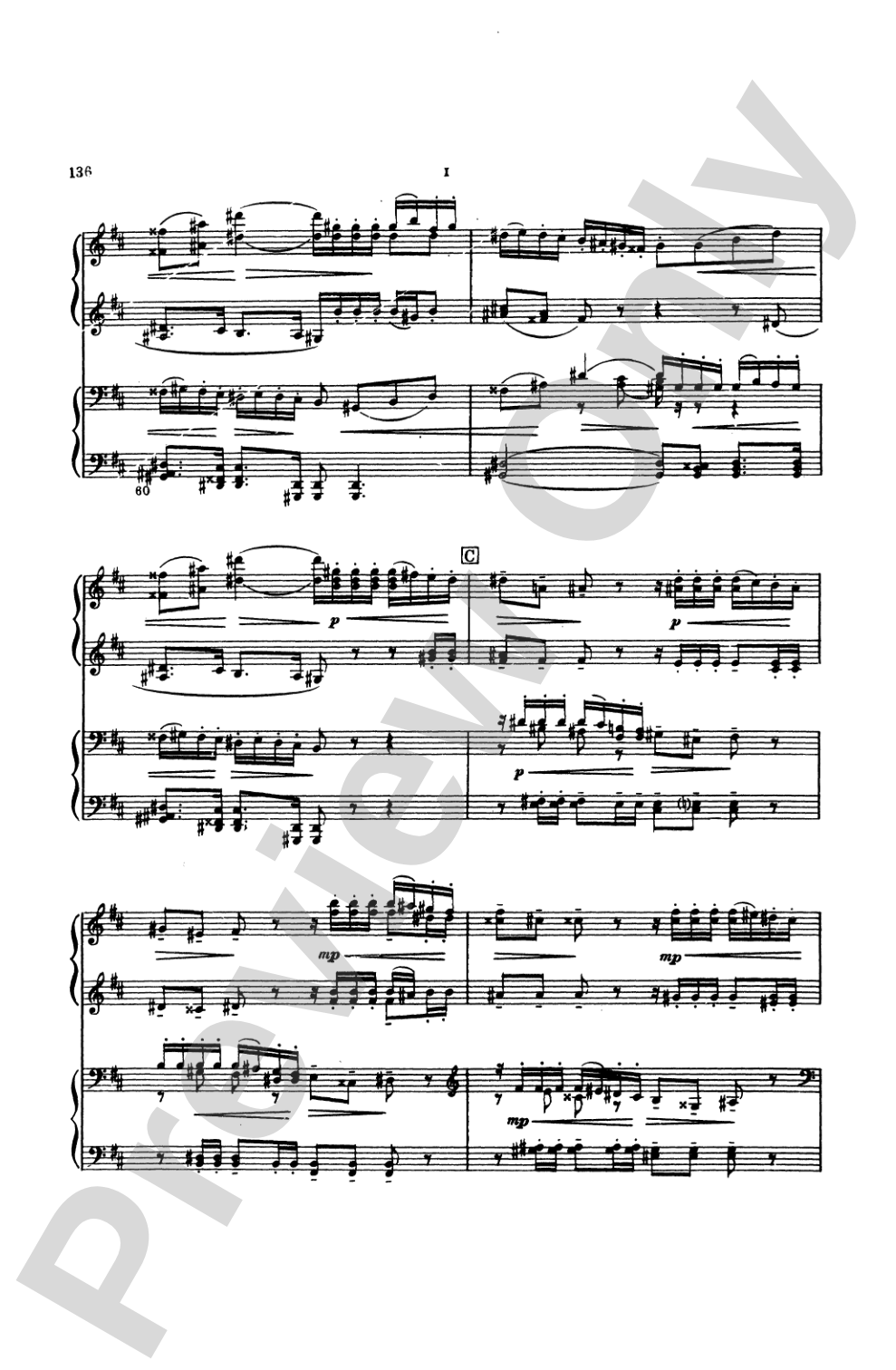
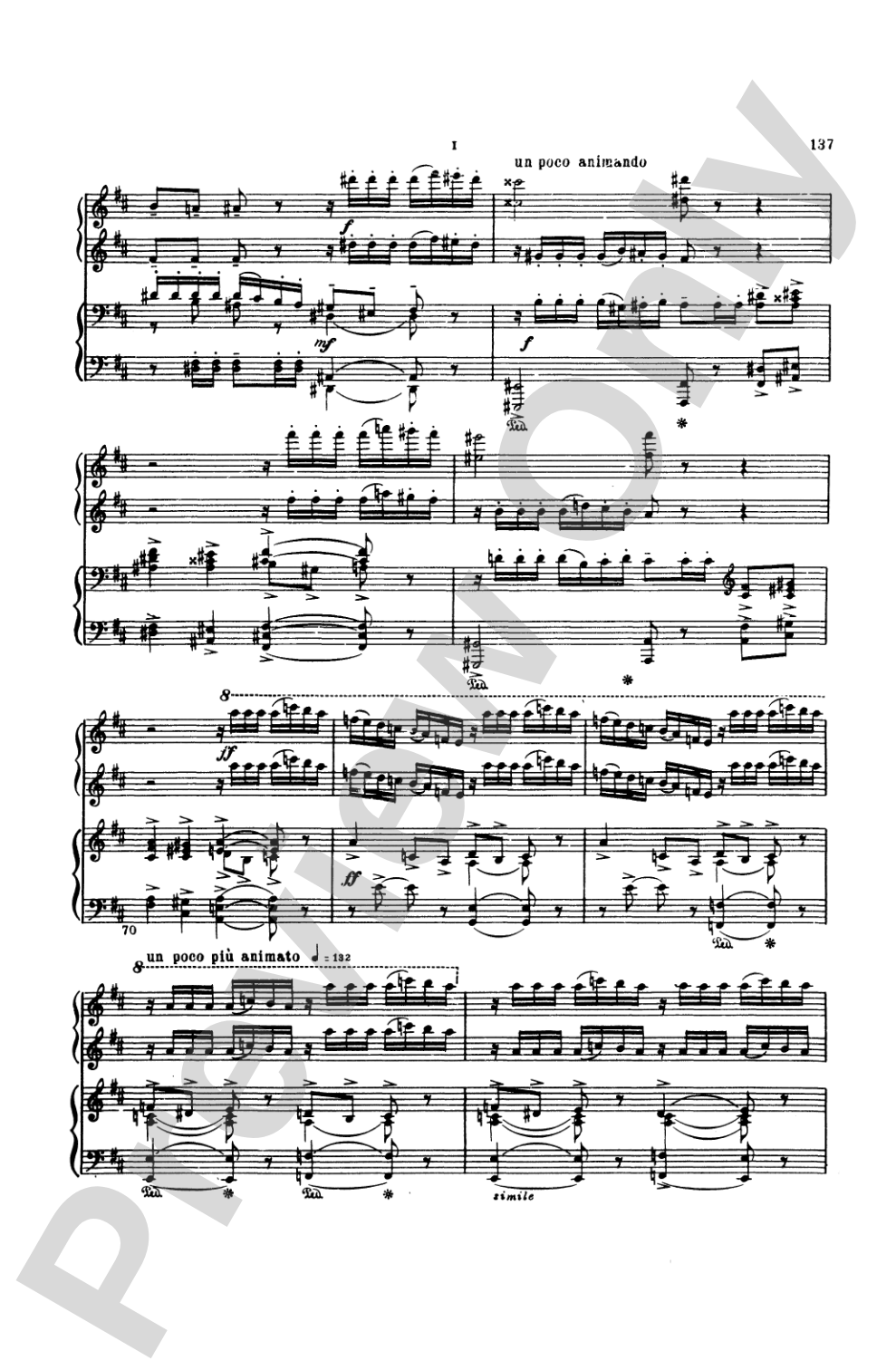
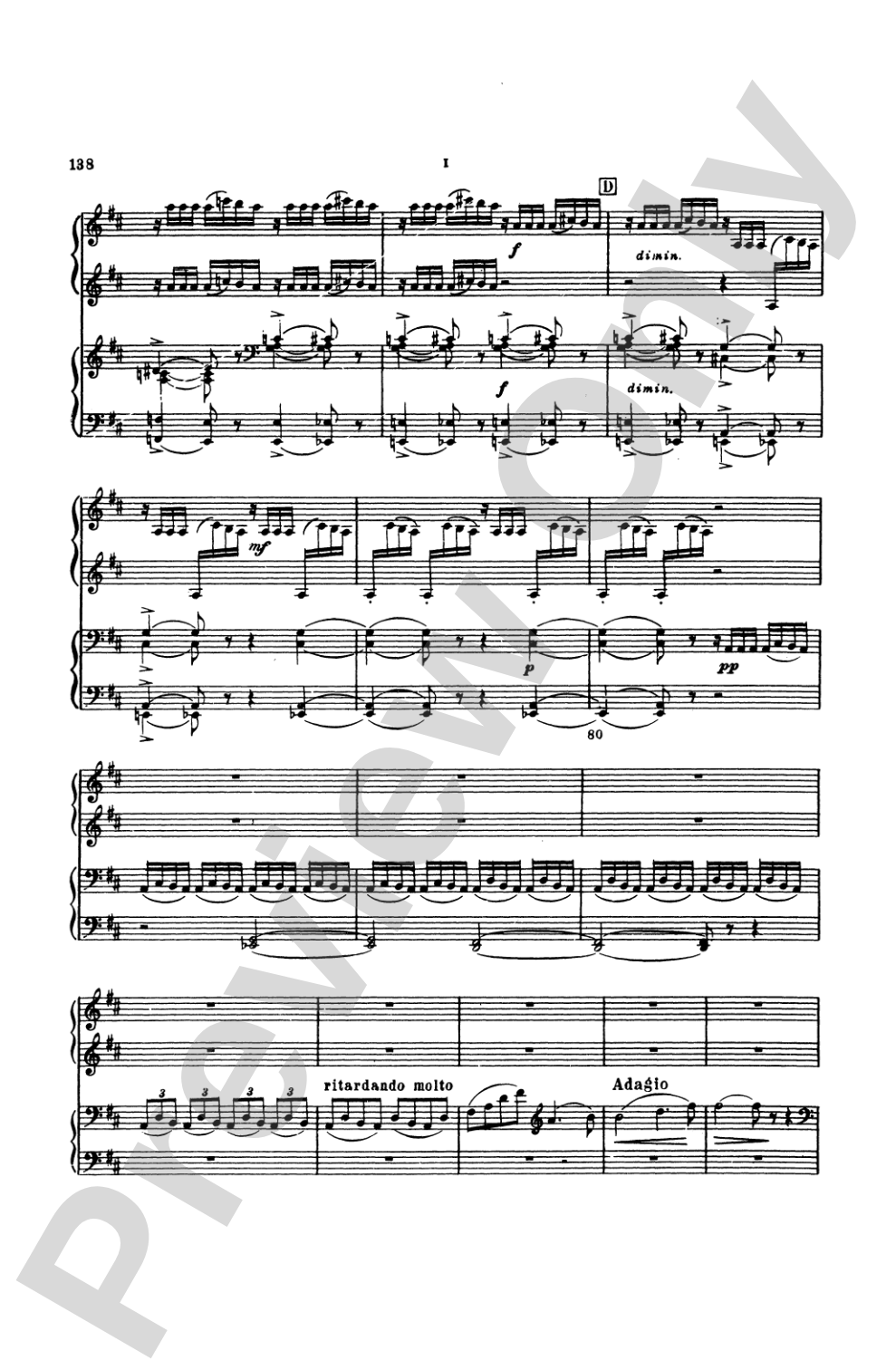
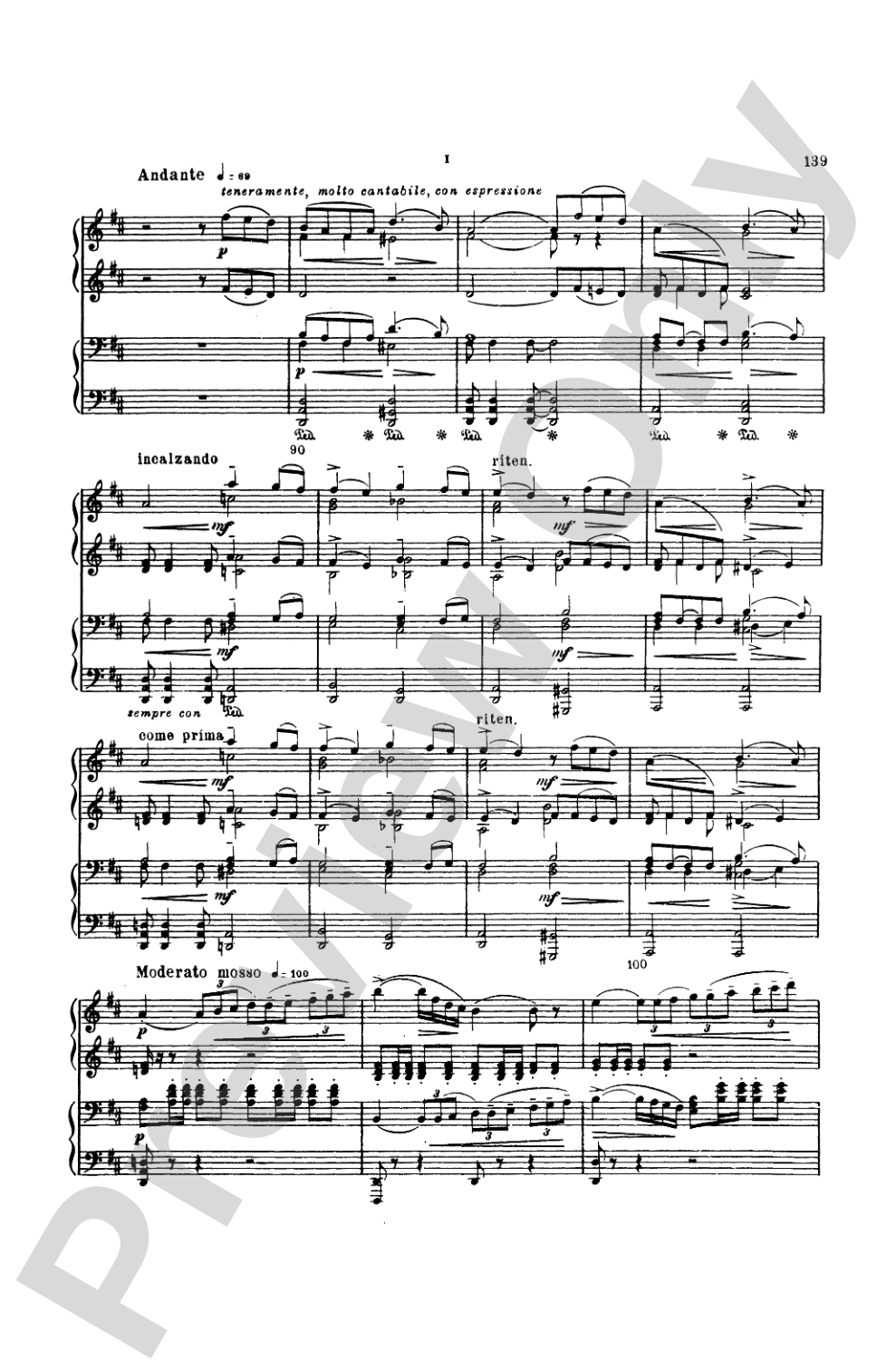
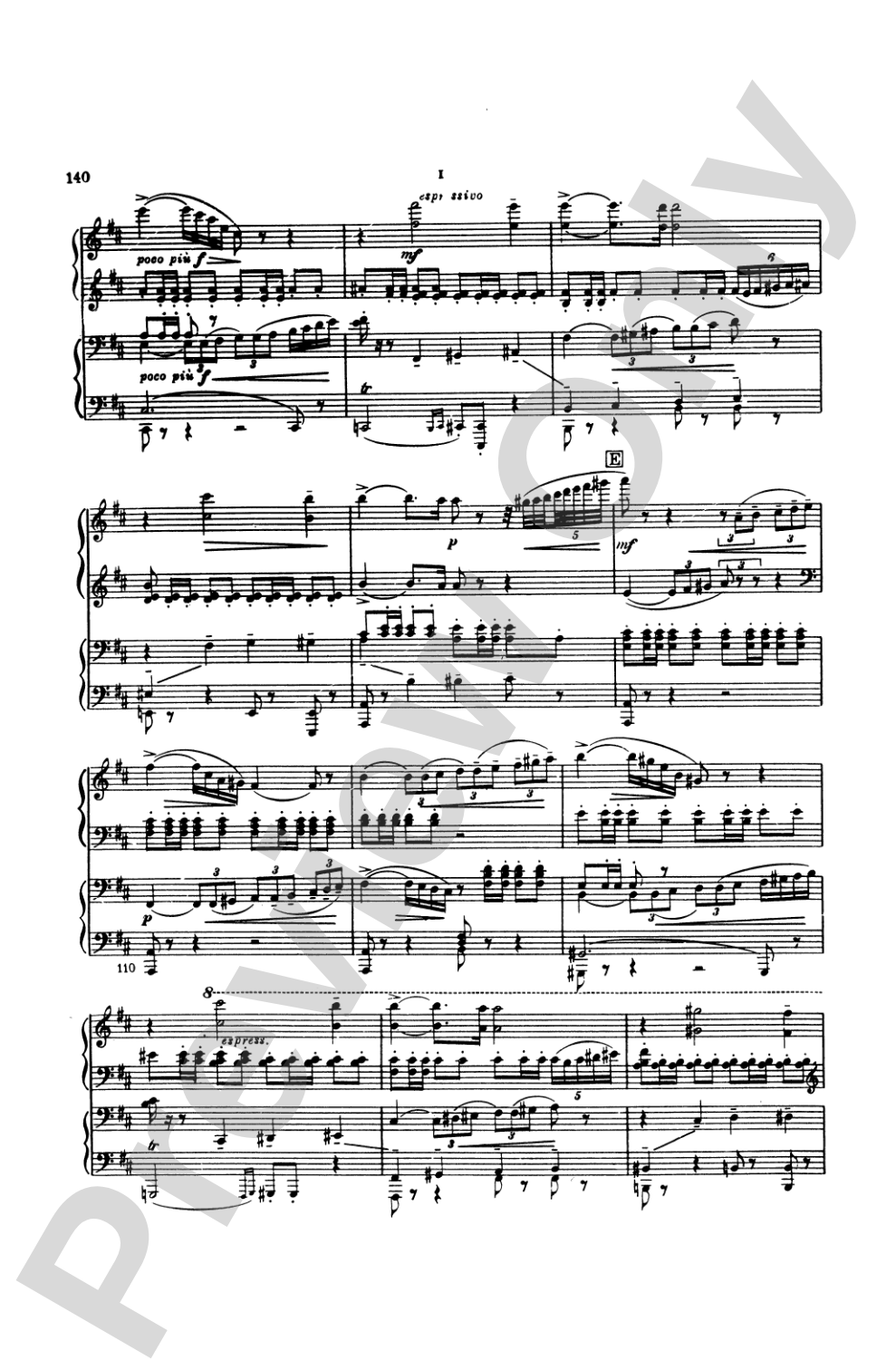
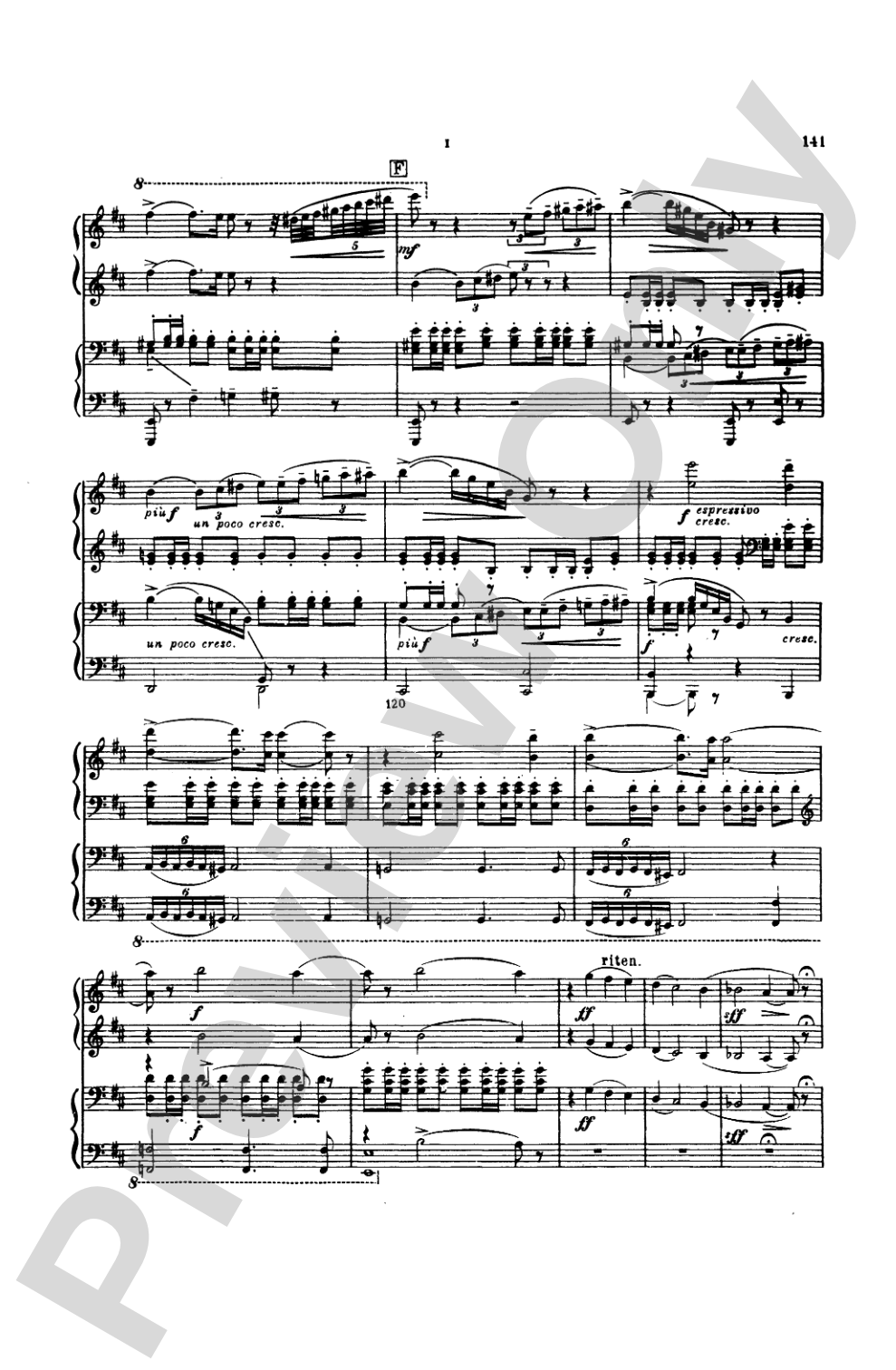
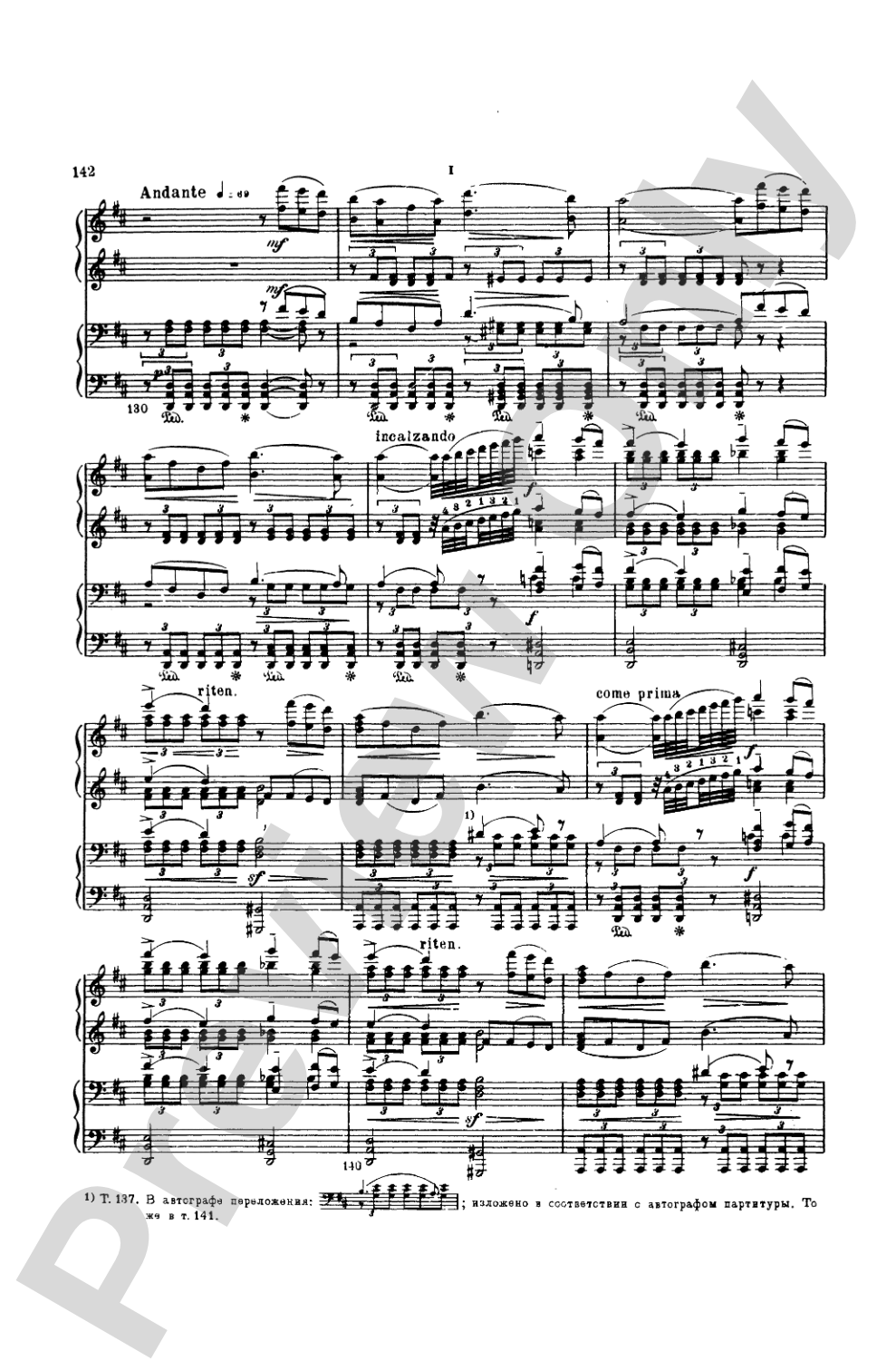
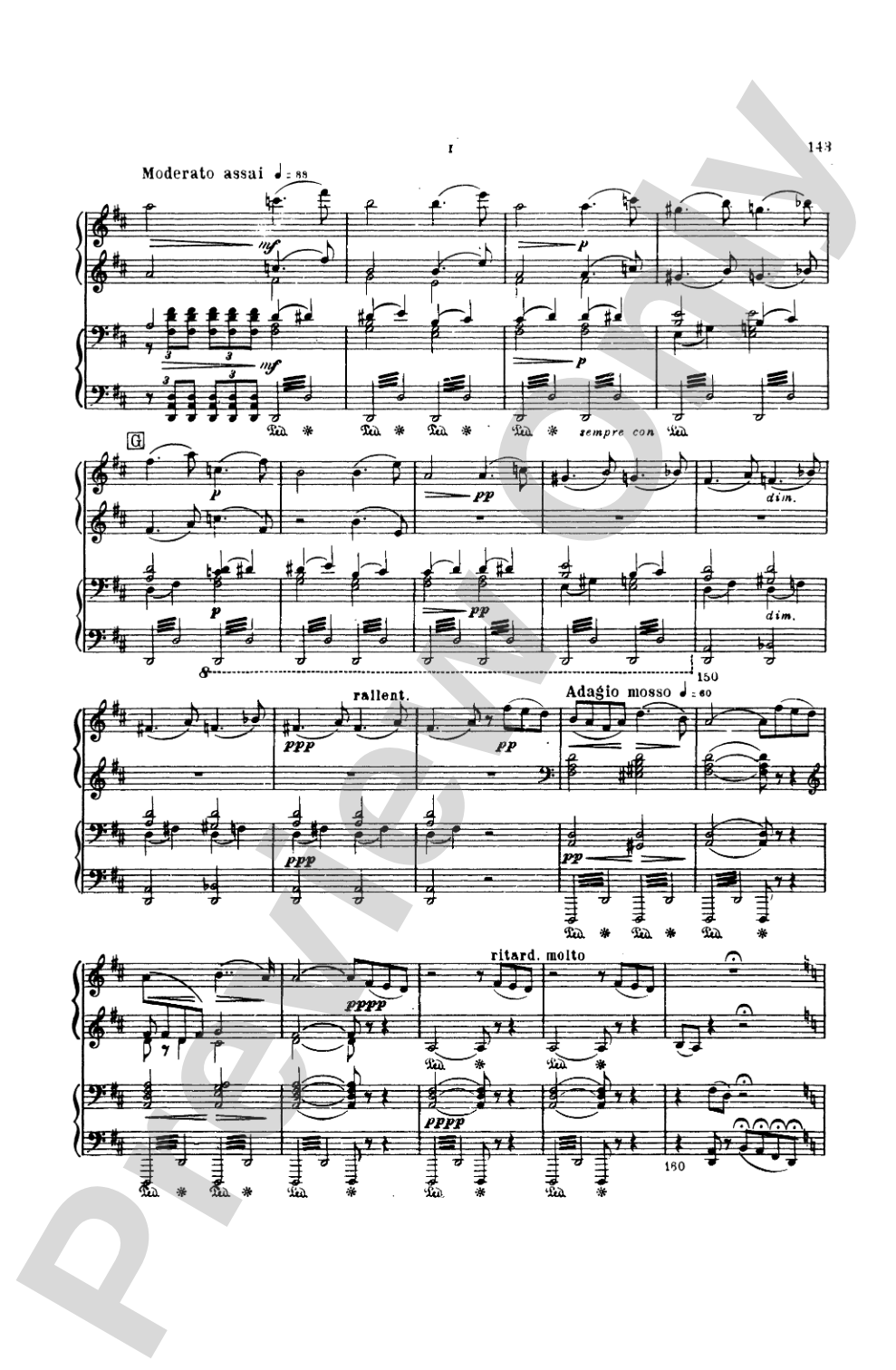
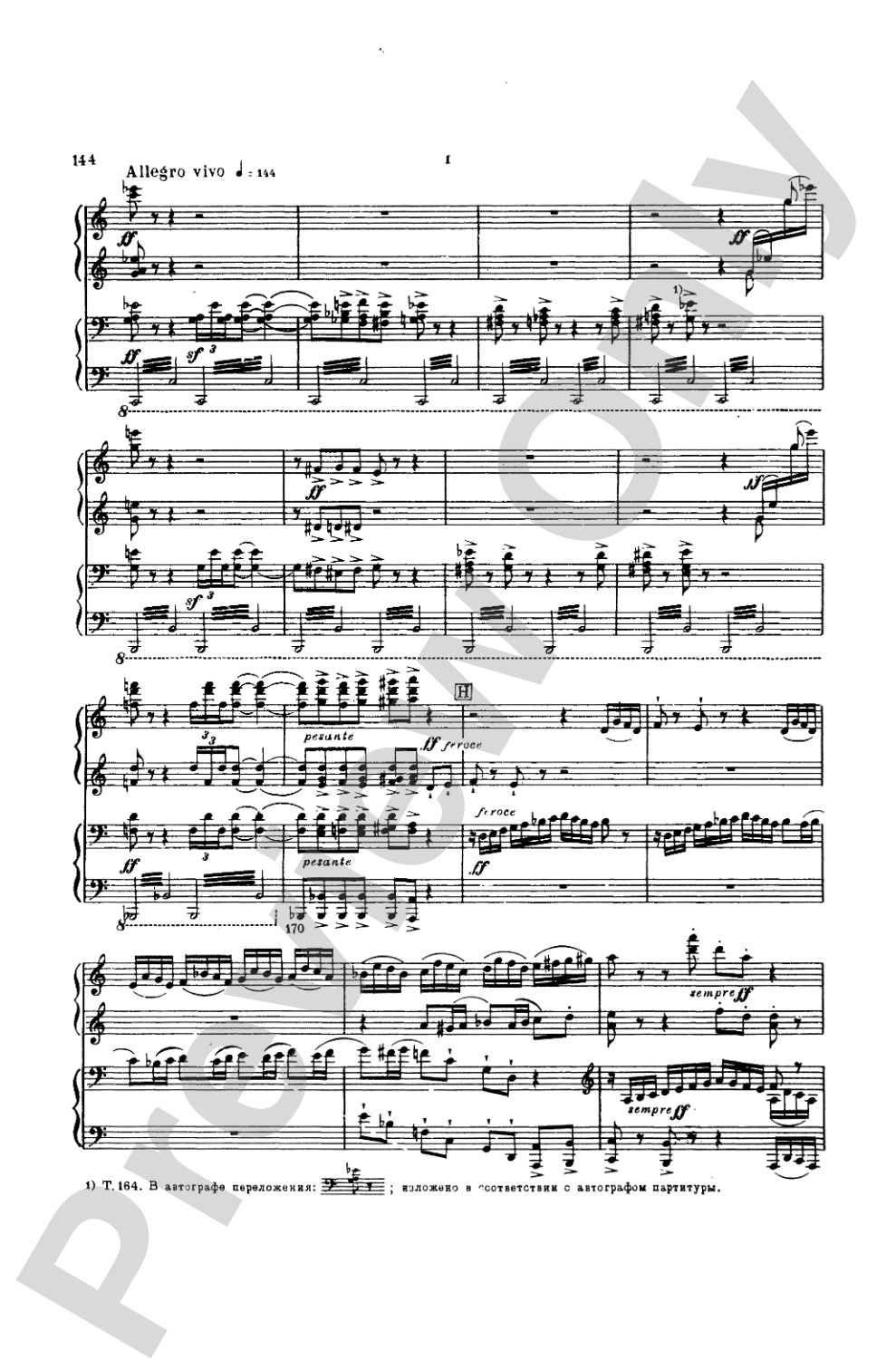
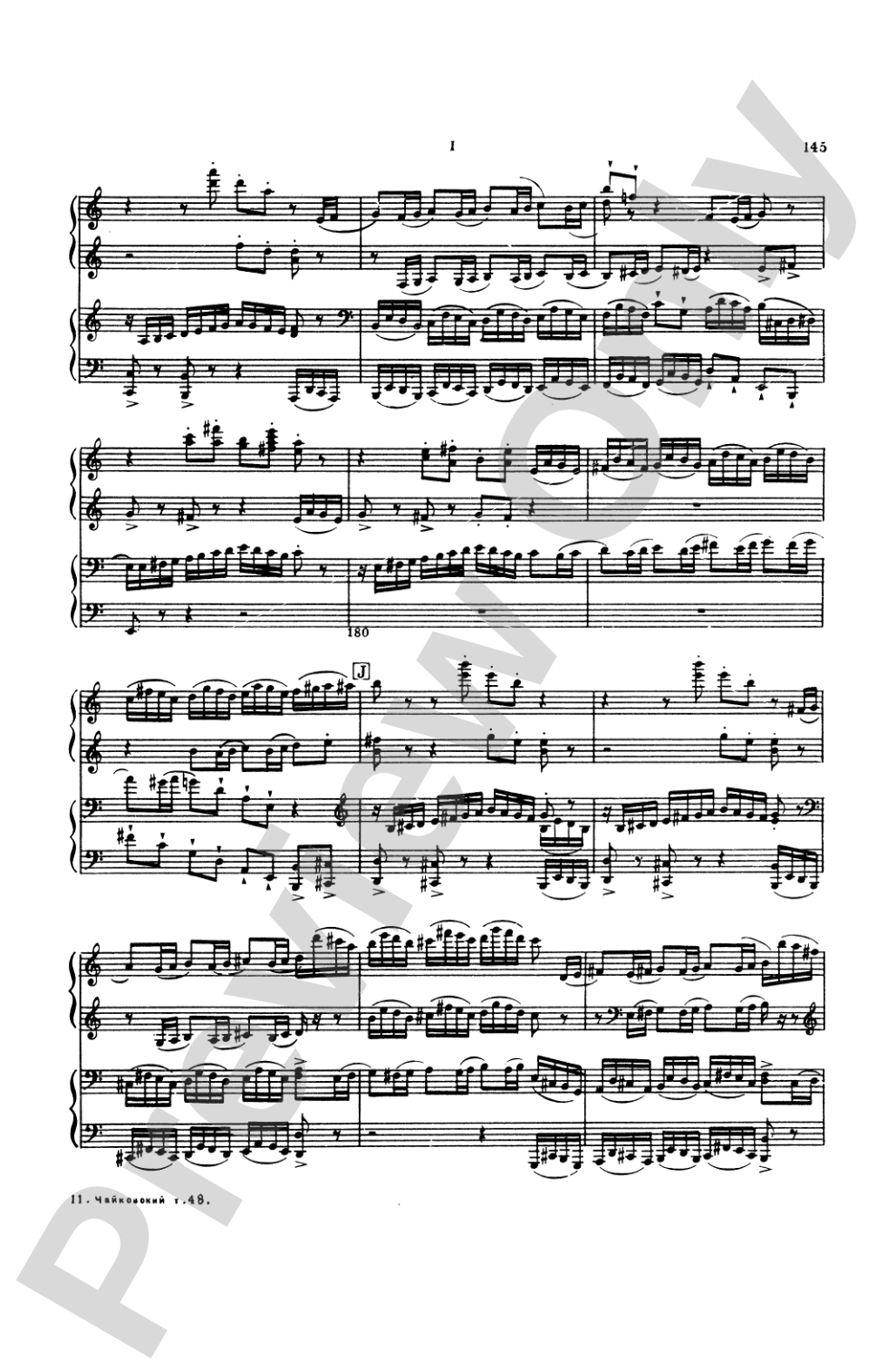
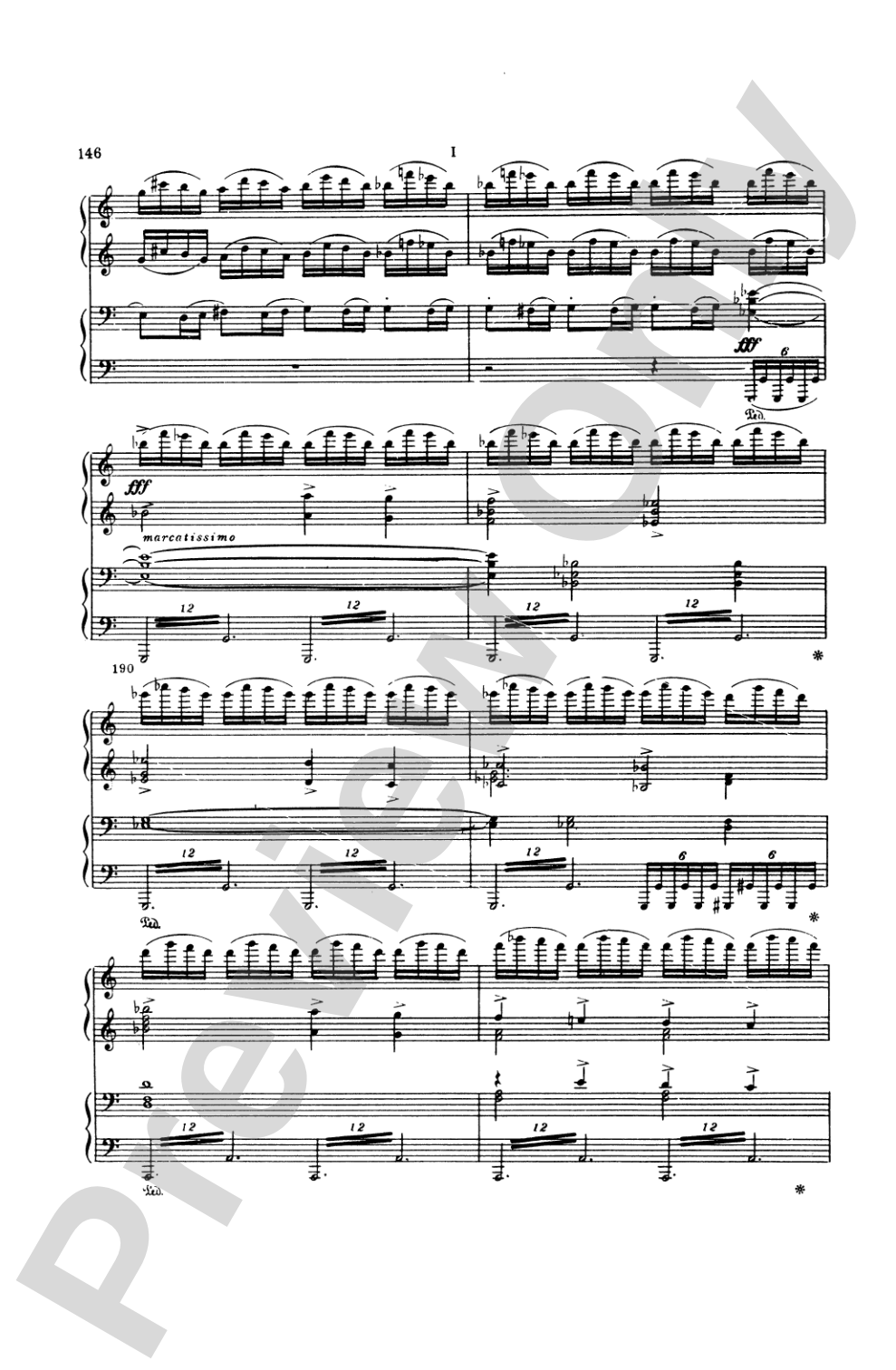
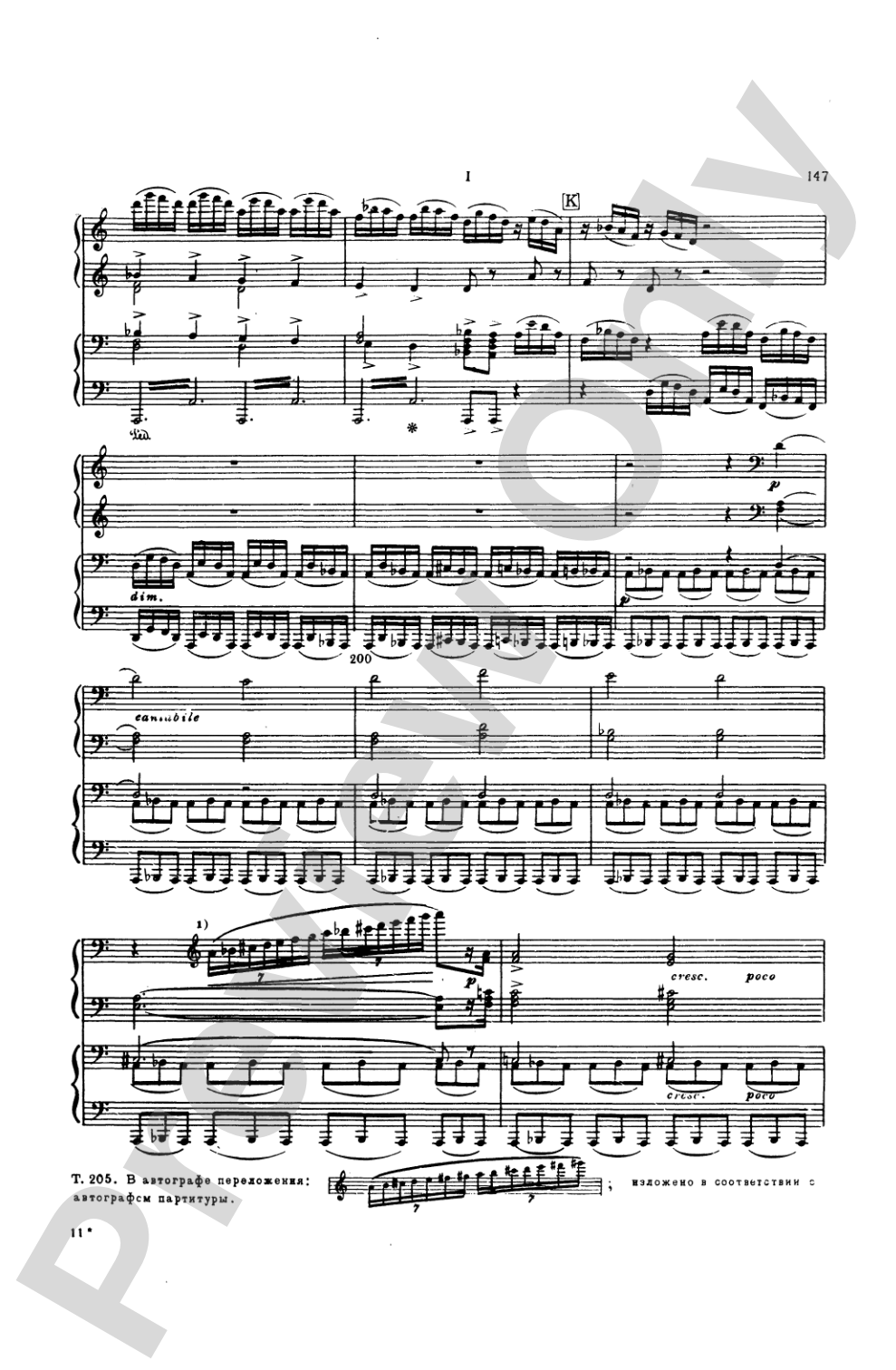
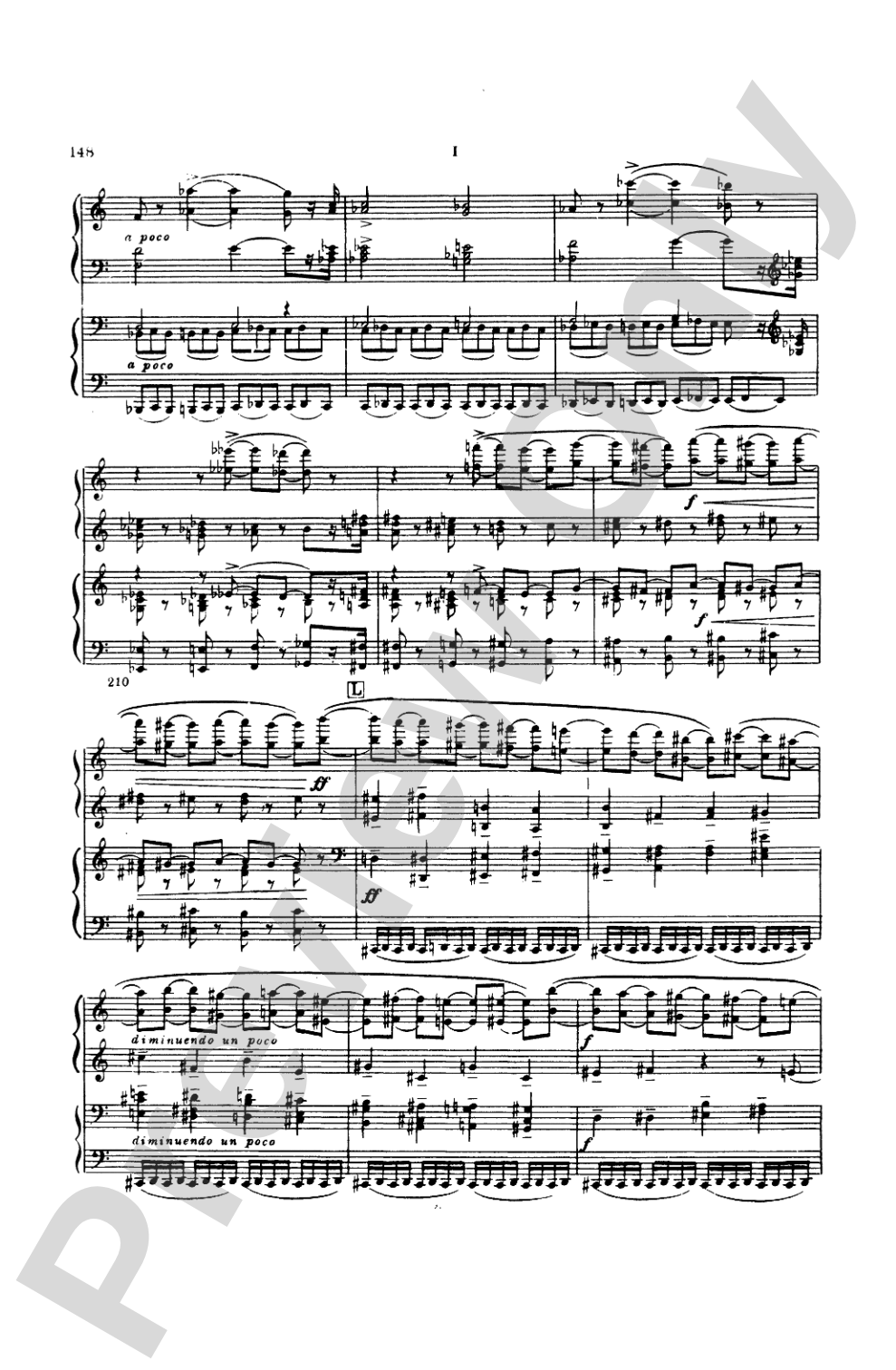
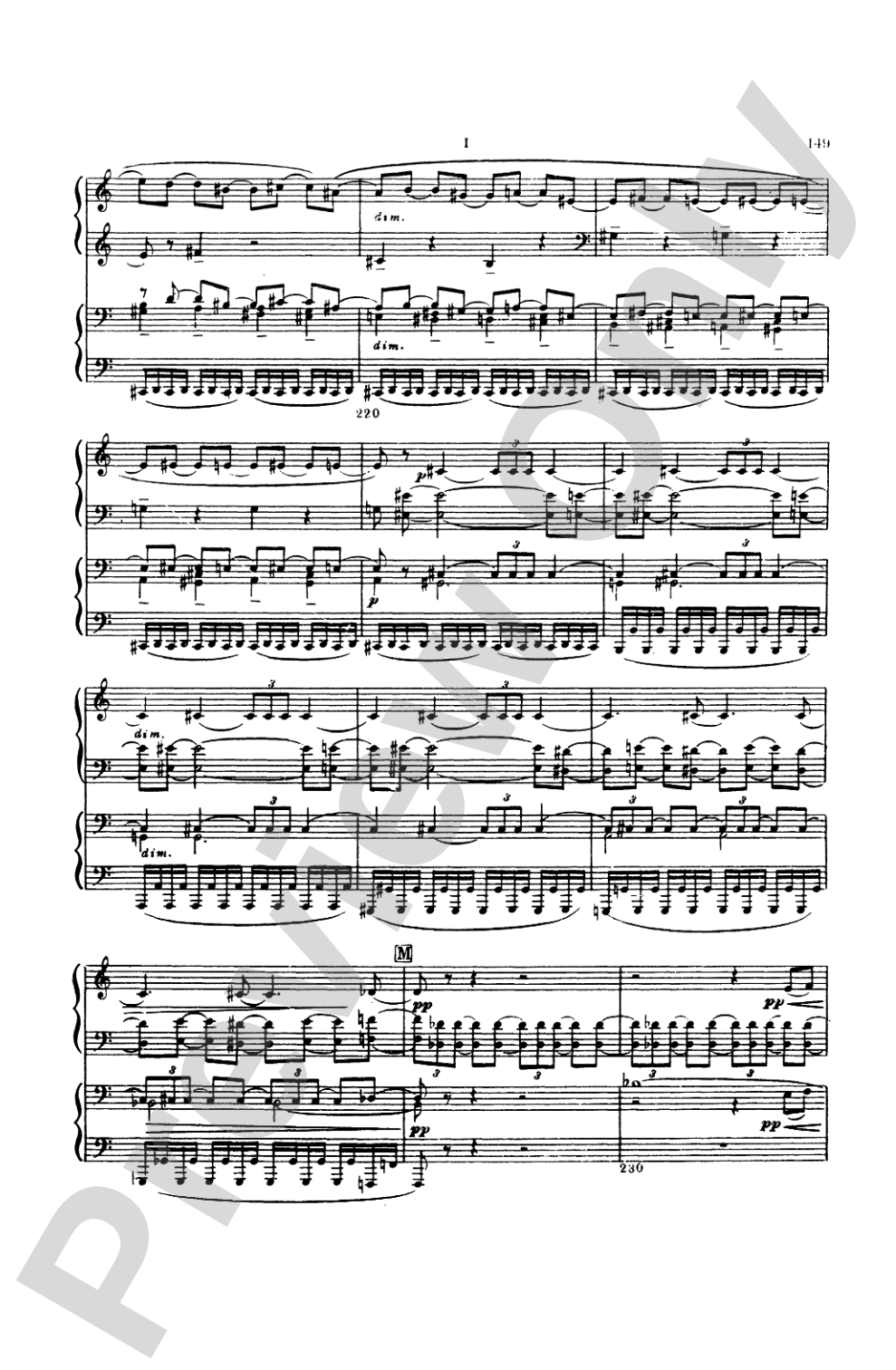
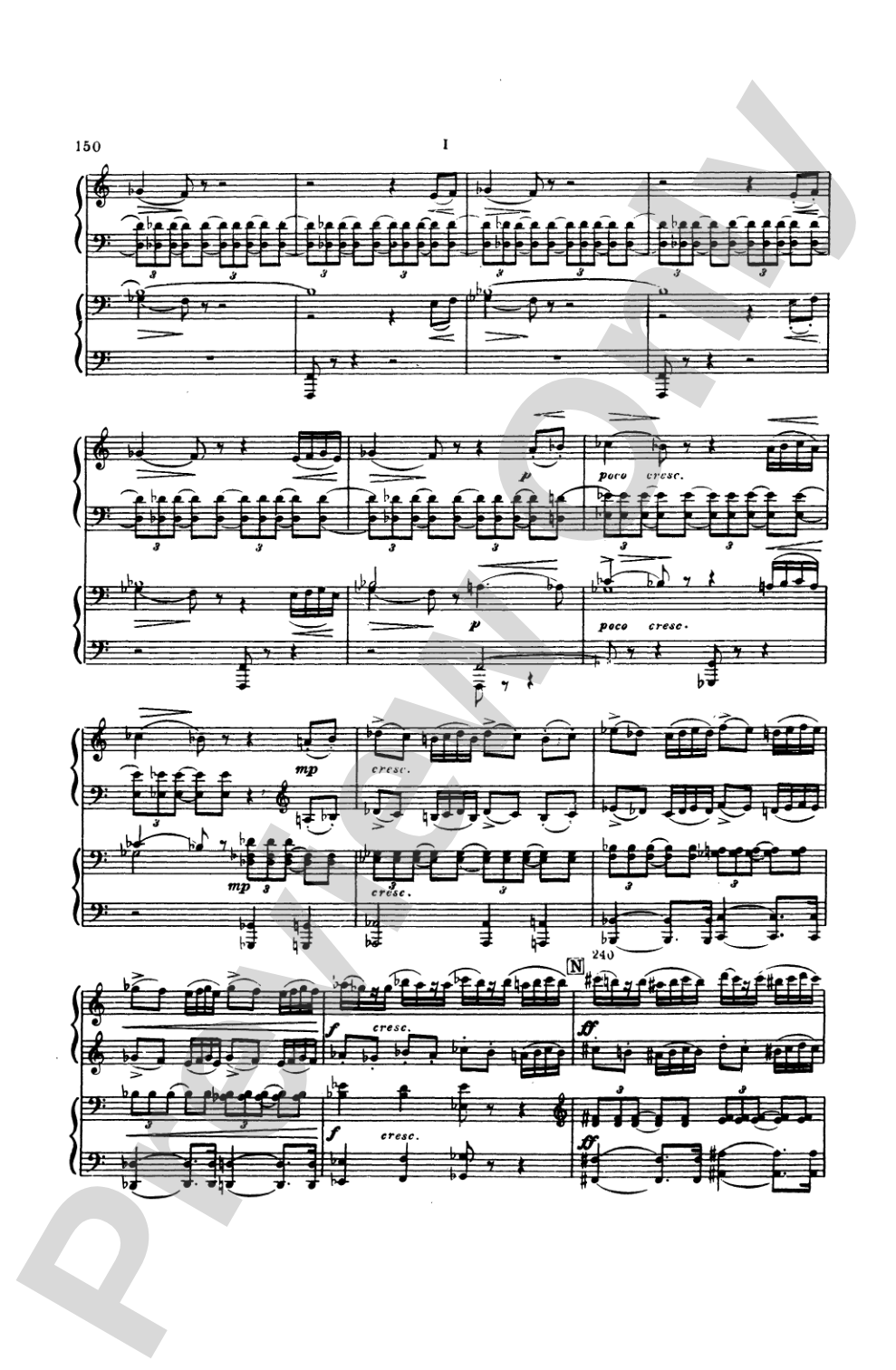
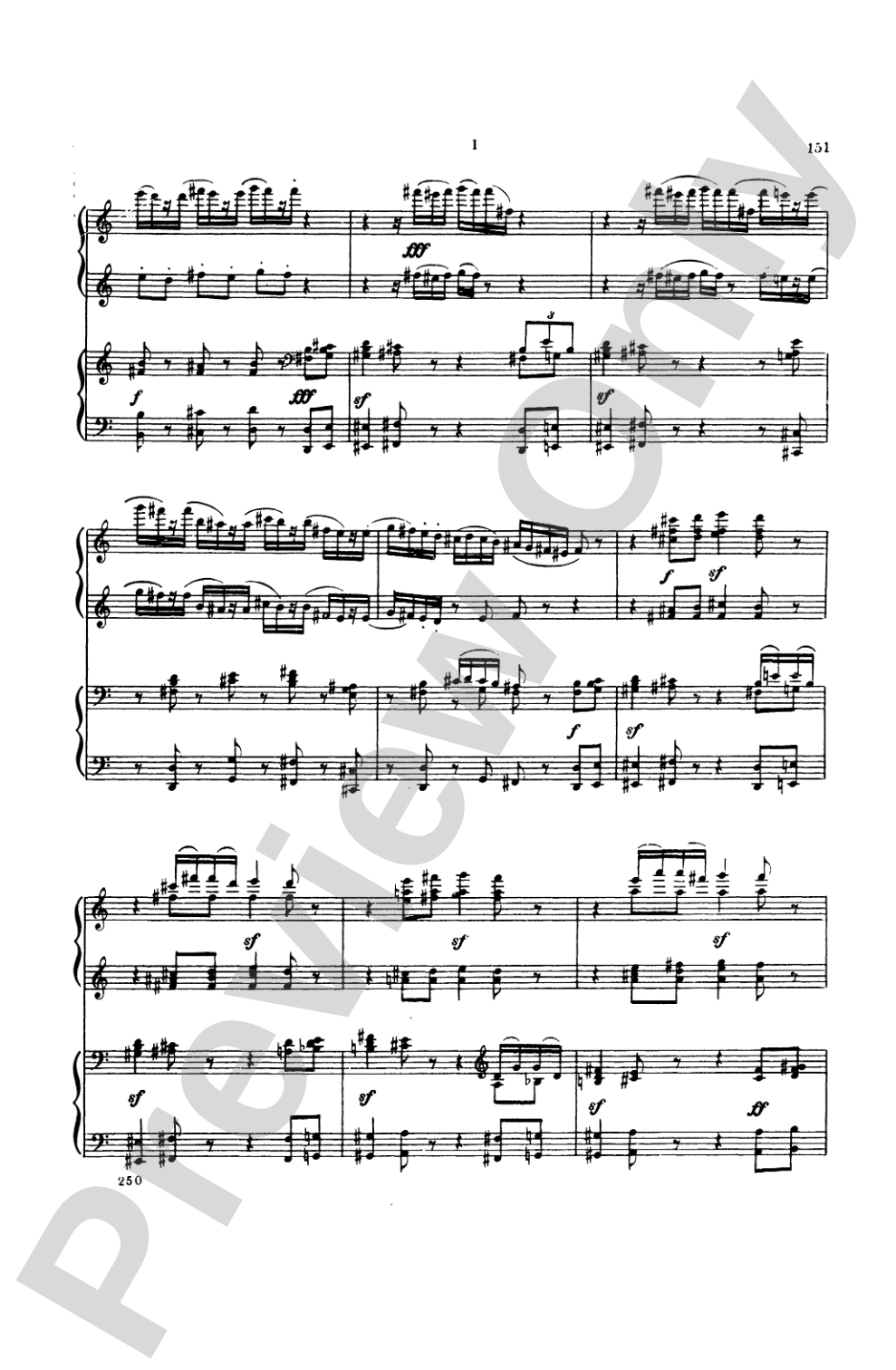
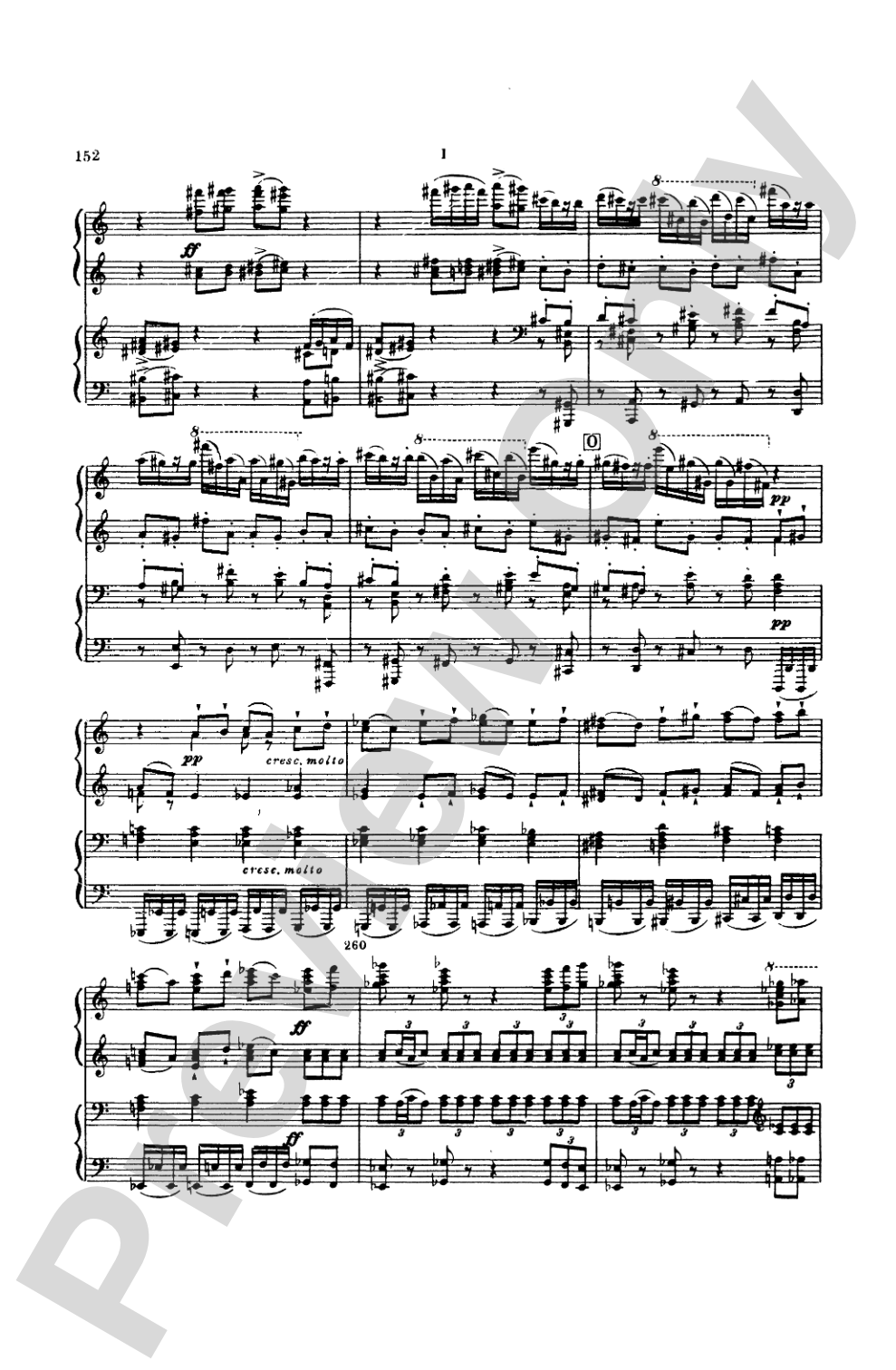
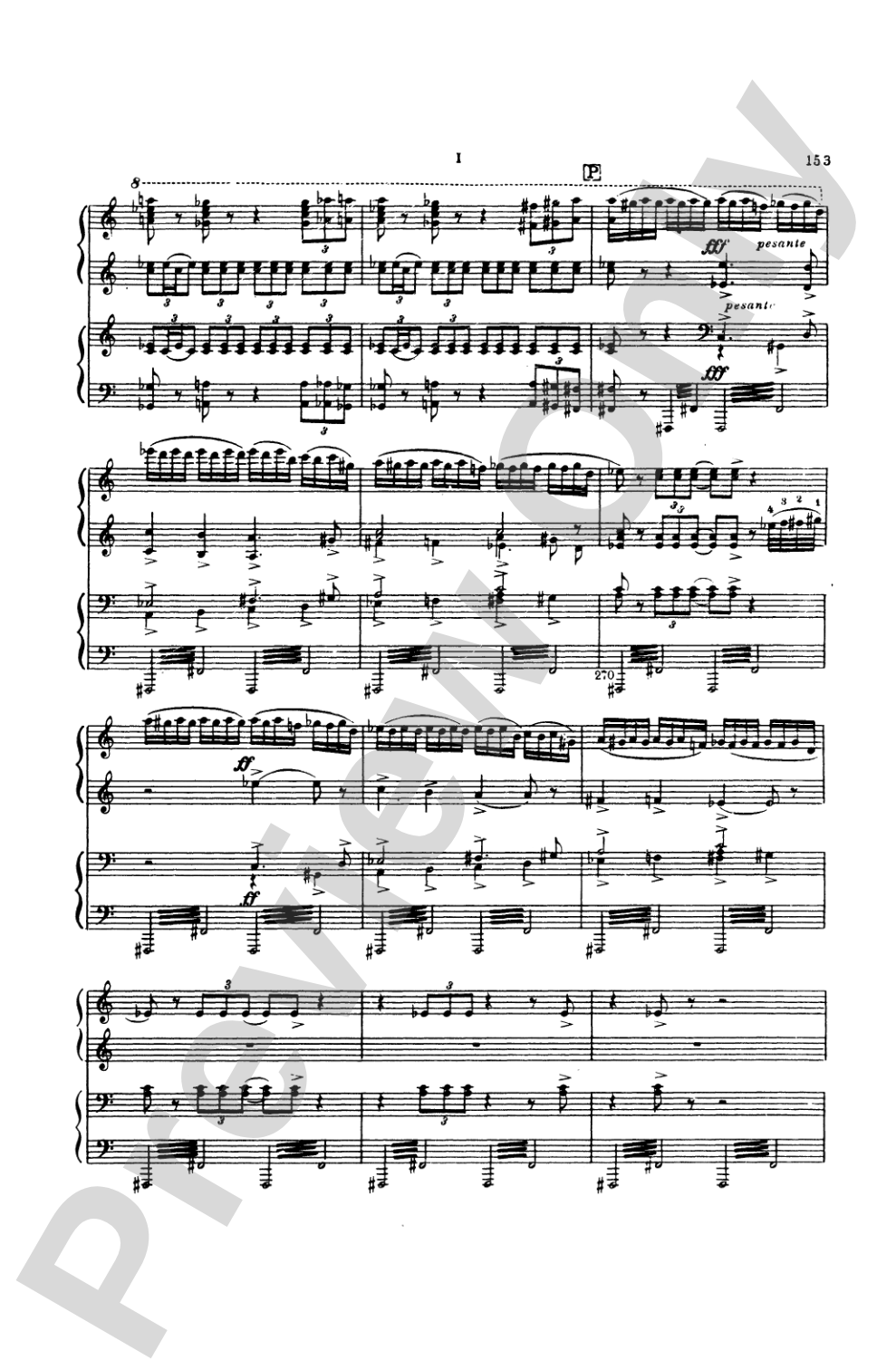
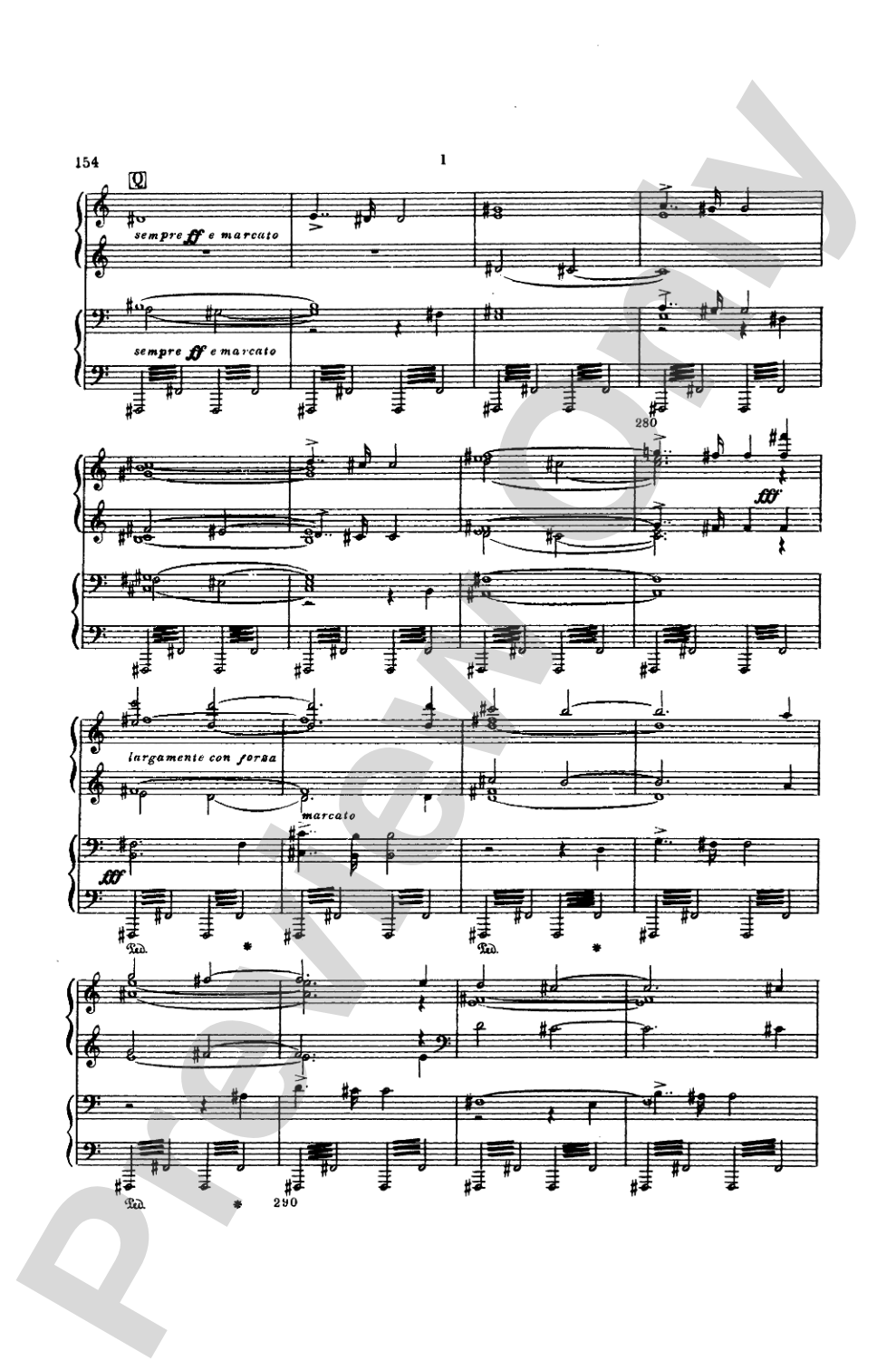
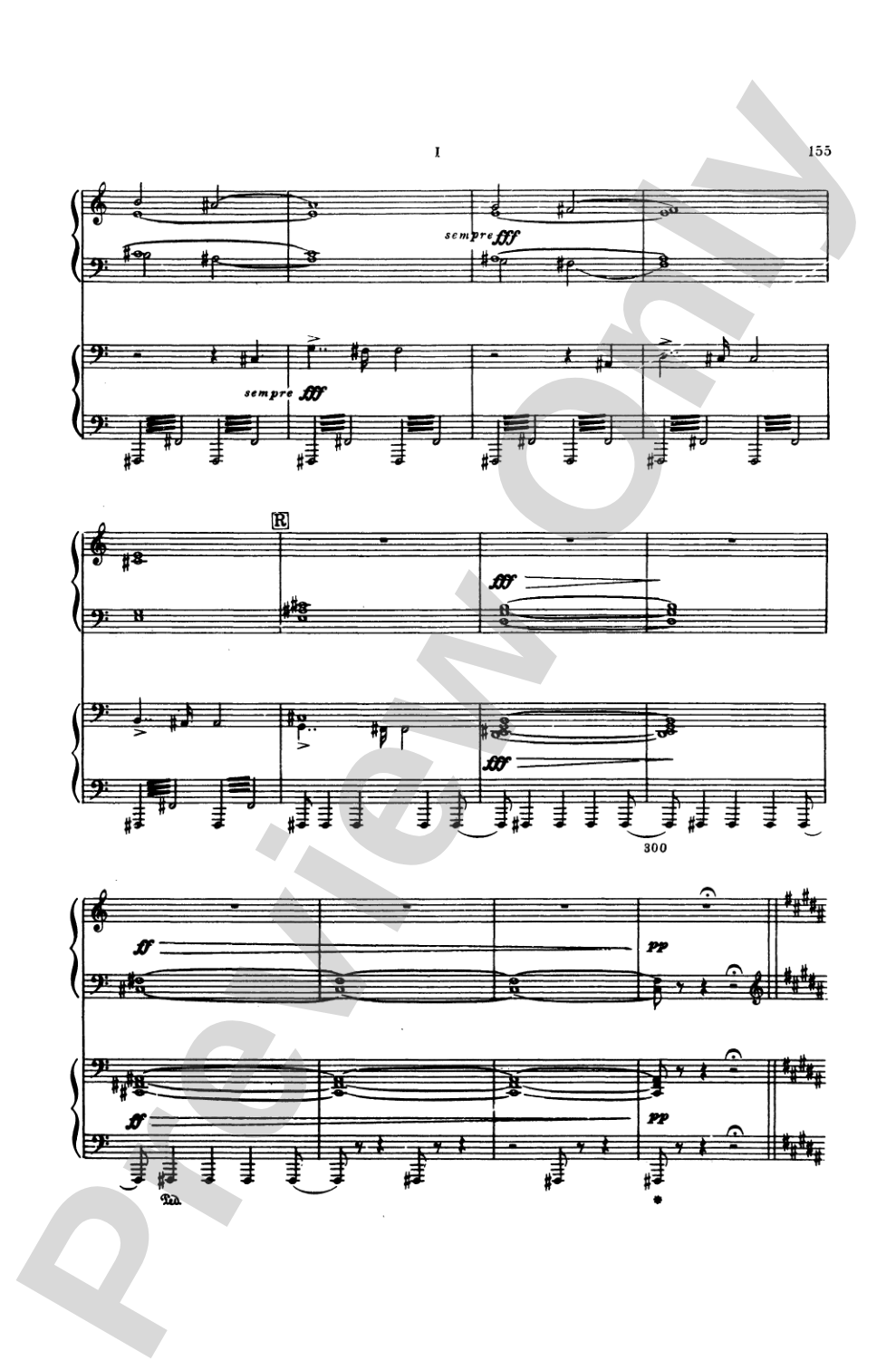
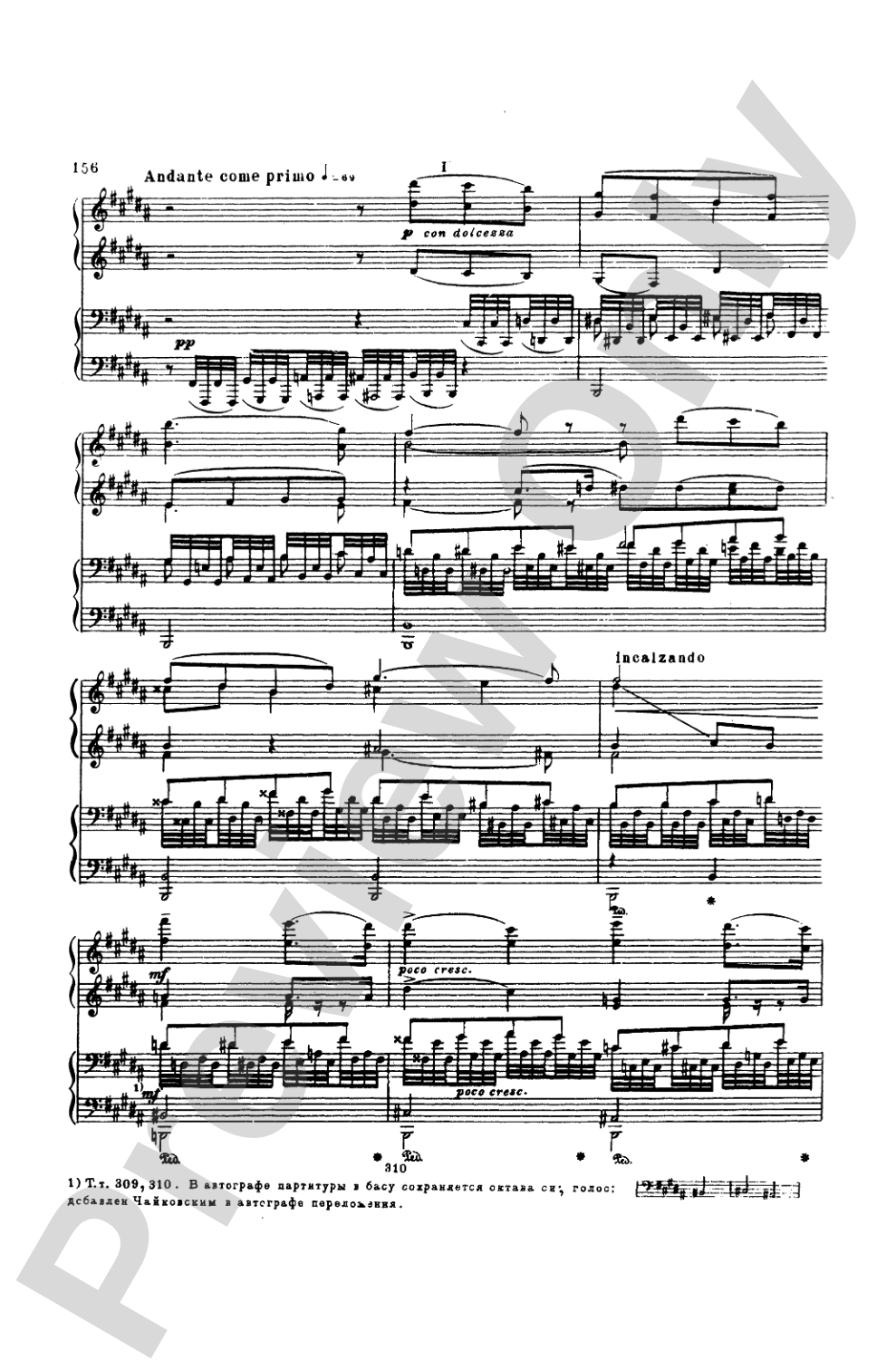
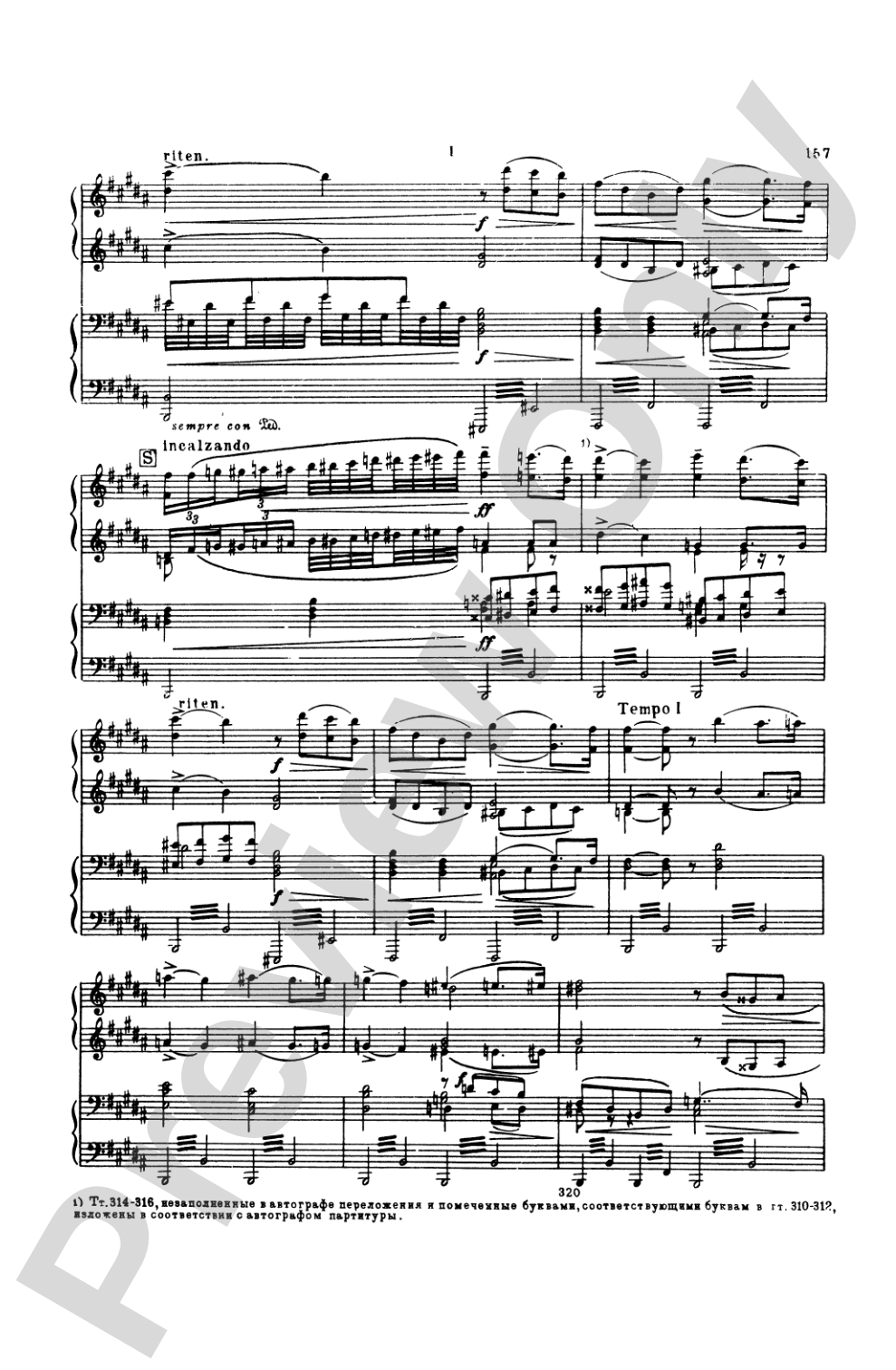
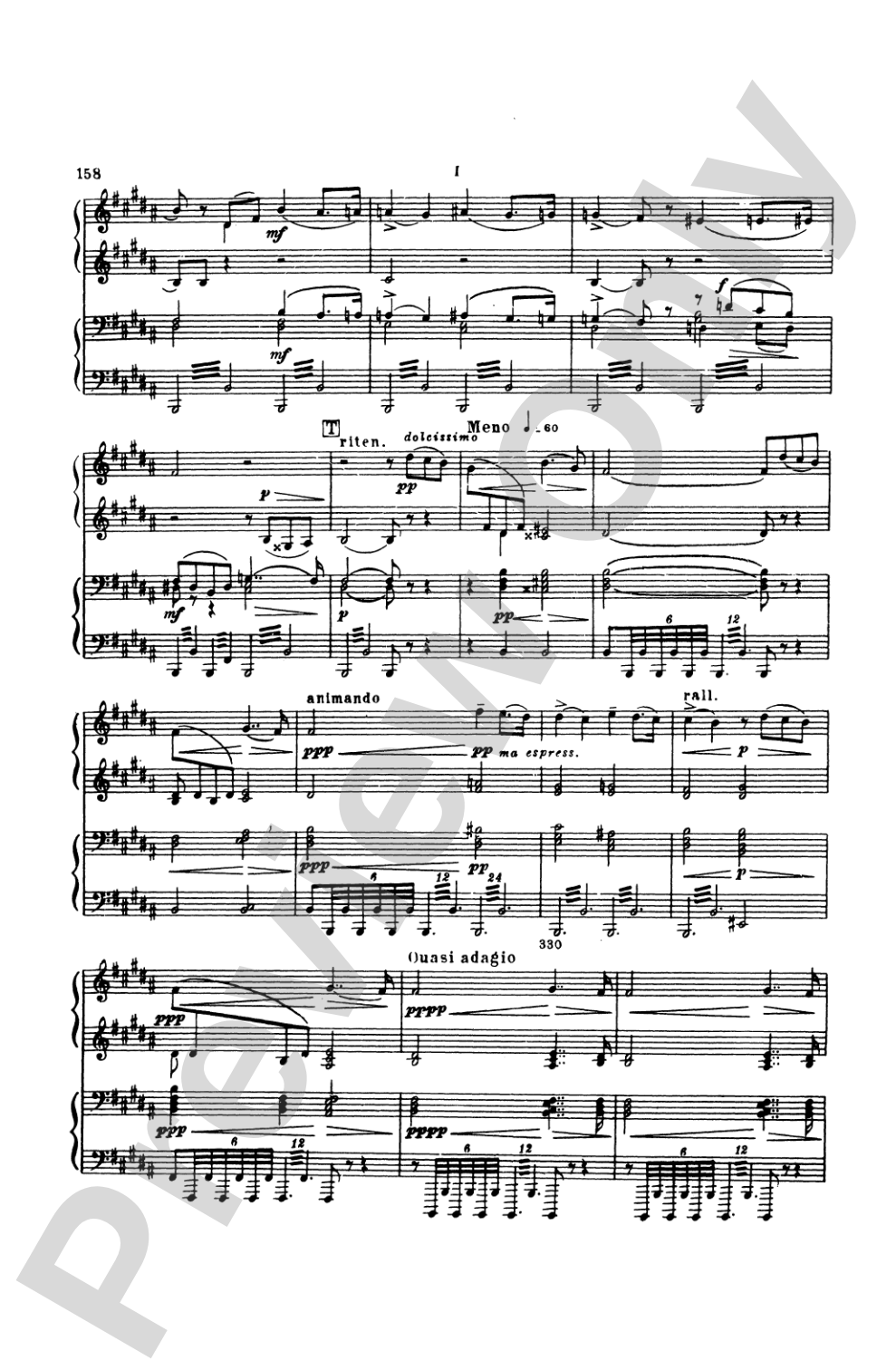
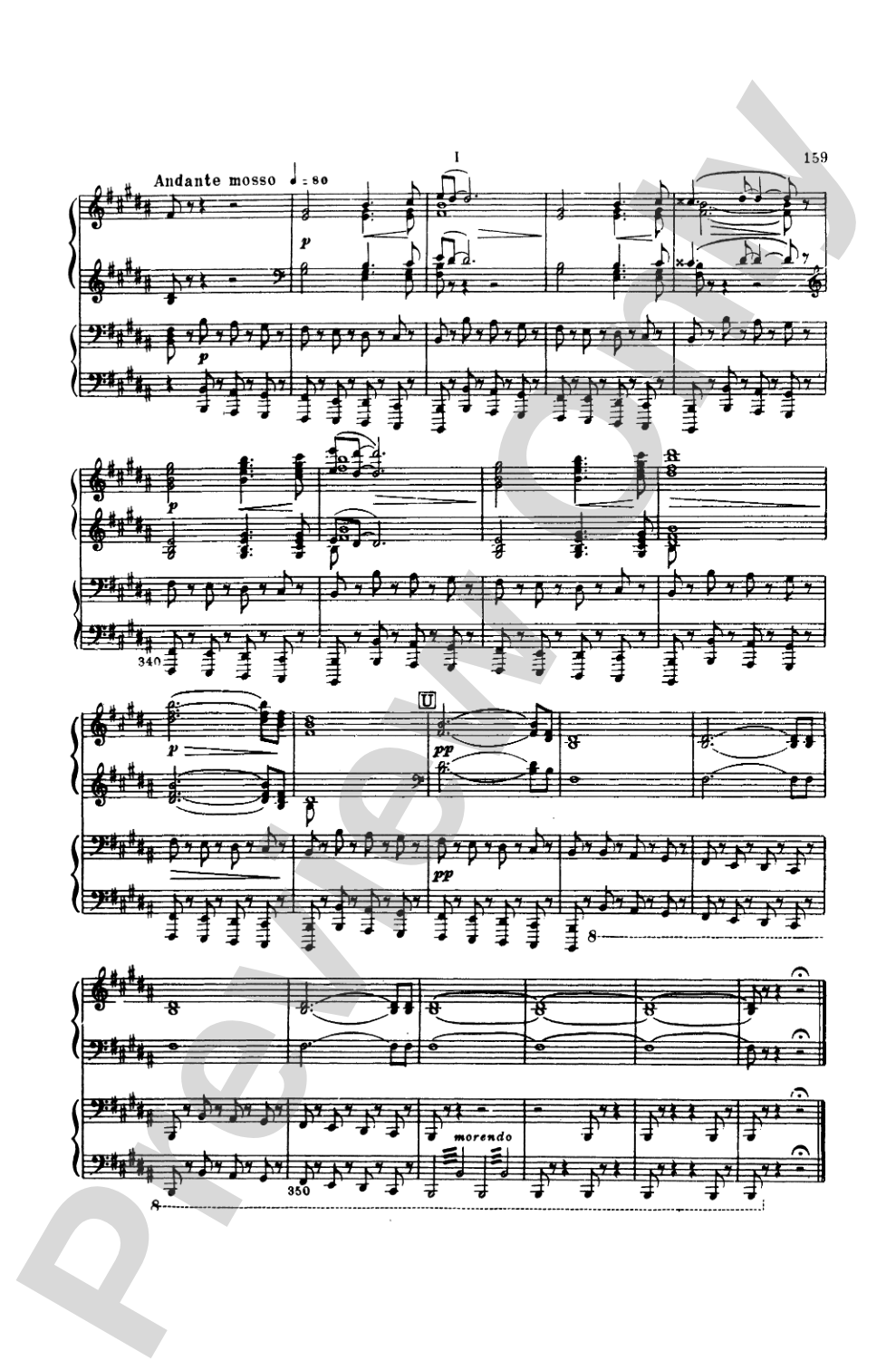

Tchaikovsky: Symphony No. 6 in B Minor, Op. 74 "Pathetique": Piano Duet (1 Piano, 4 Hands) Book
By Peter Ilyich Tchaikovsky
Item: 00-PK-0003392

$16.99
Pickup currently not available
Buy Extra Parts (Digital PDF Download)
Parts Added to Cart!
Related Items
Symphony No. 6 in B Minor, Opus 74 ("Pathetique"): Piano Duet (1 Piano, 4 Hands) Book |
$16.95
|
View |
Description
From the Complete Works, Russian Edition, reprinted as a full-size score.


Don't just read it, hear it, play along with it, and watch your students grow with it. In MakeMusic Cloud, Tchaikovsky: Symphony No. 6 in B Minor, Op. 74 "Pathetique": Piano Duet (1 Piano, 4 Hands) Book comes alive with professional accompaniment, adjustable tempo, and built-in practice tools that turn solo practice into real progress.
Open in the Player
Jump straight in and assign it today.
Start Your Free Trial
Open this title and explore the full library in minutes.
Sample Audio
No sample audio found.
Sample Video
No sample videos found.
Additional Details
Series:
Kalmus Edition
Publisher:
Alfred Music
Page Count:
88
SKU:
00-PK-0003392
More about this title
About the Composer: Peter Ilyich Tchaikovsky
Peter Ilyich Tchaikovsky (1840-1893) stands as one of the most performed composers in the concert hall, yet his path to acceptance was neither simple nor linear. A Russian Romantic who drew deeply from European classical traditions while infusing his work with distinctly Russian character, Tchaikovsky created some of the nineteenth century's most emotionally direct and orchestrally innovative music. His willingness to embrace melody, dramatic gesture, and psychological depth earned him both popular adulation and critical skepticism during his lifetime.
The Pathétique Symphony represents the culmination of his symphonic thought. Premiered just nine days before his death, it stands as perhaps his most autobiographical work. The piece showcases his mastery of orchestration, harmonic innovation, and emotional architecture. Pianists and educators value Tchaikovsky's work for its combination of technical brilliance, structural clarity, and the raw expressive power that makes it enduringly relevant to performers and audiences alike.
Why we love this
This four-hand reduction opens one of the most significant symphonies of the Romantic era to pianists who may never encounter it in its full orchestral form. The arrangement preserves Tchaikovsky's orchestral colors and emotional scope while making the work accessible to advanced pianists seeking deeply rewarding chamber repertoire. Programming this alongside smaller works creates a concert that demonstrates the reach and ambition possible within the duet format.
What to expect
The Pathétique unfolds as a journey through states of emotional turbulence, resignation, and yearning. The opening Adagio establishes a tone of brooding introspection; the propulsive Scherzo offers rhythmic relief before the Andante returns to songlike tenderness. The final March marches toward an inevitable, devastating conclusion. Playing it at one keyboard immerses you in Tchaikovsky's orchestral soundworld while forging an intimate dialogue with your duet partner.
Who it's for
This duet serves intermediate-to-advanced pianists seeking substantial four-hand repertoire with genuine artistic depth. It is equally valuable for piano teachers working with advanced students, as it offers an opportunity to study a major symphonic work while building collaborative skills and understanding Tchaikovsky's orchestral thinking.
How to get the most out of it
- Study the orchestration mentally as you learn. Tchaikovsky's symphonic writing is transparent enough that you can often hear which instruments carry the primary line, helping both players understand texture and balance.
- Manage the emotional arc across all four movements. The opening Adagio sets a tone of introspection; the Scherzo requires rhythmic clarity and lightness; the Andante unfolds with lyrical generosity; the final March builds relentlessly. Think of the piece as a unified dramatic statement, not isolated movements.
- Coordinate pedal changes carefully, especially in the slower passages. The 88-page span demands that both players think continuously about clarity versus resonance, particularly where Tchaikovsky layers melodic material.
- Balance the primo and secondo parts with flexibility. While the primo often carries the main theme, the secondo provides harmonic foundation and rhythmic stability. Neither player should feel subordinate; instead, cultivate the dialogue between upper and lower voices.
How to use it
Perform this as the centerpiece of an all-Romantic duet recital, pairing it with smaller character pieces or dances from Tchaikovsky or his contemporaries. Alternatively, present it in a concert exploring how major orchestral works translate to the keyboard, perhaps alongside Brahms's Hungarian Dances or a Dvořák Slavonic Dance arrangement. The 88-page scope and emotional weight suit a full-length recital on its own.
Skills your students will build
- Reading and navigating a complex, large-scale symphonic structure at the keyboard
- Coordinating ensemble balance and dialogue between primo and secondo parts
- Translating orchestral color and texture through piano voicing and pedal technique
- Sustaining musical narrative across multiple movements (Adagio, Scherzo, Andante, Allegro con fuoco)
- Managing the technical demands of rapid figuration and dense harmonic writing
- Understanding Romantic-era orchestration principles and Tchaikovsky's compositional voice