
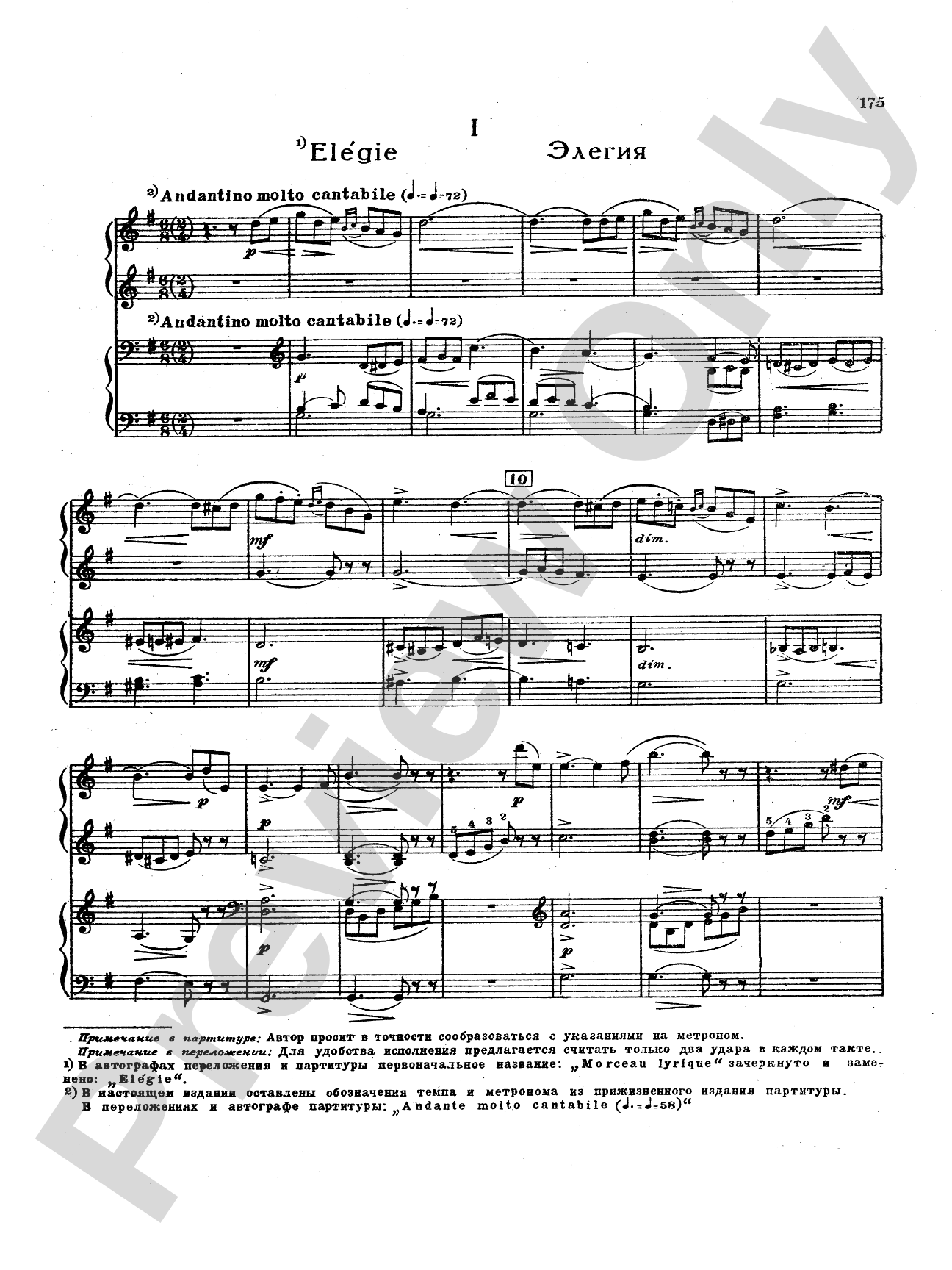
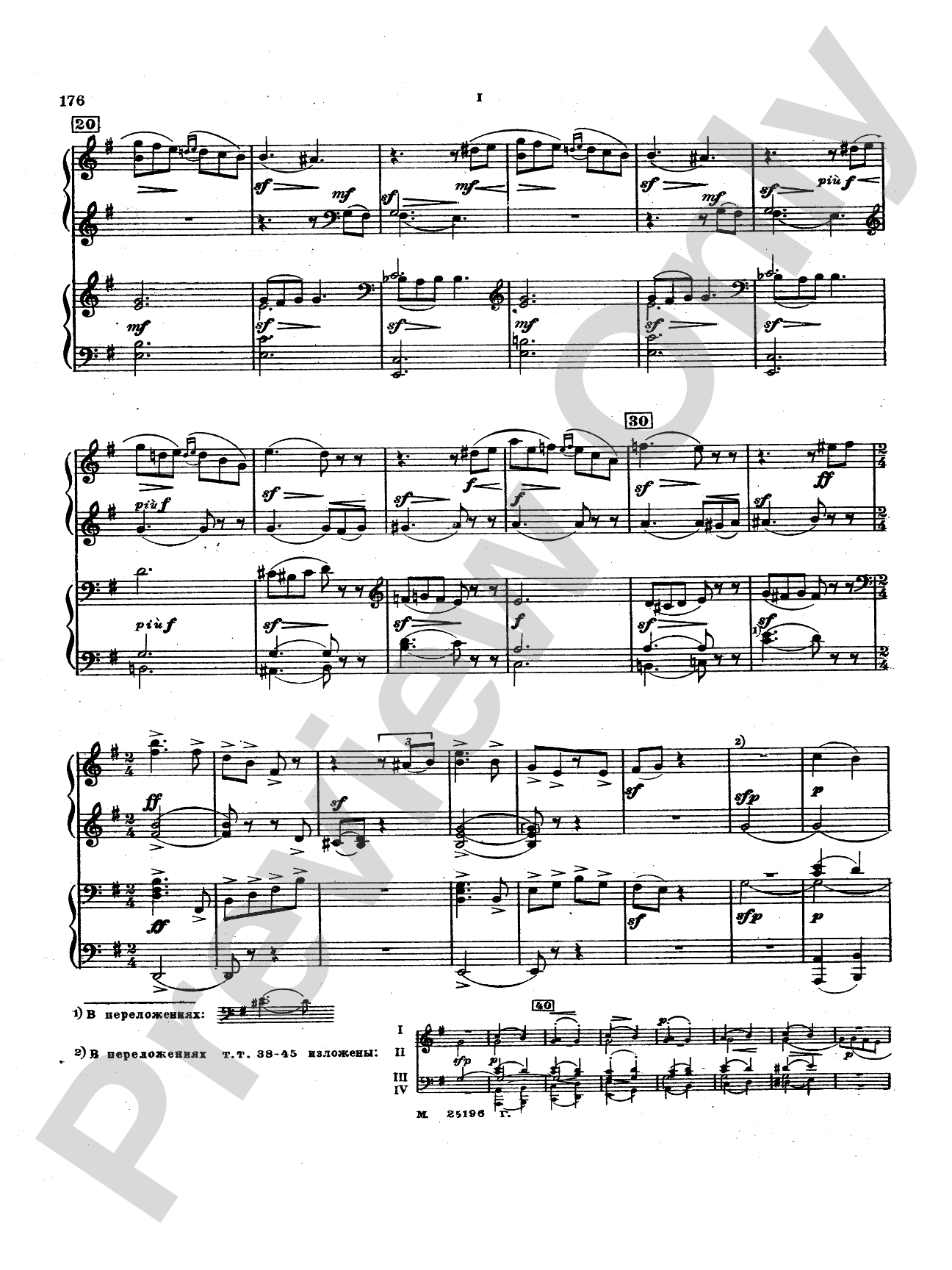
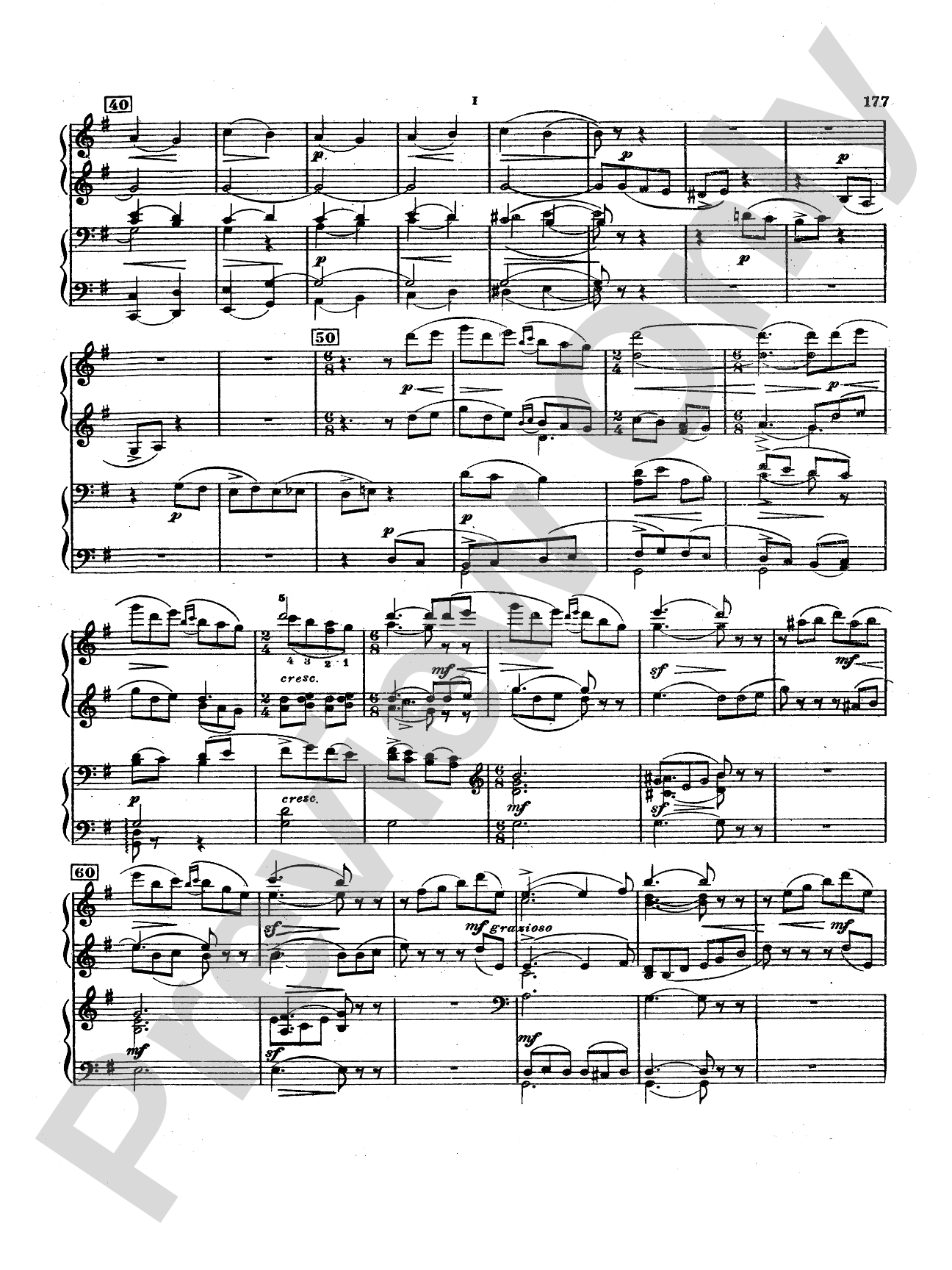
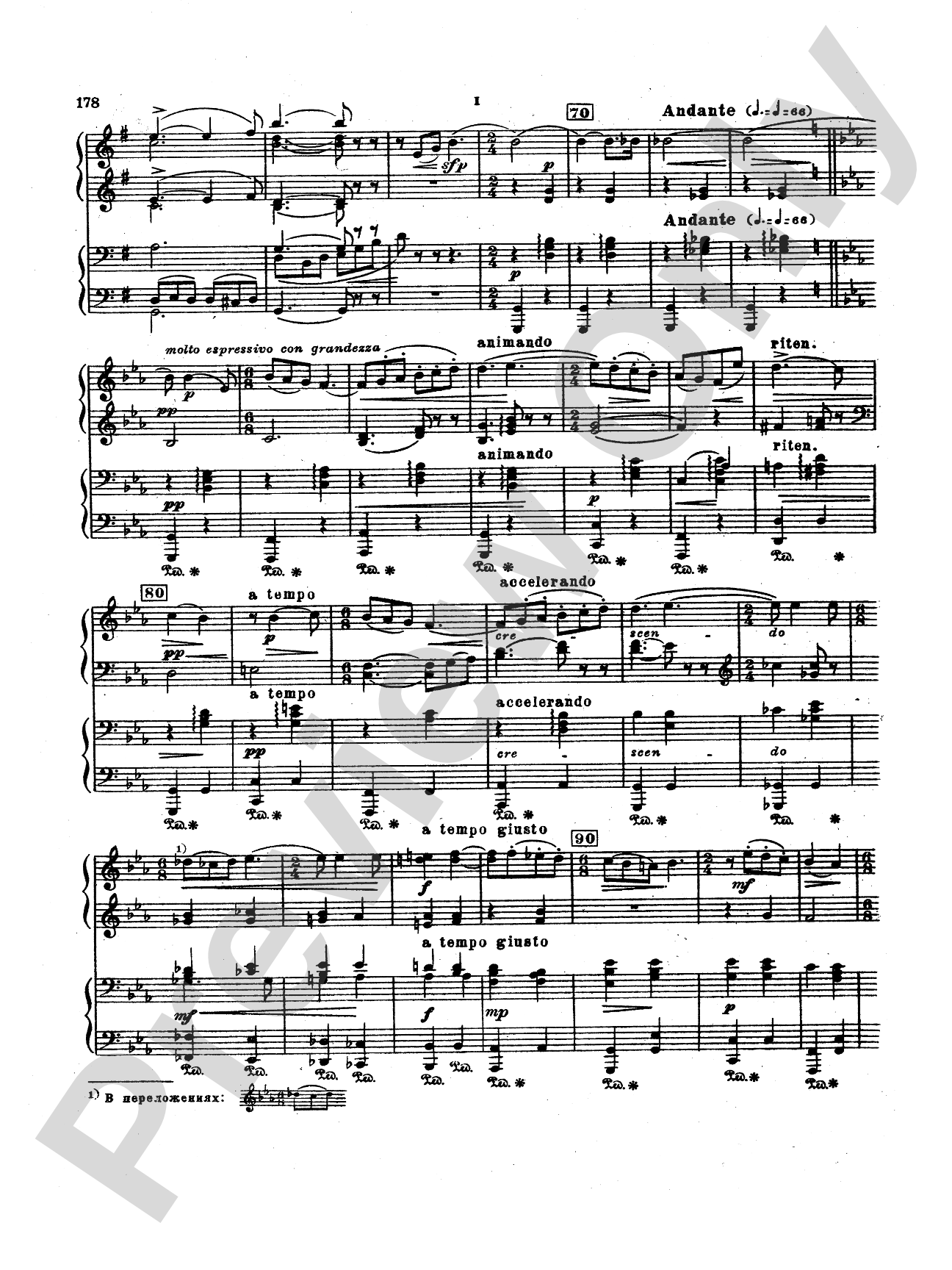
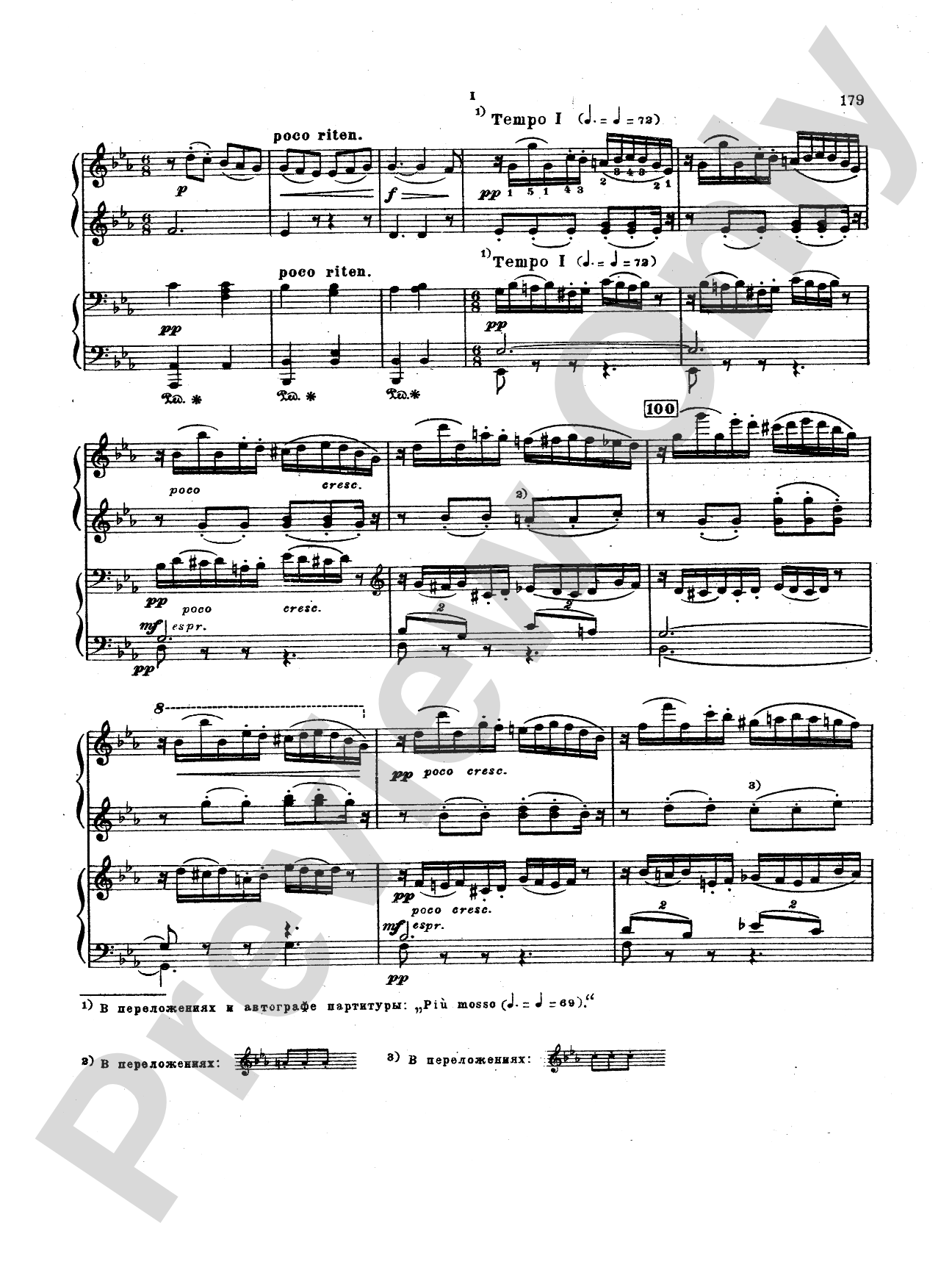
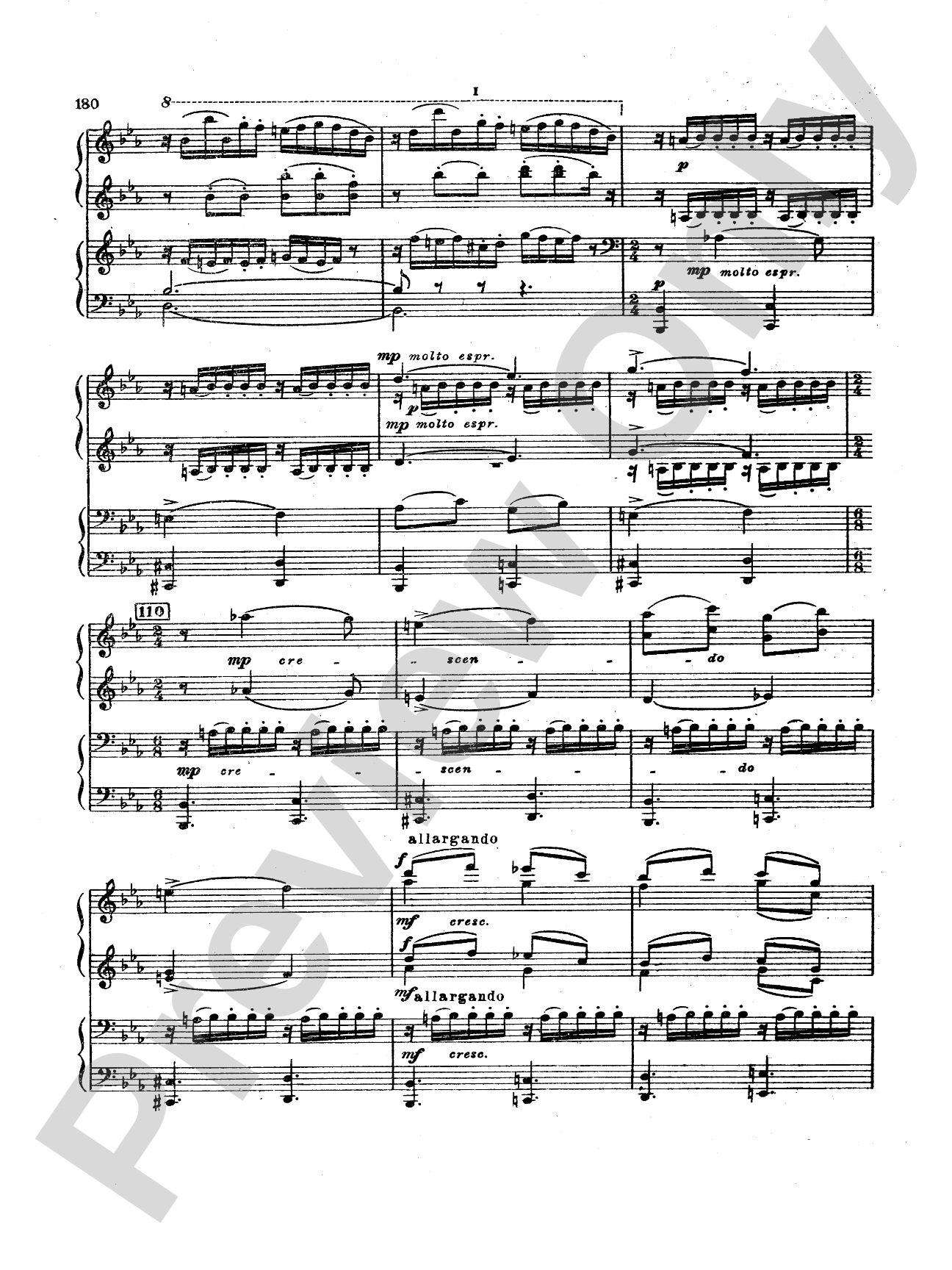
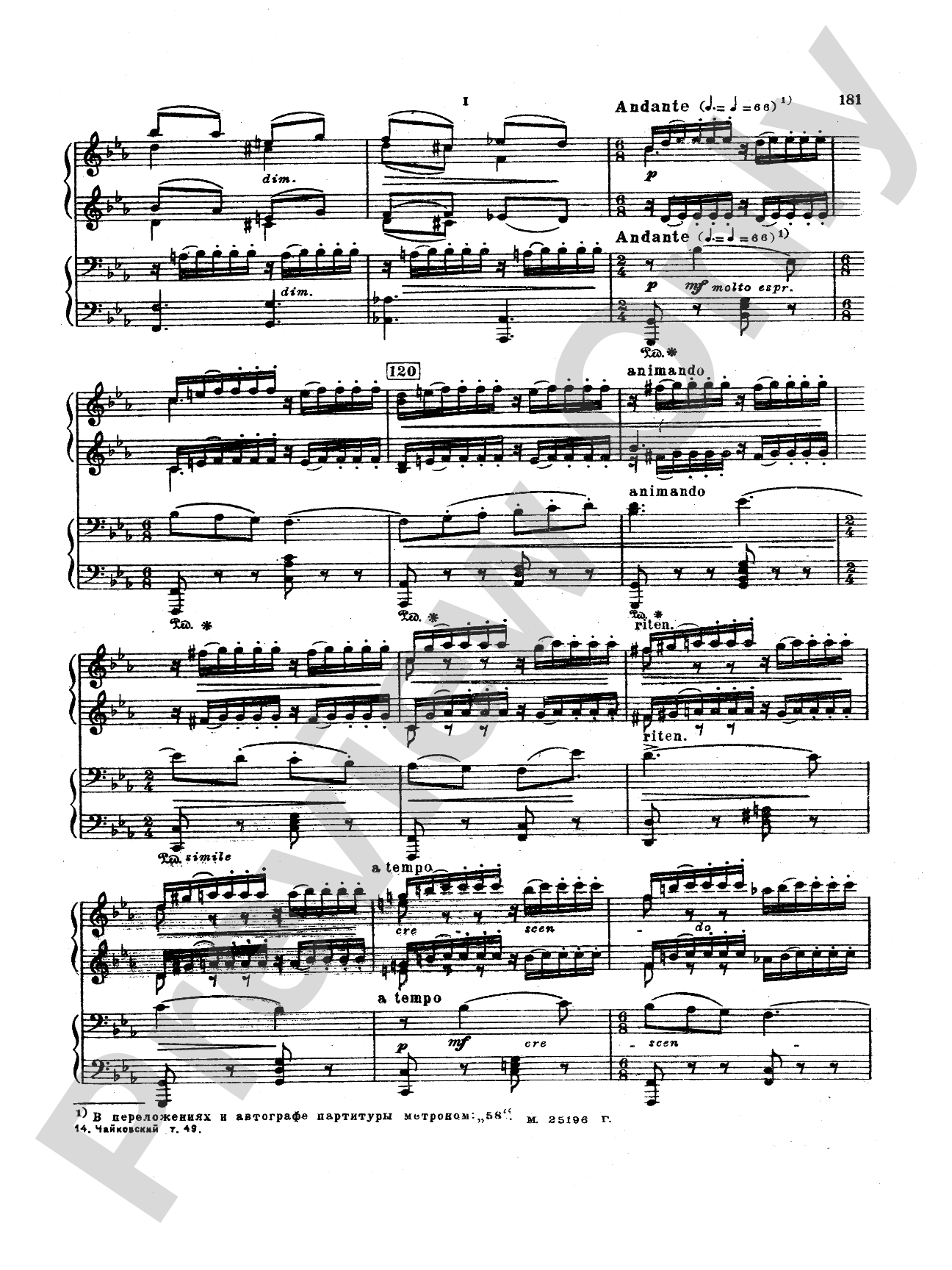
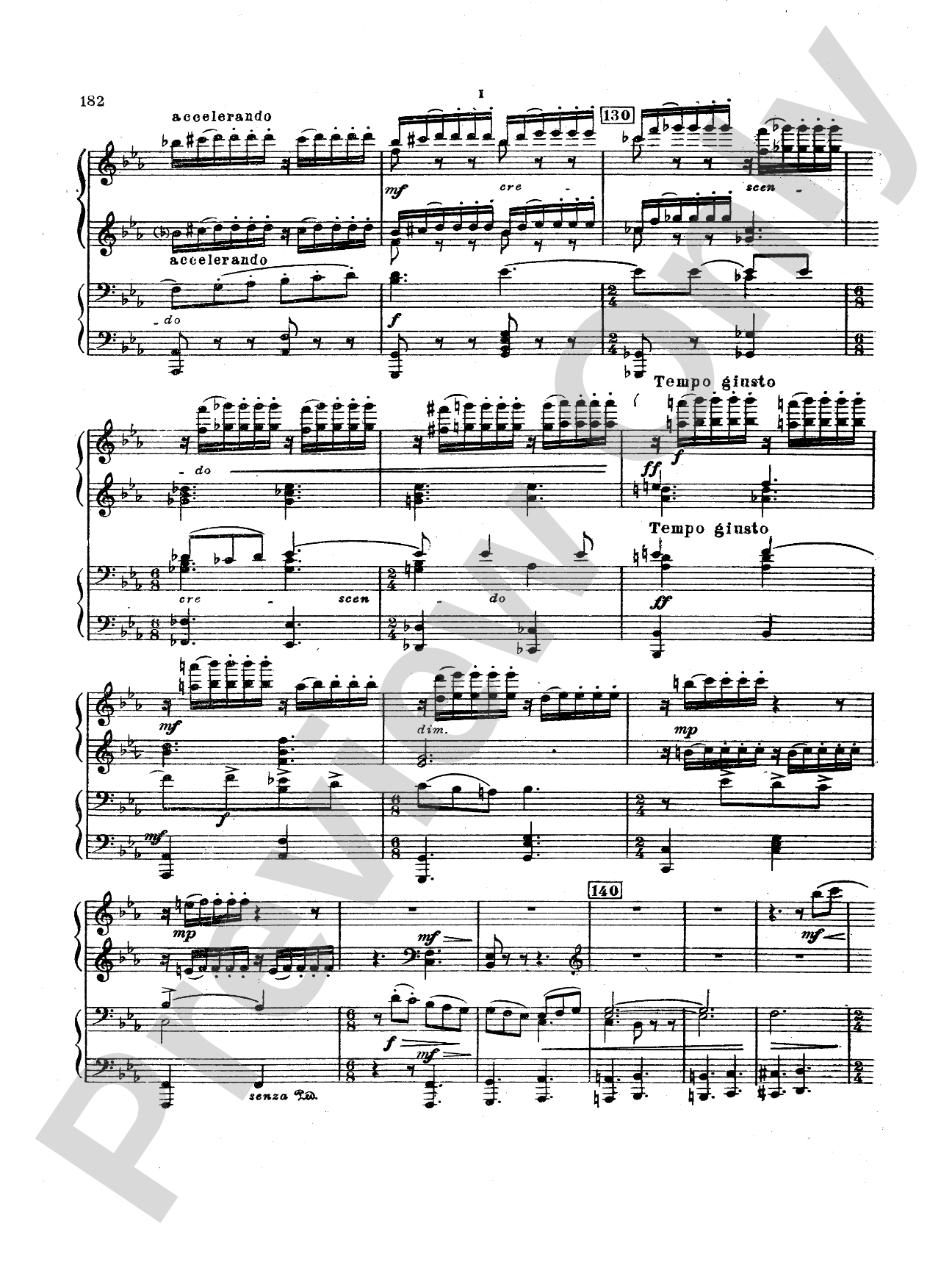
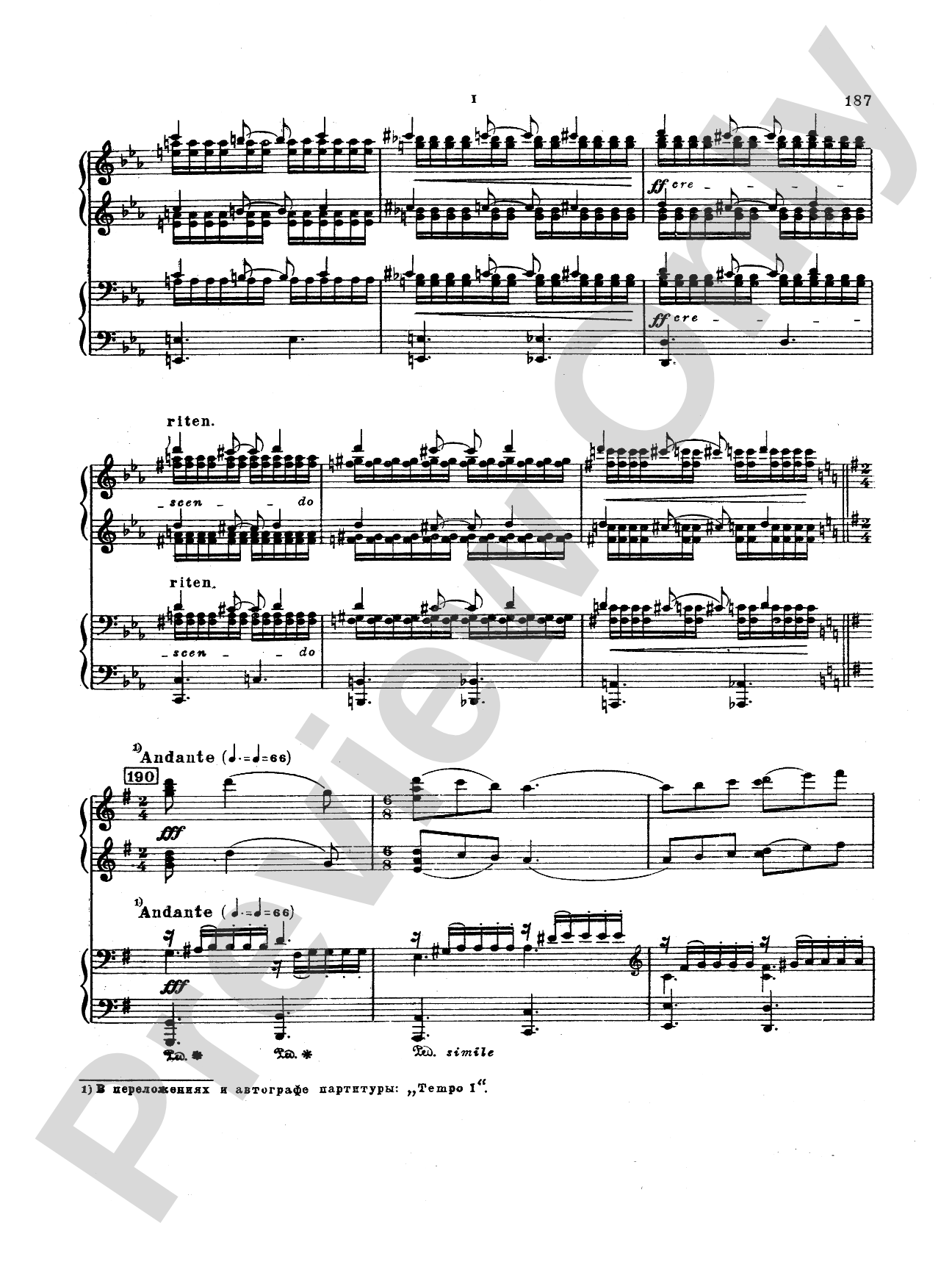
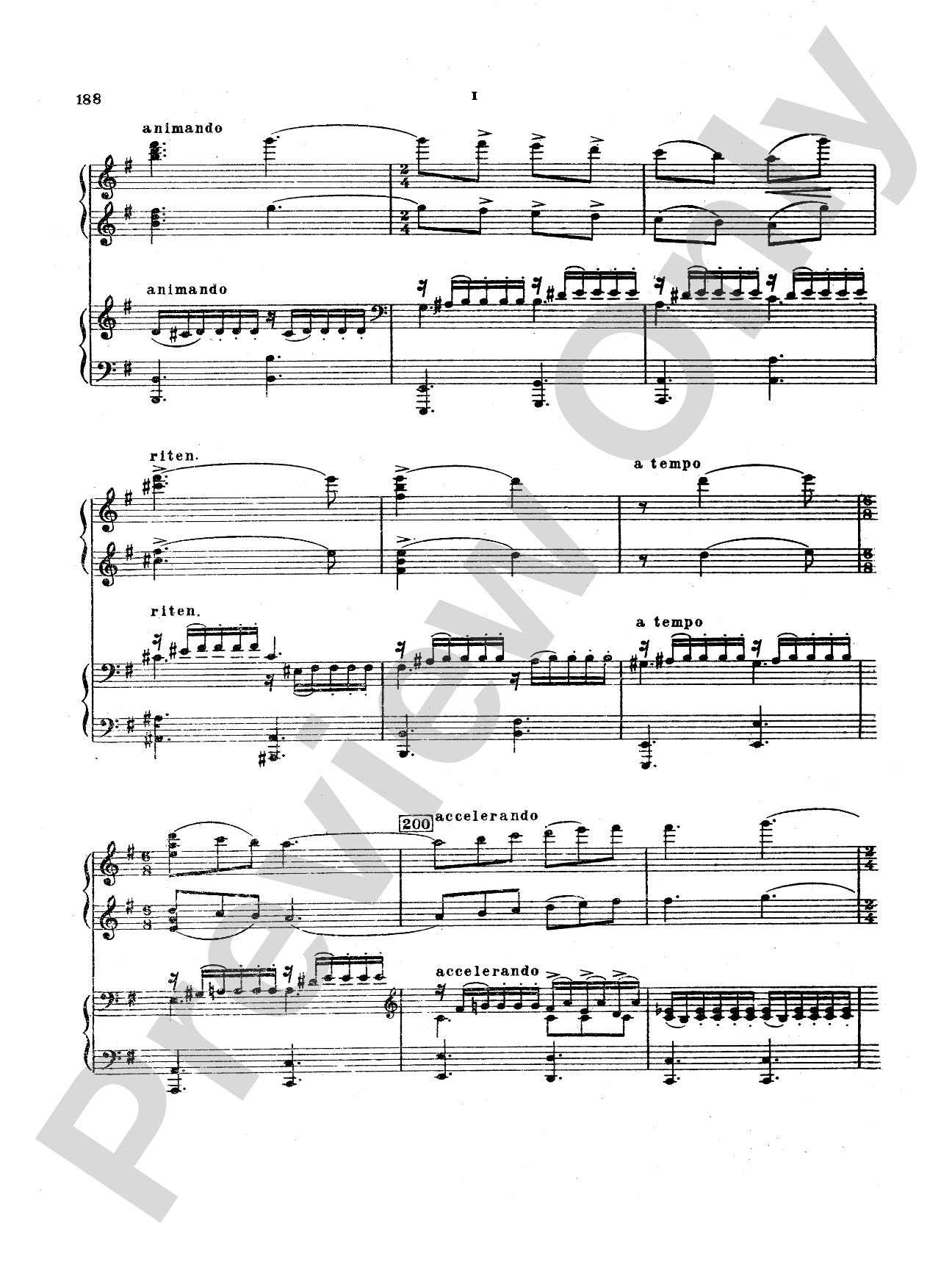
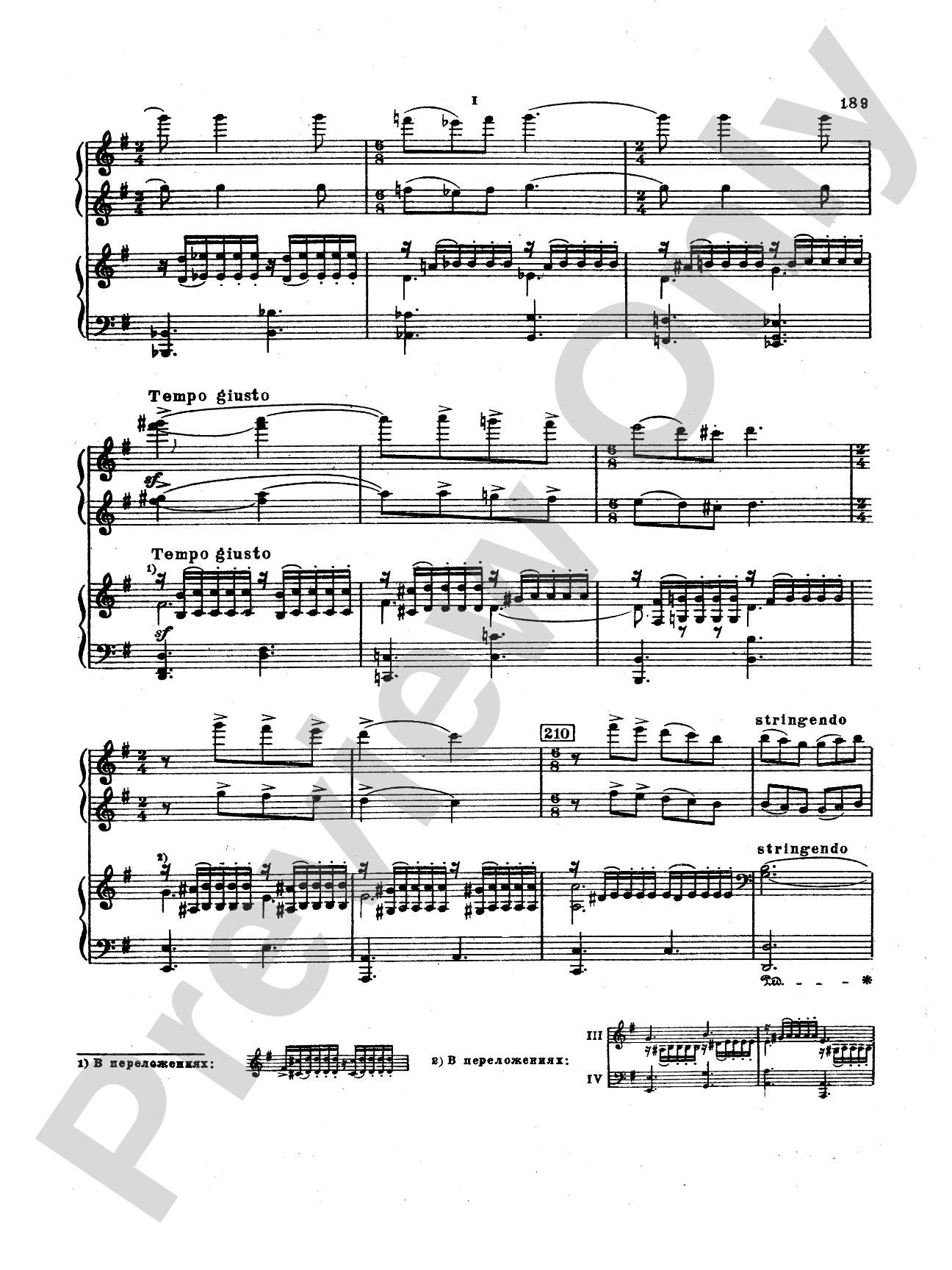
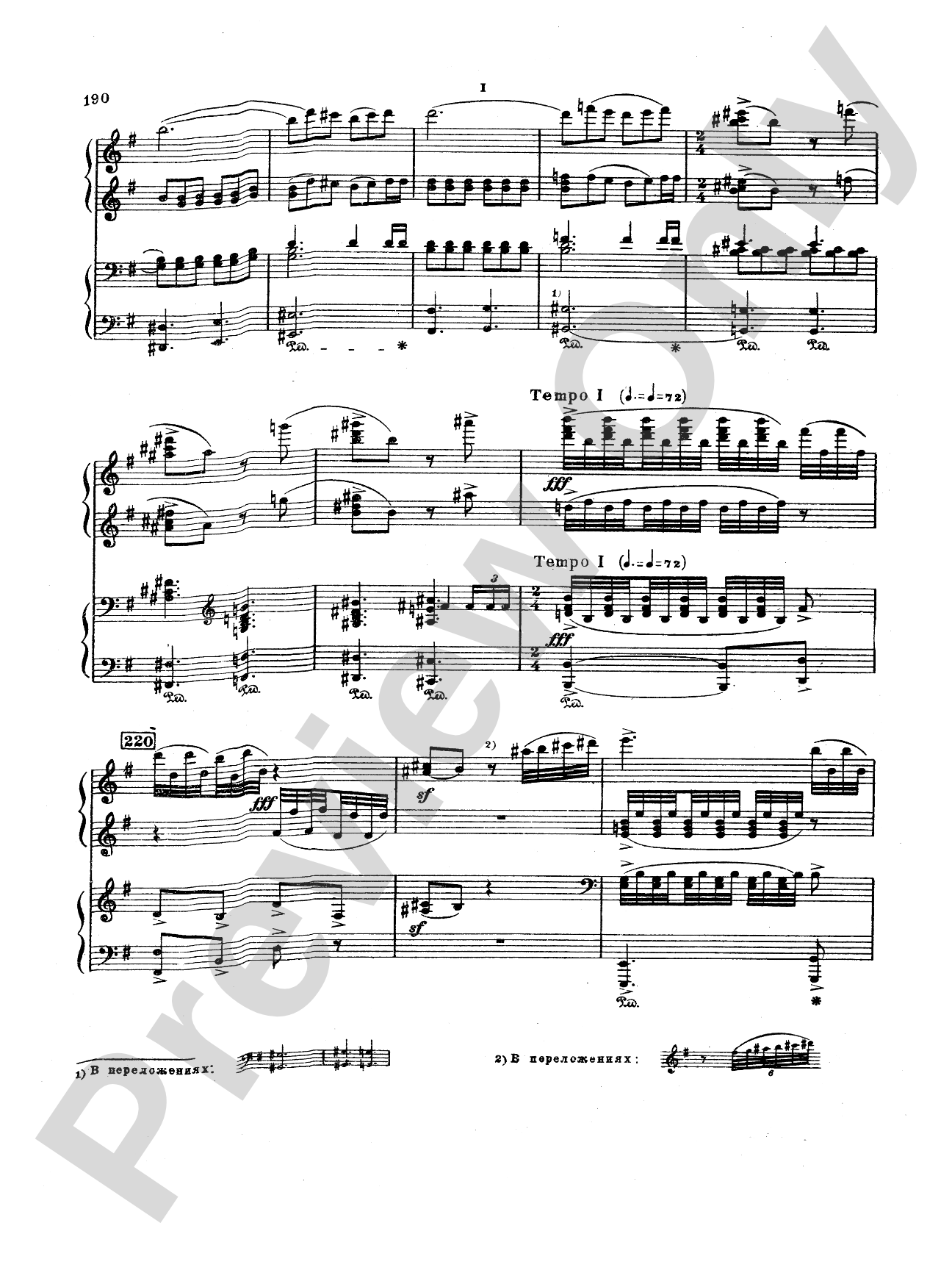
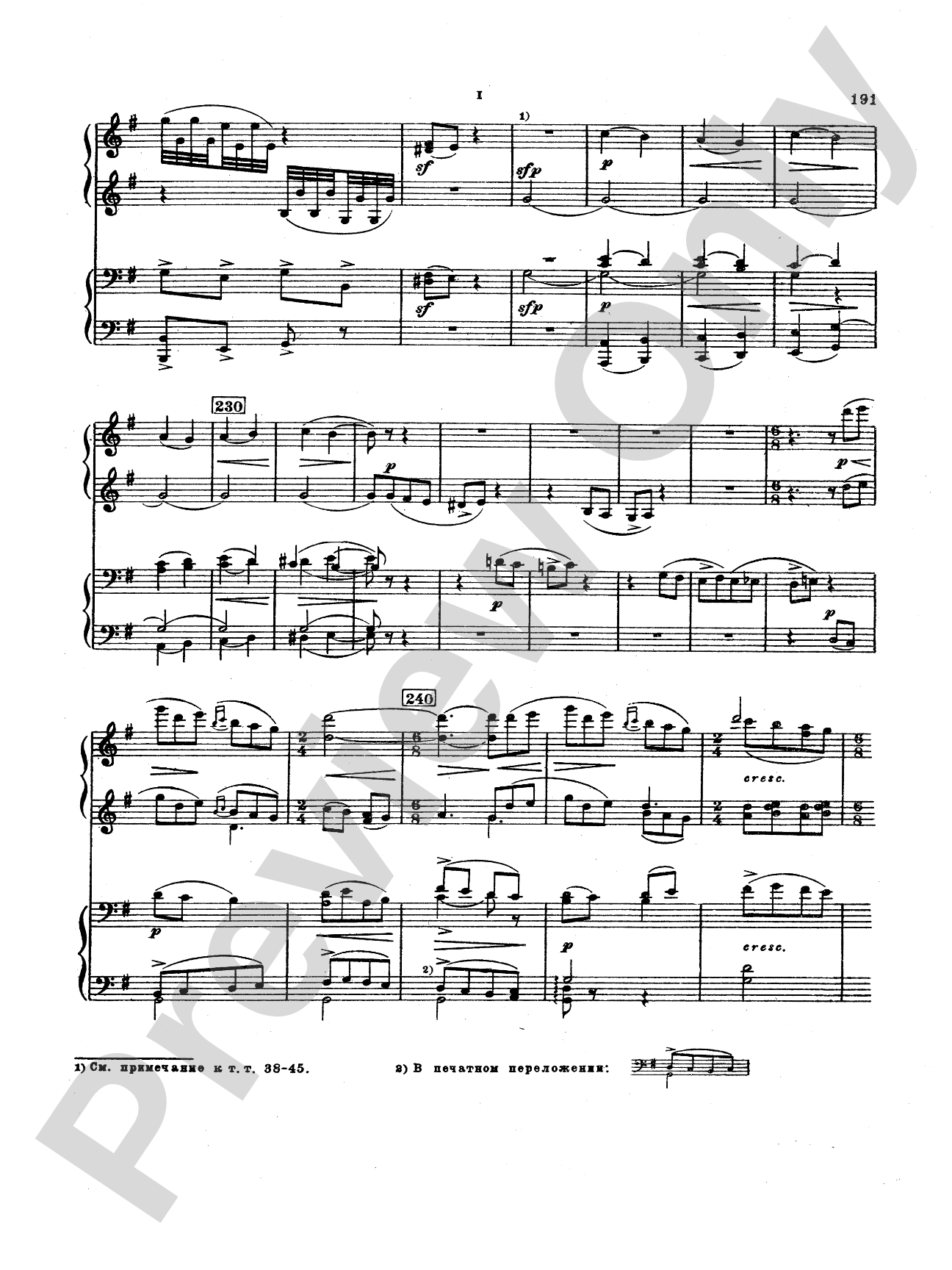
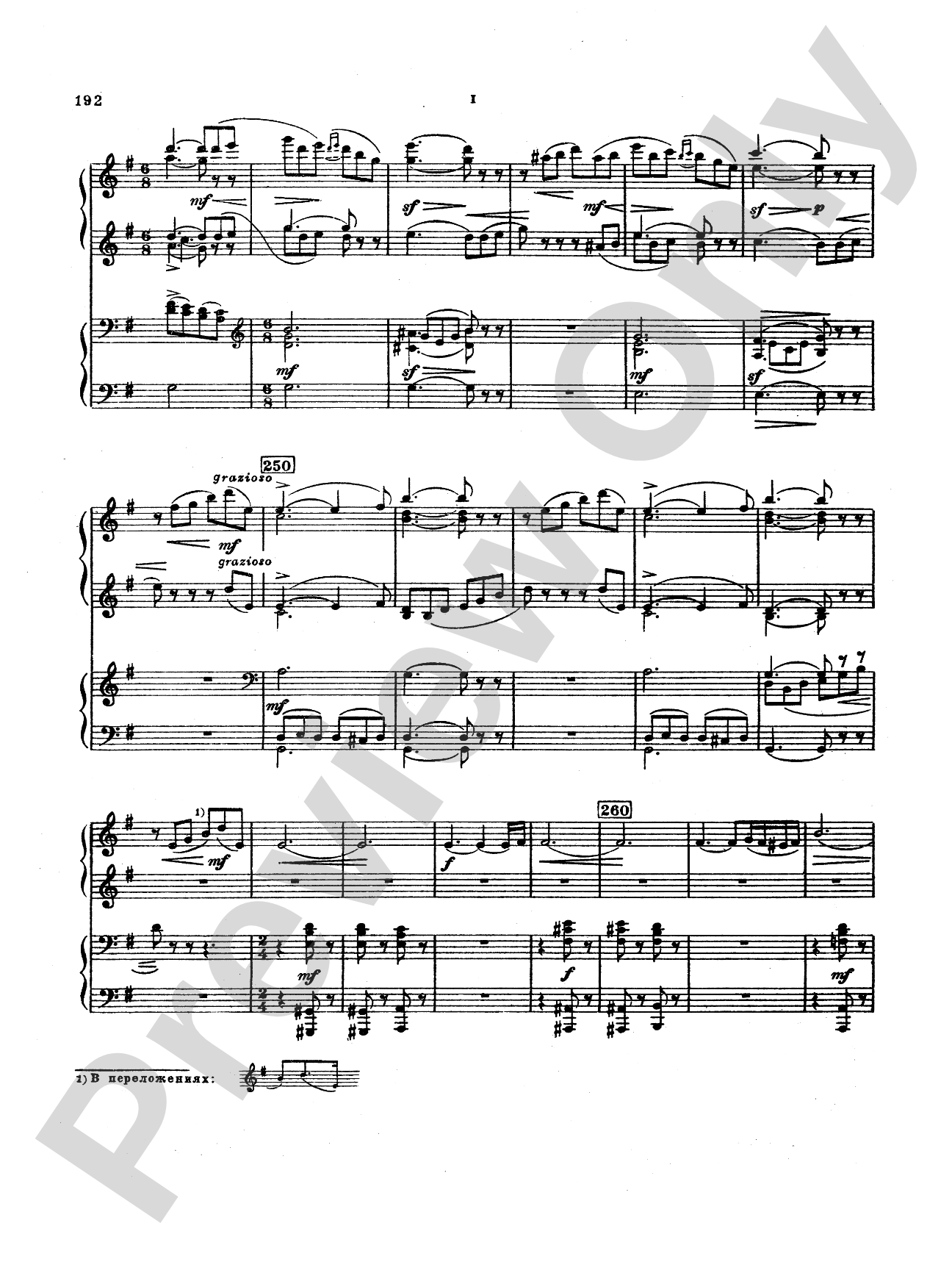
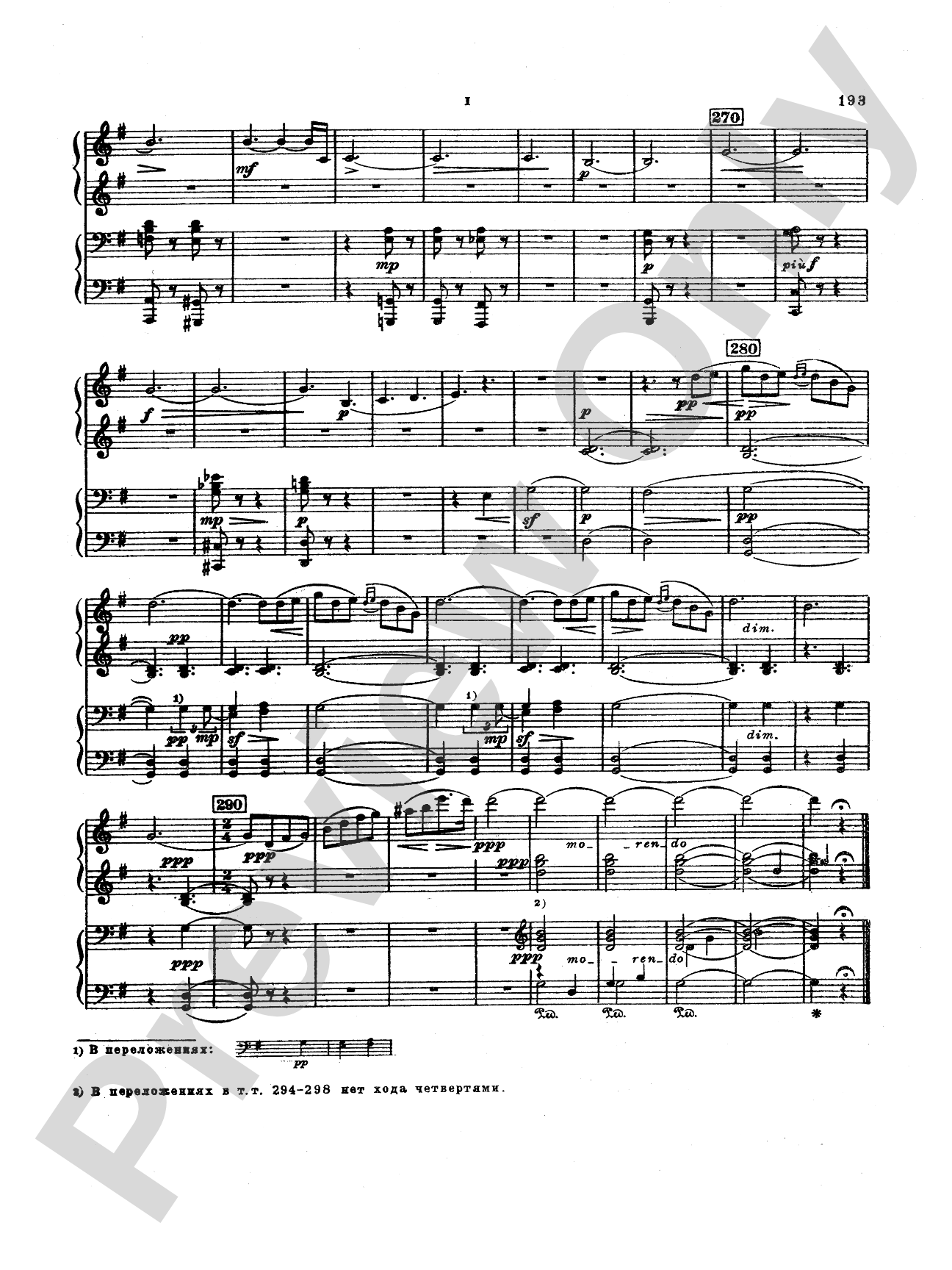

Tchaikovsky: Suite No. 3 in G Major, Op. 55: Piano Duet (1 Piano, 4 Hands) Book
By Peter Ilyich Tchaikovsky
Item: 00-PK-0003395

$16.99
Pickup currently not available
Buy Extra Parts (Digital PDF Download)
| Product | Price | Quantity |
|---|---|---|
| Tchaikovsky: Suite No. 3 in G Major, Op. 55 | $3.99 | |
| Tchaikovsky: Suite No. 3 in G Major, Op. 55 | $3.99 | |
| Tchaikovsky: Suite No. 3 in G Major, Op. 55 | $3.99 | |
| Tchaikovsky: Suite No. 3 in G Major, Op. 55 | $3.95 |
Parts Added to Cart!
Related Items
Suite No. 3 in G Major, Opus 55: Piano Duet (1 Piano, 4 Hands) Book |
$16.95
|
View |
Description
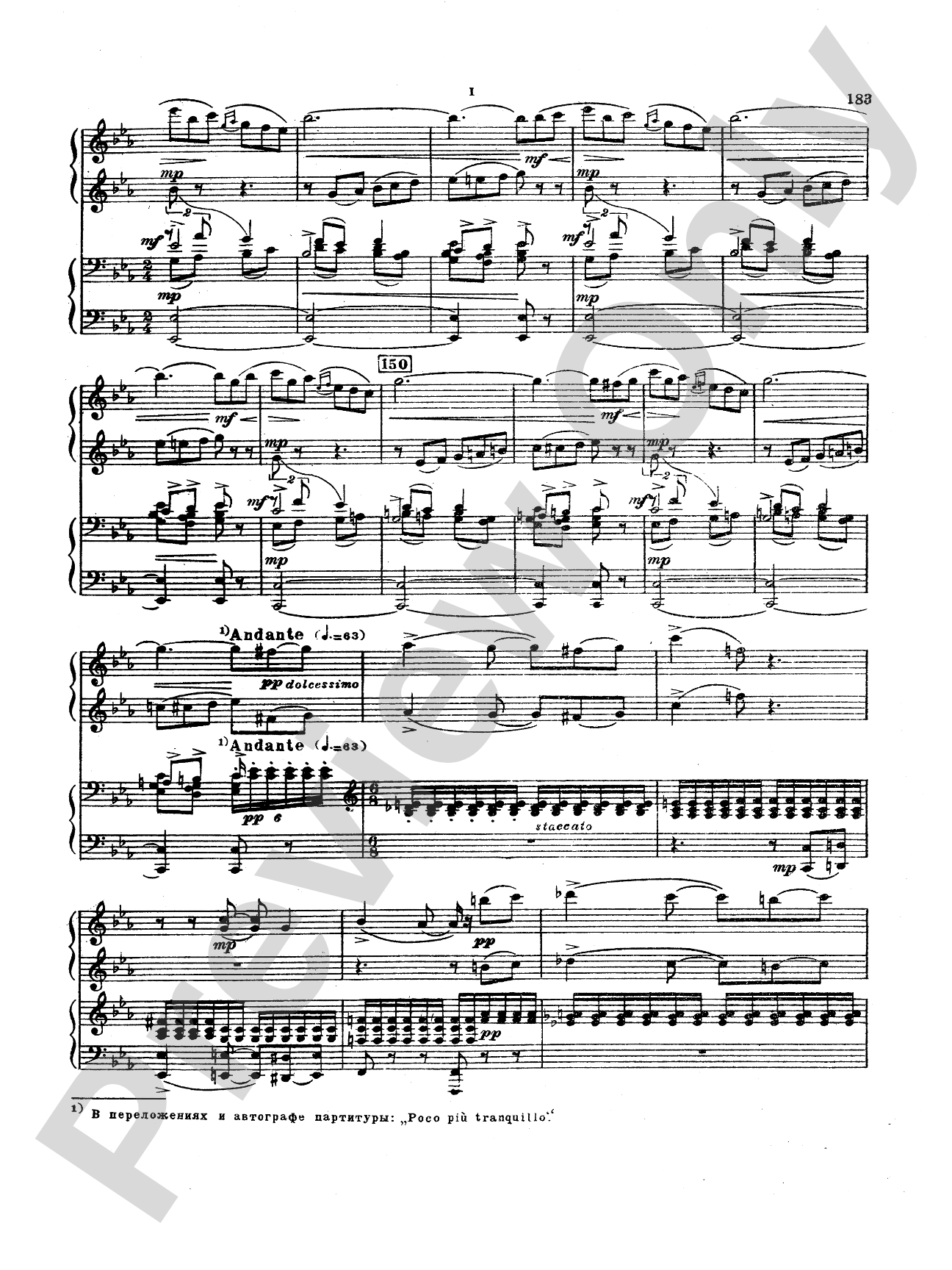
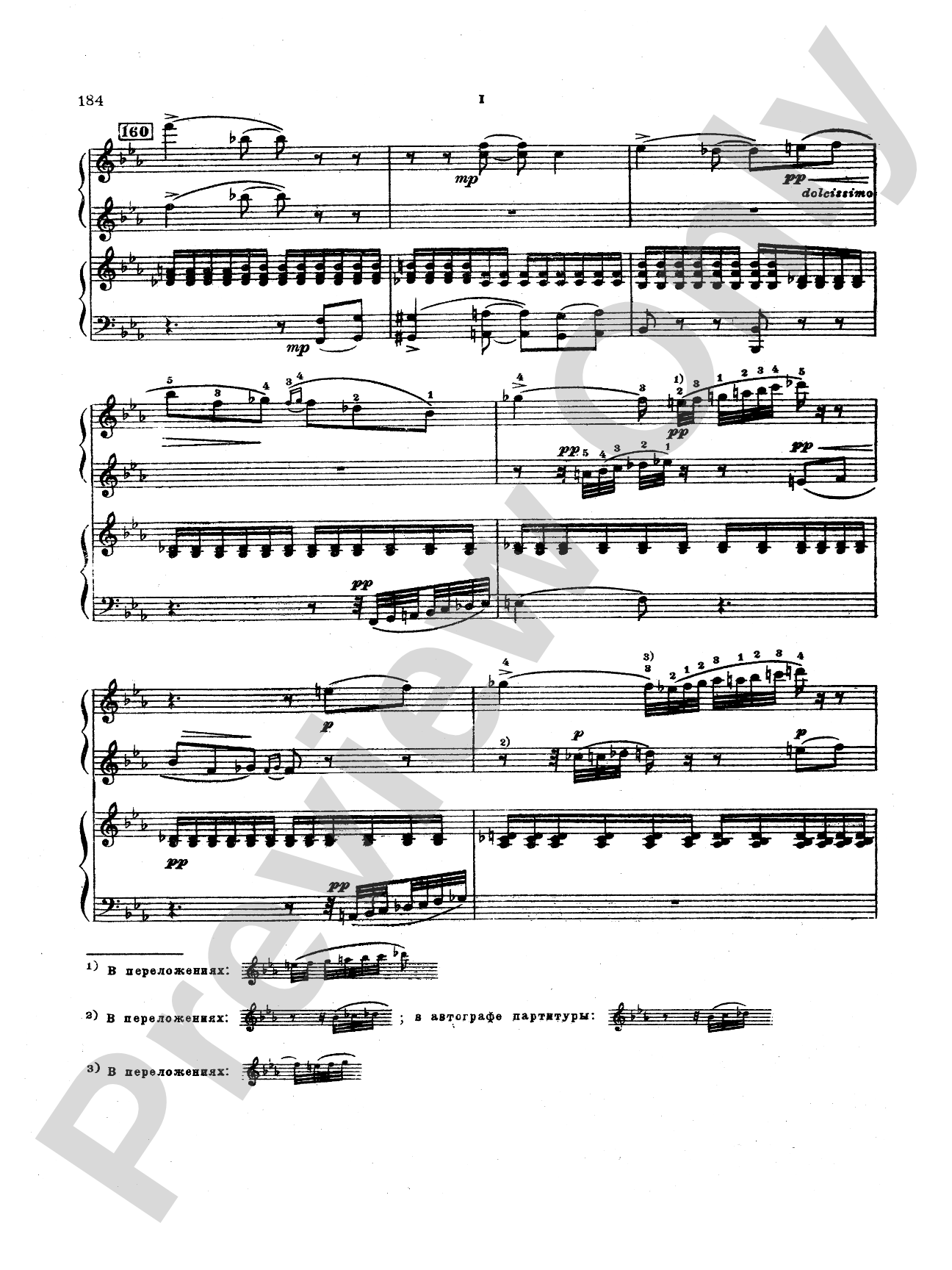
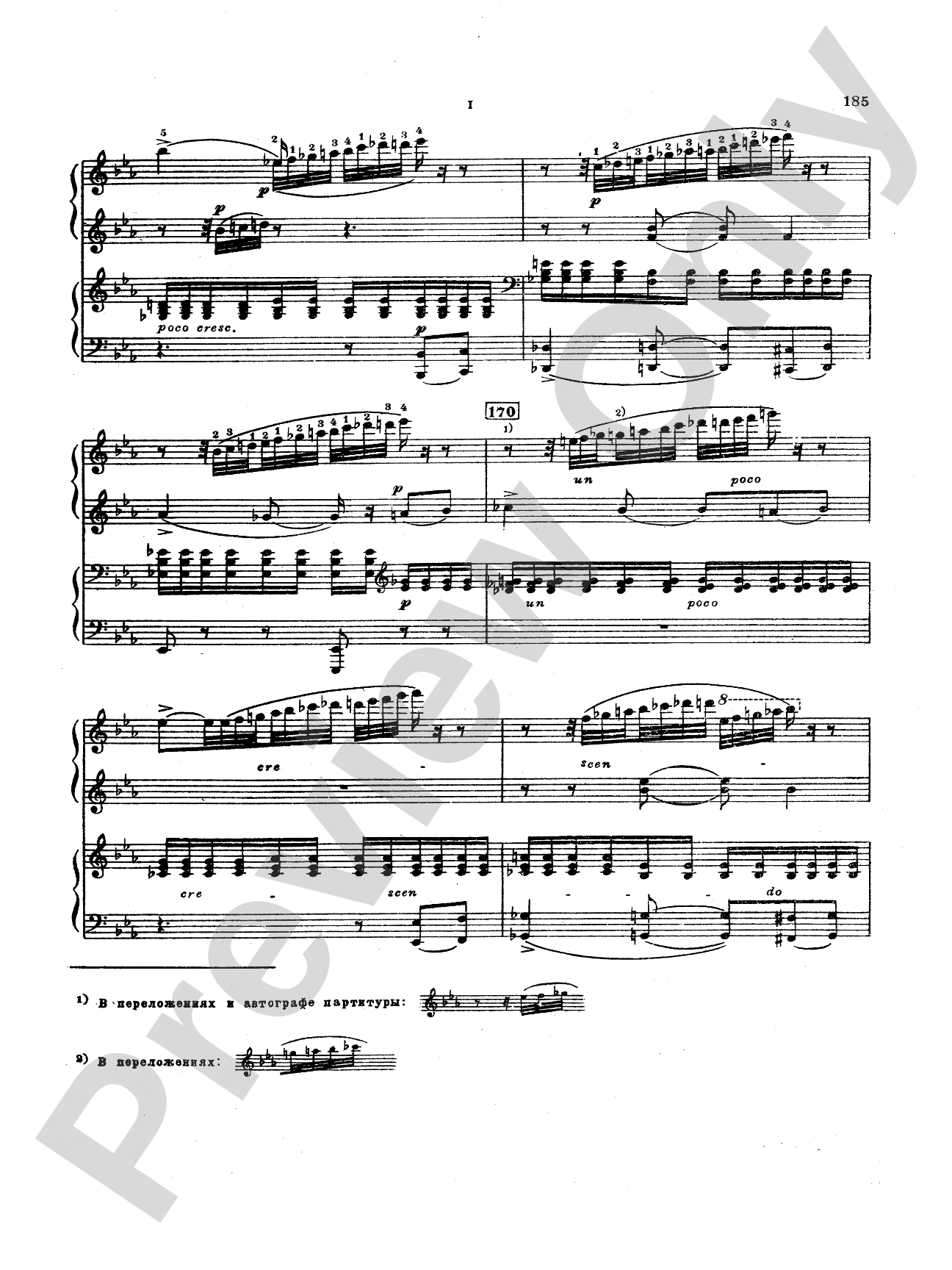
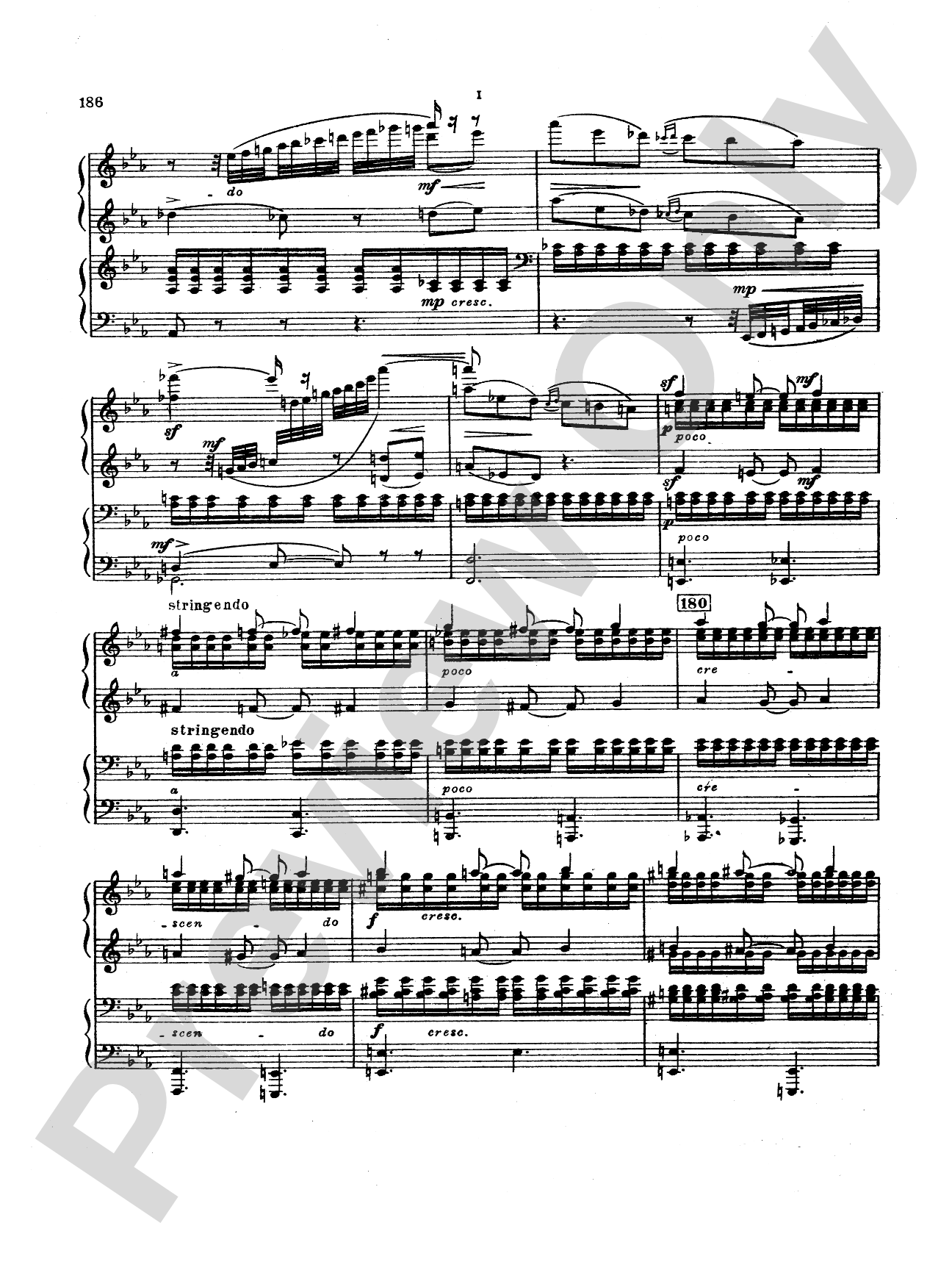
A new full-size printing of the original Russian miniature score.


Don't just read it, hear it, play along with it, and watch your students grow with it. In MakeMusic Cloud, Tchaikovsky: Suite No. 3 in G Major, Op. 55: Piano Duet (1 Piano, 4 Hands) Book comes alive with professional accompaniment, adjustable tempo, and built-in practice tools that turn solo practice into real progress.
Open in the Player
Jump straight in and assign it today.
Start Your Free Trial
Open this title and explore the full library in minutes.
Sample Audio
No sample audio found.
Sample Video
No sample videos found.
Additional Details
Series:
Kalmus Edition
Publisher:
Alfred Music
Page Count:
104
SKU:
00-PK-0003395
More about this title
About the Composer: Peter Ilyich Tchaikovsky
Peter Ilyich Tchaikovsky (1840-1893) stands as one of the most performed composers in the concert hall, yet his chamber works often remain overshadowed by his ballets and symphonies. A Russian Romantic master, he brought unprecedented emotional directness and lyrical richness to every genre he touched, from intimate piano writing to massive orchestral canvases. His compositional voice combined Western European forms with Russian melodic character, creating music that feels both structurally secure and deeply personal.
Tchaikovsky's piano duets occupy a special place in his output. Written for amateur musicians and young pianists, they retain the sophistication and emotional substance of his larger works while remaining technically accessible. Suite No. 3 exemplifies this balance: it asks pianists to engage seriously with Romantic repertoire without demanding virtuosic display, making it an ideal bridge between student-level duets and the concert hall.
Why we love this
Suite No. 3 delivers the harmonic language and melodic generosity of Tchaikovsky's mature style in a format that works brilliantly for collaborative learning. Duet partners develop genuine interdependence here; neither player can drift on autopilot, and both must invest equally in shaping the musical line. The four-movement structure provides enough variety to hold student interest while maintaining the unified artistic vision of a major composer.
What to expect
Tchaikovsky's Suite No. 3 glows with the emotional warmth characteristic of his mature Romantic writing. Lyrical melody dominates throughout, supported by rich harmonic movement that feels both familiar and gently surprising. The work breathes a sense of elegant domesticity, offering the grandeur of concert music within an intimate, two-person setting.
Who it's for
This edition serves intermediate to advanced amateur duet partnerships, upper-level music school students exploring Romantic chamber repertoire, and piano teachers seeking substantial repertoire that challenges both players equally. It works particularly well for students preparing for competitions or recitals that include a duet component, and for adult pianists returning to collaborative playing.
How to get the most out of it
- Balance the primo and secondo parts actively rather than treating the lower part as accompaniment; Tchaikovsky wrote substantial material in both hands, and secondary voices deserve equal clarity and phrasing
- Practice sections separately at tempo before combining, especially passages where the primo carries sixteenth-note figures over sustained harmonic movement in the secondo
- Use the rubato naturally across both parts, ensuring the players breathe and shape phrases together rather than one partner forcing the tempo
How to use it
Feature this as a full recital work on a mixed-repertoire duet recital, or program individual movements to break up more densely chromatic or modern selections. It pairs naturally with other nineteenth-century duet repertoire (Schubert, Brahms) and provides a satisfying centerpiece for a student showcase of Romantic chamber music. The complete four-movement structure offers enough substance to serve as a substantial offering on a collaborative piano concert.
Skills your students will build
- Balancing interdependent primo and secondo parts while maintaining individual musical authority
- Navigating Romantic harmonic language and voice-leading across four hands
- Managing rubato and phrasing coordination between two independent players
- Sustaining longer formal structures (104 pages) without loss of focus or direction
- Reading full scores and understanding the relationship between both parts simultaneously