
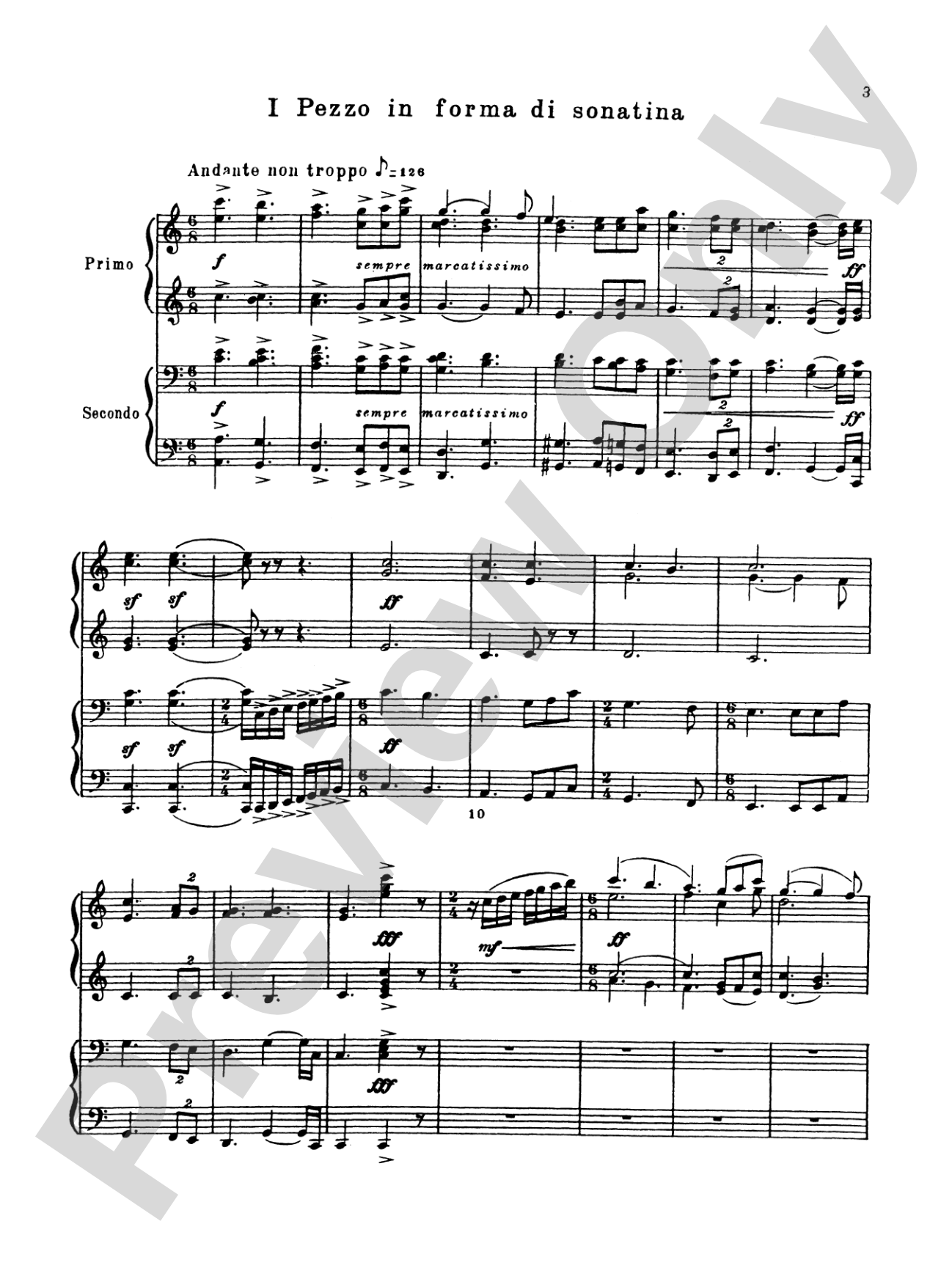
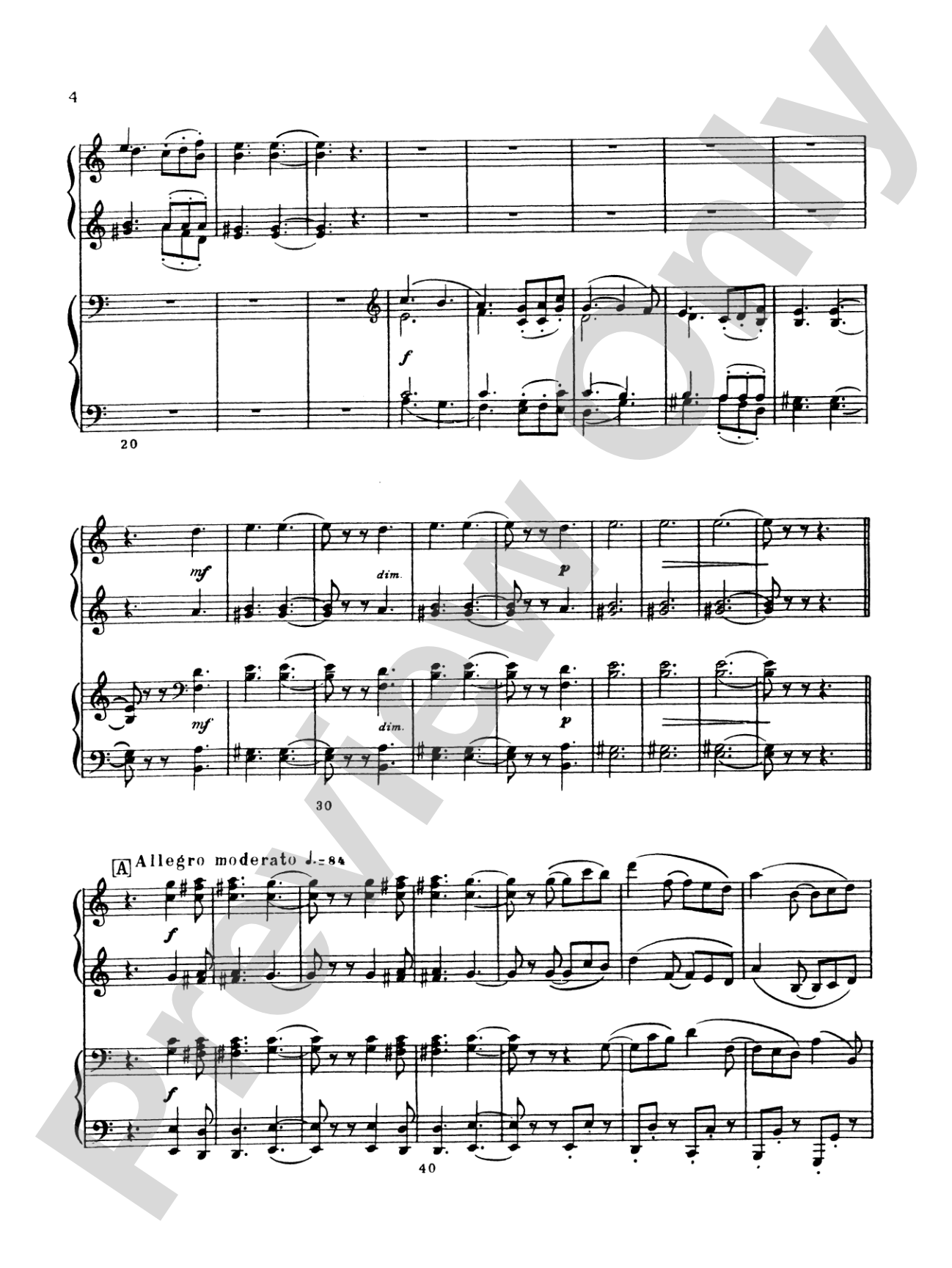
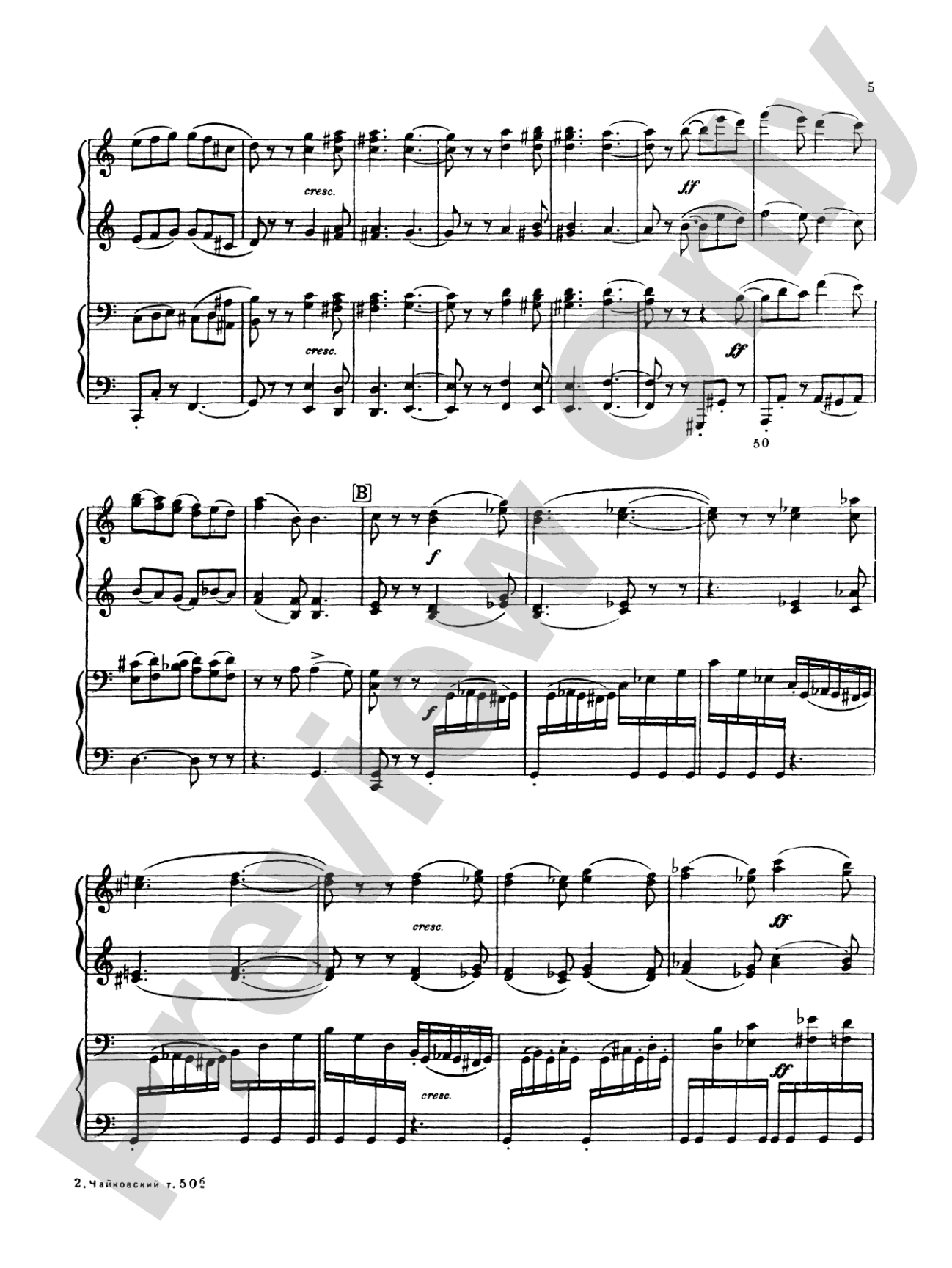
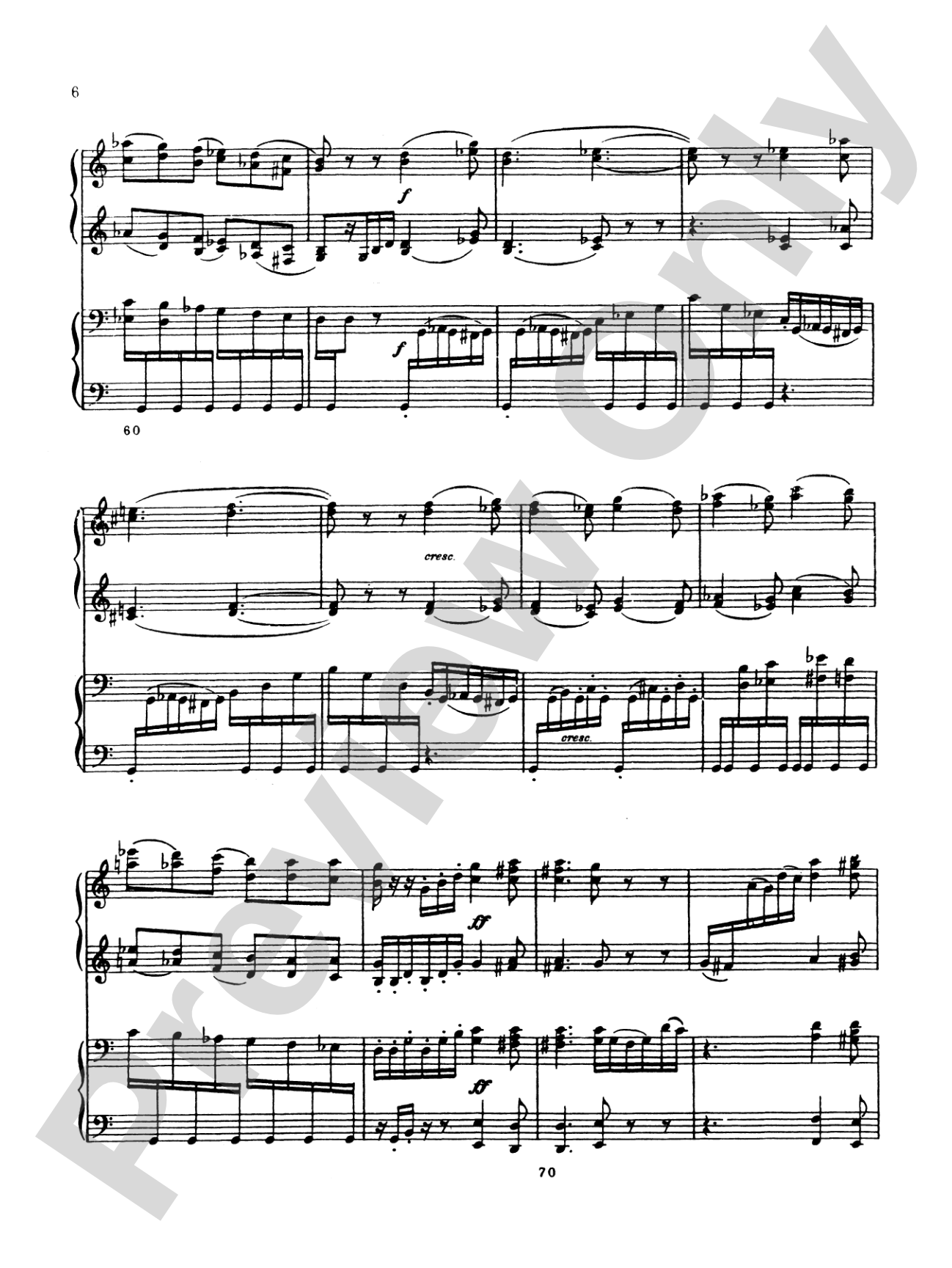
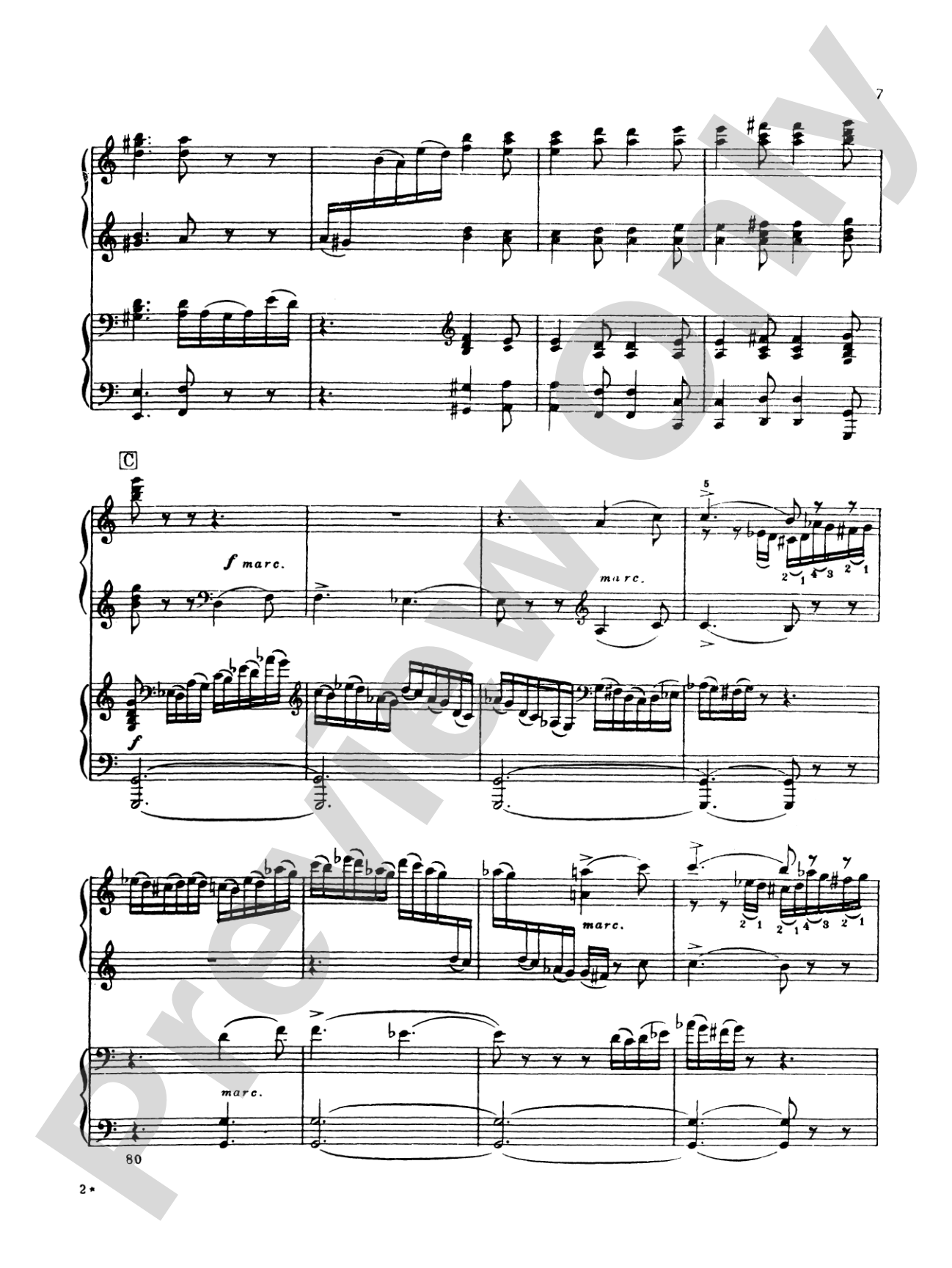
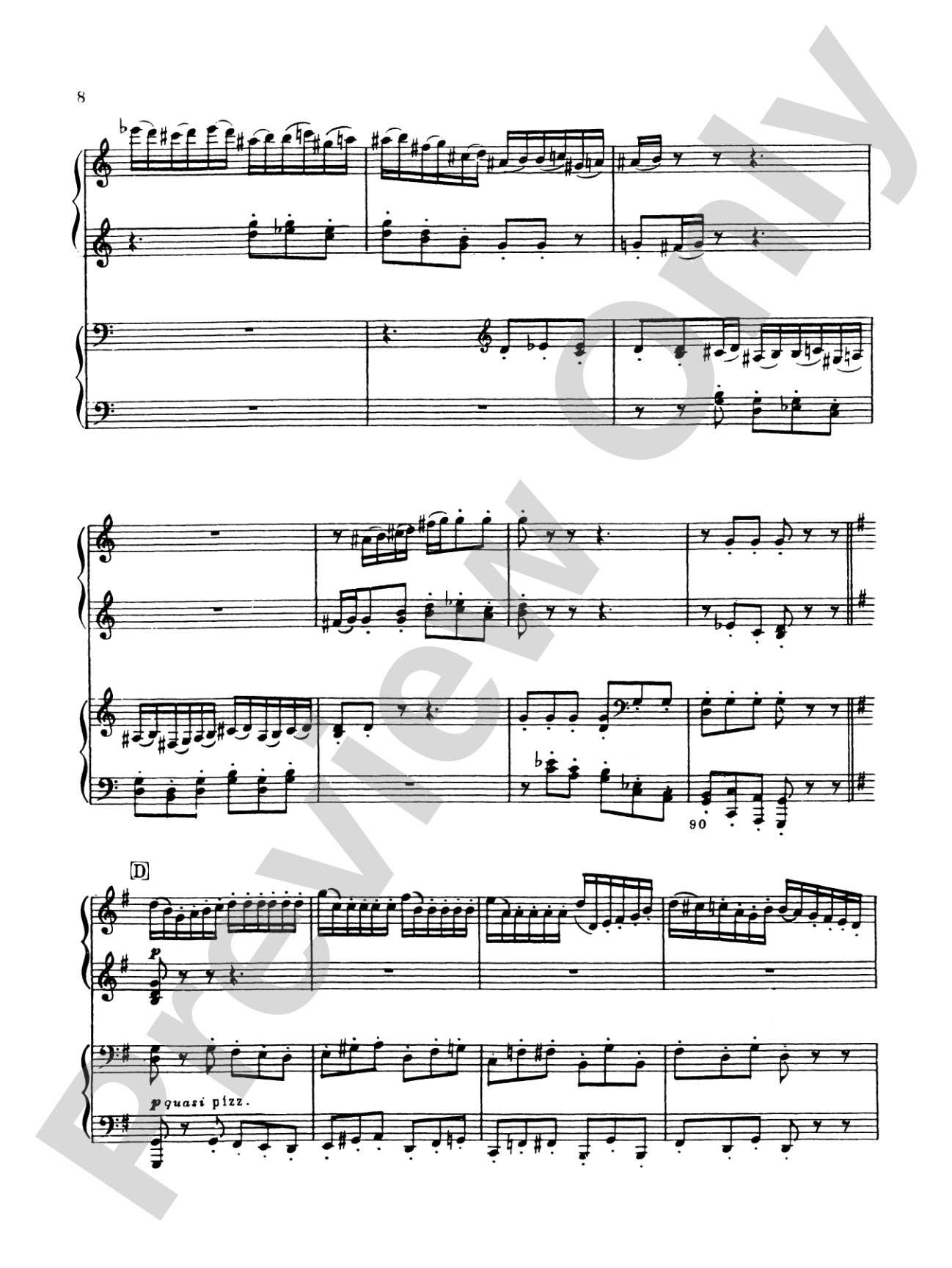
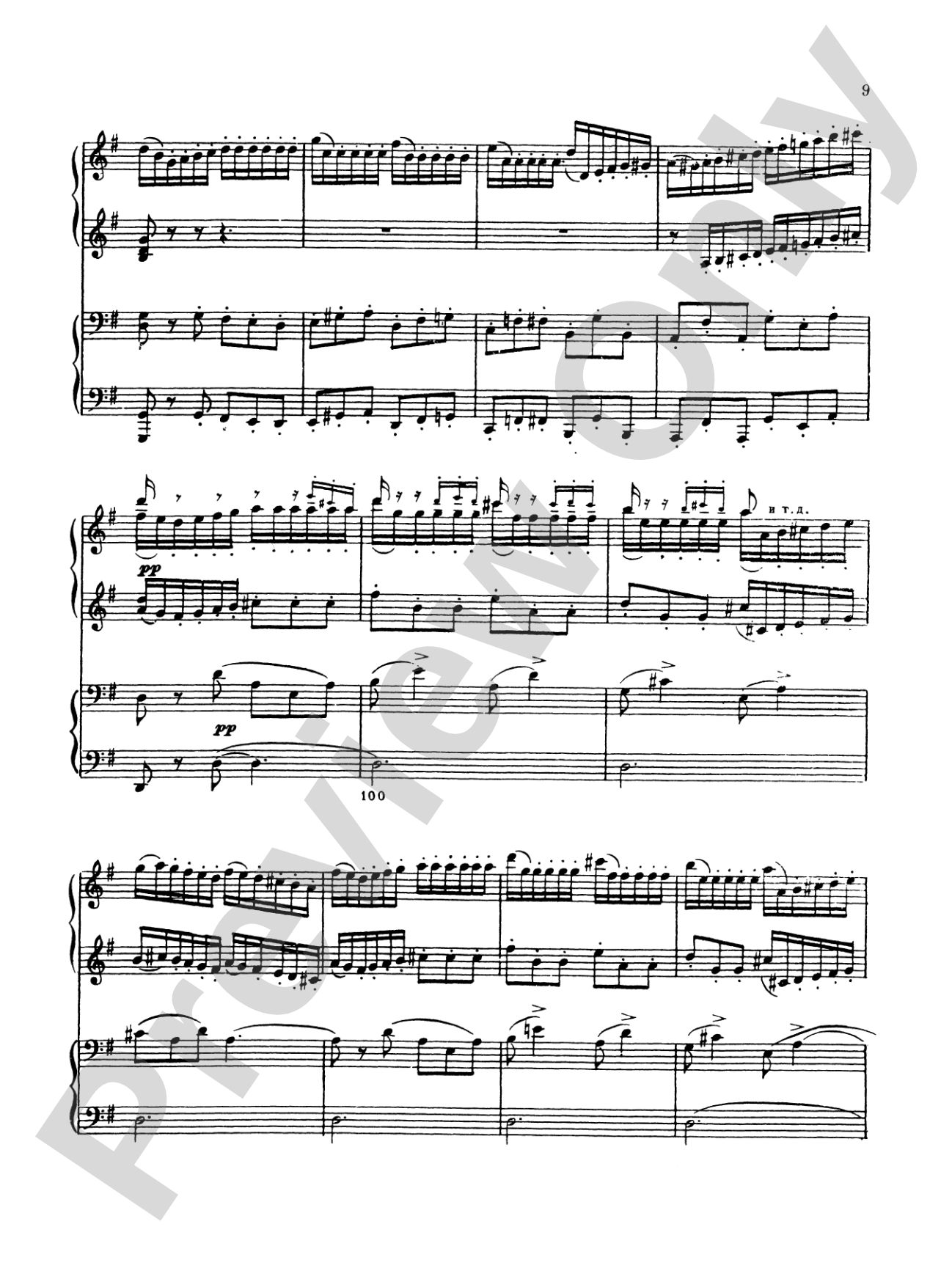
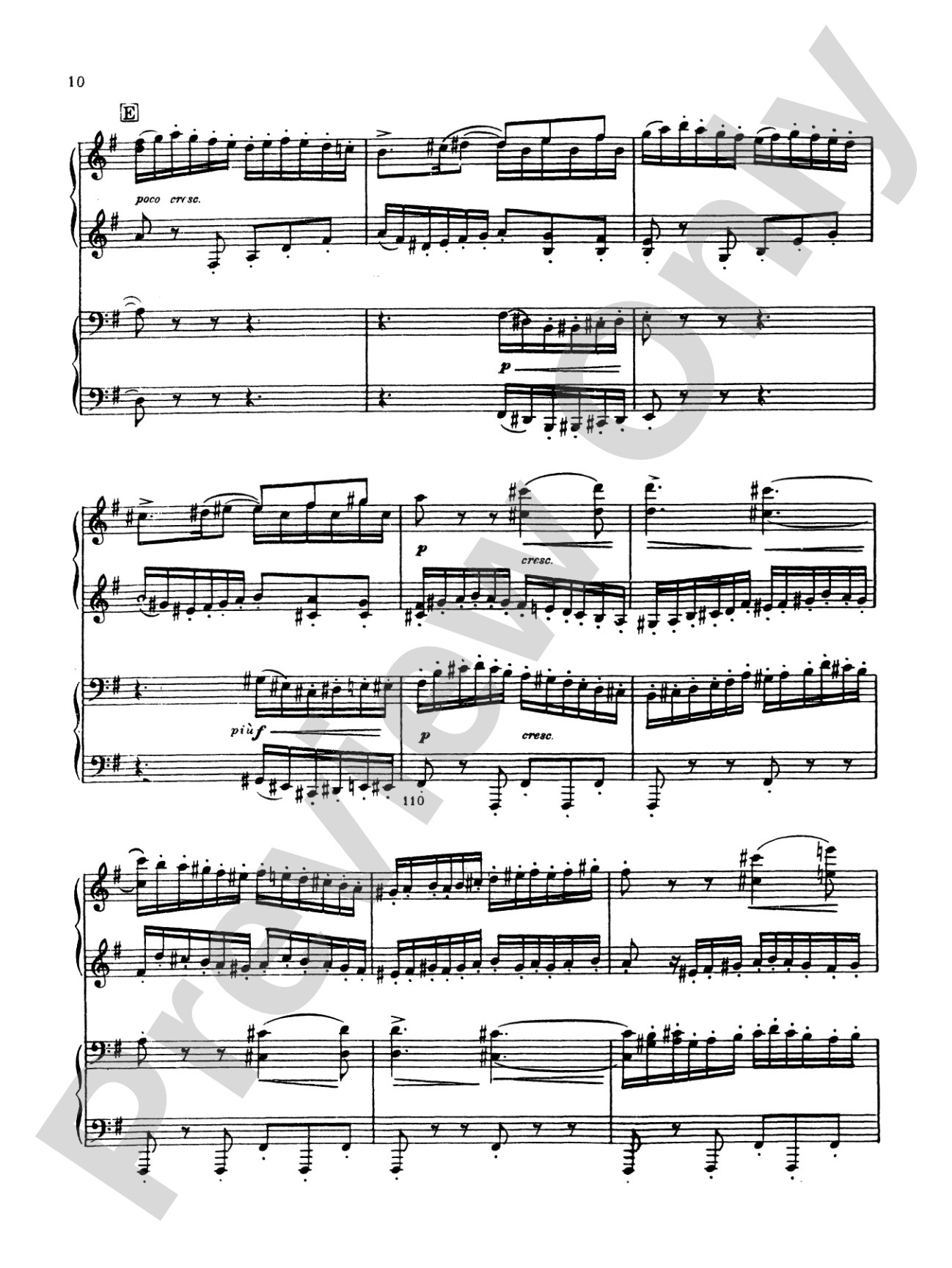
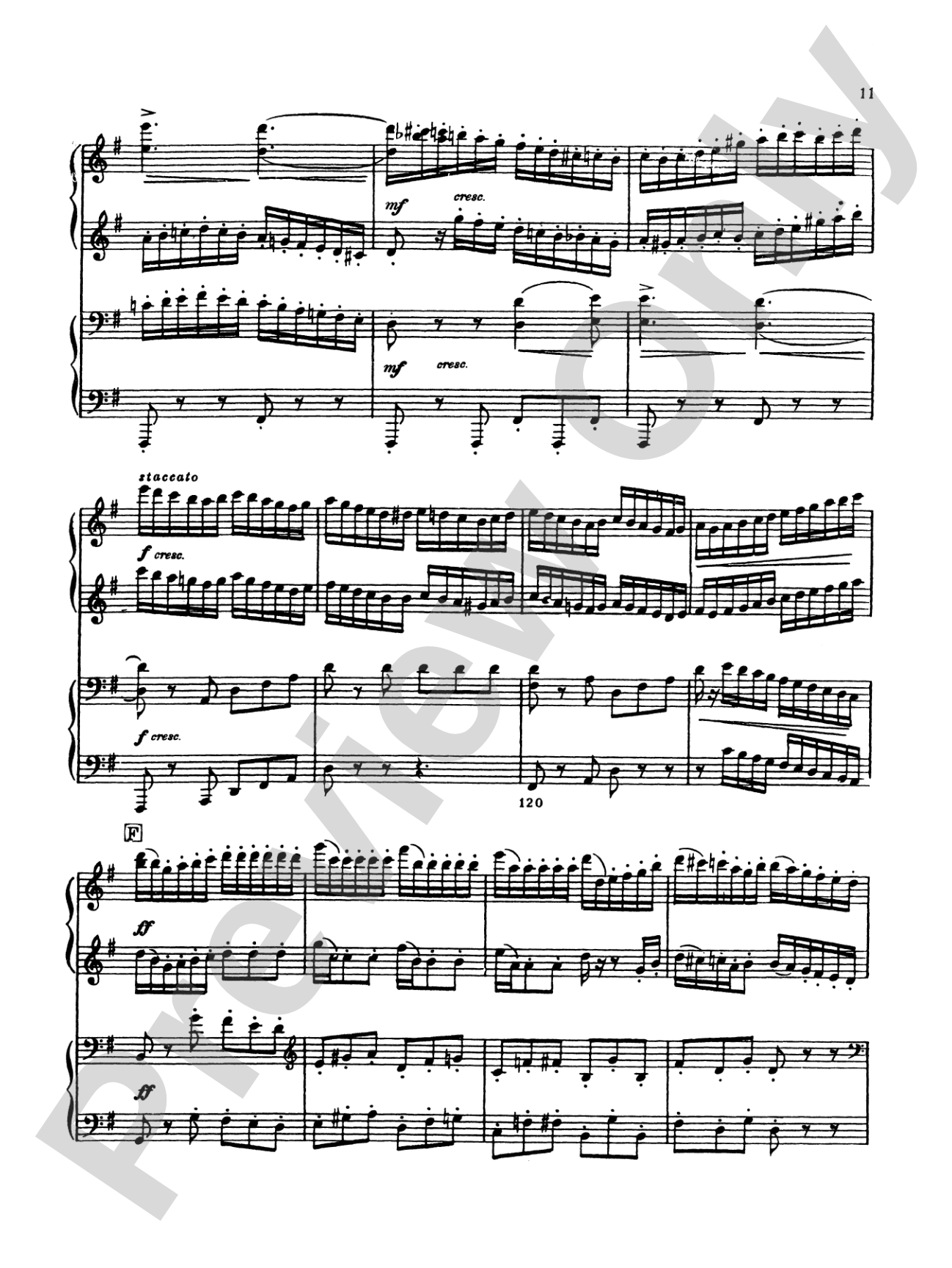
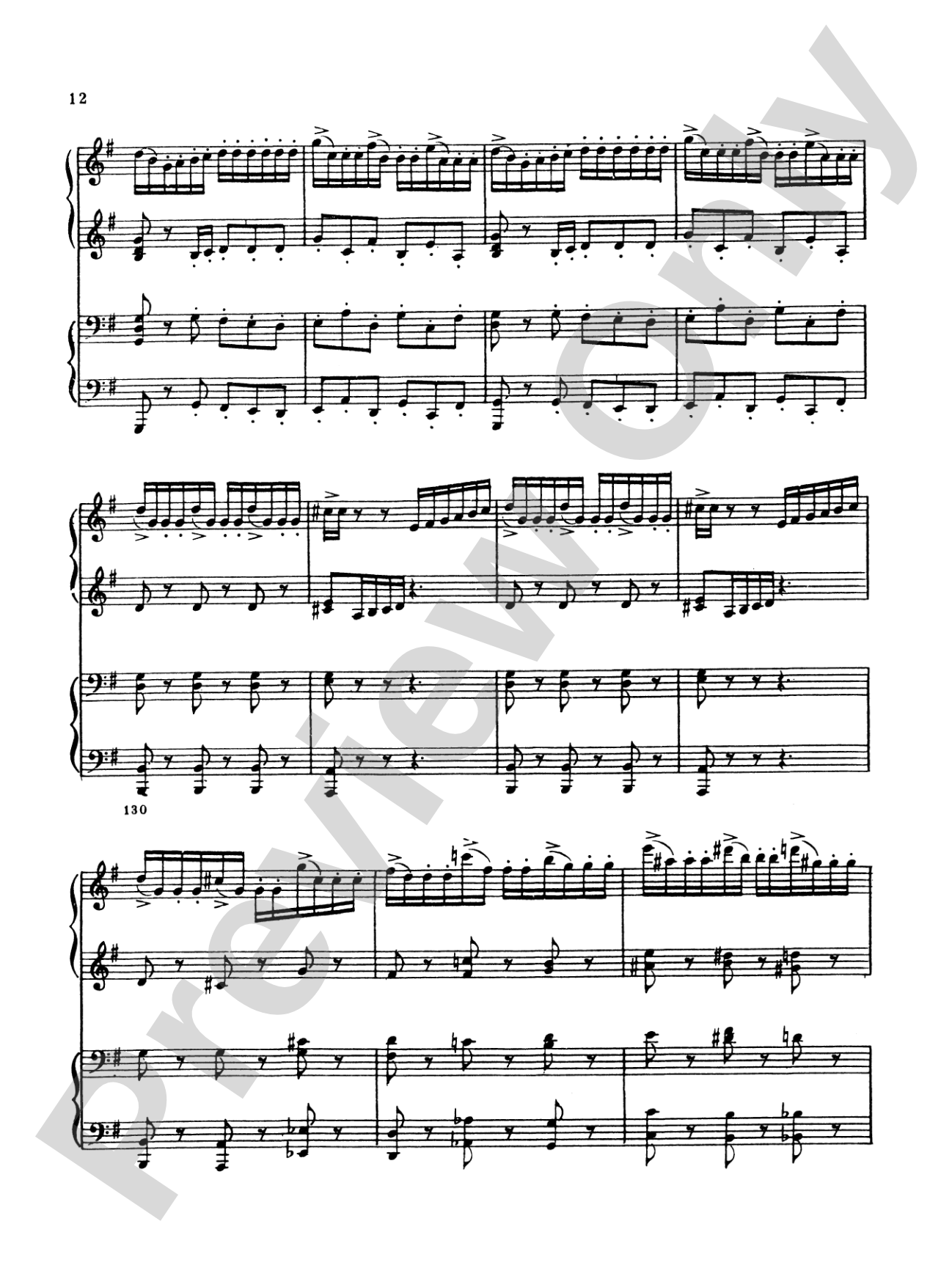
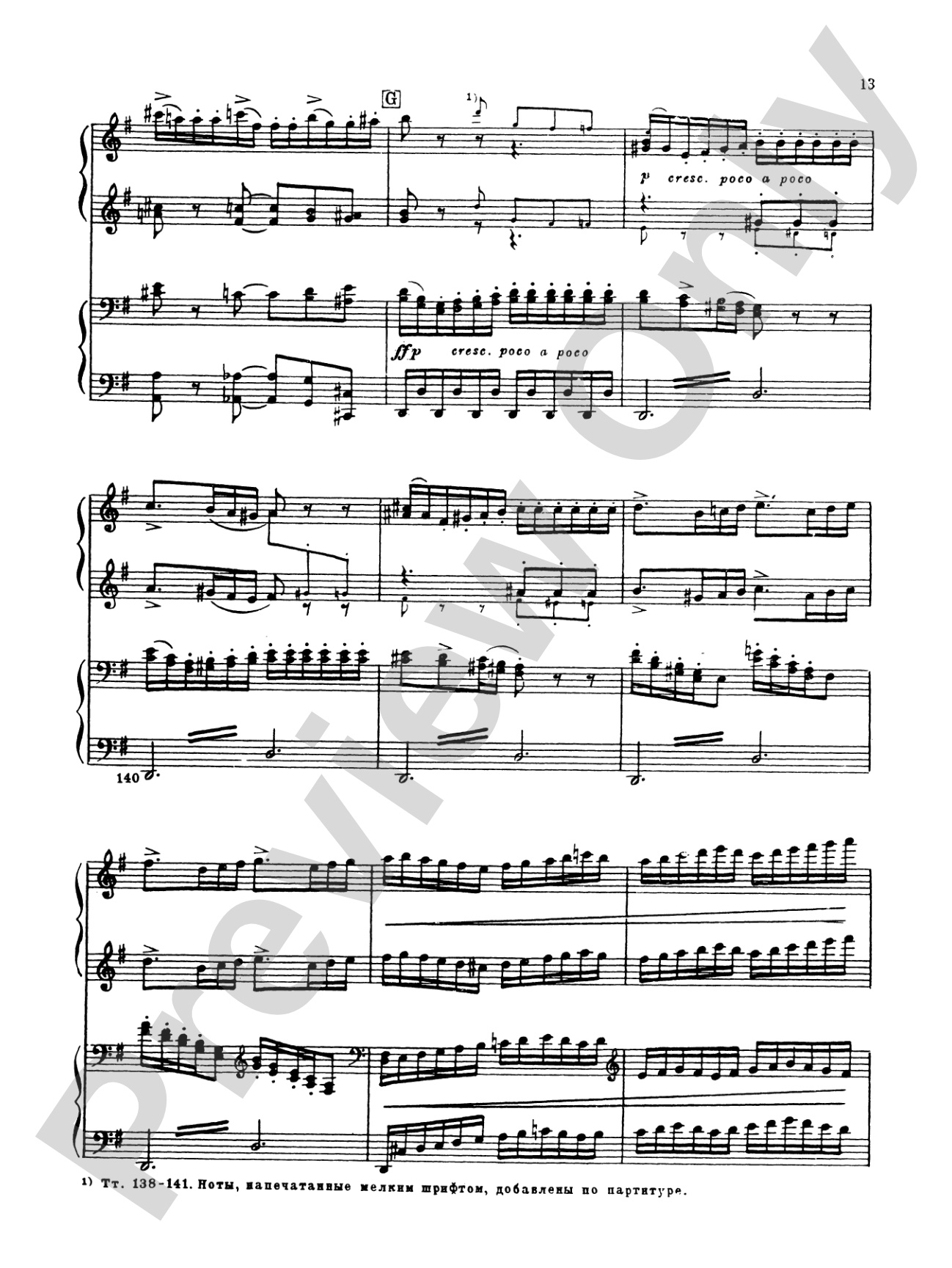
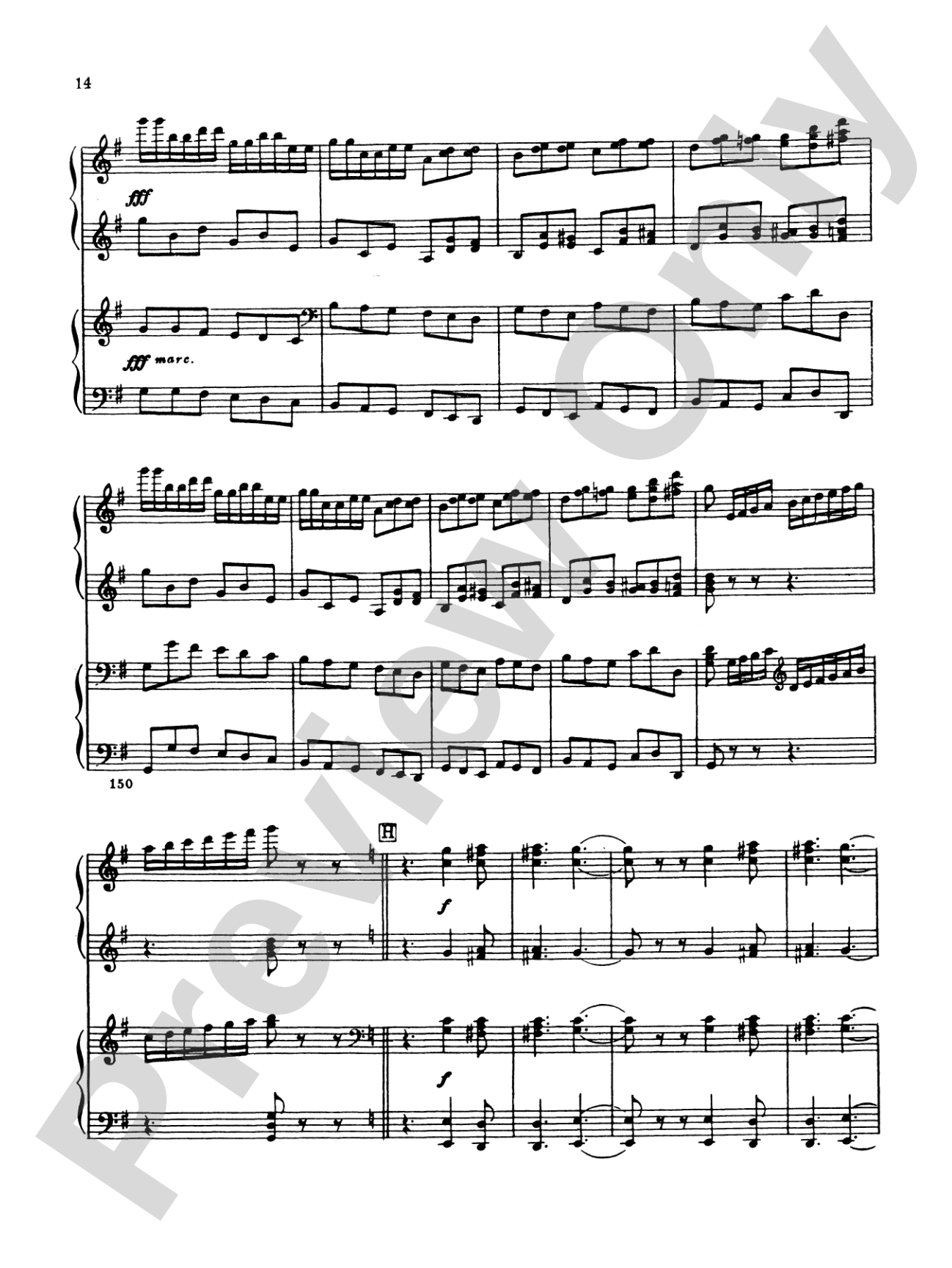
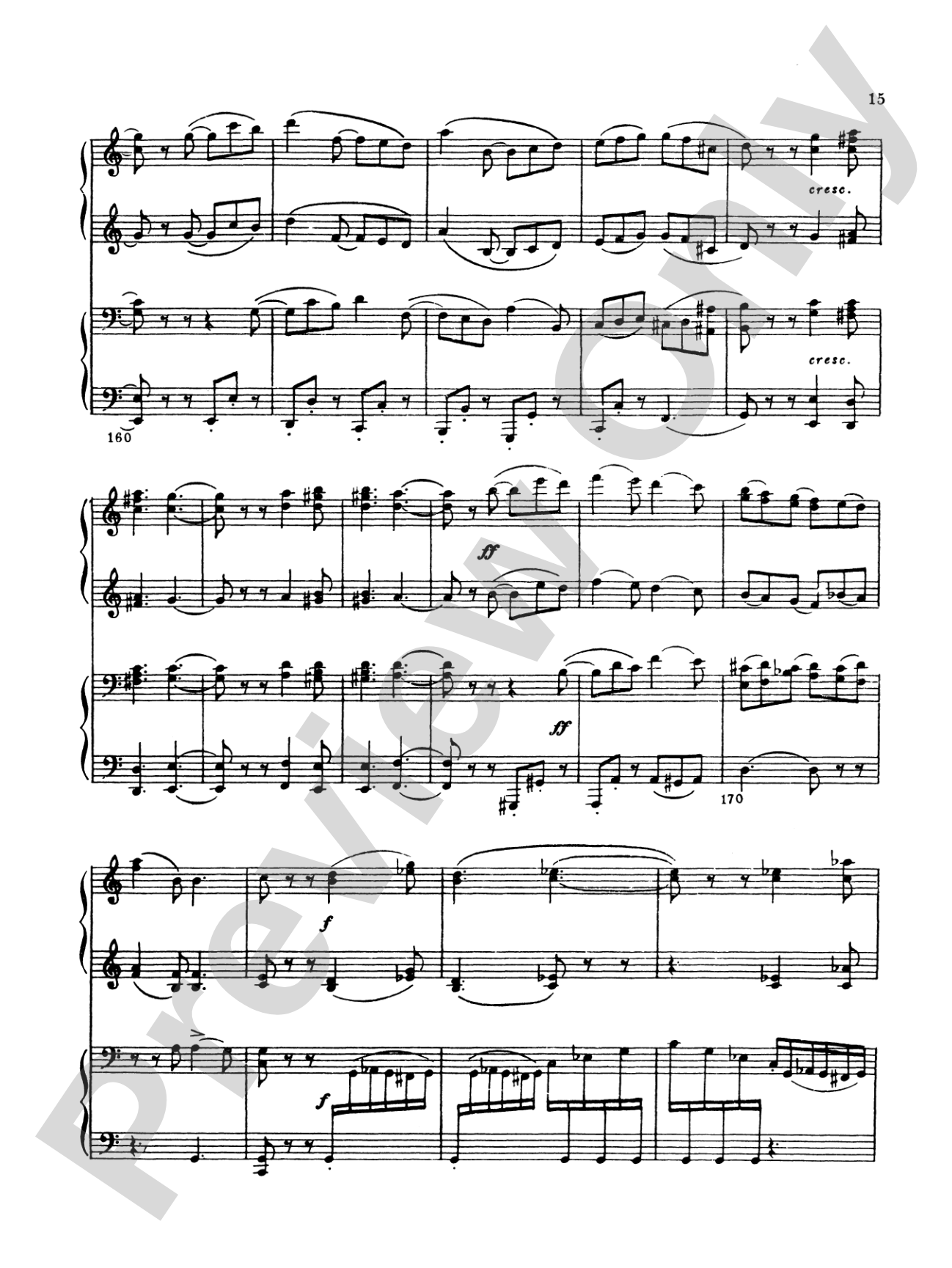
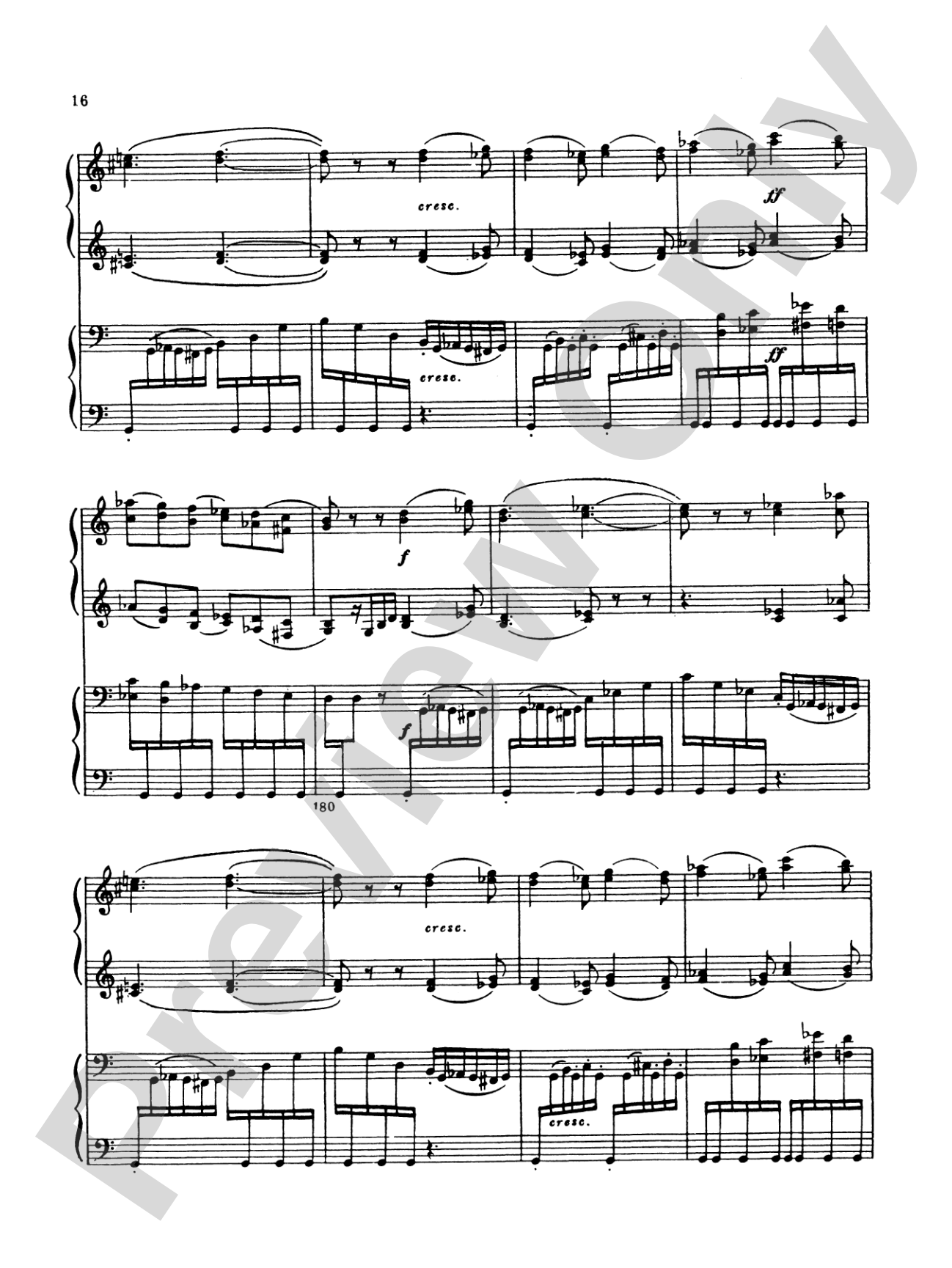
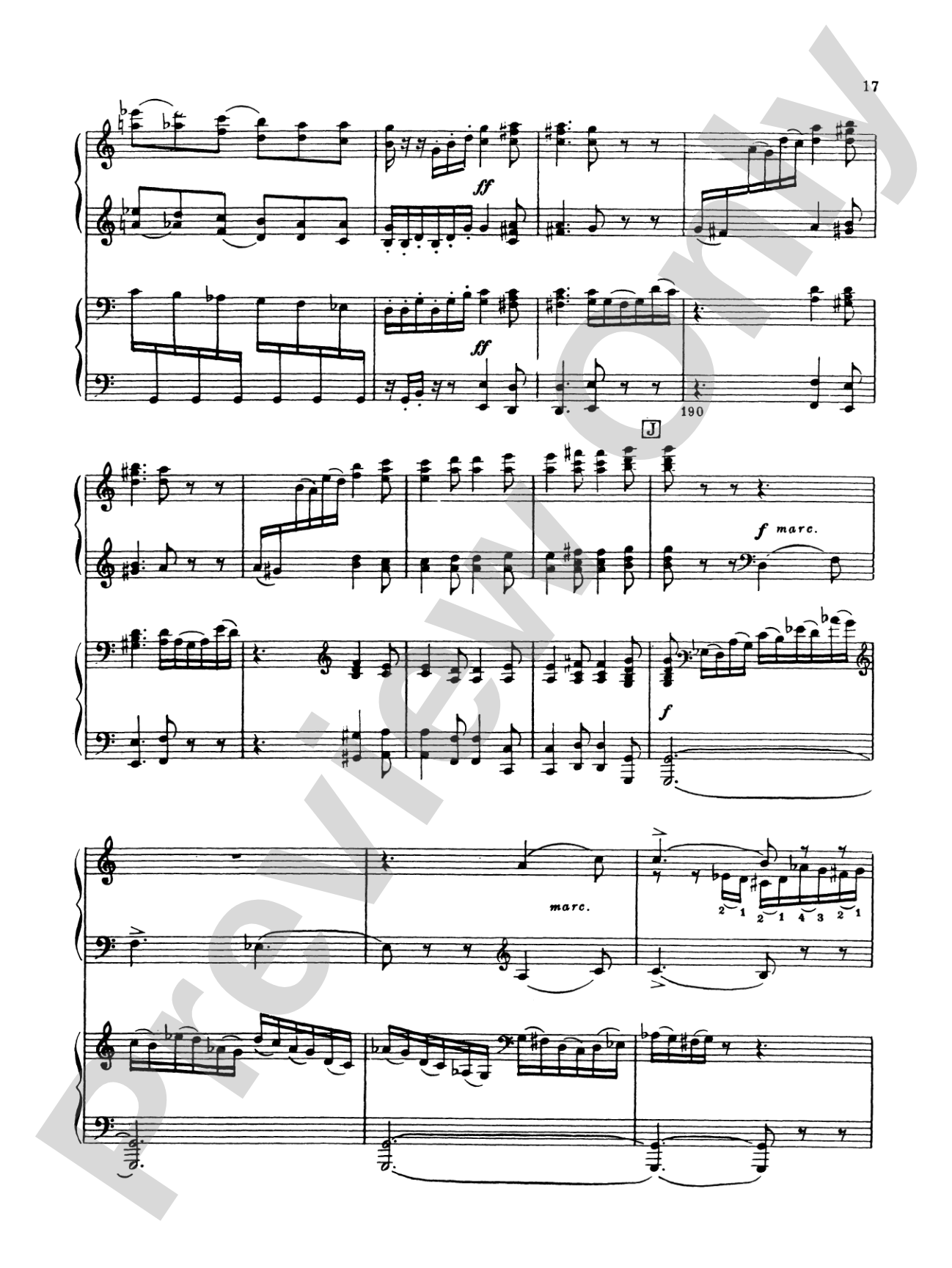
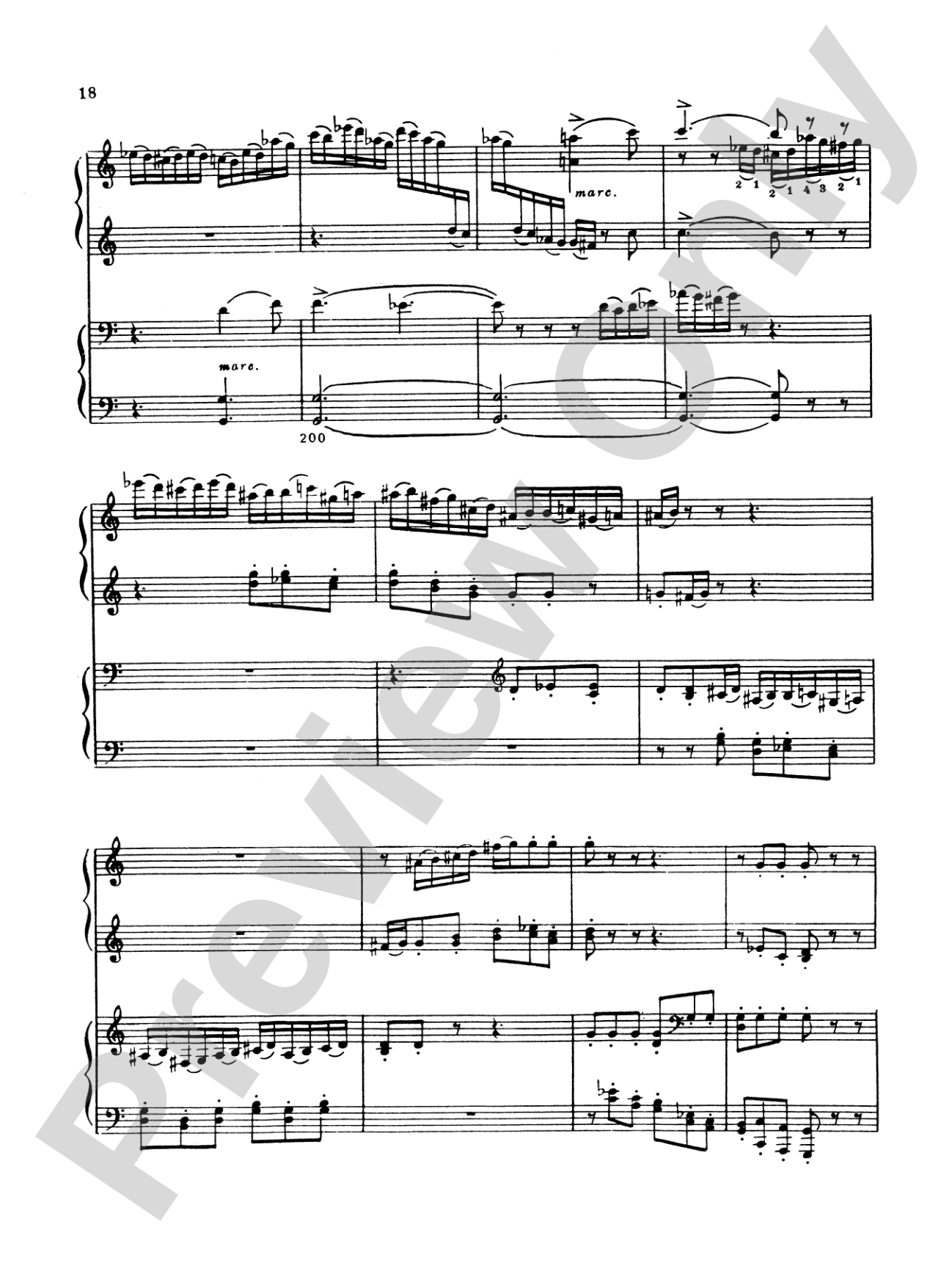
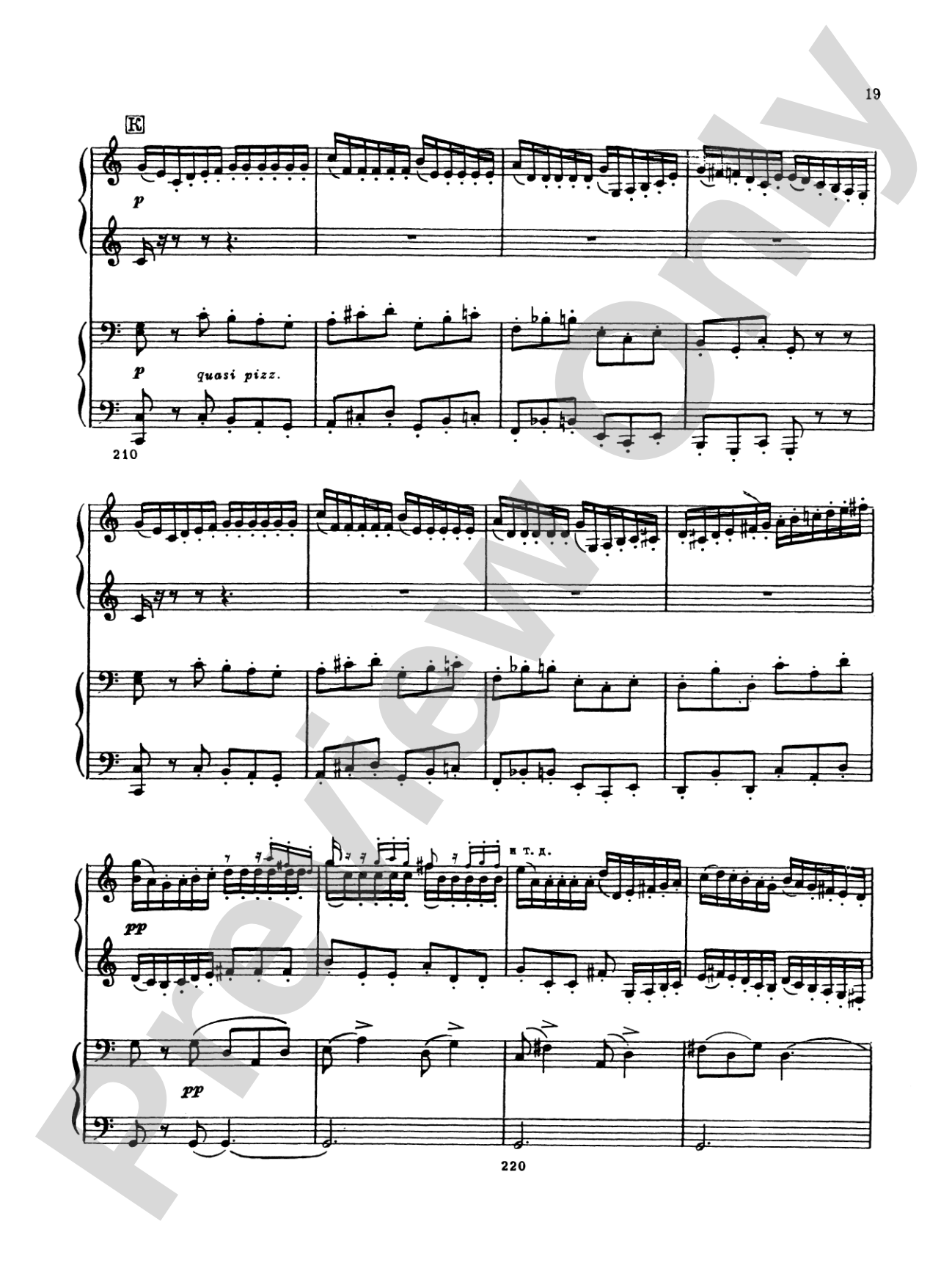
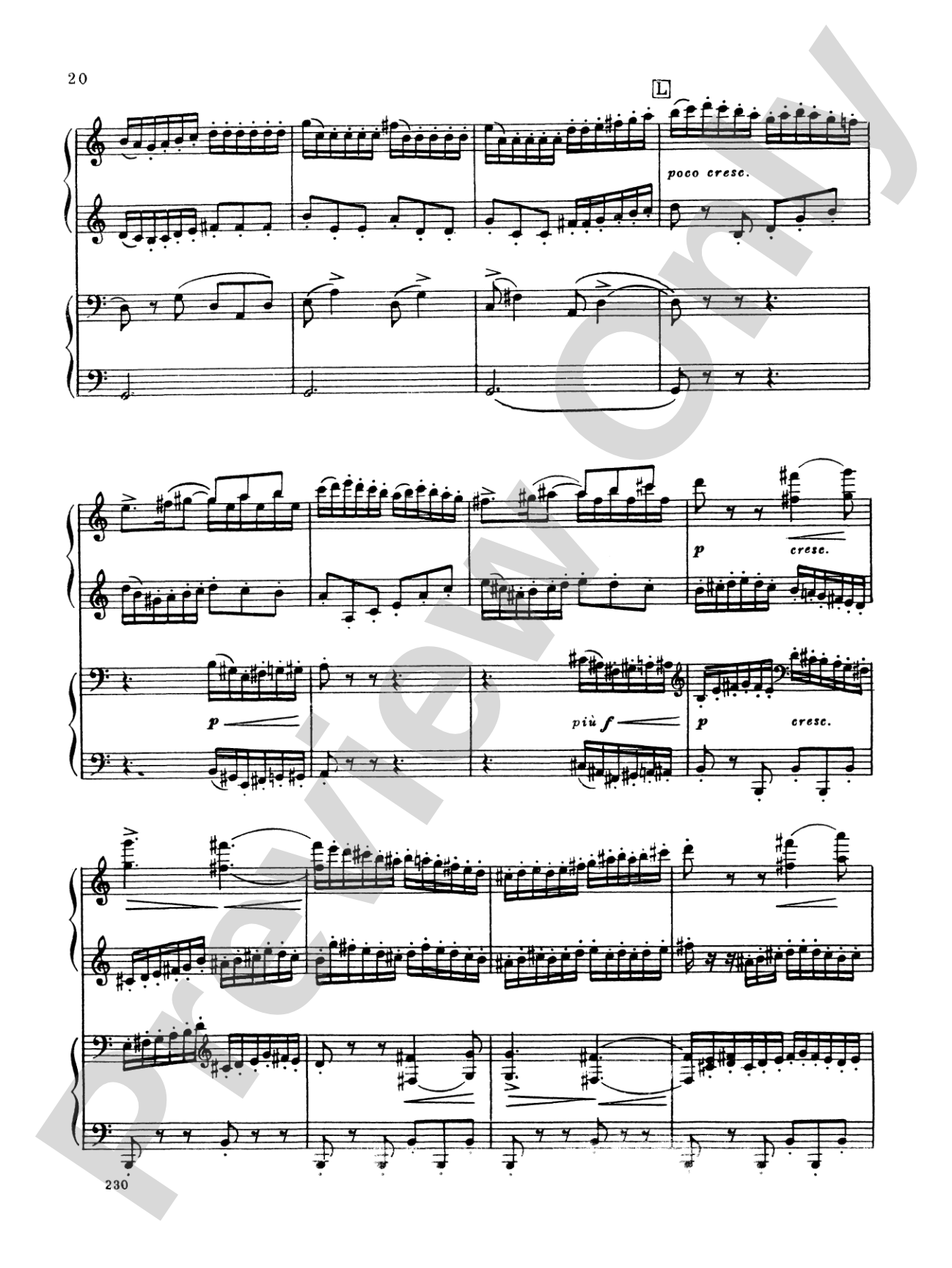
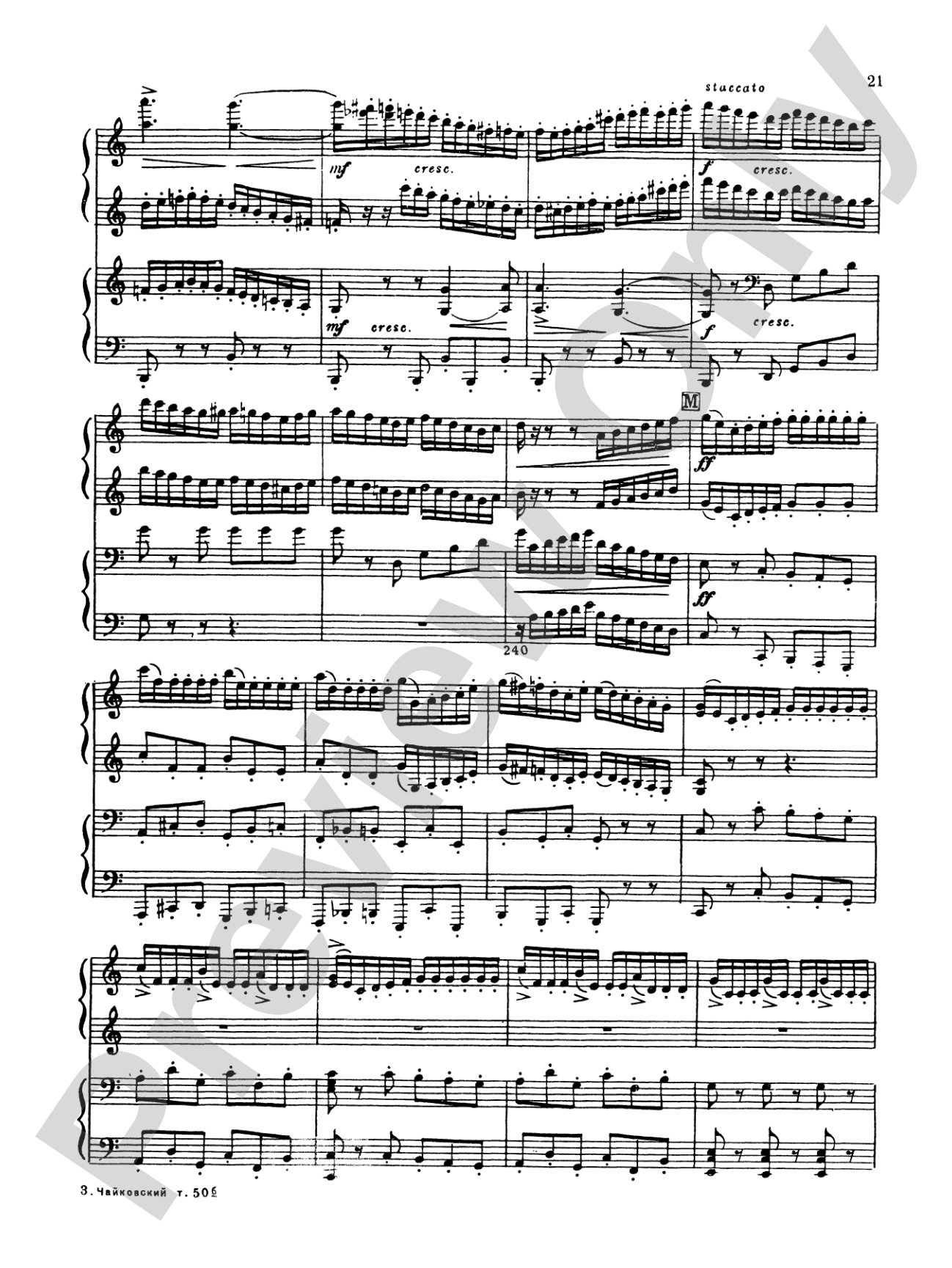
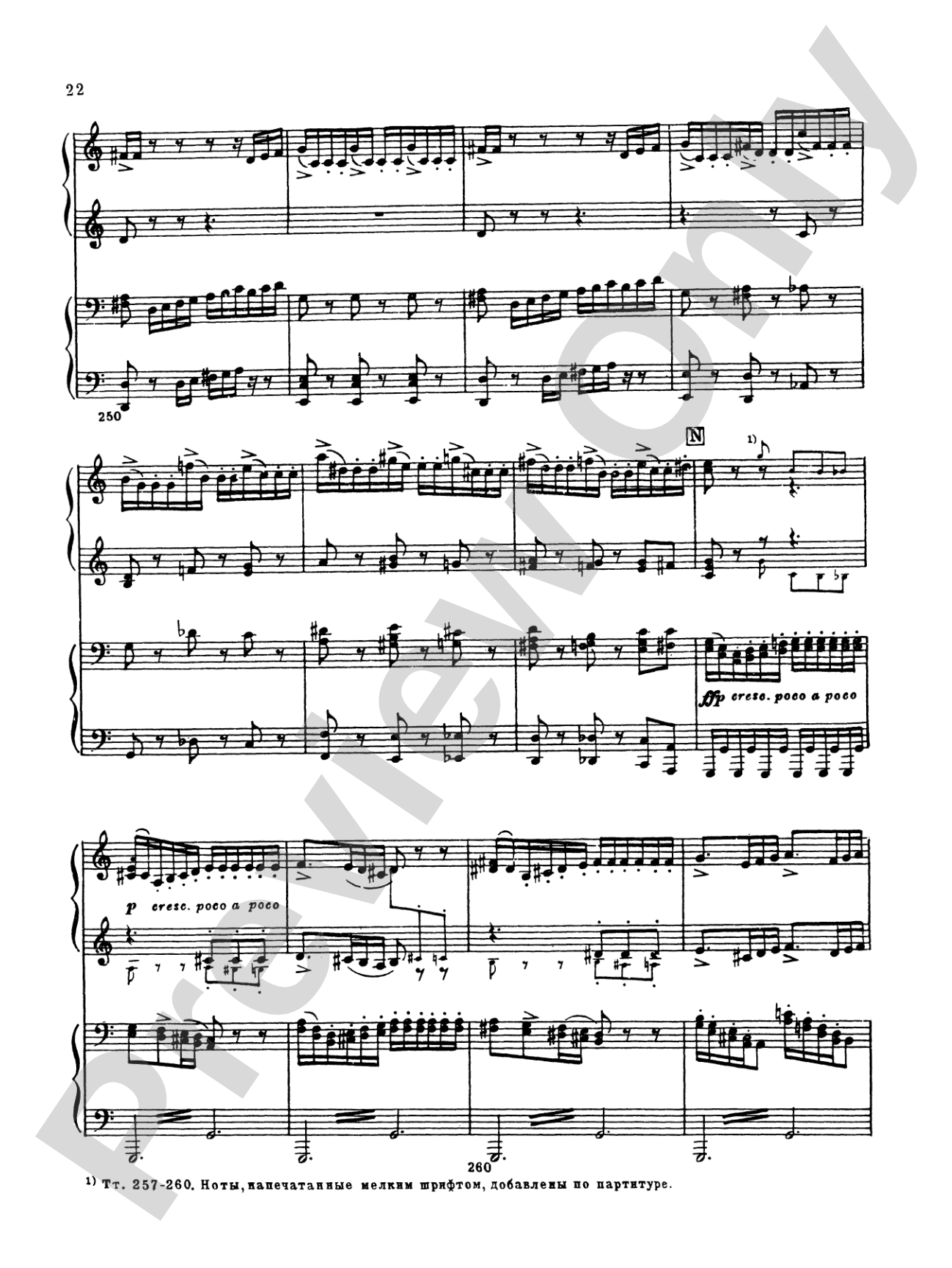
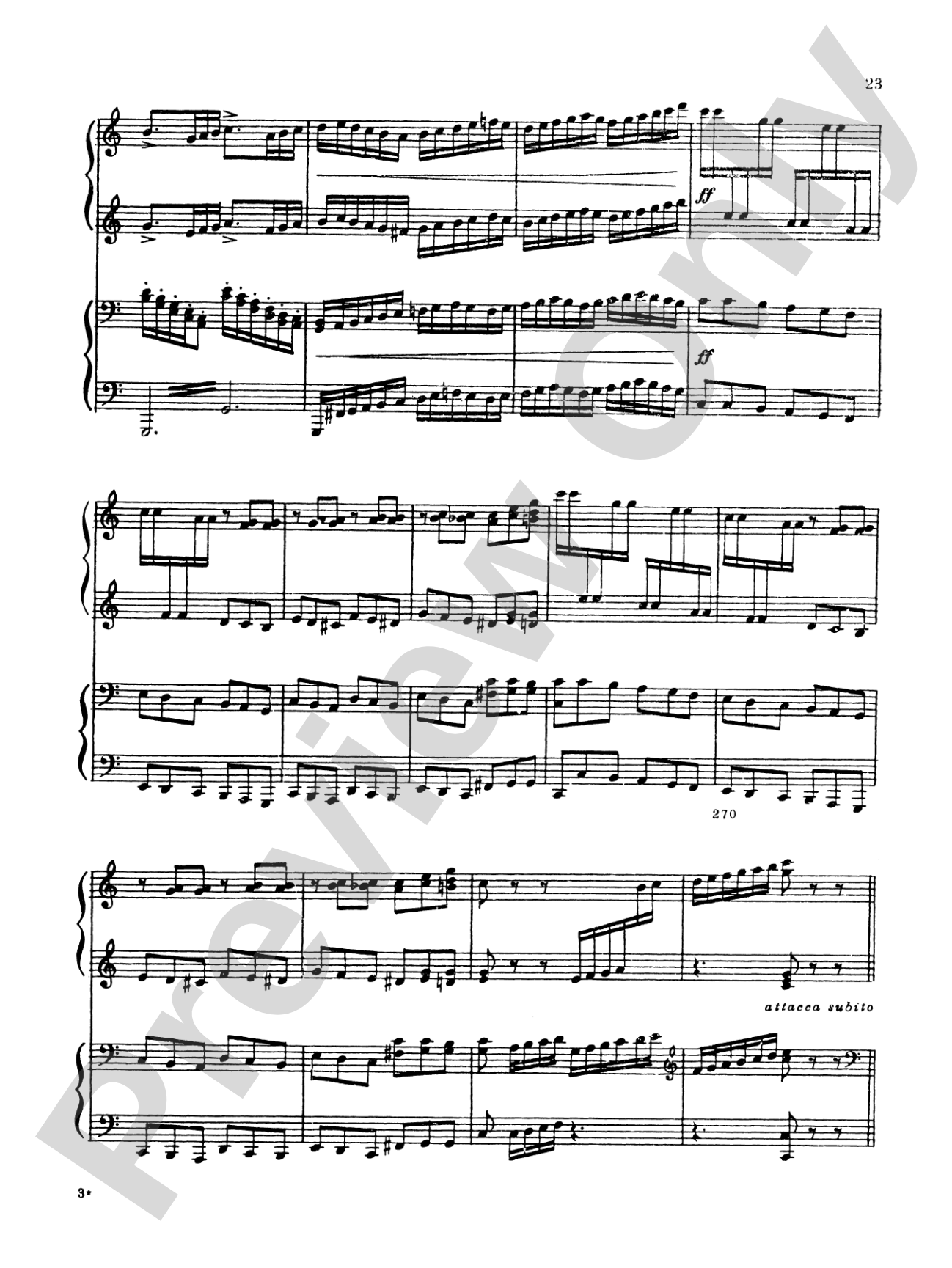
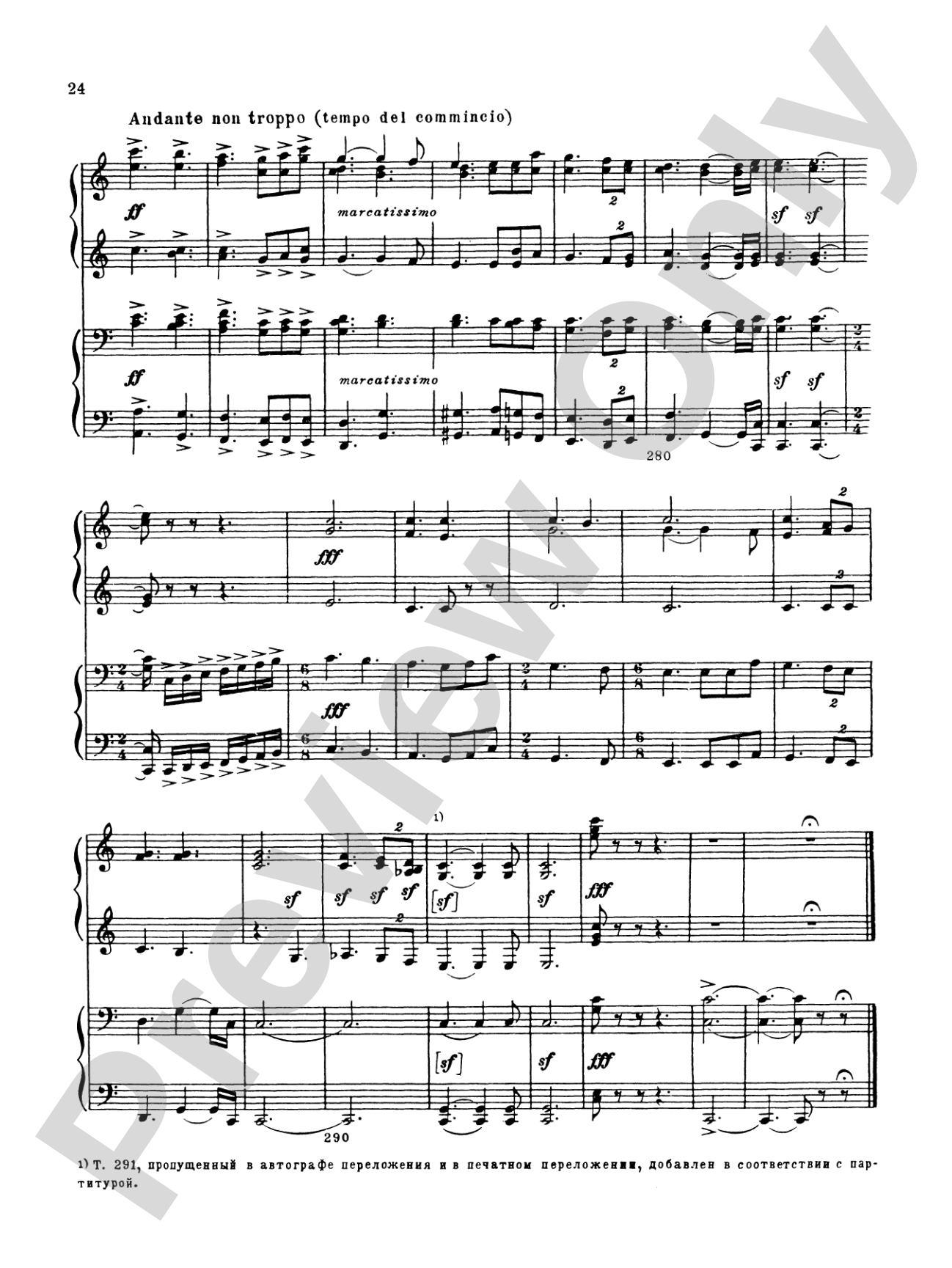

Tchaikovsky: Serenade, Op. 48: Piano Duet (1 Piano, 4 Hands) Book
By Peter Ilyich Tchaikovsky
Item: 00-PK-0002816

$12.99
Pickup currently not available
Buy Extra Parts (Digital PDF Download)
| Product | Price | Quantity |
|---|---|---|
| Tchaikovsky: Serenade, Op. 48 | $2.95 | |
| Tchaikovsky: Serenade, Op. 48 | $2.99 | |
| Tchaikovsky: Serenade, Op. 48 | $2.99 | |
| Tchaikovsky: Serenade, Op. 48 | $2.95 |
Parts Added to Cart!
Related Items
Serenade, Opus 48: Piano Duet (1 Piano, 4 Hands) Book |
$12.95
|
View |
Description
A Piano Duet for 1 Piano, 4 Hands, composed by Peter Ilyich Tchaikovsky.


Don't just read it, hear it, play along with it, and watch your students grow with it. In MakeMusic Cloud, Tchaikovsky: Serenade, Op. 48: Piano Duet (1 Piano, 4 Hands) Book comes alive with professional accompaniment, adjustable tempo, and built-in practice tools that turn solo practice into real progress.
Open in the Player
Jump straight in and assign it today.
Start Your Free Trial
Open this title and explore the full library in minutes.
Sample Audio
No sample audio found.
Sample Video
No sample videos found.
Additional Details
Series:
Kalmus Edition
Publisher:
Alfred Music
Page Count:
68
SKU:
00-PK-0002816
More about this title
About the Composer: Peter Ilyich Tchaikovsky
Peter Ilyich Tchaikovsky (1840, 1893) was a Russian composer whose gift for melody and orchestral color defined the Romantic era. His works range from grand ballets and symphonies to intimate chamber pieces, all marked by emotional directness and sophisticated harmonic language. For pianists, Tchaikovsky's duet arrangements open access to his large-scale thinking in a shared, conversational format.
Tchaikovsky understood the four-hand medium as more than accompaniment for a soloist. In his duet transcriptions, he distributed thematic material across both players, creating genuine dialogue and requiring both musicians to be fully engaged listeners. This approach makes his duets valuable not just as performance pieces but as studies in ensemble awareness.
Why we love this
This reduction captures the Serenade's sweeping melodic lines and rich harmonic textures in a format that brings two pianists together for a substantial, rewarding experience. The work demands genuine musical partnership rather than simple role division, making it an excellent choice for intermediate-to-advanced duet players seeking literature that respects their musicality. Programming it signals serious artistry while remaining accessible to skilled community pianists and advanced students.
What to expect
Elegant and introspective, the Serenade unfolds as a series of intimate conversations between two voices at the same keyboard. The music inhabits that distinctly Russian Romantic space where formal grace meets genuine emotional depth, offering moments of lyrical beauty alongside passages of hushed tenderness and occasional dramatic gesture.
Who it's for
Advanced pianists and serious duet teams who want to move beyond contemporary works into classical and Romantic literature. This edition serves pianists working toward recital repertoire, community ensemble players, and advanced students who have mastered fundamental duet coordination and are ready for longer, structurally complex works.
How to get the most out of it
- Balance the inner voices carefully so that harmonic color remains transparent even when both players are navigating dense textures; the Primo part often carries melody while Secondo maintains architectural foundation.
- Shape phrases with long-line thinking rather than measure-by-measure; Tchaikovsky's melodies breathe across full sections, and joint attention to arch and repose transforms the piece from note-reading into storytelling.
- Establish a steady tempo at the beginning and communicate tempo changes through eye contact and body language, since the Serenade moves between multiple tempos and moods; rushing or dragging even slightly creates listener anxiety.
- Listen actively for when the other pianist's line becomes primary; the duet requires constant awareness of who carries melodic weight so that both players can adjust dynamics and articulation appropriately.
How to use it
Feature this as a centerpiece in a chamber music recital or duet concert, where its 68 pages signal commitment and artistry. It also works beautifully on programs pairing Romantic-era composers with contemporary works, or as part of a Tchaikovsky survey that might include his piano works and orchestral excerpts arranged for smaller ensemble.
Skills your students will build
- Coordinating independent rhythmic figures across both Primo and Secondo parts while maintaining unified phrasing
- Reading multiple simultaneous melodic lines and determining balance priorities in dense Romantic-era textures
- Managing page turns and hand-crossing efficiently across a substantial 68-page work
- Communicating tempo, dynamics, and musical intent through physical awareness rather than verbal cueing
- Interpreting Tchaikovsky's harmonic language, including chromatic voice leading and modal inflections typical of Russian Romantic composition