
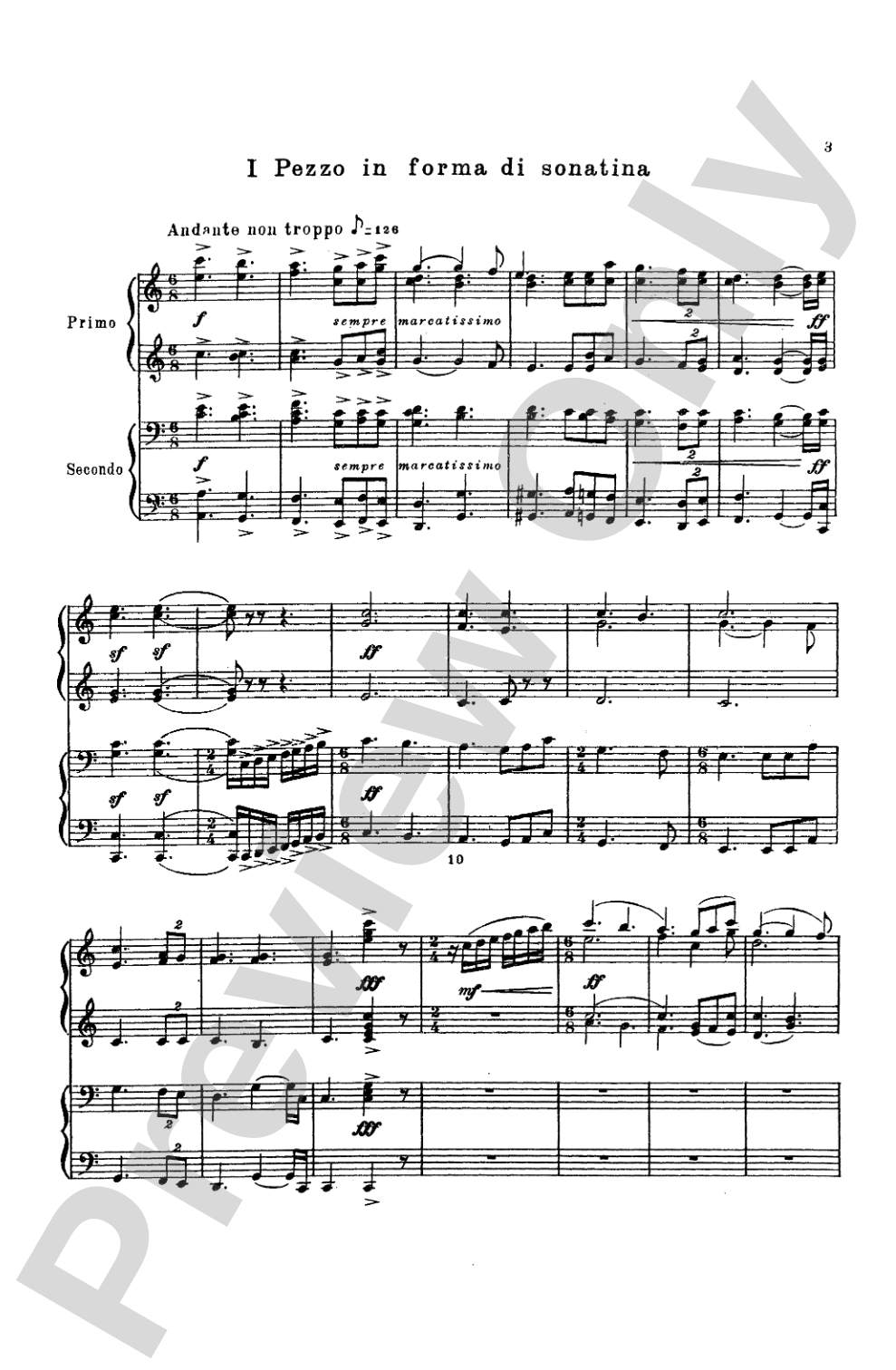
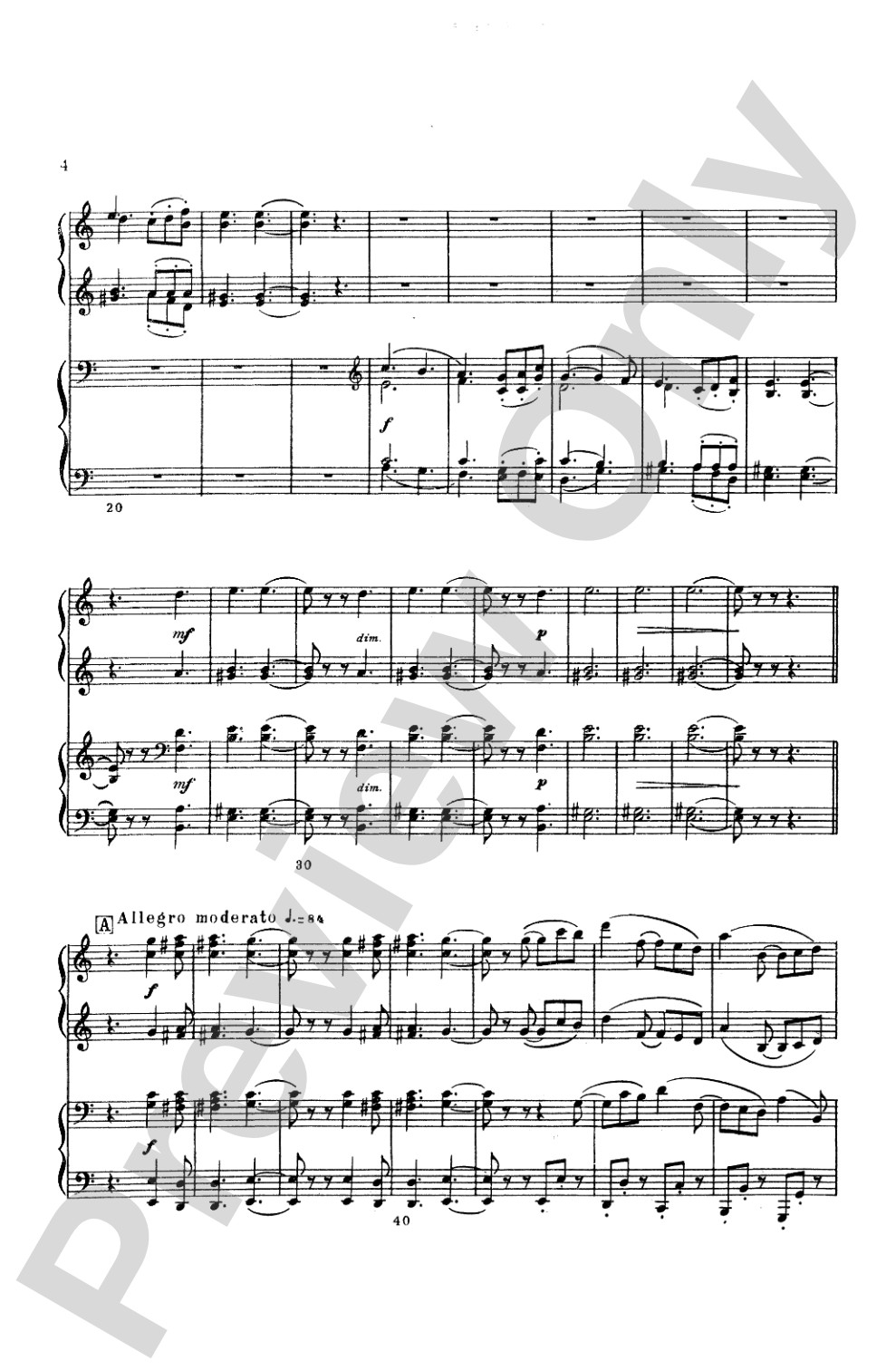
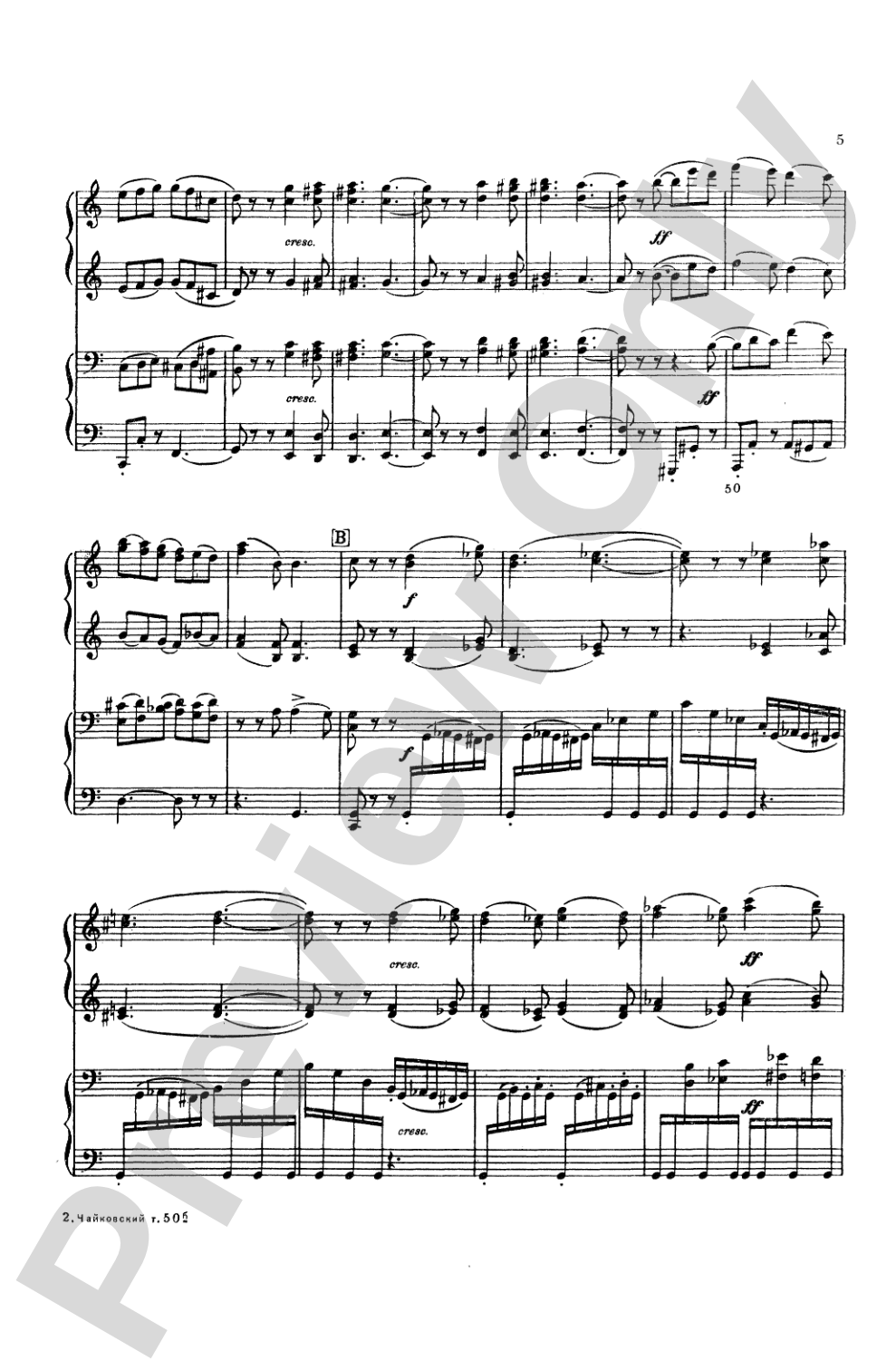
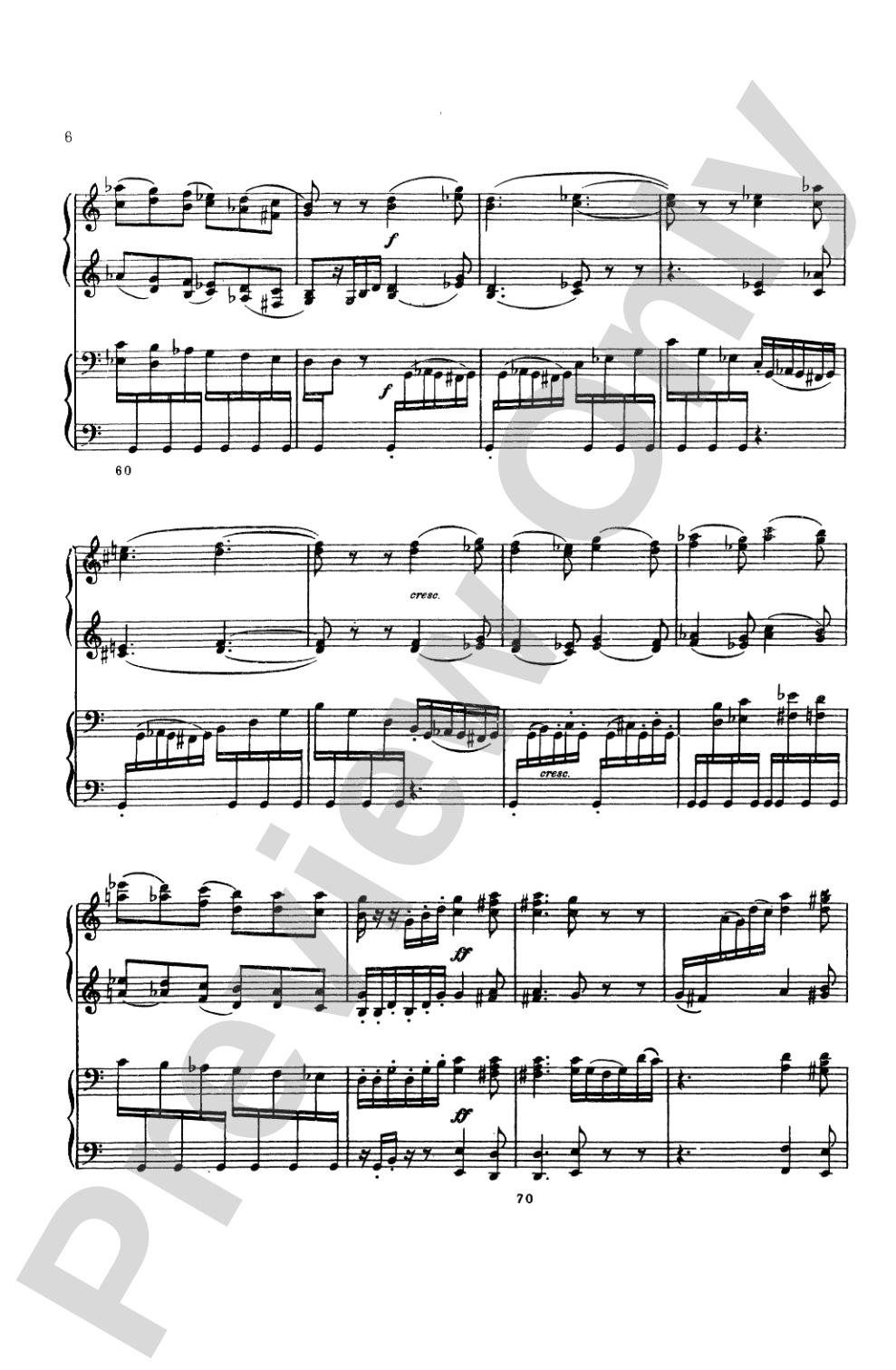
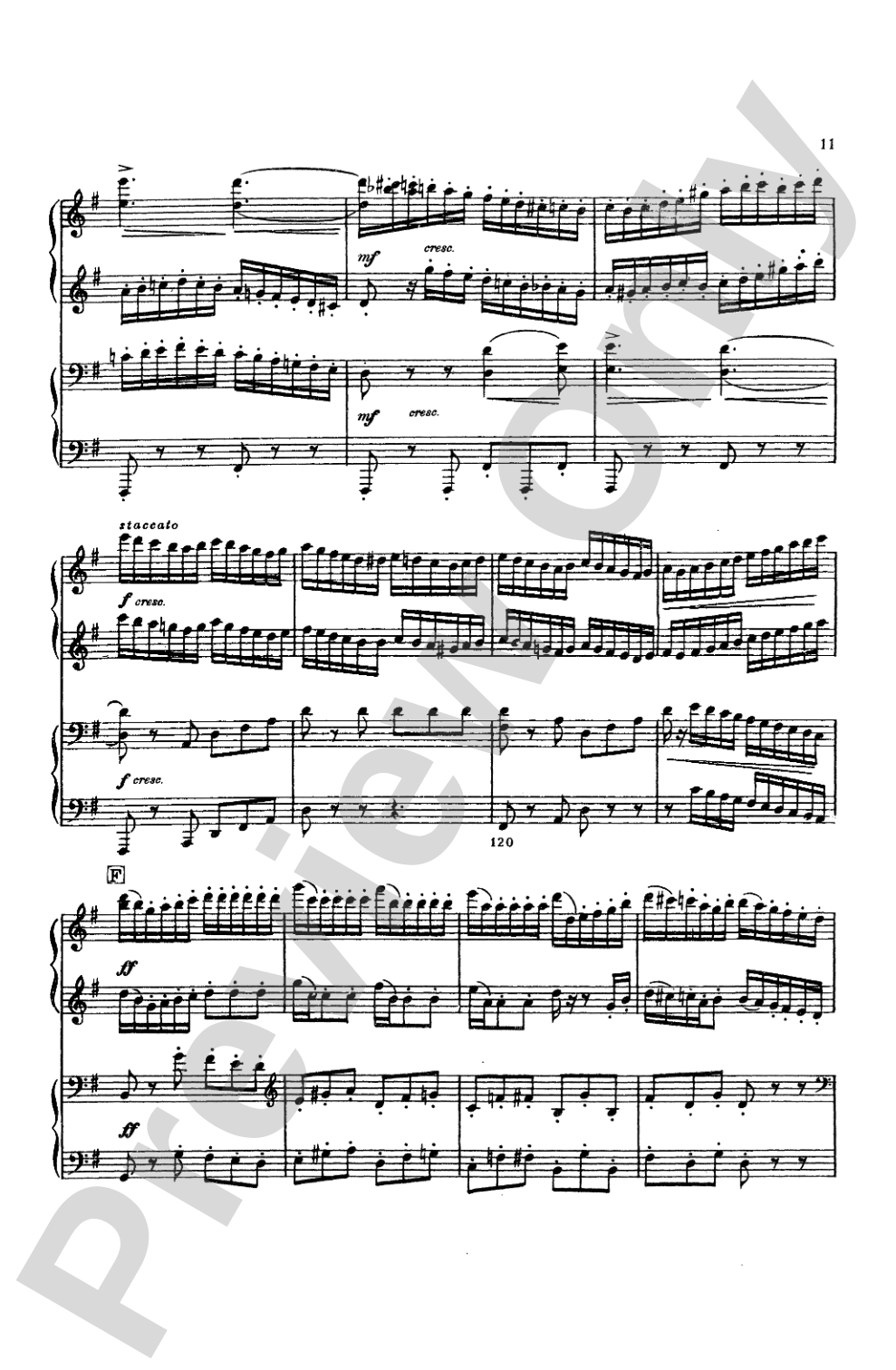
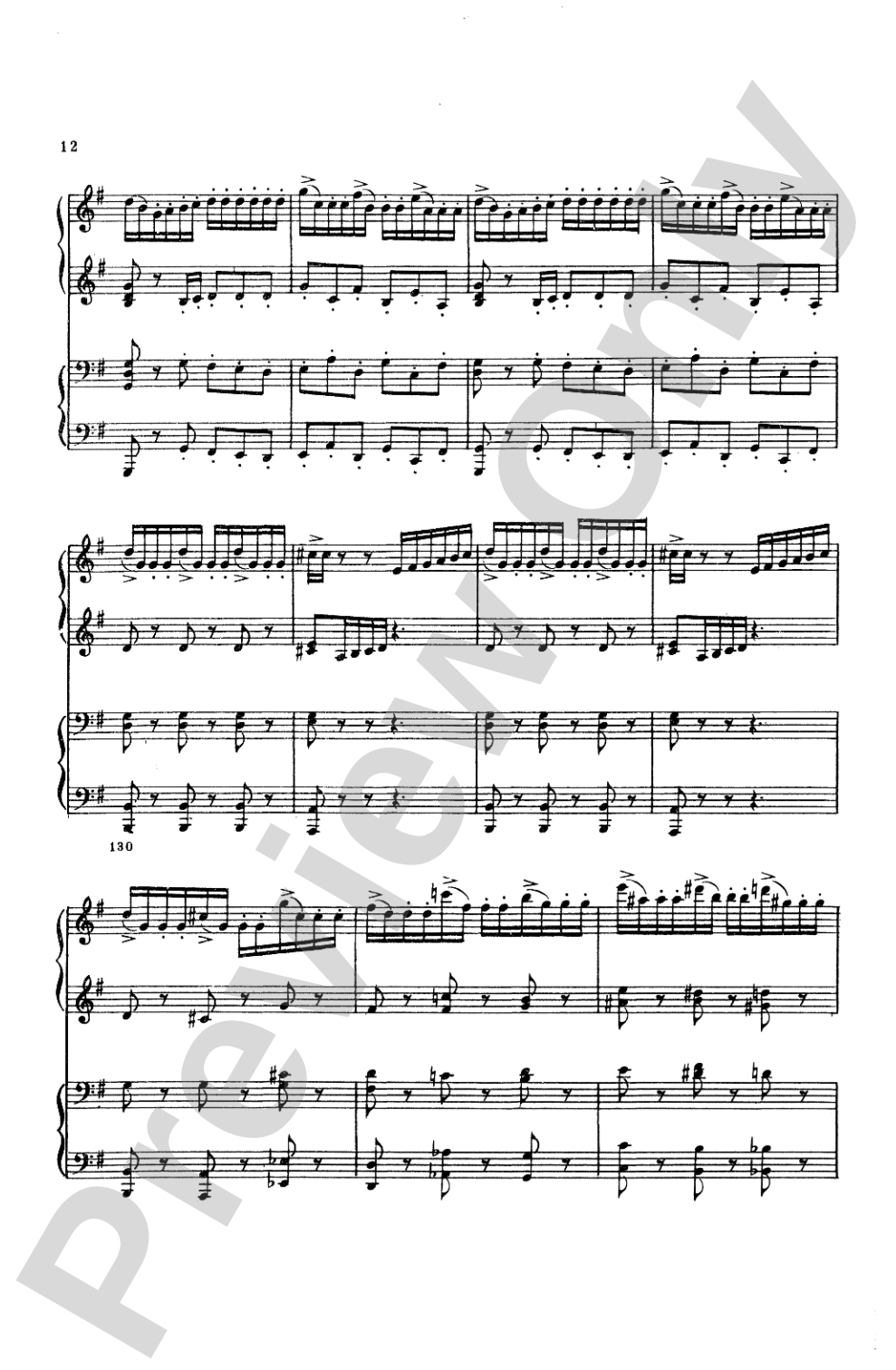
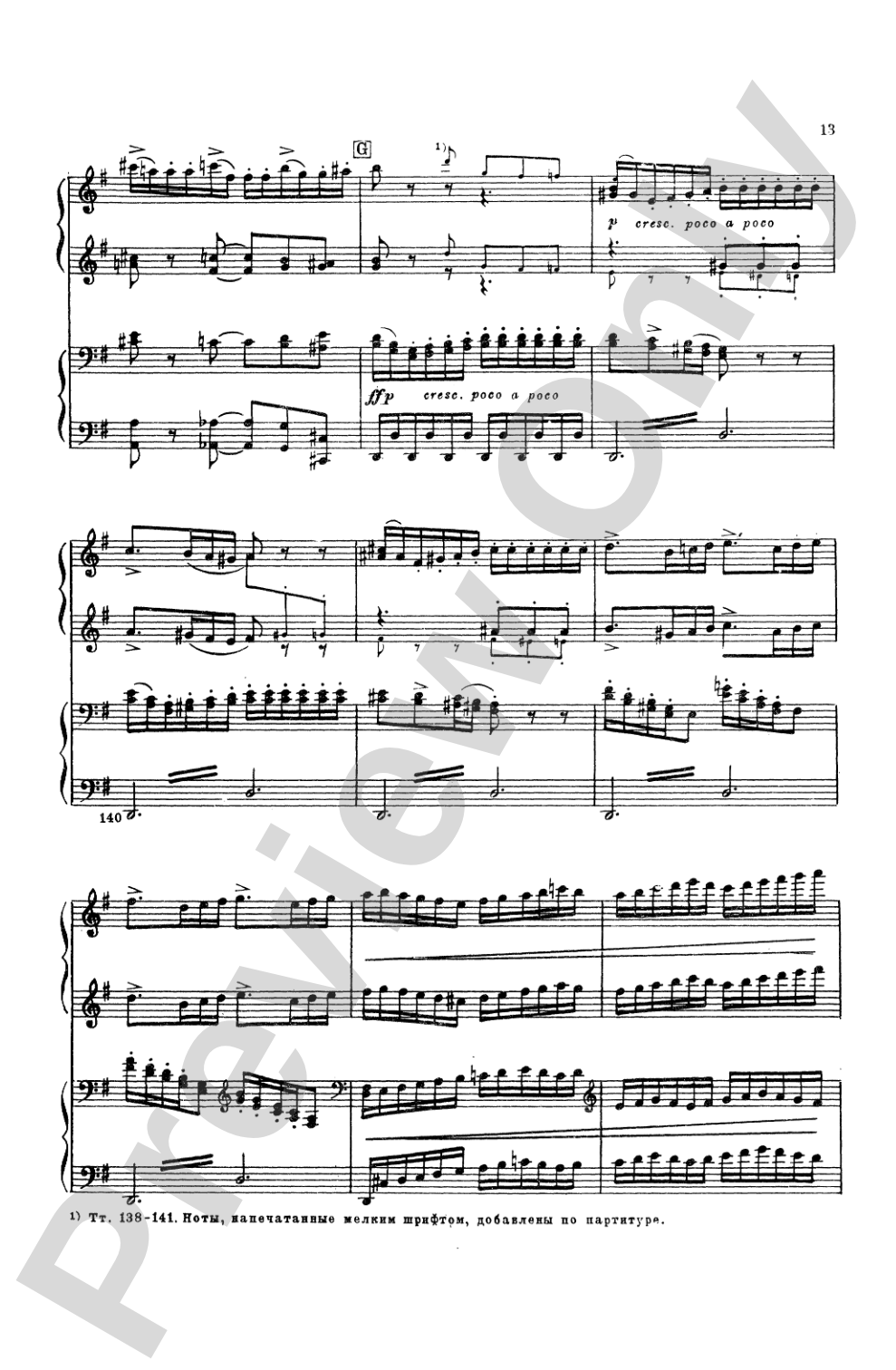
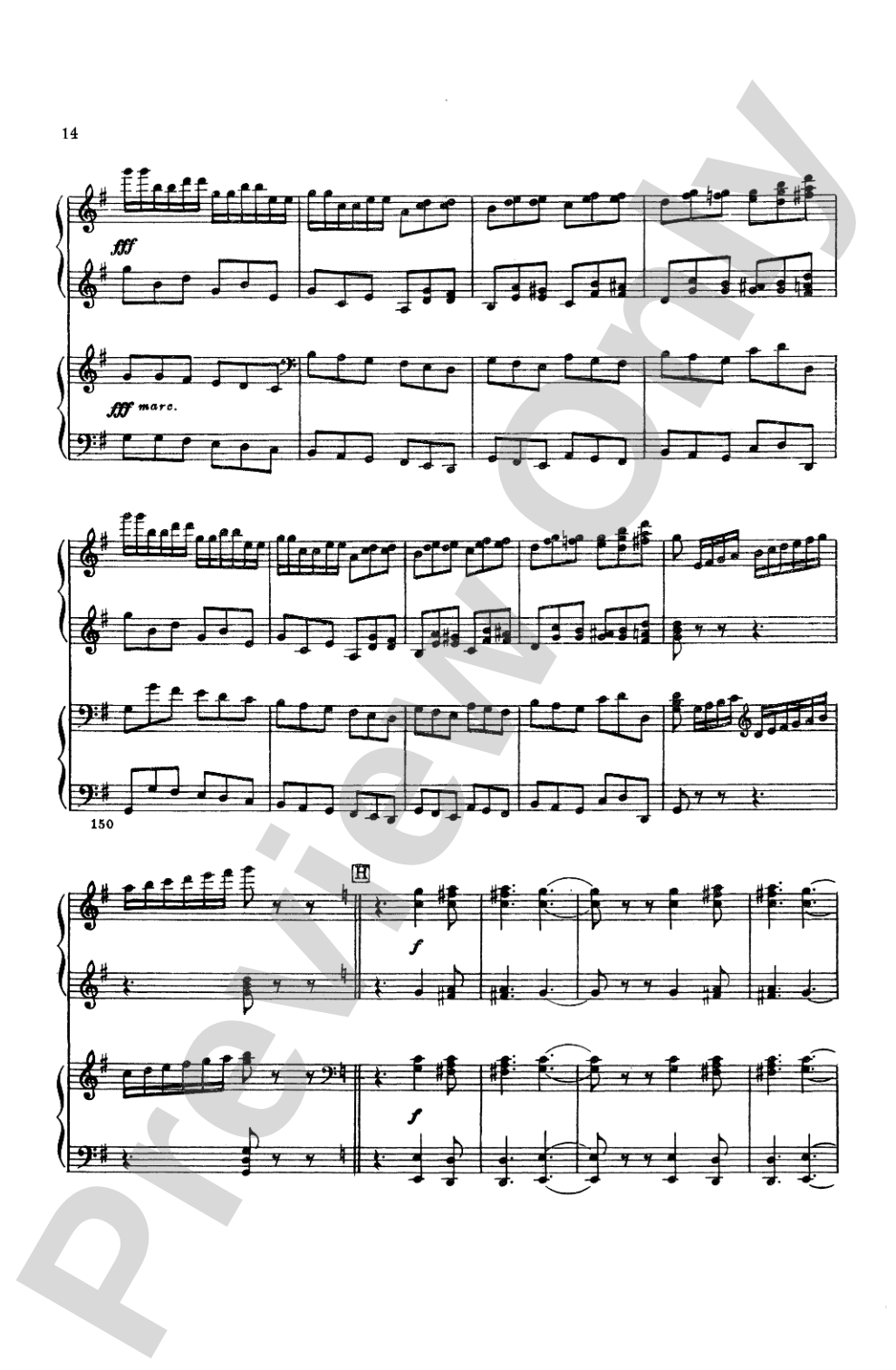
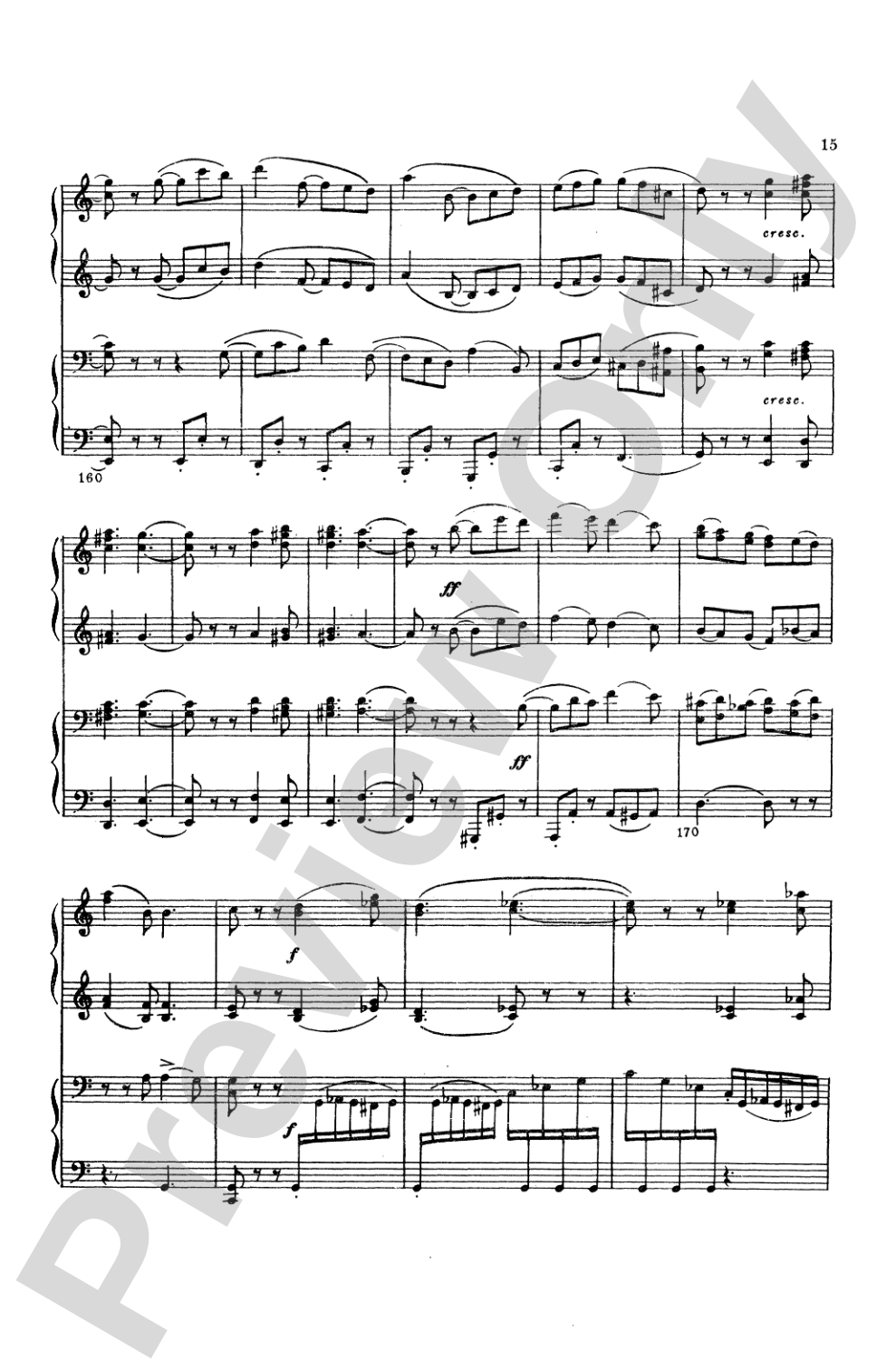
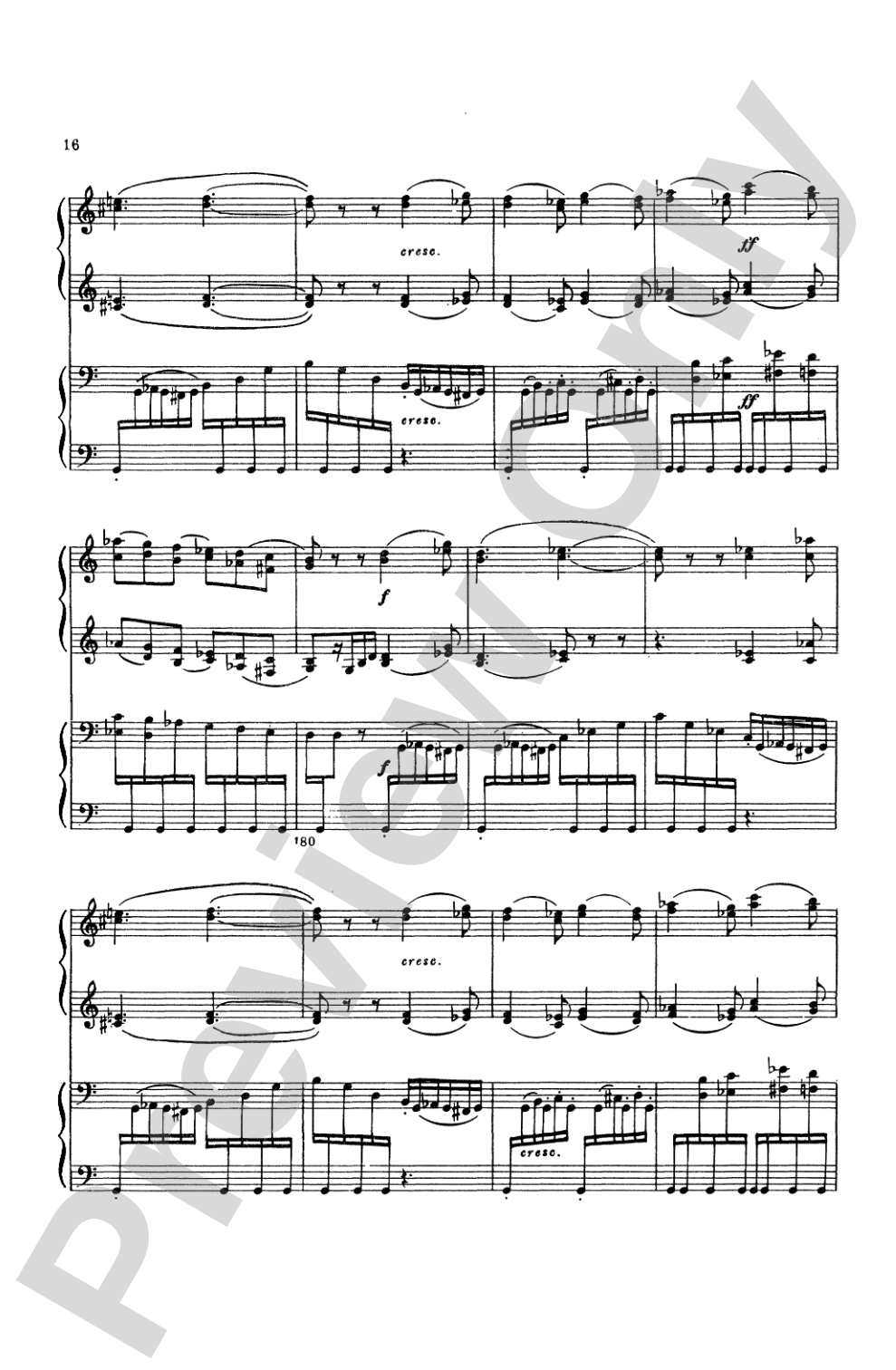
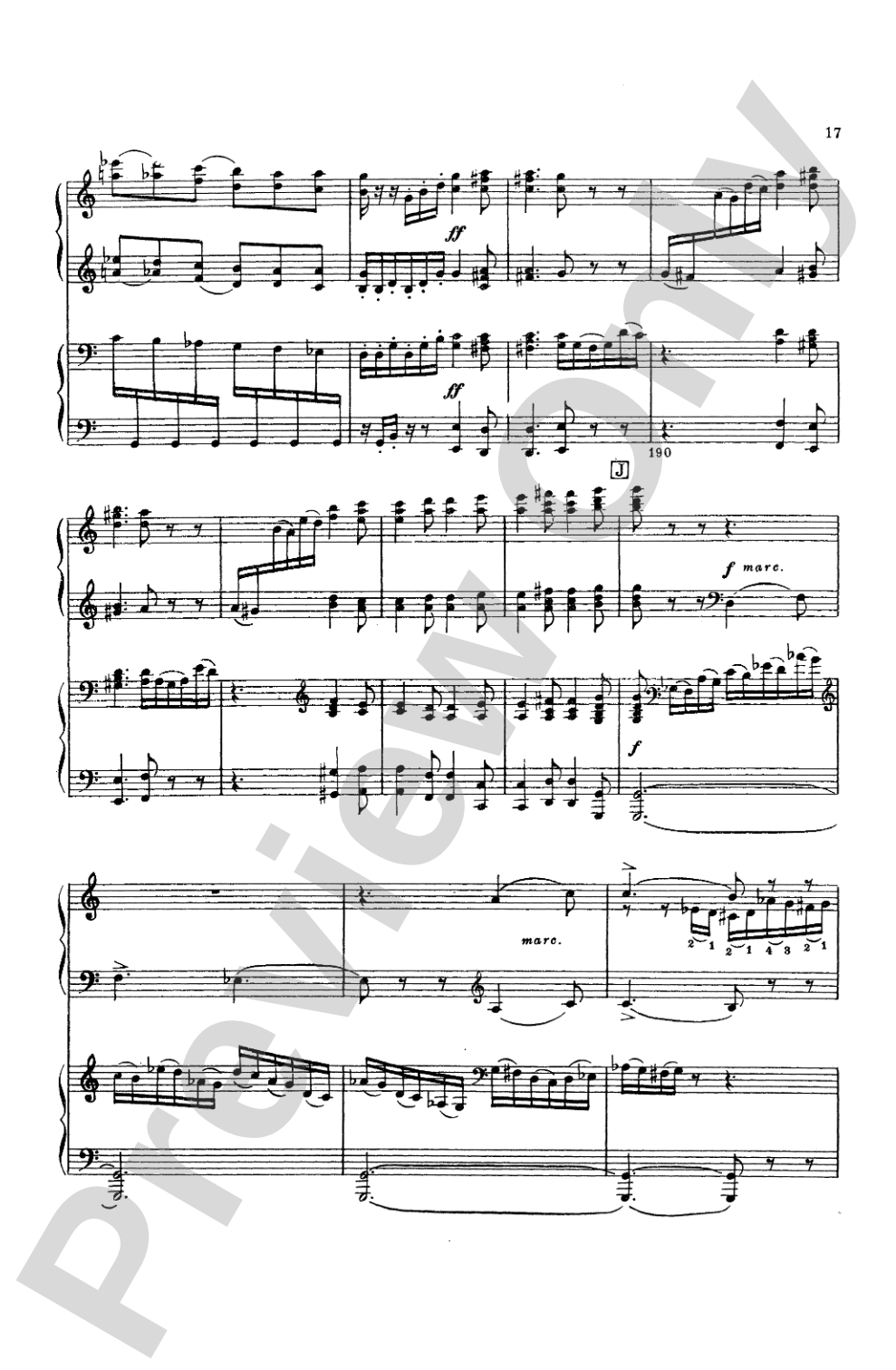
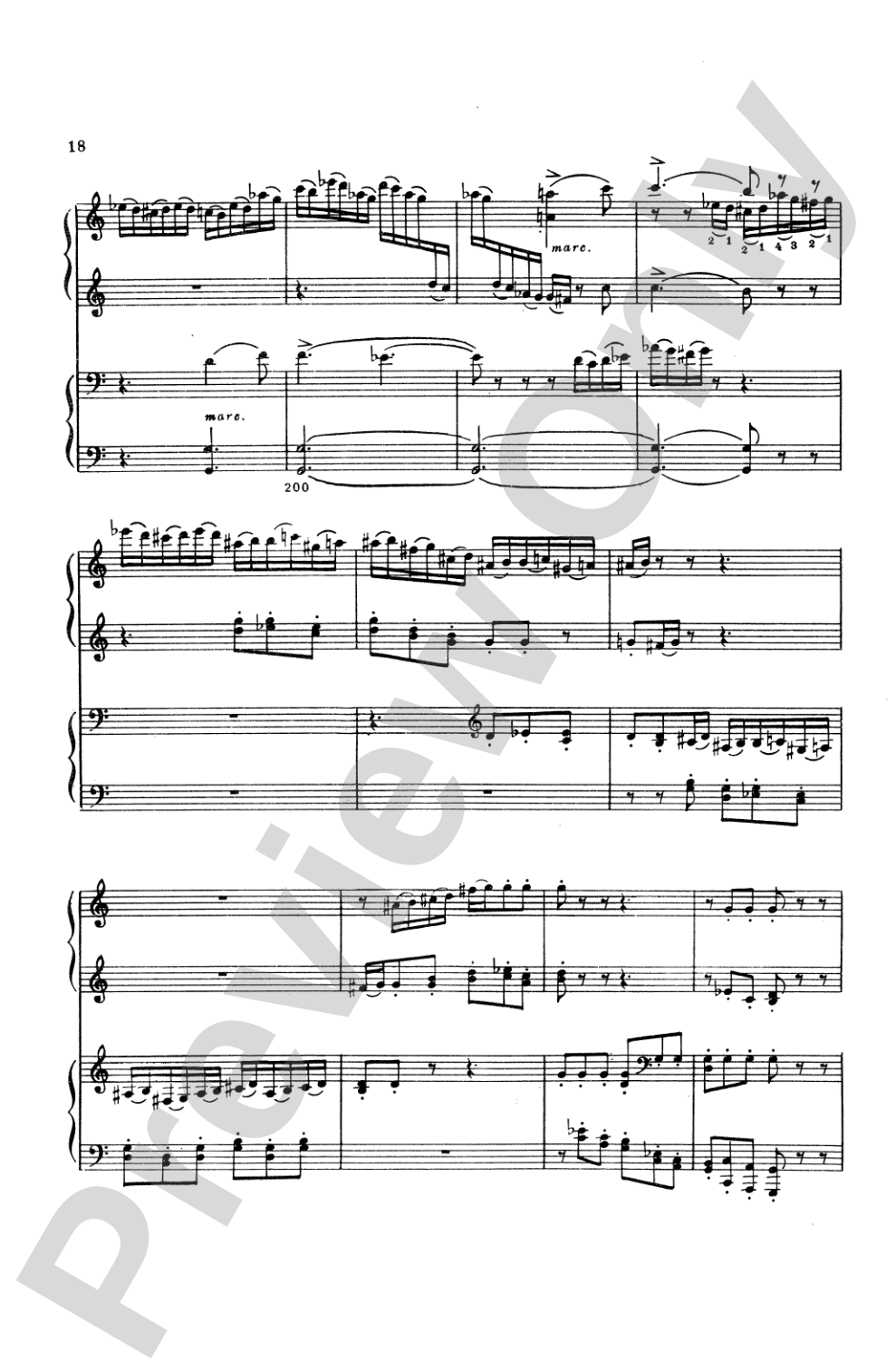
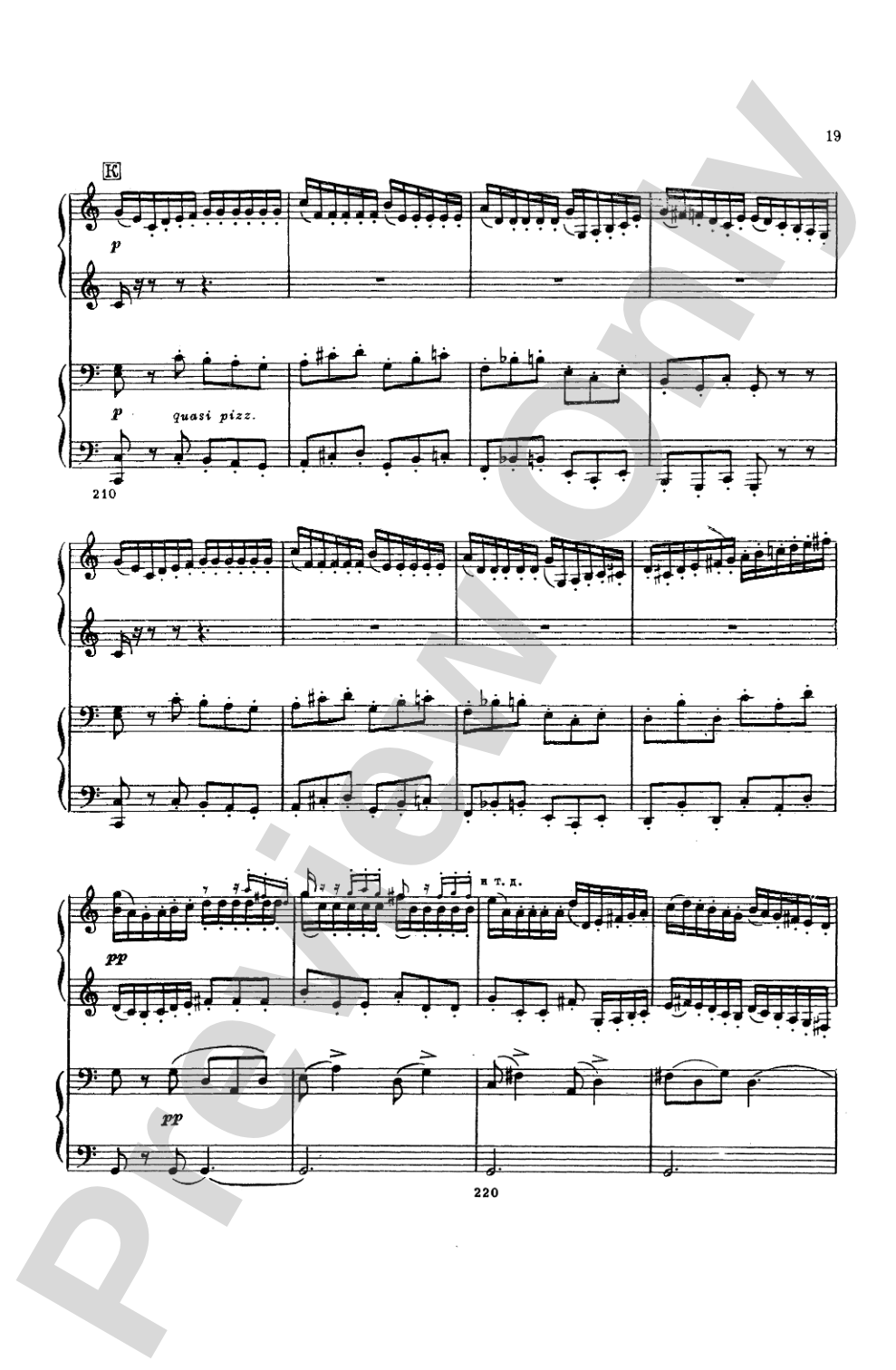
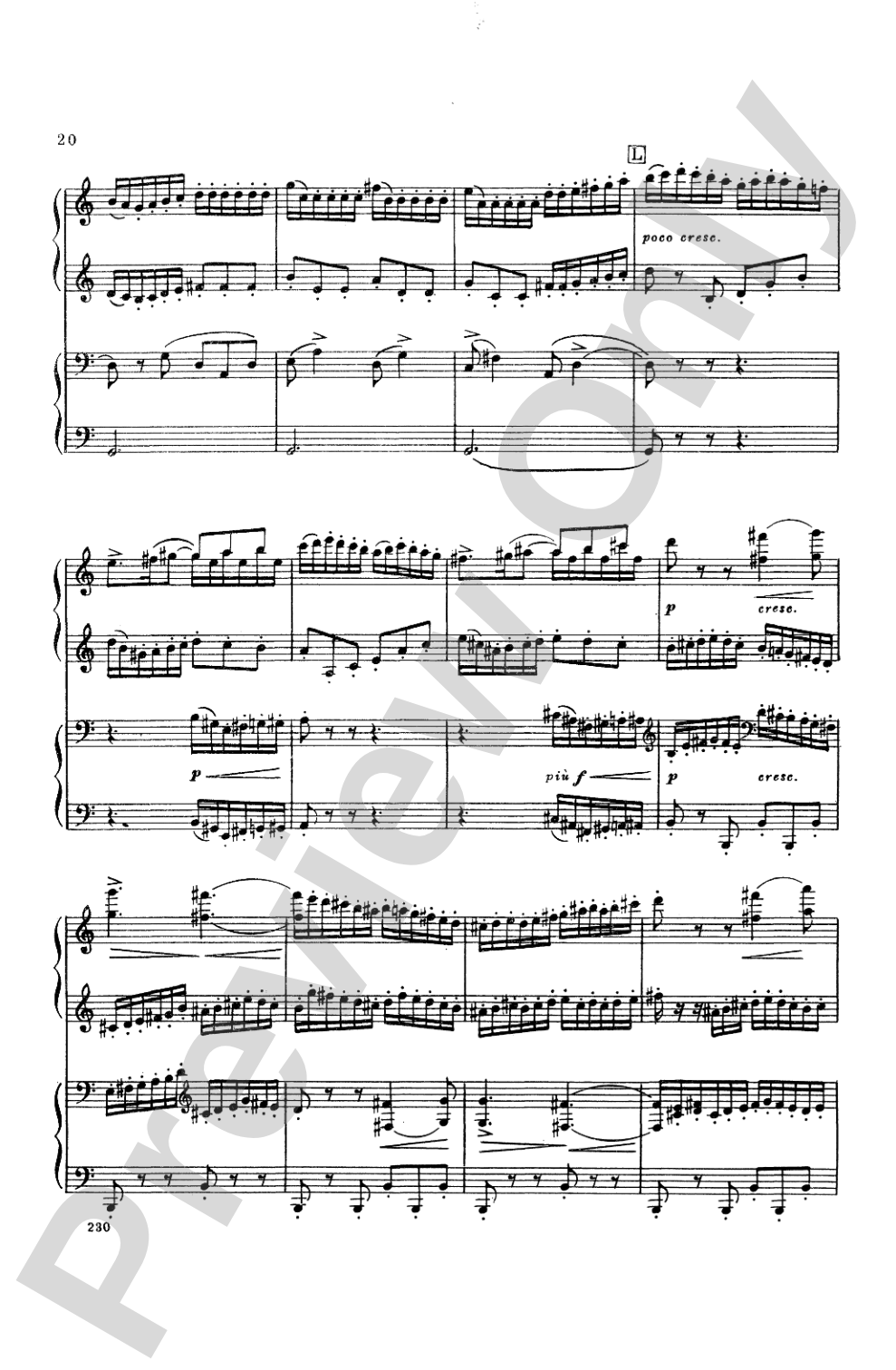
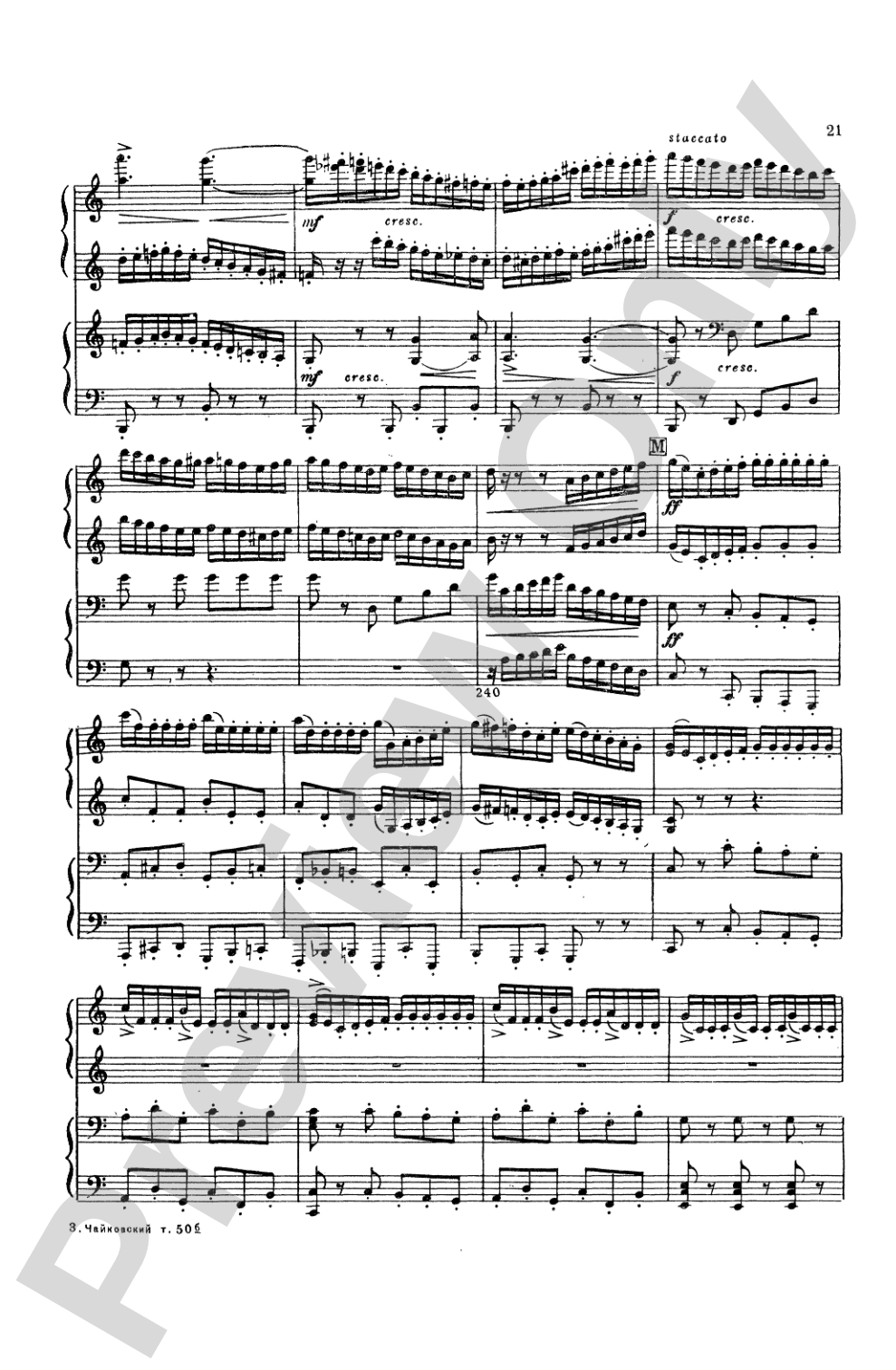
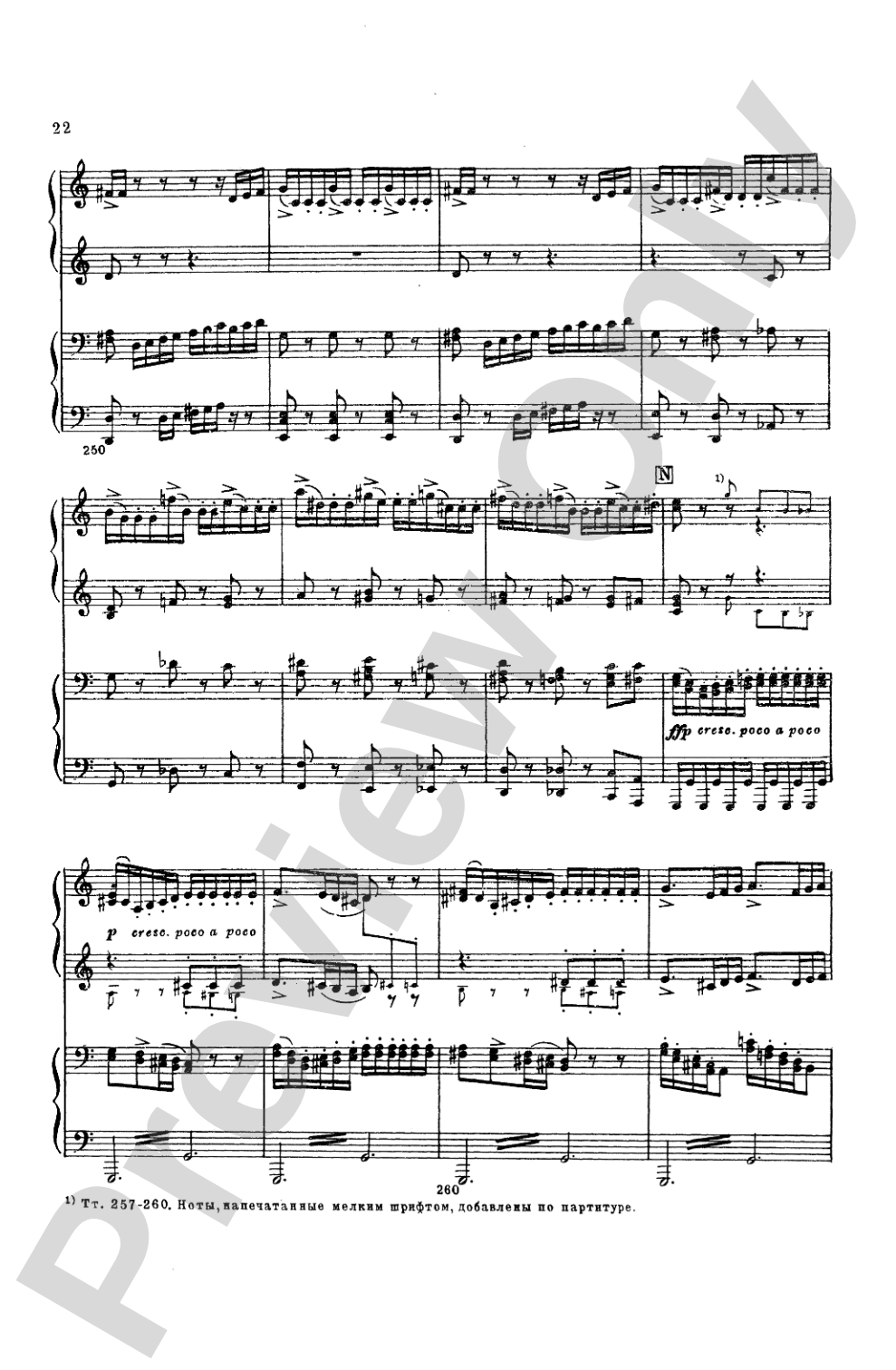

Tchaikovsky: Serenade for String Orchestra in C Major (Op. 48) and Marche Slav (Op. 31): Piano Duet (1 Piano, 4 Hands) Book
By Peter Ilyich Tchaikovsky
Item: 00-PK-0003397

$17.99
Pickup currently not available
Buy Extra Parts (Digital PDF Download)
Parts Added to Cart!
Related Items
Serenade for String Orchestra in C Major, Opus 48 and Marche Slav, Opus 31: Piano Duet (1 Piano, 4 Hands) Book |
$17.95
|
View |
Description
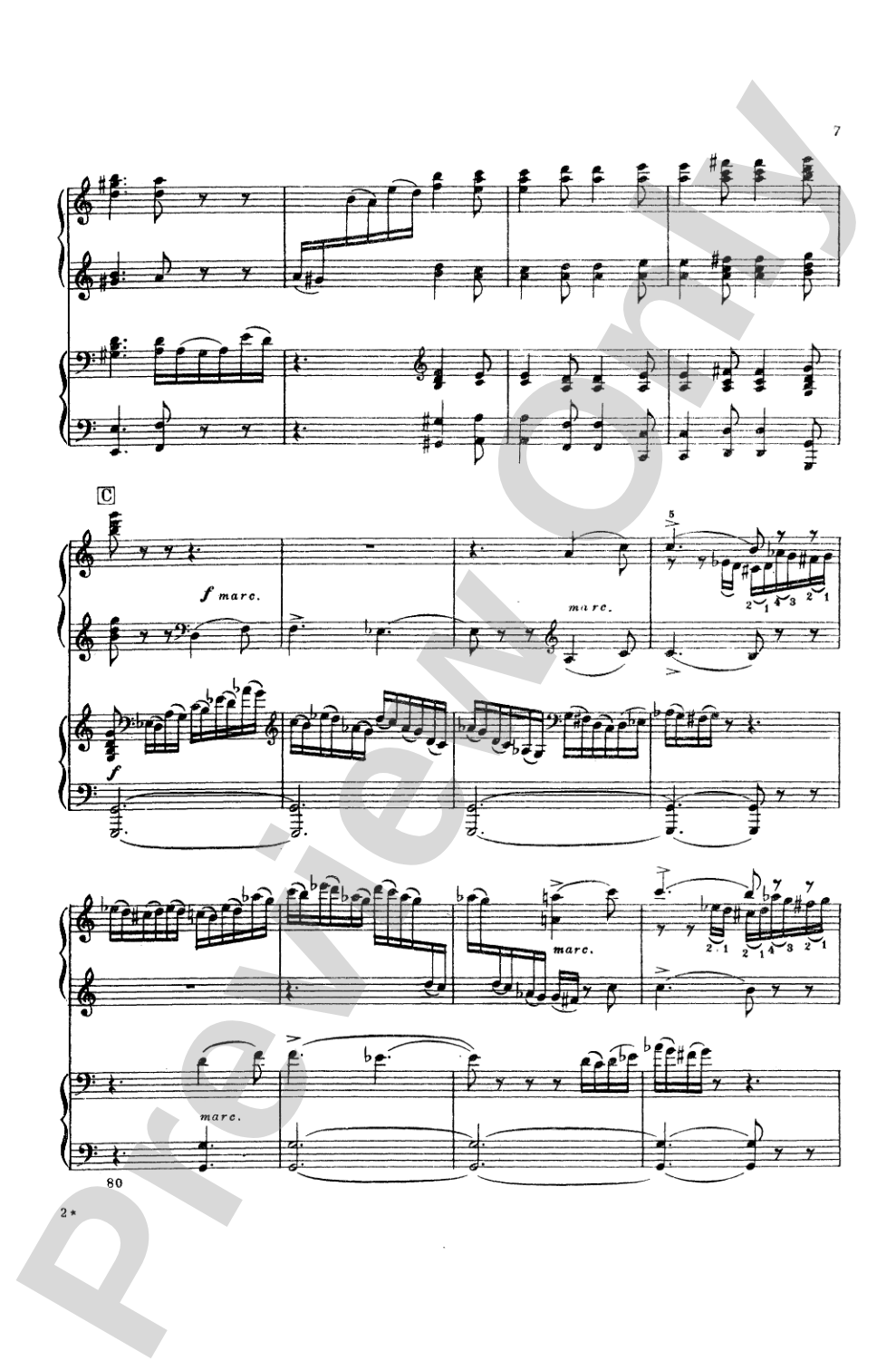
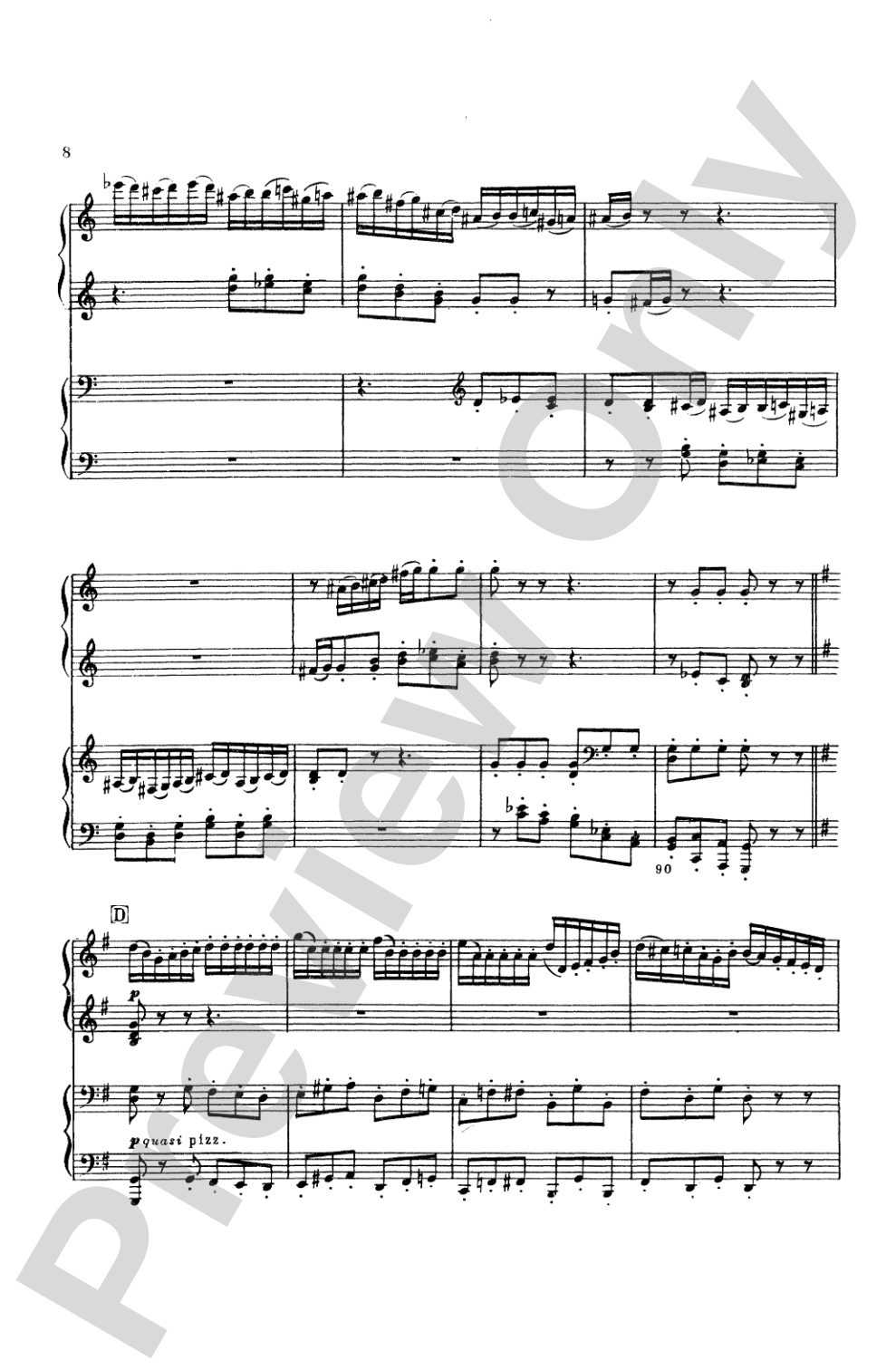
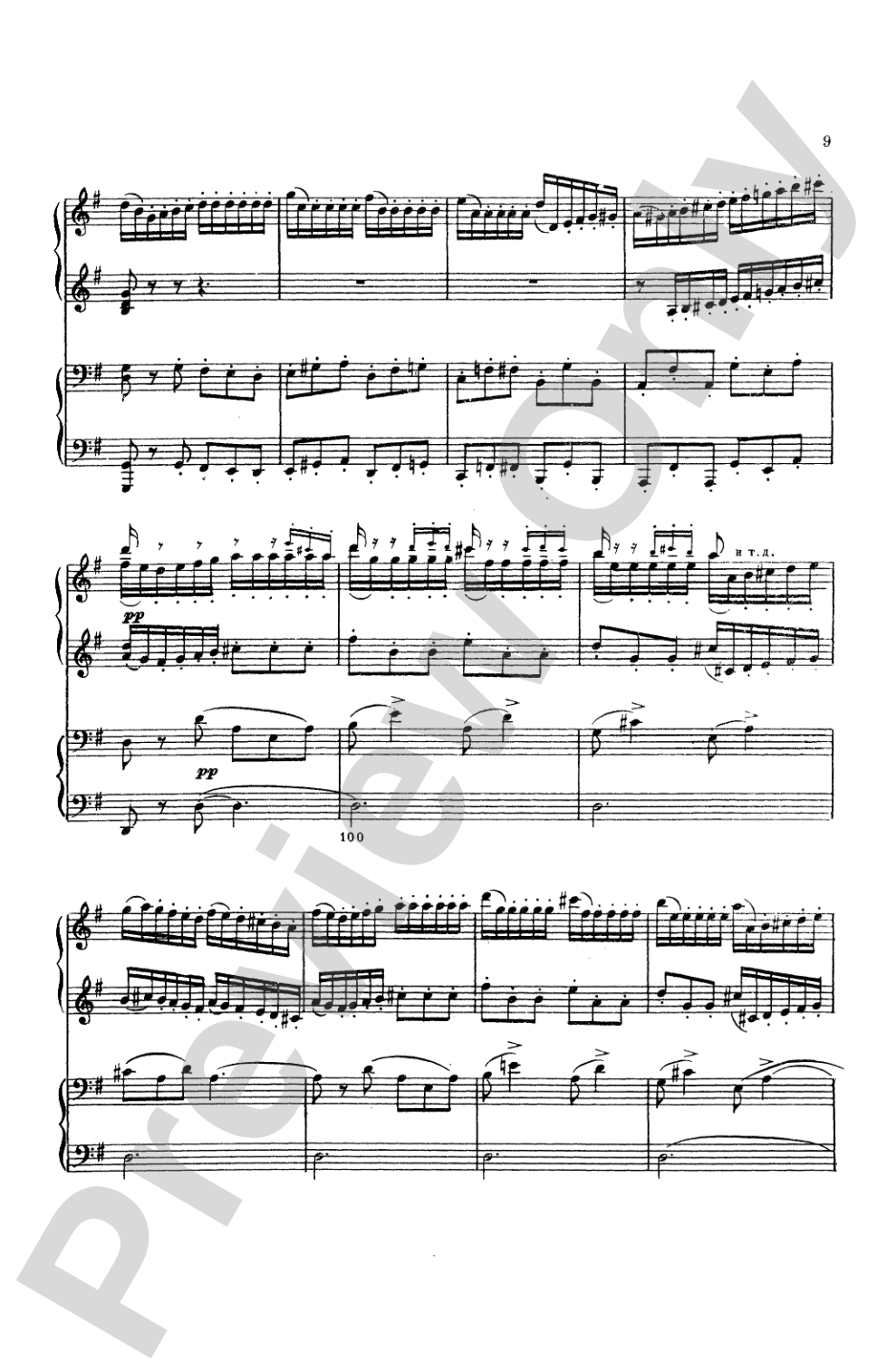
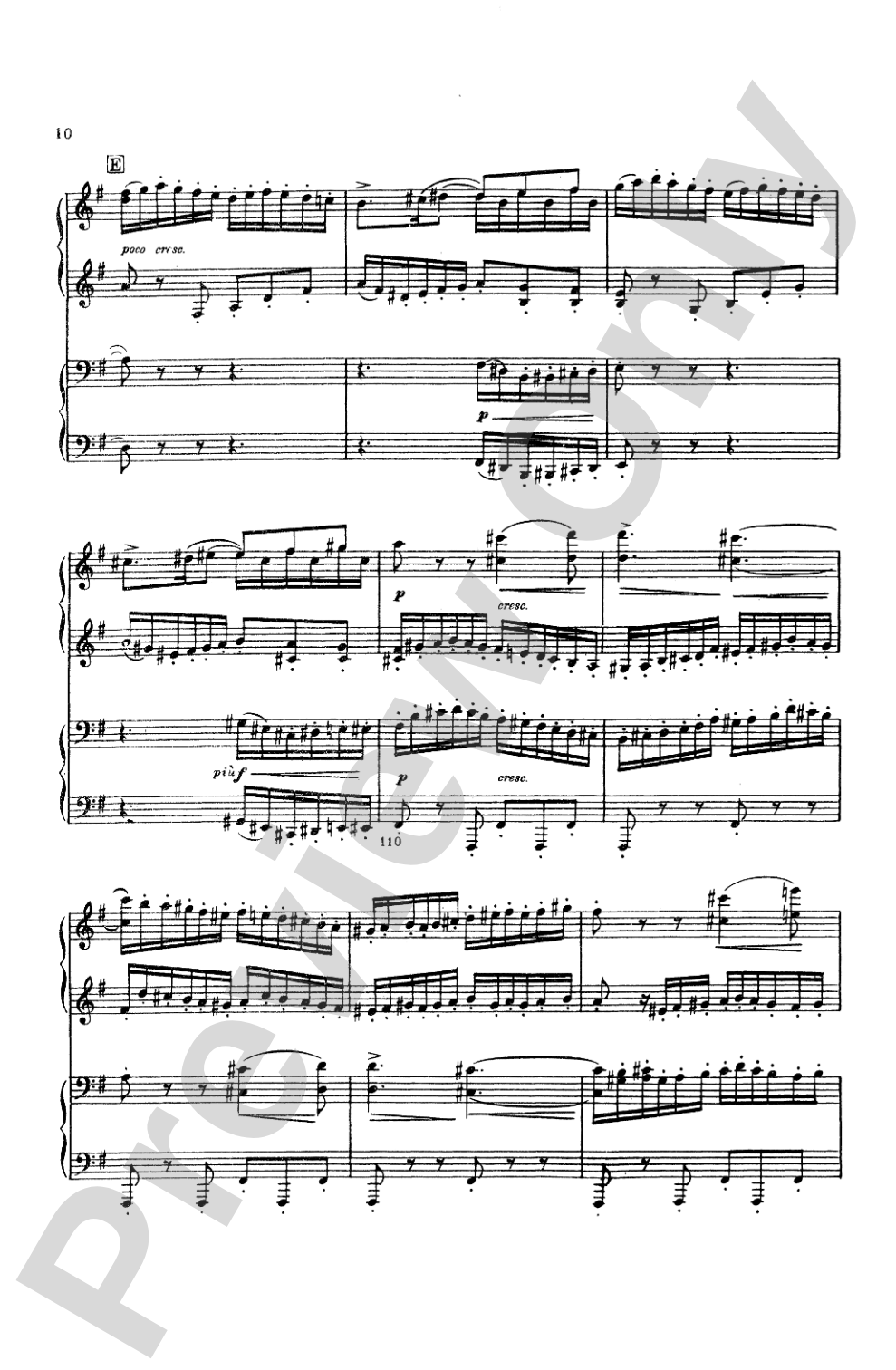
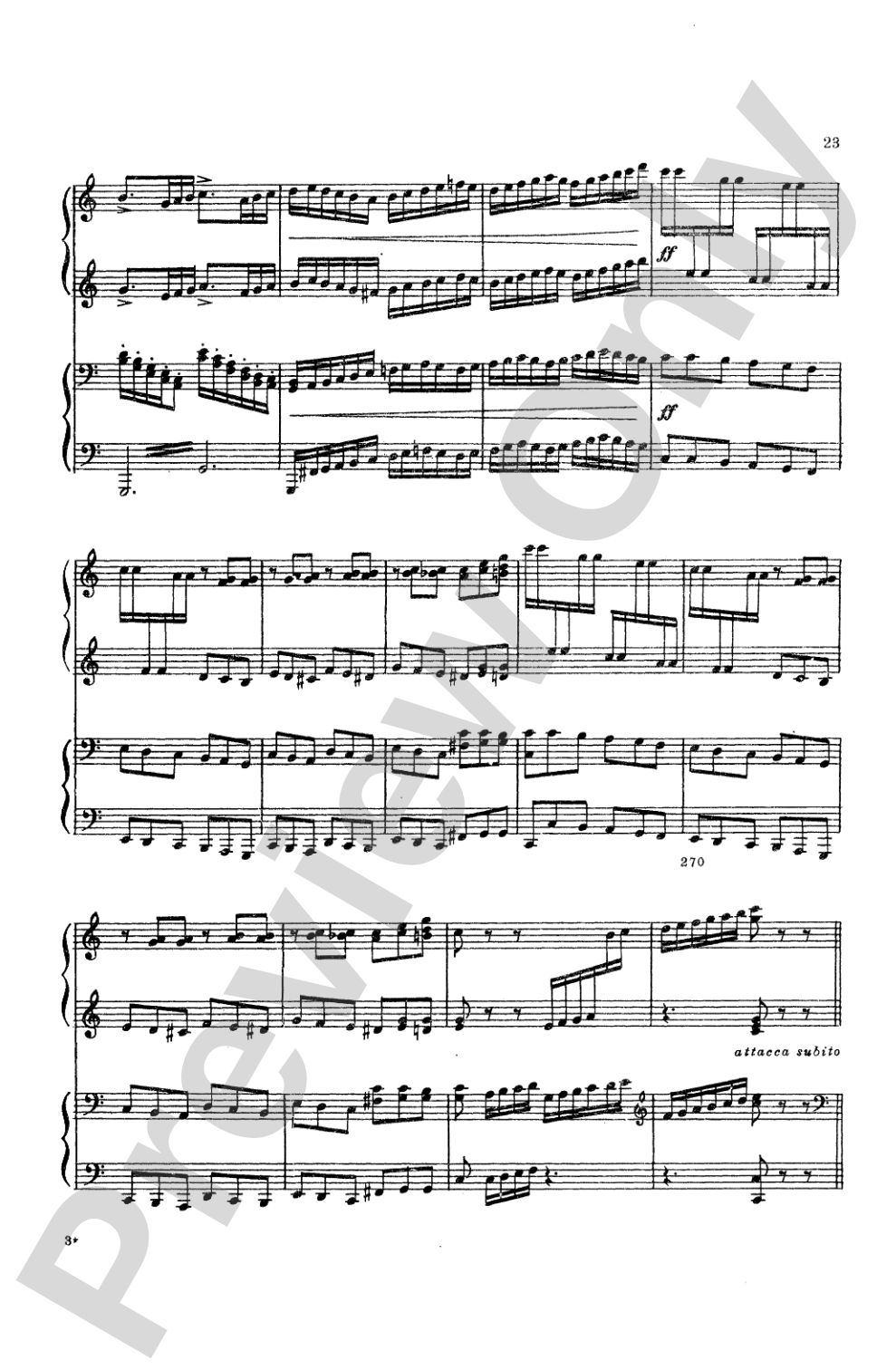
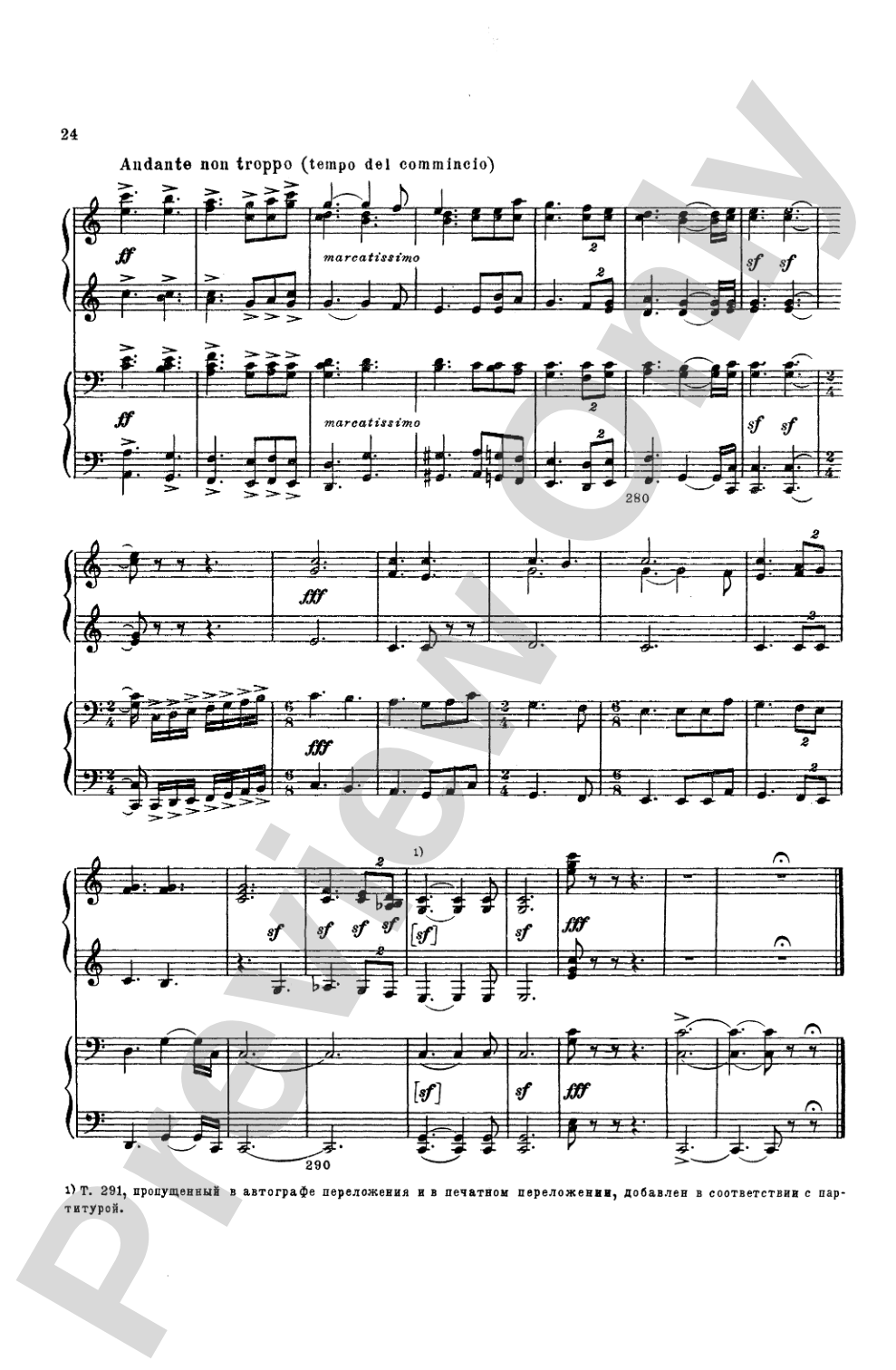
A new full-size printing of the original Russian miniature score.


Don't just read it, hear it, play along with it, and watch your students grow with it. In MakeMusic Cloud, Tchaikovsky: Serenade for String Orchestra in C Major (Op. 48) and Marche Slav (Op. 31): Piano Duet (1 Piano, 4 Hands) Book comes alive with professional accompaniment, adjustable tempo, and built-in practice tools that turn solo practice into real progress.
Open in the Player
Jump straight in and assign it today.
Start Your Free Trial
Open this title and explore the full library in minutes.
Sample Audio
No sample audio found.
Sample Video
No sample videos found.
Additional Details
Series:
Kalmus Edition
Publisher:
Alfred Music
Page Count:
104
SKU:
00-PK-0003397
More about this title
About the Composer: Peter Ilyich Tchaikovsky
Peter Ilyich Tchaikovsky (1840-1893) stands as one of the most performed composers in the concert repertoire, and for good reason. His gift for melody, orchestral color, and emotional directness transformed Russian classical music into a voice heard worldwide. The two works in this duet arrangement showcase what made him essential to the late Romantic era: the Serenade for Strings reveals his mastery of counterpoint and formal architecture, while Marche Slav demonstrates his ability to write music of immediate, visceral power.
For music educators, Tchaikovsky's work offers something rare: pieces that are simultaneously accessible to students and endlessly rewarding for mature musicians. His orchestration principles translate beautifully to the piano duet medium, where the original textures remain transparent enough to hear clearly but rich enough to feel complete. Teaching through Tchaikovsky's music builds not just technical facility but an understanding of how melody, harmony, and orchestral thinking can work together.
Why we love this
This pairing gives pianists two of Tchaikovsky's most structurally interesting works in a format that preserves their orchestral essence without demanding a full ensemble. The 104-page Kalmus score is printed clearly enough for sight-reading in rehearsal but substantial enough to reward deep, collaborative study between partners. The contrast between the four-movement Serenade's architecture and Marche Slav's ceremonial momentum makes this duet collection a natural choice for recital programming that needs genuine musical weight.
What to expect
The Serenade unfolds with the unhurried grace of a string section at full bloom, moving from elegant courtliness in the opening Pezzo in forma di sonatina through waltzing warmth and Russian chorale depth. Marche Slav arrives like a brass section at ceremonial attention, its march rhythms urgent and its melodic thrust impossible to ignore. Together, they showcase Tchaikovsky's range: architecture and feeling held in perfect balance.
Who it's for
Advanced amateur pianists and college-level duet players who are ready for Romantic-era orchestral transcription work and want to experience two major Tchaikovsky pieces in a compact format. Teachers seeking repertoire for advanced students who need to develop ensemble listening, balance, and the specific skill of bringing orchestral textures alive on a single instrument. This pairing suits performers who want to program Tchaikovsky beyond the concertos and ballets that dominate student recitals.
How to get the most out of it
- Bring the Serenade's inner voices to the foreground during the sustained passages in the Waltz movement; the secondo part carries as much thematic material as the primo, and the balance between partners will make or break transparency in the original orchestration.
- In Marche Slav, commit fully to the dotted rhythms without rushing through them; Tchaikovsky's march pulses best when both players honor the weight of the notation rather than smoothing it into a lighter feel.
- Use the score's original key and tempo markings as your reference point, particularly the Serenade's subtle tempo relationships across movements. Russo-Germanic clarity here matters more than personal interpretation.
How to use it
Program the Serenade as a standalone work on a recital that pairs well with Brahms or Dvořák string writing, or use Marche Slav as a finale that sends the audience out with Tchaikovsky's distinctive Russian-European synthesis intact. The combination works as a complete duet recital by itself, offering enough variety in mood and form to sustain a full evening's attention.
Skills your students will build
- Transparent voicing in four-part writing across two keyboards
- Maintaining orchestral texture while navigating duet balance and independence
- Handling Romantic-era harmonic density without losing rhythmic clarity
- Coordinating rubato and tempo relationships with a partner in complex metric contexts
- Reading and interpreting the full score while playing one part