

Tchaikovsky: Selected Works, Volume I
By Peter Ilyich Tchaikovsky
Item: 00-PC-0003144
$0.99
Pickup currently not available
Description
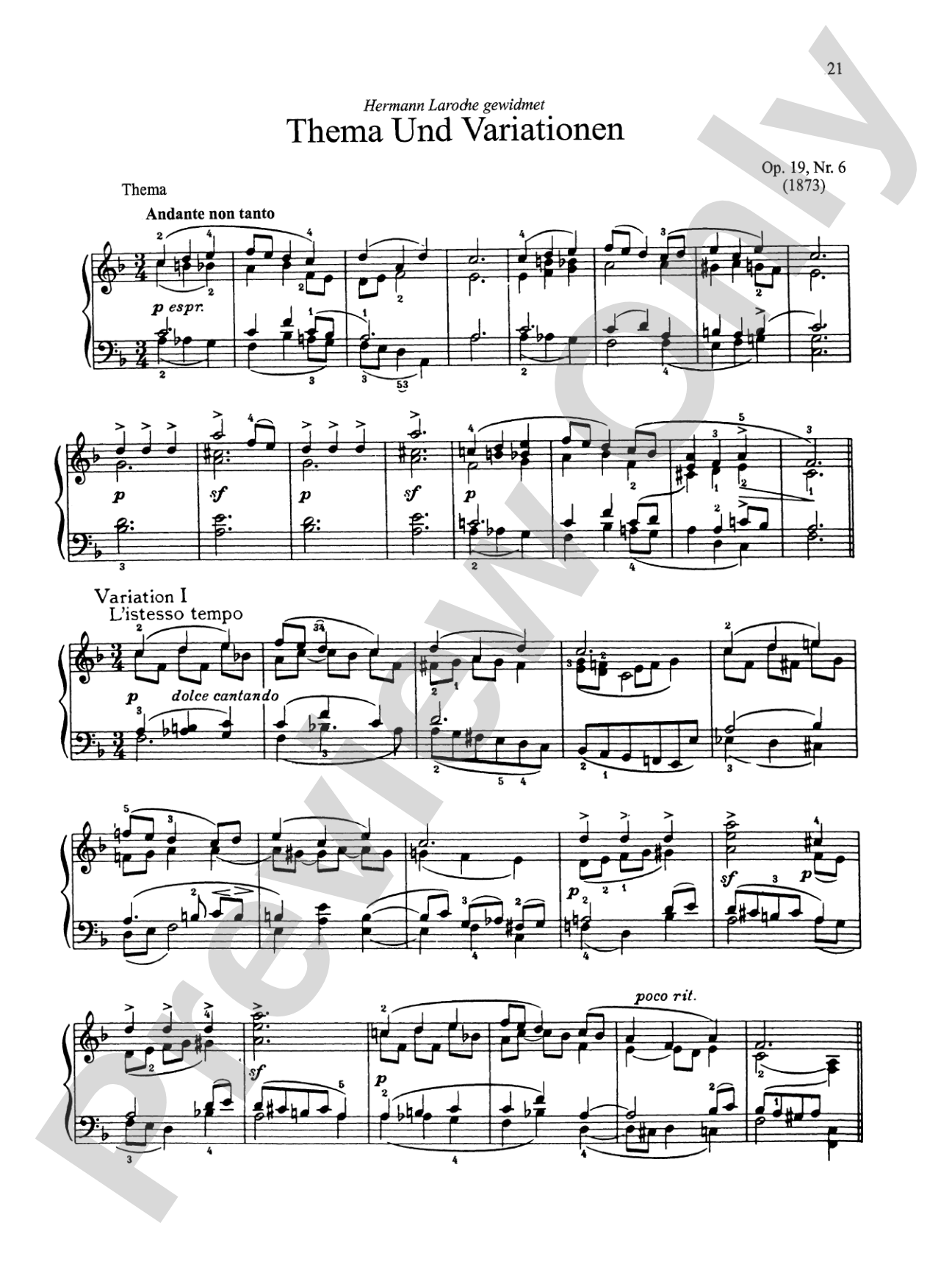
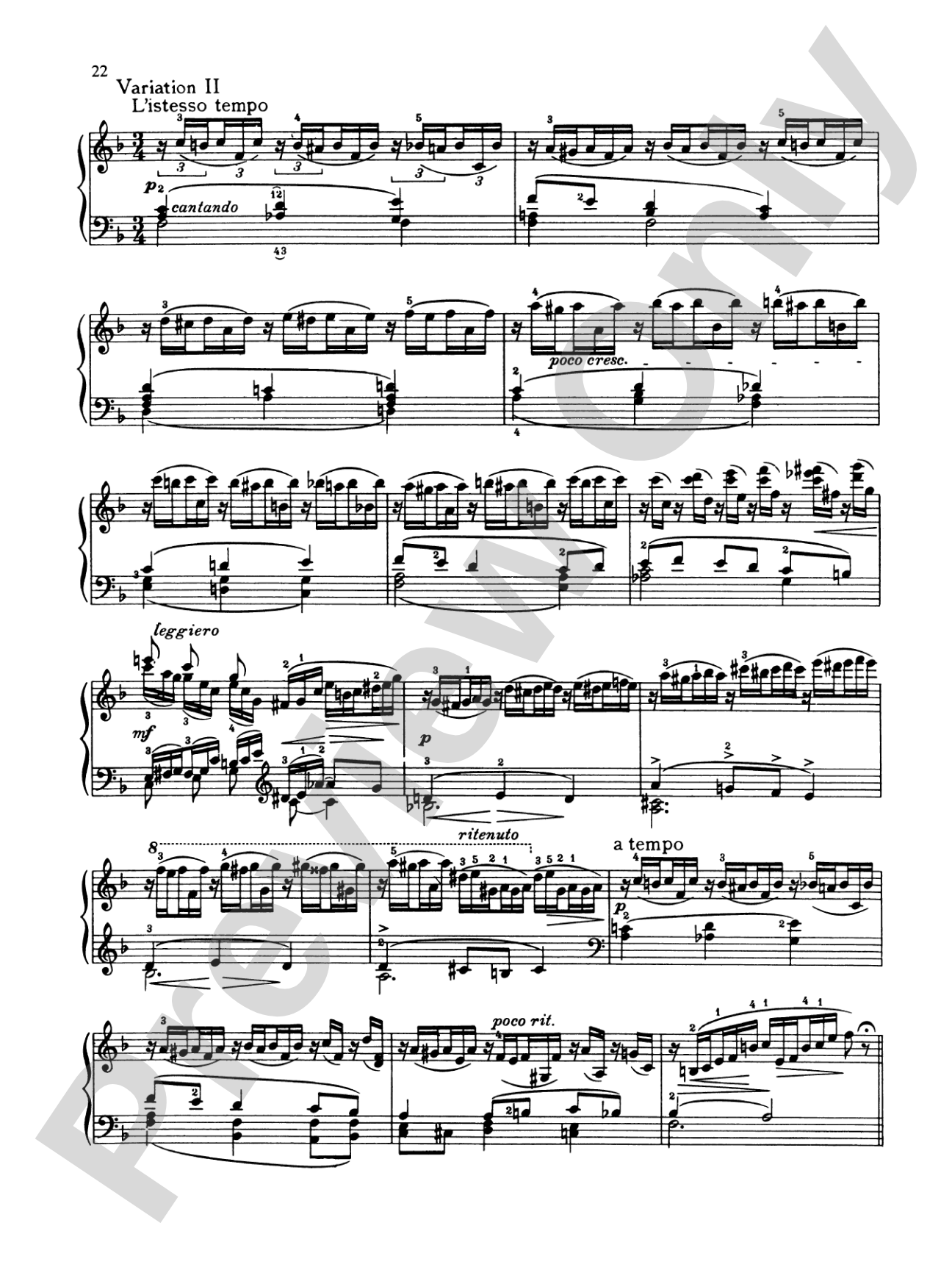
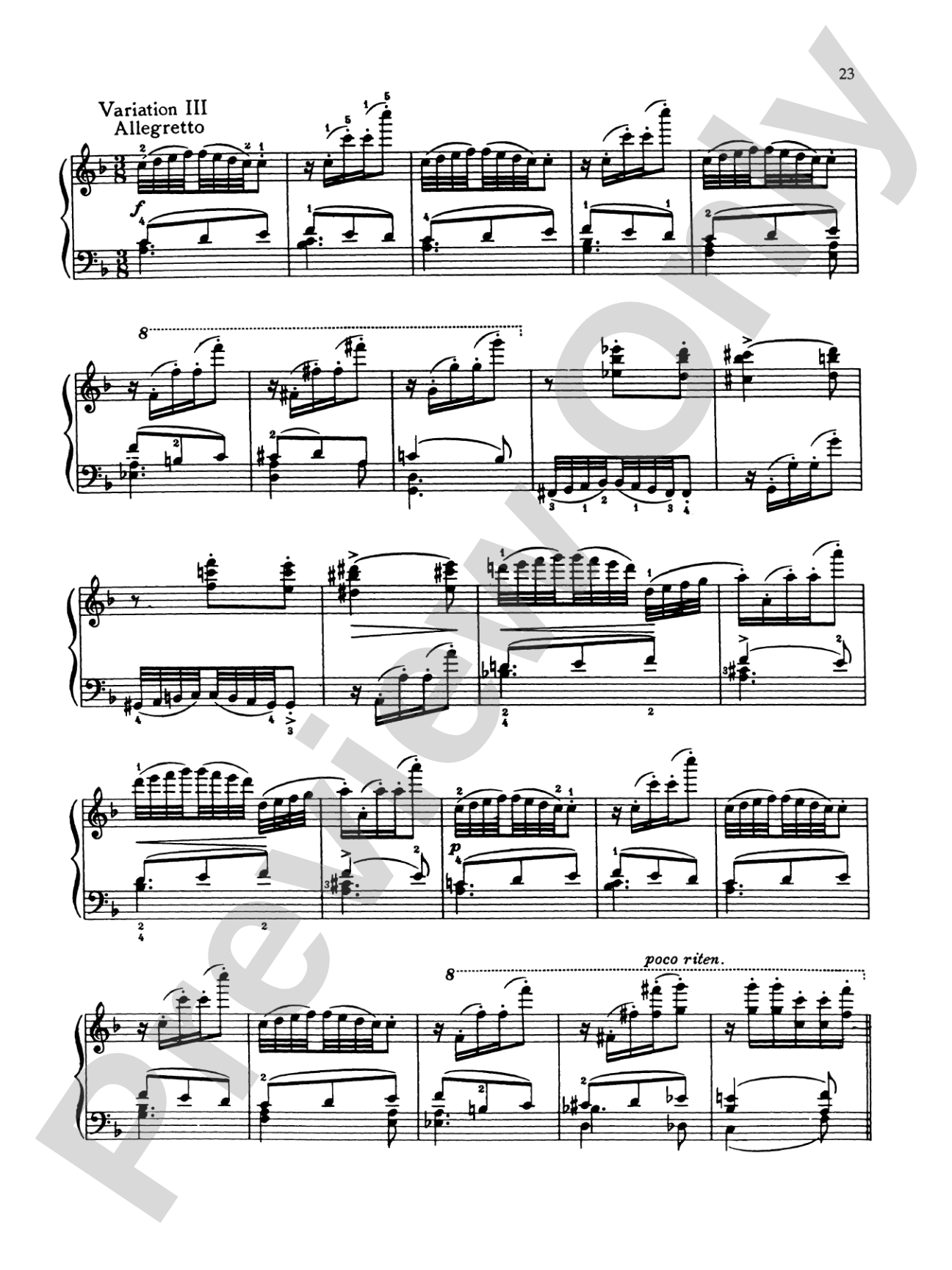
Scherzo a la Russe, Capriccio, Theme and Variations, Six Pieces on a Theme, Dumka, and more


Don't just read it, hear it, play along with it, and watch your students grow with it. In MakeMusic Cloud, Tchaikovsky: Selected Works, Volume I comes alive with professional accompaniment, adjustable tempo, and built-in practice tools that turn solo practice into real progress.
Open in the Player
Jump straight in and assign it today.
Start Your Free Trial
Open this title and explore the full library in minutes.
Sample Audio
No sample audio found.
Sample Video
No sample videos found.
Additional Details
Series:
Kalmus Edition
Publisher:
Alfred Music
Page Count:
120
SKU:
00-PC-0003144
More about this title
About the Composer: Peter Ilyich Tchaikovsky
Peter Ilyich Tchaikovsky (1840-1893) stands as one of the most performed composers in concert halls worldwide, and for good reason. His gift for melody is matched by his mastery of orchestration and harmonic language, qualities that translate vividly to the piano when you examine his solo works. Though best known for his ballets and symphonies, Tchaikovsky wrote prolifically for solo piano, creating pieces that demand both technical facility and interpretive depth from pianists.
His piano works span the Romantic era's full emotional range: intimate character pieces sit alongside virtuosic showpieces, and Russian nationalist idioms blend with European salon traditions. For music educators, Tchaikovsky's keyboard writing offers students direct access to Romantic-era composition at its finest, with clear architectural forms and expressive gestures that reward careful practice.
Why we love this
This collection assembles some of Tchaikovsky's most distinctive solo piano works in one edition, giving advanced students and recitalists genuine masterworks to explore without hunting through scattered publications. The variety here is remarkable: lyrical character pieces, virtuosic Russian dance forms, and variations that show you how a master develops material, all within a single volume. Programming any of these pieces signals serious artistry to an audience.
What to expect
These works capture the Romantic piano at its most theatrical and intimate by turns. Tchaikovsky swings between crystalline lyricism and dramatic virtuosity, sometimes within a single piece, creating an emotional landscape that feels both deeply personal and grandly conceived. There is elegance here, undeniable sophistication, but also a restless quality that keeps you listening forward.
Who it's for
This collection suits advanced pianists preparing for recitals, competitions, or upper-level conservatory study. Teachers working with students who have solid technique and interpretive maturity will find multiple pieces suitable for recital programming or intensive study of Romantic-era composition. Solo pianists seeking authentic Russian piano literature from the 19th century will recognize these as canonical works.
How to get the most out of it
- Study the Russian dance rhythms carefully in Scherzo a la Russe; these patterns differ subtly from Western European salon dances and define the piece's national character.
- Listen closely to your harmonic motion in the variations and character pieces; Tchaikovsky often modulates unexpectedly, and these shifts carry expressive weight rather than existing purely for novelty.
- Balance virtuosity with songfulness in the faster passages. Technical display without lyricism misses what makes Tchaikovsky's writing sing.
- Allow rubato room in the developmental sections, especially where he builds emotional intensity; this music tolerates (and often requires) flexible tempo to land its full impact.
How to use it
Feature any of these pieces as centerpieces in a Romantic-era recital; they hold their own beside Chopin or Schumann. A single movement or character piece works well in mixed recitals featuring works from multiple countries and styles, since Tchaikovsky's harmonic language remains immediately recognizable and engaging. Students preparing for auditions or competitions will find several pieces at the appropriate difficulty level for intermediate-to-advanced performance categories.
Skills your students will build
- Authentic Russian dance rhythms and national stylistic features
- Harmonic analysis of unexpected modulations and chromatic voice leading
- Interpretation of character pieces requiring both restraint and dramatic gesture
- Virtuosic passage work with musical intention rather than mere display
- Structural understanding of theme-and-variation form
- Pedal technique for sustaining harmonic color in Romantic contexts