
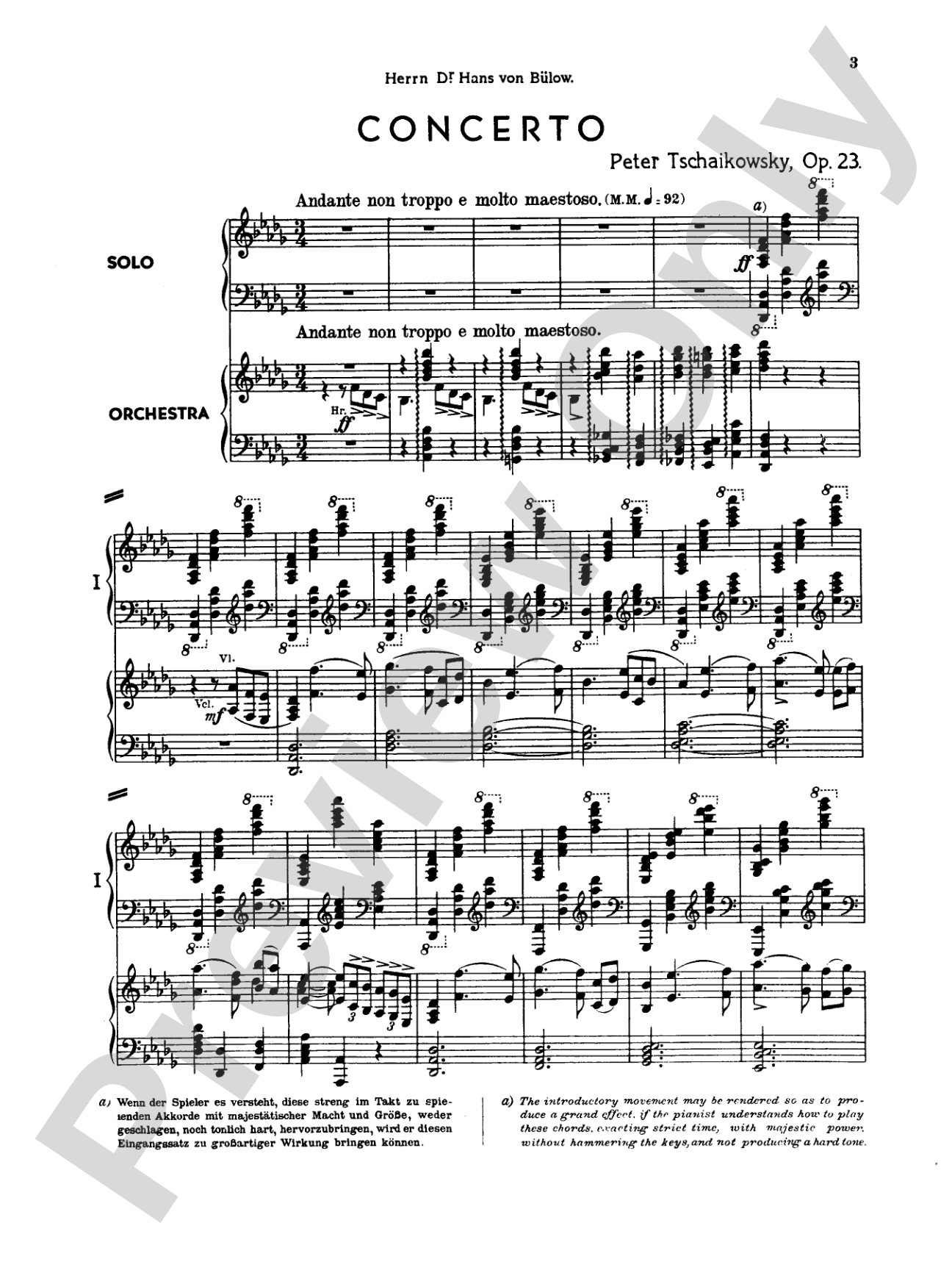
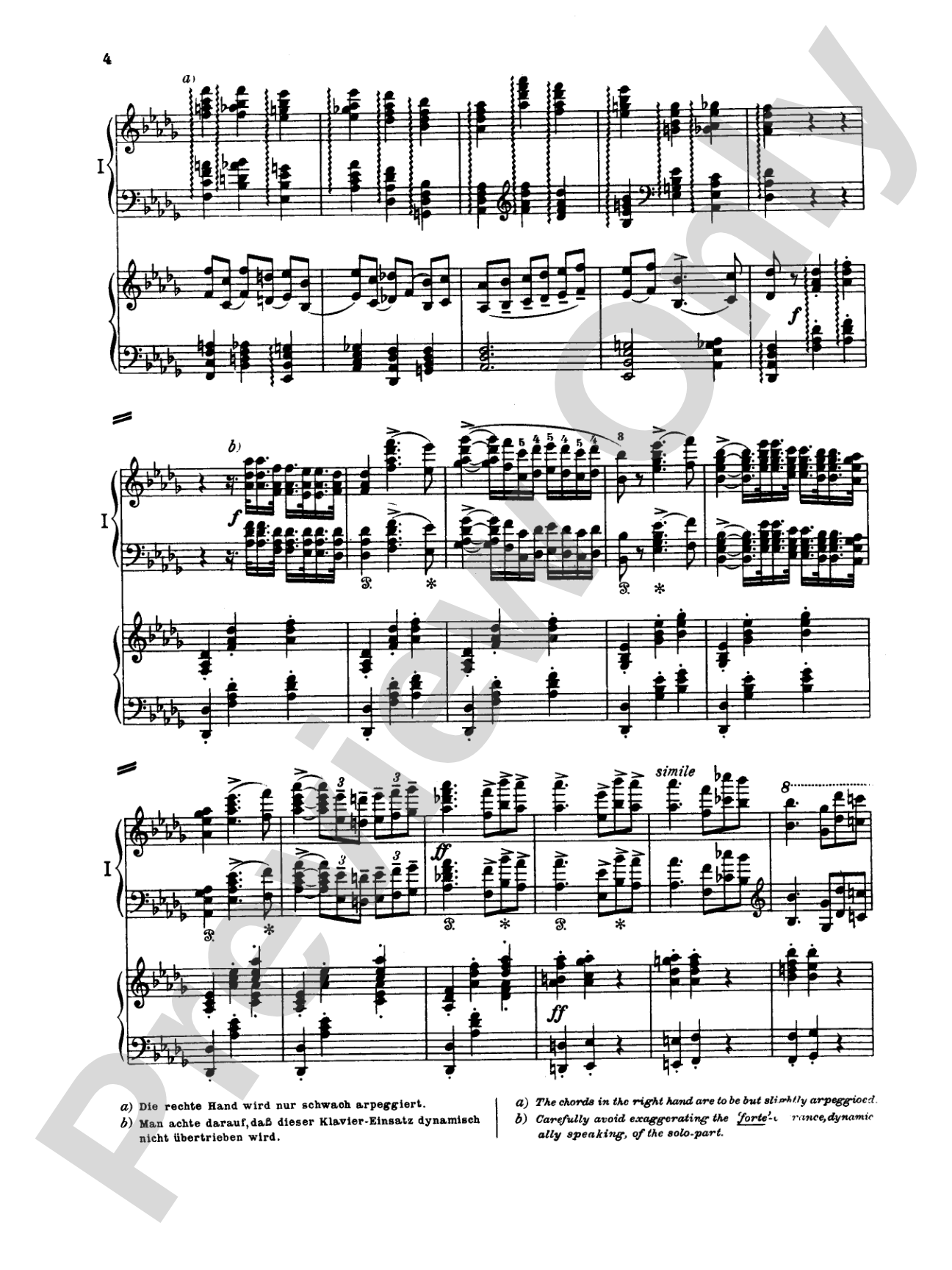
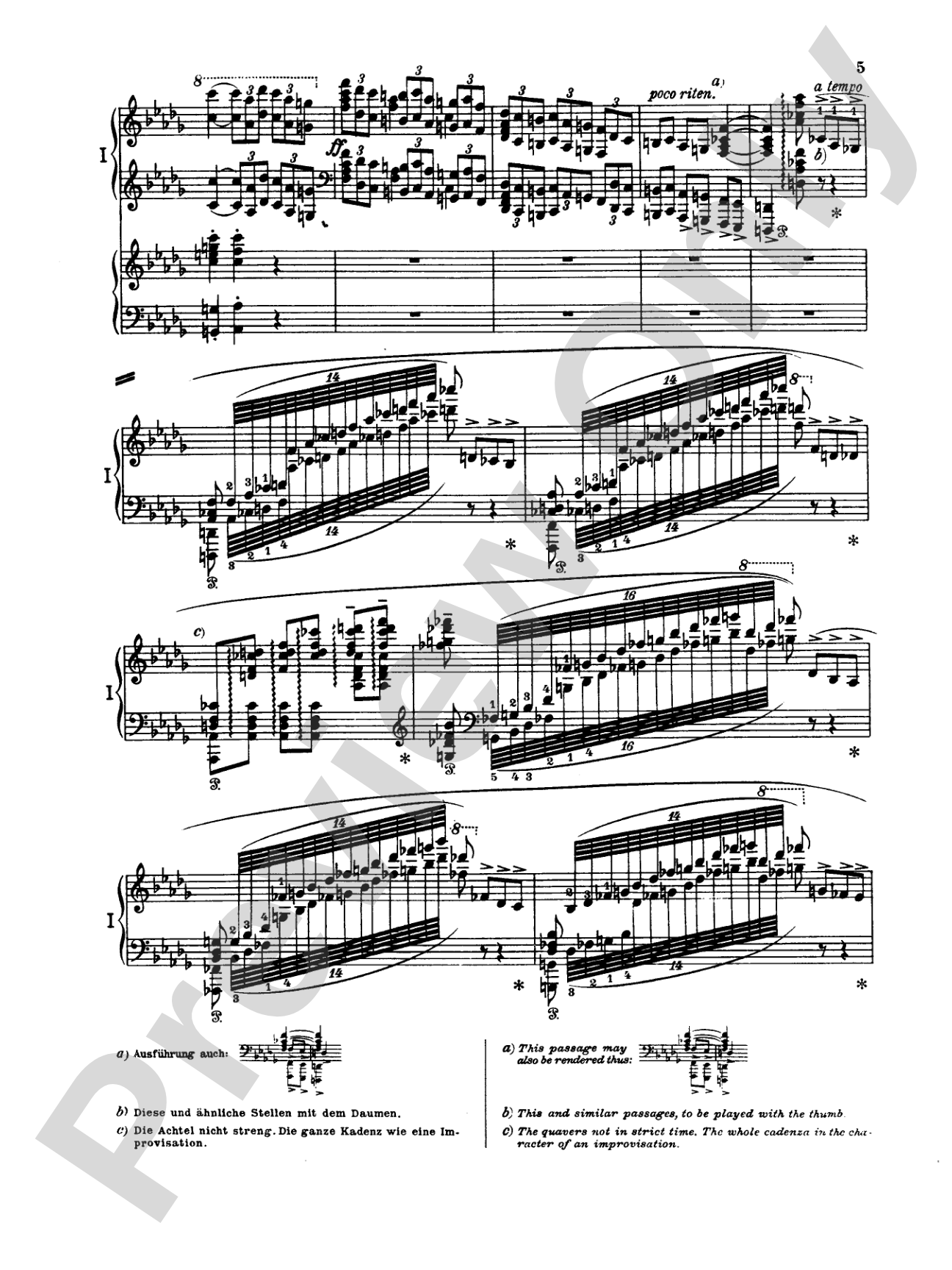
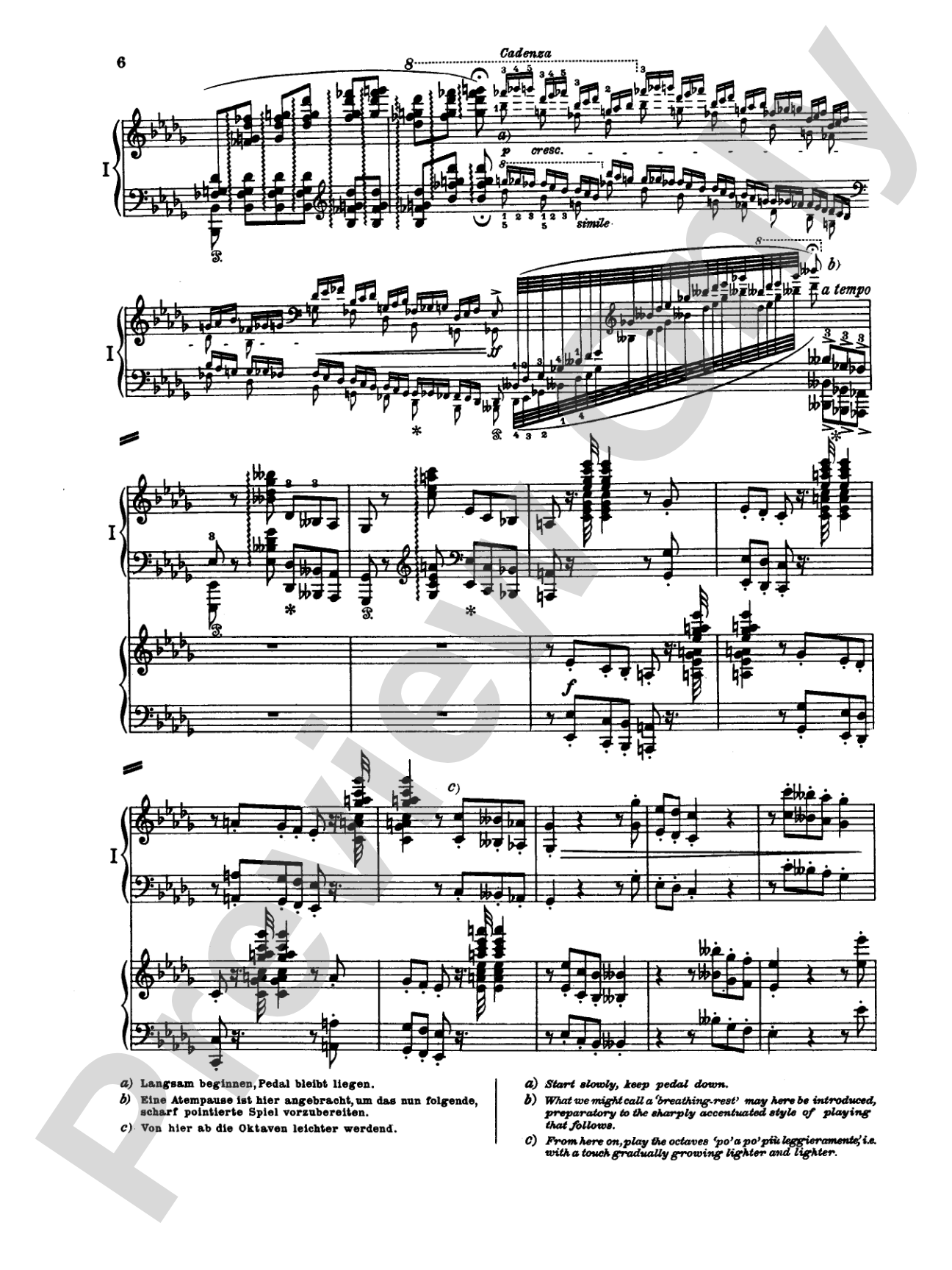
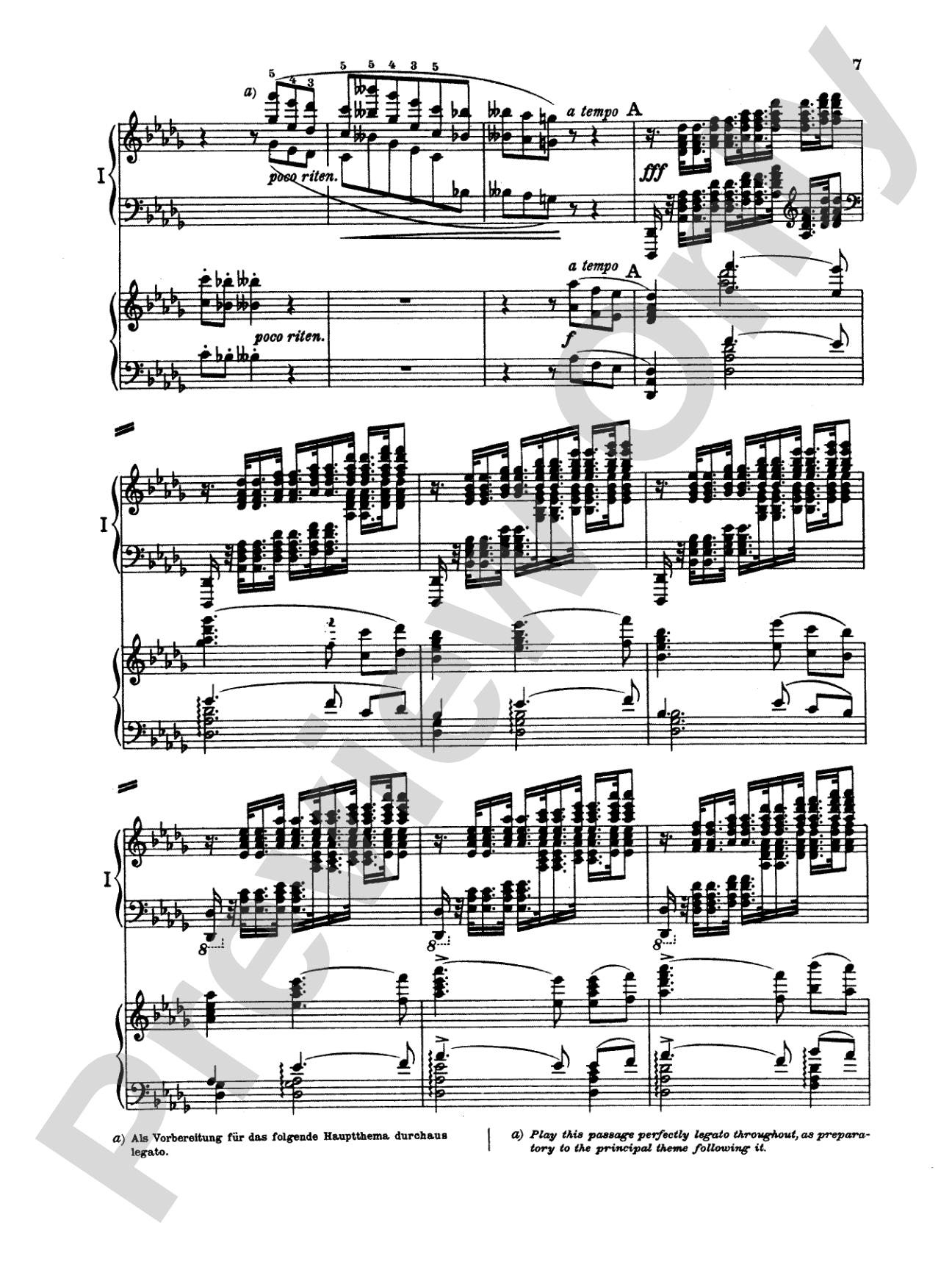
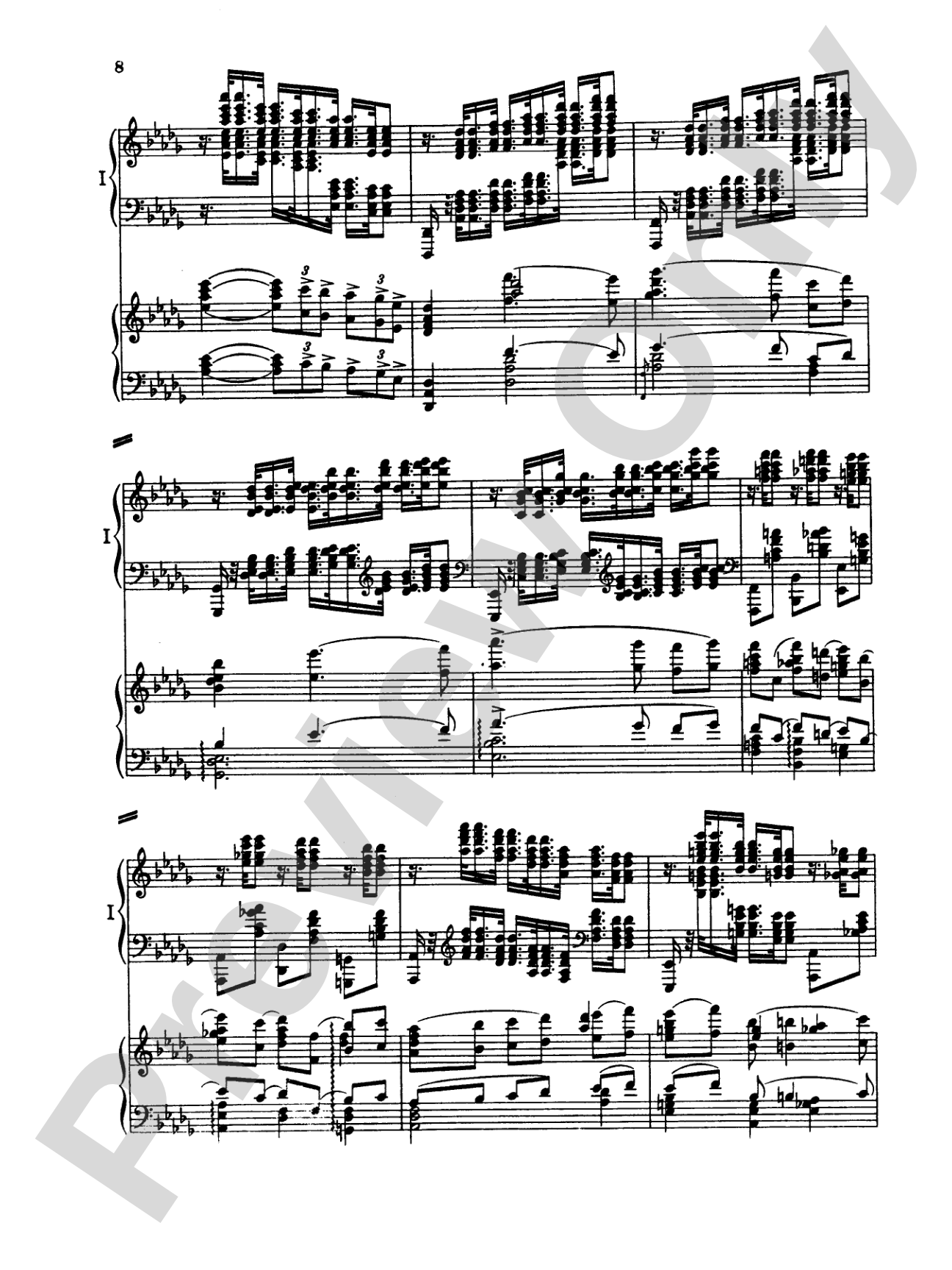
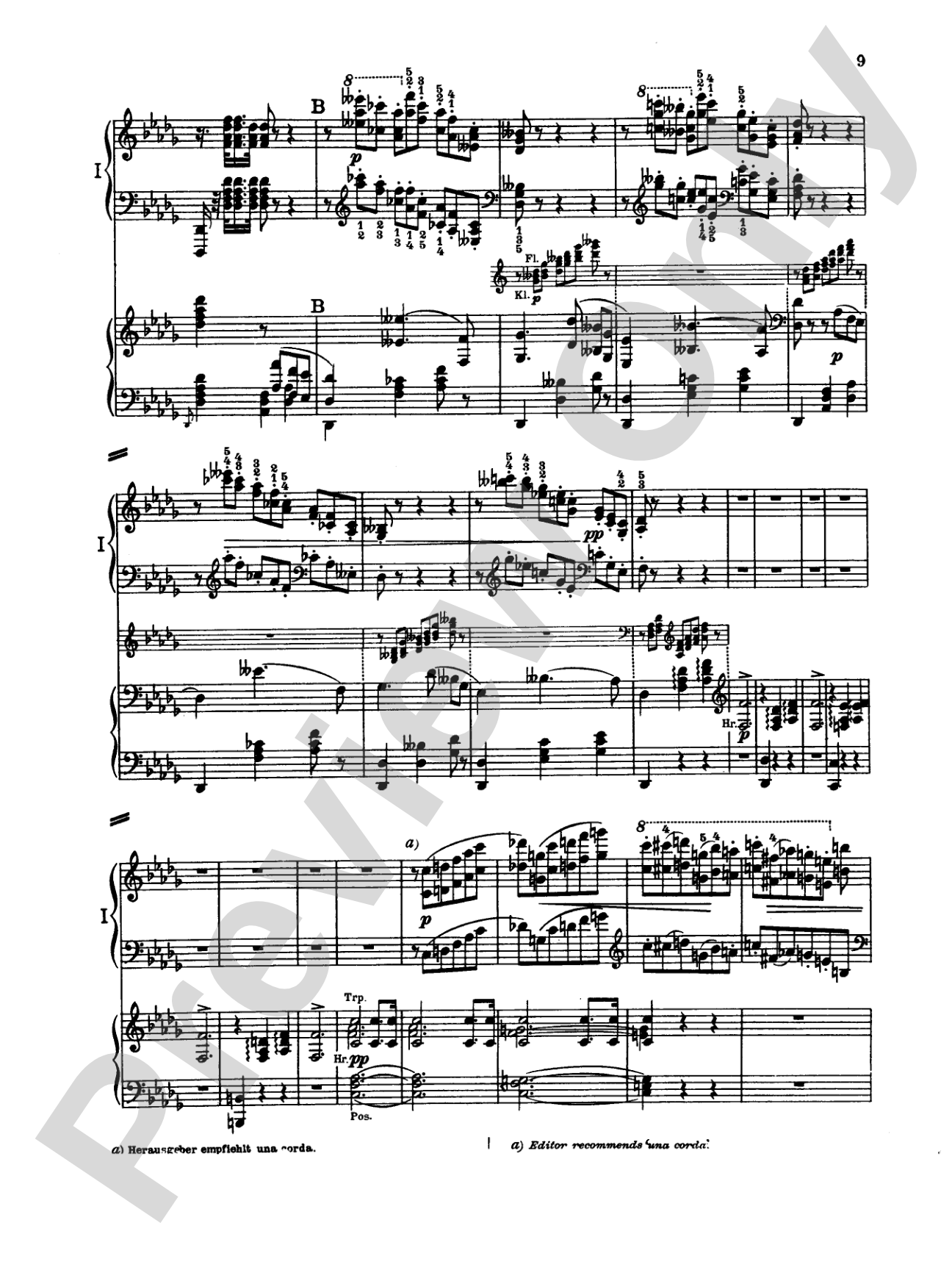
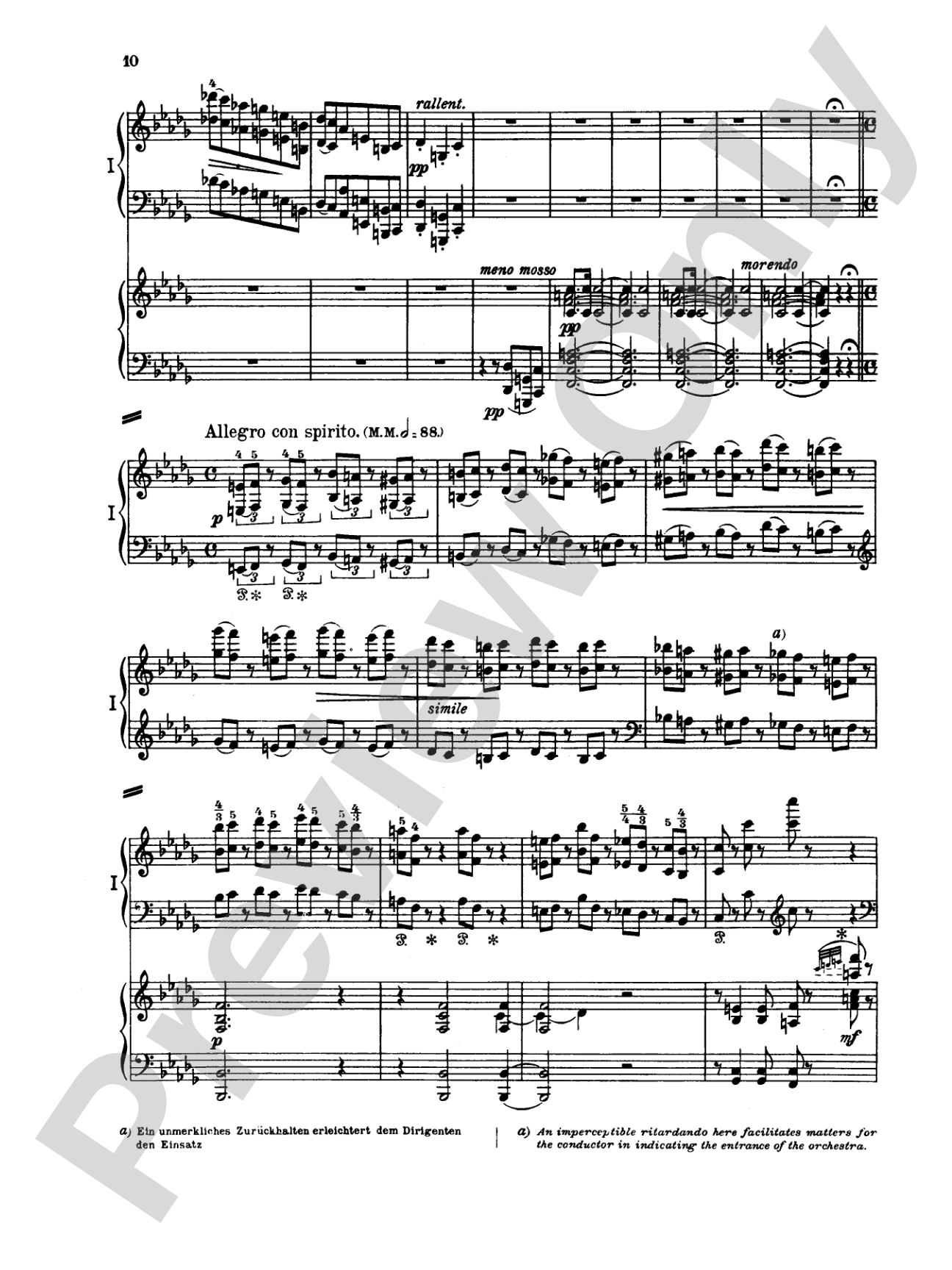
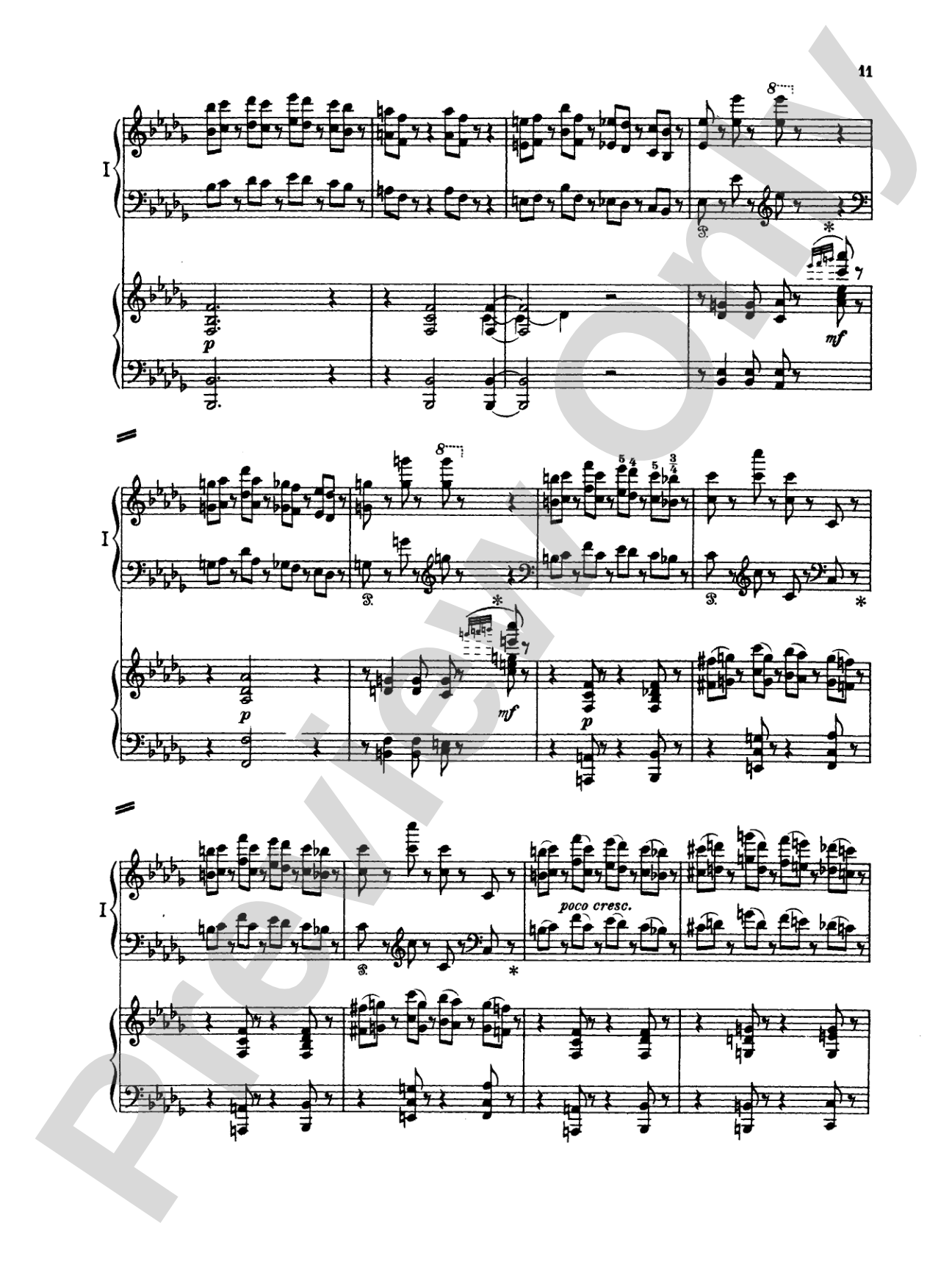
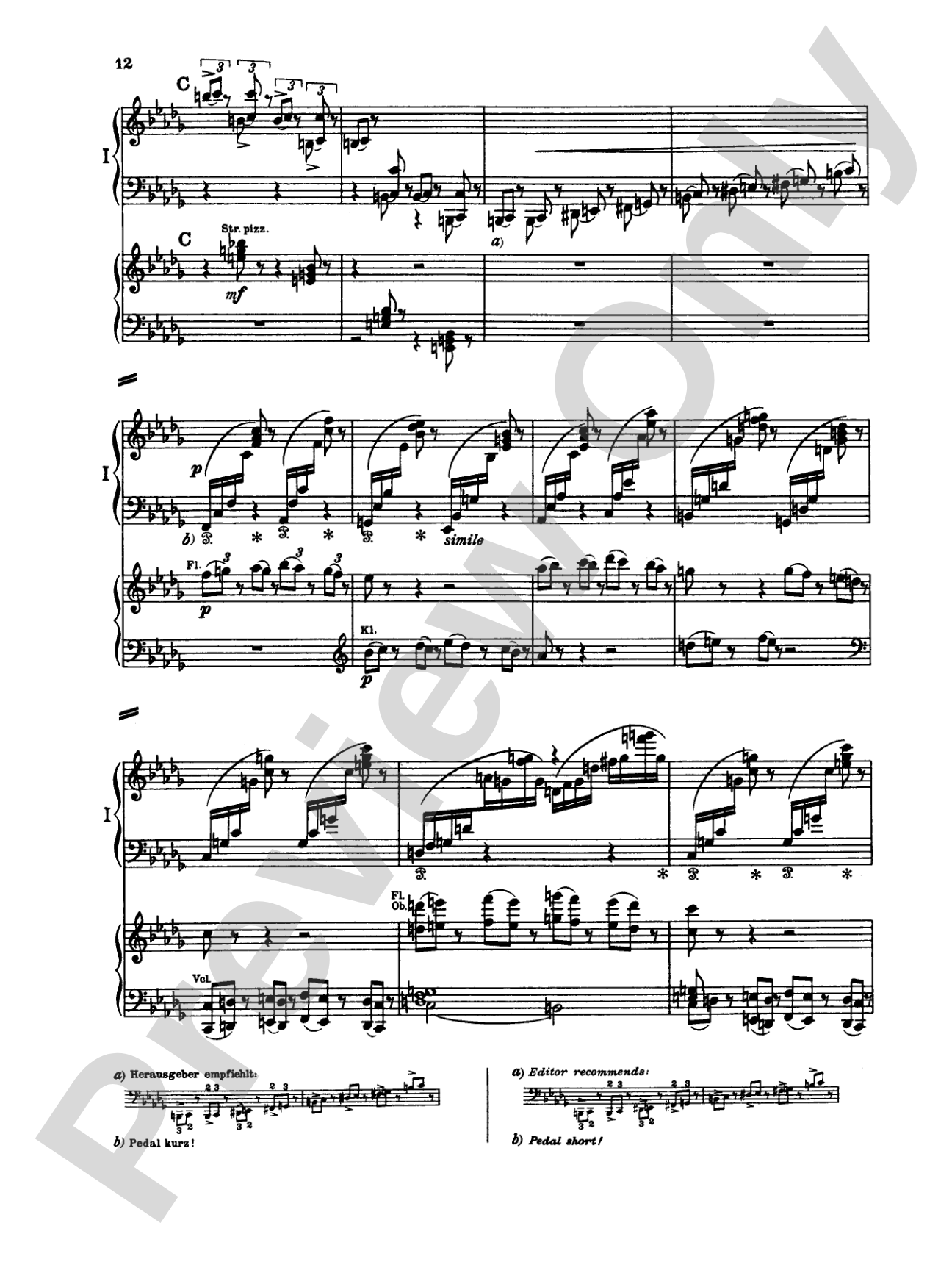
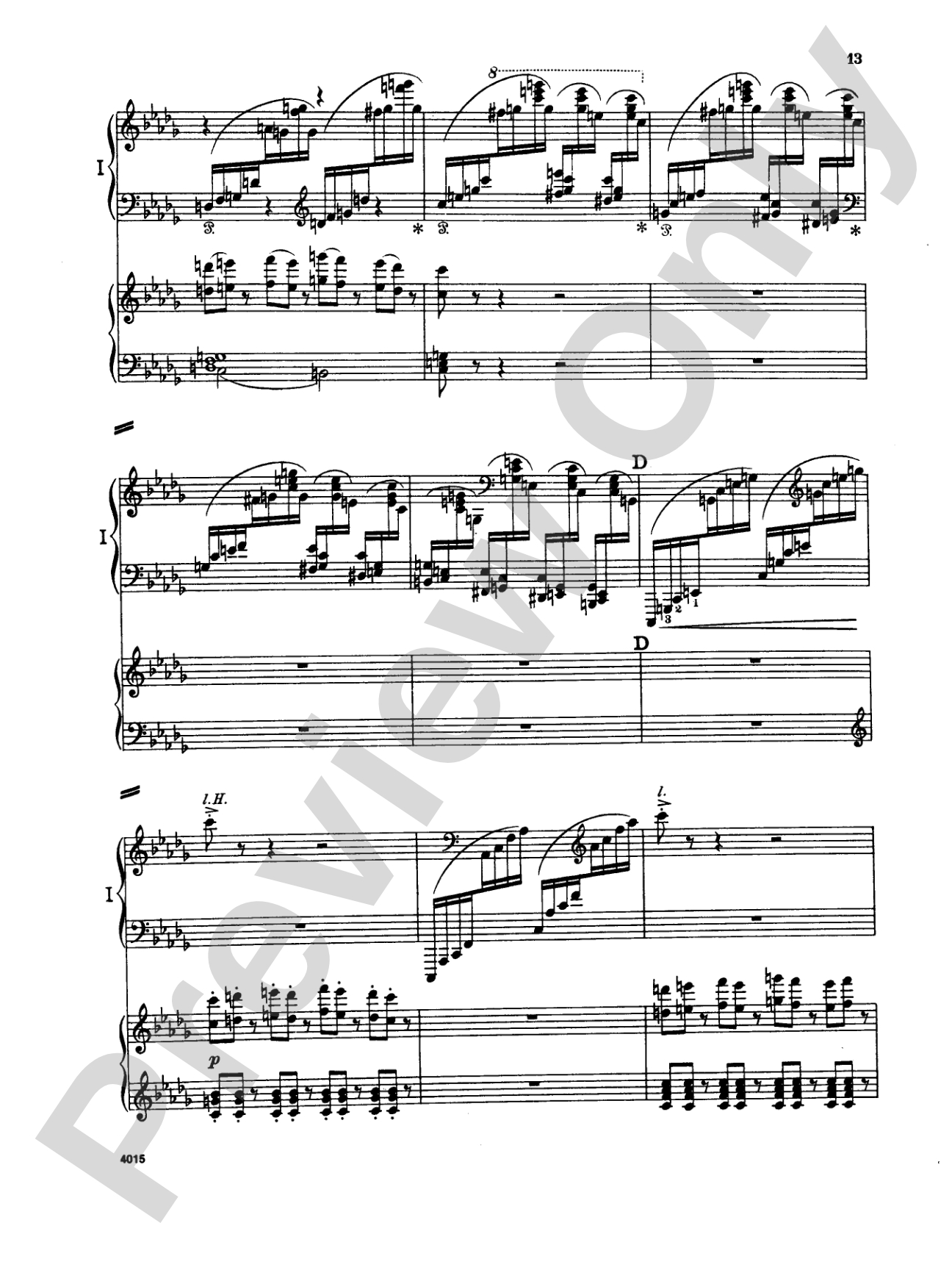
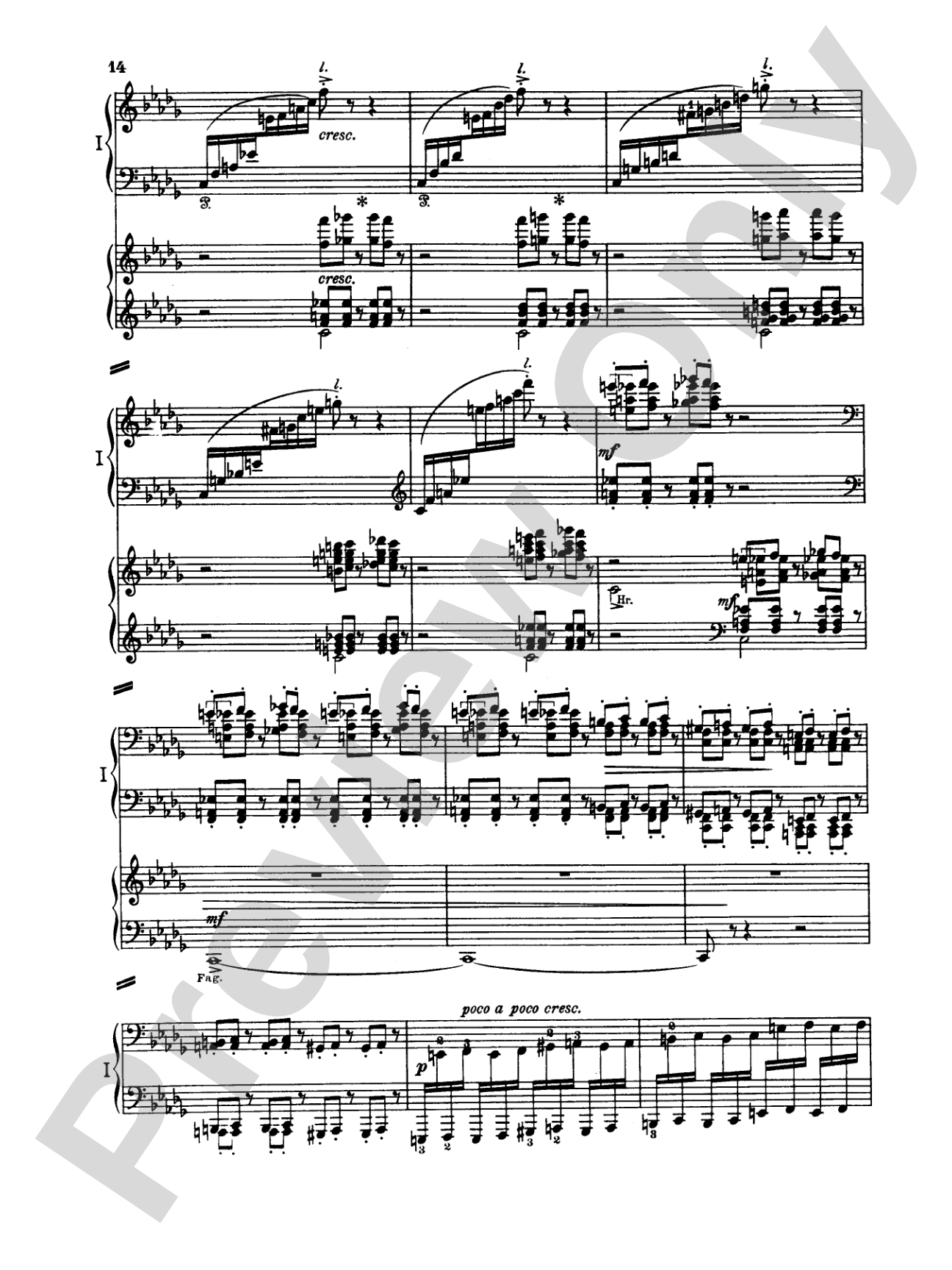
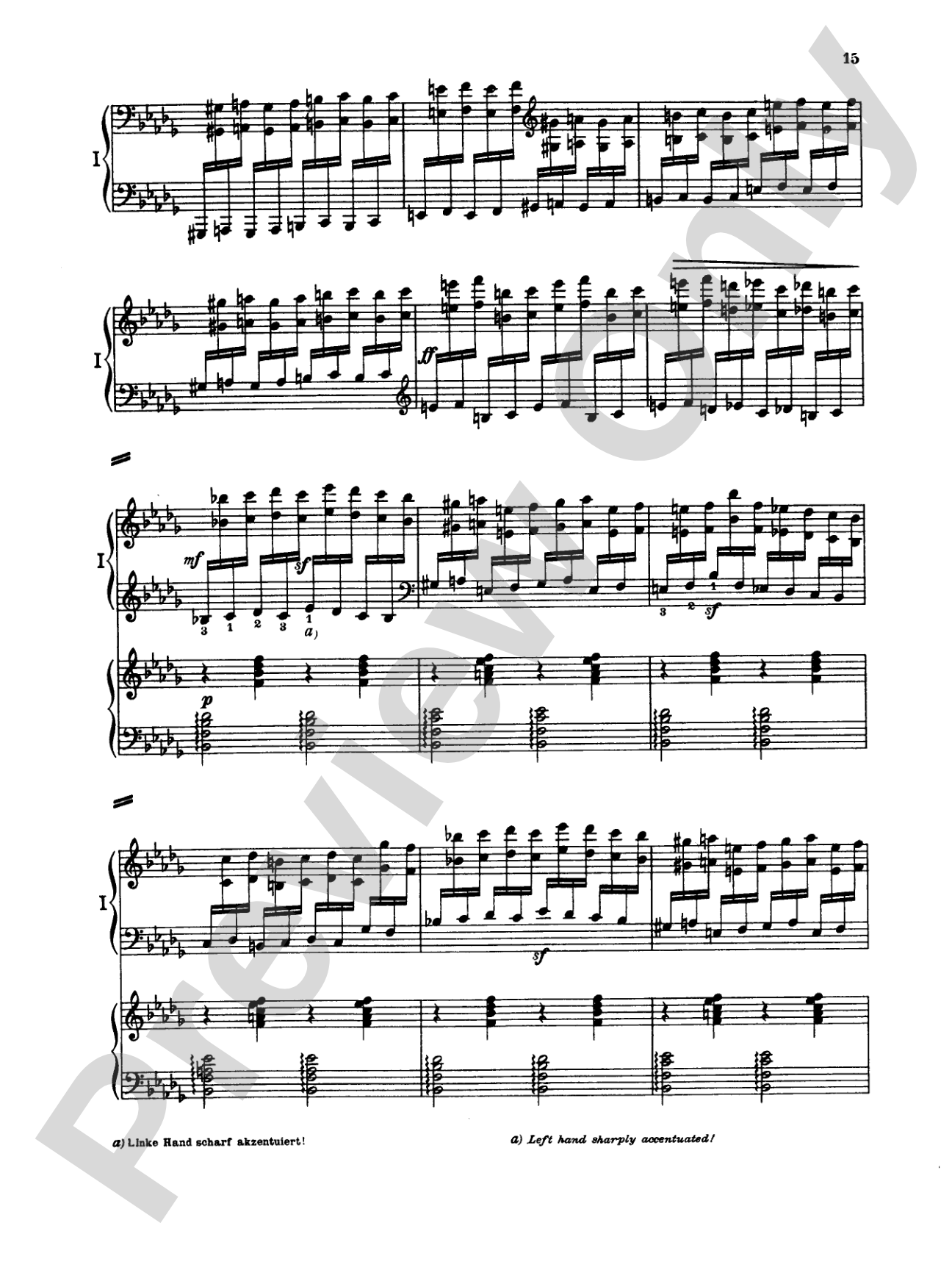
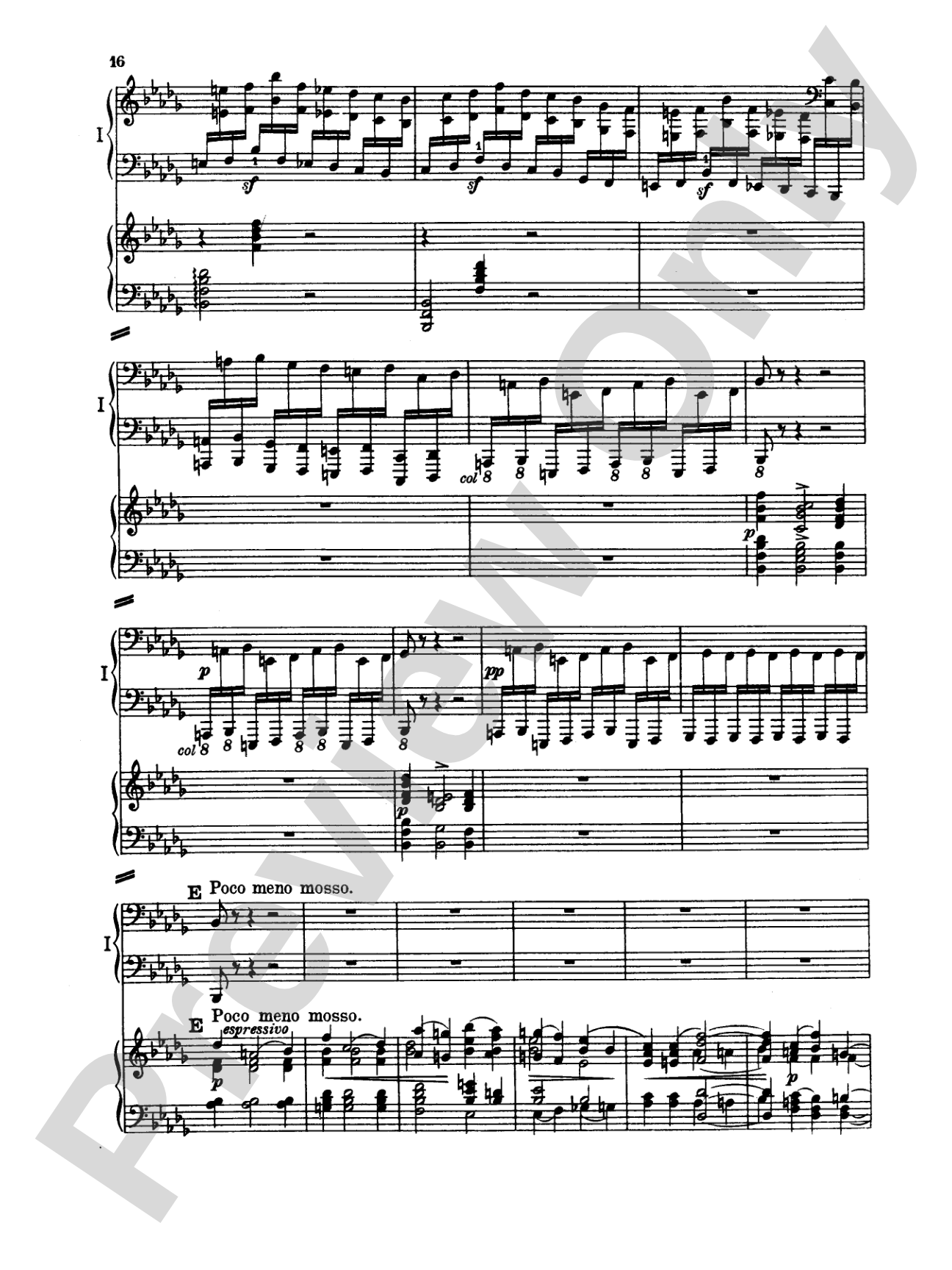
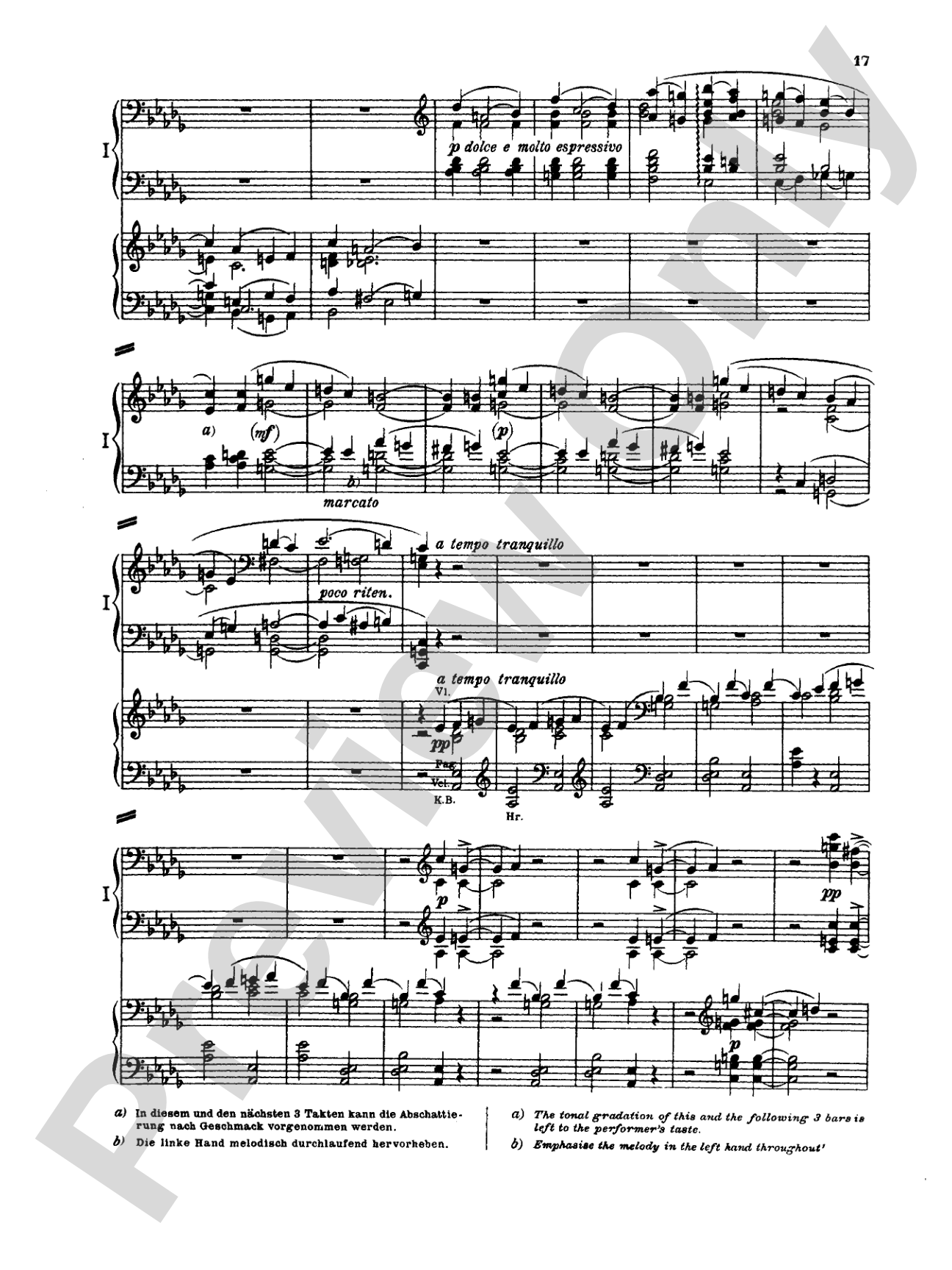
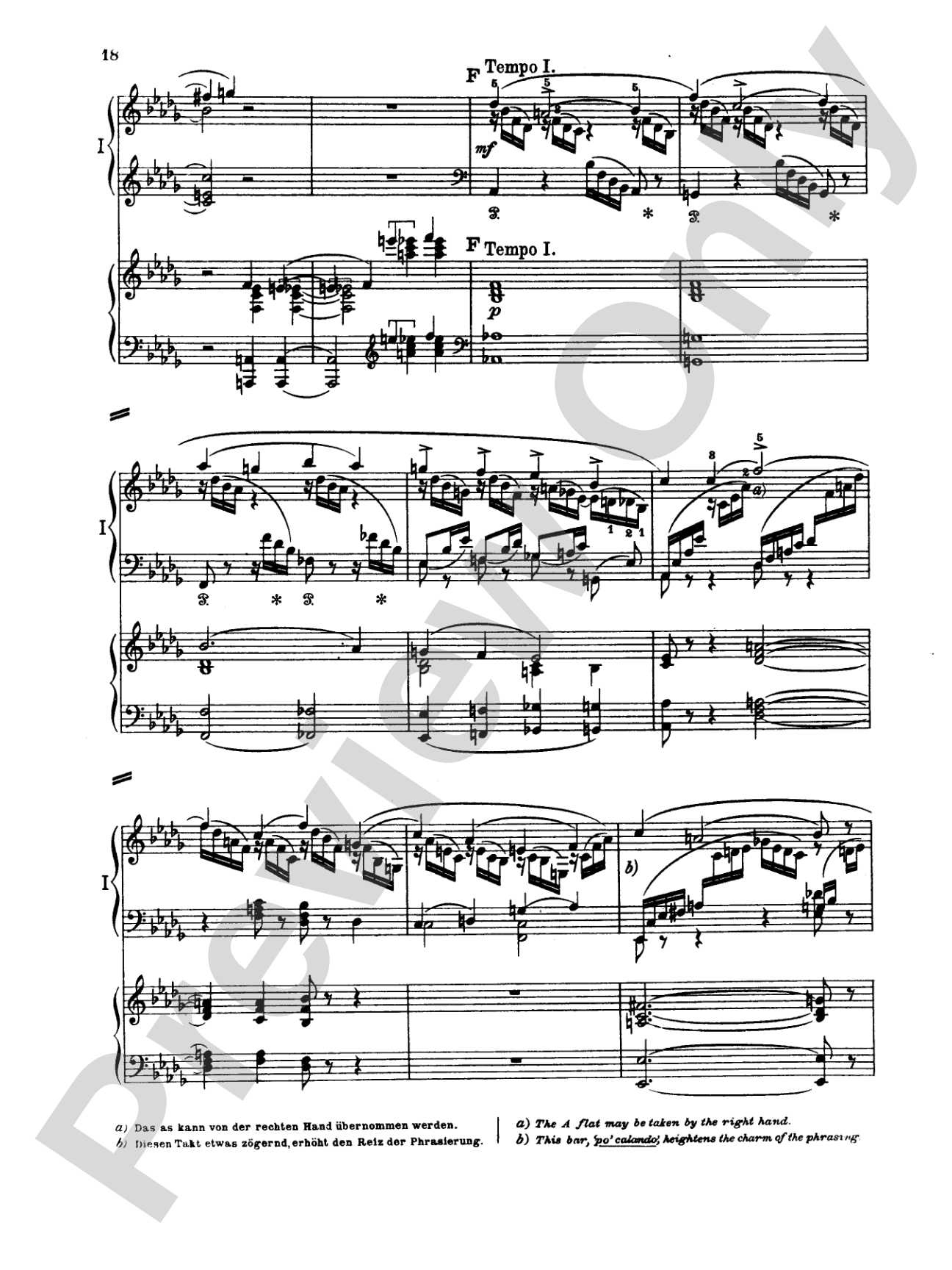
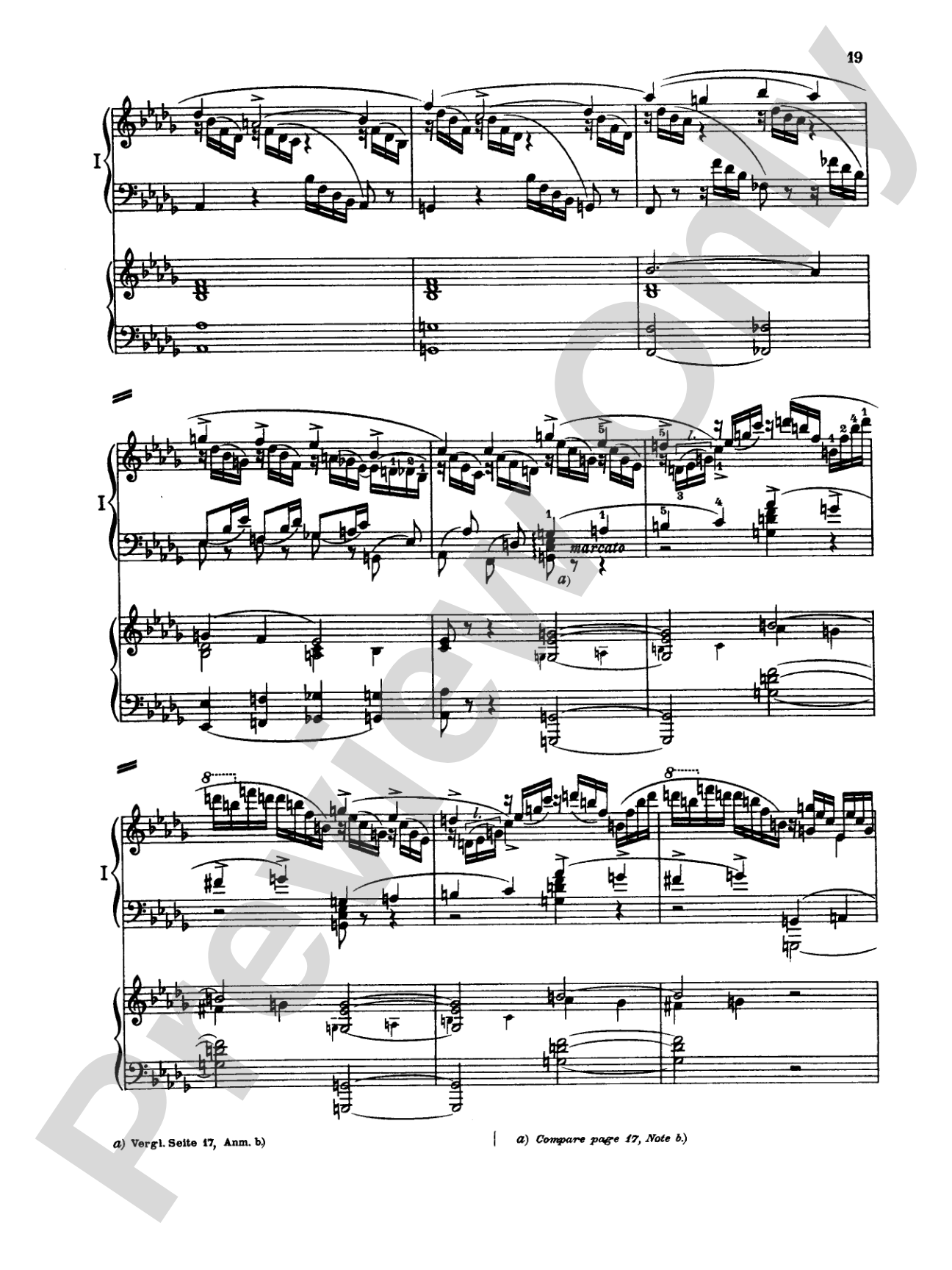
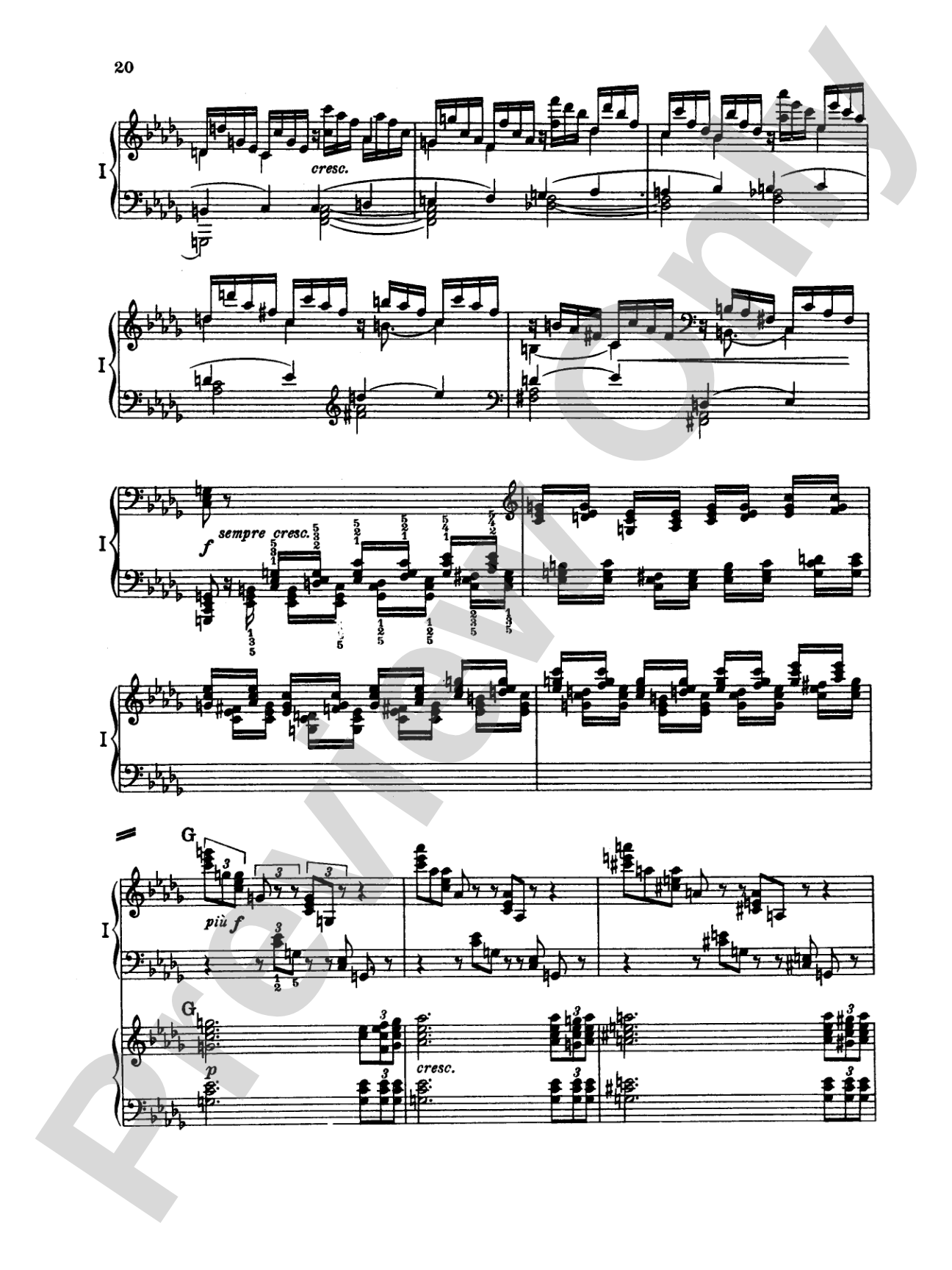
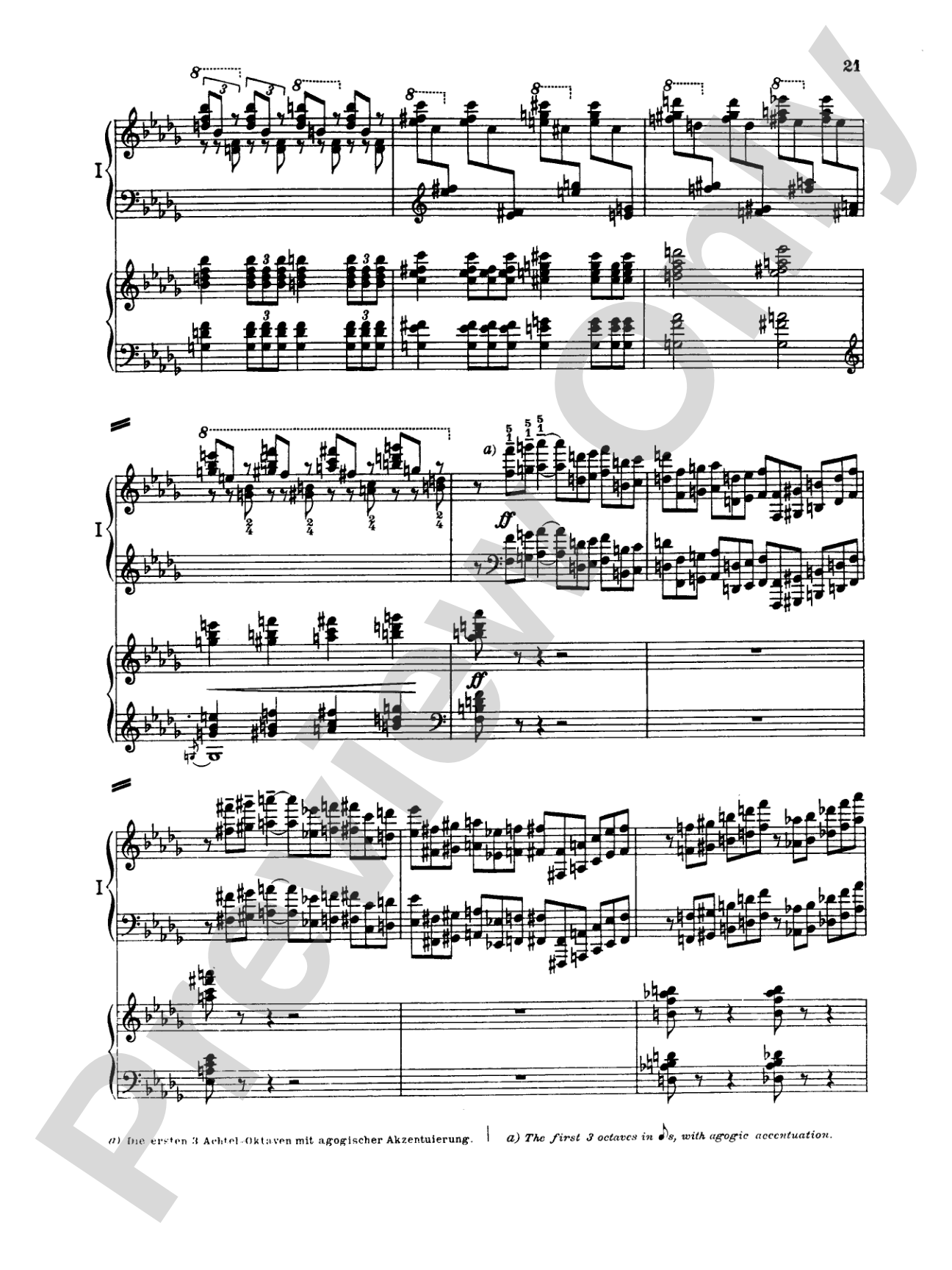
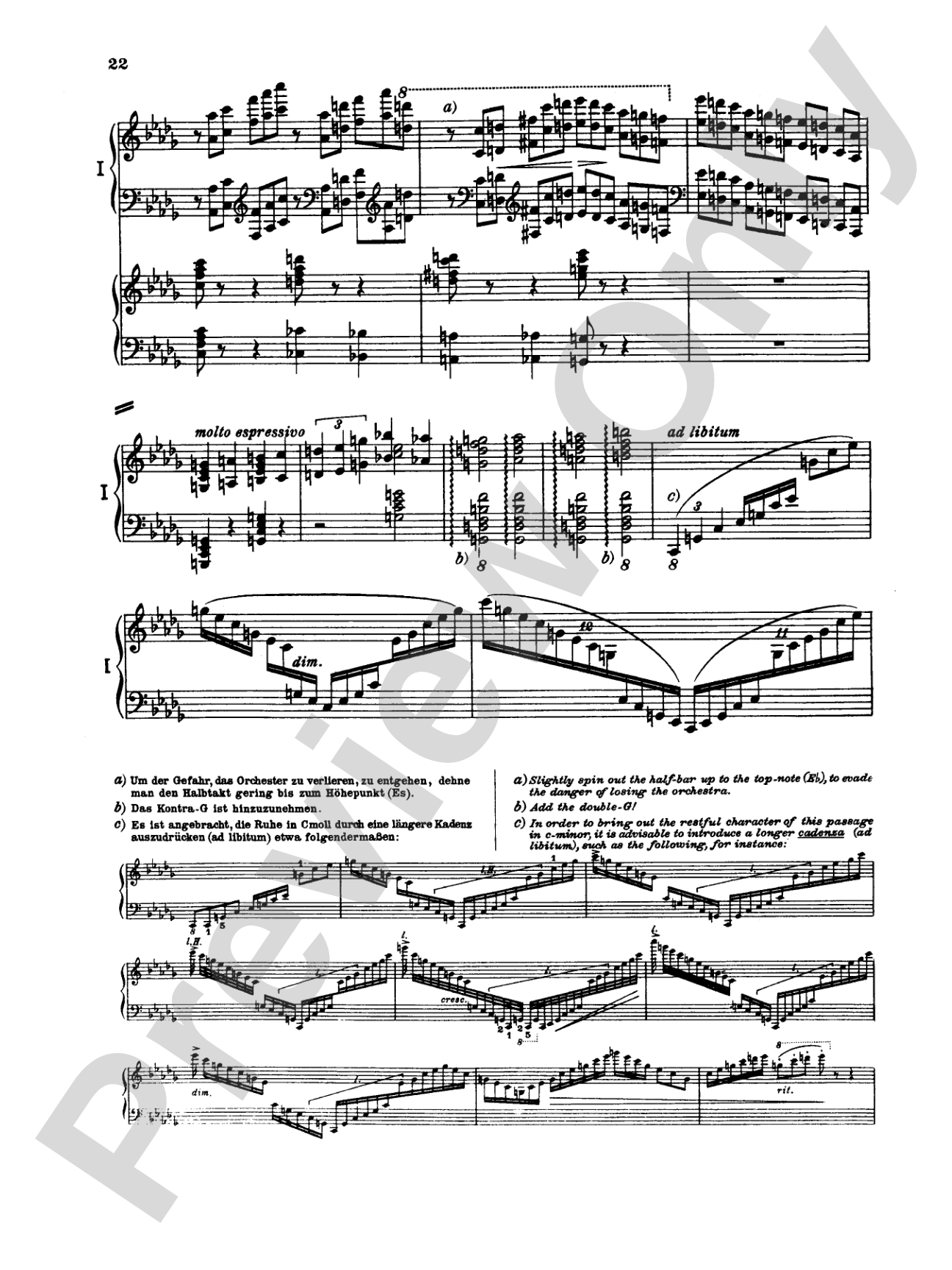
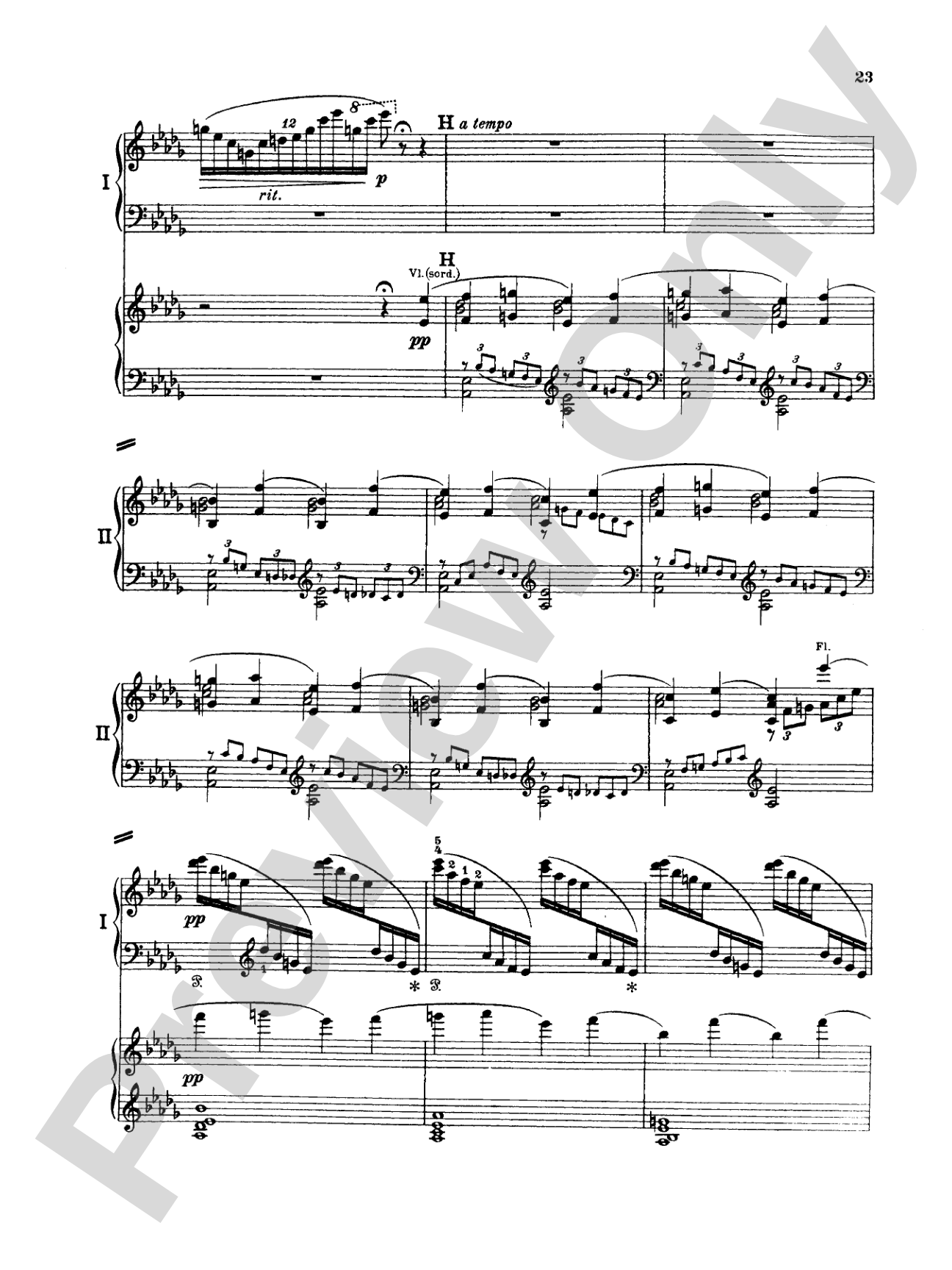
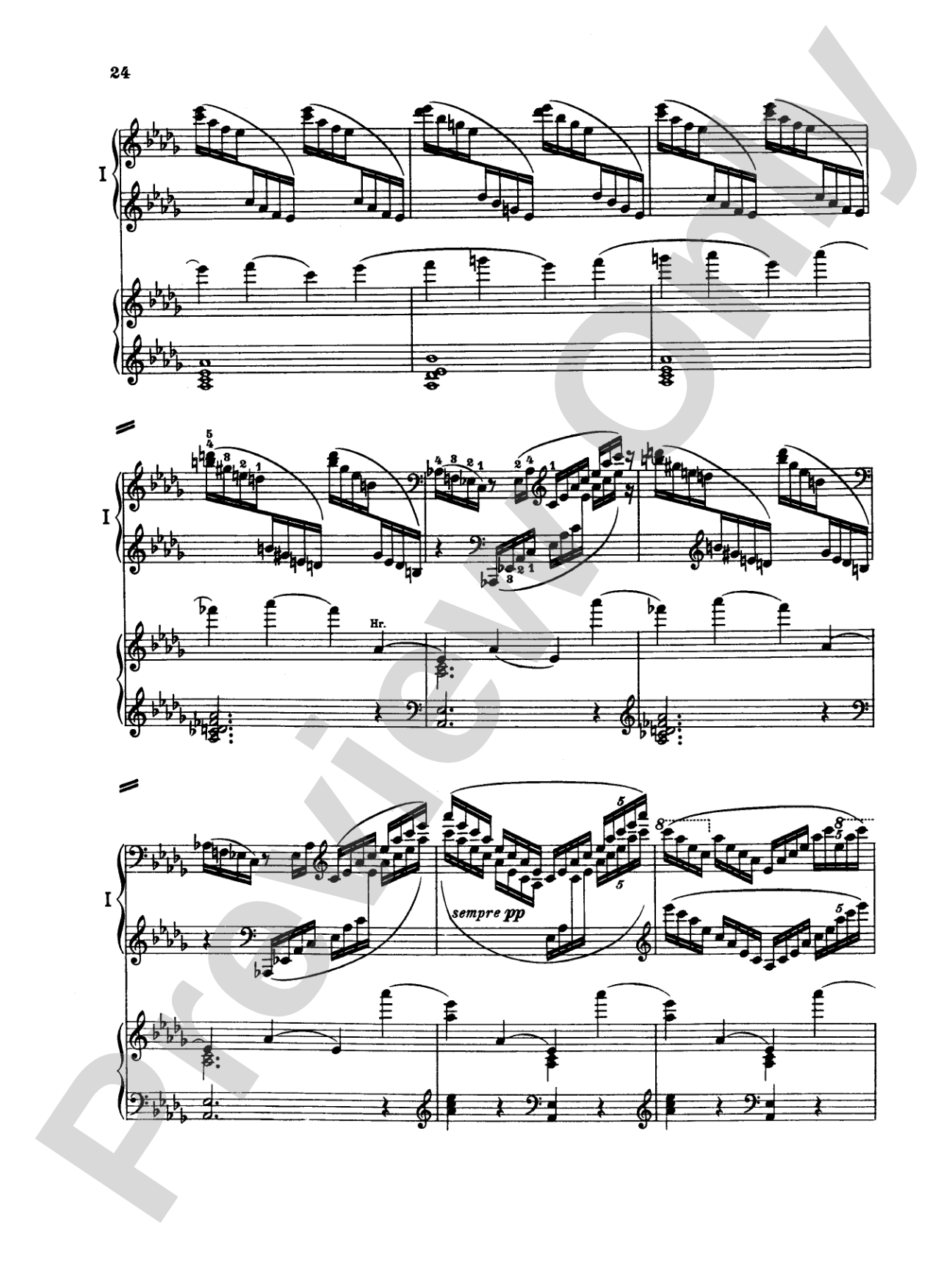
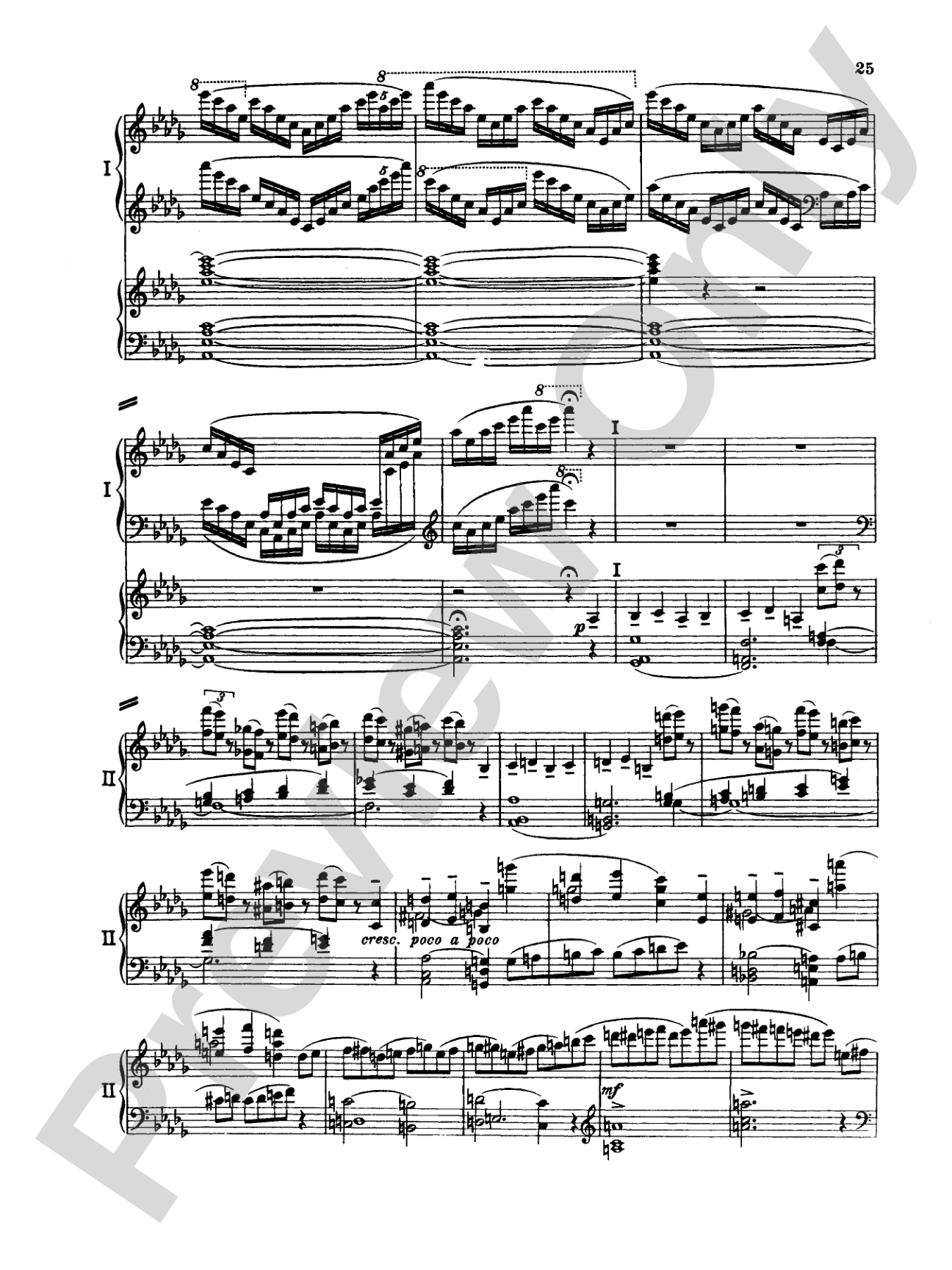
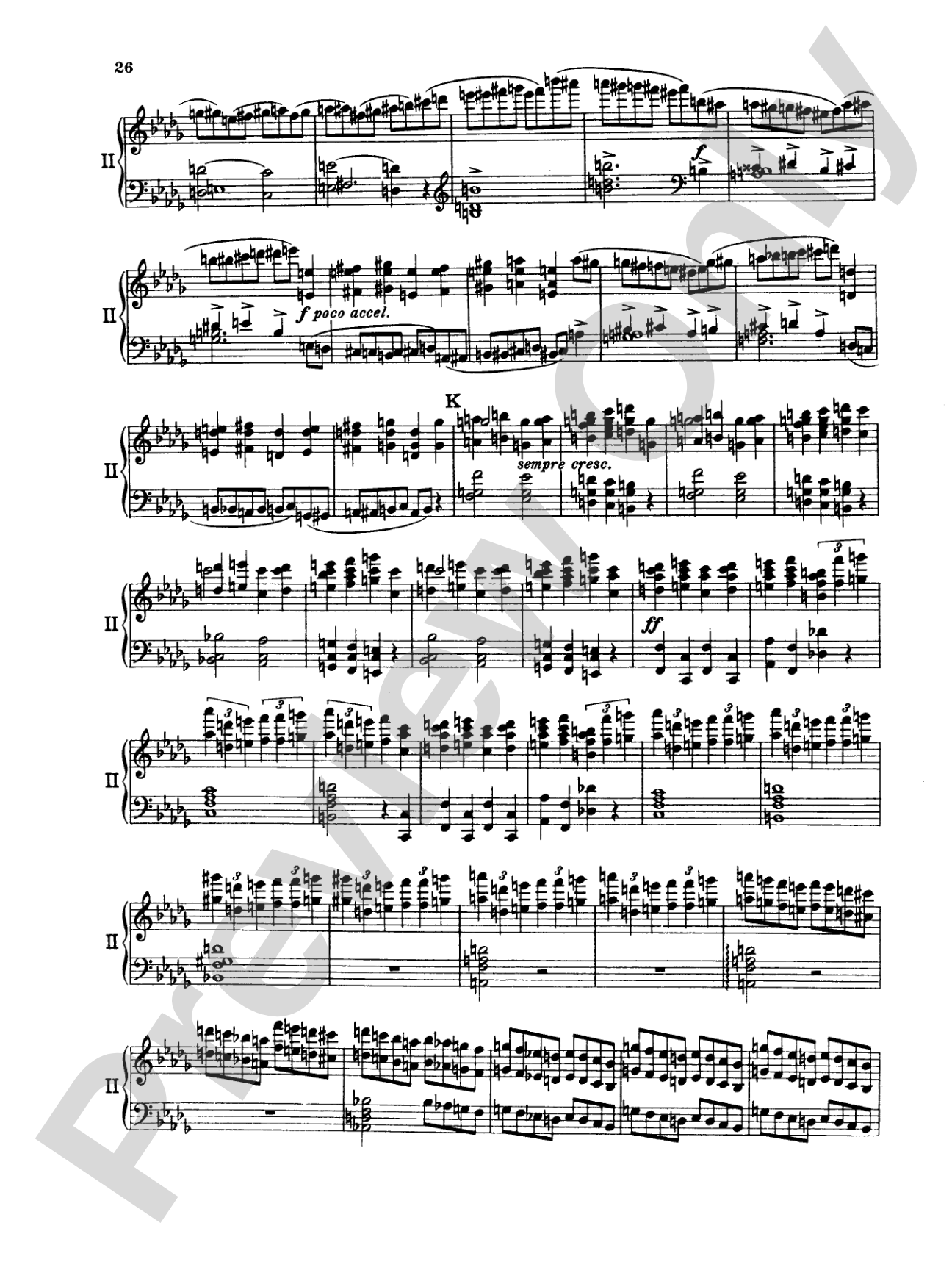
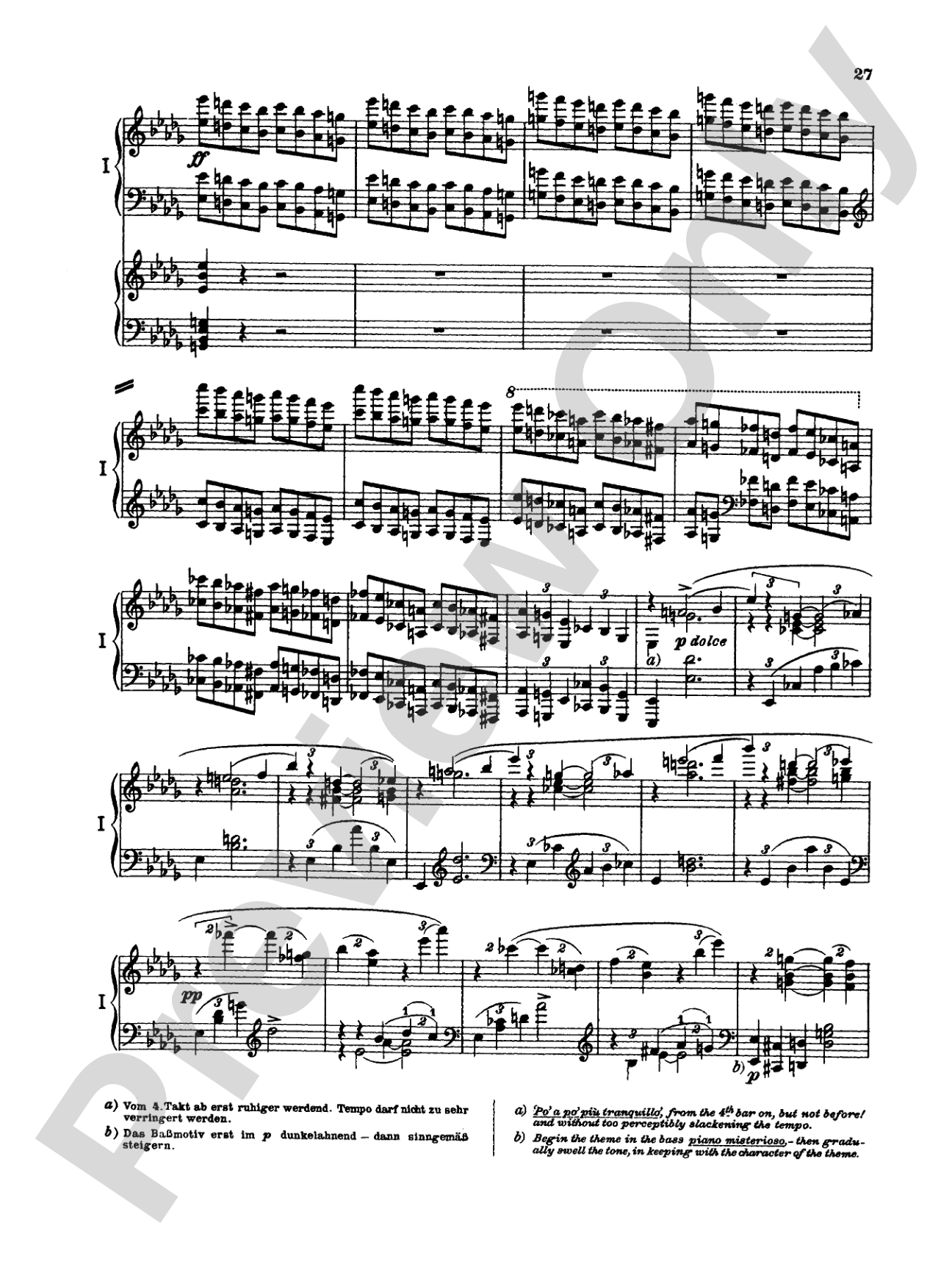
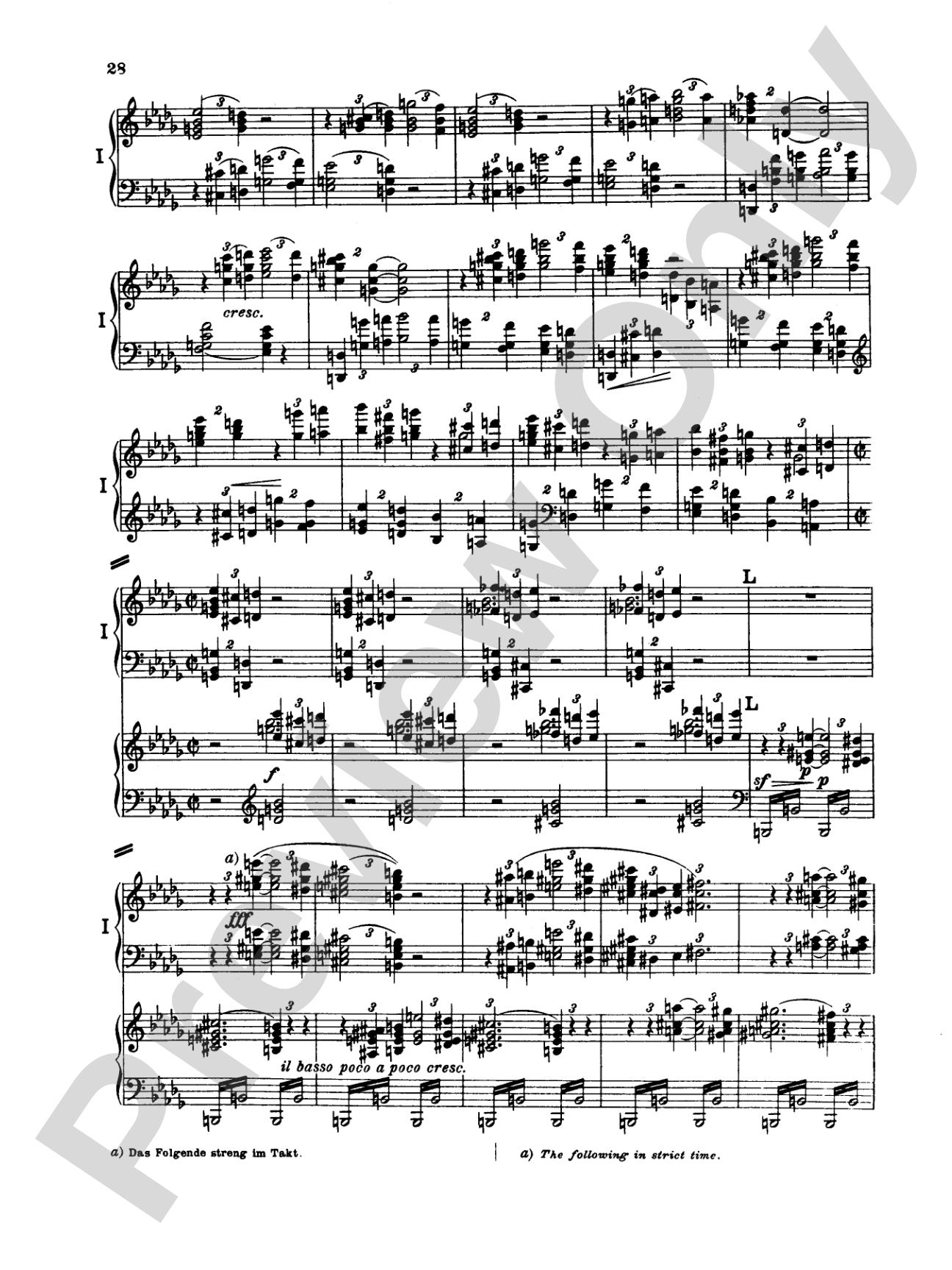
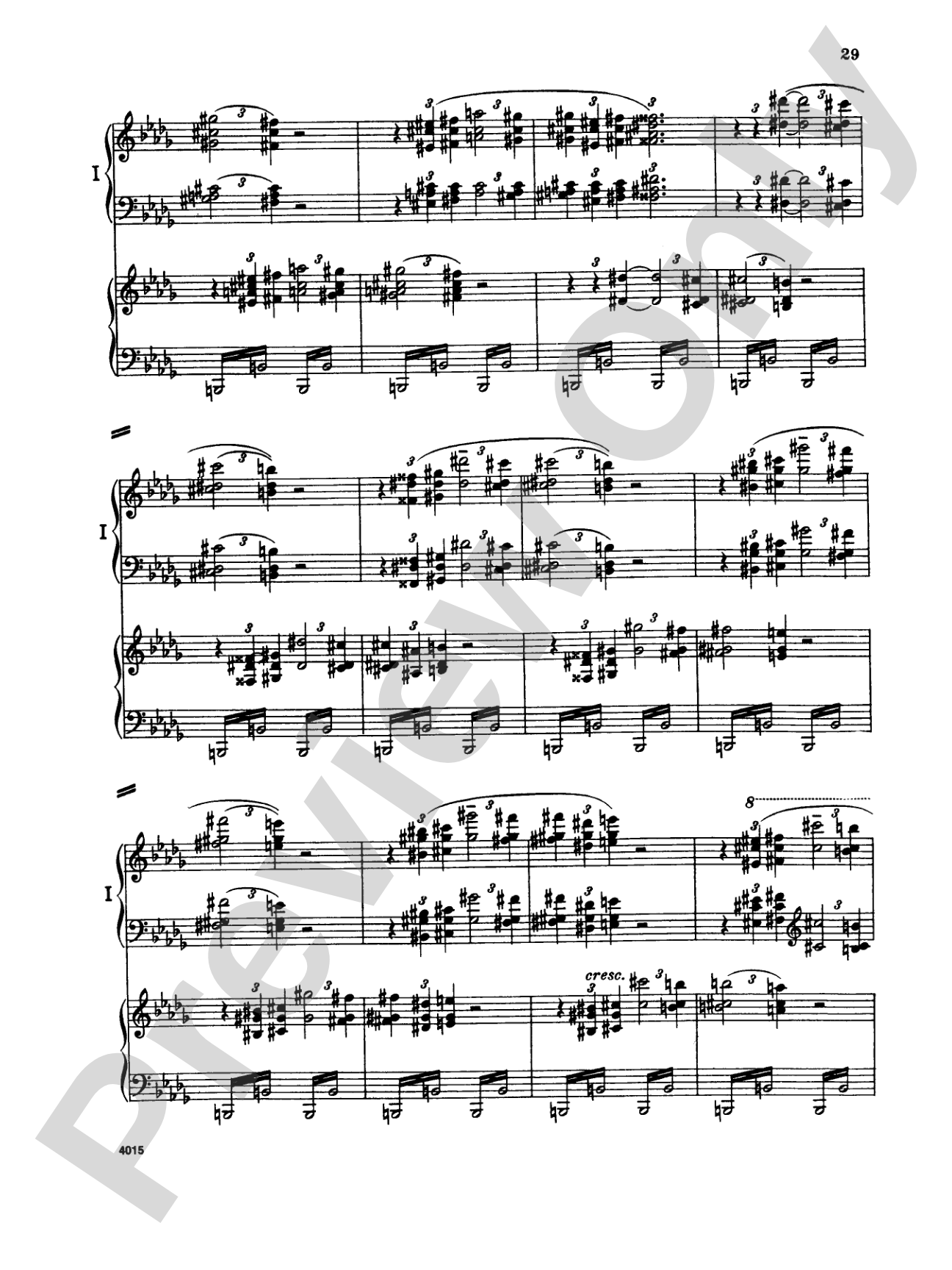
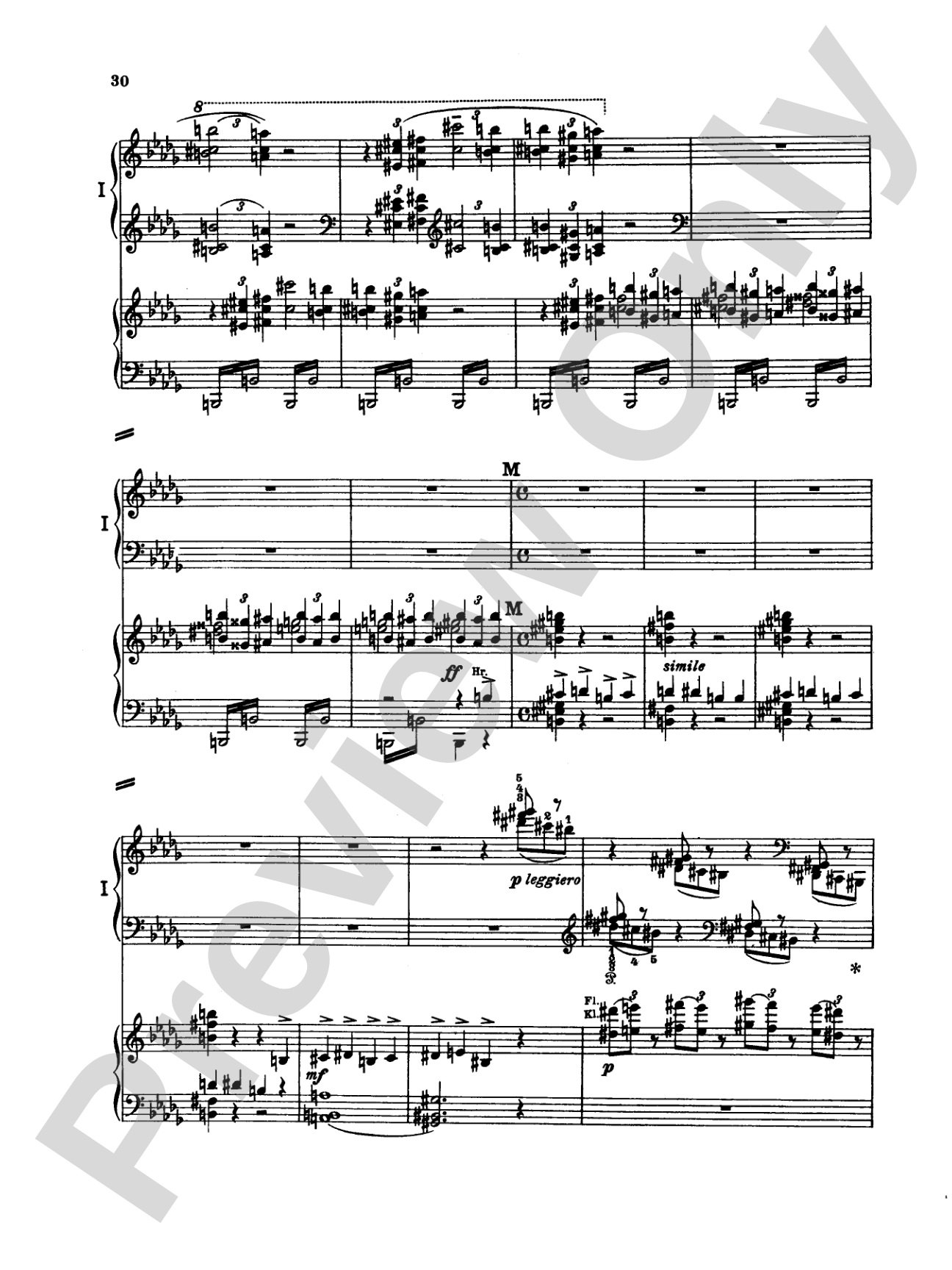
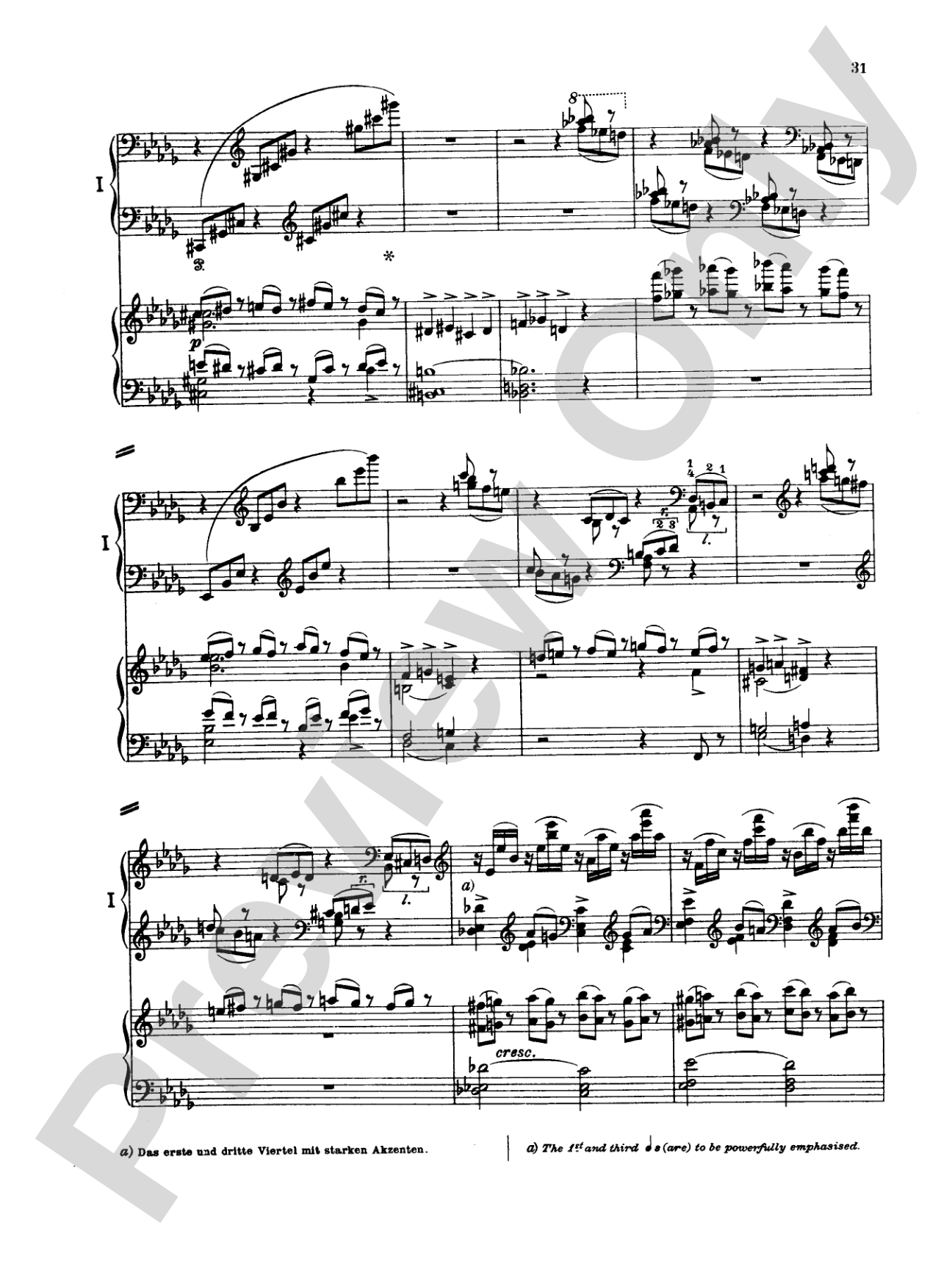
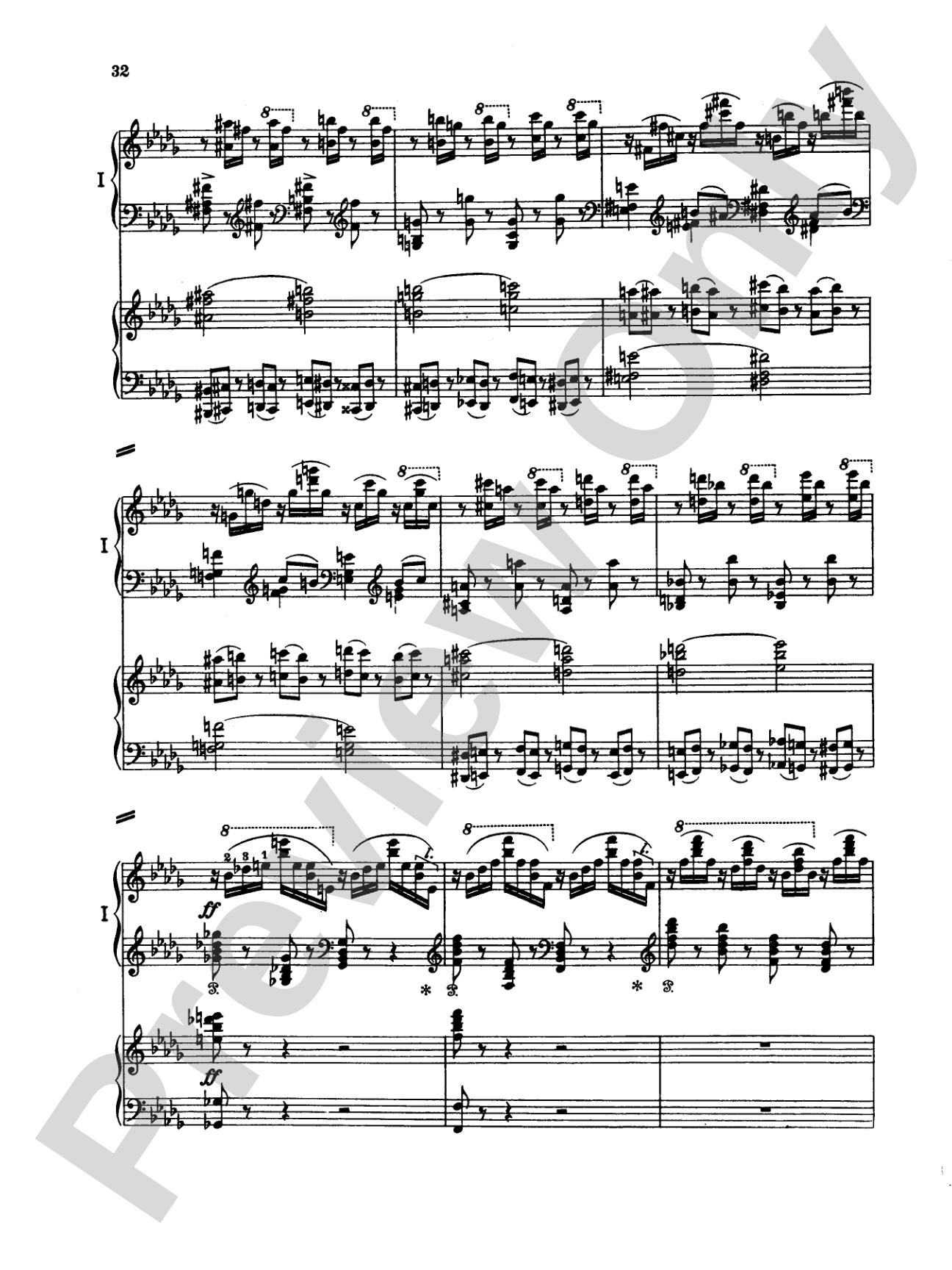
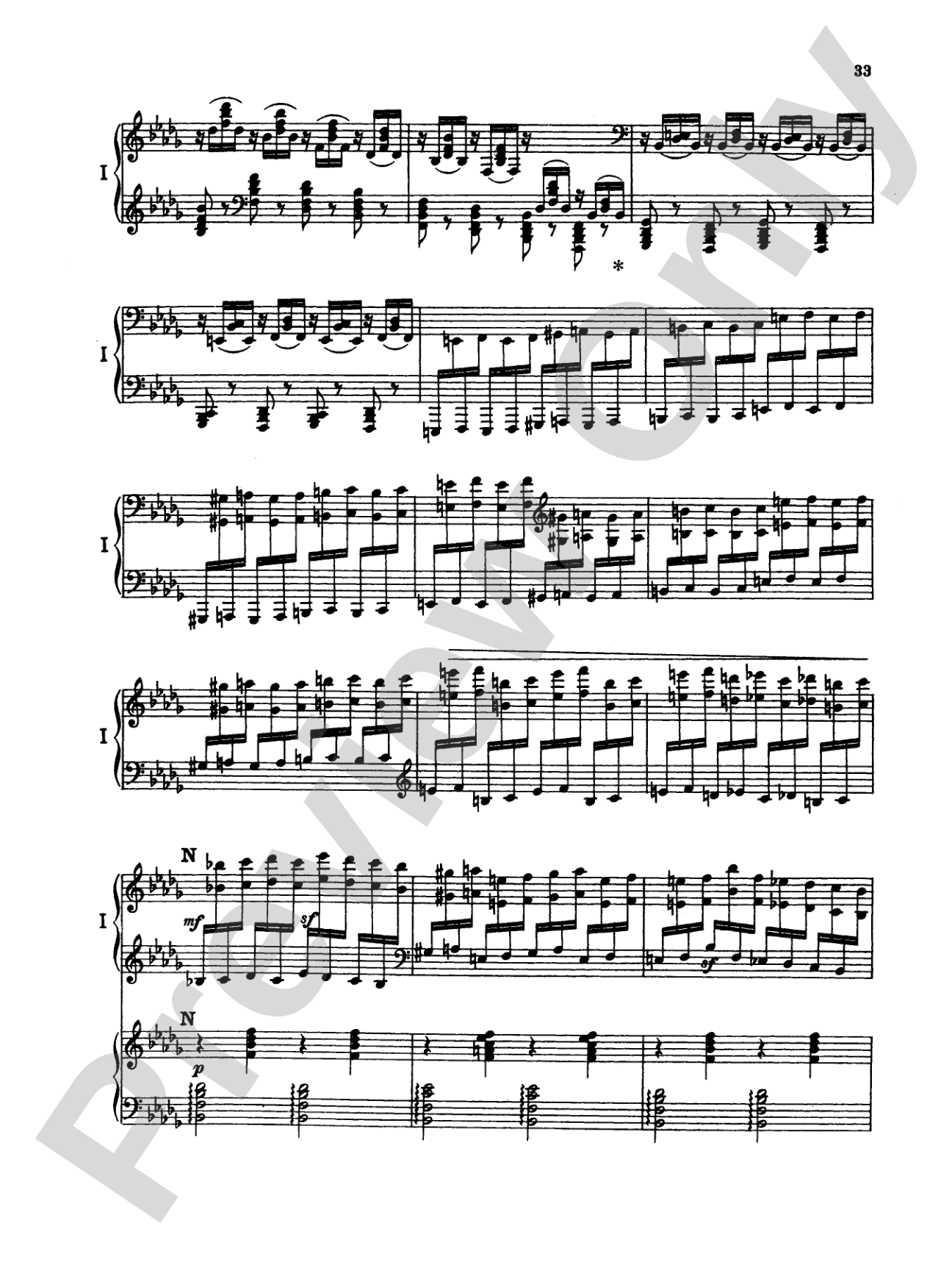
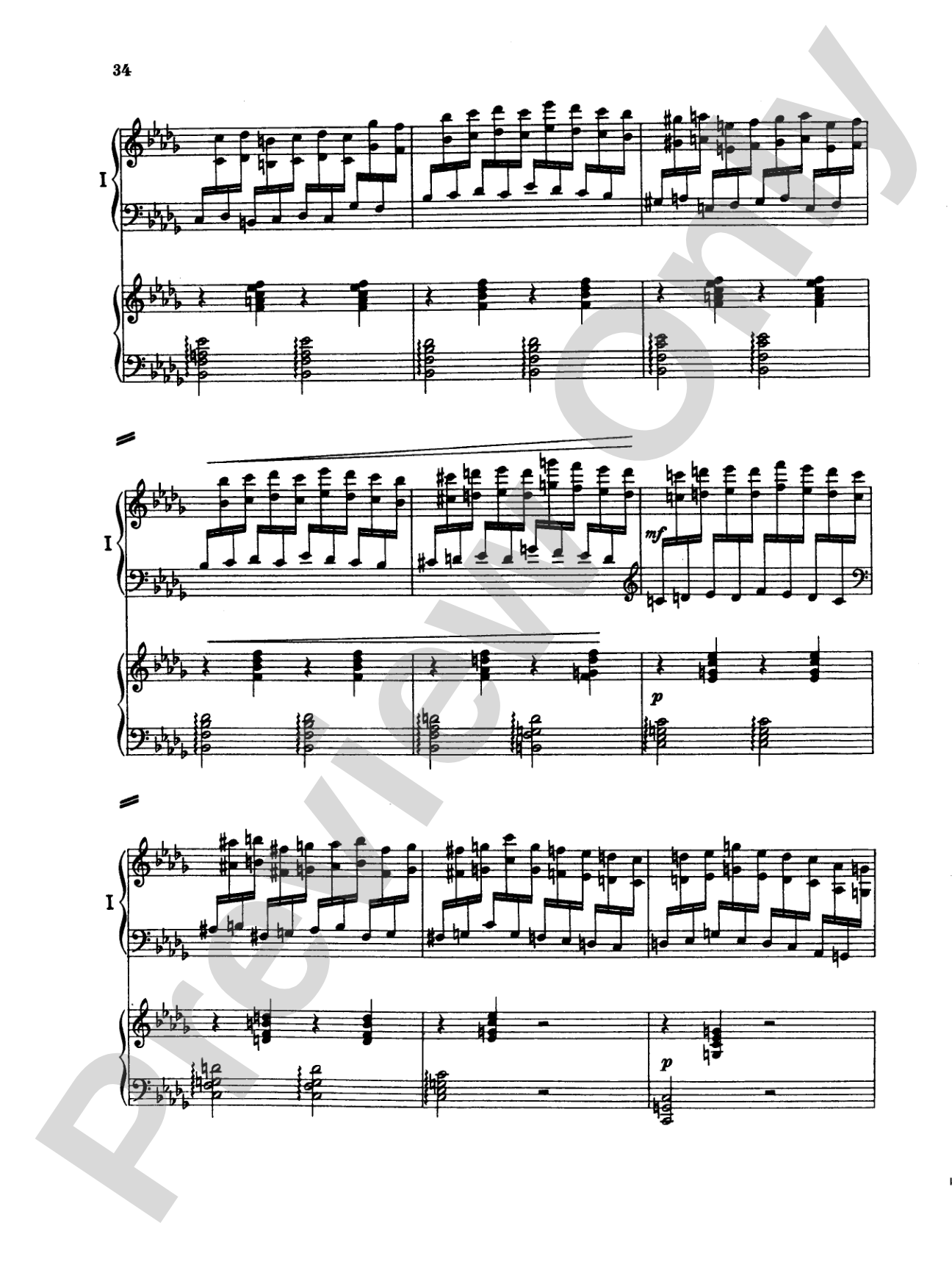
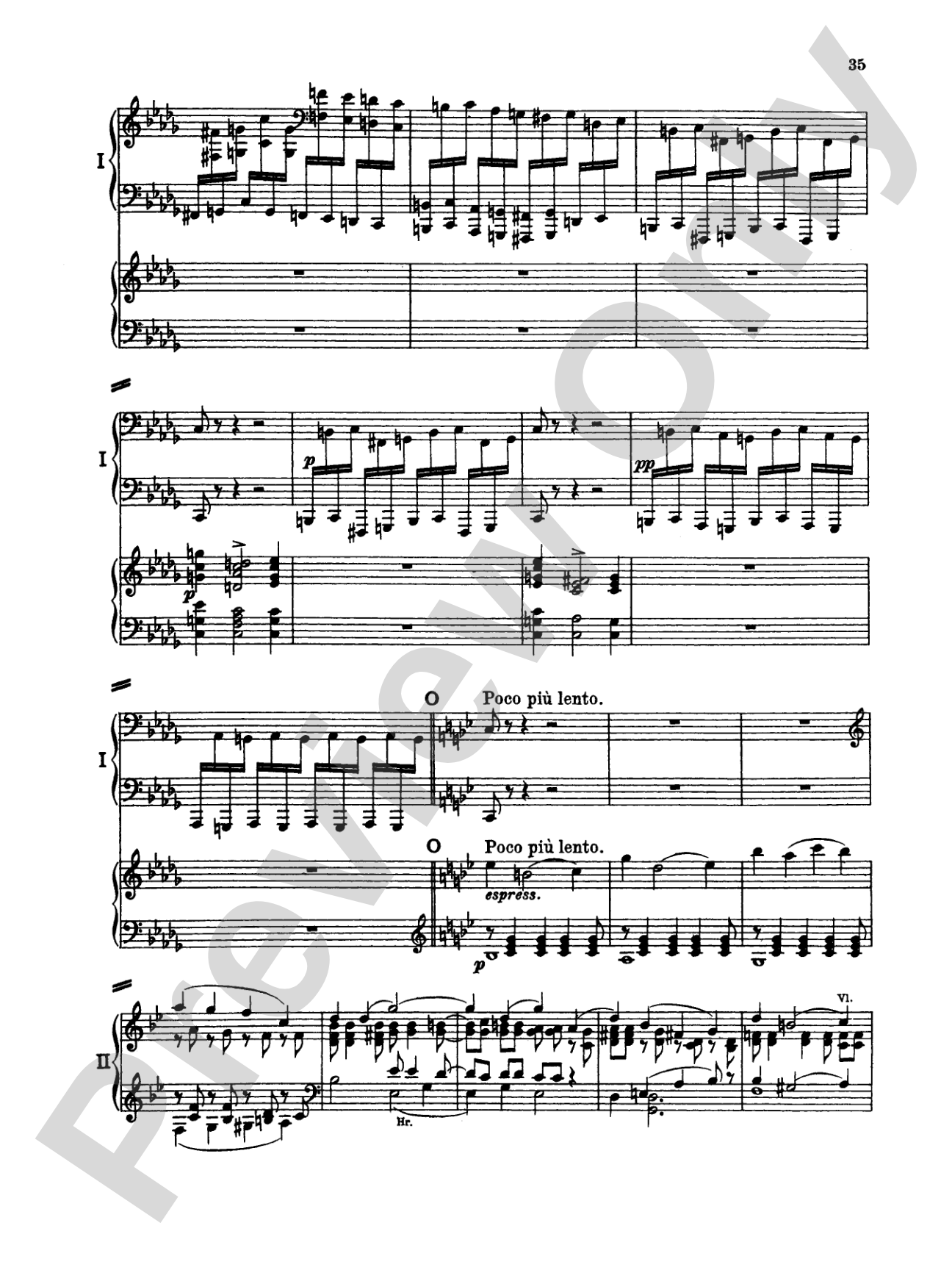
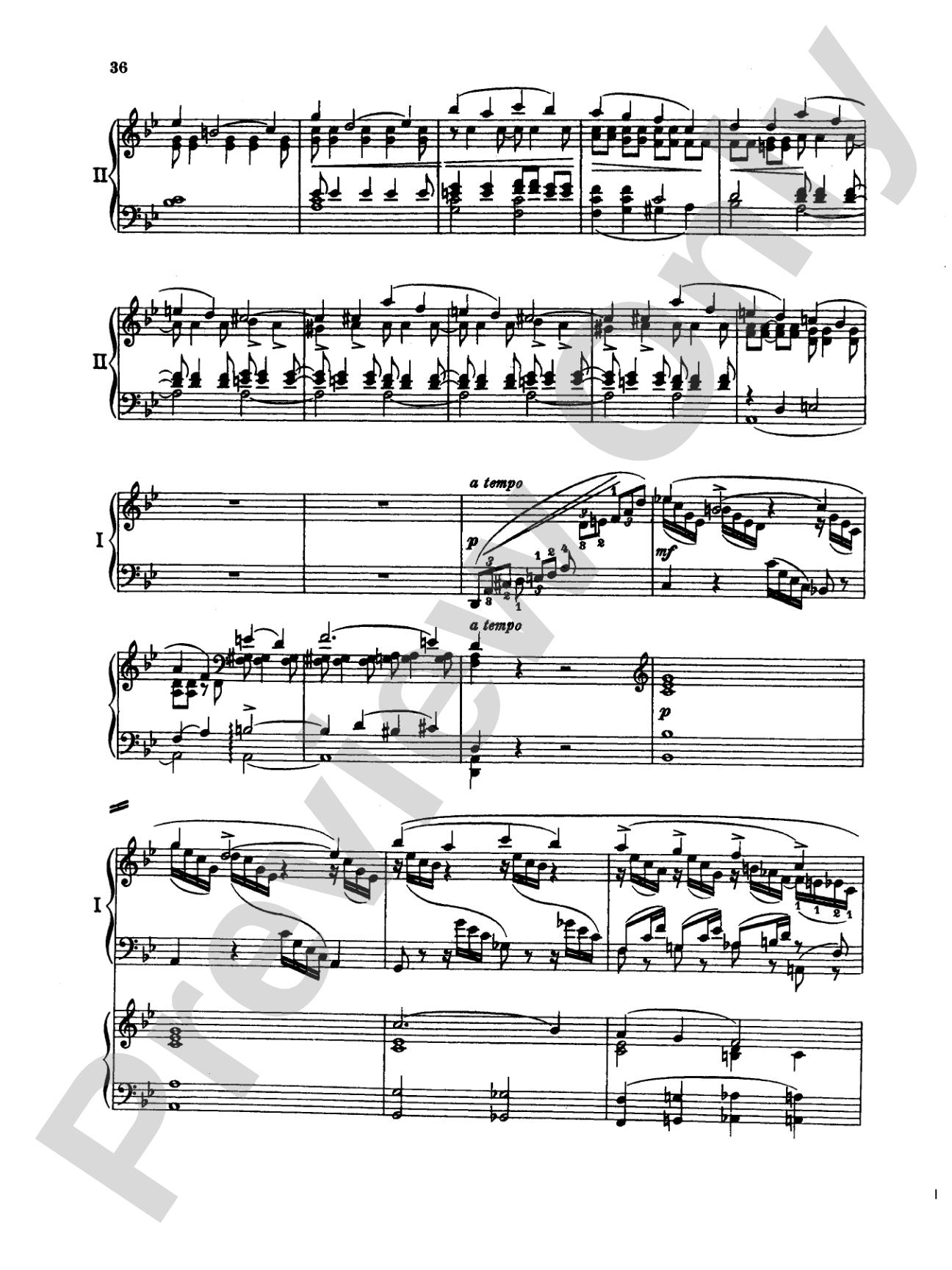
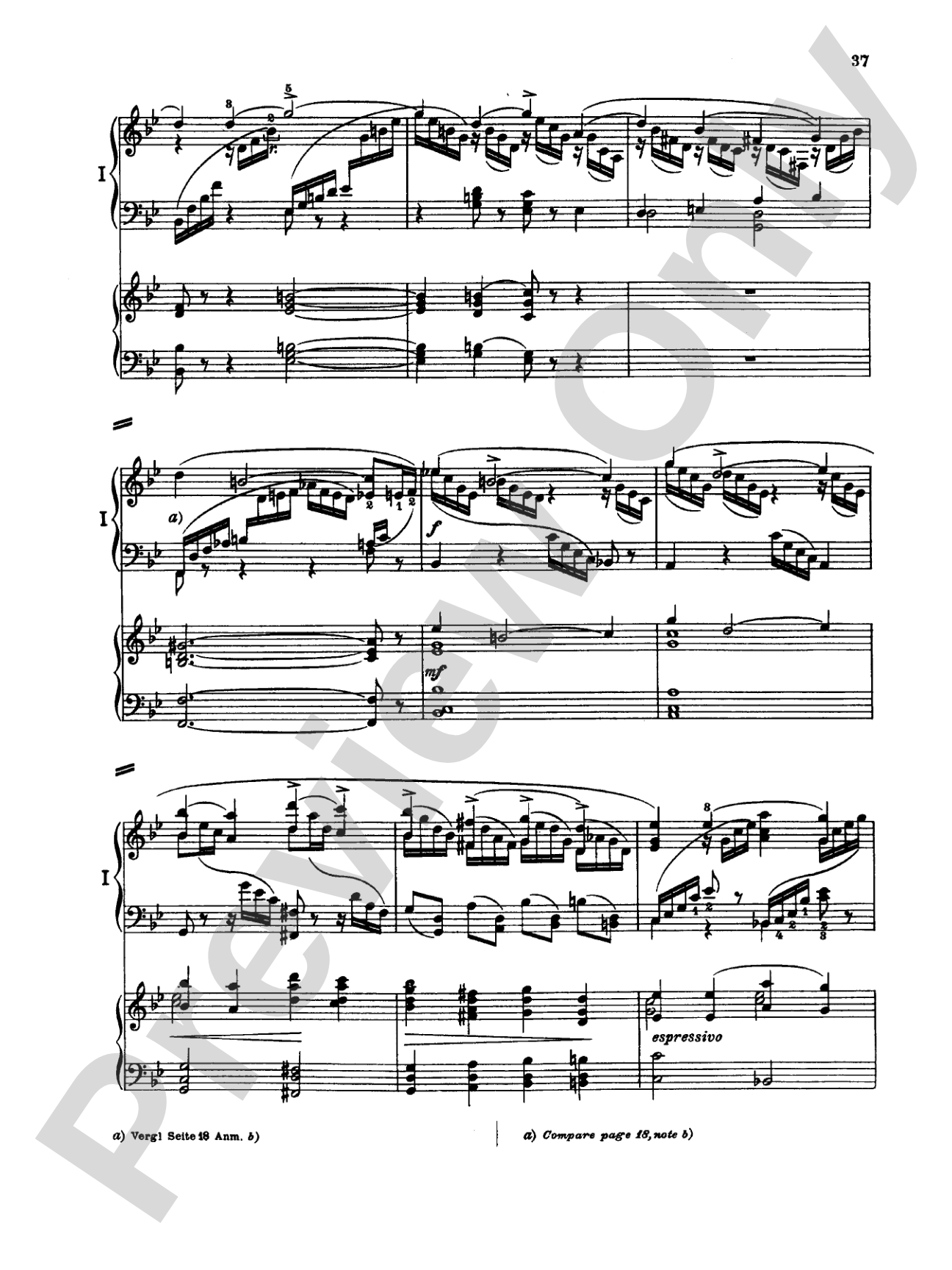
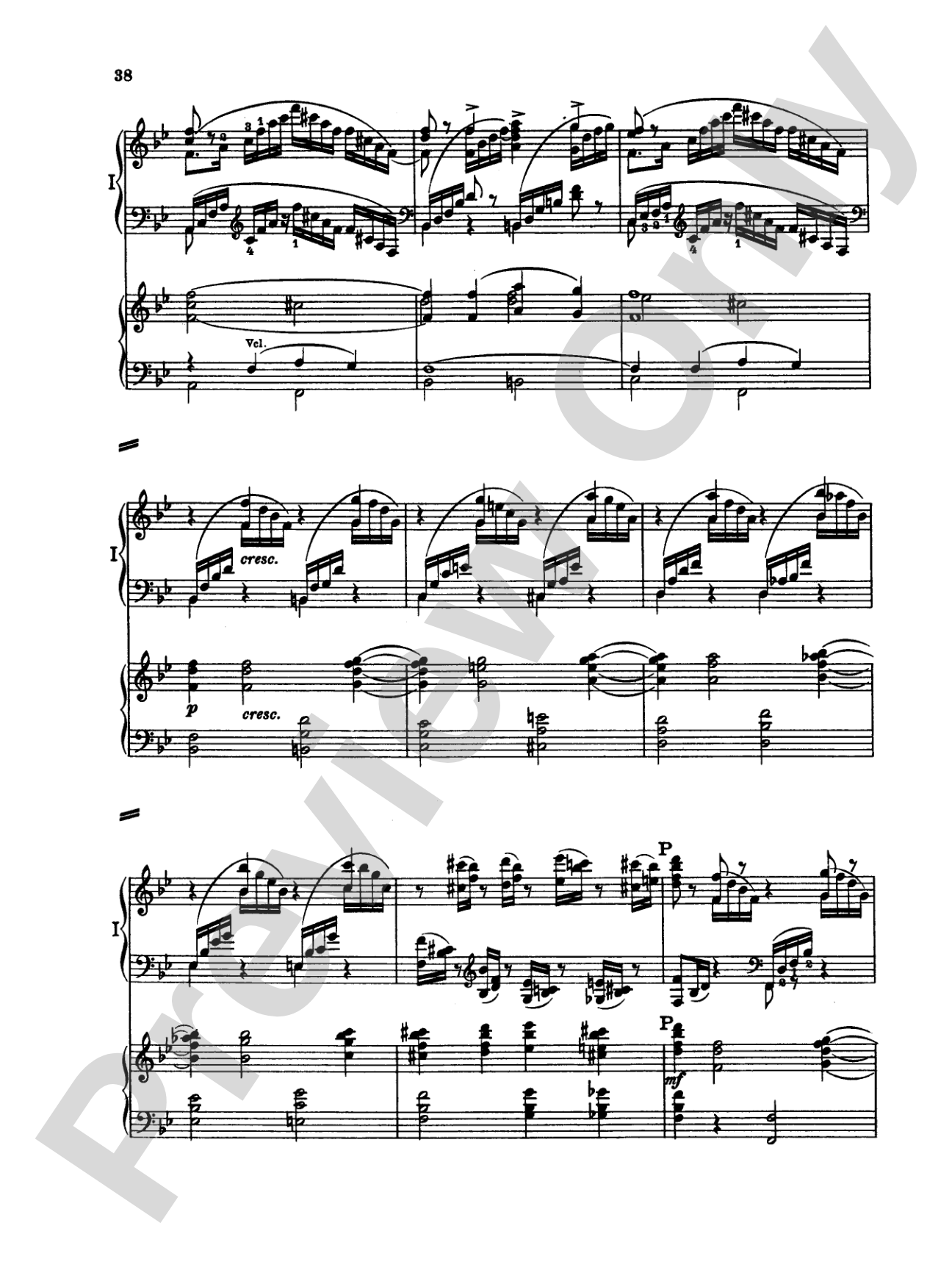
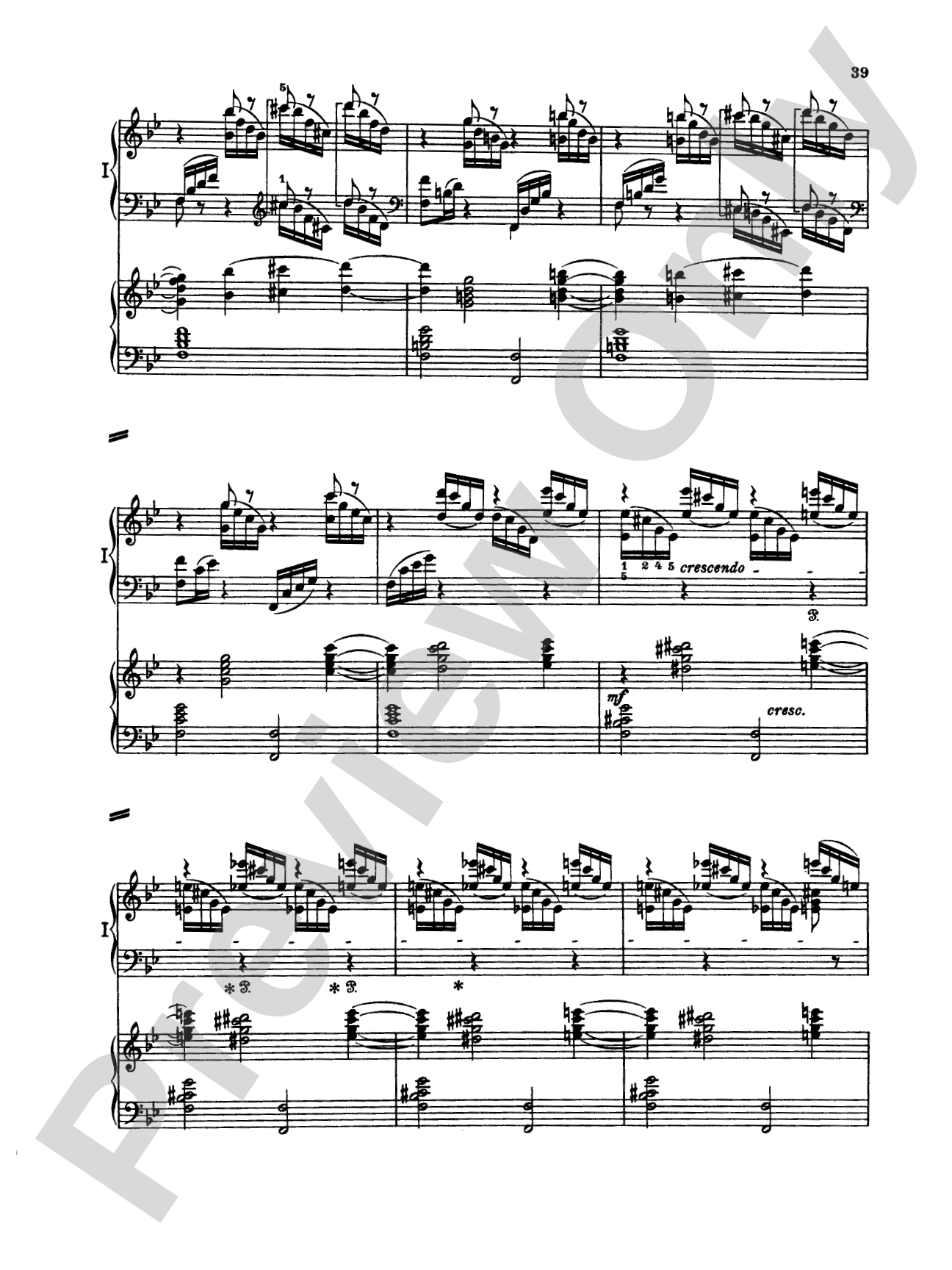
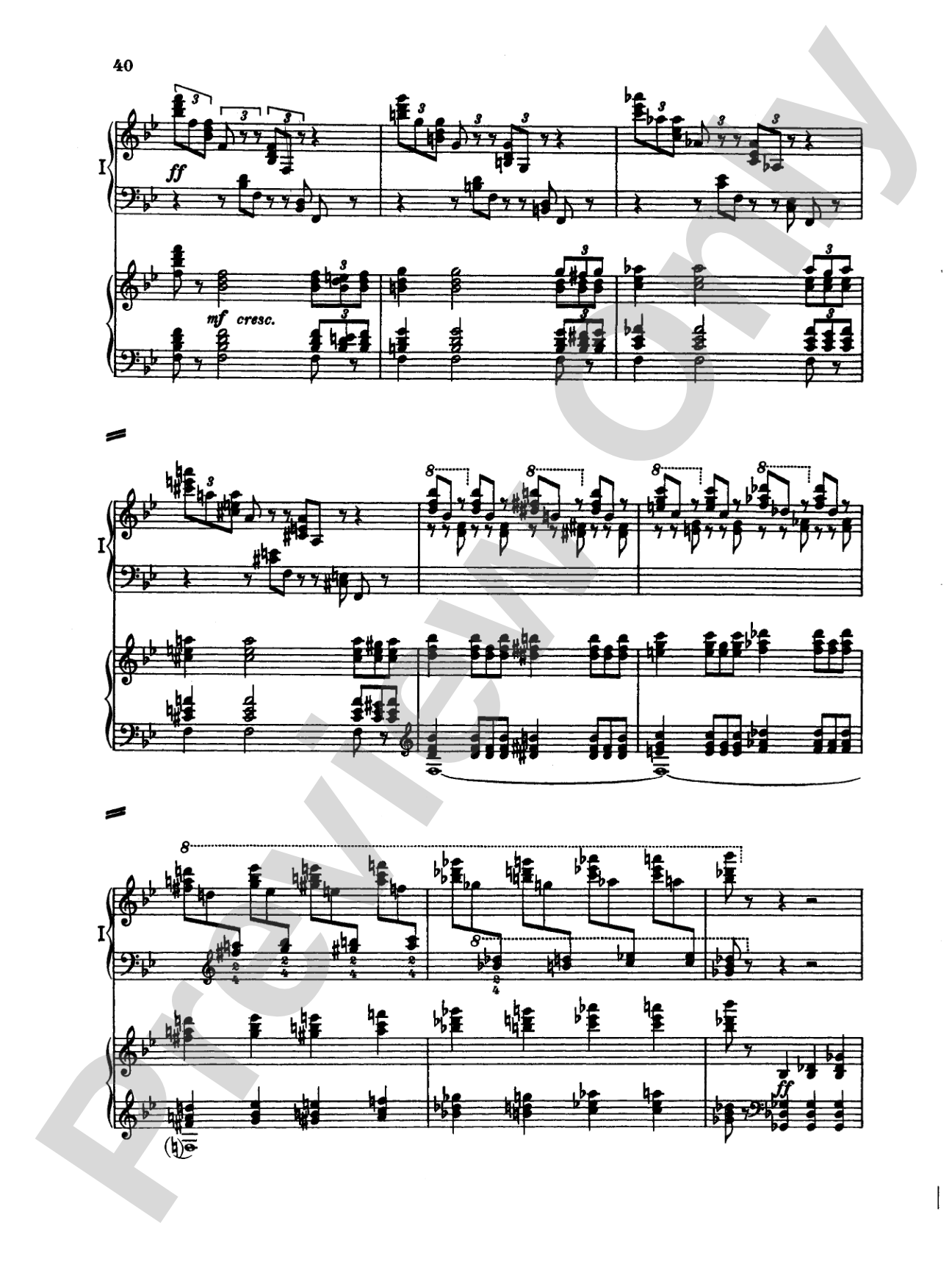
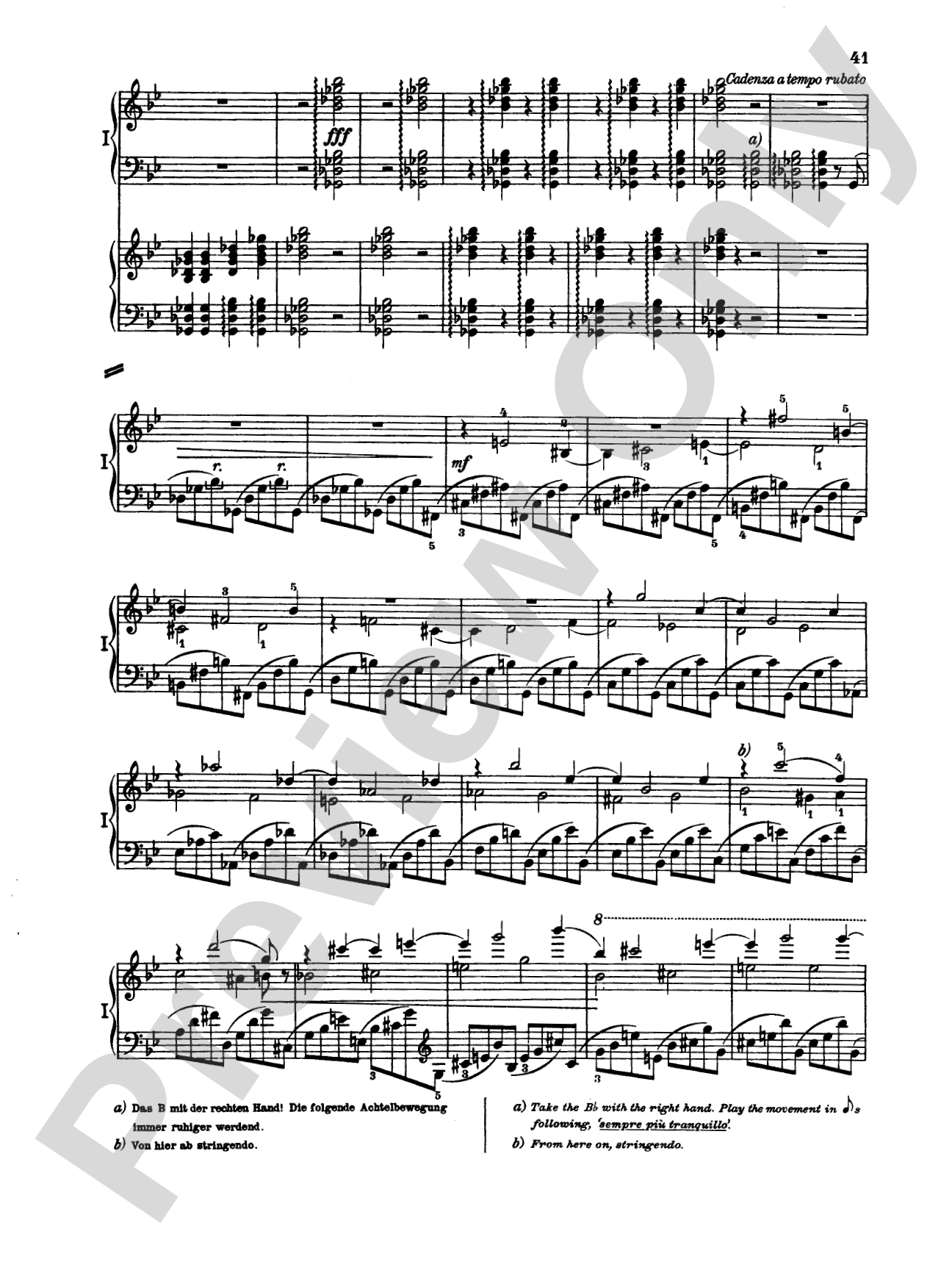
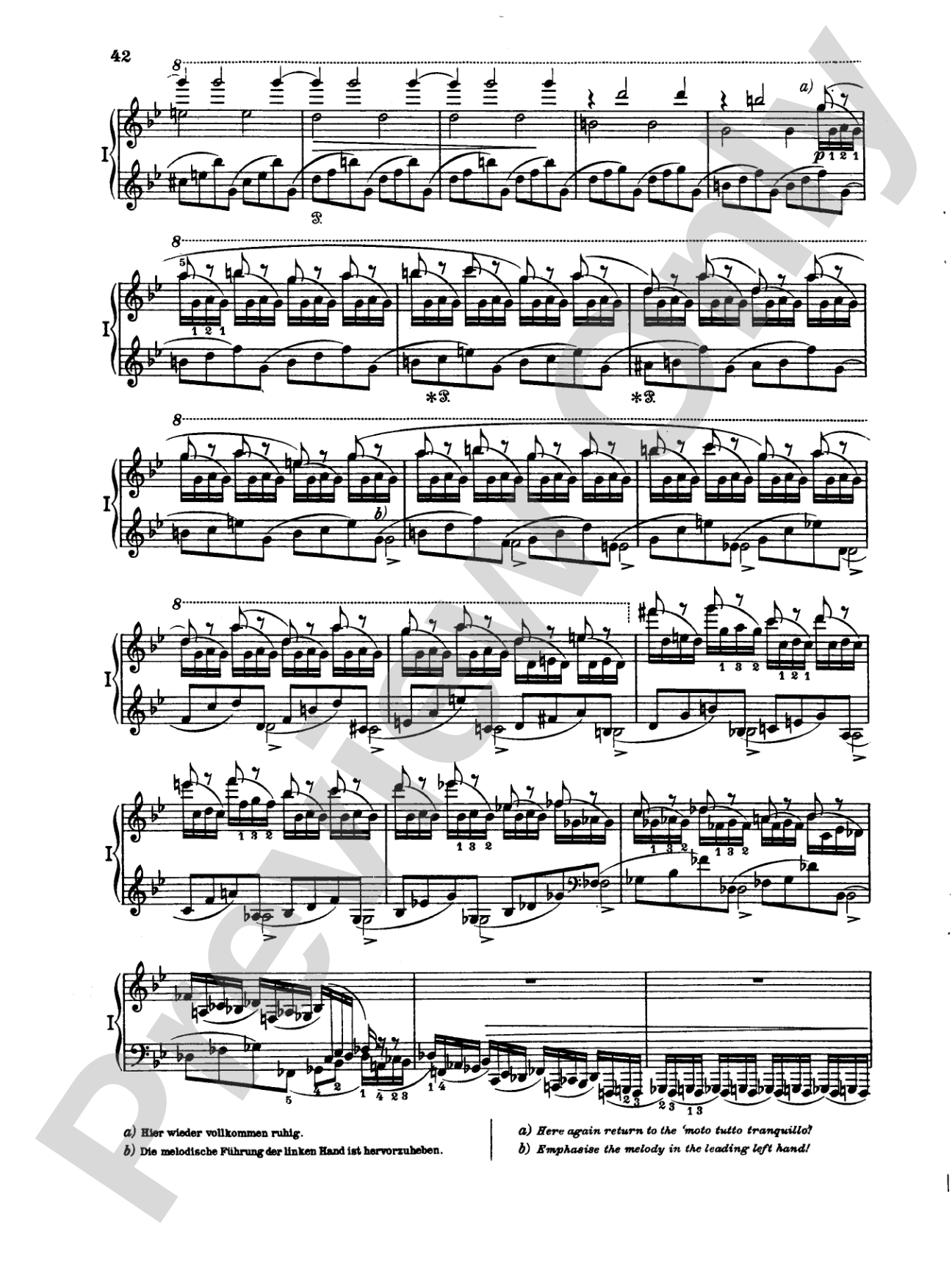
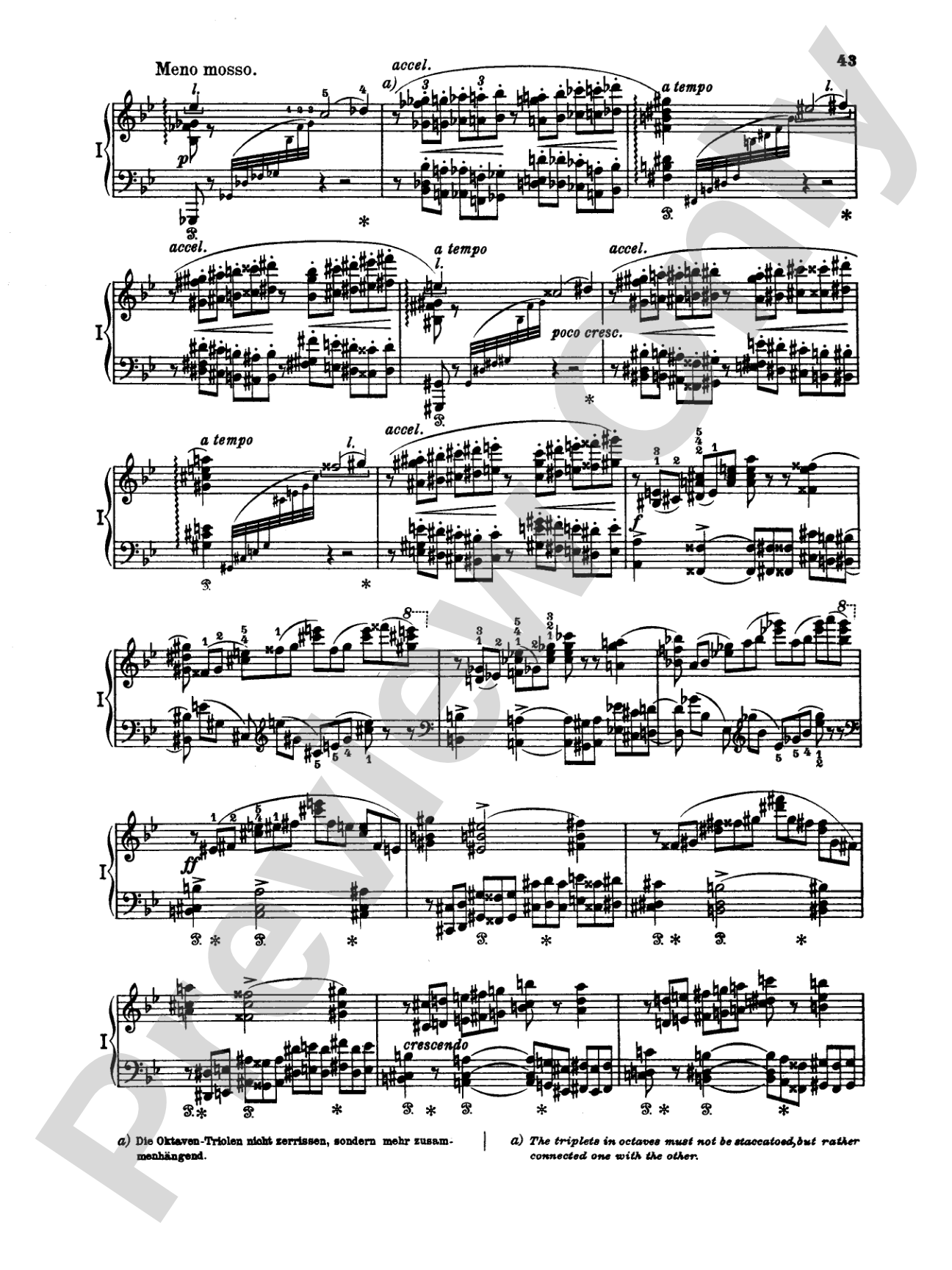
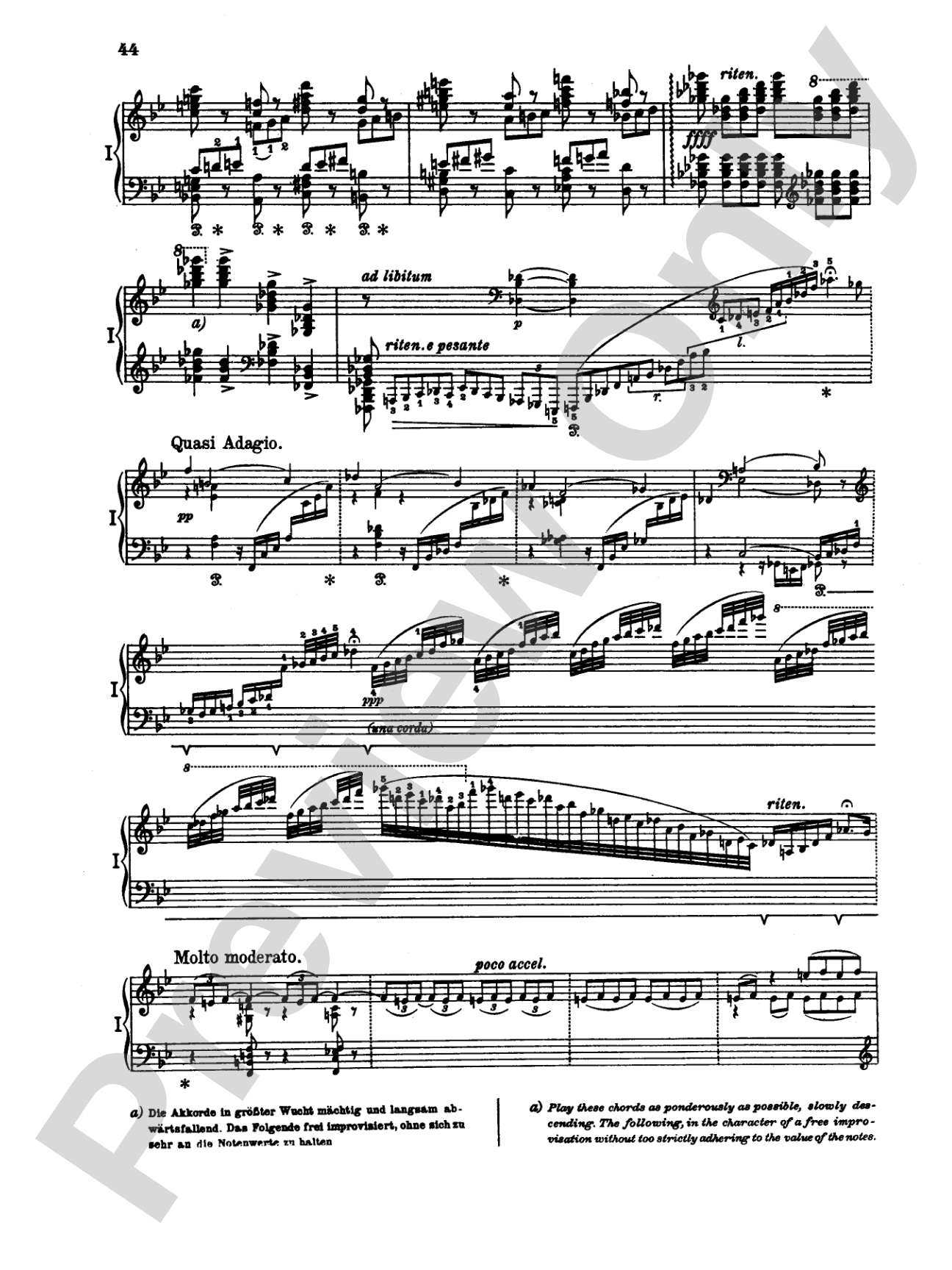
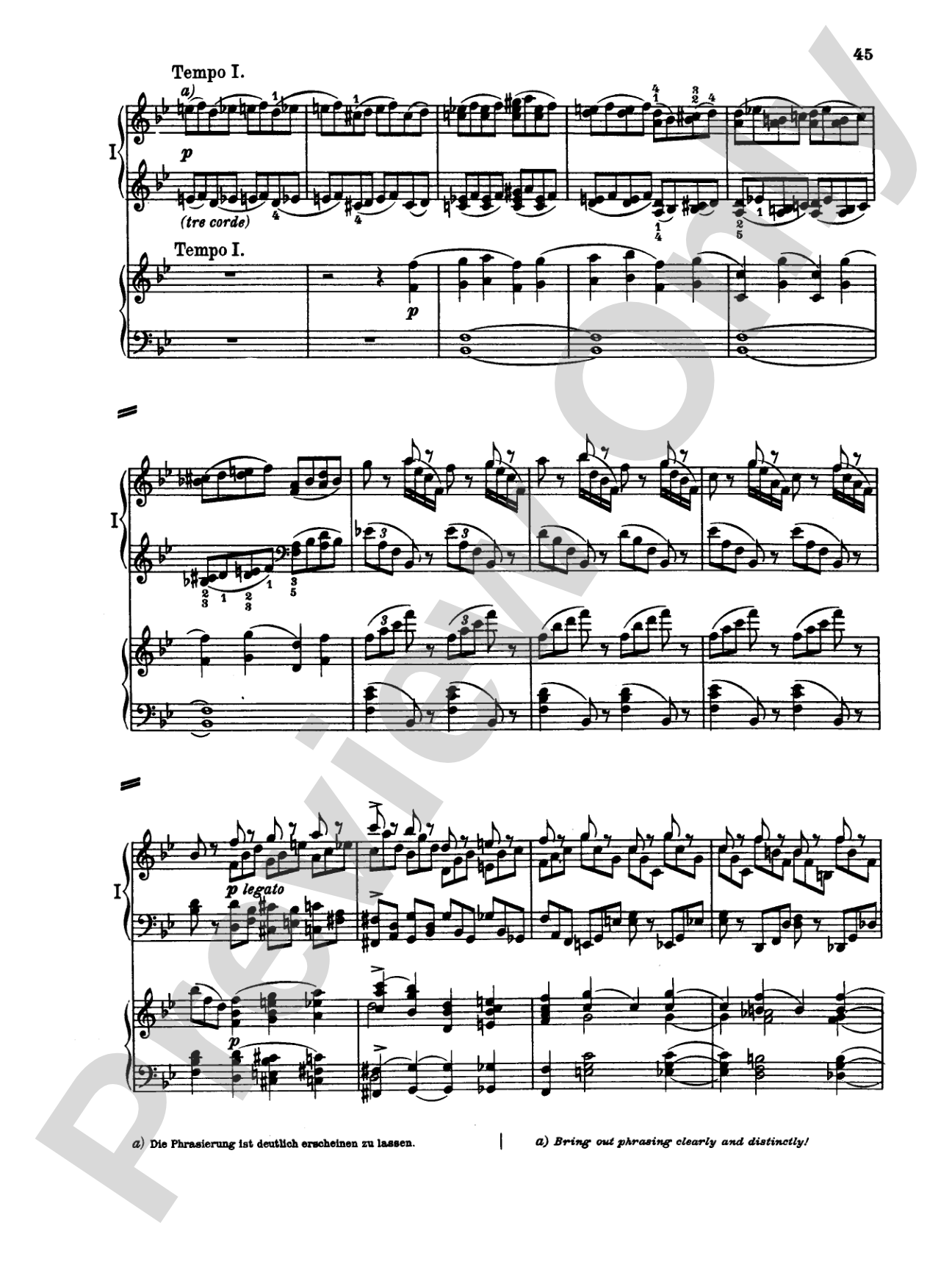
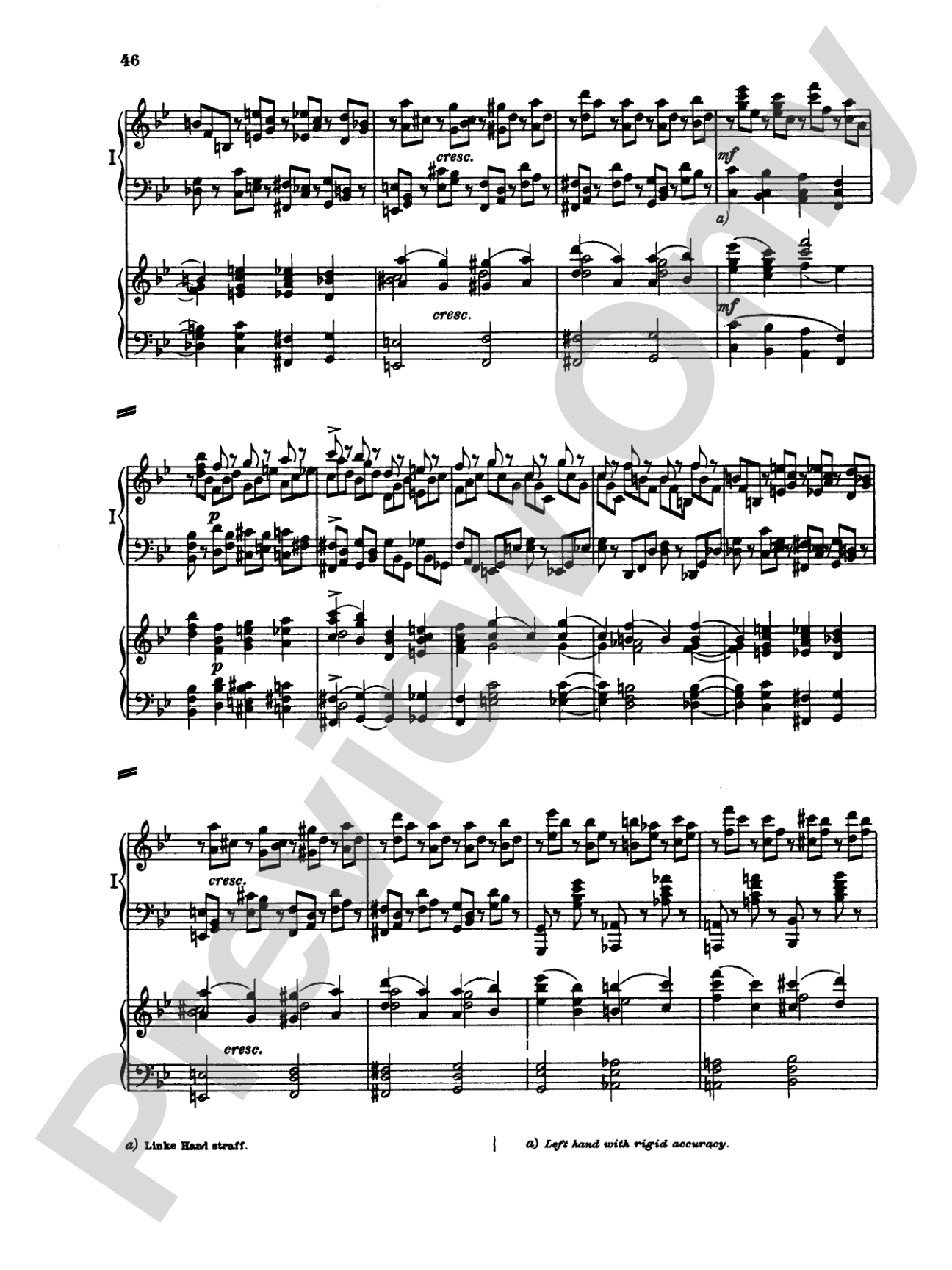
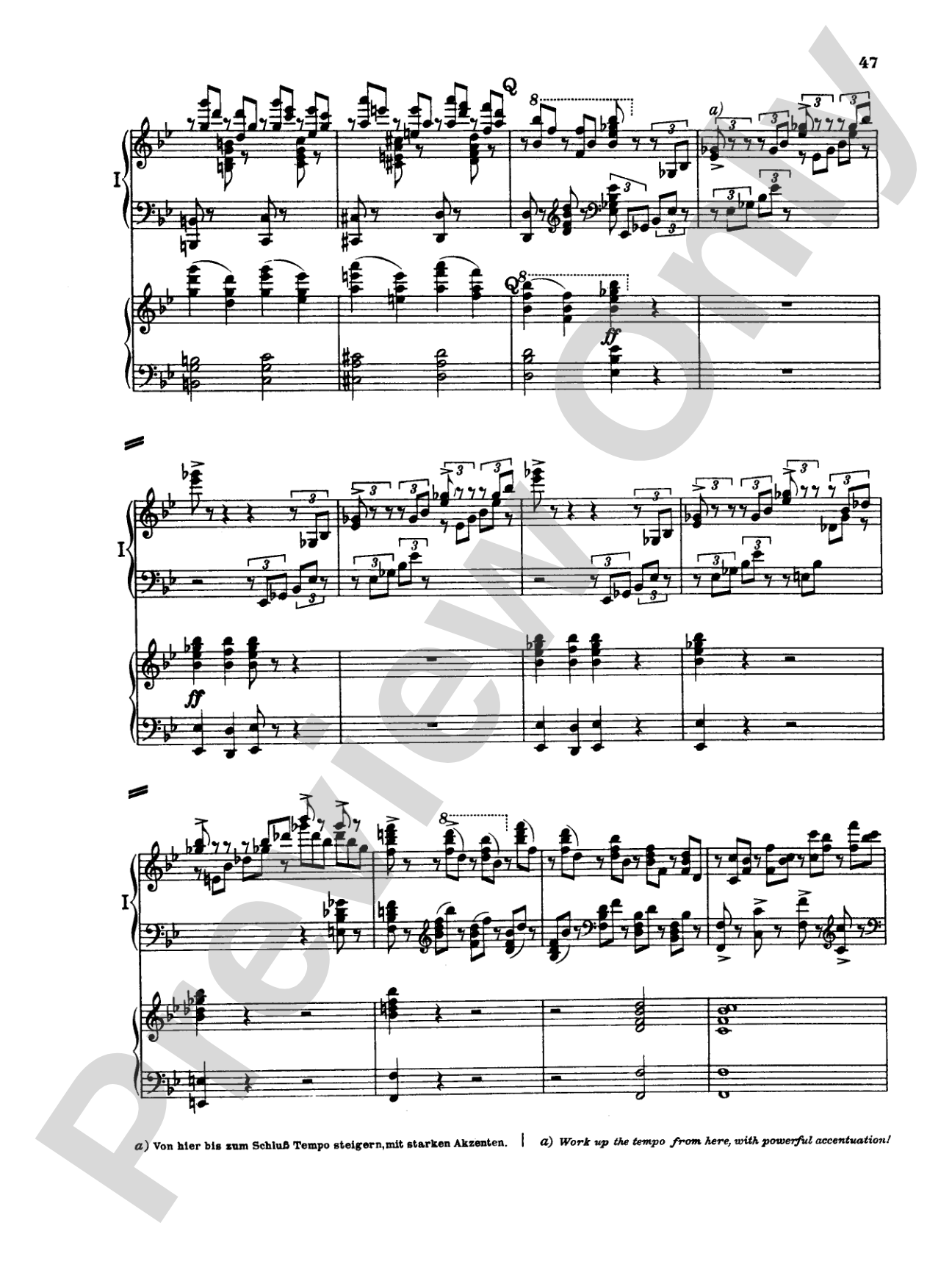
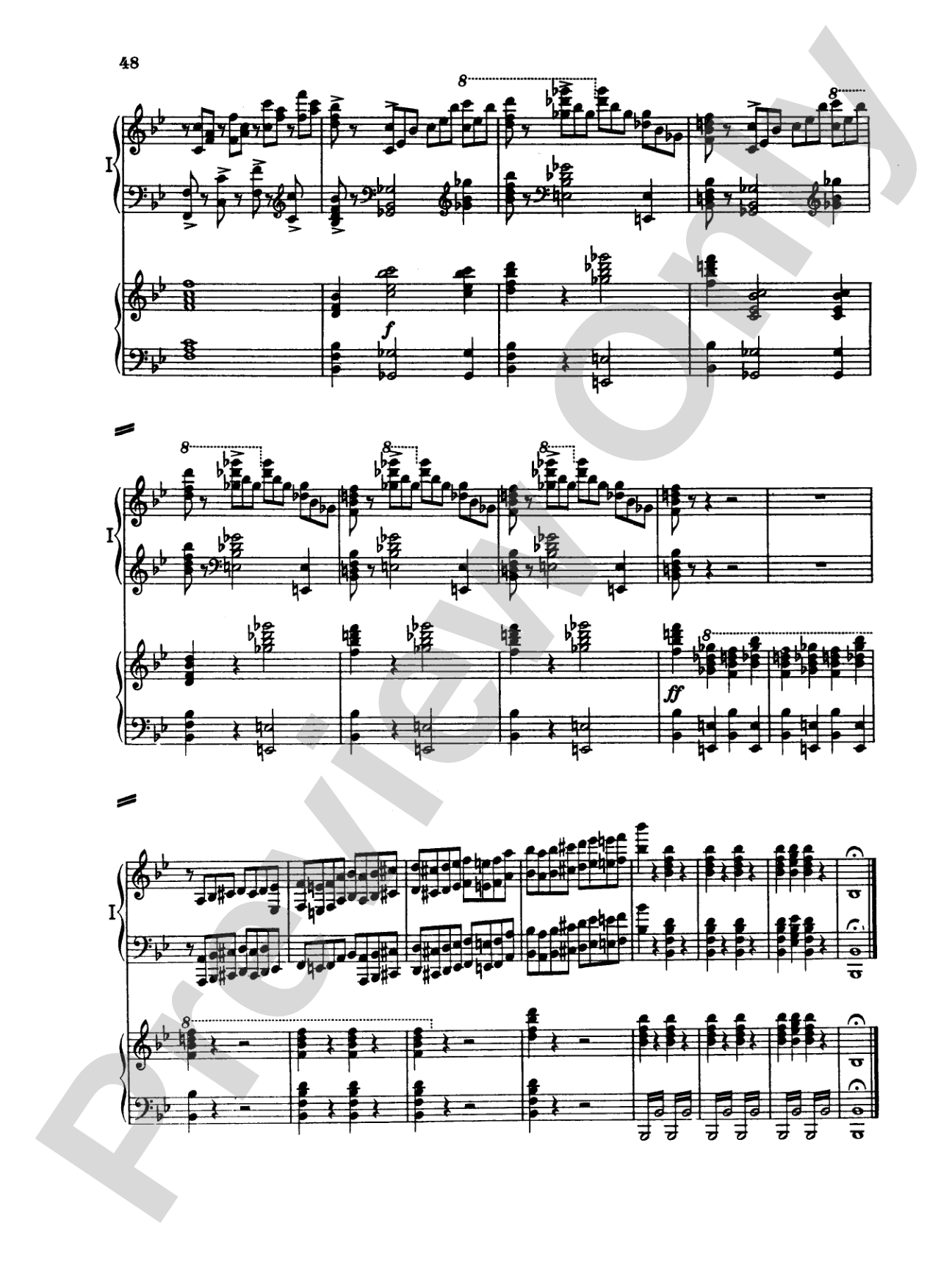

Tchaikovsky: Piano Concerto No. 1 in B flat Minor, Op. 23: Piano Duo (2 Pianos, 4 Hands) Book (2 copies required)
By Peter Ilyich Tchaikovsky
Level: Advanced
Item: 00-PK-0003369

$19.99
Pickup currently not available
Buy Extra Parts (Digital PDF Download)
| Product | Price | Quantity |
|---|---|---|
| Tchaikovsky: Piano Concerto No. 1 in B flat Minor, Op. 23 | $5.95 | |
| Tchaikovsky: Piano Concerto No. 1 in B flat Minor, Op. 23 | $5.99 | |
| Tchaikovsky: Piano Concerto No. 1 in B flat Minor, Op. 23 | $5.95 |
Parts Added to Cart!
Related Items
Piano Concerto No. 1 in B-flat Minor, Opus 23: Piano Duo (2 Pianos, 4 Hands) Book (2 copies required) |
$19.95
|
View |
Description
Expertly arranged Piano Duet by Peter Ilyich Tchaikovsky from the Kalmus Edition series. This Advanced Piano Duet (2 Pianos, 4 Hands) is from the Romantic era. 2 copies are required for performance. A Federation Festivals 2024-2028 selection.


Don't just read it, hear it, play along with it, and watch your students grow with it. In MakeMusic Cloud, Tchaikovsky: Piano Concerto No. 1 in B flat Minor, Op. 23: Piano Duo (2 Pianos, 4 Hands) Book (2 copies required) comes alive with professional accompaniment, adjustable tempo, and built-in practice tools that turn solo practice into real progress.
Open in the Player
Jump straight in and assign it today.
Start Your Free Trial
Open this title and explore the full library in minutes.
Sample Audio
No sample audio found.
Sample Video
No sample videos found.
Additional Details
Series:
Kalmus Edition
Publisher:
Alfred Music
Page Count:
84
SKU:
00-PK-0003369
More about this title
About the Composer: Peter Ilyich Tchaikovsky
Peter Ilyich Tchaikovsky (1840-1893) stands as one of the most performed composers in the concert repertoire, and his mastery of orchestral color and emotional directness made him a natural innovator across all instrumental genres. His piano works span from intimate character pieces to monumental concertos, each revealing his gift for melody and his keen understanding of the instrument's capabilities. The First Piano Concerto in particular represents a watershed moment in the composer's career and remains central to the professional pianist's repertoire.
Tchaikovsky's approach to composition balanced formal structure with deeply personal expression, a quality that resonates throughout his works for piano. He understood that virtuosity without emotional substance rings hollow, and his writing consistently rewards both technical precision and interpretive depth. For educators and advanced students, his music offers a window into the Romantic era's most characteristic concerns: broad songfulness, harmonic adventure, and the piano as a vehicle for orchestral thinking.
Why we love this
This arrangement opens the grandeur of Tchaikovsky's most iconic concerto to duet partnerships, transforming a work typically dominated by soloist and orchestra into a genuinely collaborative conversation between two pianists. The 84-page score preserves the sweeping gestures and brilliant passagework of the original while creating opportunities for both players to share thematic material and drive the music forward together. For advanced students seeking serious four-hand repertoire that builds toward professional concert standards, this Kalmus Edition delivers authority and substance.
What to expect
From the stormy opening flourish through the tender, famous B-flat major theme, this concerto pulses with Romantic intensity and vulnerability. The music swells and recedes across dramatic harmonic terrain, moments of heroic striving giving way to passages of almost hymn-like serenity. Playing it demands physical and emotional engagement: you'll navigate virtuosic passage work, sustain long singing lines, and navigate the tension between two independent voices that must ultimately sound as one unified musical statement.
Who it's for
This arrangement serves advanced piano duet partnerships, competitive festival participants, and serious students preparing for collaborative performance at a professional level. Two accomplished pianists working together will find ample opportunity to develop ensemble discipline, interpretive maturity, and the stamina required by Tchaikovsky's extended, emotionally demanding writing. It's equally valuable for conservatory students building a duet repertoire and experienced amateurs seeking masterwork-level material that rewards deep preparation.
How to get the most out of it
- Establish shared interpretive intentions before rehearsal: agree on tempo relationships between sections and how you'll handle the dramatic structural shifts from the opening statement through the lyrical B-flat major melody.
- Balance ensemble sound by monitoring the distribution of melody and accompaniment across both pianos; the player with accompaniment figures must resist the urge to overplay rhythmic clarity at the expense of line.
- Use the Federation Festivals 2024-2028 selection status as motivation to lock in a polished, competition-ready performance; this repertoire demands precision that only comes from slow, detail-oriented practice sessions.
- Mark breathing points and visual cues in both scores identically so that phrase shaping feels seamless; Tchaikovsky's broad lines require mutual attention to rubato and pedaling.
How to use it
Program this as a centerpiece on a chamber or duet recital, where its 30-minute scope commands the listener's full attention. It pairs naturally with smaller-scale Romantic piano duets or, in a more adventurous context, with contemporary duo works that engage in dialogue with the Romantic tradition. For festival competition, it serves as an ideal statement of technical and musical maturity; many advanced pianists build an entire season around preparing a single concerto arrangement of this caliber.
Skills your students will build
- Reading and balancing complex two-piano textures with independent but interdependent rhythmic figures
- Sustaining interpretive consistency across large formal structures (exposition, development, recapitulation)
- Coordinating pedal changes and dynamic shaping between two instruments to create seamless ensemble sound
- Managing the technical demands of Romantic-era virtuosity (octave passages, rapid scalar work, hand independence)
- Collaborative listening and score awareness while executing demanding individual parts