
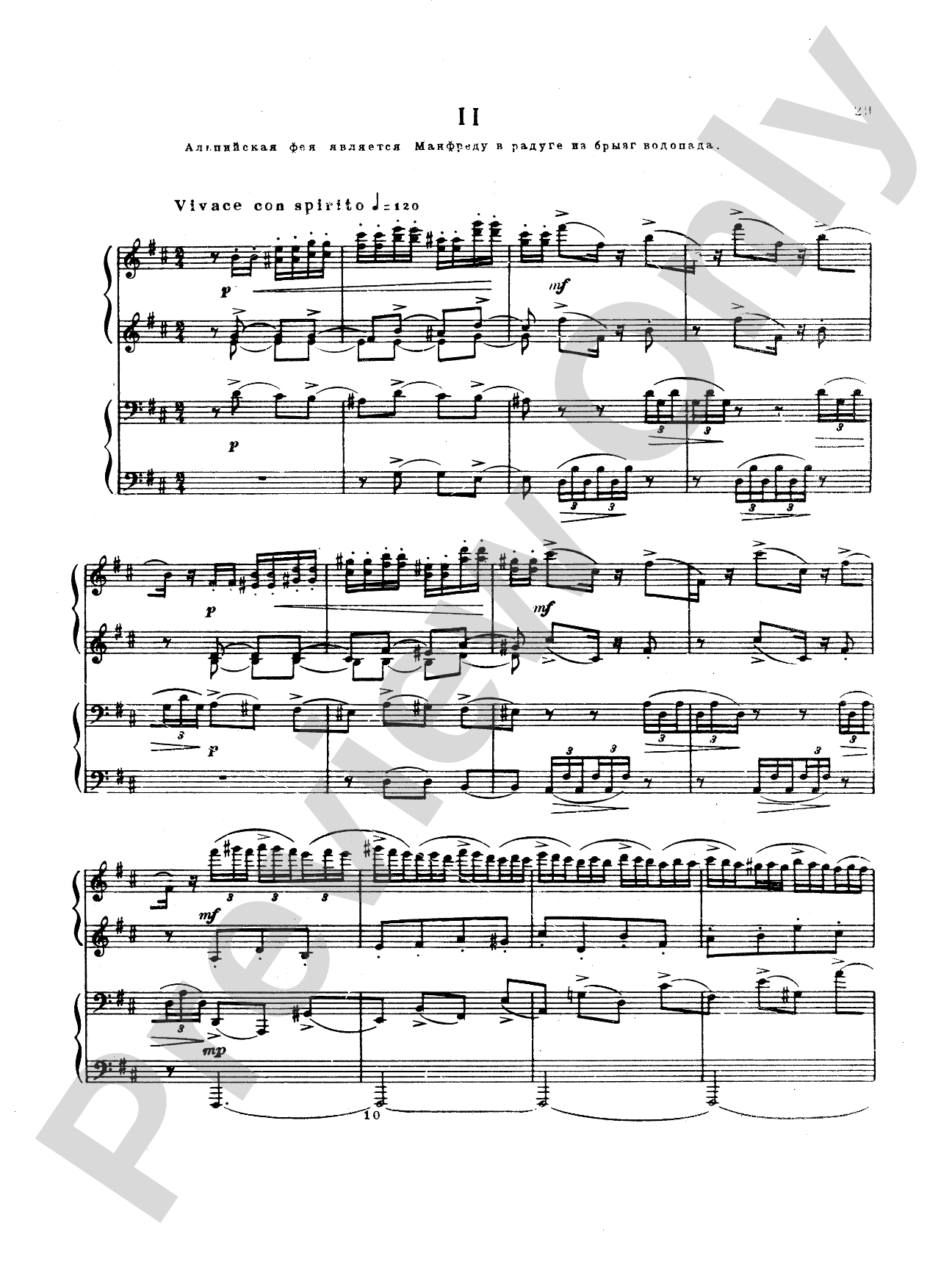
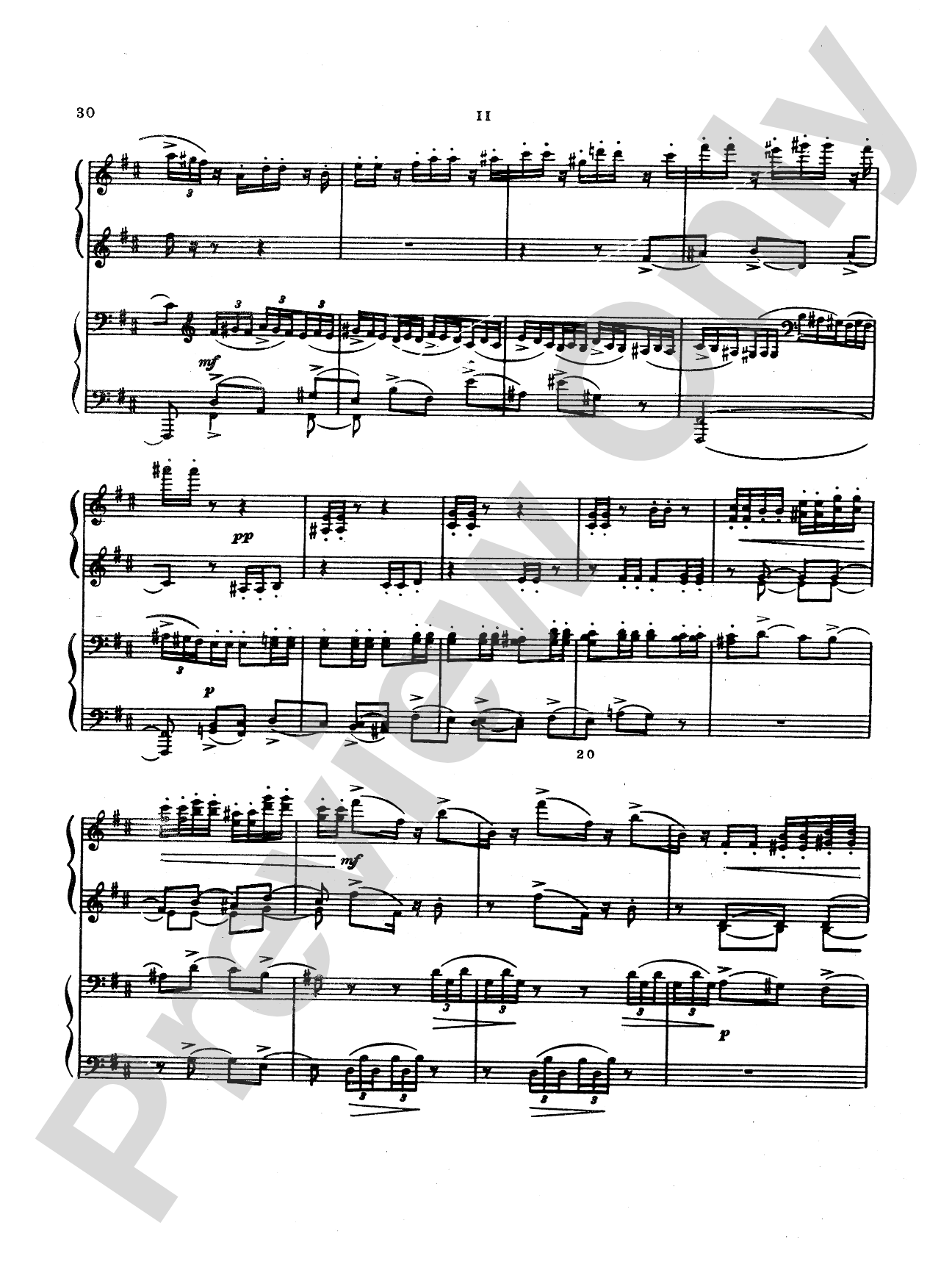
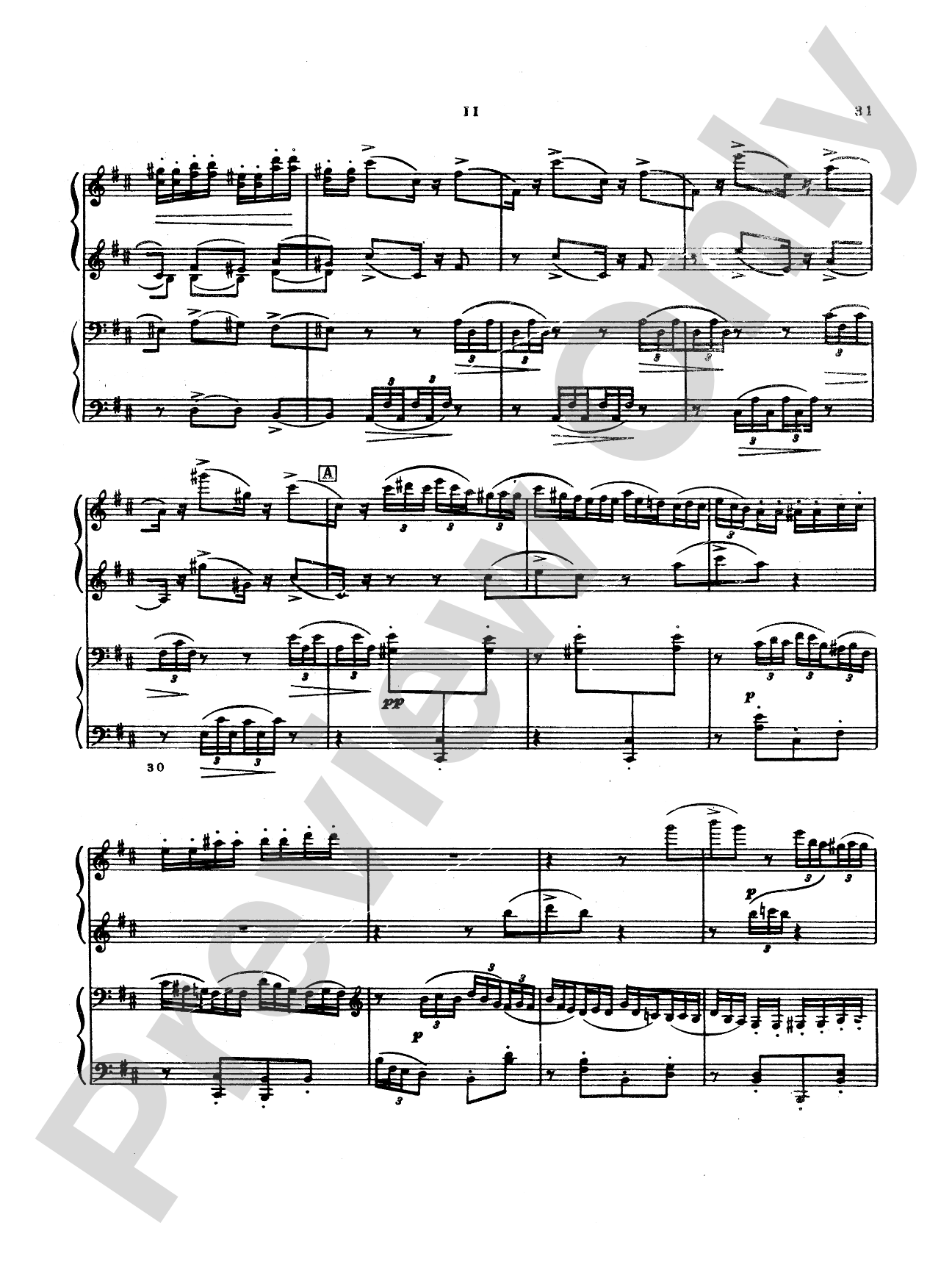
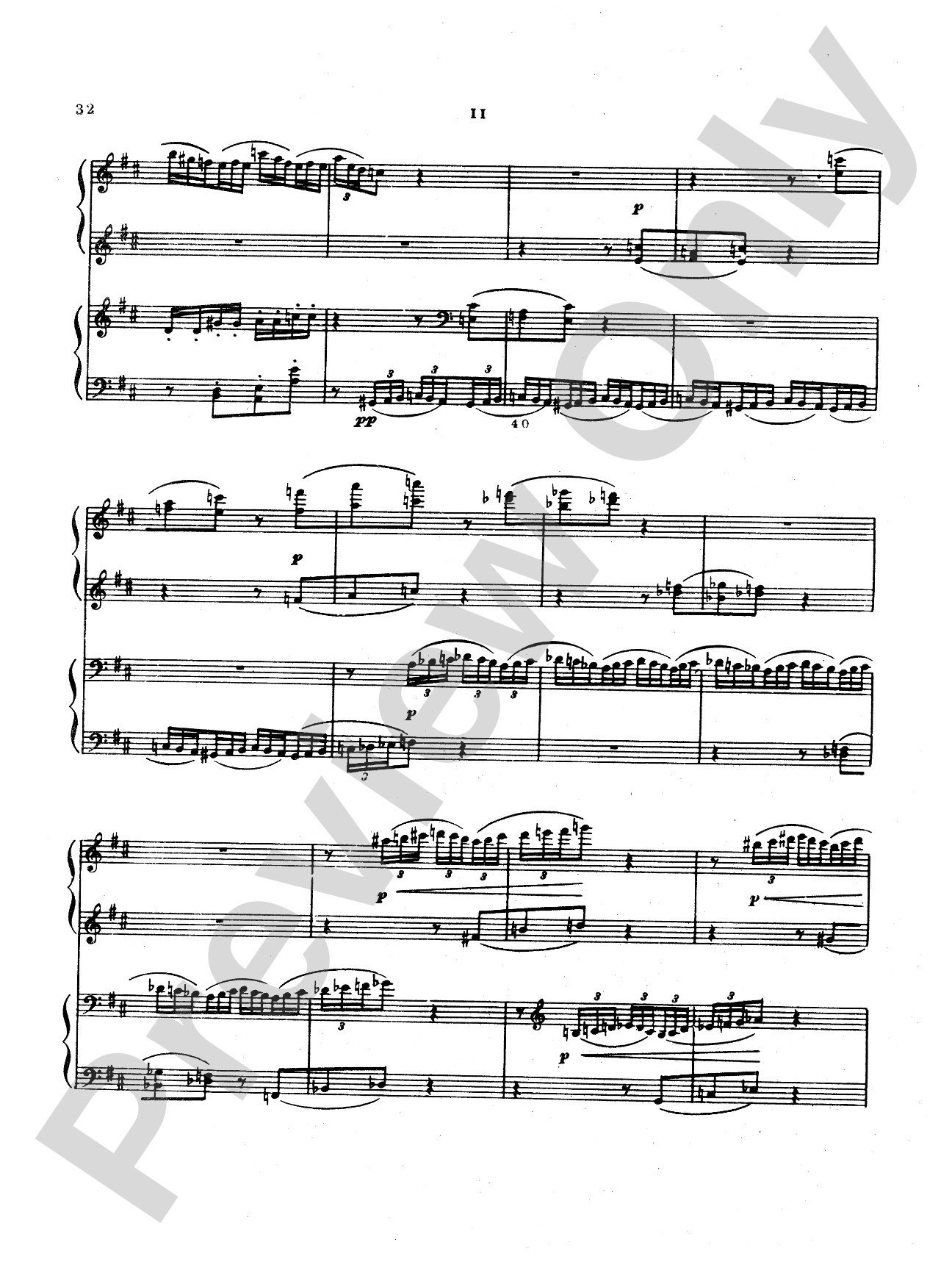
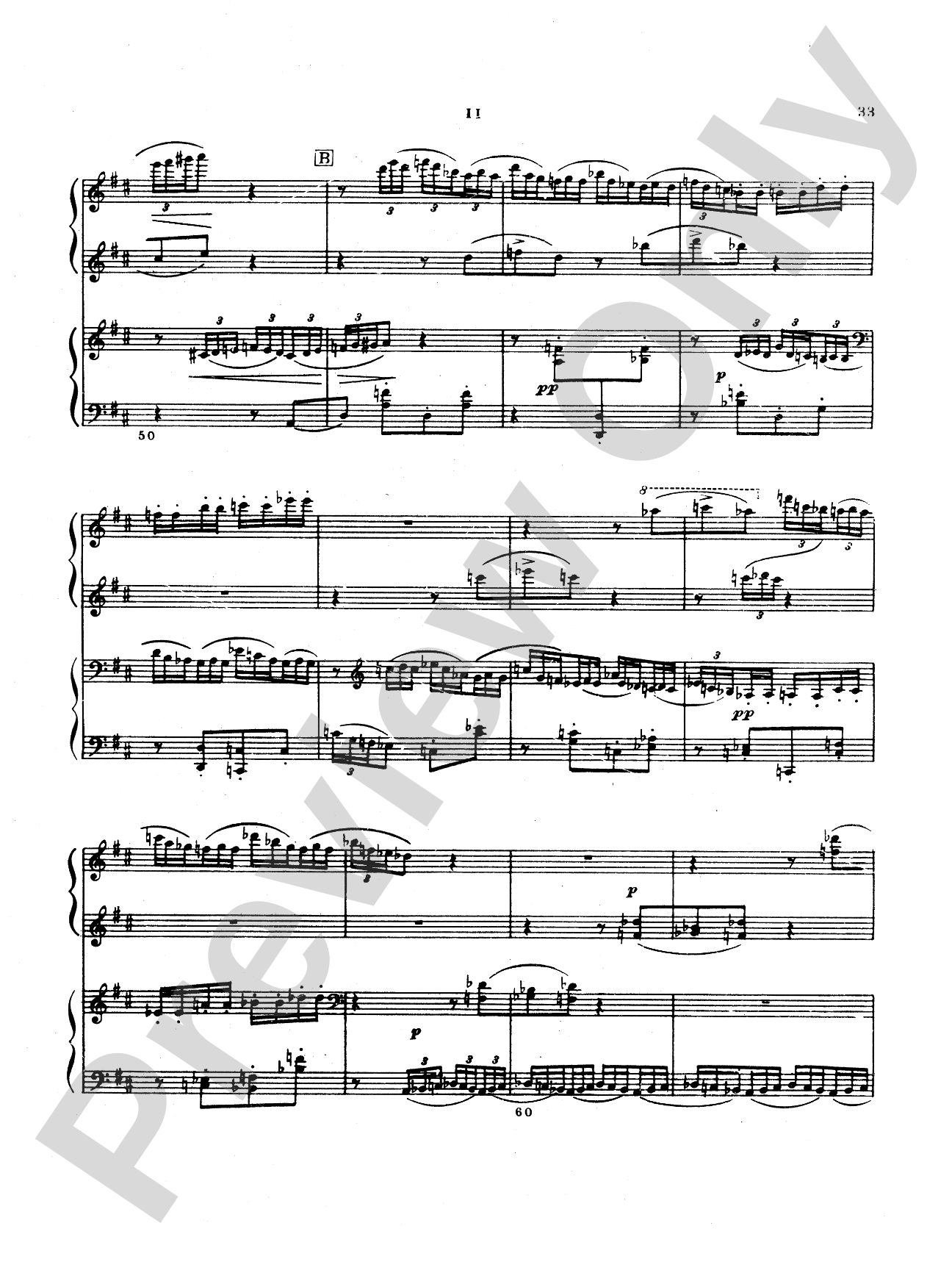
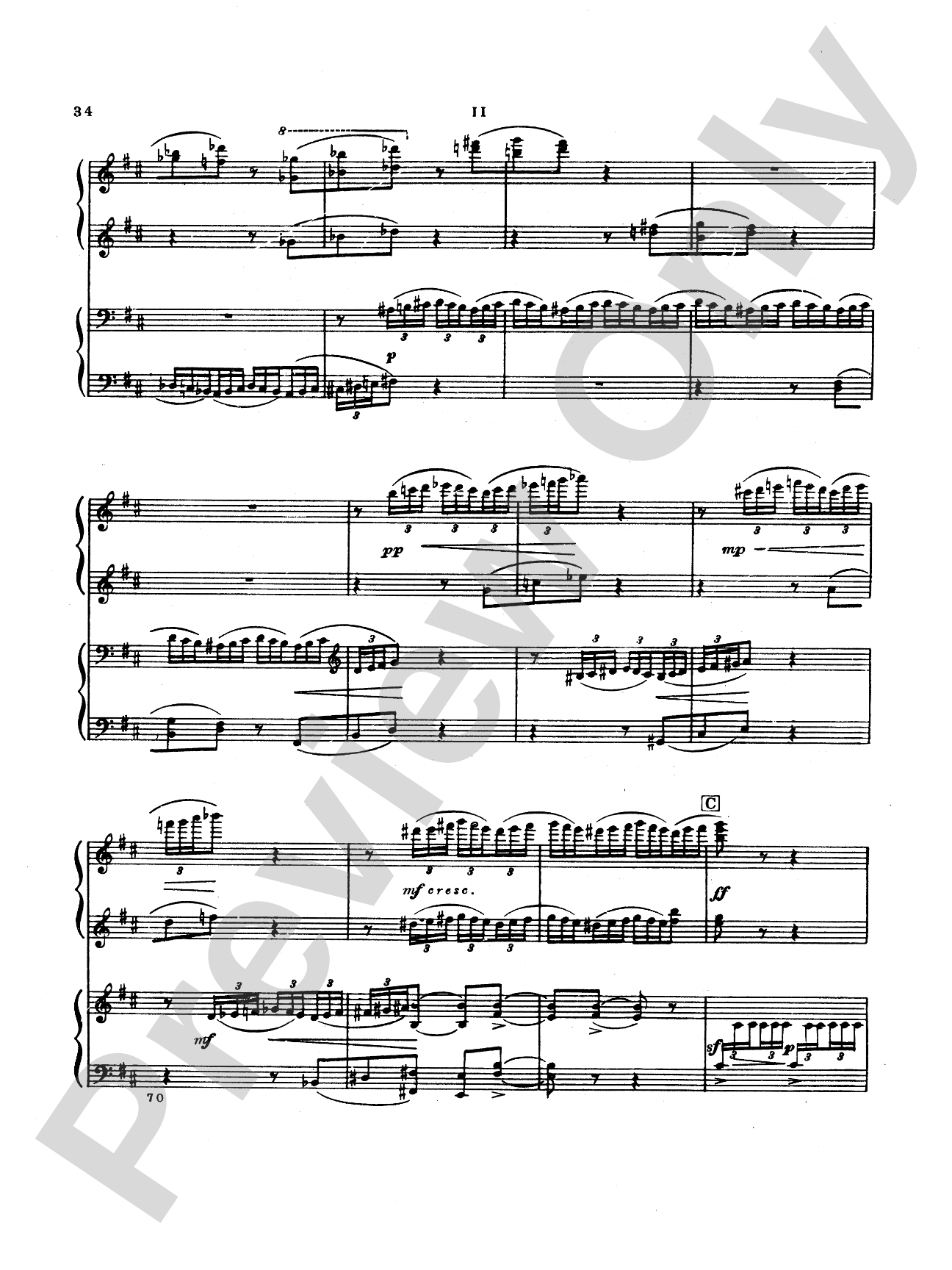
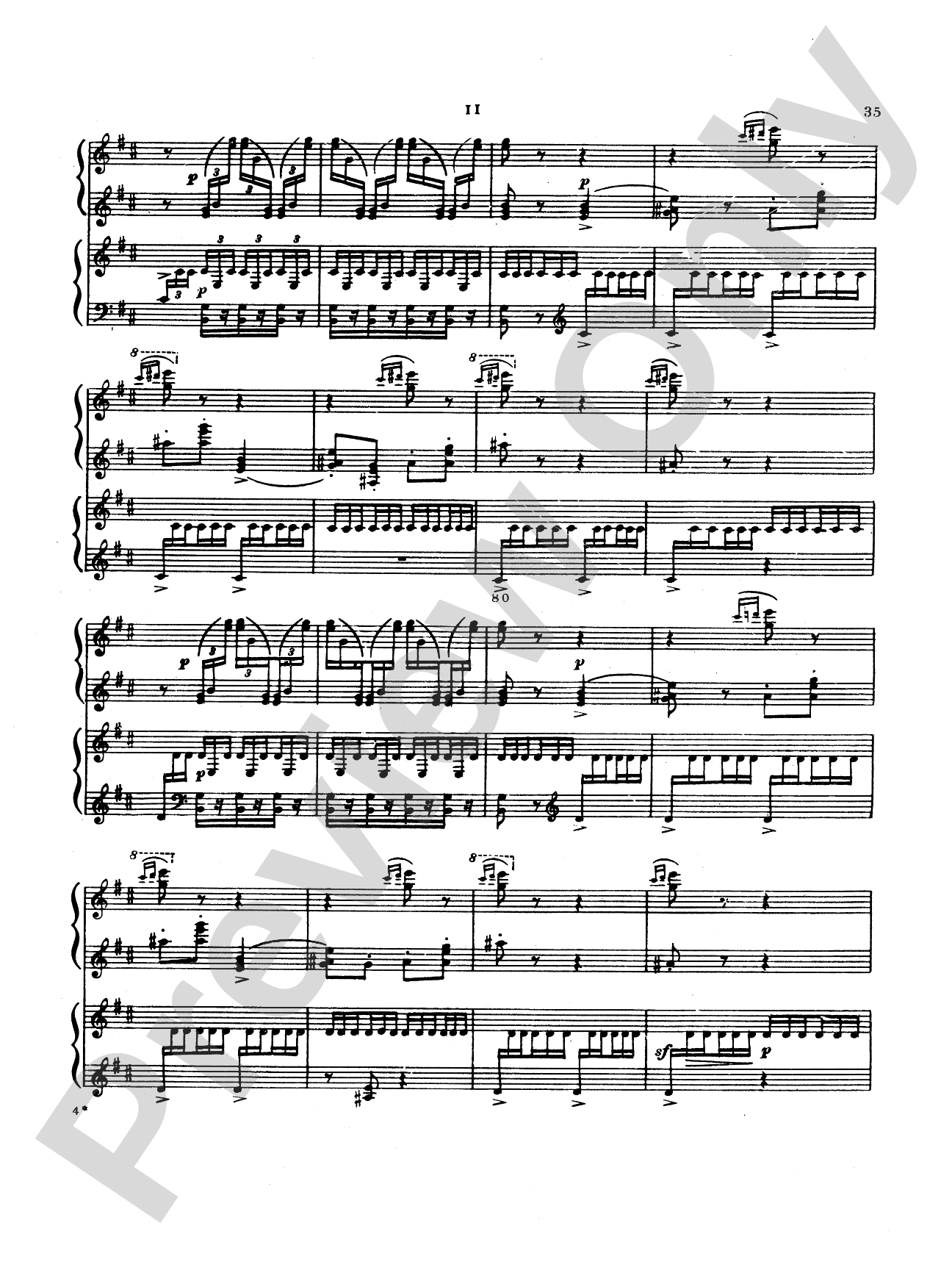
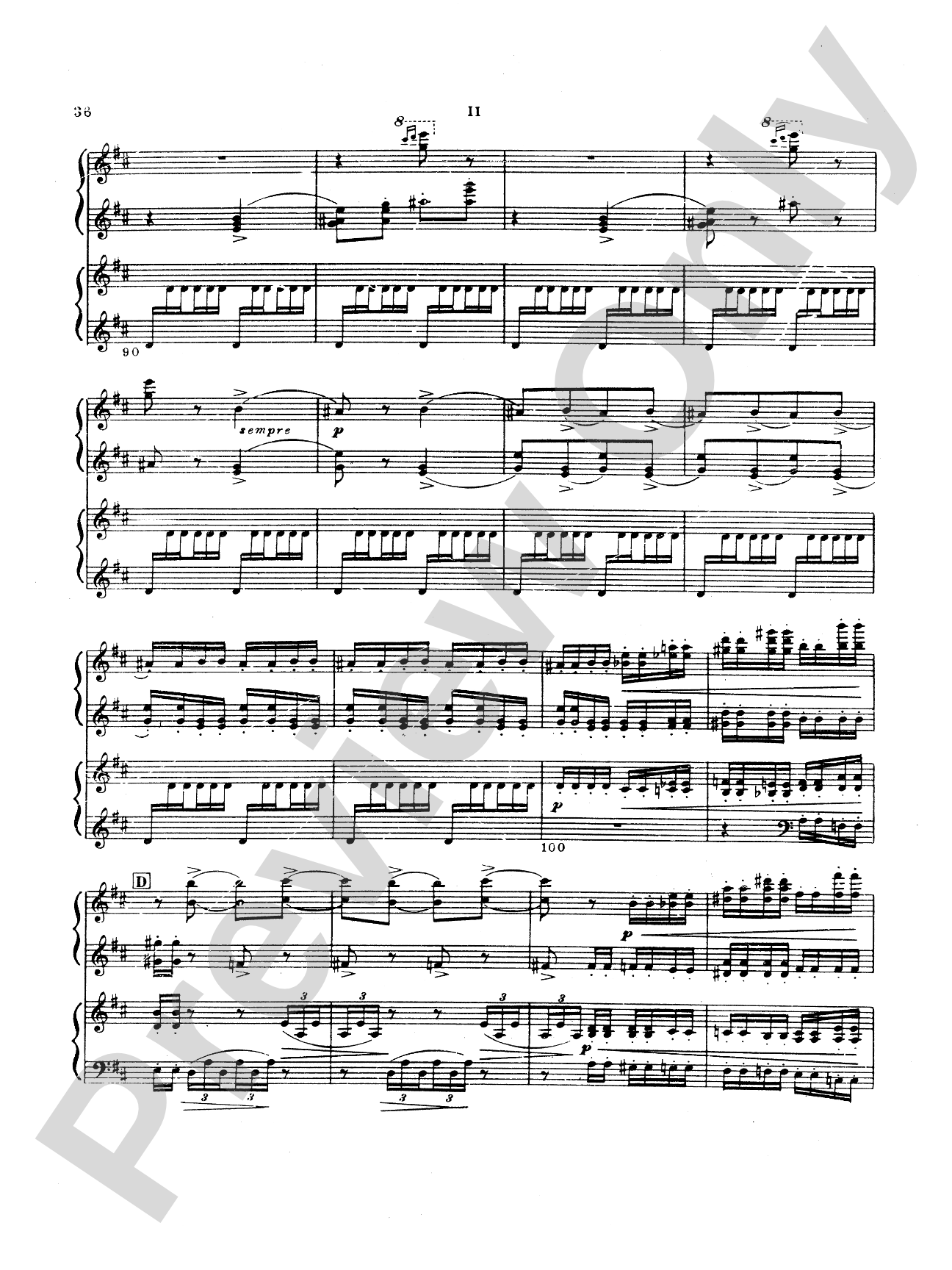

Tchaikovsky: Manfred Symphony, Op. 58
By Peter Ilyich Tchaikovsky
Item: 00-PC-0009643
$3.95
Pickup currently not available
Description
Expertly arranged piano duet (1 piano, 4 hands) from our Kalmus Edition.


Tchaikovsky: Manfred Symphony, Op. 58 isn't in MakeMusic Cloud just yet...but it could be. Let us know you'd like to see it, and you'll help shape what comes next. In the meantime, start a free trial and dive into thousands of interactive titles your students can play along with today.
Request This Title
Tell us you want it.
Start Your Free Trial
Explore everything that's ready to play right now.
Sample Audio
No sample audio found.
Sample Video
No sample videos found.
Additional Details
Series:
Kalmus Edition
Publisher:
Alfred Music
Page Count:
128
SKU:
00-PC-0009643
More about this title
About the Composer: Peter Ilyich Tchaikovsky
Peter Ilyich Tchaikovsky (1840–1893) was a Russian composer whose symphonies, ballets, and concertos have become cornerstones of the concert repertoire. His orchestral writing is marked by vivid orchestration, emotional directness, and memorable melodies that translate remarkably well to the keyboard. Tchaikovsky's ability to build dramatic tension and shape large-scale structures made him one of the most performed composers in the world.
The Manfred Symphony stands apart in his catalog as a narrative work inspired by Byron's dramatic poem. Unlike his numbered symphonies, which follow more traditional structural blueprints, Manfred unfolds as a psychological journey. Its themes of torment, passion, and redemption gave Tchaikovsky the freedom to experiment with harmonic color and orchestral effect. This arrangement preserves those qualities while making the work accessible to pianists who want to explore the symphony's emotional scope at the keyboard.
Why we love this
Manfred is a rare orchestral four-hand arrangement that doesn't simplify its emotional or harmonic content. The piece demands genuine ensemble playing from two pianists who must balance lyrical passages, drive through dramatic climaxes, and hold complex textures together. Pianists emerge from this work with a deeper understanding of orchestration and a tangible sense of accomplishment.
What to expect
Manfred pulls you into a world of Romantic turmoil and dark splendor. The opening establishes an atmosphere of inner conflict; as the symphony unfolds, you move through moments of anguish, passion, and struggle, before arriving at a redemptive close. The work feels both intimate at the keyboard and grand in scope, demanding emotional commitment from both players.
Who it's for
Advanced to concert-level piano duetists who want to work with substantial orchestral literature. This arrangement serves pianists preparing for recitals, competitions, or simply those seeking to expand beyond standard duet repertoire. It also appeals to teachers looking for a masterwork that challenges two advanced students to perform together at a professional level.
How to get the most out of it
- Study the score separately at first, then rehearse with your partner at a slow tempo to lock the rhythmic interplay, especially where one hand crosses over or one pianist carries the melodic line while the other sustains harmonic support.
- Pay close attention to dynamic layering. In four-hand writing, one pianist often manages the primary voice while the other shapes the background; shifting the dynamic balance between you creates the orchestral color Tchaikovsky intended.
- Invest time in the transitions between sections. Manfred's narrative arc depends on smooth musical momentum, so rehearse the seams where the emotional temperature shifts or the key changes.
- Record yourselves frequently. Hearing the performance back reveals rhythmic drift, balance issues, and missed opportunities for rubato that are harder to spot in real time.
How to use it
Frame this as a concert anchor for an all-Tchaikovsky duet program, pairing it with his shorter piano works or other chamber arrangements. Alternatively, program it as a standalone feature on a recital dedicated to orchestral transcriptions for piano, where audiences appreciate the full scope of a four-movement symphony reimagined for the concert grand.
Skills your students will build
- Orchestral texture and voicing at the keyboard
- Collaborative rhythm and precision in ensemble playing
- Navigation of complex dynamic layering and balance
- Interpretation of large-scale Romantic form and dramatic arc
- Score reading and independence between primo and secondo parts