
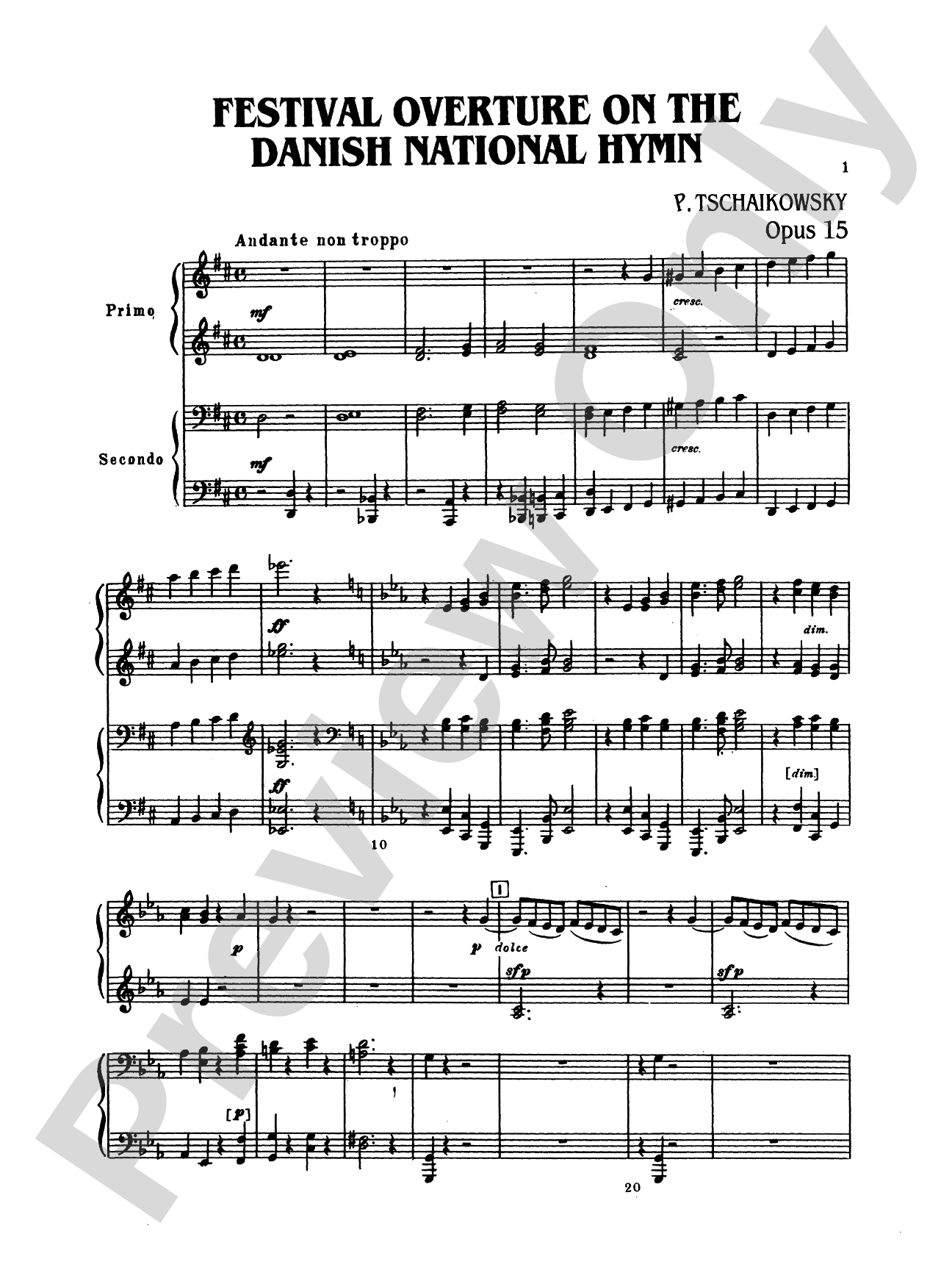
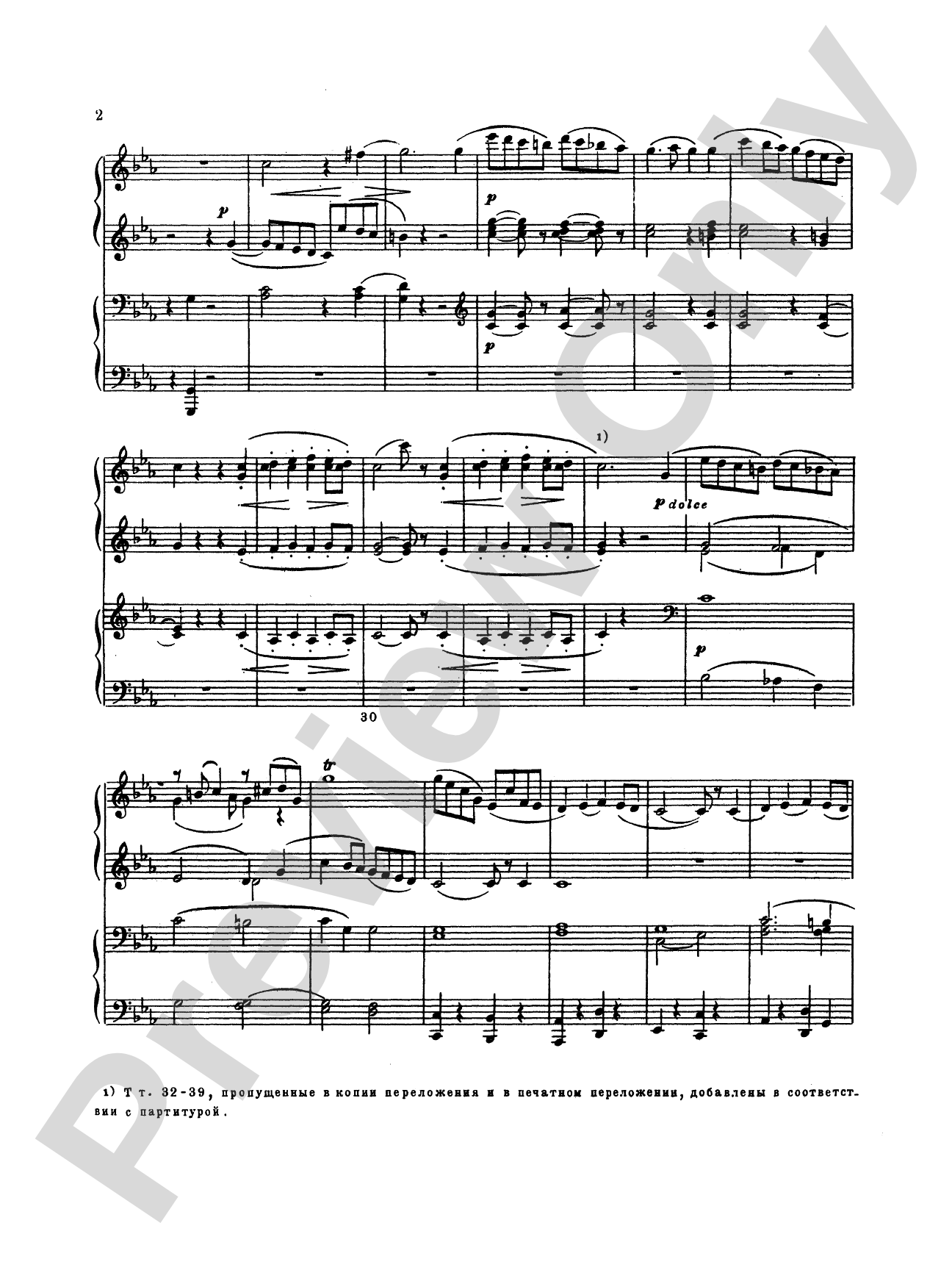
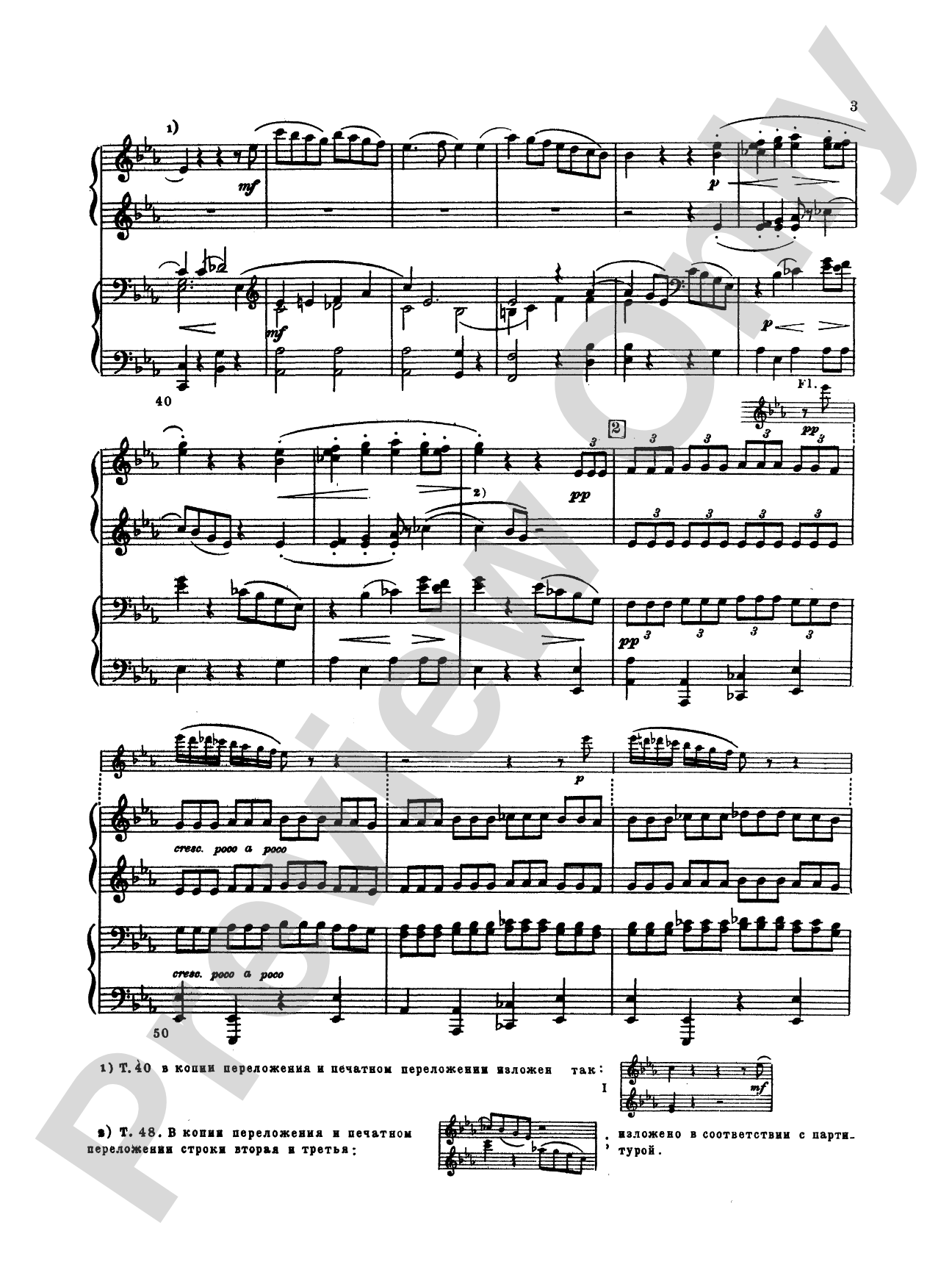
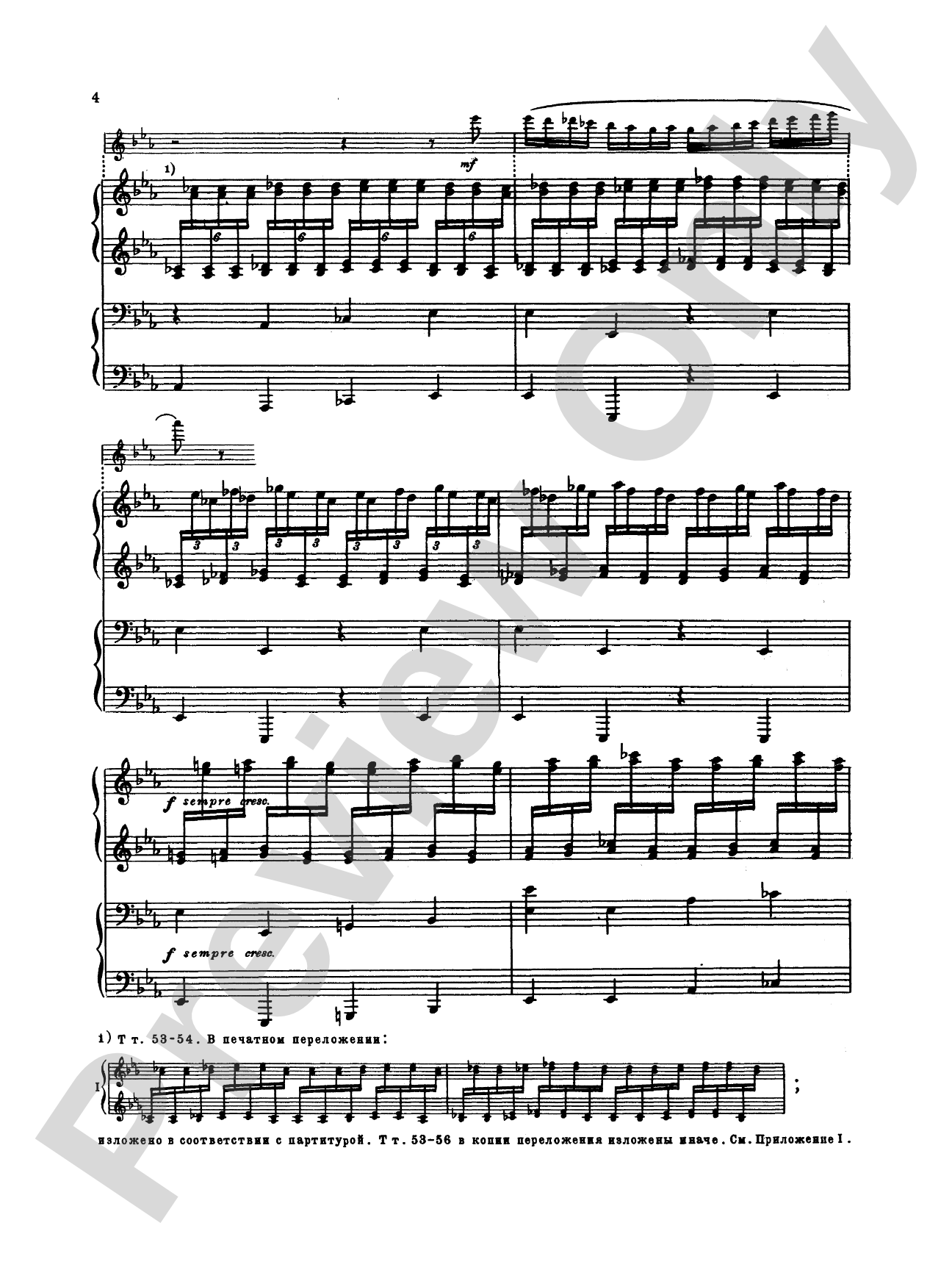
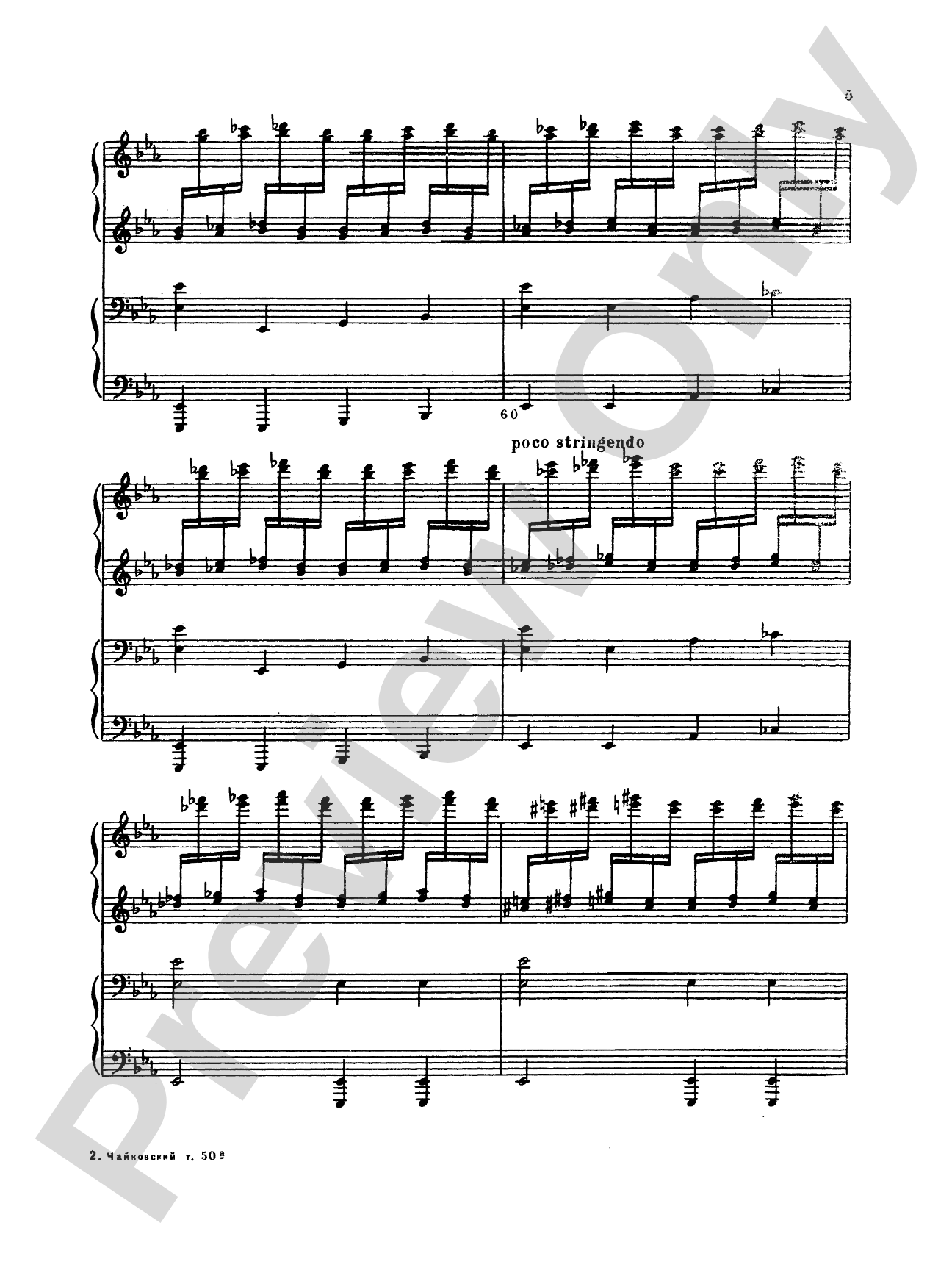
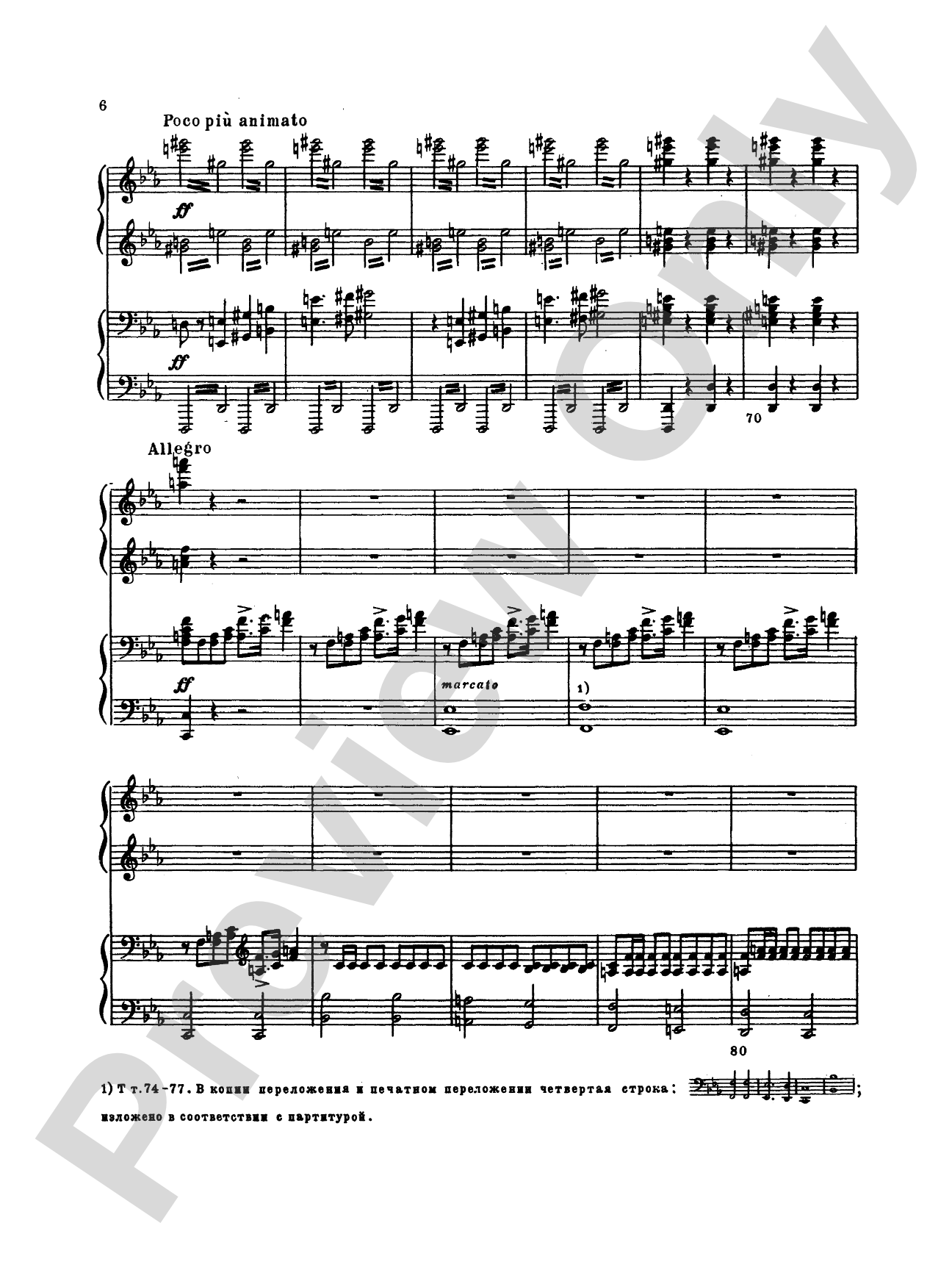
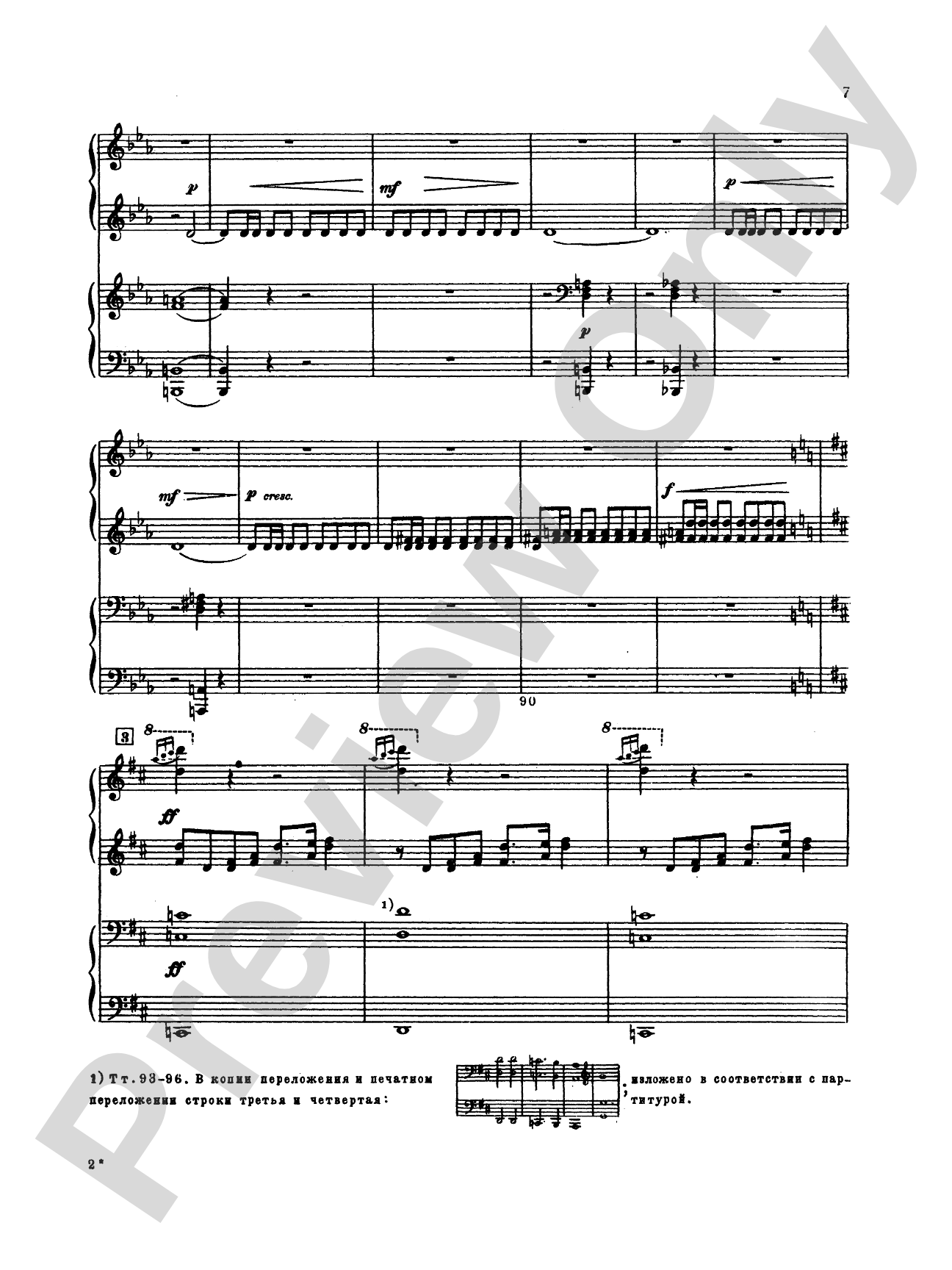
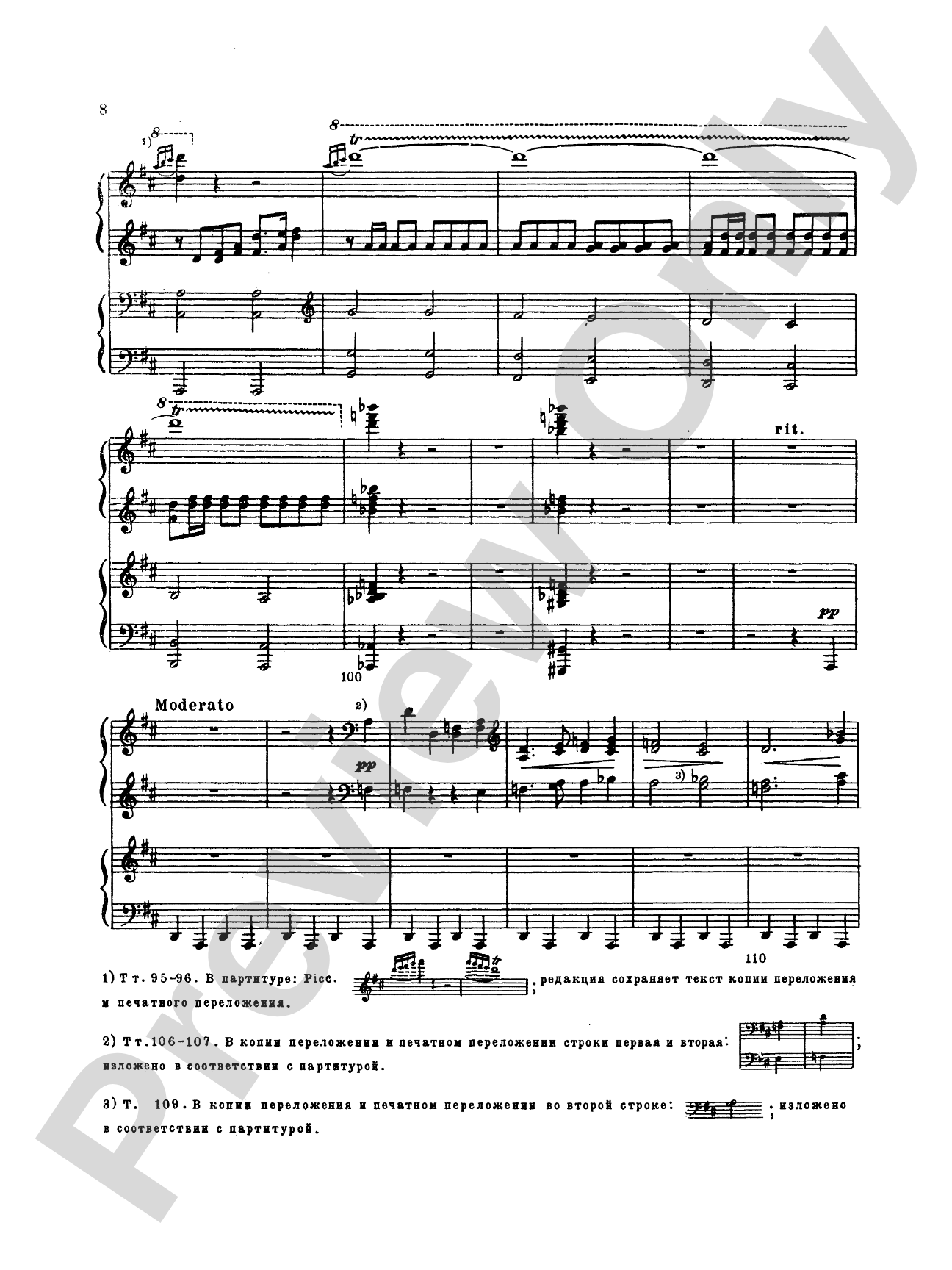
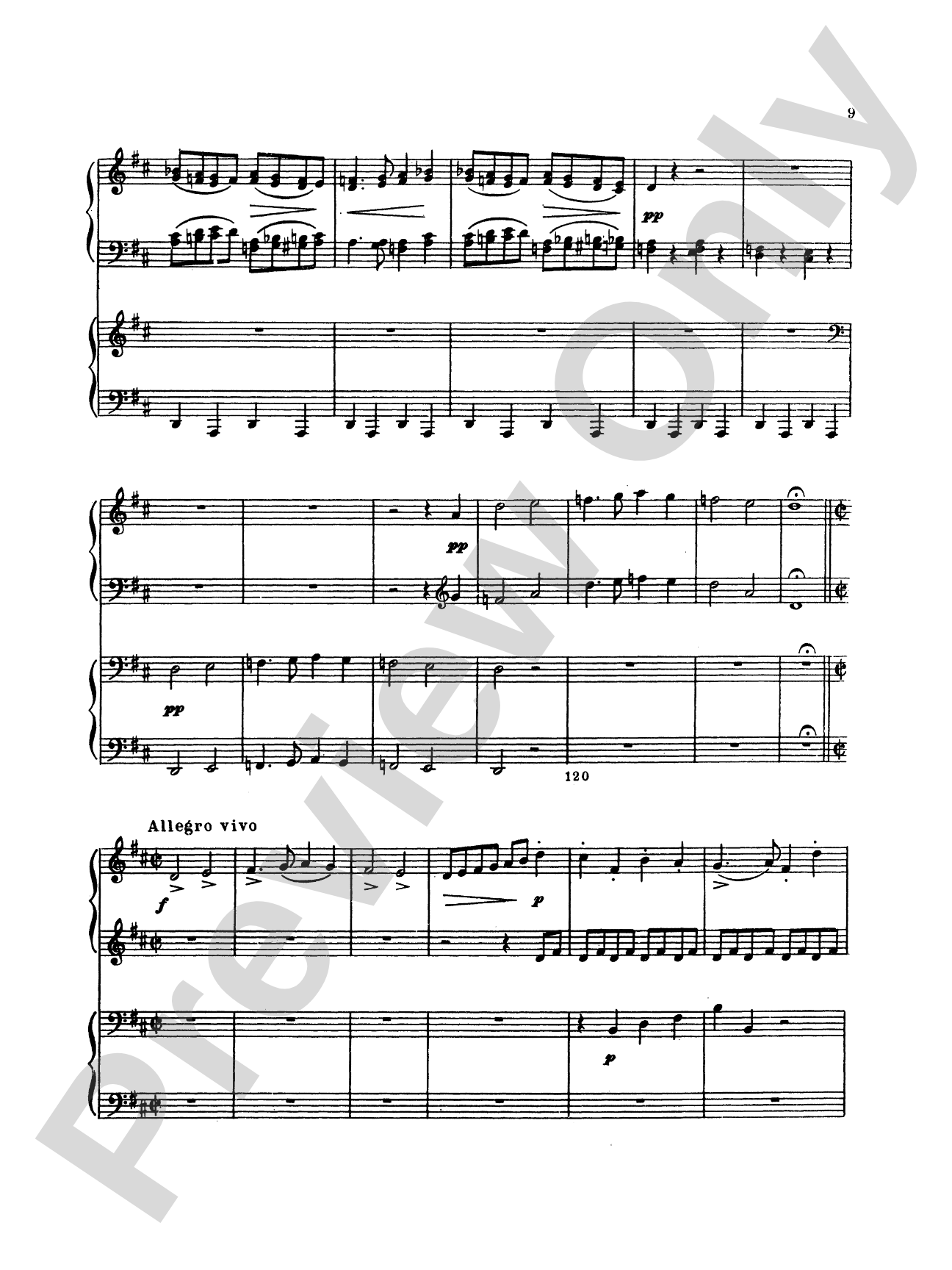
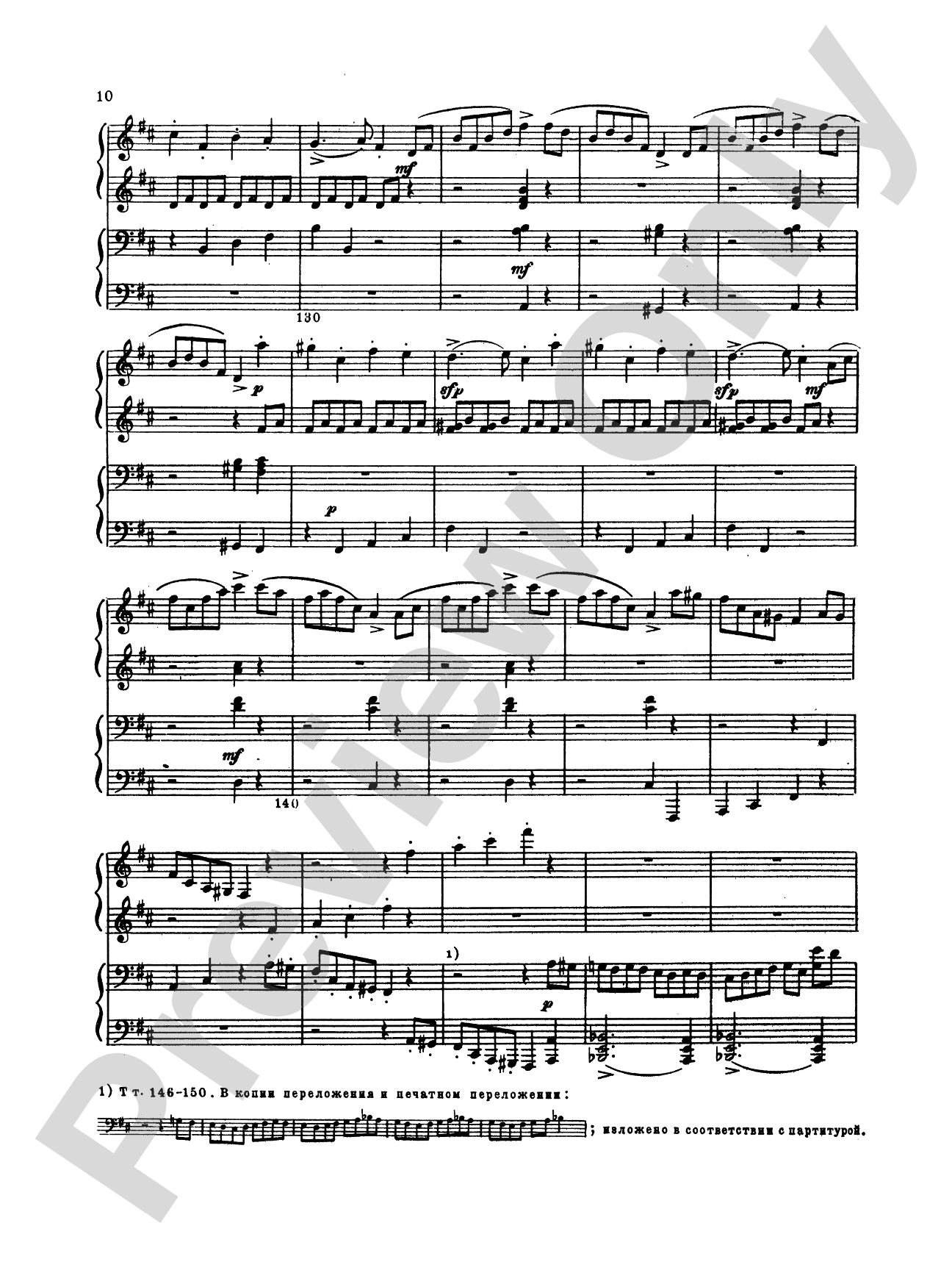
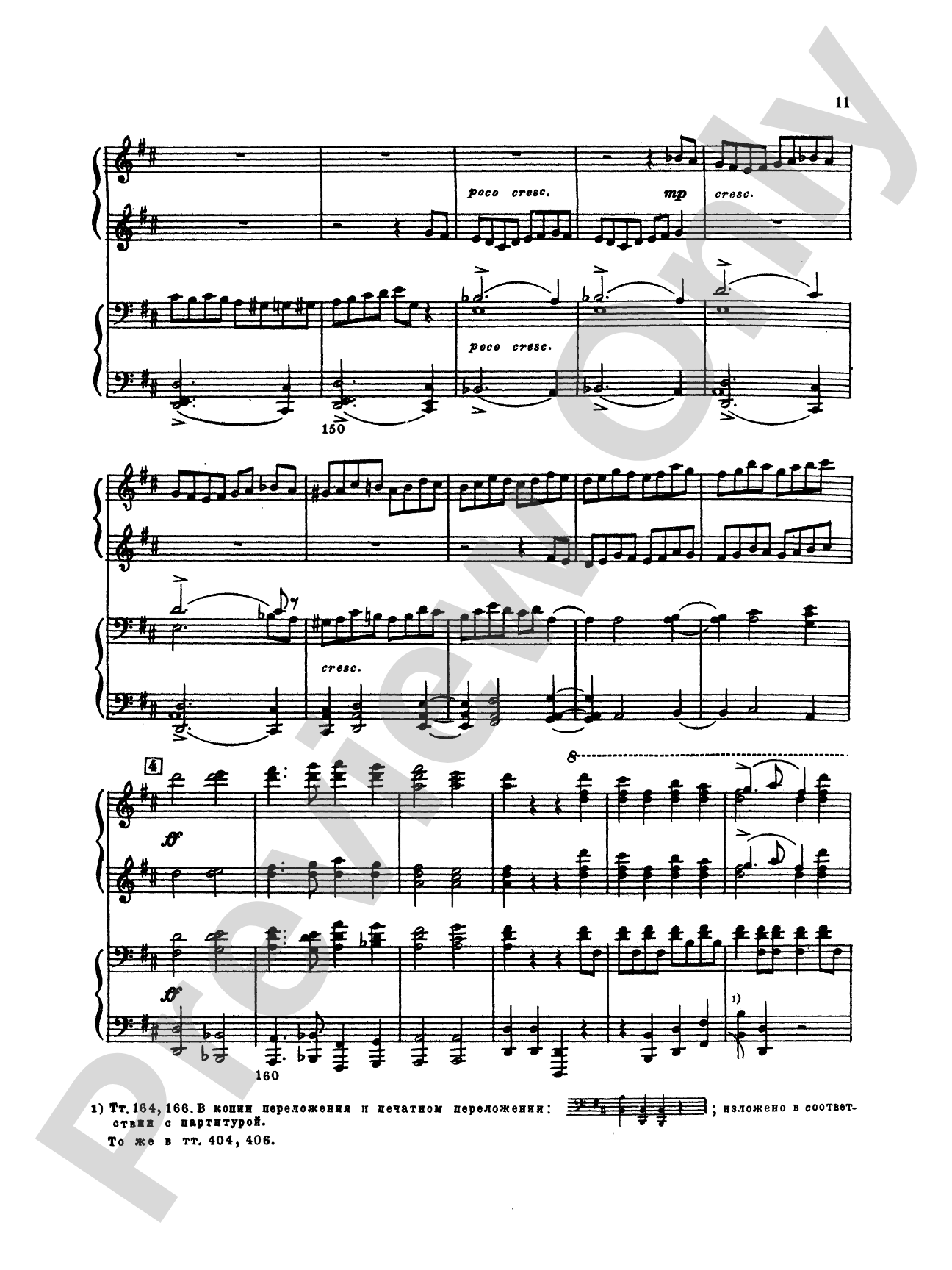
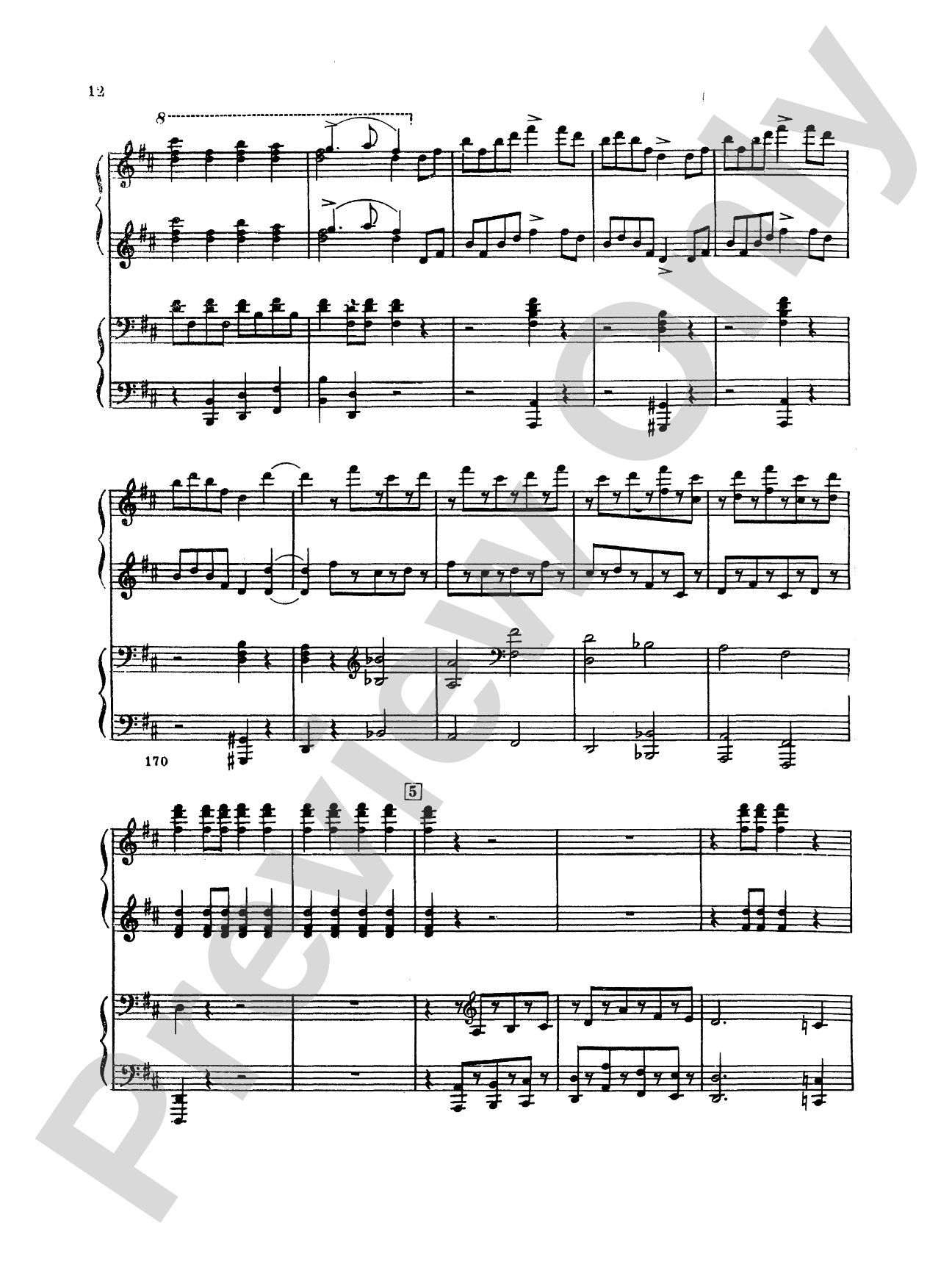
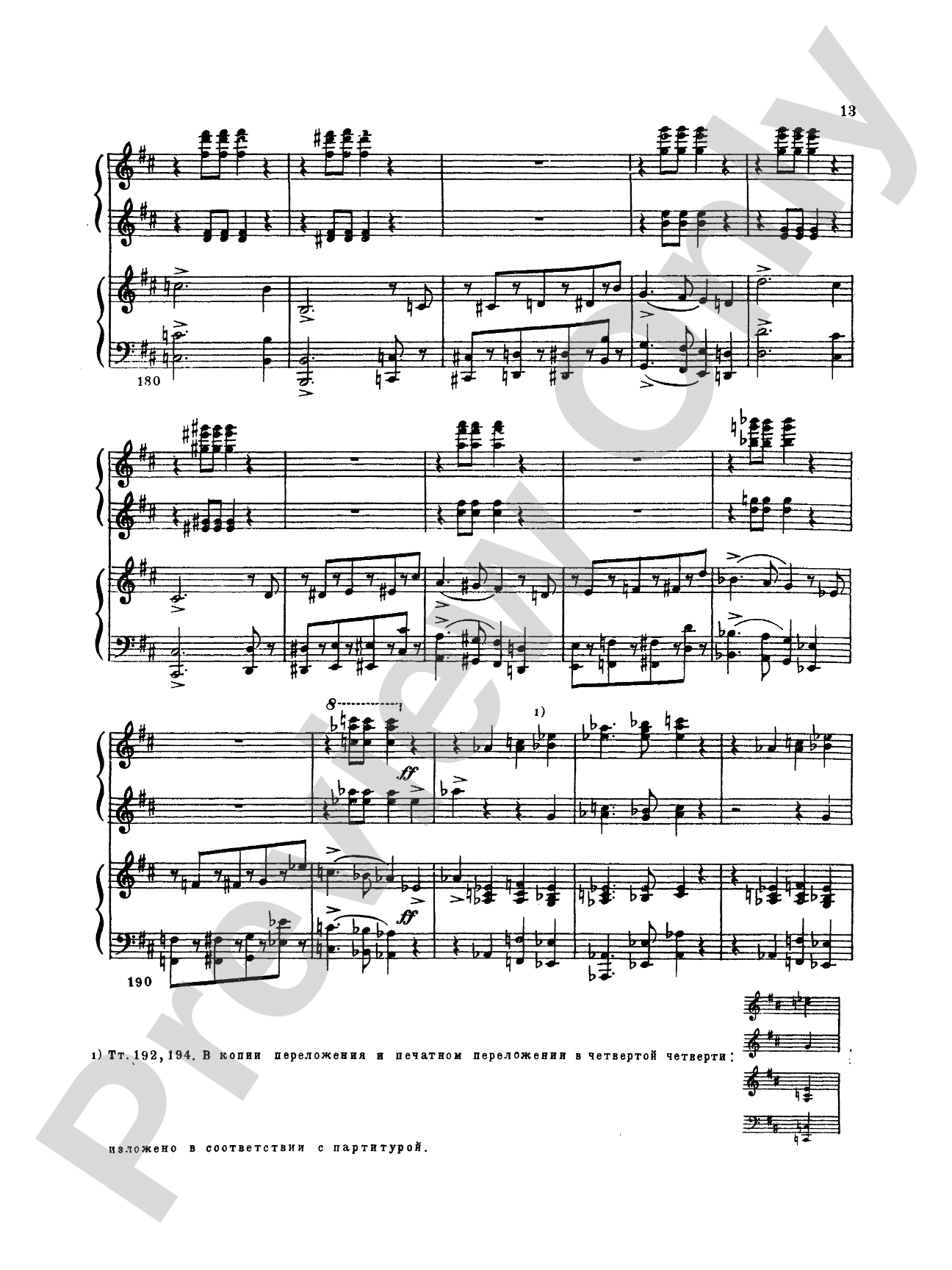
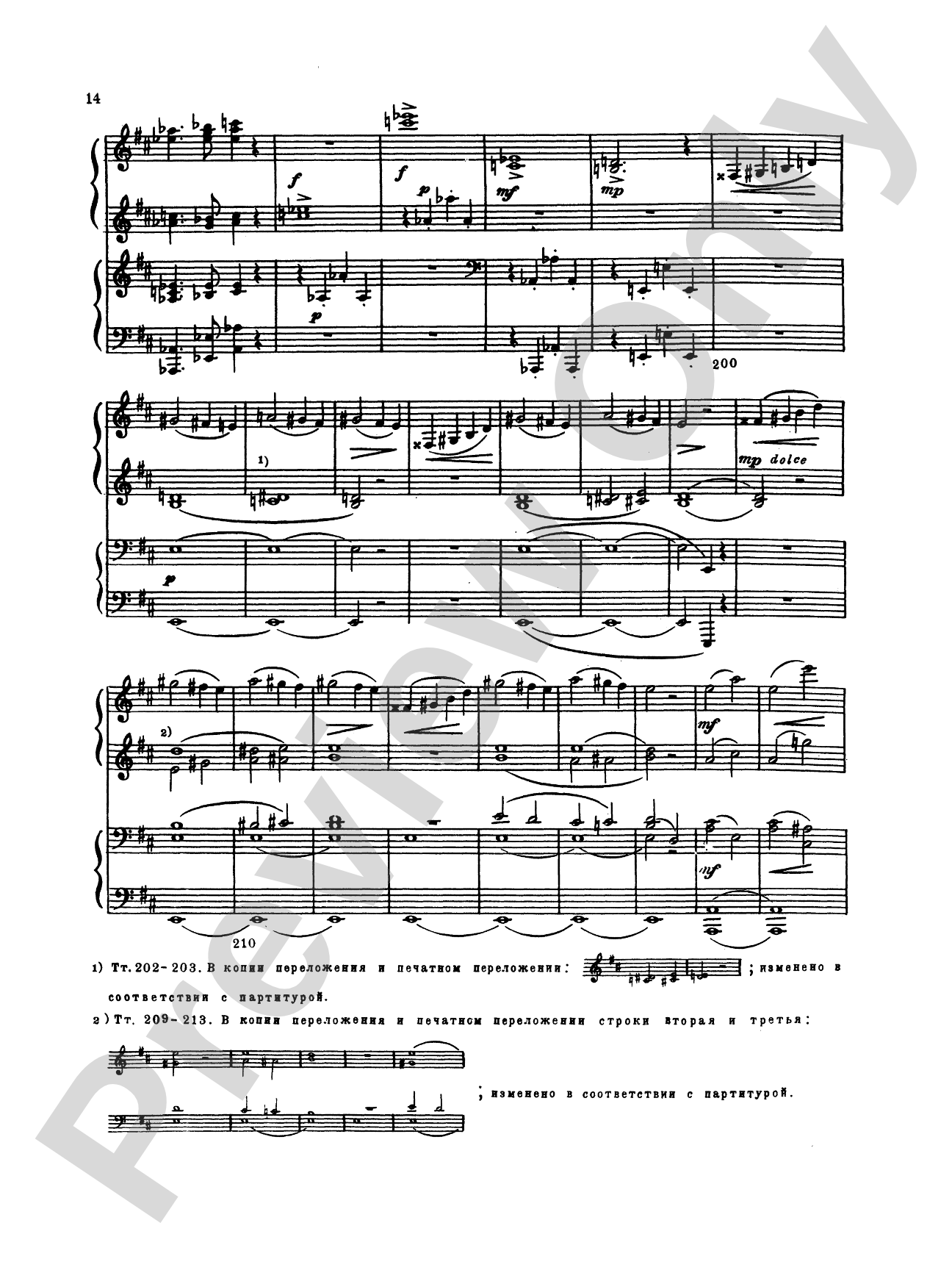
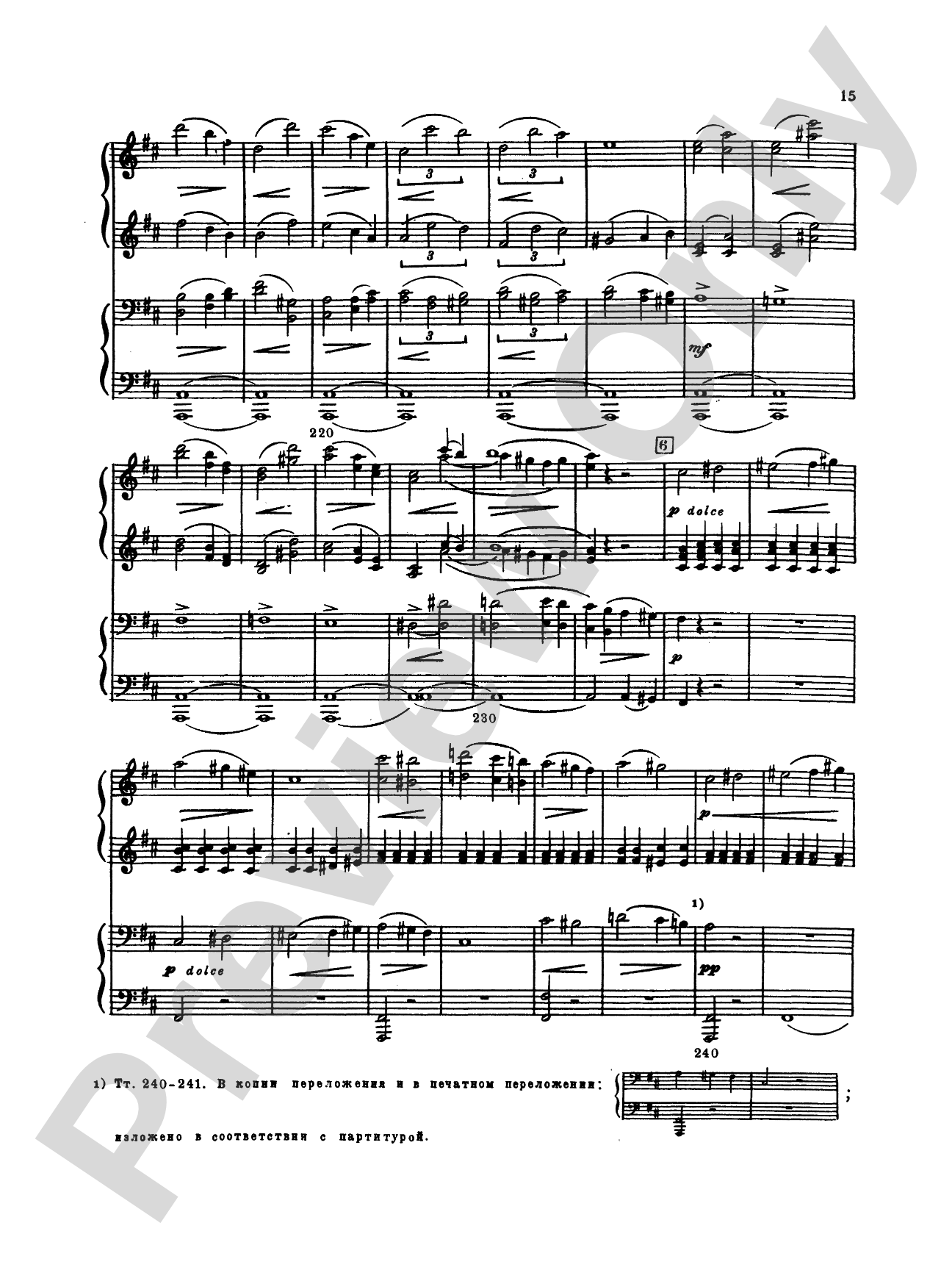
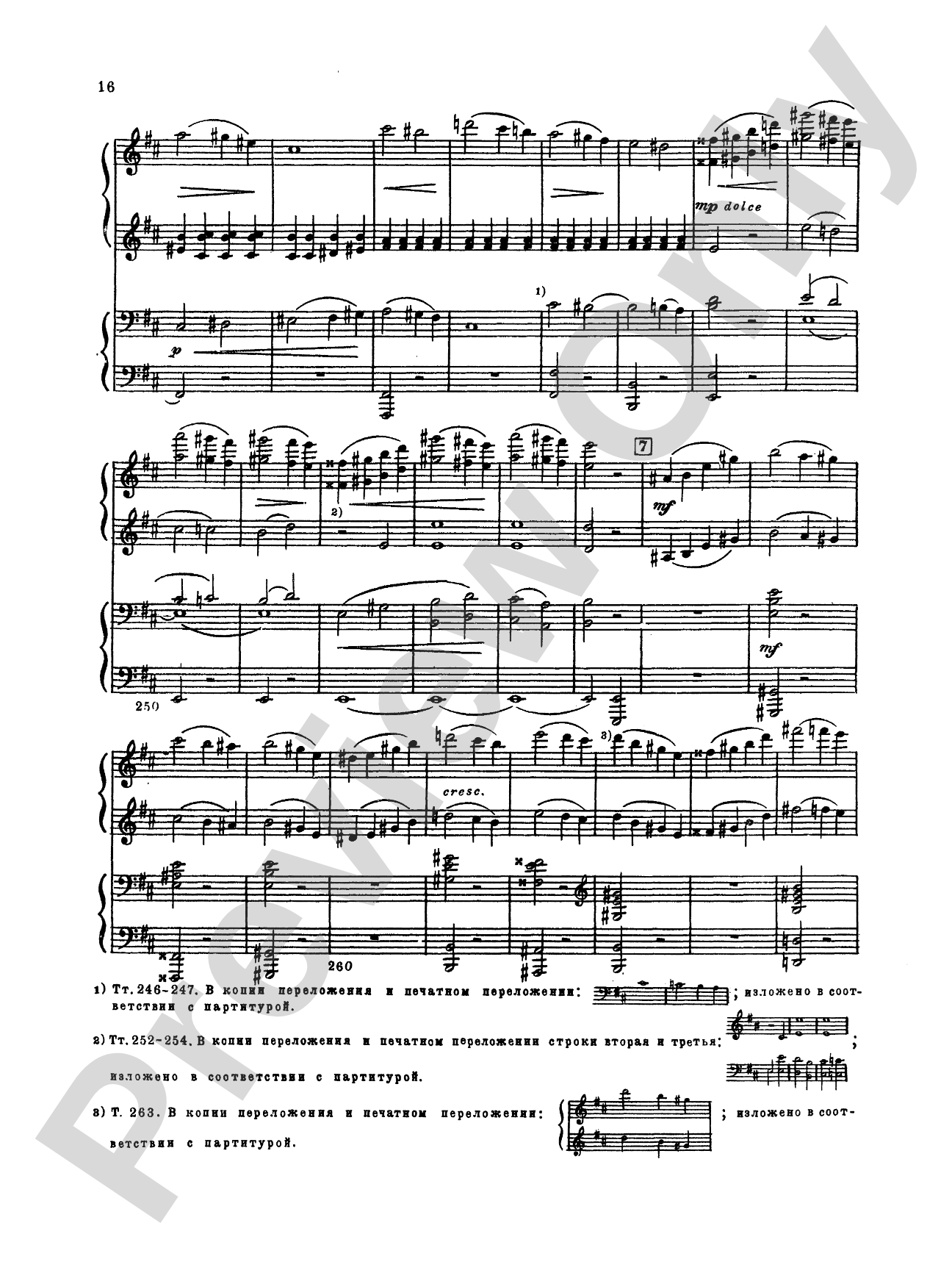
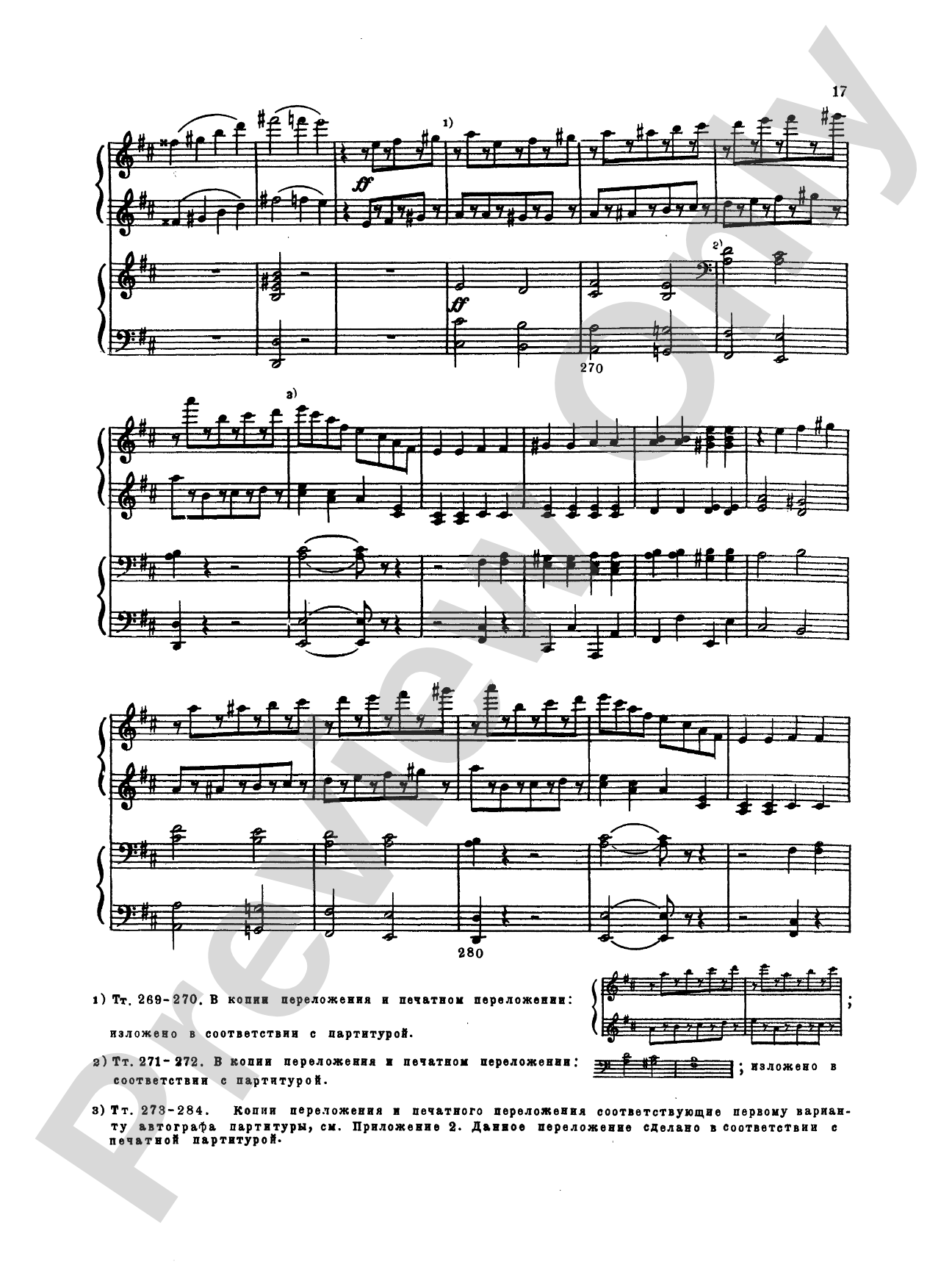
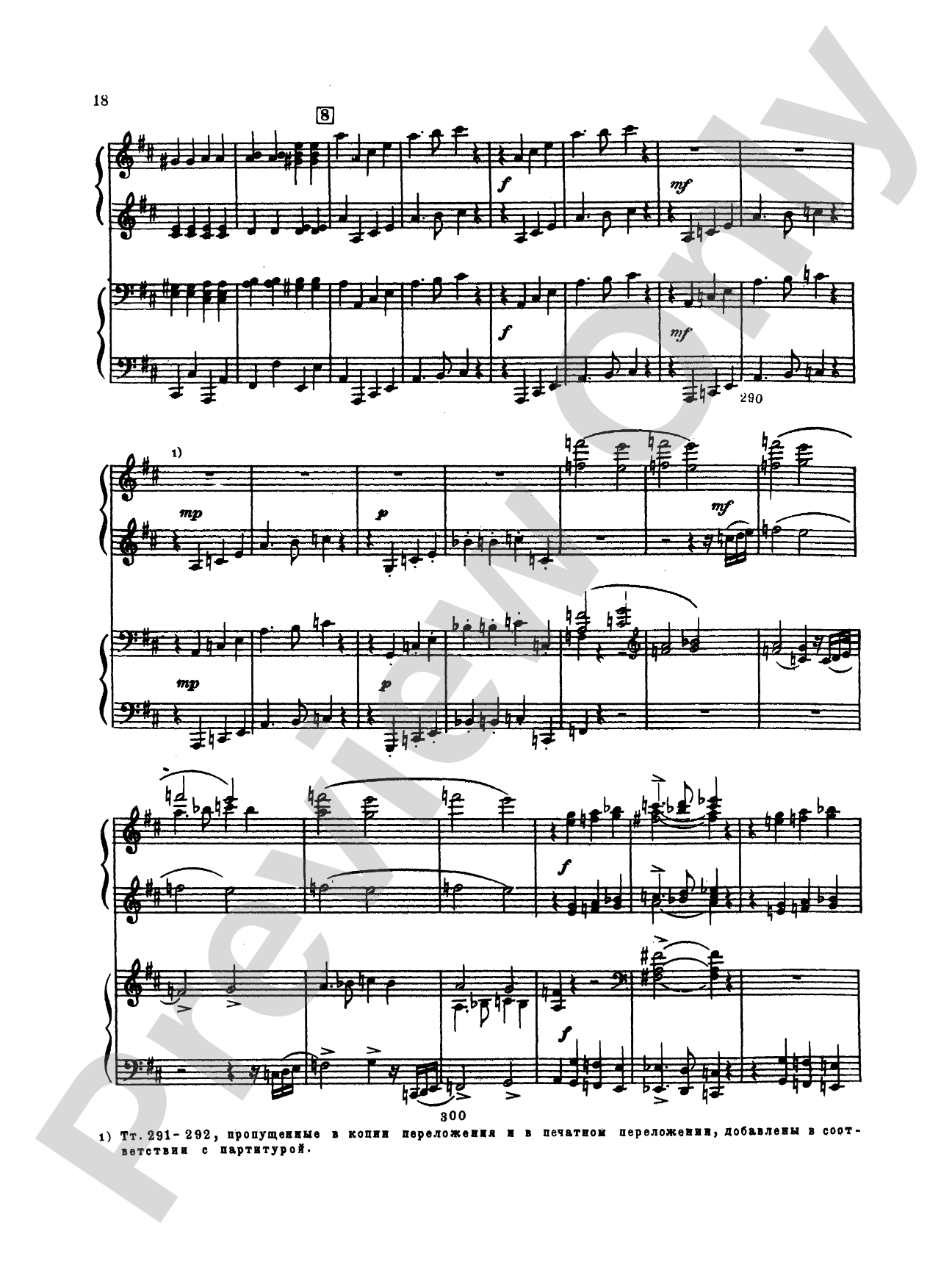
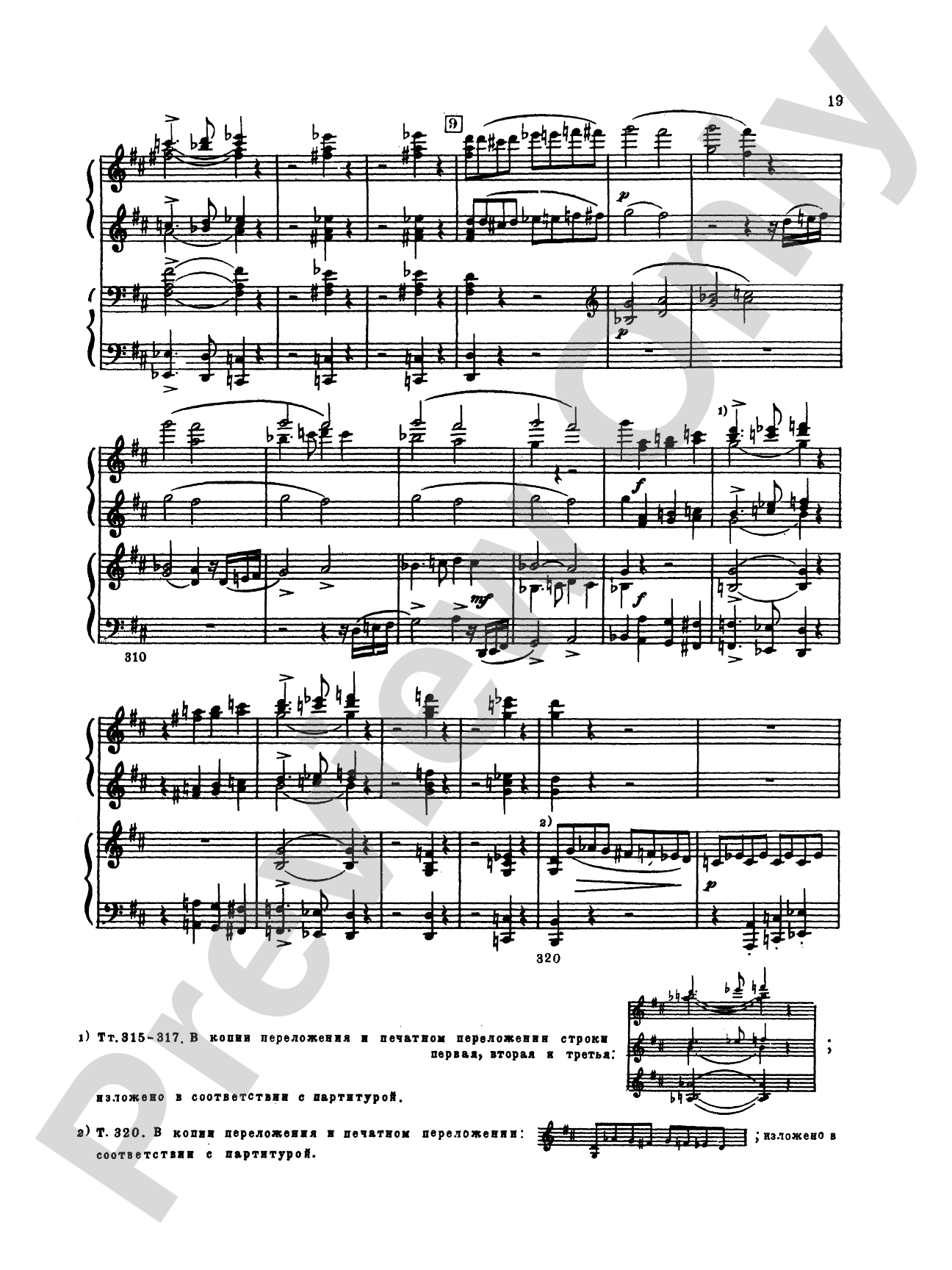
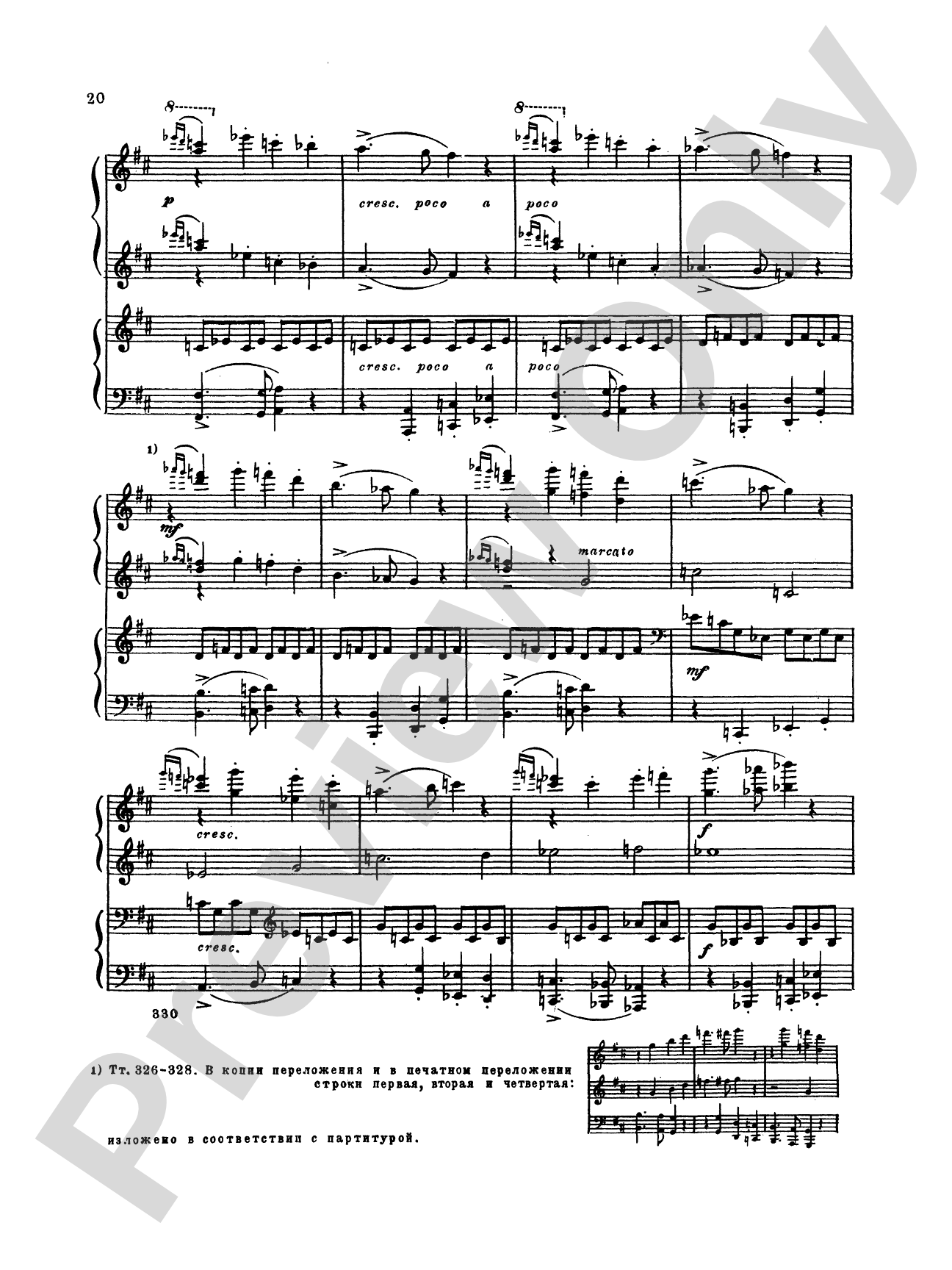
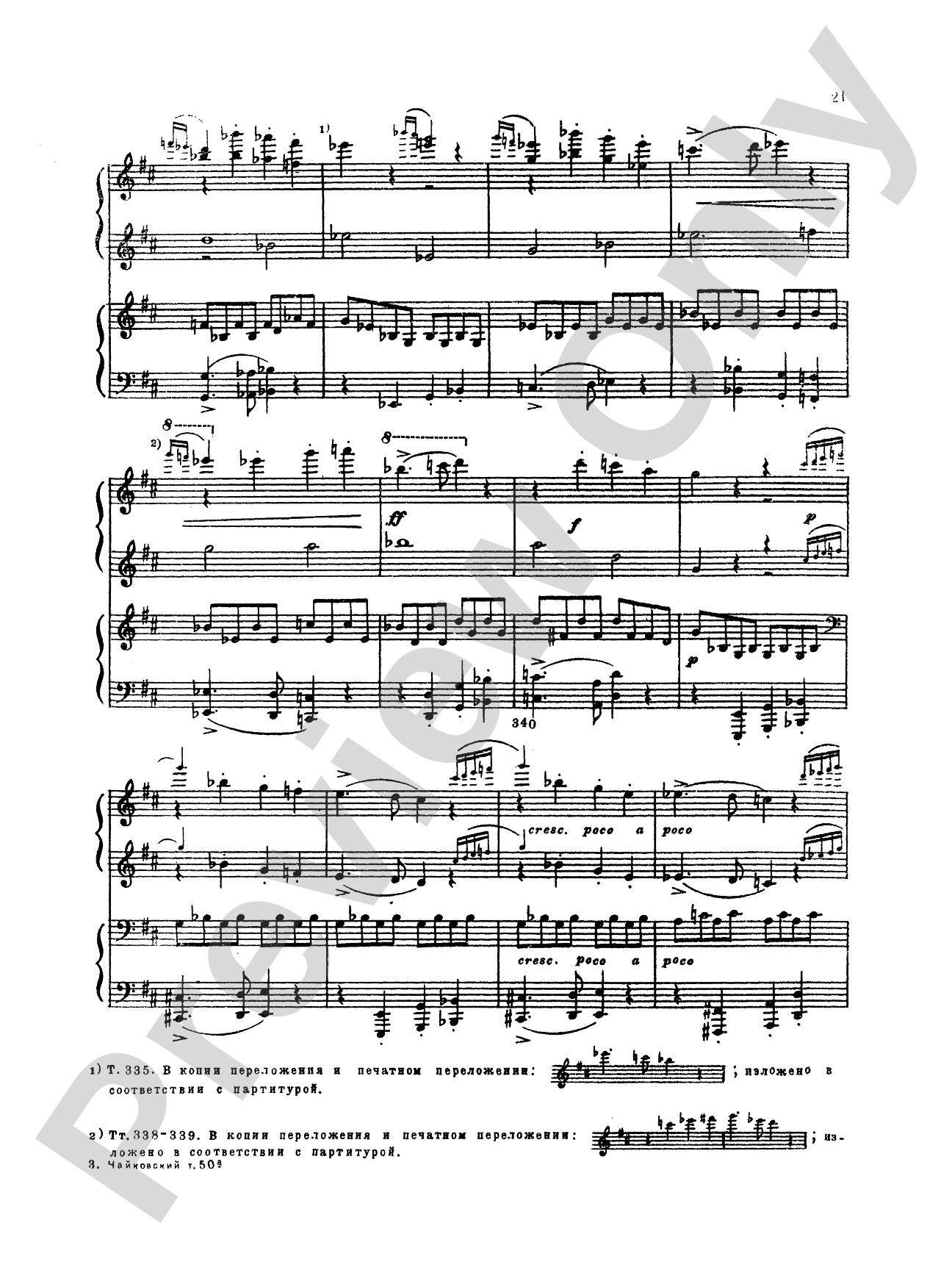
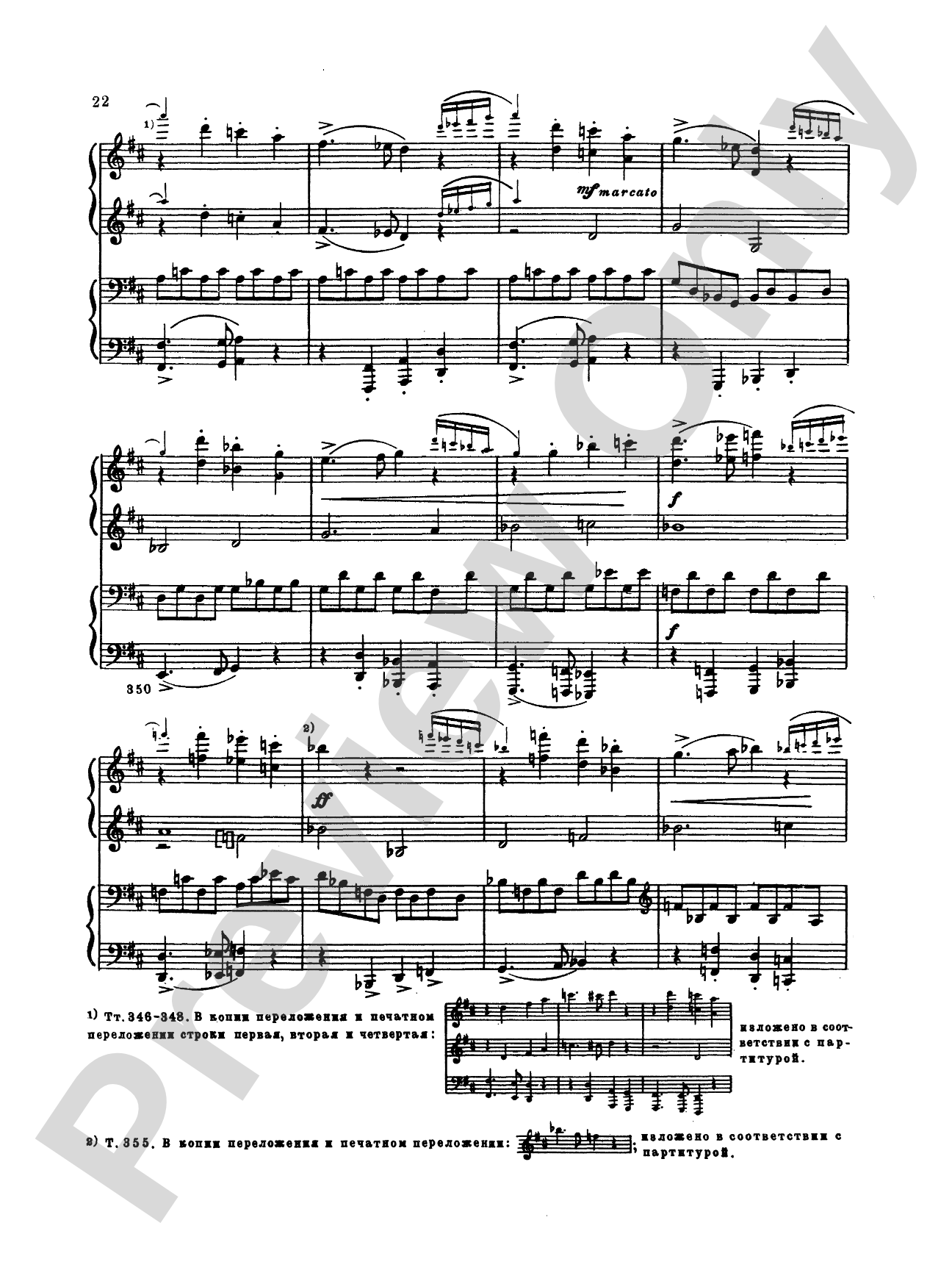
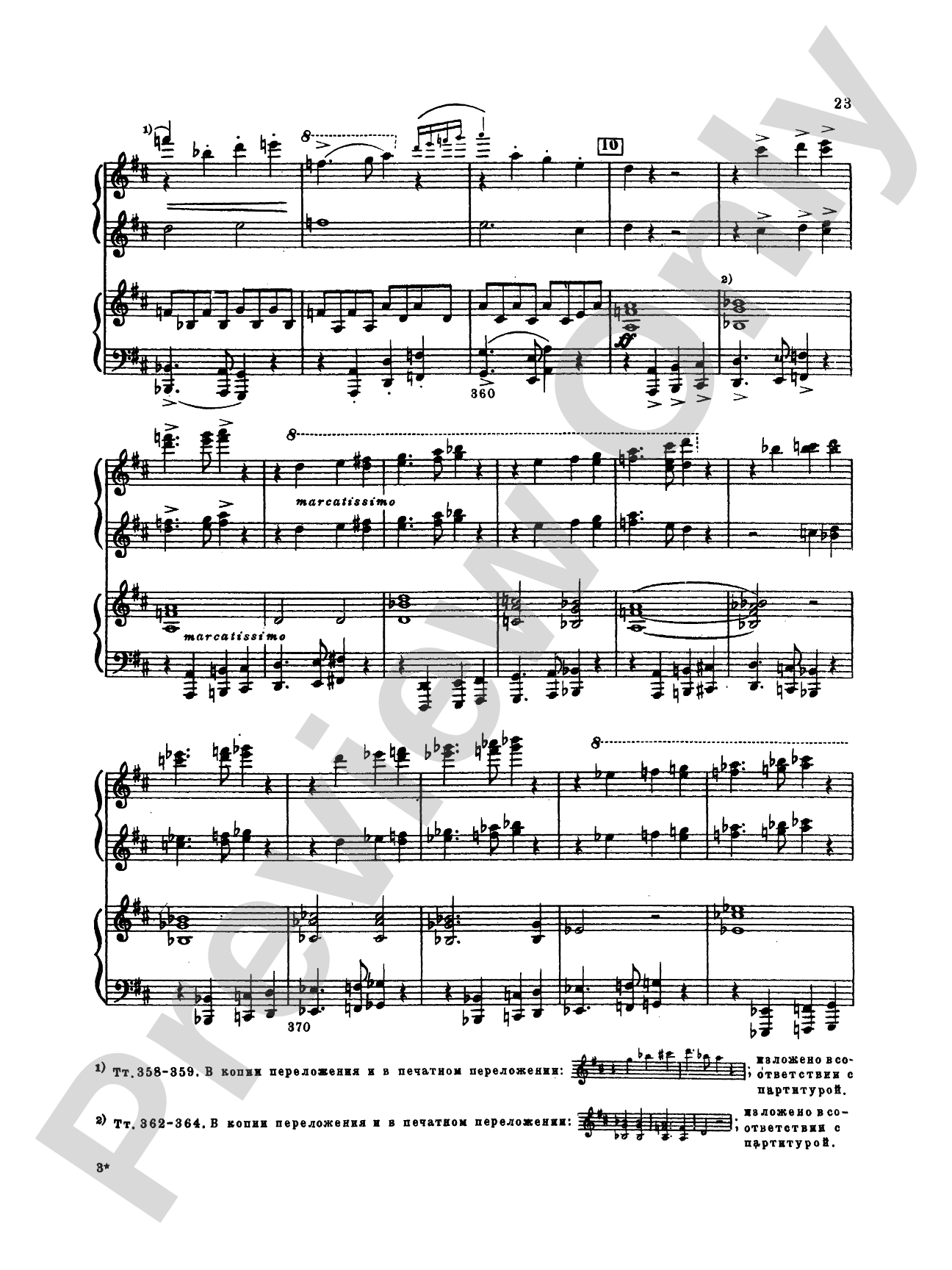
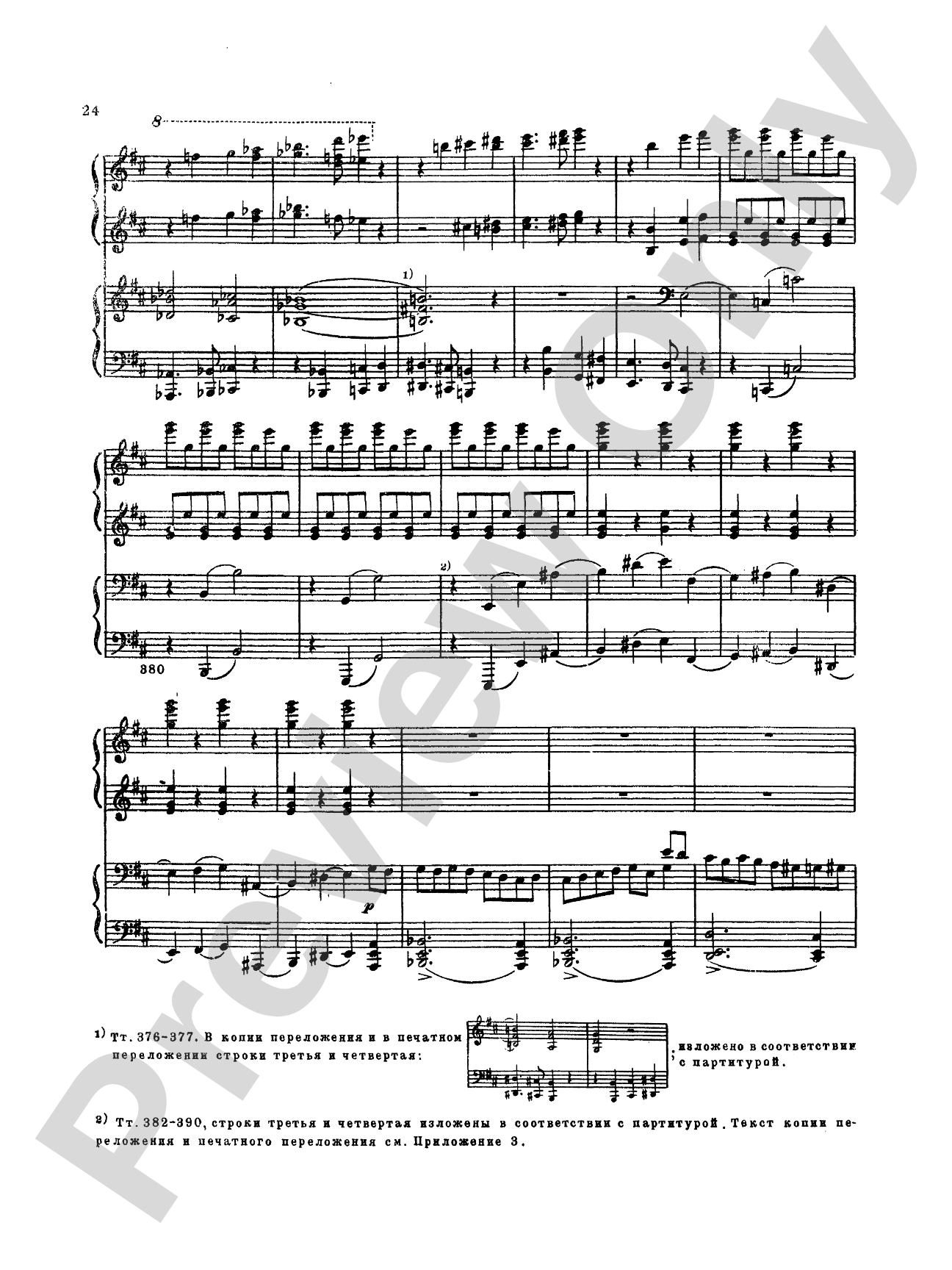
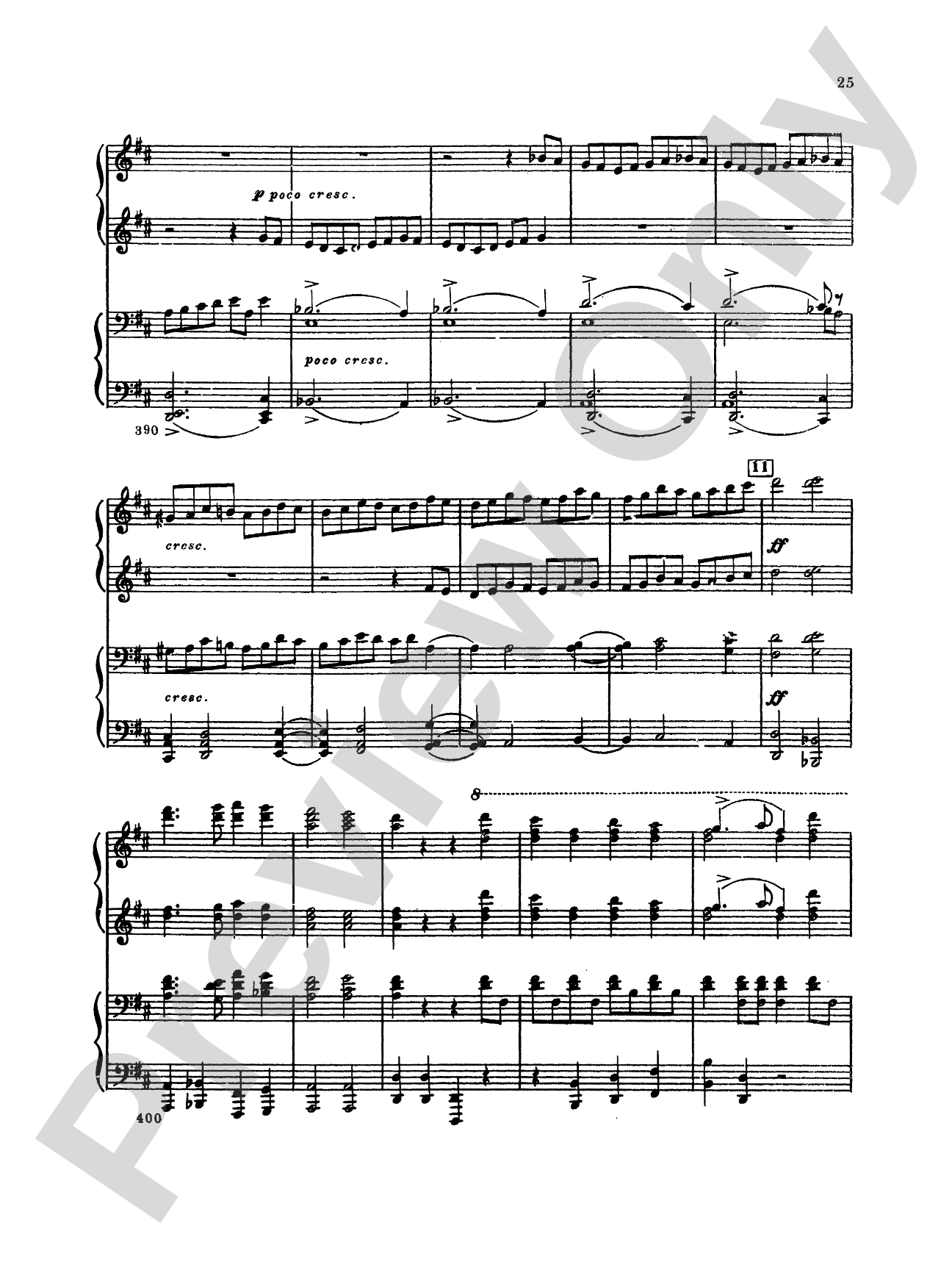
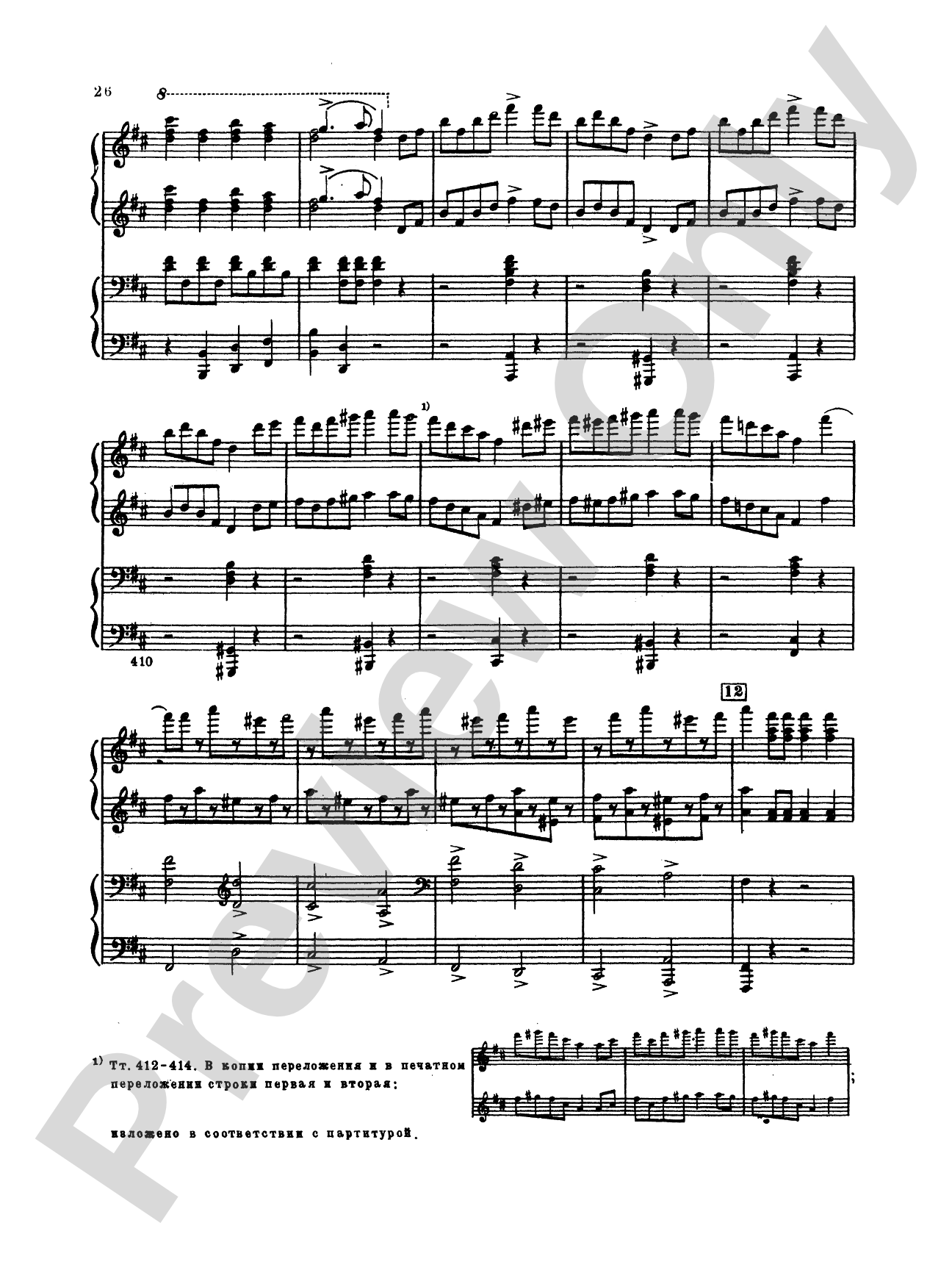
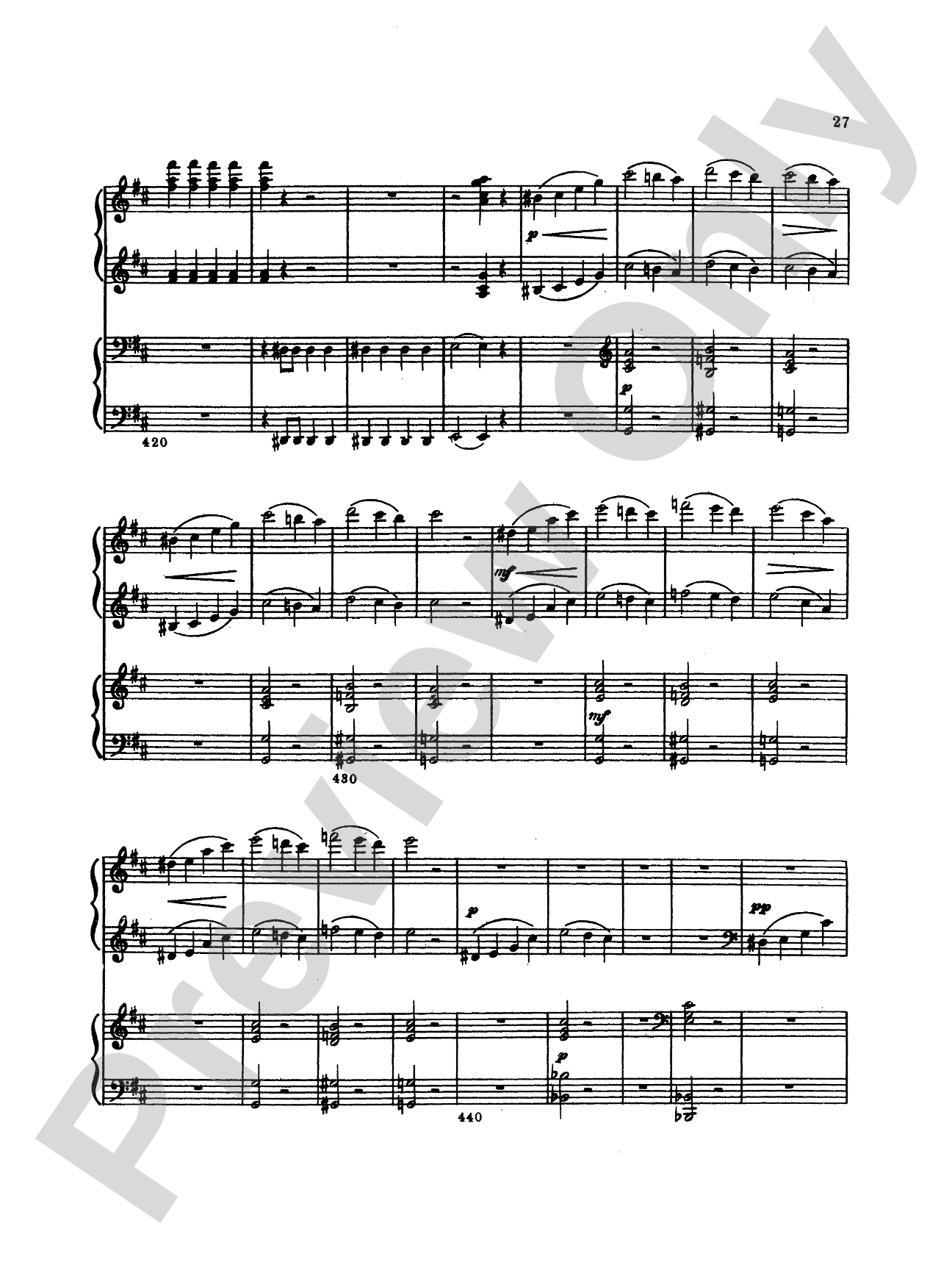
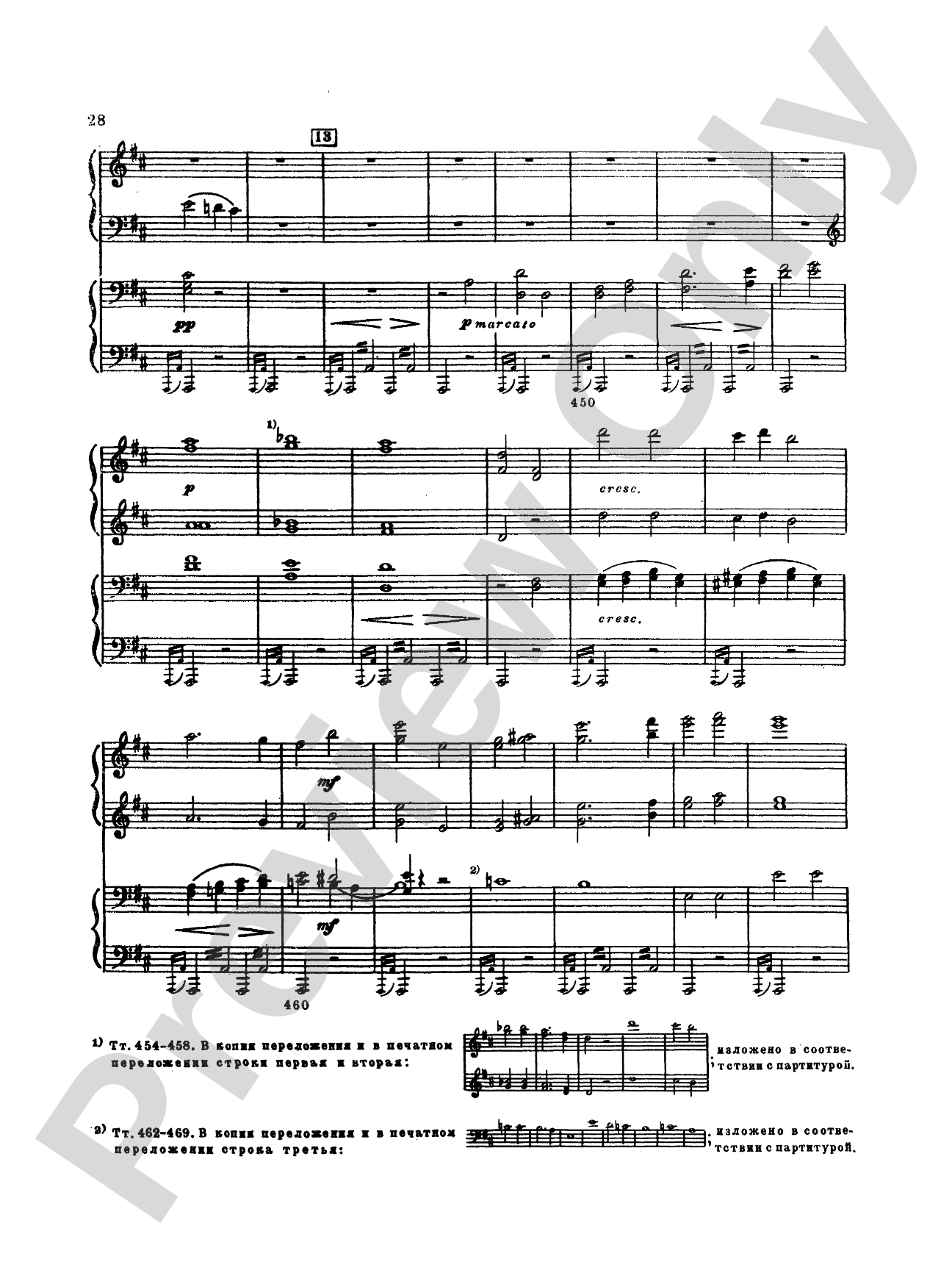
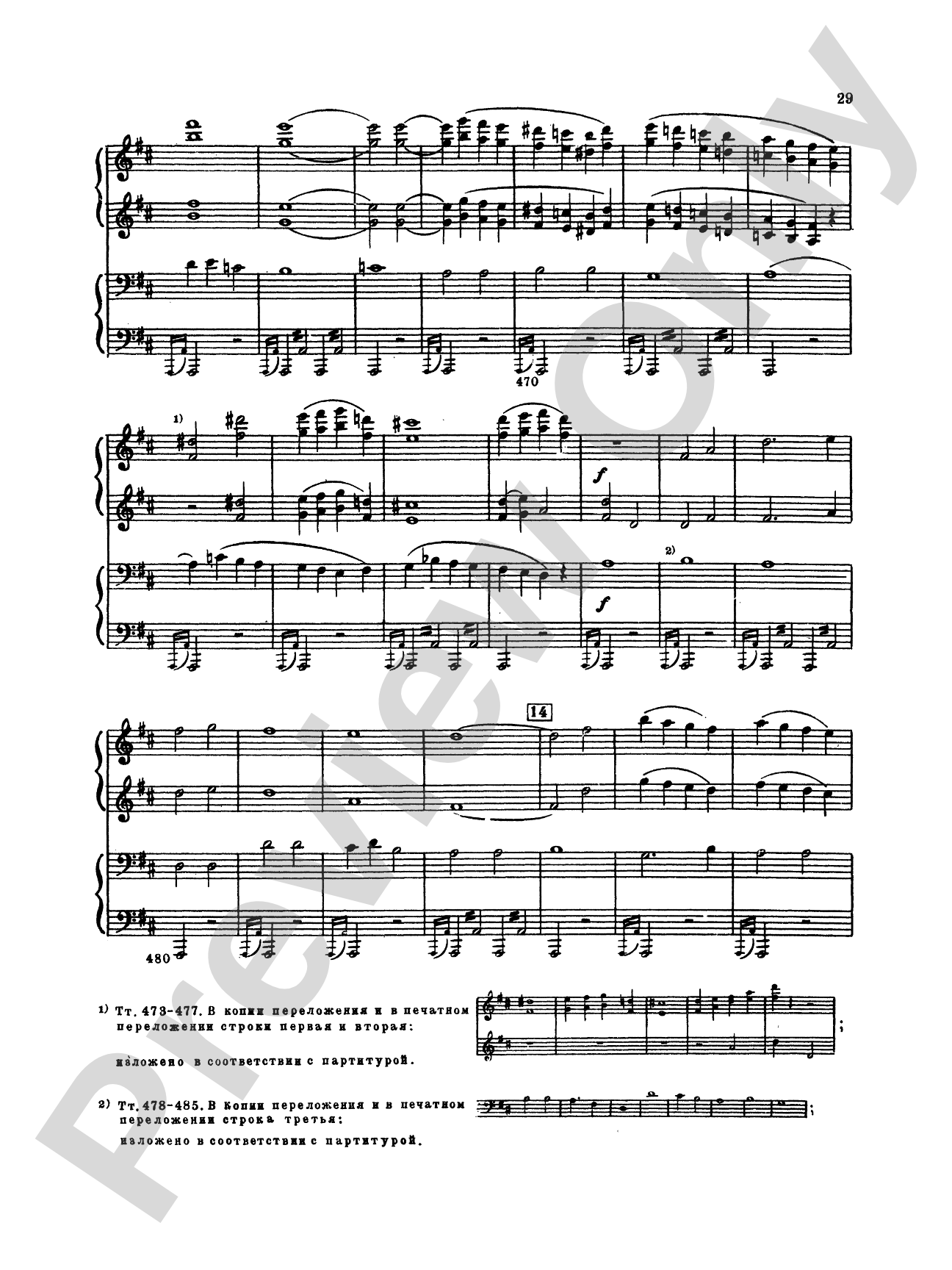
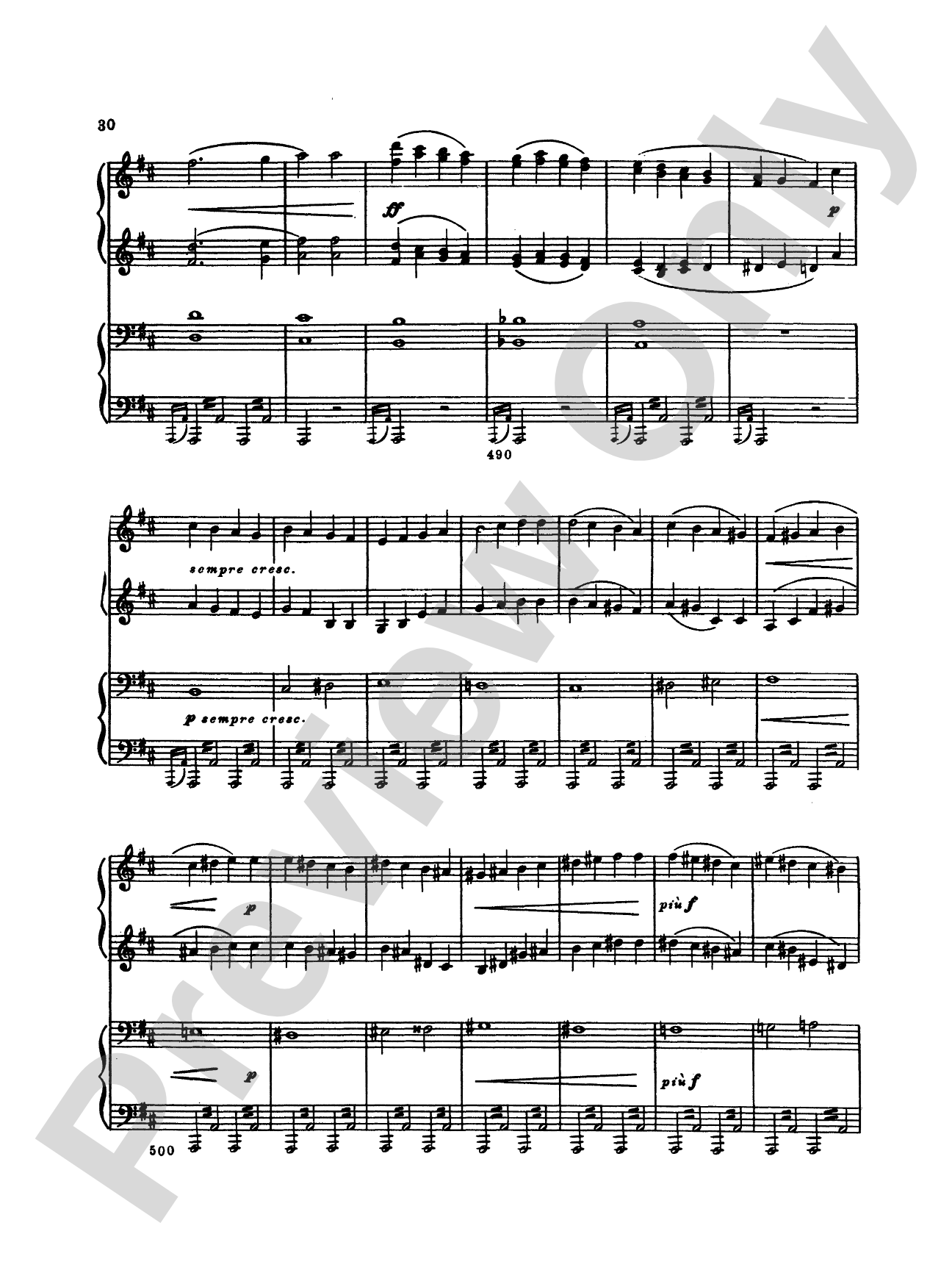
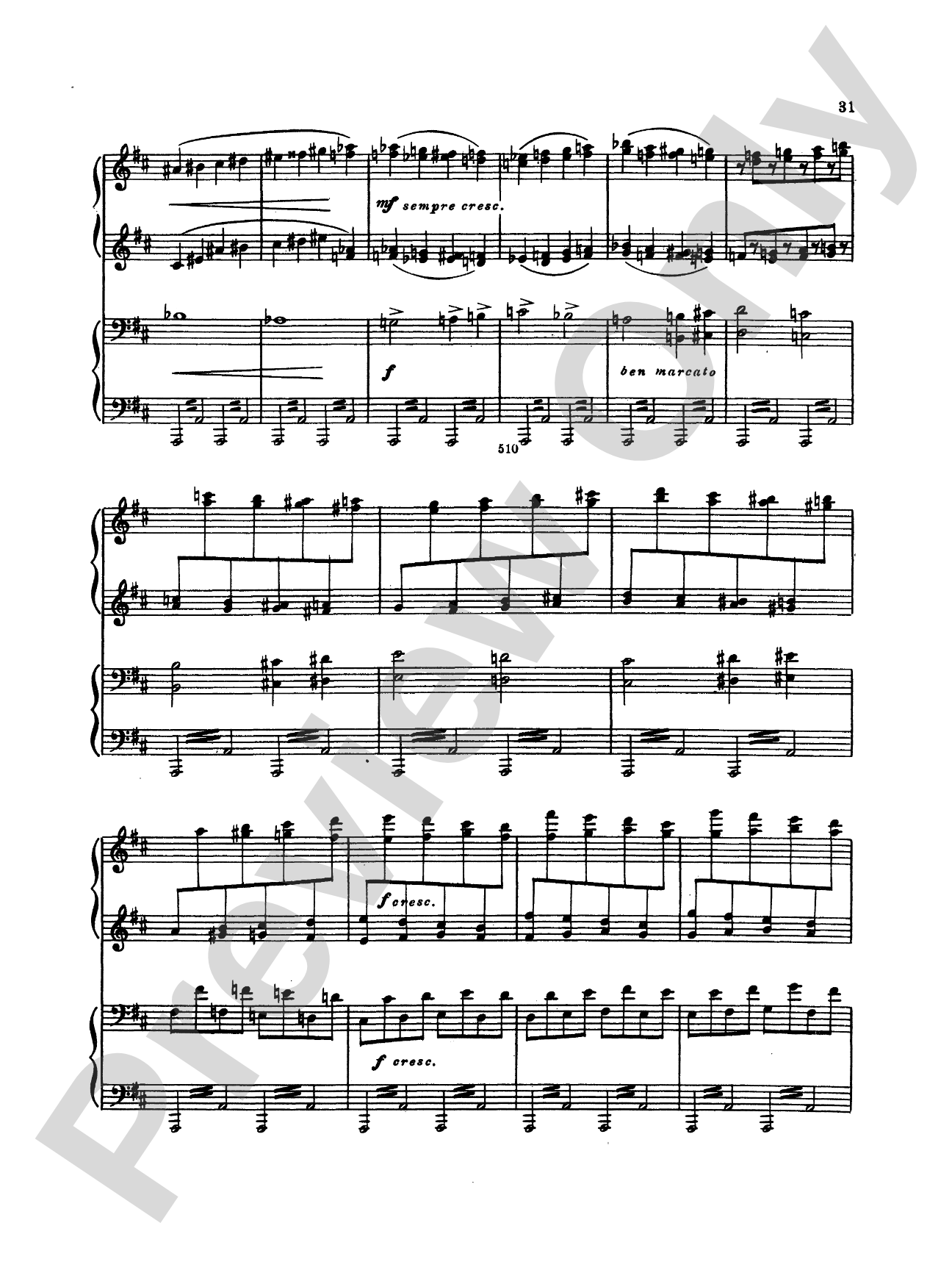
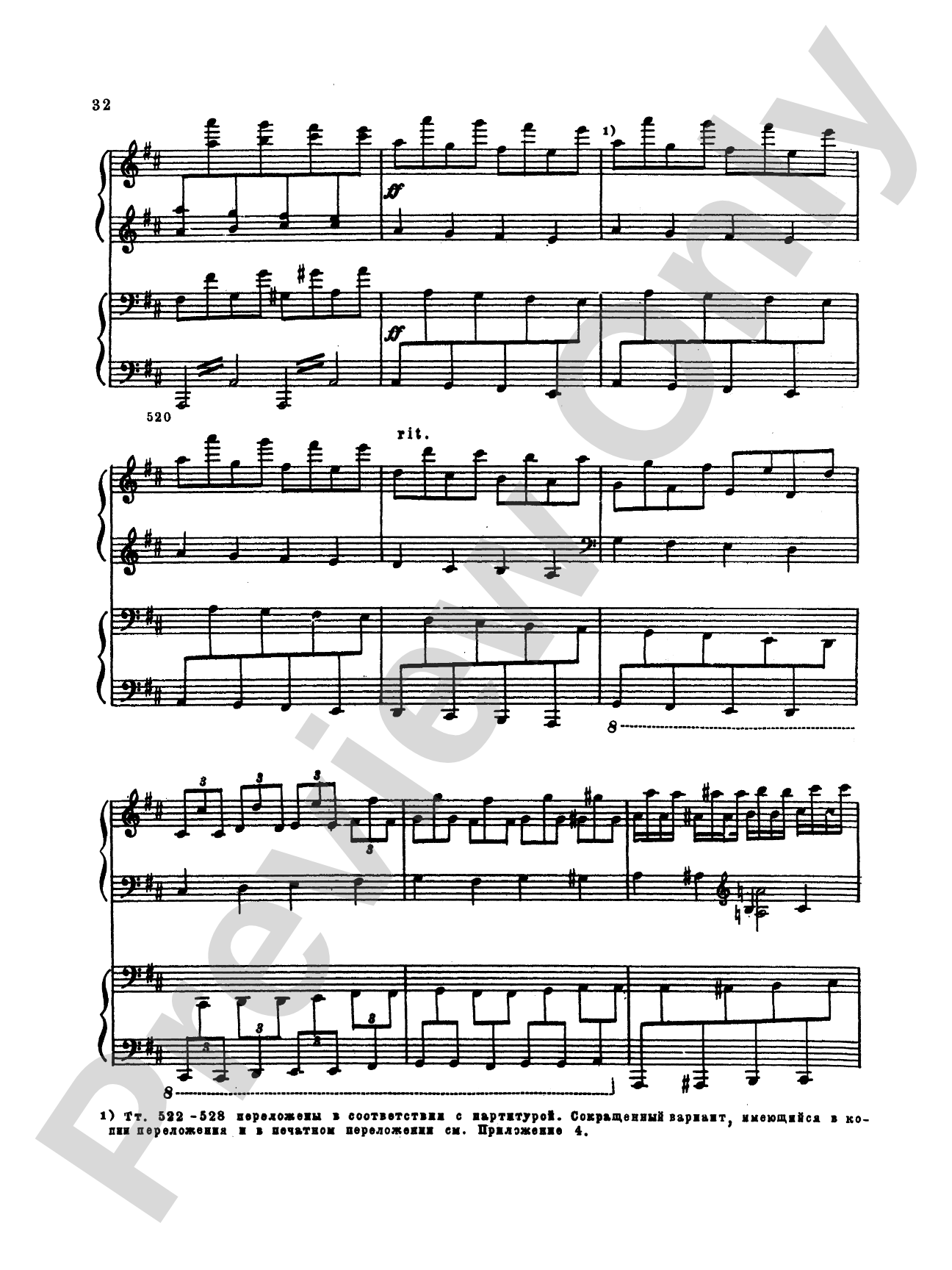
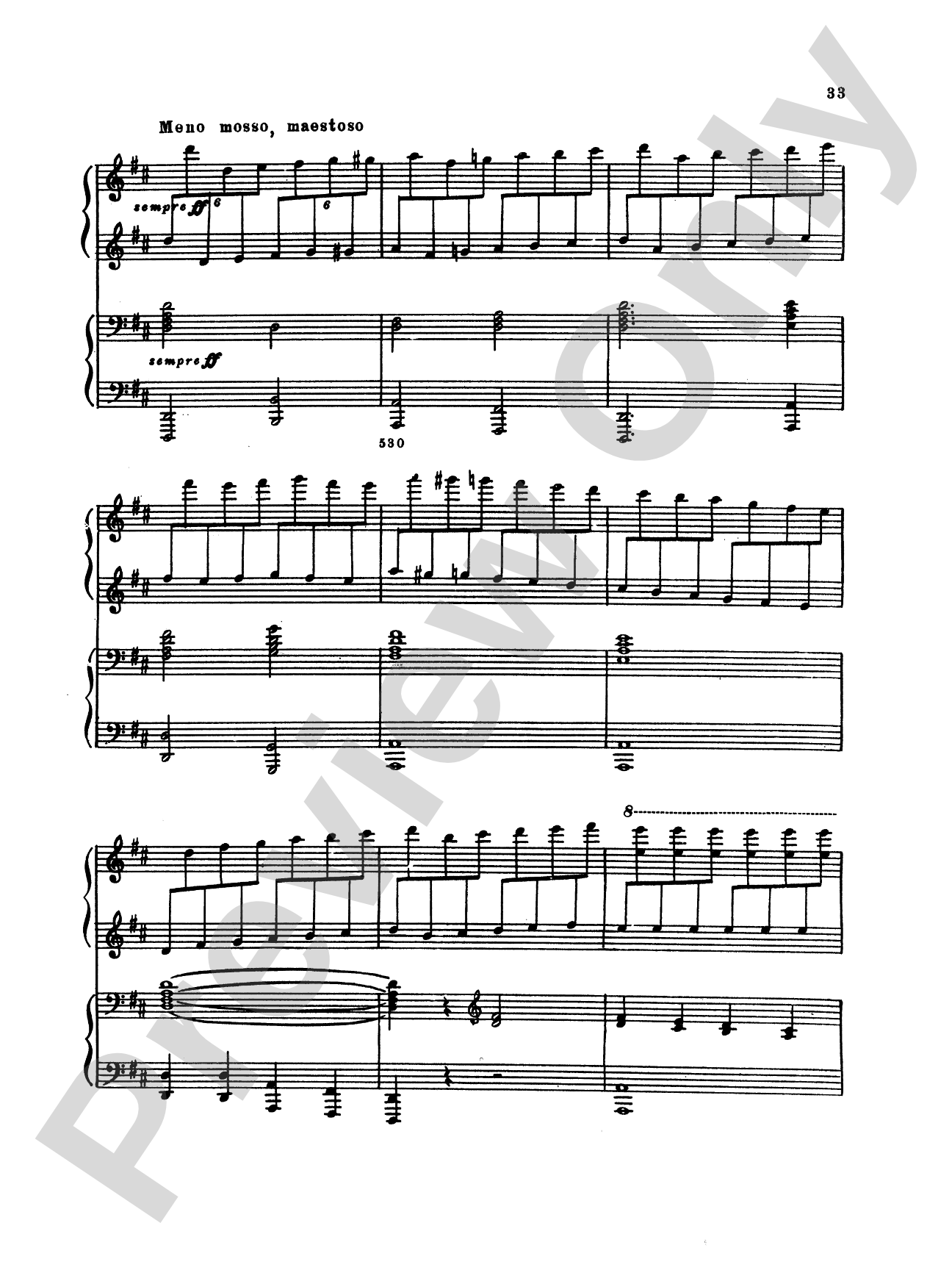
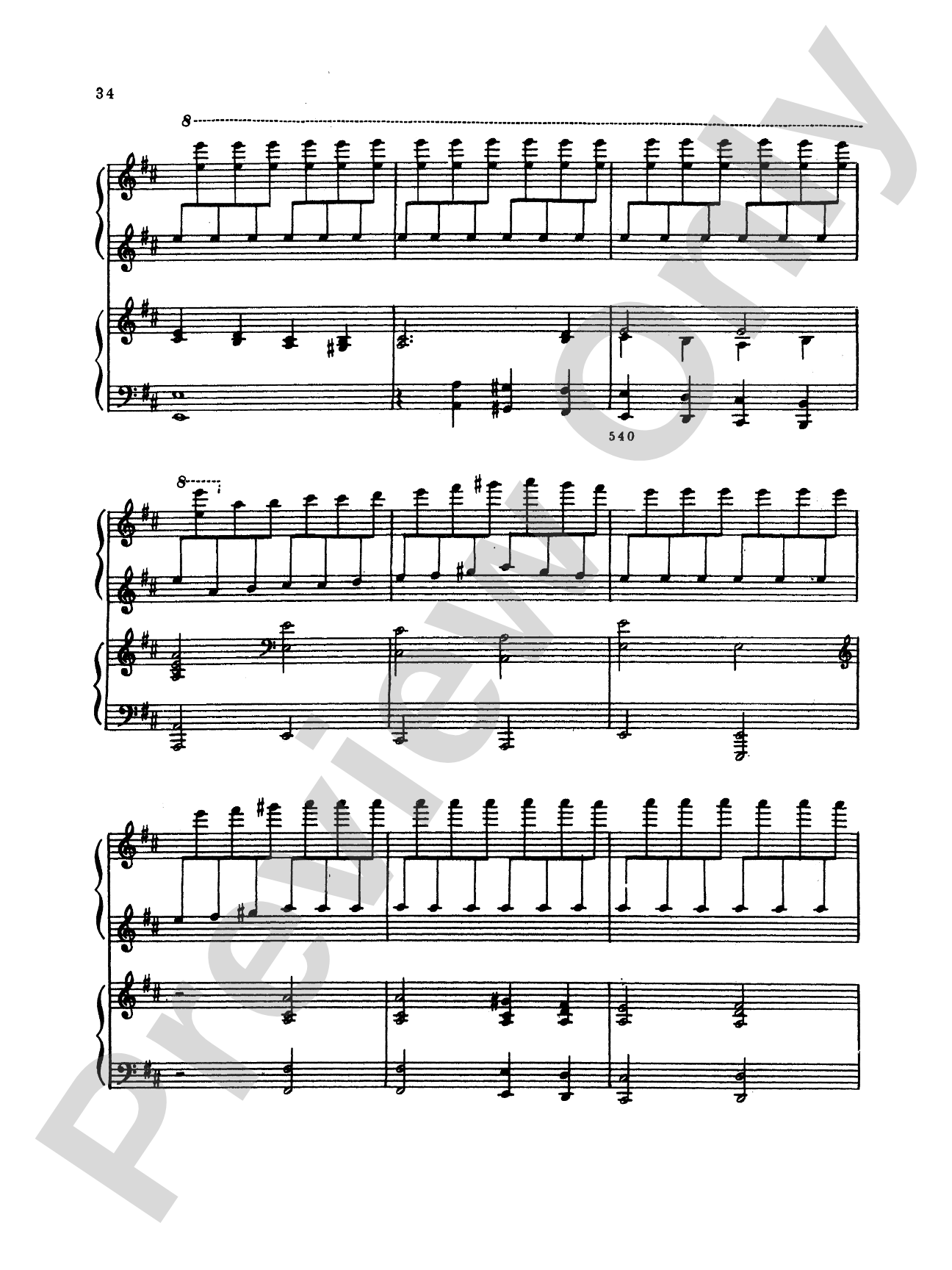
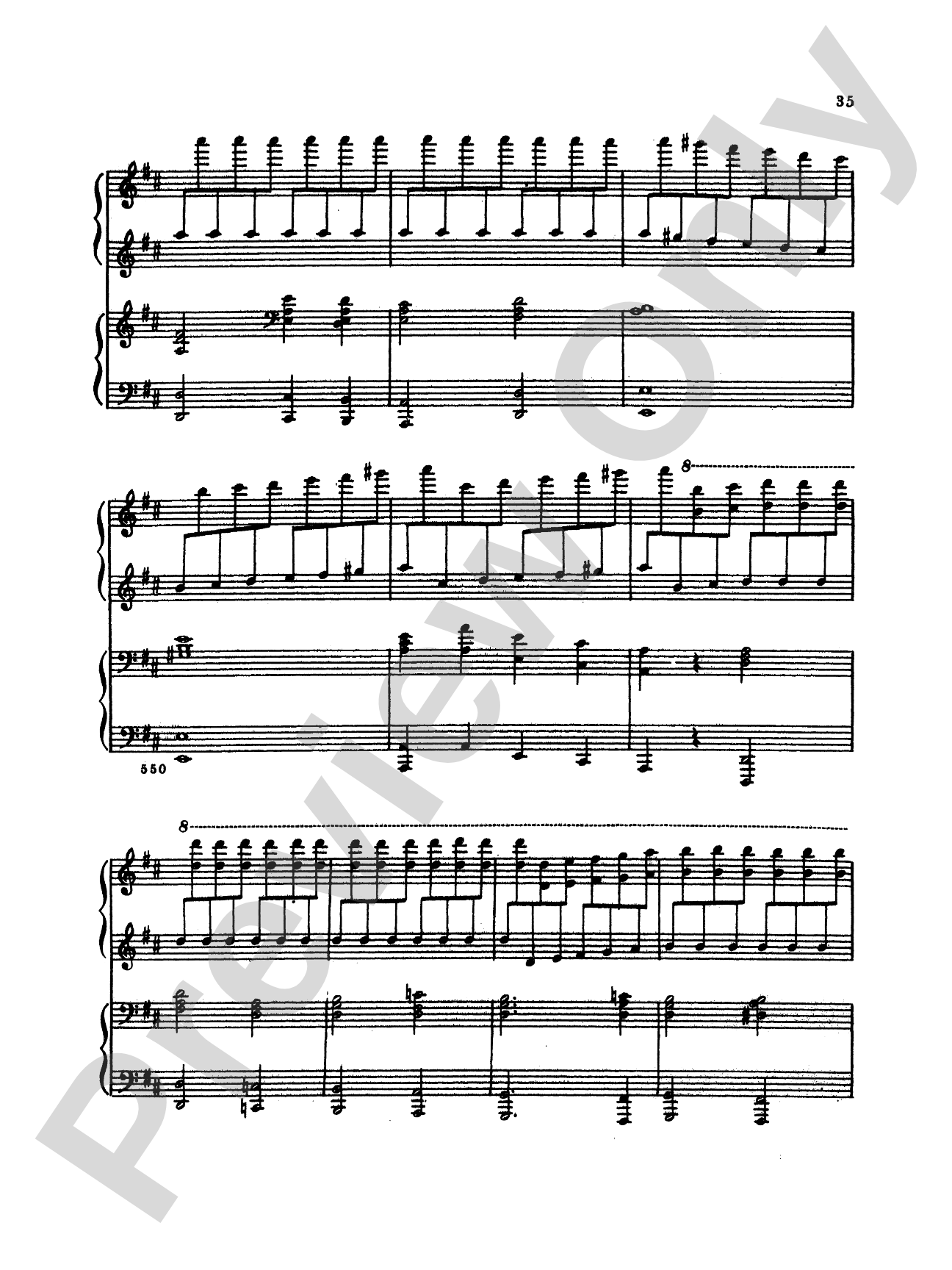
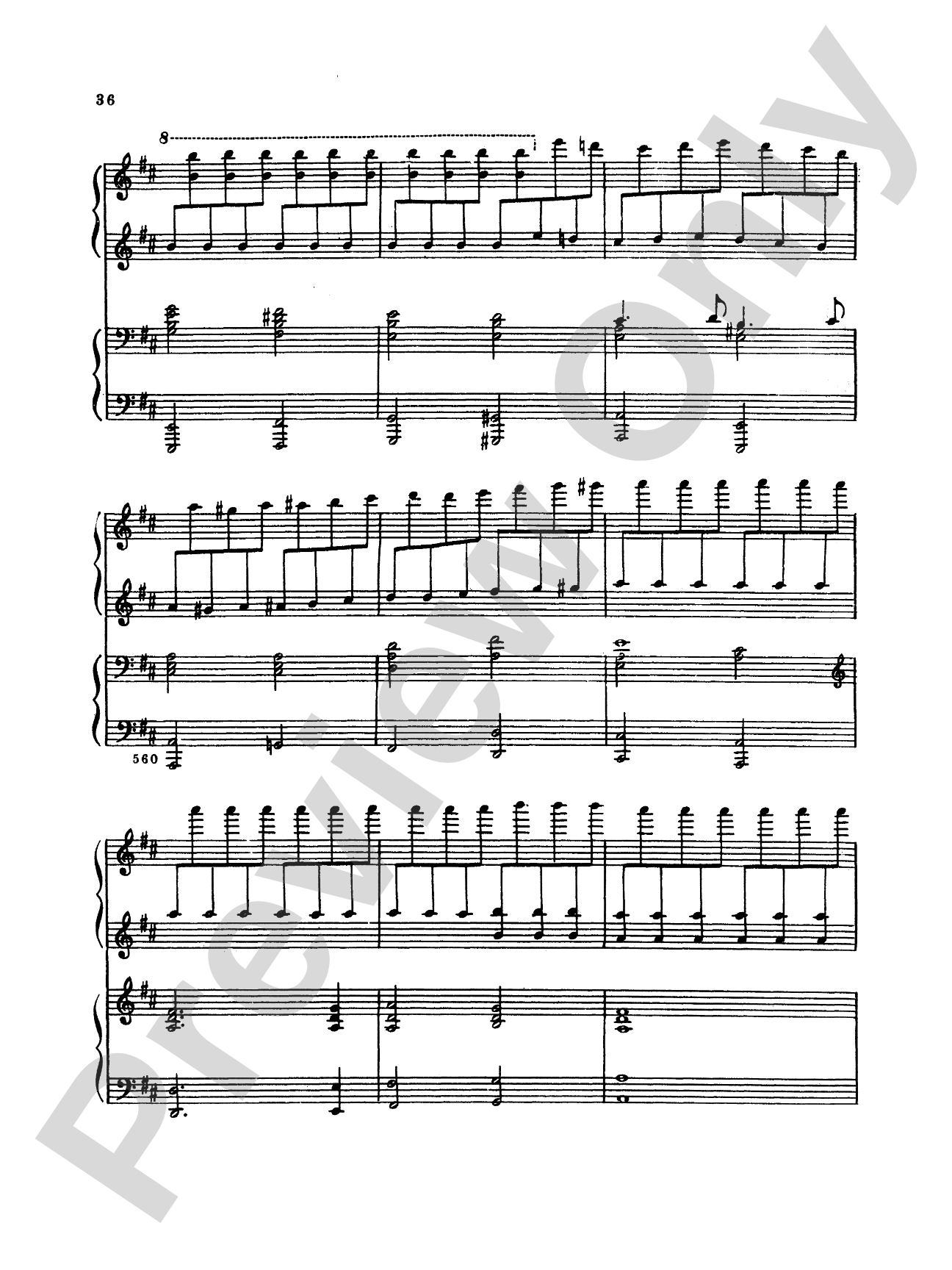
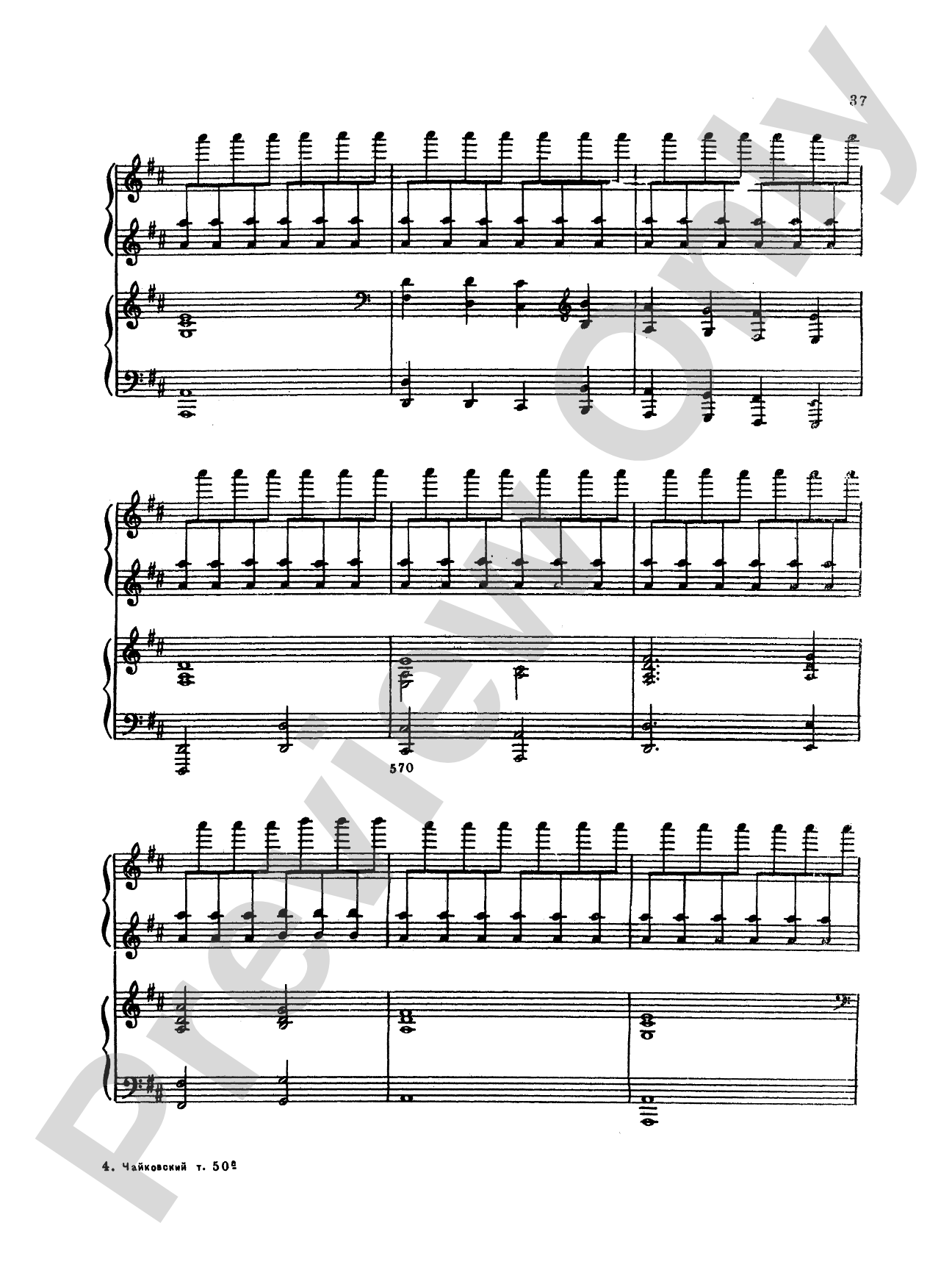
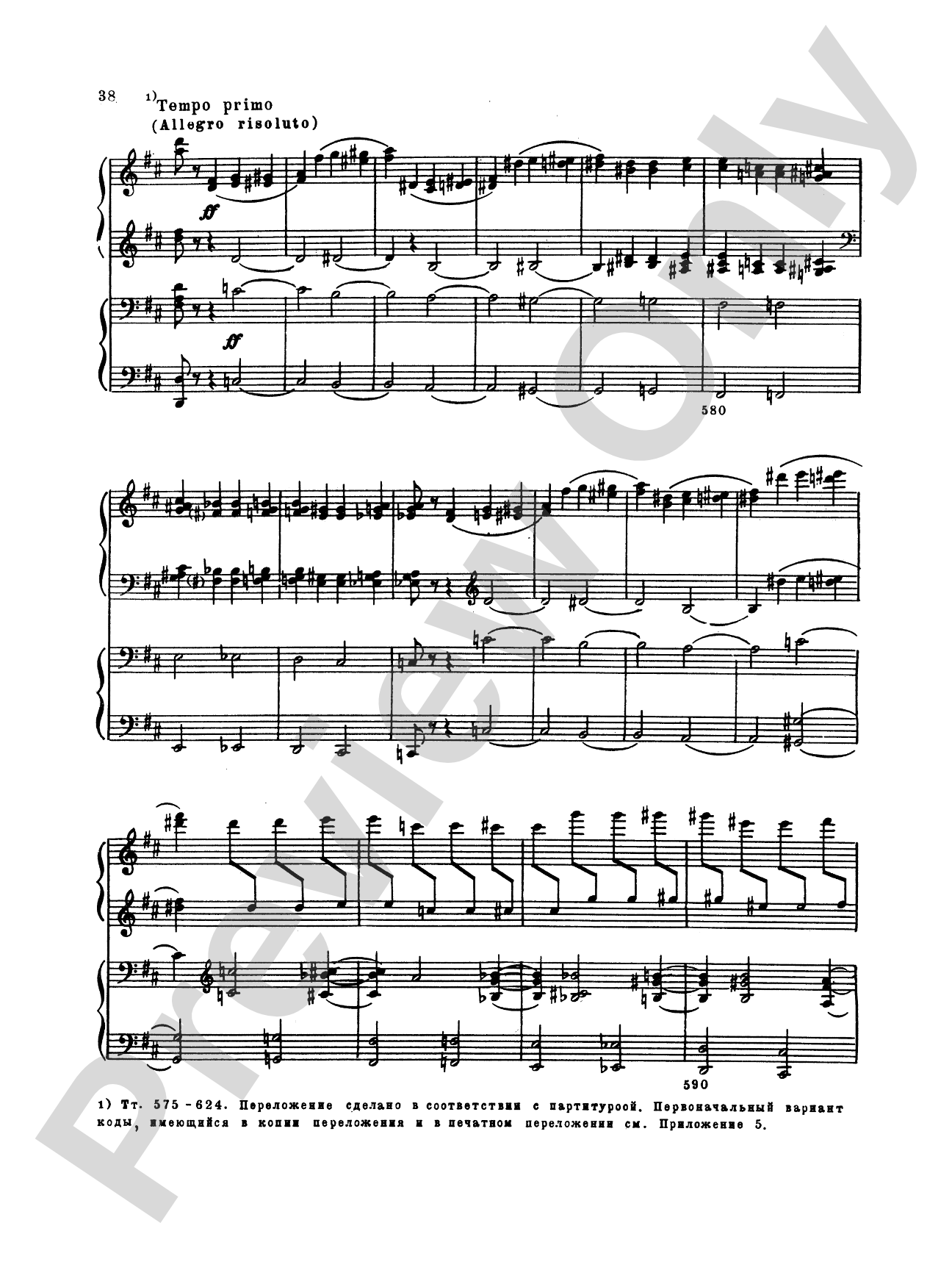
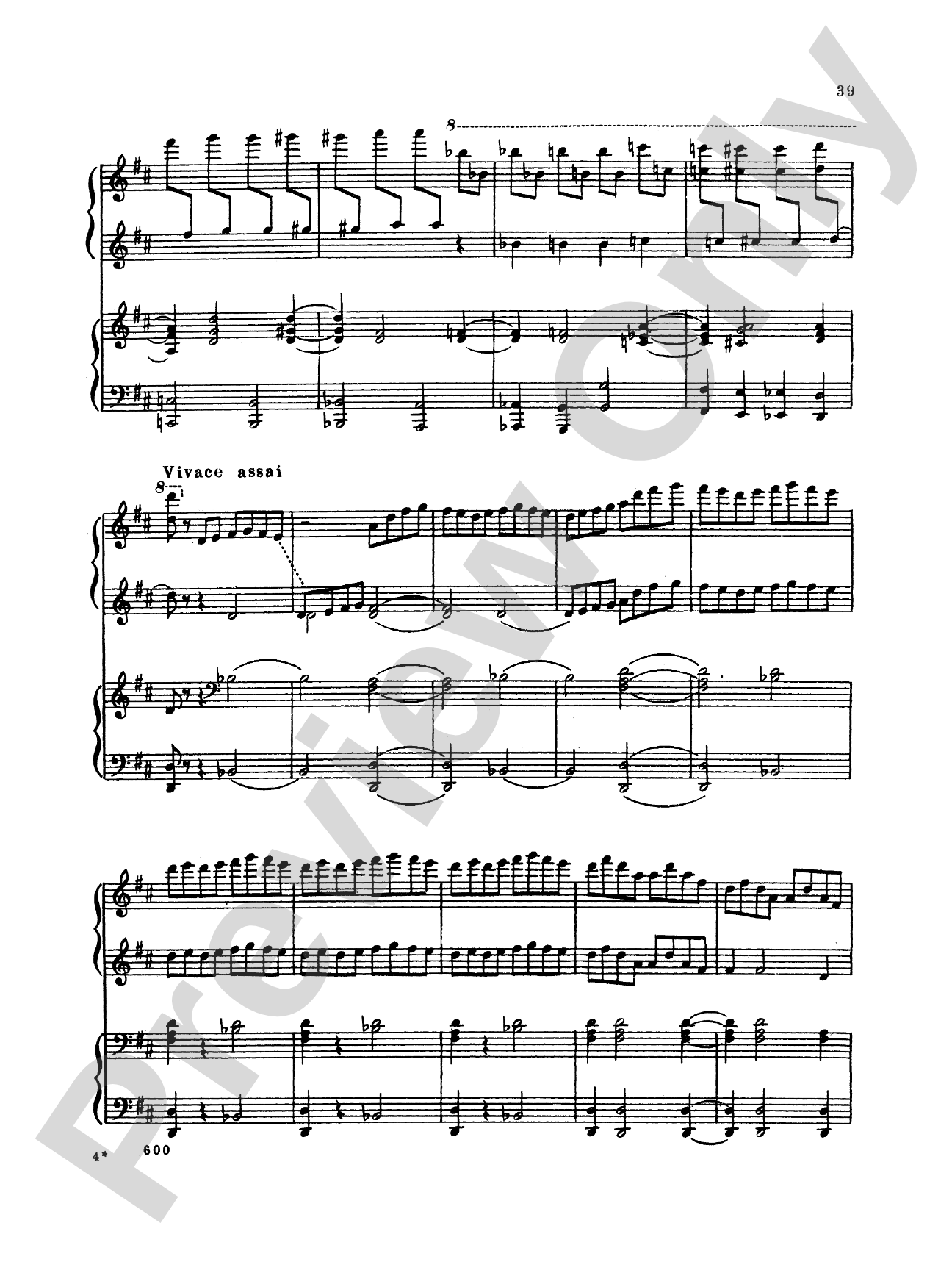
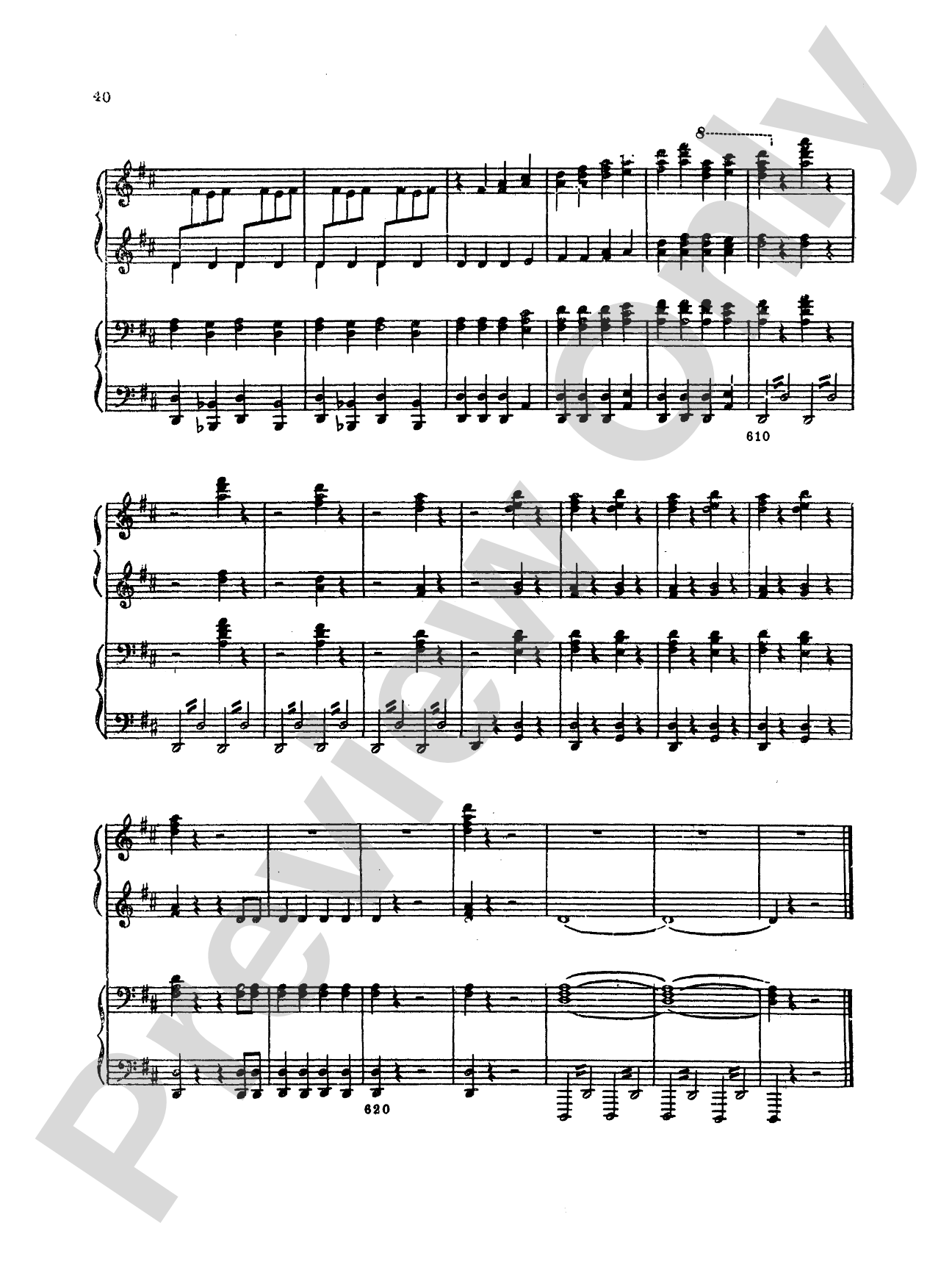

Tchaikovsky: Festival Overture on the Danish National hymn (Op. 15) and Capriccio Italien (Op. 45): Piano Duet (1 Piano, 4 Hands) Comb Bound Book (2 copies required)
By Peter Ilyich Tchaikovsky
Item: 00-PK-0003396
$19.95
Pickup currently not available
Buy Extra Parts (Digital PDF Download)
Parts Added to Cart!
Related Items
Festival Overture on the Danish National Hymn, Opus 15, and Capriccio Italien, Opus 45: Piano Duet (1 Piano, 4 Hands) Comb Bound Book (2 copies required) |
$19.95
|
View |
Description
From the Complete Works, Russian Edition, Octavo Size. The comb binding creates a lay-flat book that is perfect for study and performance.


Tchaikovsky: Festival Overture on the Danish National hymn (Op. 15) and Capriccio Italien (Op. 45): Piano Duet (1 Piano, 4 Hands) Comb Bound Book (2 copies required) isn't in MakeMusic Cloud just yet...but it could be. Let us know you'd like to see it, and you'll help shape what comes next. In the meantime, start a free trial and dive into thousands of interactive titles your students can play along with today.
Request This Title
Tell us you want it.
Start Your Free Trial
Explore everything that's ready to play right now.
Sample Audio
No sample audio found.
Sample Video
No sample videos found.
Additional Details
Series:
Kalmus Edition
Publisher:
Alfred Music
Page Count:
100
SKU:
00-PK-0003396
More about this title
About the Composer: Peter Ilyich Tchaikovsky
Peter Ilyich Tchaikovsky (1840–1893) shaped the course of Russian orchestral music and remains one of the most performed composers worldwide. His gift for sweeping melodic lines, dramatic orchestration, and emotional directness made him a bridge between Western European Romanticism and distinctly Russian musical identity. Beyond his famous ballets and symphonies, Tchaikovsky wrote prolifically for chamber and keyboard settings, often creating concert arrangements of his own orchestral works for practical performance by serious amateurs and professional musicians alike.
Why we love this
These two overtures showcase Tchaikovsky's gift for building grandeur from singable national material, and the four-hand format lets pianists tackle orchestral color and complexity that feels immediate and visceral. The comb binding lays completely flat, which matters enormously when two people are reading from the same book under performance lights.
What to expect
Both pieces sweep you into the grand manner of the Russian Romantic tradition. The Festival Overture on the Danish National Hymn unfolds with courtly dignity and patriotic fervor, while the Capriccio Italien explodes with Mediterranean color, rushing figurations, and an almost improvisational energy beneath its formal structure. Together they showcase Tchaikovsky's range from ceremonial grandeur to breathless virtuosity.
Who it's for
Advanced amateur pianists and professional duet teams who want to perform substantial Romantic-era orchestral works without an orchestra. This edition also serves studio teachers working with advanced students who are ready for the musical and technical demands of Tchaikovsky's writing.
How to get the most out of it
- Balance the primo and secondo parts so neither drowns the other; Tchaikovsky's orchestration translates to a genuine conversation between the two players, not a solo-plus-accompaniment texture.
- Pay close attention to the national hymn themes and folk elements that anchor both pieces; these melodies carry the emotional weight, so let them sing even within the surrounding figuration.
- Coordinate pedaling carefully at transitions and in harmonically dense passages; the Capriccio Italien in particular benefits from strategic color changes that require the two players to hear as one.
- Observe dynamic contrasts scrupulously—Tchaikovsky's drama lives in the details of crescendo and sudden drops, not just in fast versus slow sections.
How to use it
Pair these in a duet recital focused on orchestral reductions and transcriptions, or program them as a concert centerpiece when you want to demonstrate the scope of Russian Romantic music without the resources of an orchestra. The comb binding and 100-page length make them substantial enough to anchor a two-piano or four-hand program on their own.
Skills your students will build
- Reading and executing fast passagework with precision and clarity
- Balancing two independent piano parts with equal voice and presence
- Interpreting Romantic-era rubato and phrasing across four hands
- Coordinating pedal technique between two players
- Rendering orchestral color and textural variety on the keyboard