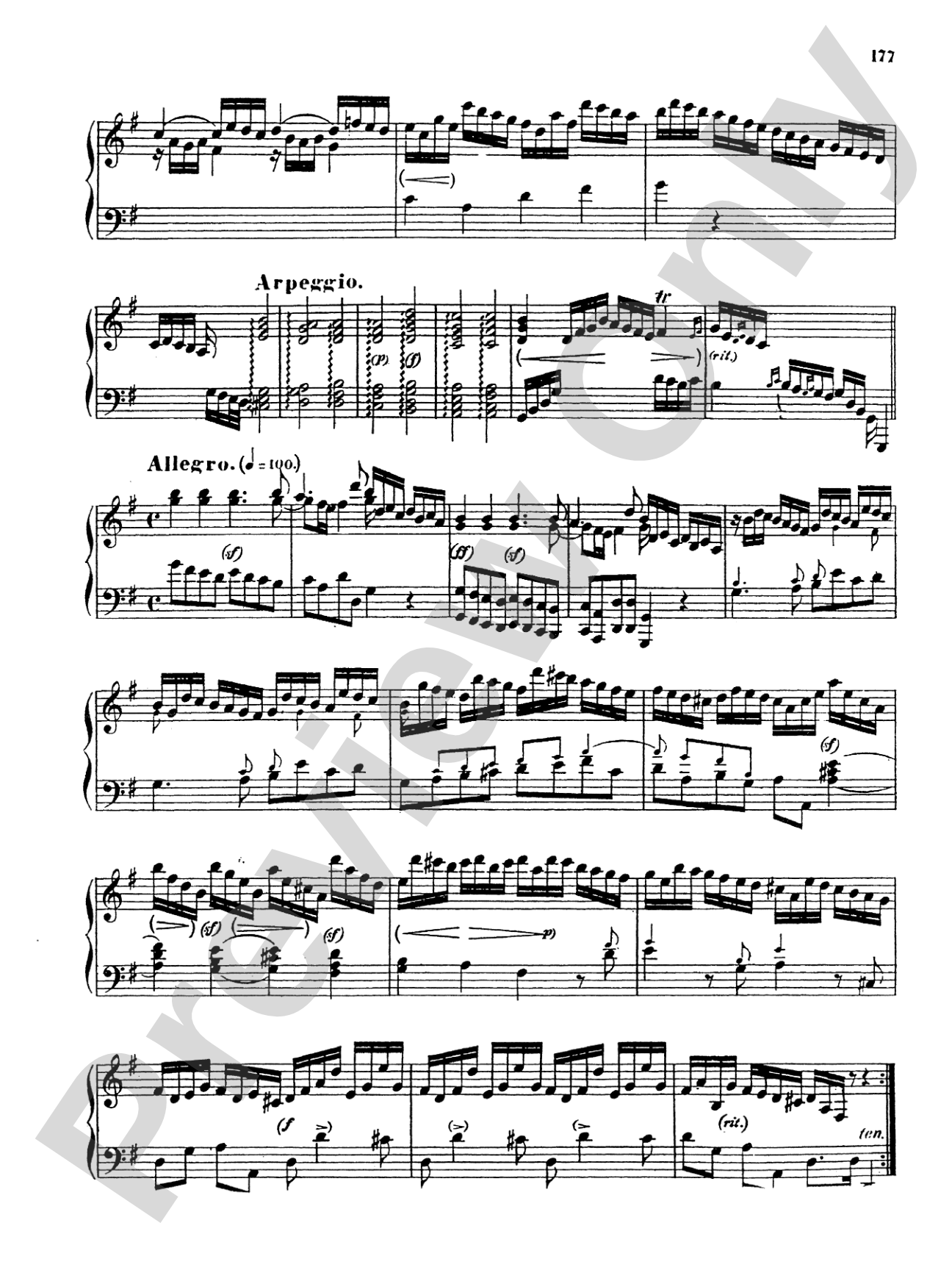
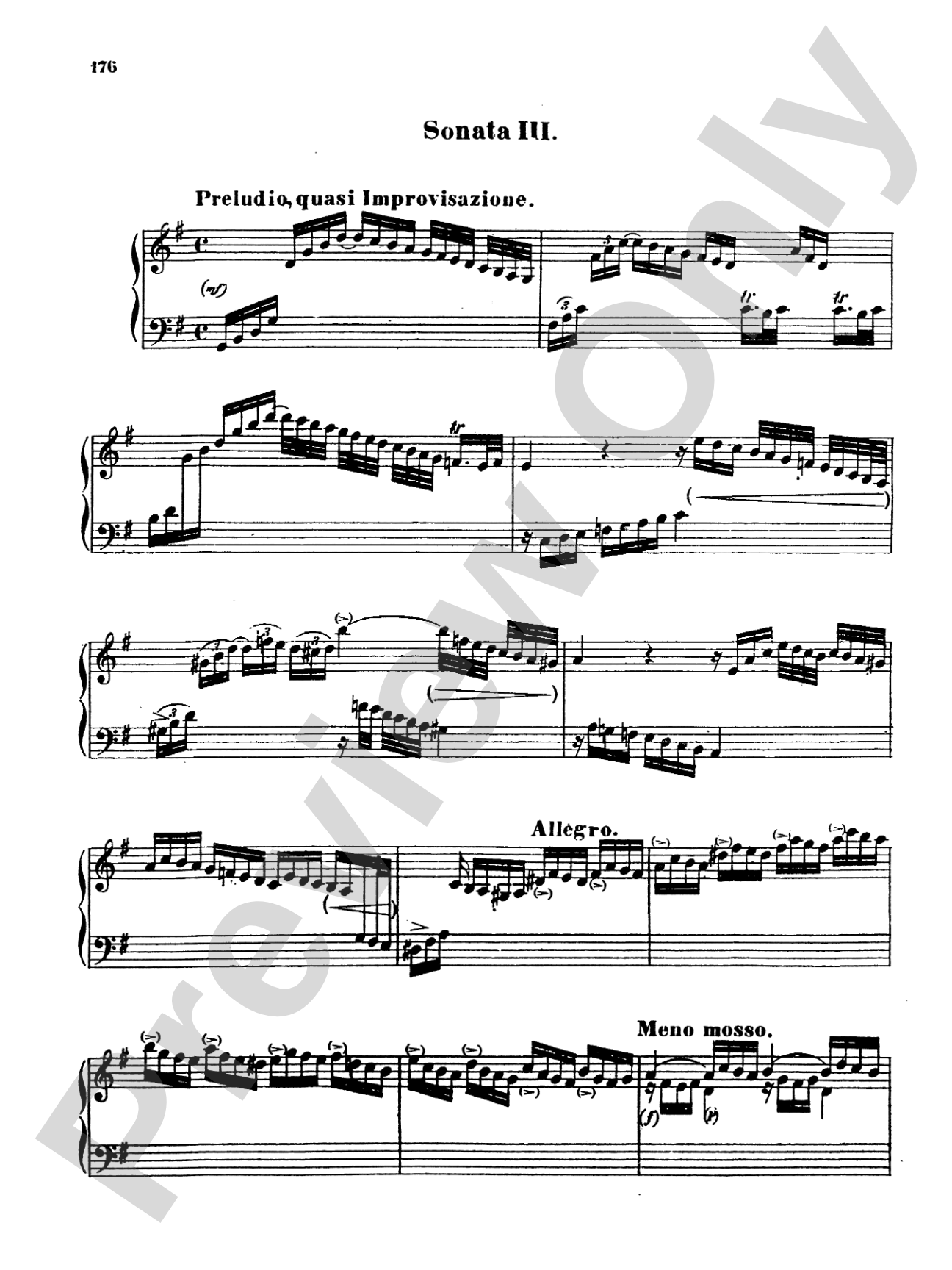
Tchaikovsky: Eight Sonatas Sheet Music Preview

Tchaikovsky: Eight Sonatas

By Thomas Arne

Item: 00-PC-0004239

Digital Download
$0.99
Description
A collection of piano solos composed by Thomas Arne.

Don't just read it, hear it, play along with it, and watch your students grow with it. In MakeMusic Cloud, Tchaikovsky: Eight Sonatas comes alive with professional accompaniment, adjustable tempo, and built-in practice tools that turn solo practice into real progress.

Sample Audio
No sample audio found.
Sample Video
Additional Details
Series: Kalmus Edition
Publisher: Alfred Music
Page Count: 44
SKU: 00-PC-0004239

More about this title

About the Composer: Peter Ilyich Tchaikovsky

Peter Ilyich Tchaikovsky (1840-1893) stands as one of the most performed composers in the concert hall, yet his piano sonatas remain far less familiar than his orchestral masterworks. A graduate of the St. Petersburg Conservatory, Tchaikovsky built a career that spanned Russia's most turbulent decades, composing across every major genre while maintaining a teaching position and conducting engagements throughout Europe. His piano works reveal a composer equally at home in the intimate recital space as he was in the theater.

Tchaikovsky's sonatas occupy a distinctive place in his output. Written across different periods of his life, they blend Russian lyrical gift with structural ambition, drawing on both Romantic and Classical traditions. These works showcase the harmonic language and expressive depth that defined his era while remaining approachable enough for serious students to tackle without requiring virtuosic pyrotechnics.

Why we love this

Eight substantial works in one collection gives pianists genuine choice in repertoire selection rather than forcing reliance on the same two or three familiar sonatas. The Kalmus Edition offers a clean, practical score at a fraction of the cost of complete collected works, making it realistic to build a Tchaikovsky sonata curriculum. You get works that bridge technique and artistry without veering into virtuosic extremes.

What to expect

These sonatas occupy the emotional middle ground between Classical restraint and full Romantic passion. Moments of intimate lyricism emerge from carefully constructed harmonic progressions; passages of dramatic intensity build through clear developmental logic rather than empty bombast. The overall effect is music that feels both deeply felt and intellectually coherent.

Who it's for

Advanced pianists seeking substantial Romantic-era repertoire beyond the standard recital canon, as well as students preparing for competitions or conservatory auditions where Tchaikovsky's sonatas carry real musical weight. Teachers looking to introduce students to a composer's chamber voice will find these works bridge the gap between familiar melodies and serious compositional study.

How to get the most out of it

  • Attend to Tchaikovsky's specific tempo and character markings; they shape the dramatic arc more than the metronome speed alone. His indications often signal emotional content that pianists miss when rushing or playing mechanically.
  • Balance the lyrical passages against the structural framework. These sonatas contain gorgeous singing lines, but they're supported by harmonic architecture that requires clarity in both melody and accompaniment.
  • Use the pedal conservatively, especially in the Allegros. Tchaikovsky's textures can cloud quickly, and the Classical influences in these works benefit from a cleaner acoustic palette than late Romantic repertoire typically demands.
  • Explore the variety across the eight works before settling on your final selection. Each has distinct character and technical demands; knowing the full collection helps you place individual pieces in context.

How to use it

Place a single sonata movement on a recital to anchor a program, or pair movements from different sonatas to create thematic connections across the concert. These works also serve well in educational settings where you want to demonstrate how a major composer approached the sonata form during the Romantic era.

Skills your students will build

  • Reading complex Romantic-era harmonic language and voice leading
  • Structural navigation of multi-movement sonata forms with development and recapitulation
  • Balancing lyrical expression with rhythmic precision in Allegro movements
  • Pedal technique and judging acoustic balance in dense textures
  • Interpreting 19th-century Russian Romantic style within Classical formal structures

You May Also Like