

Tchaikovsky: Collection I (4 Piano Pieces): Piano Book
By Peter Ilyich Tchaikovsky
Item: 00-PK-0003398

$17.99
Pickup currently not available
Buy Extra Parts (Digital PDF Download)
| Product | Price | Quantity |
|---|---|---|
| Tchaikovsky: Collection I (4 Piano Pieces) | $3.95 | |
| Tchaikovsky: Collection I (4 Piano Pieces) | $3.95 | |
| Tchaikovsky: Collection I (4 Piano Pieces) | $3.95 | |
| Tchaikovsky: Collection I (4 Piano Pieces) | $3.99 |
Parts Added to Cart!
Description
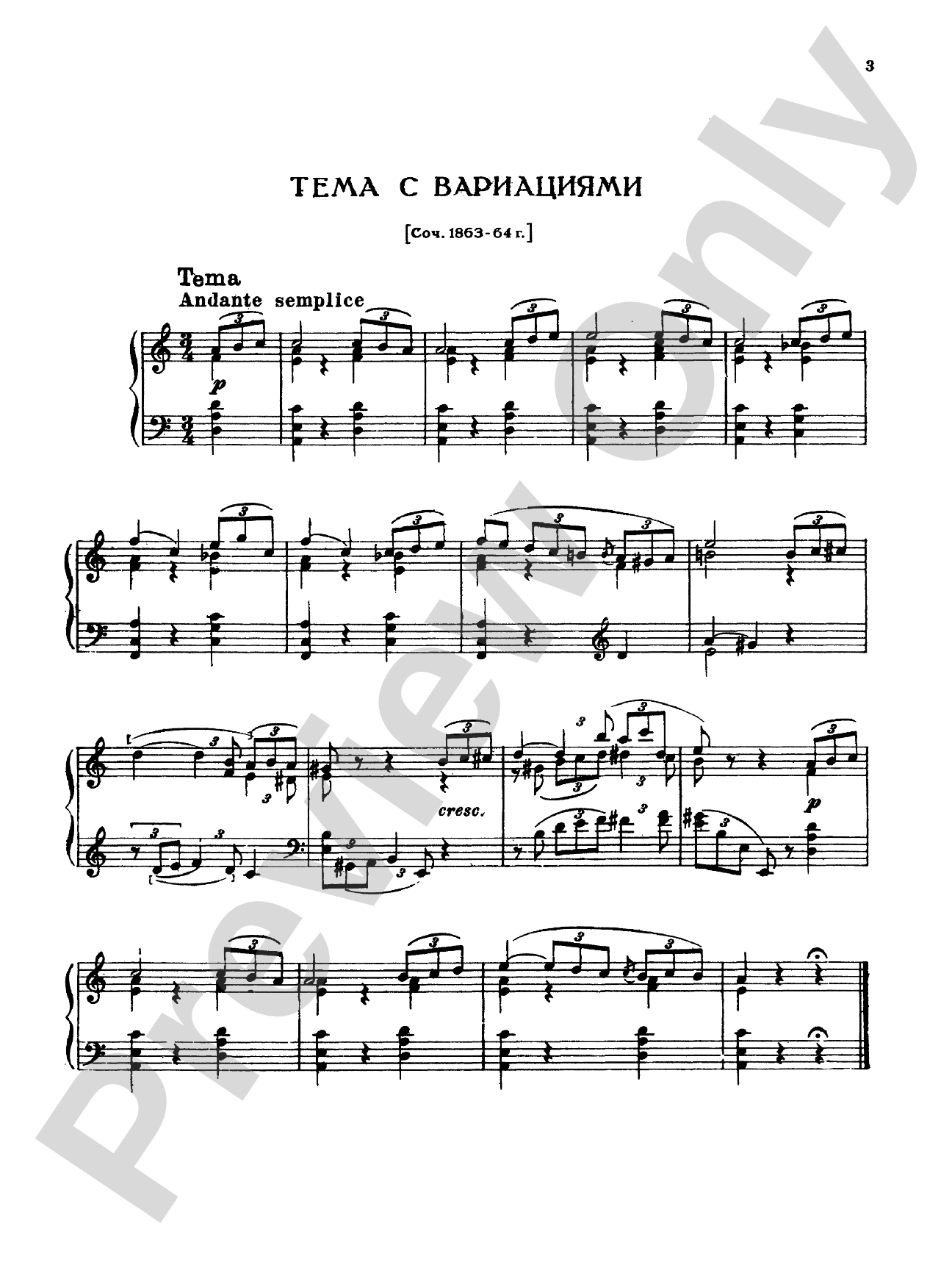
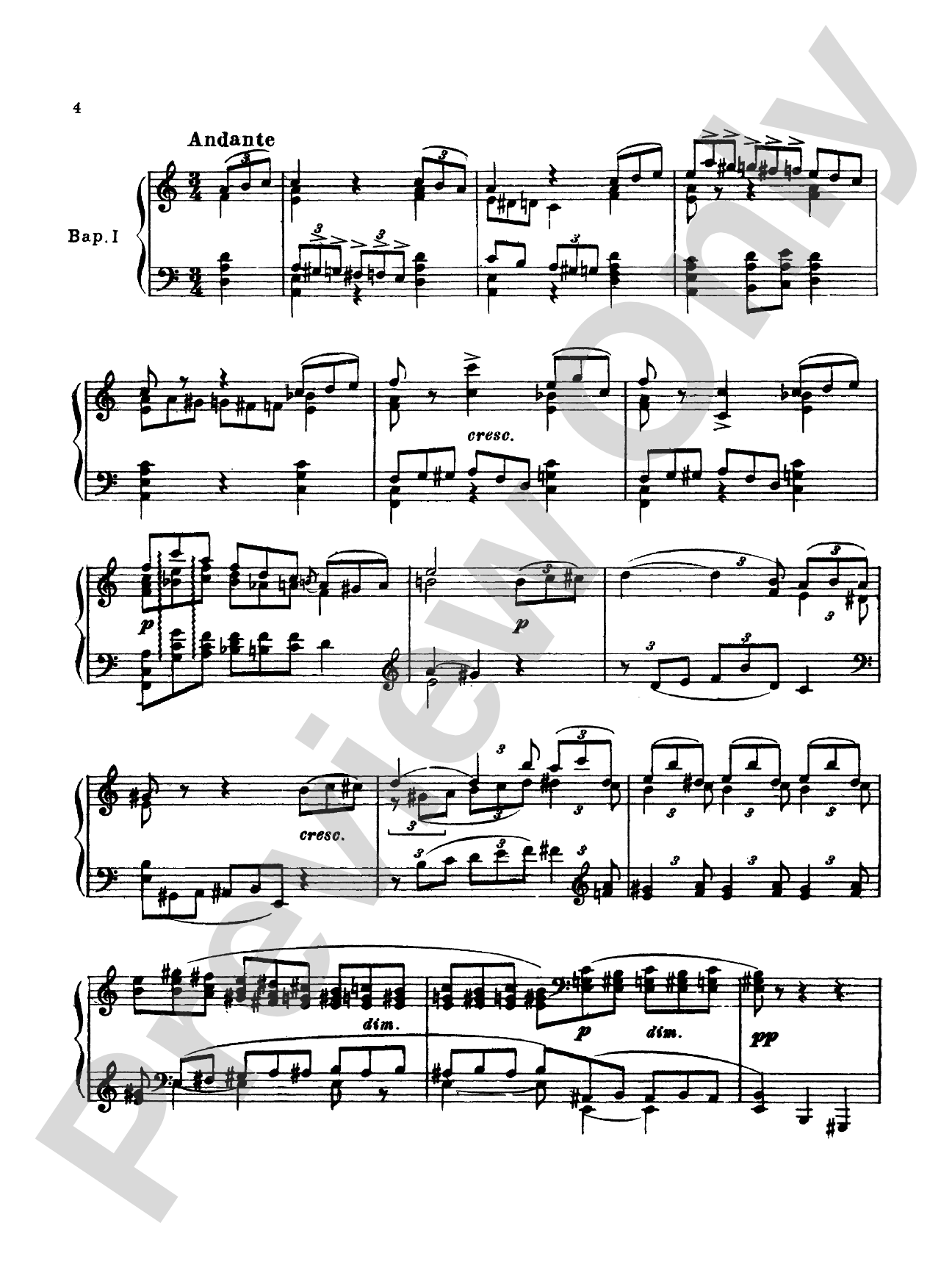
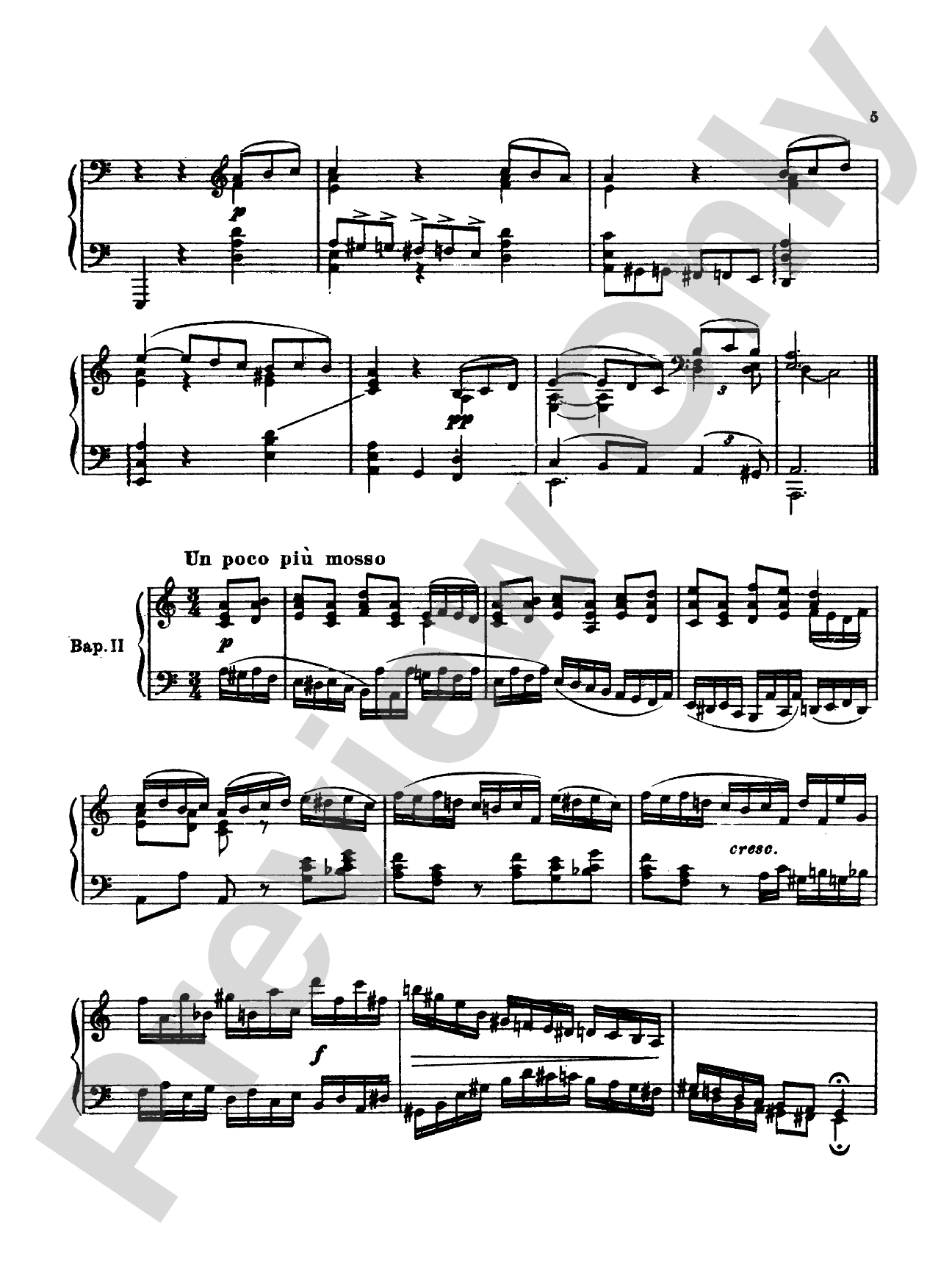
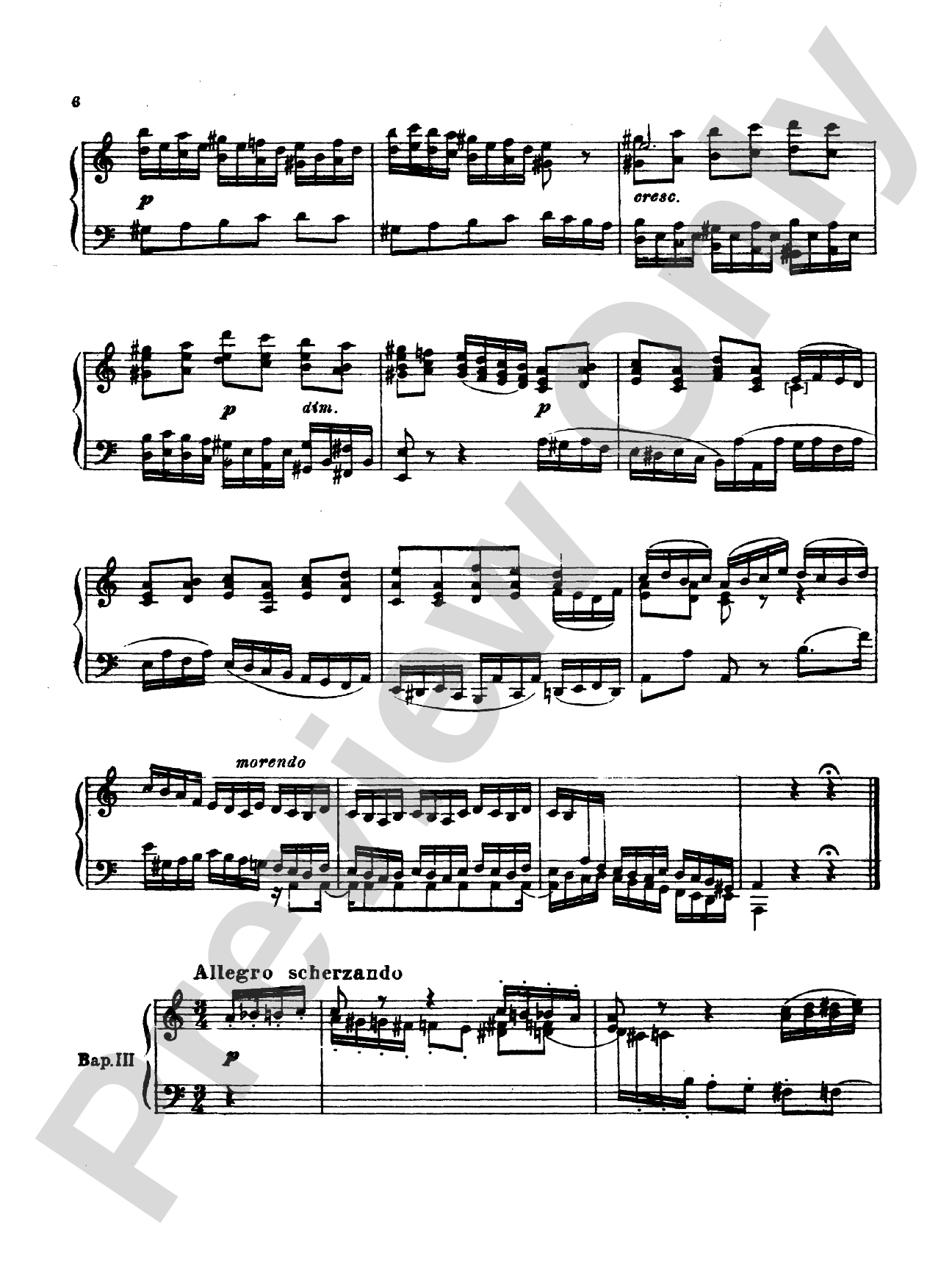
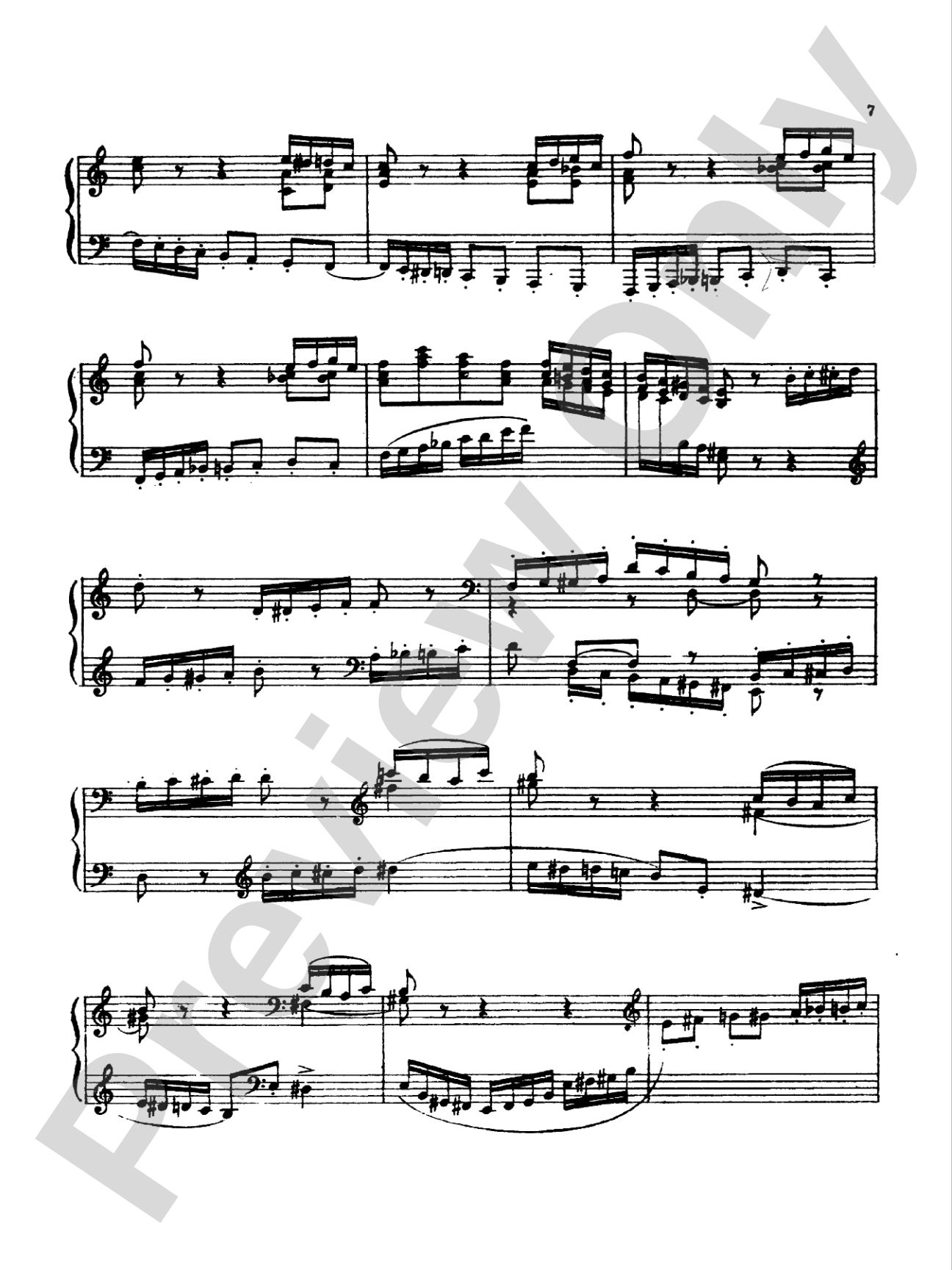
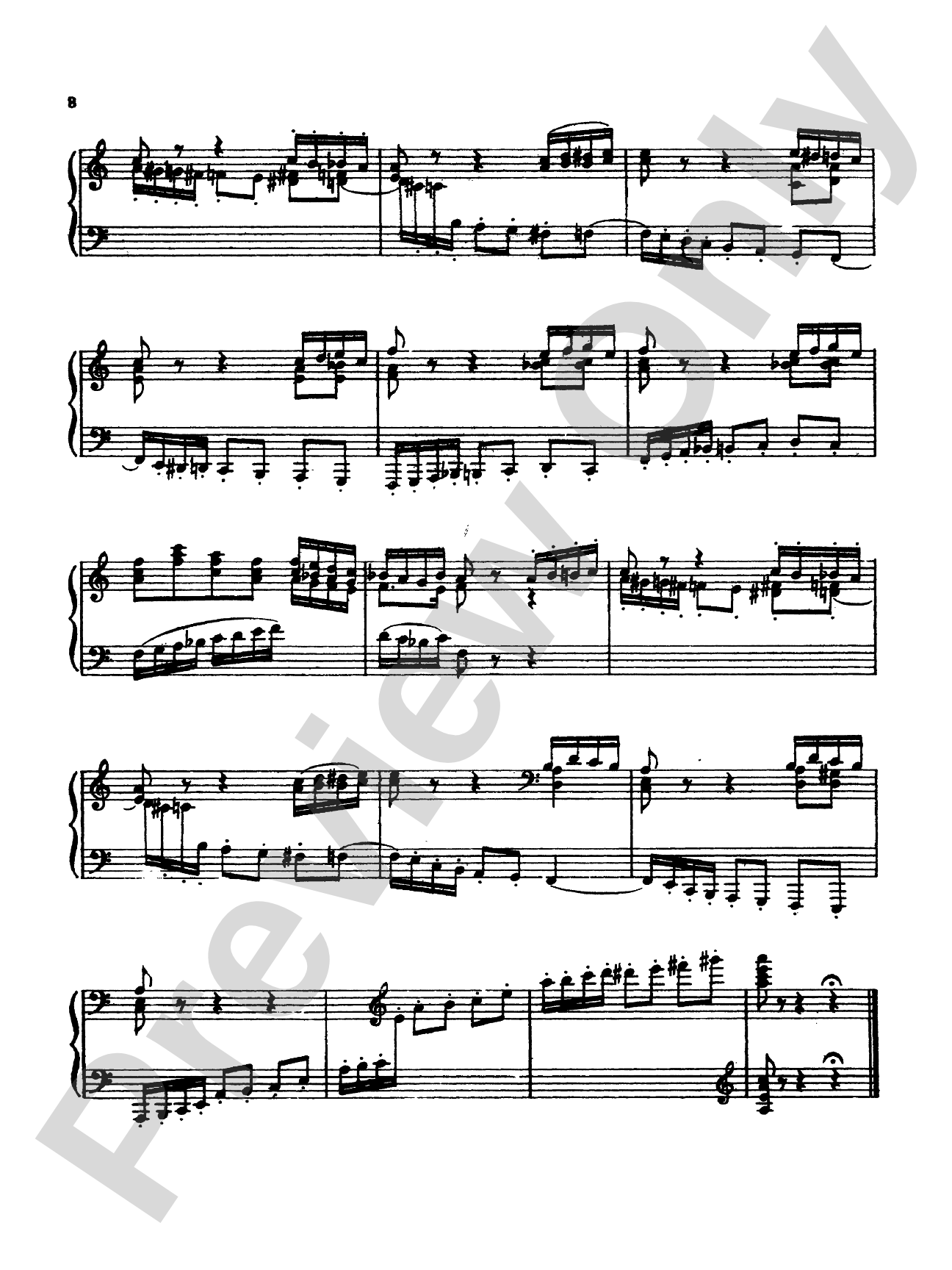
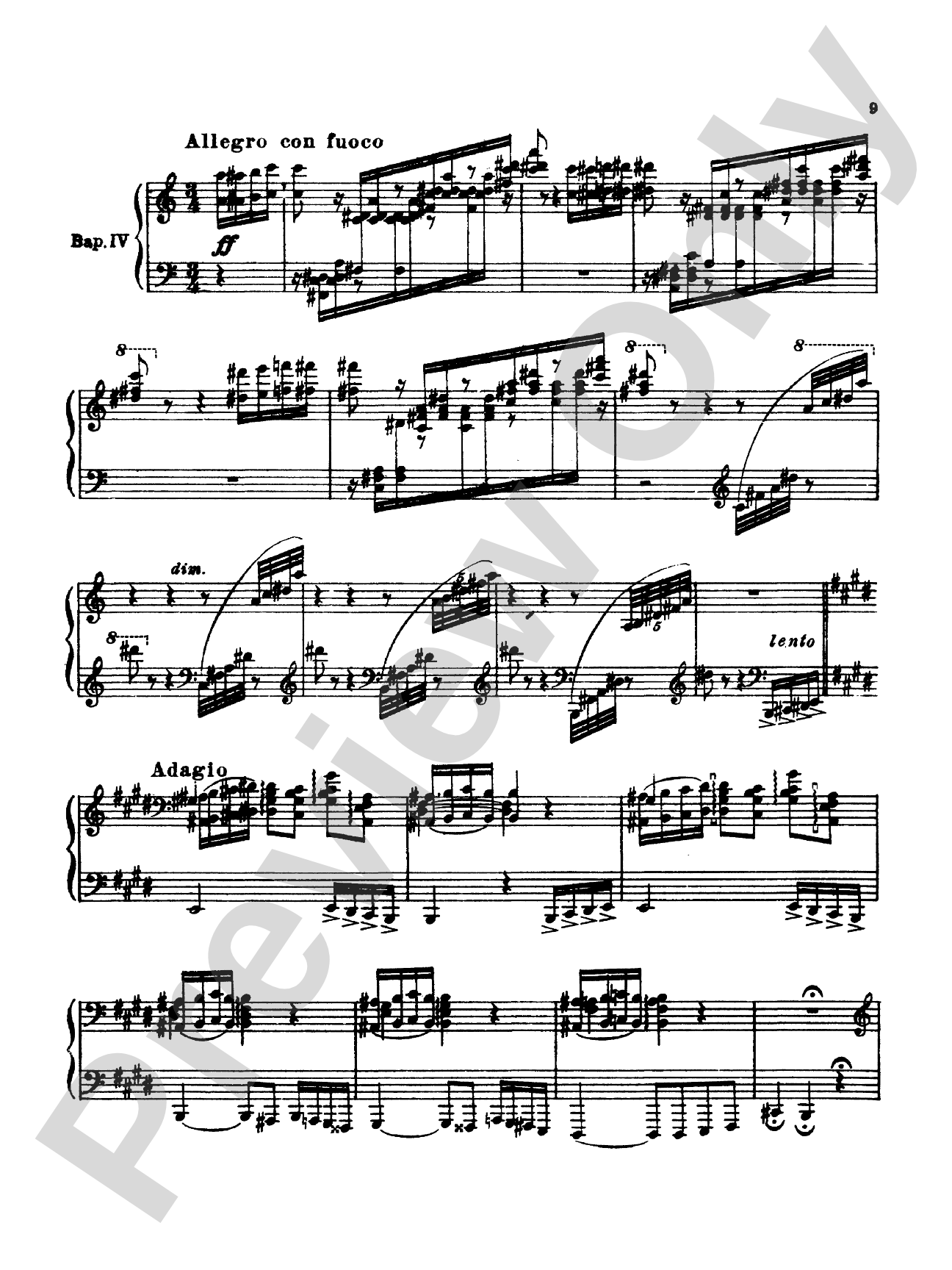
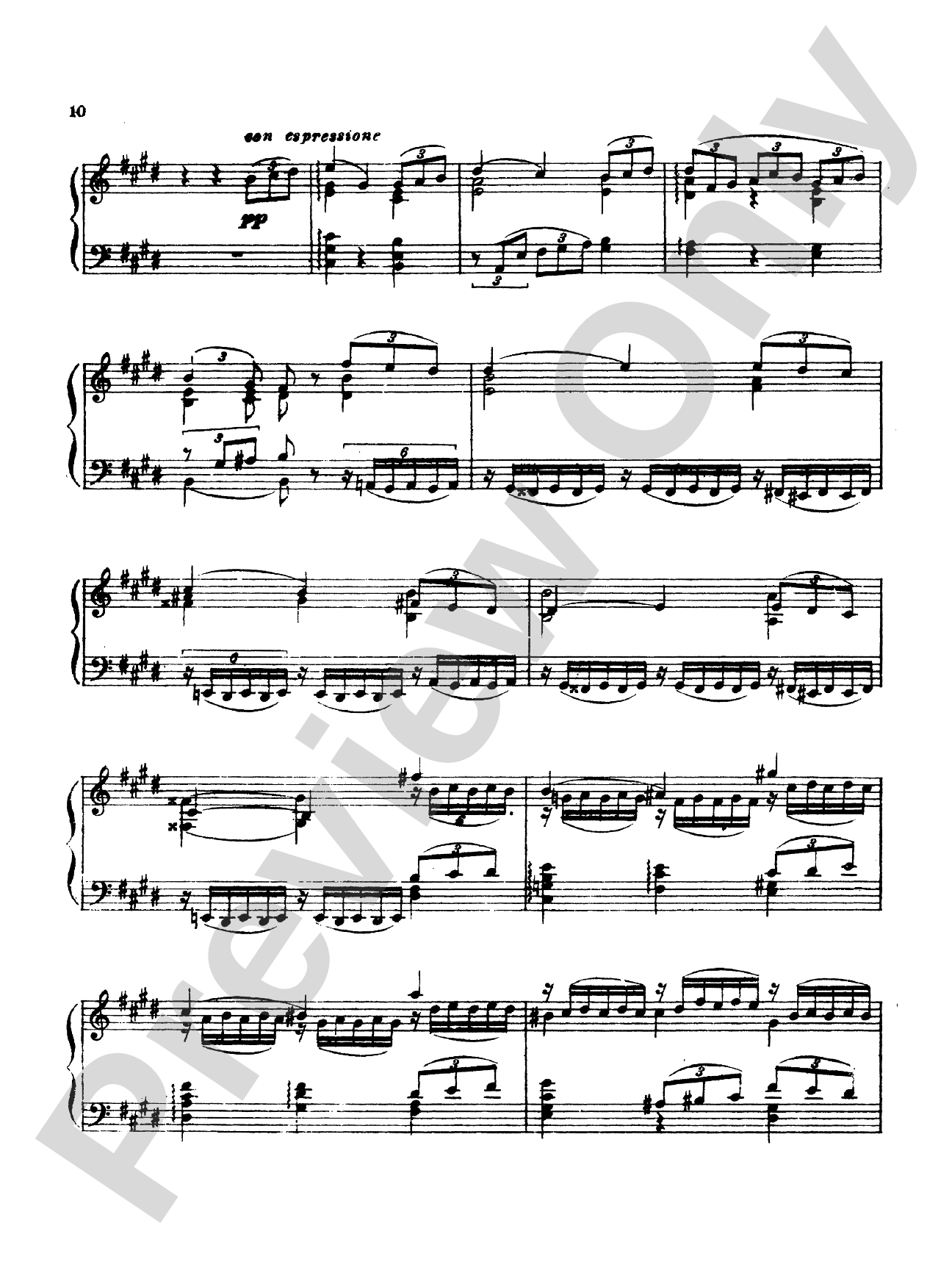
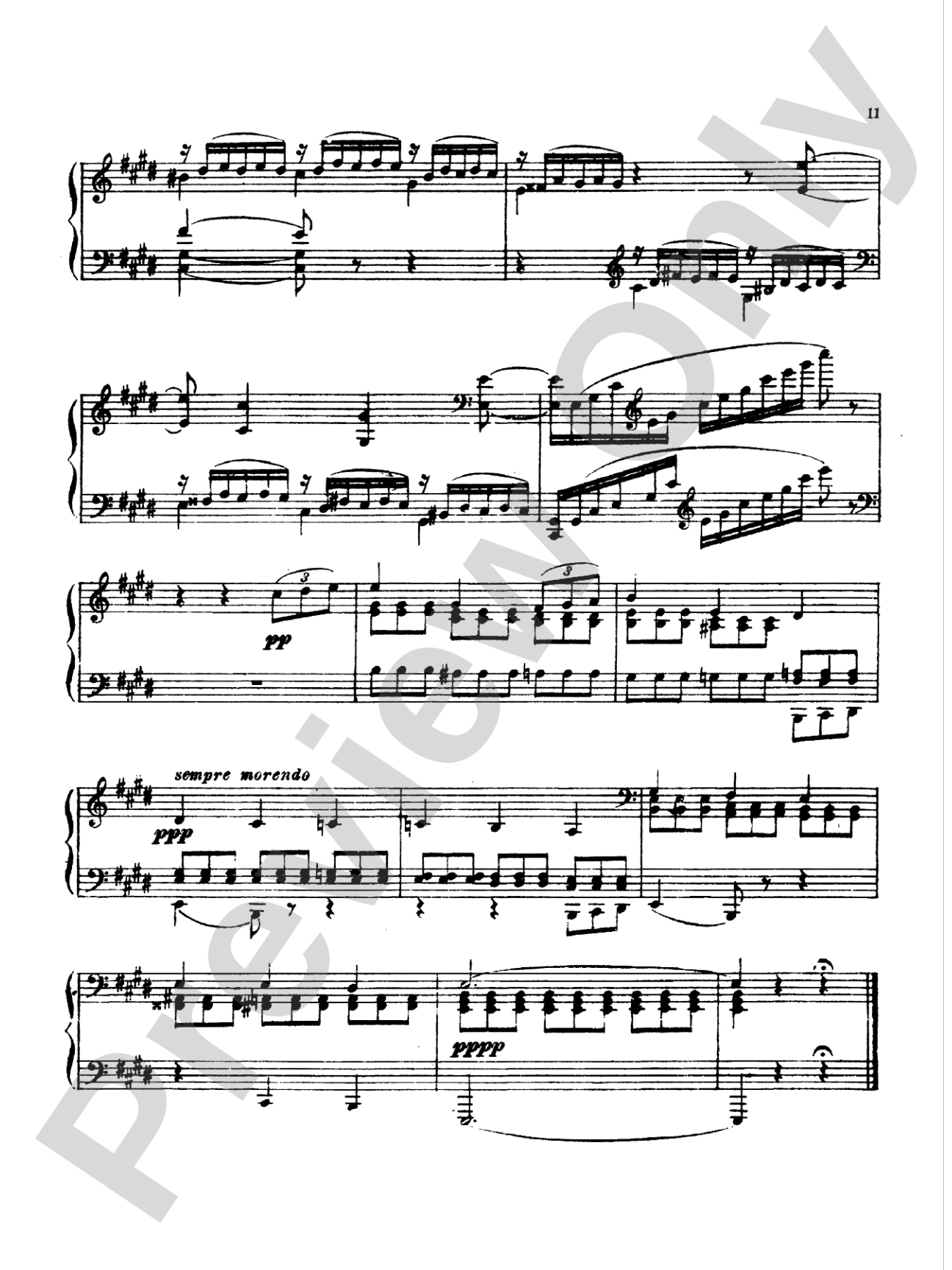
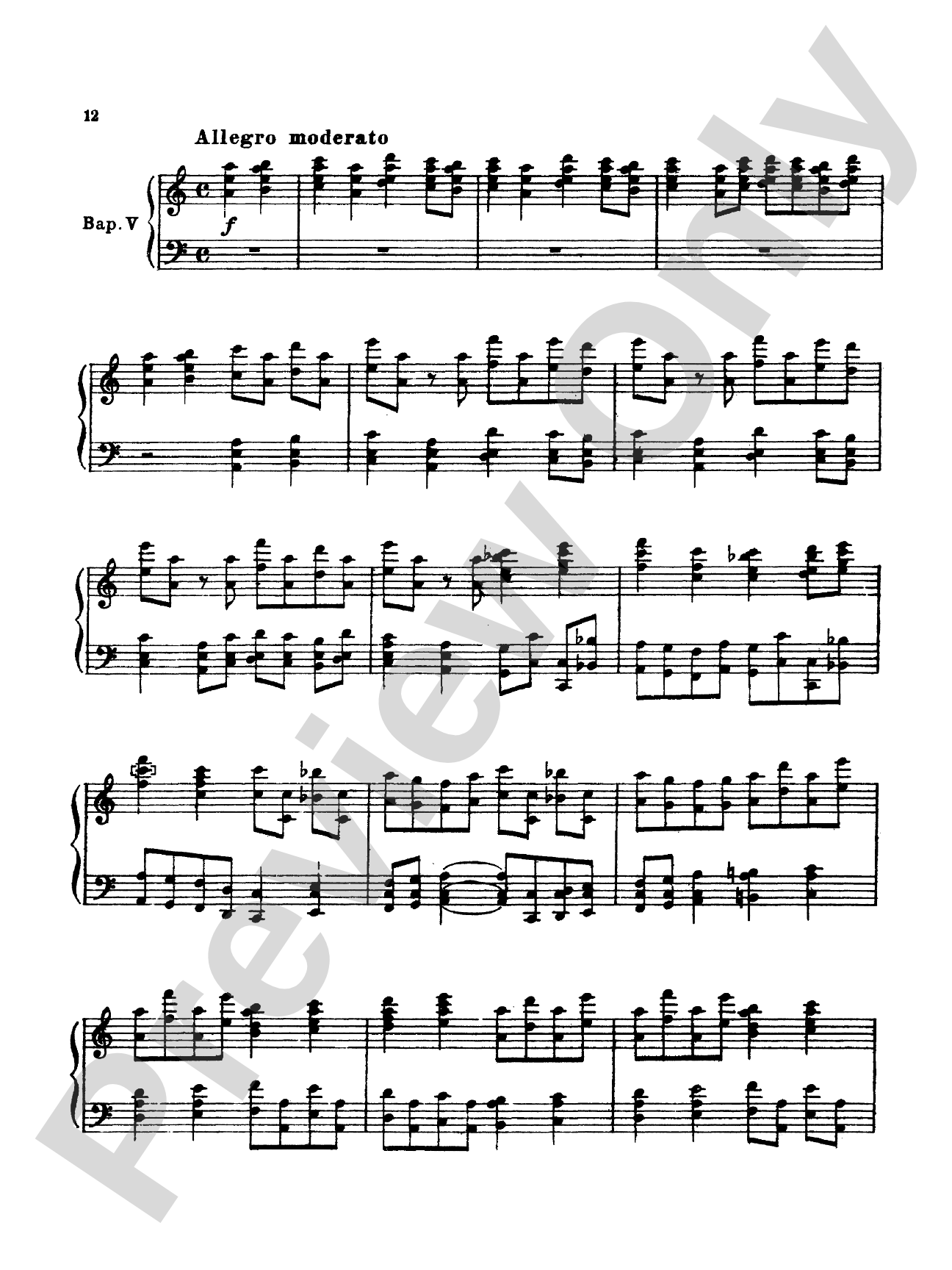
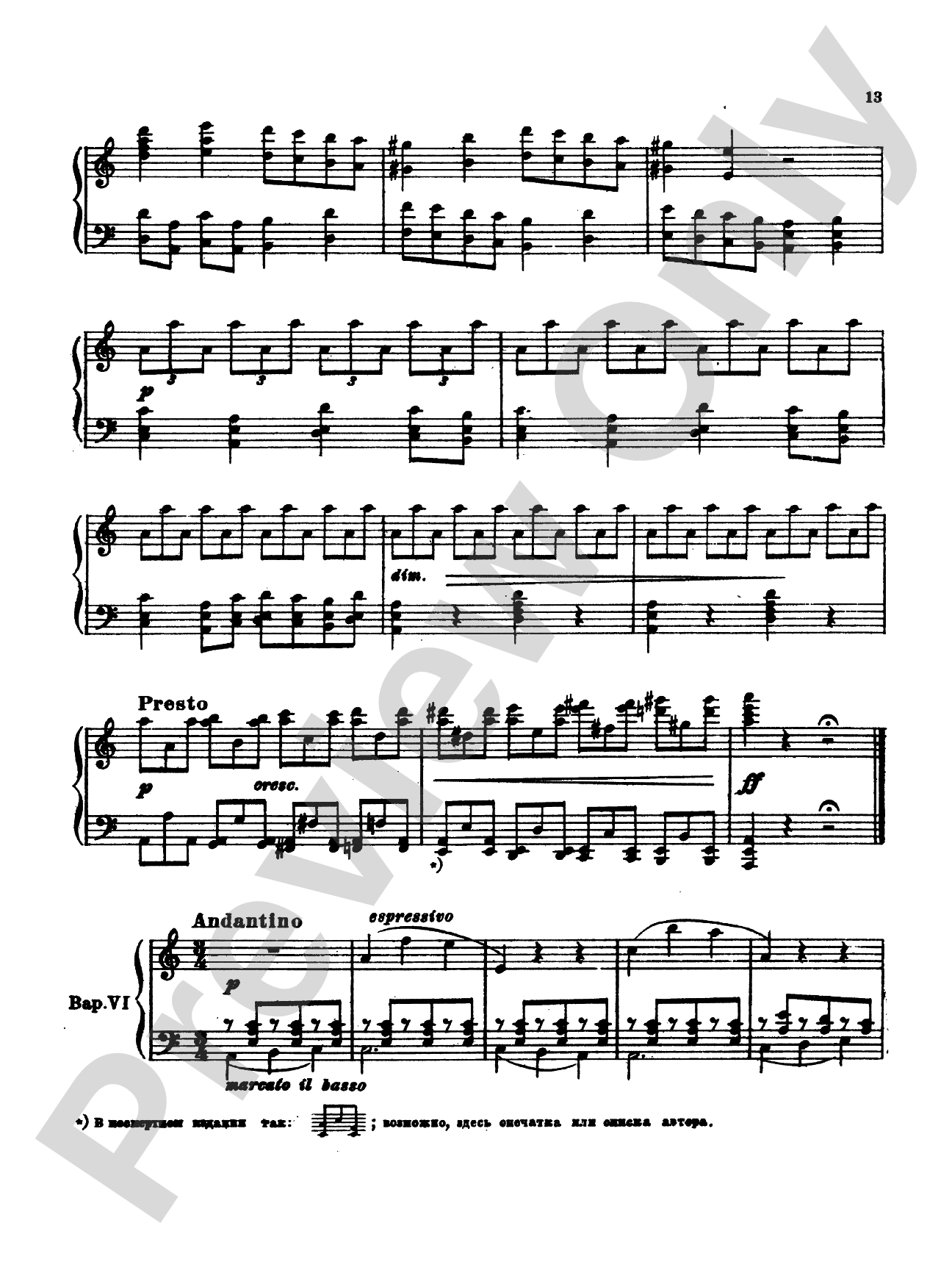
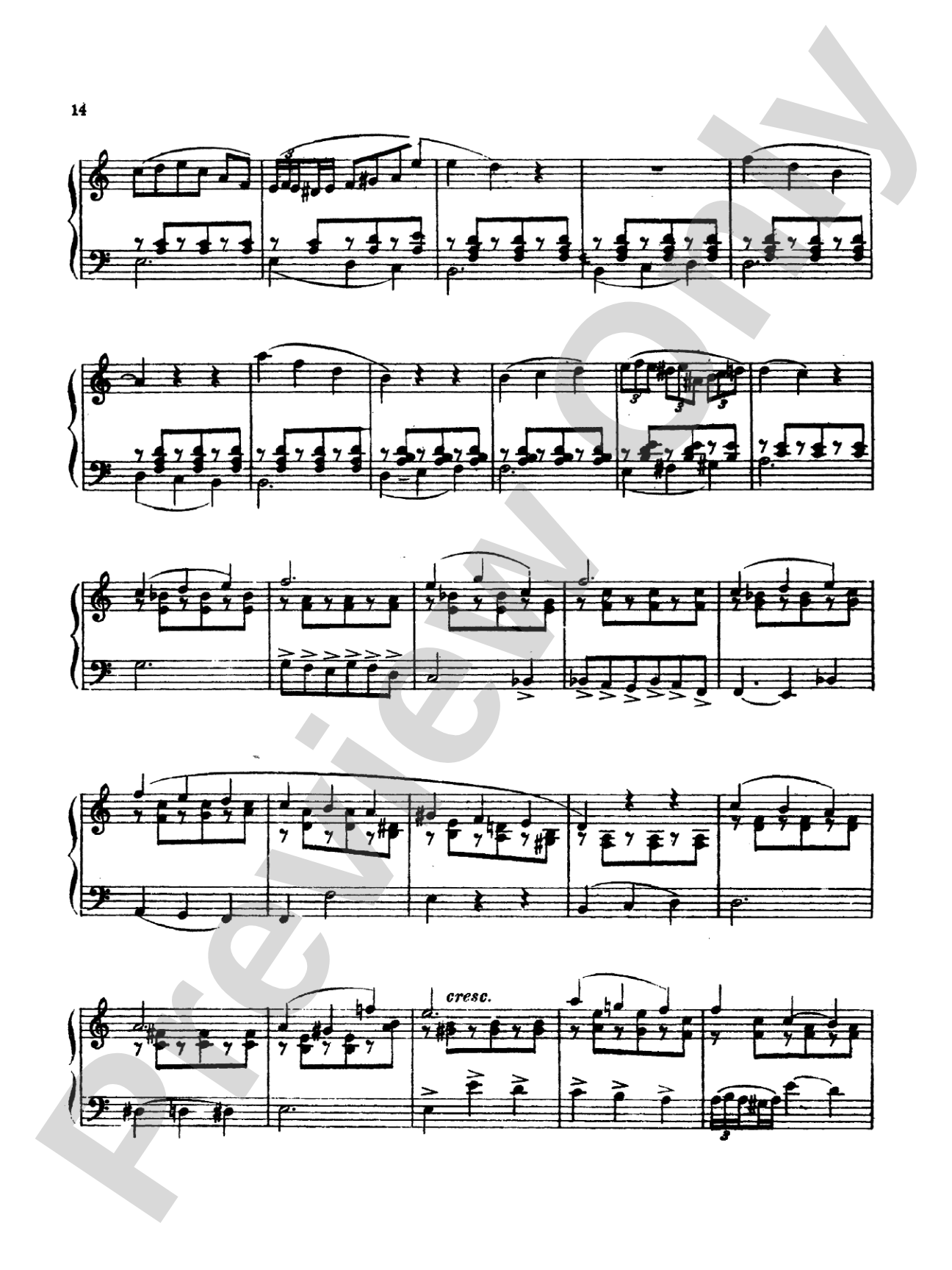
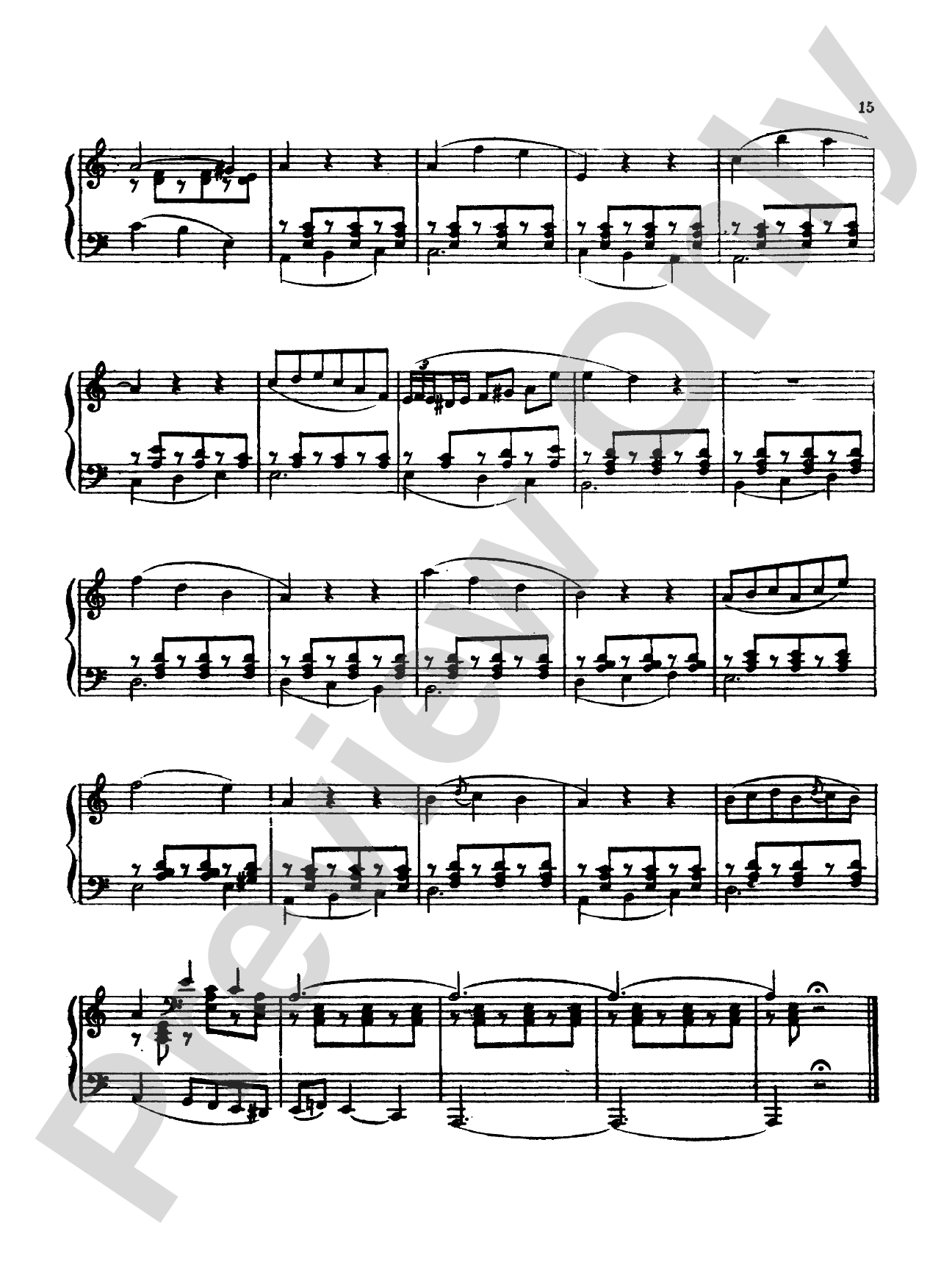
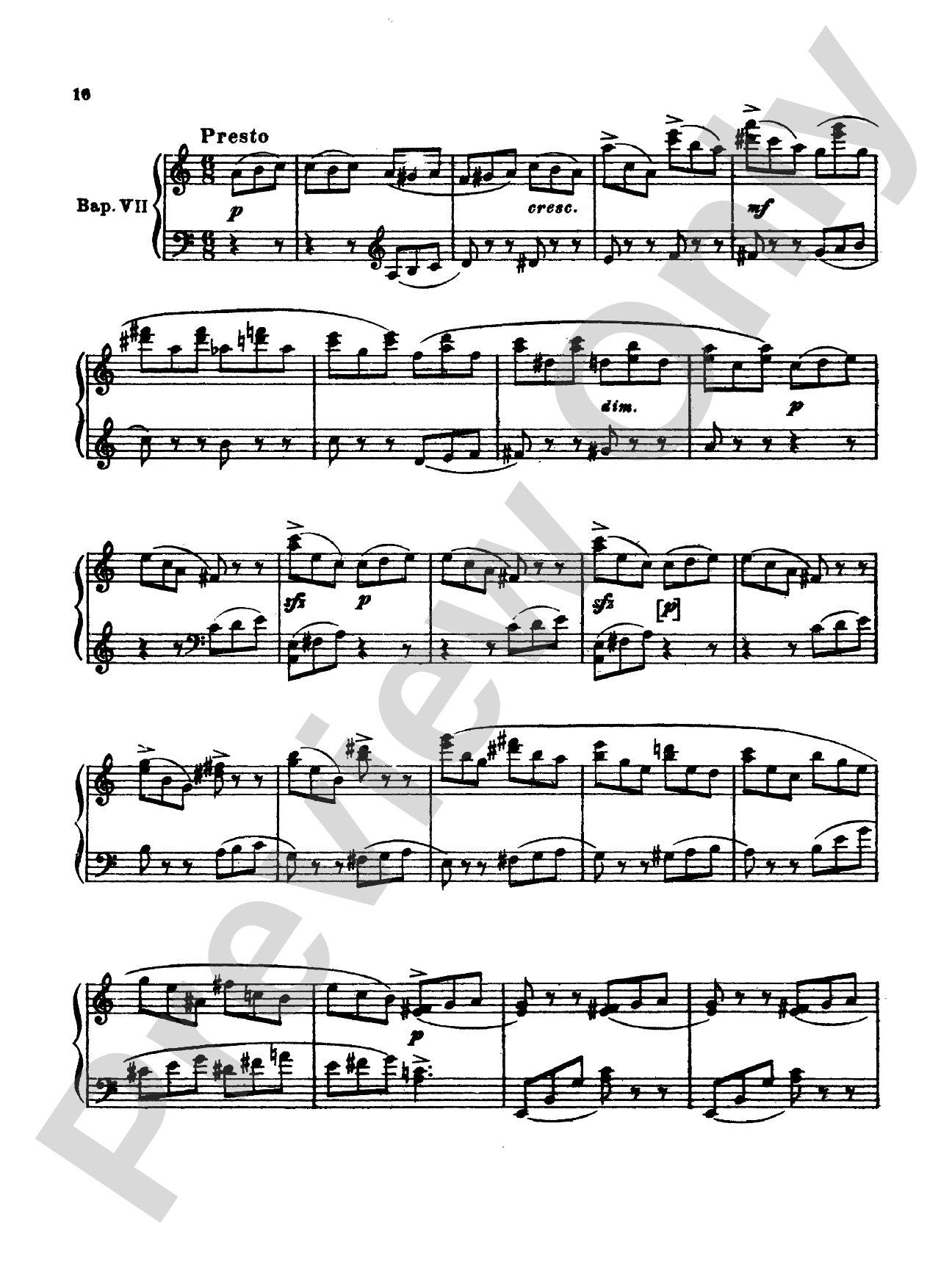
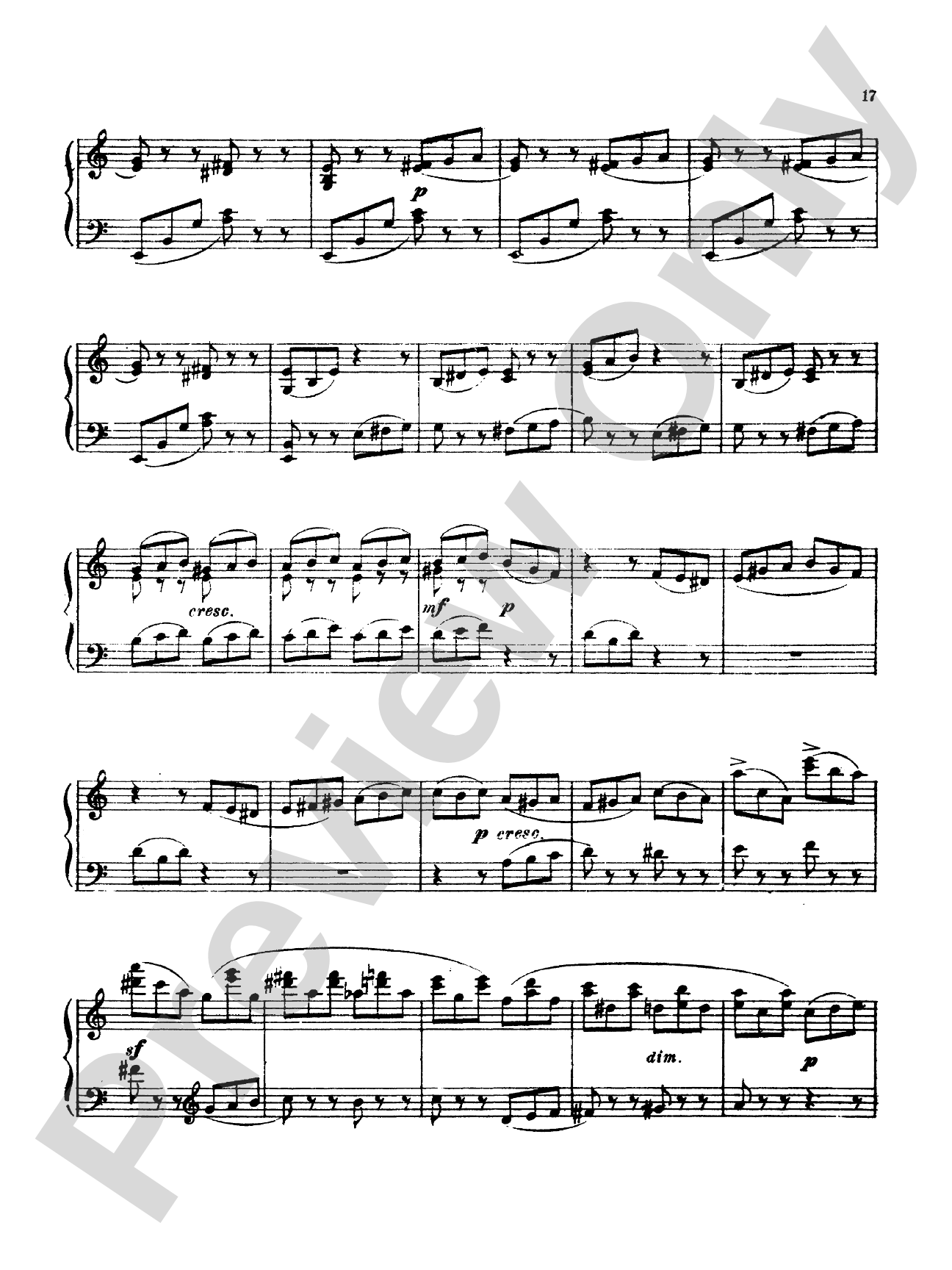
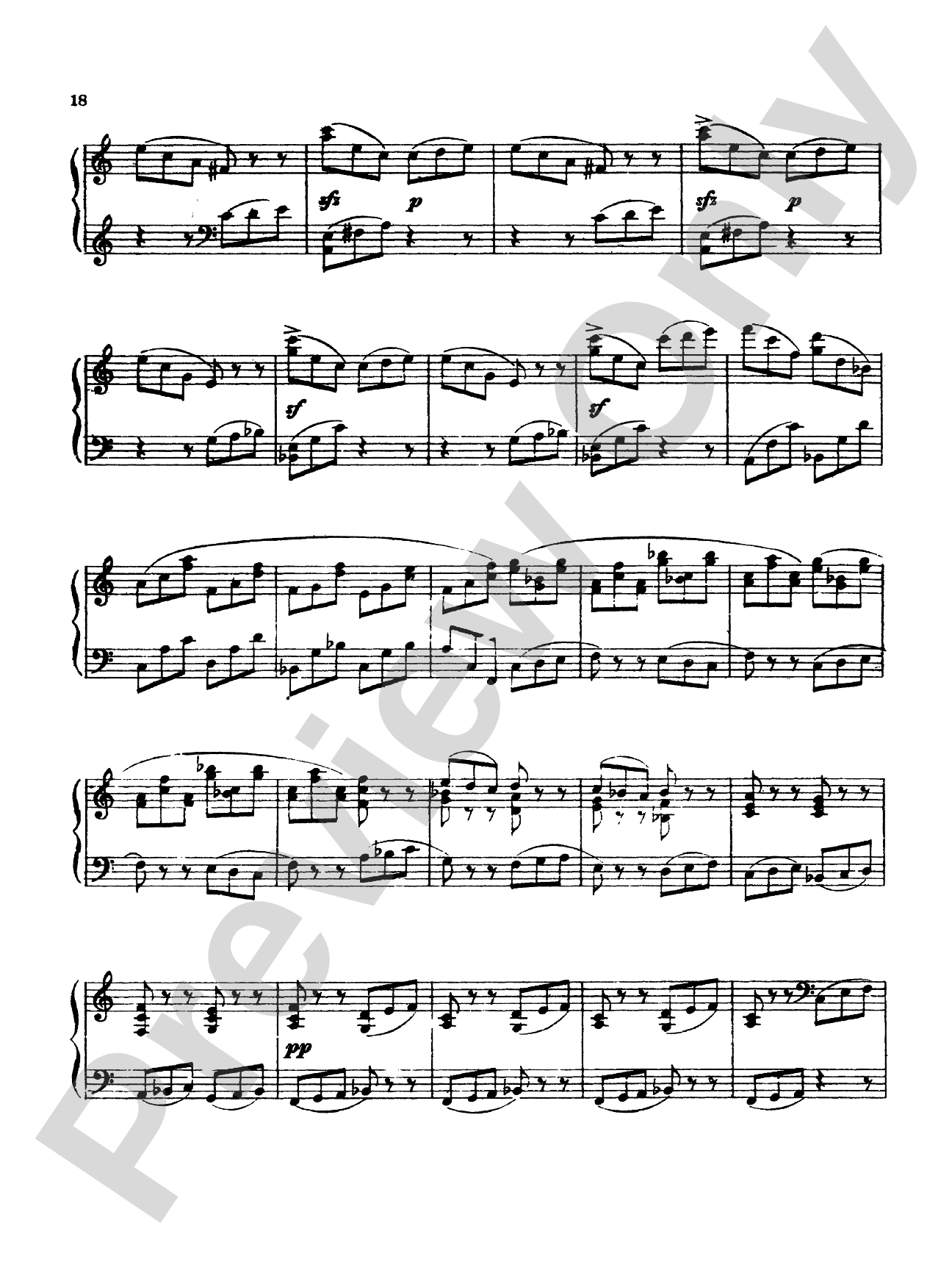
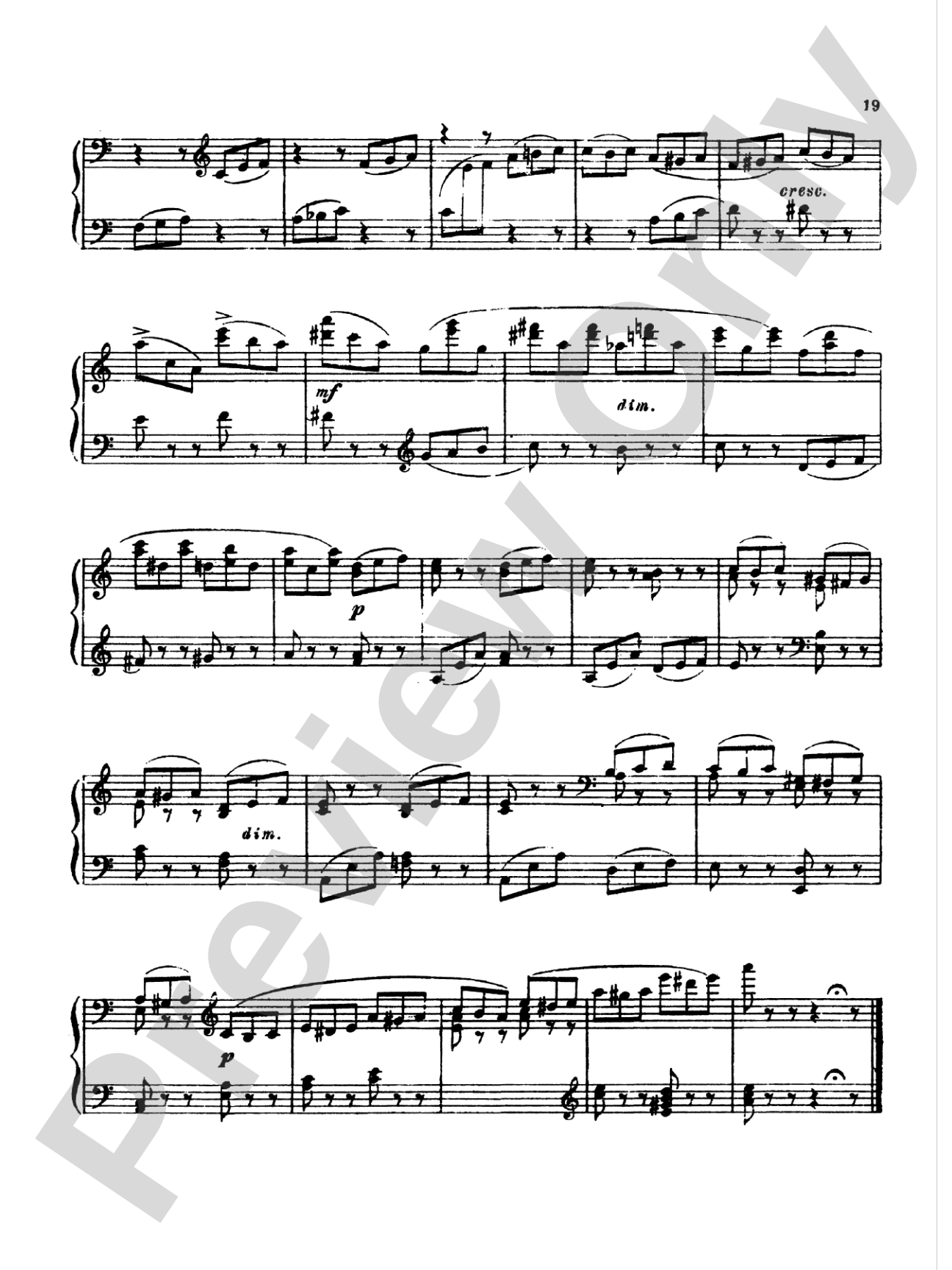
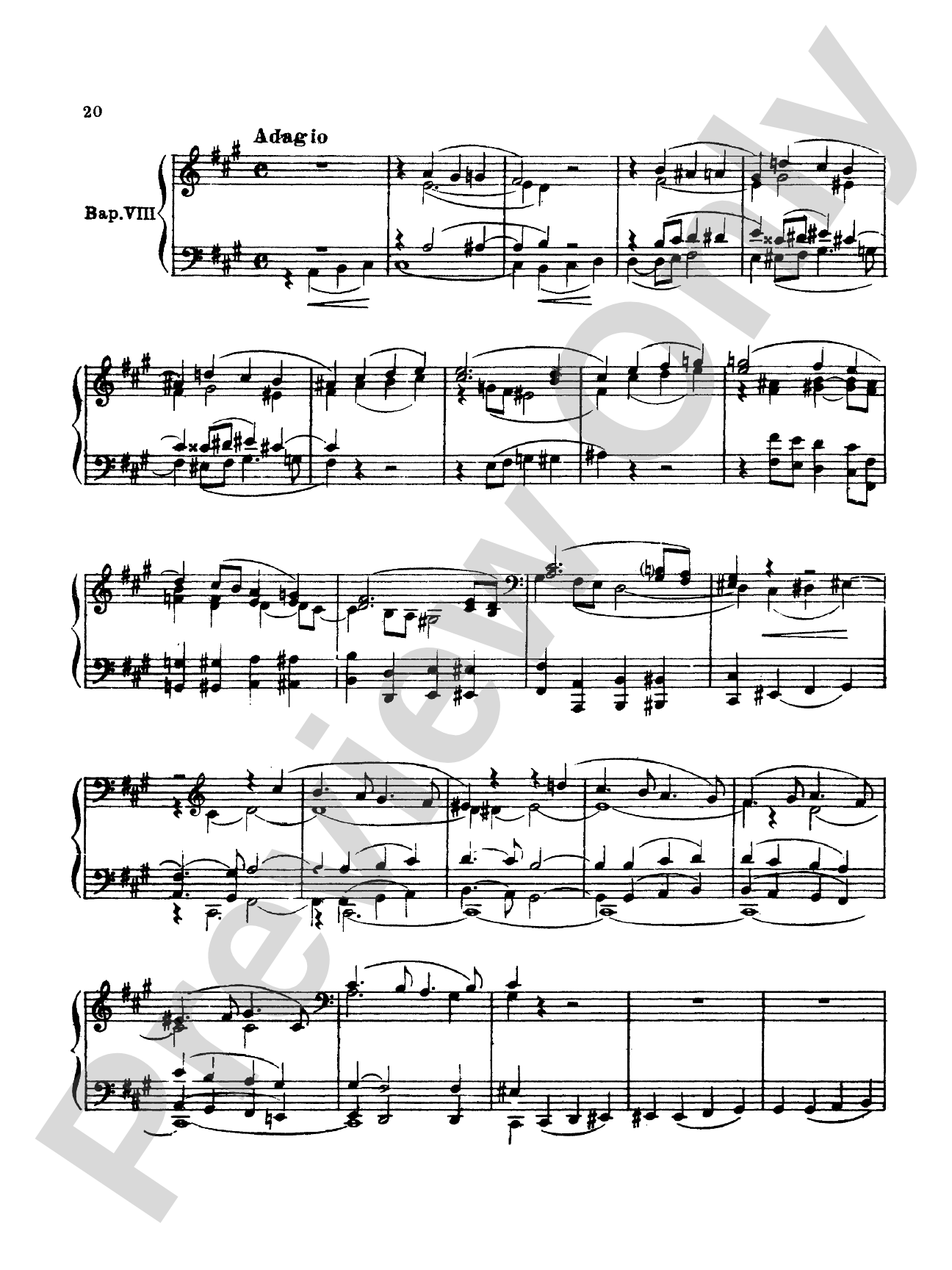
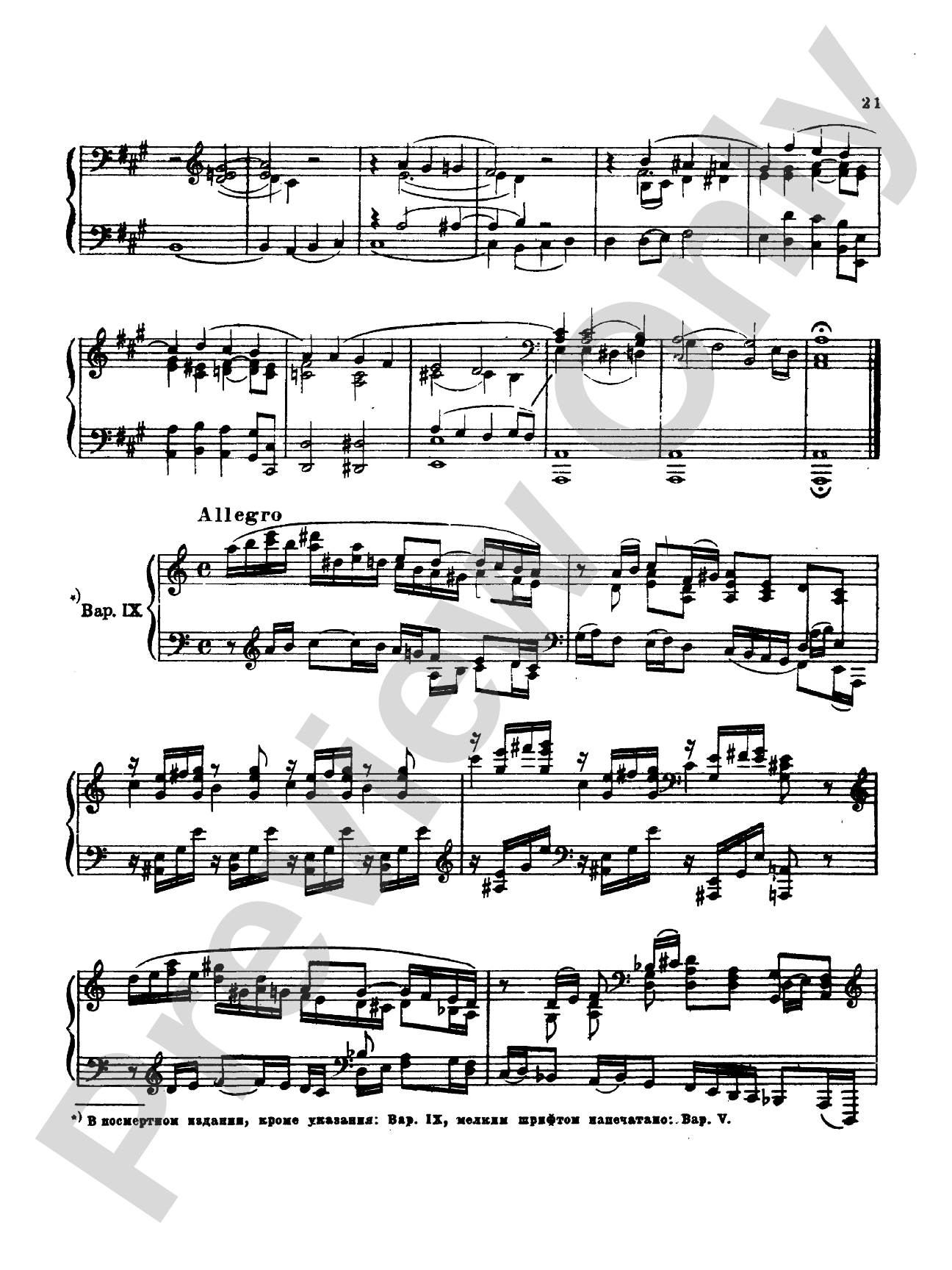
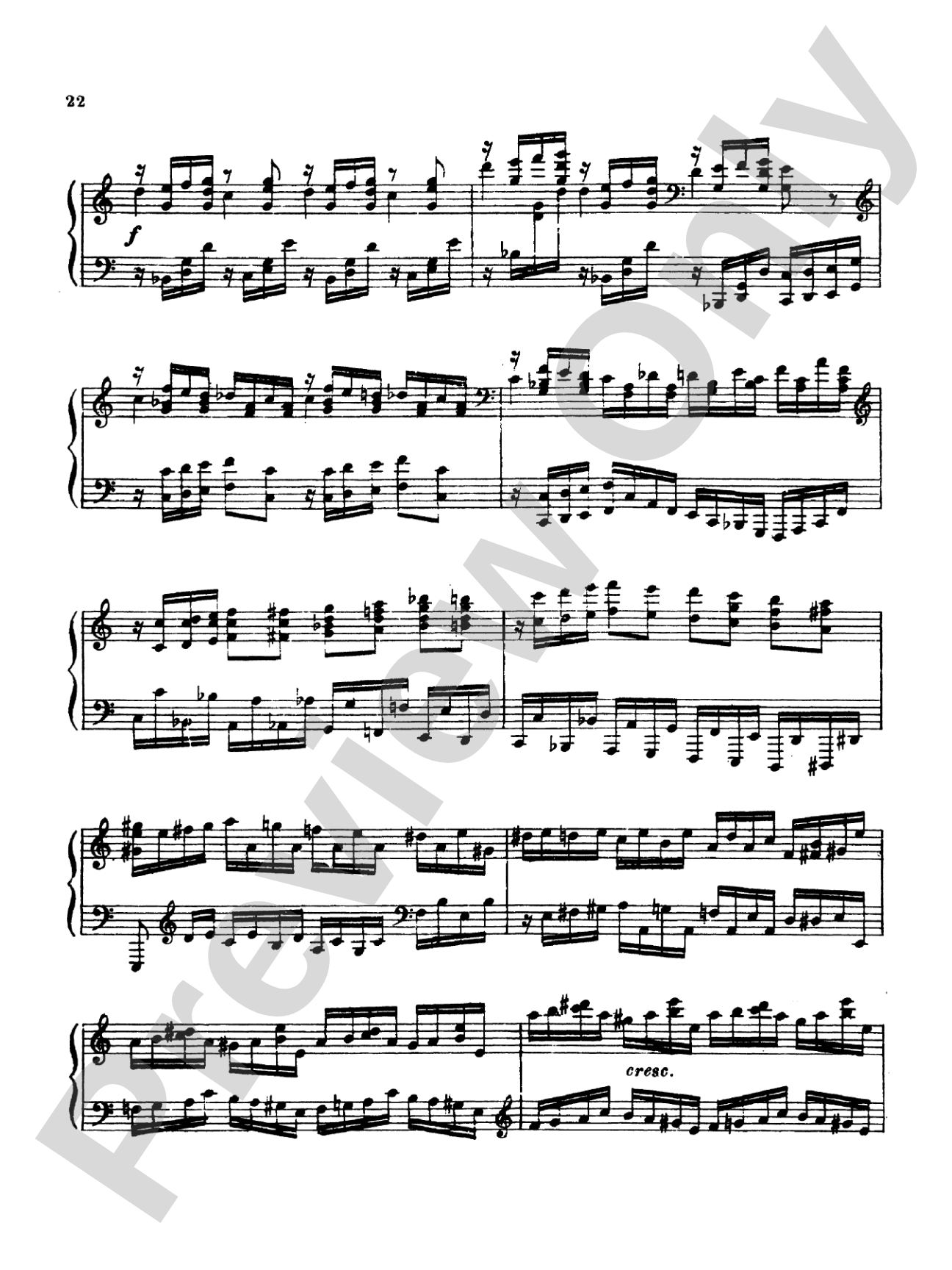
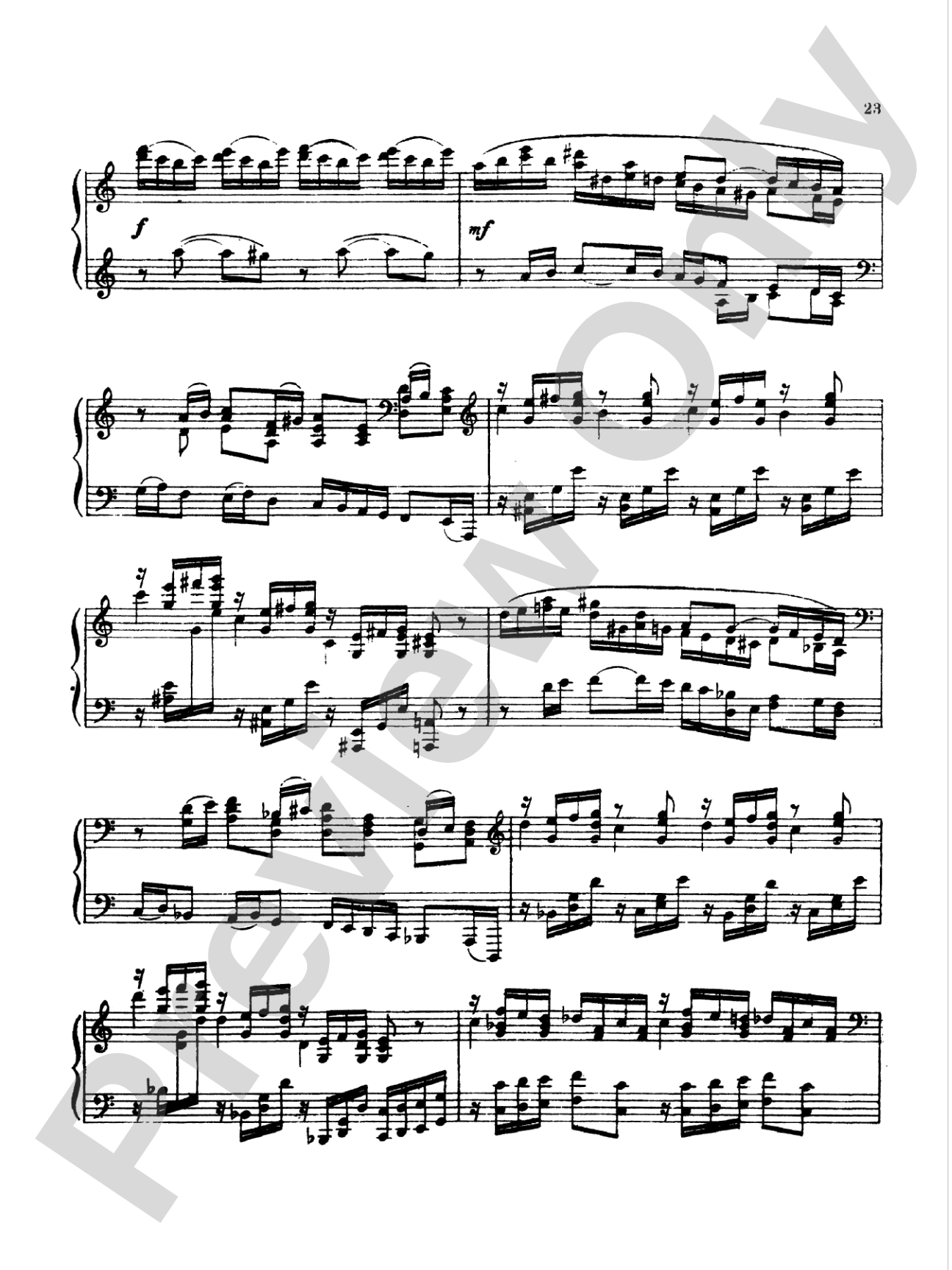
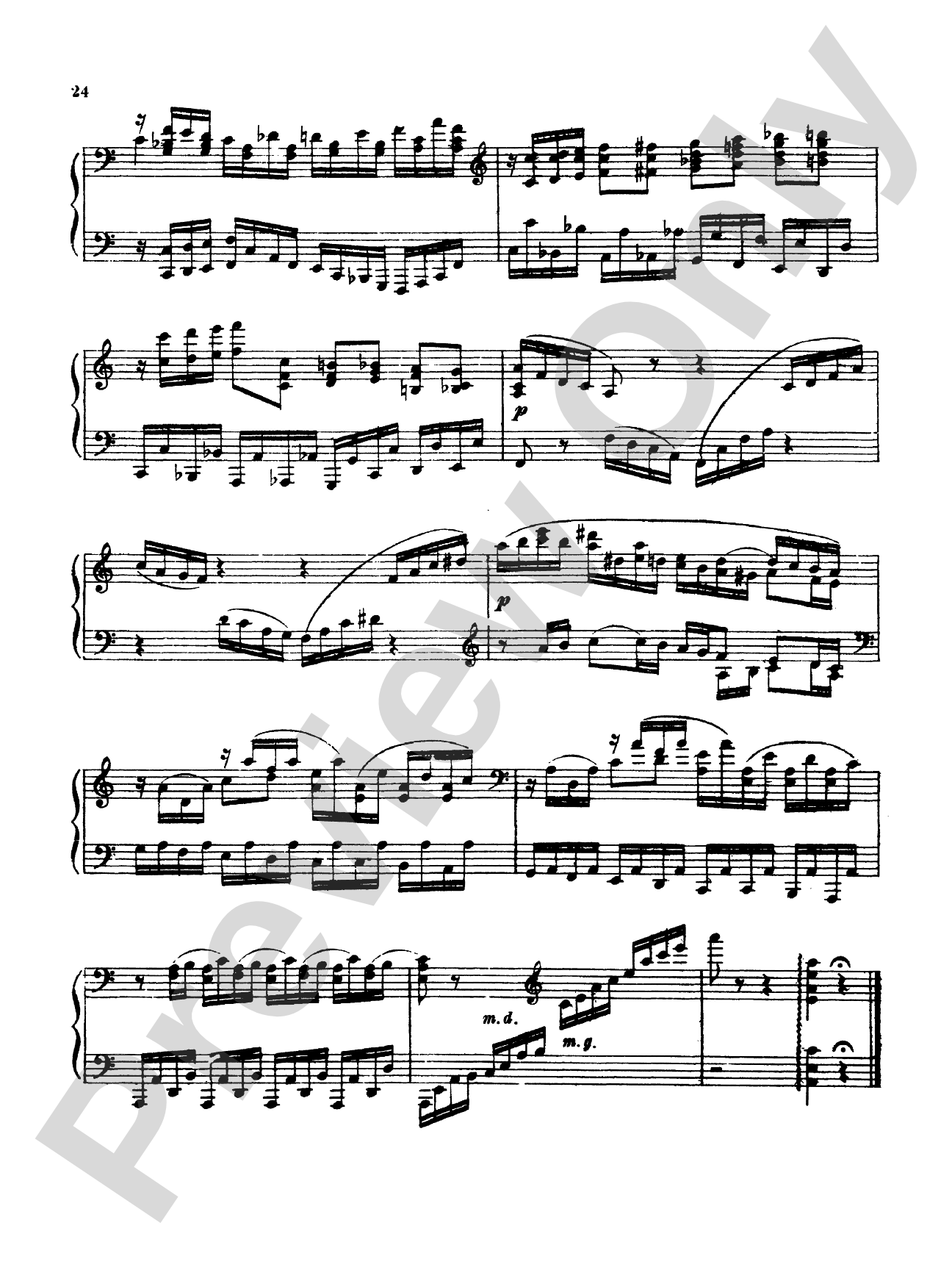
Theme and Variations, A Minor * Sonata, Op. 80 * Scherzo a la Russe , Op. 1 * Impromptu * Souvenir de Hapsal, Op. 2.


Don't just read it, hear it, play along with it, and watch your students grow with it. In MakeMusic Cloud, Tchaikovsky: Collection I (4 Piano Pieces): Piano Book comes alive with professional accompaniment, adjustable tempo, and built-in practice tools that turn solo practice into real progress.
Open in the Player
Jump straight in and assign it today.
Start Your Free Trial
Open this title and explore the full library in minutes.
Sample Audio
No sample audio found.
Sample Video
No sample videos found.
Additional Details
Series:
Kalmus Edition
Publisher:
Alfred Music
Page Count:
120
SKU:
00-PK-0003398
More about this title
About the Composer: Peter Ilyich Tchaikovsky
Peter Ilyich Tchaikovsky (1840-1893) was a Russian composer whose gift for melody and emotional directness reshaped Romantic music. His piano works reveal a composer equally at home with intimate character pieces and large-scale formal structures, combining lyrical beauty with technical brilliance. These pieces showcase the melodic generosity and harmonic sophistication that made Tchaikovsky one of the most performed composers in the world.
For pianists and teachers, Tchaikovsky's piano repertoire serves as a bridge between the Classical tradition and the expressive depths of late Romanticism. His works demand both technical control and interpretive maturity, making them invaluable in building a student's command of period style and emotional range.
Why we love this
This collection pairs early works with the virtuosic Sonata Op. 80, giving pianists access to different facets of Tchaikovsky's voice across a compact, affordable volume. The variety keeps students engaged through recital preparation while the technical and musical challenges reward serious practice. Each piece enters the repertoire through a different door, from the Russian character of the Scherzo a la Russe to the architectural demands of the Sonata.
What to expect
Tchaikovsky's piano writing balances virtuosity with genuine emotional stakes. These pieces move between Russian melodic warmth, virtuosic passage work that demands both precision and poetry, and moments of intimate lyricism. The collection captures the full spectrum of Romantic piano writing, from intimate salon pieces to concert-scale structures.
Who it's for
Intermediate to advanced pianists seeking substantial Romantic repertoire with genuine artistic weight. Teachers building recital programs for gifted students will find pieces that challenge technique and musicality simultaneously. This collection works equally well for students preparing for competitions or ensemble recitals and for pianists simply expanding their Tchaikovsky knowledge.
How to get the most out of it
- Balance technical display with songfulness in the Scherzo a la Russe; the folk-inspired melody should never disappear beneath rapid passagework.
- In the Theme and Variations, let each variation breathe as its own musical statement rather than rushing through the variations as exercise material.
- Shape the Sonata's opening theme with clear phrase contours; Tchaikovsky's lyricism can blur formal boundaries if the melodic line isn't anchored.
- Allow the Impromptu and Souvenir de Hapsal their improvisational character; rhythmic flexibility serves the music better than metronomic precision in these shorter character pieces.
How to use it
Program the shorter pieces (Impromptu, Souvenir de Hapsal, Scherzo a la Russe) on recitals exploring Russian Romantic piano music alongside works by Balakirev or Scriabin. Reserve the Sonata Op. 80 for a full recital showcase or as a centerpiece demonstrating a student's technical and interpretive growth. The variety within this collection makes it perfect for a thematic recital exploring character pieces versus sonata form.
Skills your students will build
- Multi-movement structure and sonata form architecture
- Romantic-era ornamentation and rubato within stylistic boundaries
- Rapid fingerwork clarity while maintaining melodic coherence
- Variation technique and thematic transformation
- Russian musical idioms and folk-inspired melodic phrasing
- Balance between virtuosic display and lyrical expression