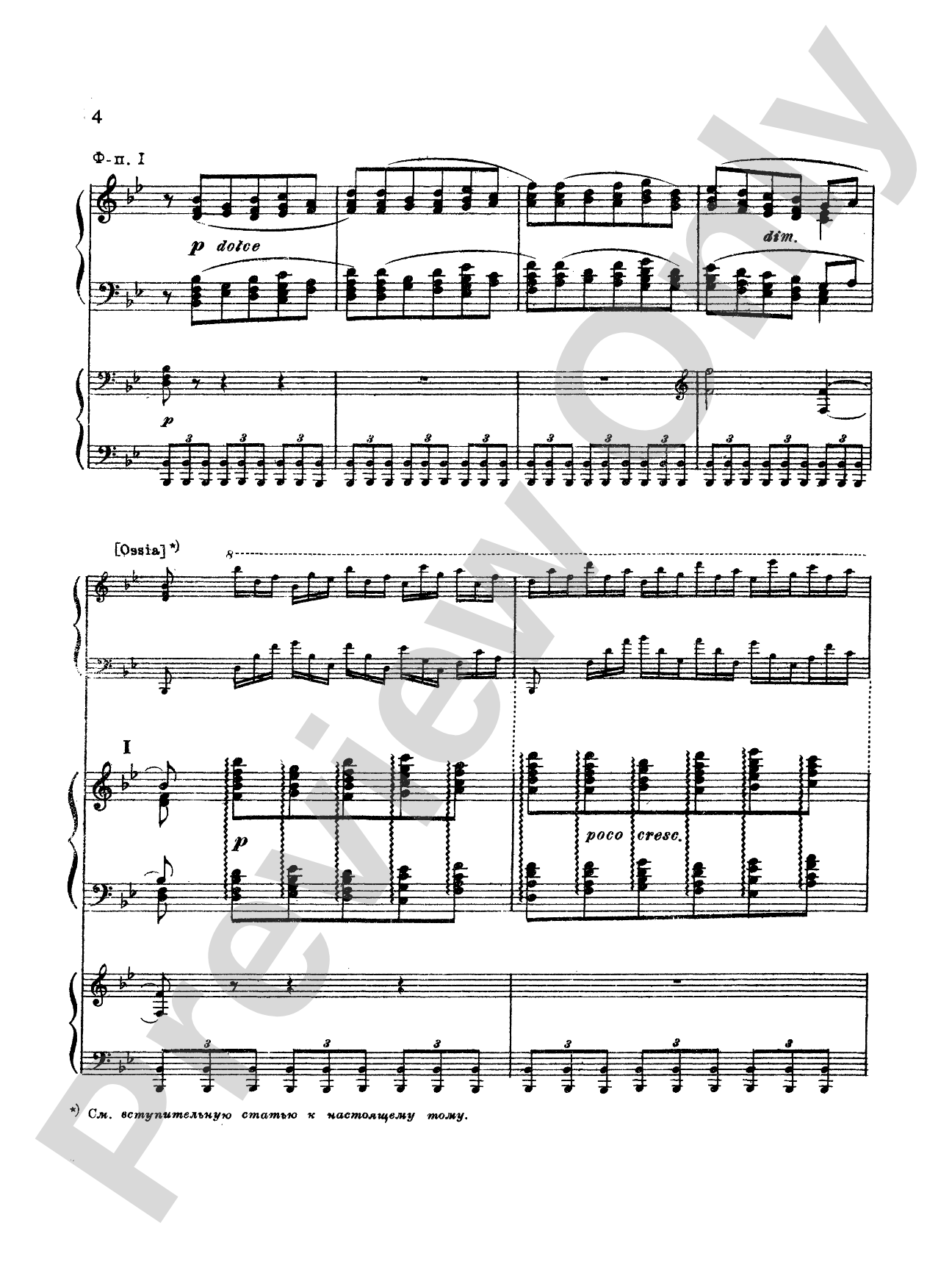
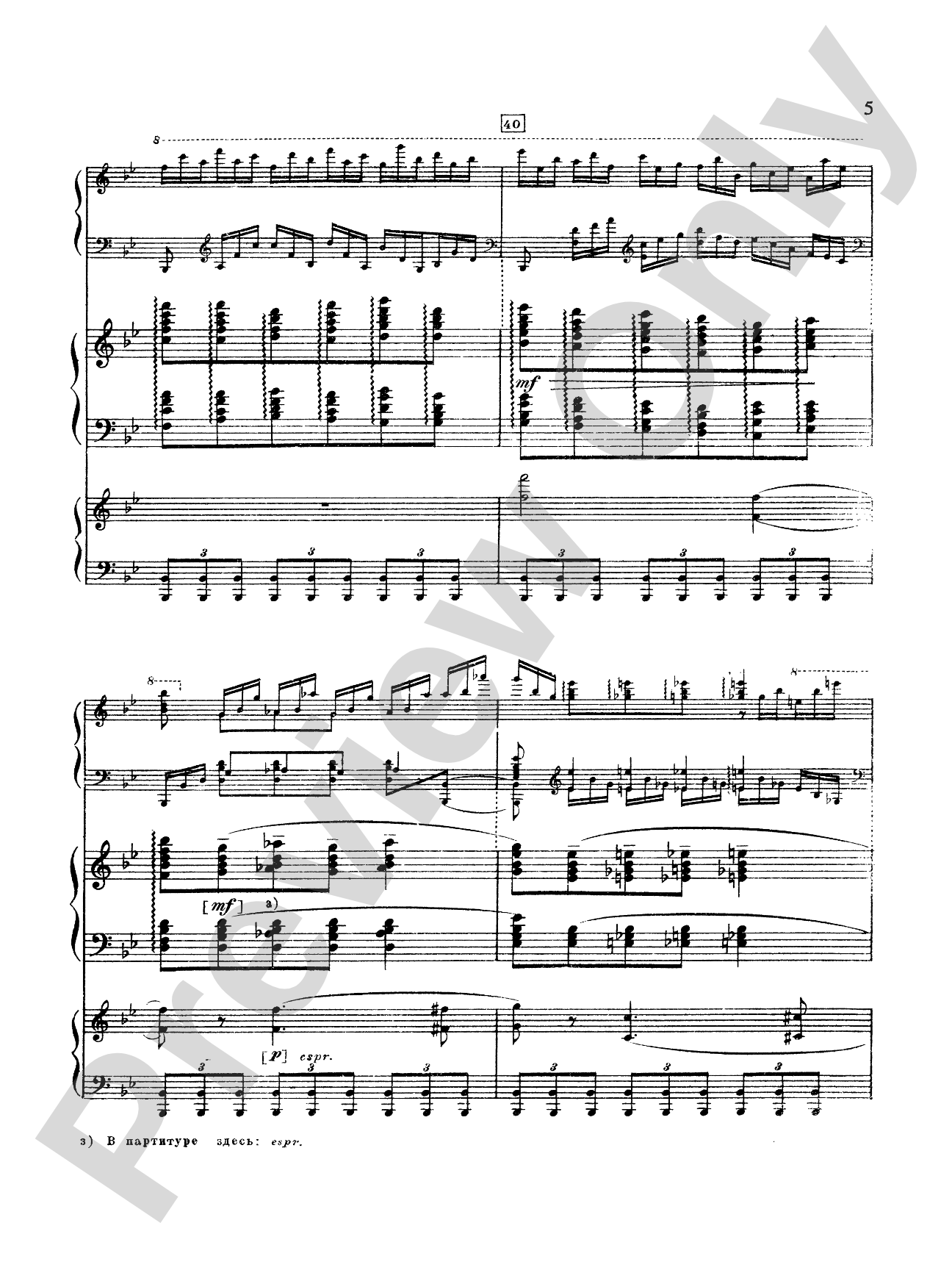
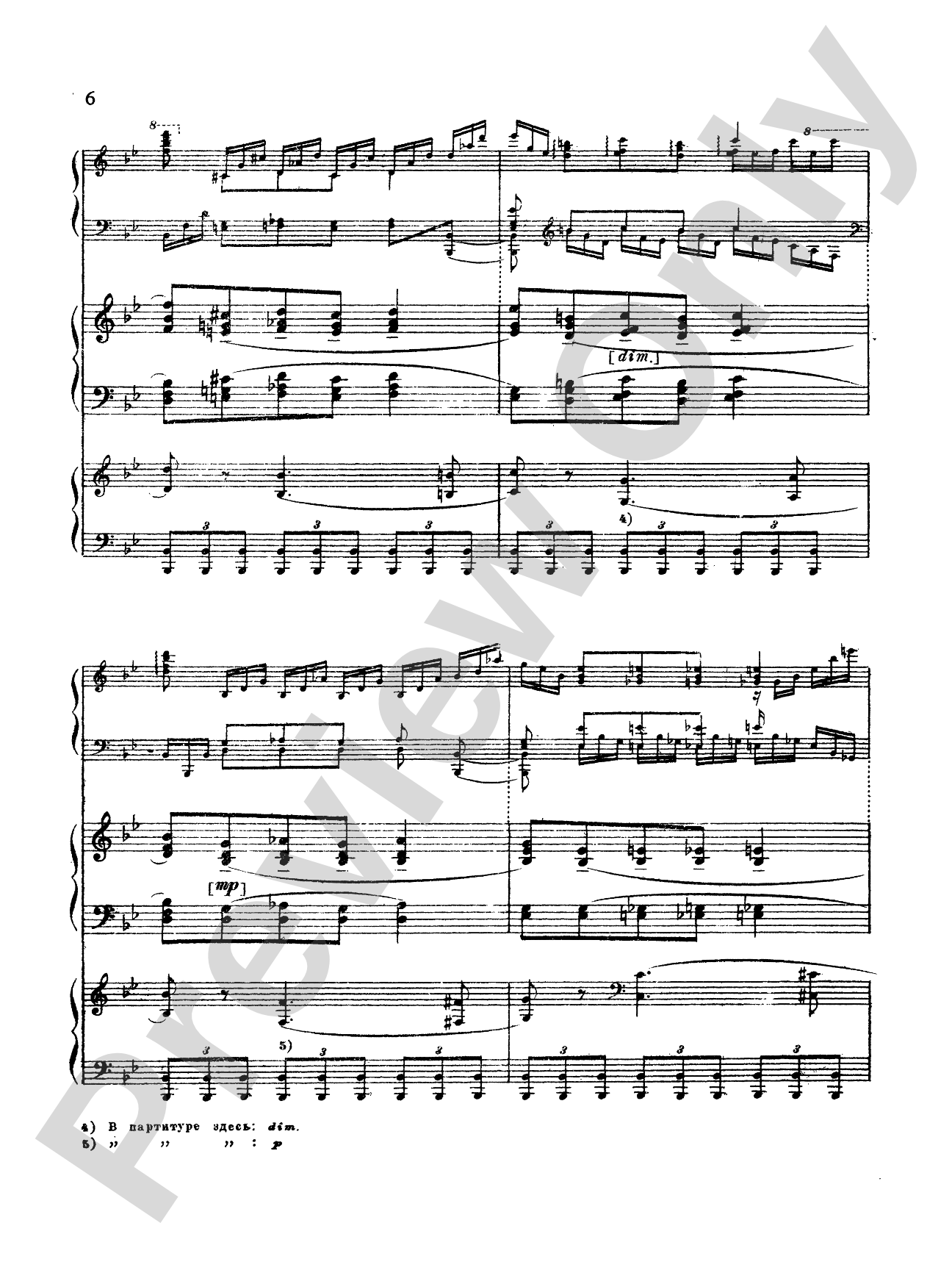
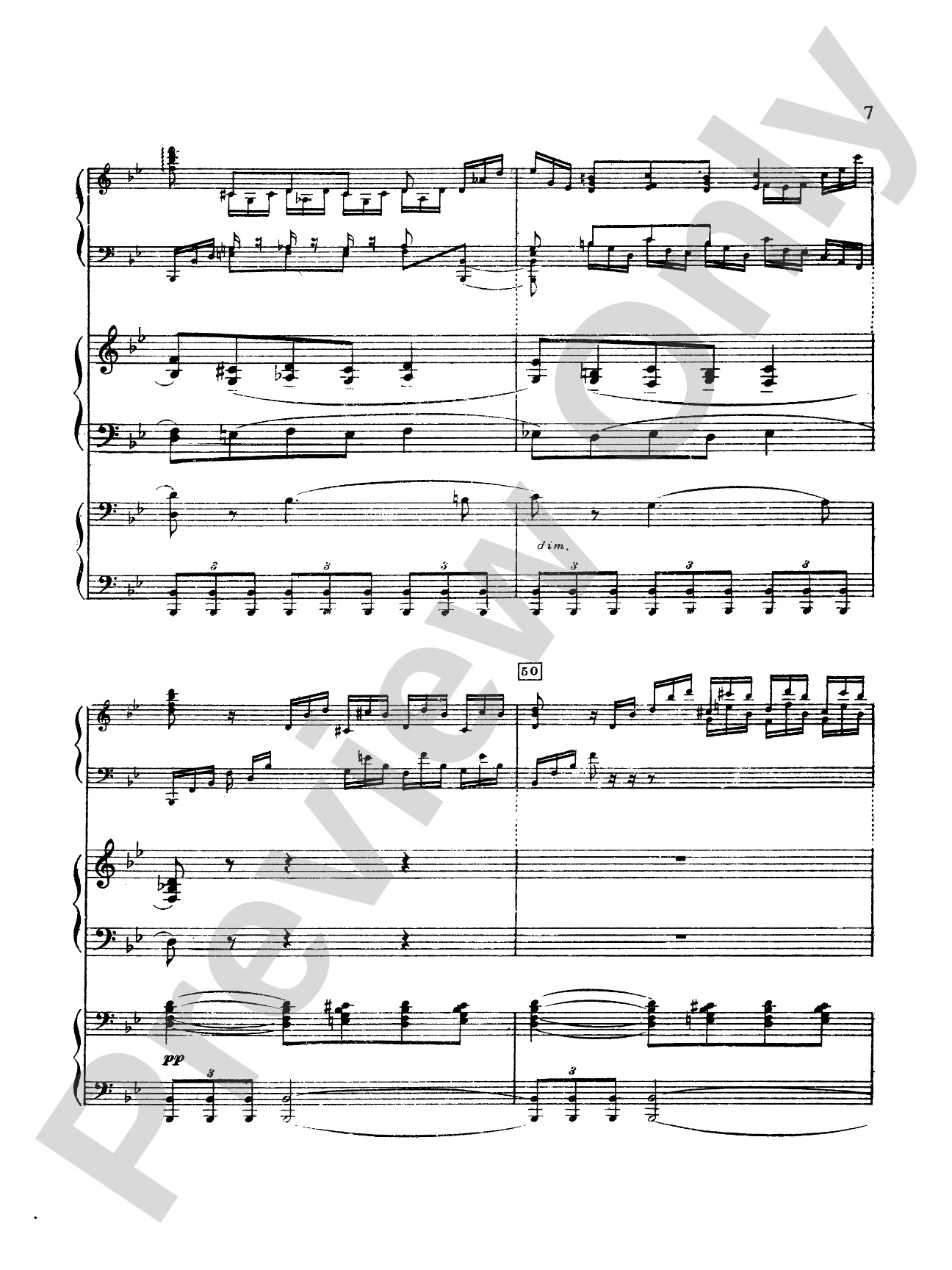
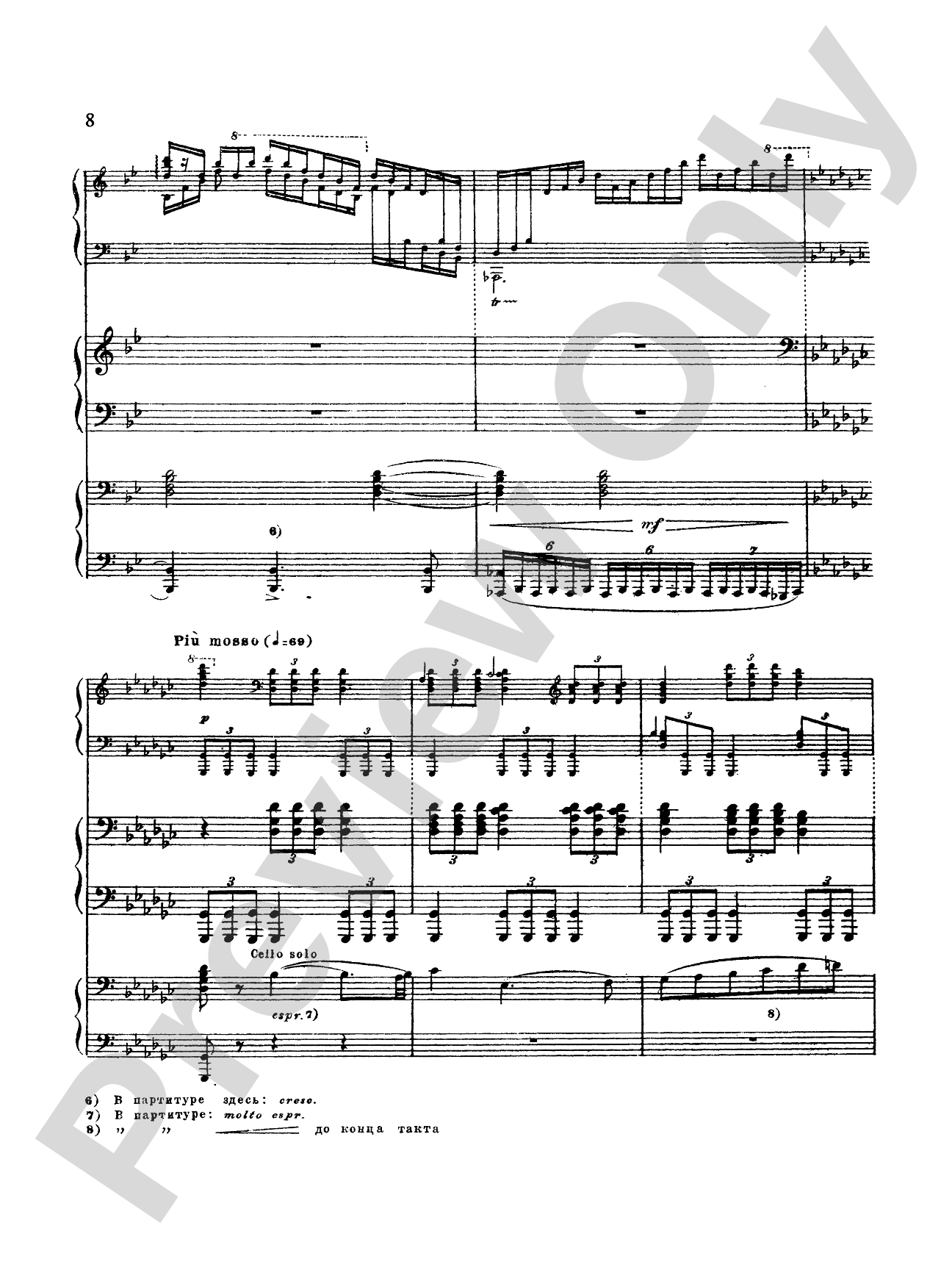
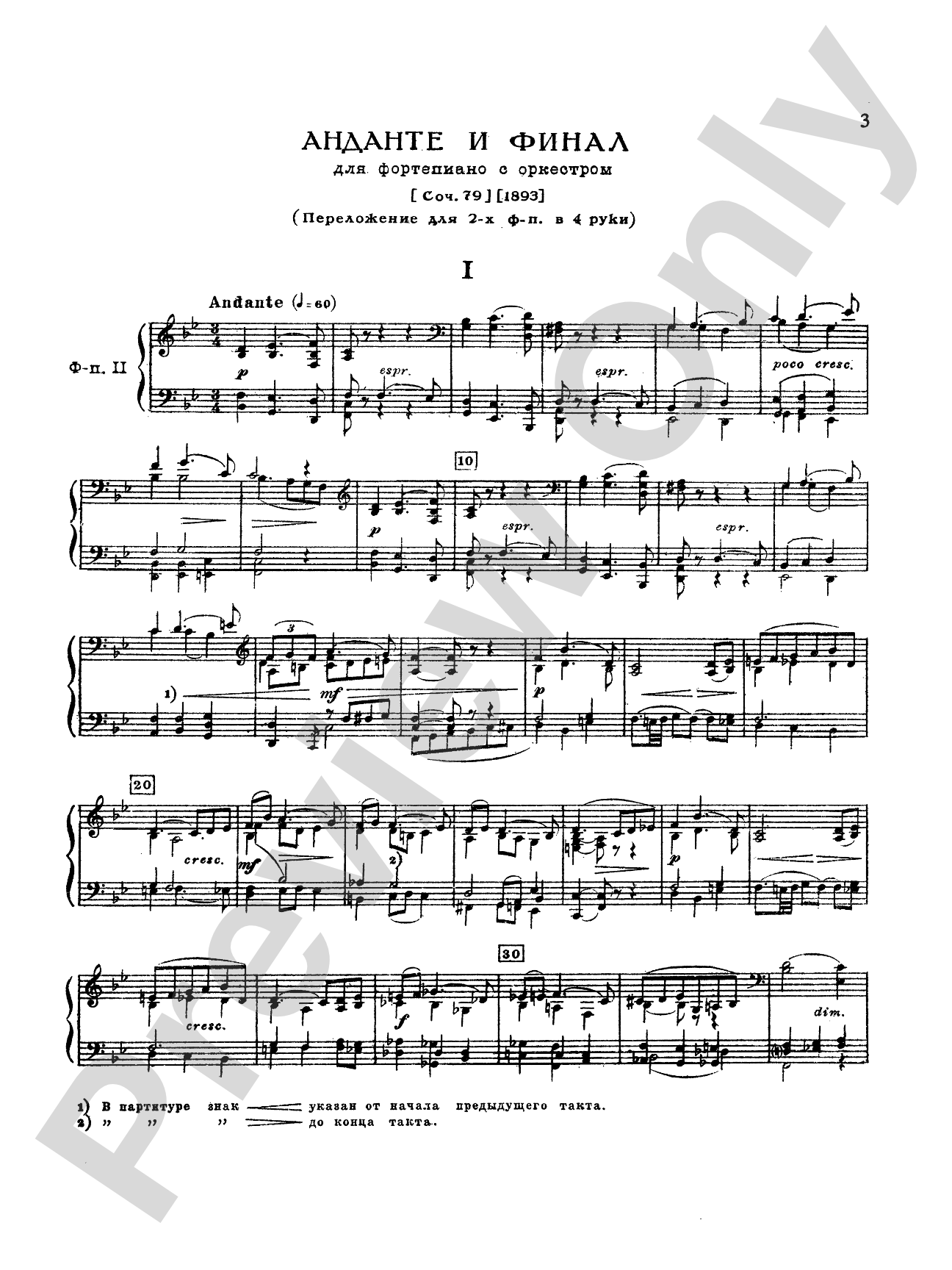
Tchaikovsky: Andante and Finale, Op. 79 from Piano Concerto No. 3 Sheet Music Preview

Tchaikovsky: Andante and Finale, Op. 79 from Piano Concerto No. 3

By Peter Ilyich Tchaikovsky

Item: 00-PC-0009821

Digital Download
$5.95
Description

Tchaikovsky: Andante and Finale, Op. 79 from Piano Concerto No. 3 isn't in MakeMusic Cloud just yet...but it could be. Let us know you'd like to see it, and you'll help shape what comes next. In the meantime, start a free trial and dive into thousands of interactive titles your students can play along with today.

Sample Audio
No sample audio found.
Sample Video
Additional Details
Series: Kalmus Edition
Publisher: Alfred Music
Page Count: 76
SKU: 00-PC-0009821

More about this title

About the Composer: Peter Ilyich Tchaikovsky

Peter Ilyich Tchaikovsky (1840-1893) stands as one of the most performed composers in concert halls worldwide, and his music reaches students at nearly every level of piano study. A Russian Romantic whose gifts for melody and orchestration shaped the classical music canon, Tchaikovsky created works that balance virtuosic demand with genuine emotional depth. His concertos and major piano works remain benchmarks for understanding how Romantic composers approached the instrument's expressive and technical possibilities.

Tchaikovsky's influence on music education extends beyond his famous ballets; his instrumental works, particularly those for piano, offer students concrete models for lyrical phrasing, structural clarity, and the integration of virtuosity with musicality. Teachers return to his scores again and again because they reward careful study and yield immediate musical satisfaction.

Why we love this

This two-piano arrangement of Tchaikovsky's late concerto movement captures the work's grandeur without requiring the resources of an orchestra, making it accessible for advanced piano partnerships. The piece gives duo players substantial musical material with clear dramatic arc and allows both pianists to share impressive, gratifying passages rather than relegating one to accompaniment.

What to expect

The Andante opens with lyrical warmth and Russian Romantic sensibility before building emotional intensity; the Finale surges with brilliant passagework and driving rhythmic momentum that demands both technical command and ensemble presence. Together, these movements create a complete musical arc that feels both intimate and grand.

Who it's for

Advanced pianists seeking repertoire that showcases duo artistry will find substantial challenges and rewards here. This arrangement suits mature students preparing for competition or concert work, as well as collaborative pianists expanding their four-hand and two-piano library with Romantic standard repertoire.

How to get the most out of it

  • Establish precise coordination of the keyboard layout between pianos before diving into tempo. The dual-instrument setup invites ensemble challenges that solid preparation resolves quickly.
  • Shape the opening statement with long-lined phrasing; Tchaikovsky's melodies demand singing tone and patience through the complete musical phrase, not just note-to-note accuracy.
  • Balance the dialogue between the two pianos dynamically. When one instrument carries the melody, the other supports without overwhelming, even when both are texturally active.
  • Attend to the Finale's momentum without rushing; the movement's power comes from structural clarity and rhythmic integrity, not speed for its own sake.

How to use it

Program this with other Tchaikovsky or Romantic-era chamber works to underscore the composer's gift for melodic generosity and structural coherence. It also serves well as a centerpiece in a recital spotlighting collaborative piano, especially when paired with smaller two-piano or four-hand pieces that highlight different facets of ensemble partnership.

Skills your students will build

  • Coordination and balance within a two-piano partnership
  • Sustaining long lyrical phrases with consistent tone production
  • Managing rapid passagework while maintaining ensemble precision
  • Dynamic independence between both instruments in thick Romantic textures
  • Navigating key relationships and structural landmarks in extended Romantic forms

You May Also Like