


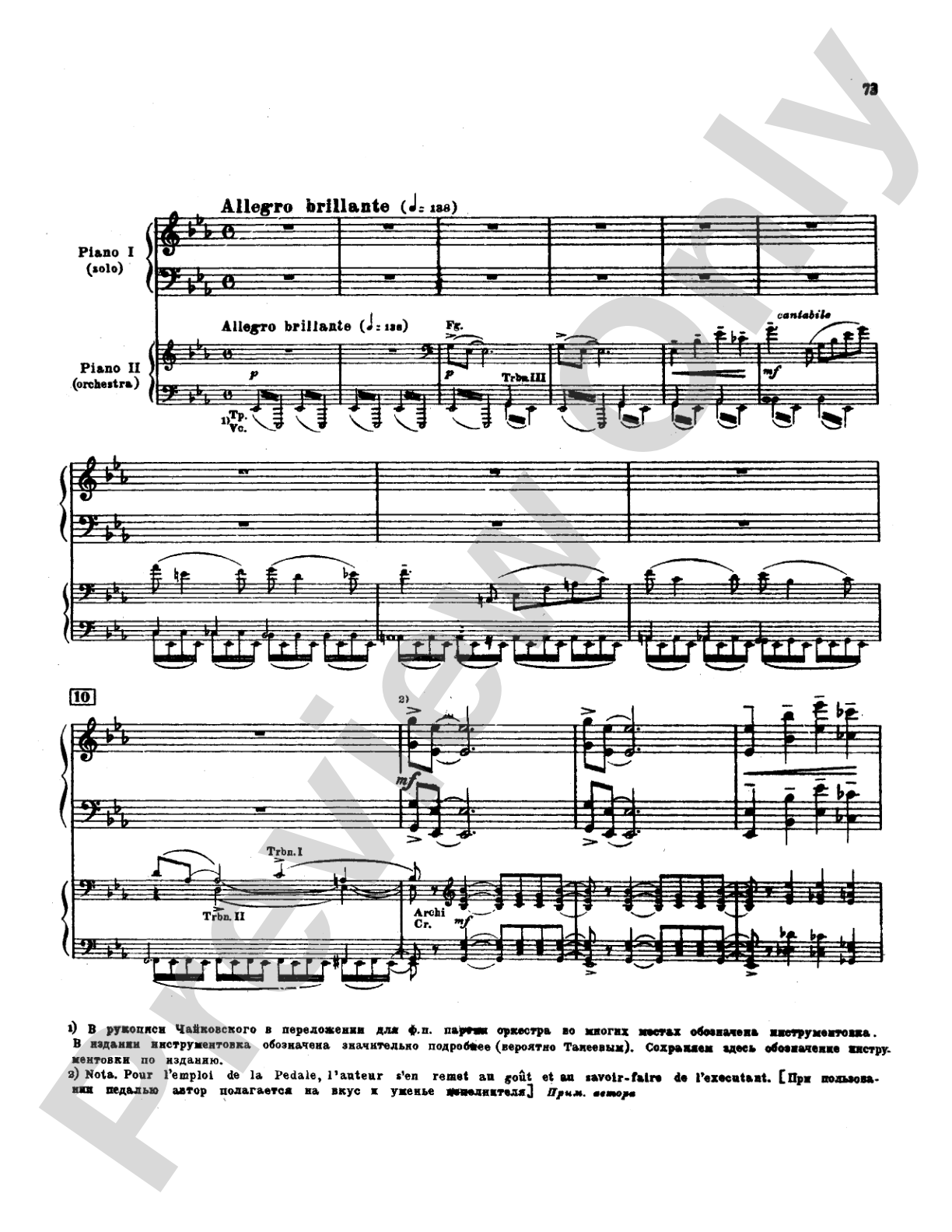
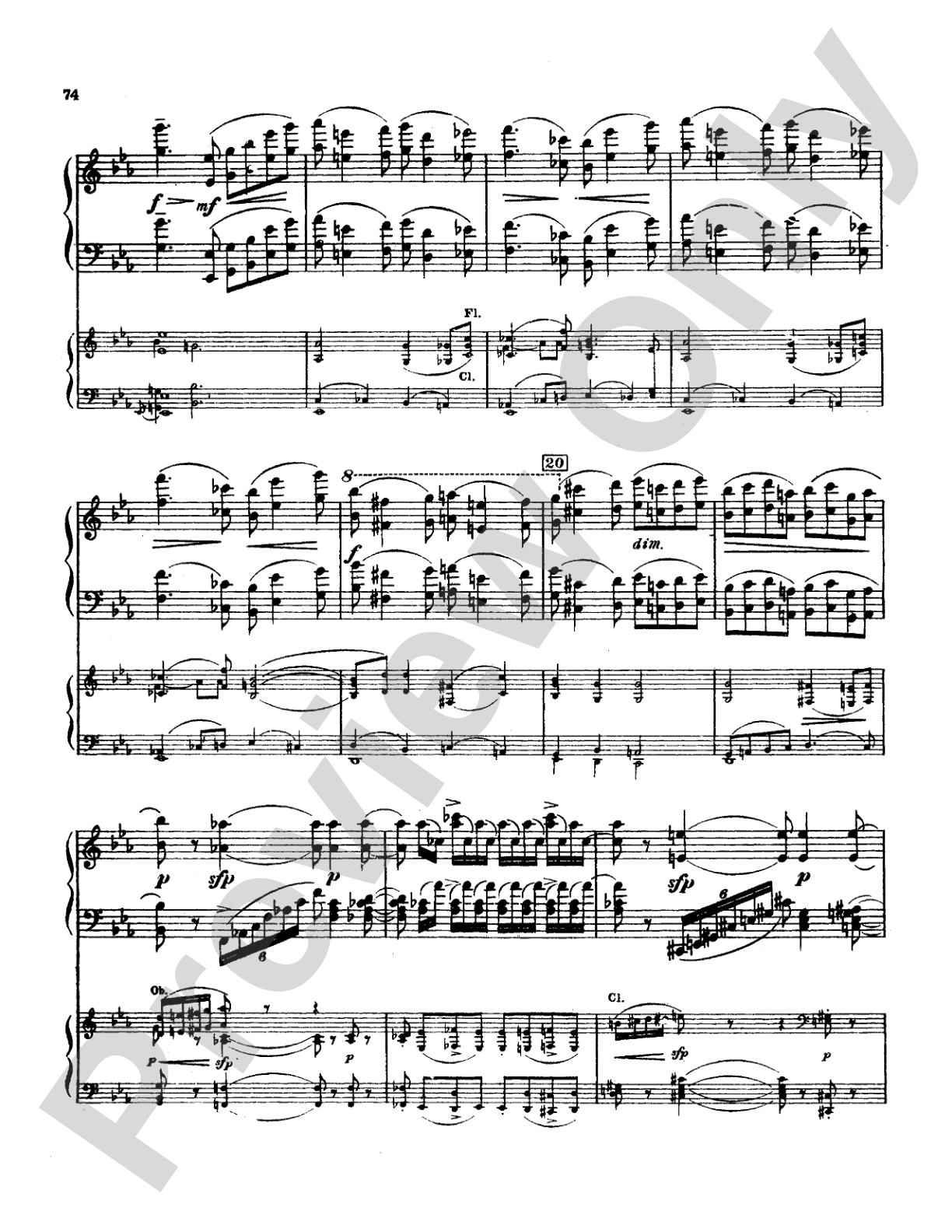
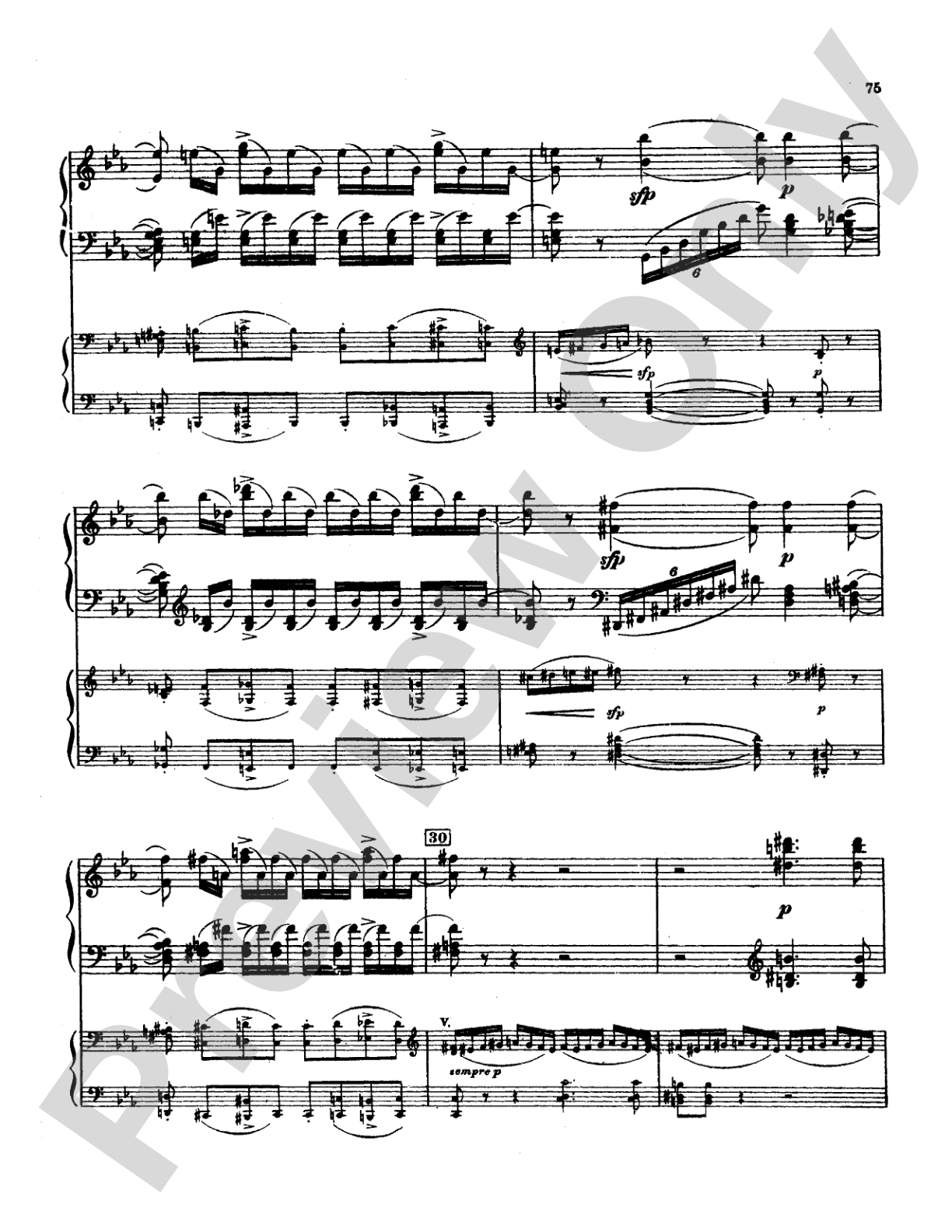
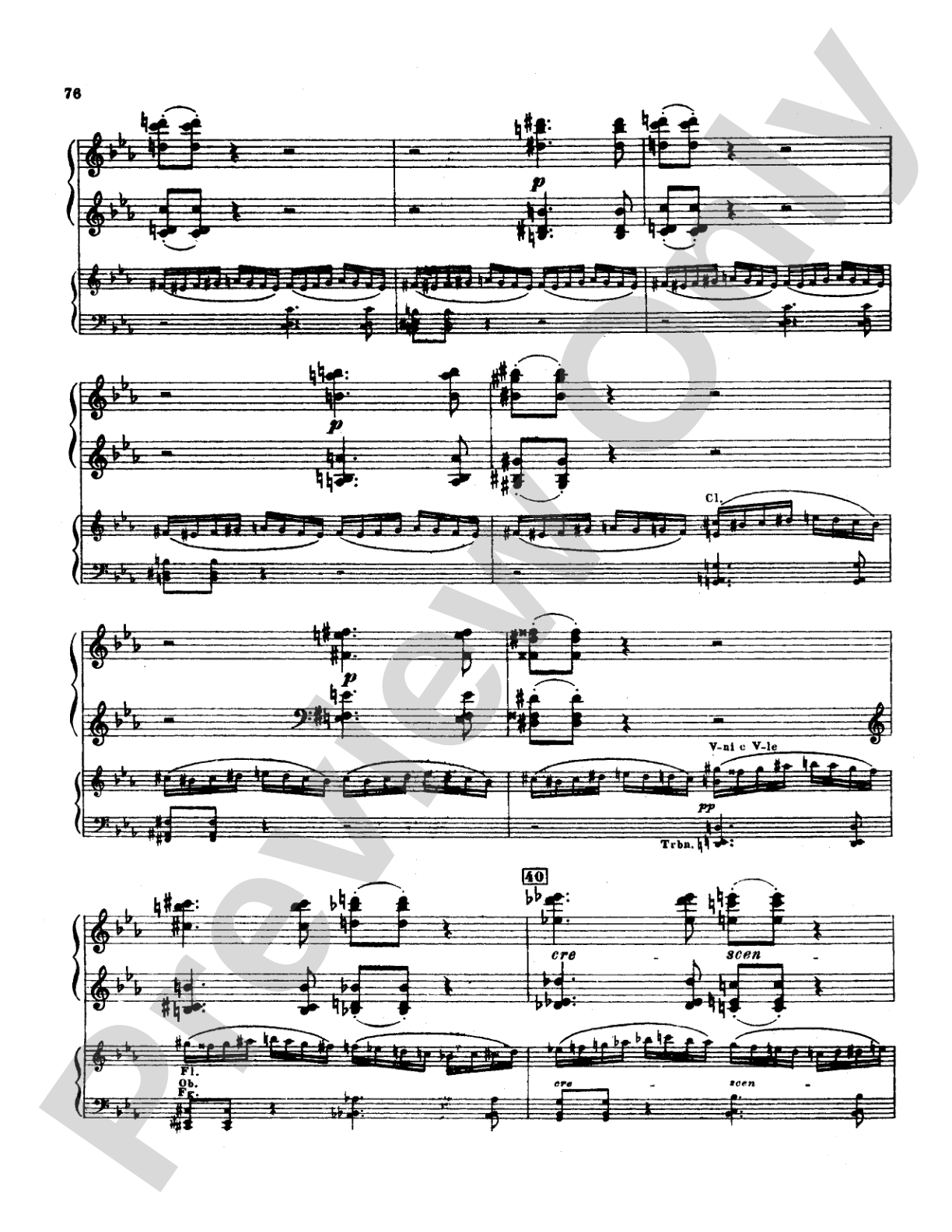
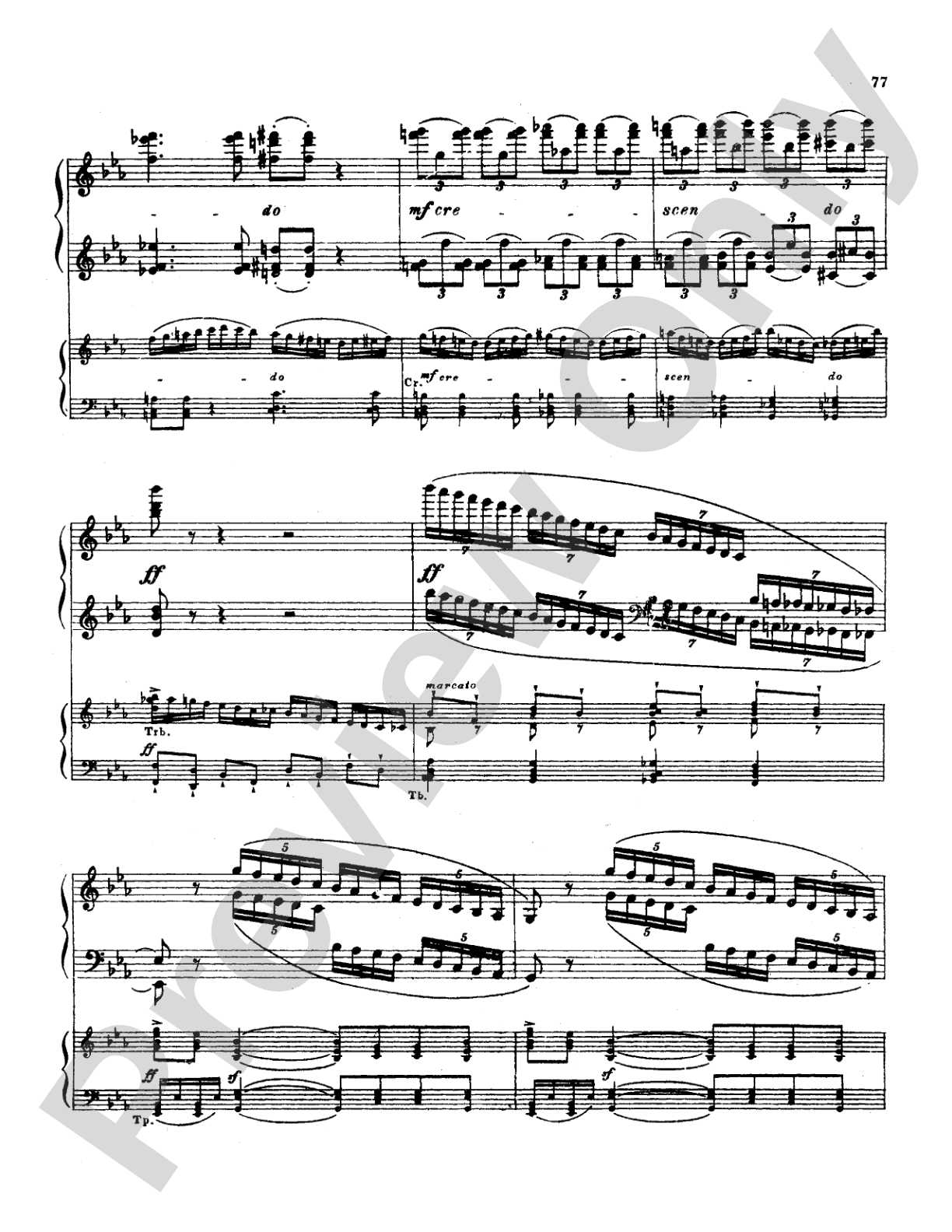
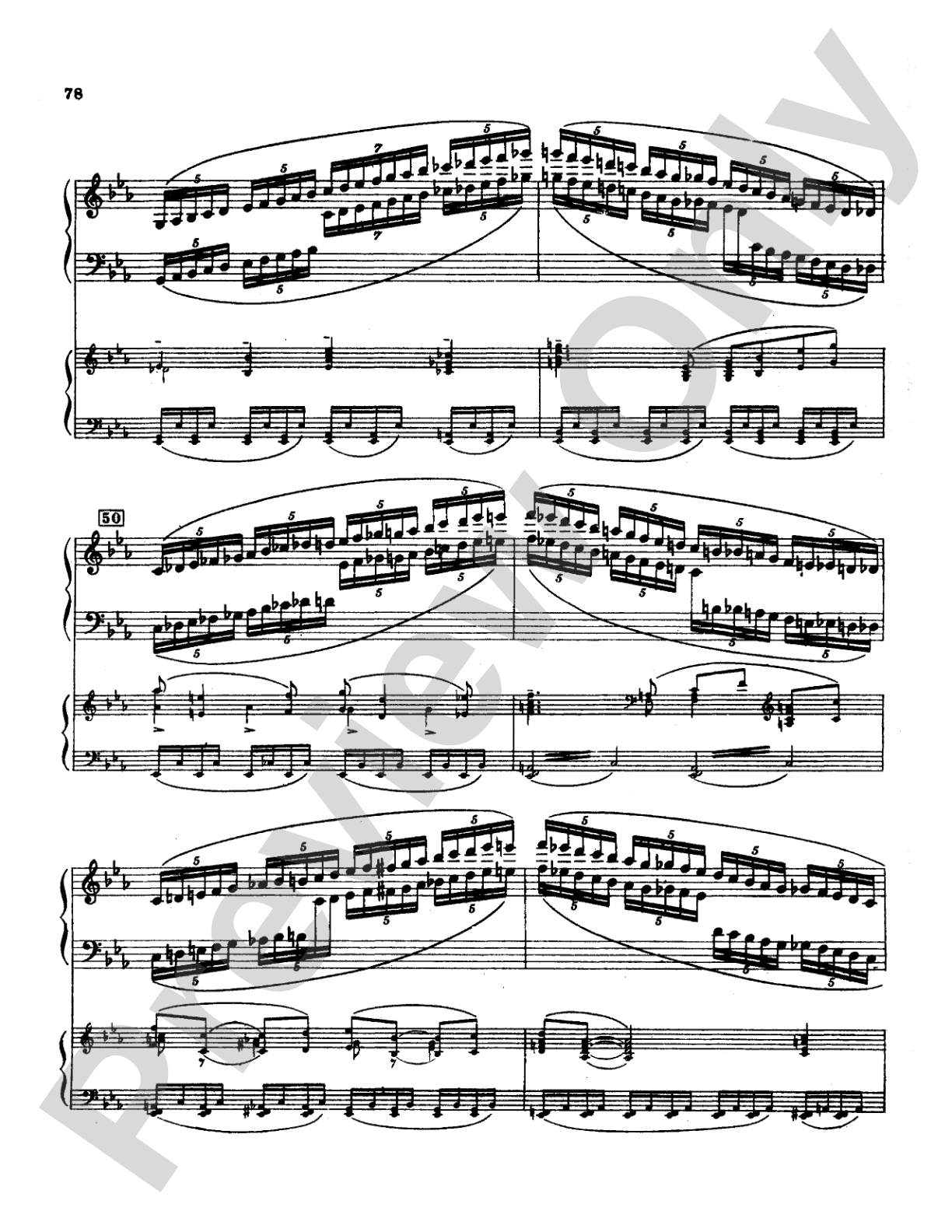
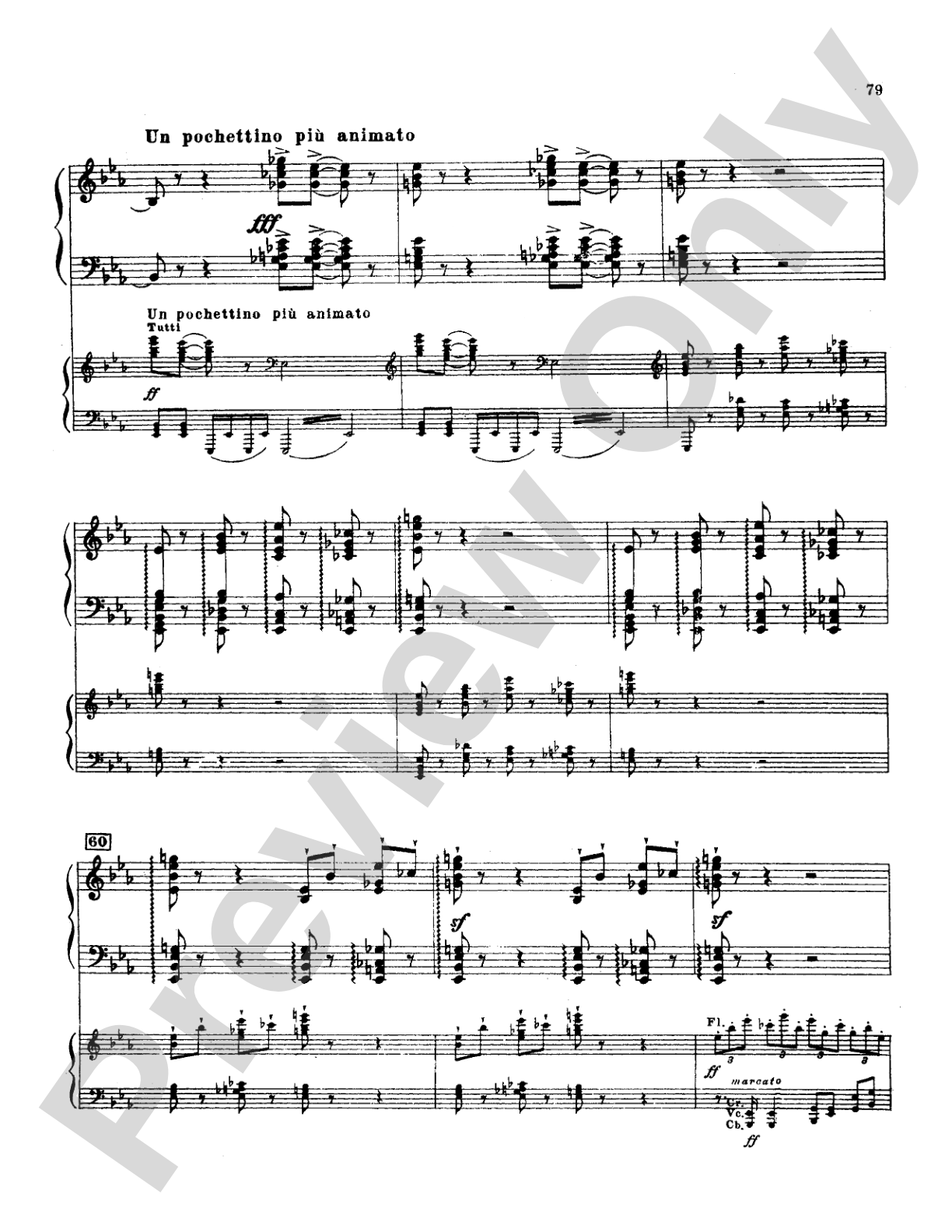
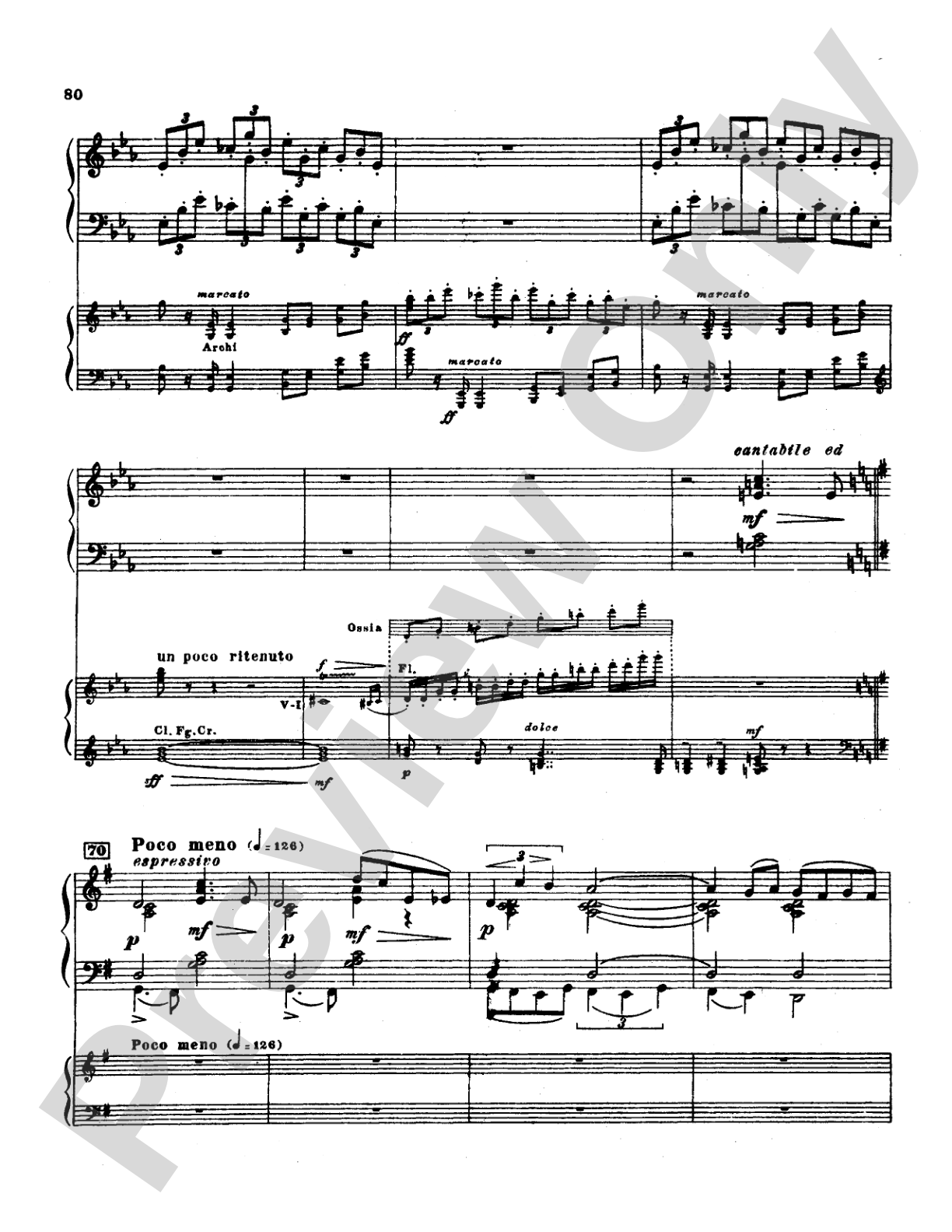
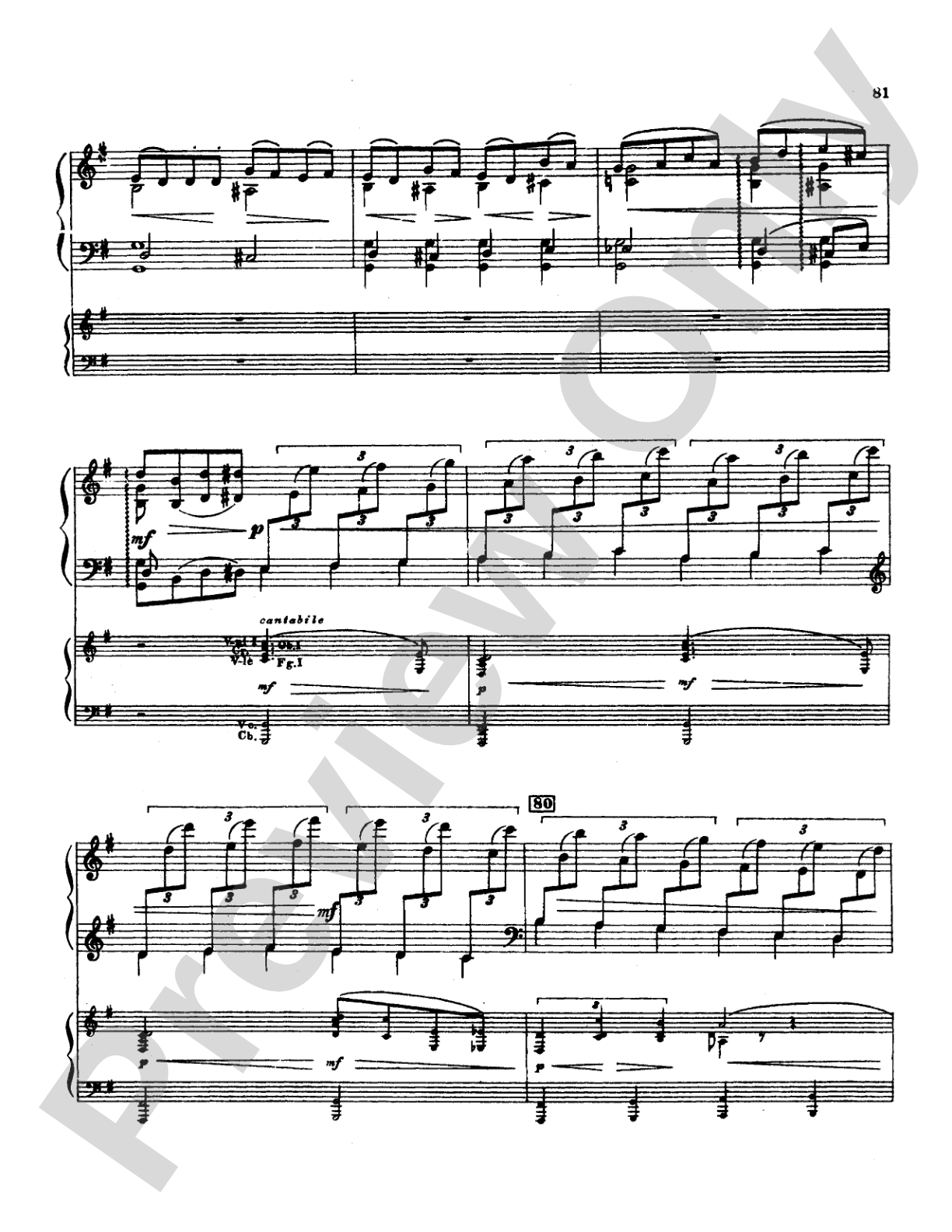
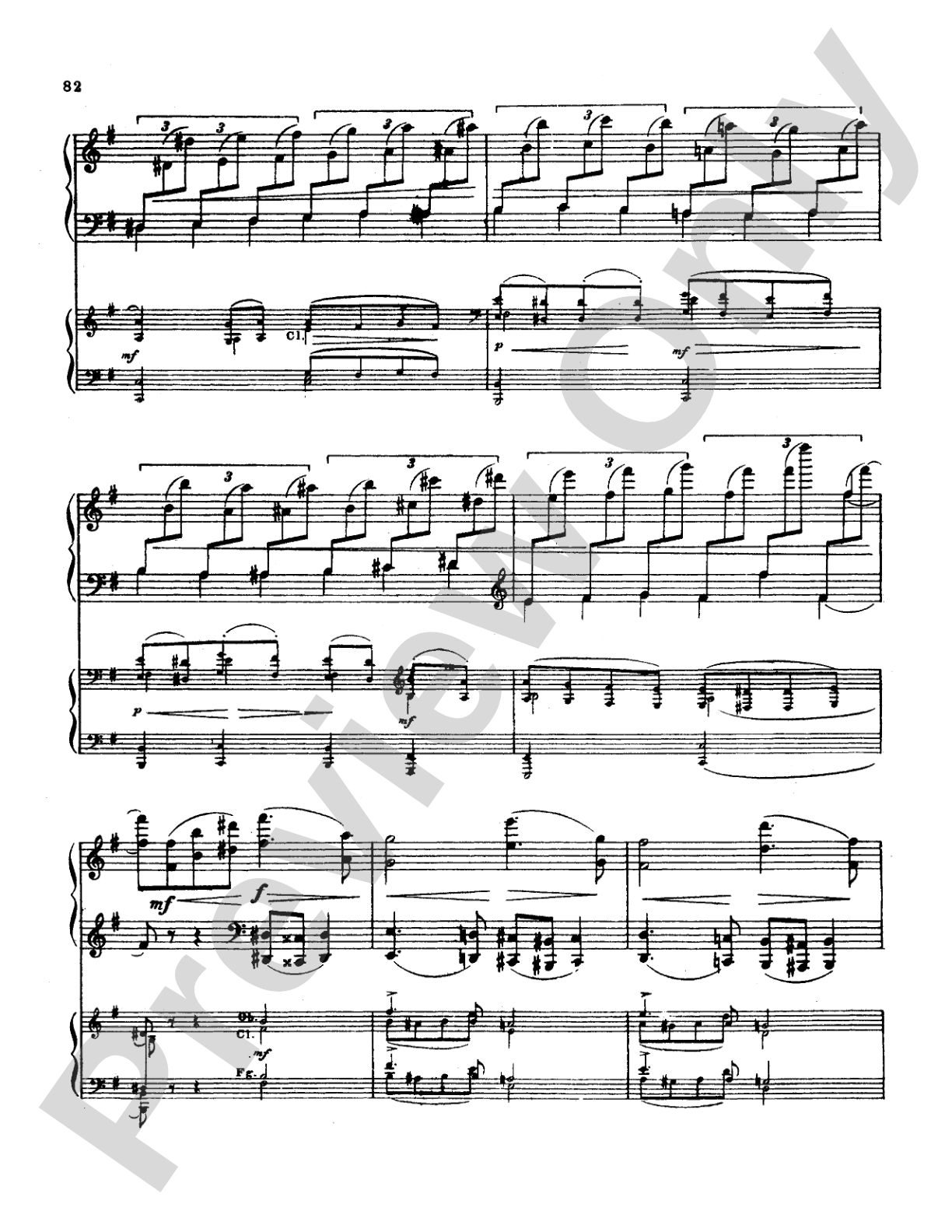
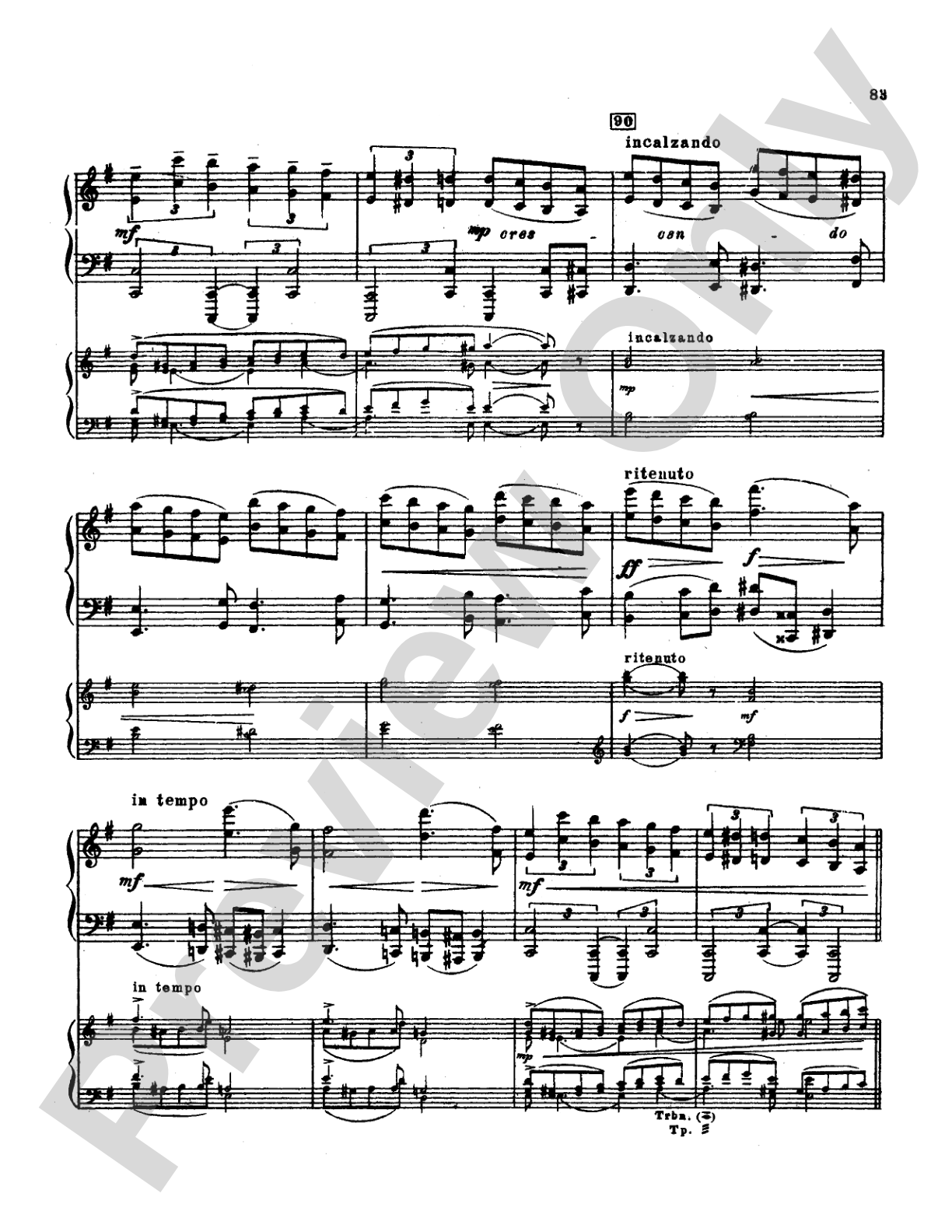
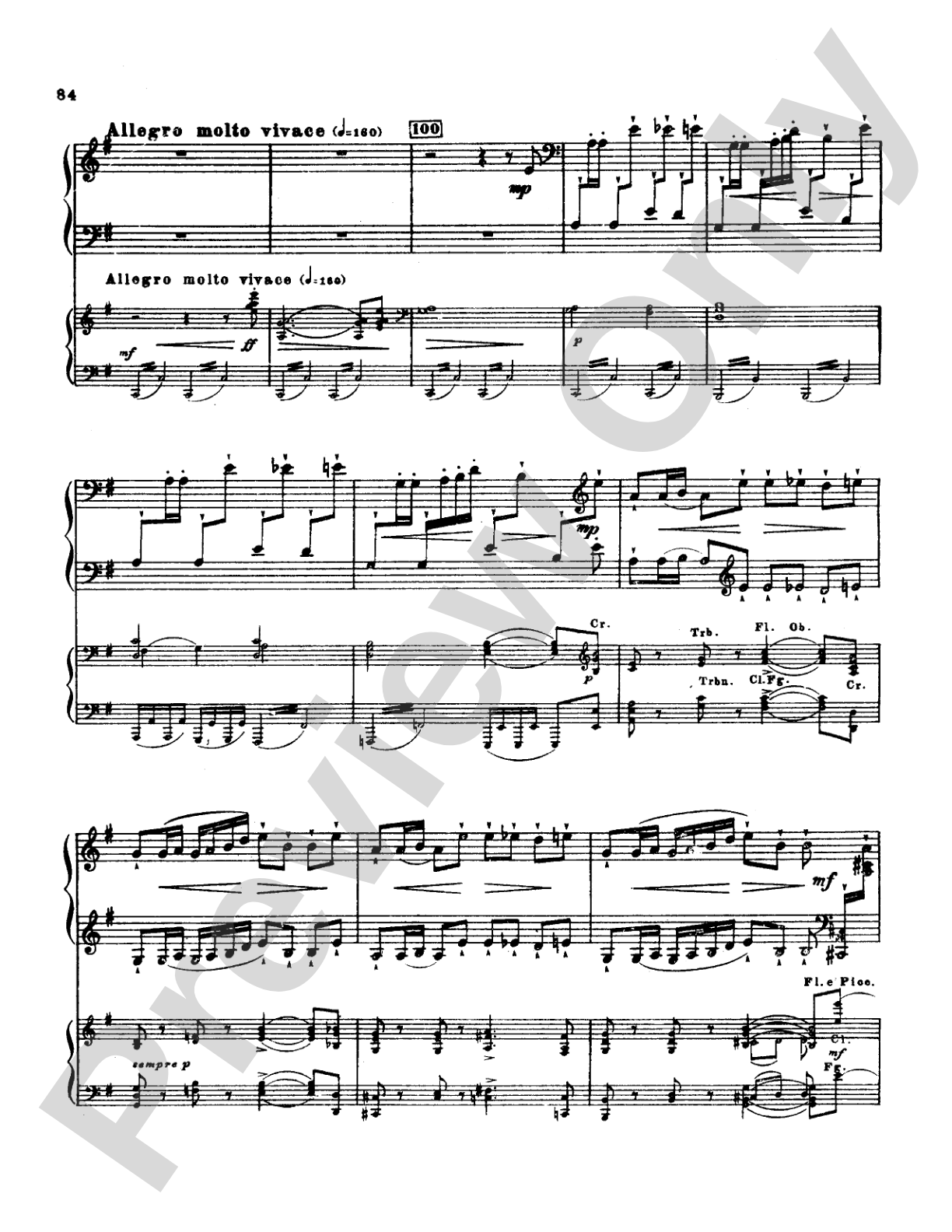
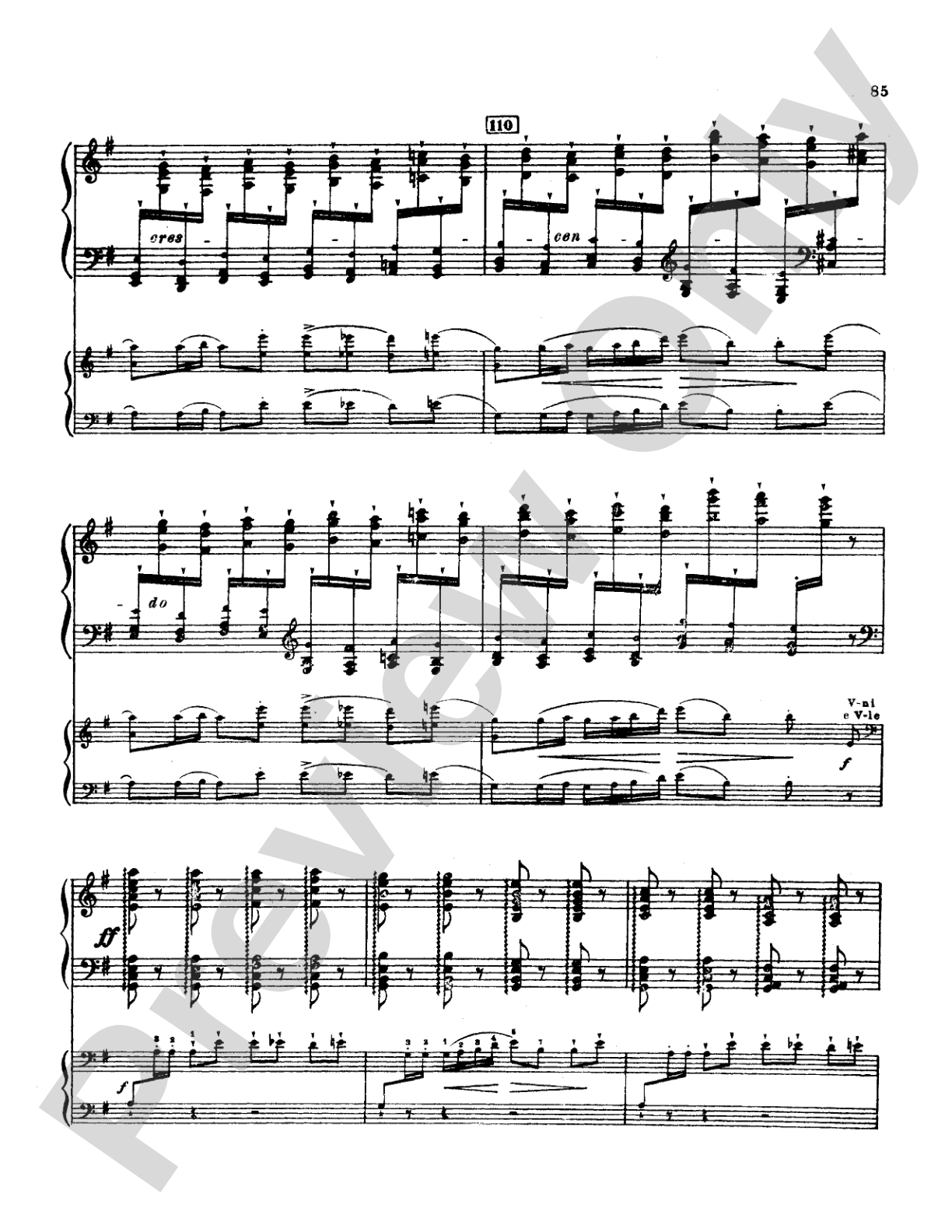
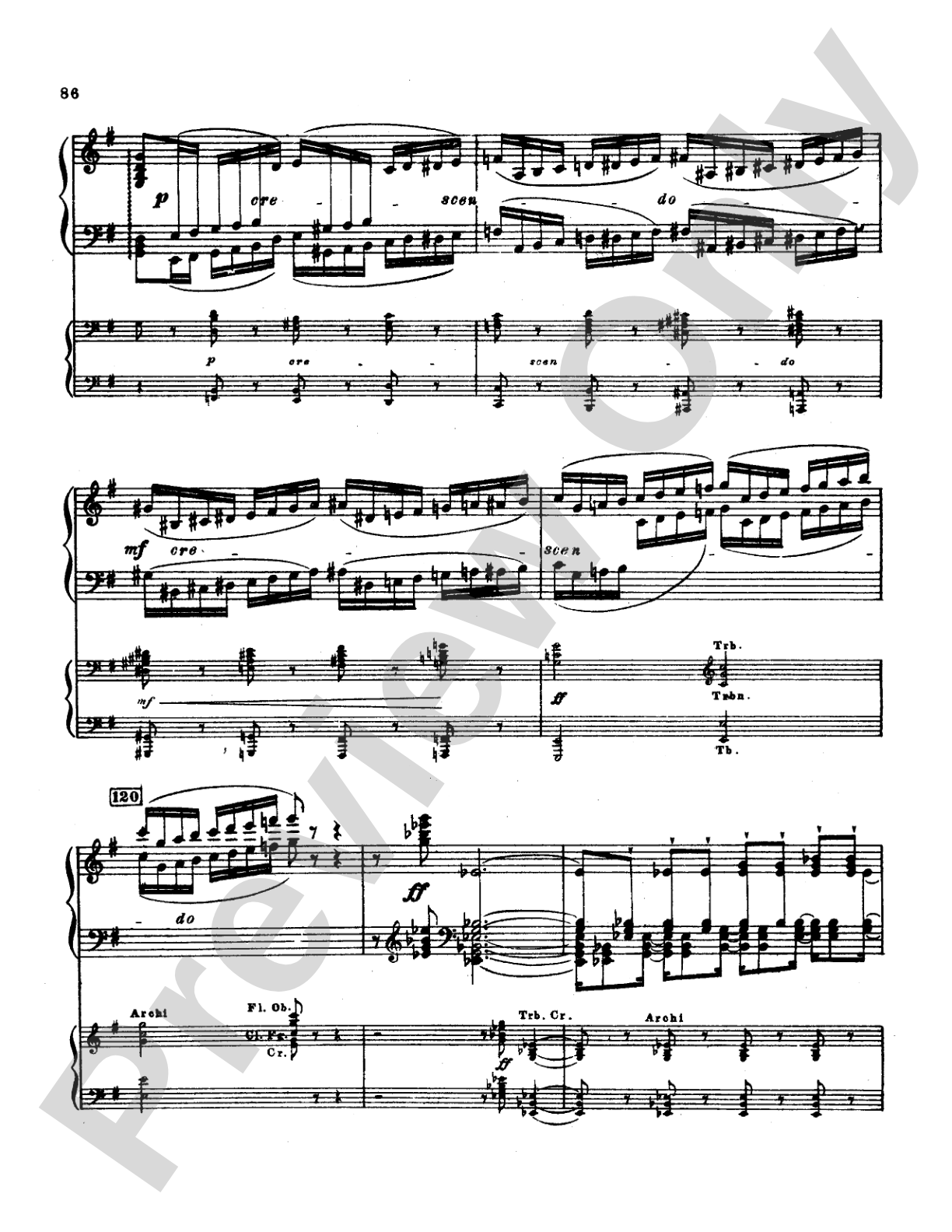
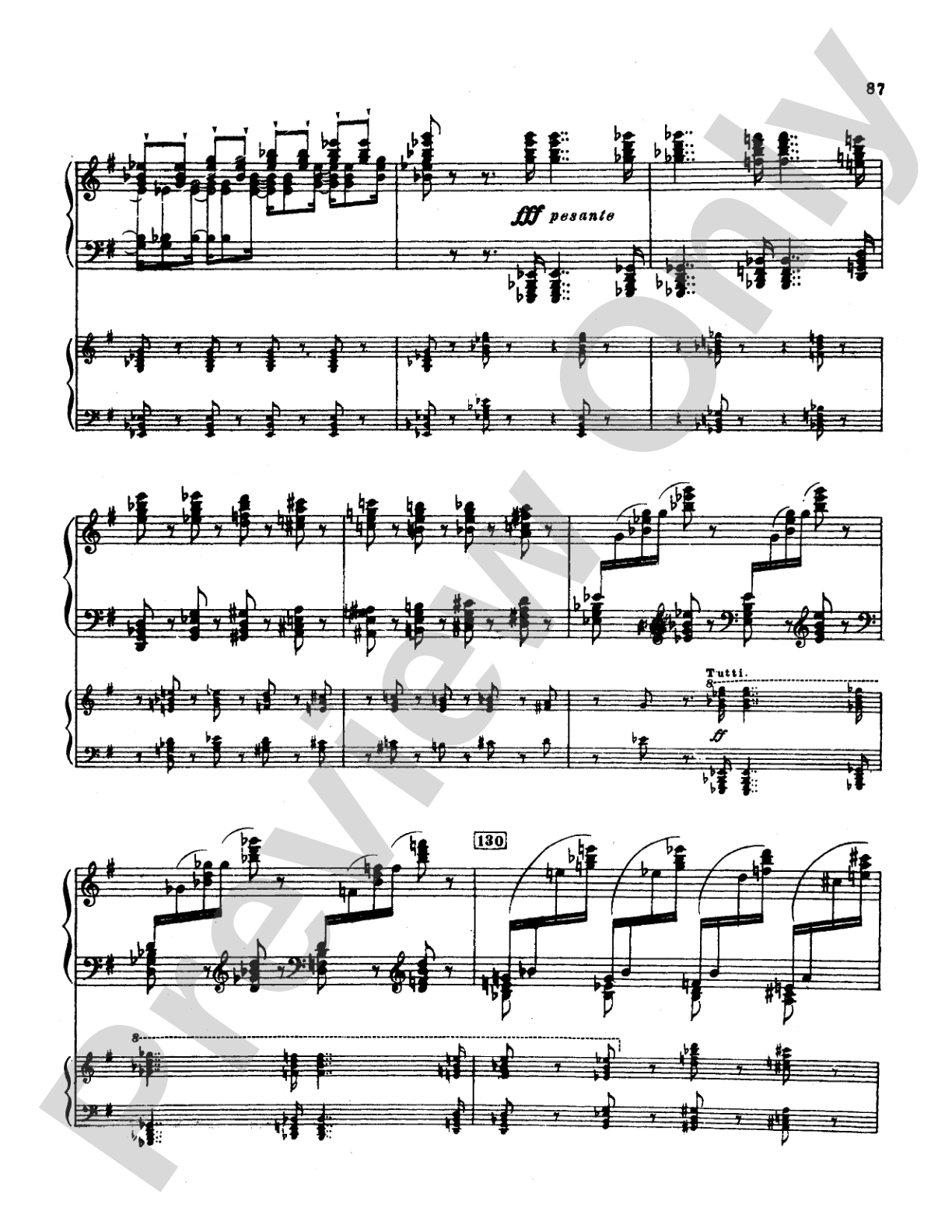
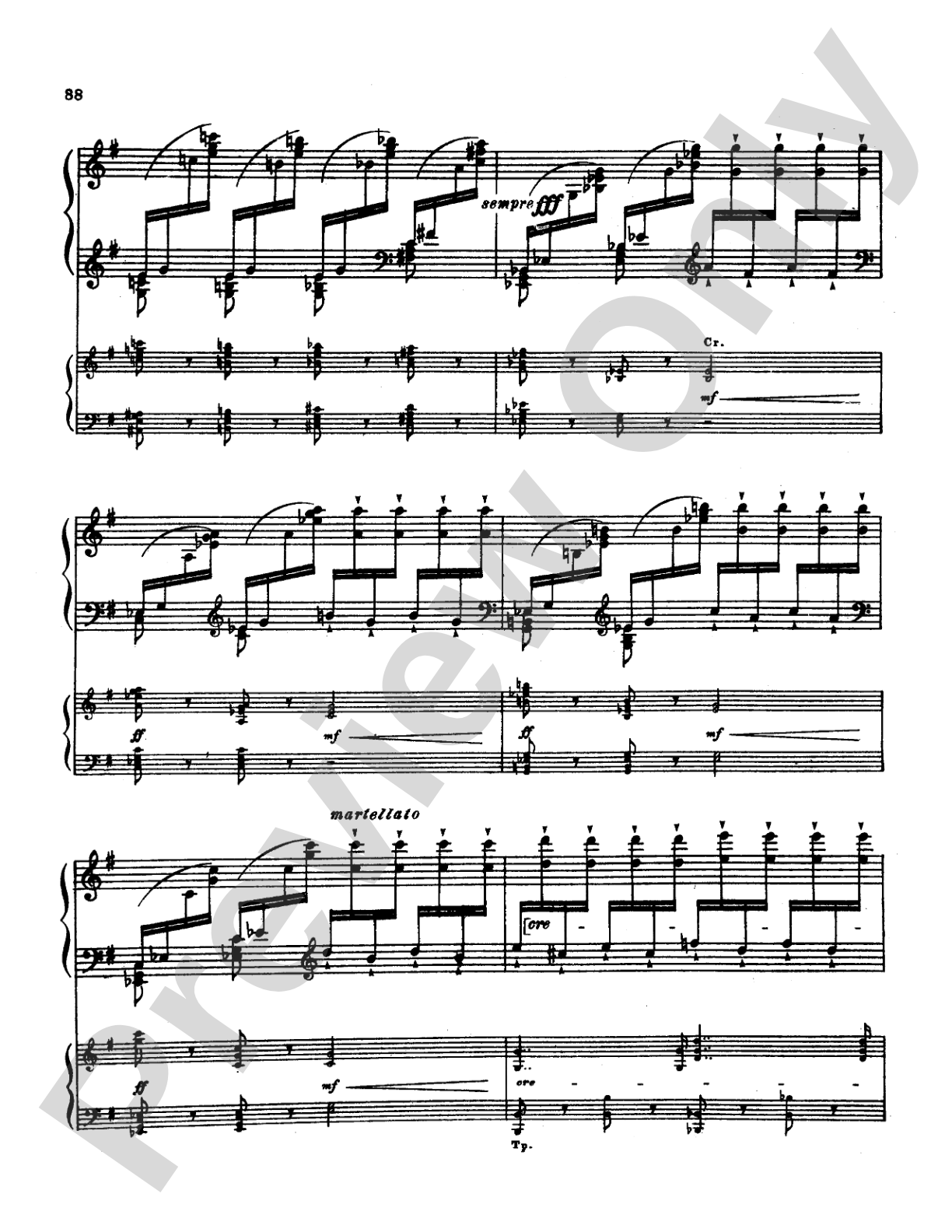
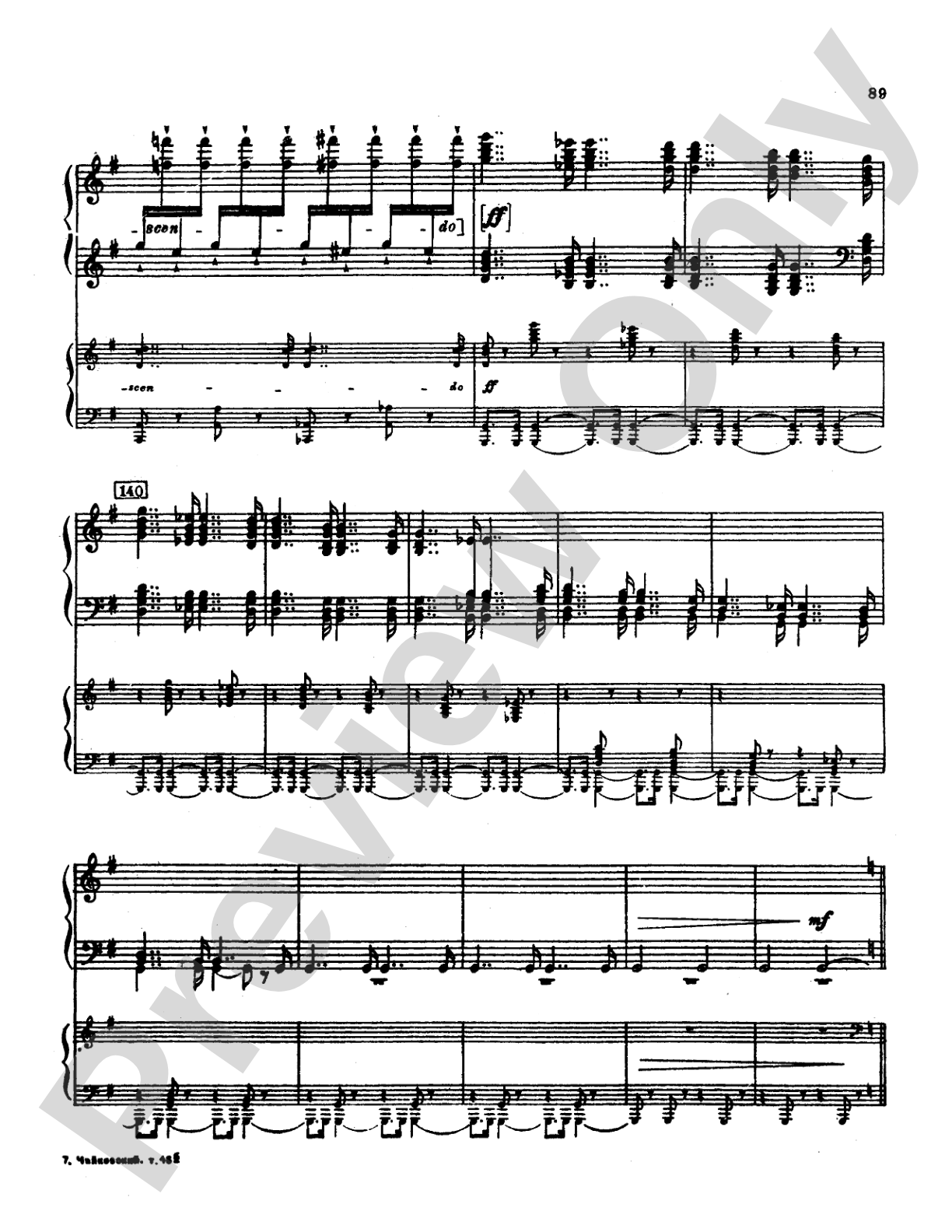
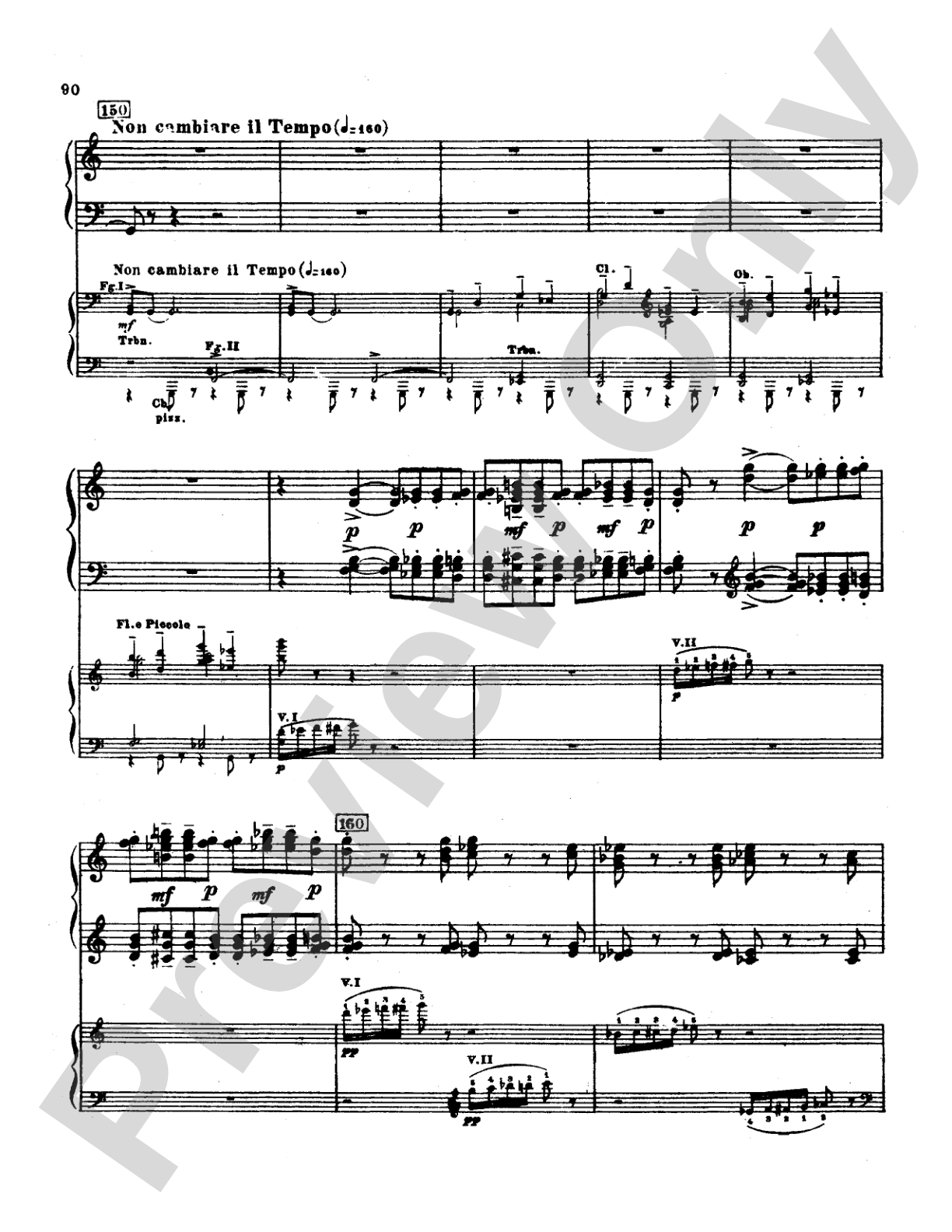
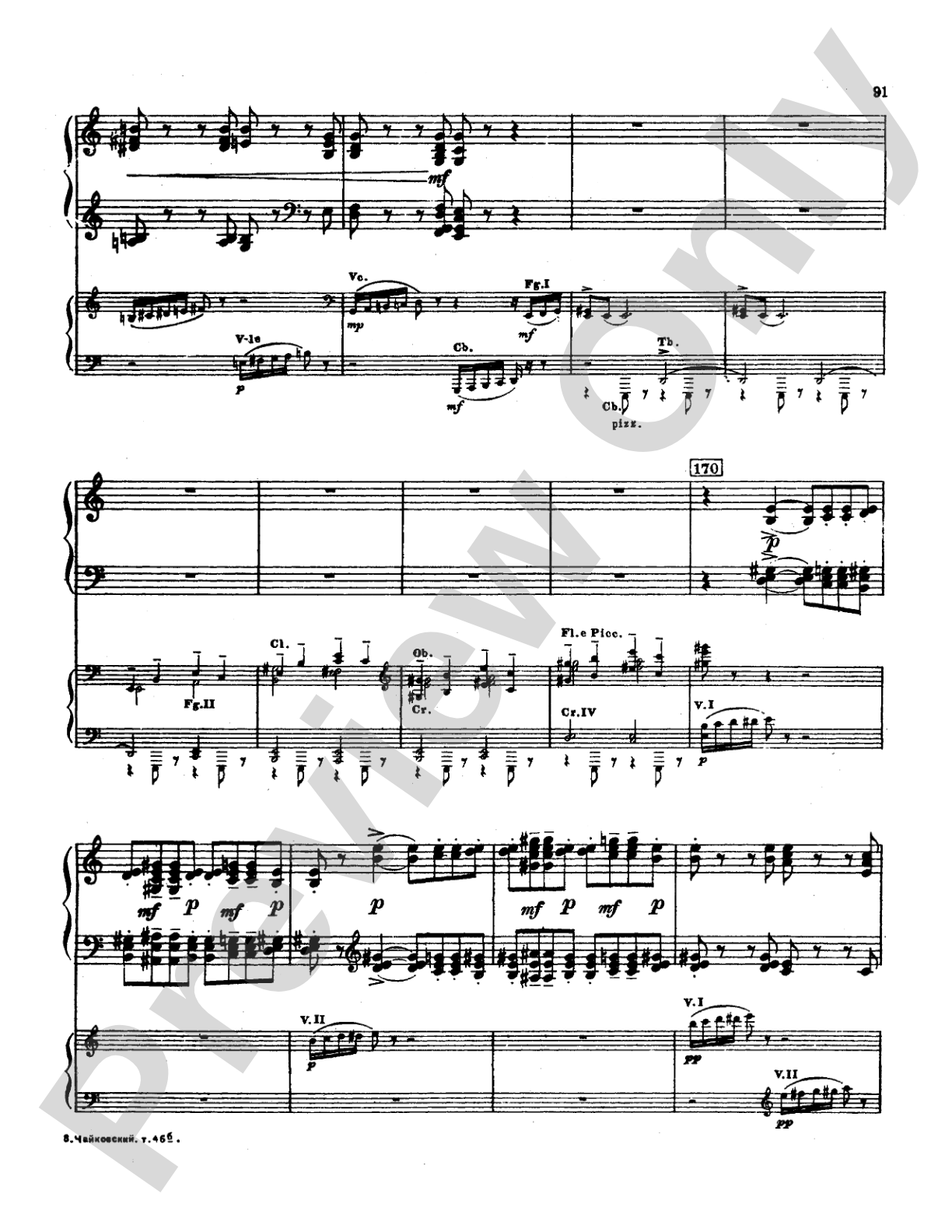
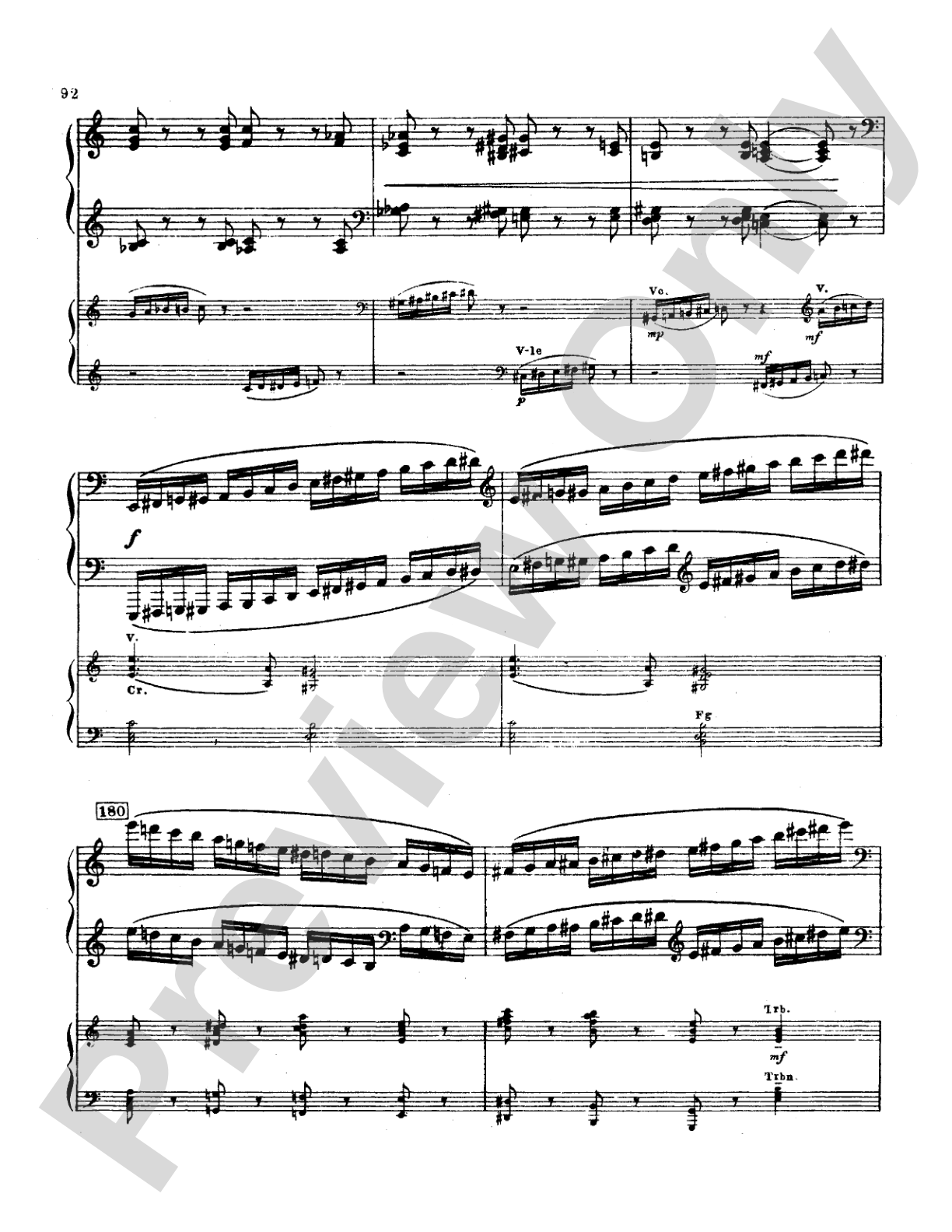
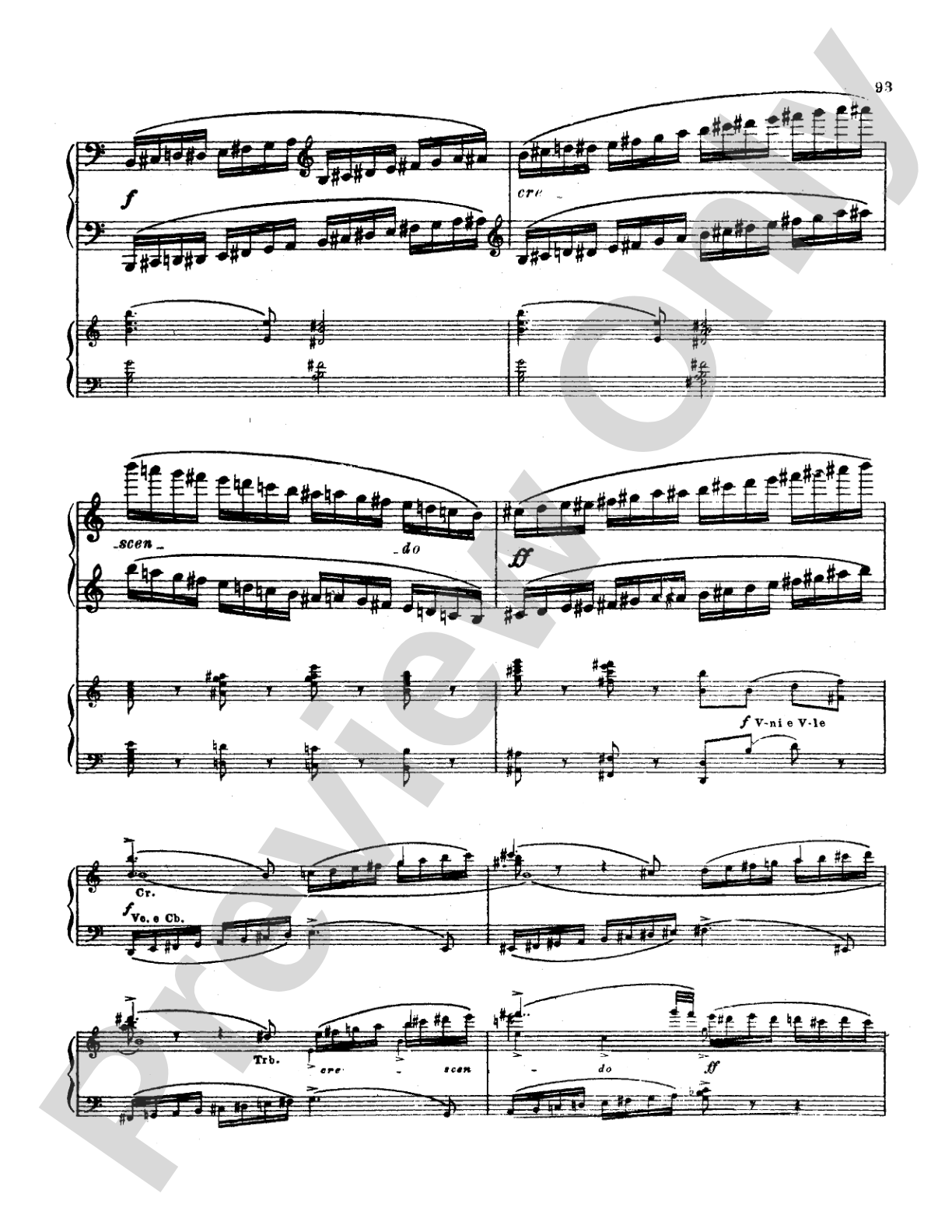
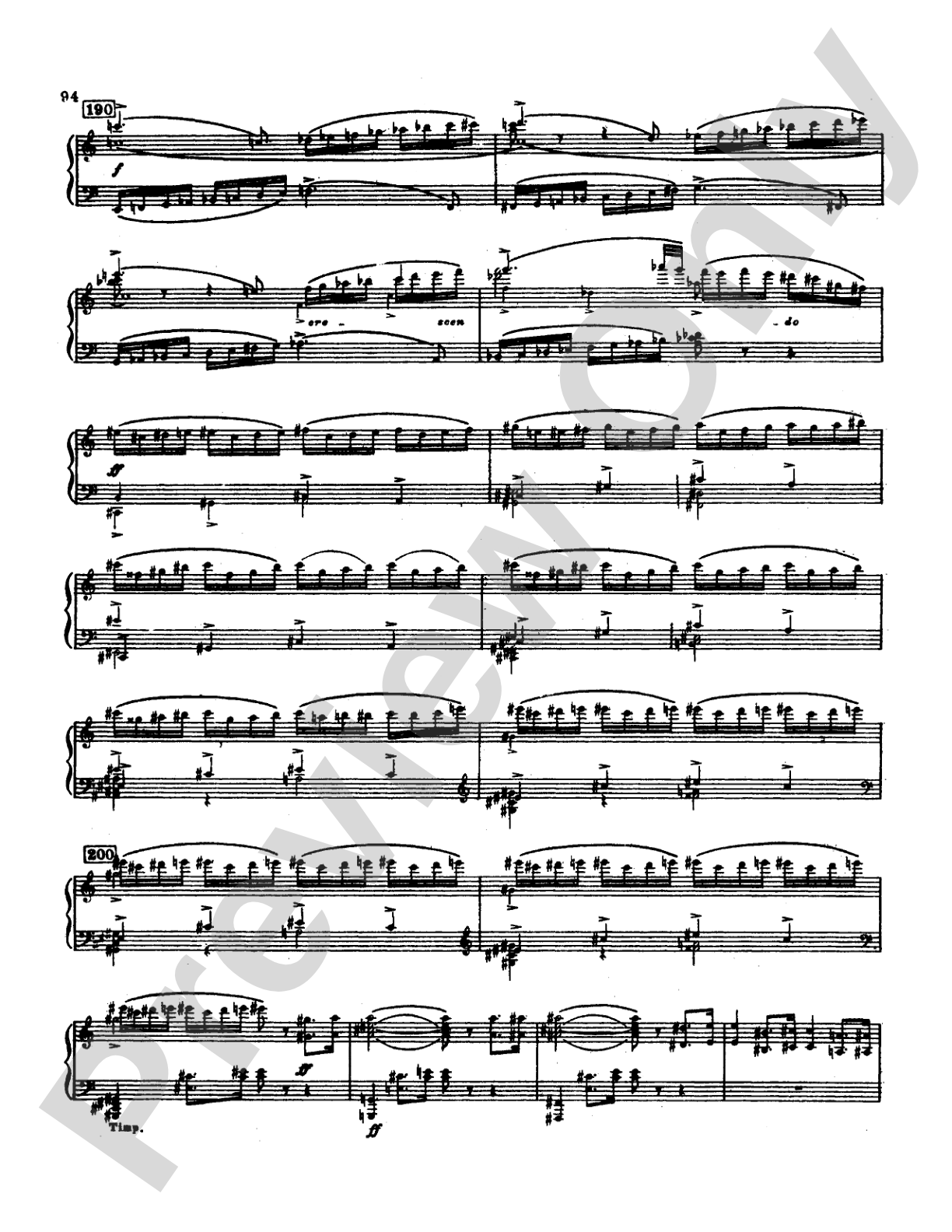
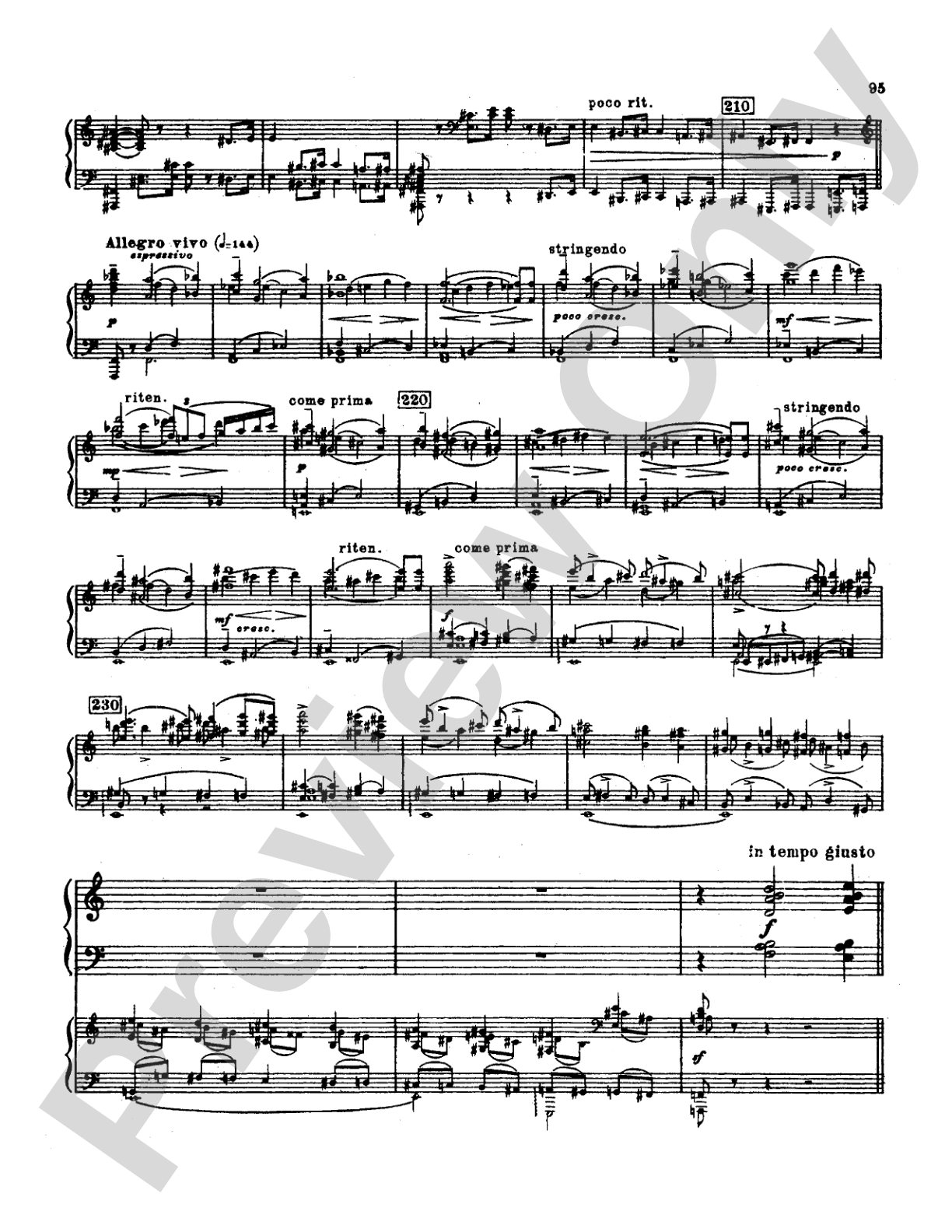
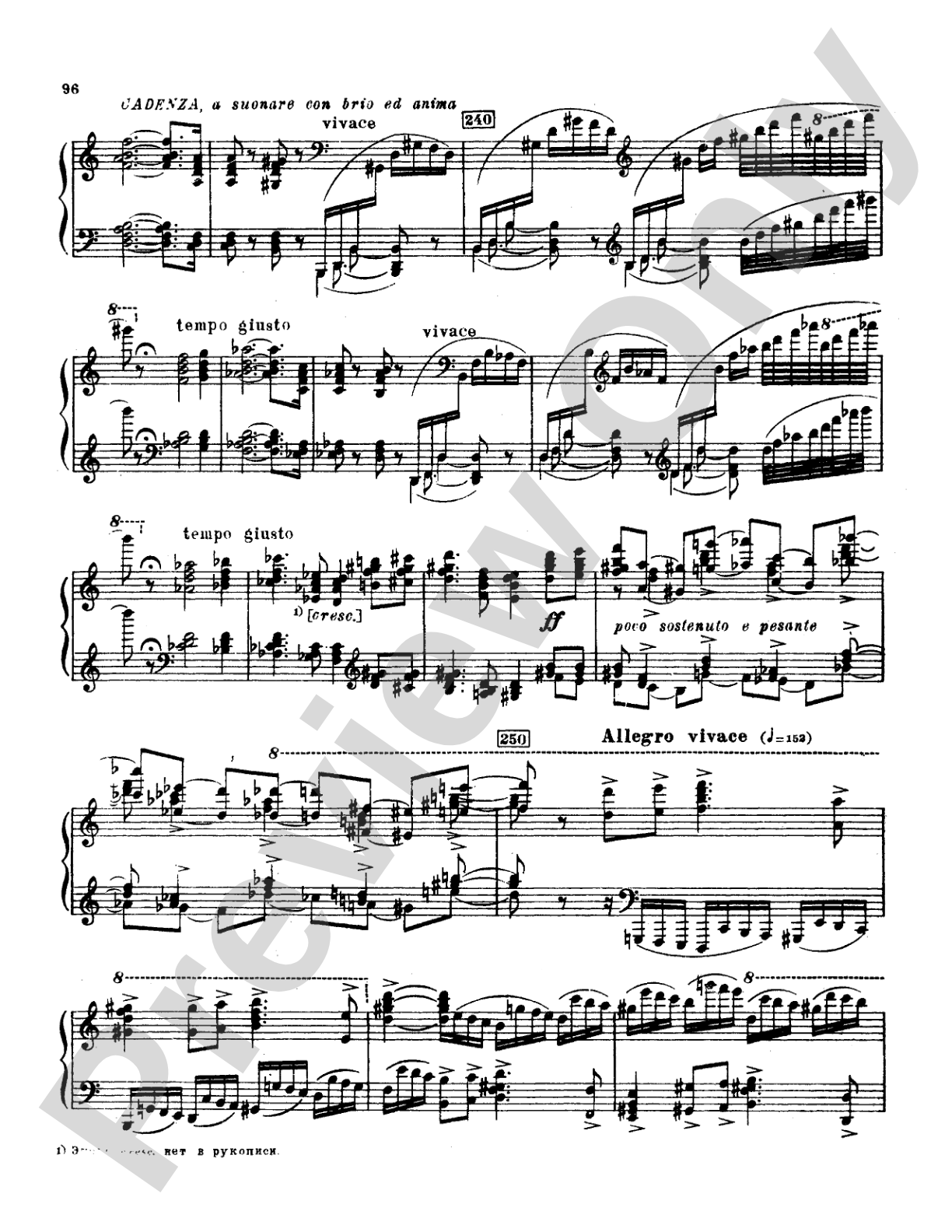
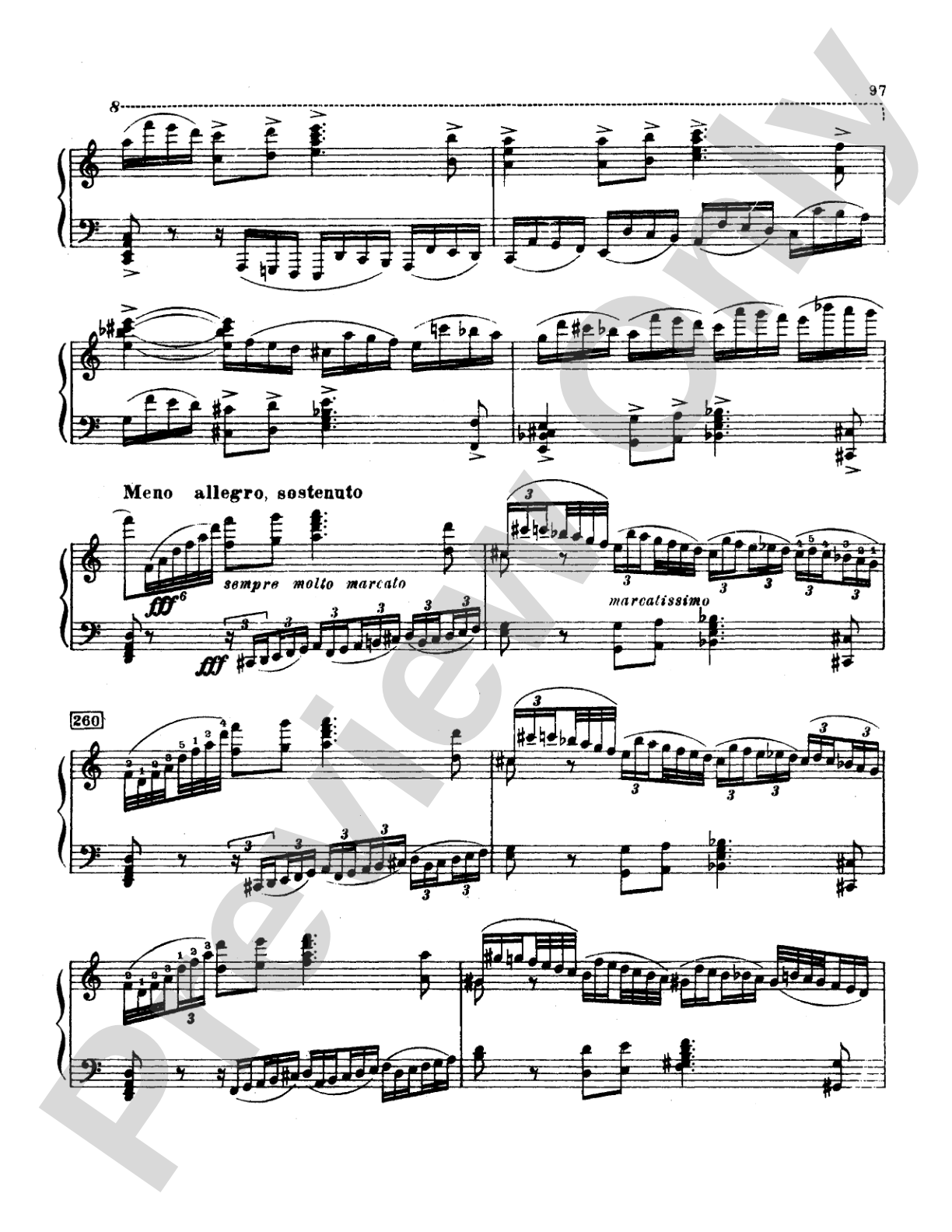
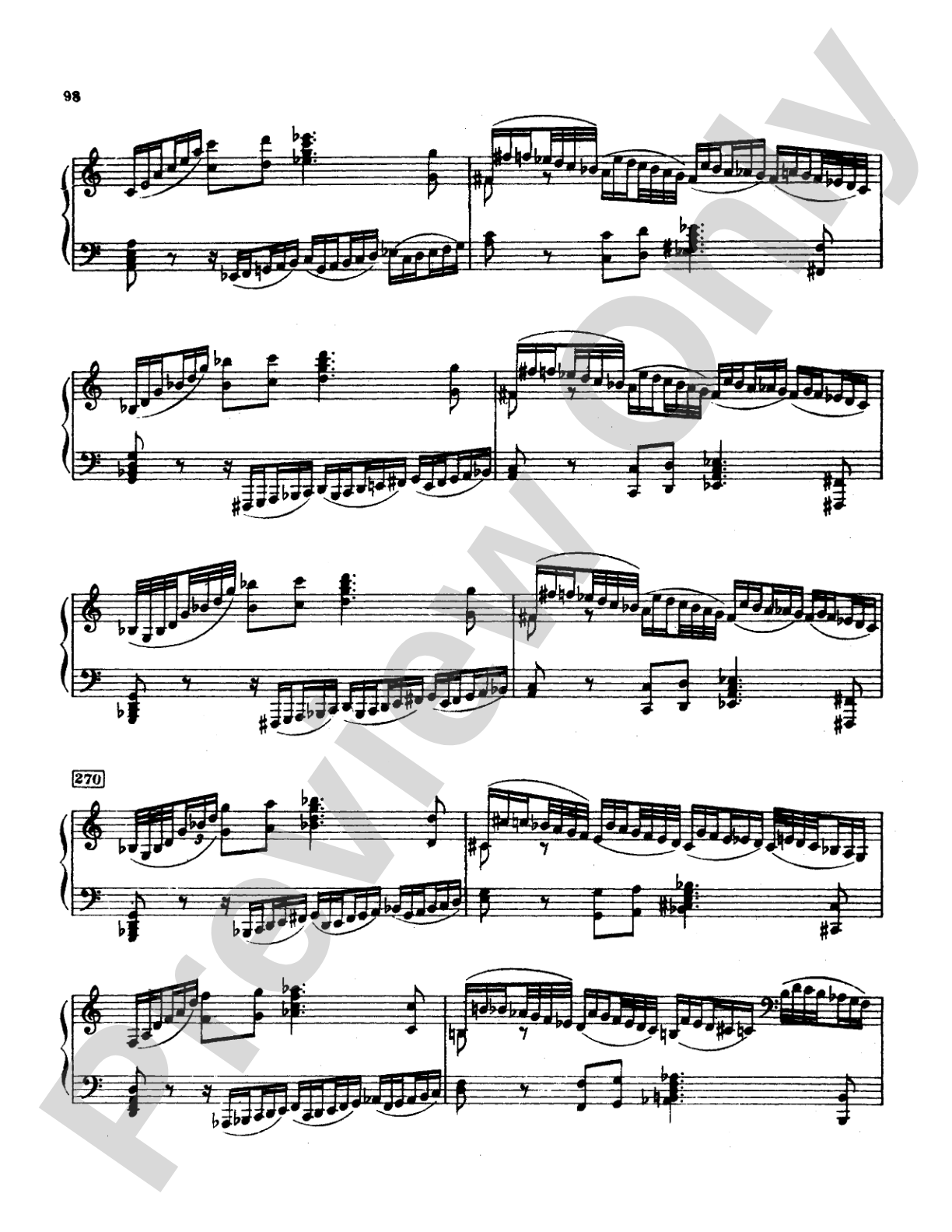
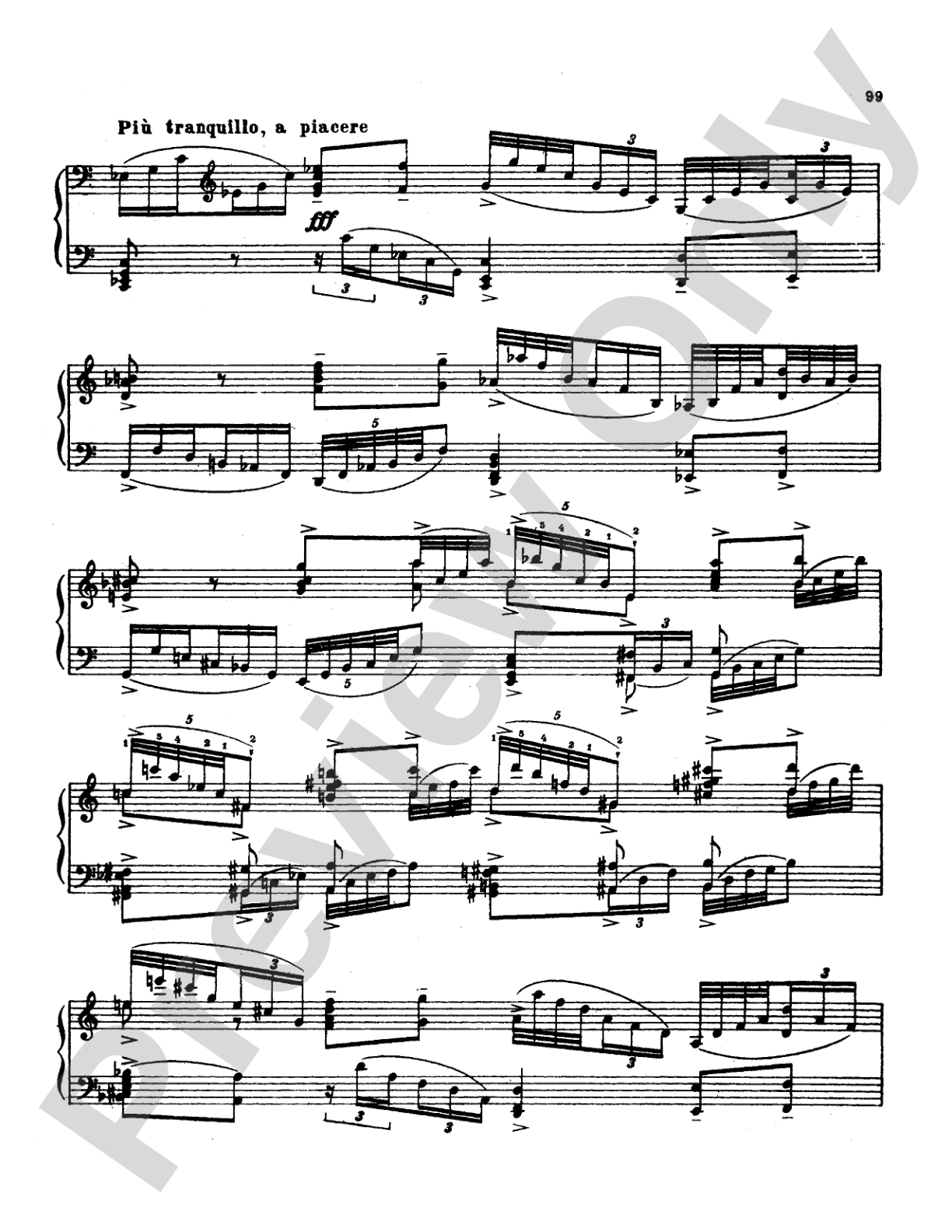
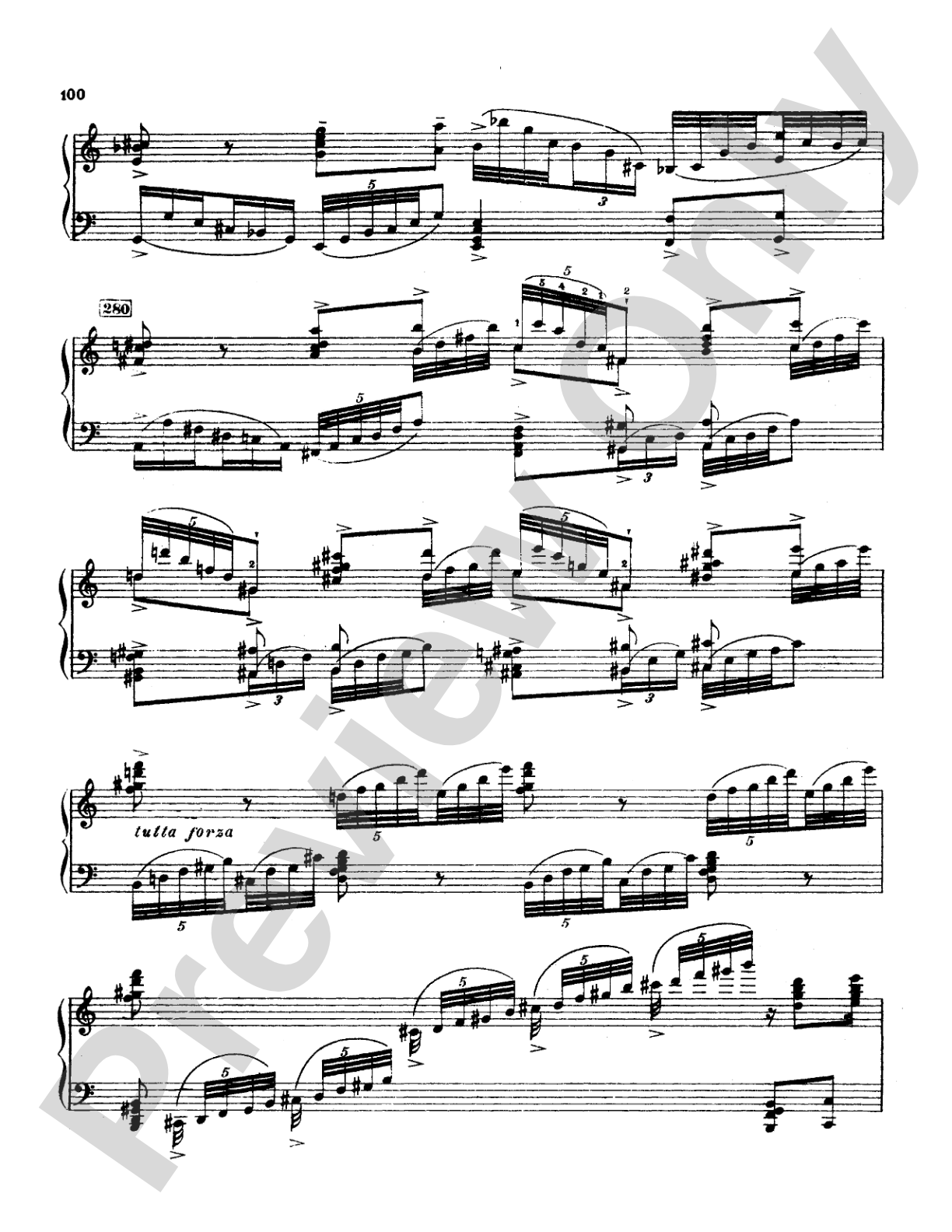
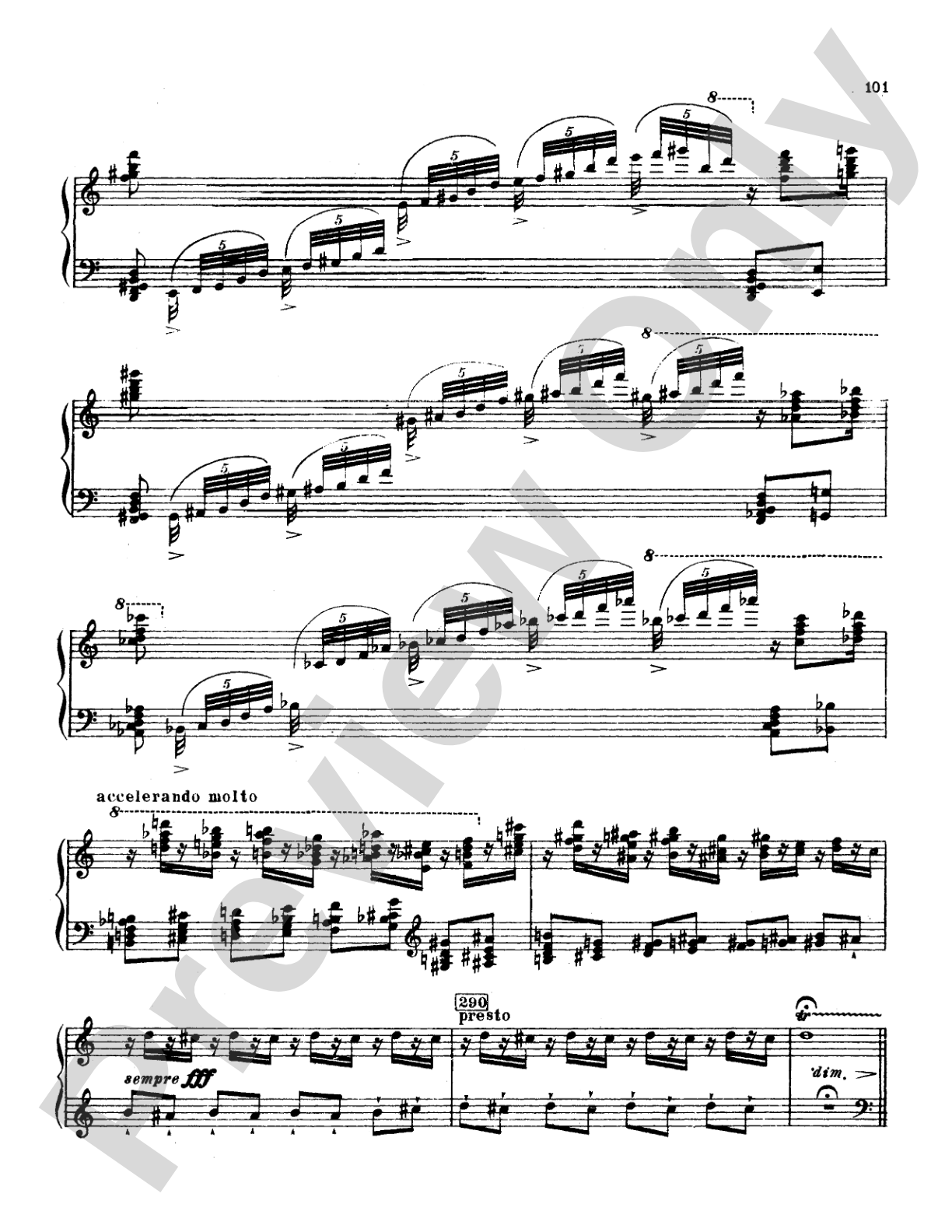
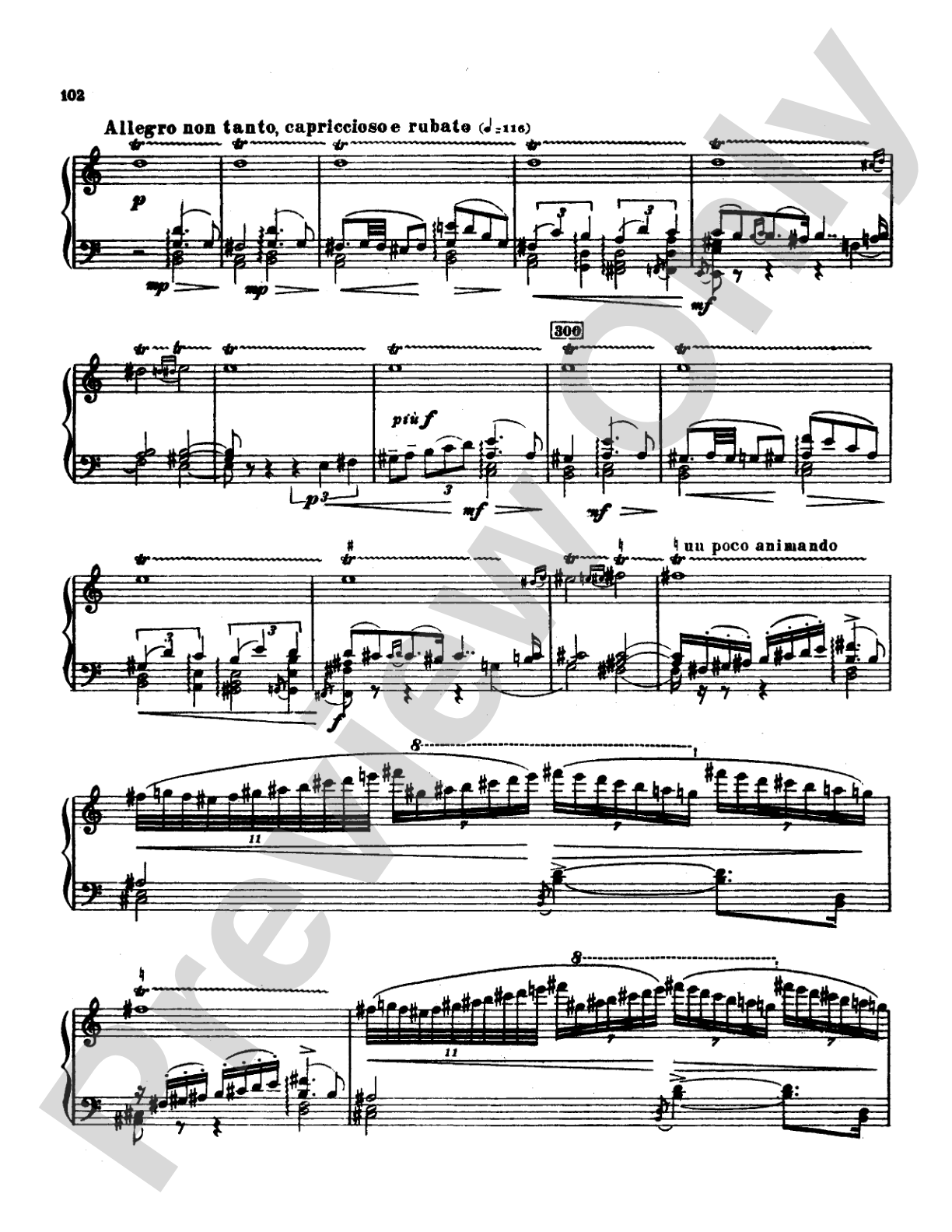
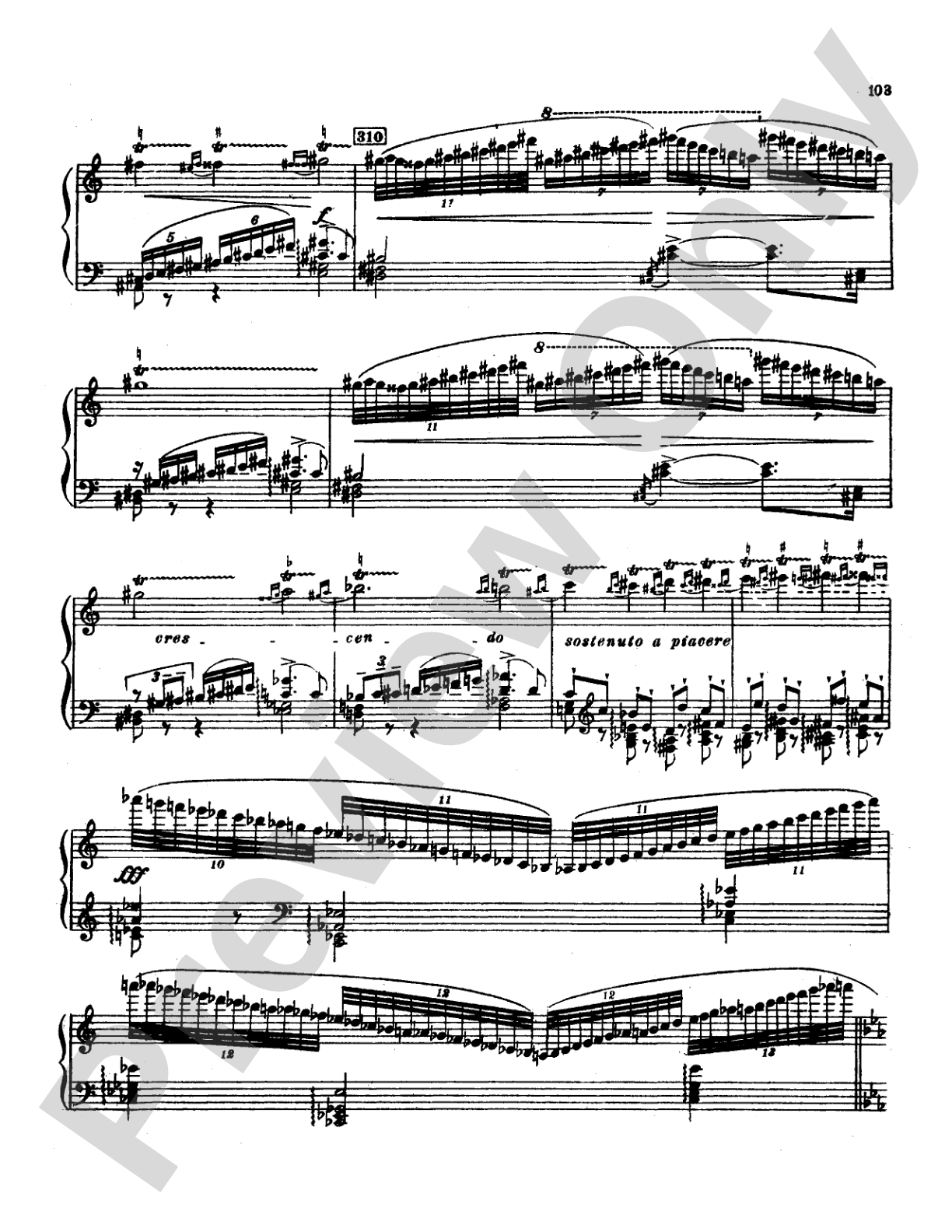
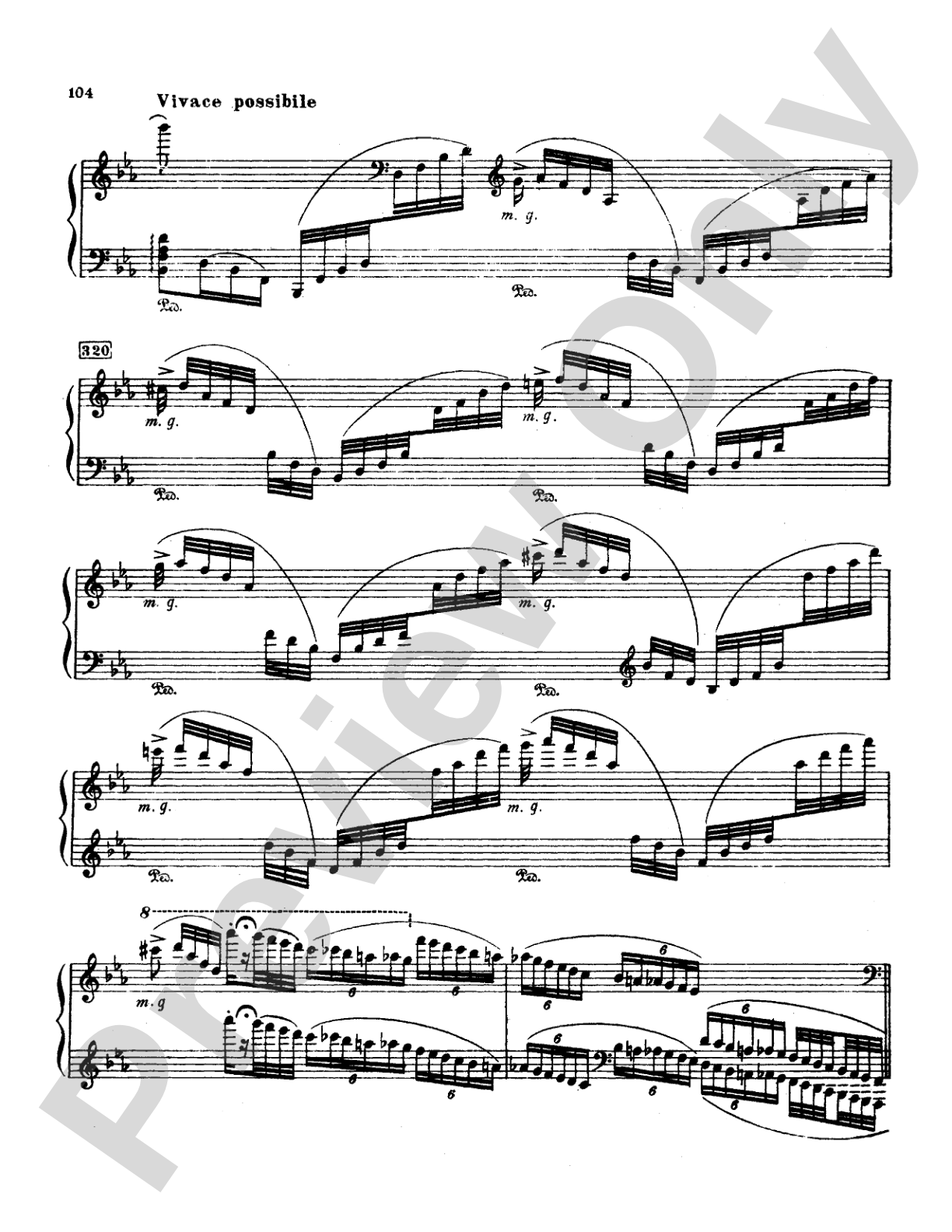
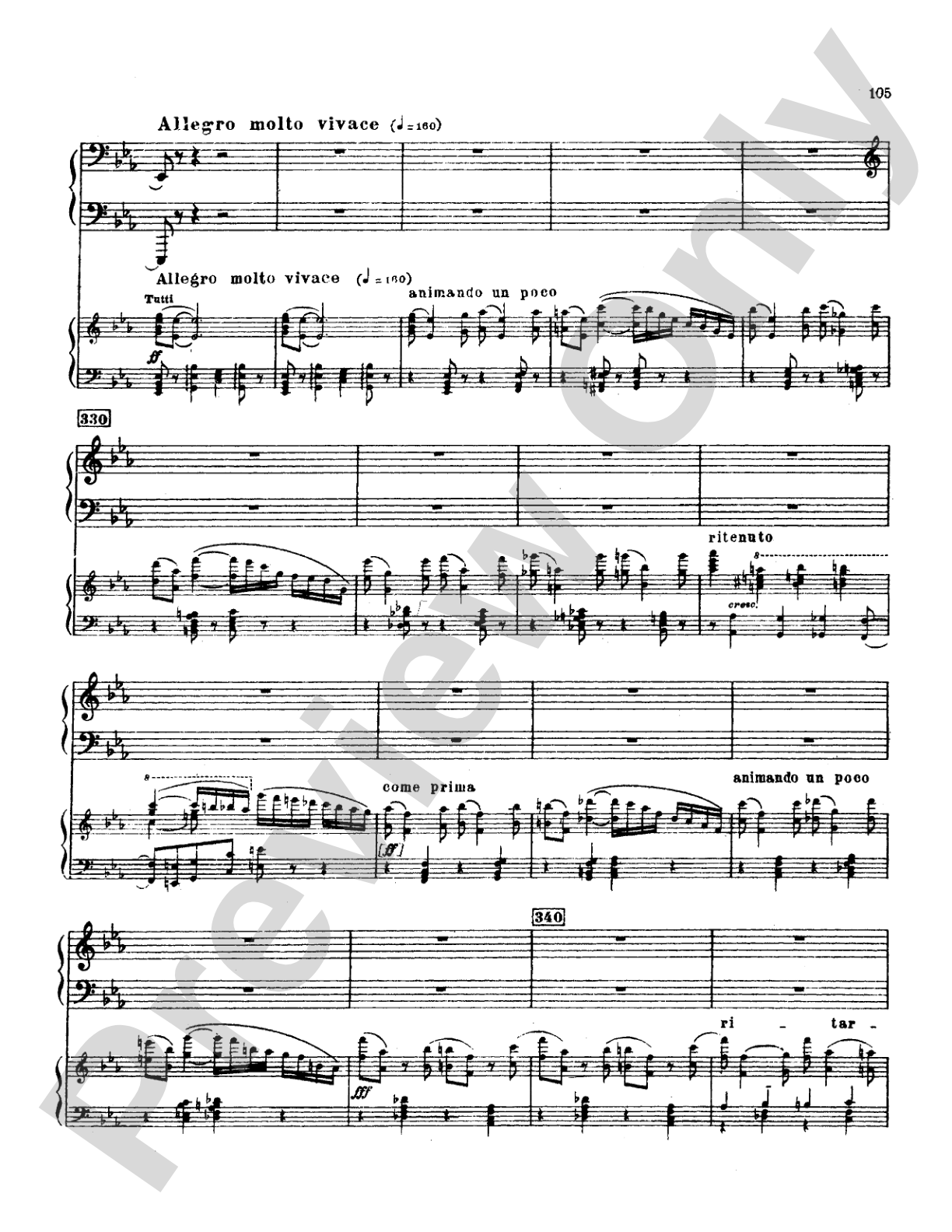
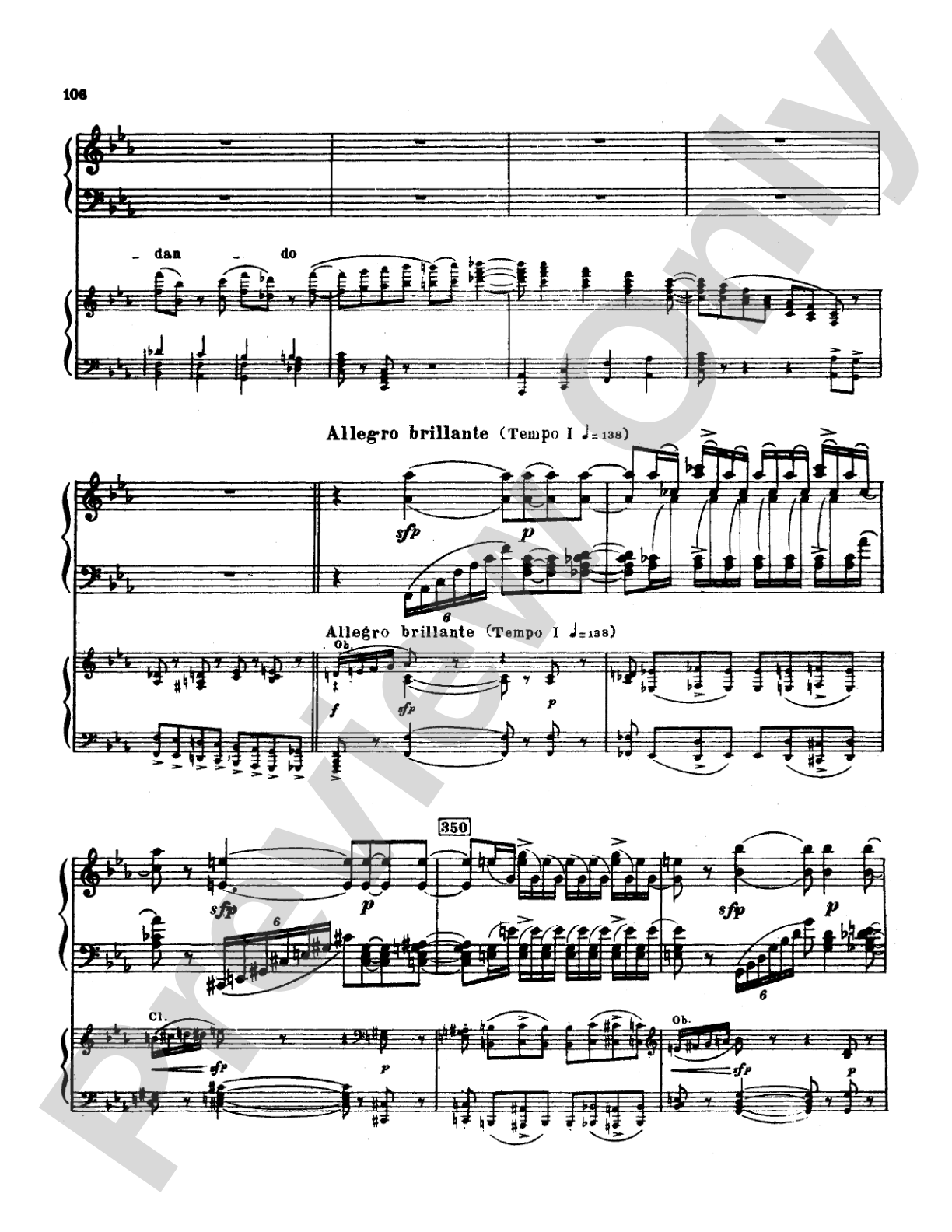
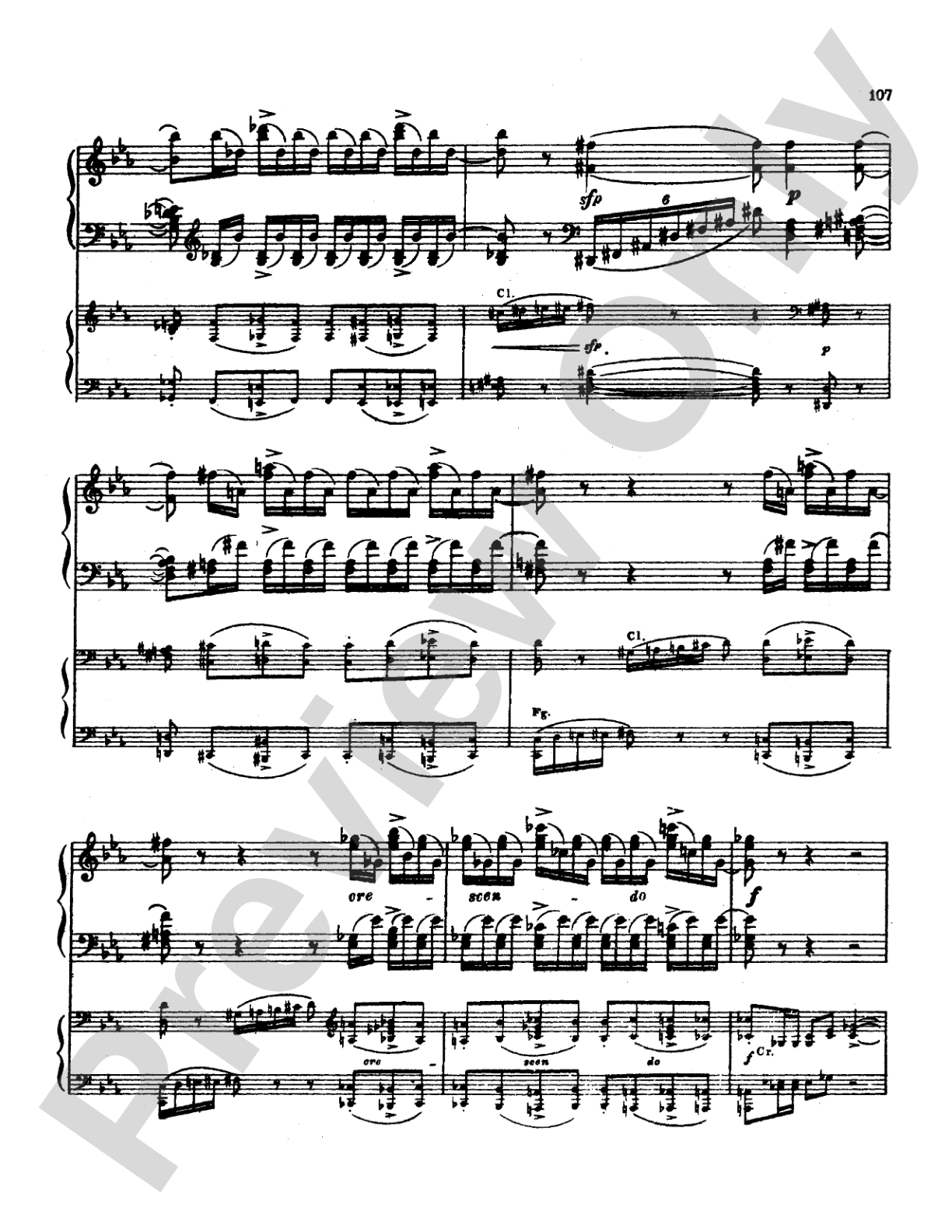
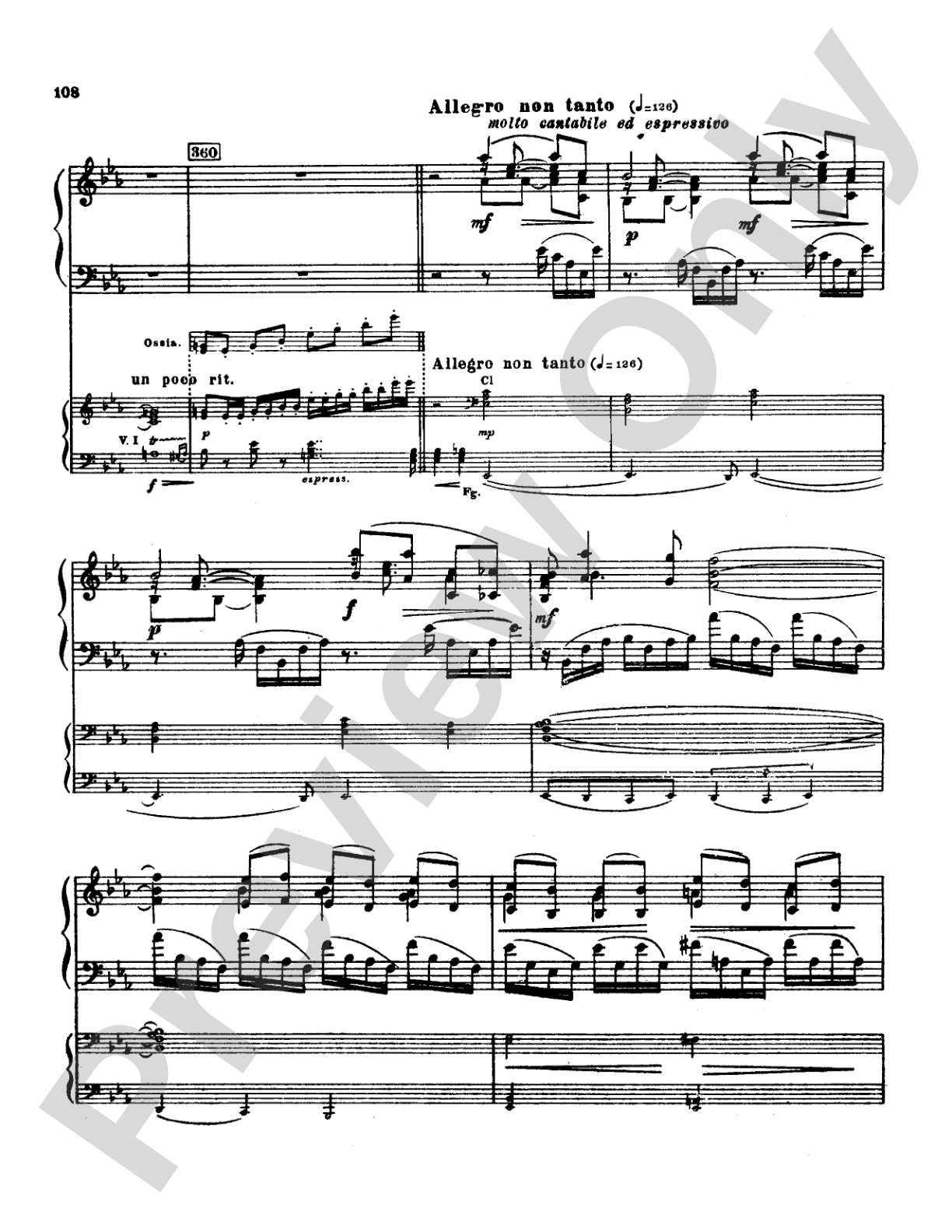
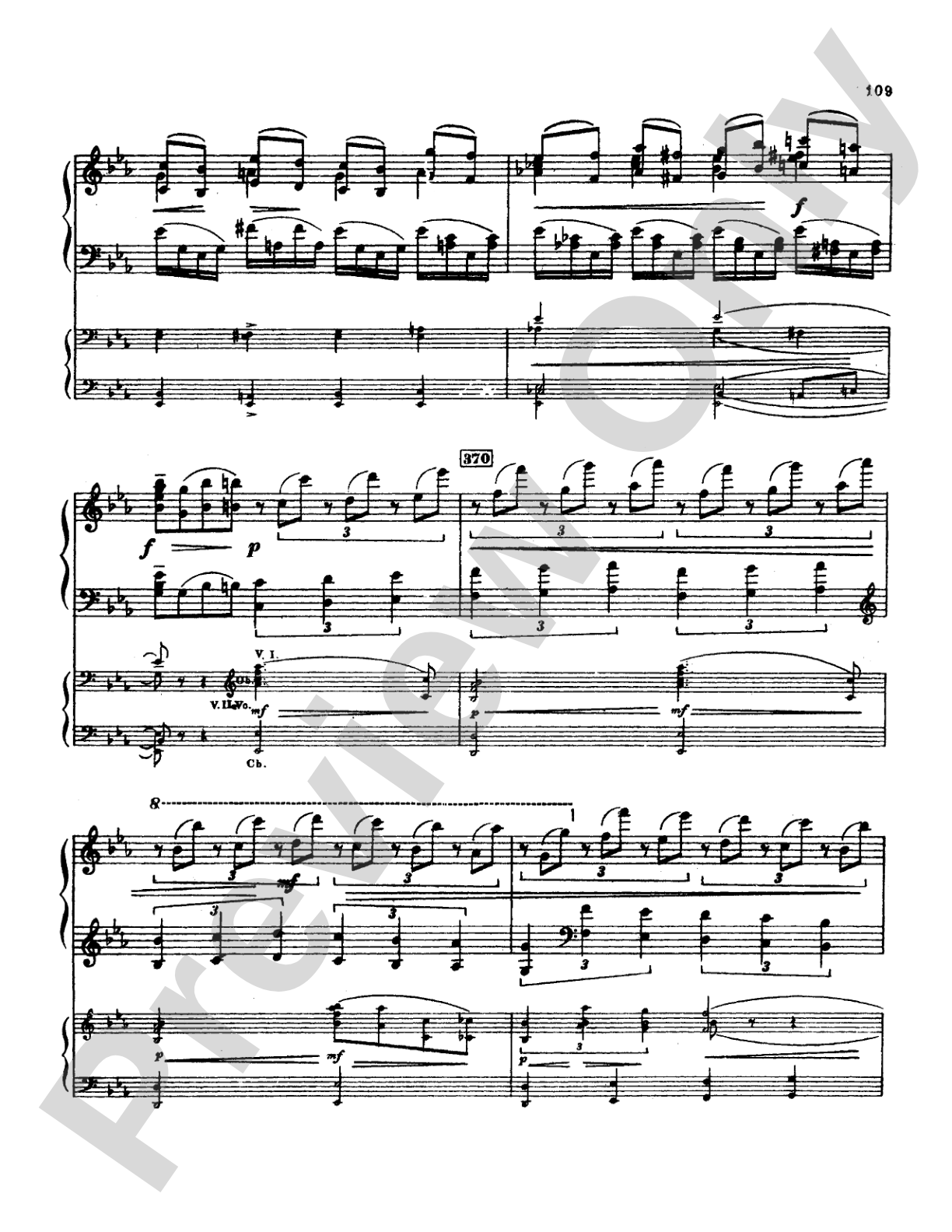
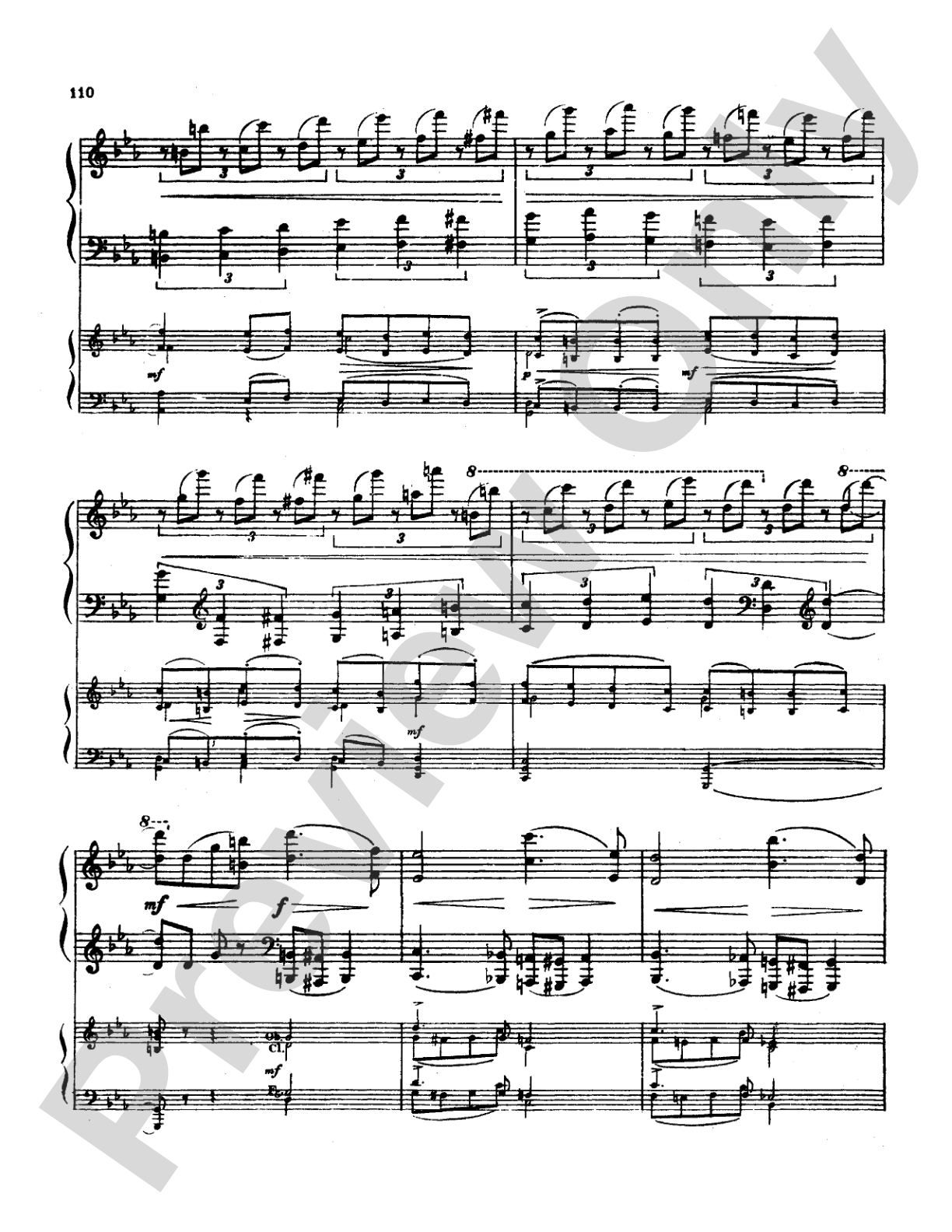
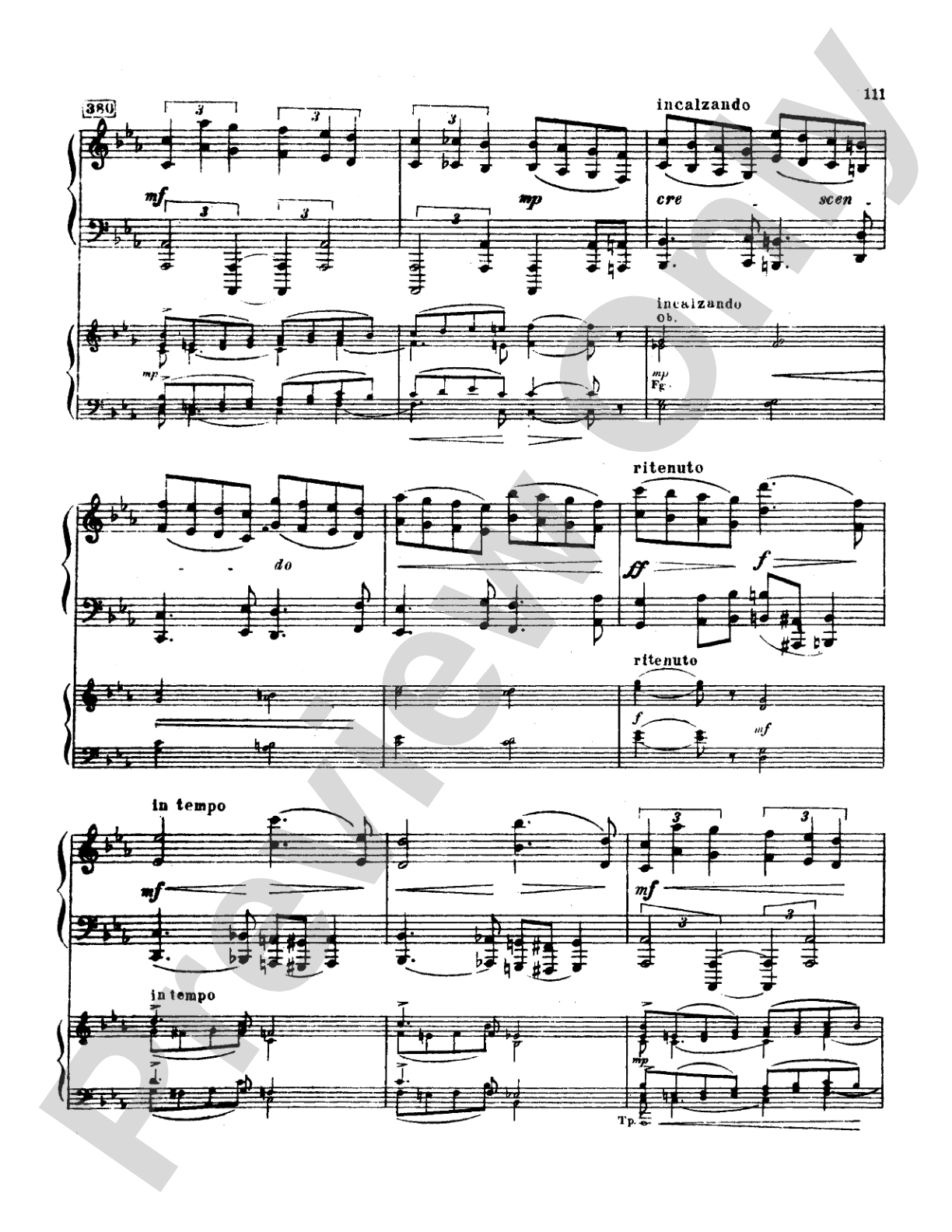
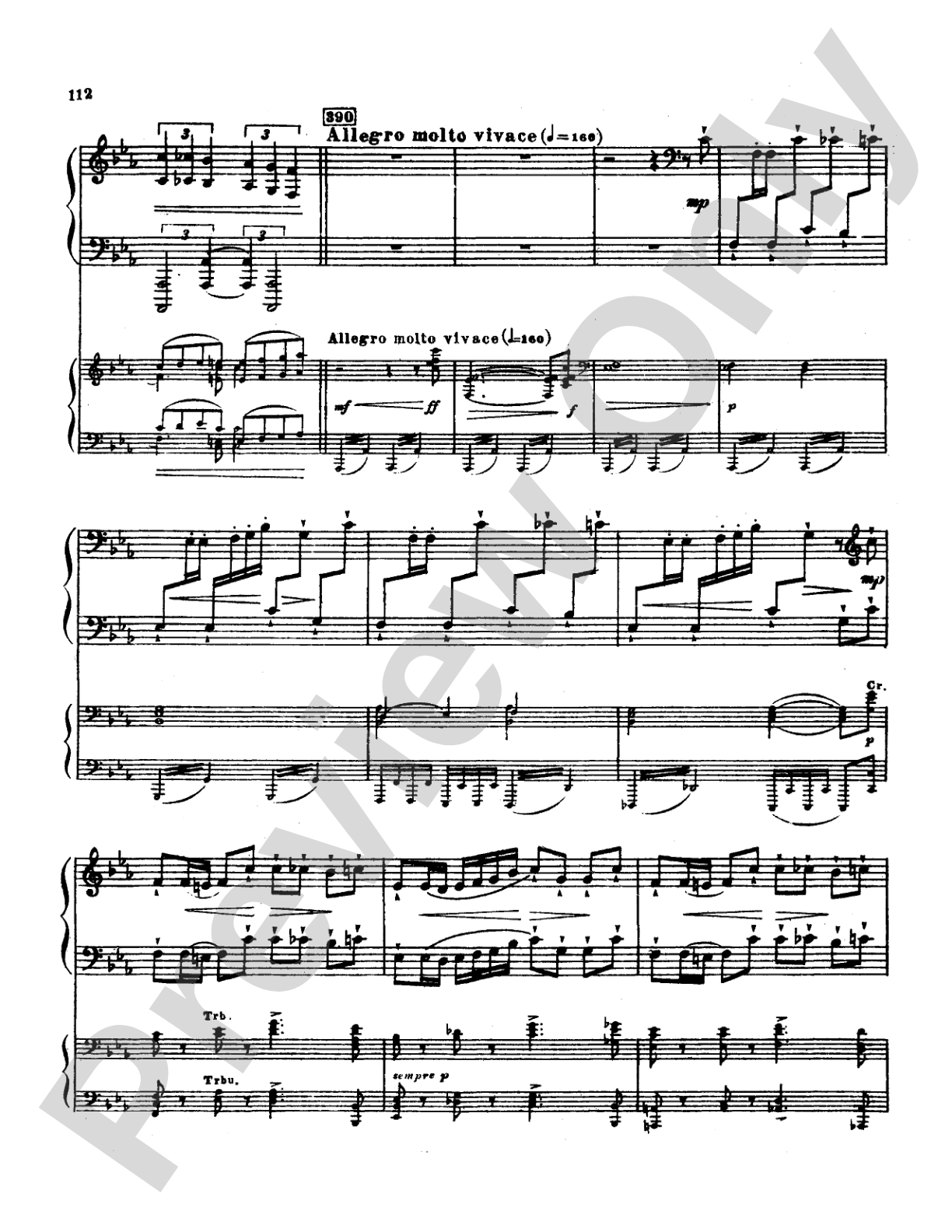
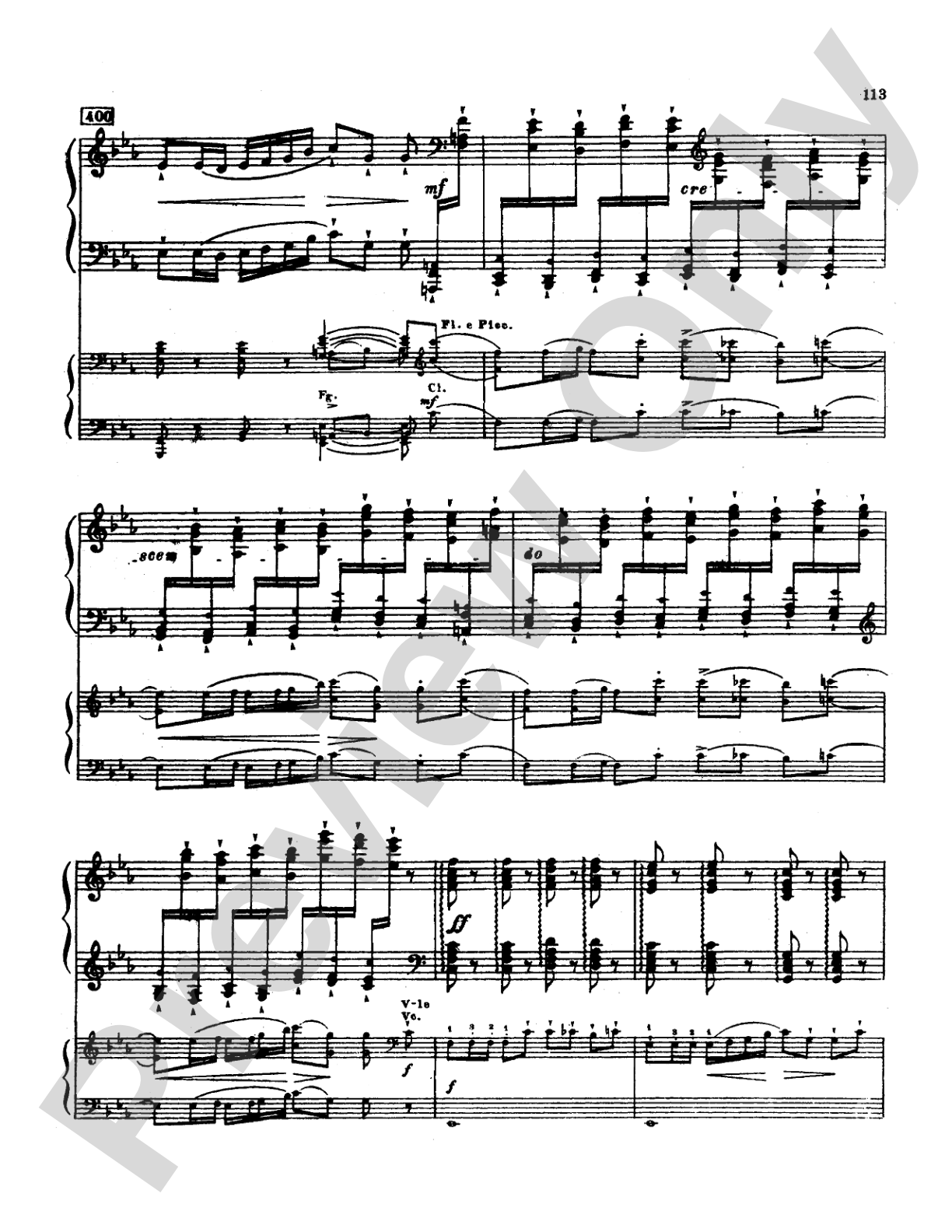
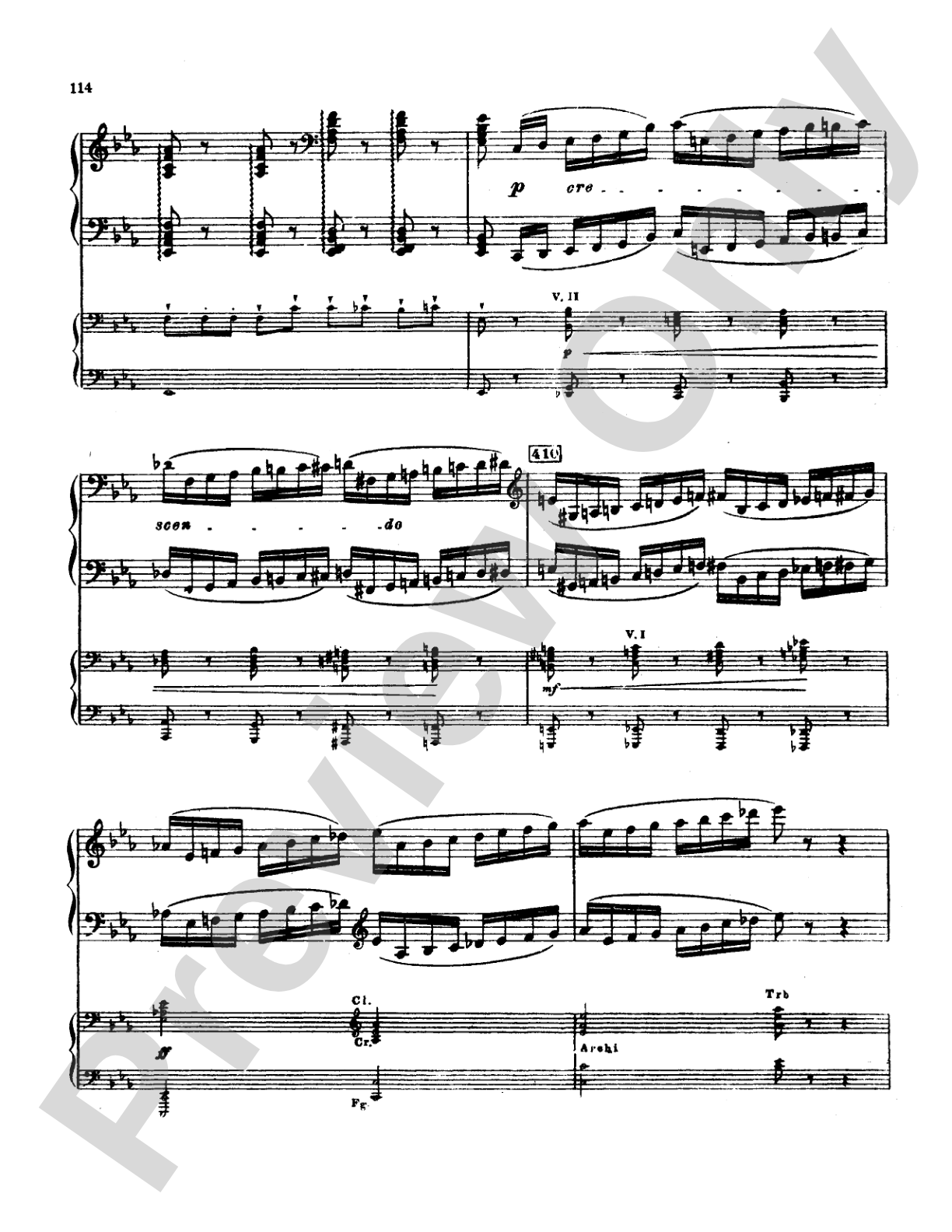
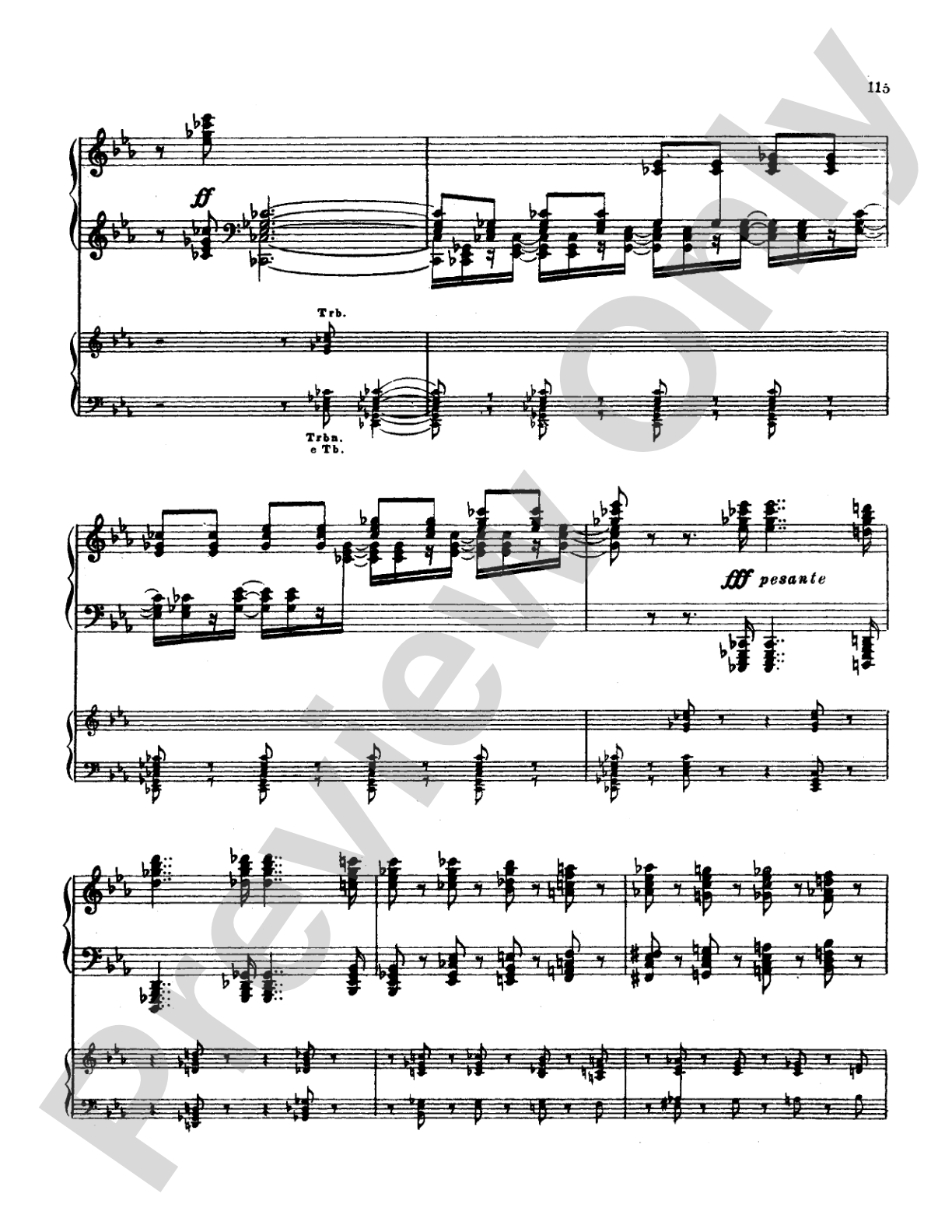
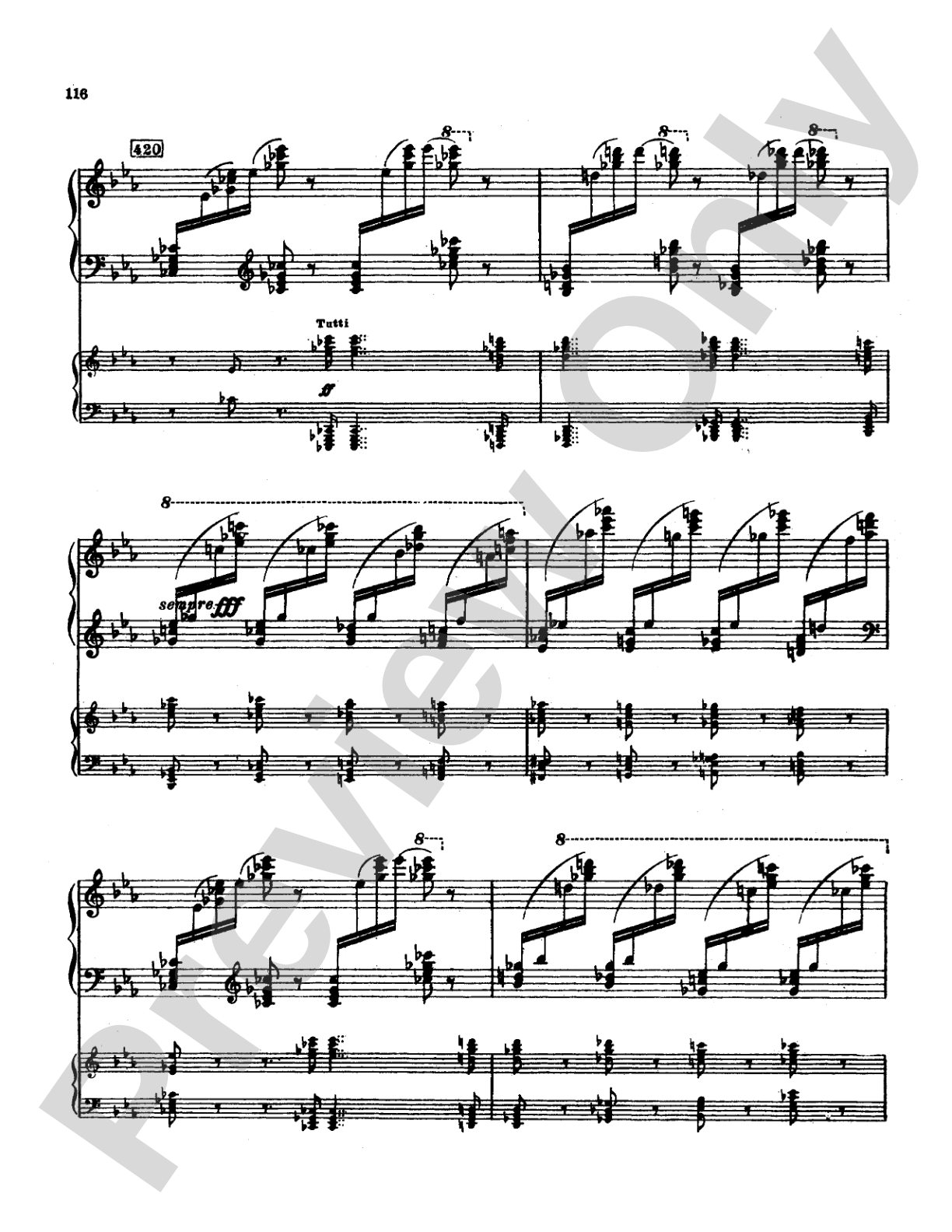
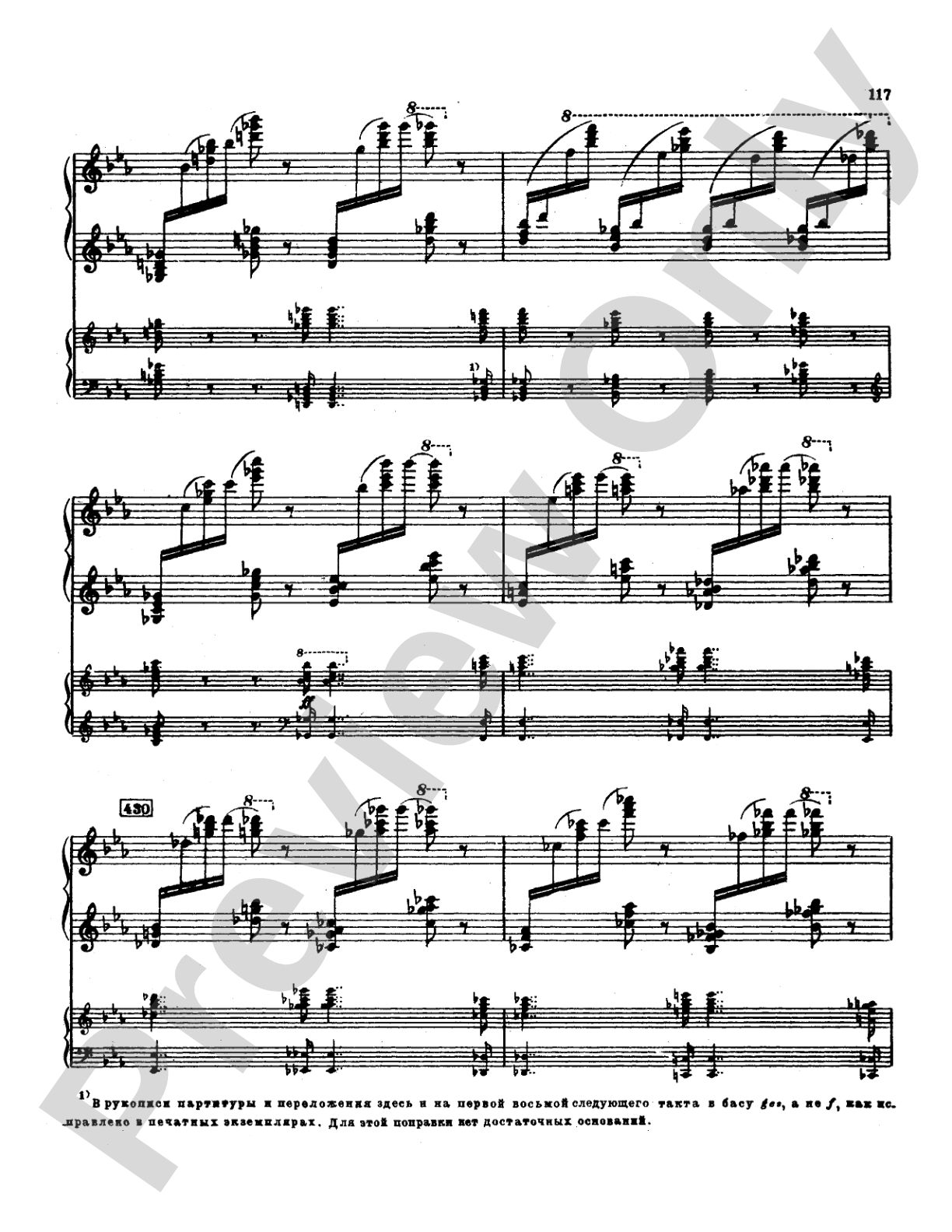
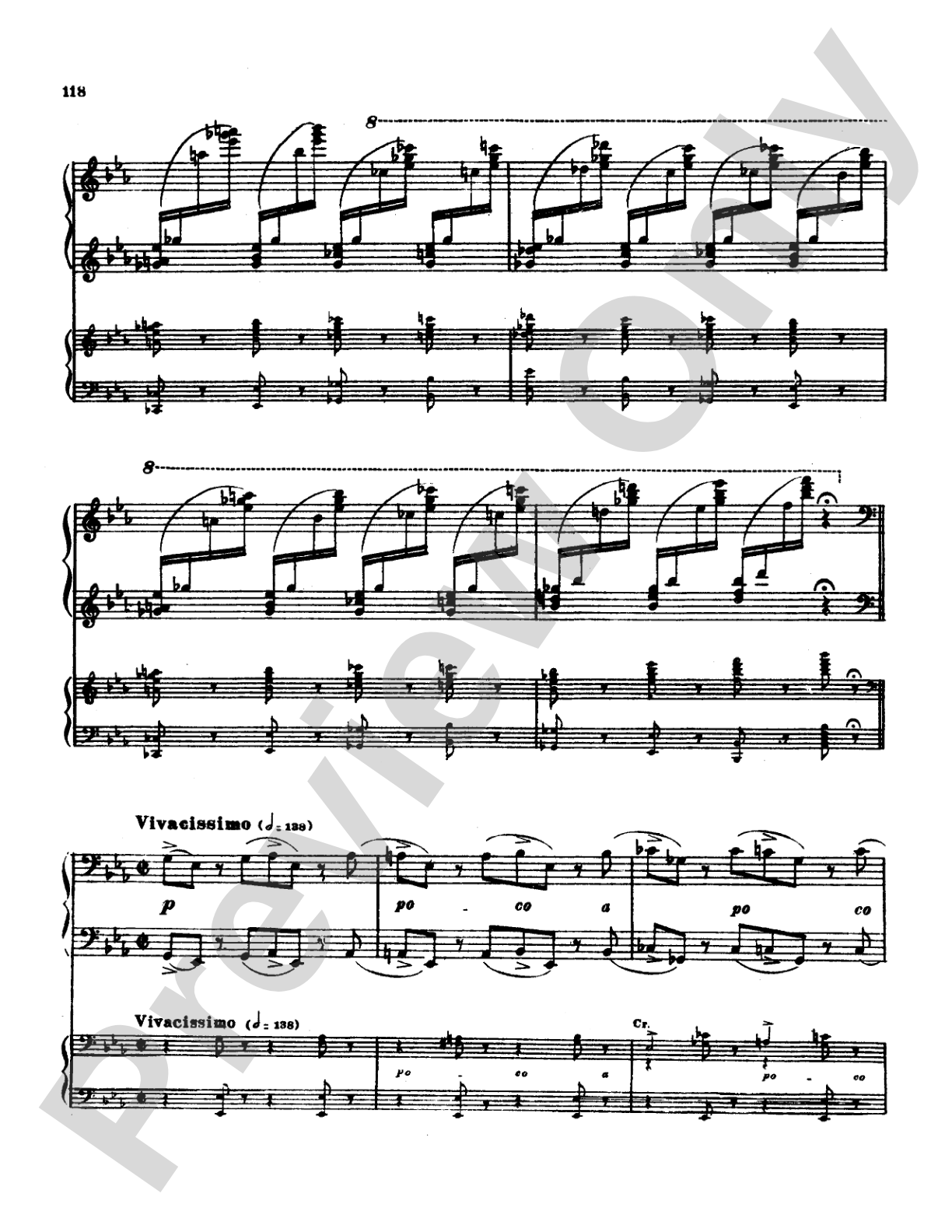

Tchaikovsky: Allegro Brillante (1st movement of Piano Concerto No. 3, Op. 75): Piano Duo (2 Pianos, 4 Hands) Book (2 copies required)
By Peter Ilyich Tchaikovsky
Item: 00-PK-0003389

$12.95
Pickup currently not available
Buy Extra Parts (Digital PDF Download)
| Product | Price | Quantity |
|---|---|---|
| Tchaikovsky: Allegro Brillante (1st movement of Piano Concerto No. 3, Op. 75) | $11.95 |
Parts Added to Cart!
Related Items
Piano Concerto No. 3, Opus 75, (1st movement: Allegro Brillante): Piano Duo (2 Pianos, 4 Hands) Book (2 copies required) |
$12.95
|
View |
Description
From the Complete Works, Russian Edition, Octavo Size A Federation Festivals 2024-2028 selection.


Don't just read it, hear it, play along with it, and watch your students grow with it. In MakeMusic Cloud, Tchaikovsky: Allegro Brillante (1st movement of Piano Concerto No. 3, Op. 75): Piano Duo (2 Pianos, 4 Hands) Book (2 copies required) comes alive with professional accompaniment, adjustable tempo, and built-in practice tools that turn solo practice into real progress.
Open in the Player
Jump straight in and assign it today.
Start Your Free Trial
Open this title and explore the full library in minutes.
Sample Audio
No sample audio found.
Sample Video
No sample videos found.
Additional Details
Series:
Kalmus Edition
Publisher:
Alfred Music
Page Count:
56
SKU:
00-PK-0003389
More about this title
About the Composer: Peter Ilyich Tchaikovsky
Peter Ilyich Tchaikovsky (1840-1893) shaped the course of Russian classical music through his gift for memorable melody and orchestral color. A Moscow Conservatory graduate and later professor, he composed across all genres with particular mastery in ballet, symphonic works, and concertos. His Piano Concerto No. 3 represents his late style: ambitious in scope, technically demanding, and infused with the sweeping romanticism that made him one of the most performed composers in the concert hall.
Tchaikovsky's works remain central to music education because they reward careful study of both technical execution and musical architecture. His writing for piano demands precision, endurance, and interpretive maturity from performers, making duo and ensemble arrangements of his major works invaluable for advancing pianists.
Why we love this
This Allegro Brillante arrangement honors the original's virtuosic demands while creating a genuinely musical partnership between two pianists. The Kalmus Edition provides a clean, reliable text that showcases why this movement merits programming in concert; it commands attention without sacrificing substance.
What to expect
Brilliant and propulsive, the Allegro Brillante sweeps through virtuosic passagework with the confidence of a grande dame entering a ballroom. Romantic grandeur mingles with propulsive energy, creating moments of breathtaking display alongside passages of genuine lyrical warmth. The two-piano setting magnifies the work's theatrical ambition without losing the intimate conversation between voices.
Who it's for
Advanced pianists working toward recital or competition repertoire will find this arrangement a compelling alternative to solo performance, developing collaborative listening skills while maintaining technical rigor. This score also suits chamber programs and festival competitions at the intermediate-advanced level where showcase pieces with historical weight are expected.
How to get the most out of it
- Establish rhythmic clarity in the opening statement before either pianist adds expressive shaping. The tutti passages depend on unified attack and release.
- Distribute the workload carefully between parts during cascading figurations; neither pianist should dominate the texture even when one hand carries the primary theme.
- Sustain the forward momentum through key changes and developmental sections. Tchaikovsky's harmonic language can trap performers into rhetorical pauses where structural continuity demands motion.
- Balance the recorded accompaniment (if using one) so it supports rather than obscures the two-piano dialogue. Each pianist must hear their partner clearly.
How to use it
Program this as the anchor work in a four-hand or two-piano showcase that pairs it with Romantic-era or contemporary duet repertoire. The piece also works well opening a concert that explores piano collaboration across periods, or serving as a competition or festival selection where Romantic masterworks are required.
Skills your students will build
- Reading simultaneous 32nd-note and 16th-note figurations across both parts
- Coordinating pedal and articulation changes while maintaining rhythmic alignment with a partner
- Sustaining technical passages at tempo without sacrificing musical shape
- Balancing a prominent theme against accompanying figurations in the duo texture
- Managing key relationships and harmonic transitions typical of late-Romantic formal structure