
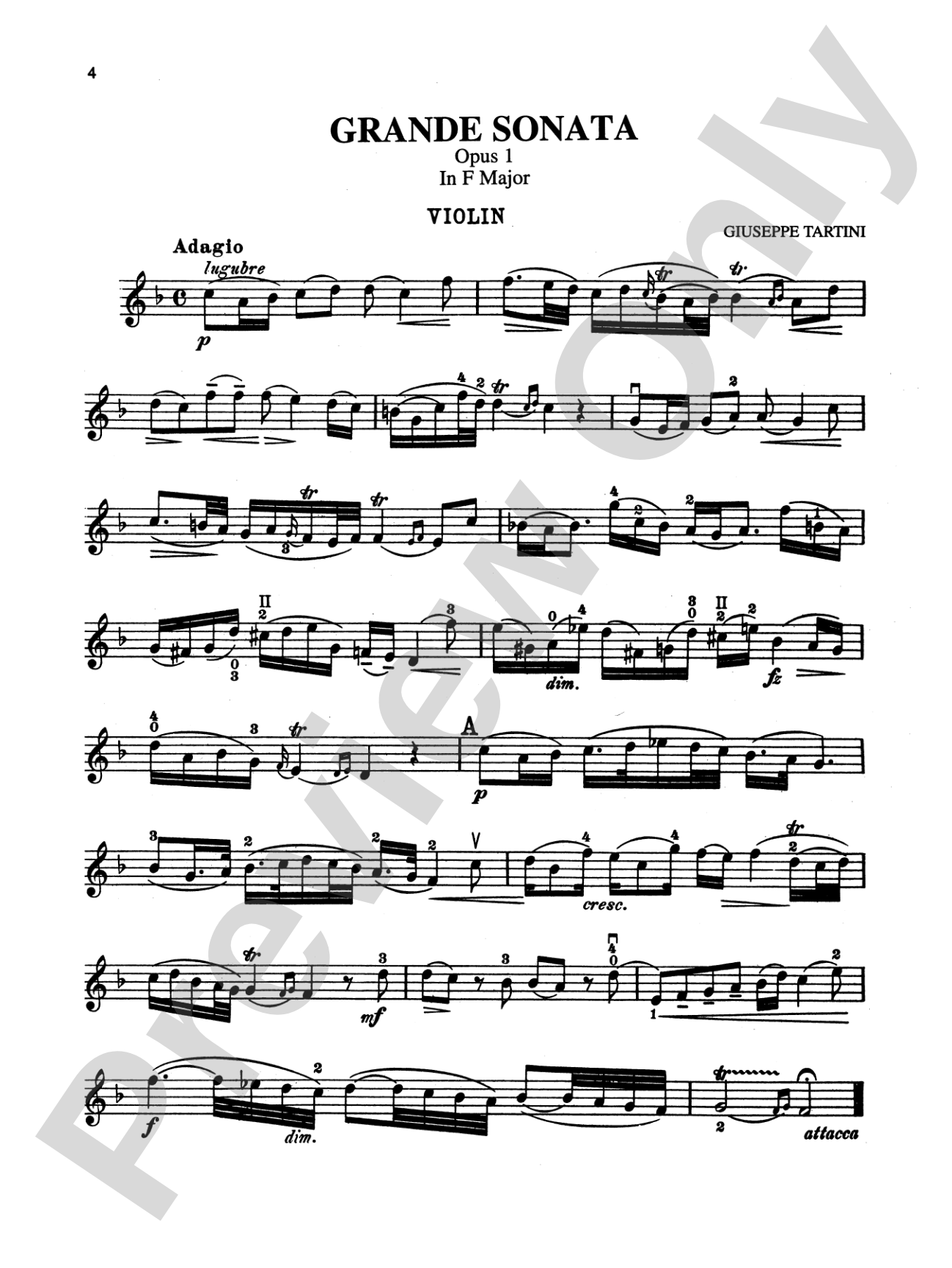
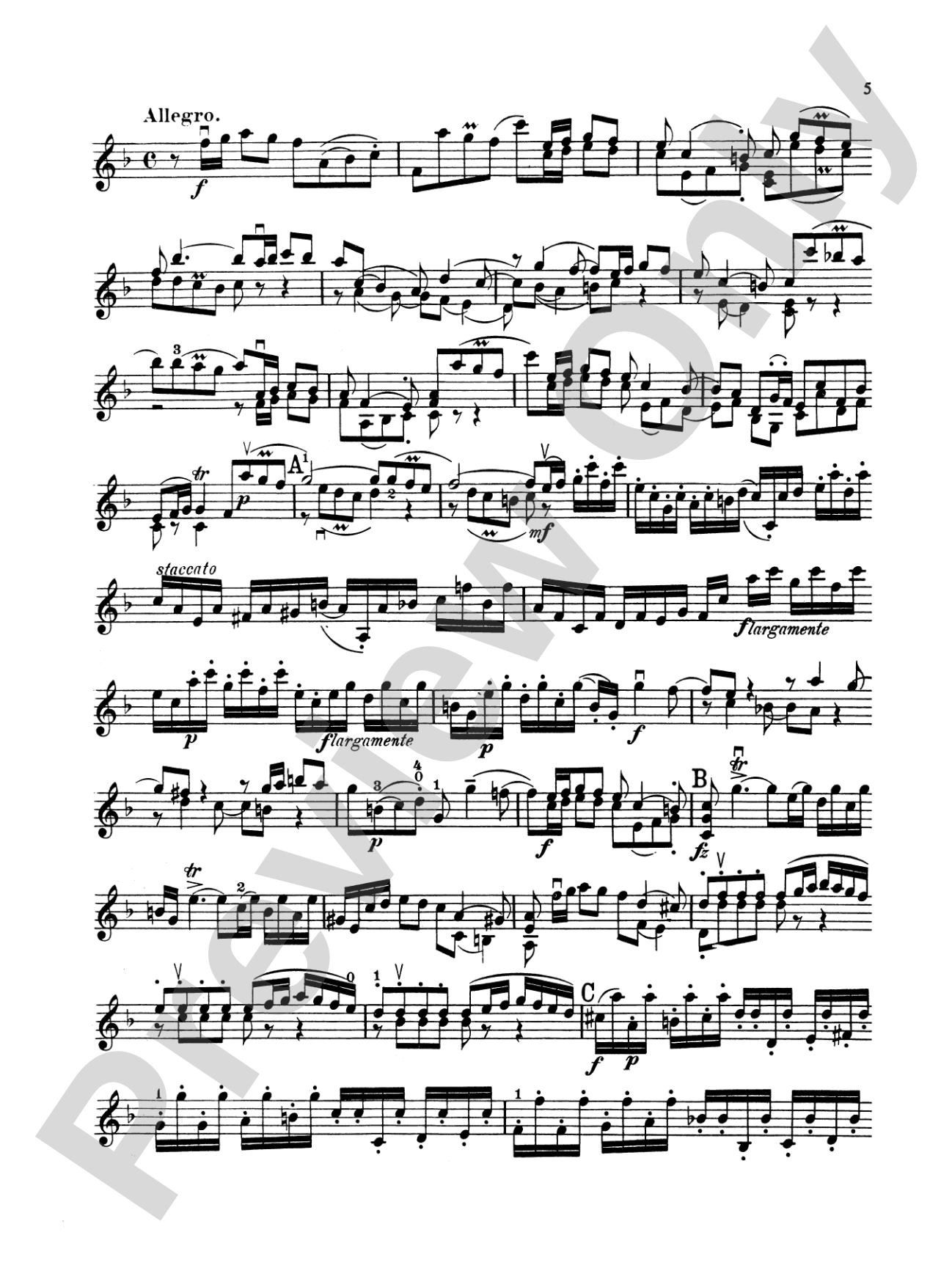
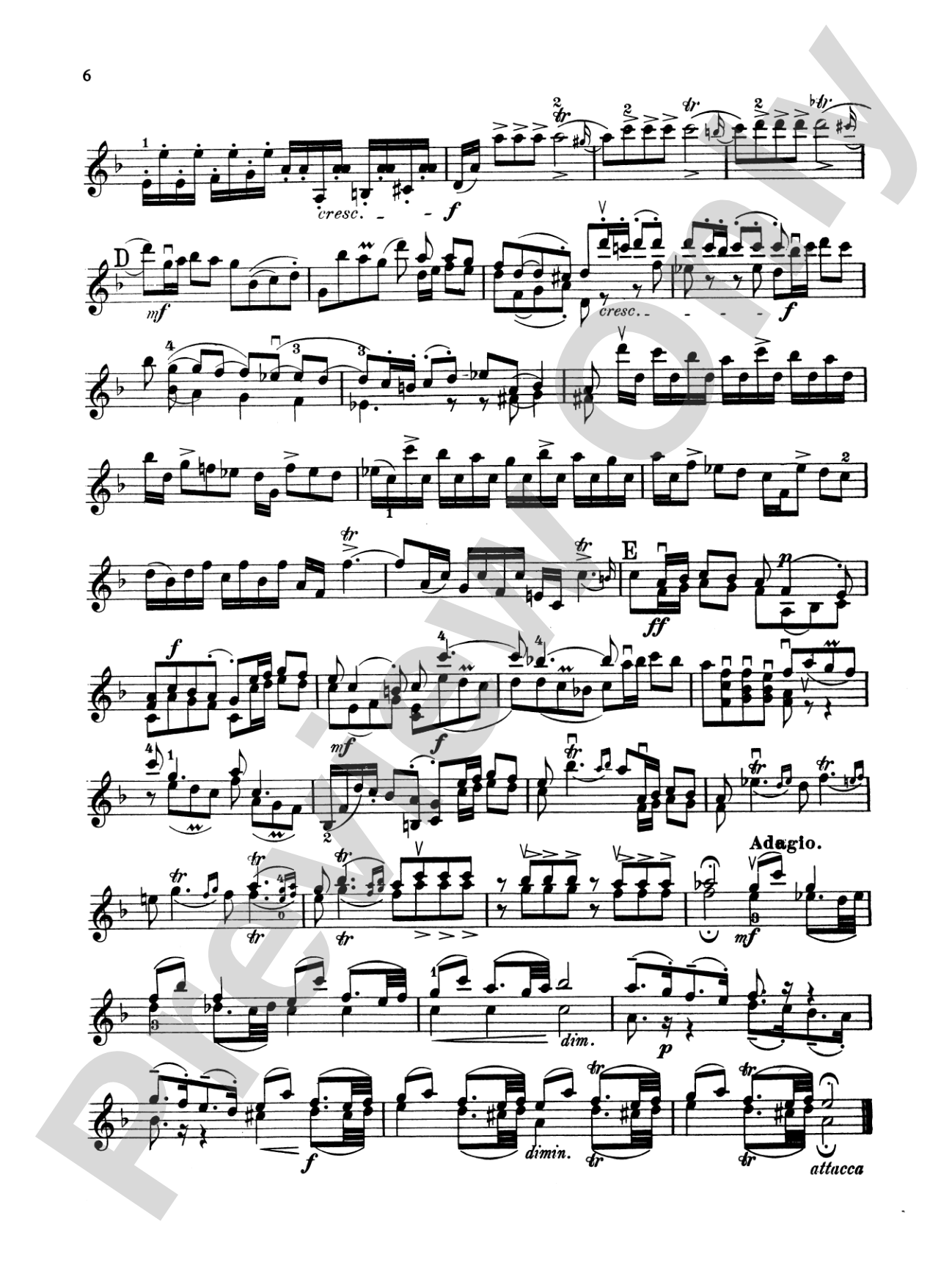
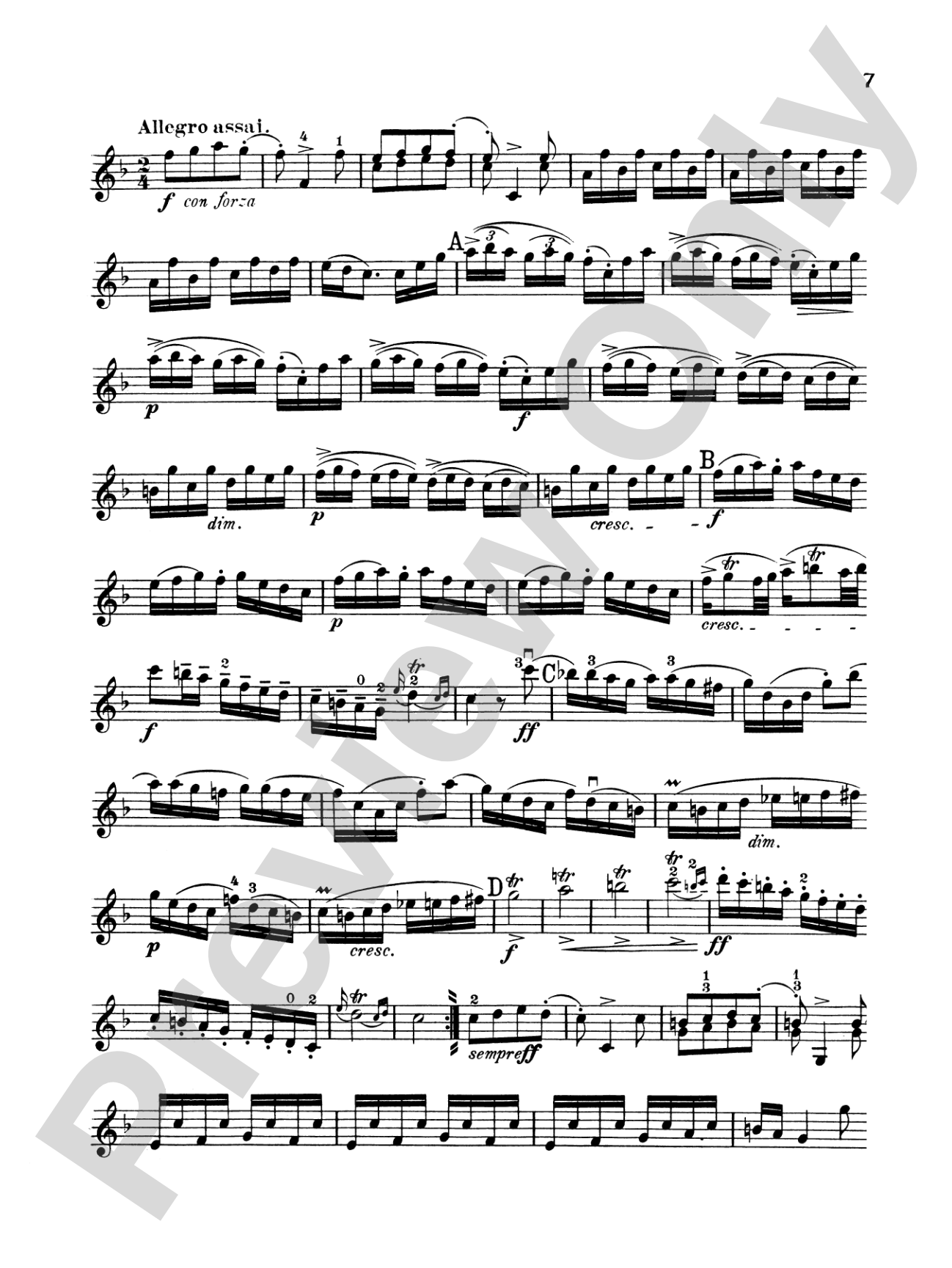
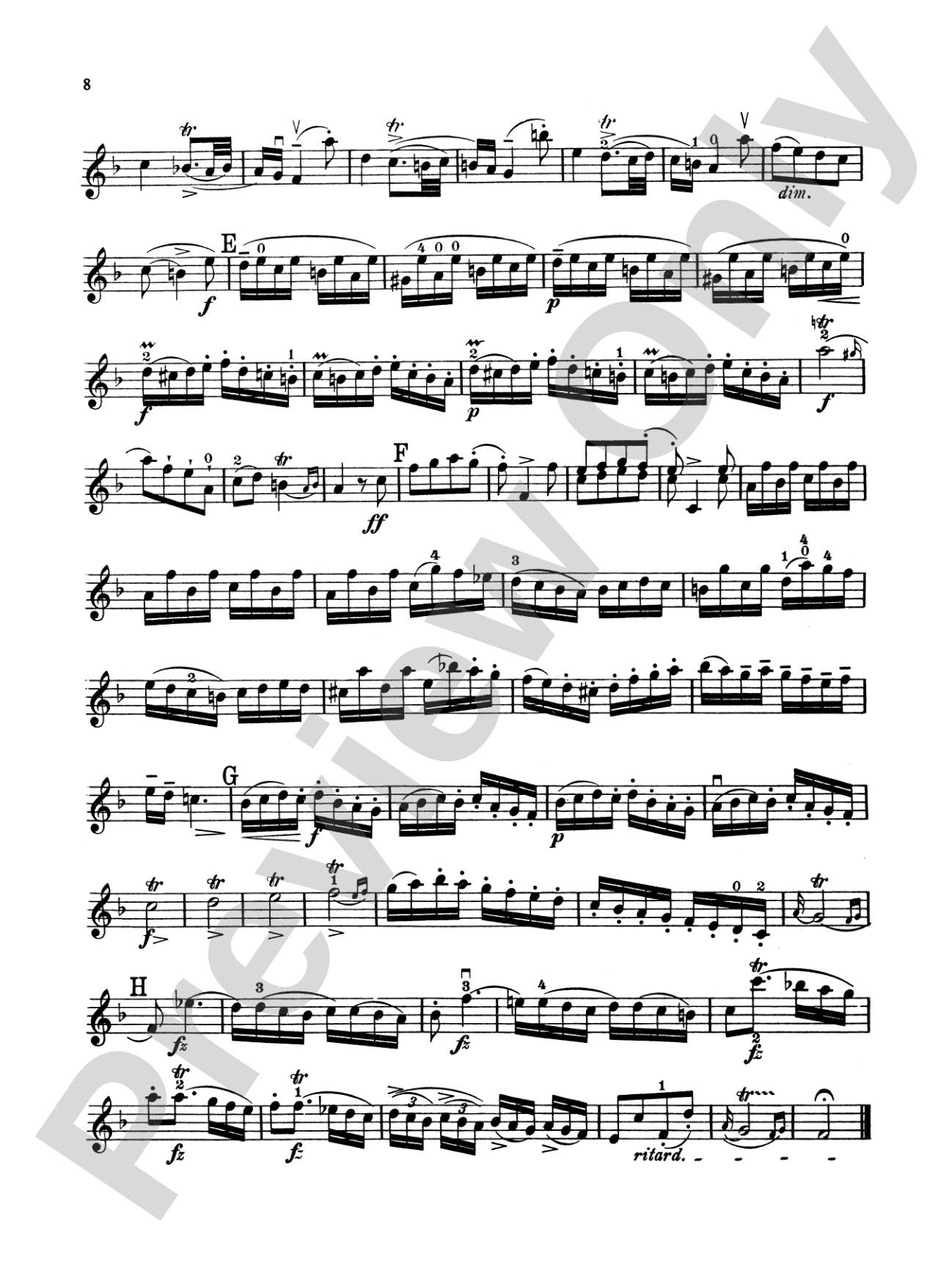

Tartini: Seven Sonatas: Violin Book
By Giuseppe Tartini
Item: 00-PK-0002713

$17.99
Pickup currently not available
Buy Extra Parts (Digital PDF Download)
| Product | Price | Quantity |
|---|---|---|
| Tartini: Seven Sonatas | $0.99 | |
| Tartini: Seven Sonatas | $0.99 | |
| Tartini: Seven Sonatas | $0.99 | |
| Tartini: Seven Sonatas | $0.99 | |
| Tartini: Seven Sonatas | $0.99 | |
| Tartini: Seven Sonatas | $0.99 | |
| Tartini: Seven Sonatas | $0.99 | |
| Tartini: Seven Sonatas | $0.99 | |
| Tartini: Seven Sonatas | $0.99 | |
| Tartini: Seven Sonatas | $0.99 | |
| Tartini: Seven Sonatas | $0.99 | |
| Tartini: Seven Sonatas | $0.99 | |
| Tartini: Seven Sonatas | $0.99 | |
| Tartini: Seven Sonatas | $0.99 |
Parts Added to Cart!
Description
This volume contains seven selected sonatas, including the famous "Devil's Trill" for violin and piano.


Don't just read it, hear it, play along with it, and watch your students grow with it. In MakeMusic Cloud, Tartini: Seven Sonatas: Violin Book comes alive with professional accompaniment, adjustable tempo, and built-in practice tools that turn solo practice into real progress.
Open in the Player
Jump straight in and assign it today.
Start Your Free Trial
Open this title and explore the full library in minutes.
Sample Audio
No sample audio found.
Sample Video
No sample videos found.
Additional Details
Series:
Kalmus Edition
Publisher:
Alfred Music
Page Count:
108
SKU:
00-PK-0002713
More about this title
About the Composer: Giuseppe Tartini
Giuseppe Tartini (1692-1770) transformed the violin from a continuo instrument into a virtuosic solo voice. Active primarily in Padua and Venice, he developed innovative bowing techniques and extended the instrument's technical and expressive range through his prolific output of over 140 sonatas. His influence on violin pedagogy remains profound; generations of violinists have studied his works to master both technique and rhetorical expression.
Tartini's compositions bridged the Baroque and Classical eras, combining Italian lyricism with harmonic sophistication. His famous sonata "The Devil's Trill" epitomizes his gift for blending technical display with dramatic storytelling, a quality that has secured these works a permanent place in the violin repertoire.
Why we love this
These seven sonatas showcase why Tartini remains essential repertoire for advancing violinists. The collection spans different characters and technical demands, giving you flexible programming options from recital classics to concert centerpieces. "The Devil's Trill" alone justifies this edition, but the surrounding sonatas reveal a composer with genuine structural integrity and melodic invention beyond the showpiece reputation.
What to expect
These sonatas oscillate between virtuosic display and intimate songfulness, often within a single movement. You'll encounter brilliant figuration and trills that demand clarity and confidence, alongside sustained singing passages that require genuine tonal control and harmonic awareness. The overall effect is one of noble drama tempered by elegant restraint, very much in the Italian Baroque tradition.
Who it's for
Advanced violinists preparing for recitals, auditions, or competitions will find substantial material here. College-level and pre-professional students benefit from studying Tartini's varied technical and expressive demands across a single collection.
How to get the most out of it
- Approach the trill sections with clarity and evenness; Tartini's trills demand precision but should never sound mechanical. Let the sustained note underneath breathe while the trill articulates above it.
- Shape the long lyrical passages with careful phrase direction. These melodies benefit from a sense of goal-oriented phrasing rather than bar-by-bar playing; listen to where the harmonic tension resolves and plan your bow distribution accordingly.
- Balance the virtuosic passages with the contemplative ones. Tartini writes contrast deliberately, and rushing through the technical material diminishes the impact of the quieter sections that follow.
- Coordinate closely with your pianist on tempo choices within movements. These works benefit from slight elasticity at phrase boundaries; establish a shared understanding of where the music breathes.
How to use it
Feature the "Devil's Trill" as a concert opener or mid-program highlight where its dramatic reputation will intrigue audiences unfamiliar with Baroque violin writing. Pair one of the less famous sonatas from this collection with Classical or Romantic works to create a historically grounded recital arc. The range of character across these seven works makes them useful for audition preparation, as they demonstrate both technical facility and interpretive maturity.
Skills your students will build
- Baroque ornamentation and trill execution with control and evenness
- Long-line phrasing across multiple bar phrases with harmonic awareness
- Agility in rapid figuration and scalar passages
- Coordination between soloist and accompanist in works with independent piano writing
- Interpretation of contrasting emotional and textural content within single movements