
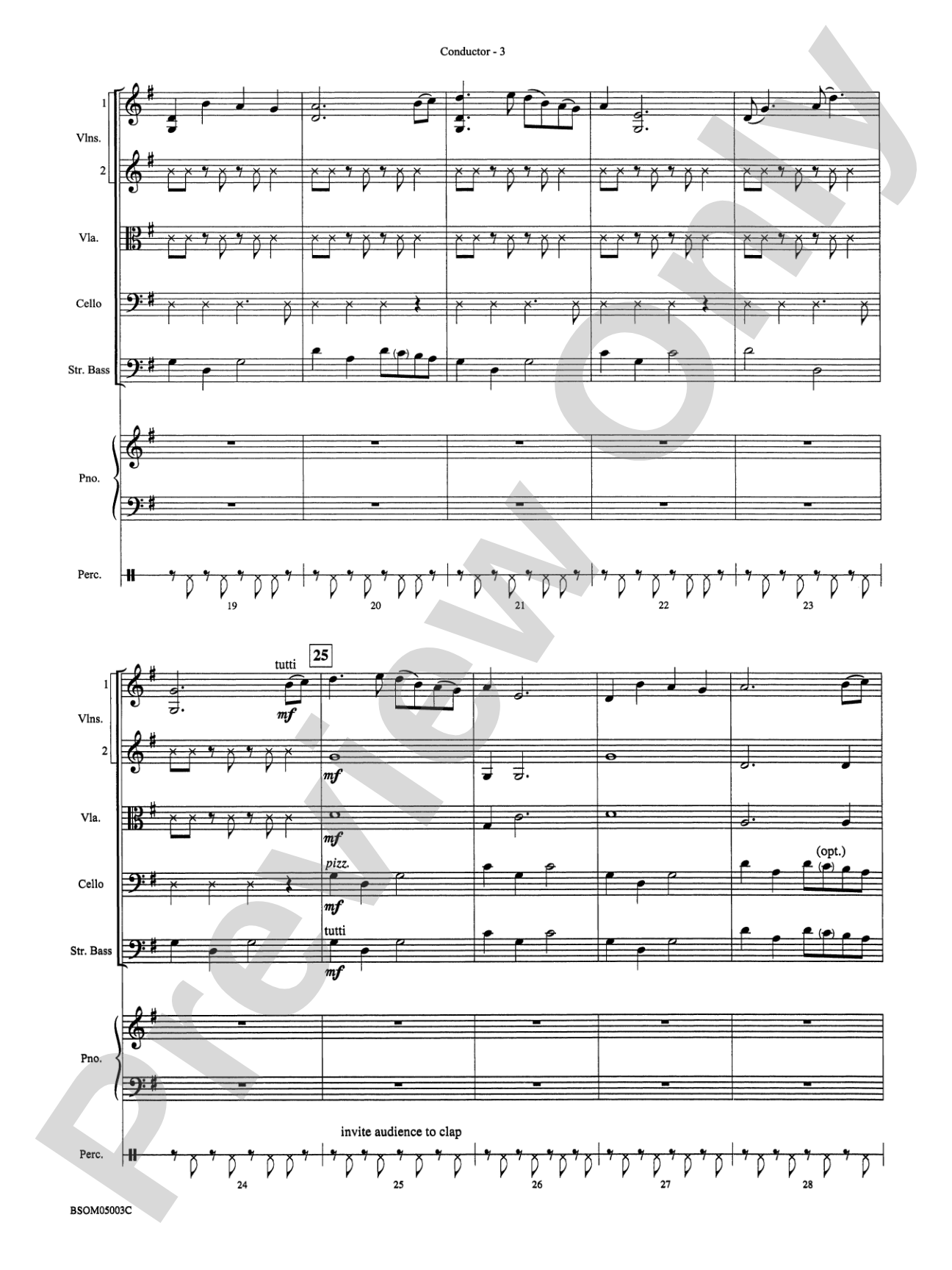
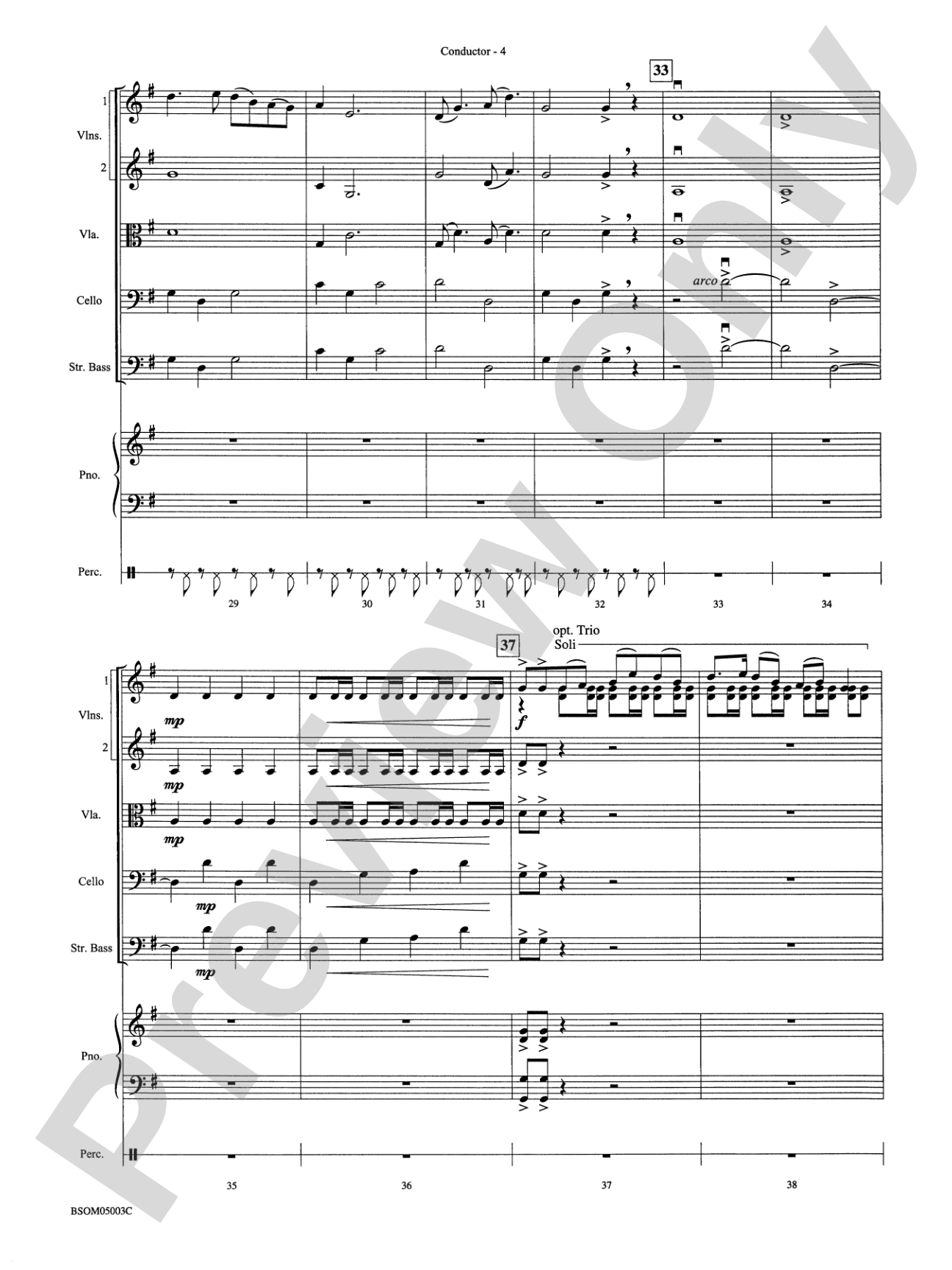
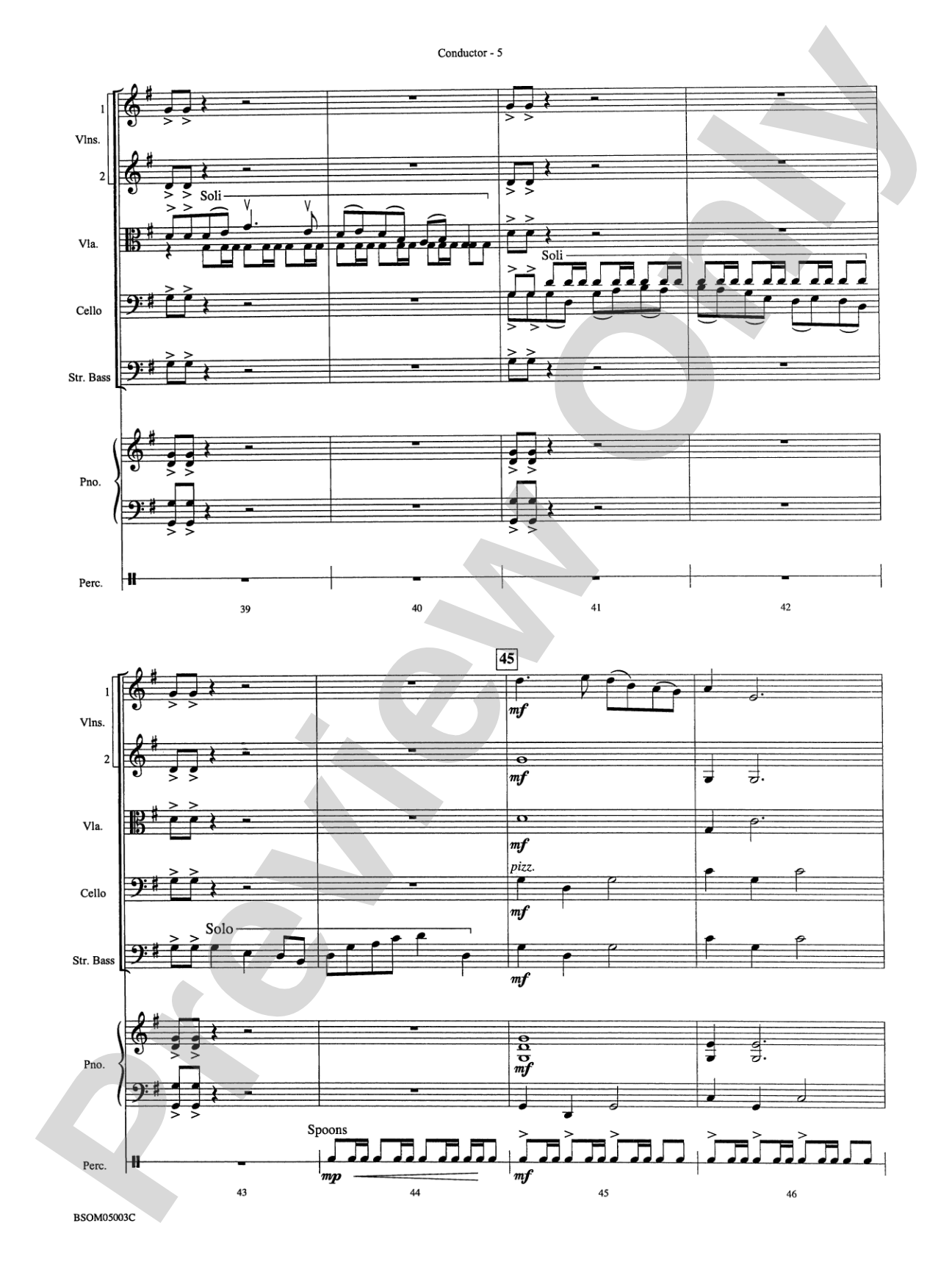
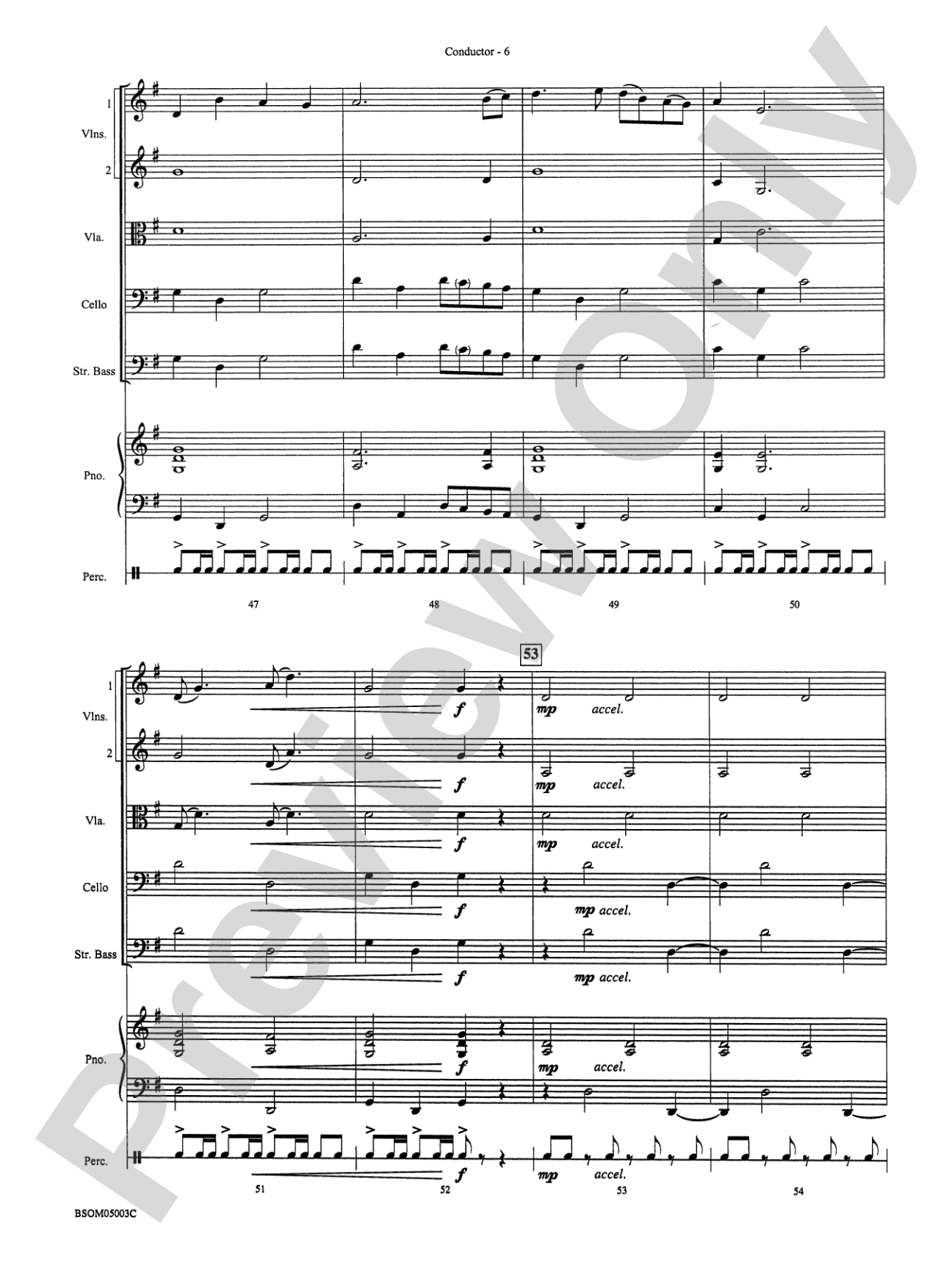


Tap Roots: Score
By Robert W. Smith
Grade: 2.5
Item: 00-PR-0002256
$8.00
Pickup currently not available
Description
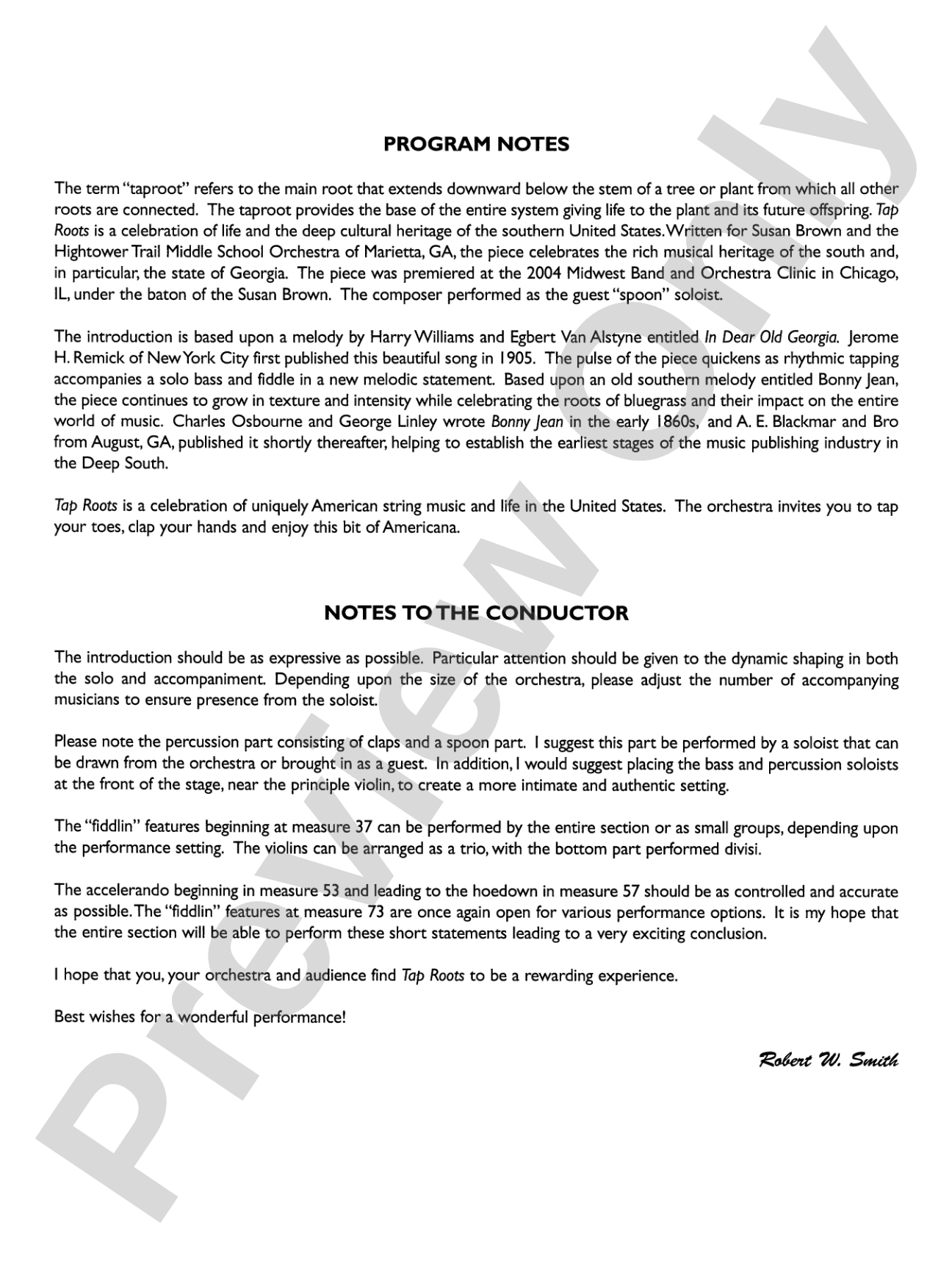
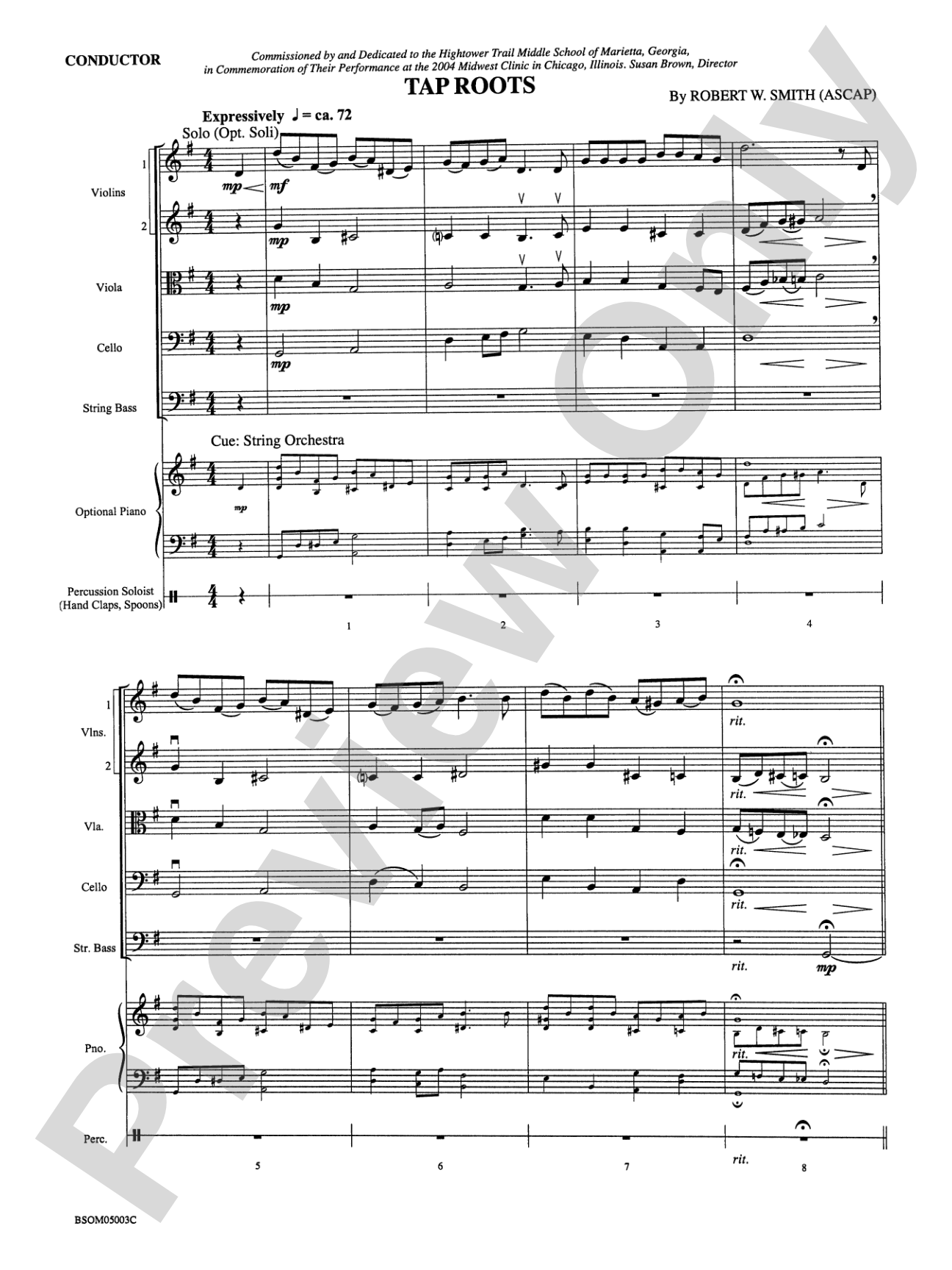
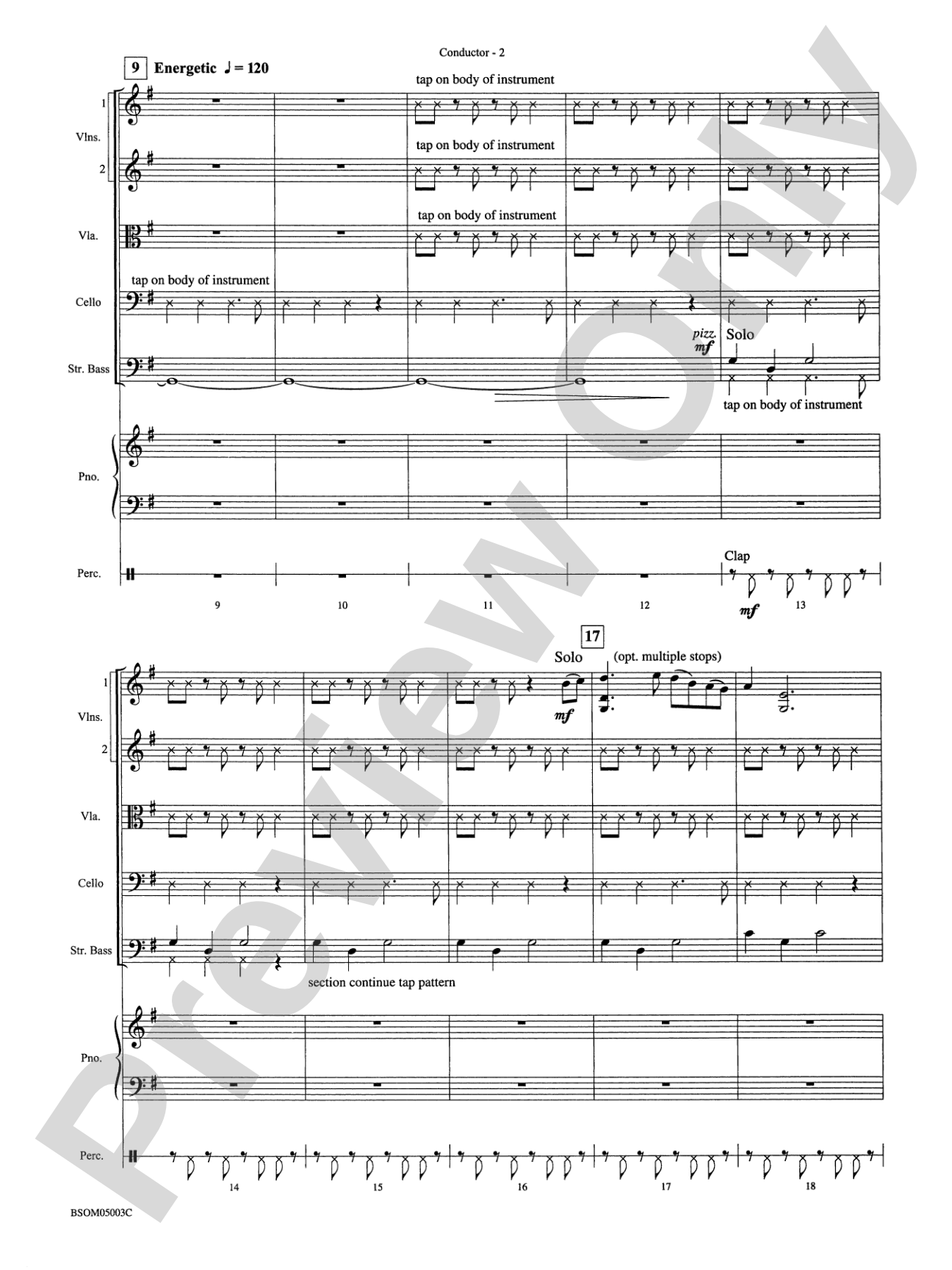
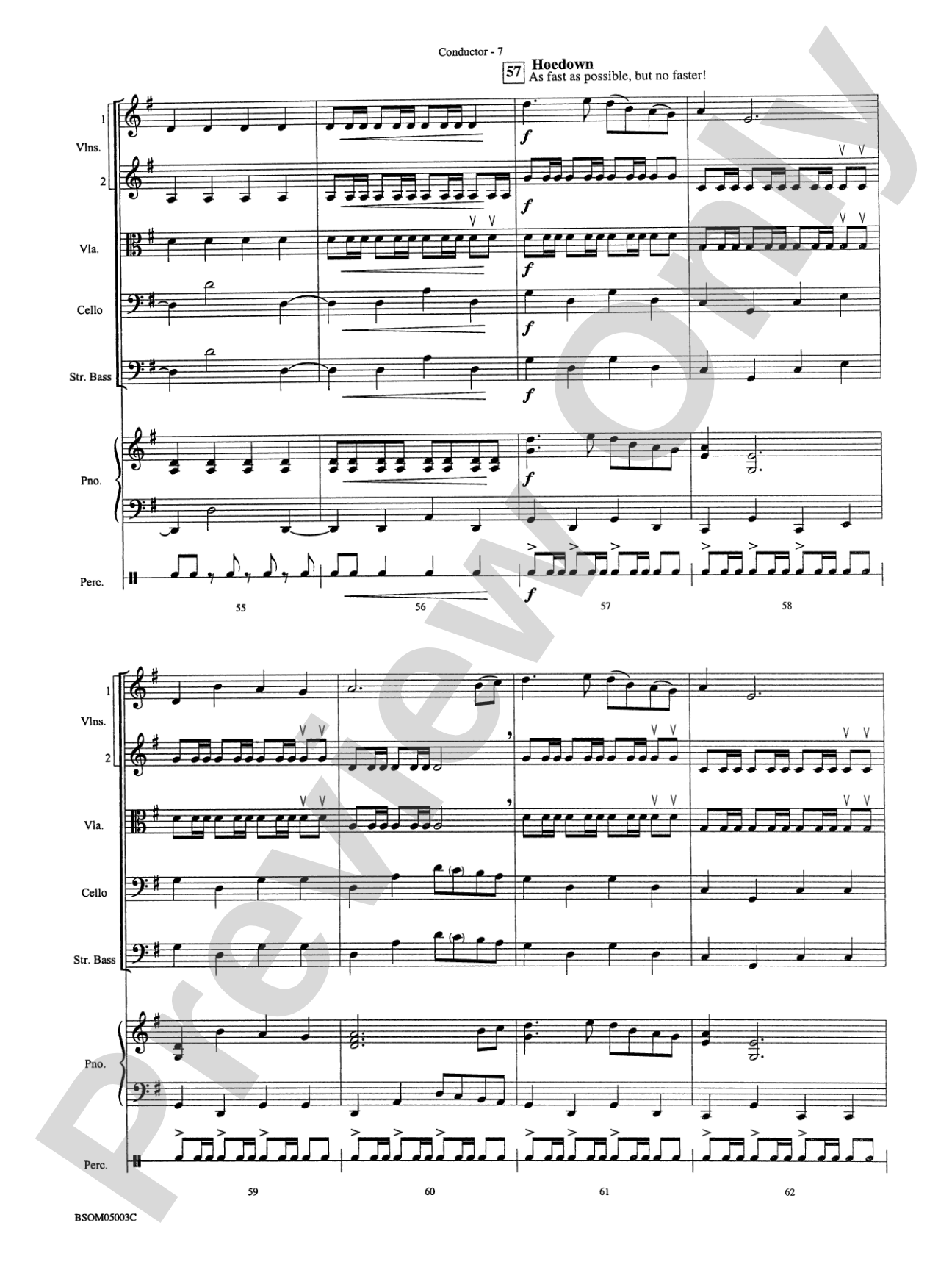
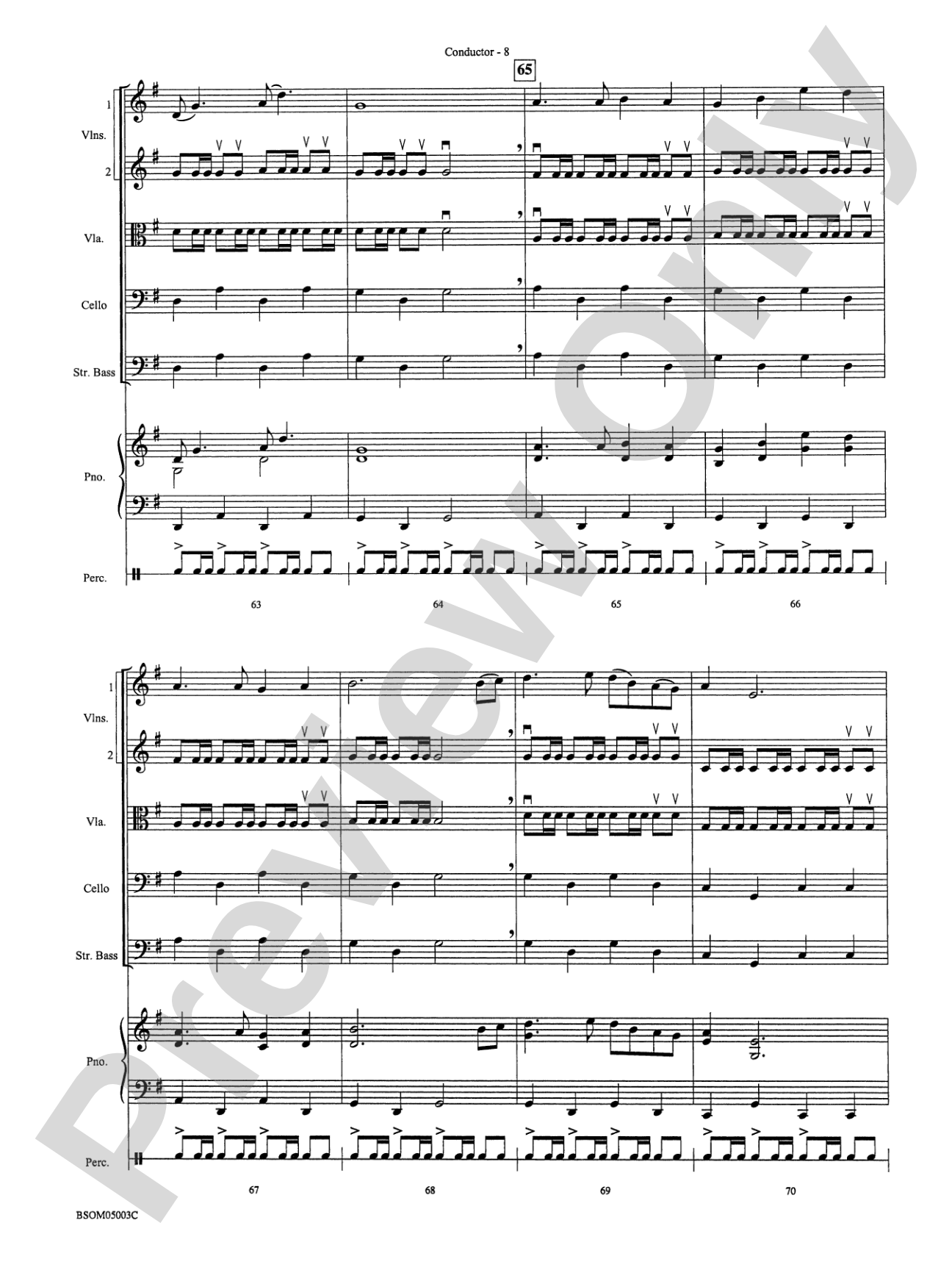
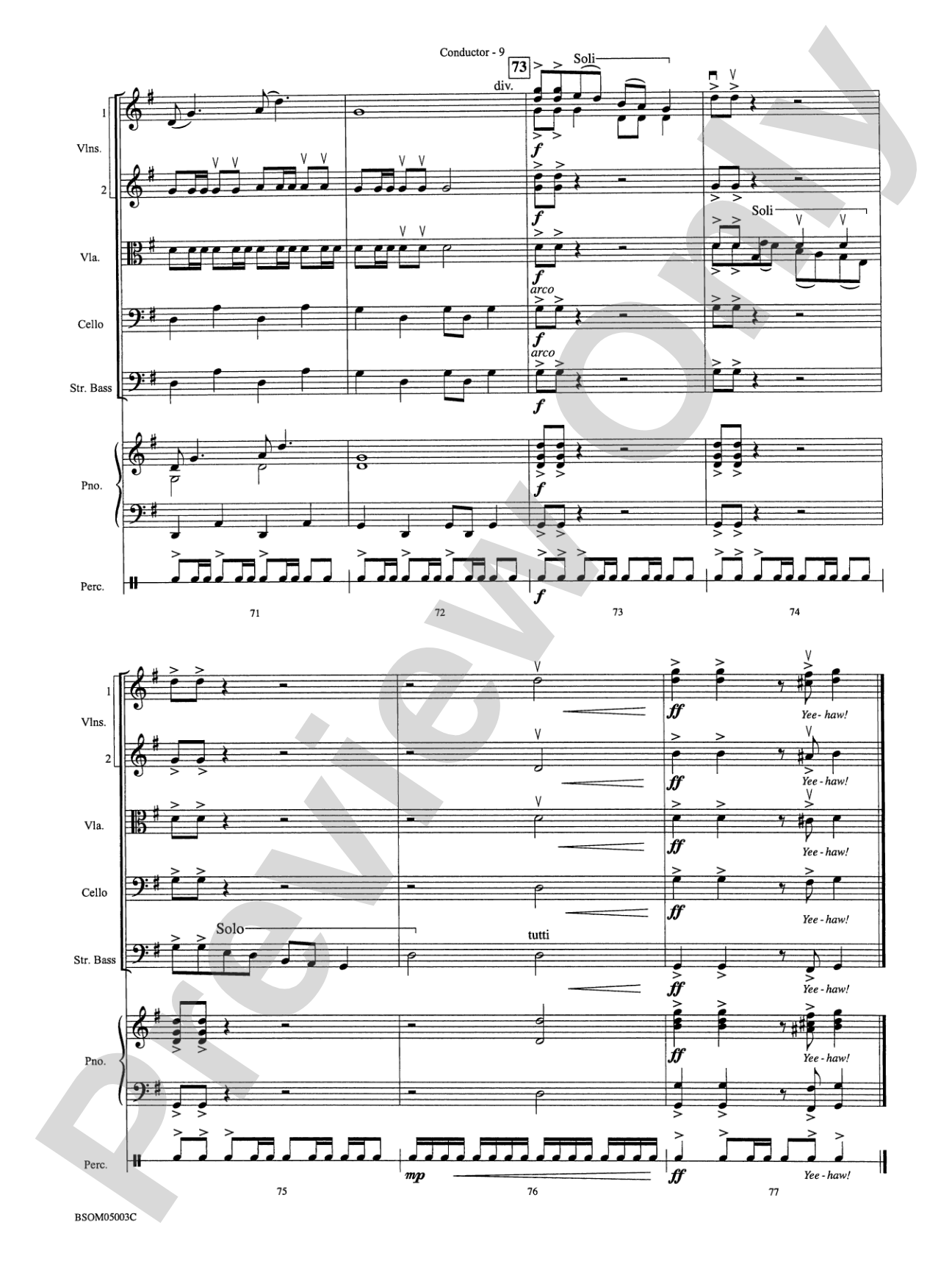
Beginning with a revival-esque introduction, this down-home, foot-stompin', toe-tappin' original will be the hit of your concert. Premiered at the 2004 Midwest Band and Orchestra Clinic, "Tap Roots" features a solo spoon part that, at the premiere, was performed by the composer himself. You can certainly perform it without, but it definitely adds to the energy. A real barn burner! (2:35)


Don't just read it, hear it, play along with it, and watch your students grow with it. In MakeMusic Cloud, Tap Roots: Score comes alive with professional accompaniment, adjustable tempo, and built-in practice tools that turn solo practice into real progress.
Open in the Player
Jump straight in and assign it today.
Start Your Free Trial
Open this title and explore the full library in minutes.
Sample Audio
1
Audio File
--:--
0:00
0:00
Sample Video
No sample videos found.
Additional Details
Series:
Belwin Intermediate String Orchestra
Publisher:
Alfred Music
Page Count:
164
SKU:
00-PR-0002256
More about this title
About the Composer: Robert W. Smith

Robert W. Smith has established himself as a defining voice in American concert music, with more than 400 published works performed by ensembles worldwide. His education at Troy State University and the University of Miami shaped a compositional voice that balances accessibility with musical substance, a combination that has made his orchestra and band pieces standard repertoire in countless programs.
Beyond the concert hall, Smith's work has reached audiences through Olympic ceremonies, the Macy's Thanksgiving Day Parade broadcast, and performances honoring international dignitaries. As both composer and clinician, he continues to shape the musical landscape across North America, Europe, Asia, and Australia, demonstrating a rare ability to write music that resonates with both developing ensembles and seasoned professionals.
Why we love this
Smith captures genuine American character here without resorting to quotes or recycled gestures. The spoon part transforms what could be straightforward folk-inspired writing into something with real personality and audience appeal, giving you a built-in reason for extended solos if you have a performer ready for it. At 2:35 with music that moves and breathes naturally, this sits at an ideal length for concerts where pacing matters.
What to expect
You're sitting on a porch listening to strings doing what fiddles do best, with a rhythmic vitality that makes you want to move. The energy builds from a quieter, reflective opening into something joyful and unrestrained, capturing the spirit of American string music without pretense.
Who it's for
String orchestras at the intermediate level who want a crowd-pleasing piece with genuine character and an approachable learning curve. This works particularly well for programs that mix concert music with lighter fare, or when you need something that engages younger players without dumbing down the musical content.
How to get the most out of it
- The spoon part absolutely elevates the energy level, but don't feel obligated to use it; the arrangement holds up entirely on its own if your ensemble isn't comfortable with that texture.
- Lock the rhythmic drive in the string sections during the up-tempo sections; the piece thrives when the ensemble commits to the forward momentum rather than playing cautiously.
- Let the revival-style introduction breathe slightly. Resist the urge to rush into the main theme; the contrast between that quieter opening and the foot-stomping section that follows will land harder if you give it space.
- Blend your dynamic markings to the acoustic of your venue. This piece has infectious rhythmic energy that can overshadow the melodic content if played too loud throughout; balance ensures both shine.
How to use it
This is the piece that comes late in the first half, right before intermission or strategically placed to shift the mood of your concert. If you're balancing serious repertoire with something more accessible, Tap Roots bridges that divide because it's skillfully written even as it feels playful and direct.
Skills your students will build
- Maintaining rhythmic drive across extended sections
- Playing folk-influenced style with idiomatic string articulation
- Balancing melody against rhythmic accompaniment
- Reading and executing dynamic contrast effectively
- Coordinating ensemble sound in syncopated, syncopated passages