Tango Time Cover Image

Tango Time: String Orchestra Conductor Score & Parts

$45.00 USD
Sale price  $45.00 USD Regular price 
Skip to product information
Tango Time Cover Image

Tango Time: String Orchestra Conductor Score & Parts

By Loreta Fin

Grade: 2

Item: 76-30183

Need it now?

Buy Digital Version
$45.00
Shipped

One moment…

Description
Everybody loves a good tango! This very playable piece gives everyone the chance to play a melody or a counter melody. It teaches the importance of feeling a steady beat, especially when playing syncopated rhythms and when the entries come after rests. Dynamics need to be carefully followed to gain the full effect. Lots of fun for players and audience!

Tango Time: String Orchestra Conductor Score & Parts isn't in MakeMusic Cloud just yet...but it could be. Let us know you'd like to see it, and you'll help shape what comes next. In the meantime, start a free trial and dive into thousands of interactive titles your students can play along with today.

Sample Pages

Sample Audio
No sample audio found.
Sample Video
Additional Details
Series: Wilfin String Orchestra: Young String Ensemble Series
Publisher: Wilfin Music
Page Count: 68
UPC: 038081327334
SKU: 76-30183

More about this title

About the Composer: Loreta Fin
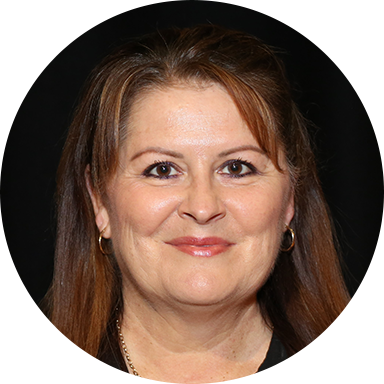
Loreta Fin

Loreta Fin AM is an Australian composer and string educator whose career spans performance, teaching, and administration at the highest levels. A violinist trained at the Sydney Conservatorium of Music, she performed as concertmaster of the Sydney Youth Orchestra and held the principal viola position with the Queensland Pops Orchestra for over 25 years, appearing alongside world-class artists. Since 1993, she has directed strings at Somerville House School in Brisbane and served multiple terms as president of the Australian Strings Association, earning a Queensland State Award for her contributions to string education in 2009.

Fin has composed more than 100 works for string orchestra published internationally by Alfred Music, with her Beginner String Ensemble Series (2017) becoming a standard resource for young players. She has adjudicated major competitions across Australia, presented at national and international string teaching conferences, and been nominated for an ARIA Award for teaching excellence. In recent years, she has conducted state and national honours ensembles, served as State Advisor for Strings with the Australian Music Examinations Board, and led the Miri Music Project in Malaysia. She received the National Award for Services to Music and String Teaching in Australia.

Why we love this

Loreta Fin understands exactly what Grade 2 string players need: a piece that distributes melodic interest across the ensemble so nobody sits through repeated accompaniment figures. The tango rhythm does the heavy pedagogical lifting here, making syncopation and rests feel musical rather than mechanical, while the published dynamics add a professional touch that even young players can execute with satisfying results.

What to expect

Tango Time captures the rhythmic swagger and dramatic shifts in energy that define the tango style, scaled for young players just developing independence on their instruments. The syncopated figures give it an adult musical flavor even as the technical demands remain accessible, making students feel they're playing "real" music rather than exercises.

Who it's for

This conductor score and parts set is ideal for Grade 2 string orchestras with mixed instrumentation (violin, viola, cello, bass). It works well for programs where every player should have a moment in the spotlight, whether playing primary melody or counter melody, rather than relying on traditional solo-and-accompaniment texture.

How to get the most out of it

  • Isolate the syncopated rhythms in rehearsal before combining parts. Many entries land after rests, so use sectional runs where violins, violas, and cellos lock in their sync patterns independently first.
  • Conduct the steady underlying pulse clearly, especially during the syncopated passages. Young players often rush or drag when the rhythm conflicts with the beat, so a secure conductor tempo keeps them anchored.
  • Balance the dynamics with intention. The piece is written to gain full effect only when students follow the marked dynamics carefully; use this as an opportunity to discuss how dynamics shape the style of the tango.

How to use it

Program this near the middle or end of a concert where audiences expect variety in style. Its multicultural origin and crowd-friendly tango character make it an excellent bridge between classical repertoire and contemporary works, or pair it with other Latin American selections to build a thematic concert segment.

Skills your students will build

  • Feeling and performing syncopated rhythms in ensemble context
  • Entering confidently after rests without rushing or dragging
  • Playing counter melodies with equal confidence as primary melodies
  • Following dynamic markings to shape musical phrasing
  • Maintaining steady pulse while navigating rhythmic complexity

You May Also Like