
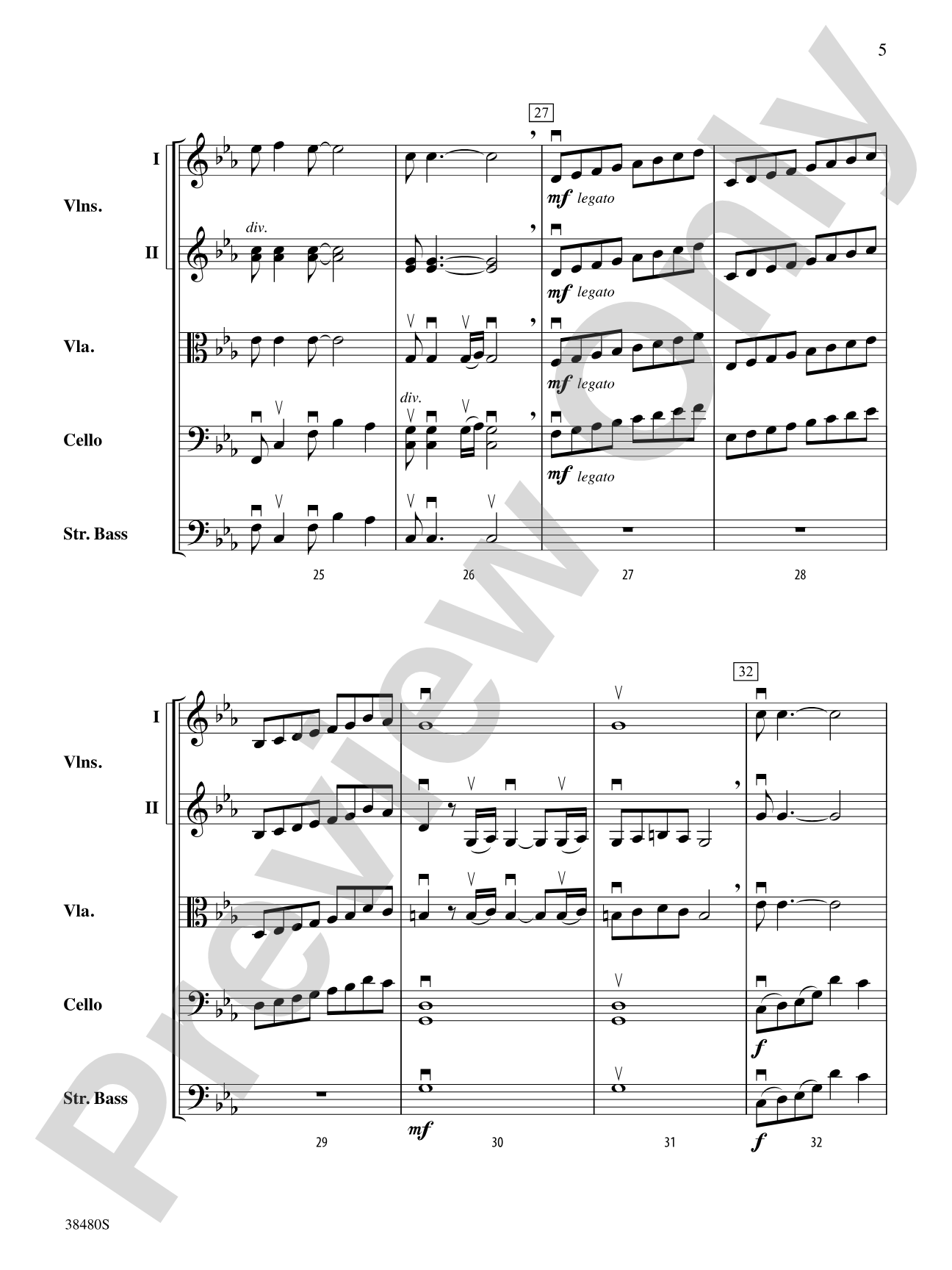
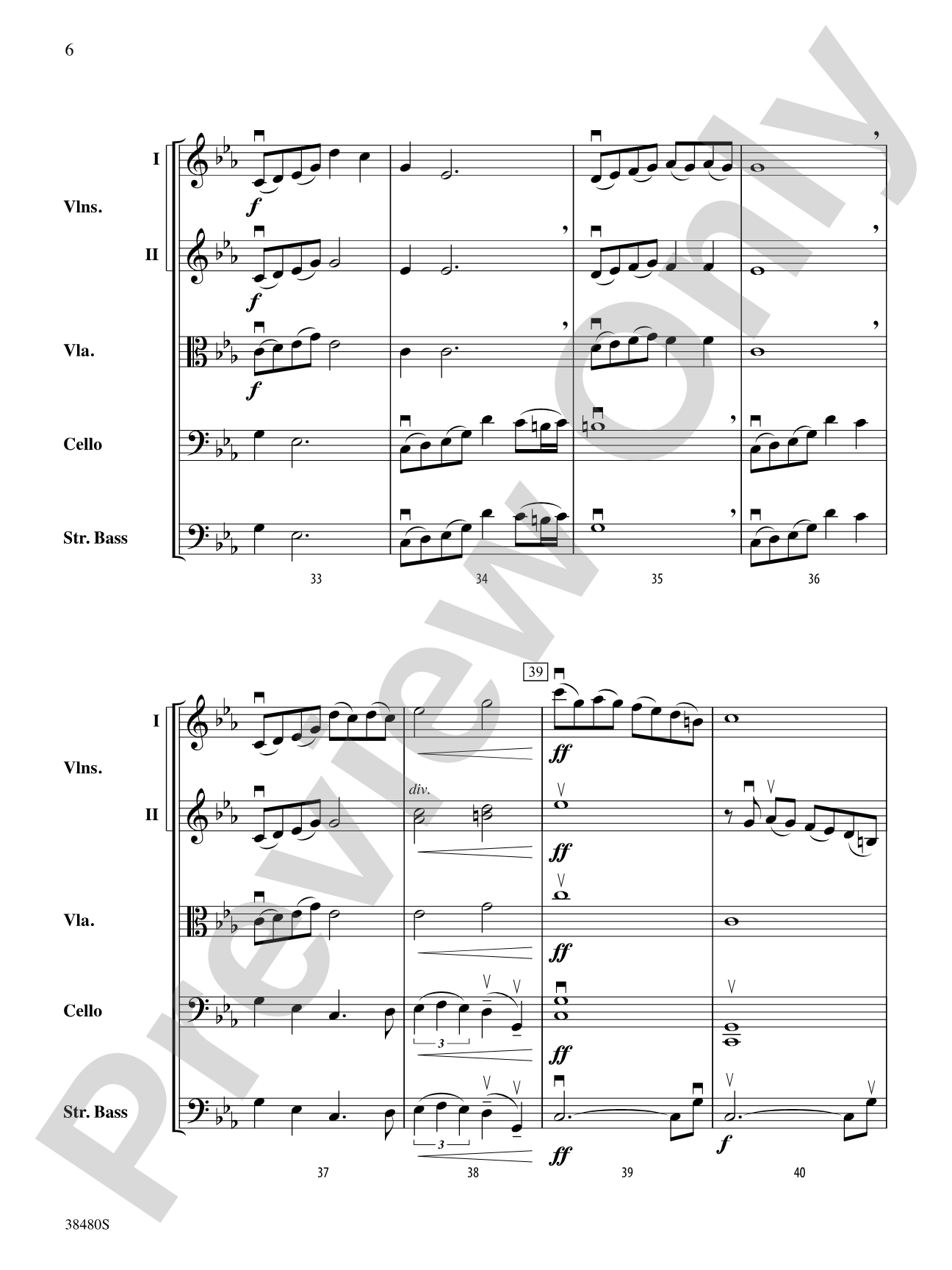
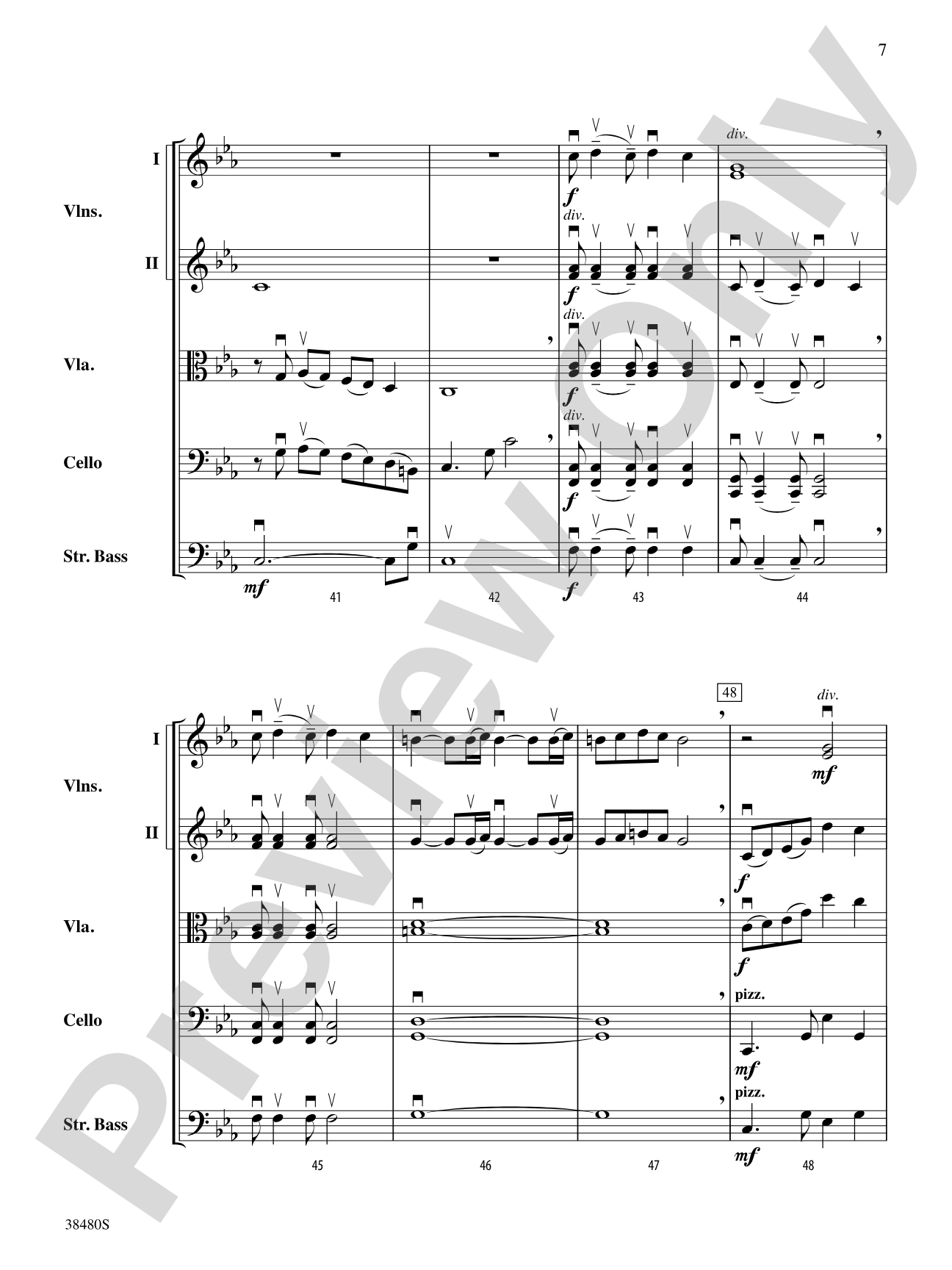
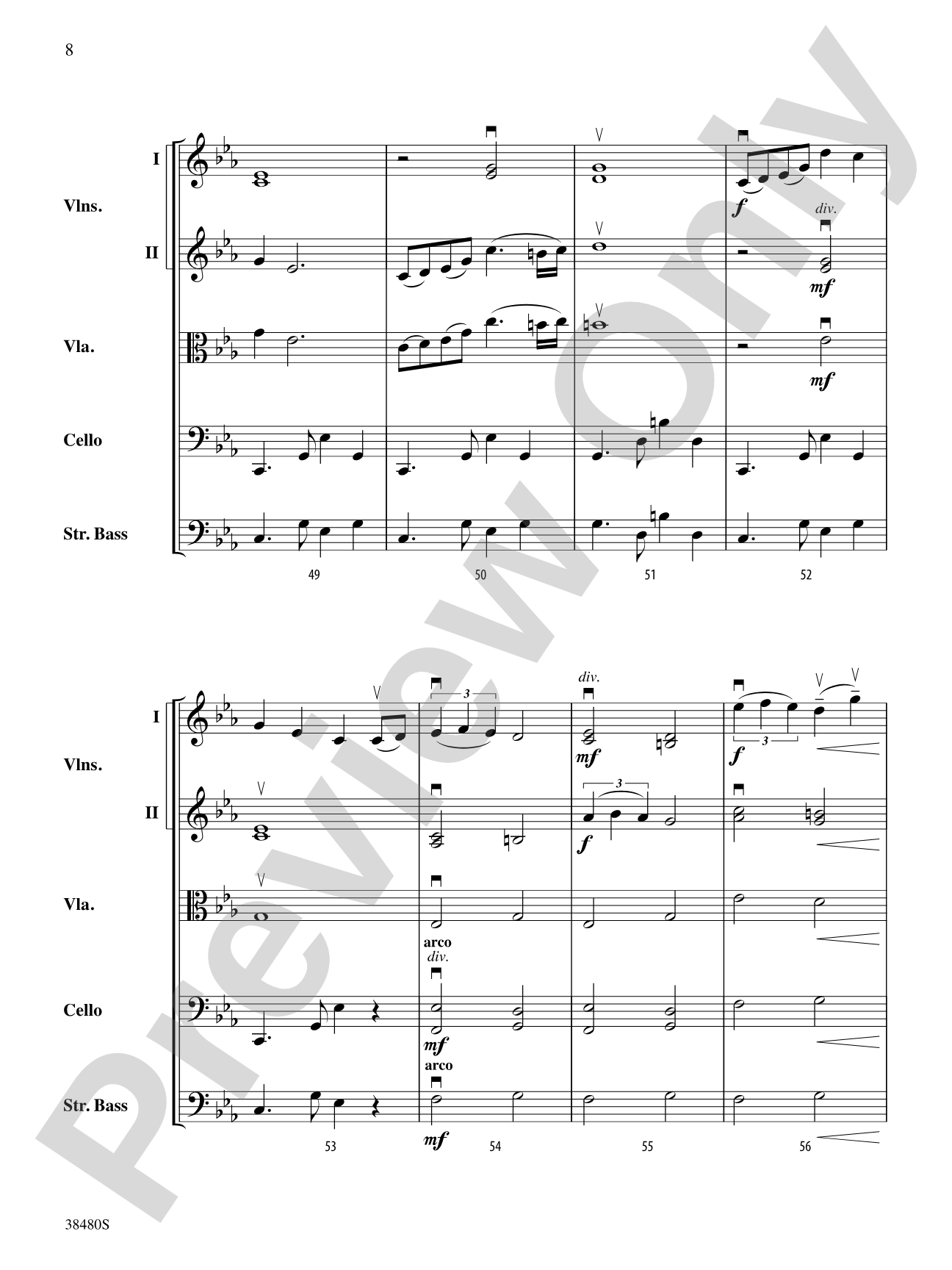
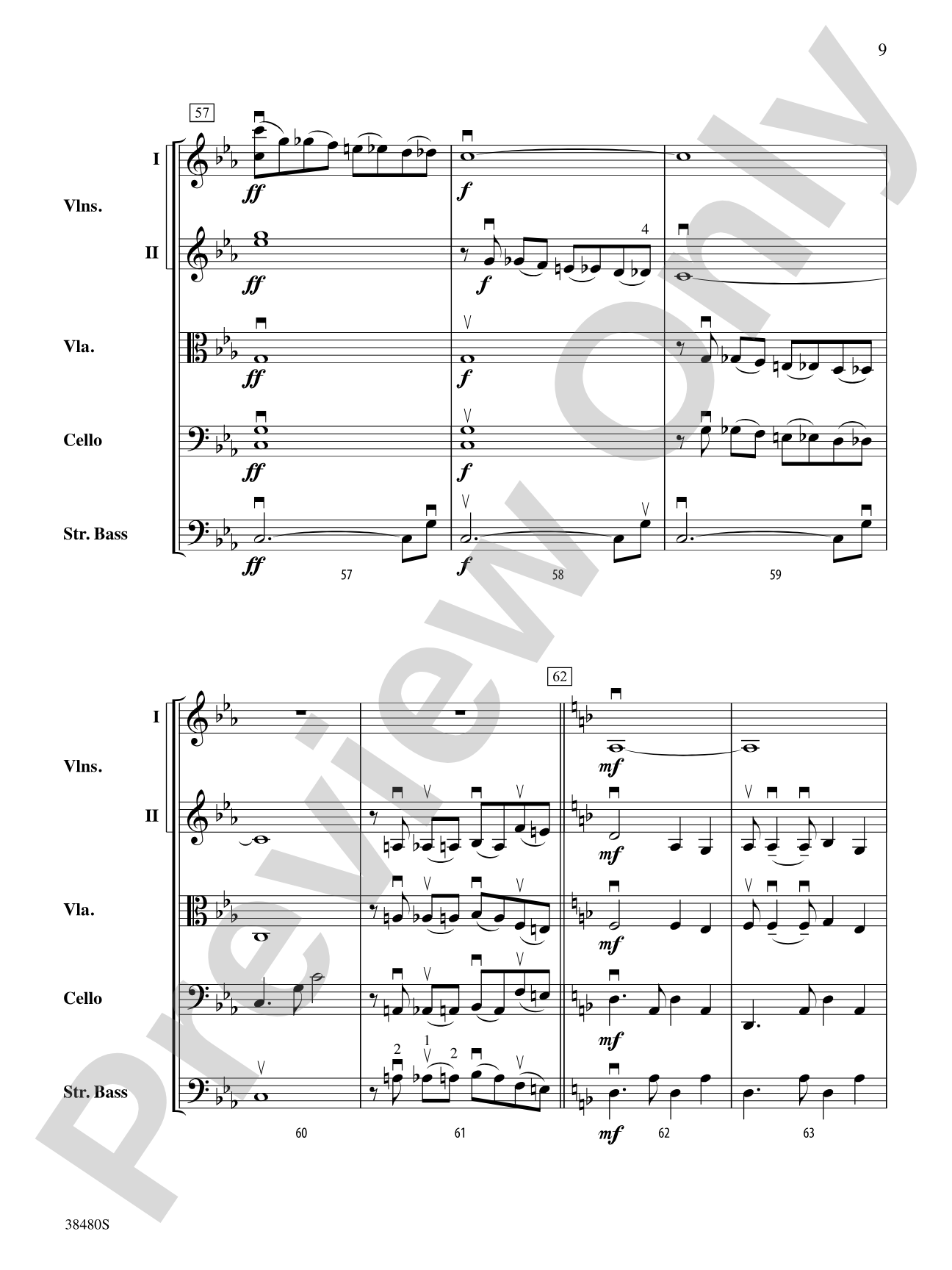
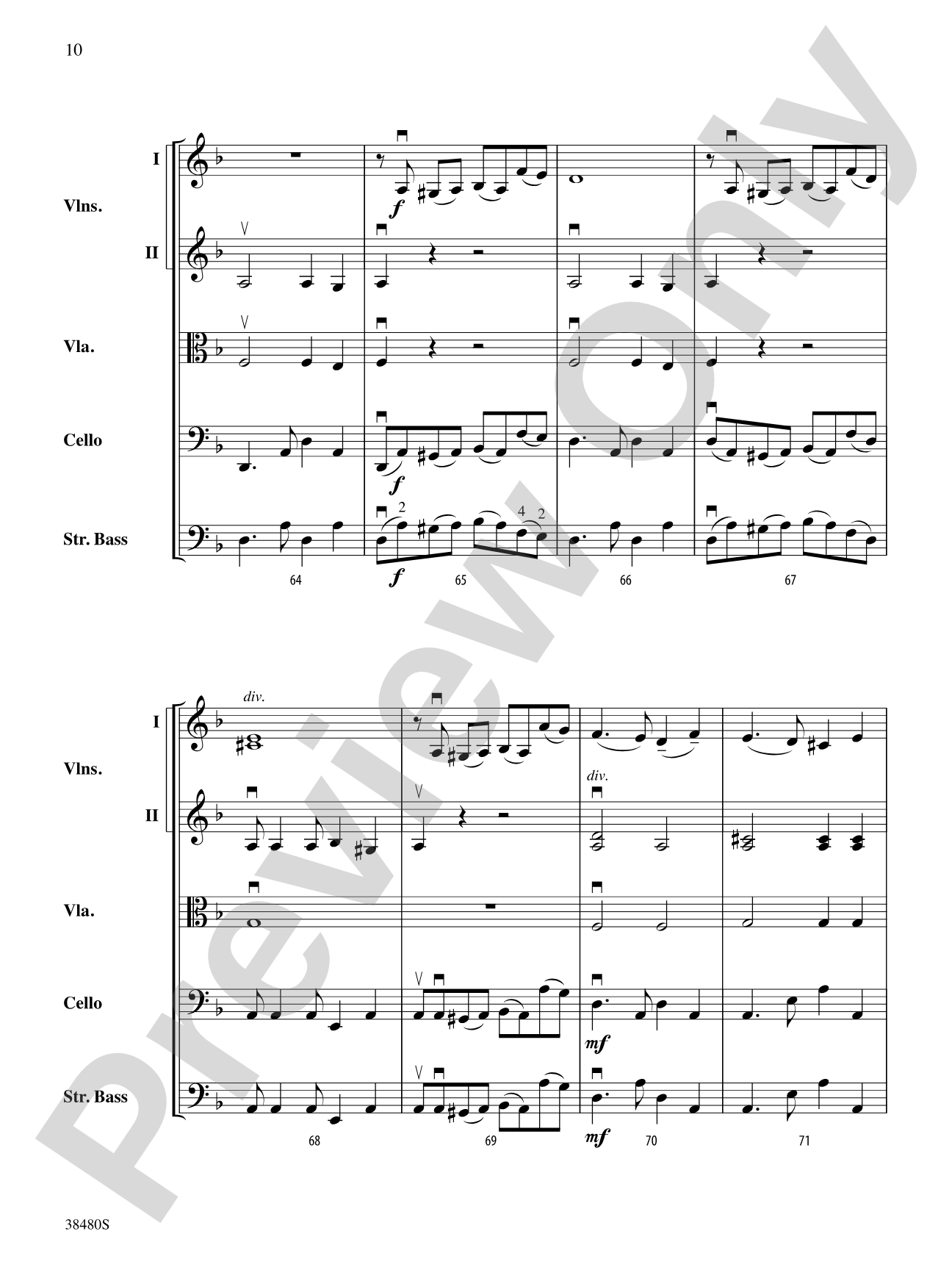
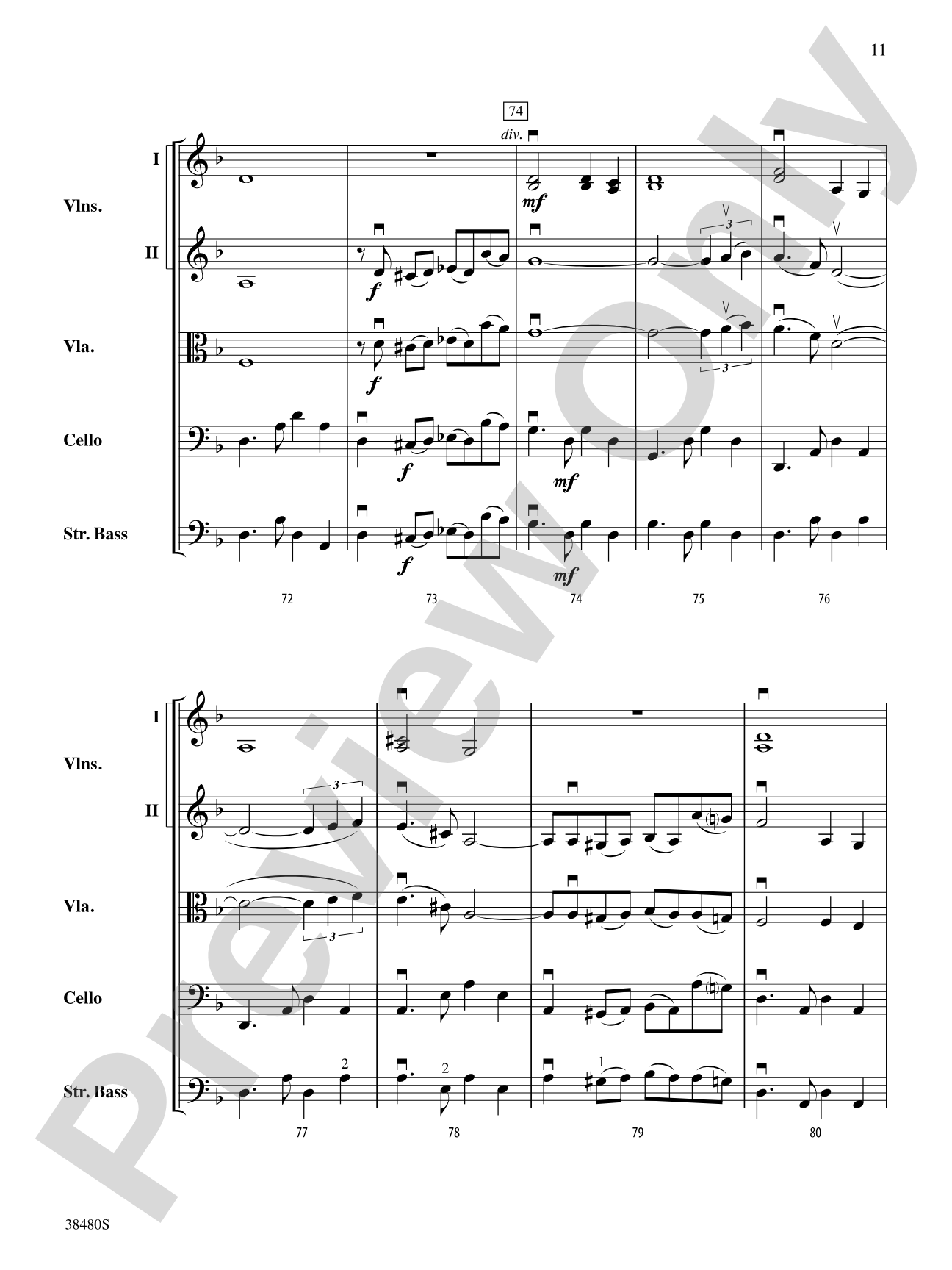
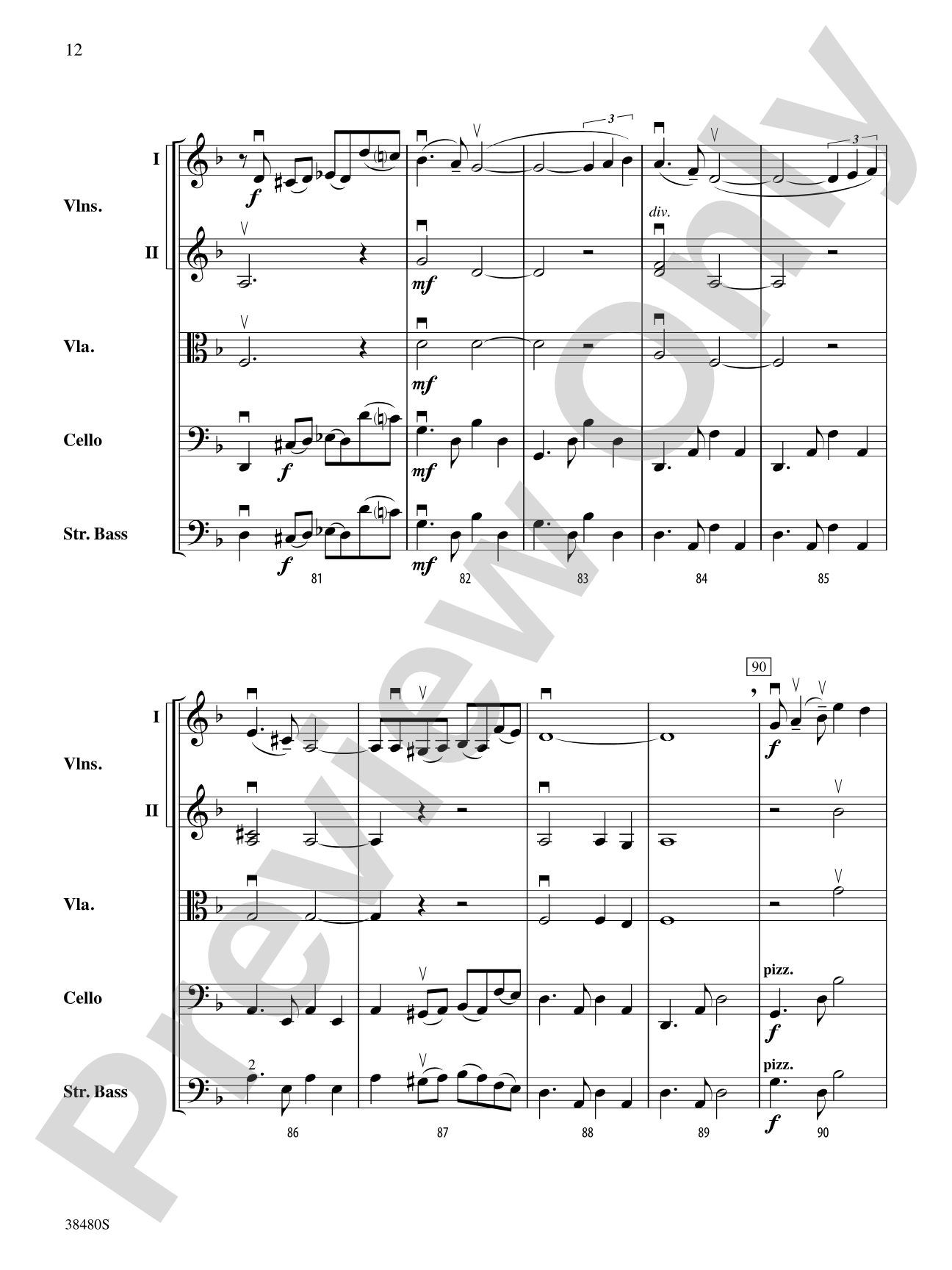
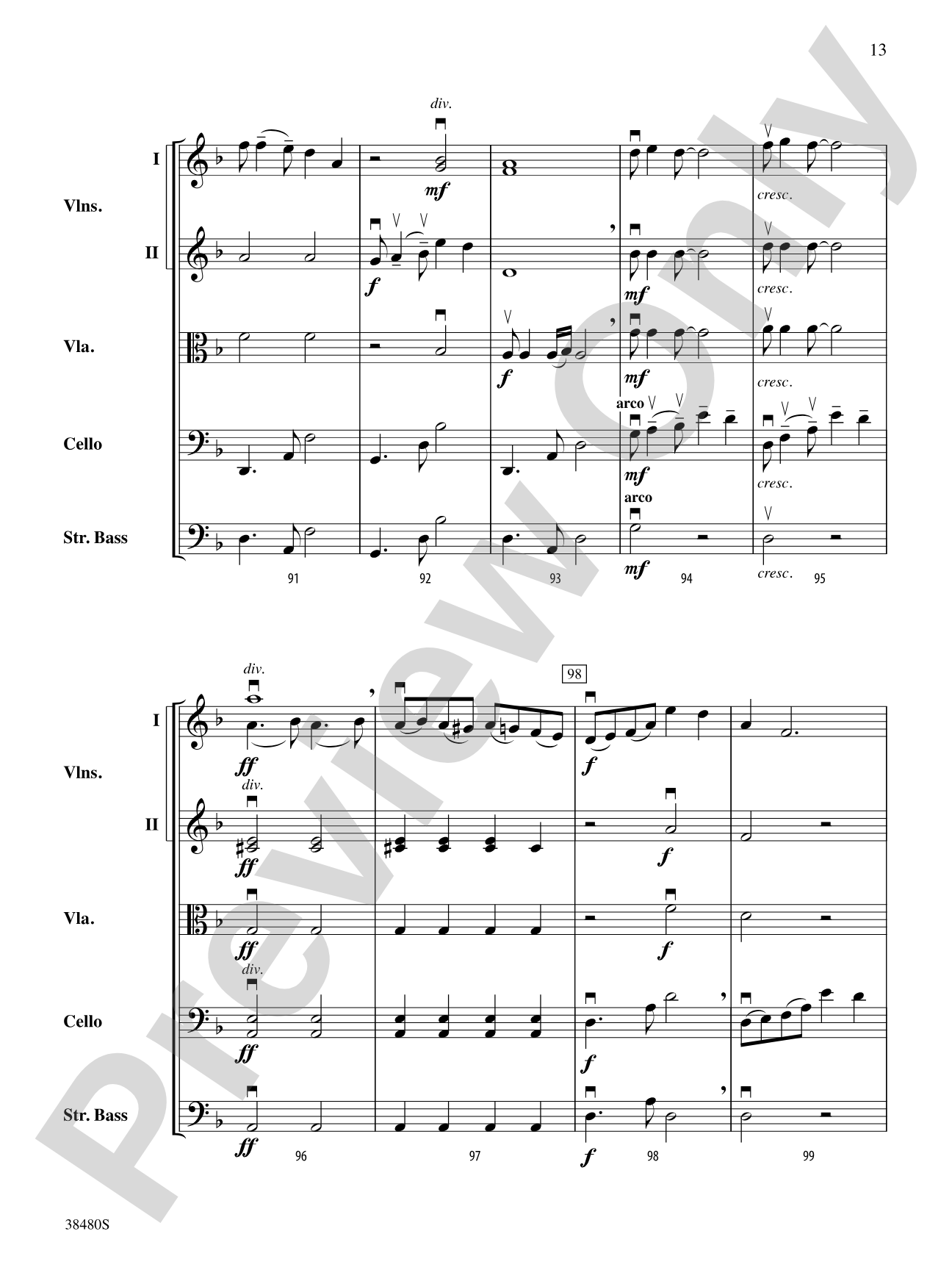
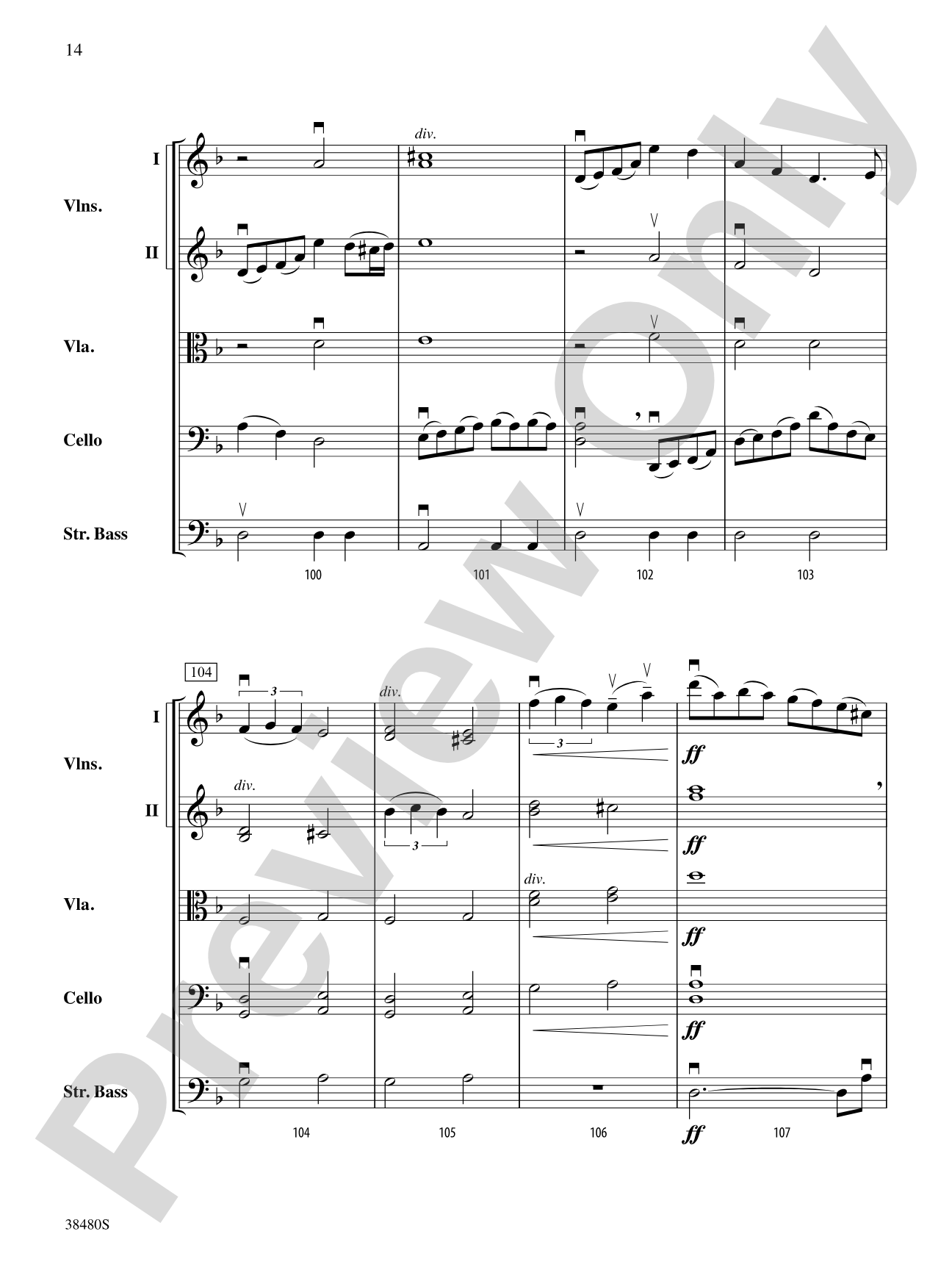
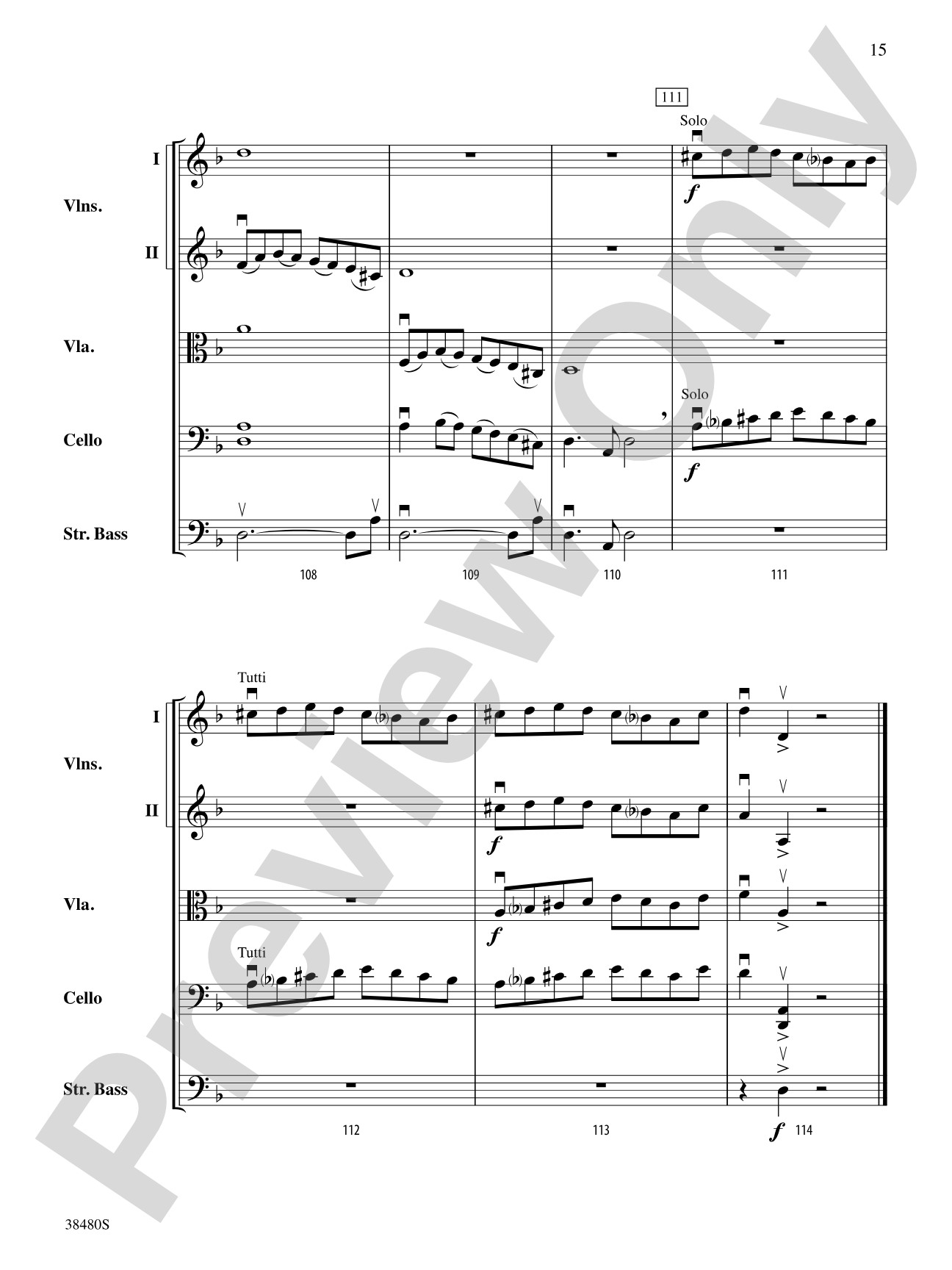


Tango Mysterioso: String Orchestra Conductor Score & Parts
By Susan H. Day
Grade: 3
Item: 00-PK-0005272

$49.00
Pickup currently not available
Buy Extra Parts (Digital PDF Download)
| Product | Price | Quantity |
|---|---|---|
| Tango Mysterioso: Score | $9.00 | |
| Tango Mysterioso: 1st Violin | $5.99 | |
| Tango Mysterioso: 2nd Violin | $5.99 | |
| Tango Mysterioso: Viola | $5.99 | |
| Tango Mysterioso: Cello | $5.99 | |
| Tango Mysterioso: String Bass | $5.99 |
Parts Added to Cart!
Description
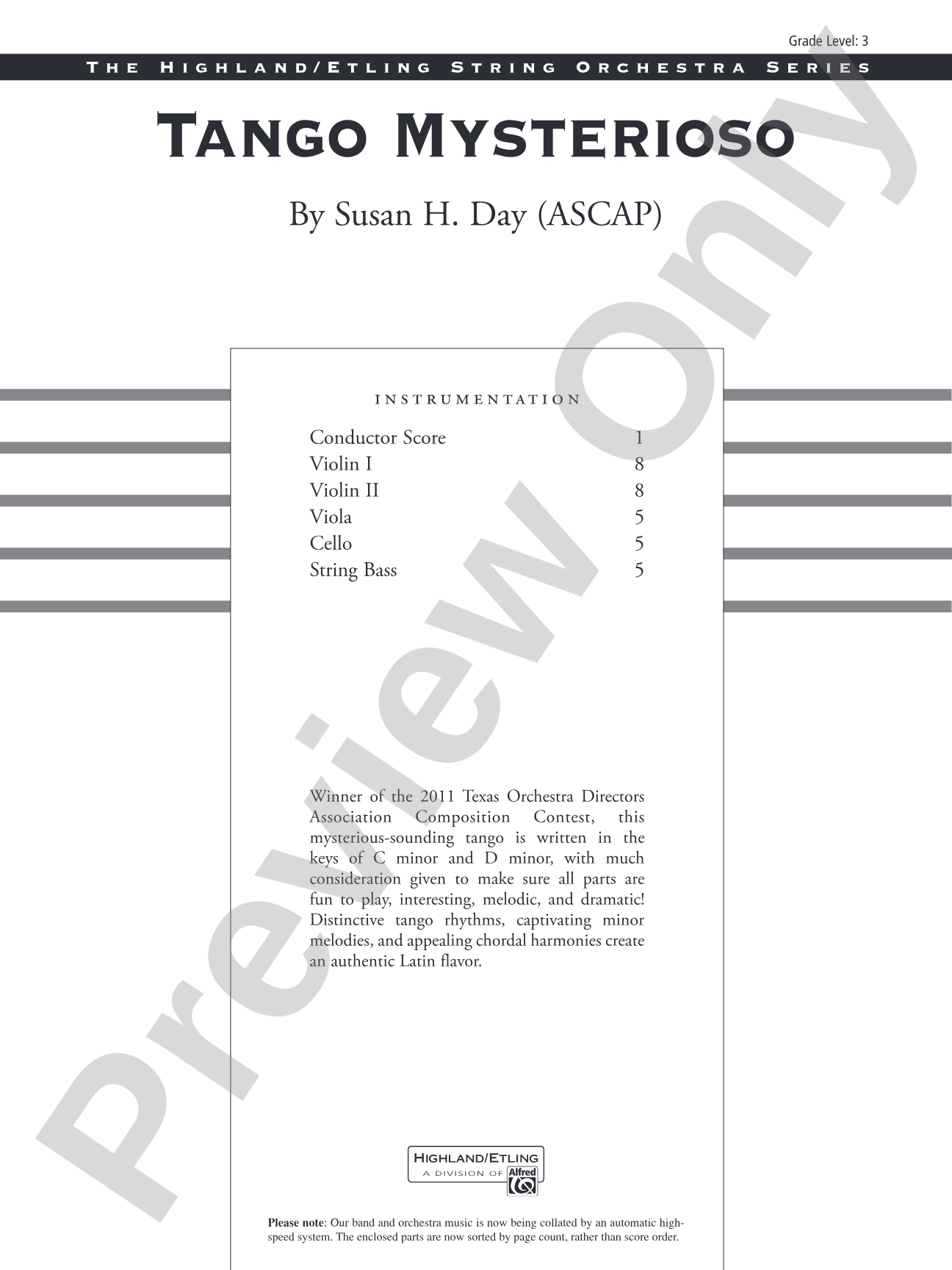
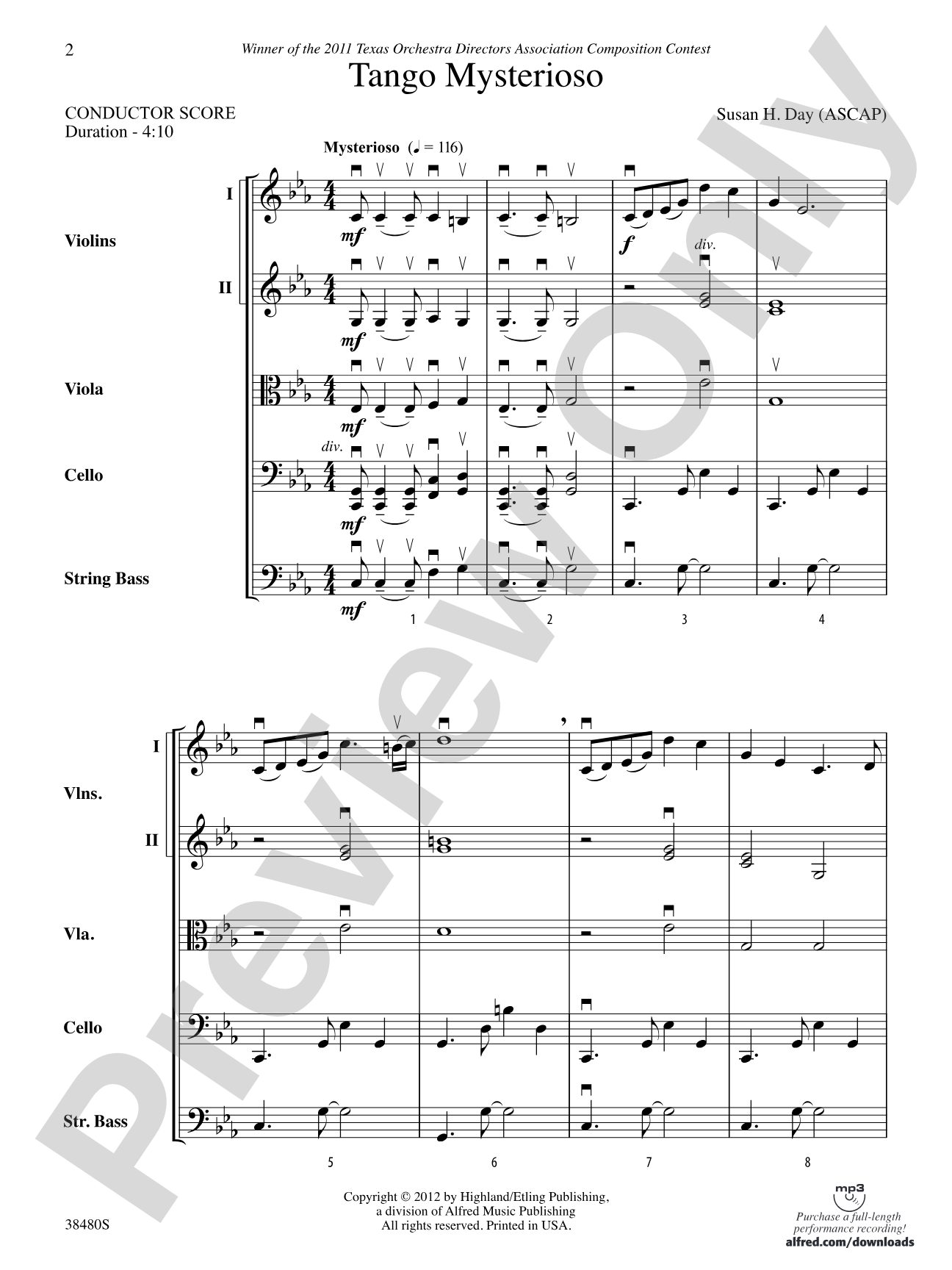
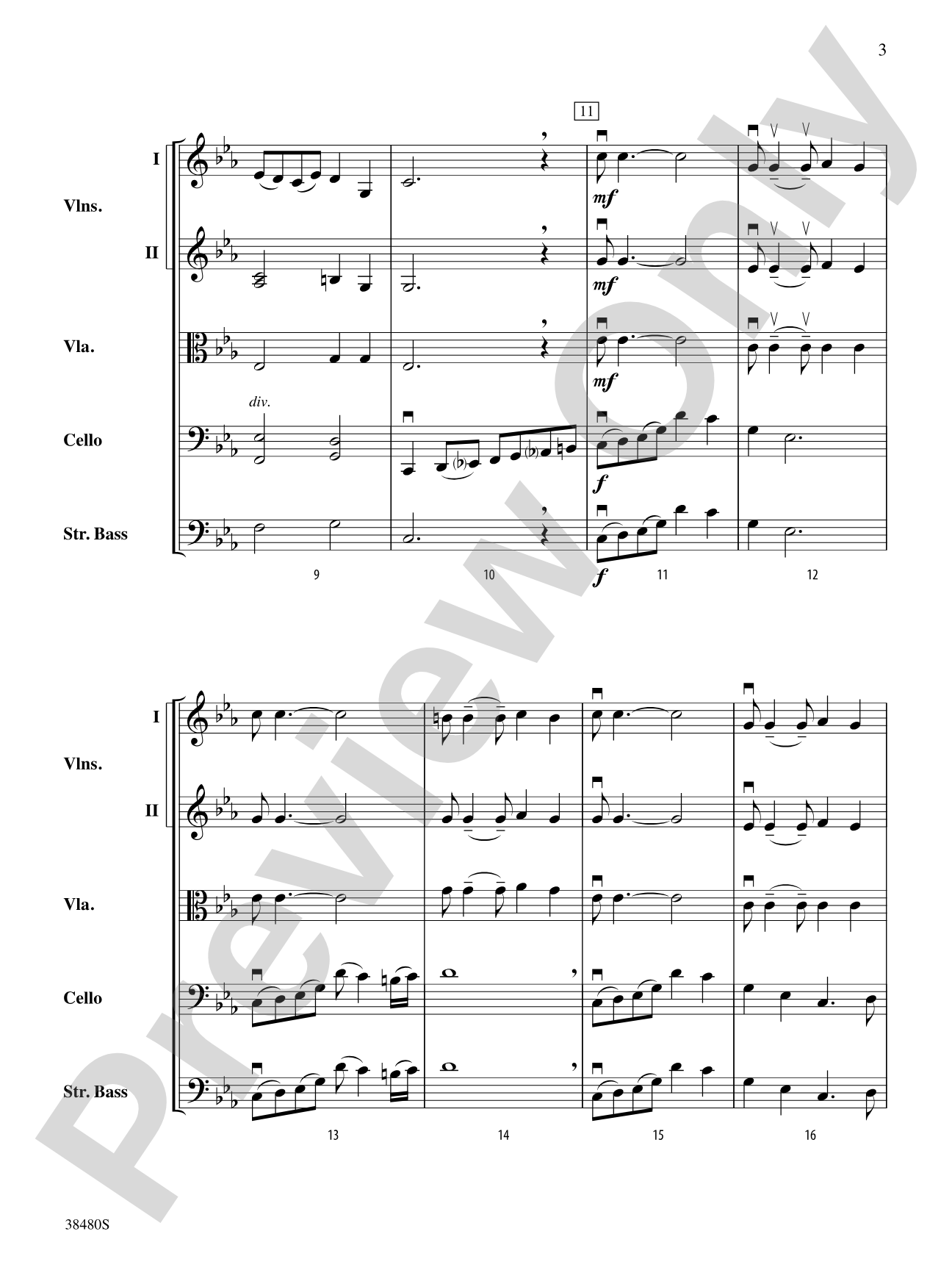
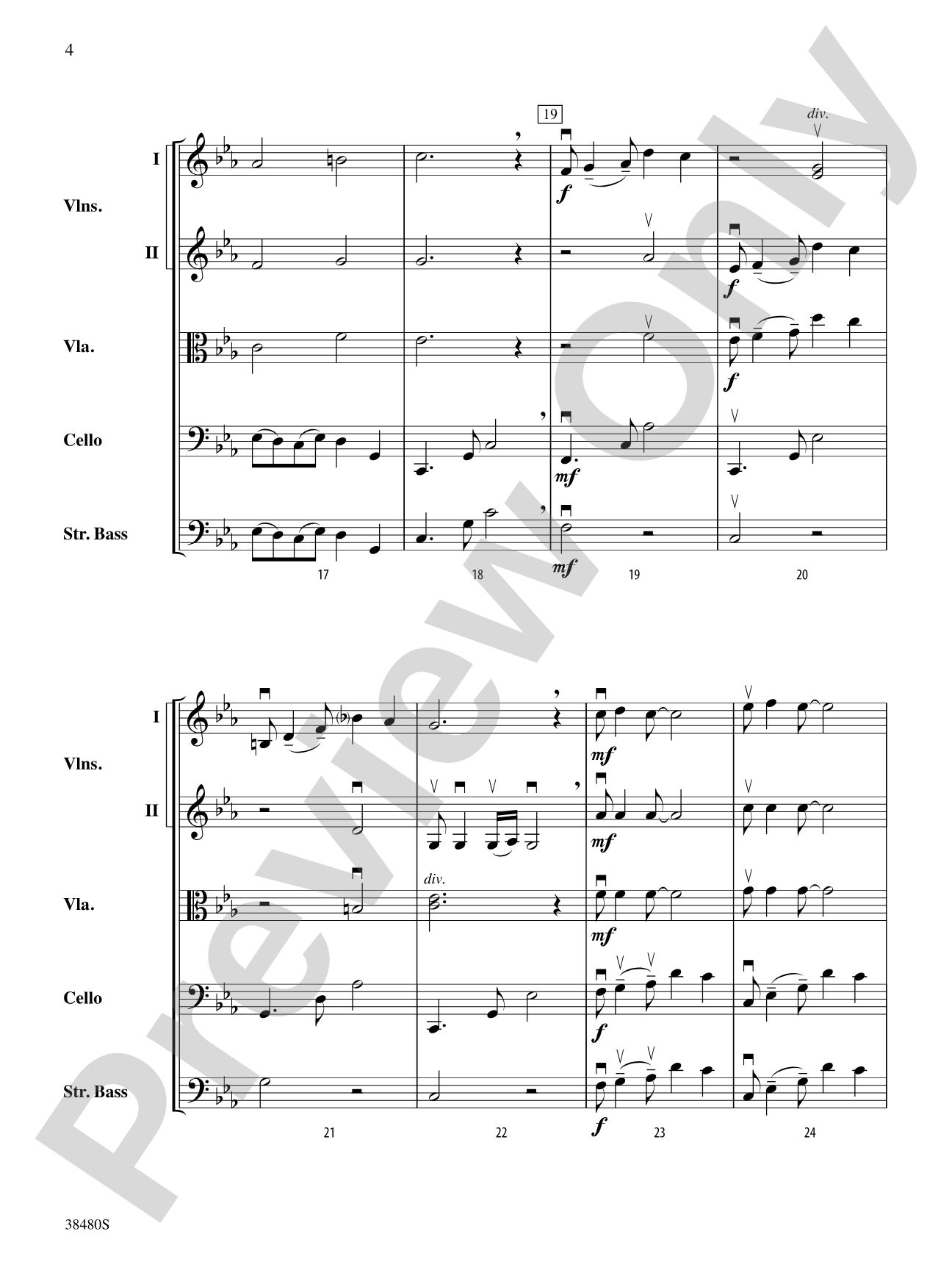
Winner of the 2011 Texas Orchestra Directors Association Composition Contest, this mysterious-sounding tango is written in the keys of C minor and D minor, with much consideration given to make sure all parts are fun to play, interesting, melodic, and dramatic! Distinctive tango rhythms, captivating minor melodies, and appealing chordal harmonies create an authentic Latin flavor. This title is available in MakeMusic Cloud.


Don't just read it, hear it, play along with it, and watch your students grow with it. In MakeMusic Cloud, Tango Mysterioso: String Orchestra Conductor Score & Parts comes alive with professional accompaniment, adjustable tempo, and built-in practice tools that turn solo practice into real progress.
Open in the Player
Jump straight in and assign it today.
Start Your Free Trial
Open this title and explore the full library in minutes.
Sample Audio
1
Audio File
--:--
0:00
0:00
Sample Video
No sample videos found.
Additional Details
Series:
Highland/Etling String Orchestra
Publisher:
Alfred Music
Page Count:
124
SKU:
00-PK-0005272
More about this title
Why we love this
Day's orchestration keeps every section engaged with genuinely playful material rather than padding; the minor keys and tango idiom give students access to authentic Latin rhythms without the technical demands of a Grade 4 score. A contest winner that actually translates to the rehearsal room, the drama is built into the writing, not dependent on interpretation.
What to expect
Mysterious and sophisticated, with a tango's inherent pulse and drama wrapped in minor-key colors. The piece carries authentic Latin flavor without sounding exotic or decorative; instead, it feels like walking into a dimly lit room where something compelling is happening on stage.
Who it's for
String orchestras in Grades 3-4 looking for contest or festival repertoire with real concert polish and Latin flair. This piece suits ensembles ready to handle two key centers and stylistically distinct rhythmic materials while still working within accessible range and technical demands.
How to get the most out of it
- Anchor the tango rhythm in the cello and bass parts. These instruments carry the heartbeat of the piece; once they lock in, the upper strings can layer melody and harmony with confidence.
- Shape the minor-key melodies with expressive rubato. The C minor and D minor writing invites slight tempo flexibility at phrase peaks, which brings out the mysterious character Day intended.
- Balance the section work carefully. With two key centers, clarity between first and second violin parts matters. Bring out the harmonic conversation so listeners hear the chordal richness, not just block sounds.
- Use dynamic contrast to build tension. The dramatic potential of this piece emerges through careful attention to crescendos and sudden drops; don't let it settle into one dynamic level.
How to use it
This works beautifully as a contest or festival entry, but it also stands strongly on a concert program alongside lighter works or as a contrast to Baroque repertoire. Its dramatic character and stylistic distinctiveness make it memorable as a standalone selection or as the centerpiece of a Latin-themed concert segment.
Skills your students will build
- Playing authentic tango rhythms and articulation patterns
- Reading and performing in C minor and D minor with confidence
- Balancing melody, harmony, and rhythmic foundation within string sections
- Shaping minor-key melodic lines with expressive phrasing
- Coordinating ensemble sound across multiple harmonic centers