
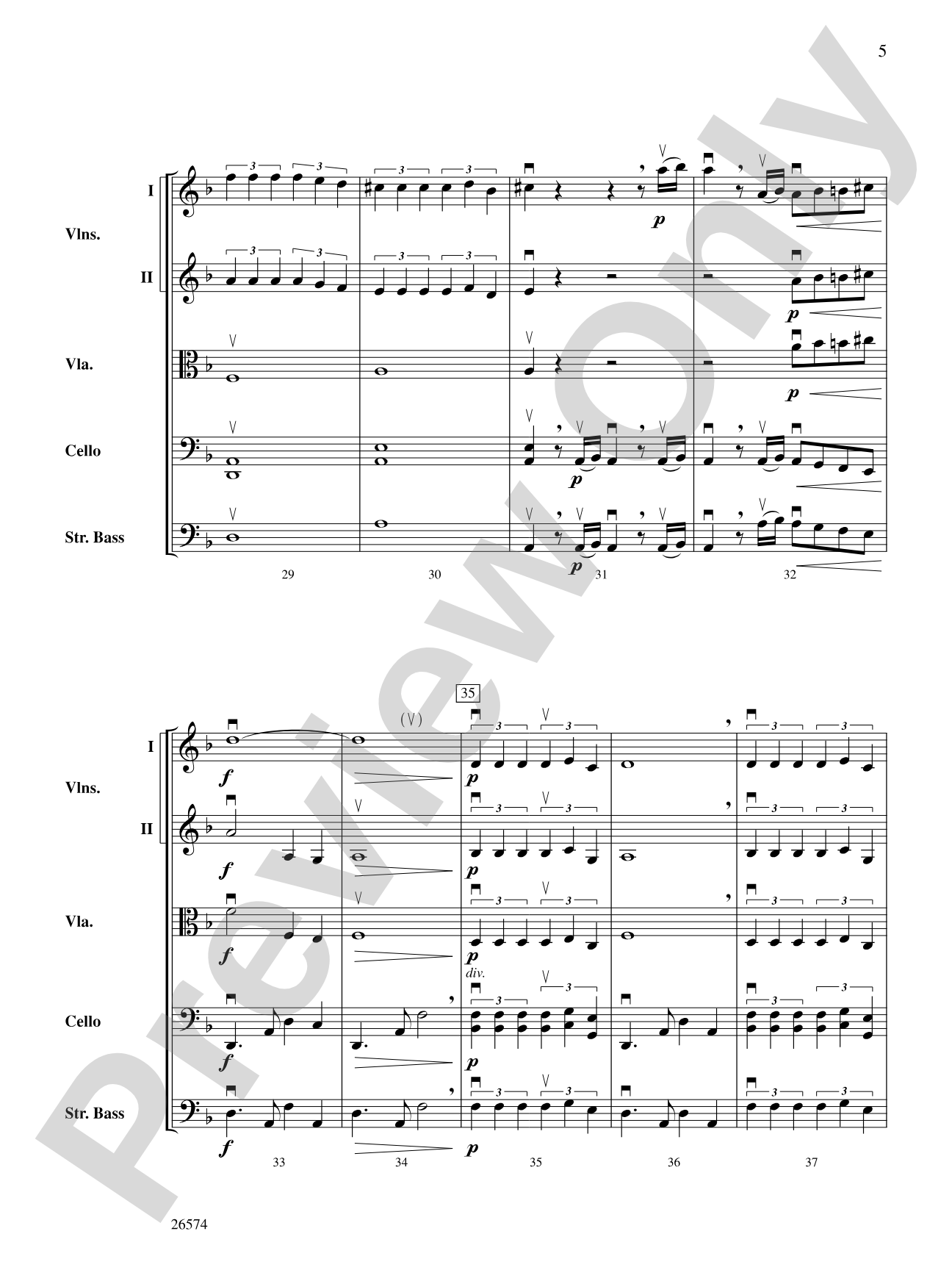
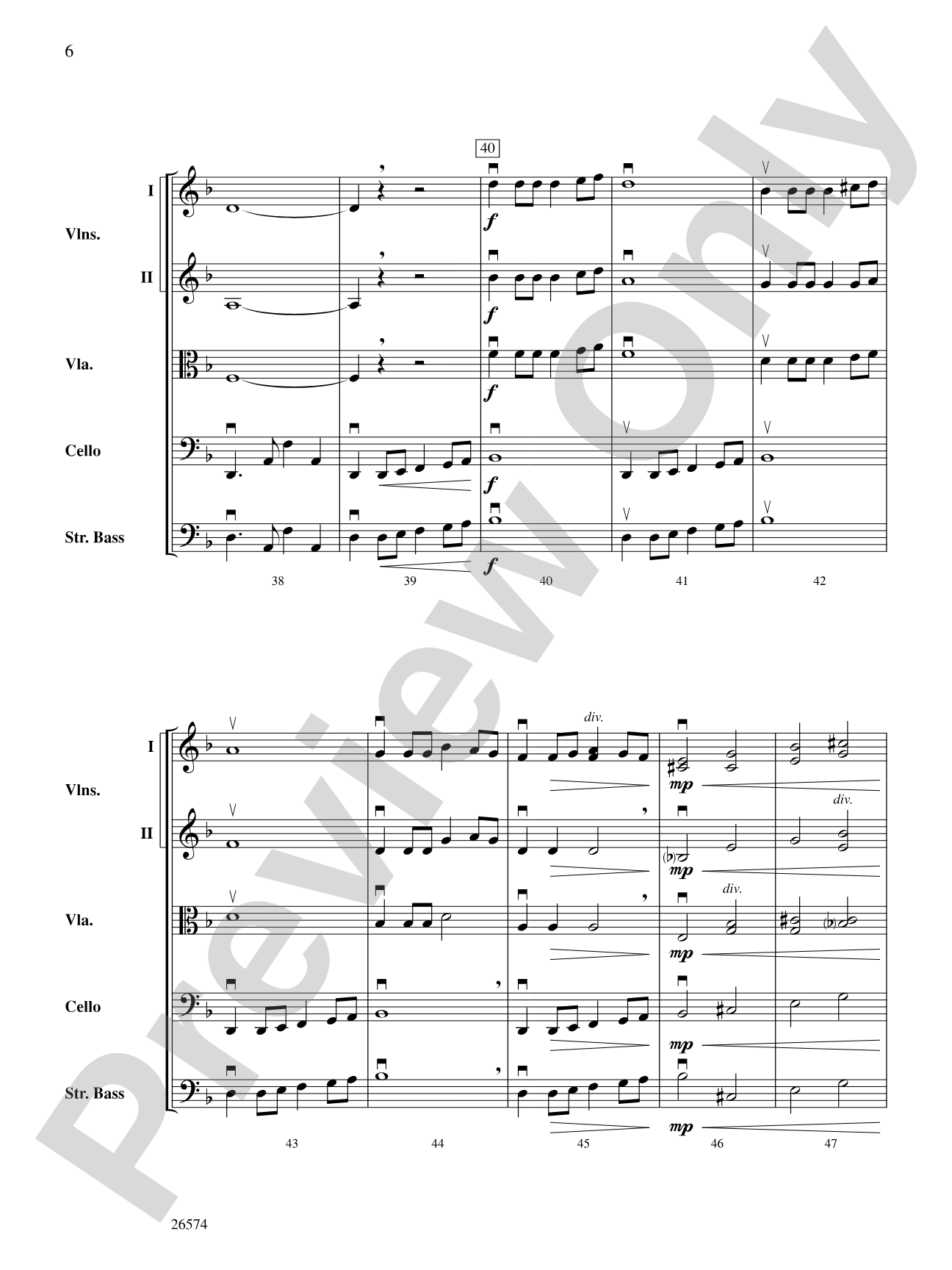
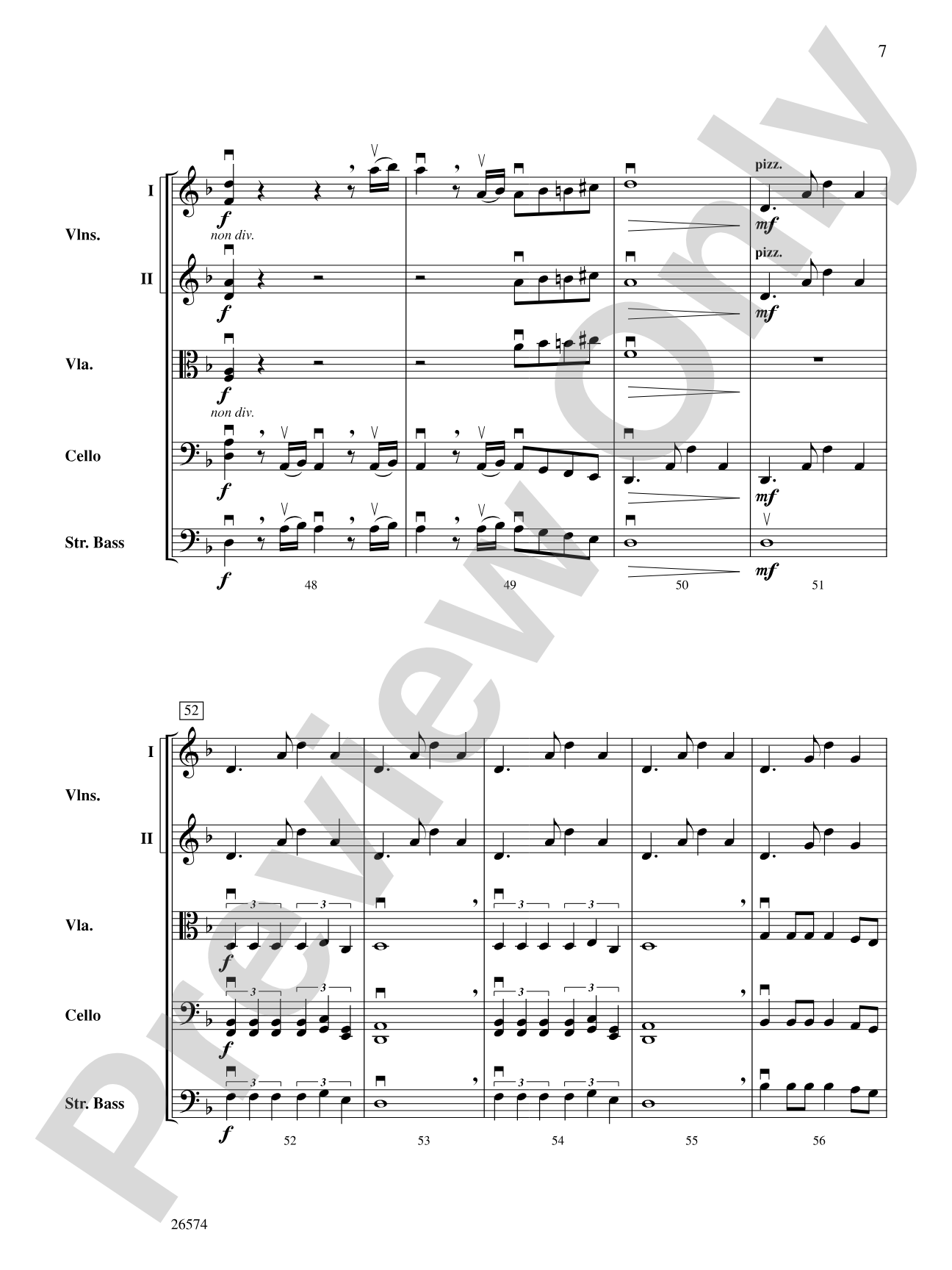
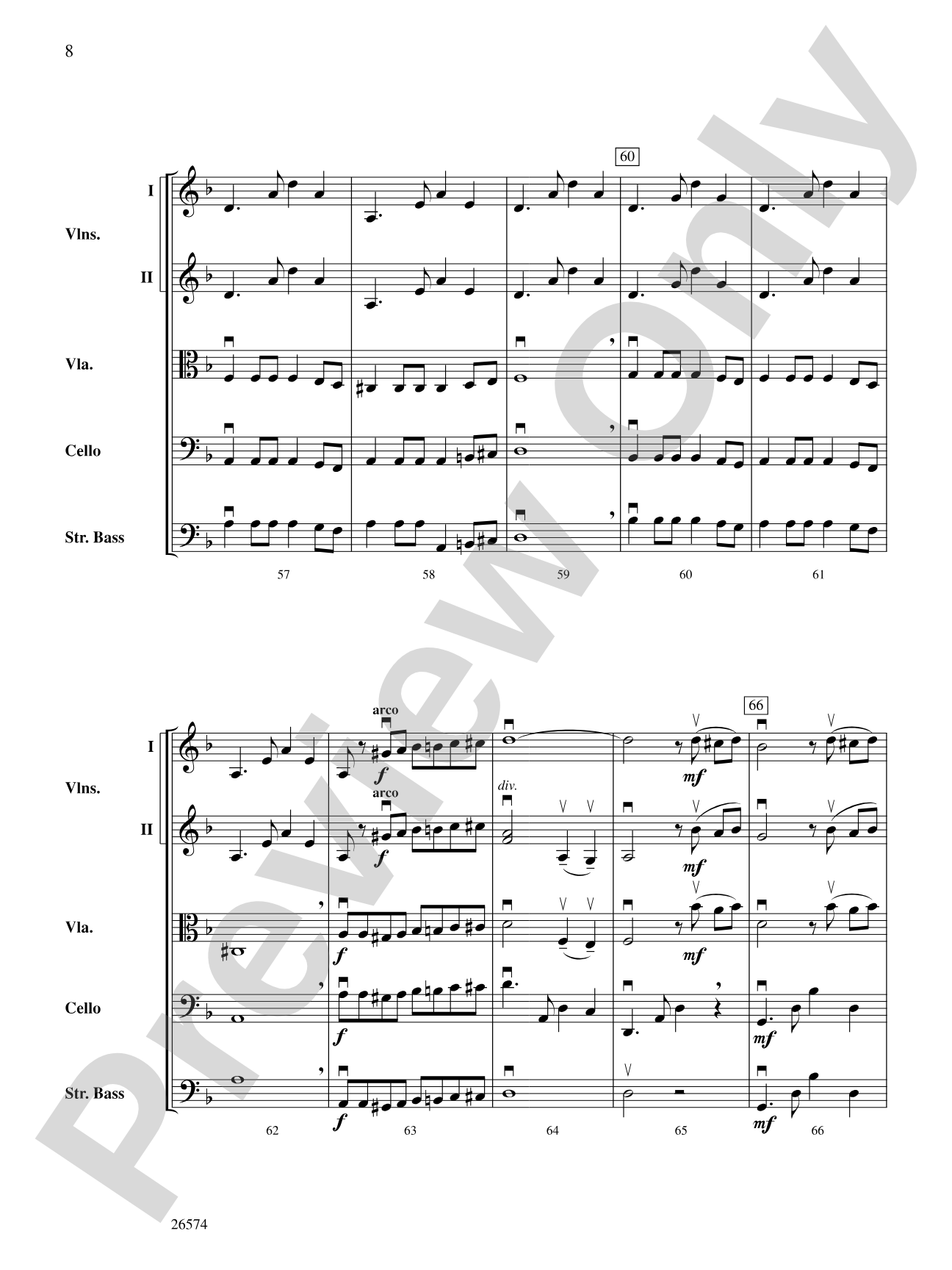
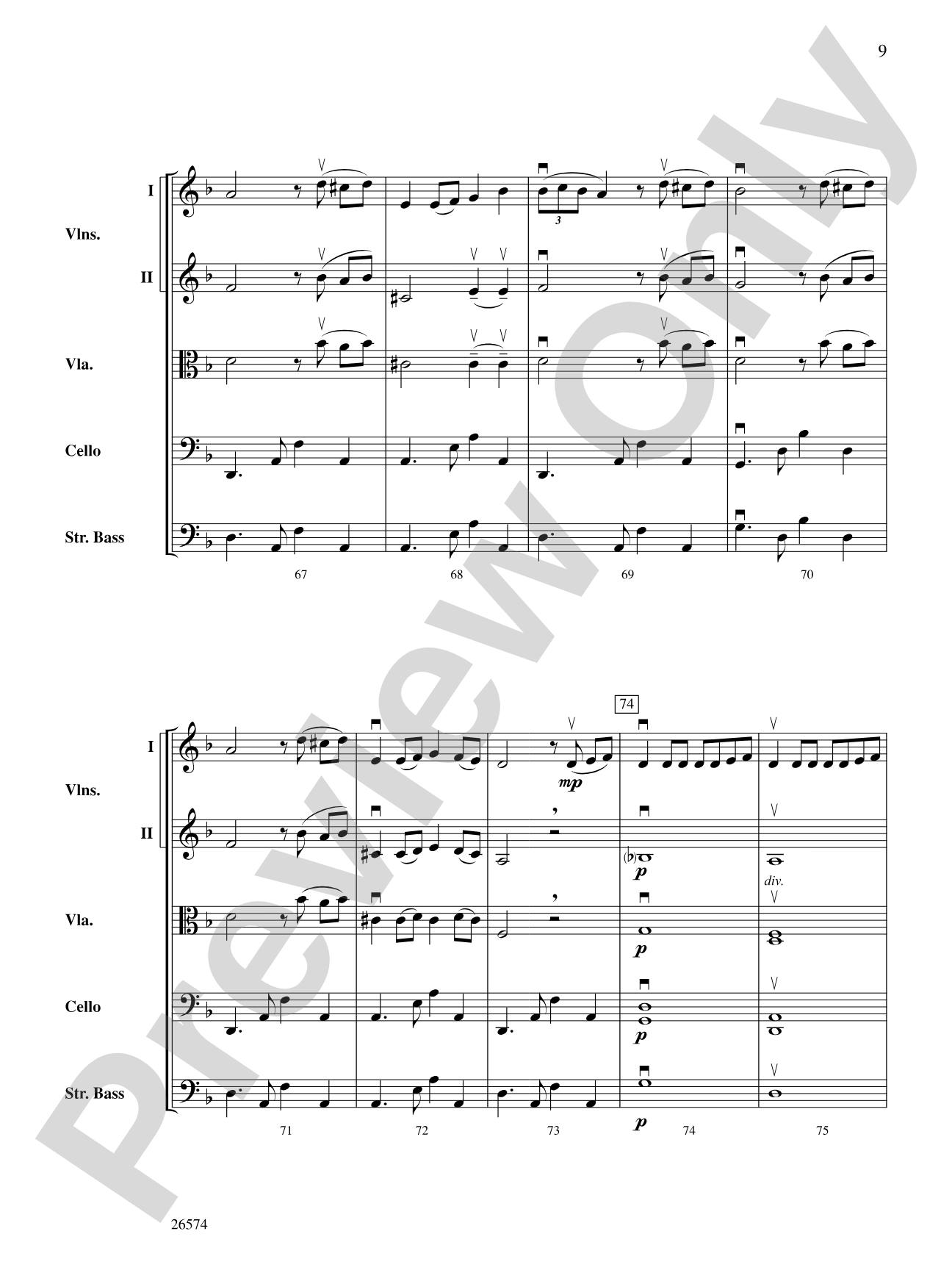
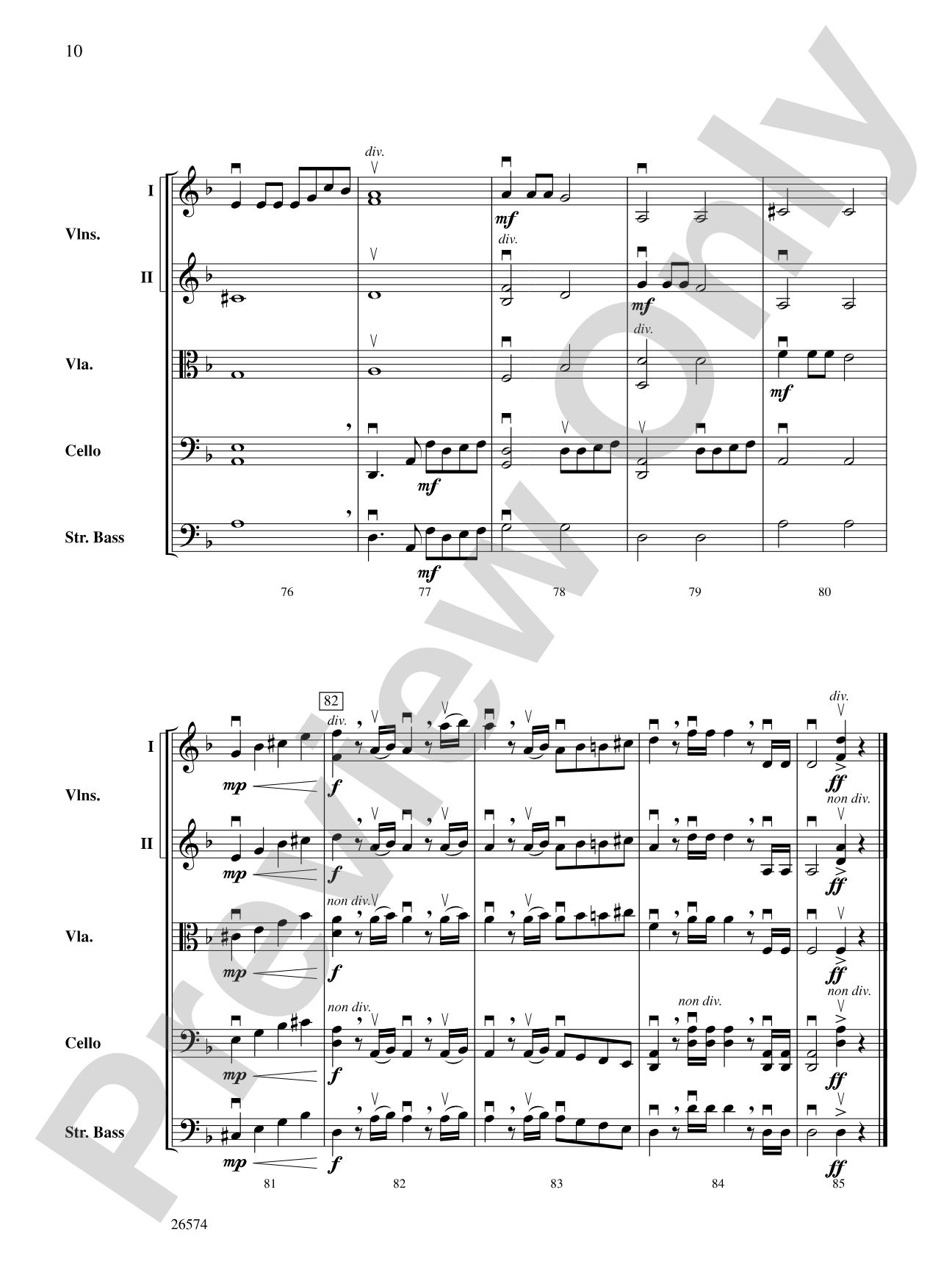



Tango d'Amour: Score
By Susan H. Day
Grade: 2.5
Item: 00-PR-0001075
$9.00
Pickup currently not available
Description
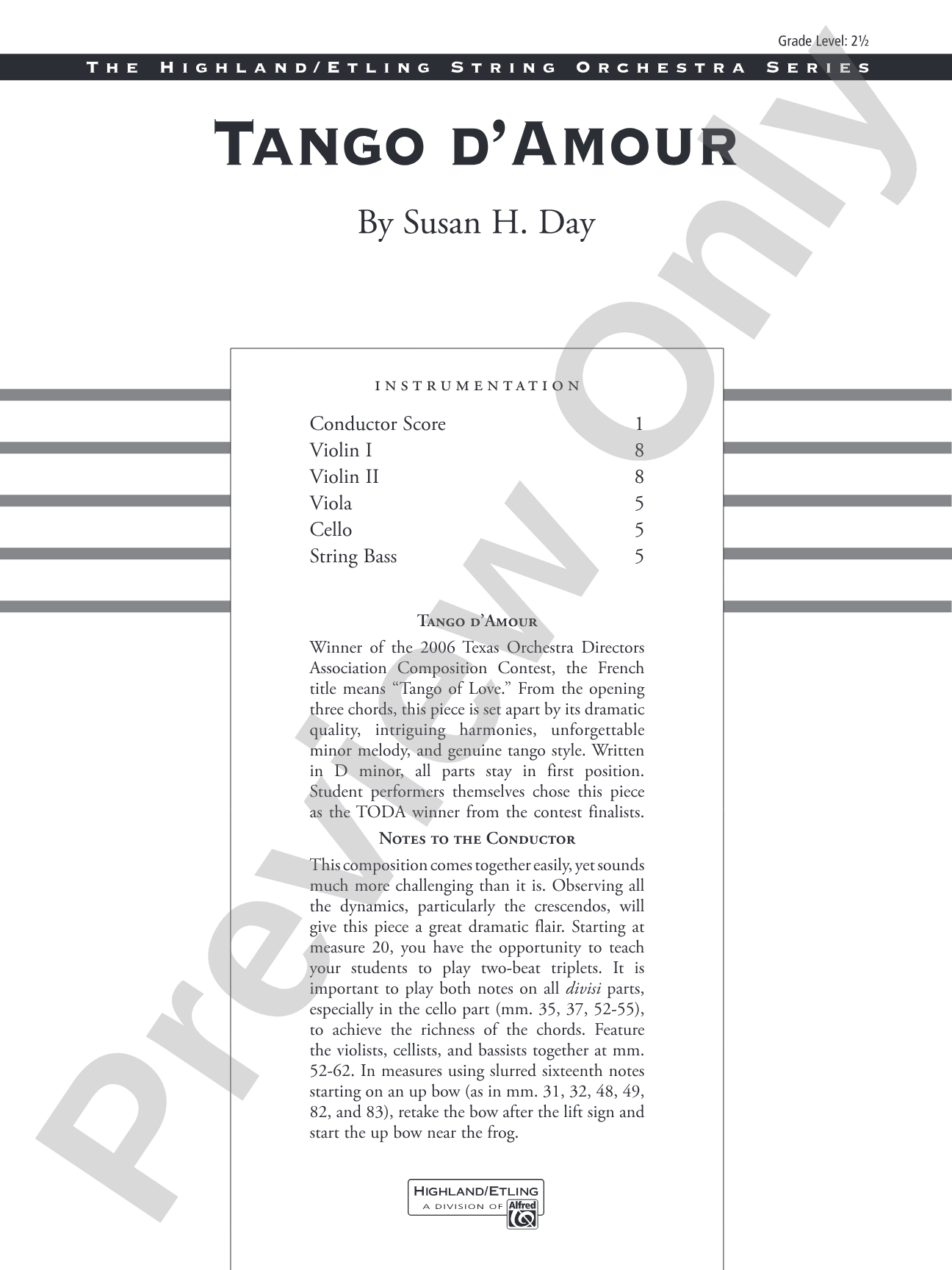
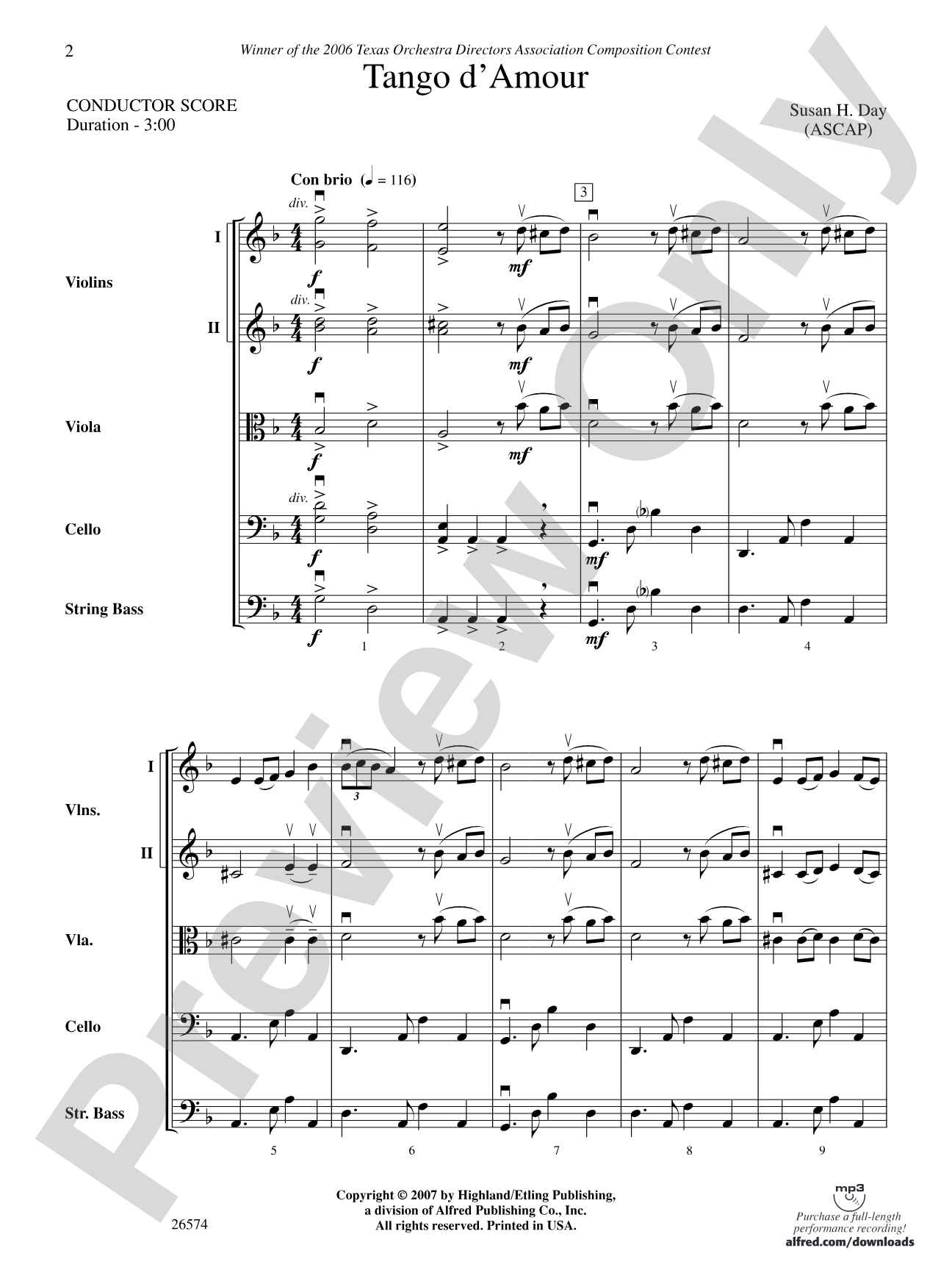
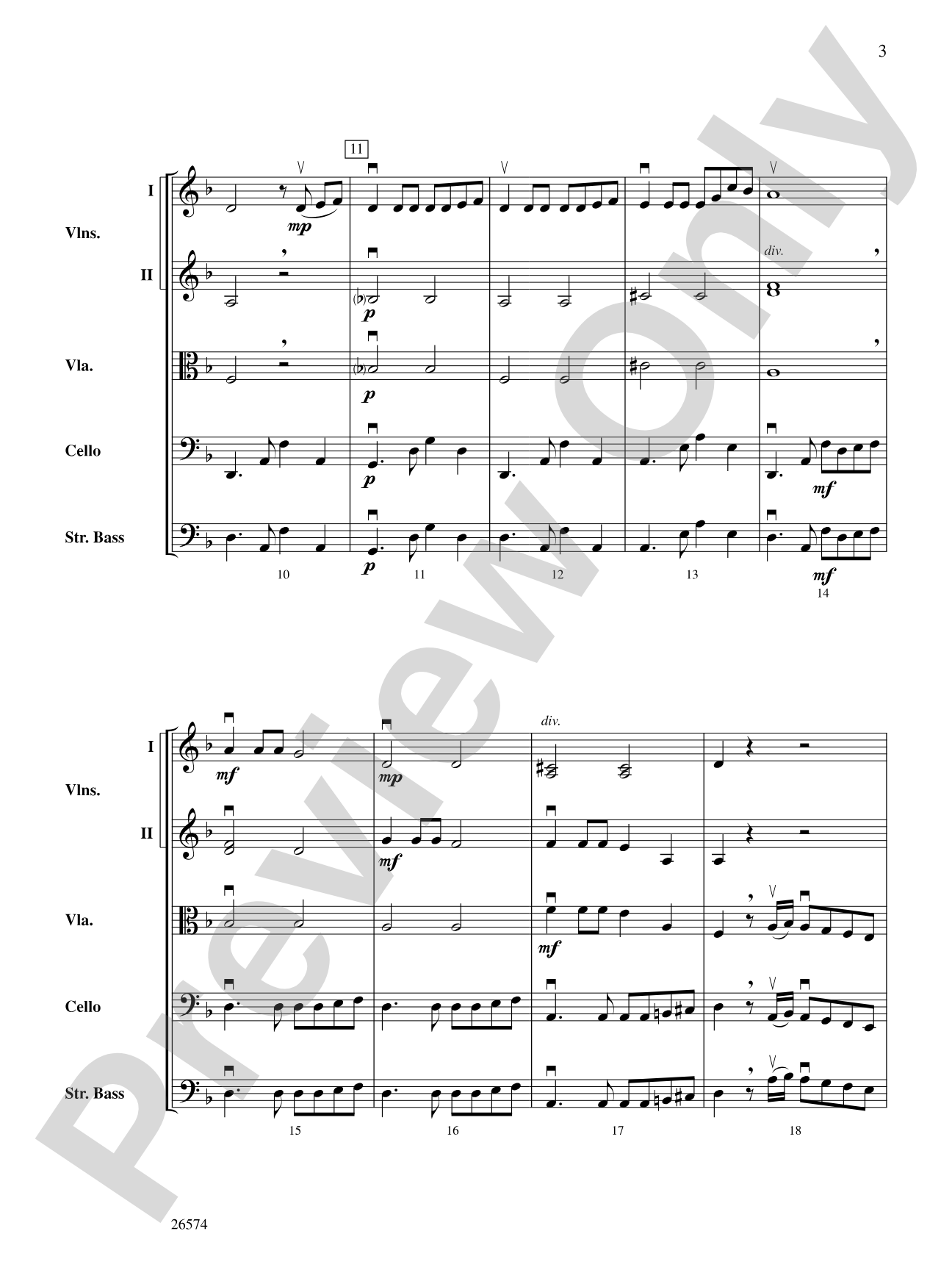
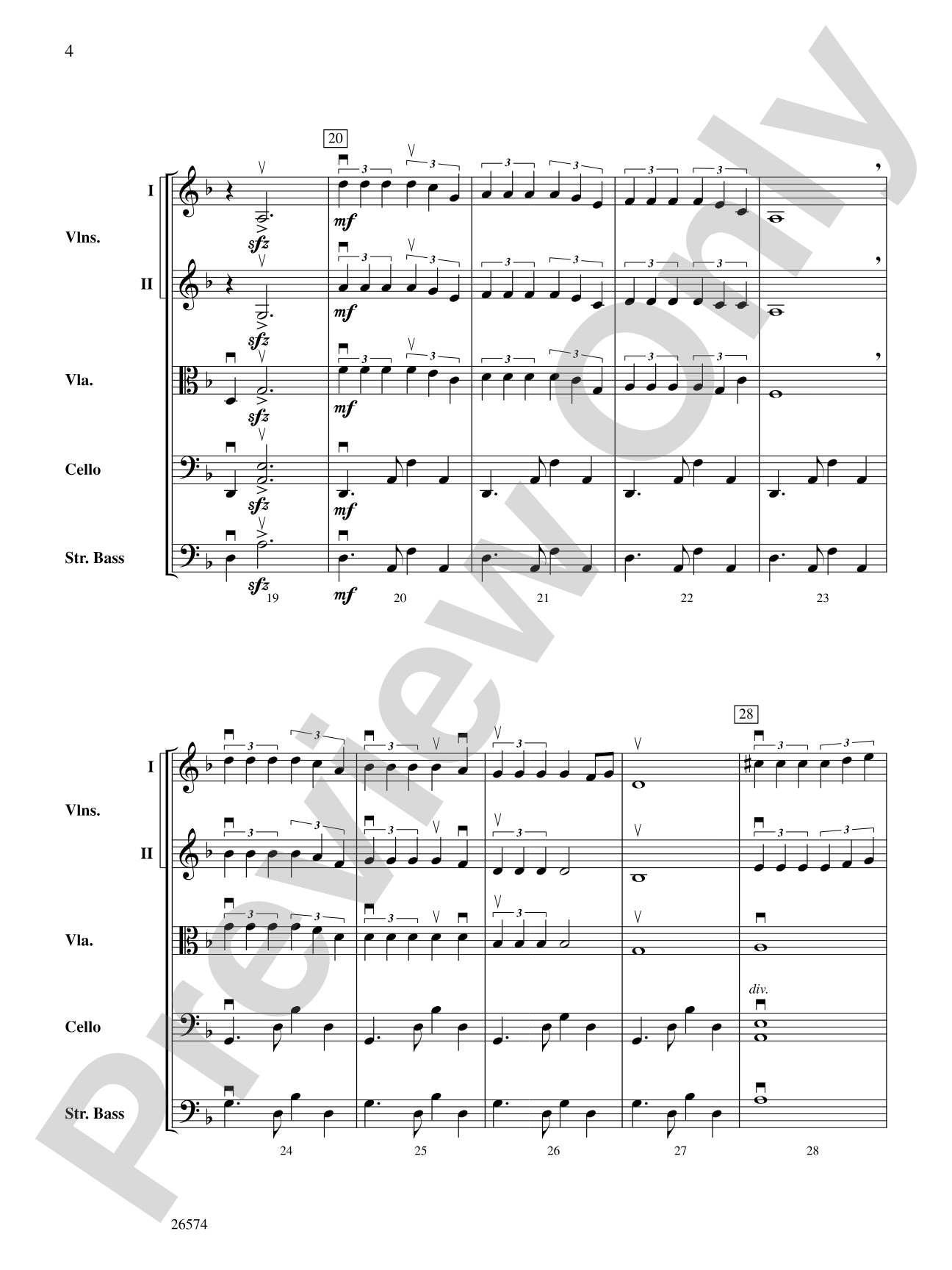
Winner of the 2006 Texas Orchestra Directors Association Composition Contest, the French title means "Tango of Love." From the opening three chords, this piece is set apart by its dramatic quality, intriguing harmonies, unforgettable minor melody, and genuine tango style. Written in D minor, all parts stay in first position. An appropriate choice for any concert, festival, or contest that is sure to become an ensemble favorite! (3:00) This title is available in MakeMusic Cloud.


Don't just read it, hear it, play along with it, and watch your students grow with it. In MakeMusic Cloud, Tango d'Amour: Score comes alive with professional accompaniment, adjustable tempo, and built-in practice tools that turn solo practice into real progress.
Open in the Player
Jump straight in and assign it today.
Start Your Free Trial
Open this title and explore the full library in minutes.
Sample Audio
1
Audio File
--:--
0:00
0:00
Sample Video
Additional Details
Series:
Highland/Etling String Orchestra
Publisher:
Alfred Music
Page Count:
62
SKU:
00-PR-0001075
More about this title
About the Composer: Susan H. Day
Susan H. Day is a composer whose work has earned recognition within the string orchestra community, notably winning the 2006 Texas Orchestra Directors Association Composition Contest. Her ability to craft accessible yet musically distinctive pieces reflects a deep understanding of what young ensembles can achieve when given material that respects their developing abilities while offering genuine artistic substance.
Why we love this
Day writes for student orchestras with real compositional voice. The dramatic opening and minor melody give players something genuinely musical to sink their teeth into, not just technical exercises. This is the kind of piece that wins competitions and stays in your ensemble's repertoire because it actually sounds like something.
What to expect
Passionate and slightly mysterious. The minor key and intriguing harmonies create an emotional pull that's rare at this level, while the authentic tango rhythm grounds everything in infectious, dance-like energy. From the first chord, the piece commands attention.
Who it's for
Grade 2.5 string orchestras ready to program something with genuine musical substance. This works equally well for ensembles preparing for festival adjudication or building a concert that needs a distinctive, confident showpiece.
How to get the most out of it
- Shape the opening three chords with clear dynamic intent; their distinctiveness sets the entire piece's character, so resist the urge to play them as a generic introduction.
- Balance the unforgettable minor melody so it sings across all sections. Rotate principal roles through your ensemble if possible so multiple players get ownership of this line.
- Commit fully to the tango style. Rhythmic clarity and slightly forward articulation distinguish the style from generic minor-key writing; listen to actual tango recordings if your ensemble isn't familiar with the idiom.
- Keep first position playing clean and intonation stable in the lower register where much of the harmony lives. Spend rehearsal time anchoring the viola and cello lines.
How to use it
Position this as a concert centerpiece or festival entry where you want your ensemble to make a memorable impression. It pairs well alongside lighter fare, giving you a chance to showcase both polish and emotional maturity. At three minutes, it's substantial enough to be a statement but brief enough to fit flexibly into any program.
Skills your students will build
- Playing with stylistic authenticity (tango rhythms and phrasing)
- Reading and executing dramatic dynamic changes
- Sustaining and shaping a compelling minor-key melody
- First position intonation across all string ranges
- Ensemble balance when melody rotates through multiple voice parts