
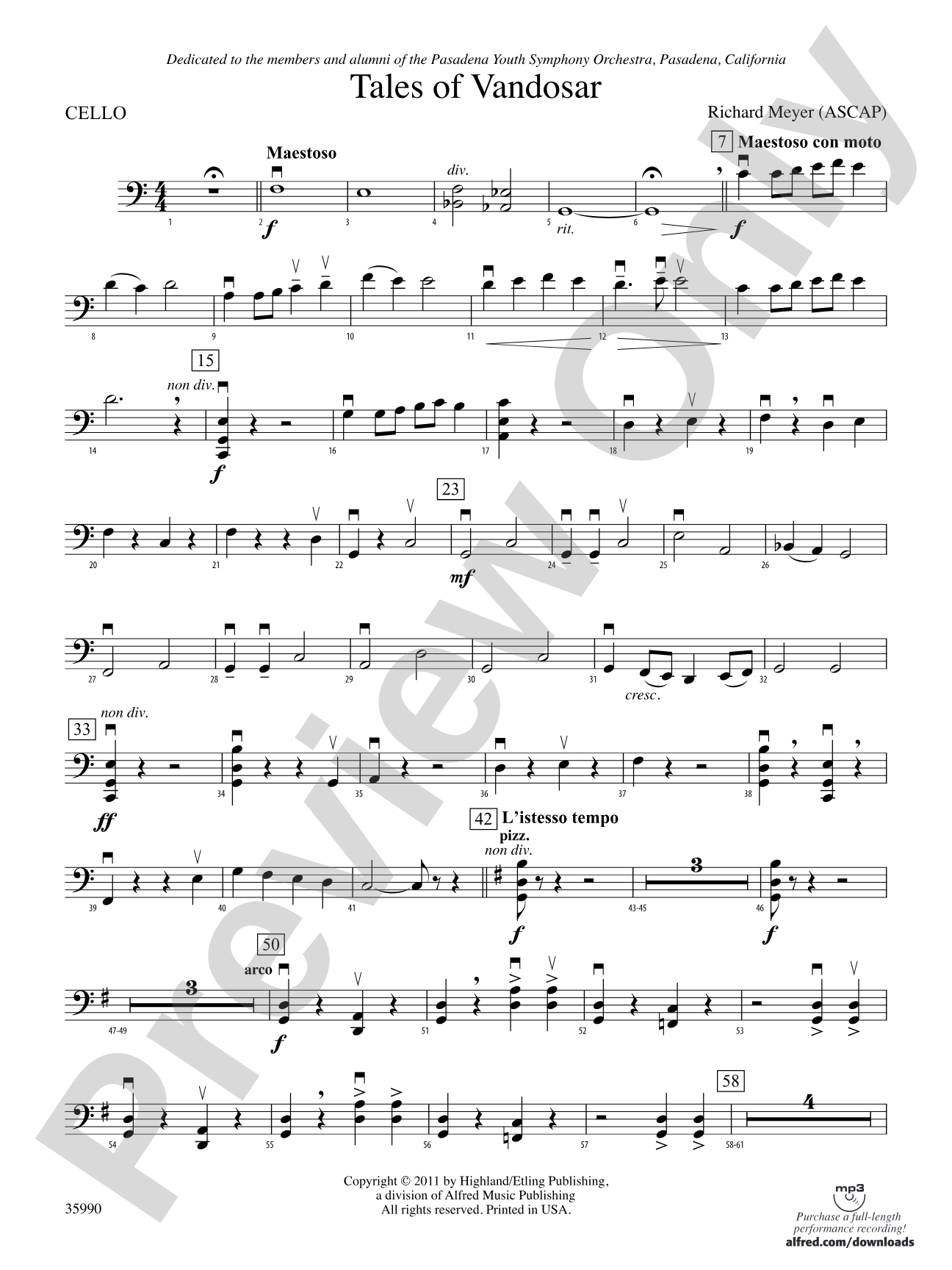

Tales of Vandosar: Cello
By Richard Meyer
Grade: 3
Item: 00-PC-0015065_VC1
$3.00
Pickup currently not available
Description
Before writing the piece, Mr. Meyer asked members of the Pasadena Youth Symphony Orchestra to compose original themes of their own. Four of these themes were chosen, and then woven together by the composer. The result is a fascinating and high-spirited overture that explores a myriad of emotions. With brief solos for trombone, trumpet, and violin, this piece is sure to hold the interest of all of your students---after all, it was written with the help of their peers!


Don't just read it, hear it, play along with it, and watch your students grow with it. In MakeMusic Cloud, Tales of Vandosar: Cello comes alive with professional accompaniment, adjustable tempo, and built-in practice tools that turn solo practice into real progress.
Open in the Player
Jump straight in and assign it today.
Start Your Free Trial
Open this title and explore the full library in minutes.
Sample Audio
1
Audio File
--:--
0:00
0:00
Sample Video
No sample videos found.
Additional Details
Series:
Highland/Etling Full Orchestra
Publisher:
Alfred Music
Page Count:
220
SKU:
00-PC-0015065_VC1
Instrumentation:
full (timp, bells/xylophone, Suspended Cymbal, Crash Cymbals, Triangle, Snare Drum, Tambourine, Castanets)
More about this title
About the Composer: Richard Meyer
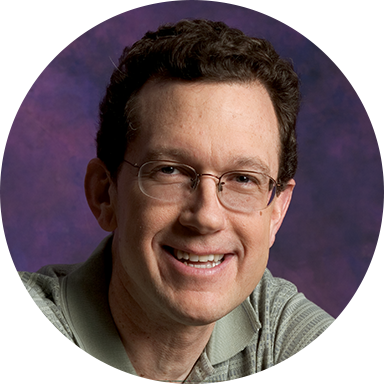
Richard Meyer spent 35 years teaching strings across elementary, middle, and high school levels in California public schools. Over two decades directing the orchestras at Oak Avenue Intermediate School in Temple City, he expanded the program from 29 students to 200 and led the city's elementary string initiative. He served as music director of the Pasadena Youth Symphony Orchestra for 16 years, taking the ensemble to perform in New York, Washington D.C., Vienna, Australia, and Canada.
Beyond the classroom, Meyer has become a nationally recognized composer with over 190 works in print and a respected clinician at major conferences including the A.S.T.A. National Conference and the Texas Orchestra Directors' Association Conference. His "Giving Bach" program, launched in 2009, uses interactive concerts to bring music education to special needs and underserved students throughout Southern California and has earned national recognition. He served as string editor for Alfred Publishing Company for 16 years and co-authored the String Explorer Series and Sight-read It for Strings.
Why we love this
Meyer's creative process here is genuinely collaborative: he asked student composers in the Pasadena Youth Symphony to contribute original themes, then wove their work into a cohesive overture. This approach builds ownership across your orchestra while delivering a Grade 3 piece with real musical substance. The solos for trombone, trumpet, and violin give your section leaders moments to shine, and the high-spirited character keeps student musicians engaged from the first rehearsal.
What to expect
Tales of Vandosar captures the exuberance and inventiveness of young composers at work. The piece dances between moments of playfulness and surprising emotional weight, with a character that feels fresh and unpredictable. You'll hear echoes of four distinct musical personalities woven together in a way that keeps listeners (and players) curious about where the music will venture next.
Who it's for
Grade 3 full orchestras ready for a concert or festival piece with genuine musical depth and student appeal. Ensembles benefit from having at least competent principal players in trumpet, trombone, and violin who can carry brief solos with confidence.
How to get the most out of it
- Balance the featured solos against the ensemble backdrop so each highlighted voice projects without drowning out the surrounding orchestration. Rehearse these passages with the soloist playing at full volume while the accompaniment plays at a reduced dynamic, then gradually bring the ensemble back to proper proportion.
- Draw out the emotional variety Meyer crafted from the four student themes by shifting the character and ensemble color with each new section. Mark these transitions clearly in your score and help students understand how the themes relate to one another.
- Give your percussion section particular attention during rehearsals; the timpani, mallet work, and accessory percussion are essential to the piece's energy and need tight coordination with the conductor and strings.
How to use it
Program this overture as a concert opener or as the anchor of a "student composers" concert theme. It works equally well in a festival setting where its accessible level and engaging character will showcase your orchestra's musicianship to an audience of peers and adjudicators.
Skills your students will build
- Balancing ensemble texture with featured solos
- Following thematic development across multiple sections
- Coordinating timpani and accessory percussion with conducting gestures
- Reading full-orchestra scores and understanding orchestral voice leading
- Responding to shifts in musical character and emotional content