Tales of Vandosar Cover Image

Tales of Vandosar: Full Orchestra Conductor Score & Parts

$72.00 USD
Sale price  $72.00 USD Regular price 
Skip to product information
Tales of Vandosar Cover Image

Tales of Vandosar: Full Orchestra Conductor Score & Parts

By Richard Meyer

Grade: 3

Item: 00-35990

makemusic Cloud badge

Need it now?

Buy Digital Version
$72.00
Shipped

One moment…

Description
Before writing the piece, Mr. Meyer asked members of the Pasadena Youth Symphony Orchestra to compose original themes of their own. Four of these themes were chosen, and then woven together by the composer. The result is a fascinating and high-spirited overture that explores a myriad of emotions. With brief solos for trombone, trumpet, and violin, this piece is sure to hold the interest of all of your students---after all, it was written with the help of their peers!

Don't just read it, hear it, play along with it, and watch your students grow with it. In MakeMusic Cloud, Tales of Vandosar: Full Orchestra Conductor Score & Parts comes alive with professional accompaniment, adjustable tempo, and built-in practice tools that turn solo practice into real progress.

Sample Pages

Sample Audio
0:00
0:00
Sample Video
Additional Details
Series: Highland/Etling Full Orchestra
Publisher: Alfred Music
Page Count: 220
UPC: 038081411316
SKU: 00-35990
Instrumentation: full (timp, bells/xylophone, Suspended Cymbal, Crash Cymbals, Triangle, Snare Drum, Tambourine, Castanets)

More about this title

About the Composer: Richard Meyer
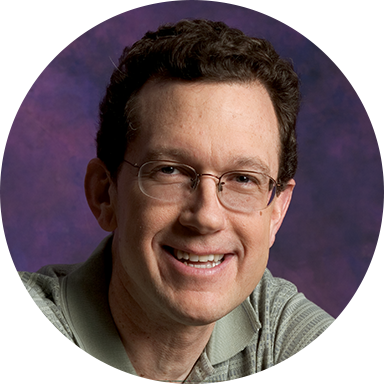
Richard Meyer

Richard Meyer spent 35 years teaching strings across elementary, middle, and high school levels in California public schools. At Oak Avenue Intermediate School in Temple City, he transformed the orchestra program from 29 students to 200 over 22 years while also overseeing the city's elementary string curriculum. His work earned national recognition when he created the "Giving Bach" program in 2009, which uses interactive concerts to reach special needs and underserved students throughout Southern California.

Meyer directed the Pasadena Youth Symphony Orchestra for 16 years, leading performances across North America, Europe, and Australia. Beyond the podium, he maintains an active schedule as a guest conductor and clinician, having presented at the A.S.T.A. National Conference, the Texas Orchestra Directors' Association Conference, and string workshops at Ohio State University. As a composer and arranger, he has over 190 works in print and served 16 years as string editor for Alfred Publishing Company. He co-authored the String Explorer Series and Sight-read It for Strings.

Why we love this

This overture carries genuine collaborative energy. Meyer invited the young musicians of the Pasadena Youth Symphony to compose their own themes, then selected four and interwove them into a cohesive, emotionally varied piece. Students feel ownership over music written partly by their peers, which transforms rehearsal from rote learning into a celebration of how young composers think musically. The strategic solos for trombone, trumpet, and violin keep every section engaged, and the Grade 3 level makes it accessible without sacrificing orchestral sophistication.

What to expect

Tales of Vandosar spirals through contrasting moods with the energy of young composers discovering their own voice. One moment it sparkles with rhythmic playfulness; the next it deepens into something more reflective. The brief solos feel like glimpses into individual students' musical thinking, held together by Meyer's practiced hand in orchestration.

Who it's for

This score and parts set serves Grade 3 orchestras with strong sectional balance across strings, winds, and full percussion. It works equally well in schools building their full orchestra program or in established ensembles seeking concert and contest repertoire that engages students through storytelling and peer-created material.

How to get the most out of it

  • Balance the four student-composed themes so each retains its character when layered together. Listen for how Meyer transitions between them, and help your orchestra hear where one theme "answers" another rather than simply overlapping.
  • Give the trombone, trumpet, and violin soloists plenty of rehearsal time before the full ensemble joins. These moments are brief but prominent, and confident solo playing anchors the entire piece.
  • Work the percussion section independently on their rhythm patterns early in rehearsal. The piece uses timpani, bells, xylophone, suspended cymbal, crash cymbals, triangle, snare drum, tambourine, and castanets; locking these colors together creates the overture's spirited energy.
  • Conduct with clear phrase boundaries. The emotional variety Meyer builds means your gesture should reflect each section's mood so the orchestra understands which passage calls for brightness, which for warmth, and which for rhythmic drive.

How to use it

Program this as your concert opener or a midpoint piece where you want to shift energy and draw attention to your student soloists. It also stands out at festival competitions because judges hear authentic student composition woven into professional orchestration, which often resonates in the adjudication room. The manageable Grade 3 level leaves rehearsal time for your more challenging works while still delivering a complete, emotionally satisfying performance.

Skills your students will build

  • Balancing four different melodic lines when they sound simultaneously
  • Responding to a conductor's phrase shaping across style changes
  • Executing isolated solo passages with confidence in a full ensemble context
  • Recognizing how original themes by different composers can be unified through orchestration
  • Coordinating complex percussion textures (eight different instruments) without losing clarity

You May Also Like
