
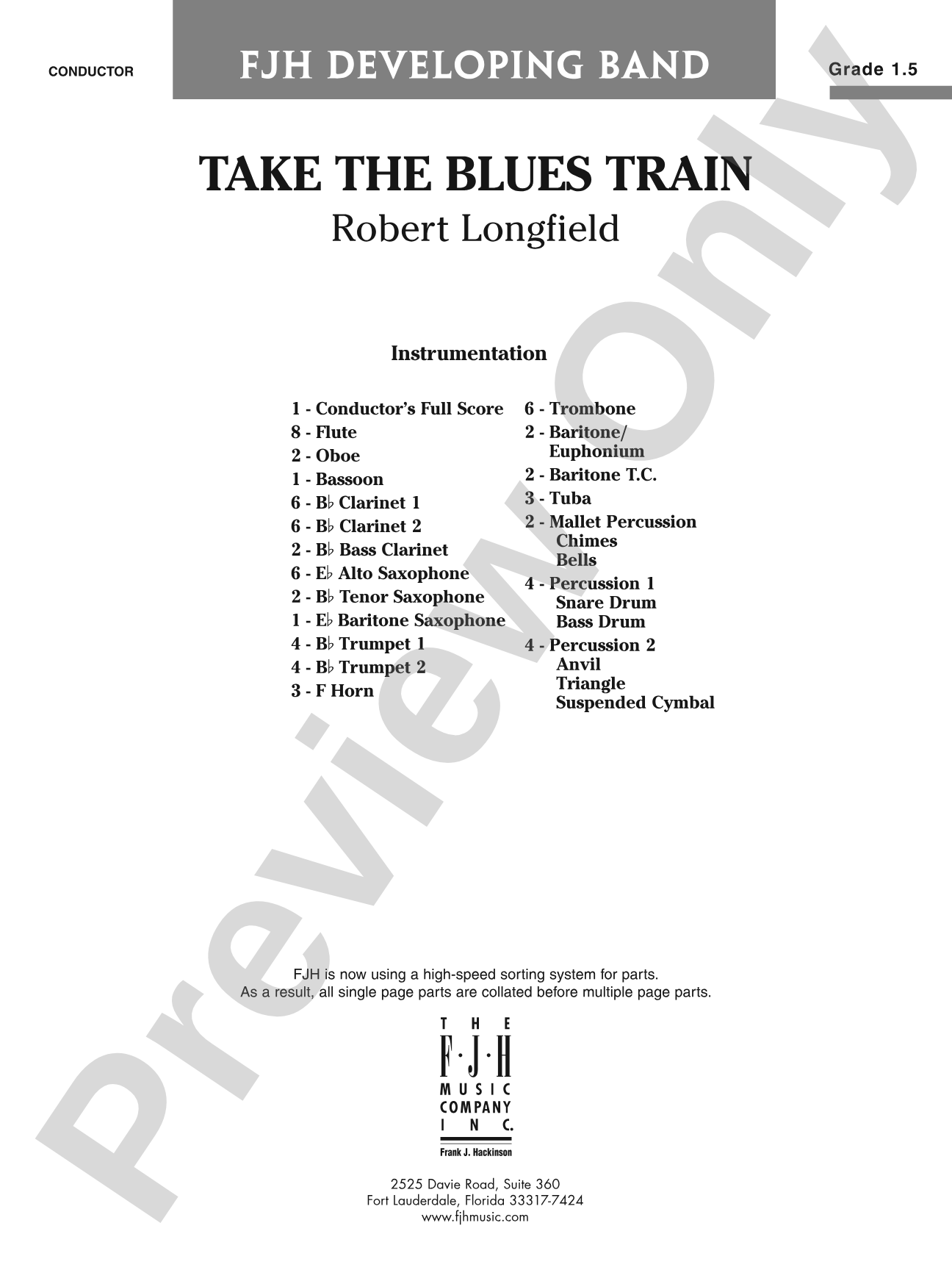
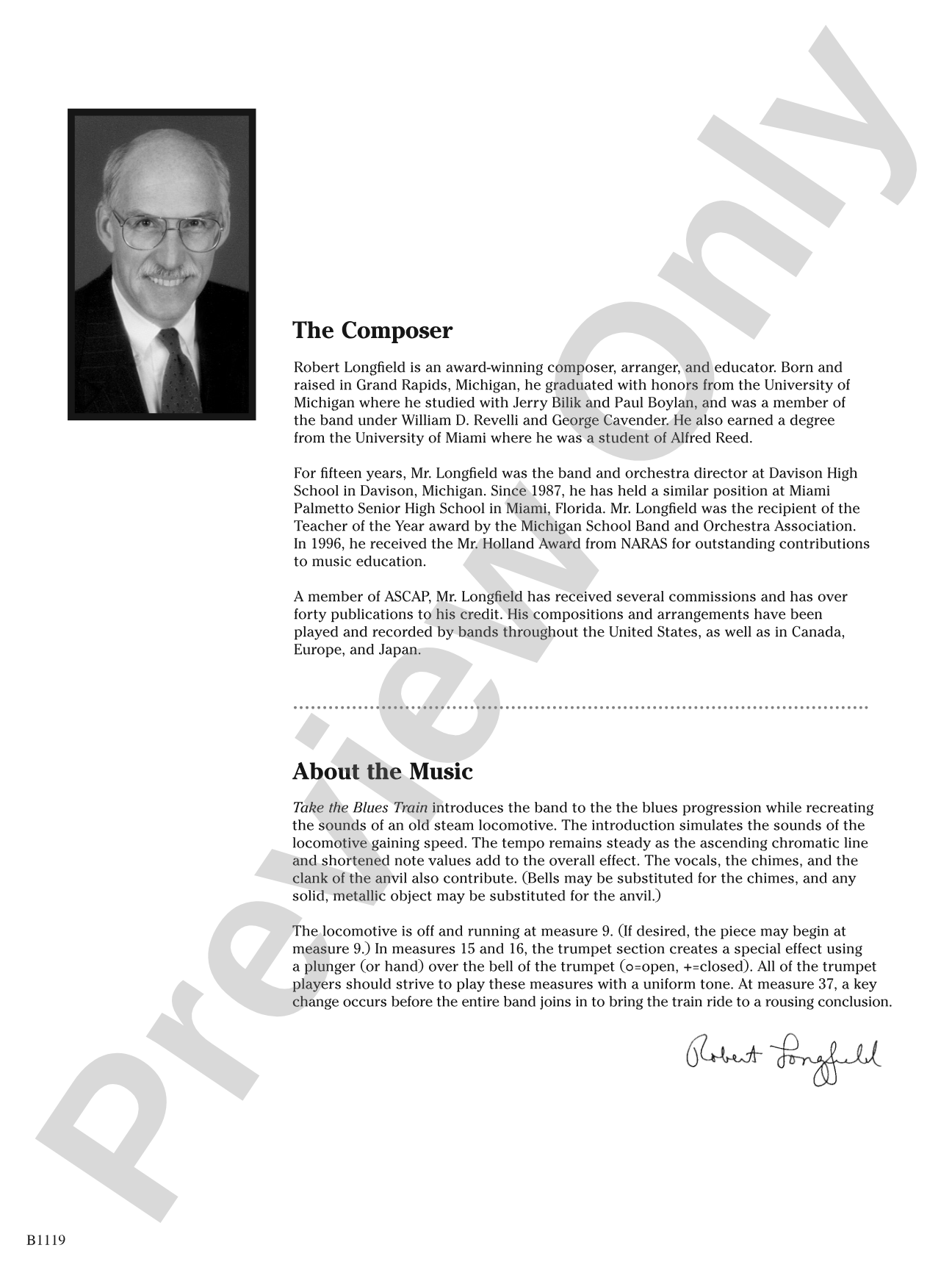
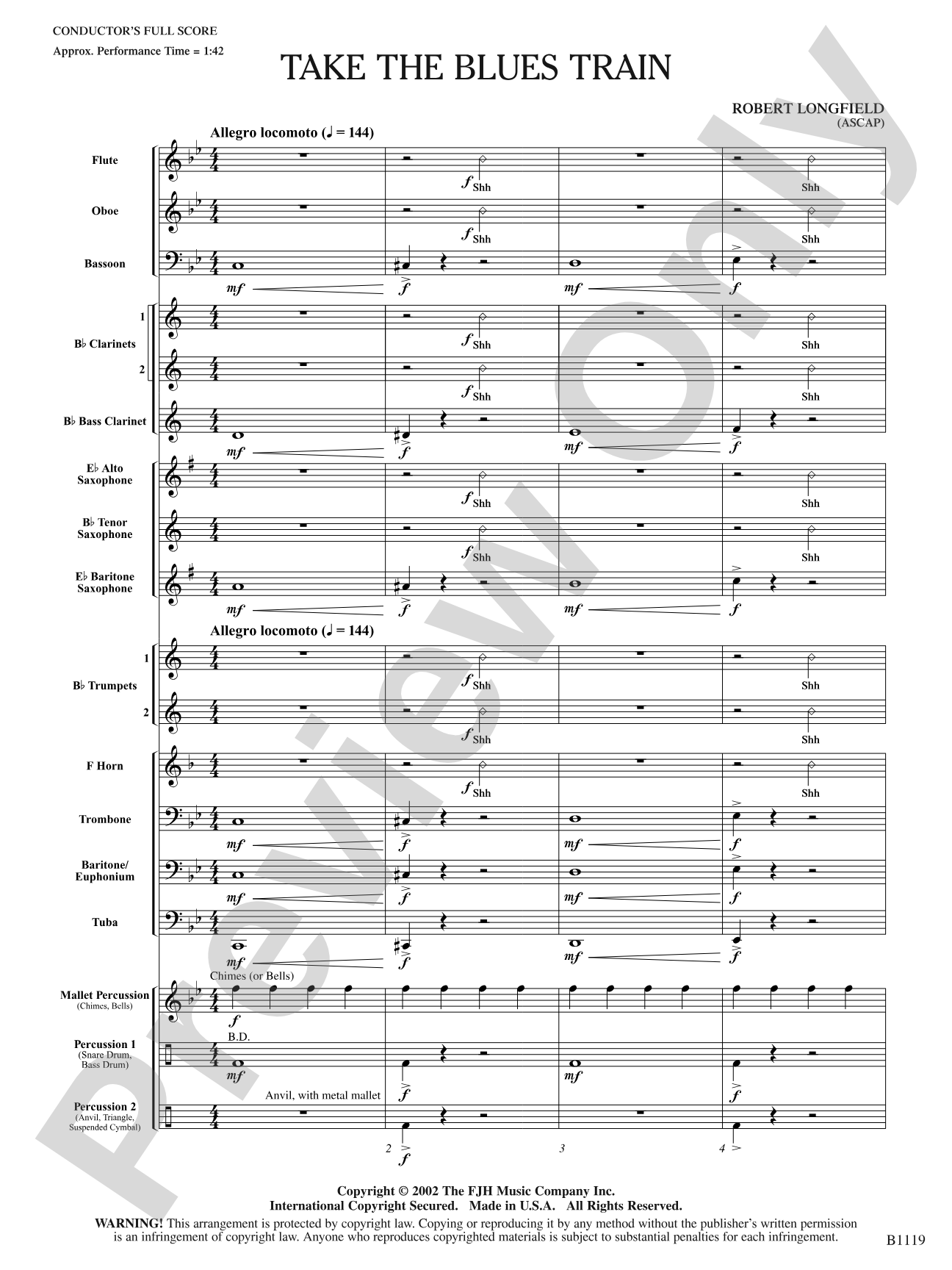
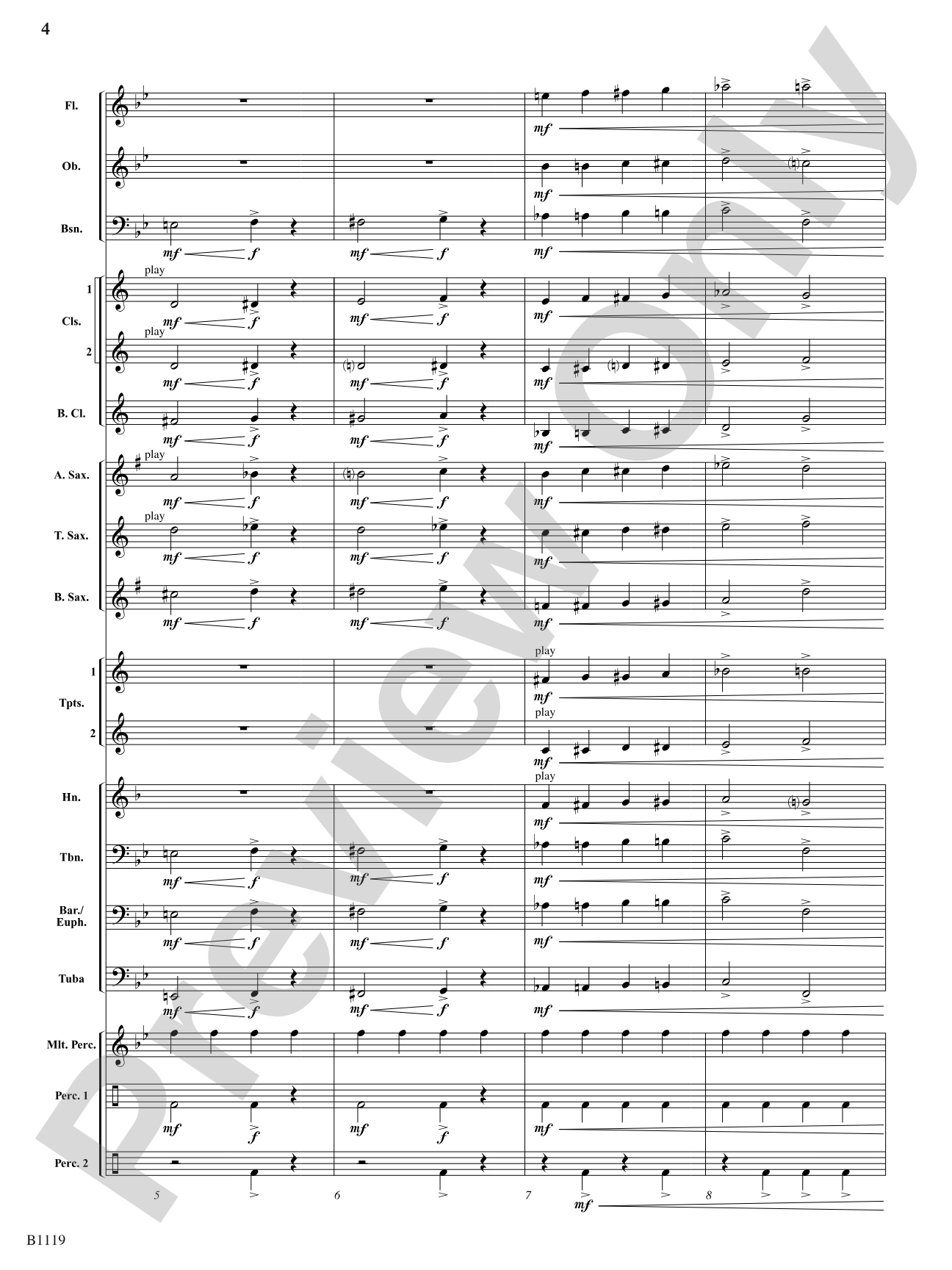
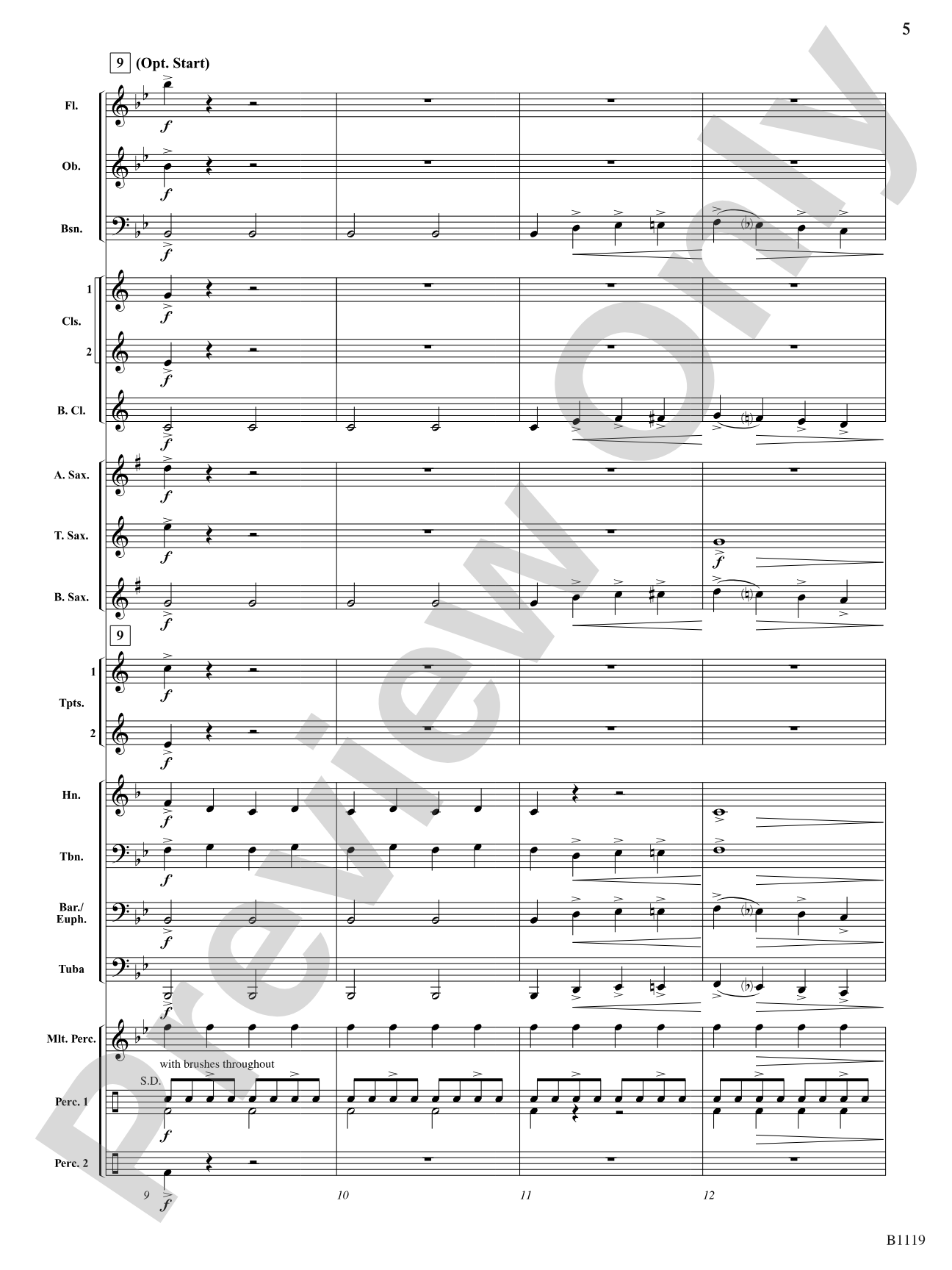
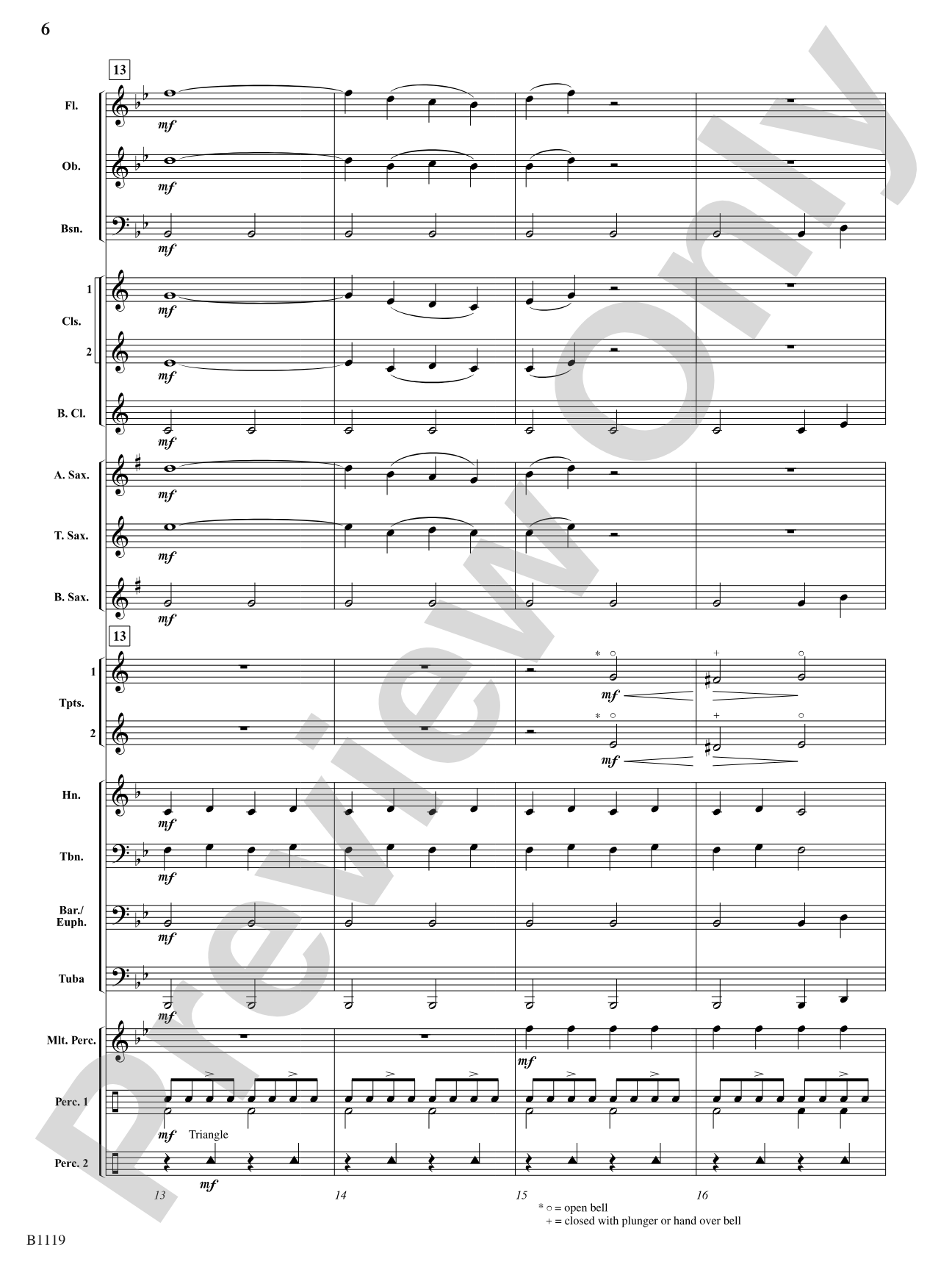
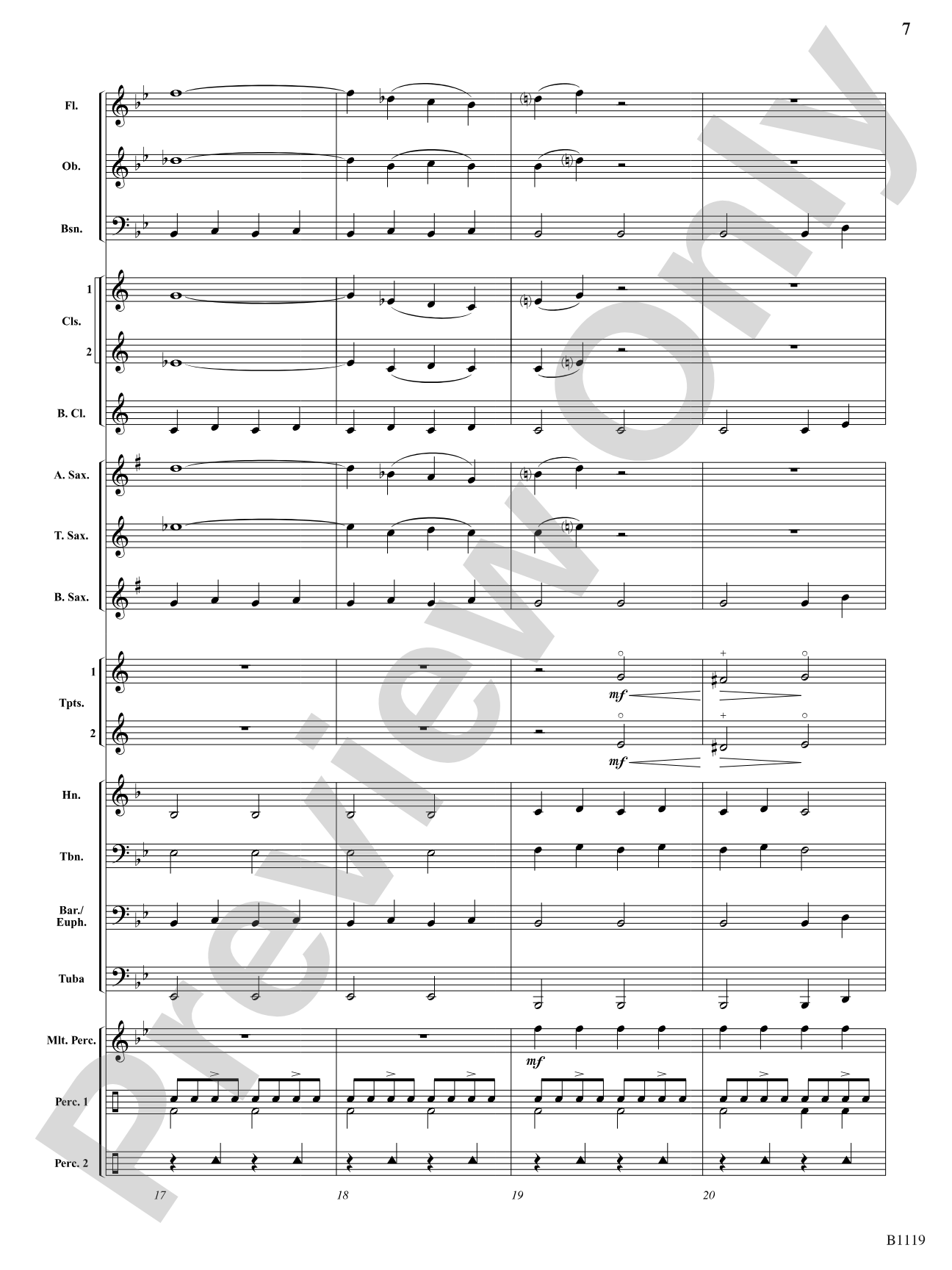
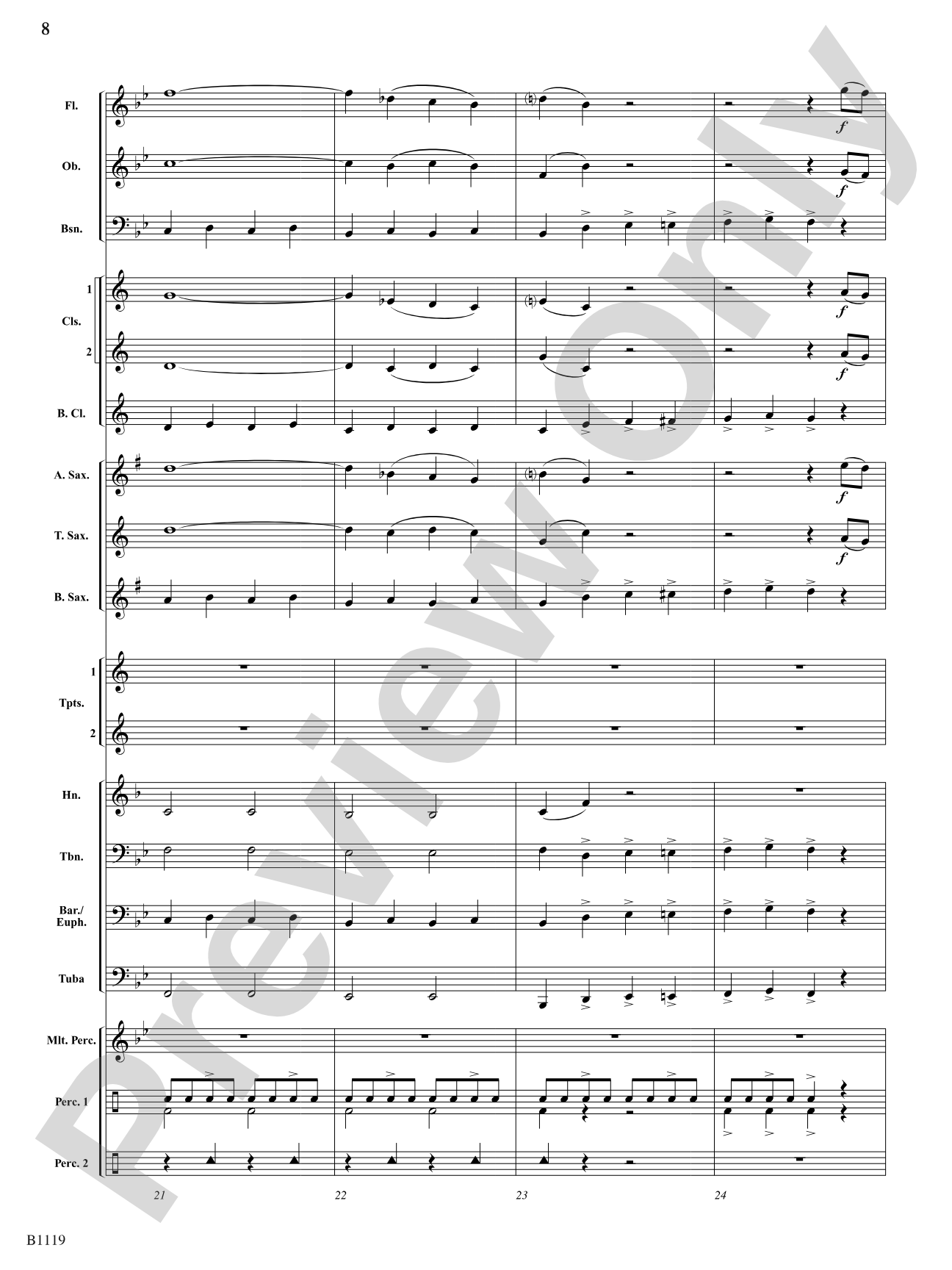
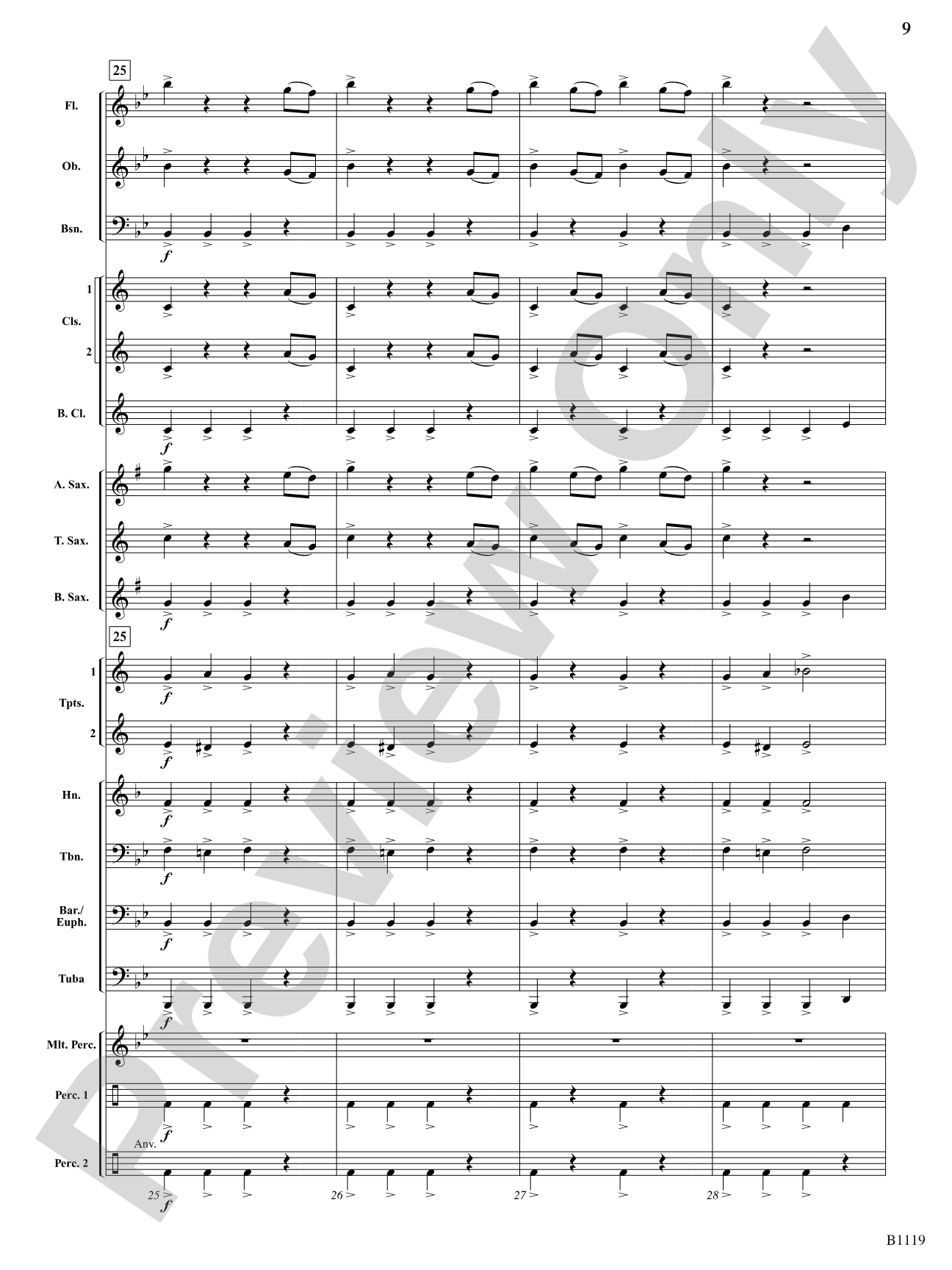
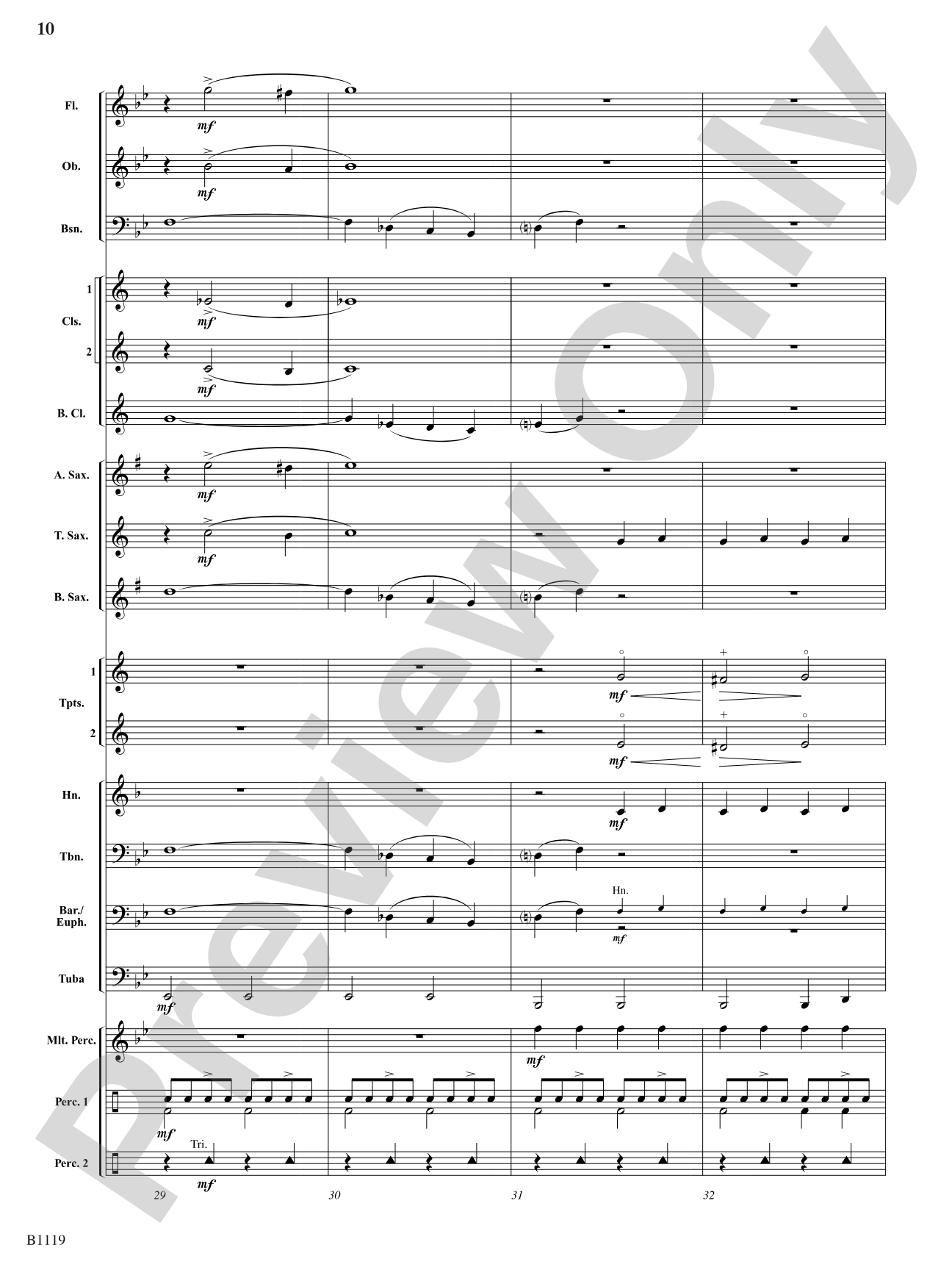
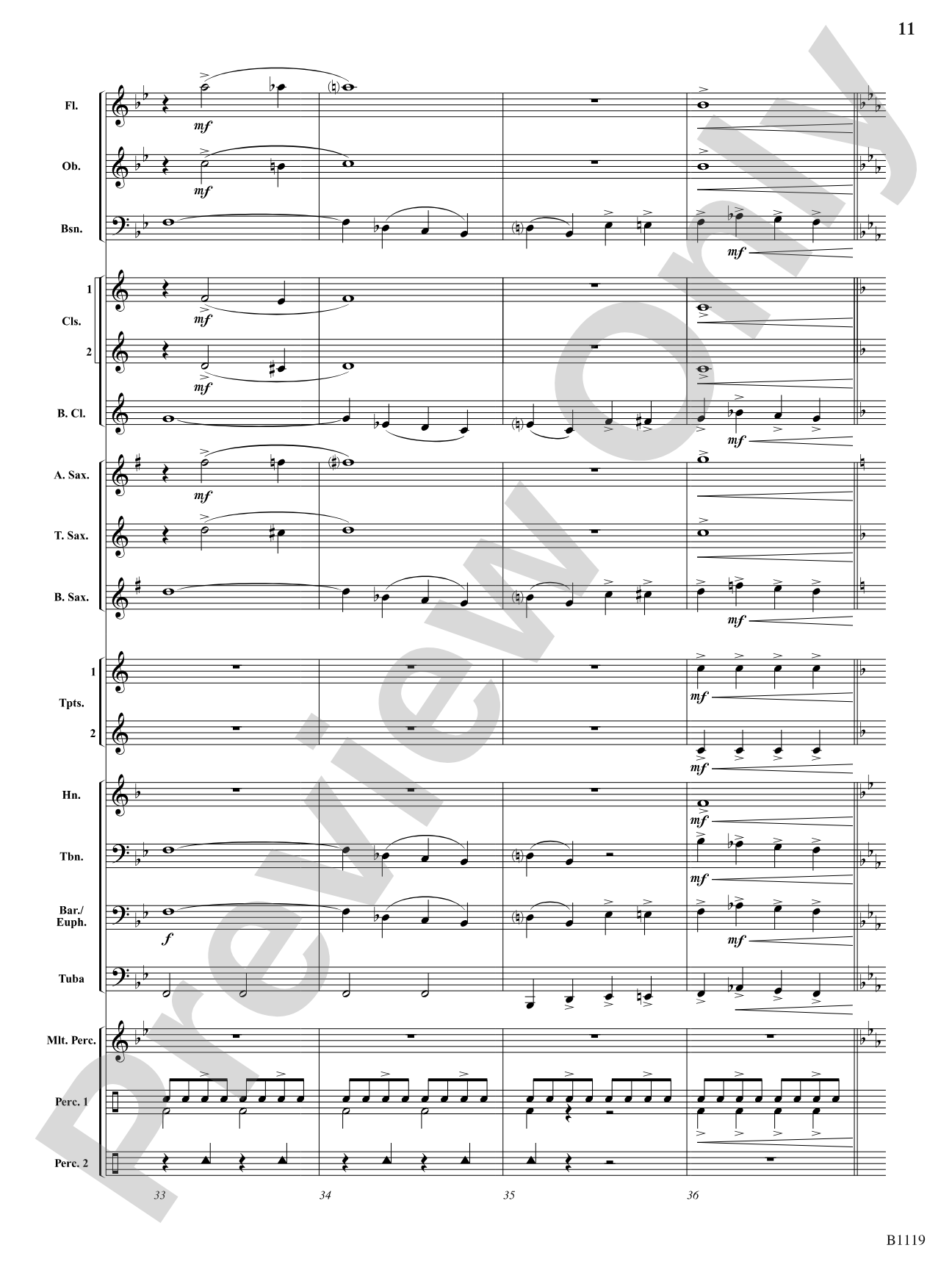
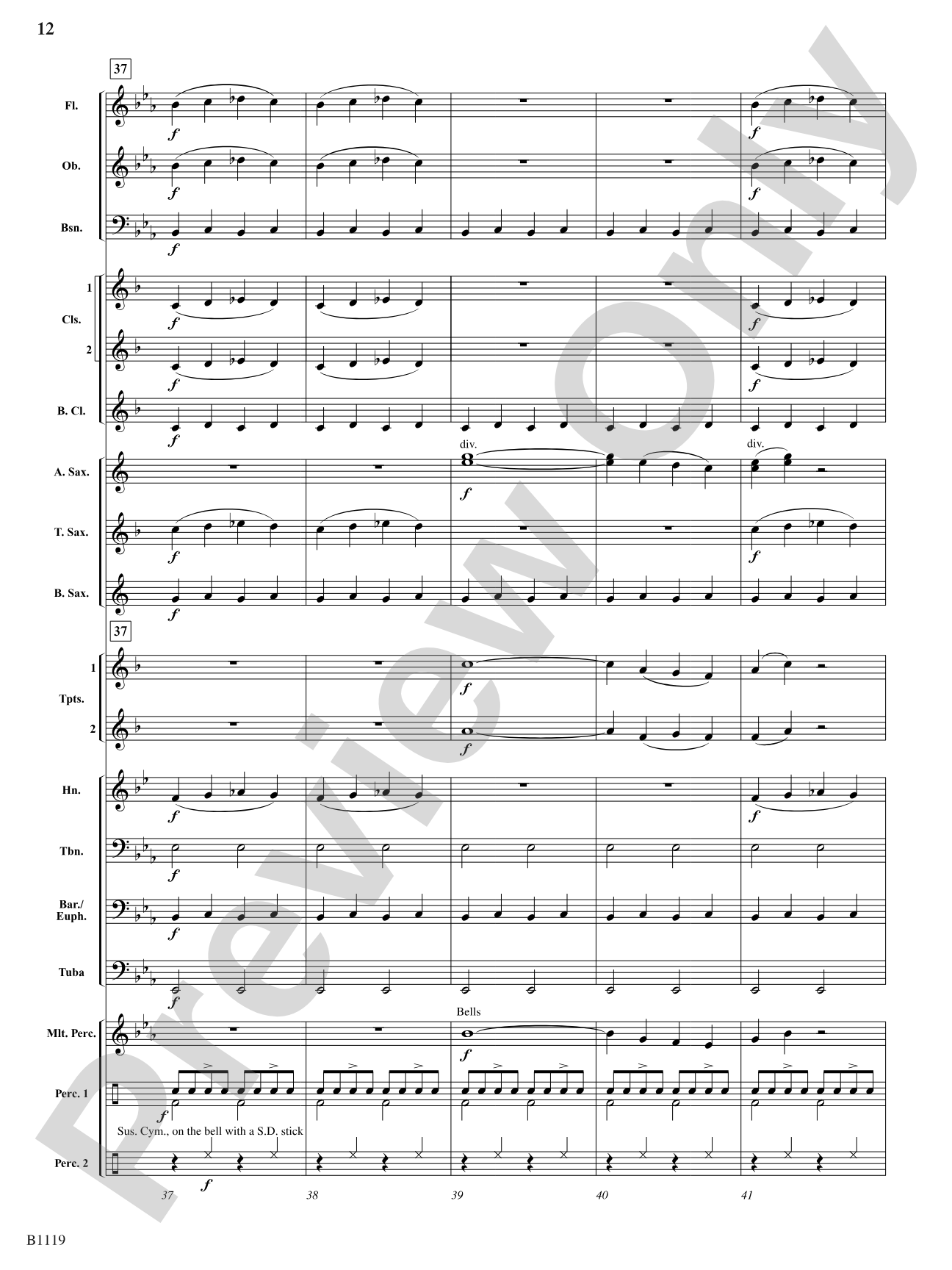
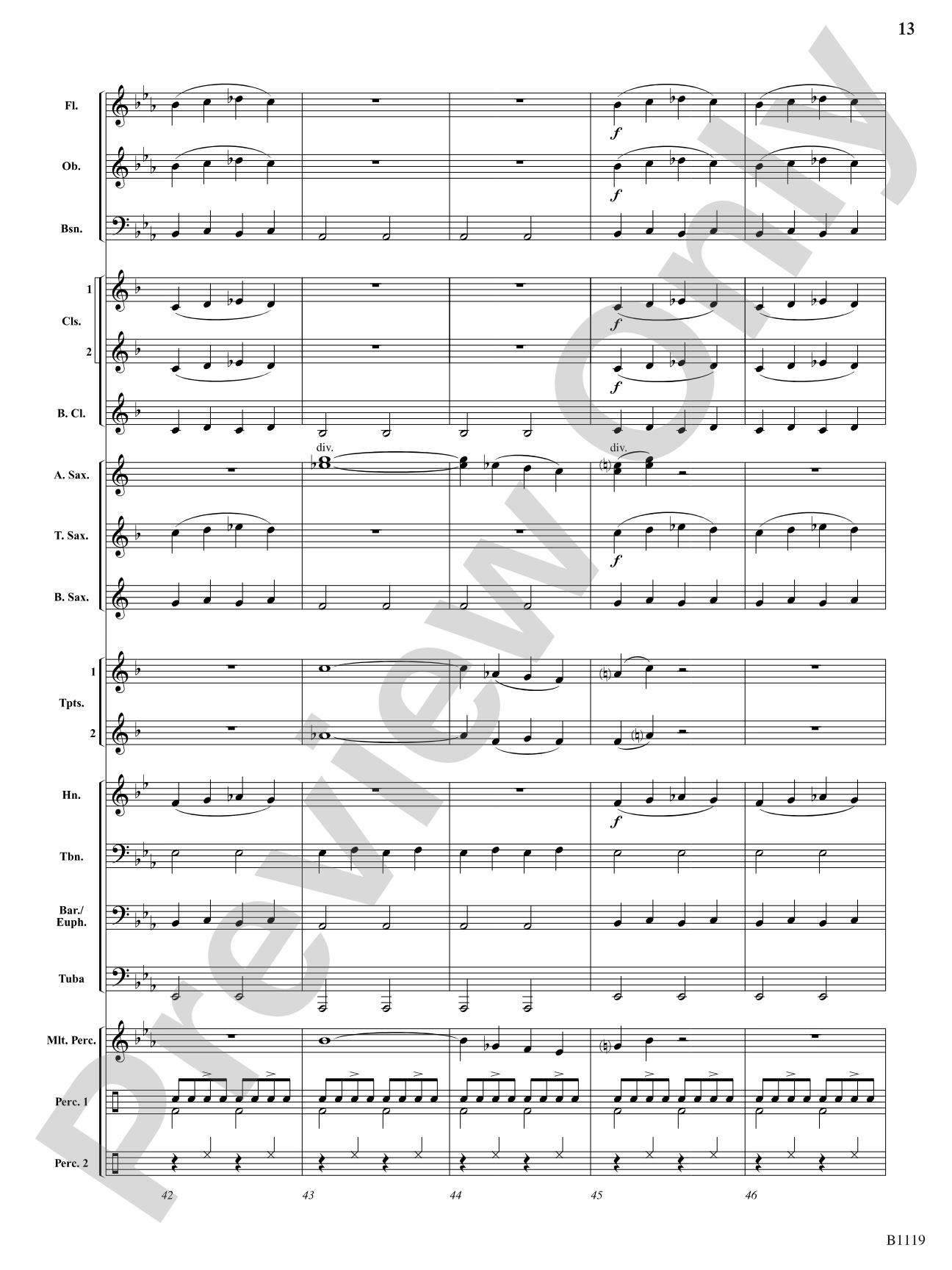
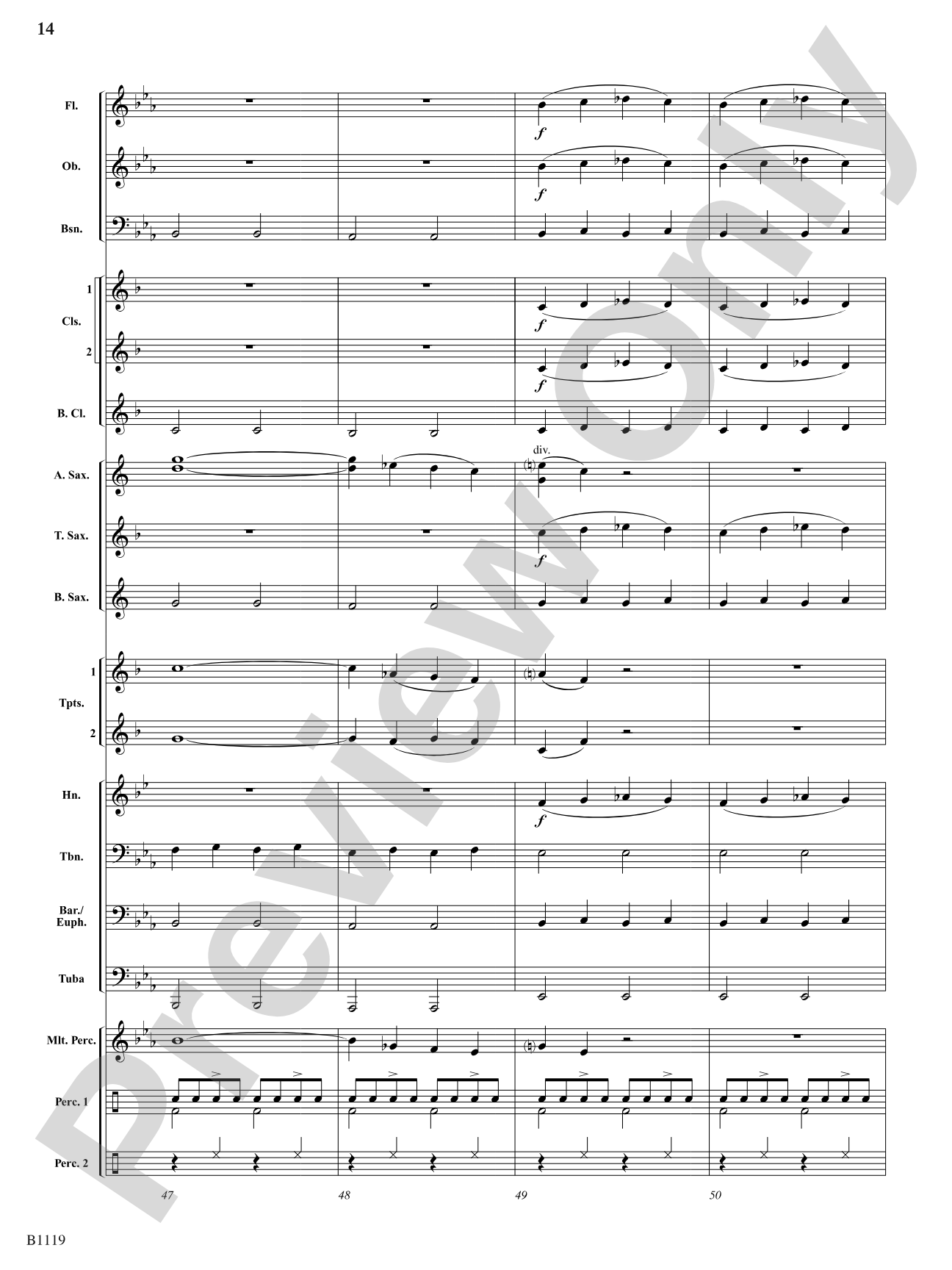
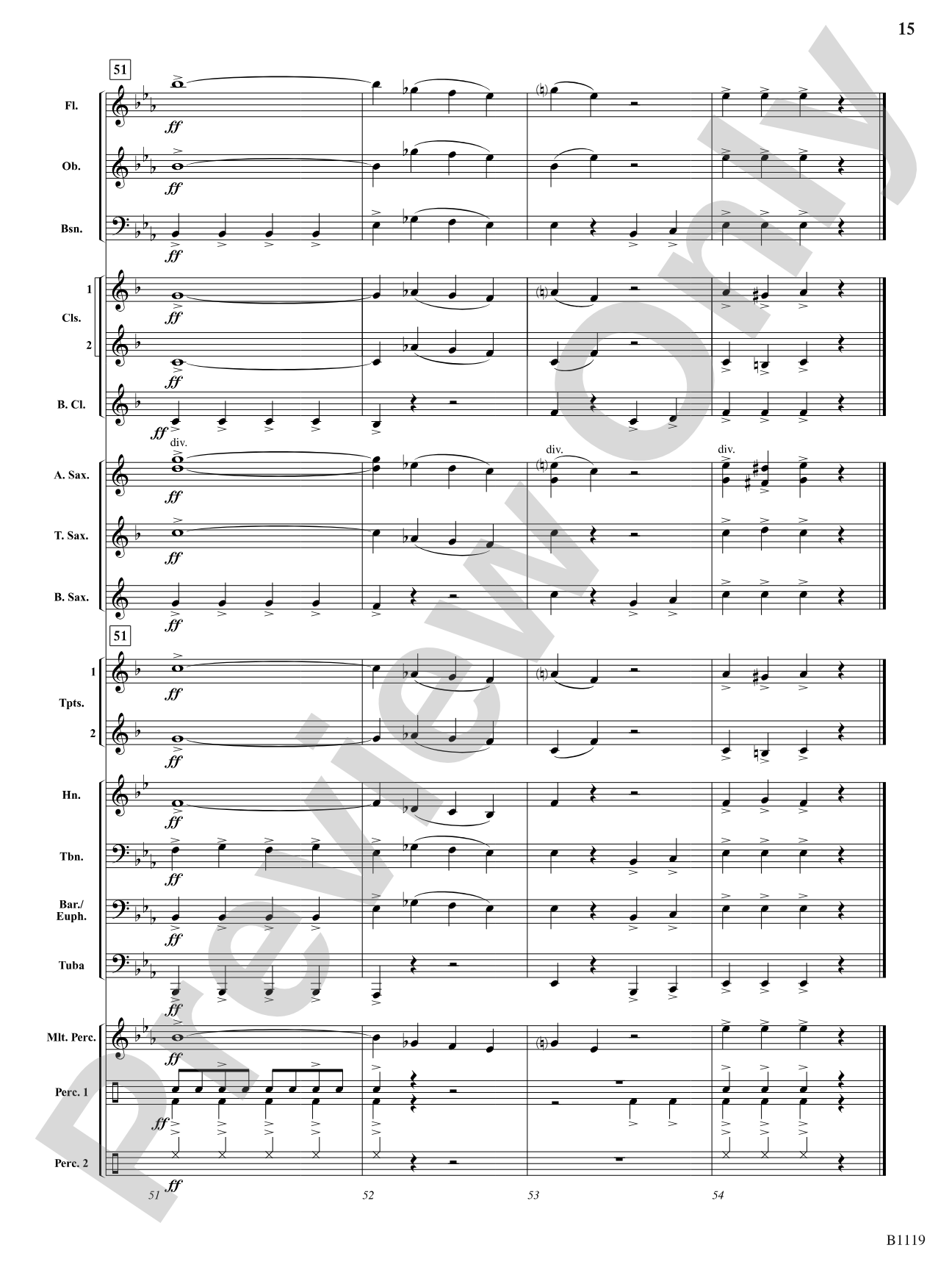

Take the Blues Train: Score
By Robert Longfield
Grade: 1.5
Item: 98-DB1119S
$5.00
Pickup currently not available
Description
What a great combination - a locomotive chugging out of the station, gradually gaining speed, and the great American 12-bar blues form. This fun piece is loaded with special effects including a second percussion part with anvil, triangle, and suspended cymbal to simulate the sound of the train. The band adds a shhh to help generate more steam and excitement. A great crowd-pleaser! (1:45)


Take the Blues Train: Score isn't in MakeMusic Cloud just yet...but it could be. Let us know you'd like to see it, and you'll help shape what comes next. In the meantime, start a free trial and dive into thousands of interactive titles your students can play along with today.
Request This Title
Tell us you want it.
Start Your Free Trial
Explore everything that's ready to play right now.
Sample Audio
1
Audio File
--:--
0:00
0:00
Sample Video
No sample videos found.
Additional Details
Series:
FJH Developing Band
Publisher:
The FJH Music Company, Inc.
SKU:
98-DB1119S
More about this title
Why we love this
This piece captures the energy and visual drama of a train in motion while grounding students in the blues form, one of the cornerstones of American music. The orchestration keeps every section engaged with rhythmic and timbral interest, and the special effects give percussionists real ownership of the storytelling rather than relegating them to keeping time.
What to expect
Rhythmic energy and playful momentum. The piece starts with the mechanical precision of a locomotive at rest, then builds into a full blues groove with all the charm and humor of a musical train ride. It's exuberant without being chaotic.
Who it's for
Developing bands at the 1.5 grade level who are ready for pieces with character and narrative arc but still building fundamental technique. This works beautifully for directors introducing students to blues vocabulary and program variety early in the year.
How to get the most out of it
- Establish the locomotive rhythm early in sectional rehearsals. The chuffing pattern that drives the piece needs precision from the ensemble before adding the blues melody on top.
- Work with your percussion team on the anvil, triangle, and suspended cymbal parts separately. These players are creating the sonic foundation of the train effect, so their timing and dynamics must be locked before full-ensemble rehearsals.
- Gradually increase the tempo as the train 'gains speed' throughout the piece. Mark clear tempo points in your score so the band understands where acceleration happens and stays intentional rather than rushed.
- Bring out the shhh cue from the winds when it appears. Rehearse this as a unified sound effect, not as incidental noise, so it registers as part of the train's excitement rather than sloppy.
How to use it
Program this as an opener or second piece on a concert when you want to establish a lighter tone and showcase the ensemble's rhythmic precision. It also works well at community events or family concerts where non-traditional audiences appreciate the novelty and narrative elements.
Skills your students will build
- 12-bar blues form recognition and performance
- Rhythmic precision and ensemble unity in a driving accompaniment pattern
- Special effects execution (non-pitched percussion as storytelling)
- Gradual tempo acceleration with control and intention
- Sectional coordination with percussion-led texture