


Take the "A" Train (arr. Michael Sweeney): Jazz Ensemble Conductor Score & Parts
By Billy Strayhorn / As performed by Duke Ellington / Arranged by Michael Sweeney
Grade: 1.5
Item: 35-PK00481691
$45.00
Pickup currently not available
Buy Extra Parts (Digital PDF Download)
Parts Added to Cart!
Description
Billy Strayhorn's iconic jazz standard, recorded by Duke Ellington, is skillfully adapted in this easy version. From the trademark introduction, saxes on the main theme, and short written or ad lib. solos, this will sound great even with young players. The Discovery Jazz Series features arrangements written for full band, playable with 3 saxes, 2 tpts., 1 tbn., rhythm section. Each arrangement includes optional parts for flute, clarinet, F horn and tuba and full length recordings available for each arrangement.


Take the "A" Train (arr. Michael Sweeney): Jazz Ensemble Conductor Score & Parts isn't in MakeMusic Cloud just yet...but it could be. Let us know you'd like to see it, and you'll help shape what comes next. In the meantime, start a free trial and dive into thousands of interactive titles your students can play along with today.
Request This Title
Tell us you want it.
Start Your Free Trial
Explore everything that's ready to play right now.
Sample Audio
No sample audio found.
Sample Video
No sample videos found.
Additional Details
Publisher:
Hal Leonard
SKU:
35-PK00481691
More about this title
About the Composer: Billy Strayhorn
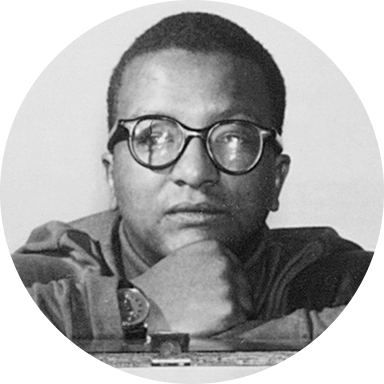
Billy Strayhorn was born in Dayton, Ohio in 1915 and rose to prominence through his decades-long partnership with Duke Ellington, beginning in 1939. Though he composed some of the most enduring jazz standards of the 20th century, Strayhorn remained largely anonymous during his lifetime, his contributions often overshadowed by his collaborators' fame. His decision to live openly as a Black gay man in mid-century America may have contributed to this public obscurity, yet his influence on jazz composition proved immeasurable.
"Take the 'A' Train" stands as Strayhorn's most recognized work, functioning as the Duke Ellington Orchestra's theme since the 1940s and earning consistent placement among the century's greatest songs. Beyond this anthem, Strayhorn's catalog reveals a master of harmonic sophistication: "Lush Life," written when he was just 16 years old, became the gold standard for jazz ballads and attracted recordings from Nat King Cole, John Coltrane, and countless other jazz giants. Today, Strayhorn is rightfully acknowledged as one of America's most significant yet underrecognized composers.
Why we love this
Michael Sweeney's arrangement preserves the tune's infectious charm while making it genuinely accessible to young ensembles. The scoring respects what made the original memorable (that iconic saxophone entrance, the propulsive main theme) while offering flexibility in solos so students aren't trapped by complexity. Young players walk away having played an authentic jazz standard, not a watered-down approximation.
What to expect
Jaunty and purposeful, with the character of a mid-century New York subway commute transformed into pure swagger. The tune bounces along with infectious energy, grounded by a rhythm section that feels effortless once the pocket is found.
Who it's for
Jazz ensembles with developing readers and limited solo experience. The Grade 1.5 level makes it suitable for middle school groups or high school ensembles in their first year of jazz study, while the optional parts and written solos keep stronger groups engaged.
How to get the most out of it
- Keep the introduction crisp and unhurried. The written part sets the groove's pocket, so resist pushing the tempo here; let the rhythm section lock in first, then bring the horns in cleanly.
- Balance the saxophone section on the head so it sits forward but not shrill. This is the moment the audience recognizes the tune, so clarity matters more than volume.
- If your ensemble takes the written solos, treat them as learning tools rather than obstacles. Encourage phrasing that breathes, not just note accuracy.
- Use the recorded accompaniment in rehearsal to internalize the swing feel before ensemble rehearsals. Students benefit from hearing what "sit back" really means in this idiom.
How to use it
Open a jazz concert or pops show with this standard; its familiarity gives audiences instant entry into the night's jazz content. Pair it with other Strayhorn pieces (if your library has them) to highlight a single composer, or place it early in your year as a confidence builder before tackling more demanding charts.
Skills your students will build
- Swing feel and articulation in a jazz context
- Reading sectional parts in close harmonic voicings
- Balancing unison lines while maintaining individual voice clarity
- Responding to and playing behind a rhythm section groove
- Navigating lead sheet notation and optional ad lib. solos