Take the "A" Train Cover Image

Take the "A" Train: Vocal Solo with Jazz Ensemble Conductor Score

$9.00 USD
Sale price  $9.00 USD Regular price 
Skip to product information
Take the "A" Train Cover Image

Take the "A" Train: Vocal Solo with Jazz Ensemble Conductor Score

Words and music by Billy Strayhorn / arr. Victor López

Grade: 2.5 (Medium Easy)

Item: 00-40376S

$9.00
Shipped

One moment…

Description
Perhaps one of the most well-known jazz standards, check out this vocal with big band chart. At a swinging 152 BPM, the key is F and the vocal range is A below middle C to 3rd space C, treble clef. No instrumental solos, lead trumpet range is to G on top of the staff. Plus, there are optional solos instrumental parts for B-flat, E-flat and bass clef instruments in lieu of the vocal. A great tune, and great chart, it will be a hit for sure. This title is available in MakeMusic Cloud.

Take the "A" Train: Vocal Solo with Jazz Ensemble Conductor Score isn't in MakeMusic Cloud just yet...but it could be. Let us know you'd like to see it, and you'll help shape what comes next. In the meantime, start a free trial and dive into thousands of interactive titles your students can play along with today.

Sample Pages

Sample Audio
No sample audio found.
Sample Video
Additional Details
Series: Jazz Vocal Series
Publisher: Alfred Music
Page Count: 16
UPC: 038081458861
SKU: 00-40376S

More about this title

About the Composer: Billy Strayhorn
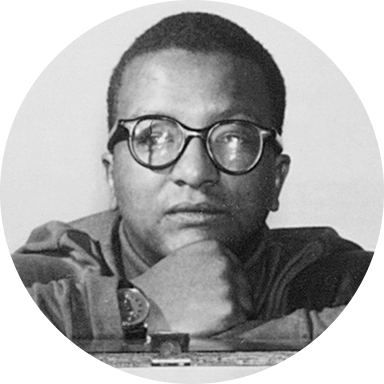
Billy Strayhorn

Billy Strayhorn (1915-1967) emerged as one of the defining voices in American jazz composition, yet spent much of his career working quietly in the shadow of Duke Ellington. Beginning their collaboration in 1939, Strayhorn became Ellington's closest creative partner, composing and arranging some of the most enduring standards in the jazz repertoire. His openness about his identity as a Black gay man during an era of profound social constraint made his artistic achievements all the more remarkable and his historical erasure all the more unjust.

Strayhorn's gifts extended across genres and moods. "Lush Life," composed when he was just 16 years old, set a harmonic and melodic standard that challenged singers for generations, while "Take the 'A' Train" became the Ellington Orchestra's signature theme and a cultural touchstone of the World War II era. The breadth of artists who recorded his works—from Ella Fitzgerald to John Coltrane to Oscar Peterson—speaks to music that transcends style and speaks to musicians across traditions. Though often uncredited during his lifetime, Strayhorn's influence on jazz composition remains immeasurable.

Why we love this

Victor López's arrangement captures the swinging vitality of this jazz standard while keeping the ensemble texture accessible for Grade 2.5 groups. The optional instrumental solos for B-flat, E-flat, and bass clef instruments mean your band can feature multiple soloists or adapt the chart to your ensemble's instrumentation, making it genuinely flexible for real rehearsal situations. At 152 BPM with a clear, singable vocal line, this is a tune that energizes both singers and instrumentalists.

What to expect

A propulsive, optimistic swing that captures the energy and glamour of the Harlem Renaissance. The melody sits comfortably in the voice while the ensemble drives forward with steady rhythmic pulse and bright harmonic color.

Who it's for

Jazz ensembles at the high school or early college level seeking a recognized standard that audiences genuinely connect with. Directors looking for an accessible way to feature a vocalist alongside a working band will find the flexible instrumentation and moderate difficulty especially useful.

How to get the most out of it

  • Lock into the swing feel early; 152 BPM moves quickly, so anchor the rhythm section and let the lead trumpet establish the groove before the vocalist enters.
  • Balance the vocal against the ensemble by rehearsing sections with the vocalist singing while the ensemble plays at concert volume, then adjusting microphone or vocal projection as needed.
  • If using an optional instrumental solo instead of the vocal, treat the soloist as the featured voice; the ensemble should support rather than compete.
  • Work the trumpet lead line up to G separately from the full ensemble to ensure clean attacks and solid intonation in the upper register.

How to use it

Program this as a concert opener or closer for any jazz ensemble performance; its immediate recognition and infectious swing guarantee audience engagement. It pairs well with a mix of ballad and uptempo standards, or can anchor a program celebrating jazz composition as American art.

Skills your students will build

  • Singing in swing style with proper articulation and phrasing
  • Reading and executing jazz ensemble chord changes and rhythmic figures
  • Balancing solo voice against ensemble texture
  • Performing upper-register trumpet passages accurately and with control
  • Adapting to multiple instrumental configurations through optional solo parts

You May Also Like