Take Five Cover Image

Take Five: Brass Band Score & Parts

$69.99 USD
Sale price  $69.99 USD Regular price 
Skip to product information
Take Five Cover Image

Take Five: Brass Band Score & Parts

By Dave Brubeck

Item: 55-9755A

$69.99
Shipped

One moment…

Description

Take Five: Brass Band Score & Parts isn't in MakeMusic Cloud just yet...but it could be. Let us know you'd like to see it, and you'll help shape what comes next. In the meantime, start a free trial and dive into thousands of interactive titles your students can play along with today.

Sample Pages

No sample pages found.

Sample Audio
No sample audio found.
Sample Video
Additional Details
Publisher: IMP
SKU: 55-9755A

More about this title

About the Composer: Dave Brubeck
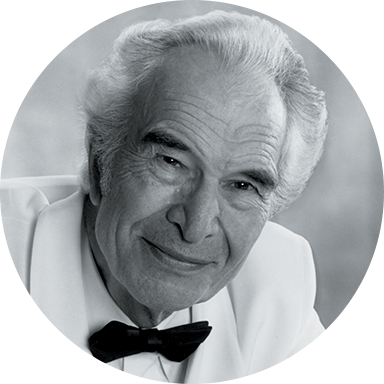
Dave Brubeck

Dave Brubeck built his reputation as a jazz pianist and improviser, but his compositional output extended far beyond the jazz idiom. He wrote choral works, hymns, orchestral pieces, chamber music, ballet suites, a string quartet, and large-scale works for chorus and orchestra. His studies with Darius Milhaud at Mills College after World War II shaped his approach to blending jazz language with classical forms, a synthesis that defines much of his mature work.

Brubeck's cultural impact transcended music. The Dave Brubeck Quartet became a pioneering force in breaking racial barriers during the mid-twentieth century, and his 1959 album "Time Out" (which features "Take Five") became the first jazz album to sell over a million copies. His sacred works, including the mass "To Hope!," have been performed across Europe and America. Late in life, Brubeck received the Grammy Lifetime Achievement Award, a Presidential Medal of the Arts from President Clinton, and induction into the American Classical Music Hall of Fame in 2003.

Why we love this

"Take Five" remains one of the most recognizable jazz compositions ever written, and scoring it for brass band opens the piece to ensembles that might not otherwise tackle jazz literature. The combination of Brubeck's singable melodic writing with the natural rhythmic clarity of brass voices makes this arrangement sit comfortably between accessibility and genuine musical substance. A piece this well-known carries immediate engagement for your audience, yet the full score and parts allow serious ensemble work on jazz interpretation, syncopation, and collective listening.

What to expect

Propulsive and groovy, with an almost hypnotic pull from the driving 5/4 rhythm. The melody floats effortlessly over the harmonic foundation, creating a feeling of sophistication and ease at once. There's joy in the syncopation and space for individual voices to breathe within the collective swing.

Who it's for

Brass bands with at least intermediate jazz reading skills and comfort with 5/4 meter. This works equally well for competitive festival programming and popular concert repertoire. Audiences of all ages respond to this piece, making it ideal for outreach events, school assemblies, and community performances.

How to get the most out of it

  • Lock the rhythm section (bass and drums) into a rock-solid groove before worrying about the melody. The 5/4 meter becomes second nature once the pulse is undeniable.
  • Treat the saxophone counterline as essential, not decorative. It defines the harmonic sophistication of the arrangement and should cut through clearly in the ensemble balance.
  • Shape the melody with natural phrasing rather than metronomic precision. Jazz articulation favors slight space between phrases; let the players breathe where the line suggests it.
  • Use the recorded version as a reference for tempo and feel, but encourage your ensemble to find their own rhythmic pocket. Brubeck's original swings hard; your brass band can achieve the same with clarity and precision.

How to use it

Open a jazz-focused concert or festival set with this piece to establish immediate audience connection. You can also program it as a contrast piece in a traditional brass band concert, where its modern sensibility highlights the ensemble's versatility. The piece works beautifully as an encore, where its familiarity and energy leave audiences energized.

Skills your students will build

  • Reading and performing in 5/4 meter with rhythmic security
  • Jazz articulation, phrasing, and swing feel
  • Listening and balancing within a complex harmonic setting
  • Syncopation and rhythmic independence within ensemble texture
  • Interpreting a standard jazz composition through the lens of brass band voicing

You May Also Like