
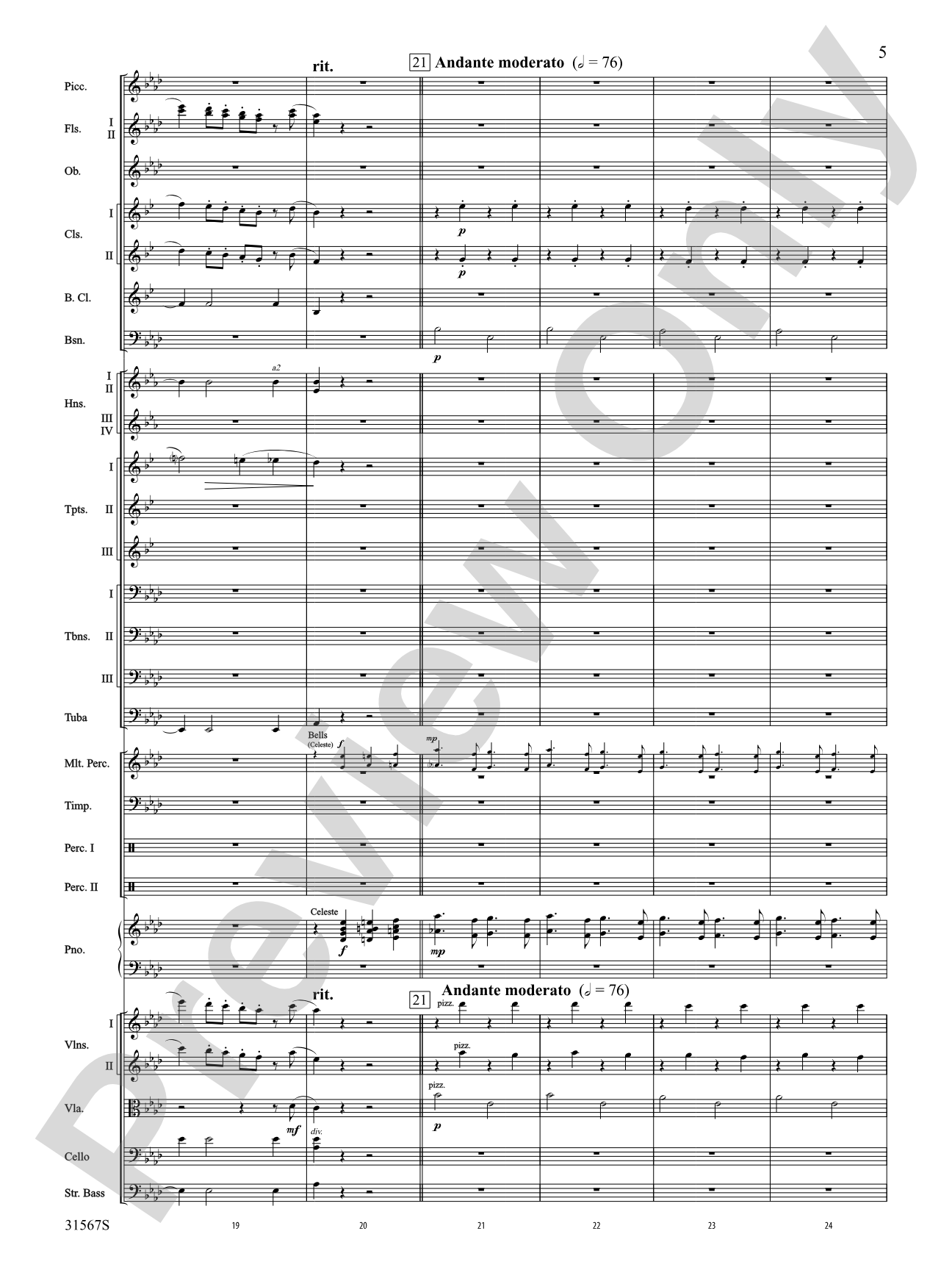
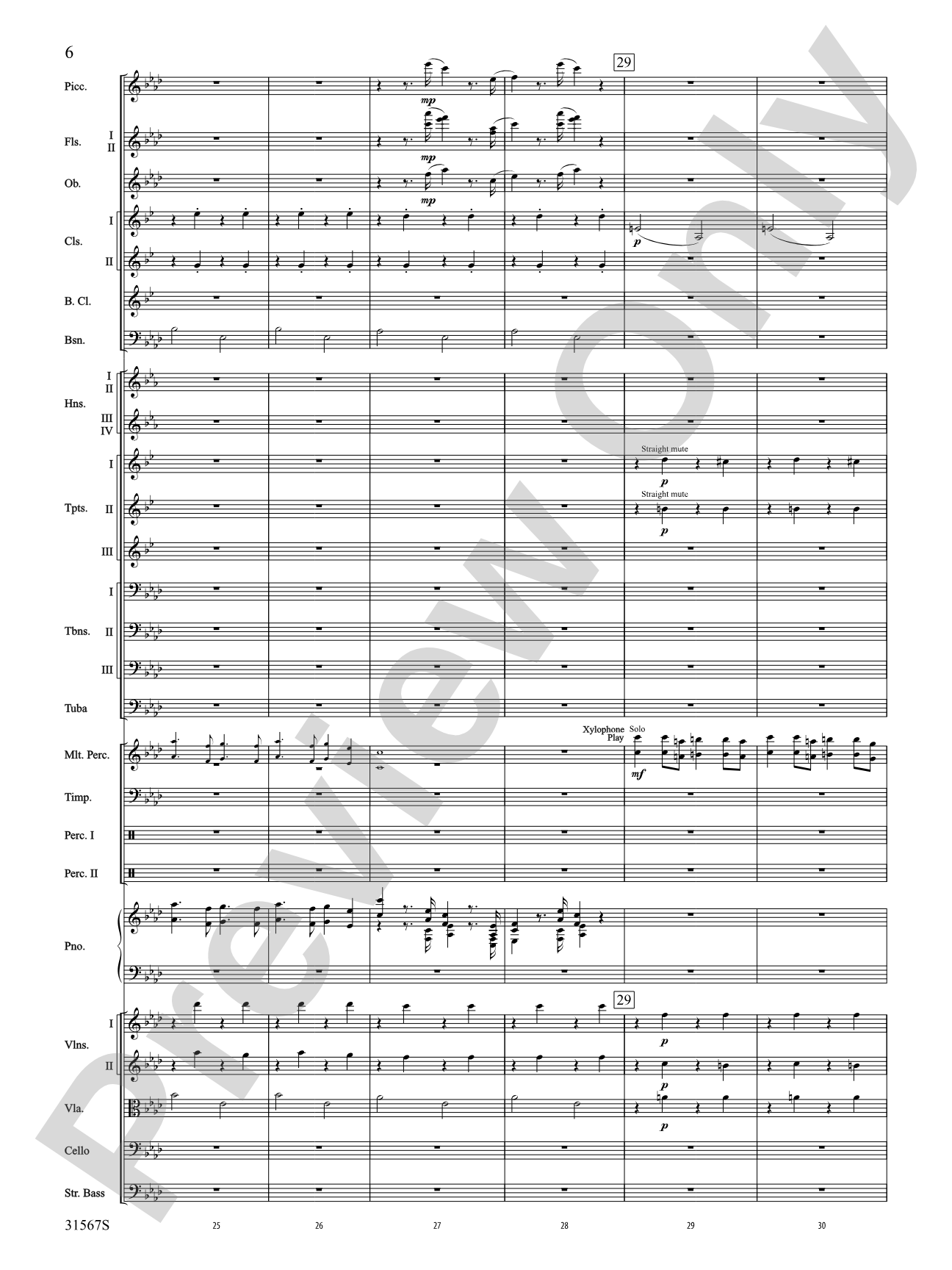
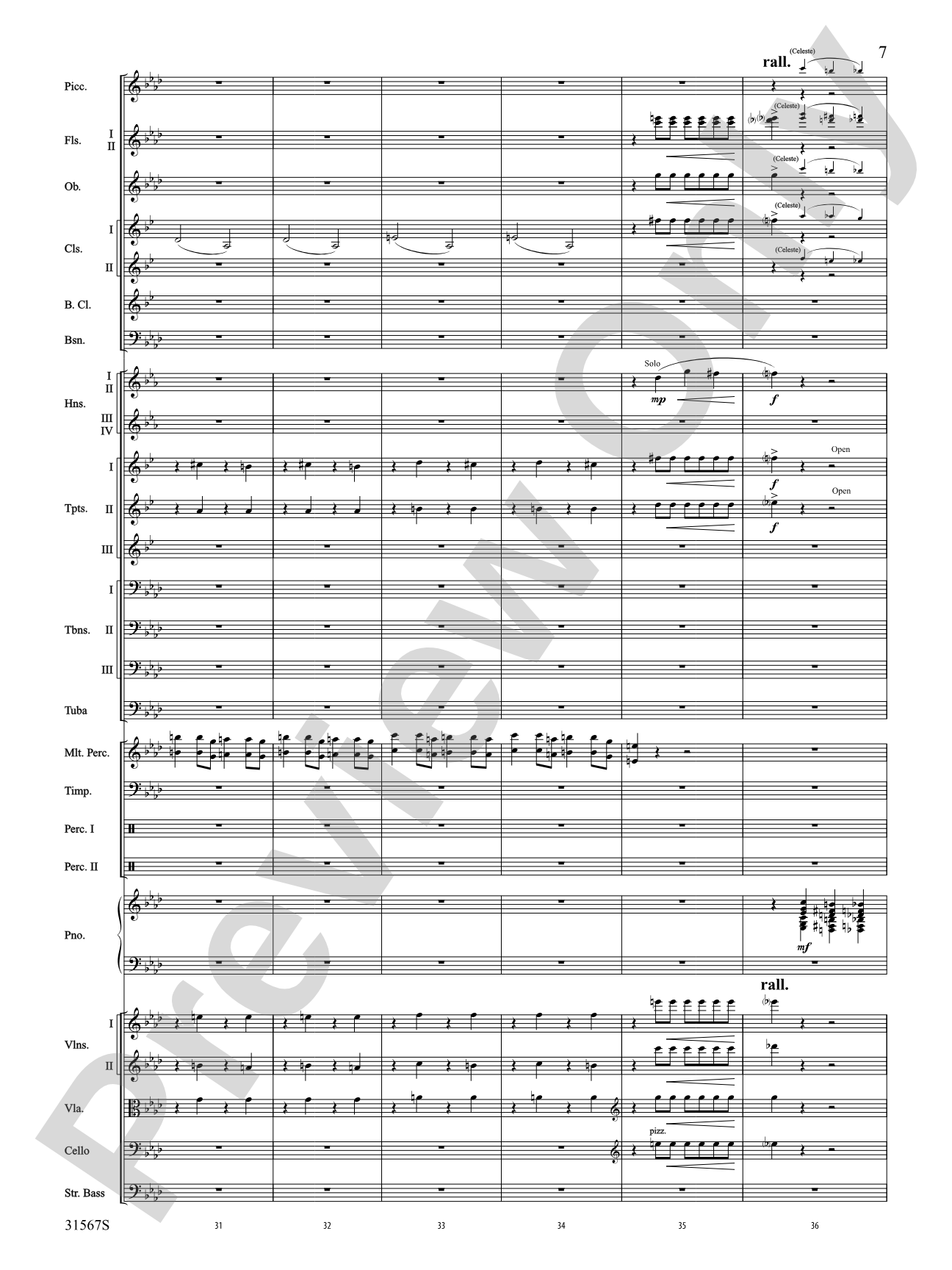
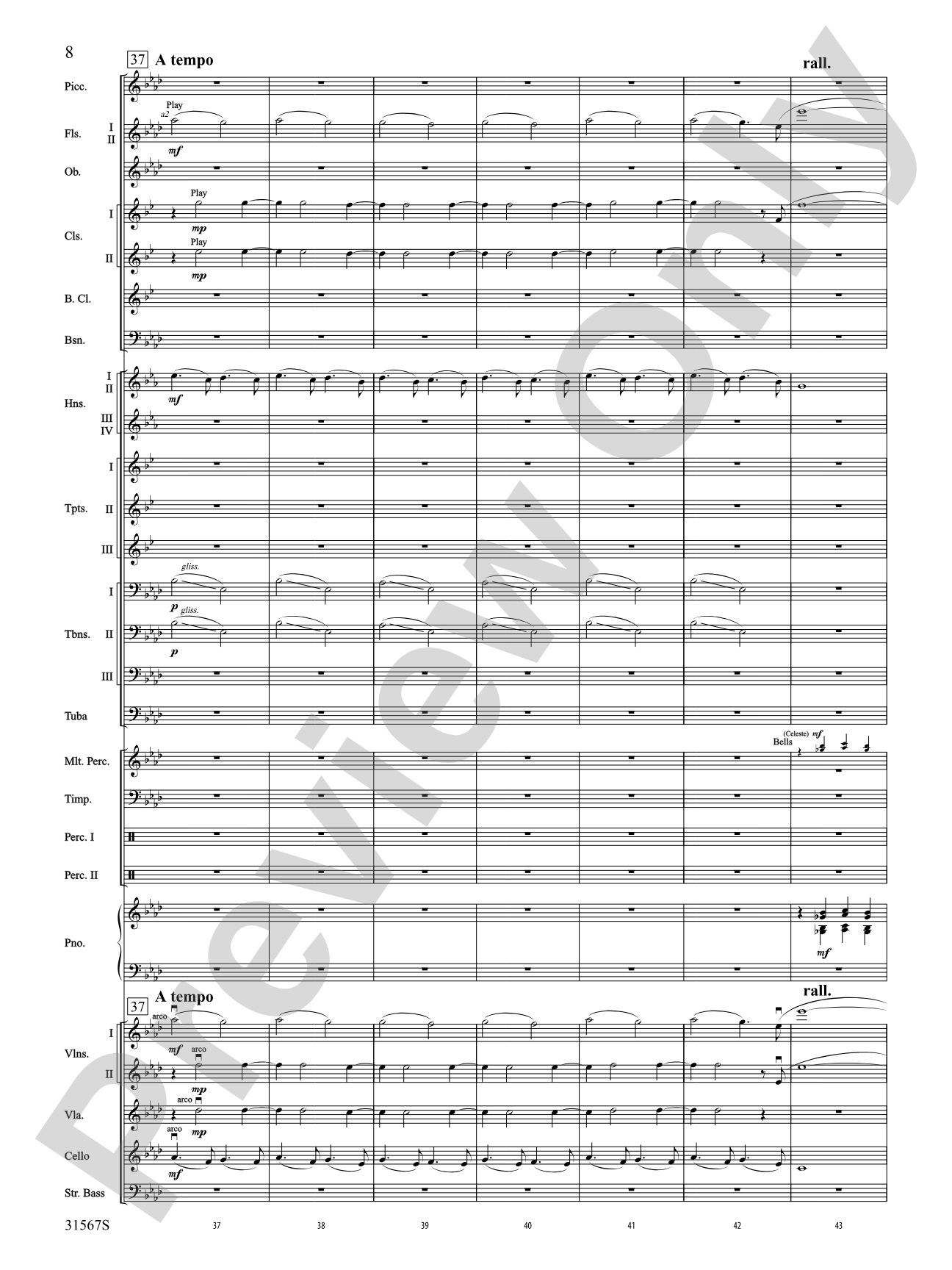
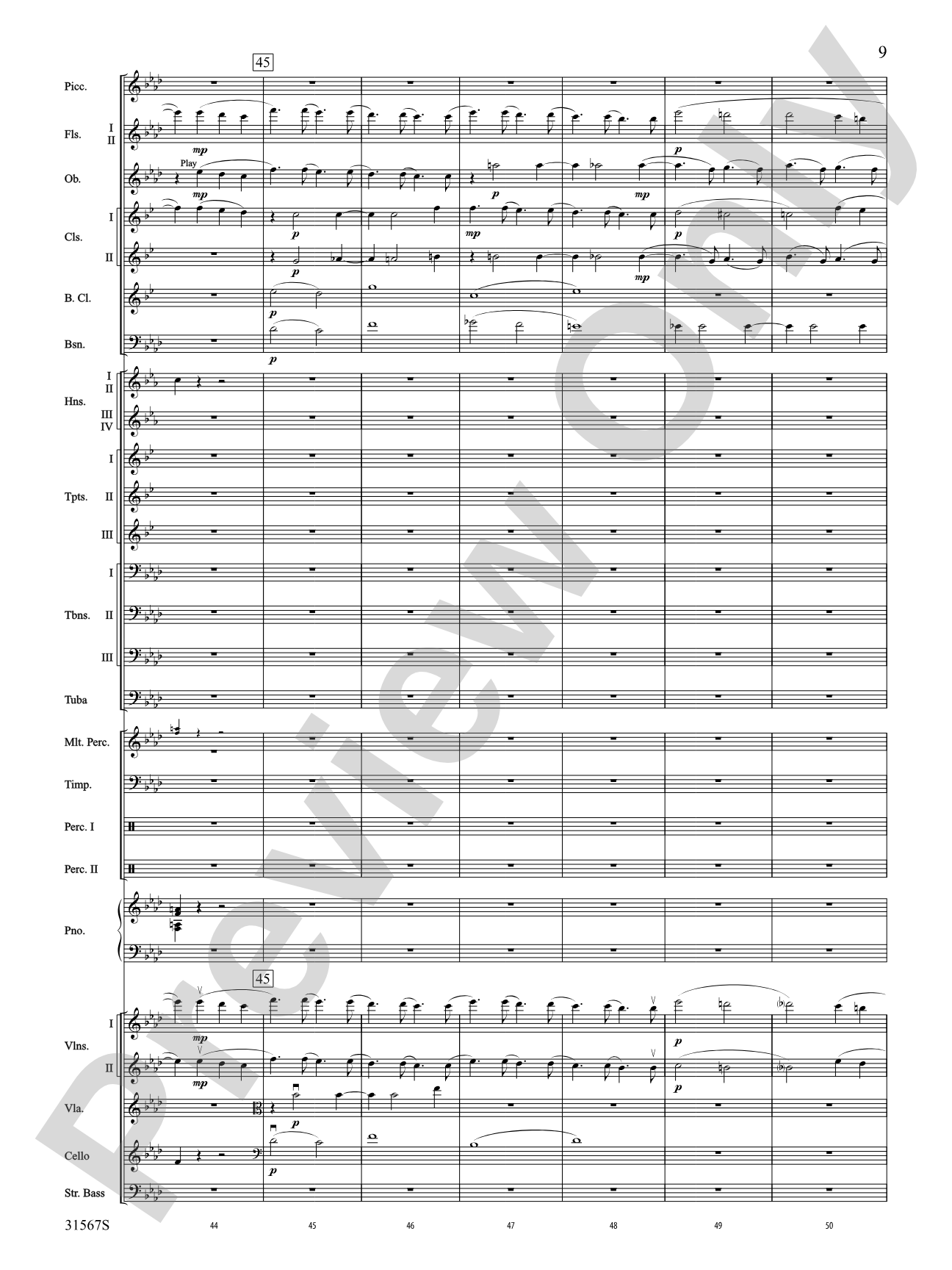
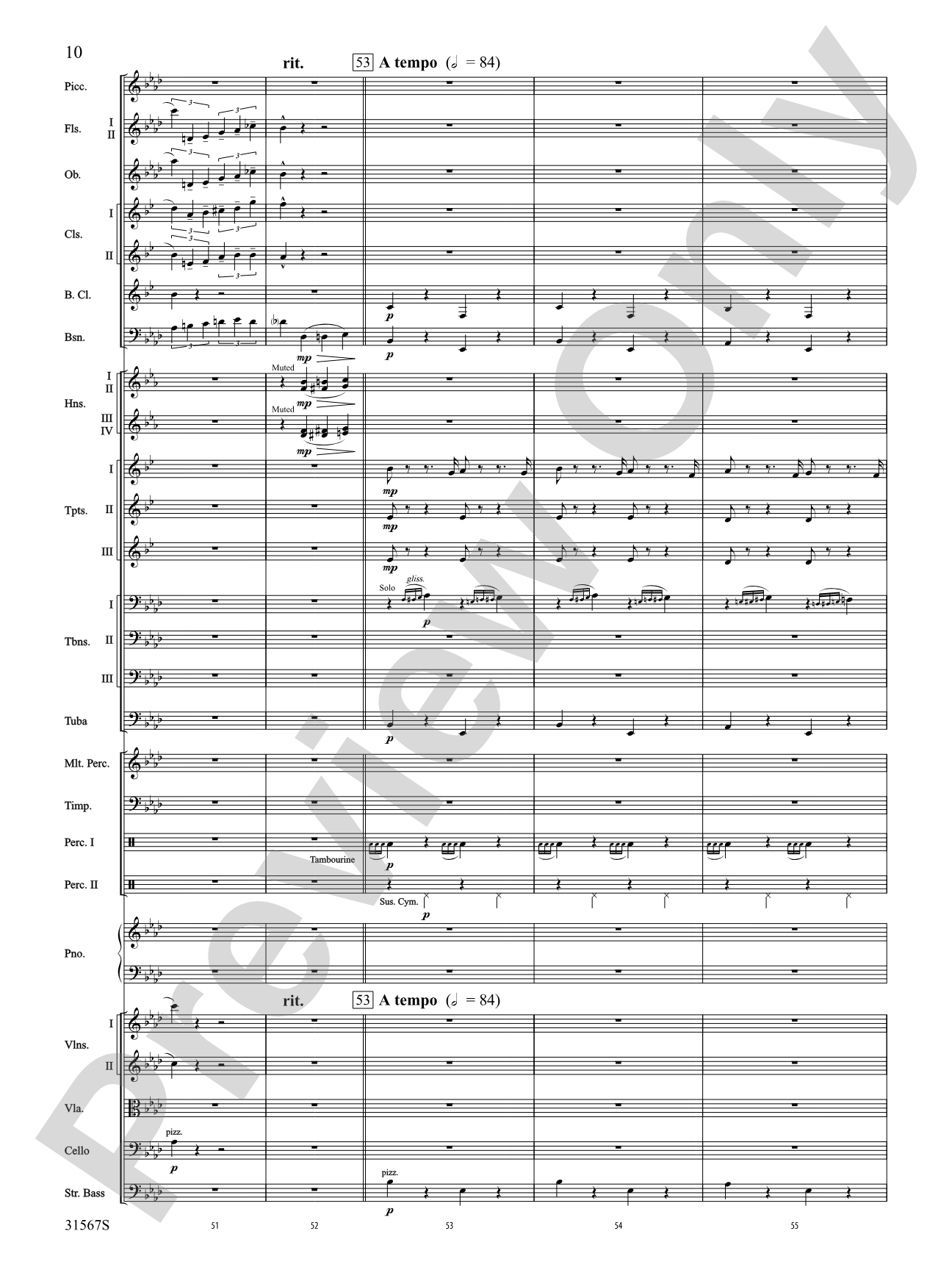
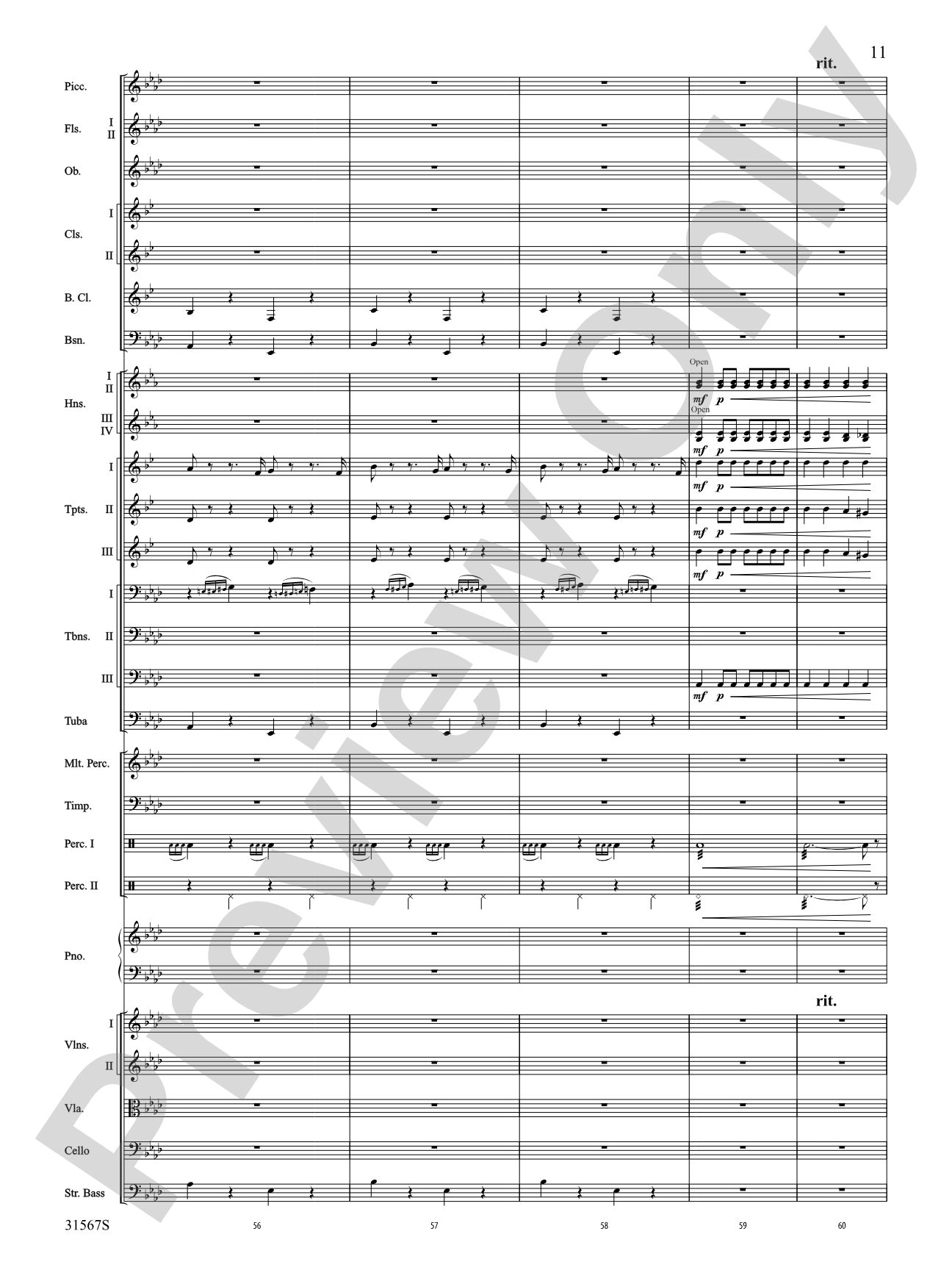
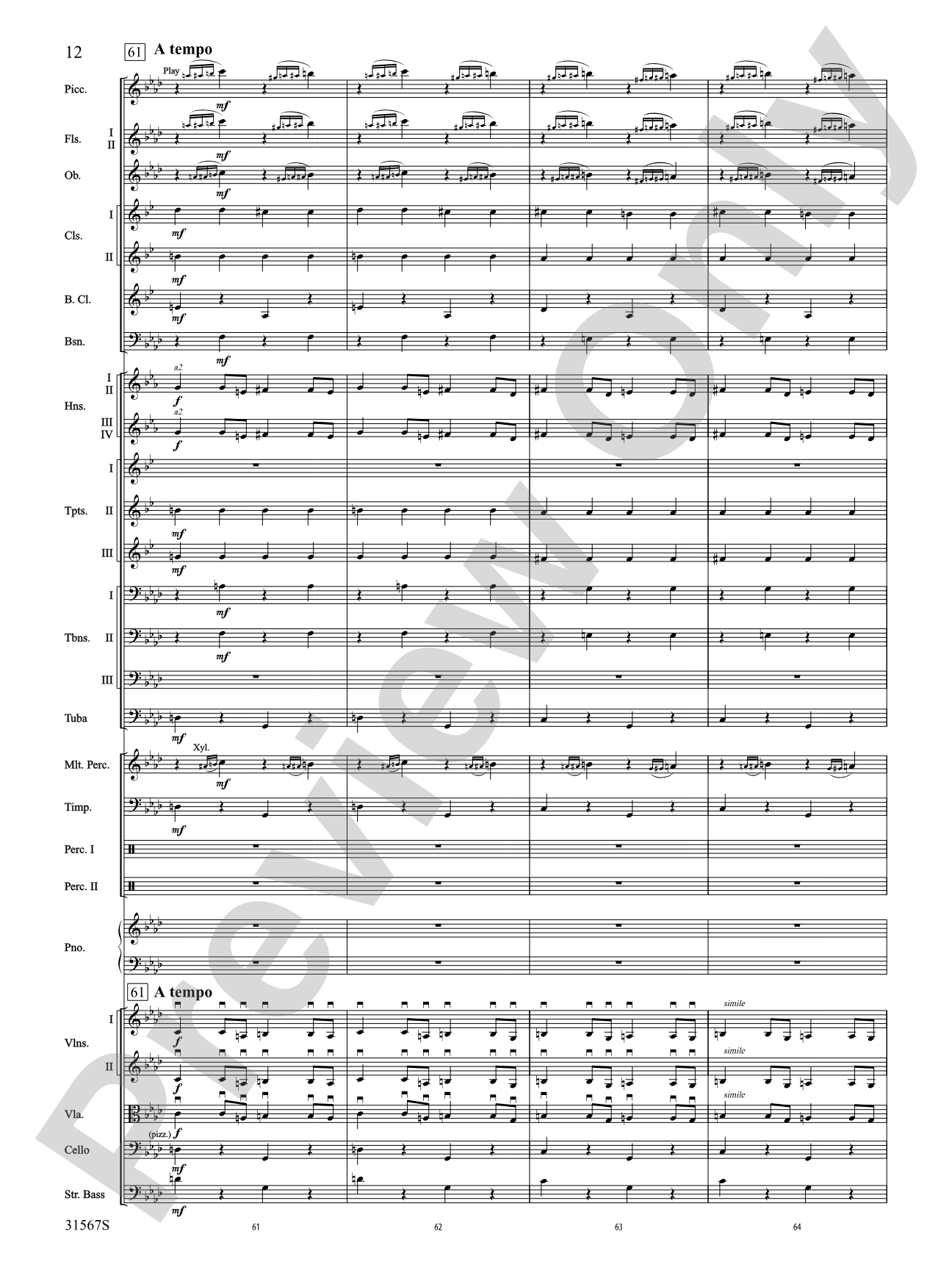
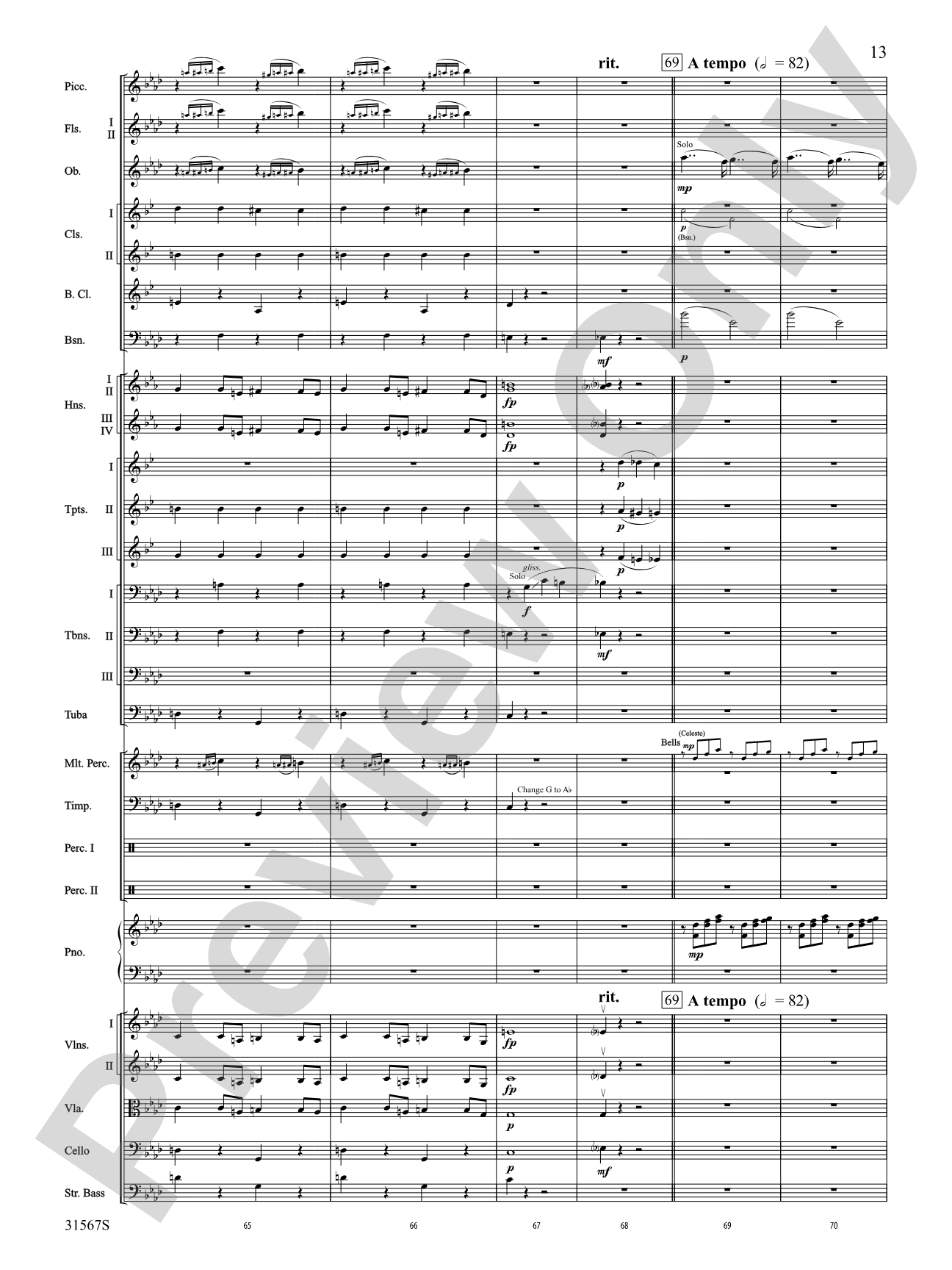
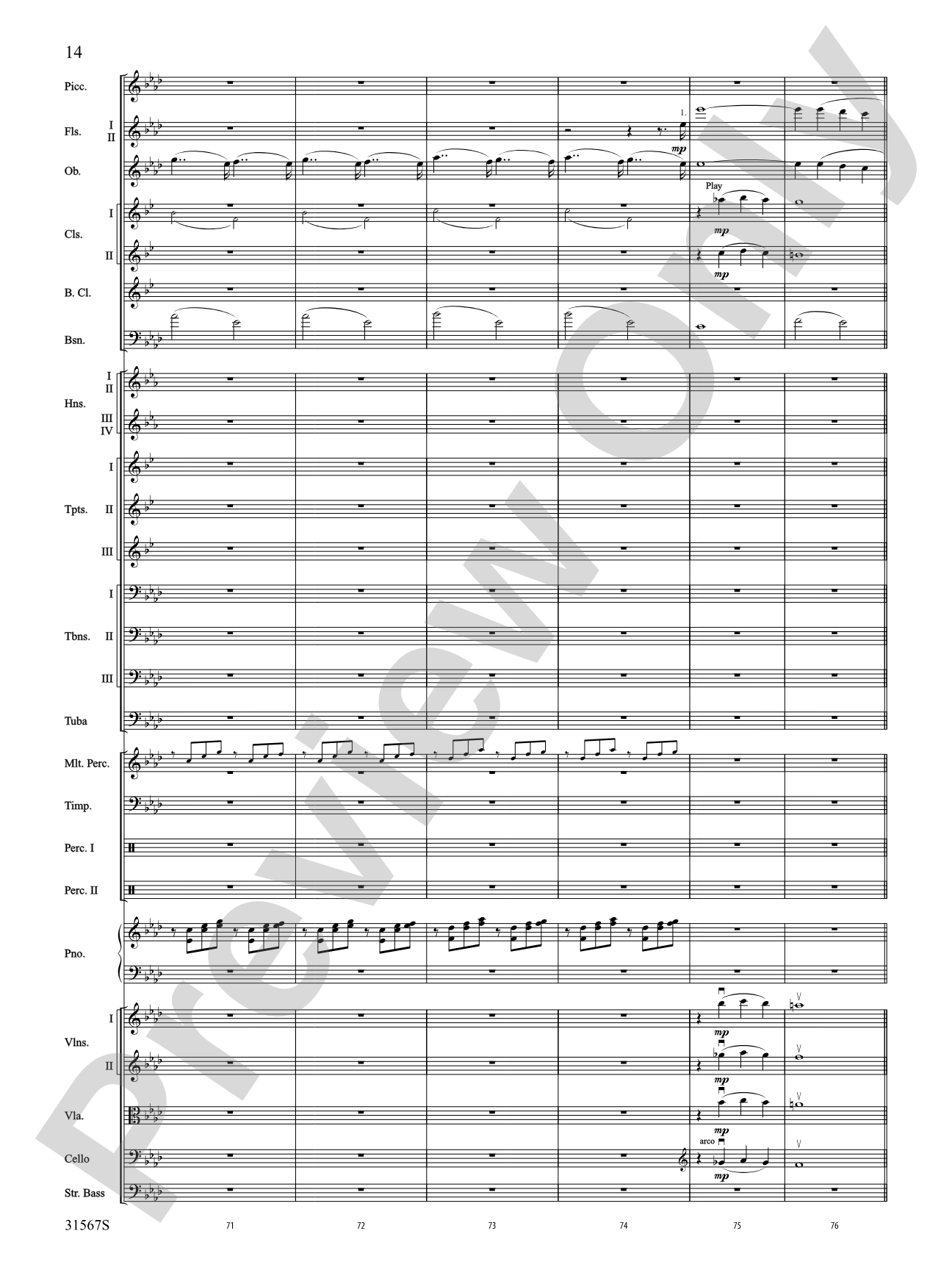
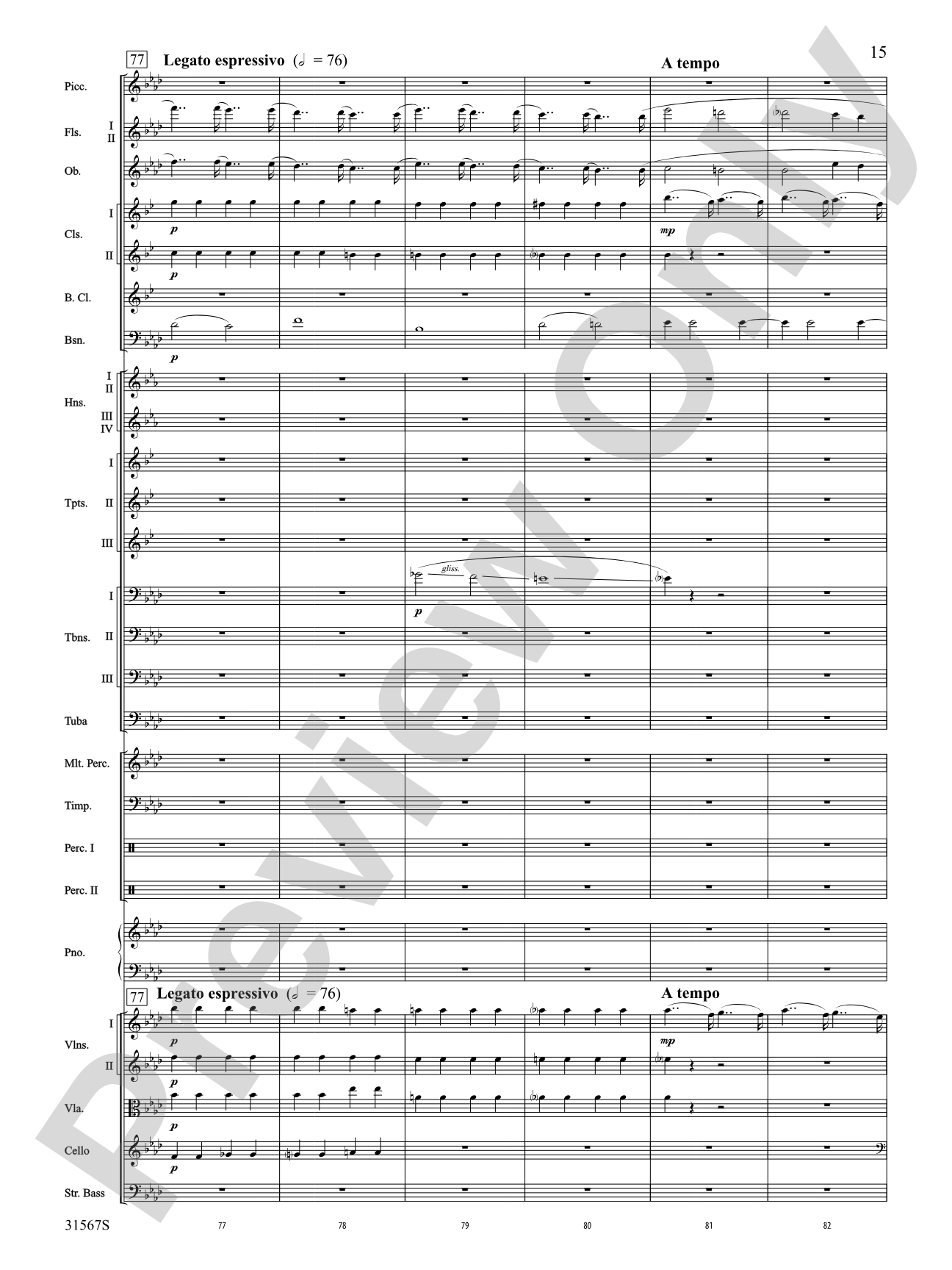
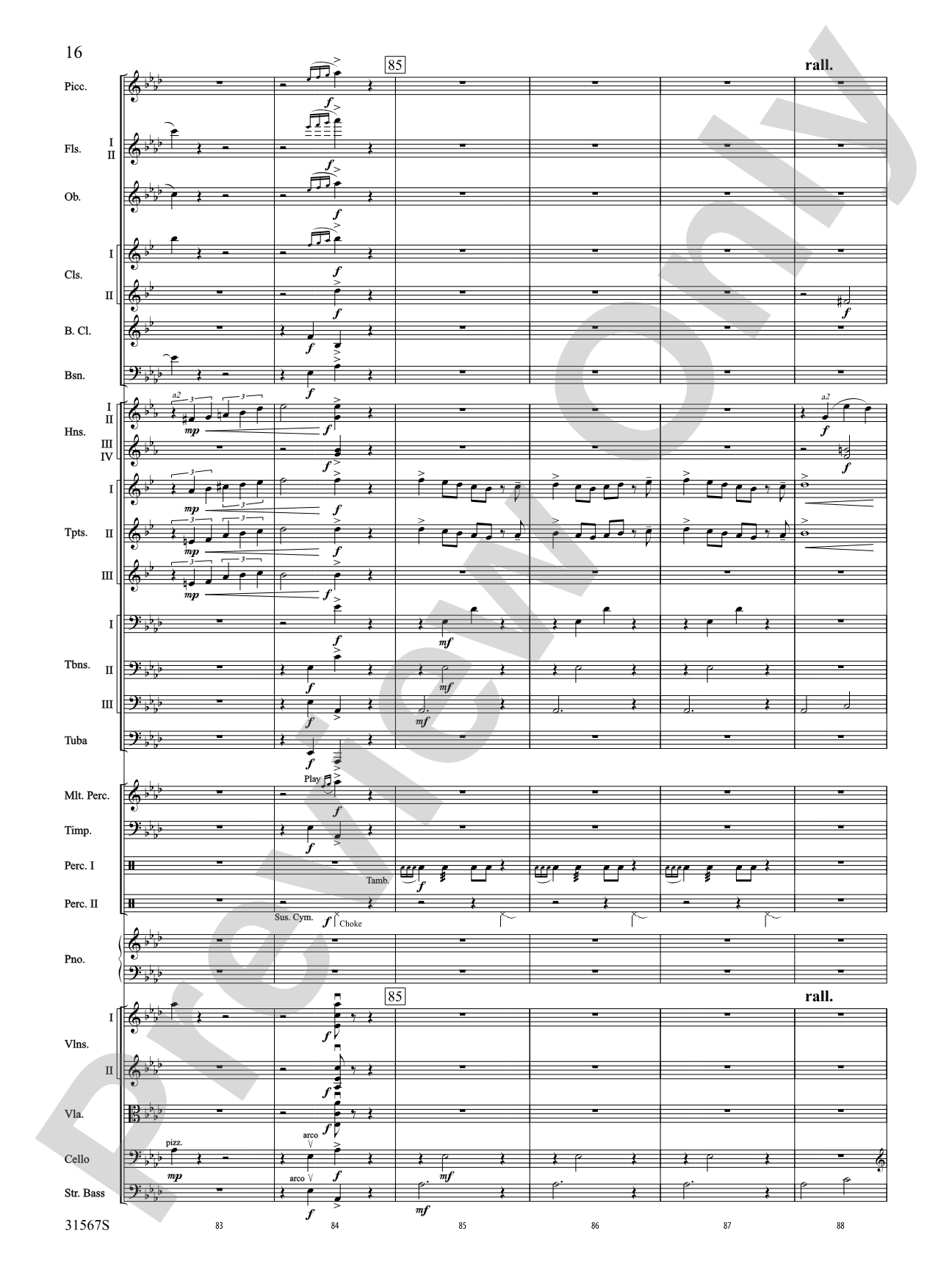
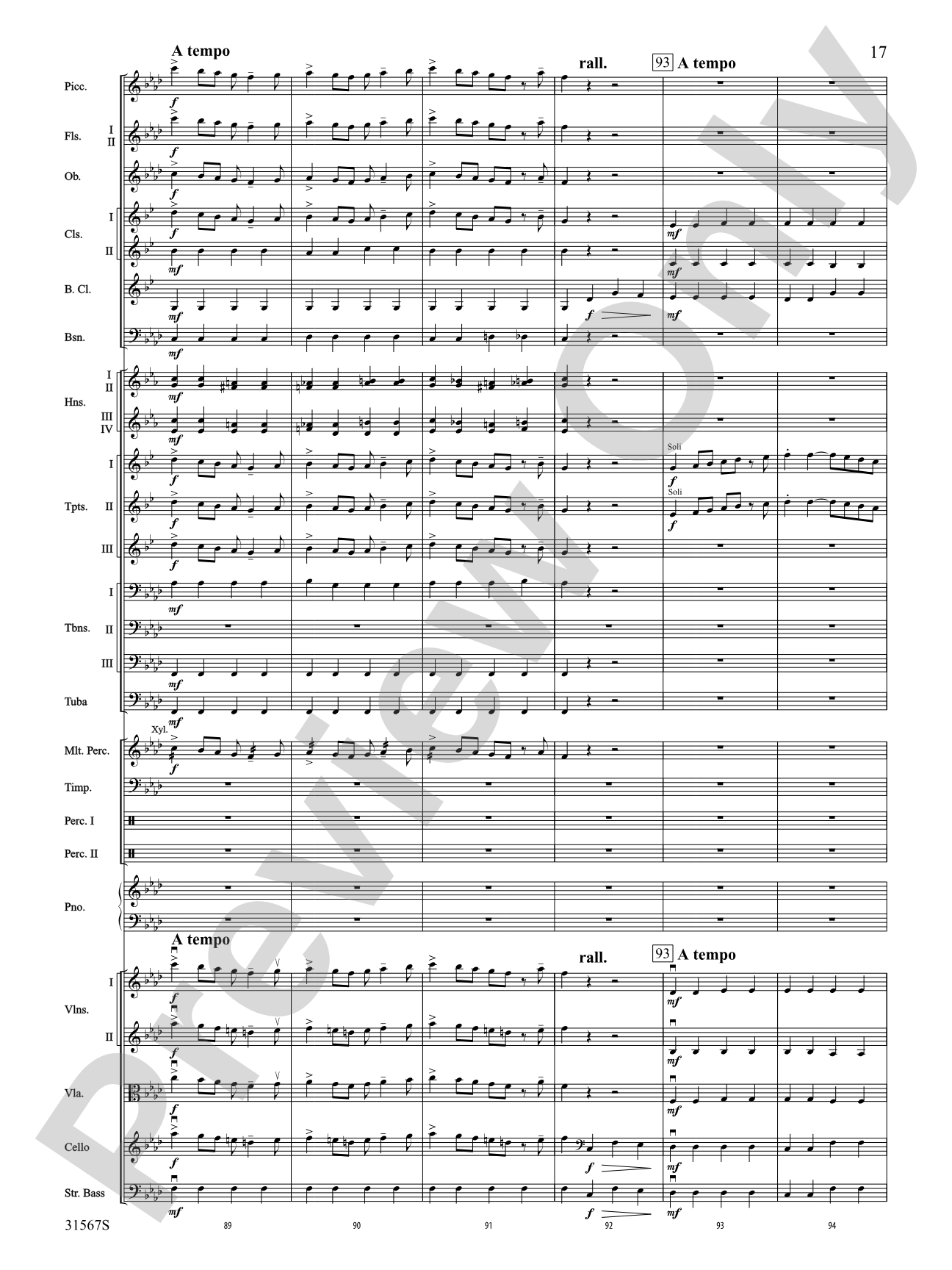
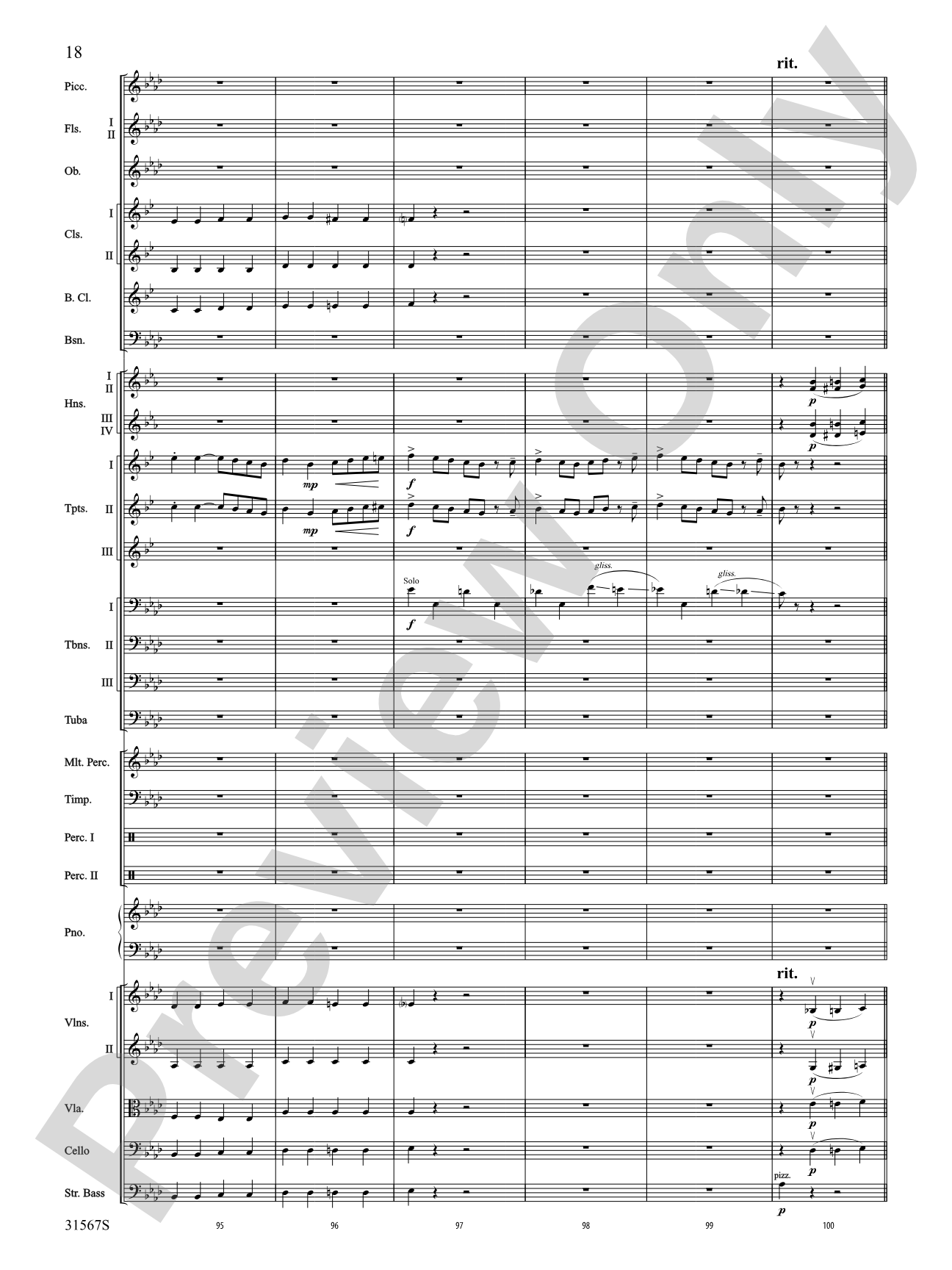
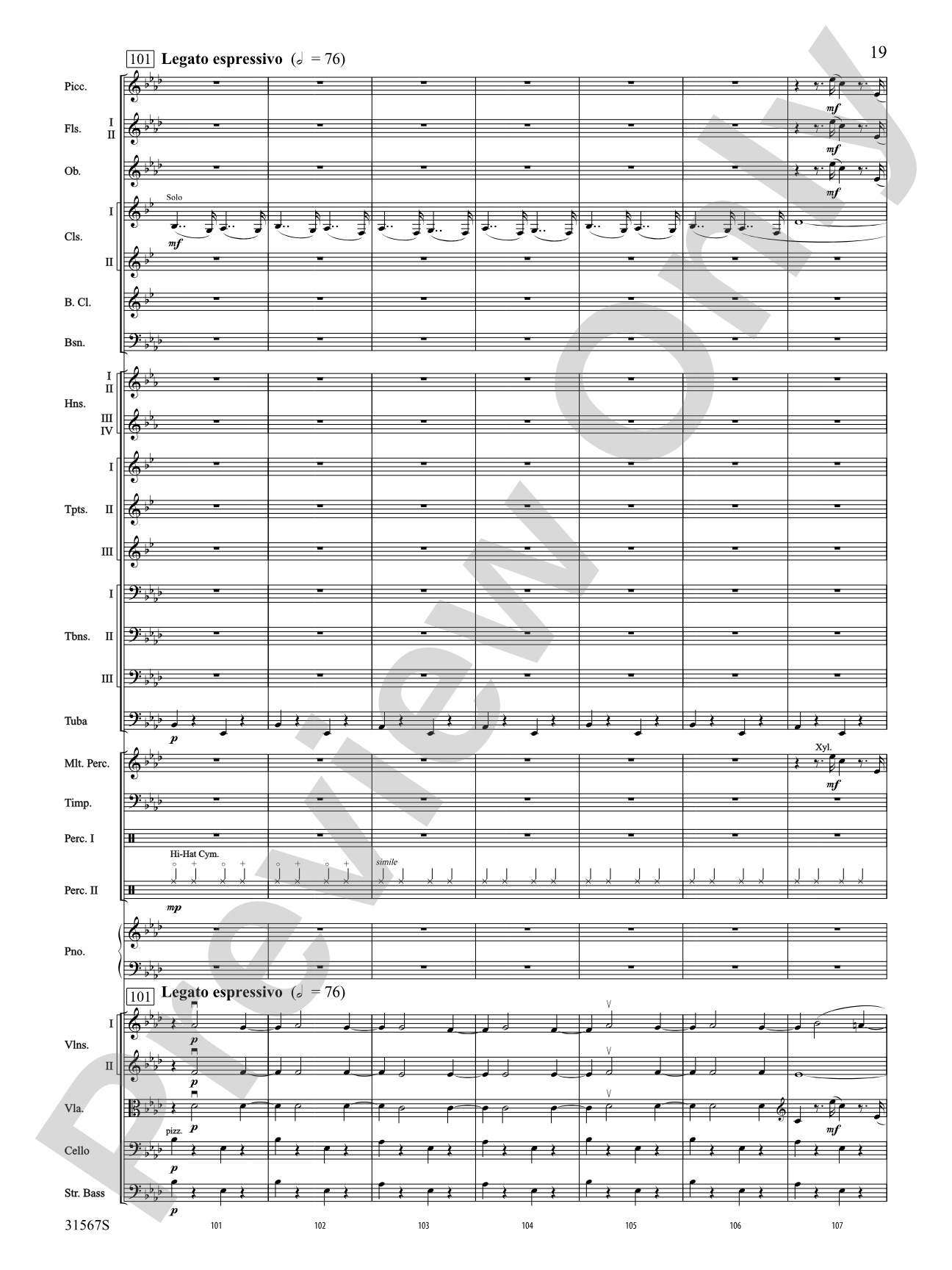
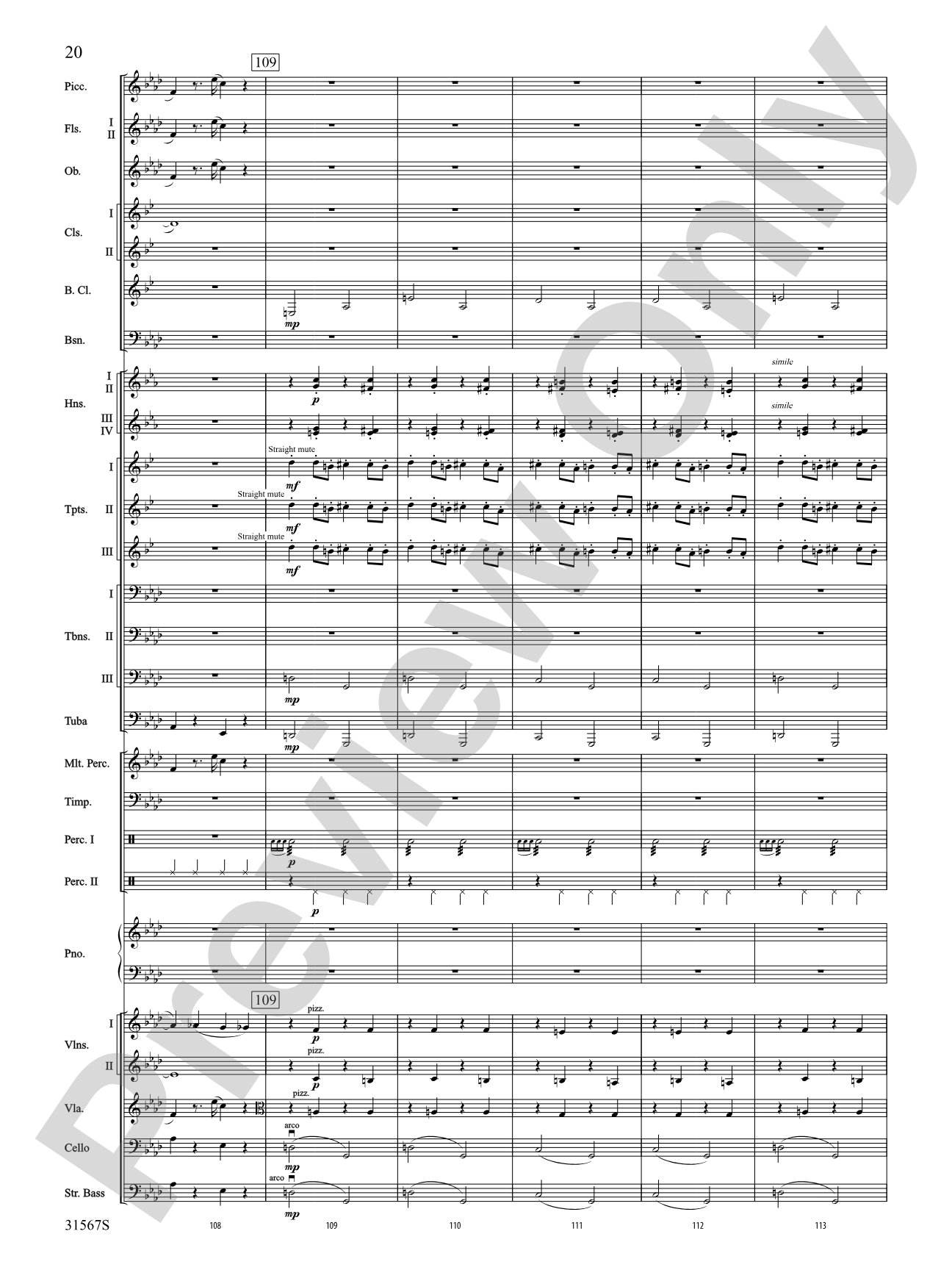


Tahiti Trot: Full Orchestra Conductor Score & Parts
Based upon "Tea for Two"
By Vincent Youmans / orch. Dmitri Shostakovich, arr. Jerry Brubaker
Grade: 4
Item: 00-PK-0001750

$75.00
One moment…
Description
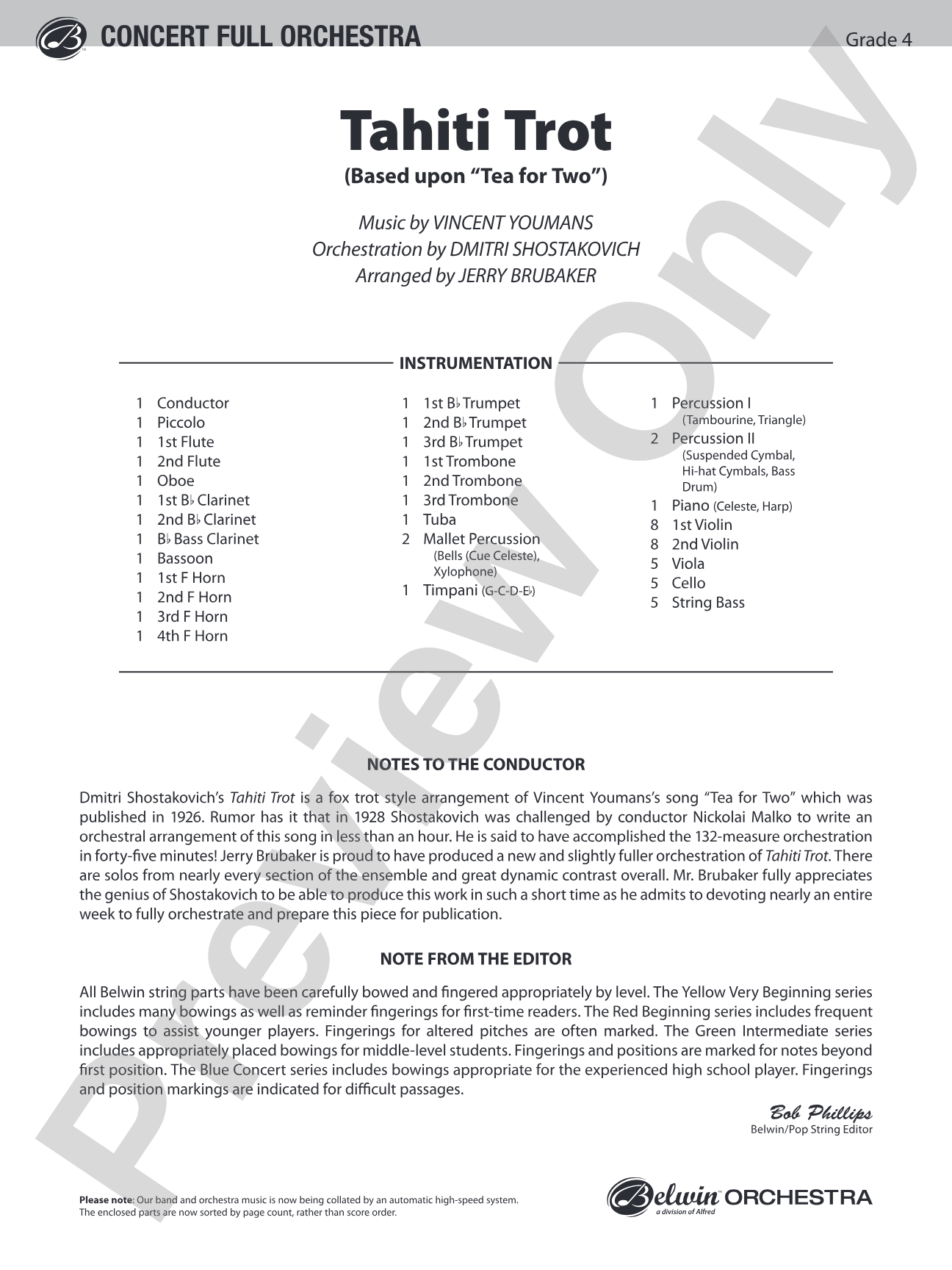
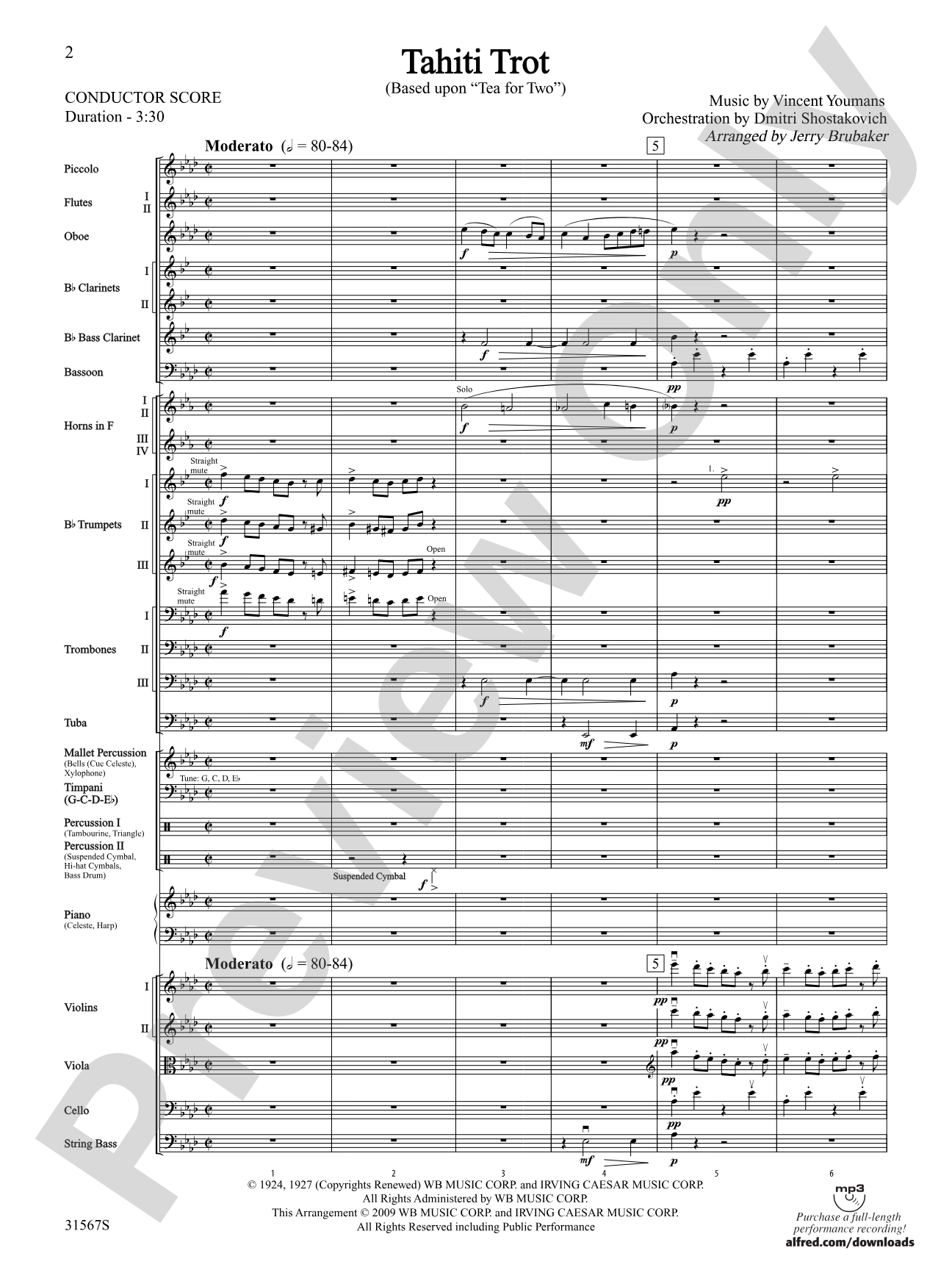
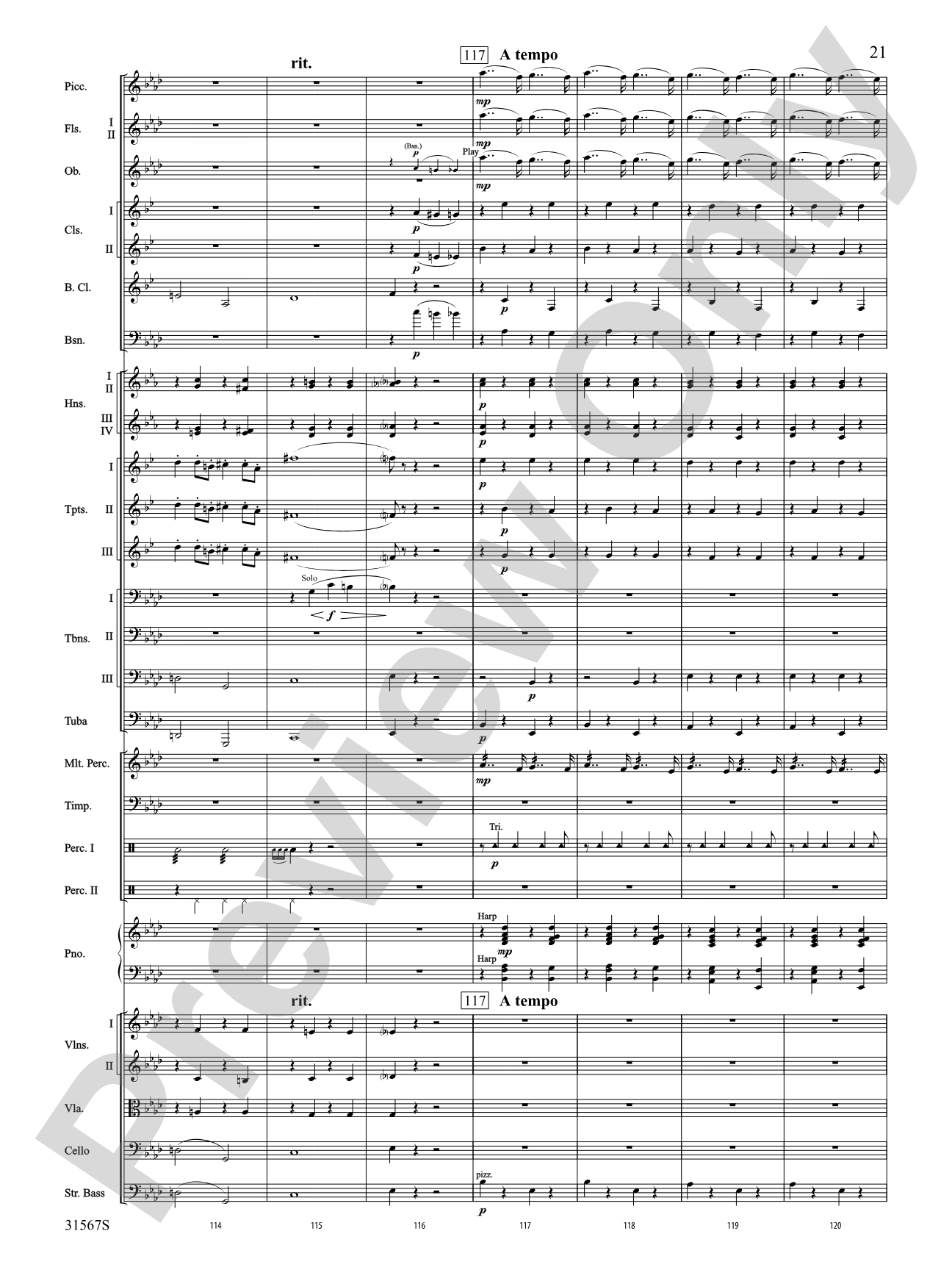
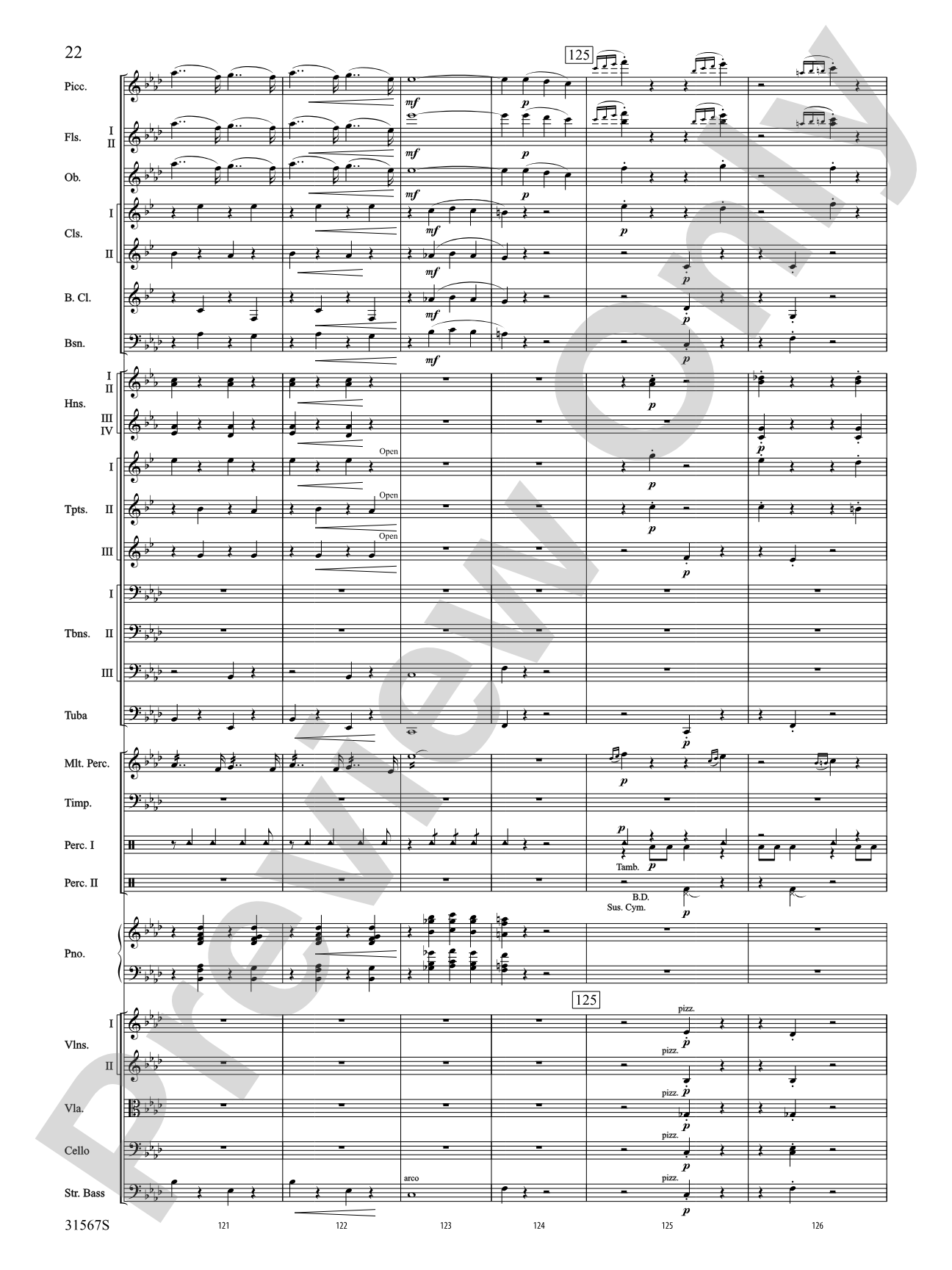
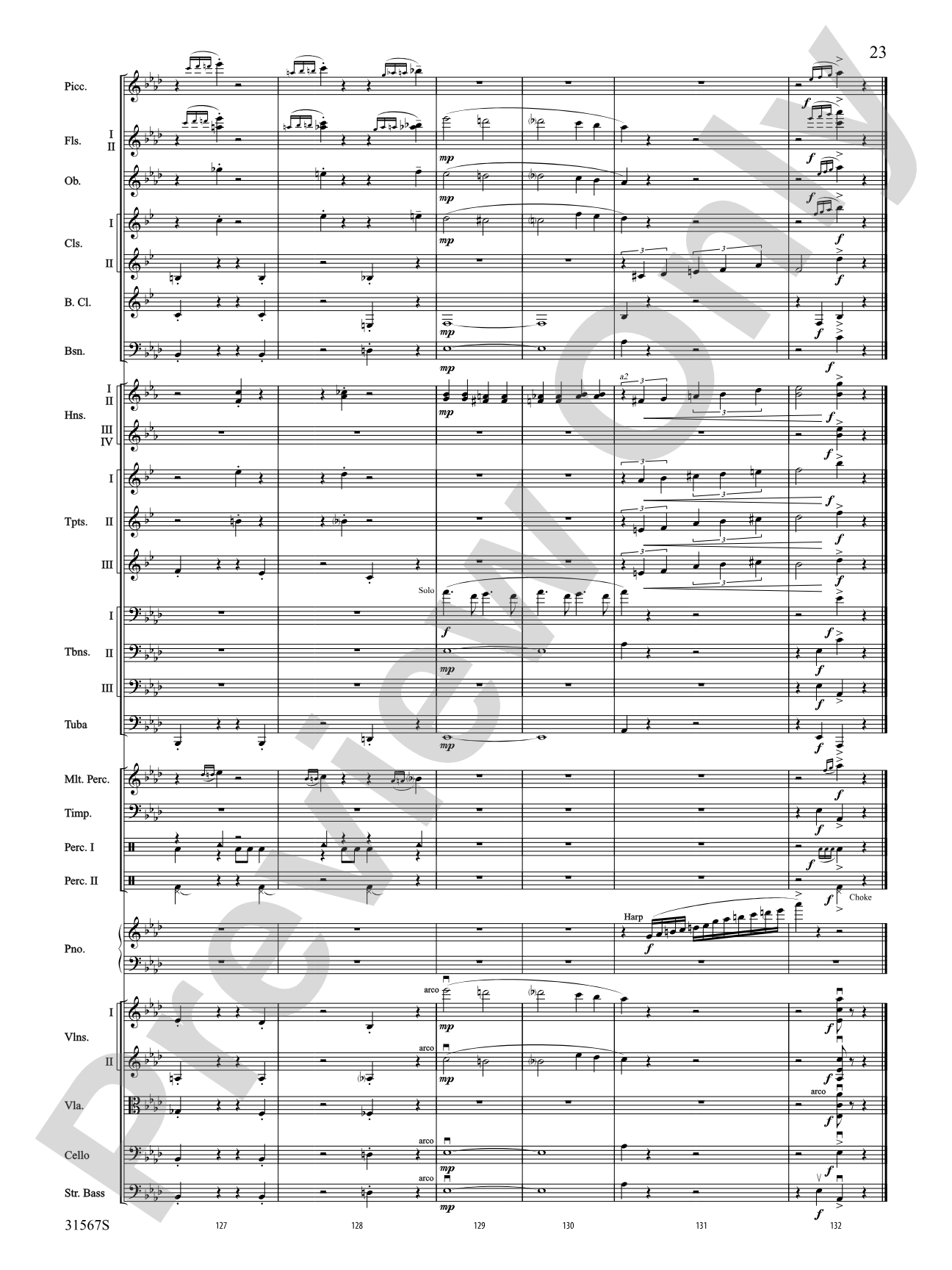
A cool new find! Rumor has it that in 1928 Shostakovich was challenged by conductor Nickolai Malko to write an orchestral arrangement of this song in less than an hour. He is said to have accomplished the 132-measure orchestration in forty-five minutes! Here's an artful and slightly fuller orchestration chock full of section solos and dynamic contrasts.


Don't just read it, hear it, play along with it, and watch your students grow with it. In MakeMusic Cloud, Tahiti Trot: Full Orchestra Conductor Score & Parts comes alive with professional accompaniment, adjustable tempo, and built-in practice tools that turn solo practice into real progress.
Open in the Player
Jump straight in and assign it today.
Start Your Free Trial
Open this title and explore the full library in minutes.
Sample Audio
1
Audio File
--:--
0:00
0:00
Sample Video
No sample videos found.
Additional Details
Series:
Pop Concert Full Orchestra
Publisher:
Alfred Music
Page Count:
200
SKU:
00-PK-0001750
More about this title
About the Composer: Vincent Youmans
Vincent Youmans (1898-1946) was an American composer who shaped the sound of Broadway in the 1920s and early 1930s. His gift for memorable melody and sophisticated harmonies made him a peer of Gershwin and Kern, and his songs remain standards in the American songbook. Youmans composed for stage and film with remarkable productivity despite a life cut short by tuberculosis, leaving behind a catalog that continues to inspire orchestrators and arrangers.
Why we love this
This is the legendary Shostakovich arrangement, born from a conductor's dare and completed in forty-five minutes of pure orchestral wizardry. Your musicians get to perform a 20th-century masterwork arrangement that sits at Grade 4, making it accessible without sacrificing artistic substance. The section solos and dynamic contrasts turn what could be a simple melody into a vehicle for showcasing your ensemble's color and control.
What to expect
Witty, sophisticated, and buoyant. The arrangement dances with theatrical flair, full of conversational moments between instrumental families and sudden shifts in orchestral color that keep the listener engaged throughout.
Who it's for
Conductors leading Grade 4 full orchestras who want to program something with real musical weight and historical intrigue. This works beautifully for ensembles ready to handle articulation, balance, and dynamic nuance across multiple sections.
How to get the most out of it
- Balance the section solos by bringing them forward slightly in rehearsal, then backing off during full orchestra passages. The piece thrives on clarity between solo writing and tutti moments.
- Pay attention to the dynamic contrasts marked throughout; they're essential to the arrangement's character and keep the 132 measures from feeling static.
- Let the ensemble settle into the lighter, dance-like character of the piece. This is concert music with a smile, not heavy orchestral drama.
How to use it
Program this as a lighter concert piece that demonstrates orchestration mastery to your audience, or pair it with other 20th-century works to highlight modern approaches to melody and arrangement. It's perfect for a spring pops concert or a program exploring famous composers' unexpected side projects.
Skills your students will build
- Balance and blend between solo sections and full orchestra textures
- Dynamic contrast and shape across extended phrase structures
- Section independence while maintaining ensemble cohesion
- Articulation clarity in a stylistically light, dance-like setting