
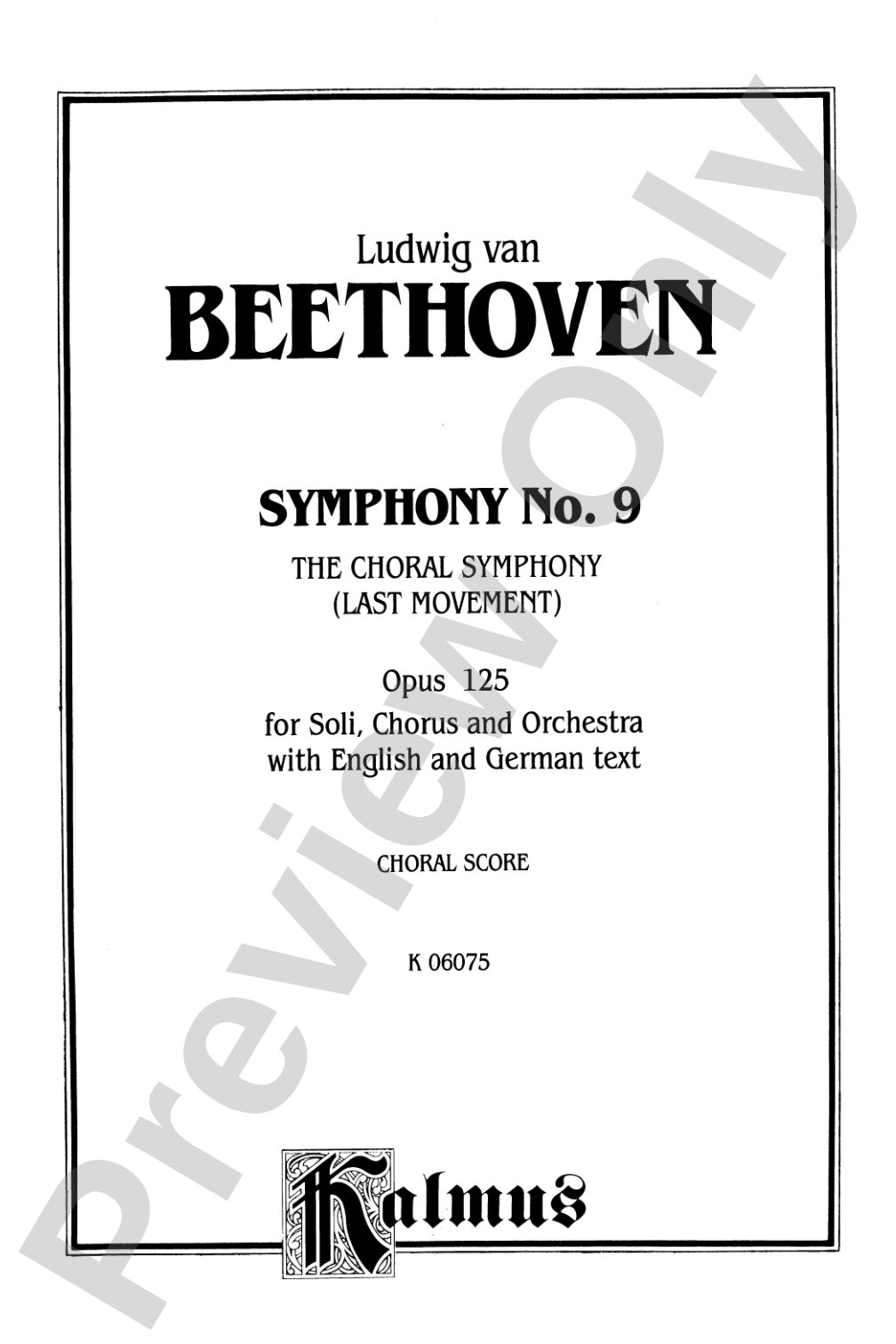


Symphony No. 9 (The Choral Symphony - Last Movement, Opus 125): Choir
By Ludwig van Beethoven
Item: 00-PB-0001155
$9.99
Pickup currently not available
Related Items
Symphony No. 9 (The Choral Symphony - Last Movement, Opus 125): SATB with SATB or B Soli Choral Book |
$9.99
|
View |
Description
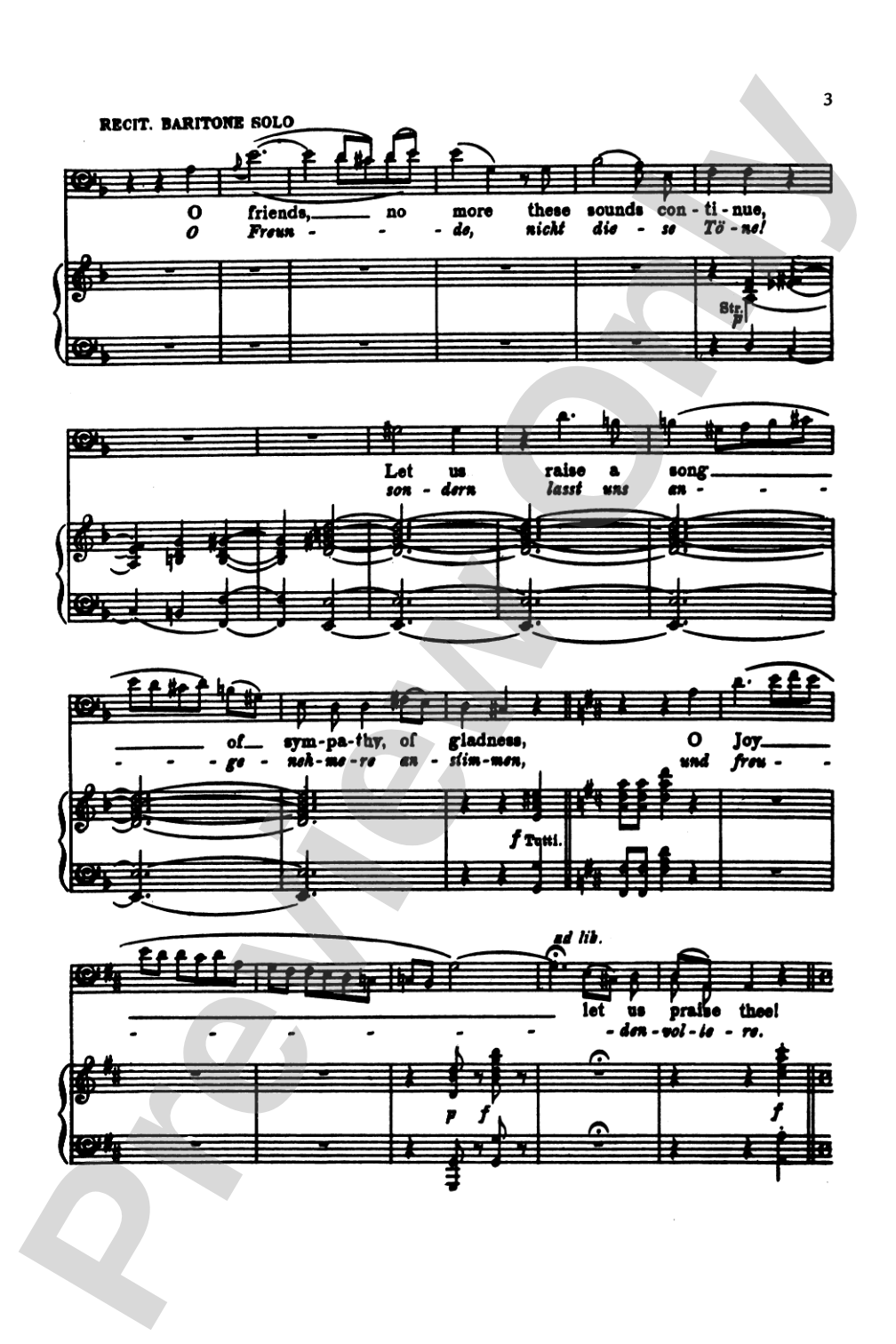
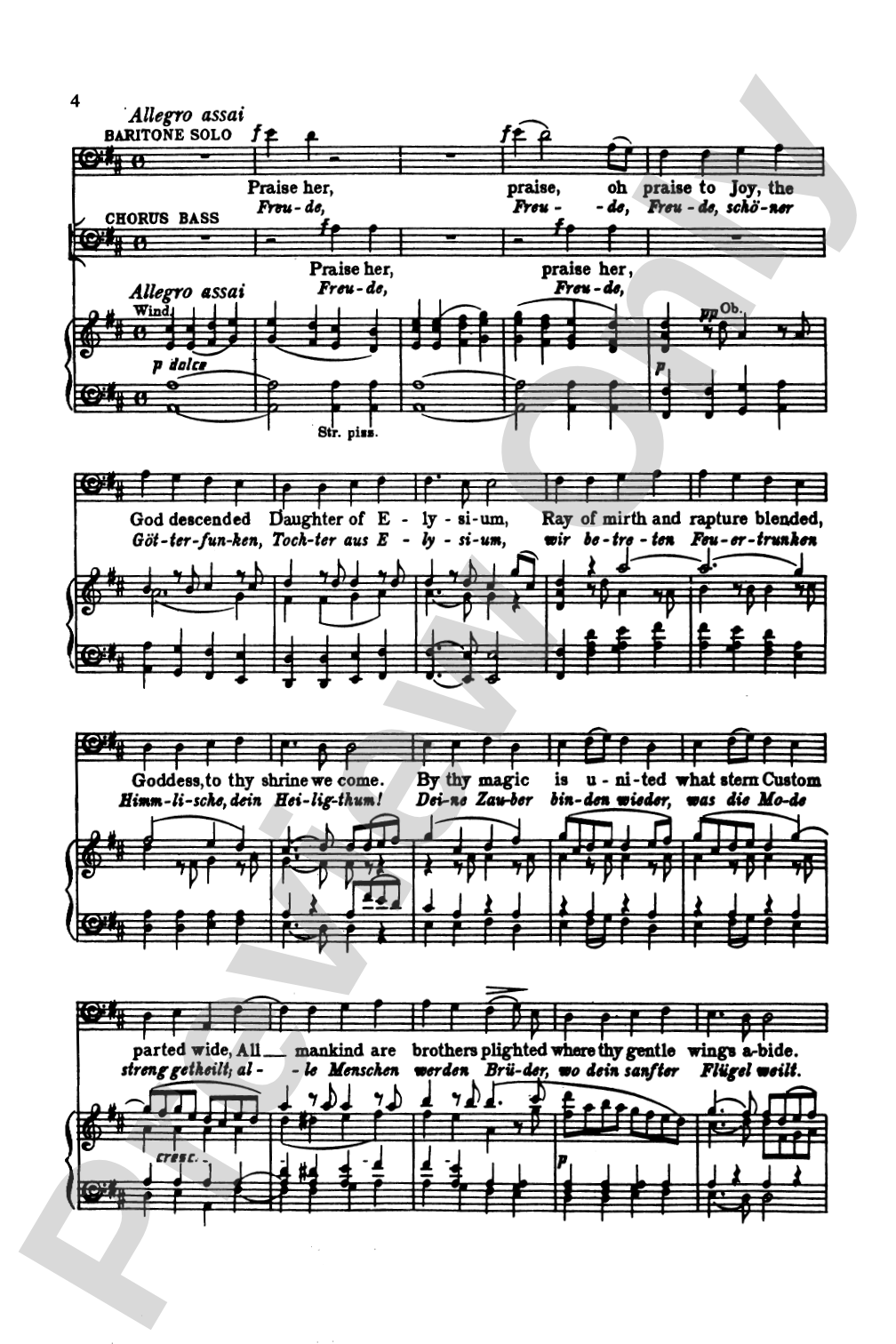
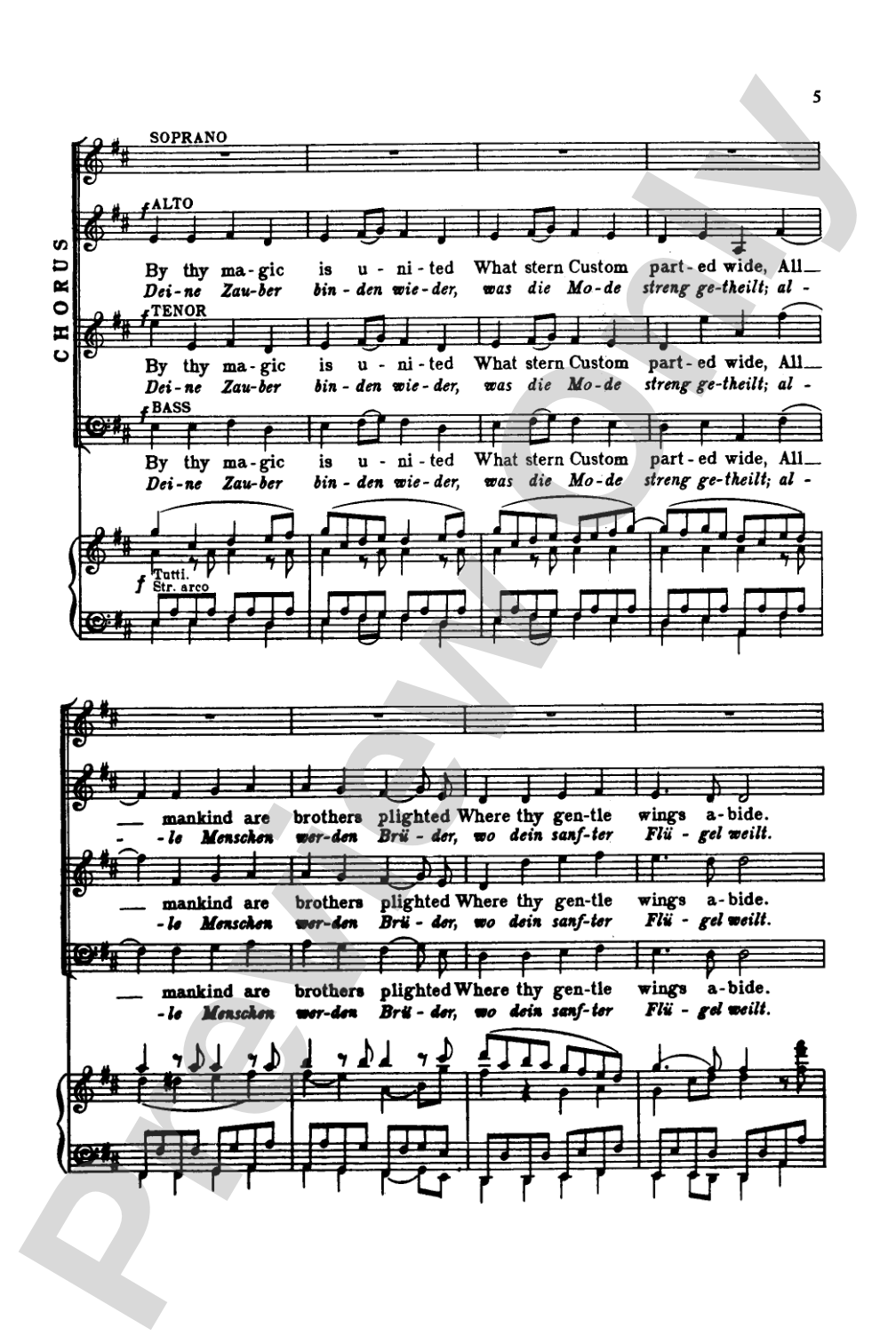
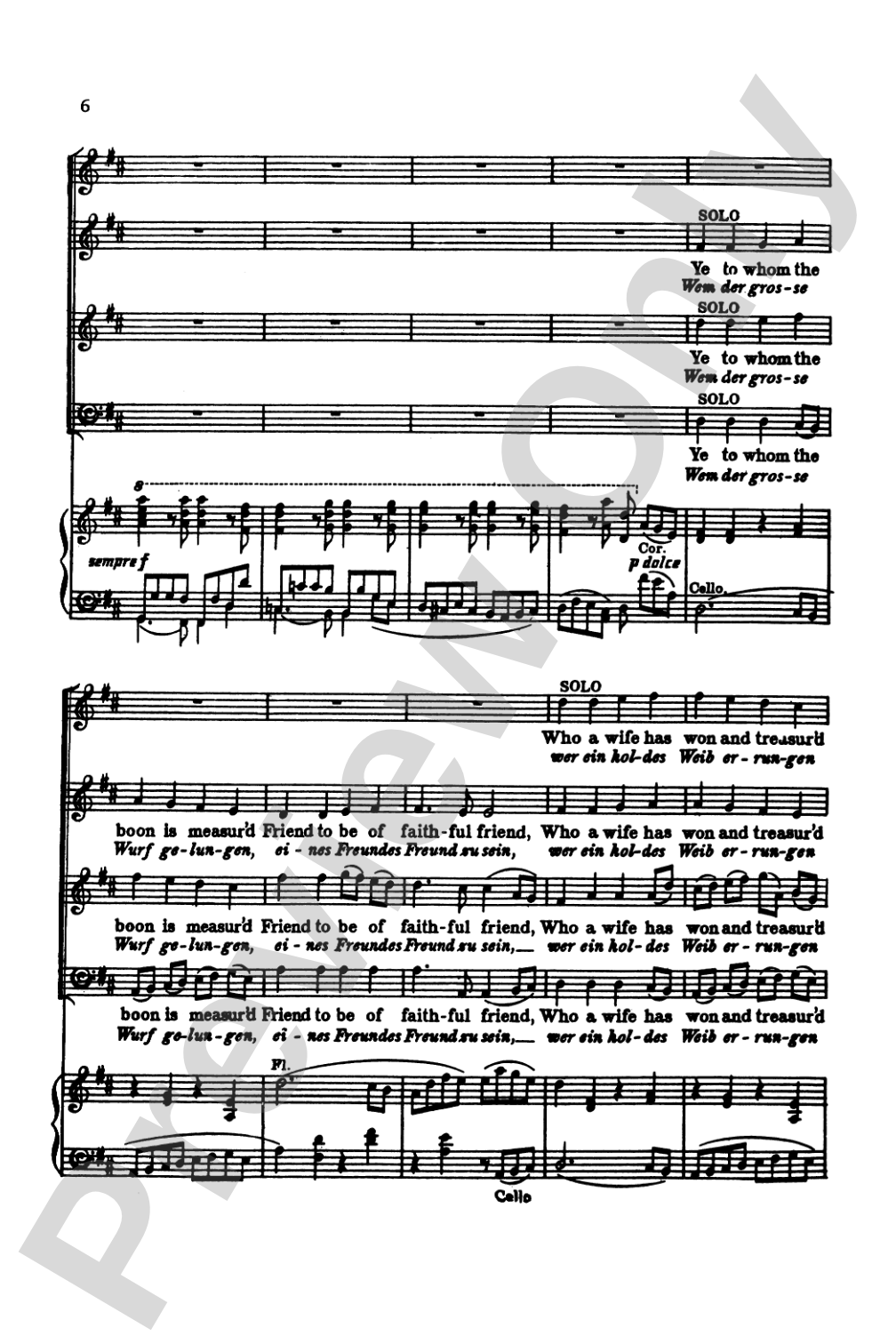
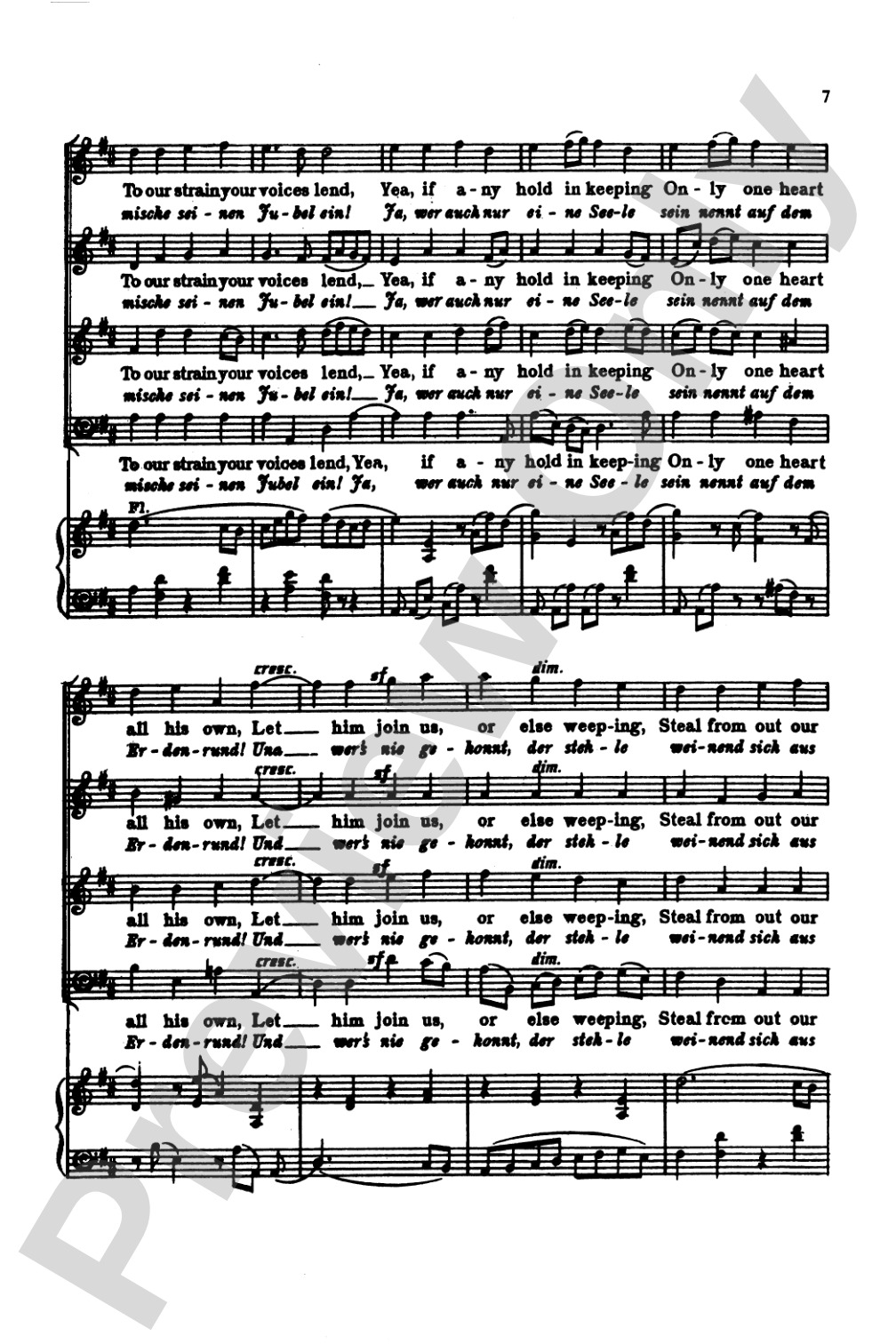
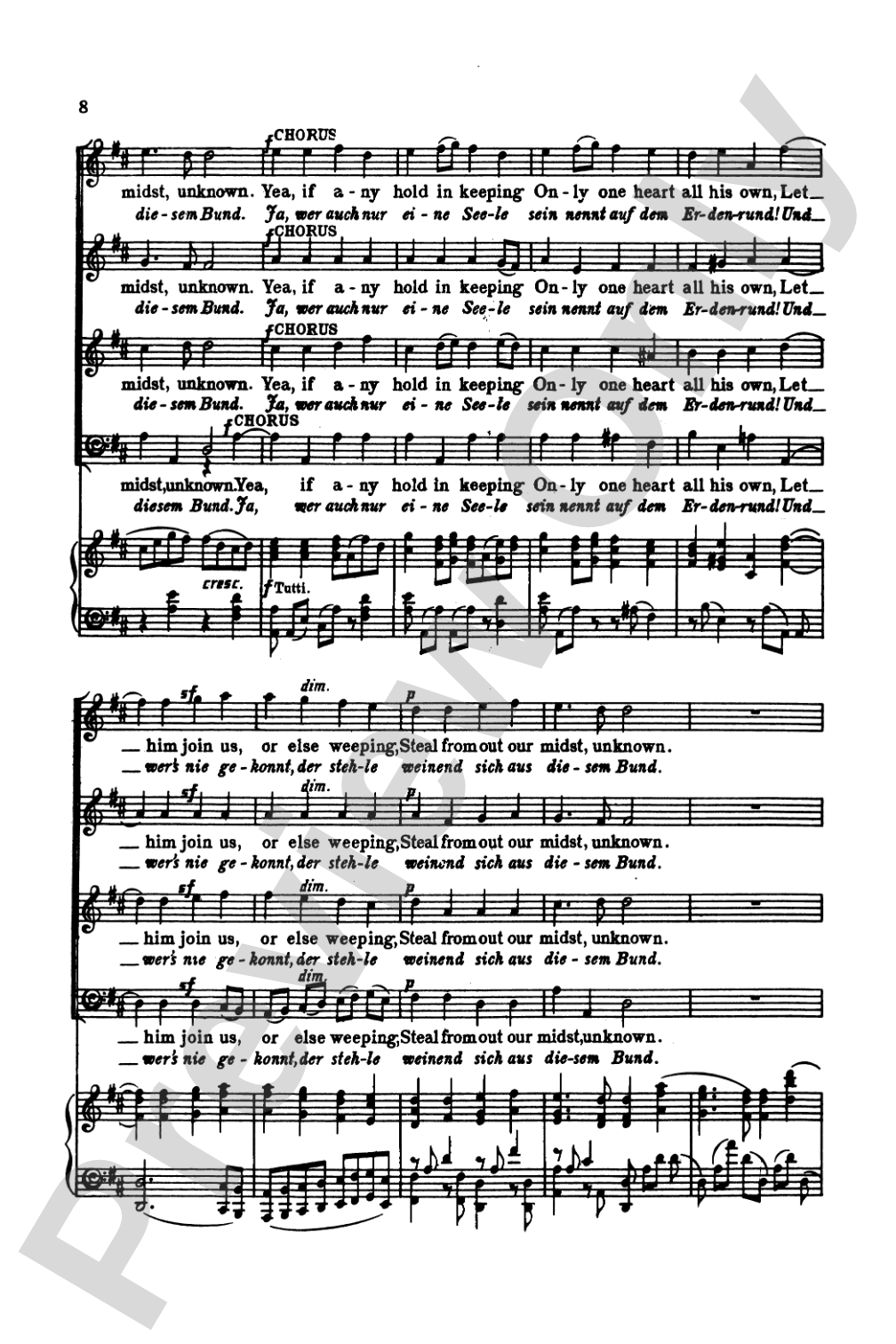
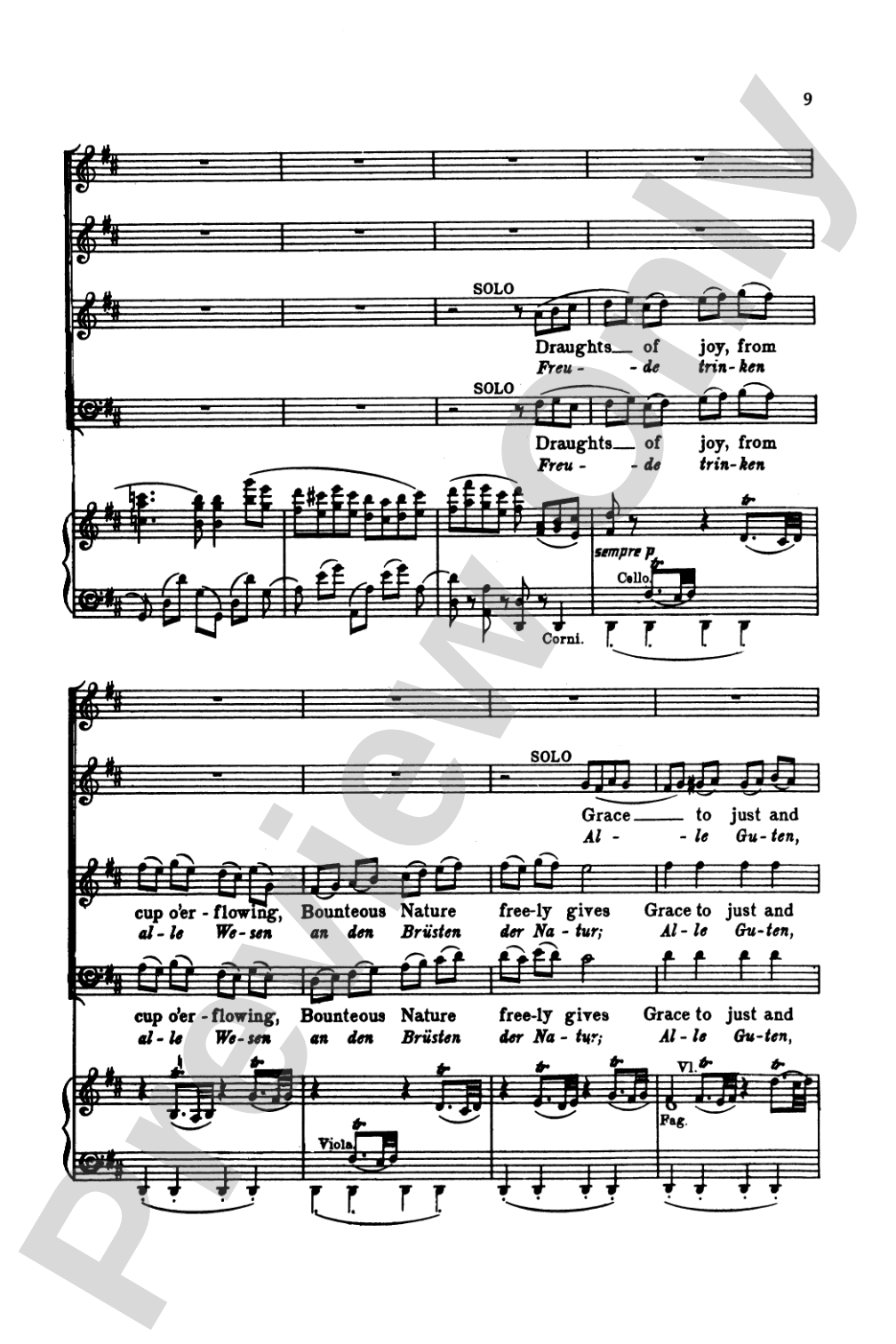
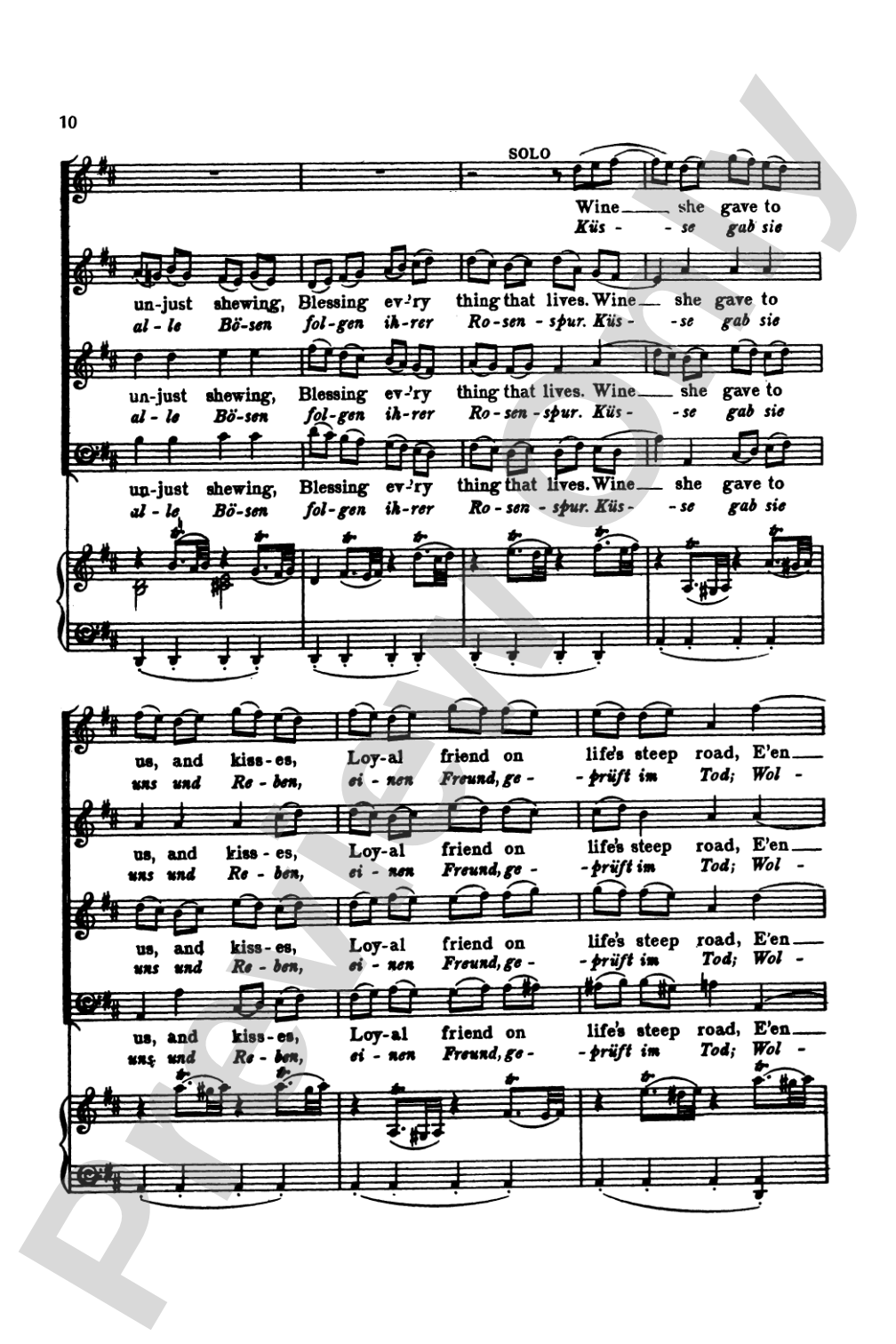
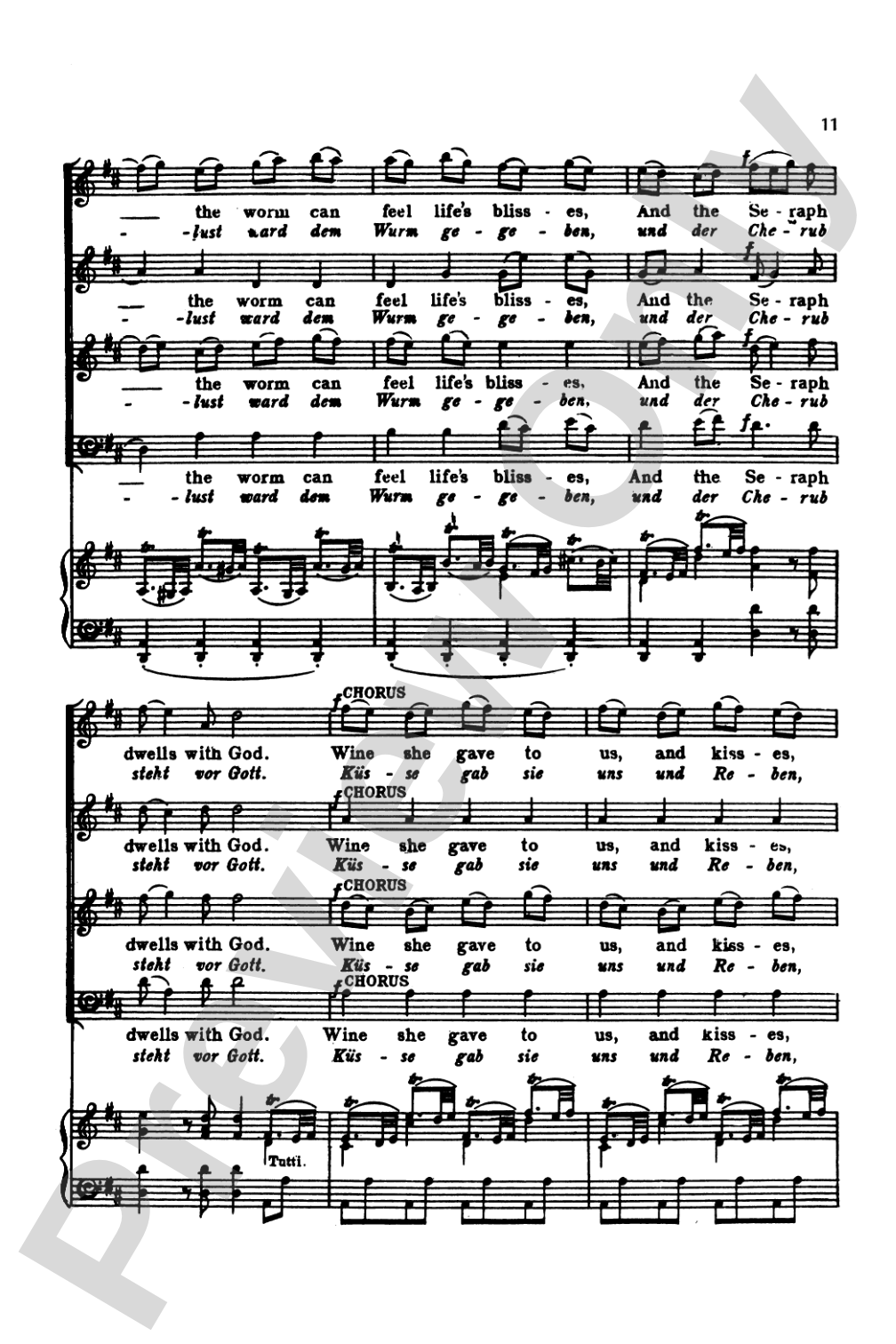
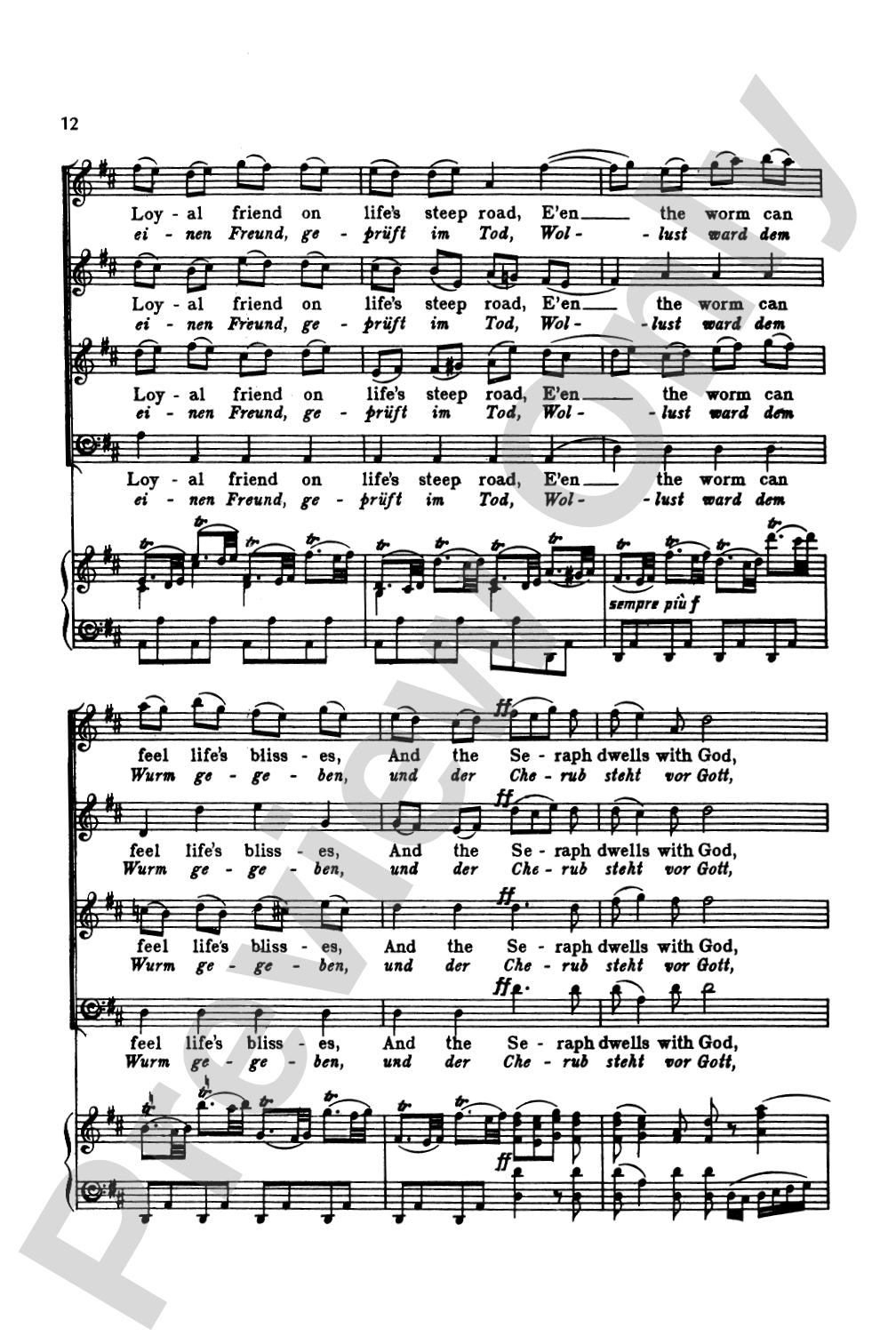
Beethoven's symphonic masterpiece, written between 1818 and 1824, actually had sources dating from earlier in his life. For example, many years earlier, Beethoven had expressed wishes to set Schiller's poem, the "Ode to Joy," to music, and the realization of this desire finally took place in the final movement of the 9th Symphony, also known as the "Choral Symphony." This score presents the choral portion of the symphony, beginning with the baritone recitative that precedes the choir's entrance. The 60 page score presents the soloist and choir parts on separate lines over a piano reduction of the orchestral parts.


Symphony No. 9 (The Choral Symphony - Last Movement, Opus 125): Choir isn't in MakeMusic Cloud just yet...but it could be. Let us know you'd like to see it, and you'll help shape what comes next. In the meantime, start a free trial and dive into thousands of interactive titles your students can play along with today.
Request This Title
Tell us you want it.
Start Your Free Trial
Explore everything that's ready to play right now.
Sample Audio
No sample audio found.
Sample Video
No sample videos found.
Additional Details
Series:
Kalmus Edition
Publisher:
Alfred Music
Page Count:
64
SKU:
00-PB-0001155
Instrumentation:
Orch.
More about this title
About the Composer: Ludwig van Beethoven
Ludwig van Beethoven (1770-1827) stands as the towering figure who bridged Classical and Romantic music. Deaf for much of his compositional career, he proved that physical limitation could not constrain artistic vision; his later works achieved unprecedented emotional depth and structural innovation. His symphonies fundamentally expanded what the genre could express, and his choral writing influenced generations of composers who followed.
Why we love this
This movement achieves what most pieces only attempt: a genuine fusion of individual voices into collective expression. The baritone recitative that precedes the choir's entrance creates dramatic momentum, and the setting of Schiller's text arrives with the weight of lived artistic struggle behind it. For any choir capable of wrestling with its demands, the payoff in audience impact and ensemble cohesion is extraordinary.
What to expect
Monumental, transcendent, and profoundly human. The music builds from dramatic questioning toward affirmation, with moments of tenderness alongside passages of overwhelming grandeur. Singing this work leaves performers changed; the combination of Schiller's poetry and Beethoven's orchestral canvas creates an emotional landscape that feels both intimate and universal.
Who it's for
This edition serves advanced choral ensembles and serious music students who are ready for Beethoven's harmonic language and the vocal demands of professional orchestral writing. It's essential for any program planning a complete or excerpted performance of the Ninth Symphony's final movement.
How to get the most out of it
- Balance the baritone soloist so the recitative lands as an urgent call rather than merely introducing what comes next. The orchestration thins considerably here, giving you room to shape the line.
- Anchor the choir's entrance with clarity in the rhythm section; the transition from recitative to choral material needs a sense of arrival, not drift.
- Shape the text with specificity. Schiller's language carries philosophical weight, and singers who understand what they're singing about will communicate it naturally.
- Use the piano reduction to identify where the orchestral texture thickens and thins. Those moments tell you where the composer wants the choir to float versus carry the full weight.
How to use it
Consider presenting this as a standalone statement at the end of a concert, where its length and emotional arc deserve undivided attention. Alternatively, pair it with smaller Beethoven choral works to create a thematic evening exploring his treatment of the voice. For chamber music or orchestral settings, this movement can anchor a program exploring Romantic ideals of brotherhood and joy.
Skills your students will build
- Reading large-scale SATB writing with chromatic harmony and extended vocal ranges
- Sustaining musical attention through a 20-25 minute movement
- Interpreting text with philosophical and emotional substance
- Balancing choir blend against a full orchestral reduction
- Responding to sudden textural shifts and recitative-like passages within the choral fabric