

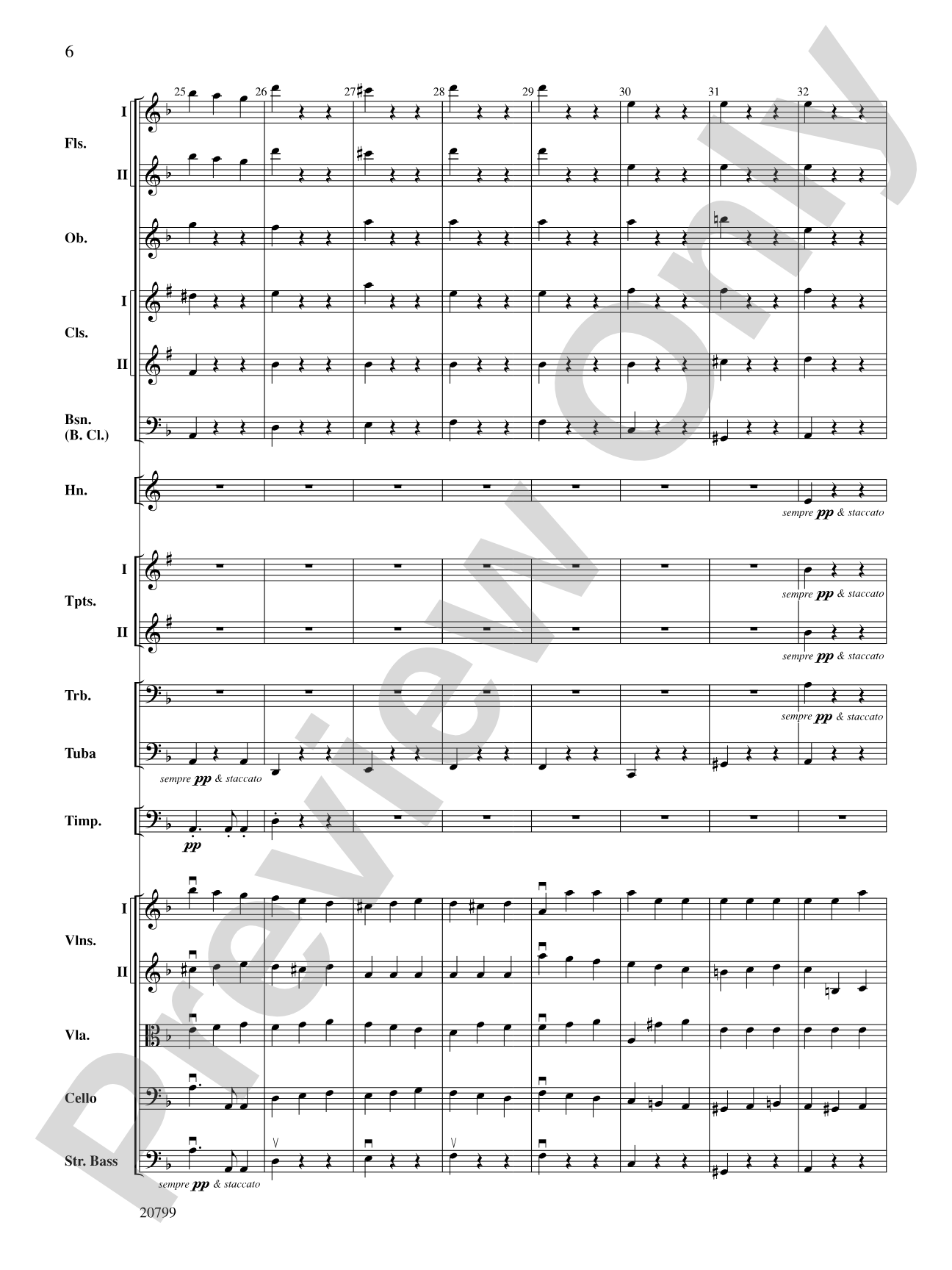
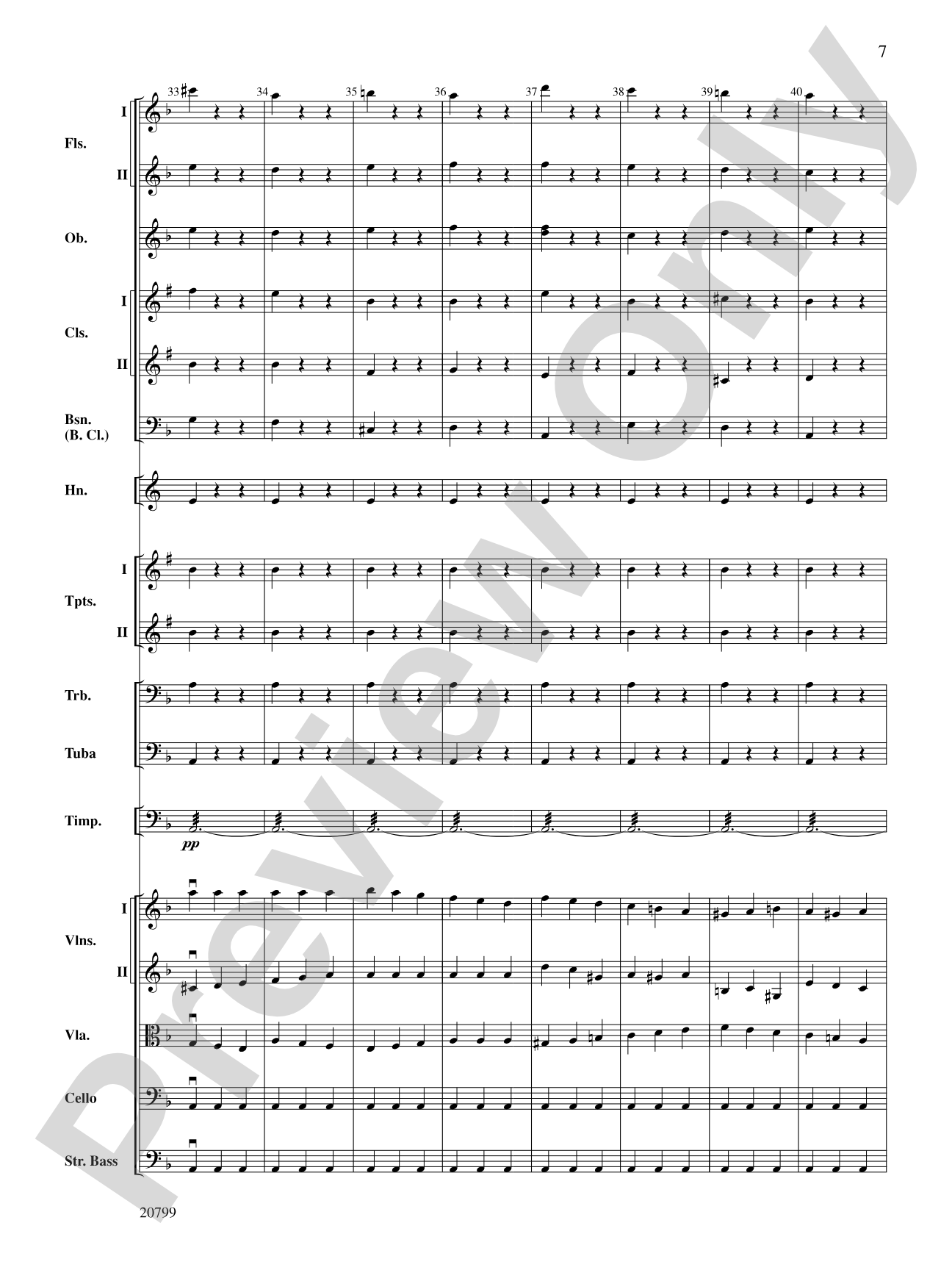
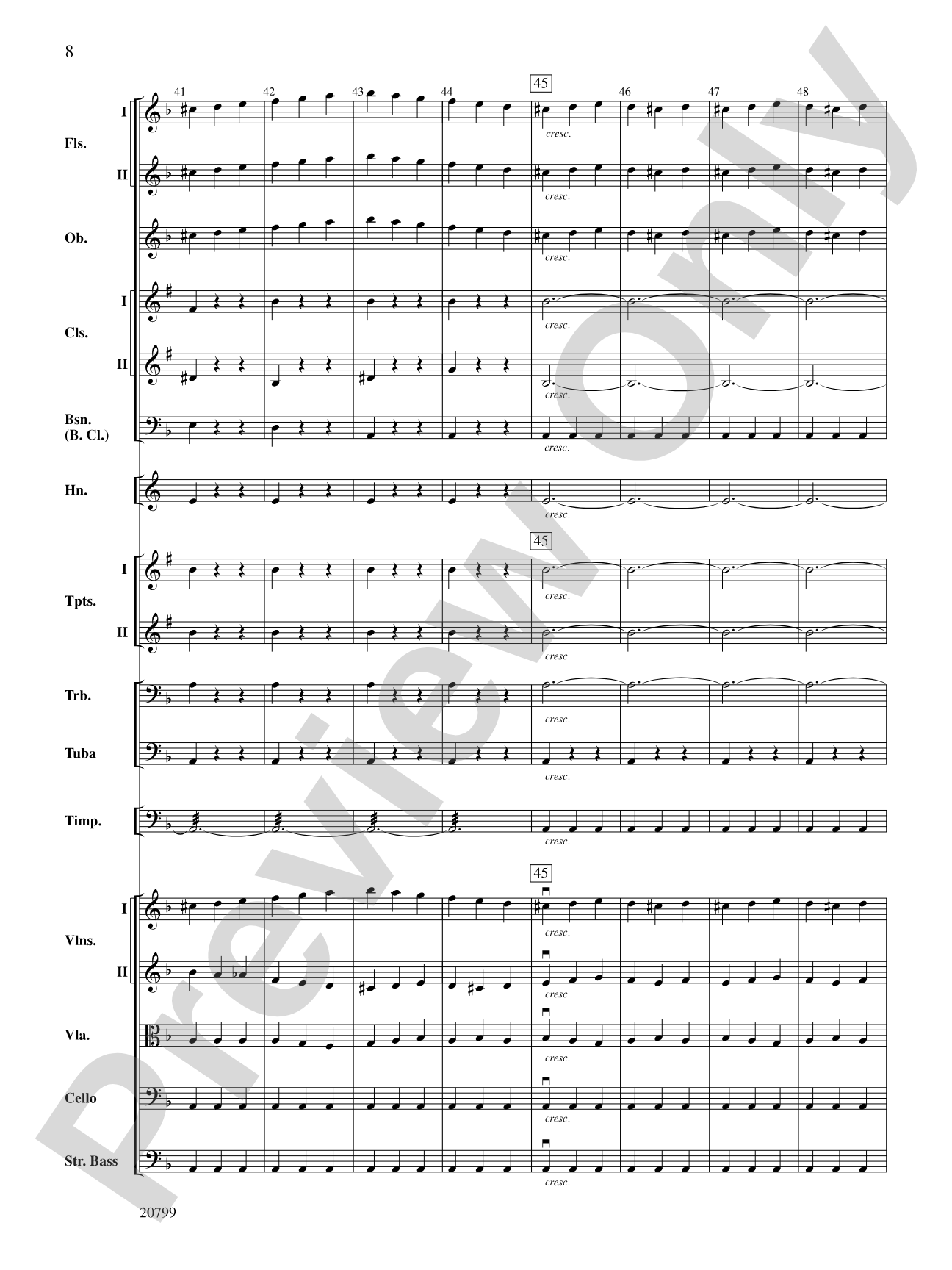
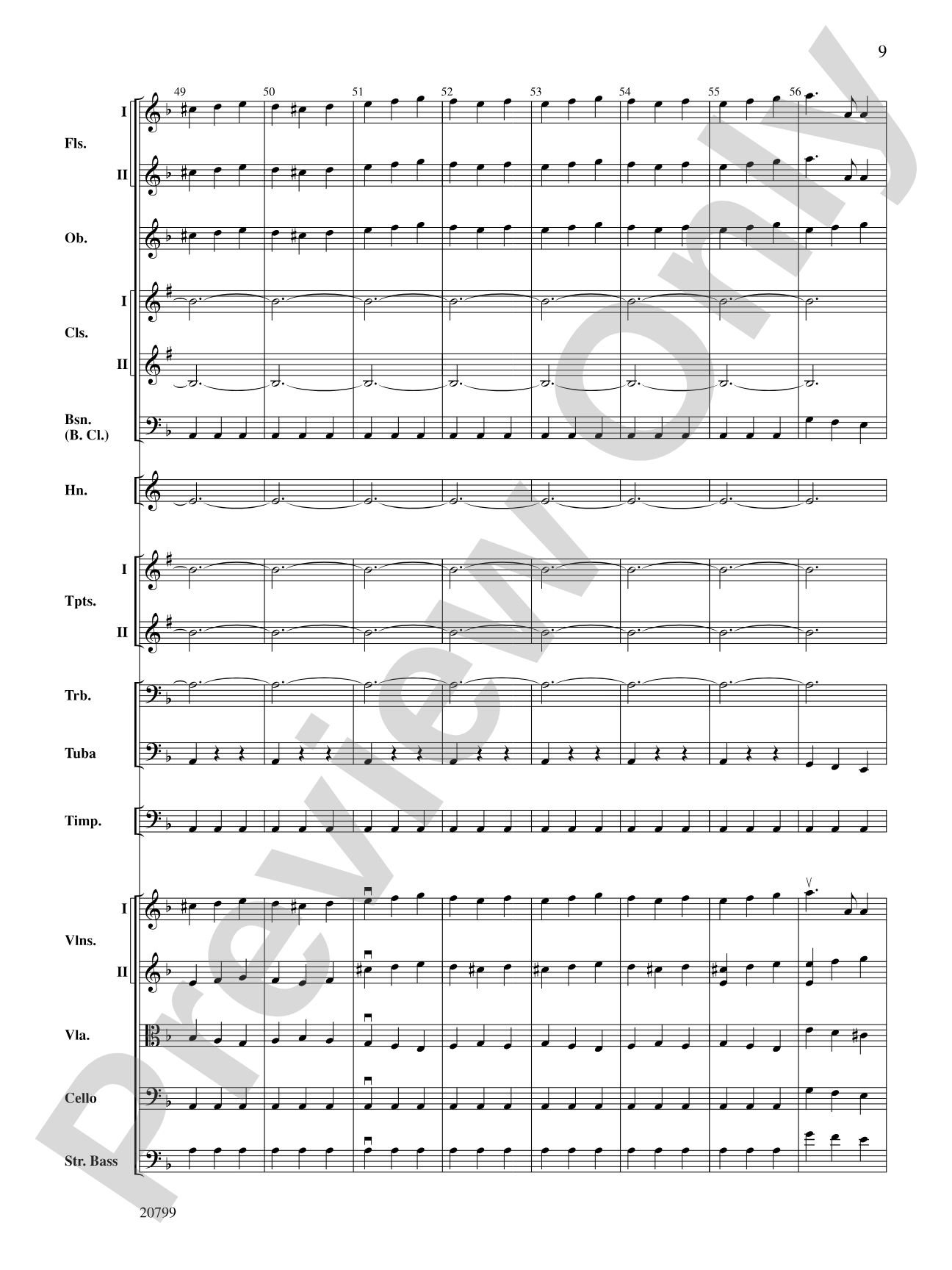
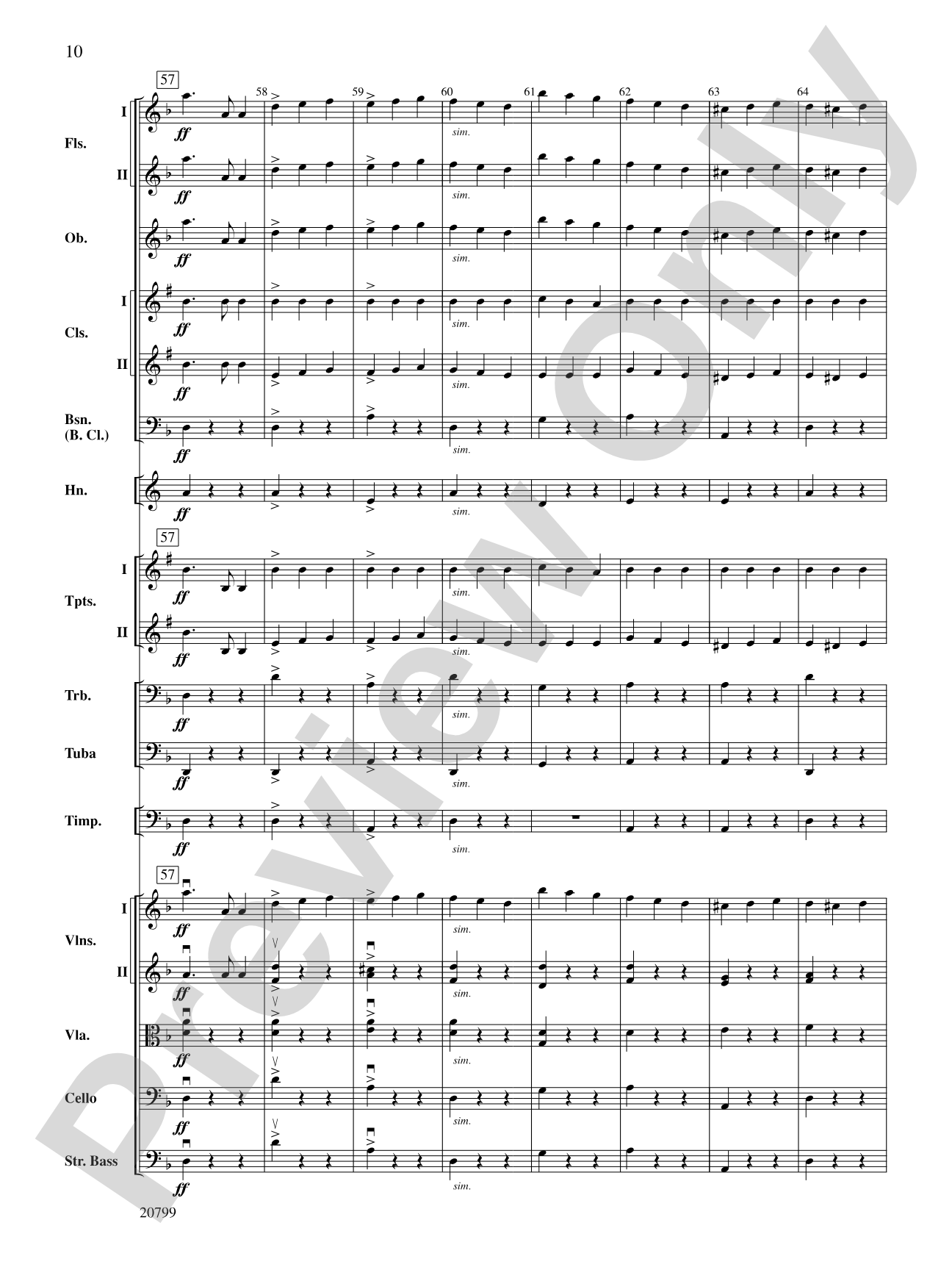
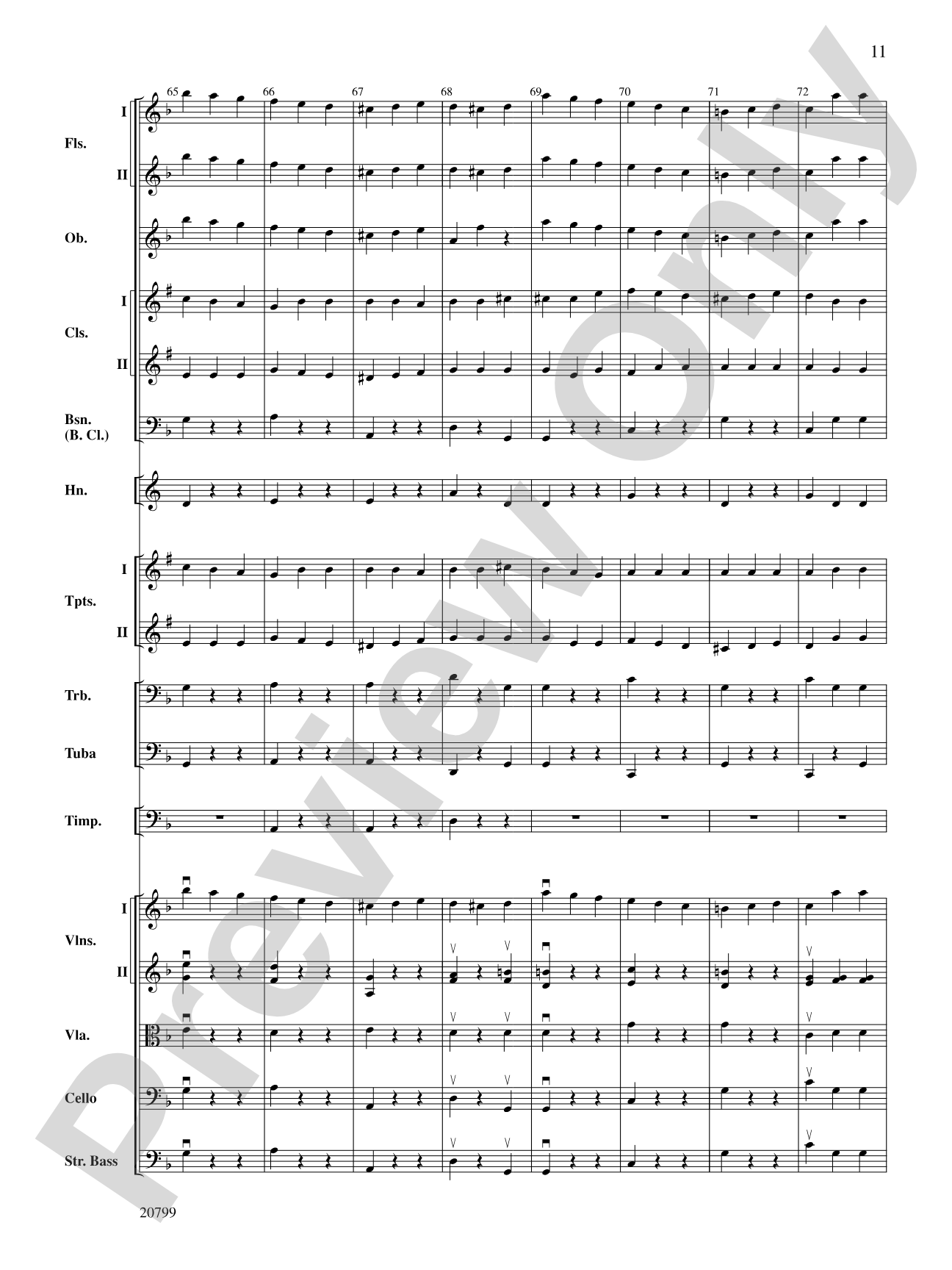
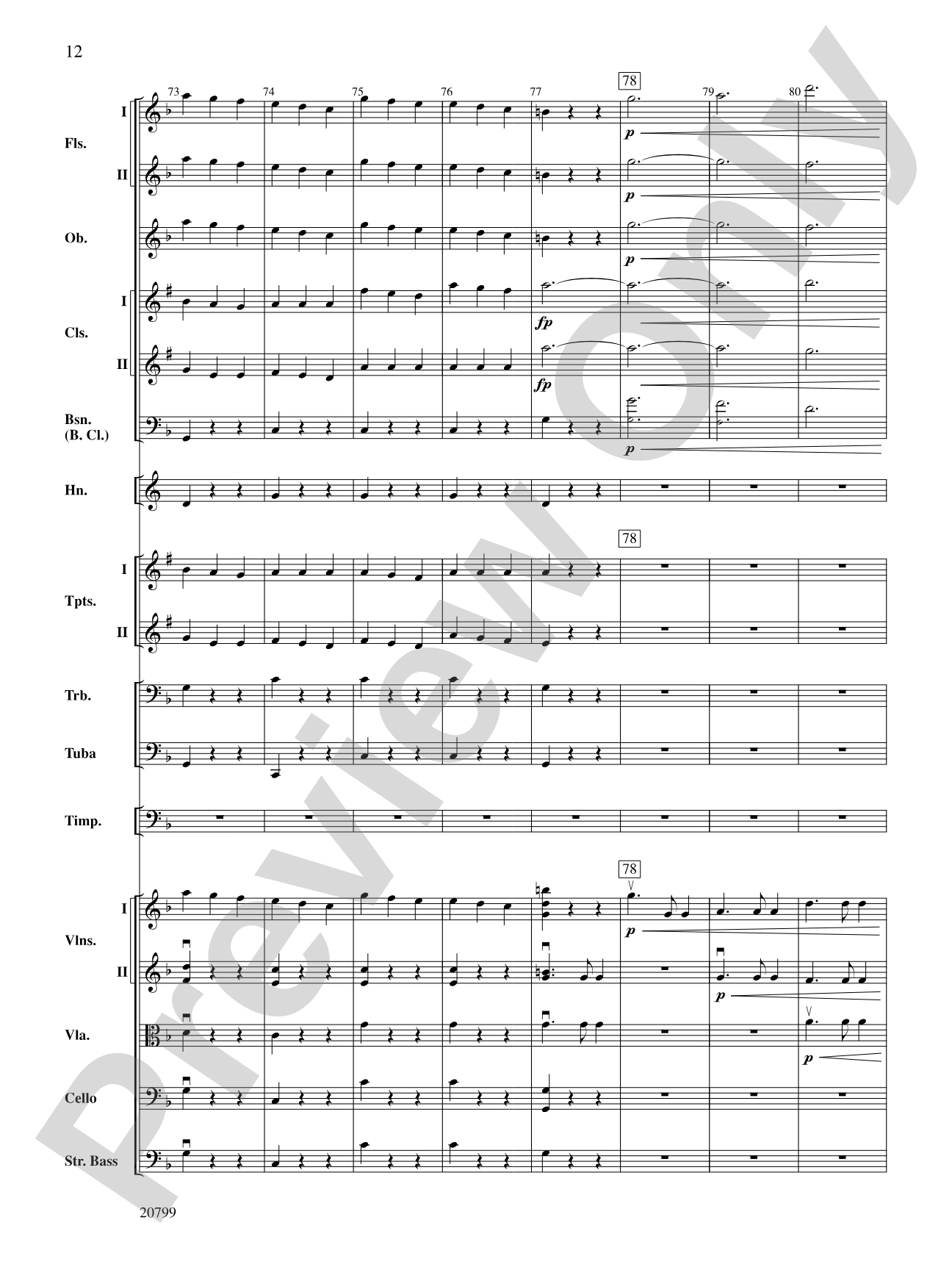
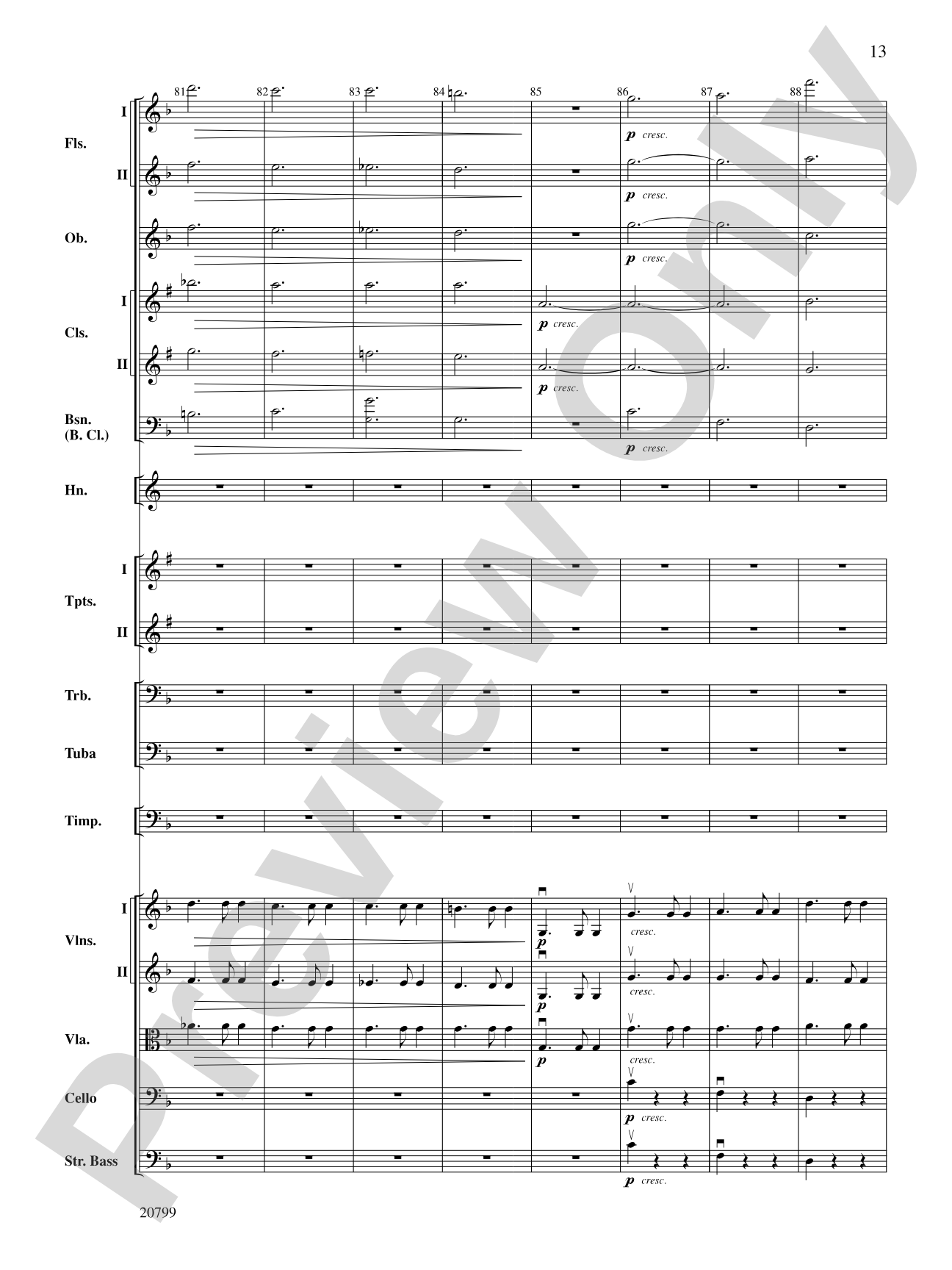
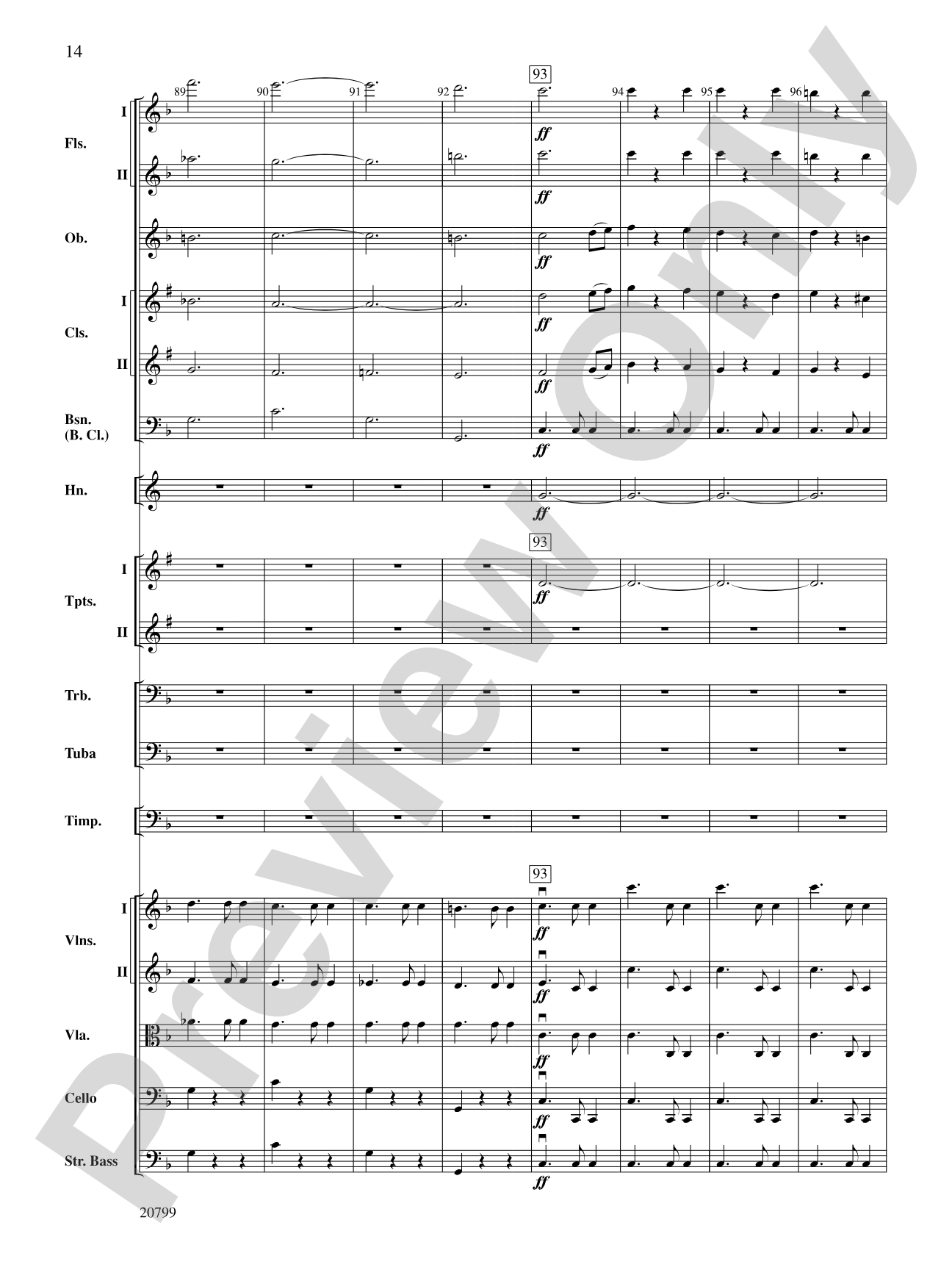
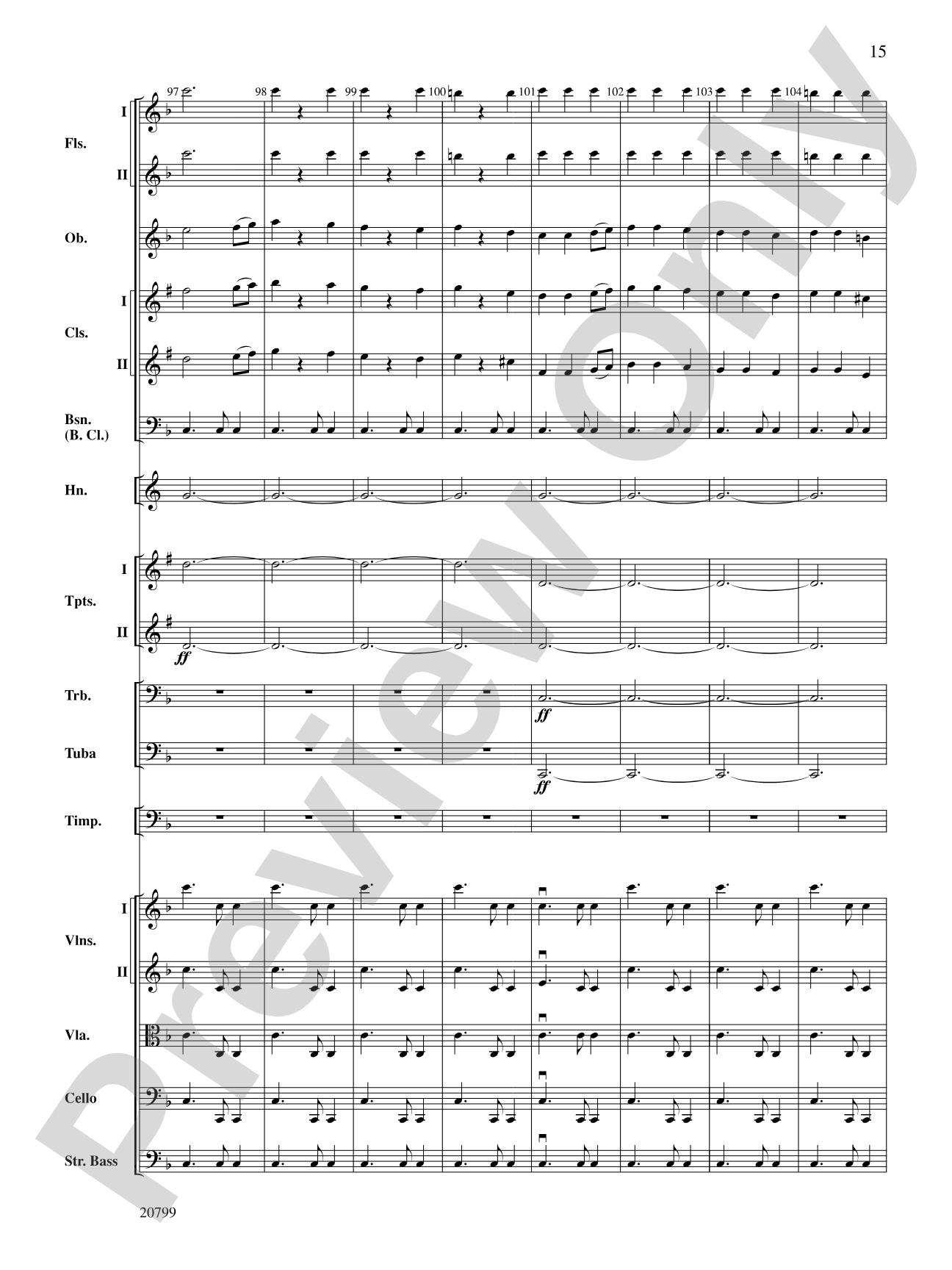
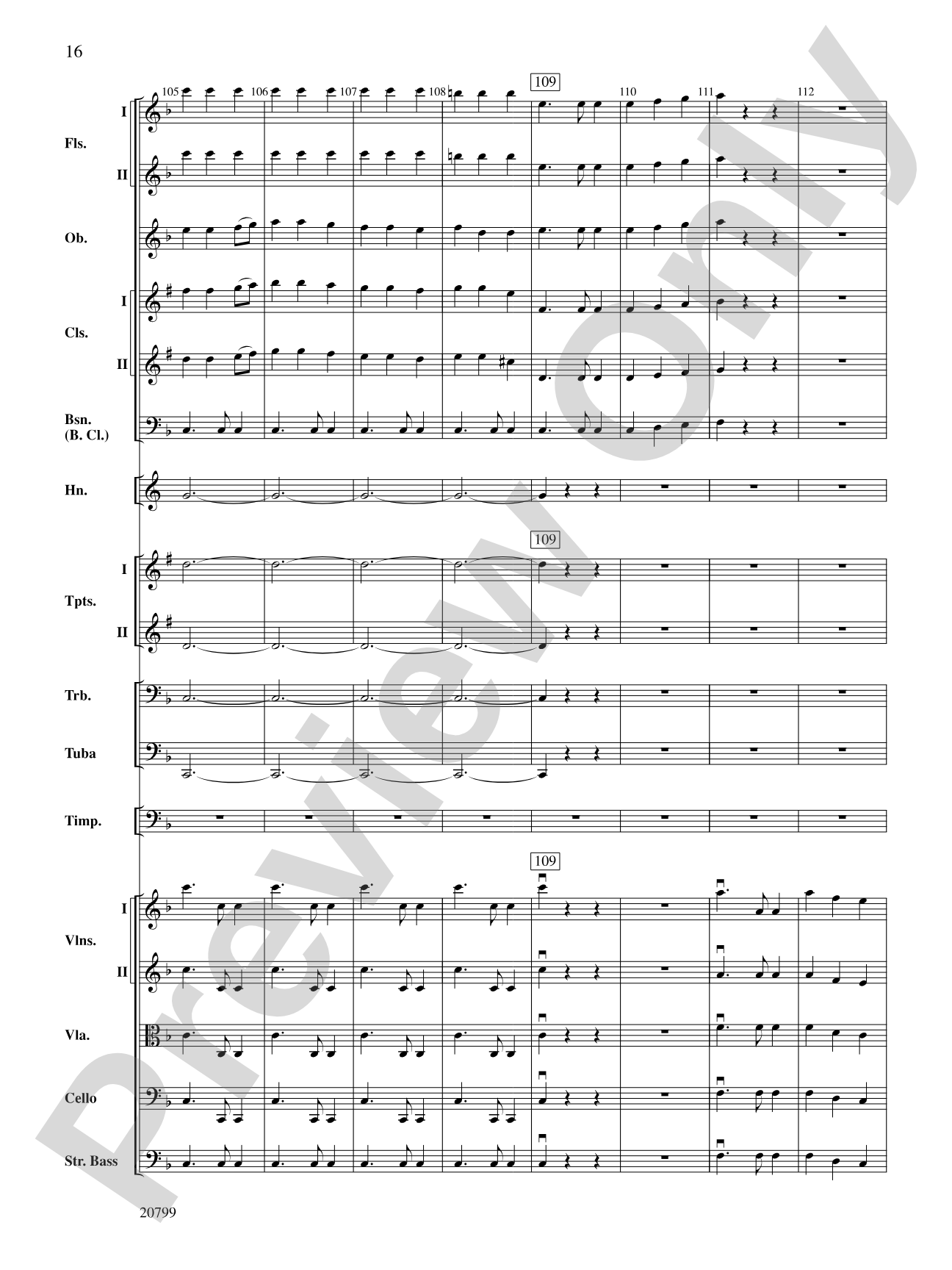
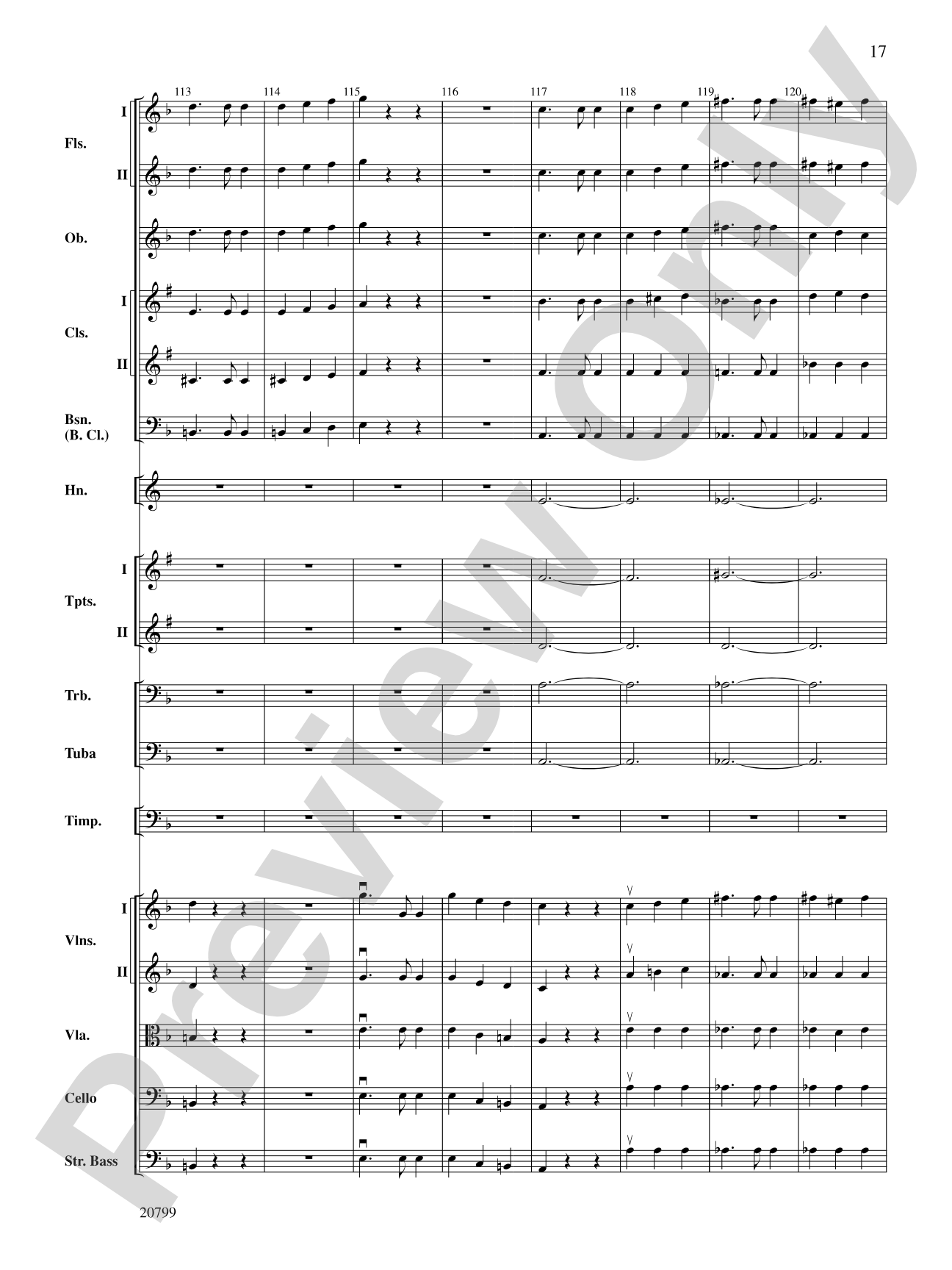
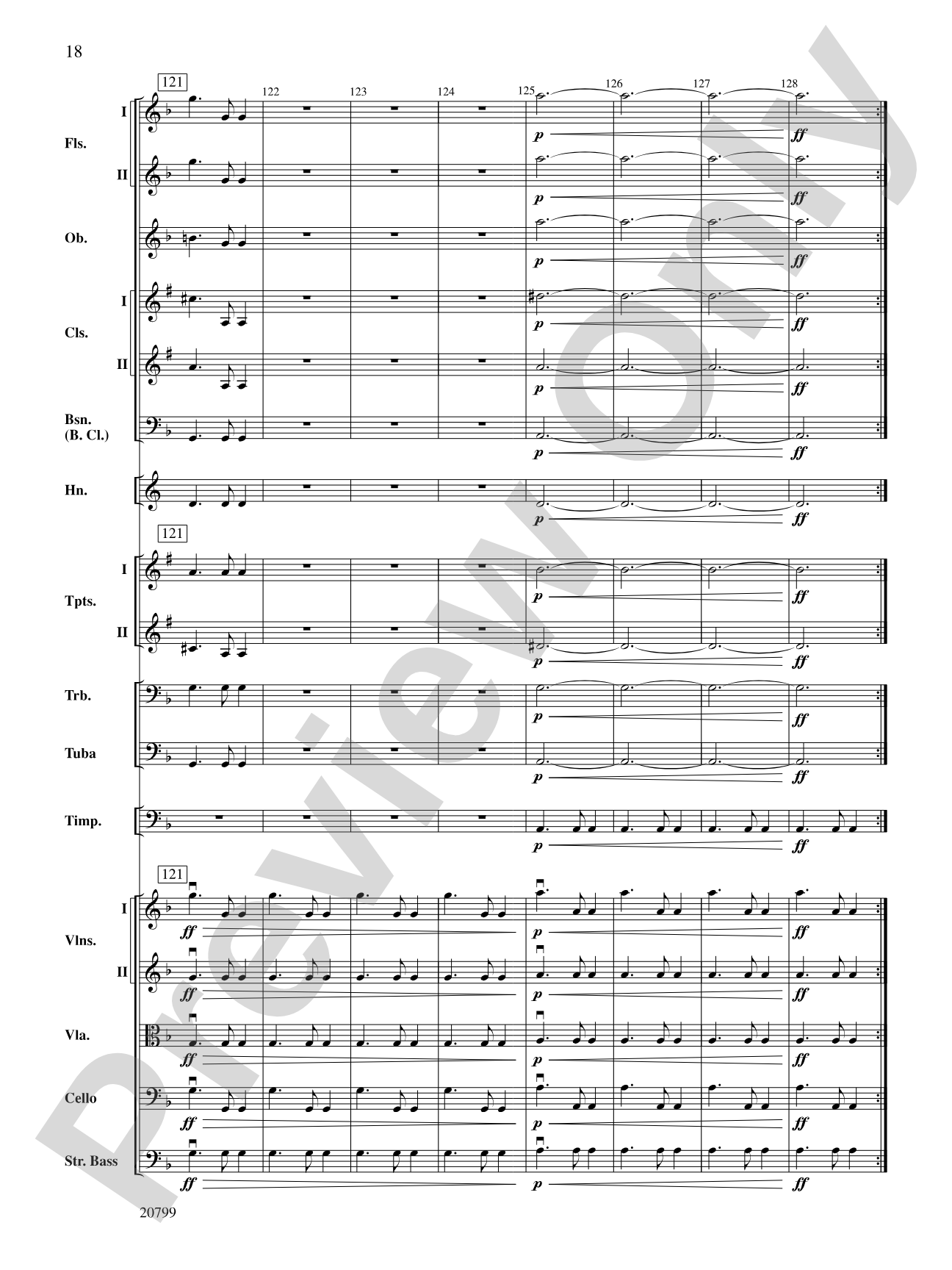
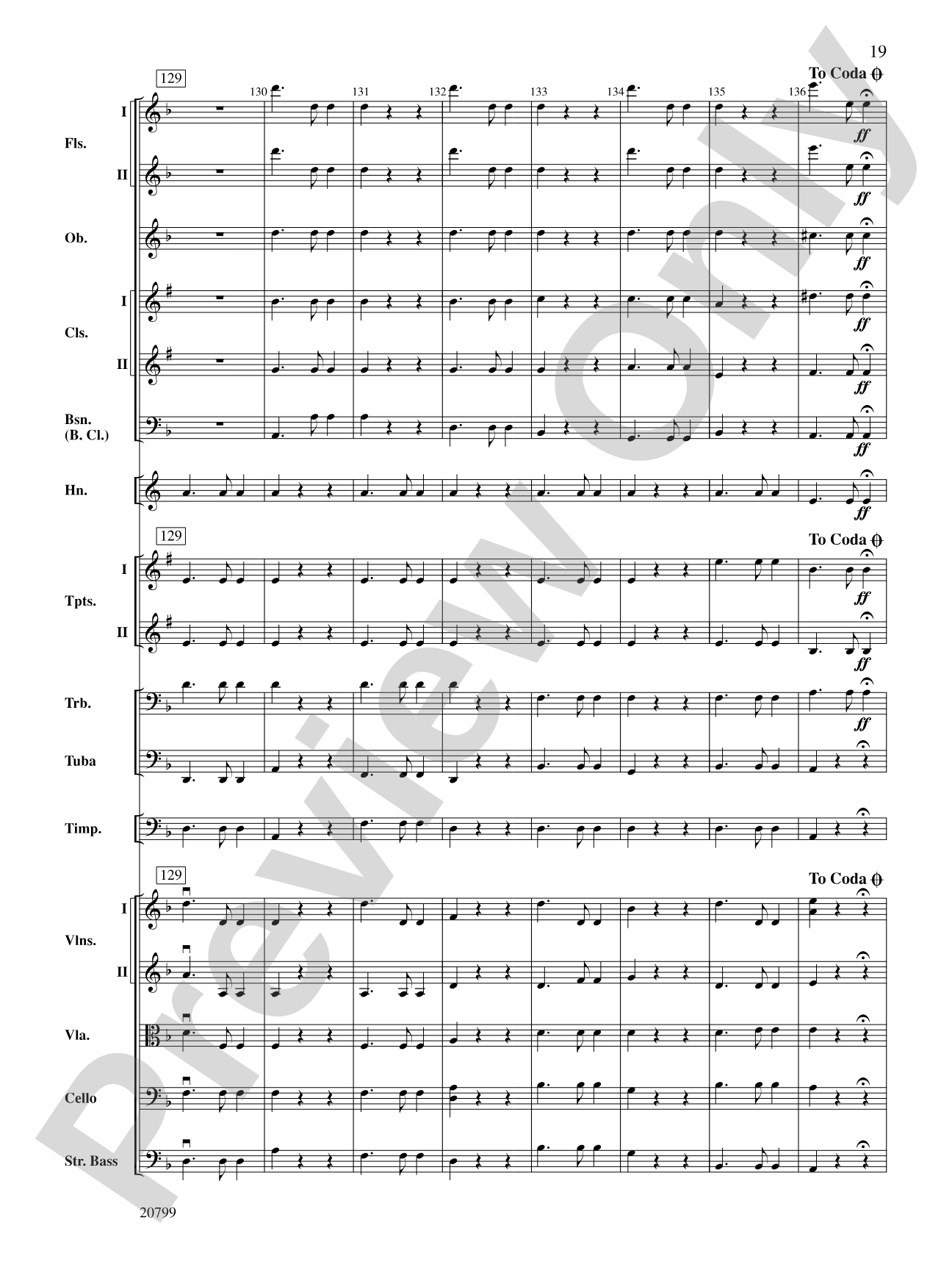
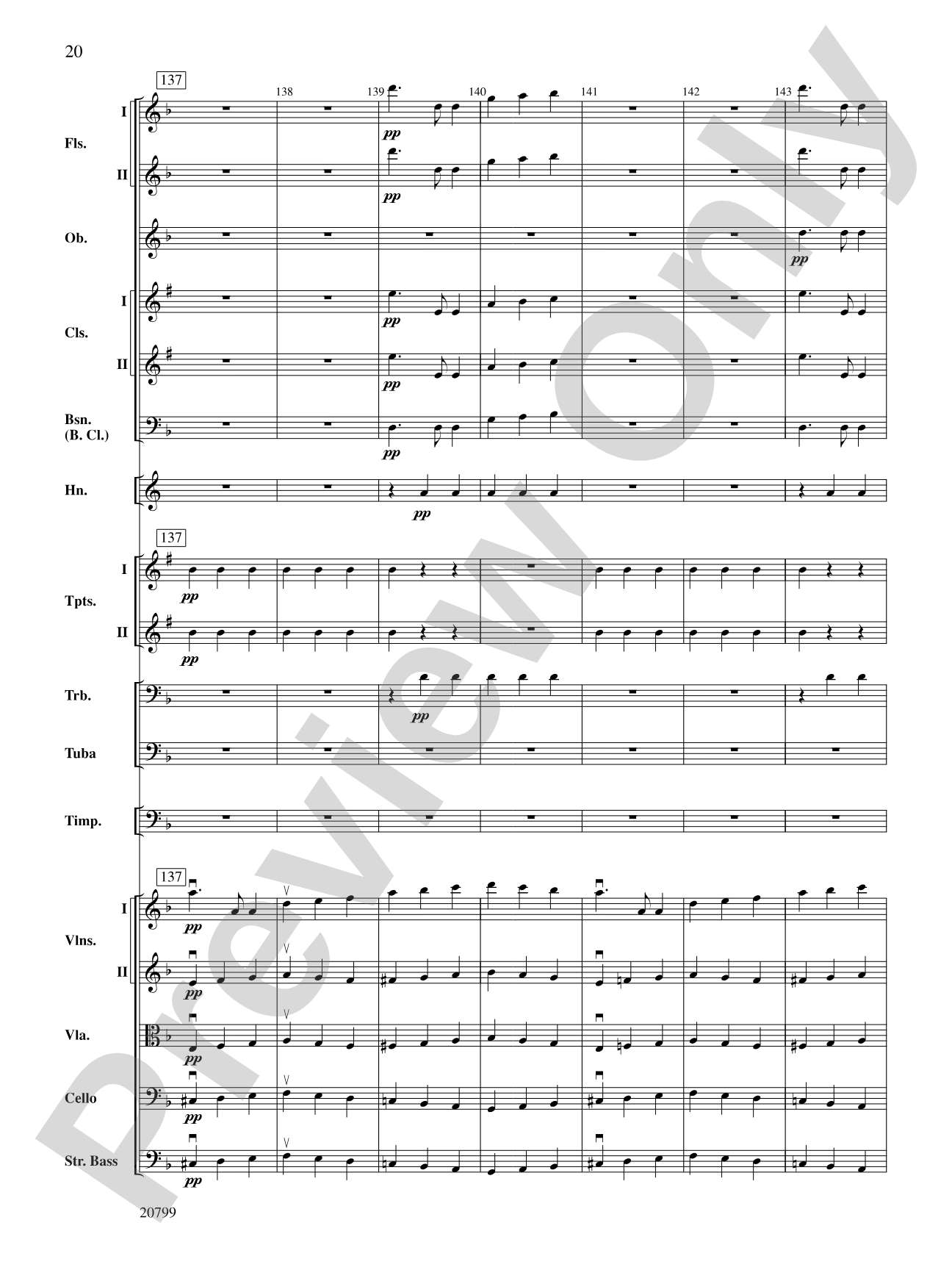
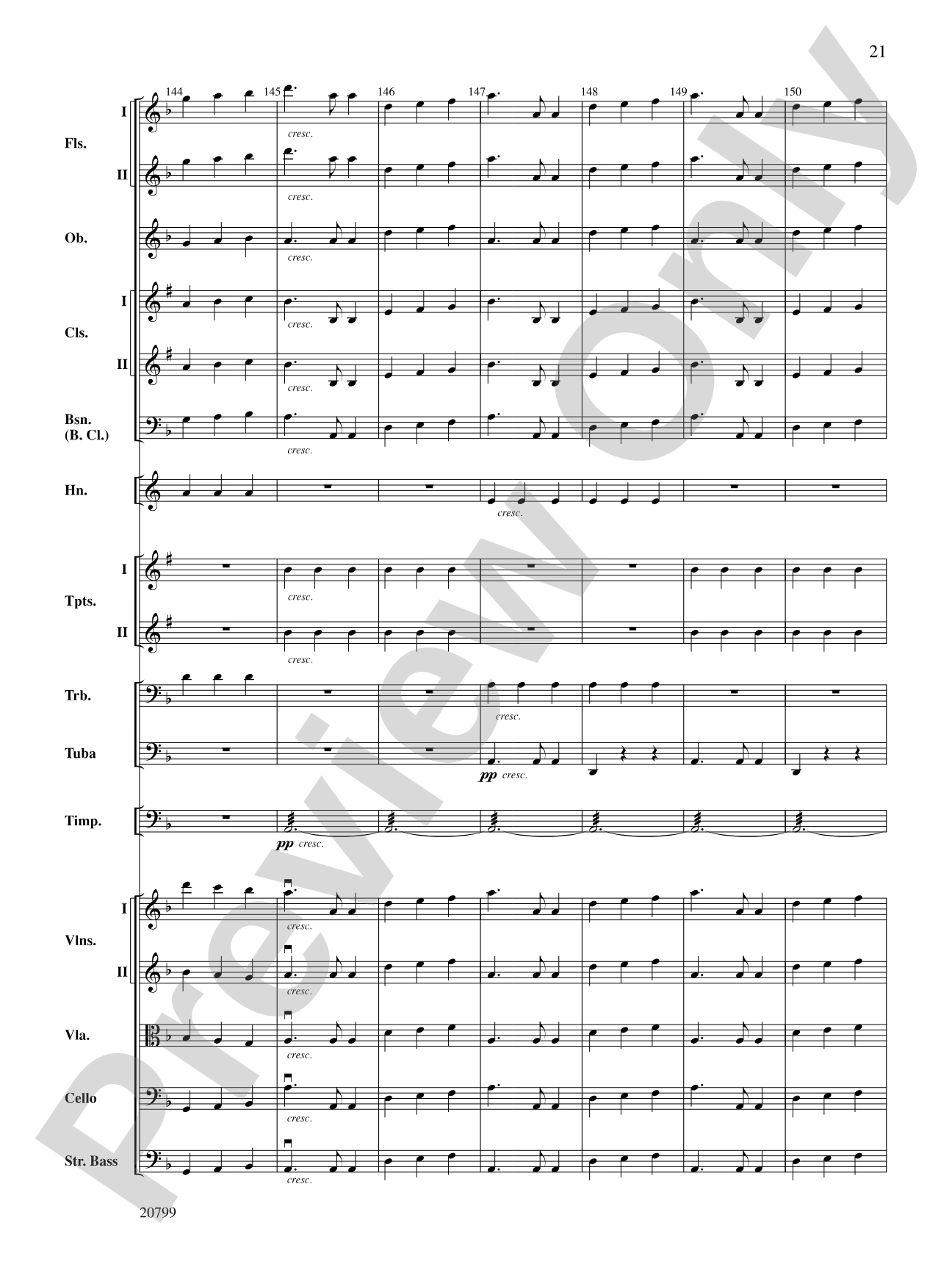
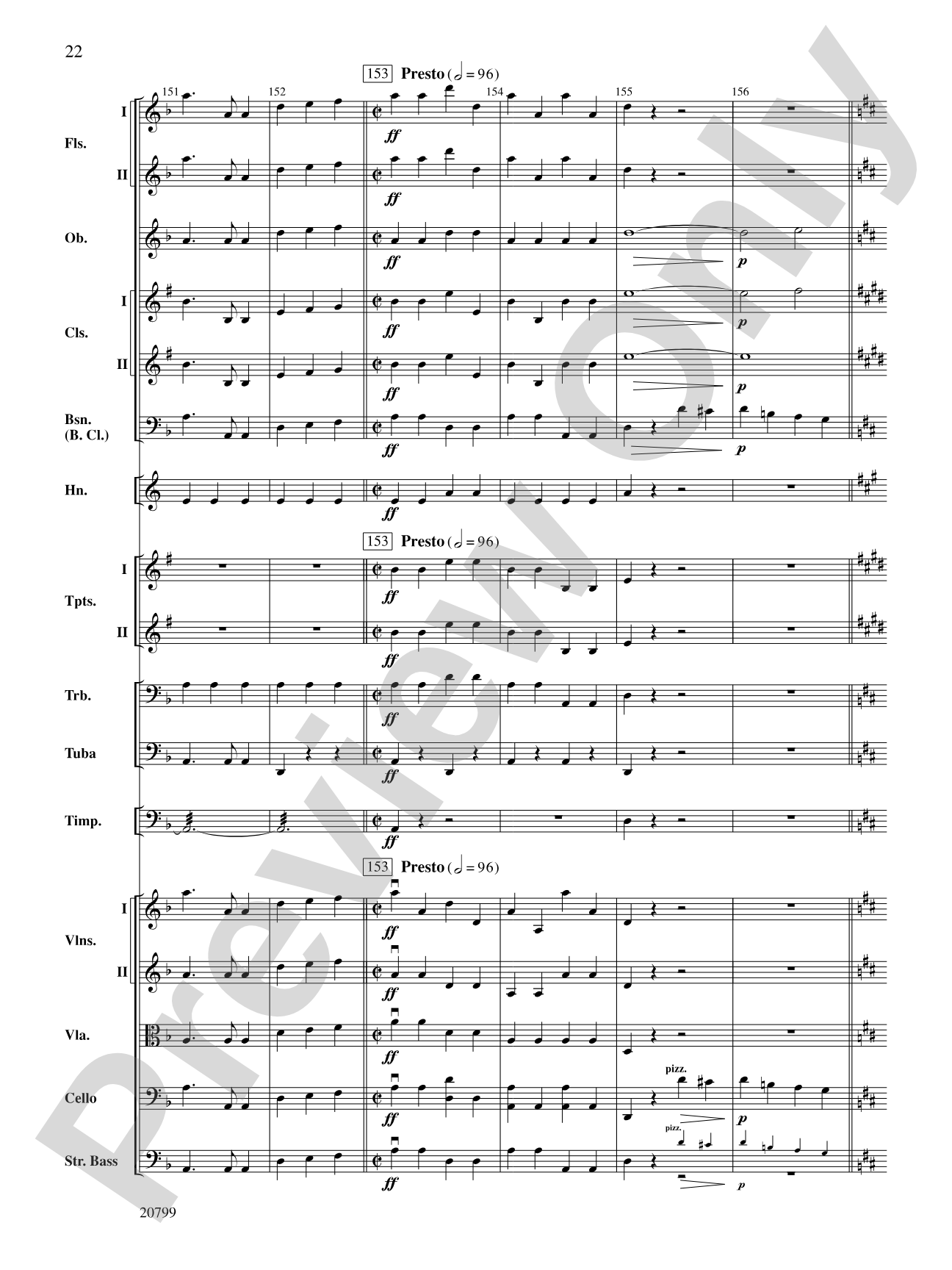
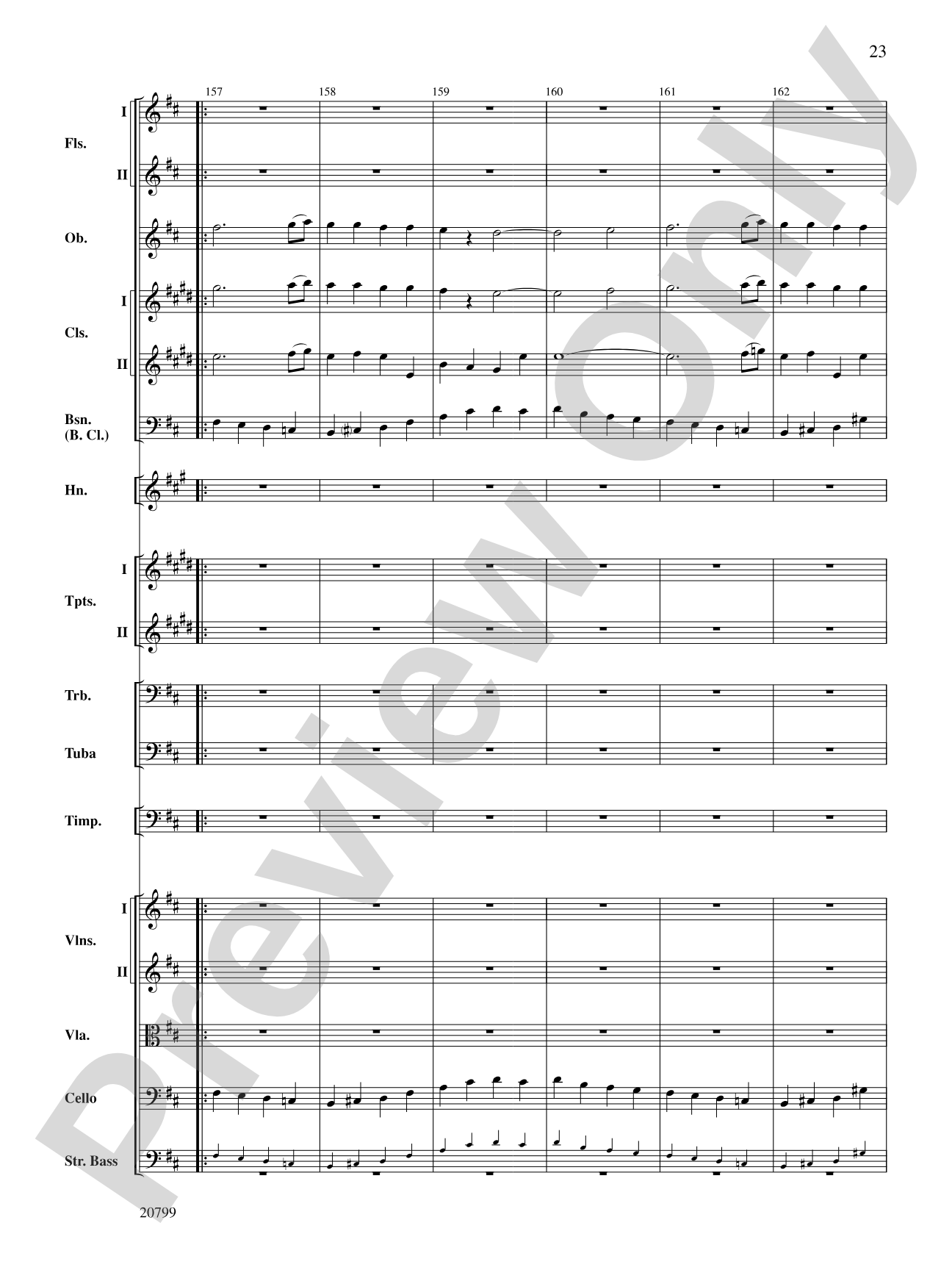
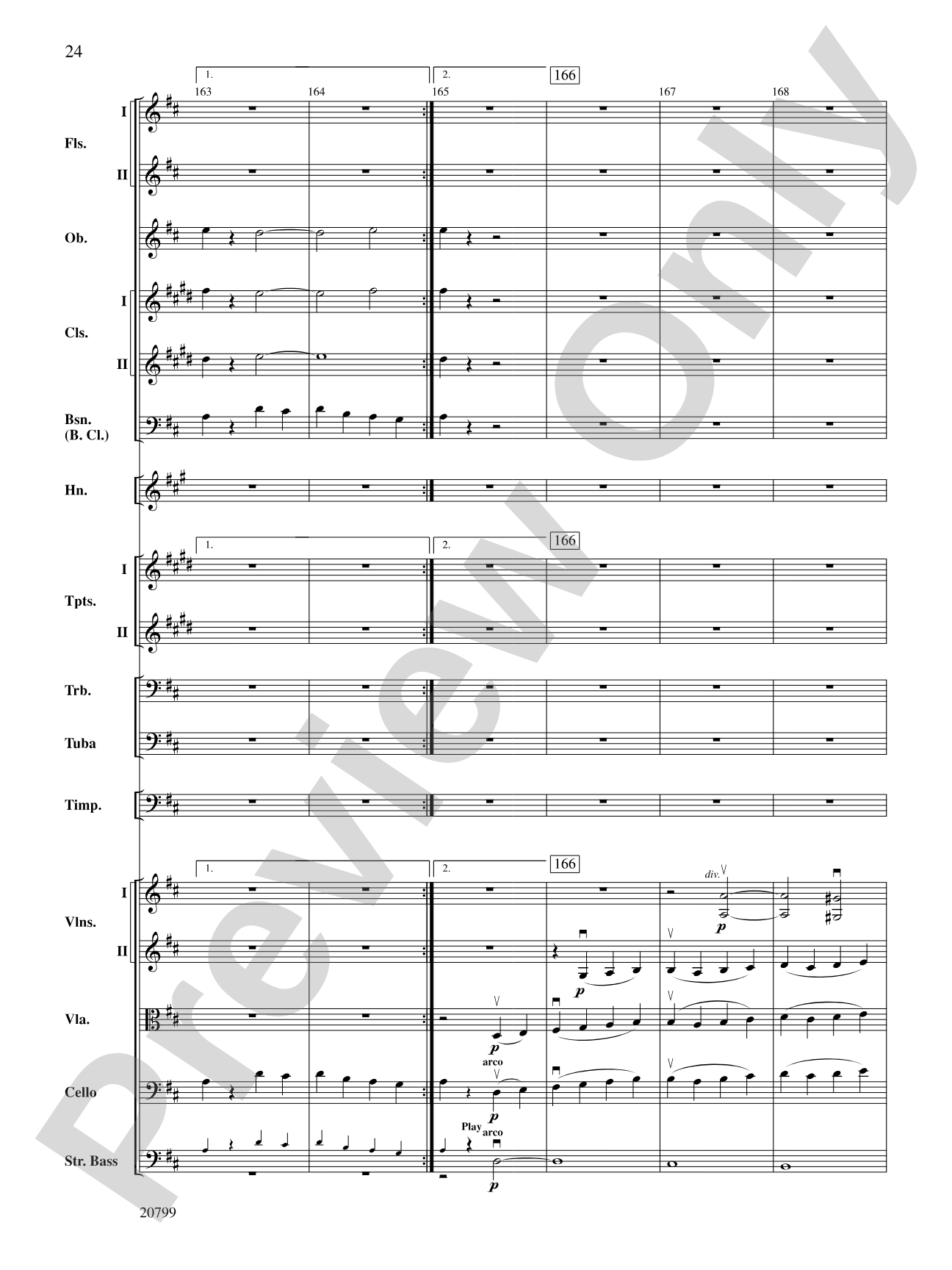
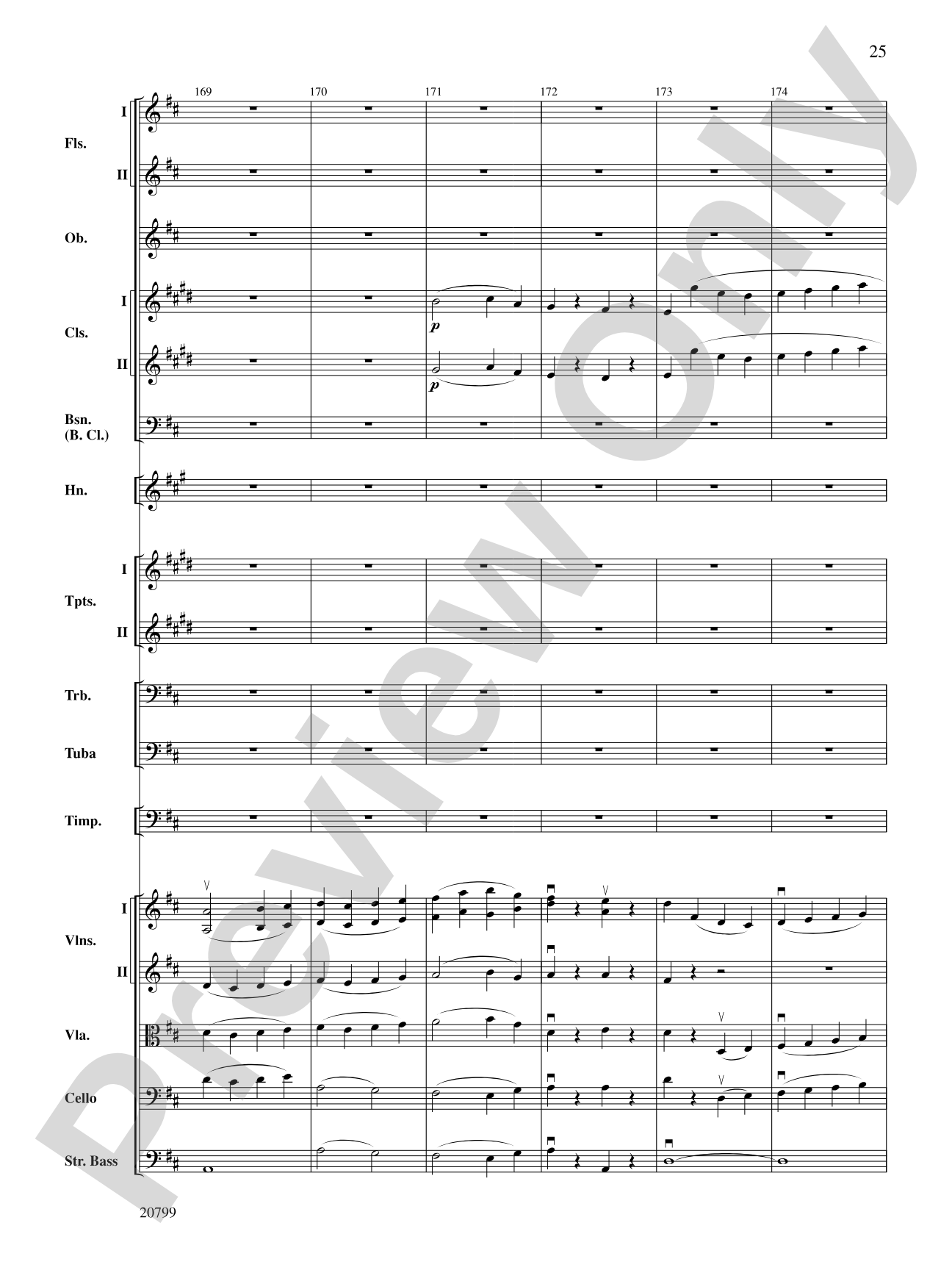
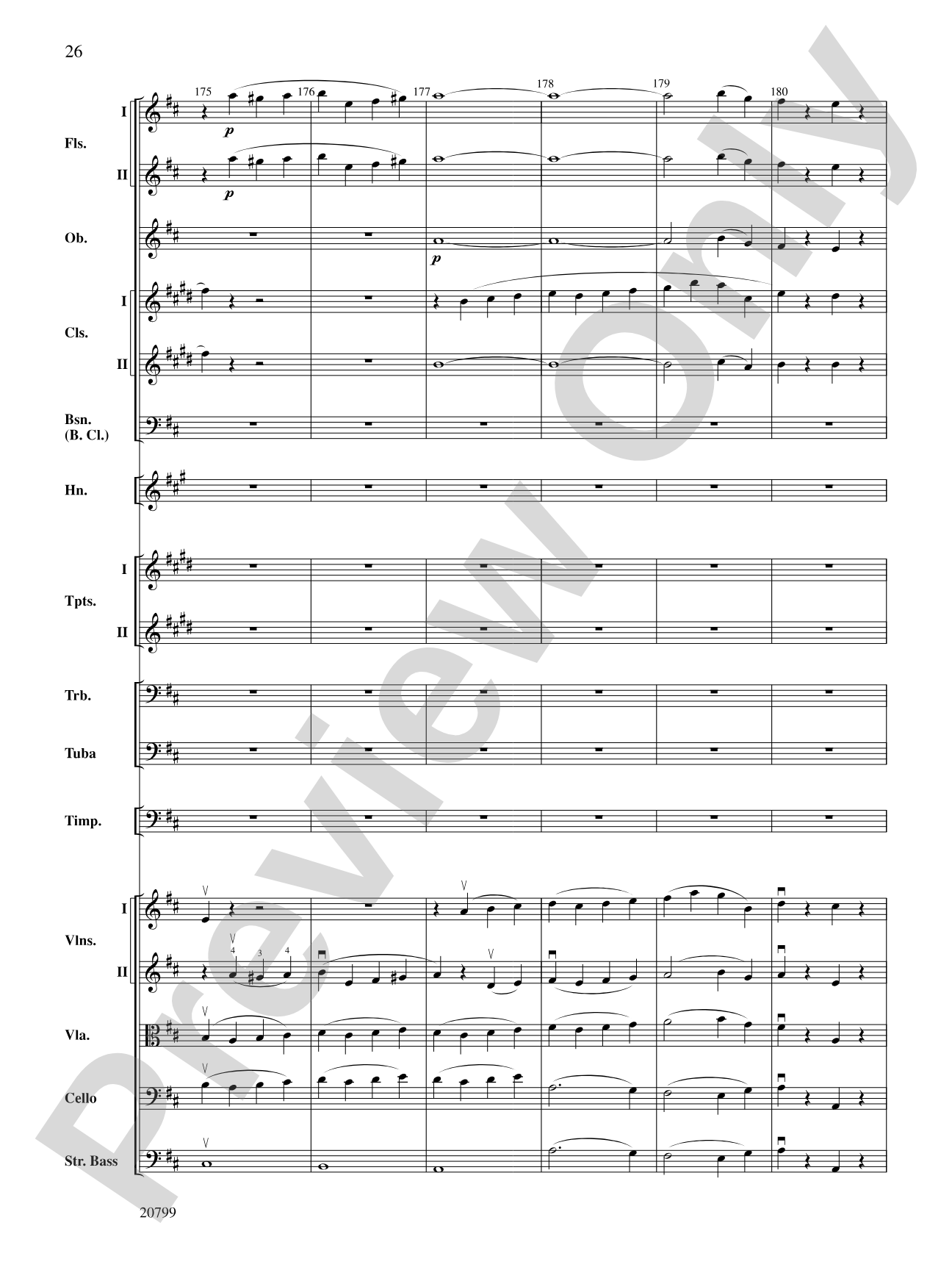
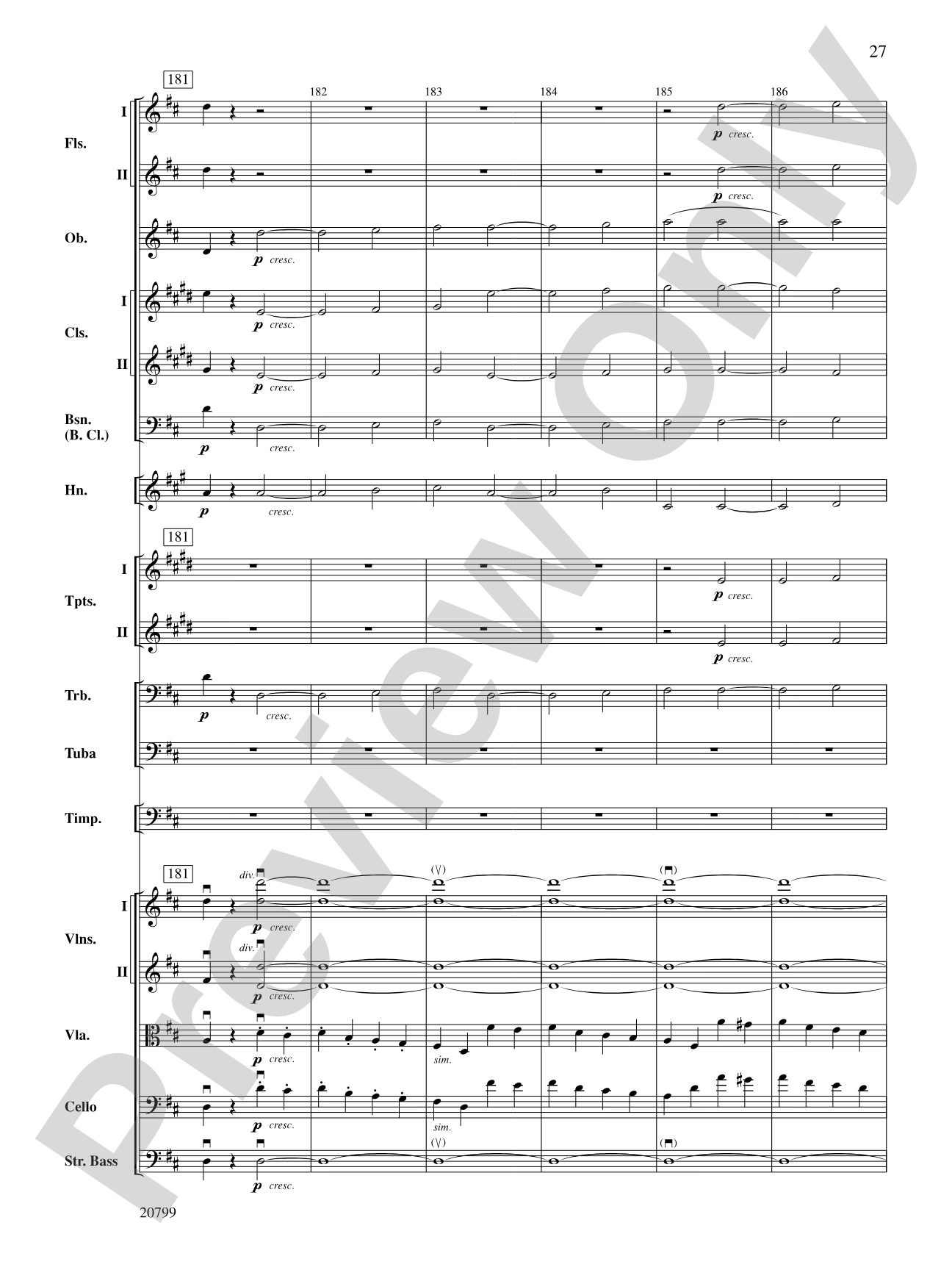
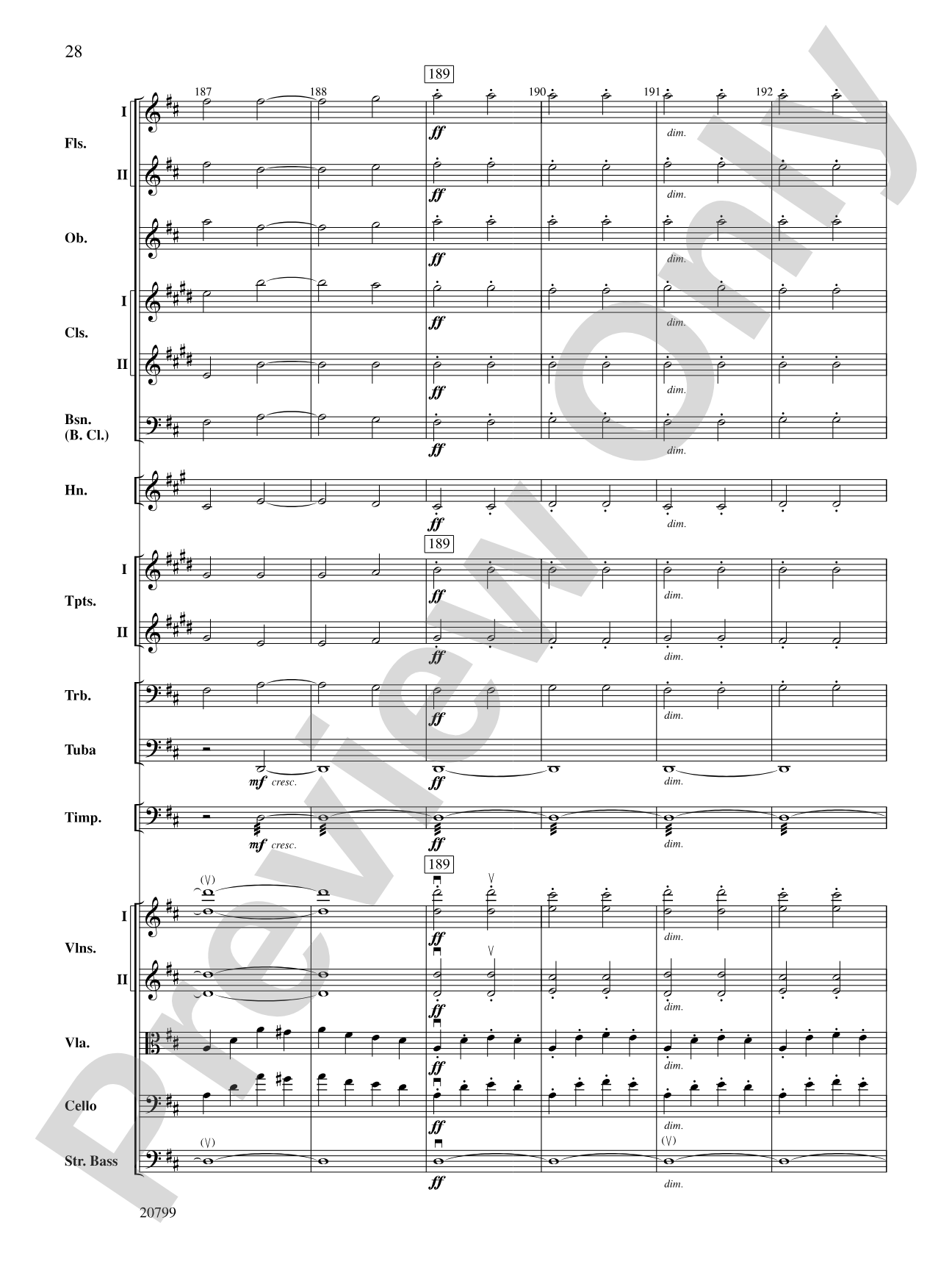
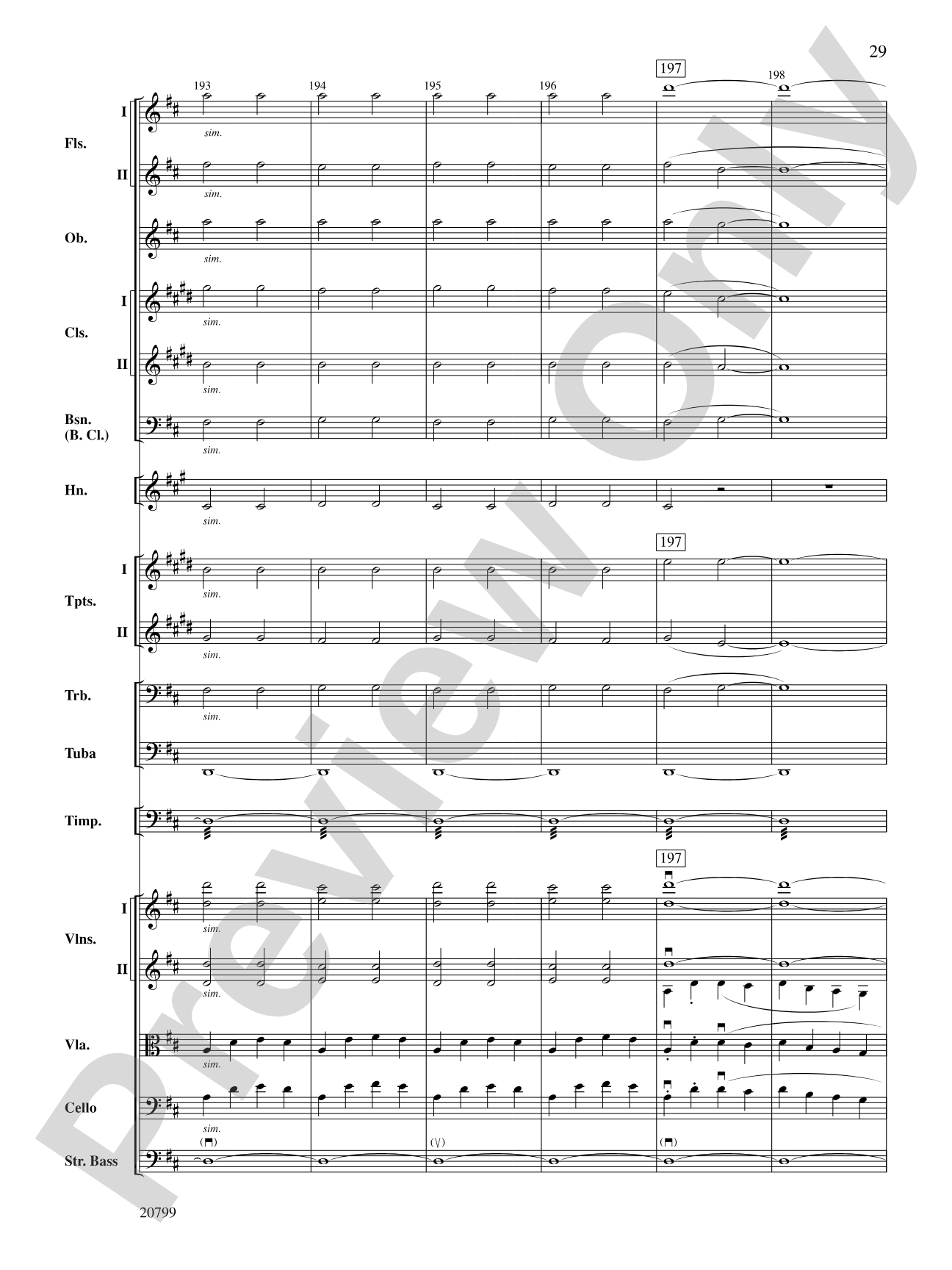
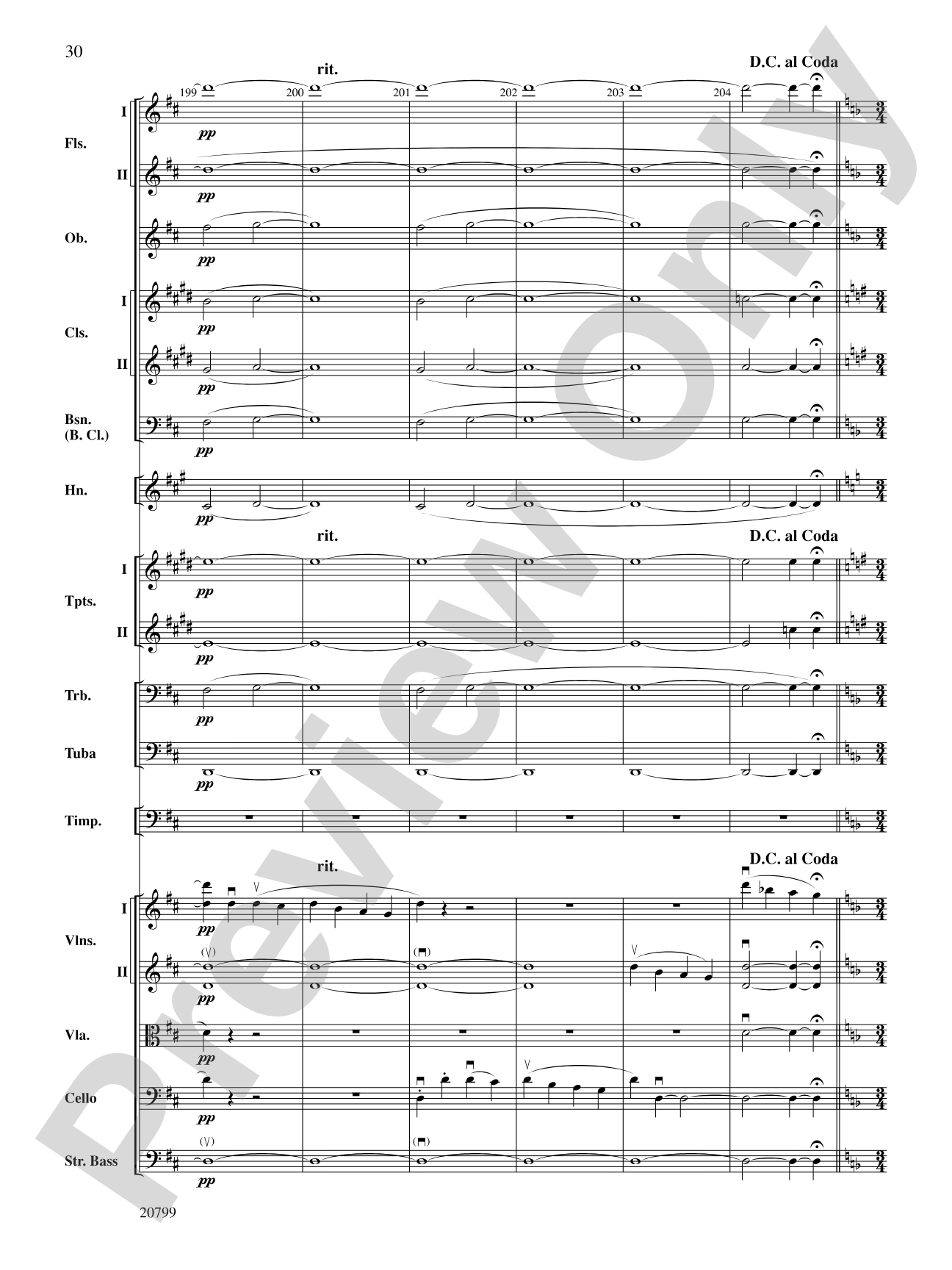
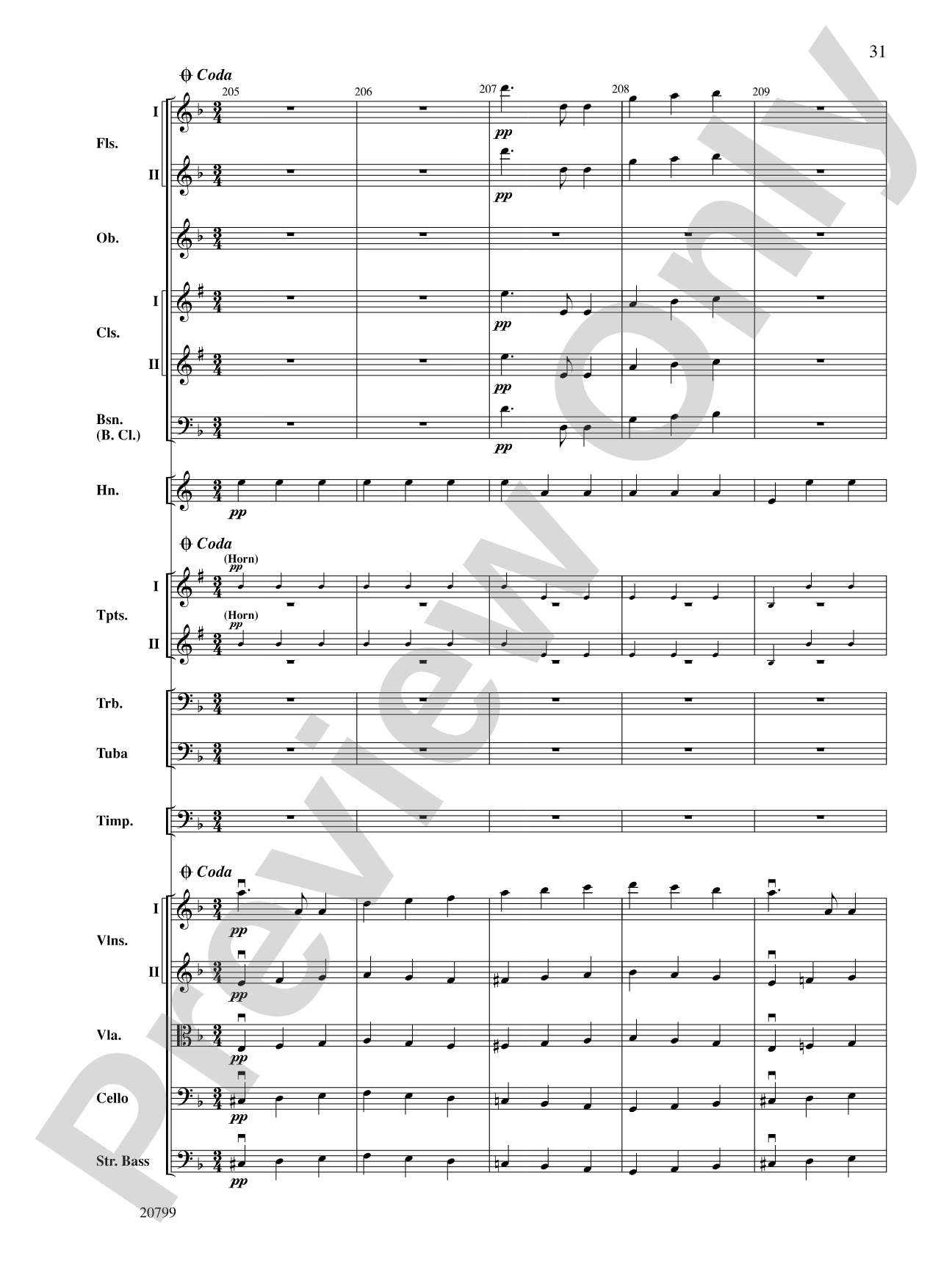
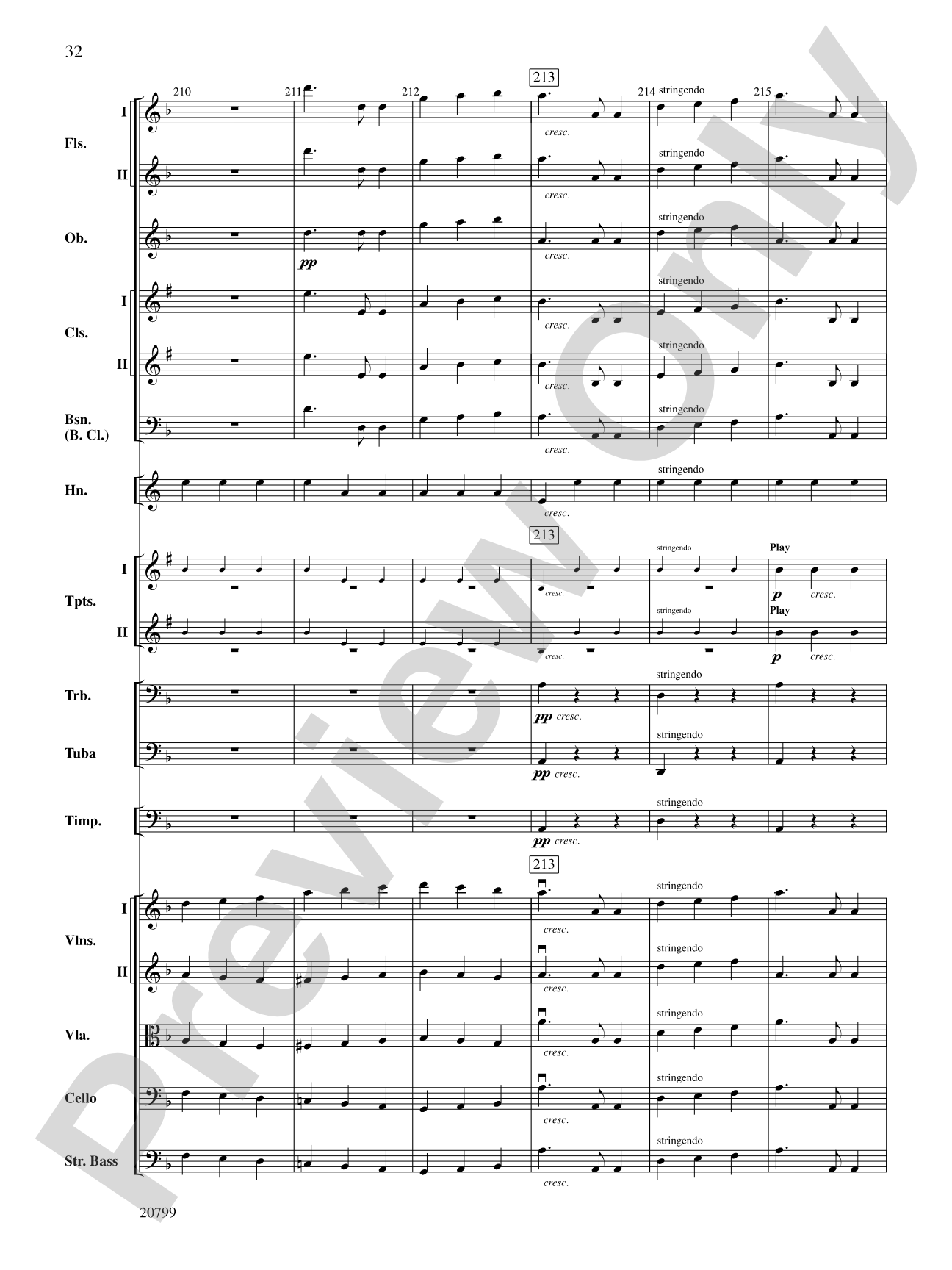
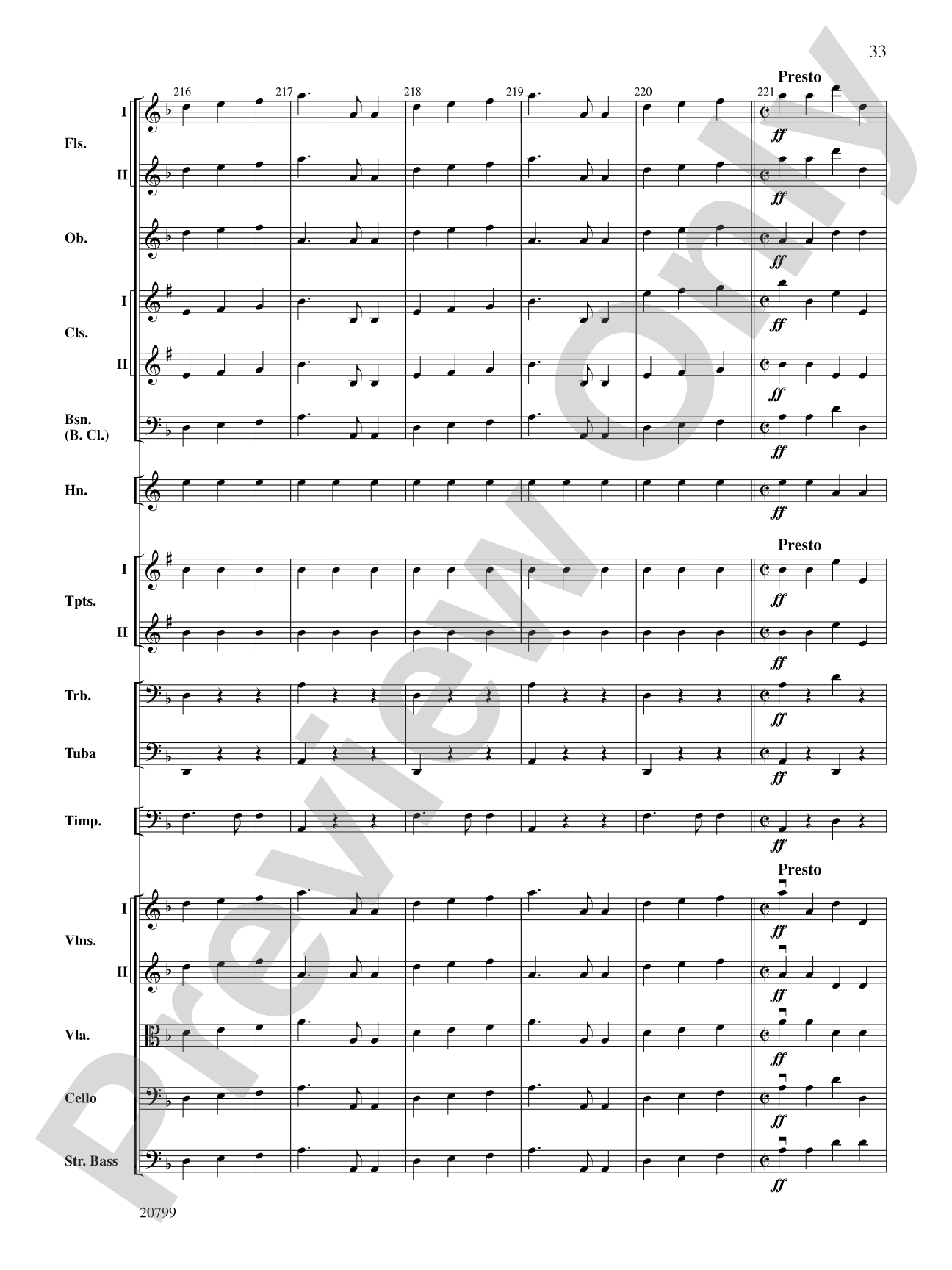
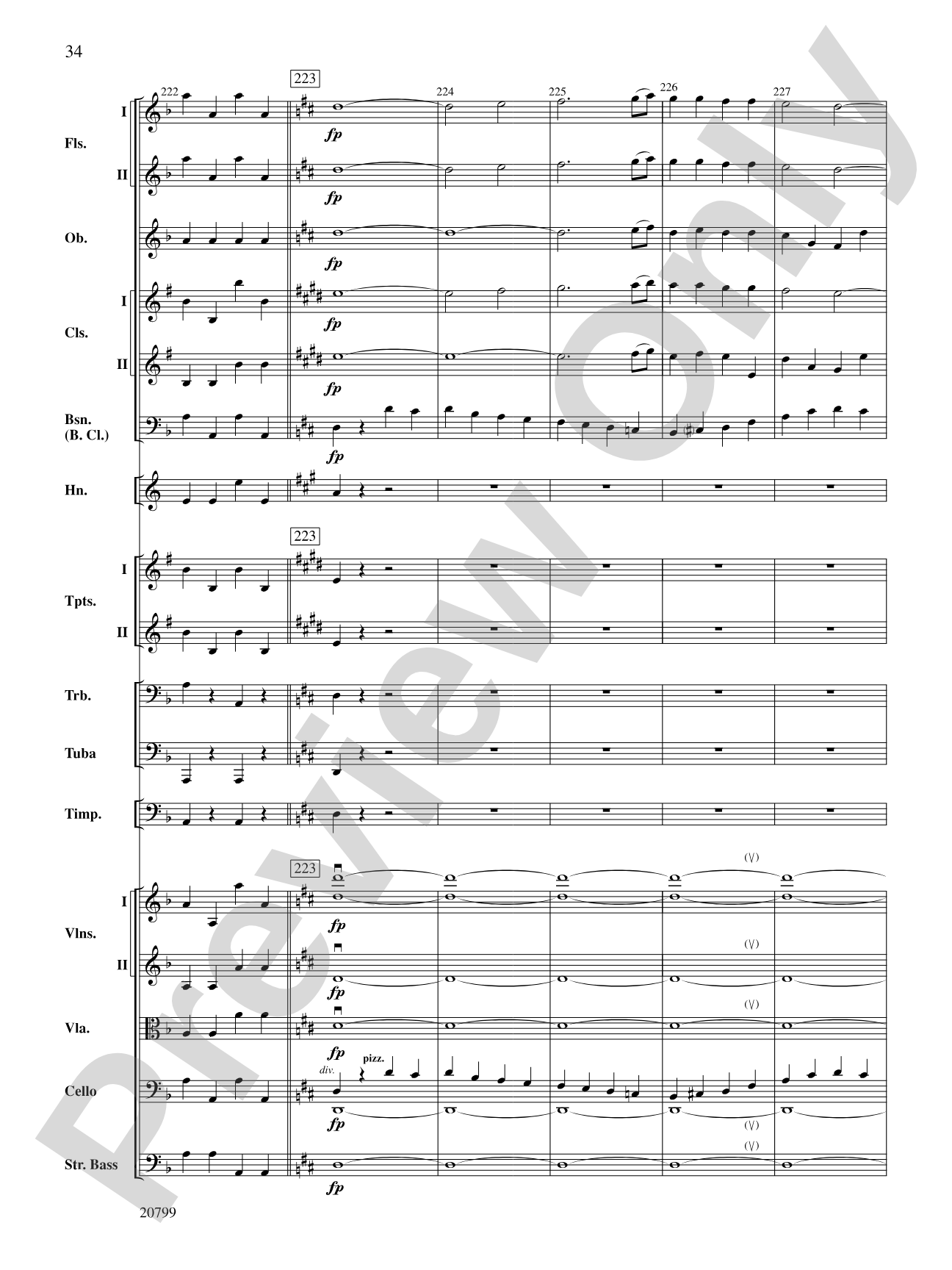
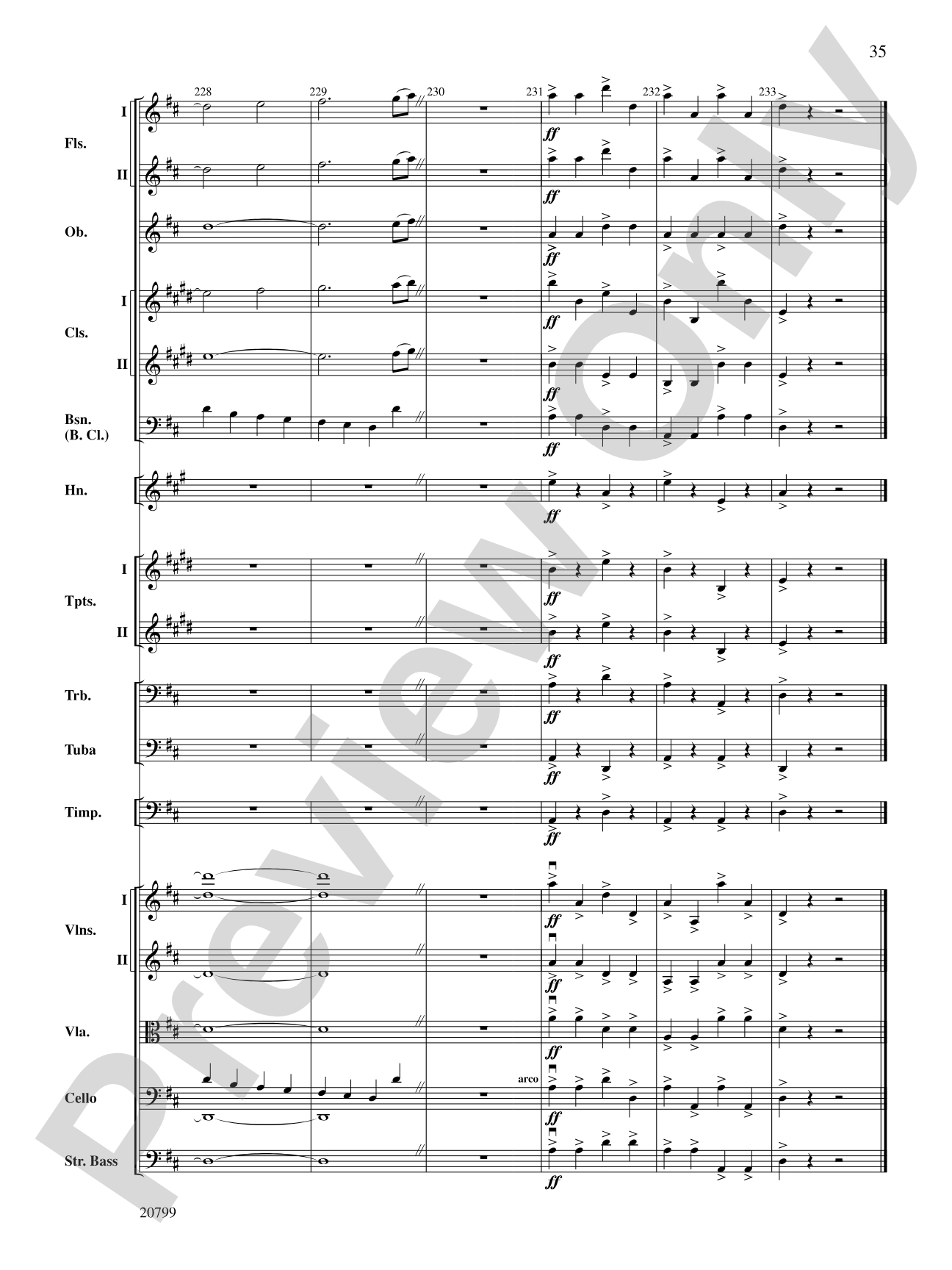


Symphony No. 9 (2nd Movement): Score
(Second Movement--Scherzo)
By Ludwig van Beethoven / arr. Rick England
Grade: 3
Item: 00-PR-0000459
$9.00
Pickup currently not available
Description
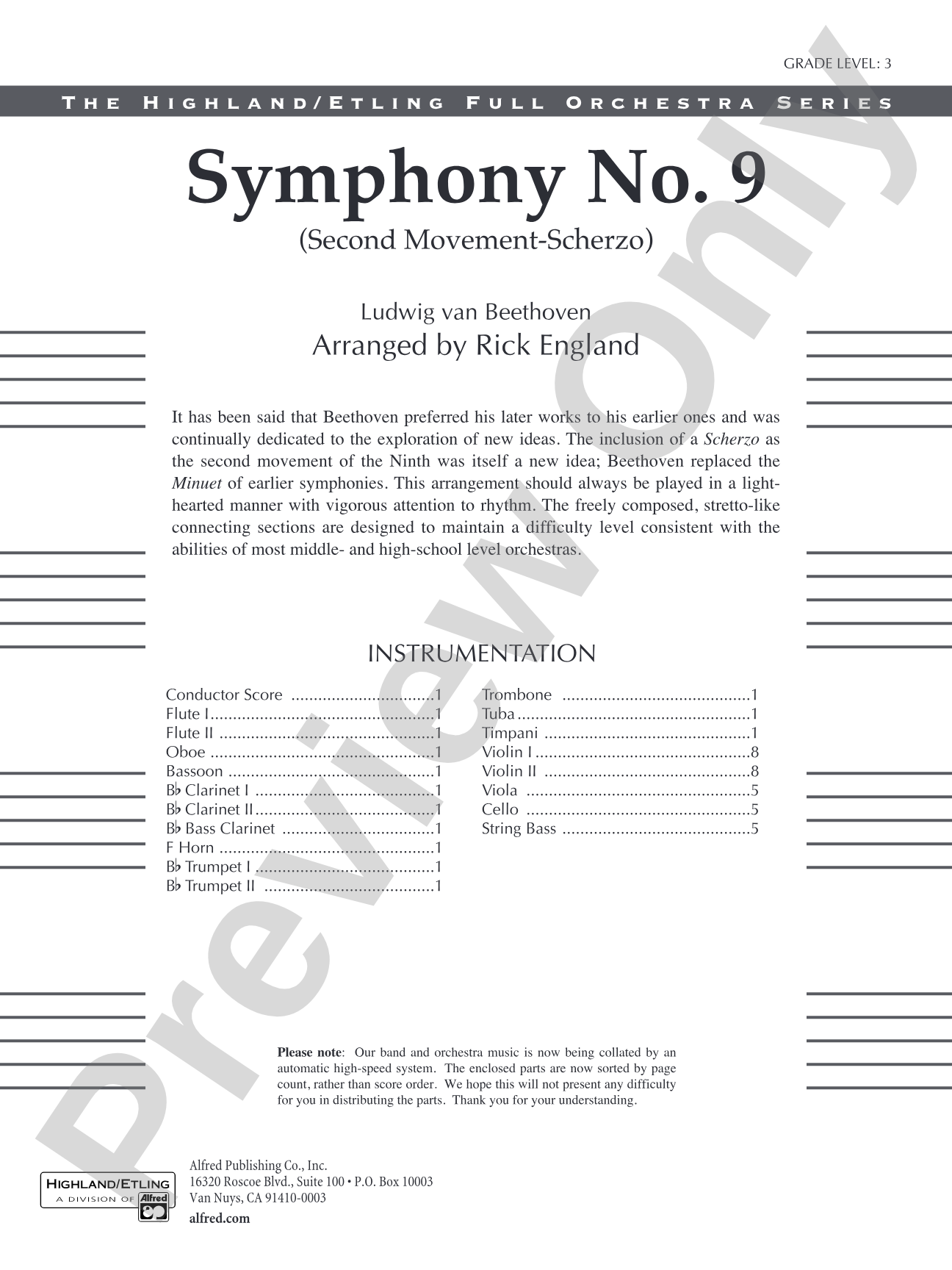
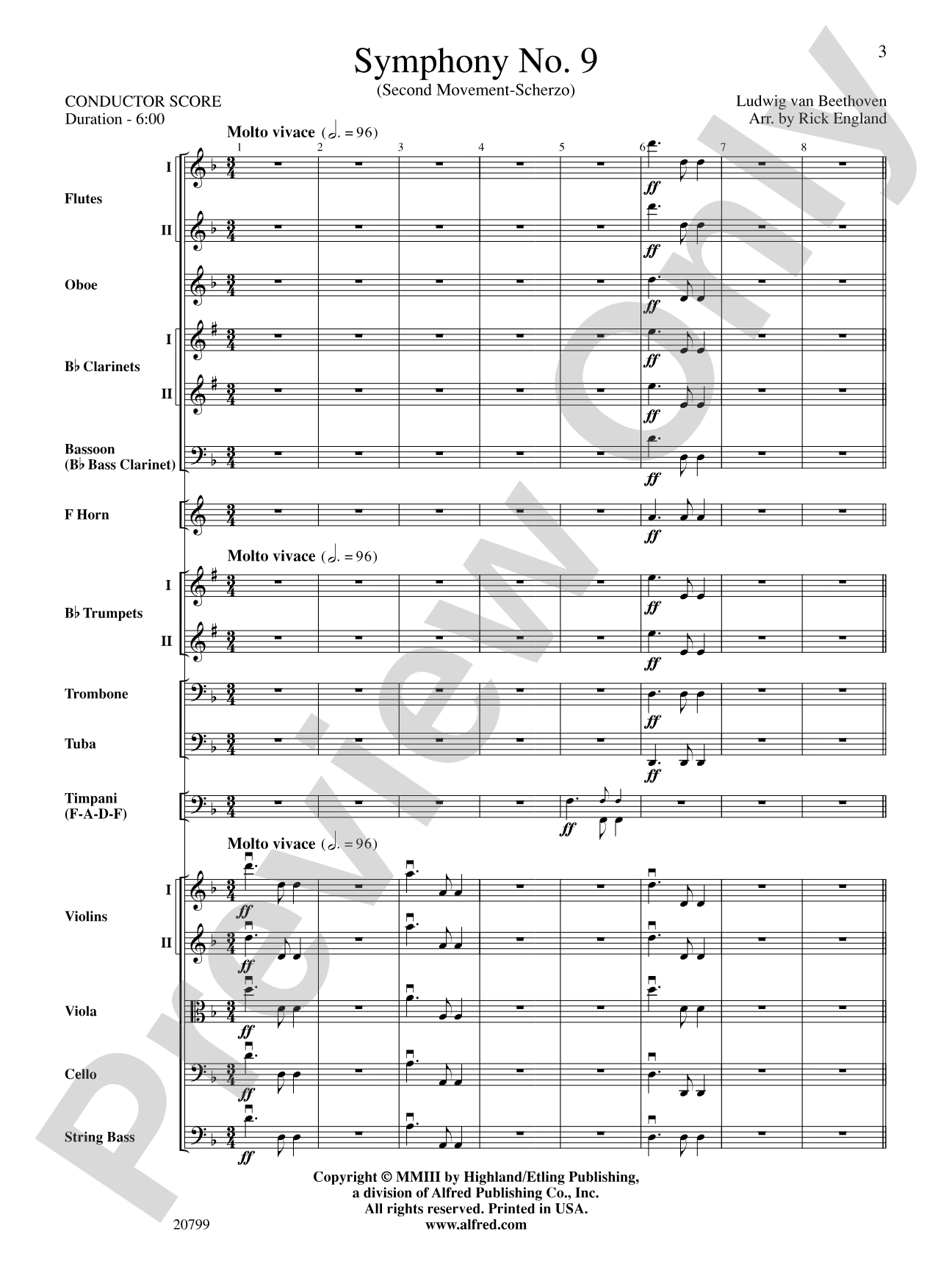
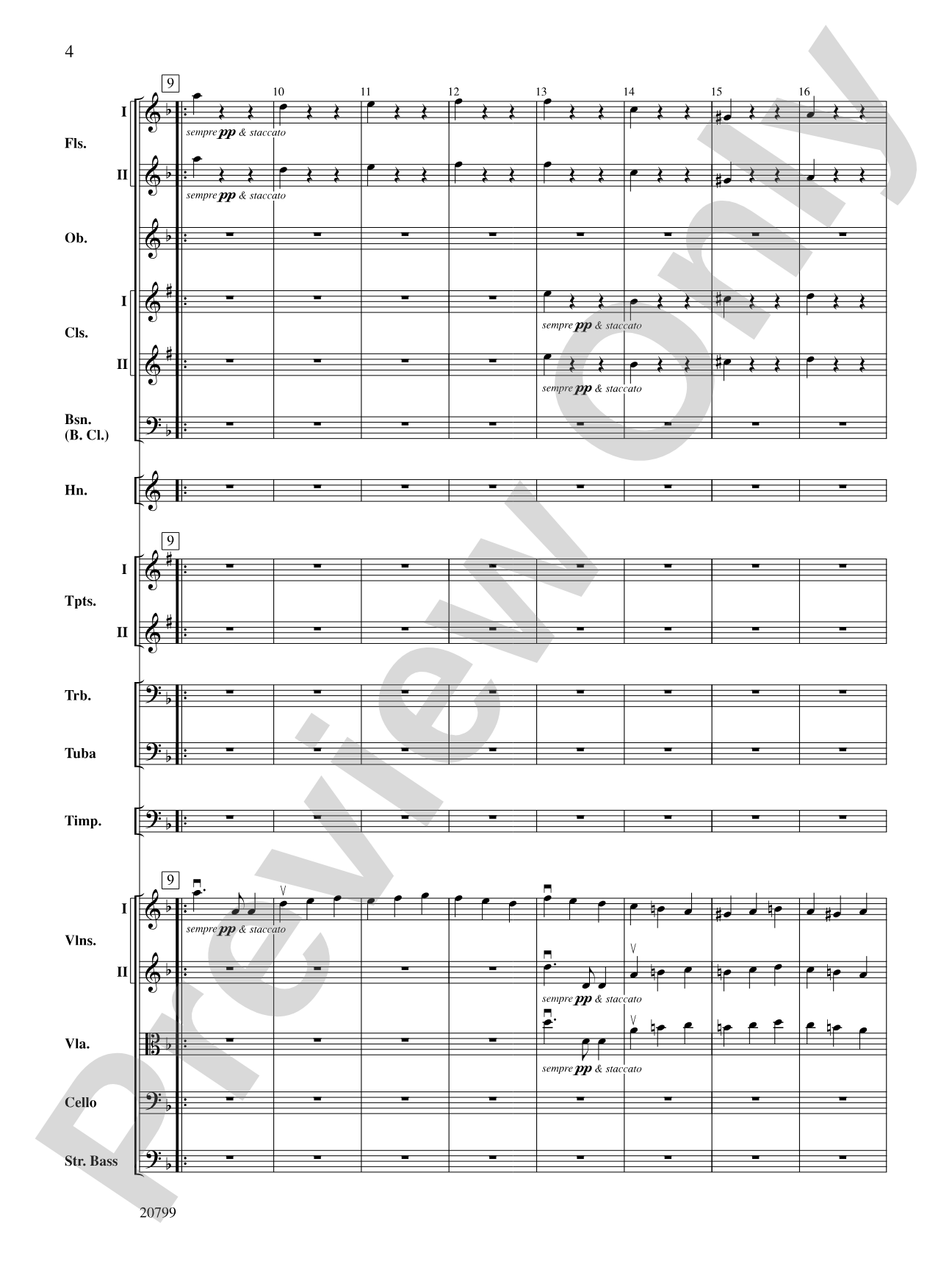
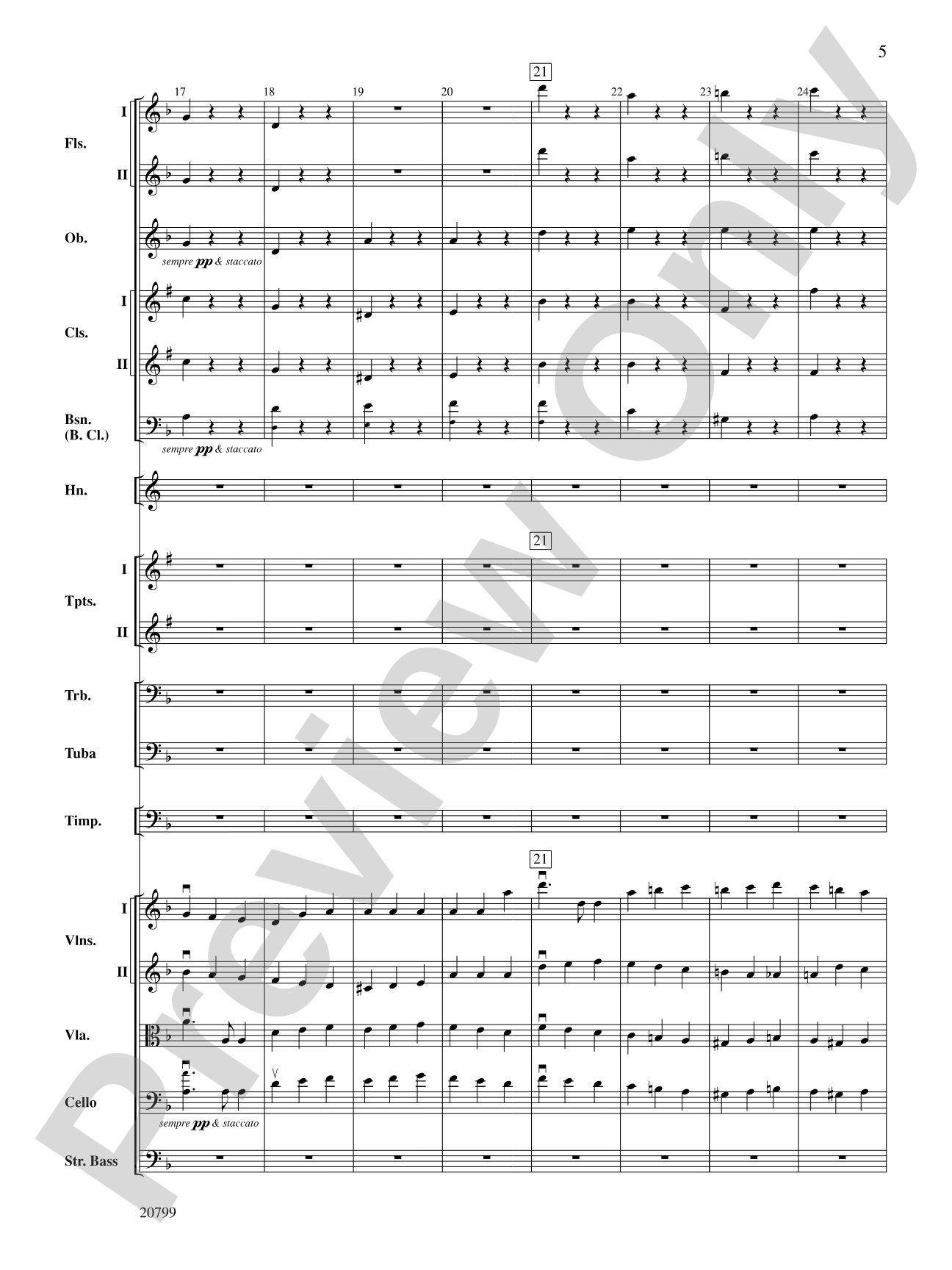
It has been said that Beethoven preferred his later works to his earlier ones and was continually dedicated to the exploration of new ideas. The inclusion of a Scherzo as the second movement of the Ninth was itself a new idea. The freely composed, stretto-like connecting sections are designed to maintain a difficulty level consistent with the abilities of most middle- and high-school level orchestras.


Don't just read it, hear it, play along with it, and watch your students grow with it. In MakeMusic Cloud, Symphony No. 9 (2nd Movement): Score comes alive with professional accompaniment, adjustable tempo, and built-in practice tools that turn solo practice into real progress.
Open in the Player
Jump straight in and assign it today.
Start Your Free Trial
Open this title and explore the full library in minutes.
Sample Audio
No sample audio found.
Sample Video
No sample videos found.
Additional Details
Series:
Highland/Etling Full Orchestra
Publisher:
Alfred Music
Page Count:
176
SKU:
00-PR-0000459
More about this title
About the Composer: Ludwig van Beethoven
Ludwig van Beethoven (1770-1827) stands as the bridge between Classical and Romantic eras, a composer whose relentless innovation reshaped what orchestral music could express. Deaf for much of his creative life, he pursued increasingly ambitious formal experiments, refusing to repeat formulas even when earlier works had brought him success. His later symphonies pushed the boundaries of instrumental possibility and emotional range, cementing his influence on every composer who followed.
Why we love this
Rick England's arrangement makes the architectural genius of Beethoven's Ninth accessible to orchestras still building their technical foundation, without compromising the work's dramatic arc or structural integrity. The strategic reduction of the stretto passages keeps rhythmic complexity manageable while preserving the propulsive energy that defines this movement. Programming a piece of this stature at Grade 3 gives mid-level orchestras something genuinely substantive to sink their teeth into, not a simplified approximation.
What to expect
Scherzo energy mixed with intellectual rigor. The movement darts and pivots with wit, then slows into introspective passages that require absolute precision. There's real drama here without grandstanding; the orchestration feels lean and purposeful.
Who it's for
Orchestras at the Grade 3 level ready to tackle repertoire that demands focused ensemble work and stylistic maturity. Conductors looking to build students' literacy in Classical forms and Beethoven's particular approach to orchestration will find this a rewarding pedagogical choice.
How to get the most out of it
- Emphasize the clean articulation of staccato figures in the Scherzo proper; rushing these passages muddies the movement's humor and rhythmic precision.
- Bring out the individual voices during the freely composed connecting sections so transitions feel organic rather than abrupt.
- Balance the woodwind choir carefully against strings in the lyrical passages to maintain clarity without sacrificing warmth.
- Lock in with your principal second violin during the fugal writing; upper strings must move as a single ensemble for this texture to land effectively.
How to use it
This works brilliantly on a concert pairing Beethoven with earlier Classical repertoire, or as the centerpiece of a program exploring how composers approached multi-movement forms. Because it's the second movement, consider preceding it with a substantial first movement and following with lighter fare that lets audiences breathe.
Skills your students will build
- Reading and executing Classical Scherzo form with clear articulation and rhythmic precision
- Balancing multiple simultaneous woodwind and string lines in fugal and imitative passages
- Responding to conductor while maintaining ensemble cohesion during freely composed connective sections
- Sustaining Romantic-era phrase shapes and dynamic contours with phrase-centered playing
- Interpreting staccato and accent marks consistently across a full orchestra