
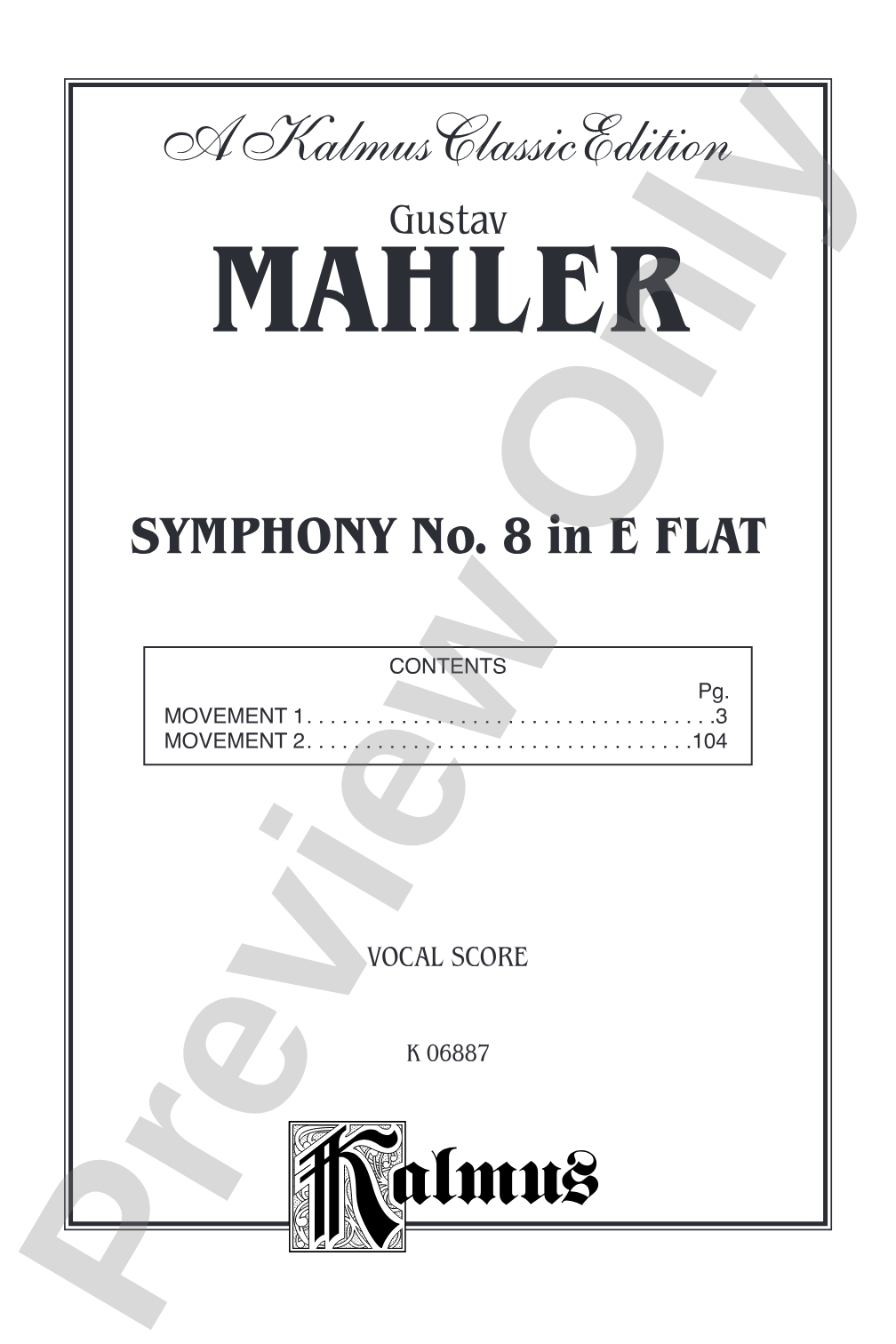

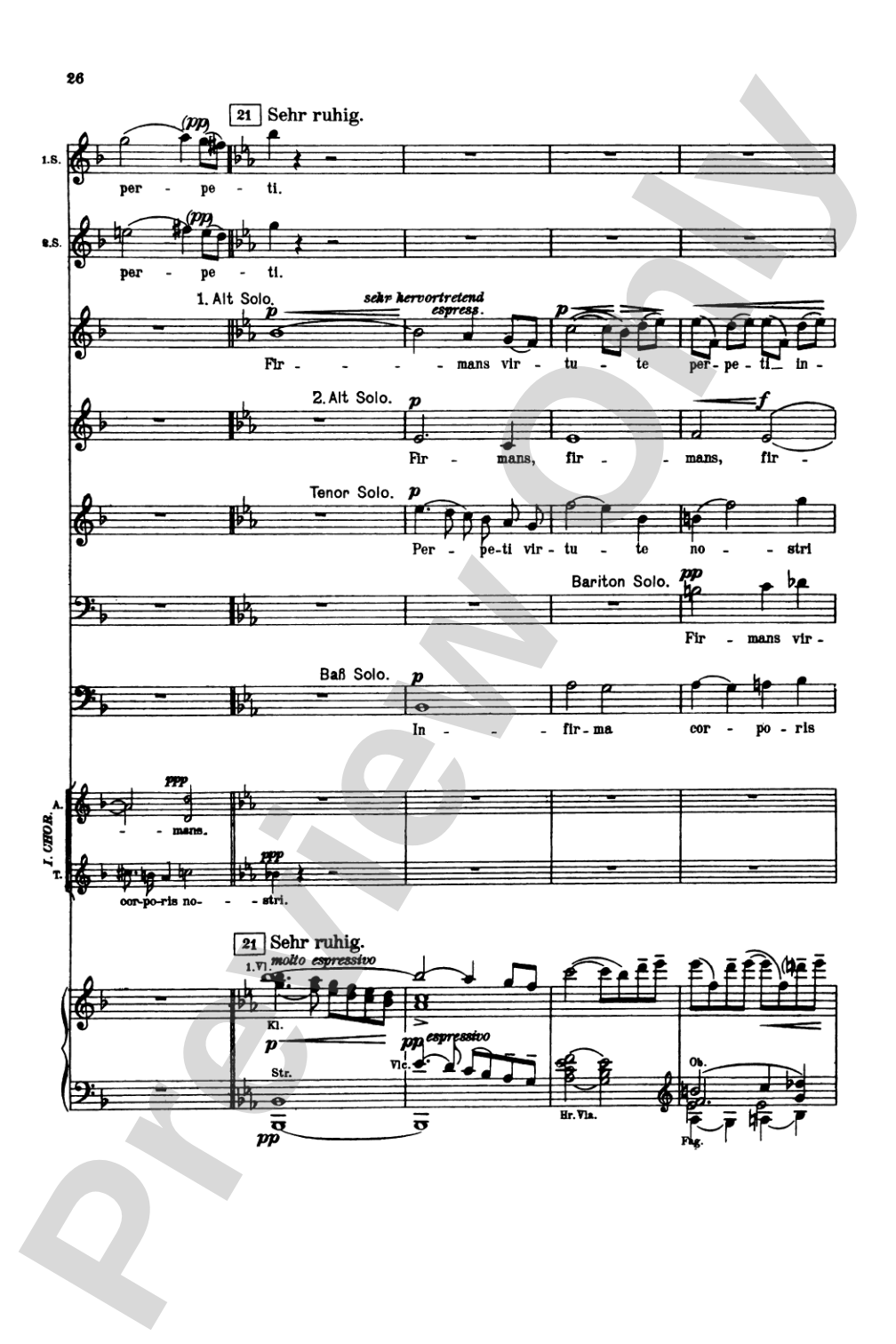
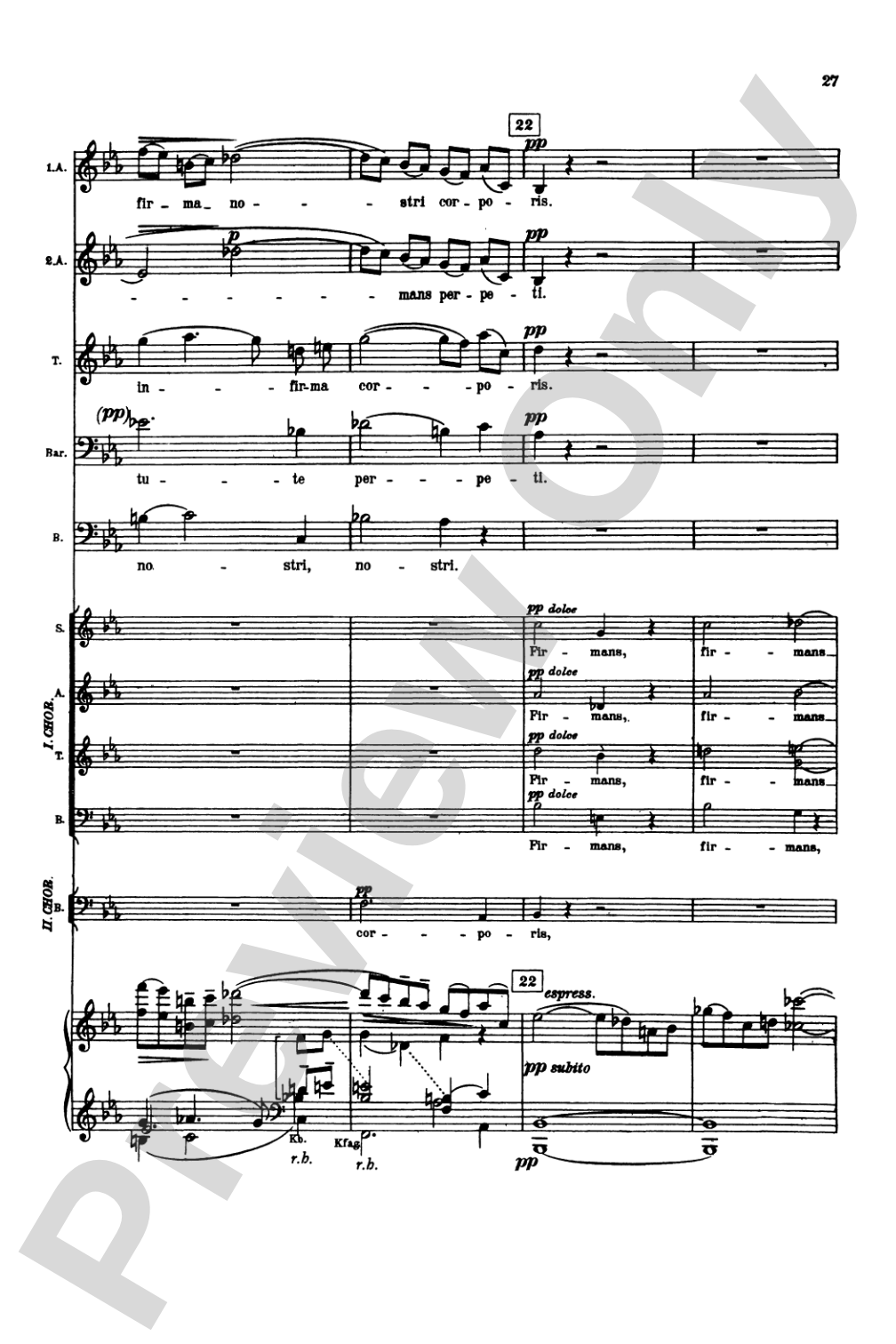
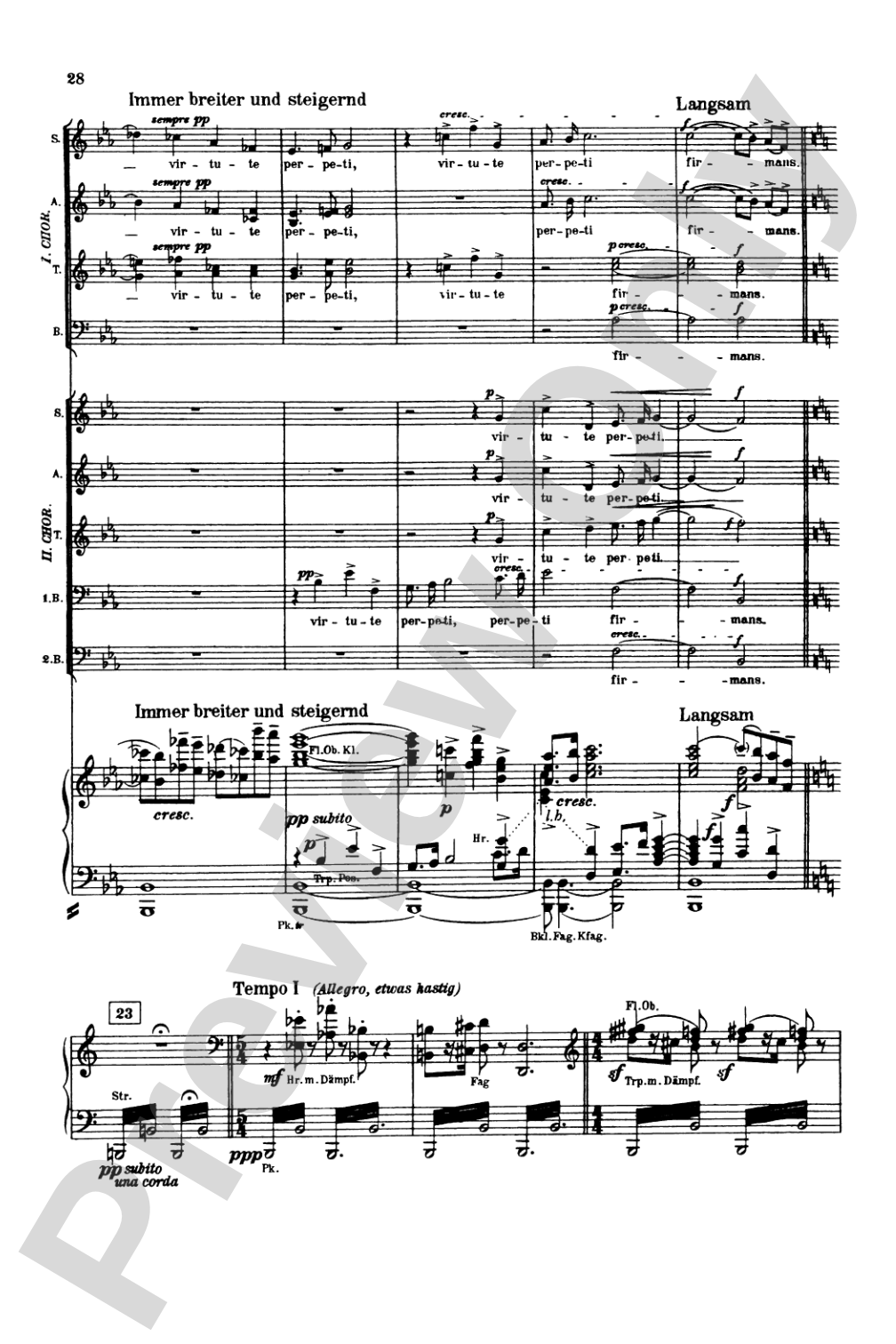
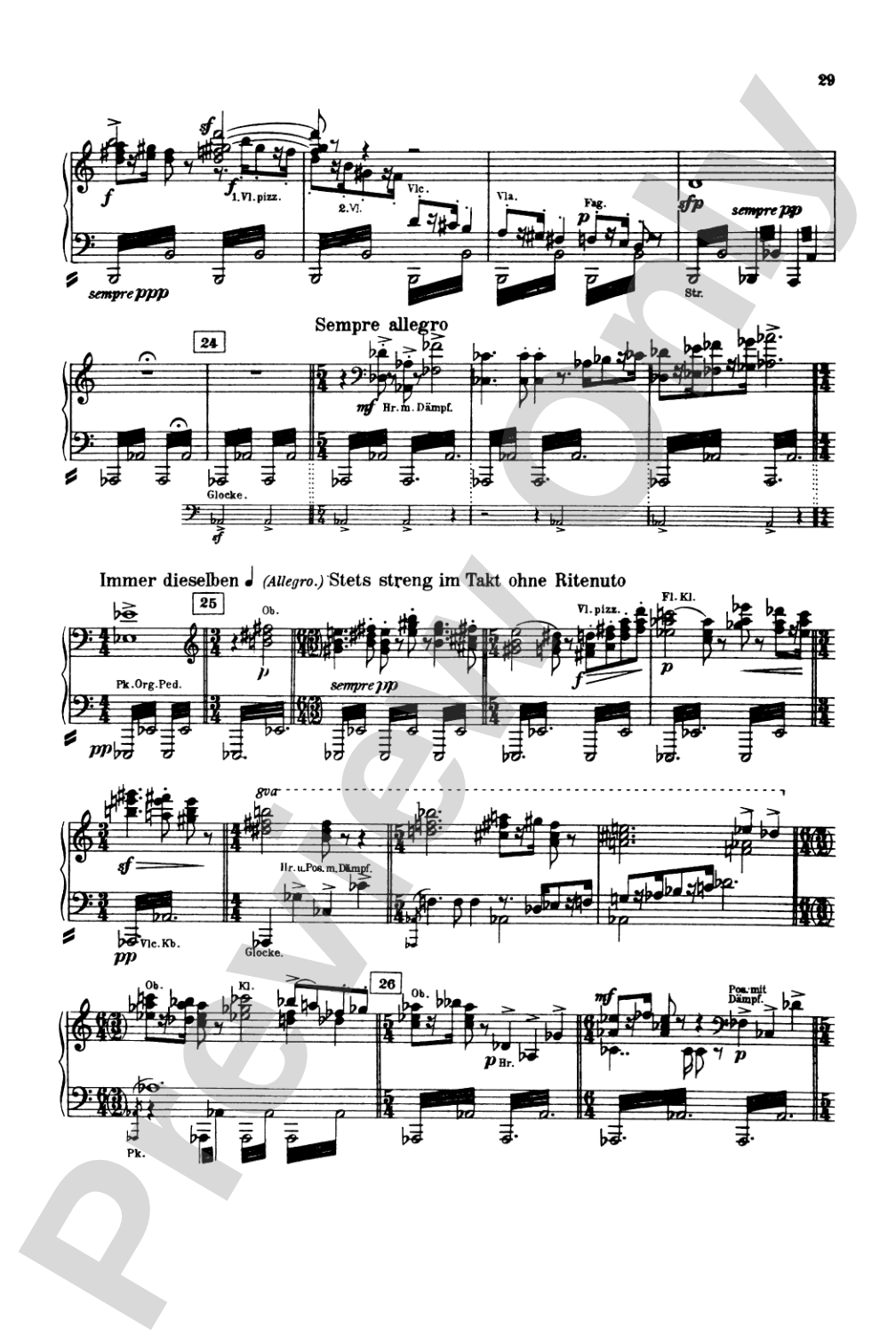
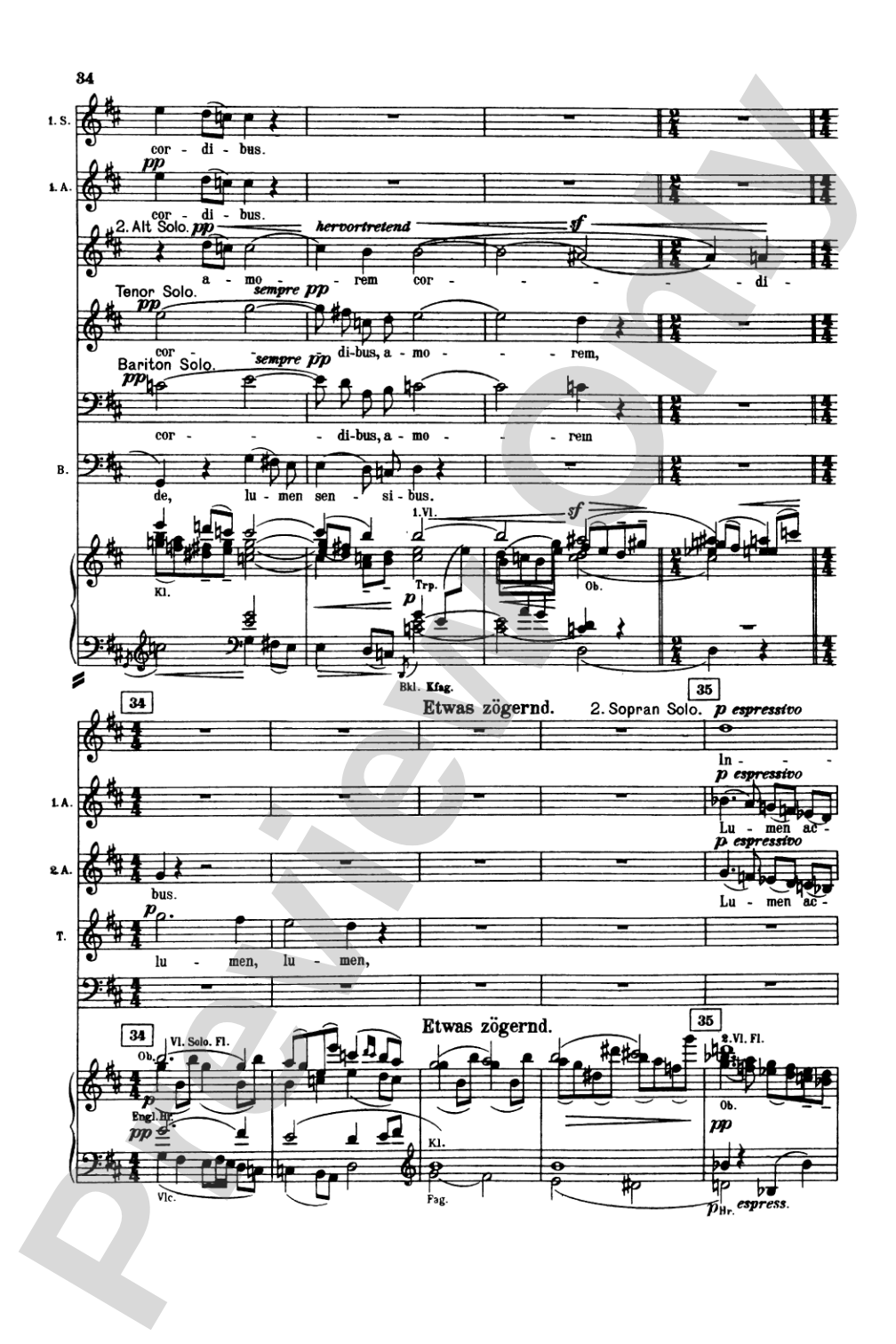
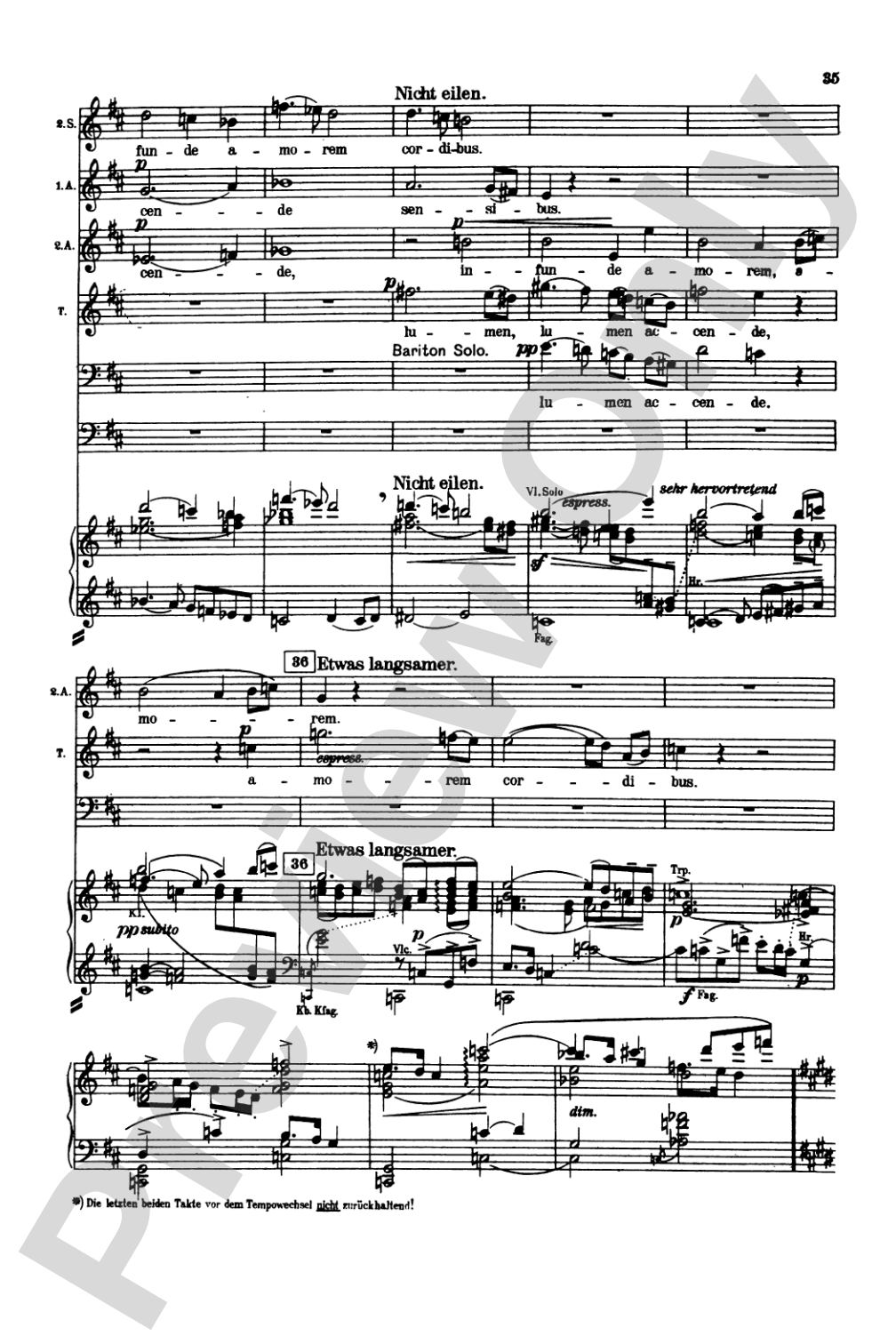
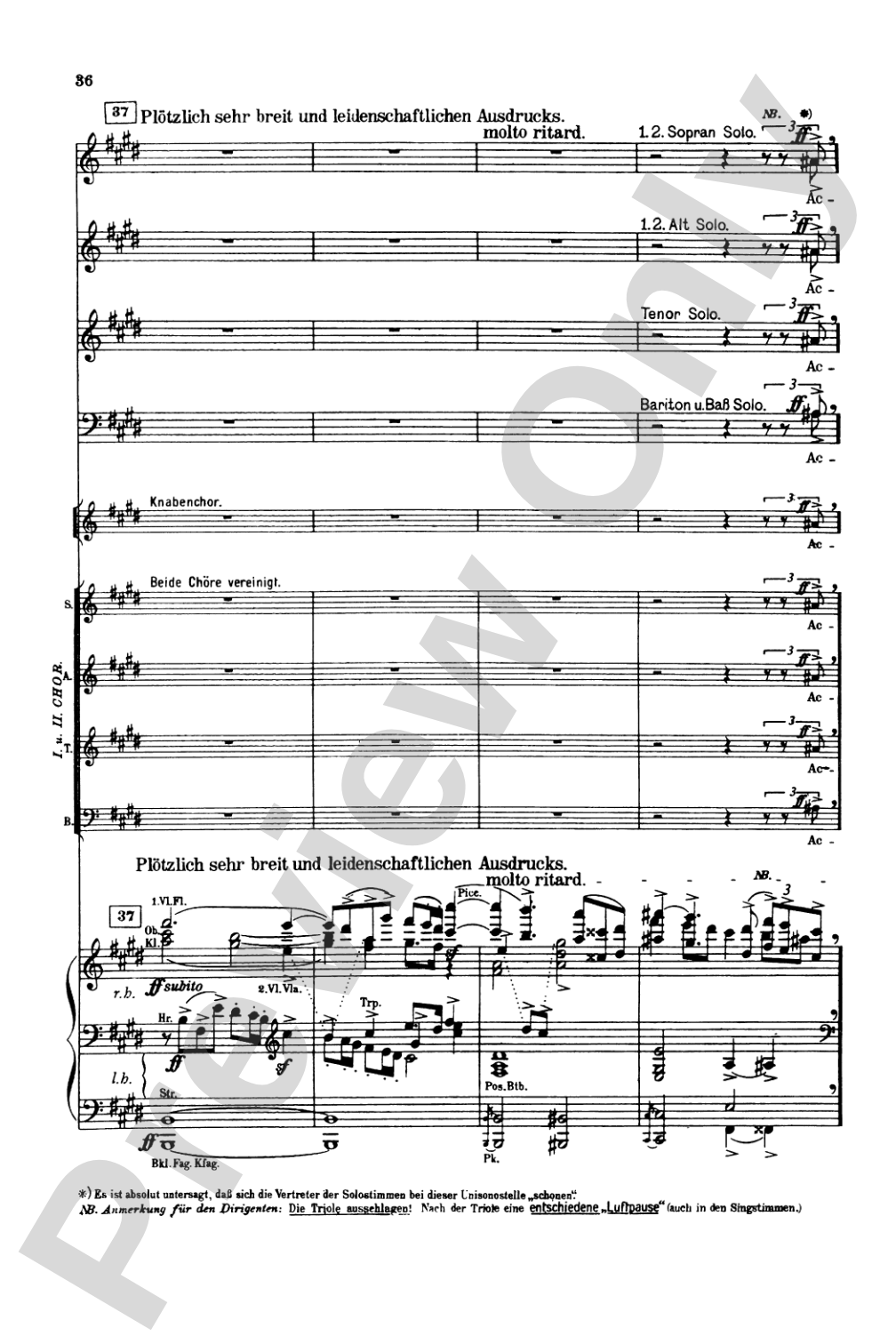
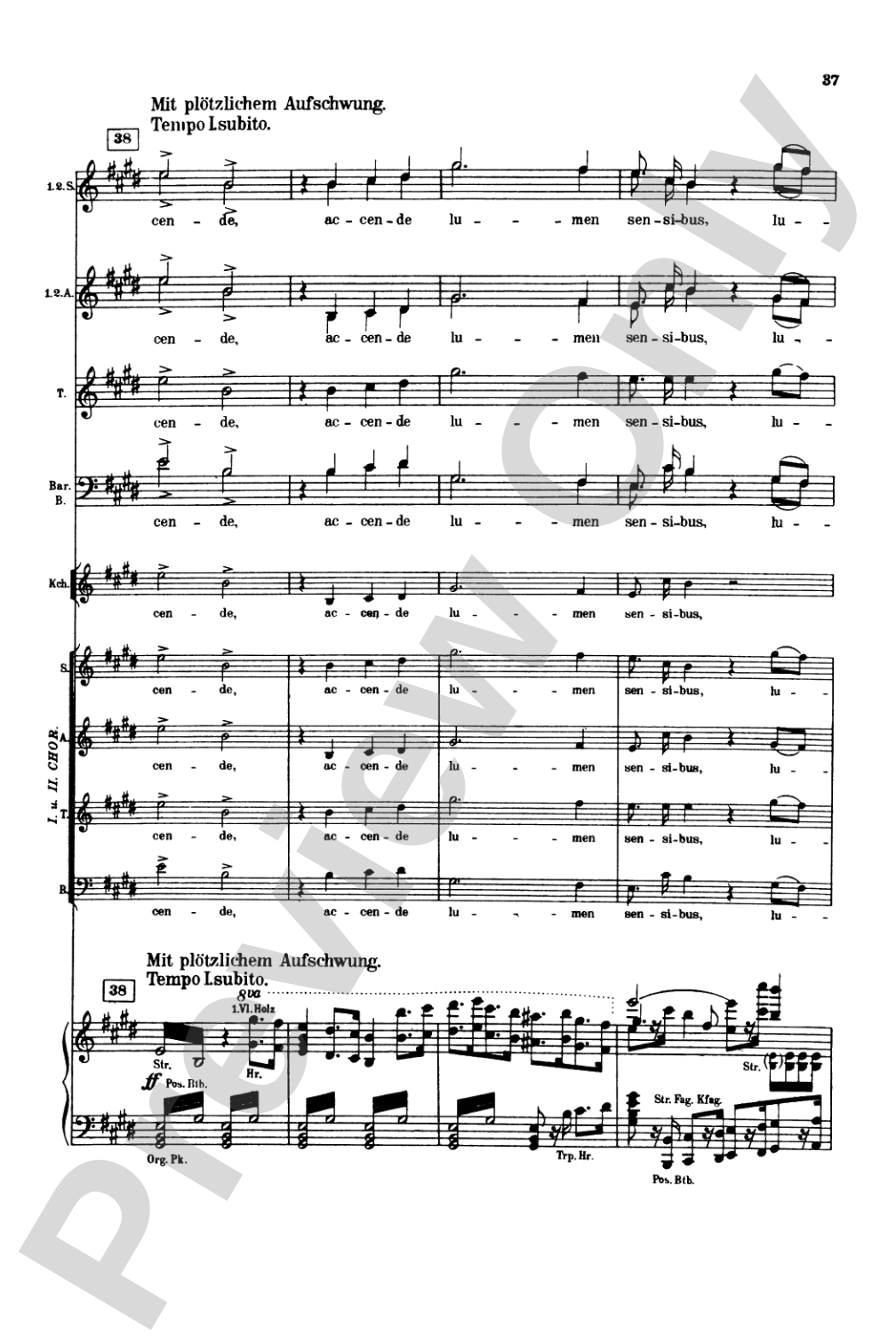

Symphony No. 8 in E-flat Major: Choir
By Gustav Mahler
Item: 00-PB-0001165
$22.99
Pickup currently not available
Related Items
Symphony No. 8 in E-flat Major: Choral Book |
$22.99
|
View |
Description
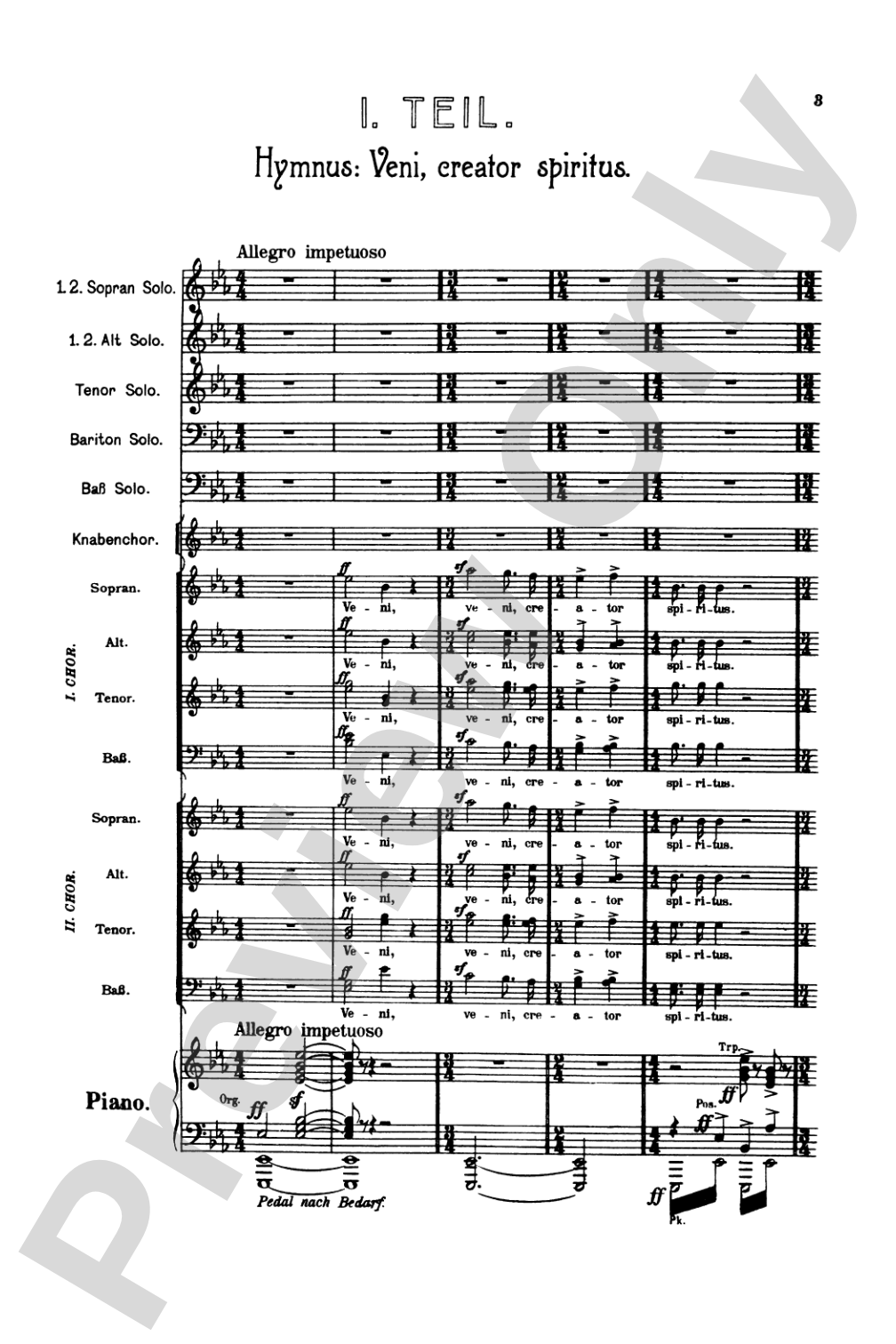
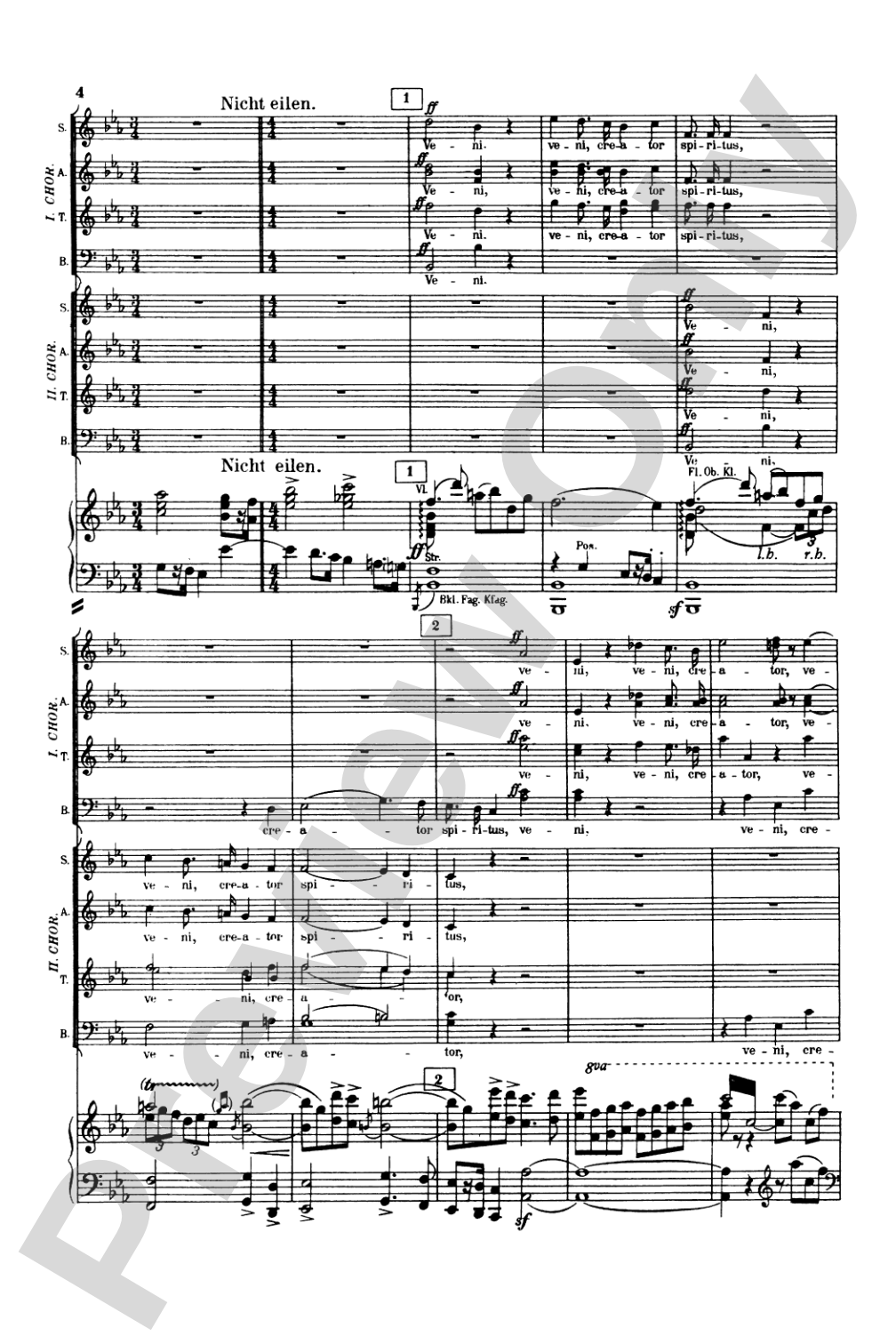
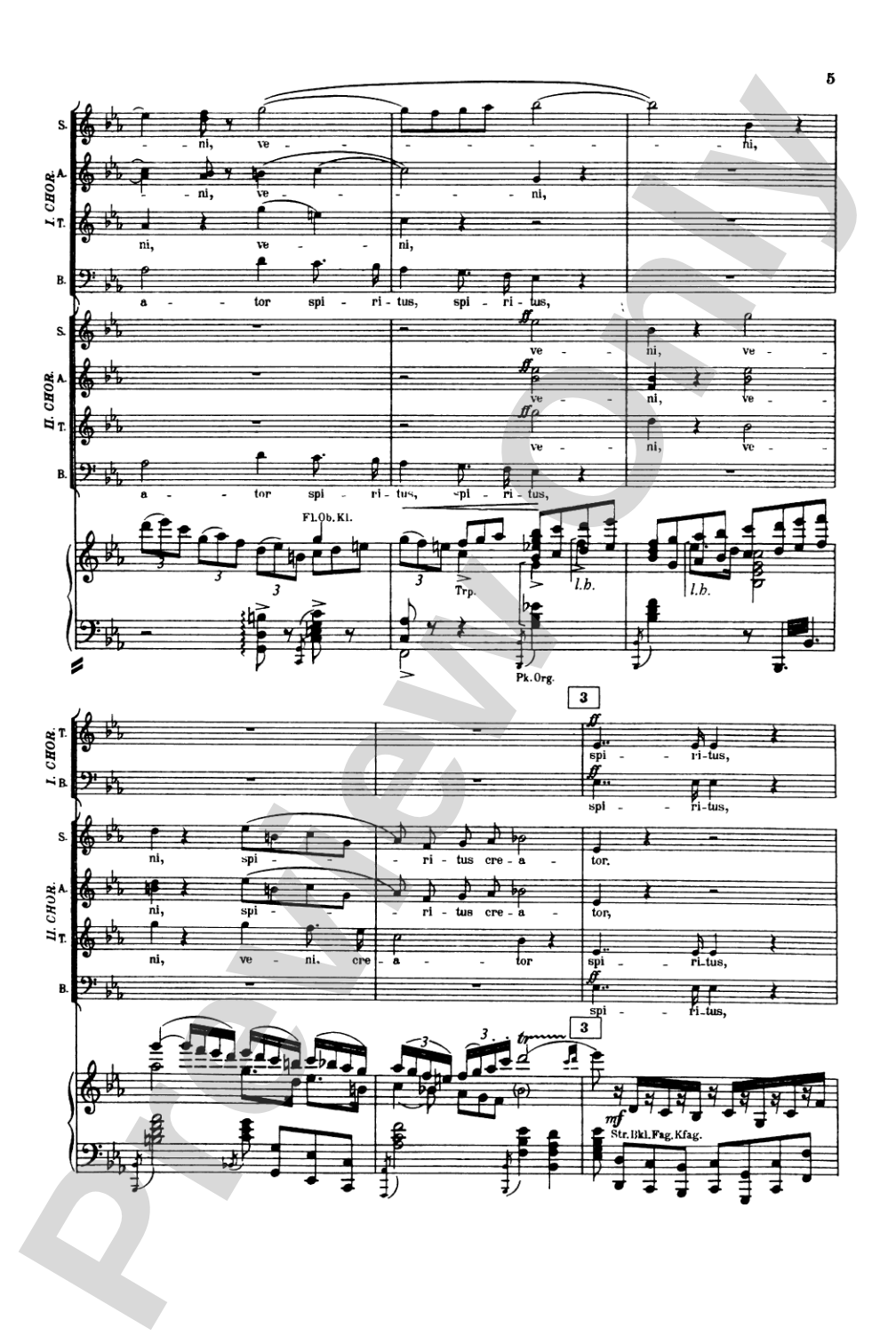
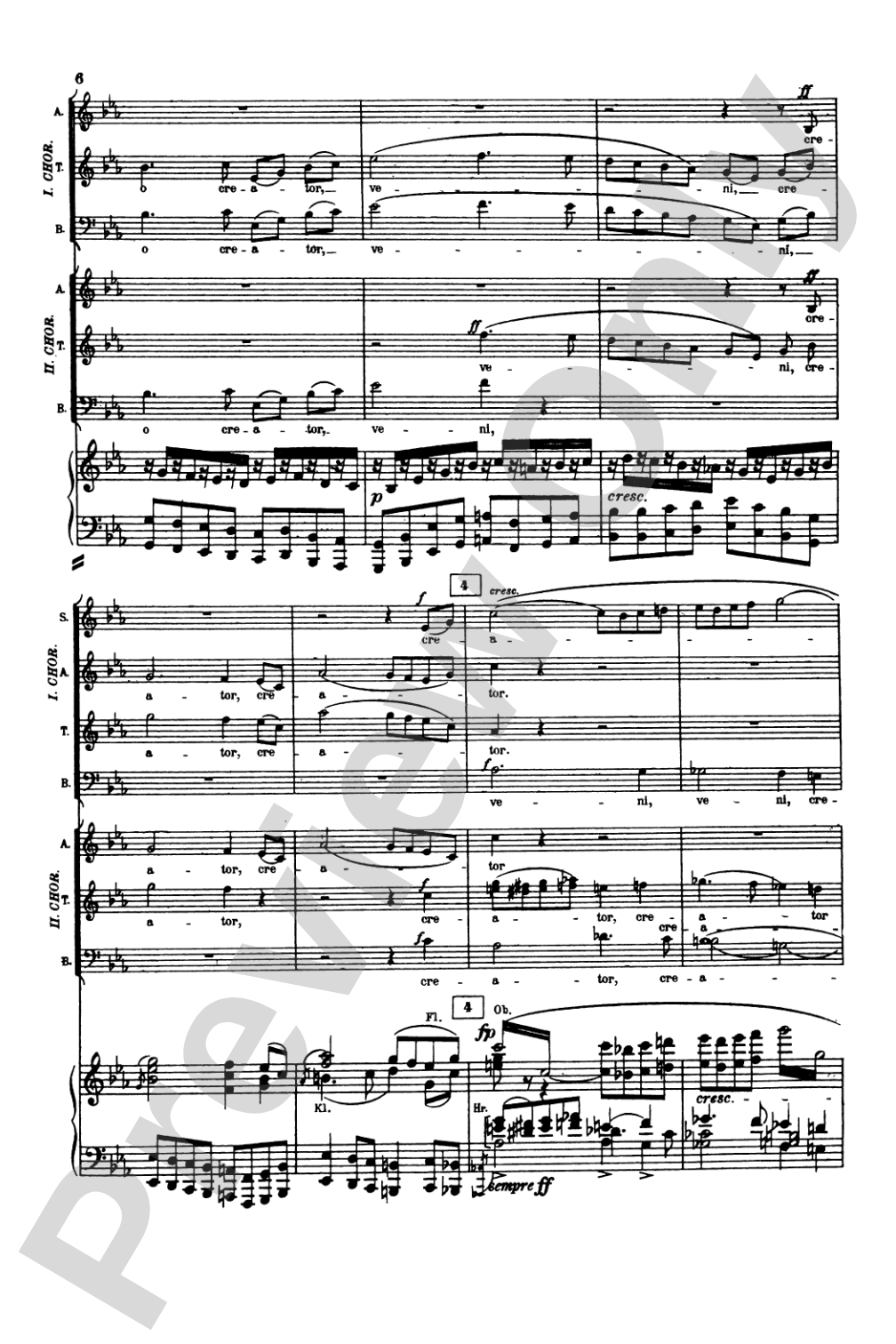
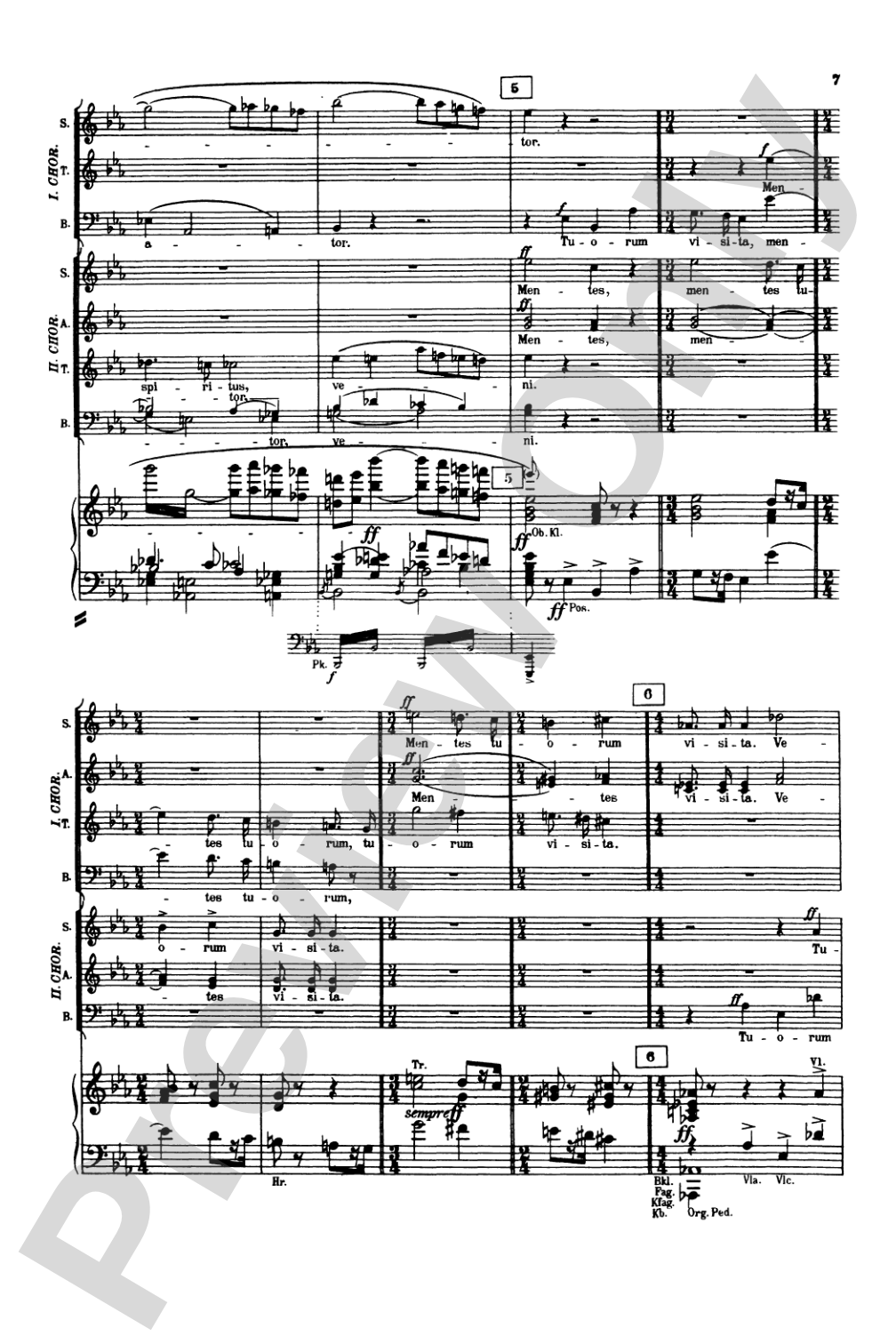
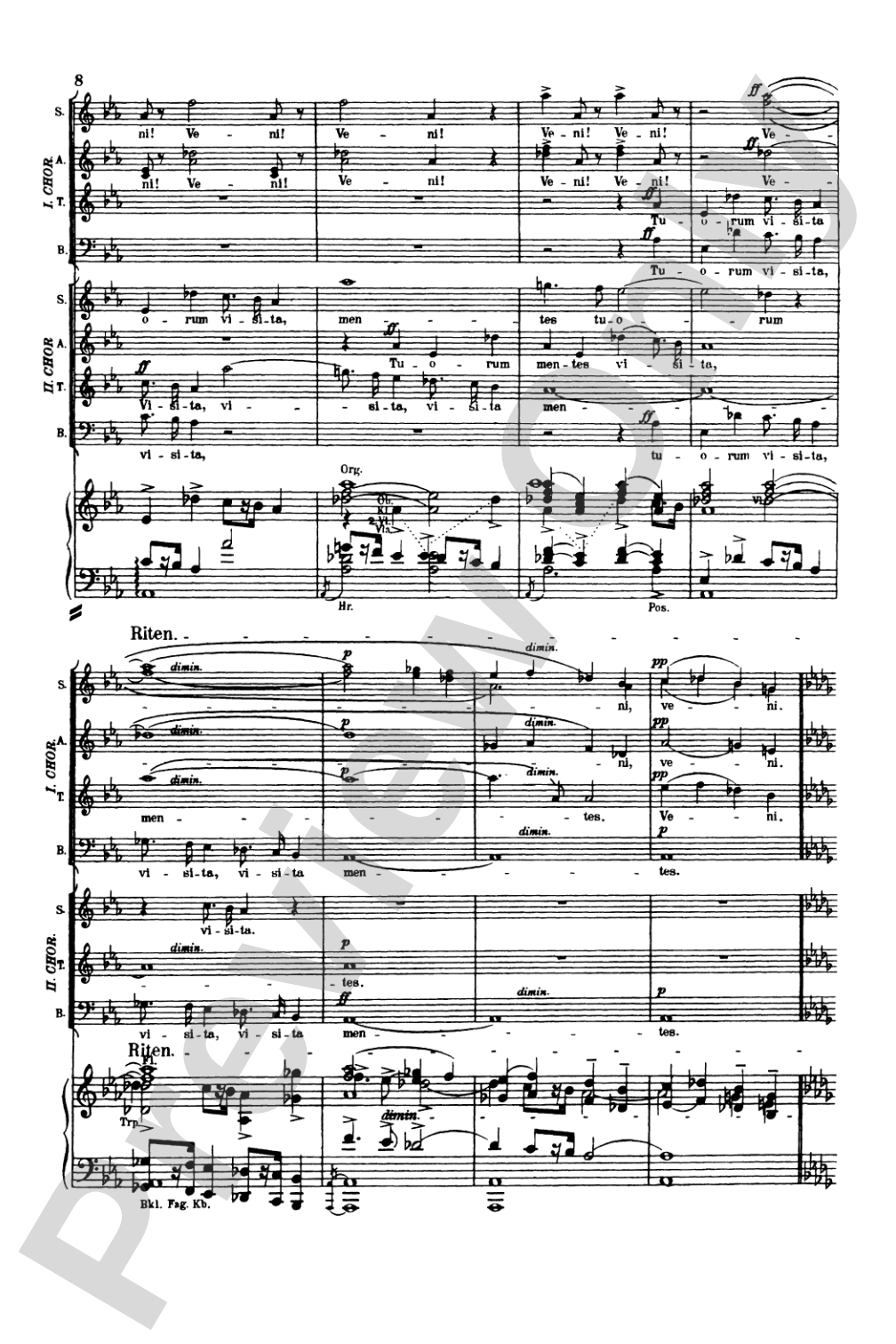
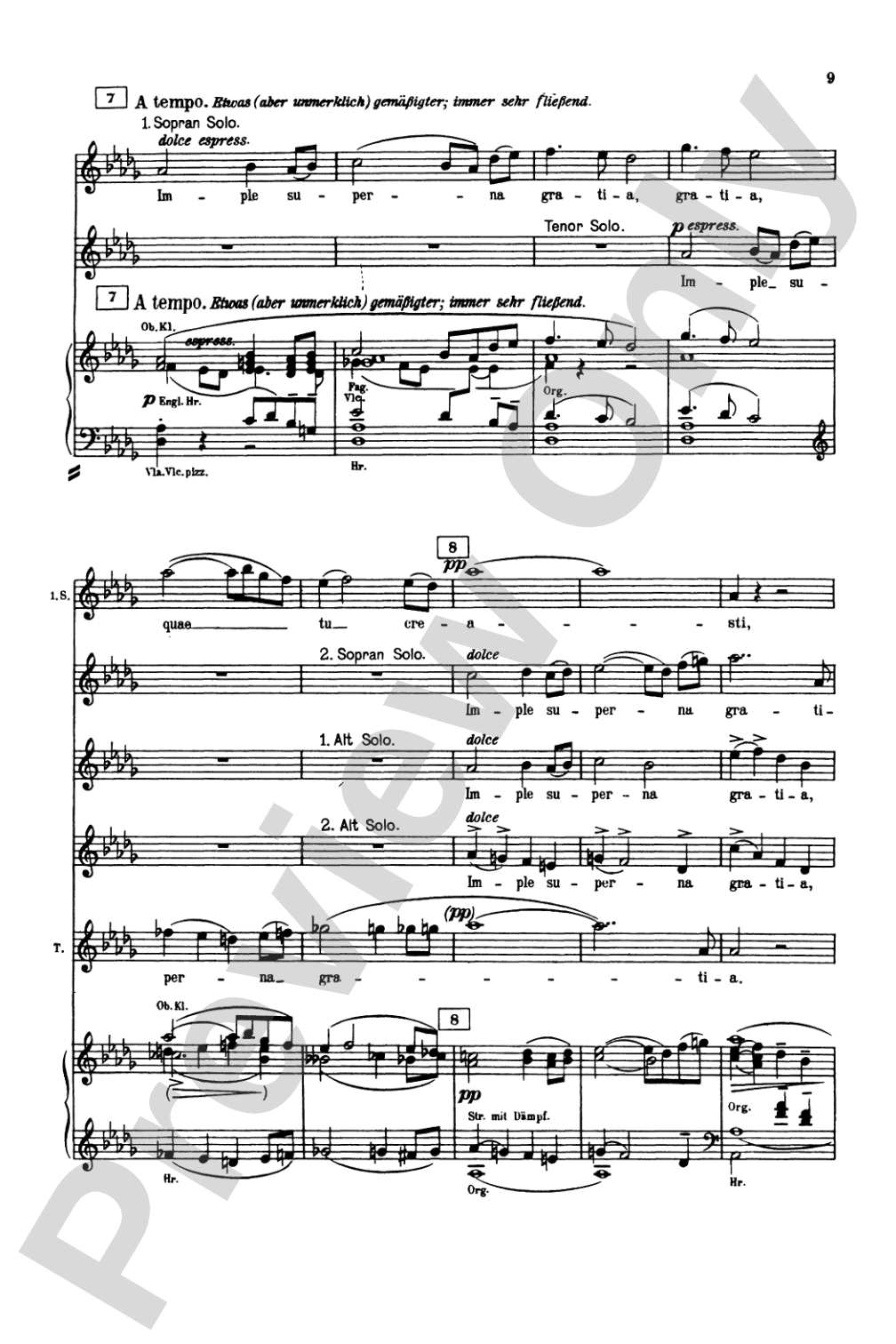
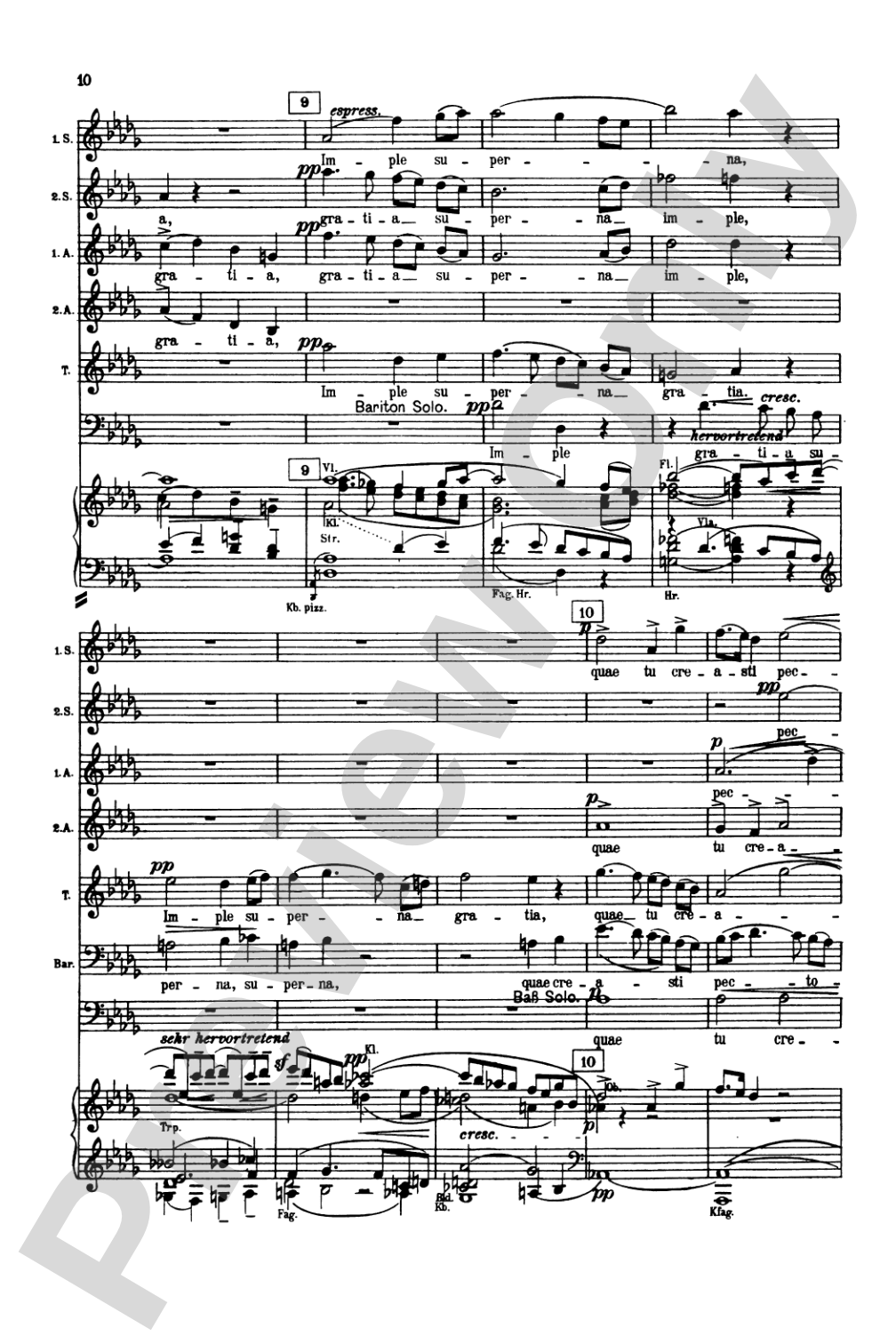
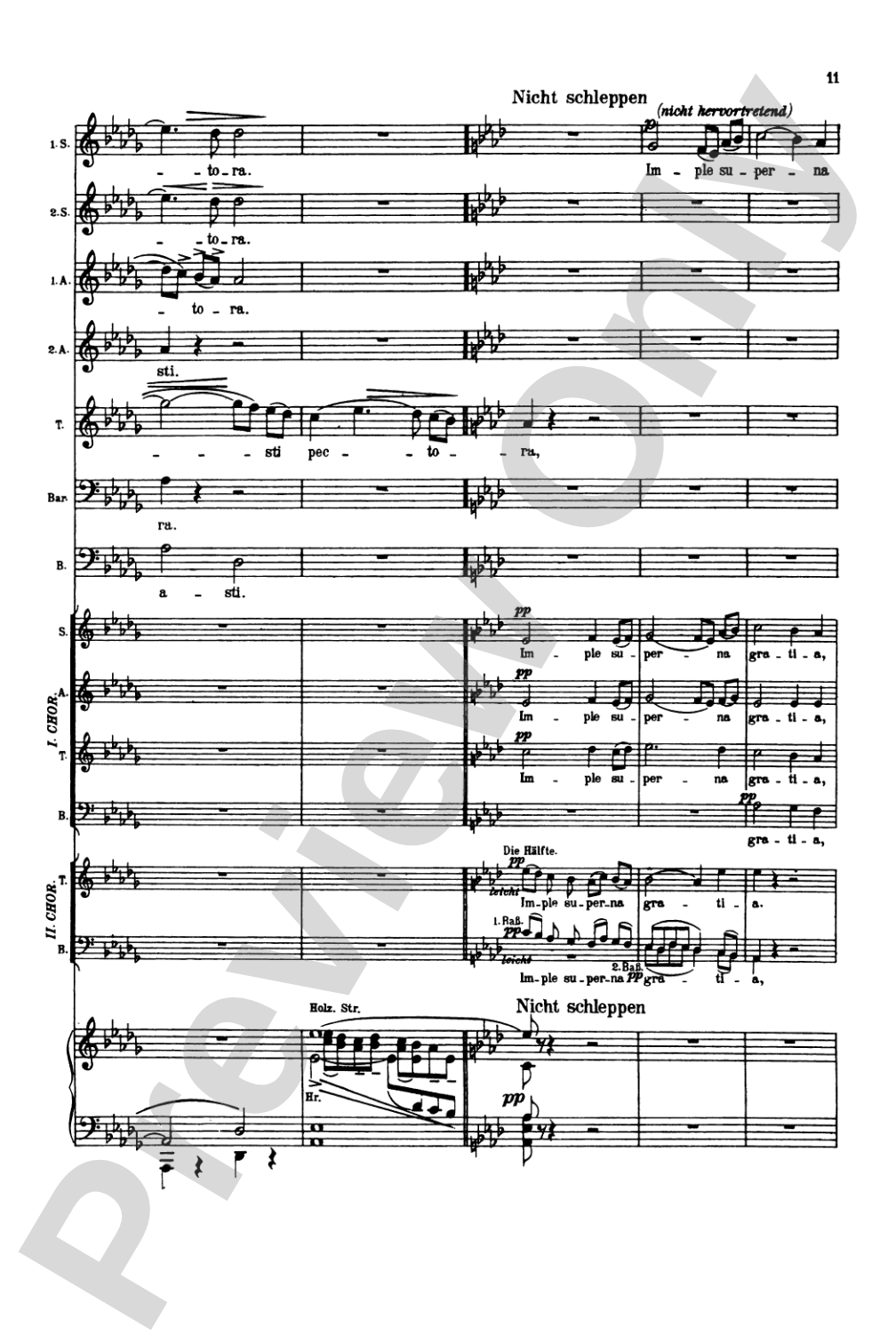
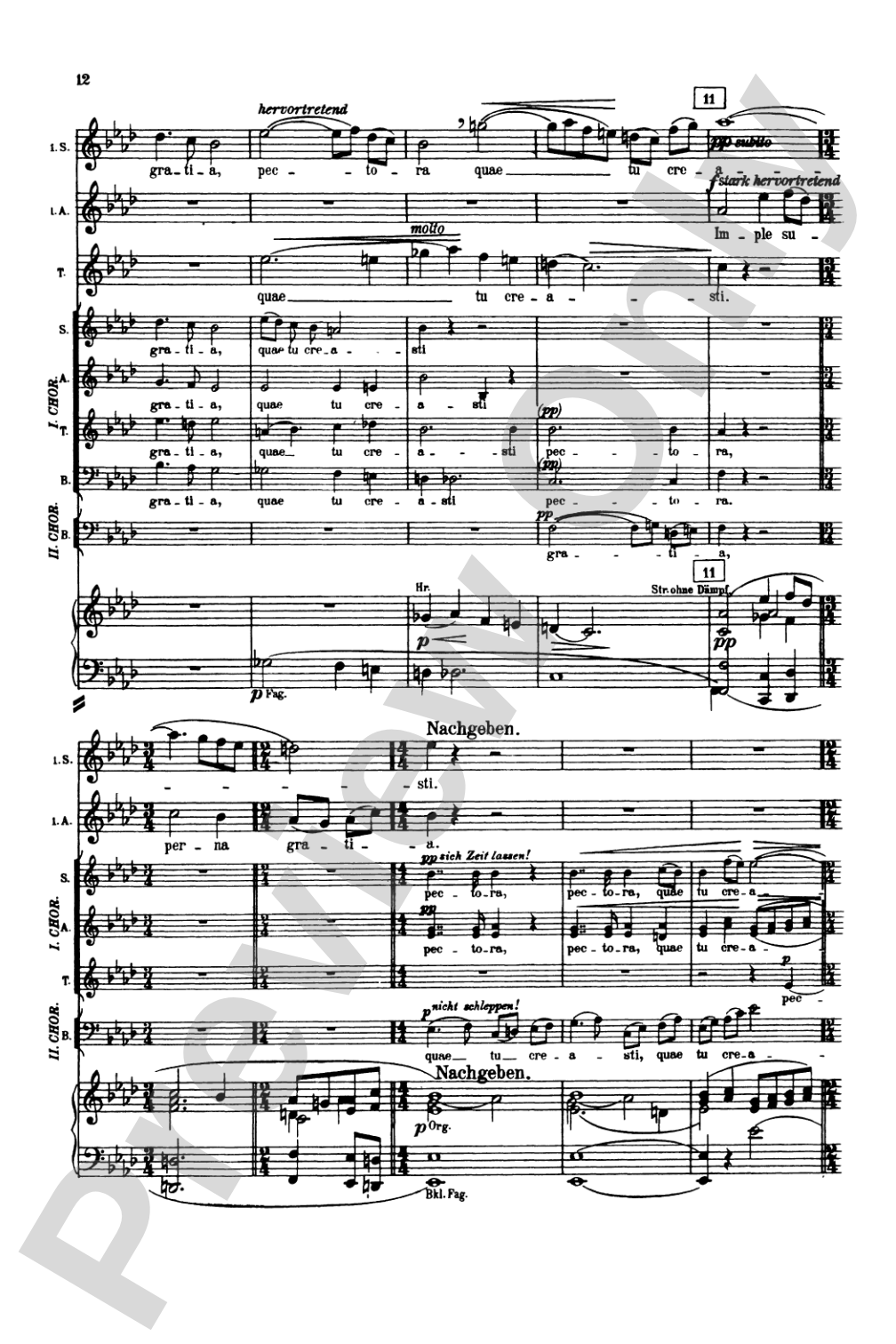
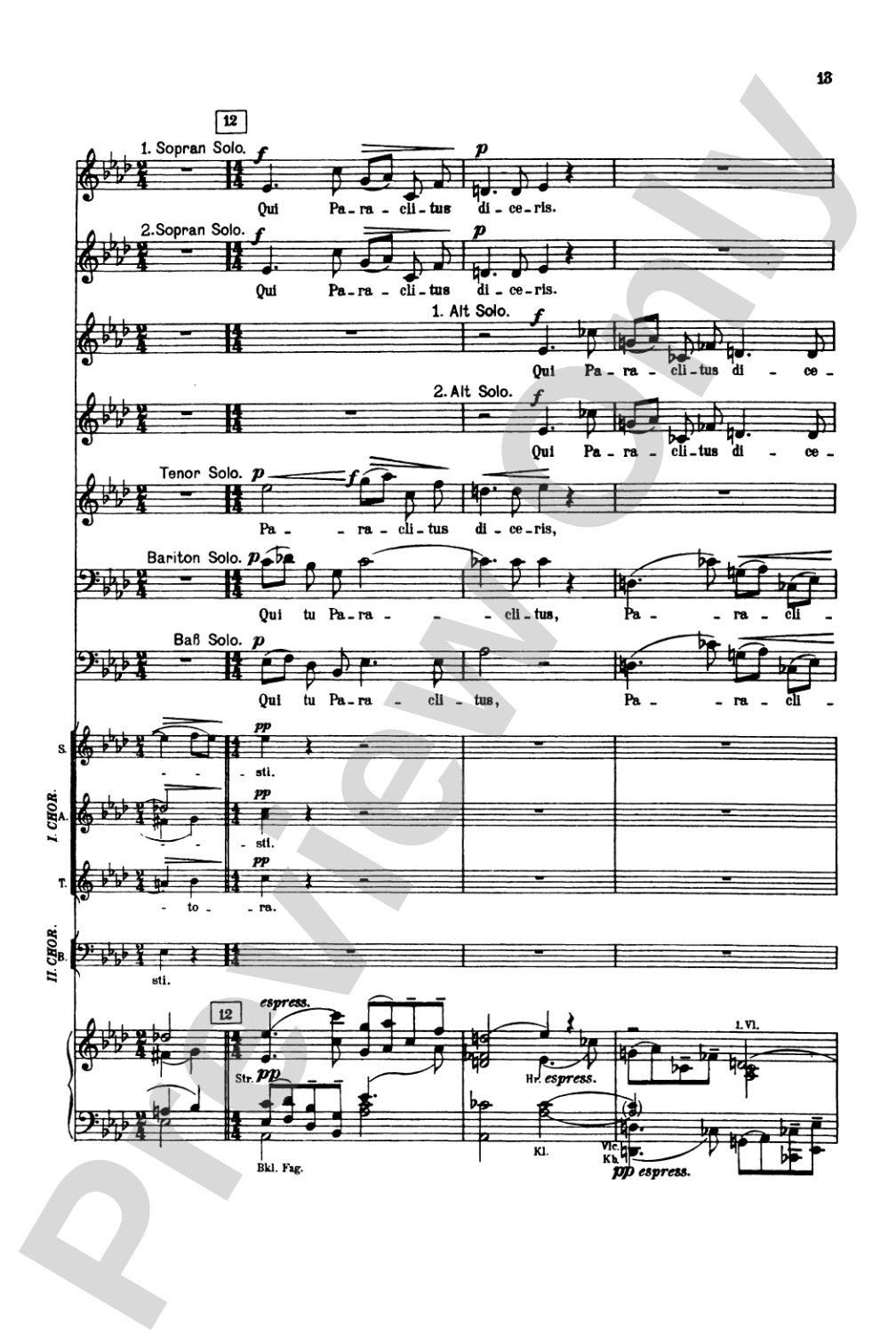
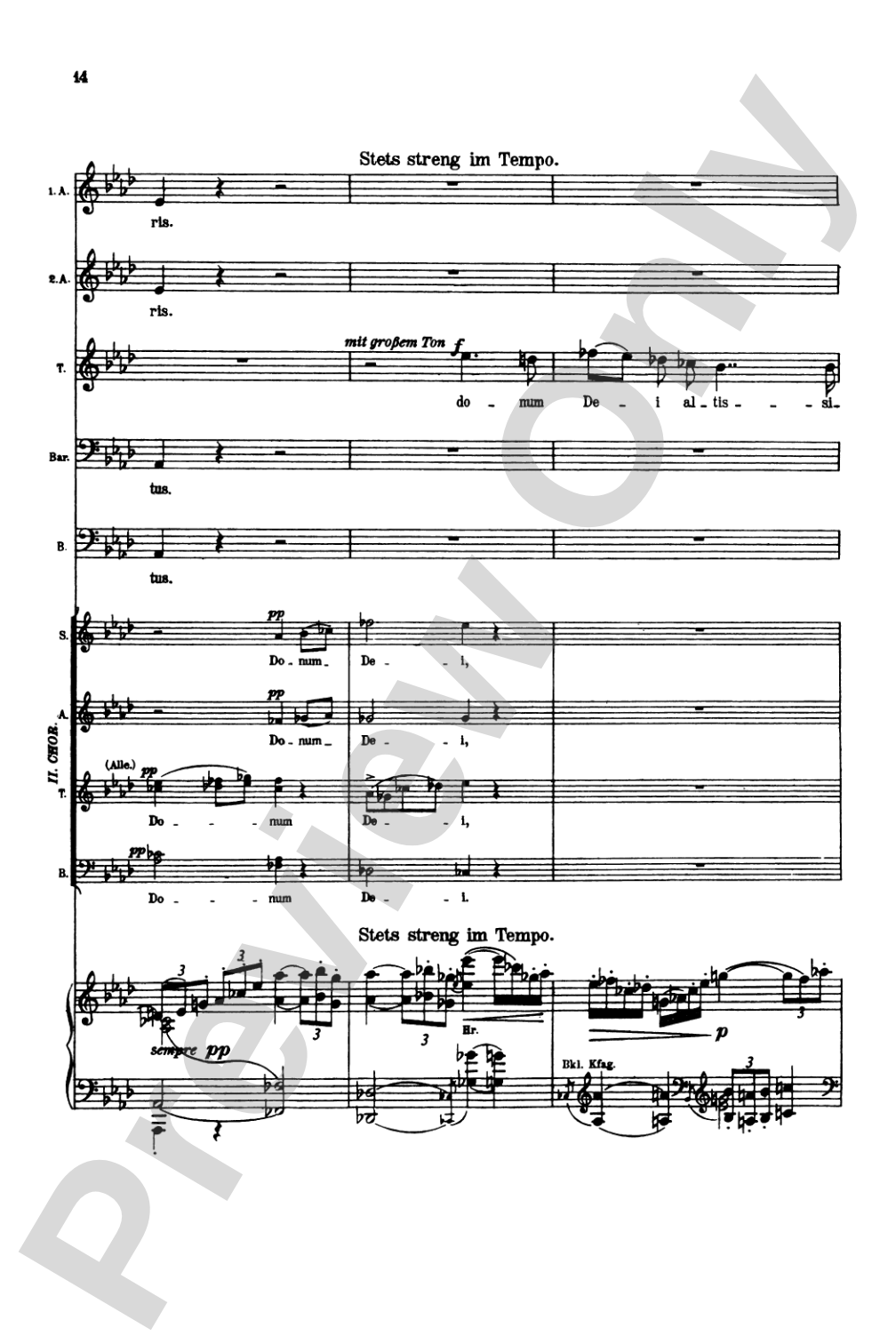
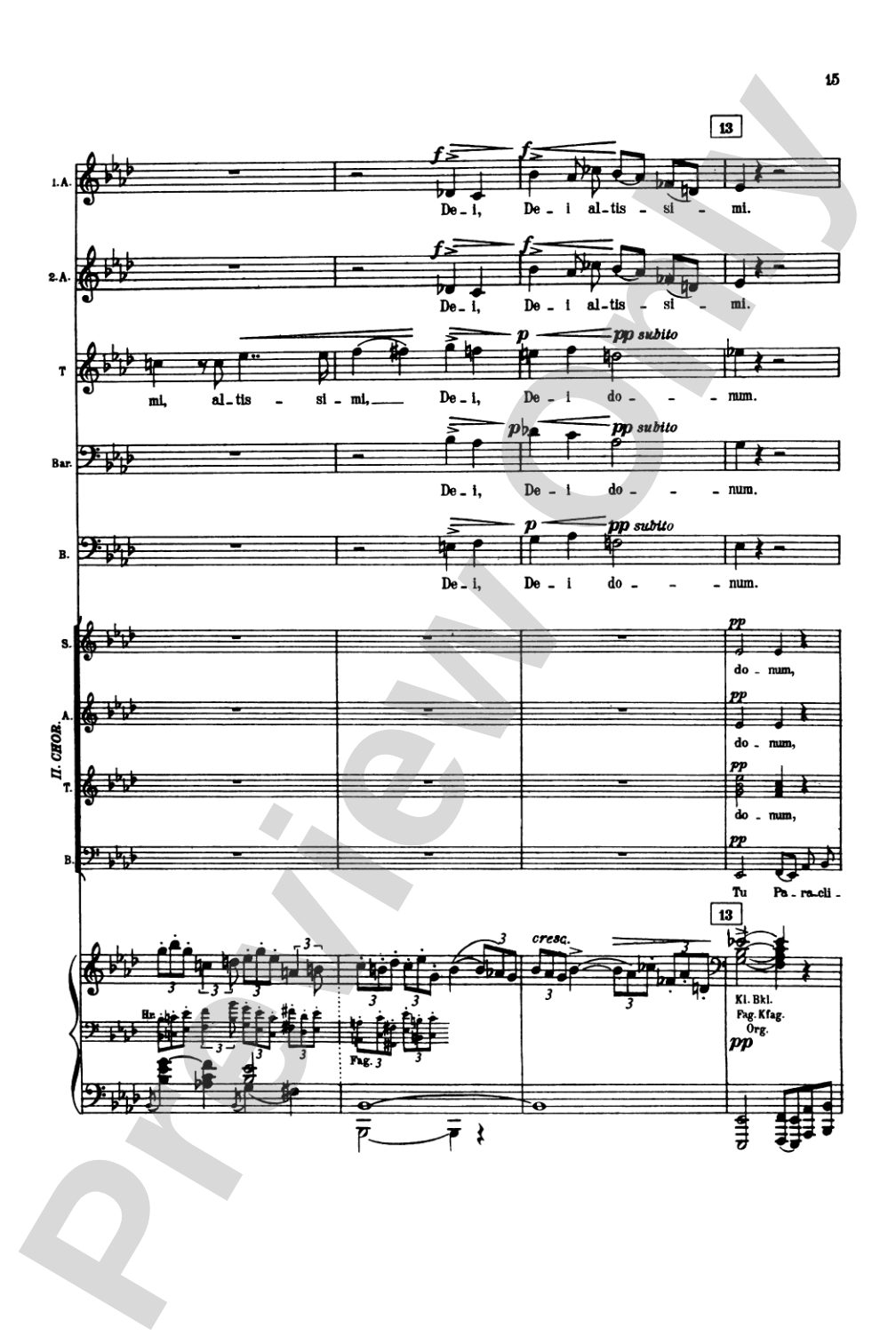
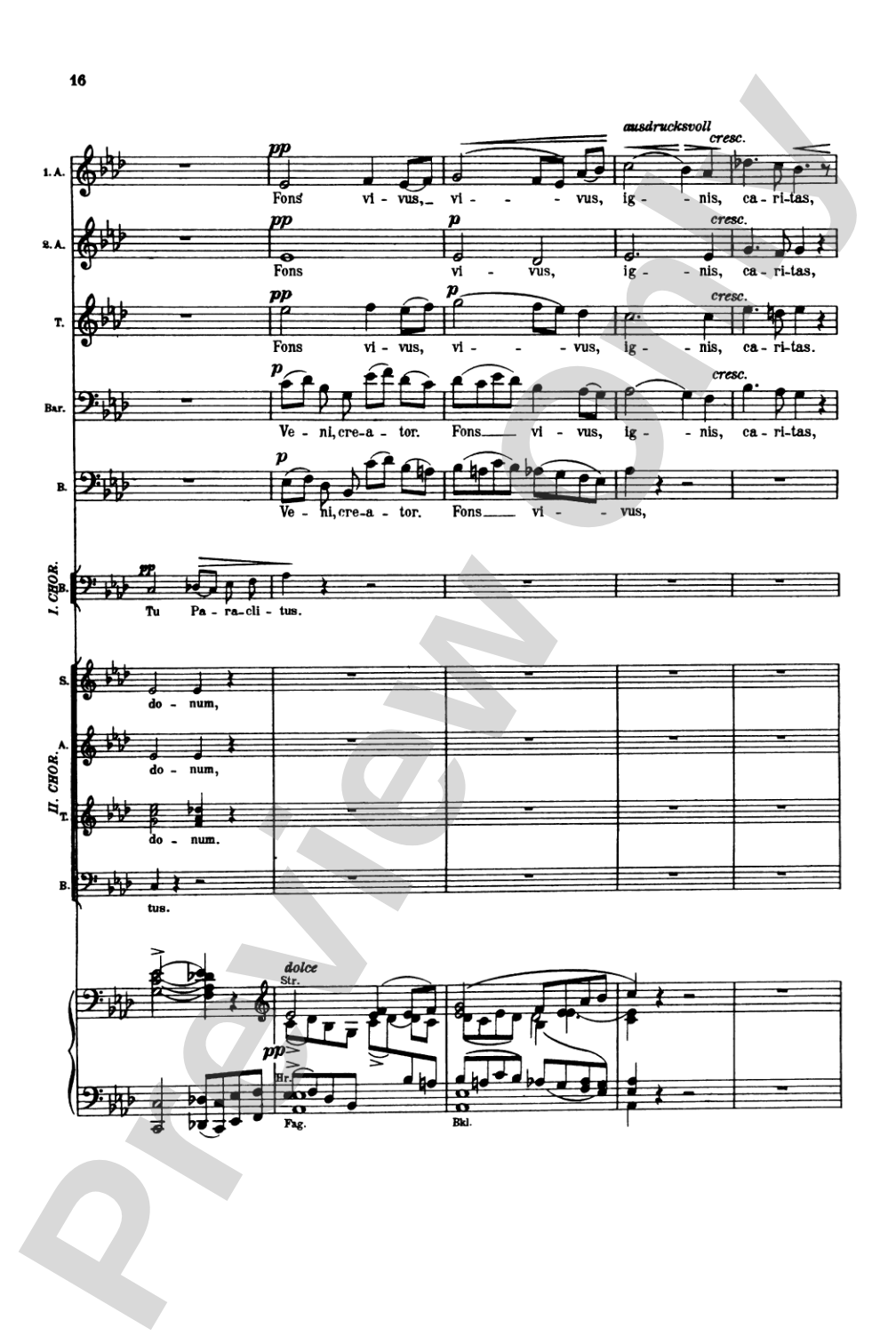
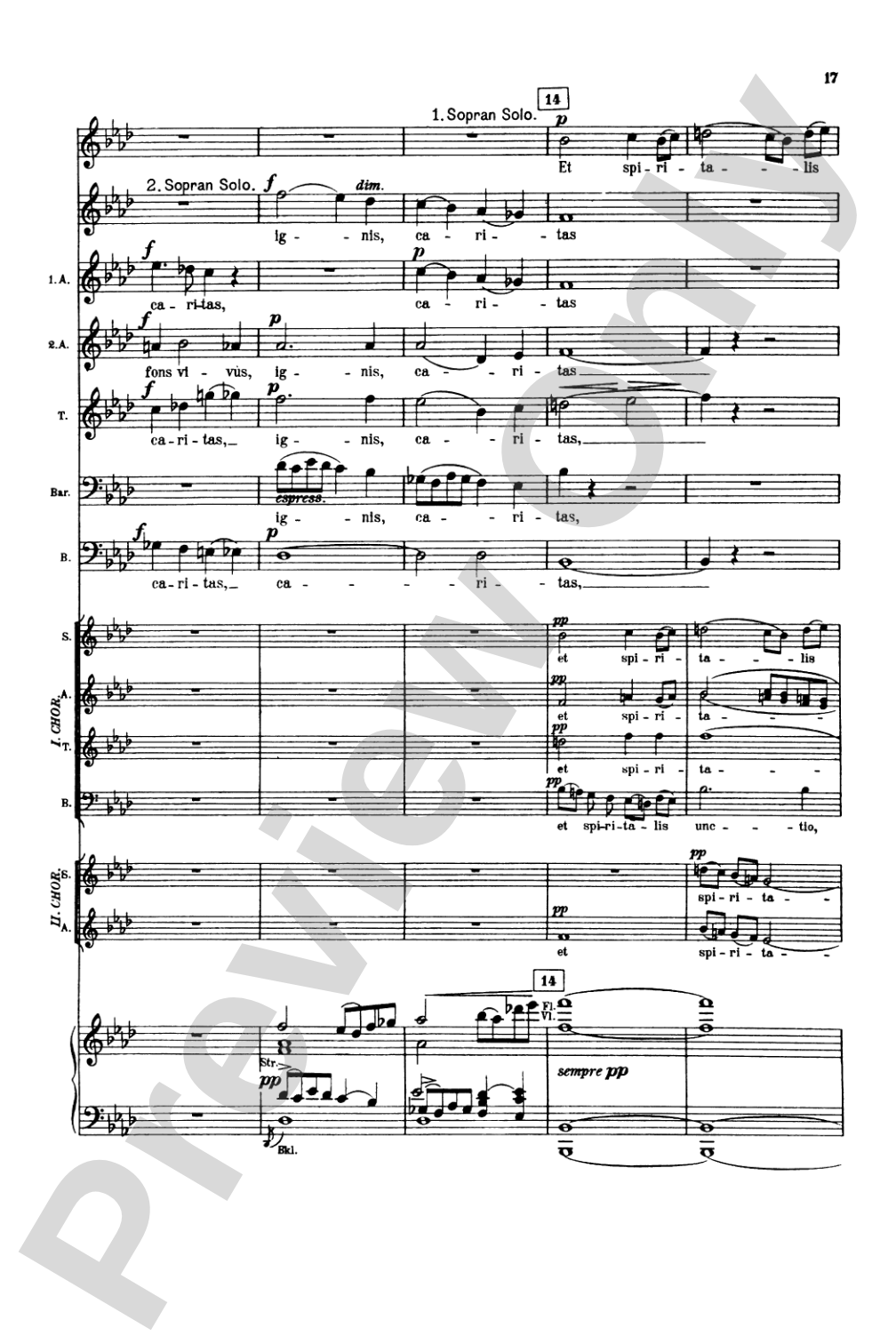
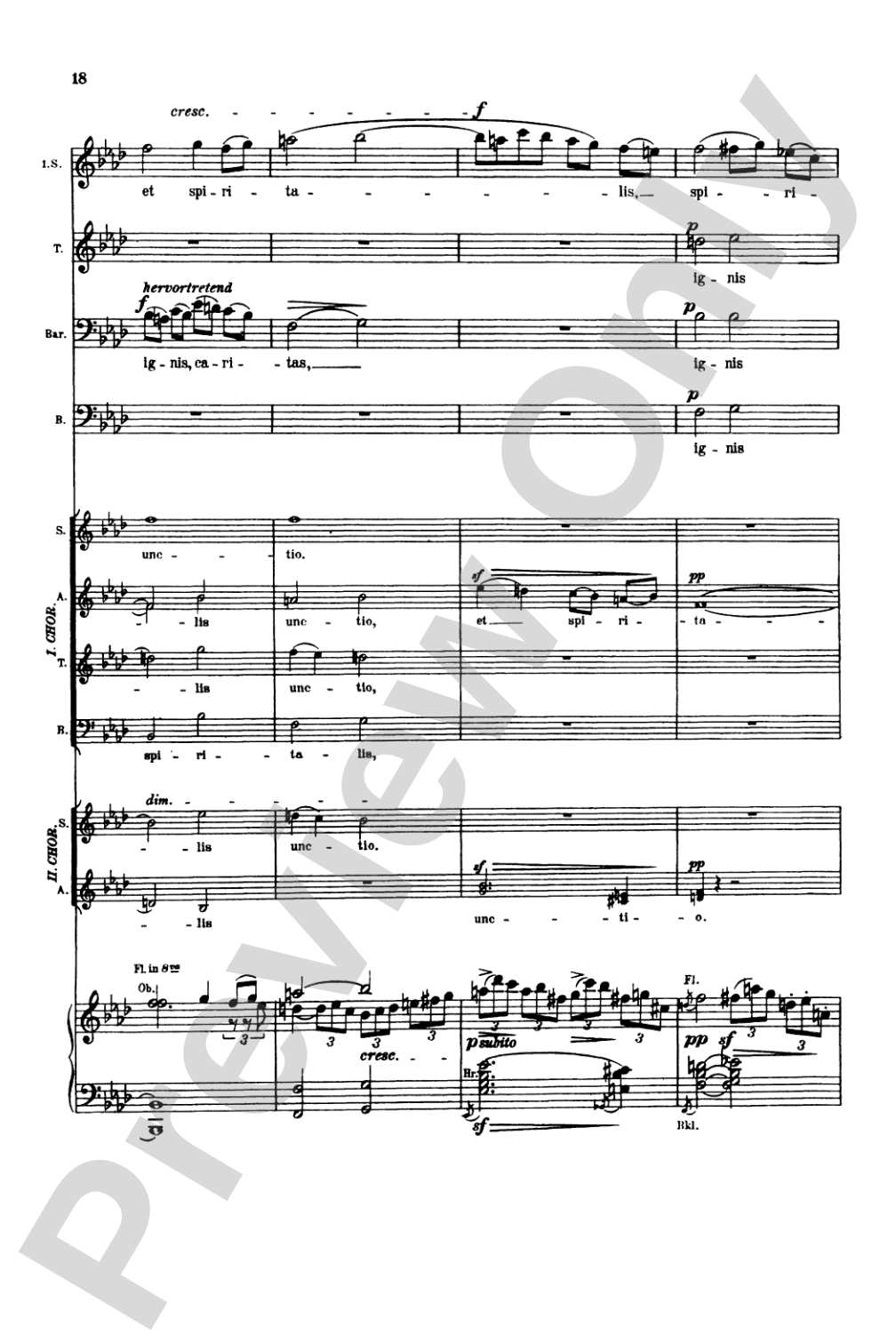
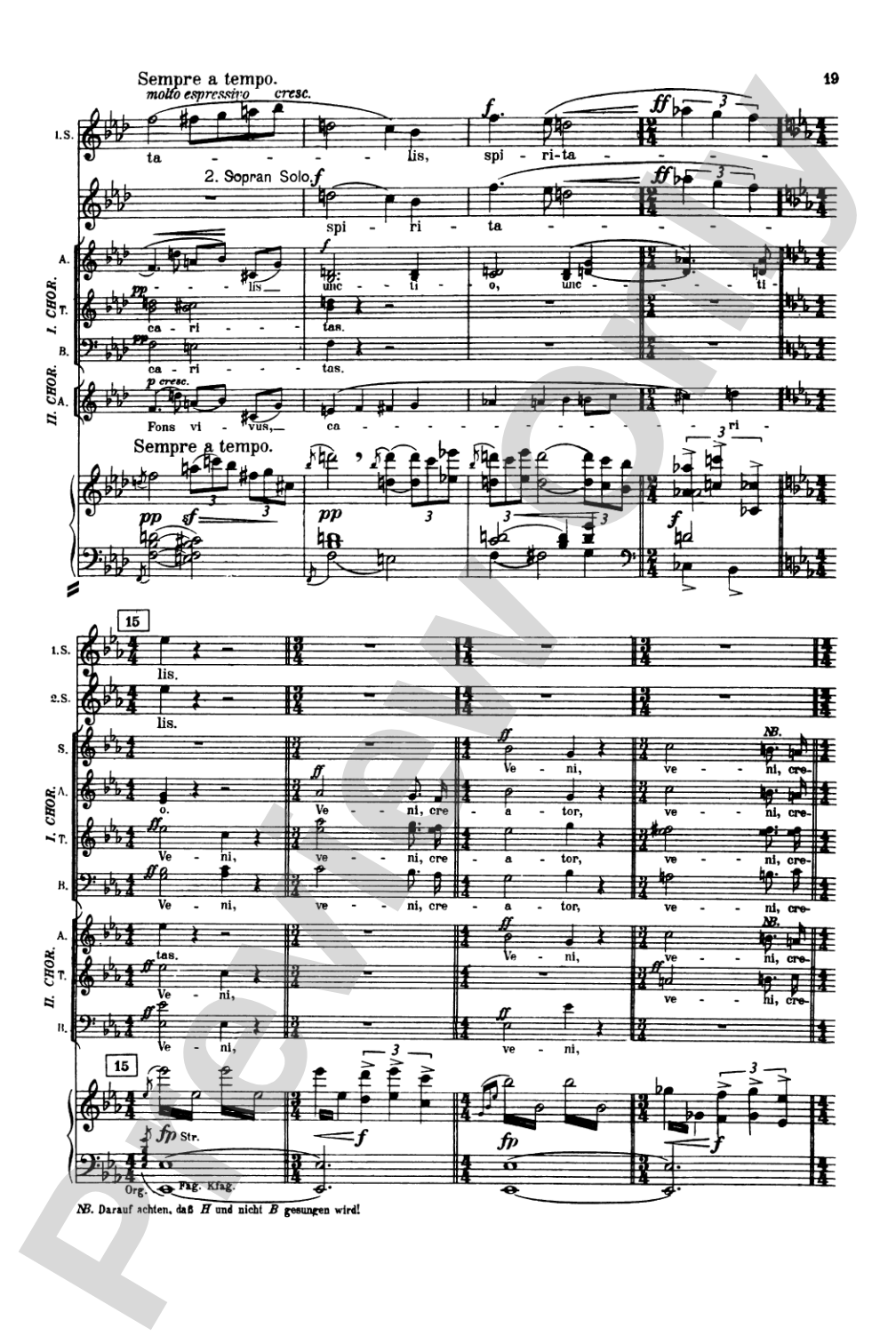
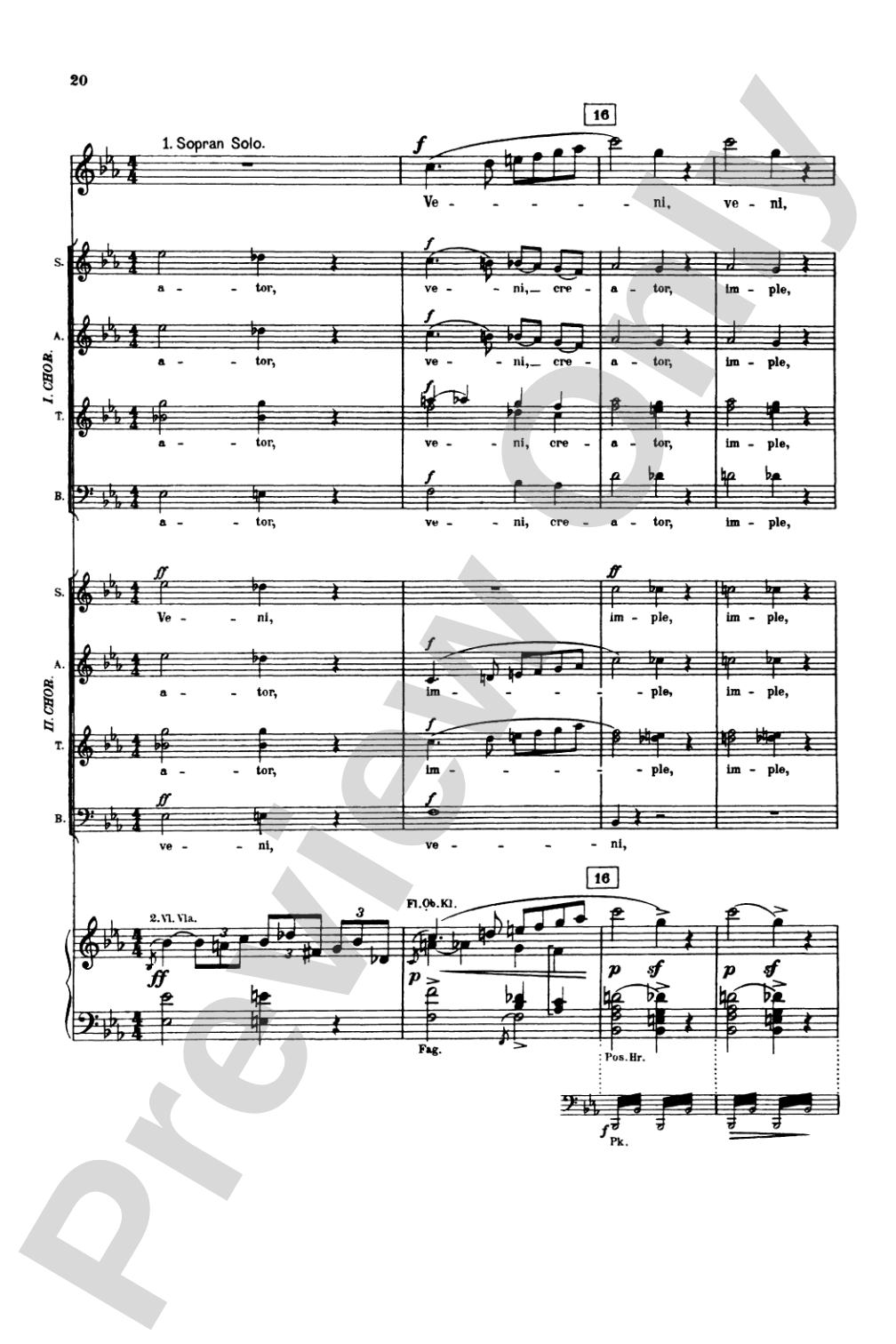
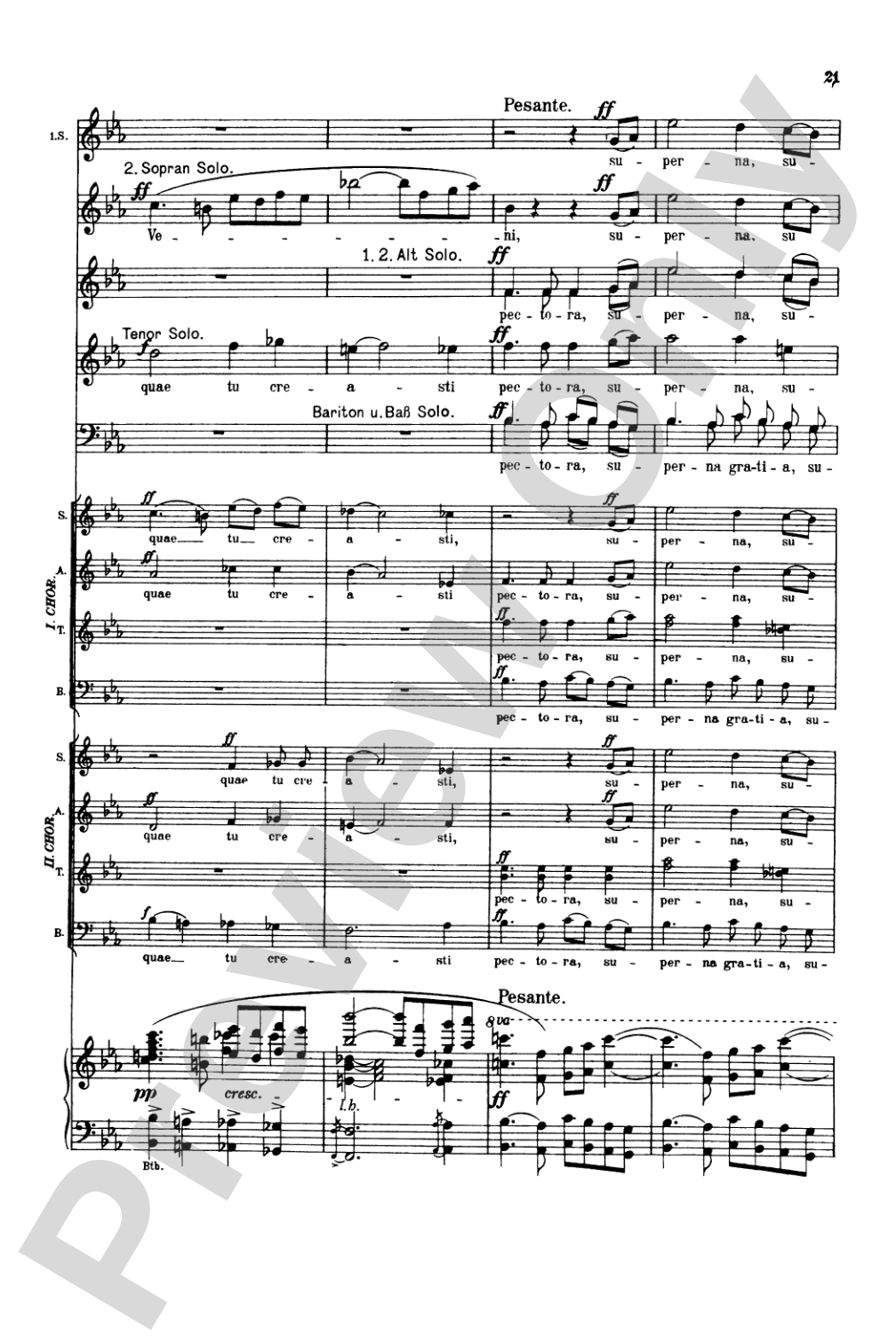
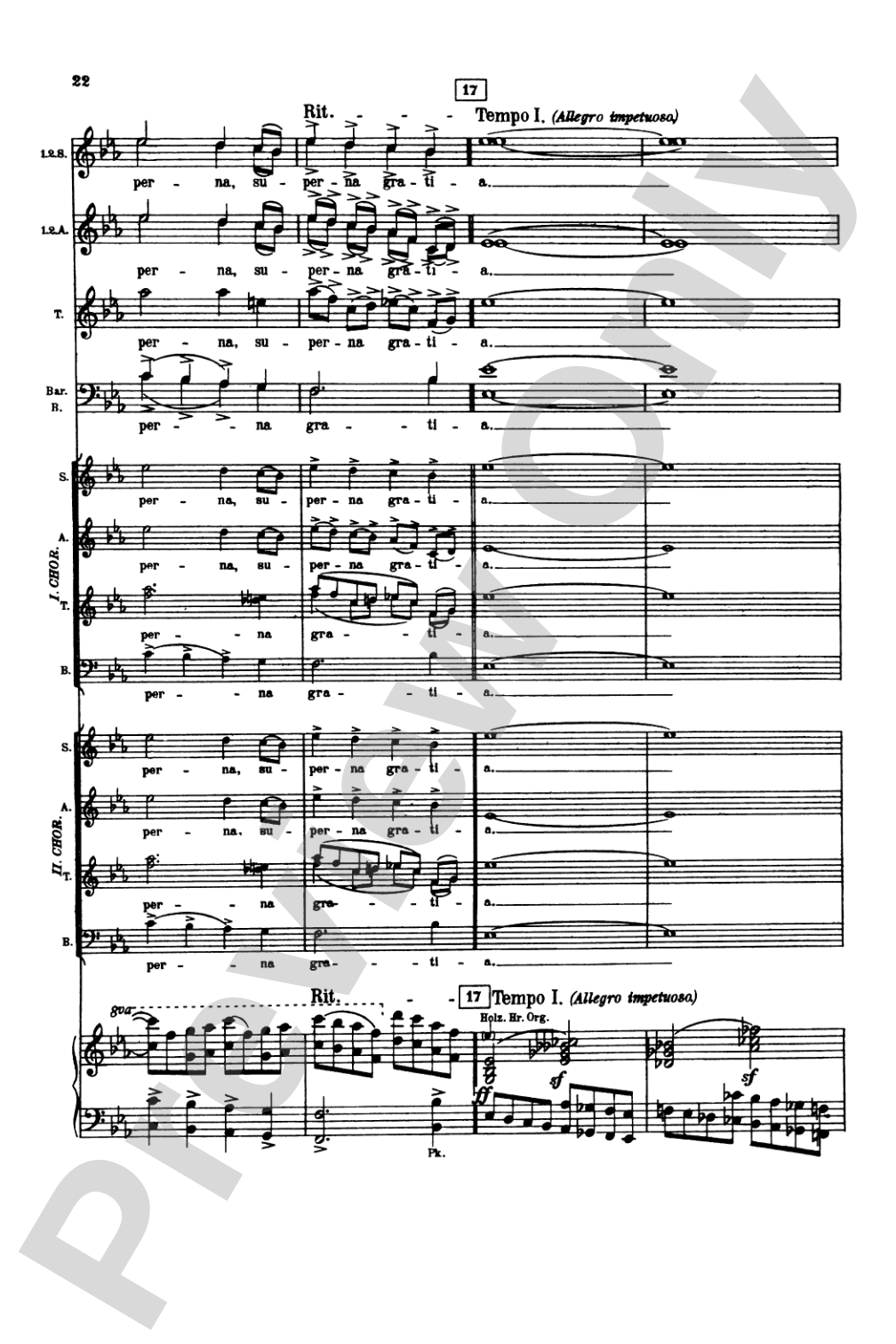
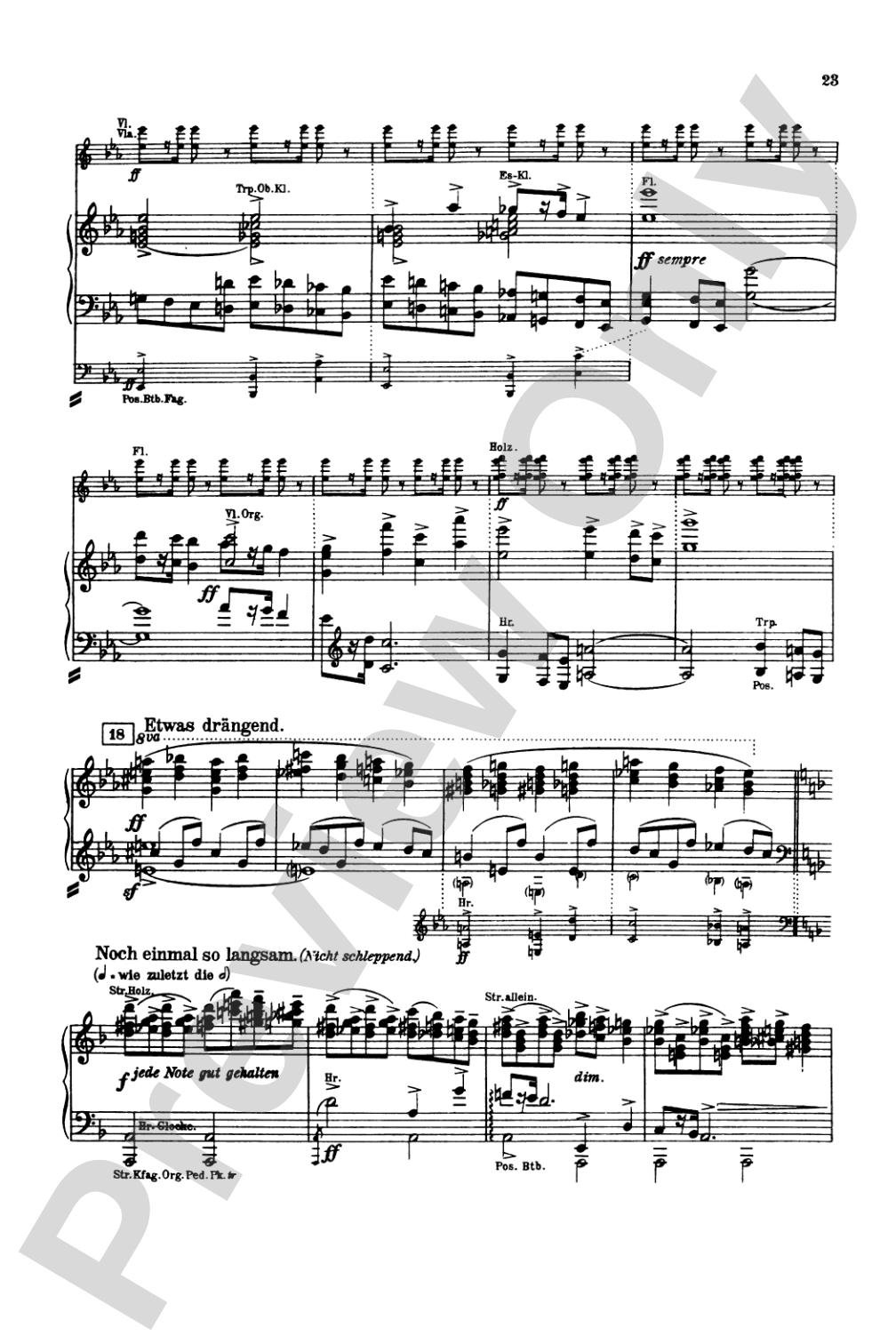
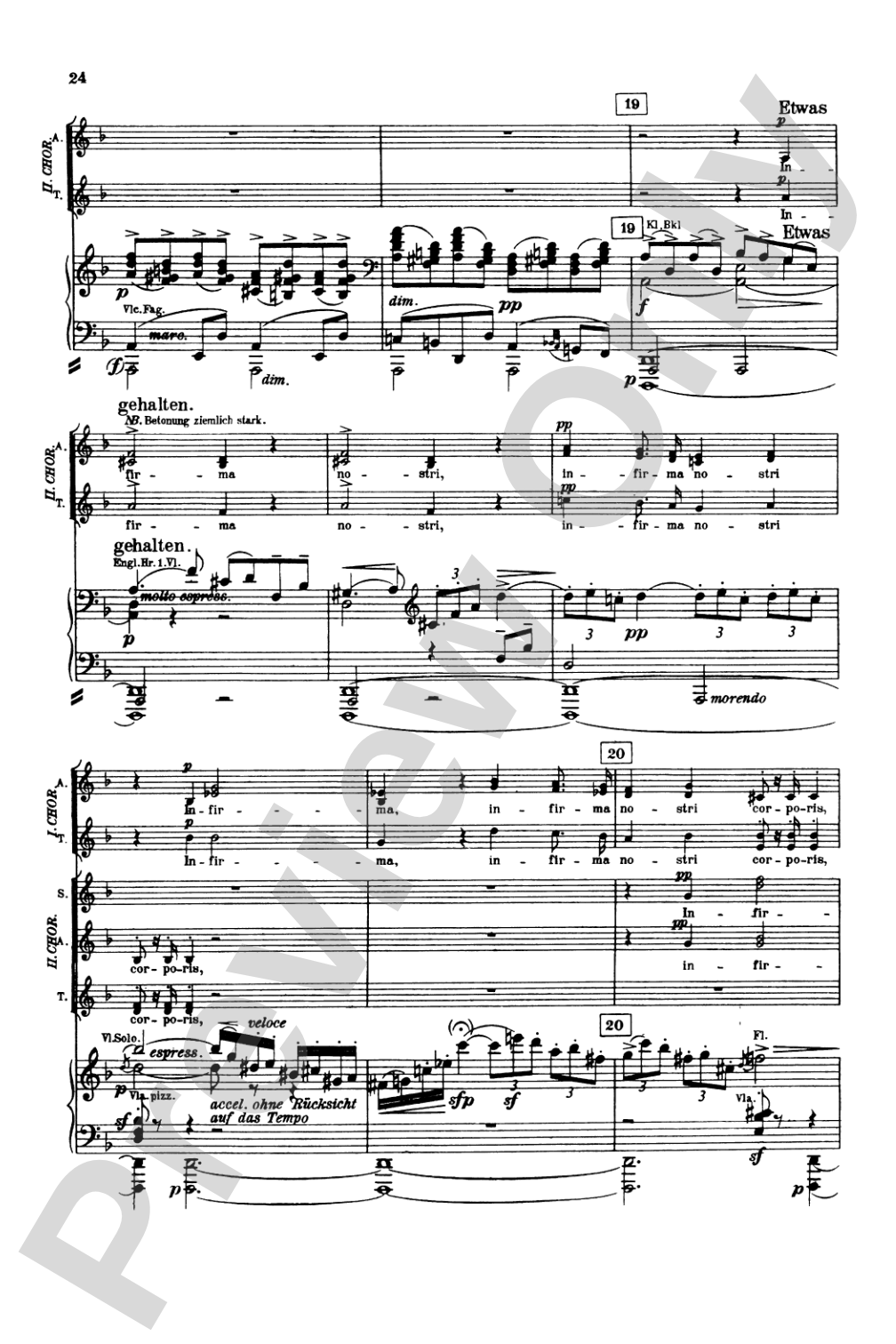
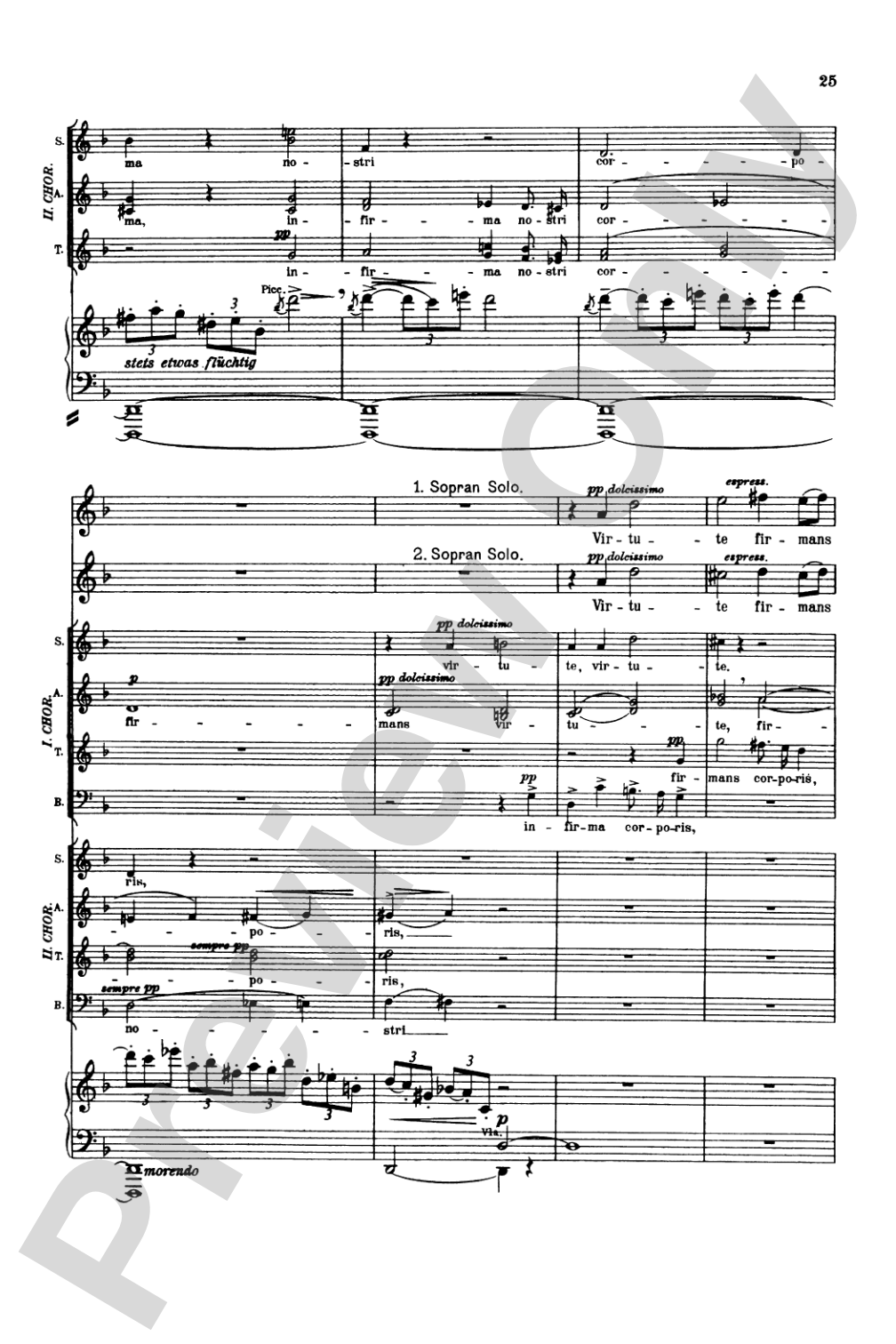
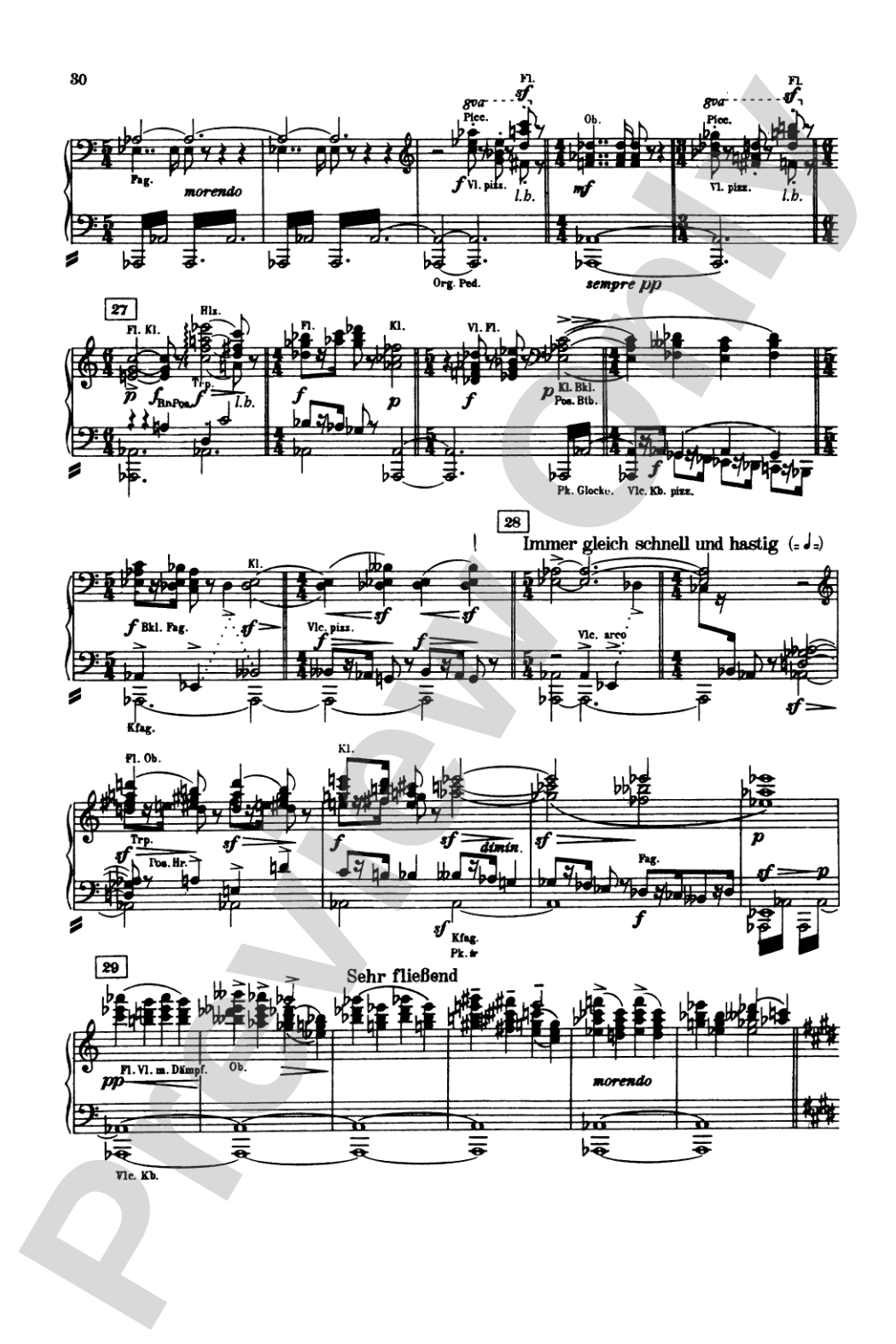
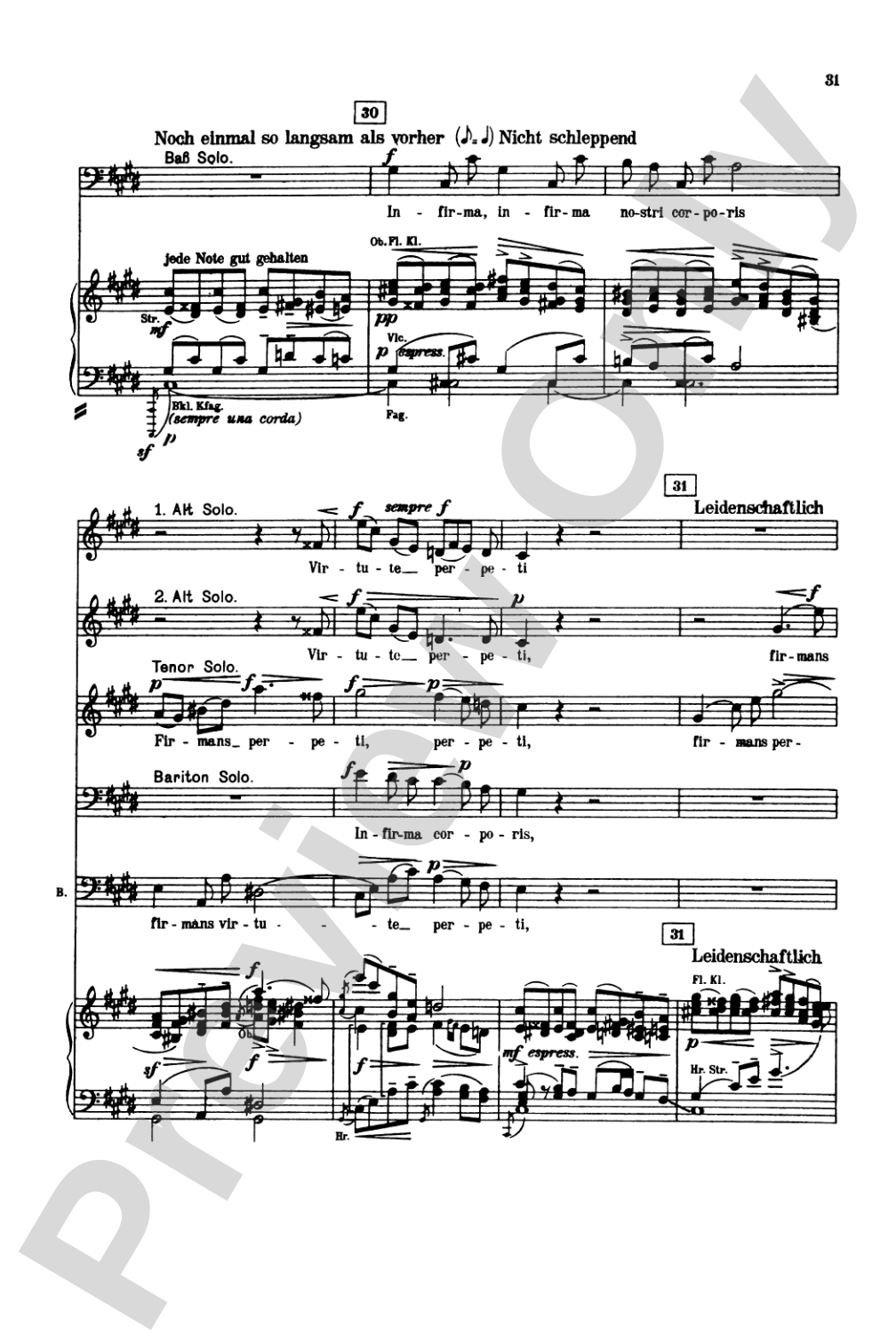
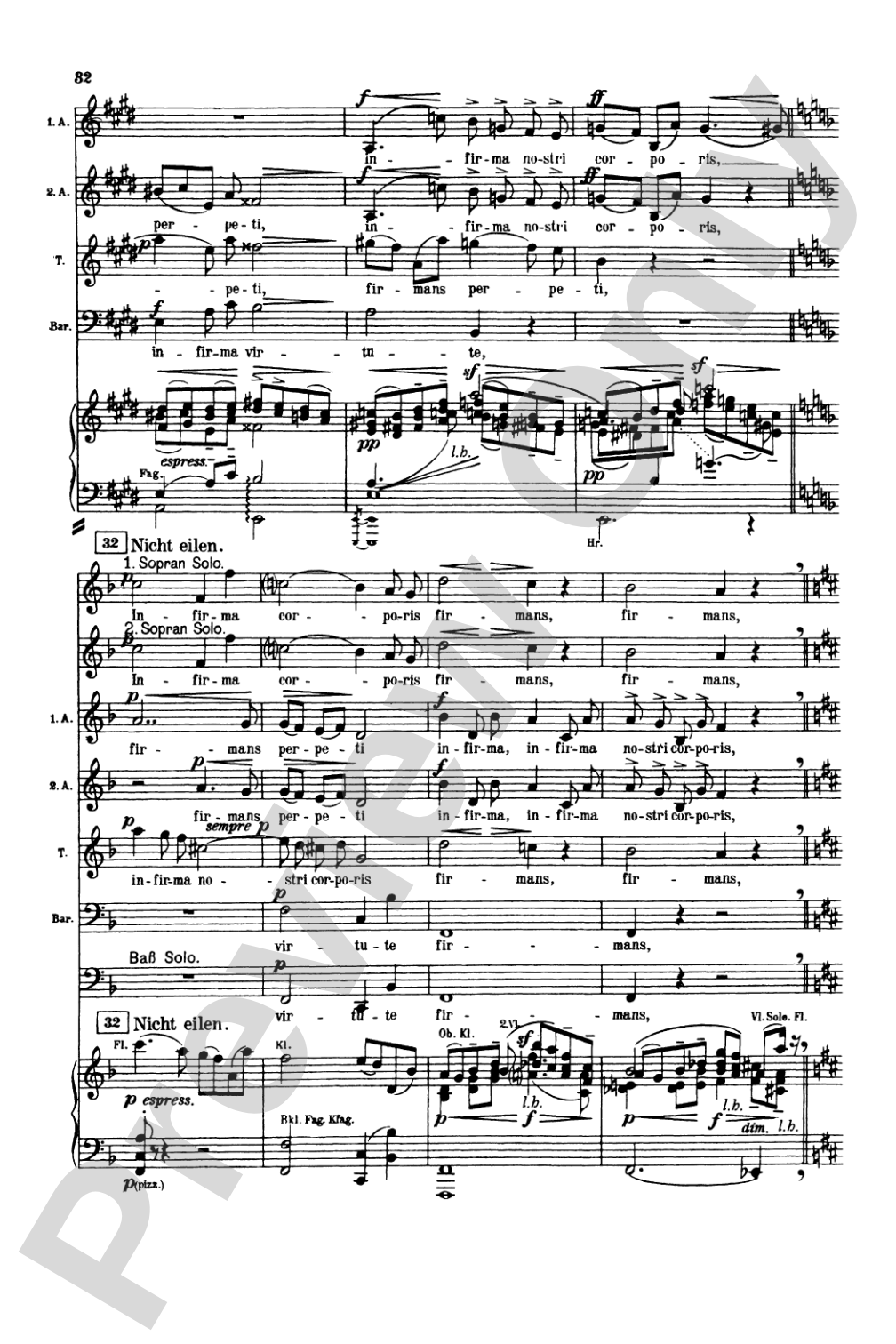
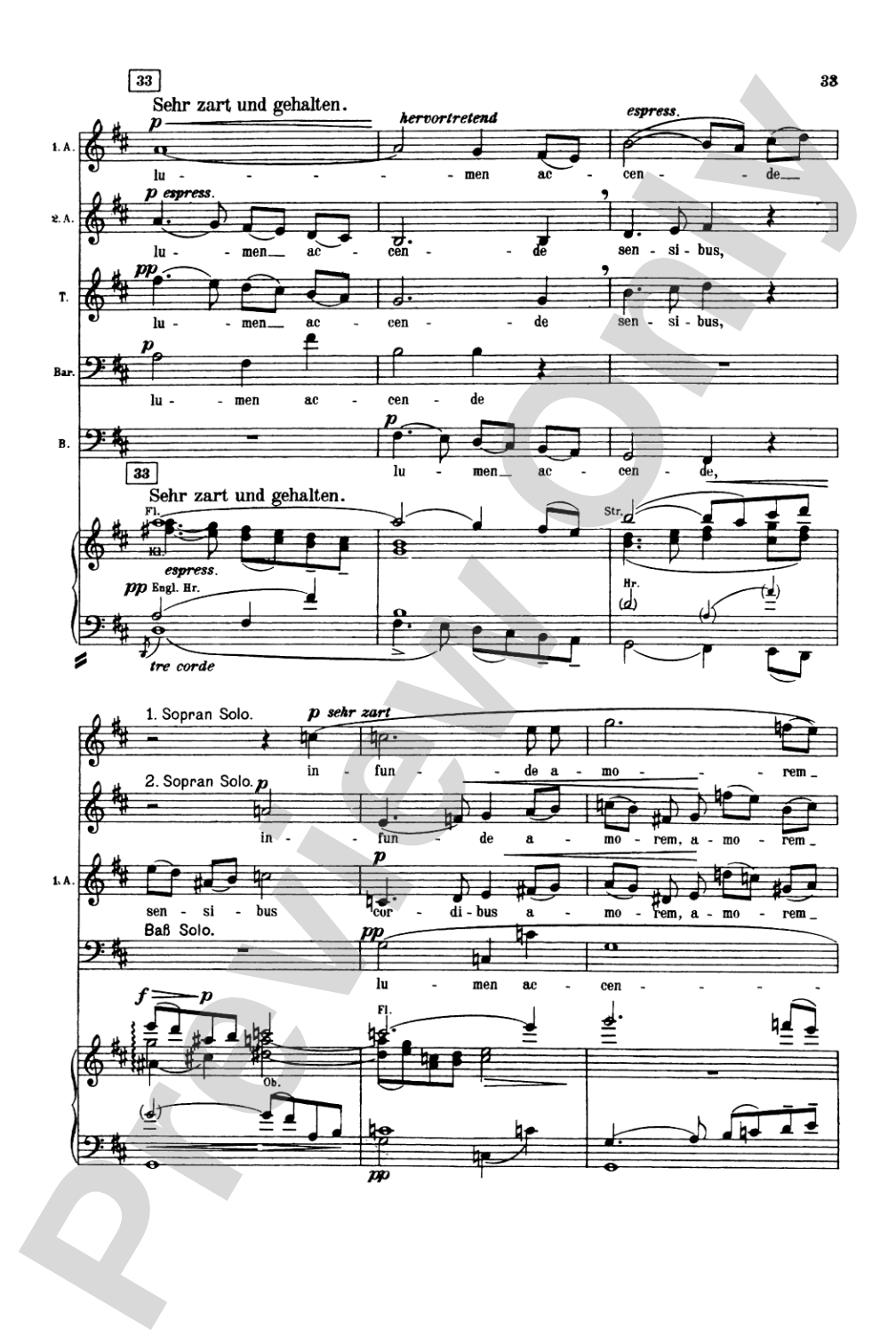
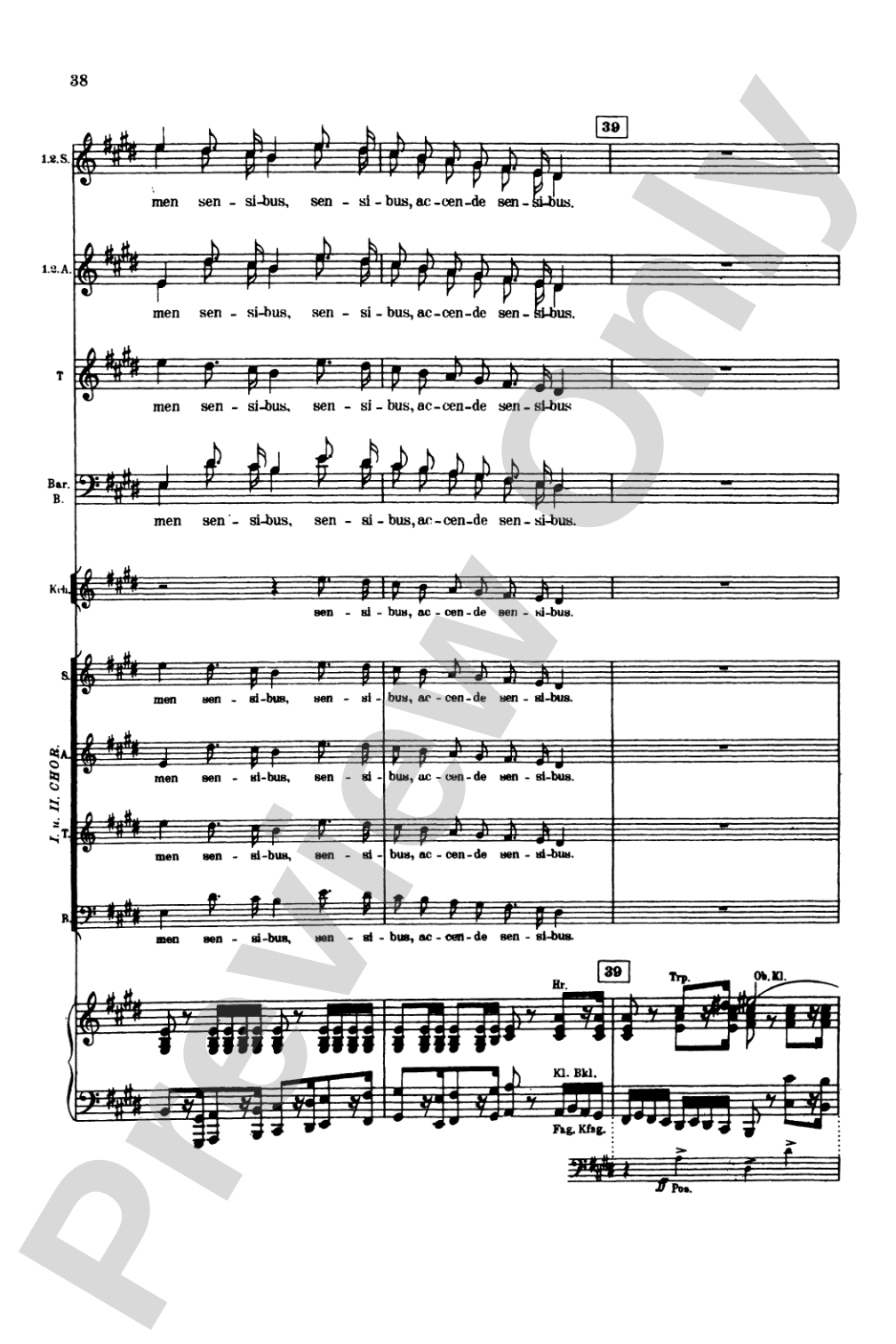
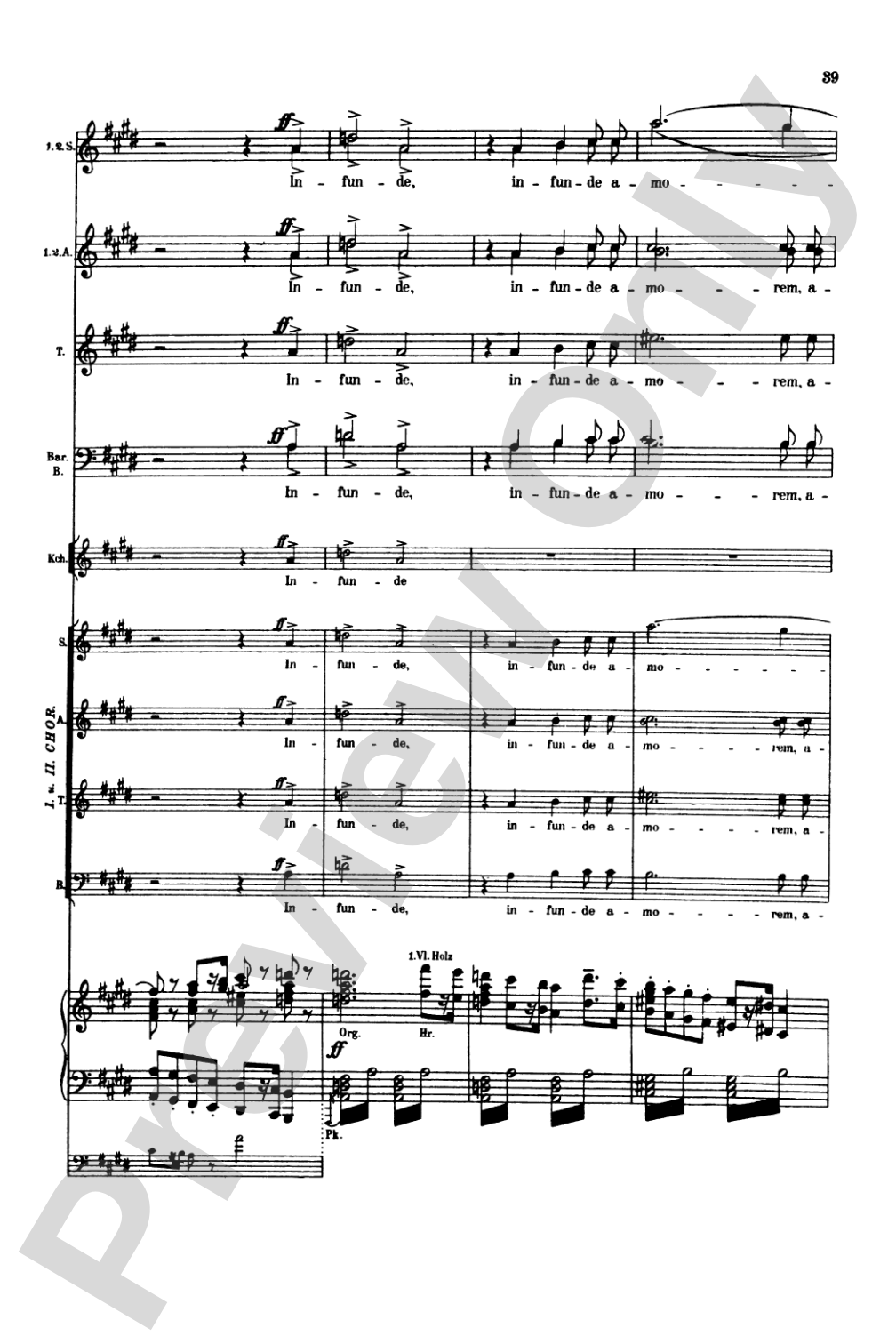
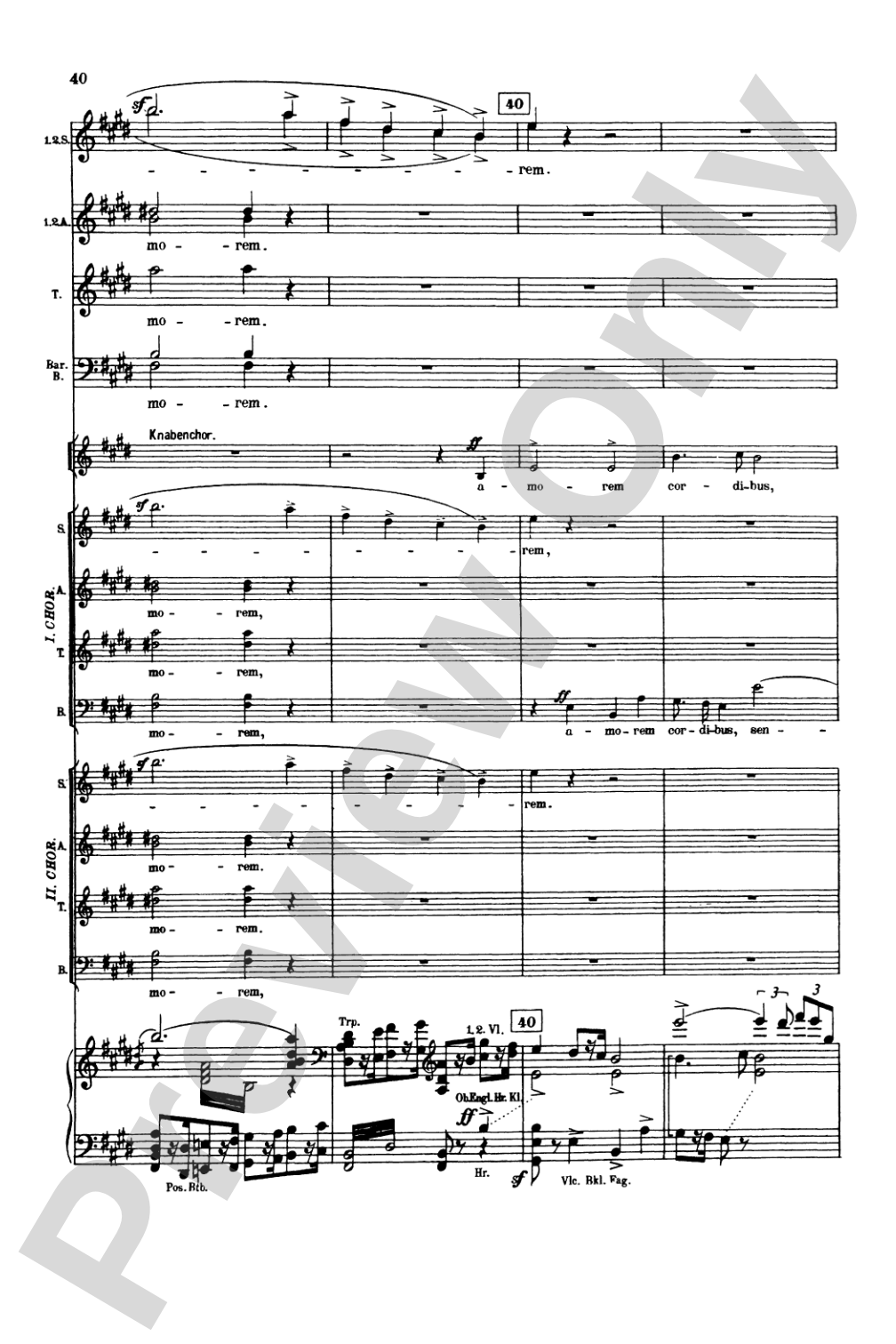
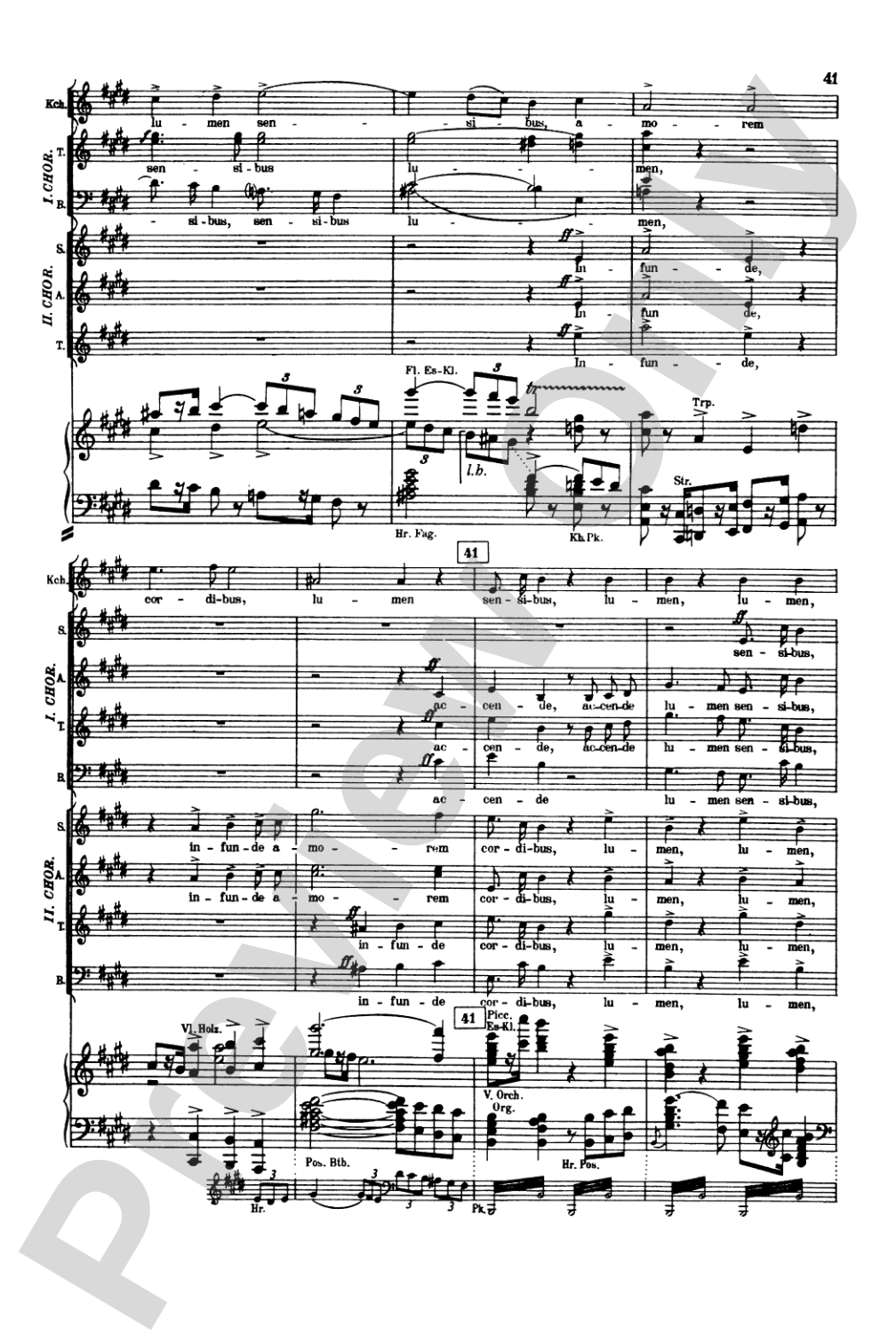
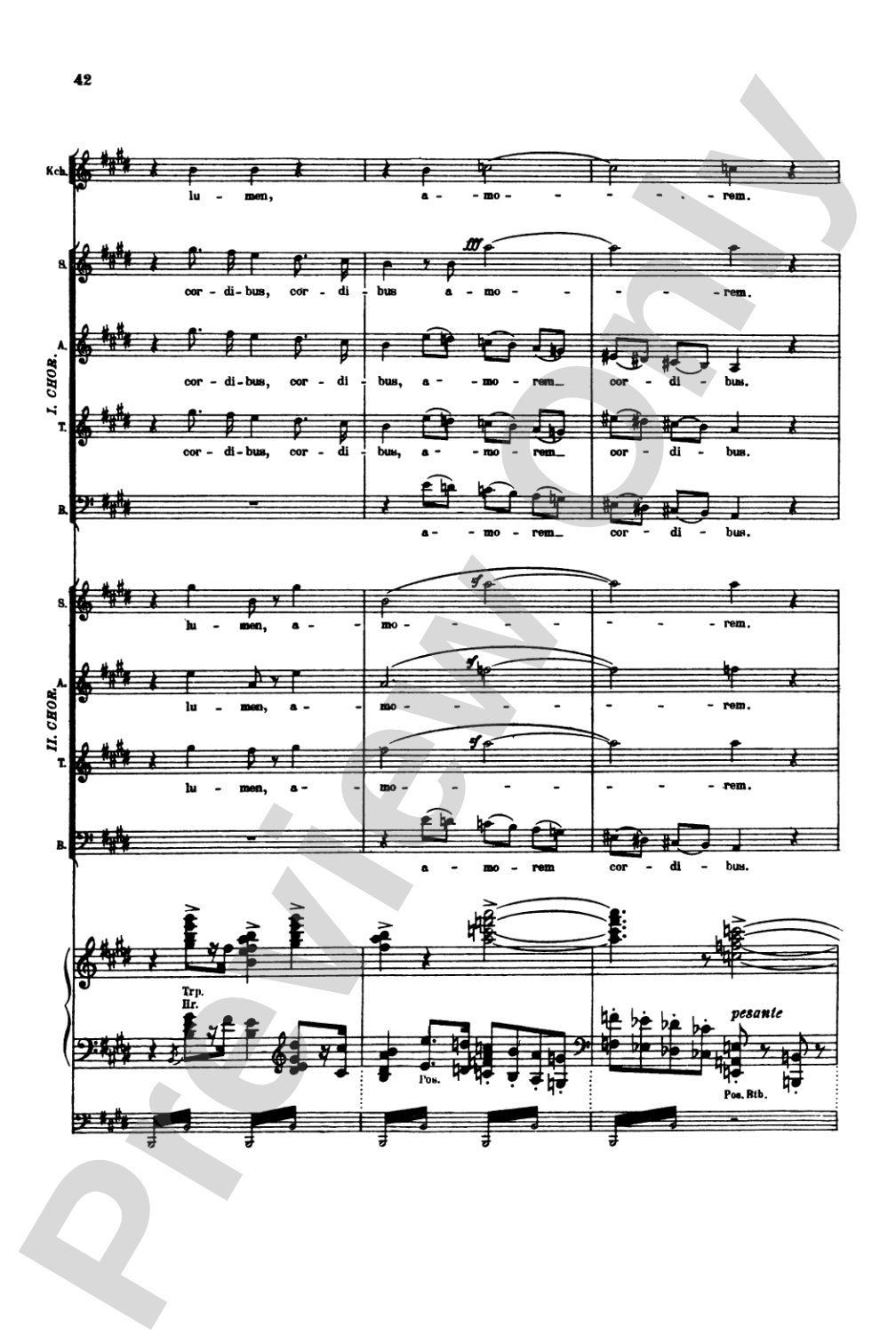
This 211 page score provides the choir and soloist parts along with a piano reduction of the orchestral parts, with notations and instrument cues in German, and the vocal text in Latin. Written by Mahler in 1906, this work is sometimes referred to as the "Symphony of 1000" due to the size of the orchestra, vocal soloists, boys chorus, and double choir, along with antiphonal instruments and organ -- the number of musicians can easily reach 1000 or more. There are two lengthy movements, the first based on the hymn, "Veni, Creator Spiritus," and the second based on the closing scenes of "Faust."


Symphony No. 8 in E-flat Major: Choir isn't in MakeMusic Cloud just yet...but it could be. Let us know you'd like to see it, and you'll help shape what comes next. In the meantime, start a free trial and dive into thousands of interactive titles your students can play along with today.
Request This Title
Tell us you want it.
Start Your Free Trial
Explore everything that's ready to play right now.
Sample Audio
No sample audio found.
Sample Video
No sample videos found.
Additional Details
Series:
Kalmus Edition
Publisher:
Alfred Music
Page Count:
212
SKU:
00-PB-0001165
More about this title
About the Composer: Gustav Mahler
Gustav Mahler (1860–1911) shaped the symphonic tradition at a transformative moment in music history. As a conductor, composer, and tireless advocate for new music, he expanded the orchestra's expressive range and integrated voices into symphonic structures in ways that fundamentally altered how composers thought about form and scale.
Why we love this
Mahler's Eighth demands everything from a choir: textural clarity amid orchestral density, precise intonation across wide ranges, and the stamina to sustain long phrases in Latin while tracking complex harmonic language. The work rewards preparation with an unforgettable experience of collaborative scale and spiritual intensity that singers rarely forget.
What to expect
The opening movement rises like a vast cathedral, voices interlocking above rippling accompaniment as the hymn text unfolds with cumulative power. The second movement shifts to intimate lyricism and dramatic intensity, following Goethe's vision with soloists and chorus in dialogue, ultimately reaching toward something transcendent and unresolved.
Who it's for
This score is essential for conductors preparing large choral ensembles with access to substantial vocal and instrumental resources. It serves experienced choirs ready to engage with Romantic era vocal writing and singers comfortable sustaining high tessitura over extended periods.
How to get the most out of it
- Balance the antiphonal writing carefully during rehearsals by positioning the boys chorus and double choir in their intended spatial relationship, even if only approximate in your rehearsal space. This stakes out the architectural logic Mahler embedded in the score.
- Establish a clear harmonic anchor early; the piano reduction can obscure the orchestral grounding. Reference recordings strategically to reinforce how the voice parts sit against the full orchestration.
- Drill the Latin text for clarity before diving into melodic nuance. Vowel consistency across a large ensemble ensures the text cuts through and supports ensemble cohesion.
- Mark structural seams explicitly in your score. The two movements unfold in long arcs; singers need landmarks to maintain momentum across extended stretches without clear section breaks.
How to use it
Reserve this work for a culminating festival or concert season finale where you can allocate substantial rehearsal time and programming space. Pair it with smaller works that complement rather than compete; the Eighth's scale demands it stand as the evening's central event.
Skills your students will build
- Reading large-scale formal structures across two extended movements
- Singing sustained passages in Latin with accurate vowels and diction
- Balancing individual voice lines within dense four-part and eight-part writing
- Responding to antiphonal spatial relationships and clear conducting cues
- Navigating wide tessitura and dramatic dynamic contrasts over extended durations
- Coordinating with soloists and tracking thematic material across vocal and orchestral textures