
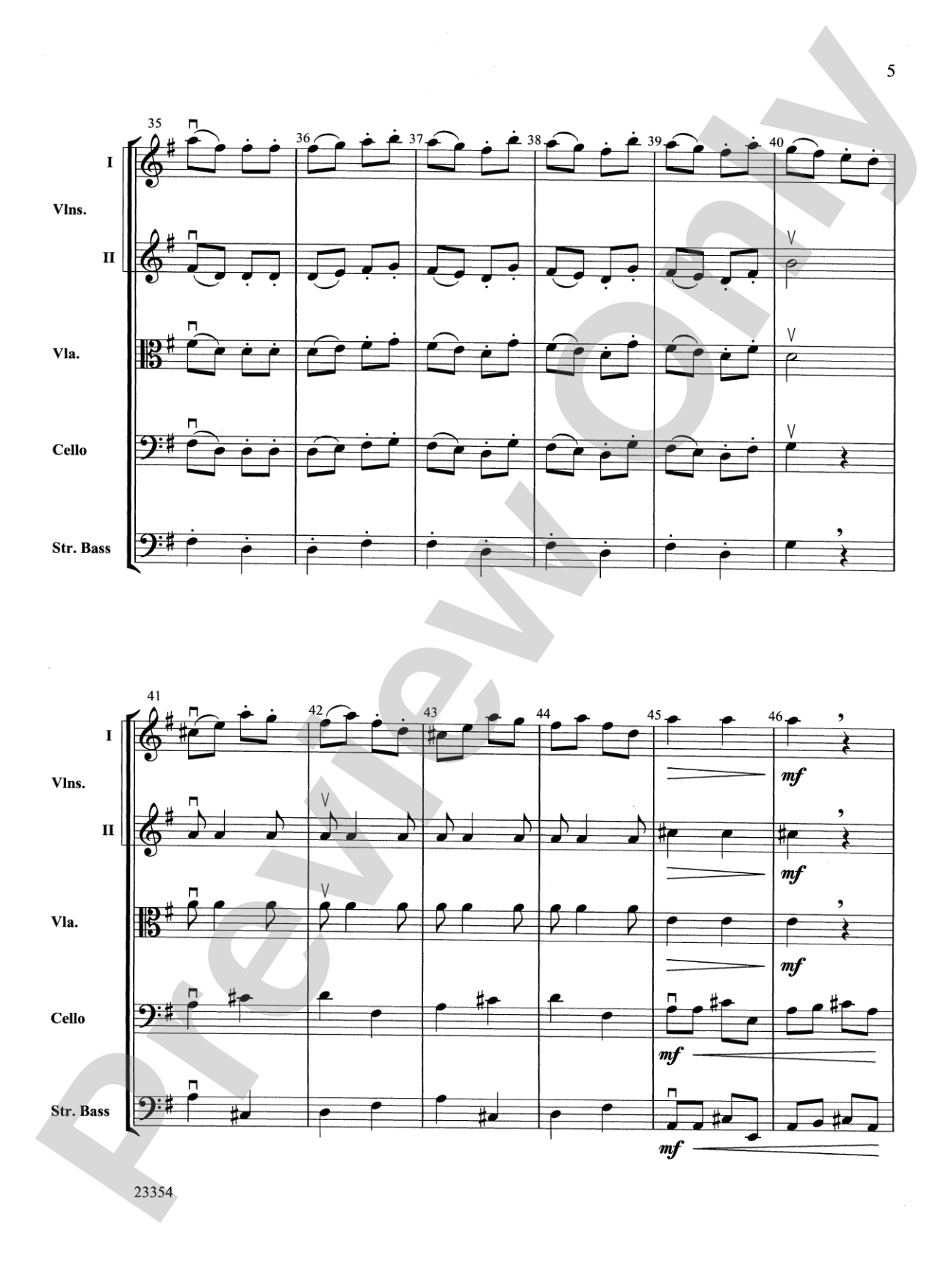
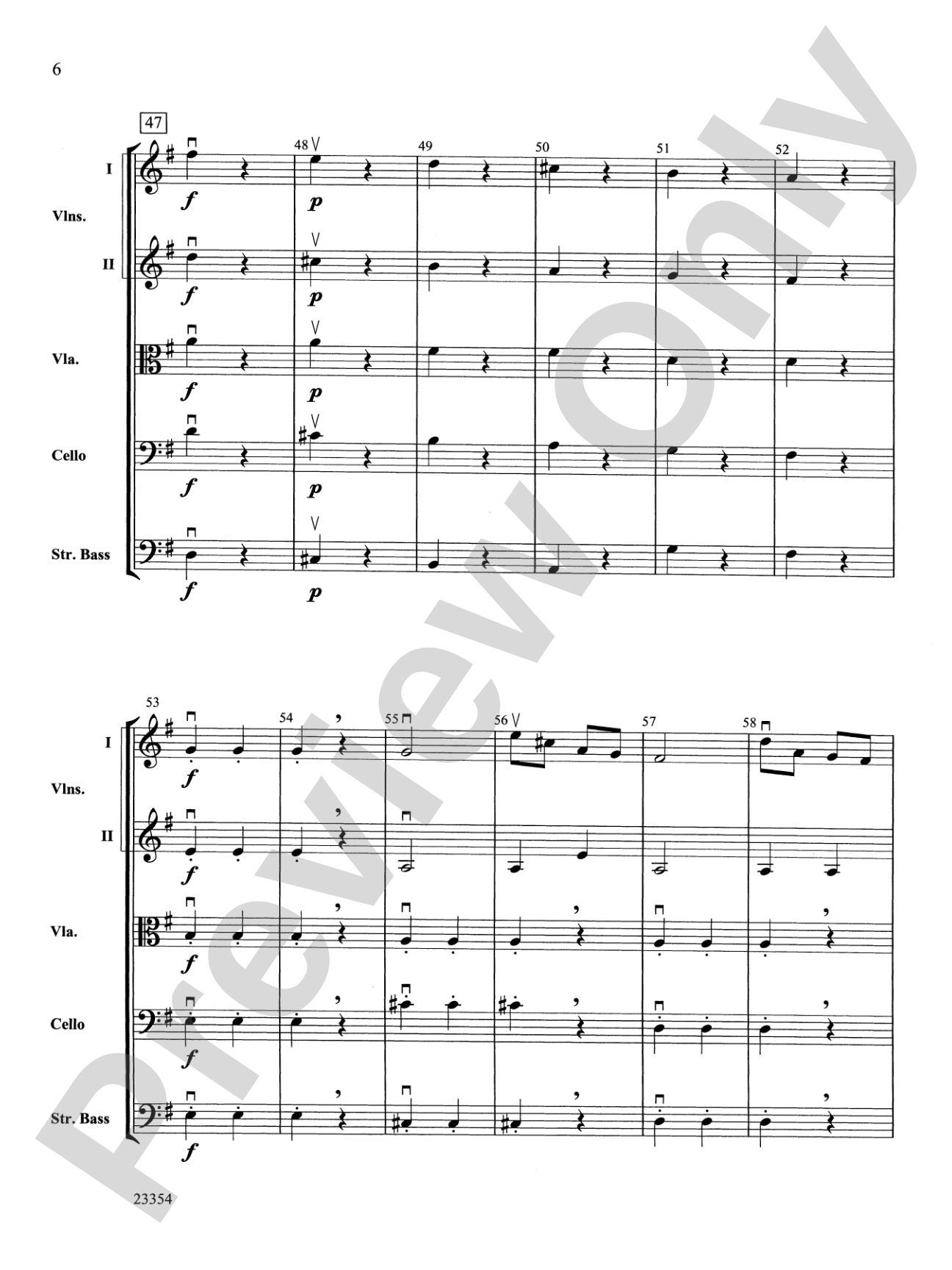
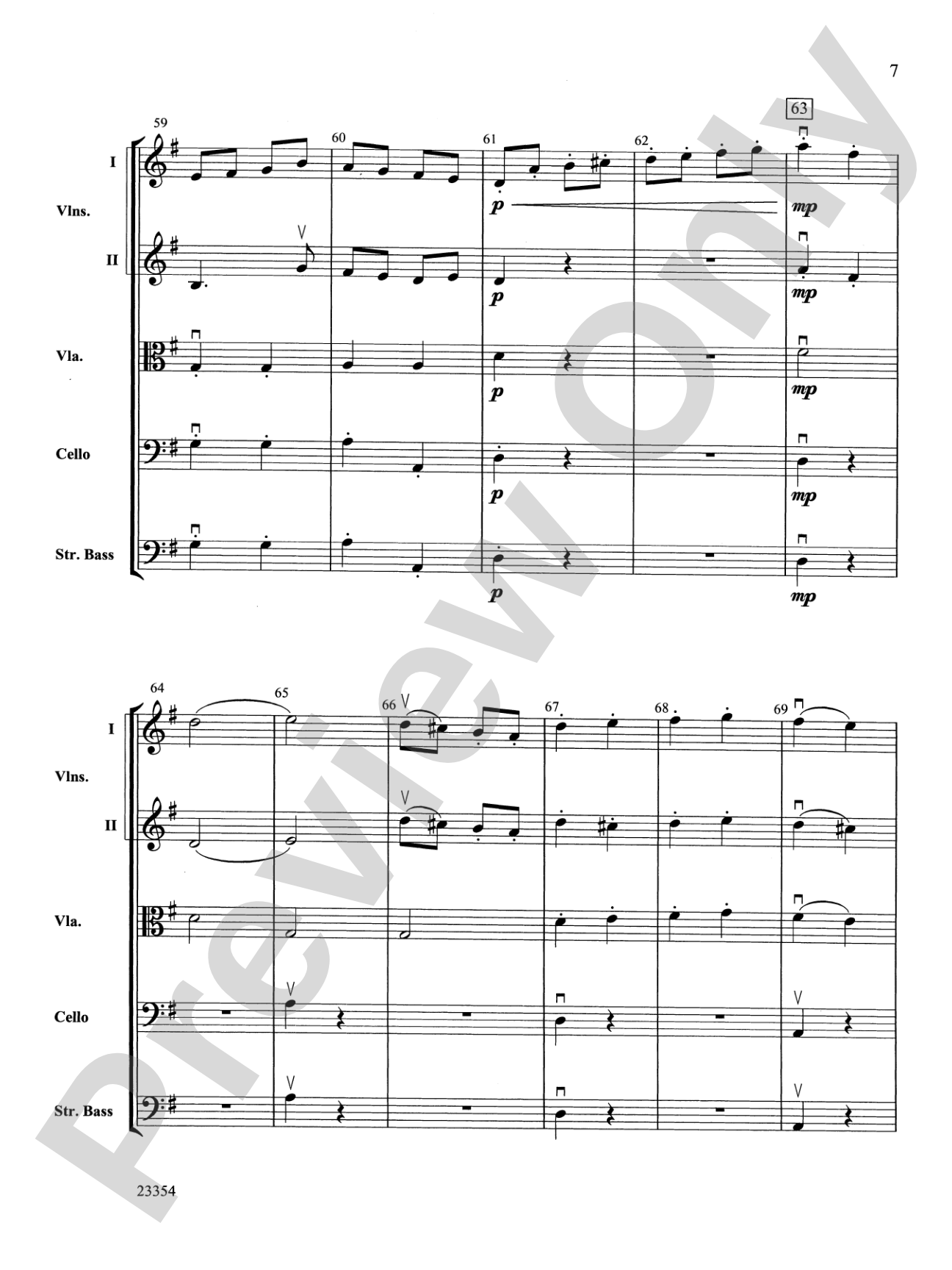
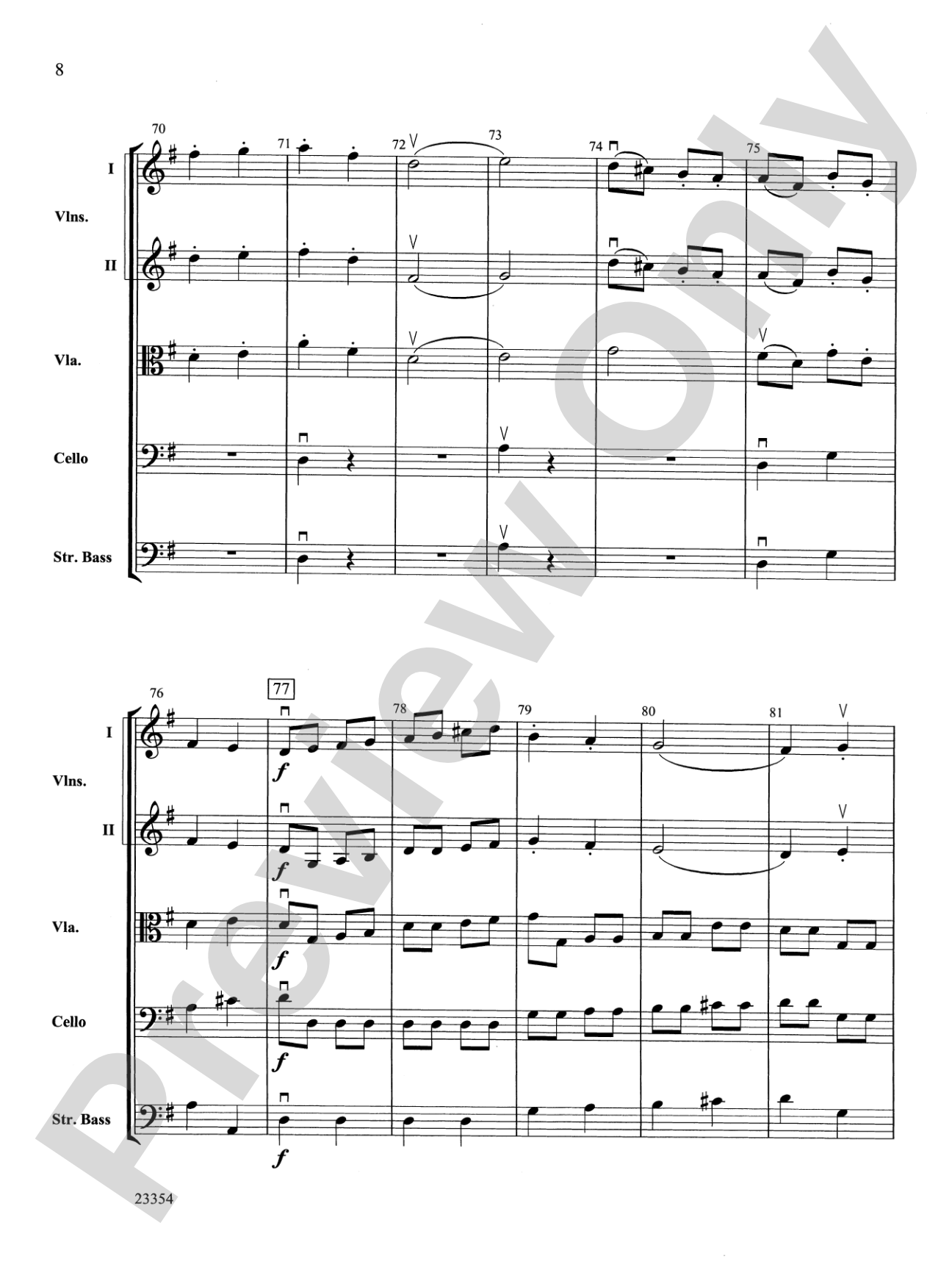
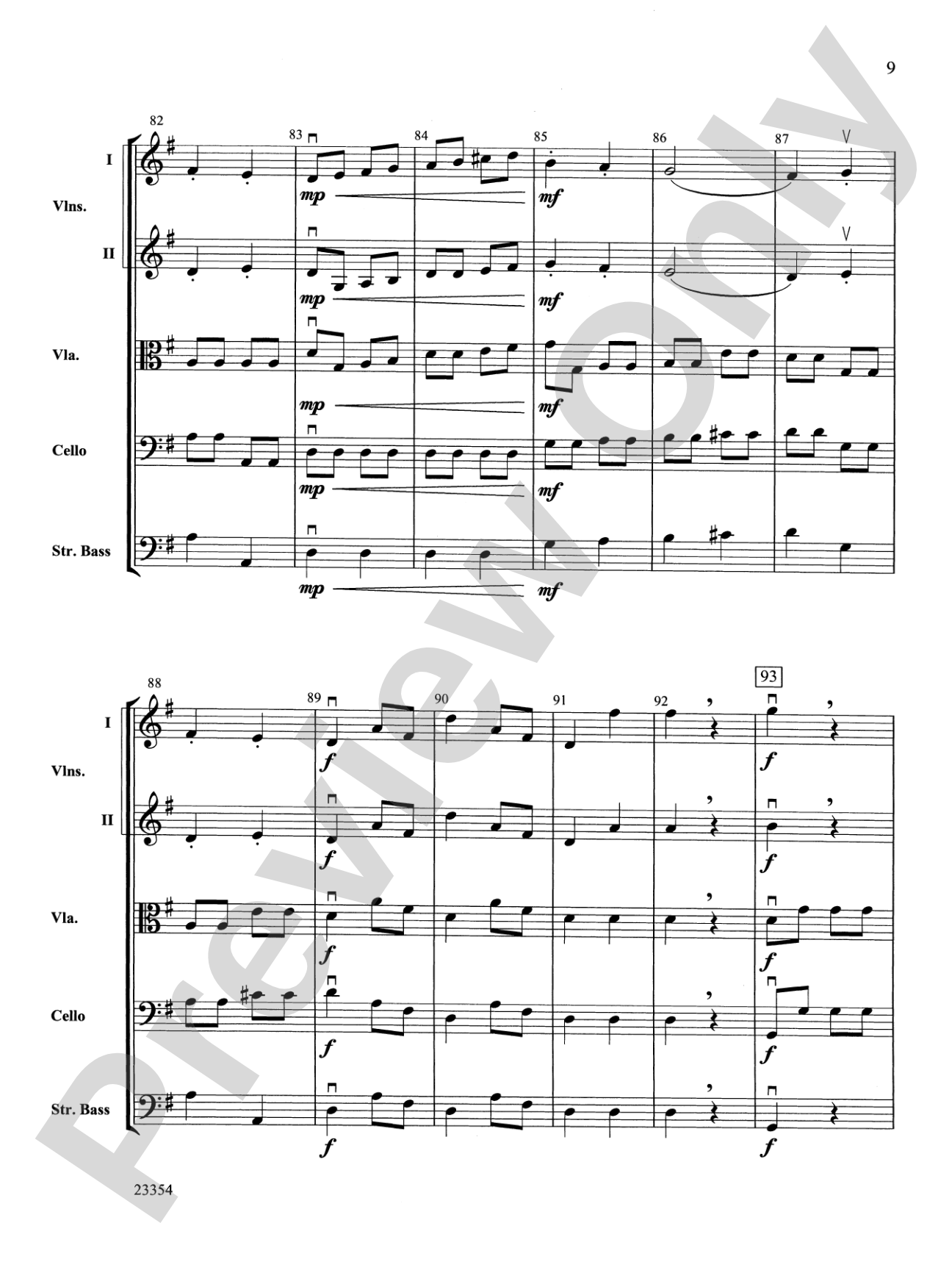
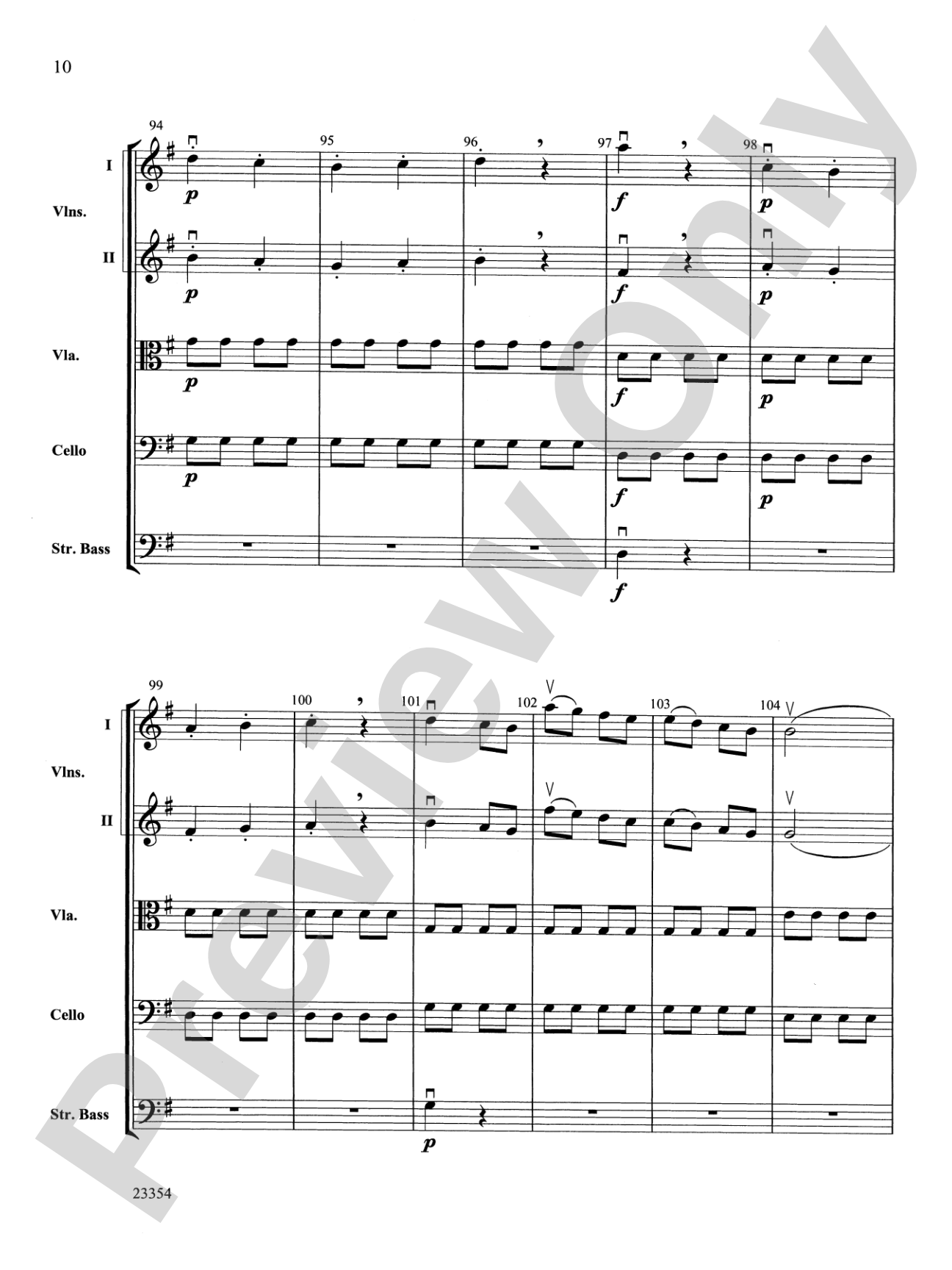
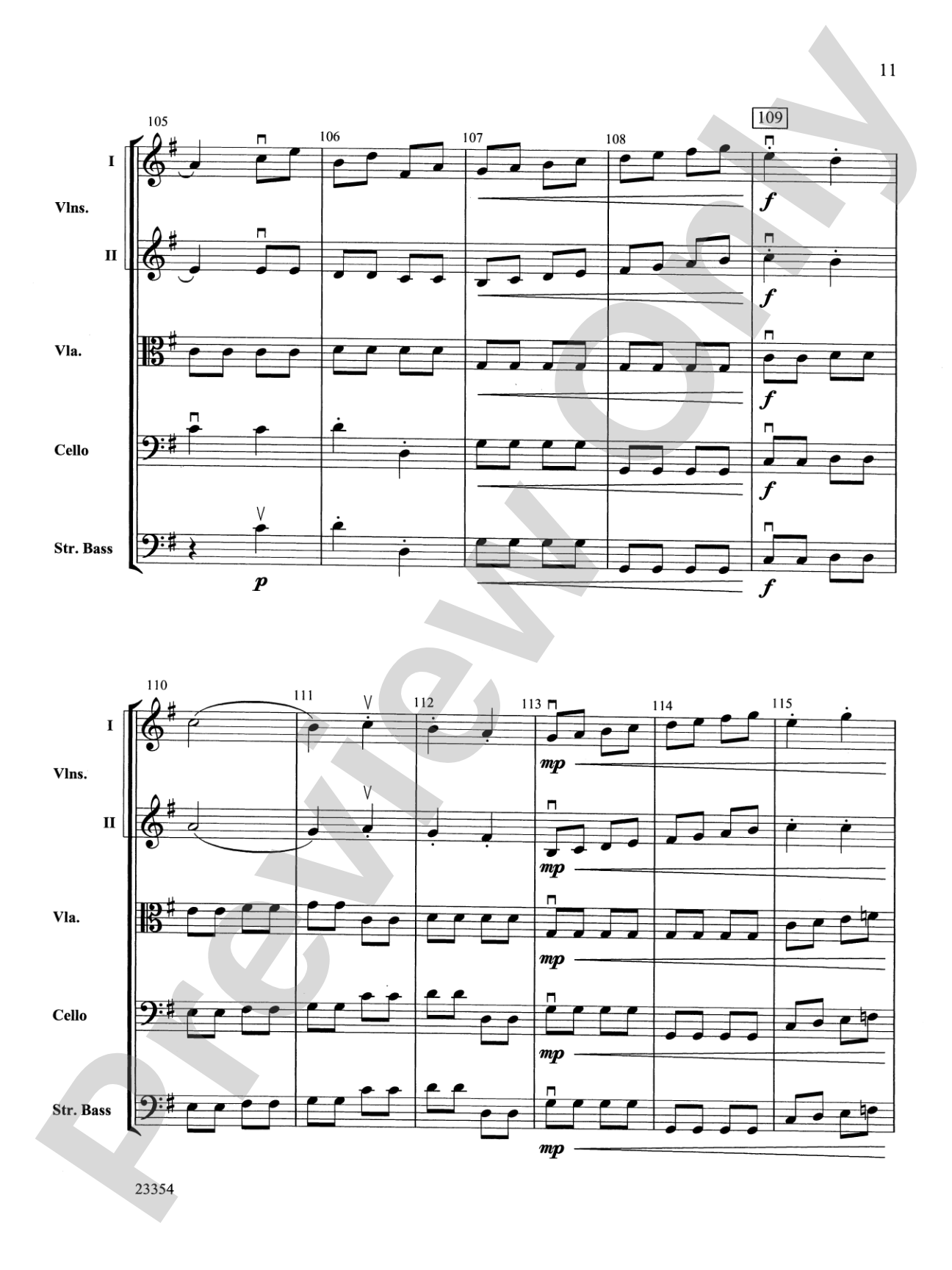
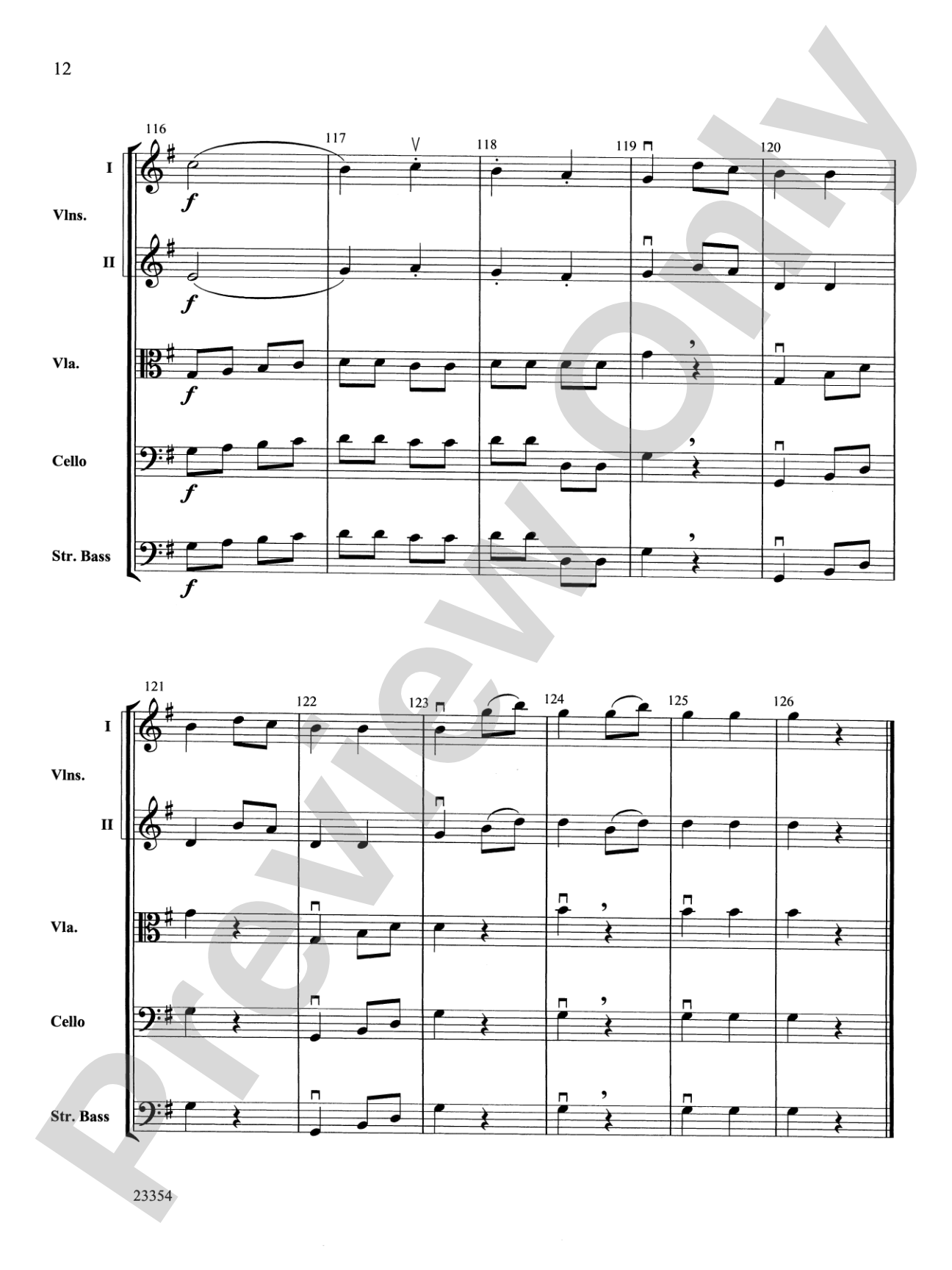

Symphony No. 8: String Orchestra Conductor Score & Parts
(Third Movement)
By Johann Stamitz / arr. Bob Phillips
Grade: 2
Item: 00-PK-0000707

$56.00
Pickup currently not available
Buy Extra Parts (Digital PDF Download)
| Product | Price | Quantity |
|---|---|---|
| Symphony No. 8: Score | $9.00 | |
| Symphony No. 8: 1st Violin | $5.99 | |
| Symphony No. 8: 2nd Violin | $5.99 | |
| Symphony No. 8: Viola | $5.99 | |
| Symphony No. 8: Cello | $5.99 | |
| Symphony No. 8: String Bass | $5.99 |
Parts Added to Cart!
Description
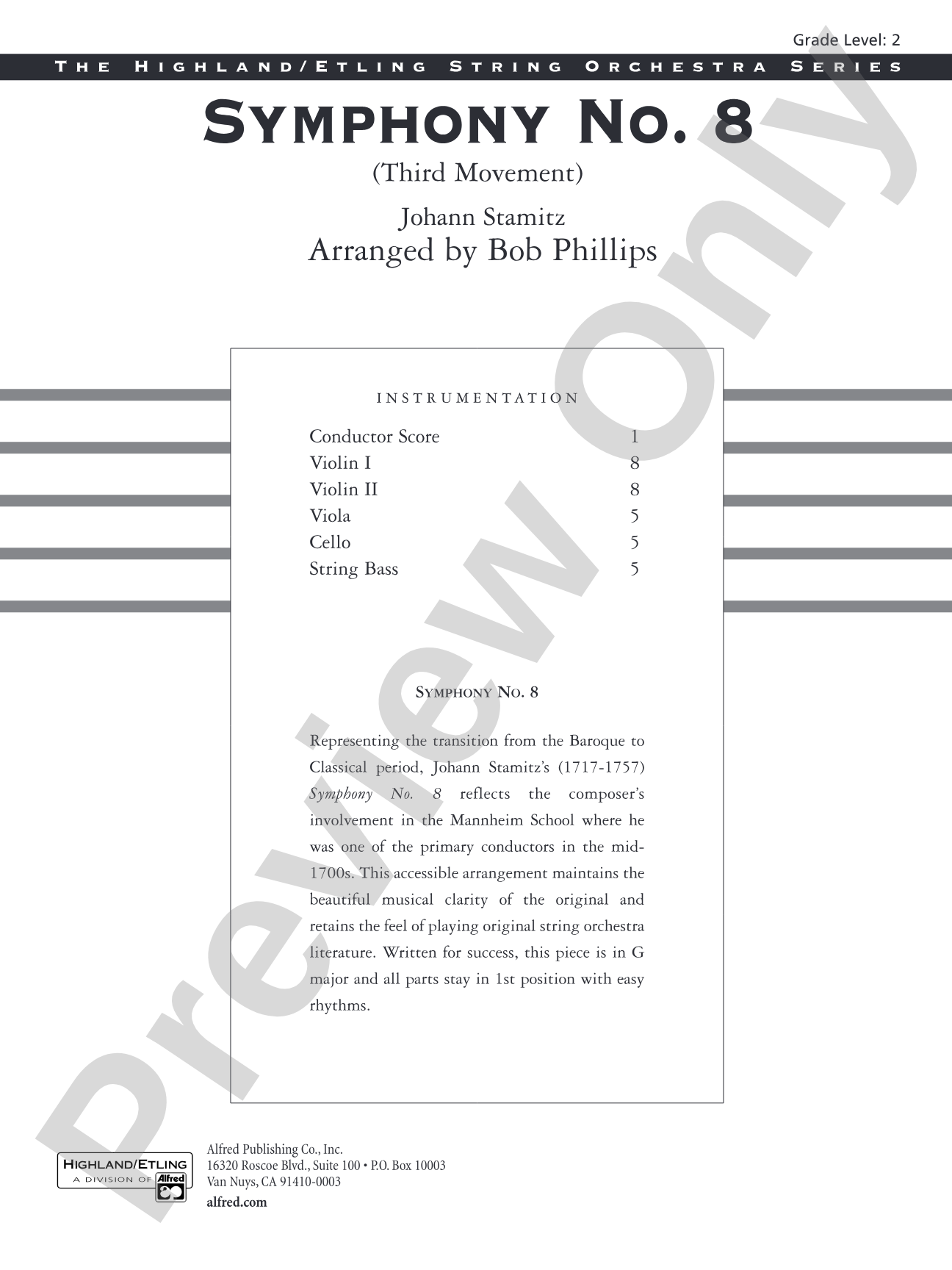
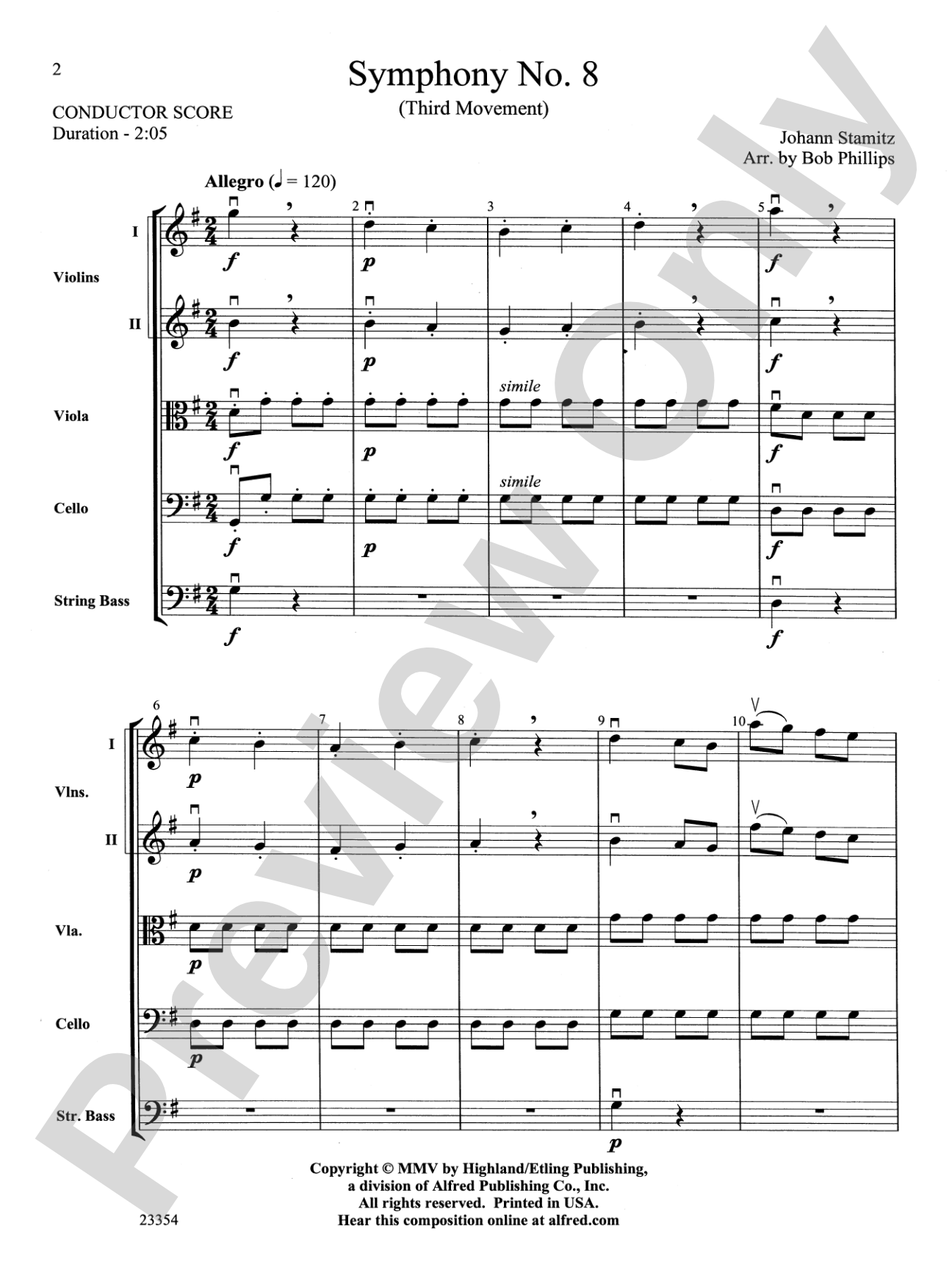
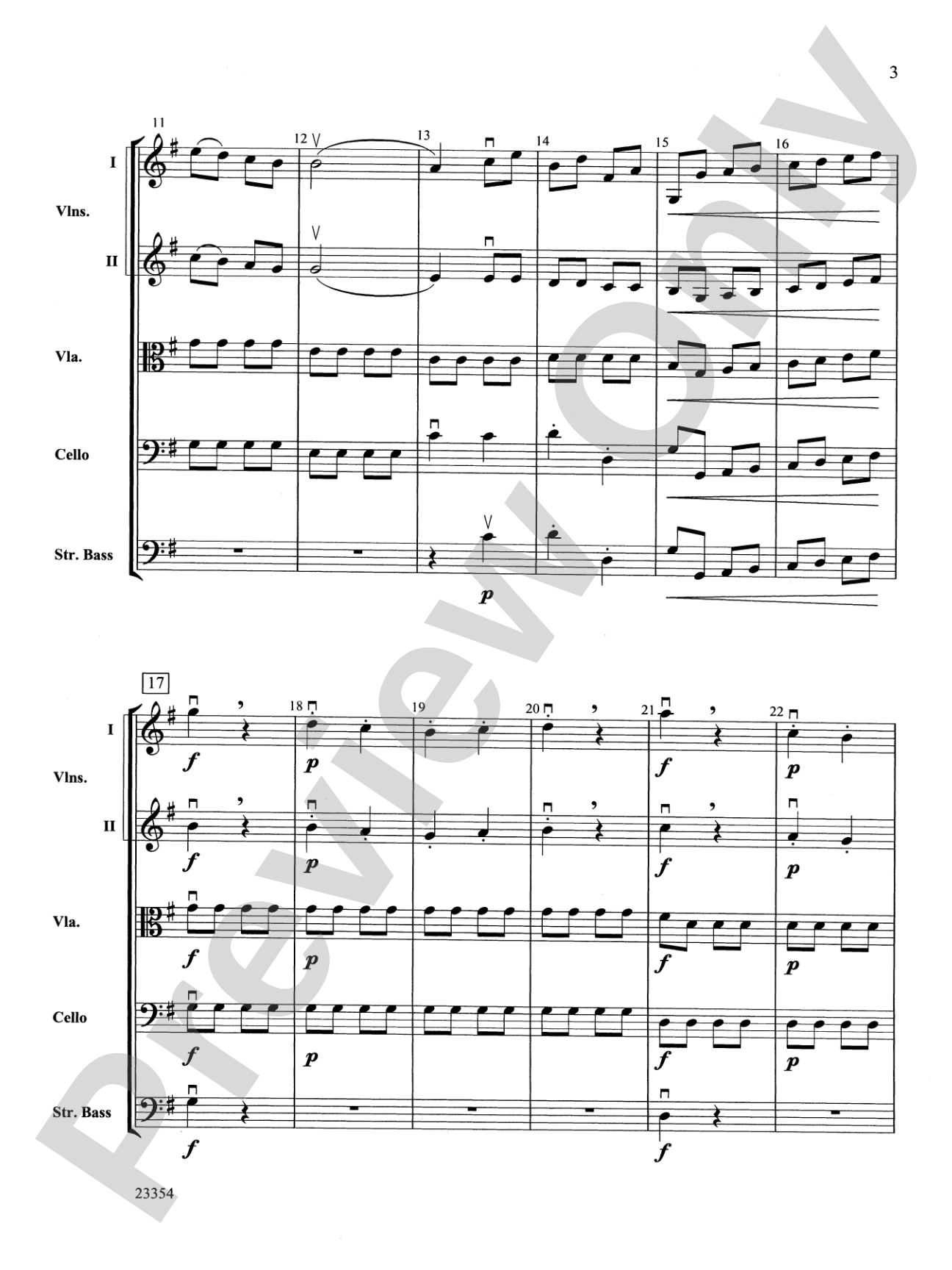
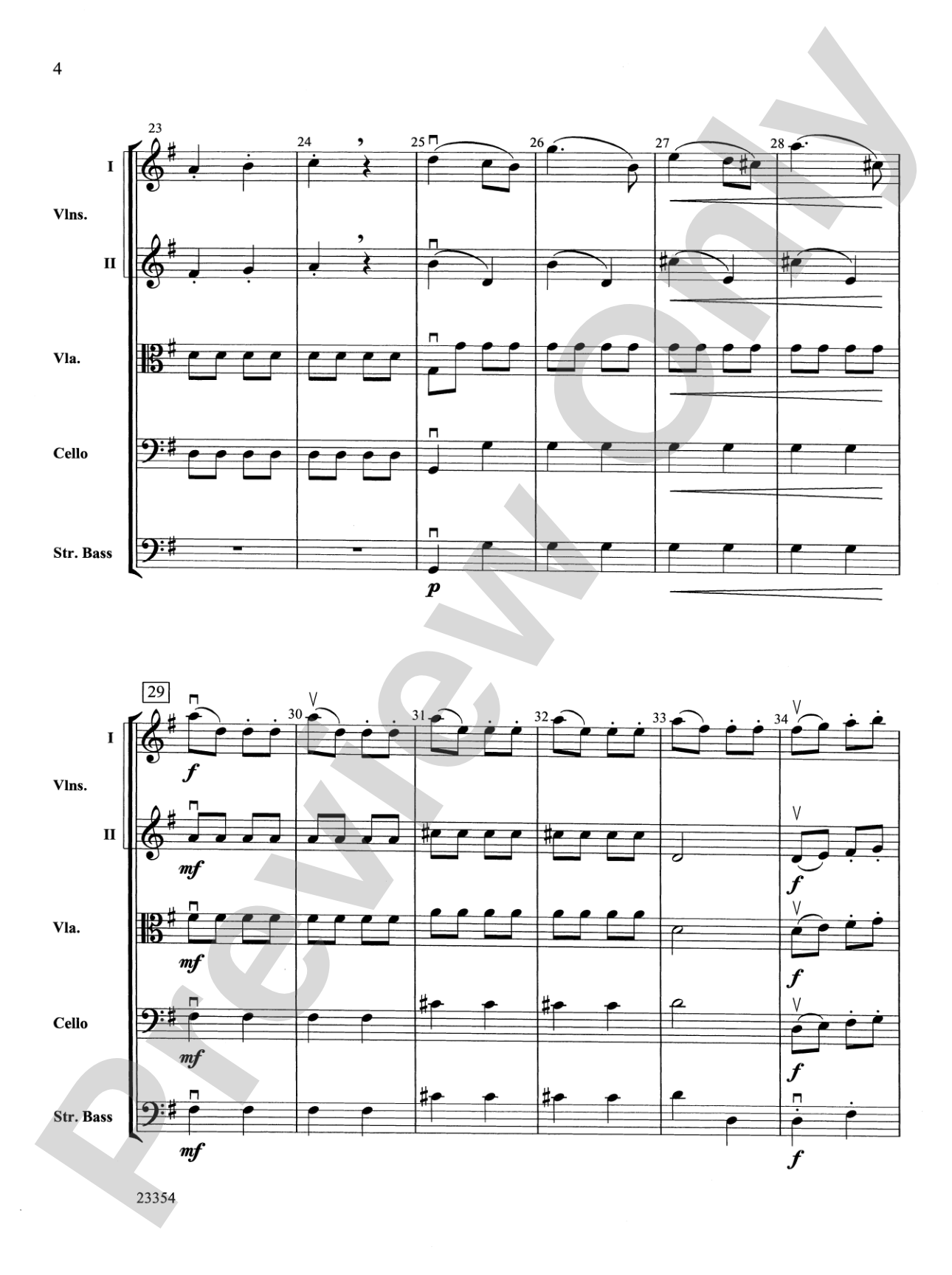
Representing the transition from the Baroque to Classical period, Johann Stamitz's (1717-1757) Symphony No. 8 reflects the composer's involvement in the Mannheim School where he was one of the primary conductors in the mid-1700s. This accessible arrangement maintains the beautiful musical clarity of the original and retains the feel of playing original string orchestra literature. Written for success, this piece is in G major and all parts stay in first-position with easy rhythms.


Don't just read it, hear it, play along with it, and watch your students grow with it. In MakeMusic Cloud, Symphony No. 8: String Orchestra Conductor Score & Parts comes alive with professional accompaniment, adjustable tempo, and built-in practice tools that turn solo practice into real progress.
Open in the Player
Jump straight in and assign it today.
Start Your Free Trial
Open this title and explore the full library in minutes.
Sample Audio
1
Audio File
--:--
0:00
0:00
Sample Video
No sample videos found.
Additional Details
Series:
Highland/Etling String Orchestra
Publisher:
Alfred Music
Page Count:
124
SKU:
00-PK-0000707
More about this title
About the Composer: Johann Stamitz
Johann Stamitz (1717-1757) was a violinist and composer who fundamentally shaped the early symphony as a genre. He served as concertmaster and later conductor of the Mannheim court orchestra, one of Europe's most influential ensembles during the mid-18th century. His prolific output of over 50 symphonies helped establish the four-movement form and orchestral clarity that would define the Classical period.
Stamitz's work at Mannheim was revolutionary for its time. He introduced disciplined rehearsal techniques, dynamic contrasts, and a transparent orchestral texture that composers like Haydn and Mozart would build upon. His symphonies bridge the elaborate counterpoint of the Baroque with the formal structures and emotional directness of Classicism, making his music essential repertoire for understanding how the symphony evolved.
Why we love this
This arrangement opens a door to legitimate 18th-century repertoire without the technical barriers that often make authentic period works inaccessible to intermediate ensembles. Bob Phillips has preserved the architectural elegance of Stamitz's original writing while ensuring your orchestra can execute it cleanly in first position, giving young musicians the profound satisfaction of playing real masterworks rather than simplified pastiches. At Grade 2, it's substantial enough for festival programming yet achievable enough that rehearsal time focuses on musicality rather than mechanics.
What to expect
The piece breathes with the measured elegance of the Classical court; there's a transparency and refinement in the orchestration that invites listeners into a world of formal balance and emotional restraint. Despite its accessibility, the writing never feels diminished—the musical lines sing naturally, and the harmonic progressions have genuine character and forward direction. You'll hear echoes of the Mannheim School's revolutionary orchestral sophistication, distilled into a version your ensemble can own completely.
Who it's for
String orchestra directors seeking Grade 2 repertoire that connects students to actual masterworks rather than arrangements of popular songs. Players who are comfortable with first-position reading and steady rhythms but want to experience the satisfaction of performing legitimate 18th-century symphonic literature. Programs looking for festival-appropriate material that demonstrates musical growth without requiring virtuosic technique.
How to get the most out of it
- Establish the Mannheim style's characteristic clarity by keeping vibrato minimal and attacks together; this ensemble was known for razor-sharp rhythmic precision and clean articulation.
- Shape the melodic lines with gentle dynamic swells rather than dramatic contrasts; the Classical aesthetic values understated elegance over Romantic excess.
- Balance the first violin part as the primary voice while ensuring all string sections support it with transparent accompaniment that doesn't blur the texture.
- Pay attention to the rhythmic drive in faster movements; even at a moderate tempo, forward momentum and clean subdivision create the feeling of Classical grace.
How to use it
Program this as a centerpiece for a concert highlighting Classical period masterworks, pairing it with other Stamitz symphonies or early Classical repertoire to create a coherent programming arc. It's equally effective as the opening work on a festival performance, establishing ensemble control and musical maturity before moving to more contemporary pieces. Consider it a bridge repertoire choice when transitioning students from simplified arrangements toward authentic period literature.
Skills your students will build
- Reading and maintaining first-position accuracy across all string parts
- Executing clean articulation and ensemble rhythmic precision in 18th-century style
- Balancing transparent texture while supporting a primary melodic line
- Understanding Classical formal structures through performance of a real symphony
- Responding to conductor direction for dynamic shaping and period-appropriate phrasing