

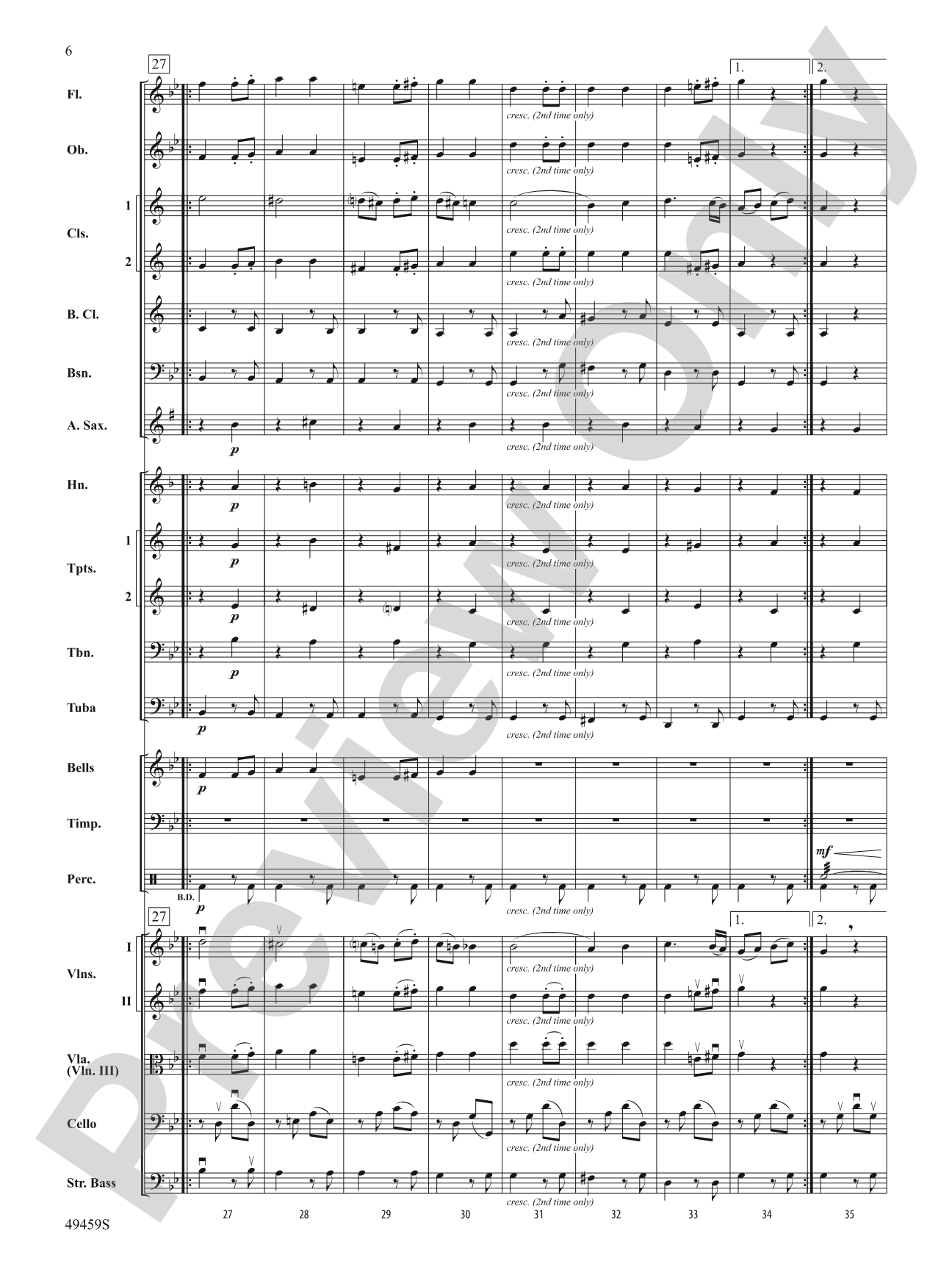
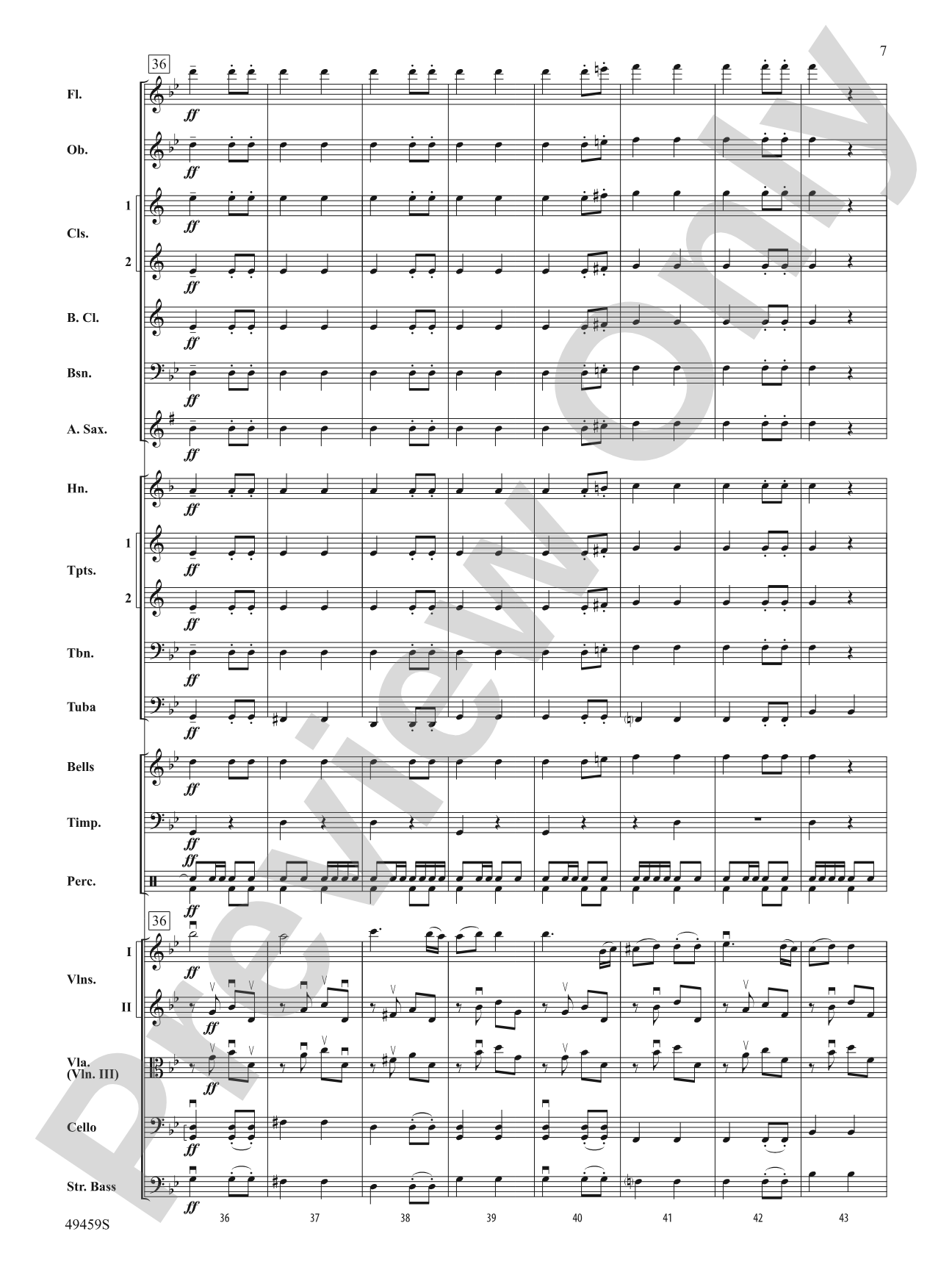
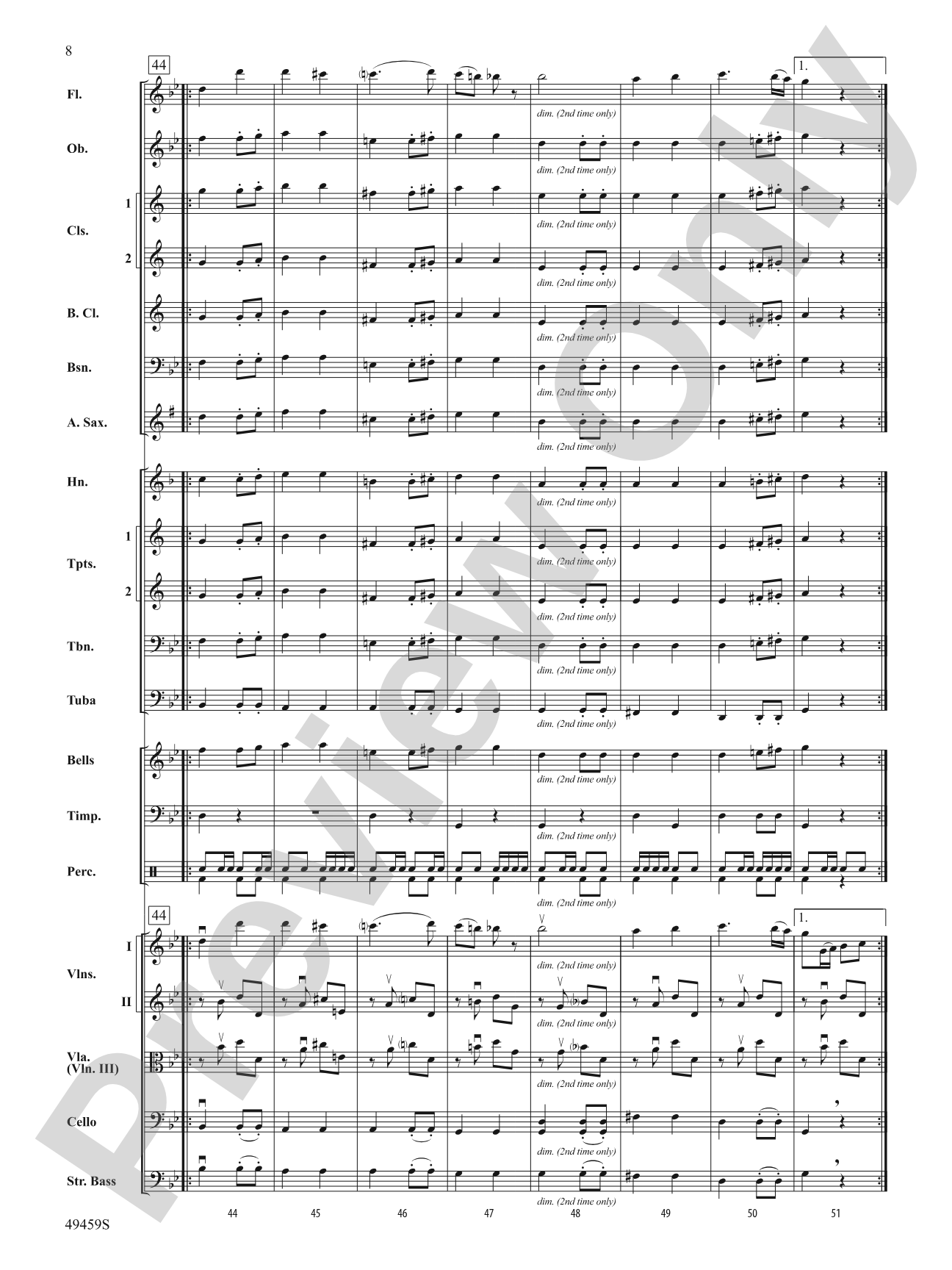
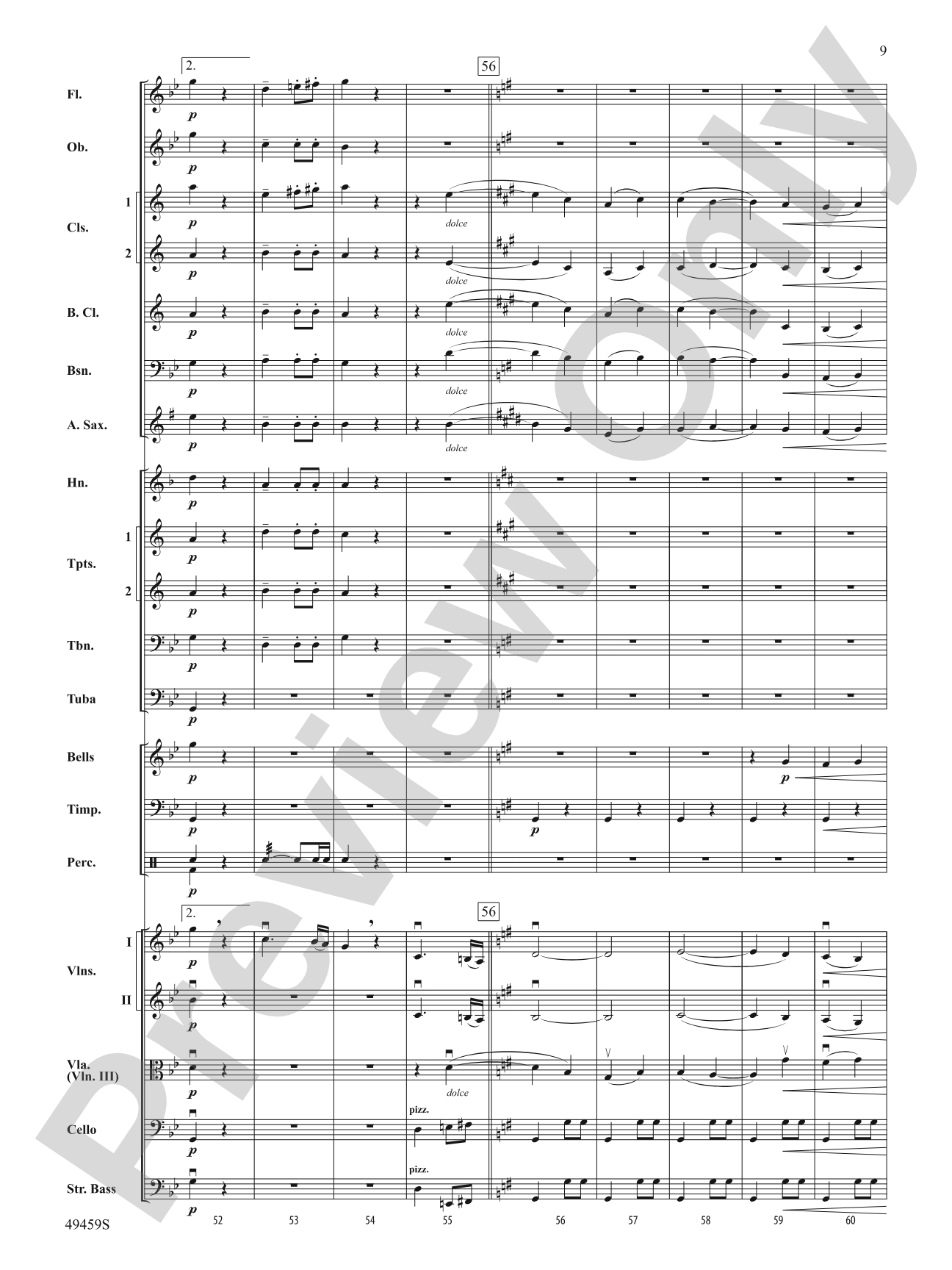
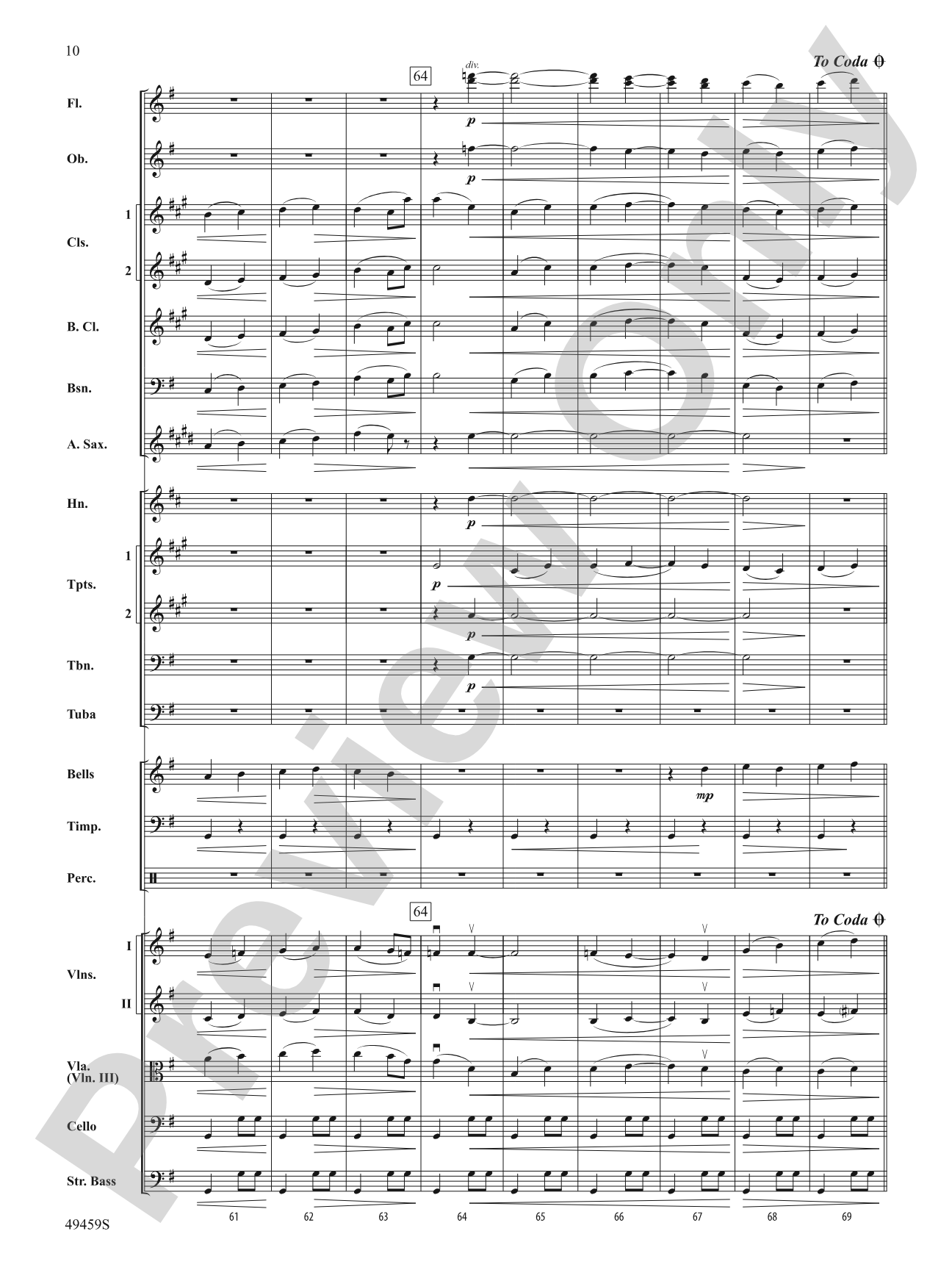
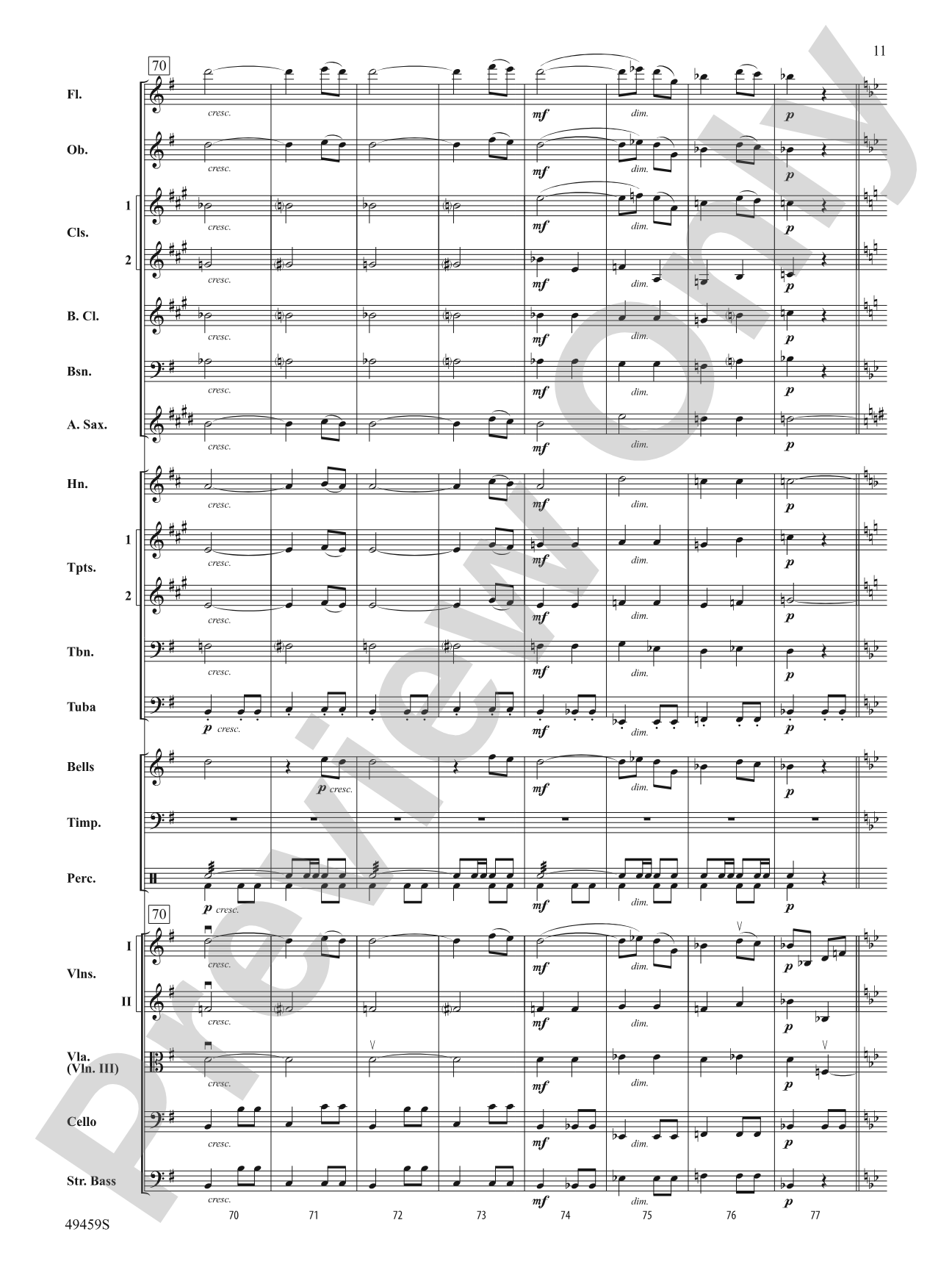
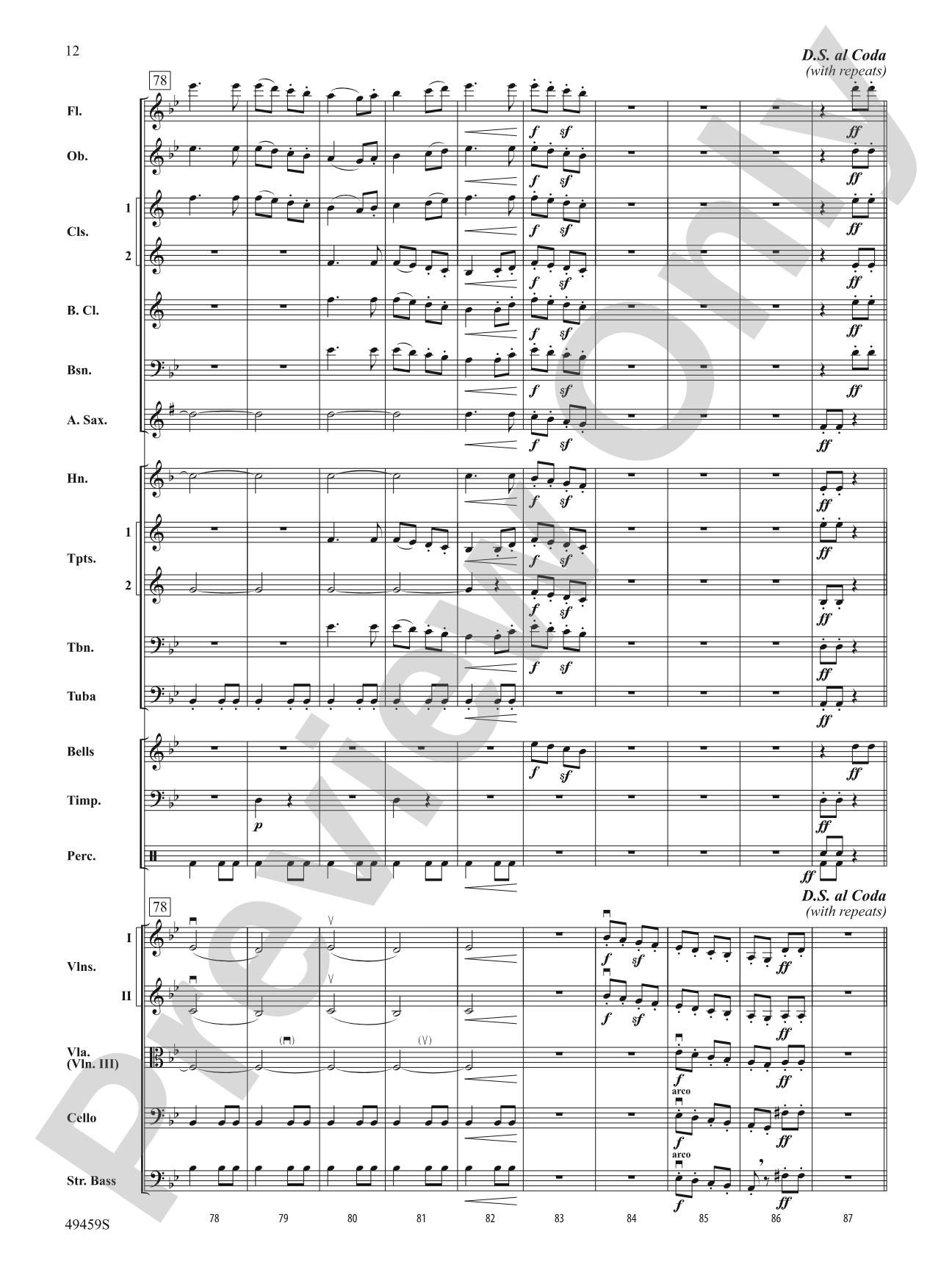
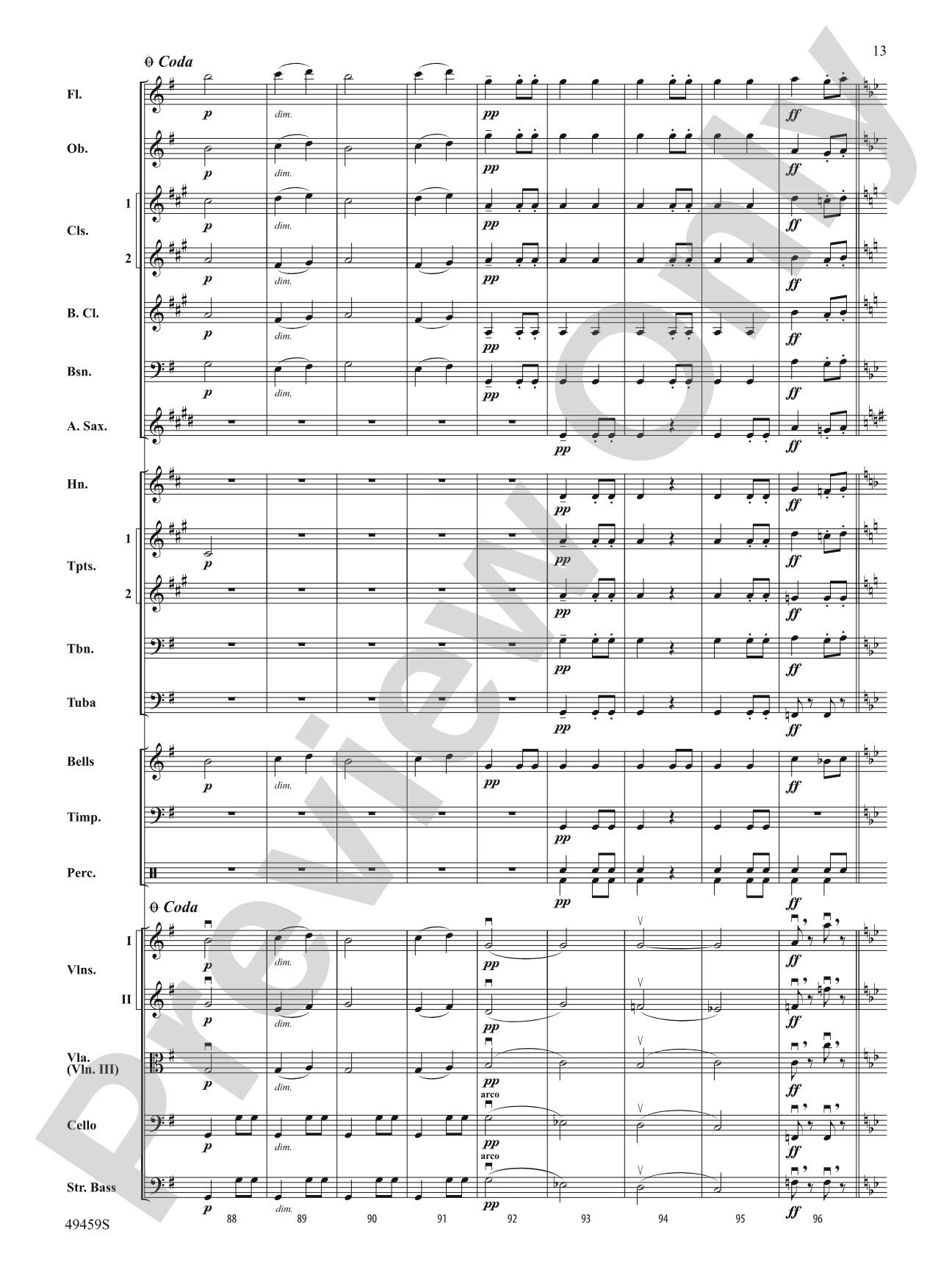
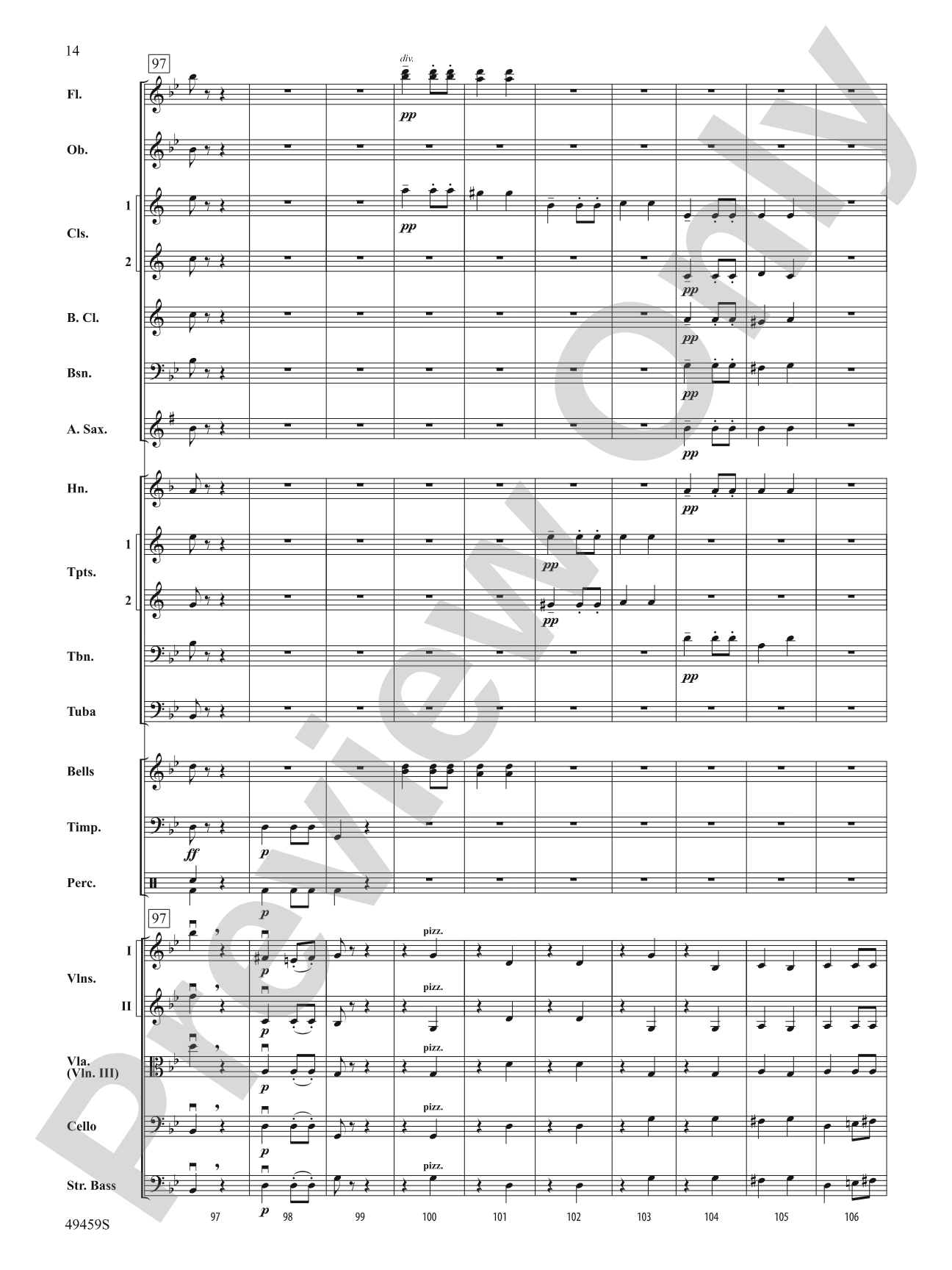
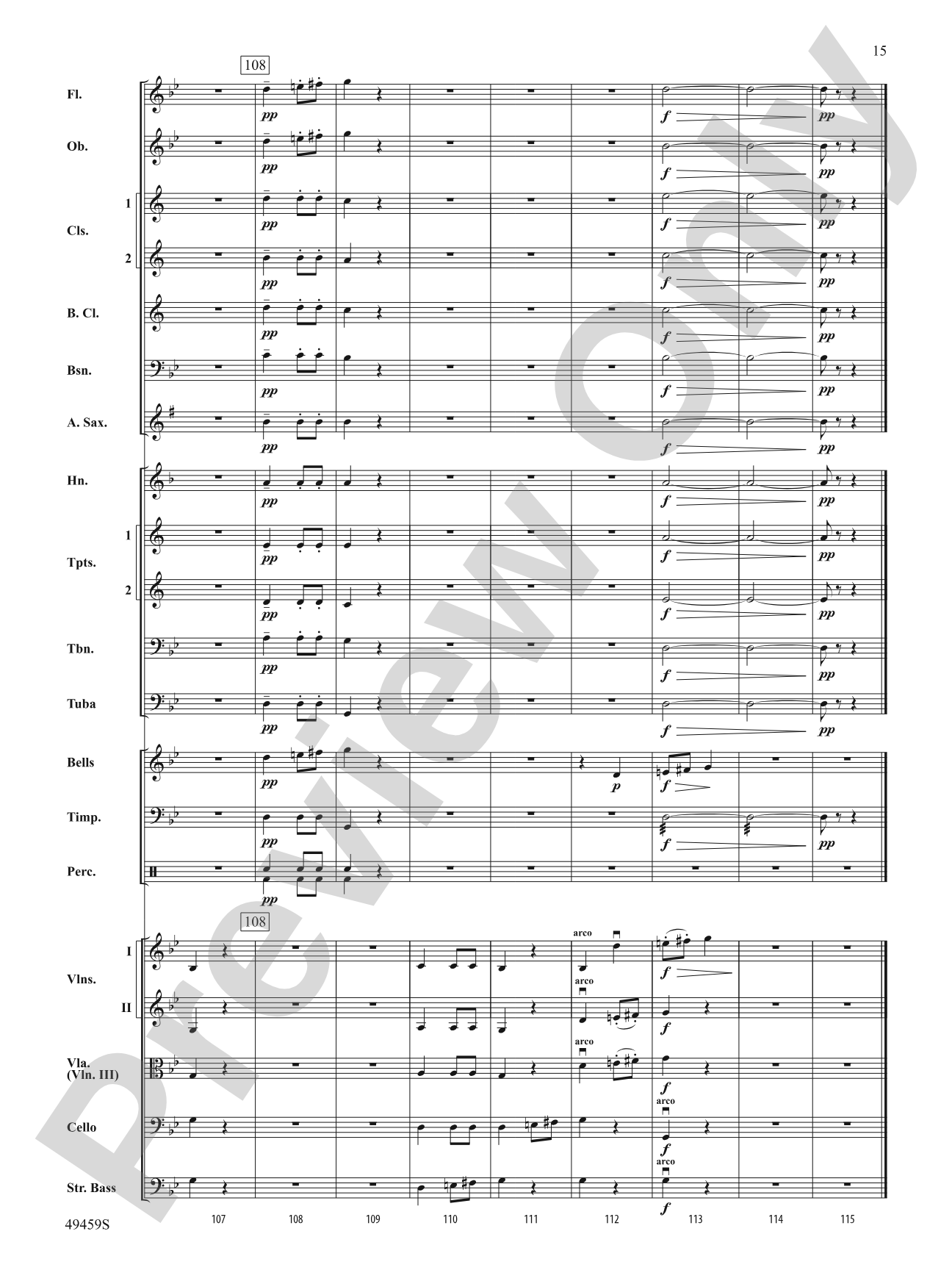

Symphony No. 7: Score
2nd Movement
By Ludwig van Beethoven / arr. Richard Meyer
Grade: 2.5
Item: 00-PR-0007032
$9.00
Pickup currently not available
Description
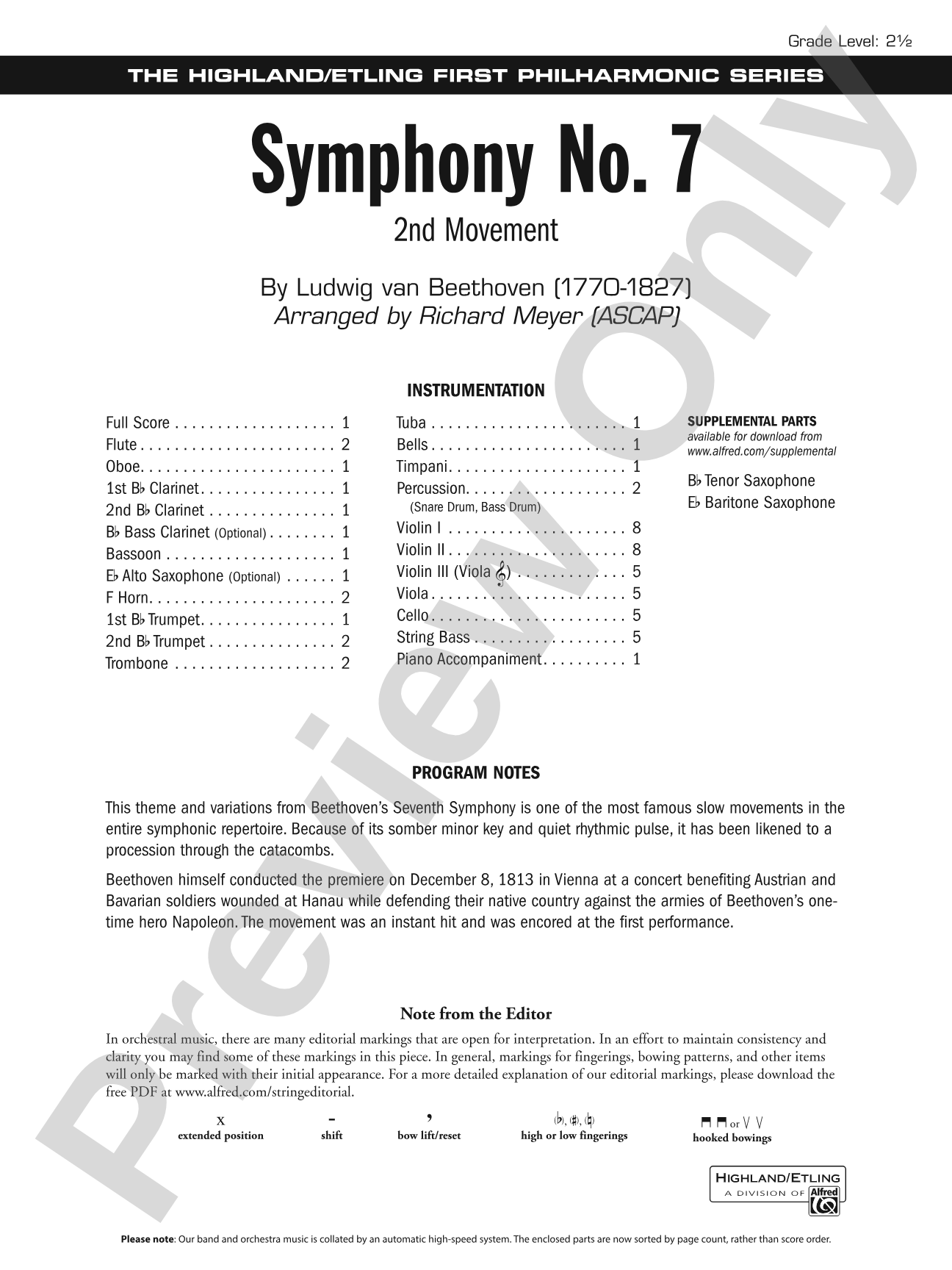
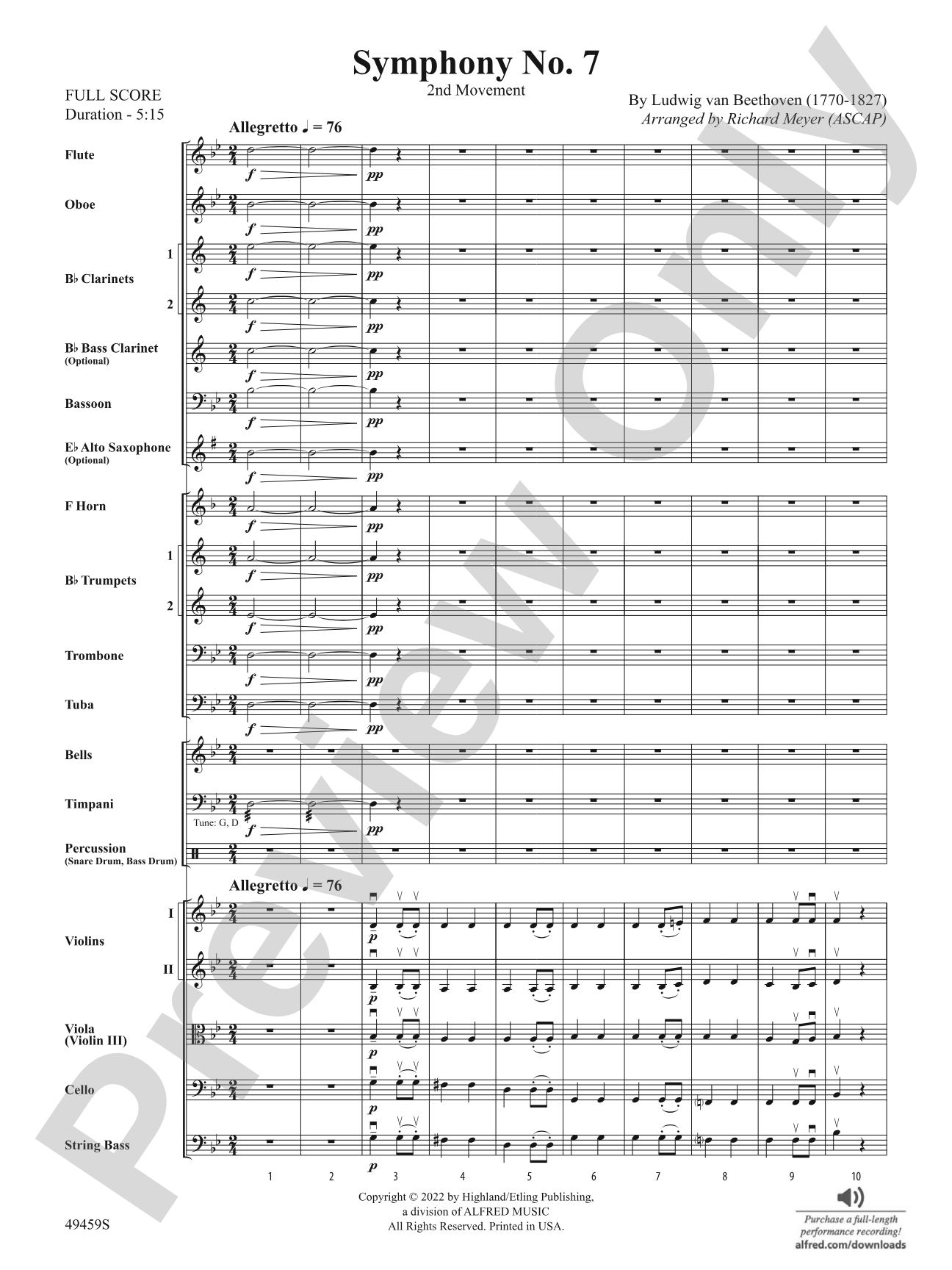
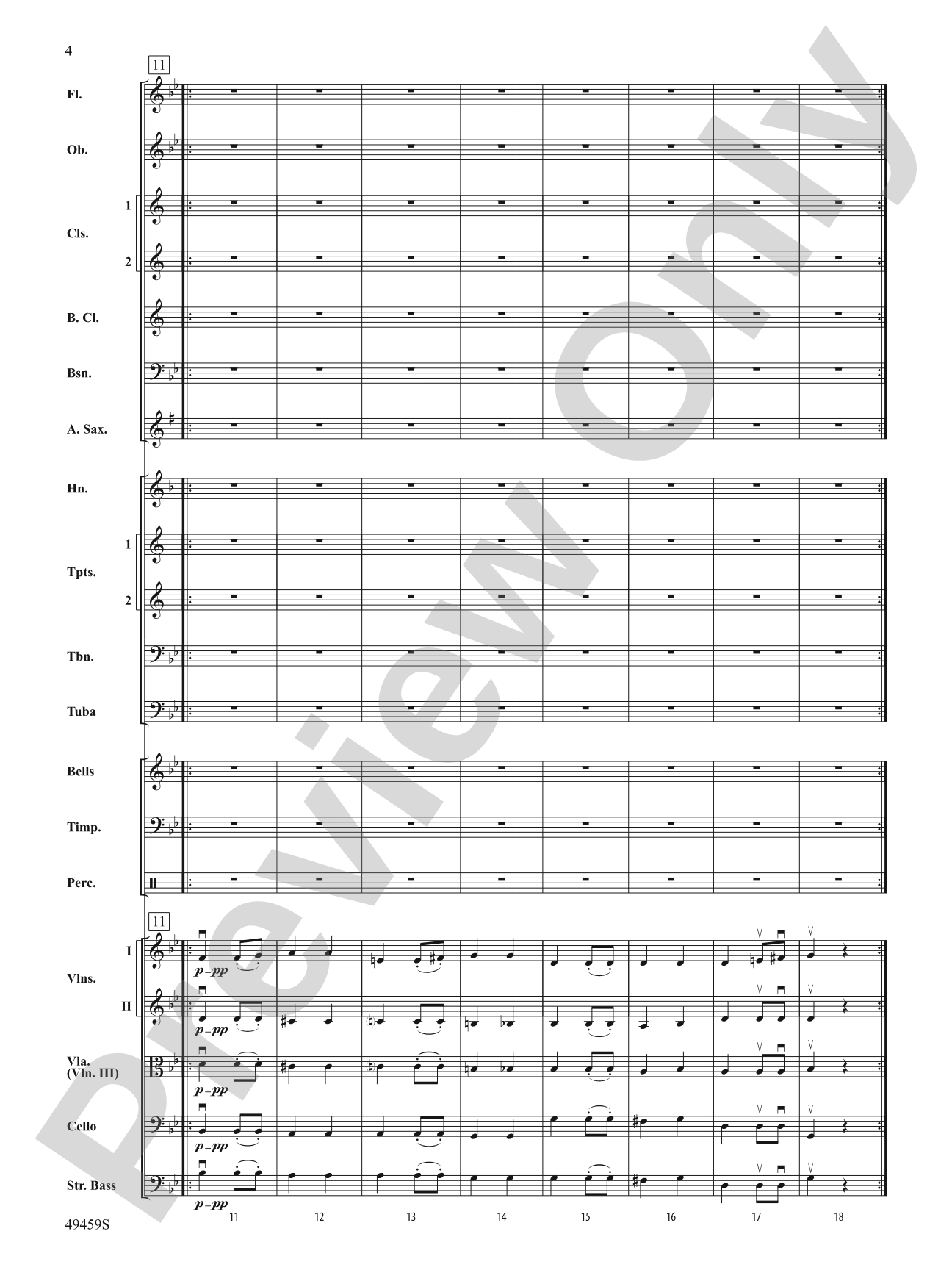
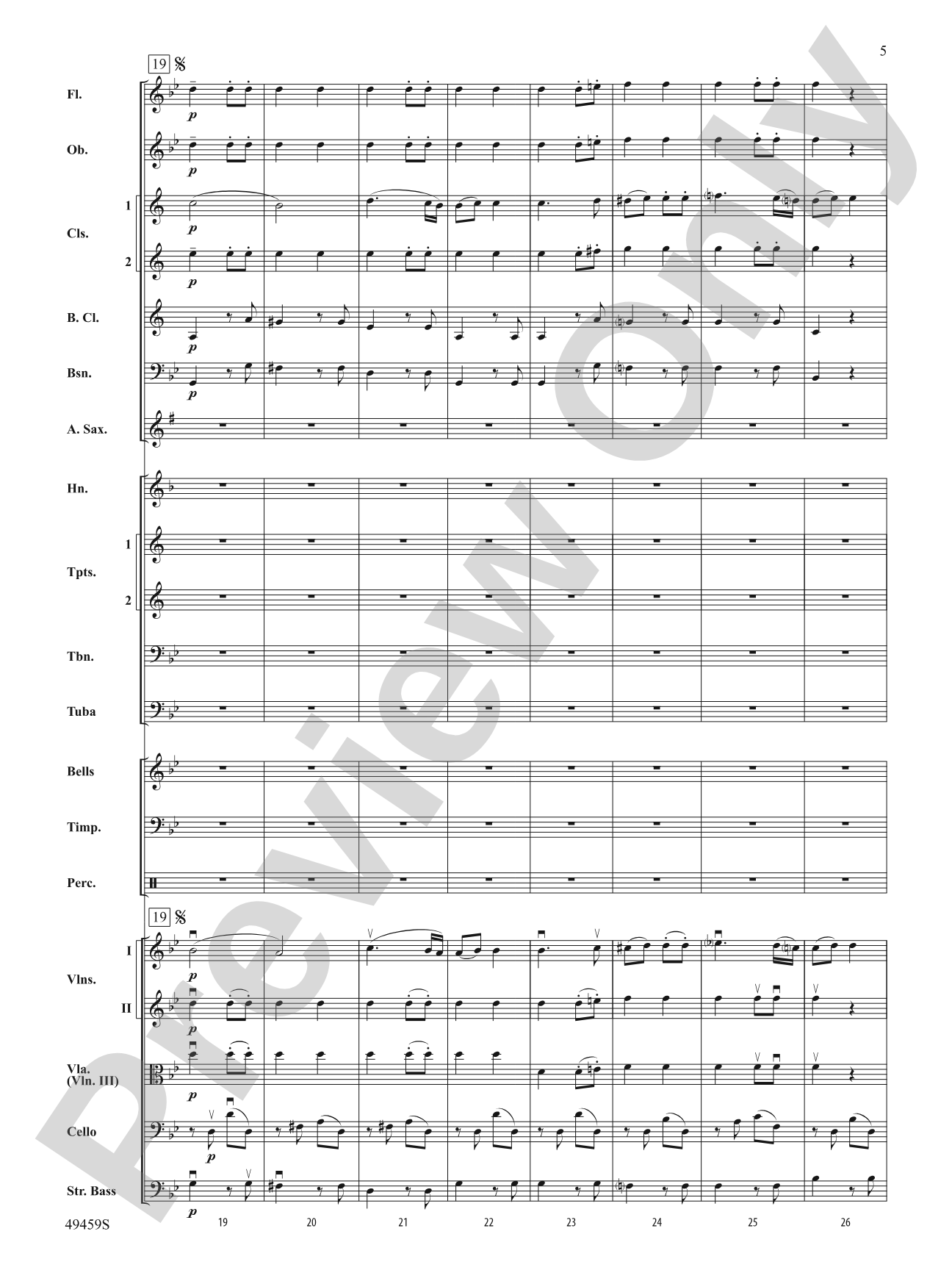
This theme and variations from Beethoven's Seventh Symphony is one of the most famous slow movements in the entire symphonic repertoire. Because of its somber minor key and quiet rhythmic pulse, it has been likened to a procession through the catacombs. Your students will love the wide variety of emotions included here in Richard Meyer's arrangement. Every section plays an integral role in the slow and mysterious unfolding of Beethoven's masterpiece. Percussion parts for four players have been tastefully added to the original. (5:15)


Don't just read it, hear it, play along with it, and watch your students grow with it. In MakeMusic Cloud, Symphony No. 7: Score comes alive with professional accompaniment, adjustable tempo, and built-in practice tools that turn solo practice into real progress.
Open in the Player
Jump straight in and assign it today.
Start Your Free Trial
Open this title and explore the full library in minutes.
Sample Audio
1
Audio File
--:--
0:00
0:00
Sample Video
Additional Details
Series:
Highland/Etling First Philharmonic
Publisher:
Alfred Music
SKU:
00-PR-0007032
More about this title
About the Composer: Ludwig van Beethoven
Ludwig van Beethoven (1770–1827) stands as the bridge between Classical and Romantic music, and his symphonies remain cornerstones of orchestral study. His ability to build overwhelming emotional weight from simple musical materials made him revolutionary; even as his hearing failed, his music grew more ambitious and profound. For music educators, Beethoven's work teaches students how architecture, harmony, and orchestration combine to create meaning.
Why we love this
Richard Meyer's arrangement preserves the hypnotic power of Beethoven's original while making it fully accessible to Grade 2.5 orchestras. The added percussion parts enliven the texture without overwhelming the emotional clarity of the theme and variations, and every student gets a genuine voice in the unfolding drama rather than sitting silent through a slow movement.
What to expect
The Allegretto unspools like a candlelit procession through stone chambers, solemn and strangely beautiful. Beethoven's melody is simple enough to hold in memory, but it keeps shifting color and meaning as different instruments reveal new angles, building quiet intensity without ever rushing toward climax.
Who it's for
Orchestra directors leading Grade 2.5 ensembles who want their students to experience a genuine masterwork with emotional depth. This arrangement works for groups ready to handle sustained focus, minor key sonority, and the challenge of playing softly without losing tone.
How to get the most out of it
- Shape the quiet rhythmic pulse with absolute consistency; this procession effect depends on the conductor holding steady while the theme gradually transforms around it.
- Balance the melody across sections carefully as it passes between instruments. The mystery lives in hearing each voice enter and recede without the overall line ever breaking focus.
- Let the newly added percussion anchor the harmonic progression rather than decorate it. Four players should feel like part of the foundation, not an ornament.
How to use it
Place this as the centerpiece of a concert devoted to variation form or as a striking contrast to faster, brighter repertoire on the same program. Its five-minute length and reflective character make it ideal for a moment of genuine silence in the audience before the next piece begins.
Skills your students will build
- sustaining soft dynamics without sacrificing tone quality
- tracking a melody as it migrates across the ensemble
- maintaining rhythmic steadiness through minimal textural change
- reading and balancing with added orchestration in an existing masterwork
- understanding theme and variations form at the symphonic level