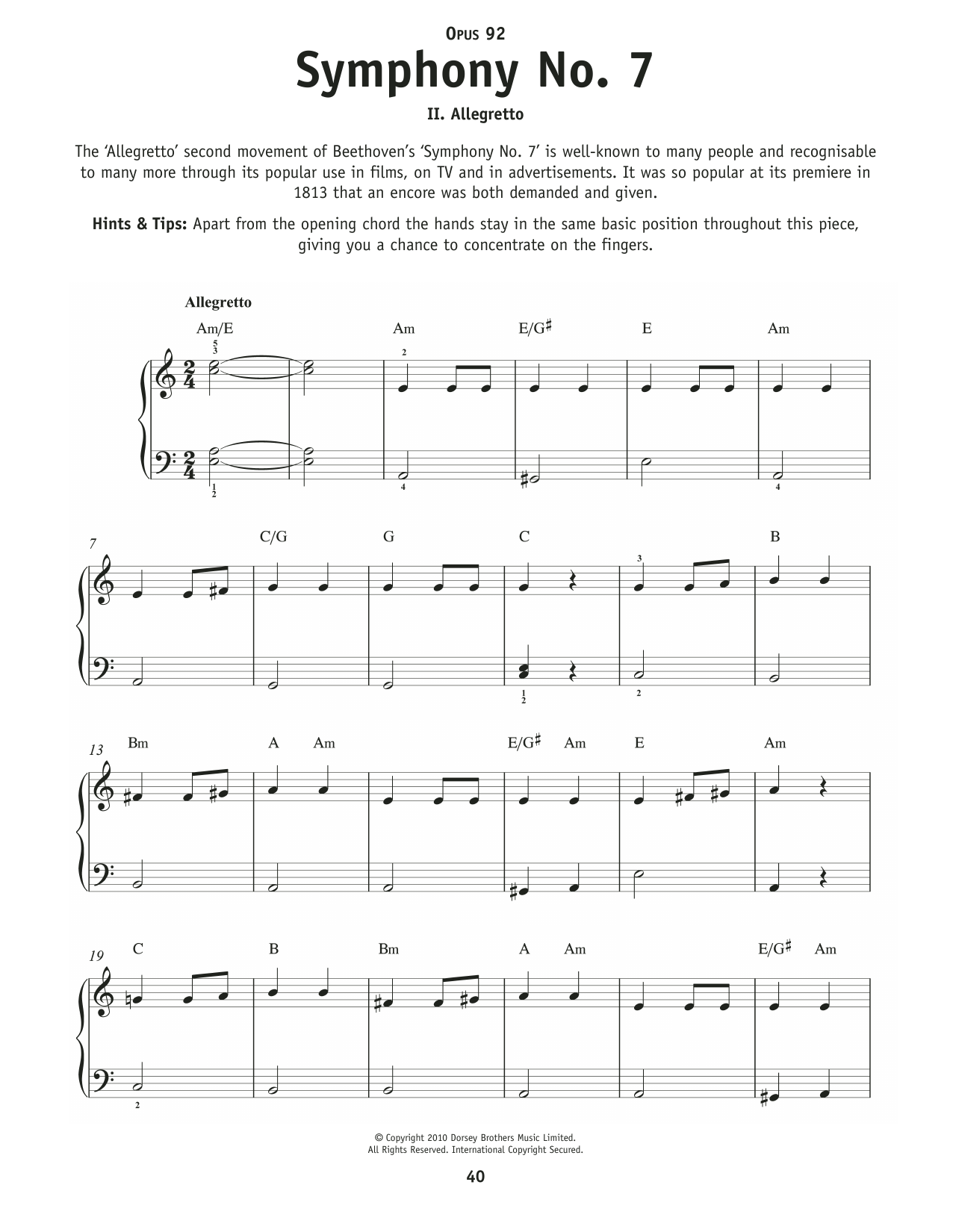
Beethoven's final symphony stands as a watershed moment in orchestral music, written when the composer was profoundly deaf yet at the height of his creative powers. His seven symphonies collectively chart the evolution from Classical form toward Romantic expression, with the Seventh representing a pinnacle of rhythmic innovation and orchestral color that influenced generations of composers who followed.
Why we love this
The Seventh occupies a unique space in the symphonic repertoire: it rewards both concert audiences and serious musicians with immediate, visceral impact while yielding deeper riches on repeated study. Conductors gravitate toward this work because its structural clarity and instrumental vitality make it accessible to talented student orchestras, yet its harmonic language and textural demands keep it fresh for professional ensembles.
What to expect
Rhythmic propulsion and radiant optimism characterize much of this symphony, though Beethoven punctuates his exuberance with moments of introspection and harmonic surprise. The work generates the sensation of unstoppable momentum, as though the orchestra has tapped into something primal and celebratory that sweeps listeners along in its current.
Who it's for
Advanced student orchestras and professional ensembles seeking a major symphonic work that combines technical rigor with immediate emotional impact. This score serves conductors who want to deepen their musicians' understanding of Classical form while exploring early Romantic orchestration.
How to get the most out of it
Establish the rhythmic vitality early. The opening theme's insistent pulse is the work's lifeblood; ensemble precision here sets the tone for everything that follows.
Balance the extensive wind writing carefully. Beethoven layers independent melodic lines across woodwinds and brass; resist the urge to over-blend them into homogeneity.
Shape through dynamic contrast rather than tempo manipulation. The score contains specific markings for a reason; trust them rather than adding expressive elasticity that obscures Beethoven's architectural design.
Attend to the timpani part with particular care. Beethoven uses these drums as an independent voice, not merely for reinforcement; they deserve clarity in the ensemble balance.
How to use it
Position this symphony as the anchor of a concert focused on Classical orchestral masterworks, or pair it with earlier Beethoven symphonies to trace his artistic evolution. Its scale and impact make it suitable as a season finale or major concert centerpiece where you want to send audiences home energized and satisfied.
Skills your students will build
Reading complex polyphonic textures across multiple instrumental choirs
Maintaining rhythmic precision within metric patterns driven by consistent pulse
Balancing independent woodwind and brass lines without sacrificing clarity
Responding to detailed dynamic and articulation markings that shape phrase architecture
Understanding sonata form and large-scale structural organization in a major work
You May Also Like
Scan to Complete Your Purchase
Use your phone's camera to scan the code below
You'll log in on your phone and the order will be added to your account