
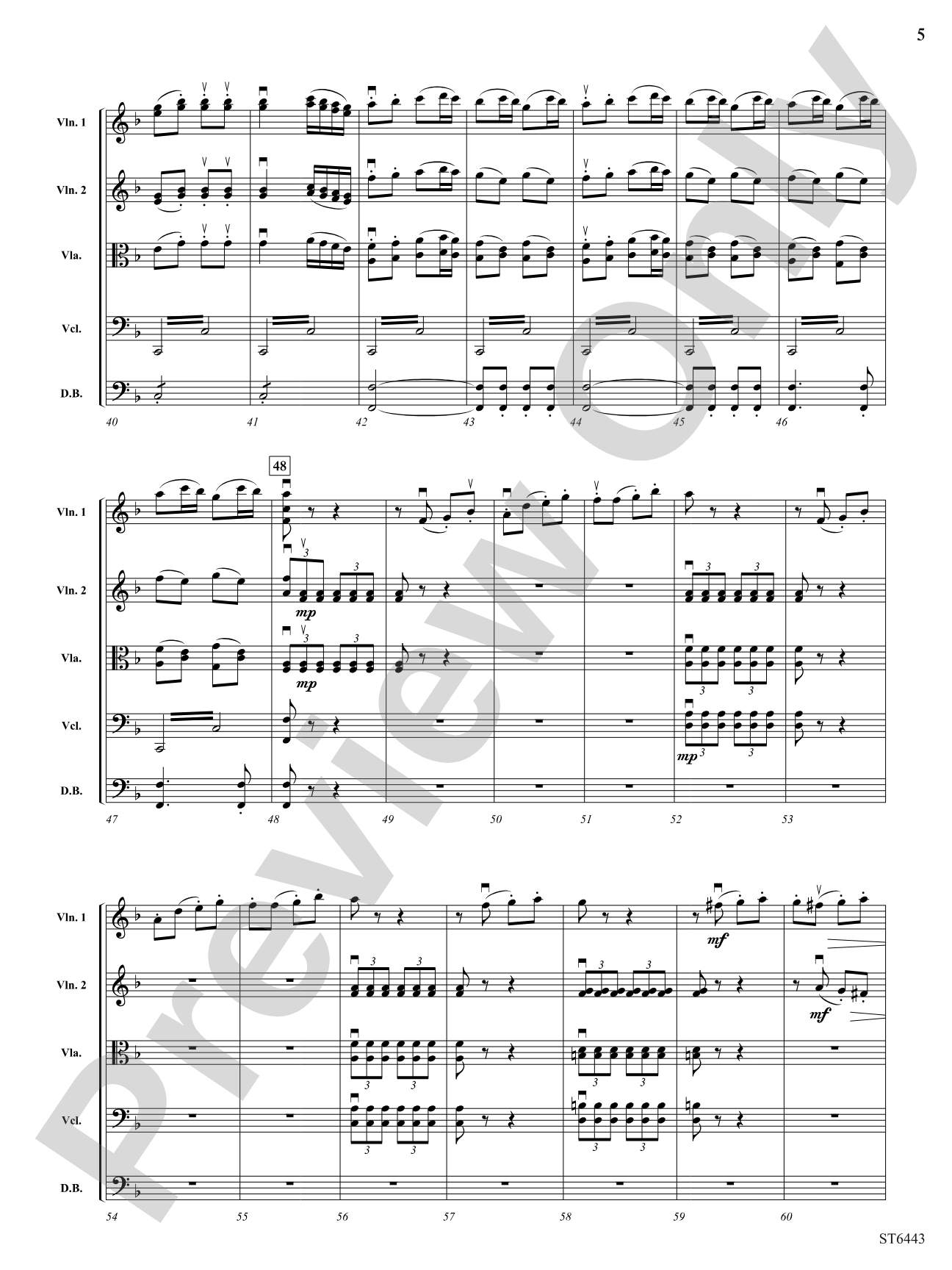
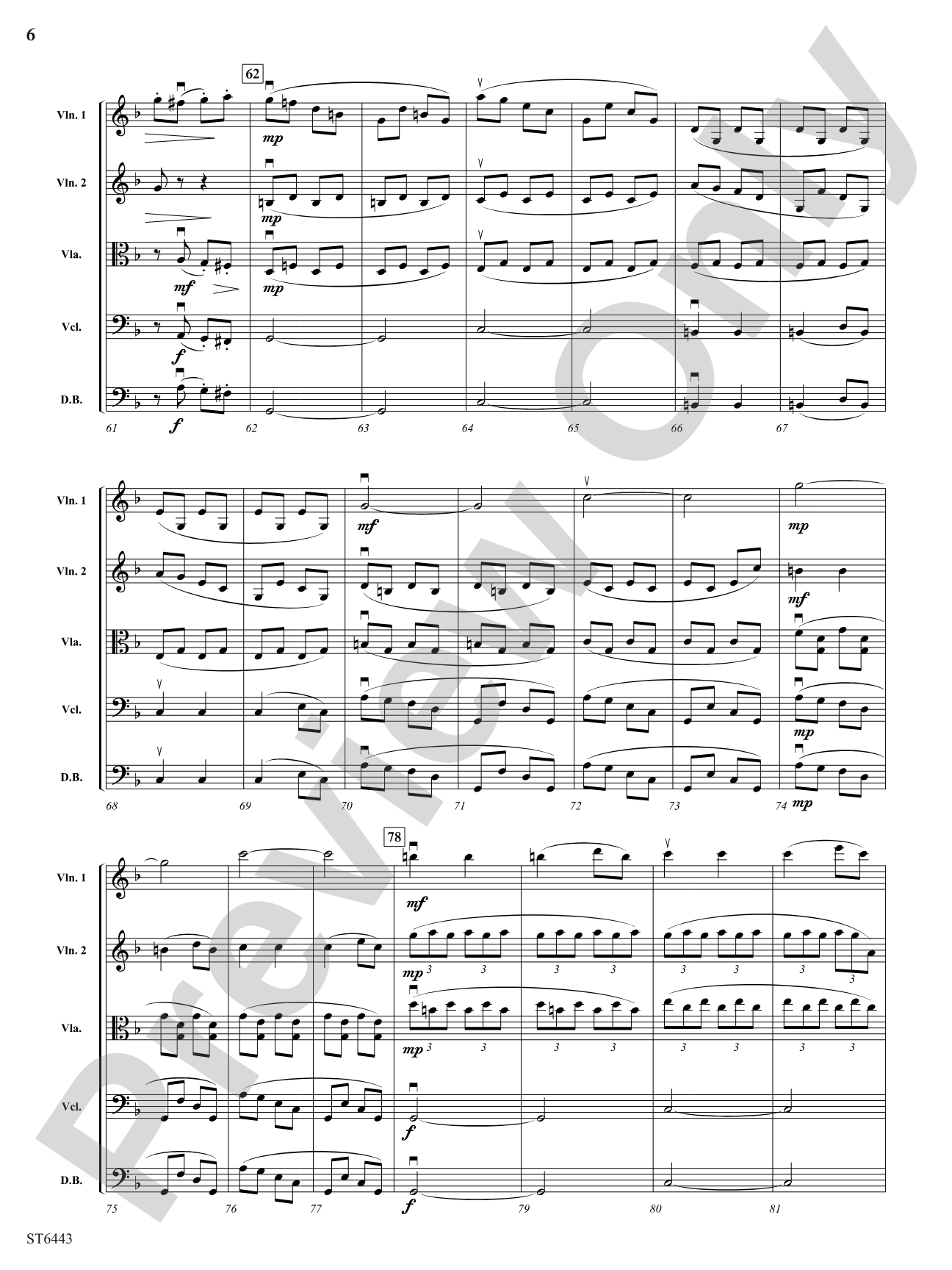
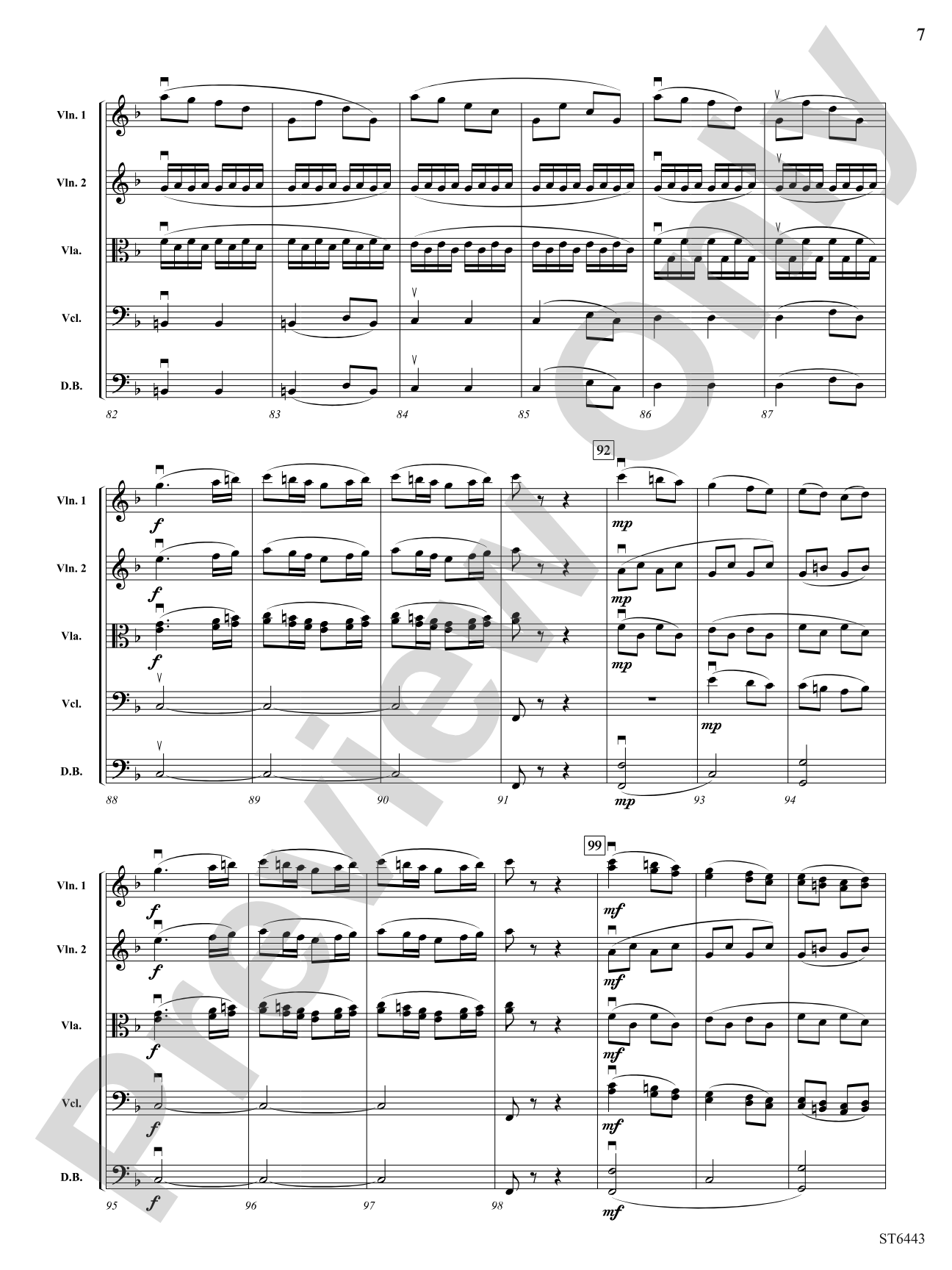
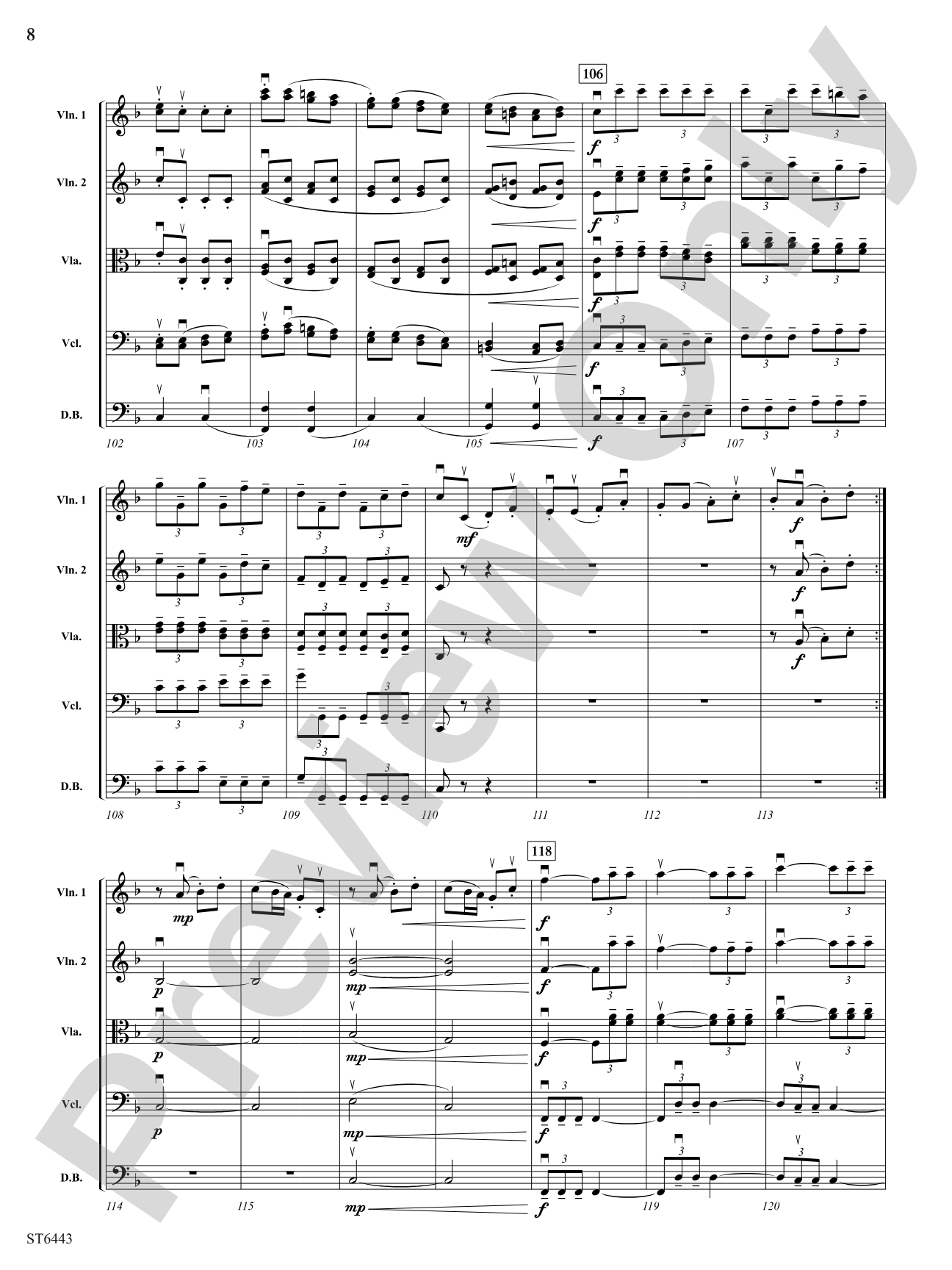
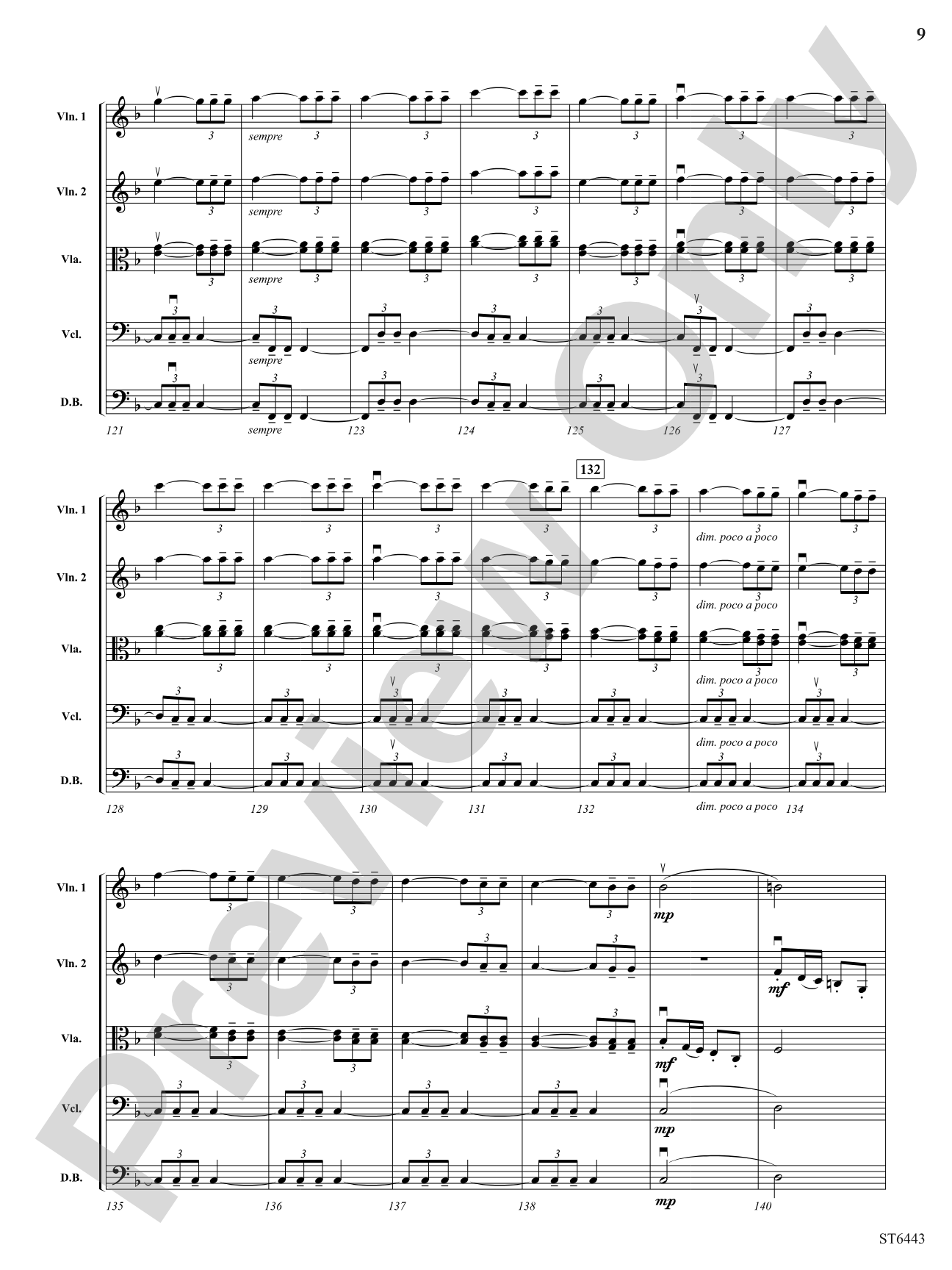
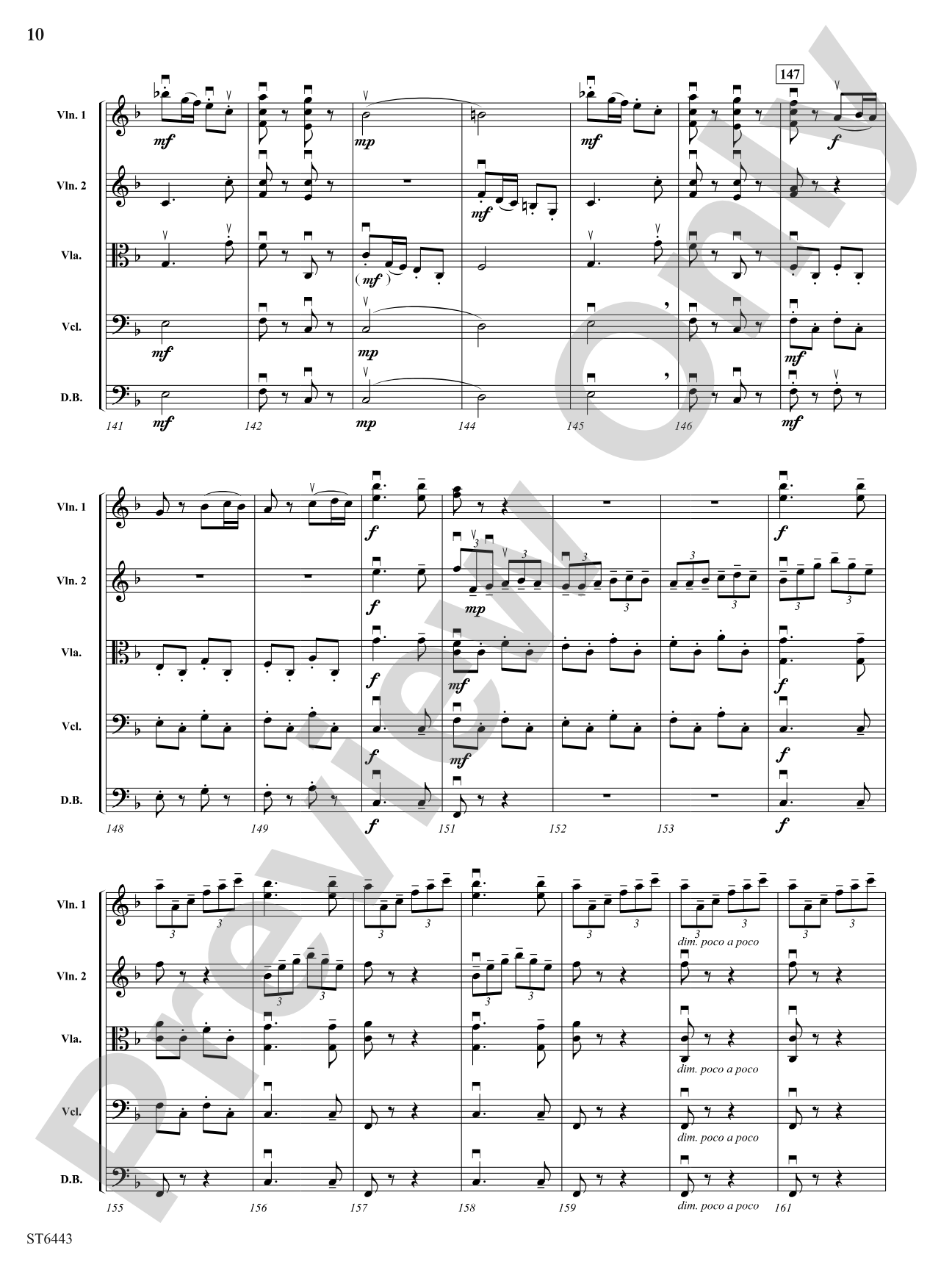
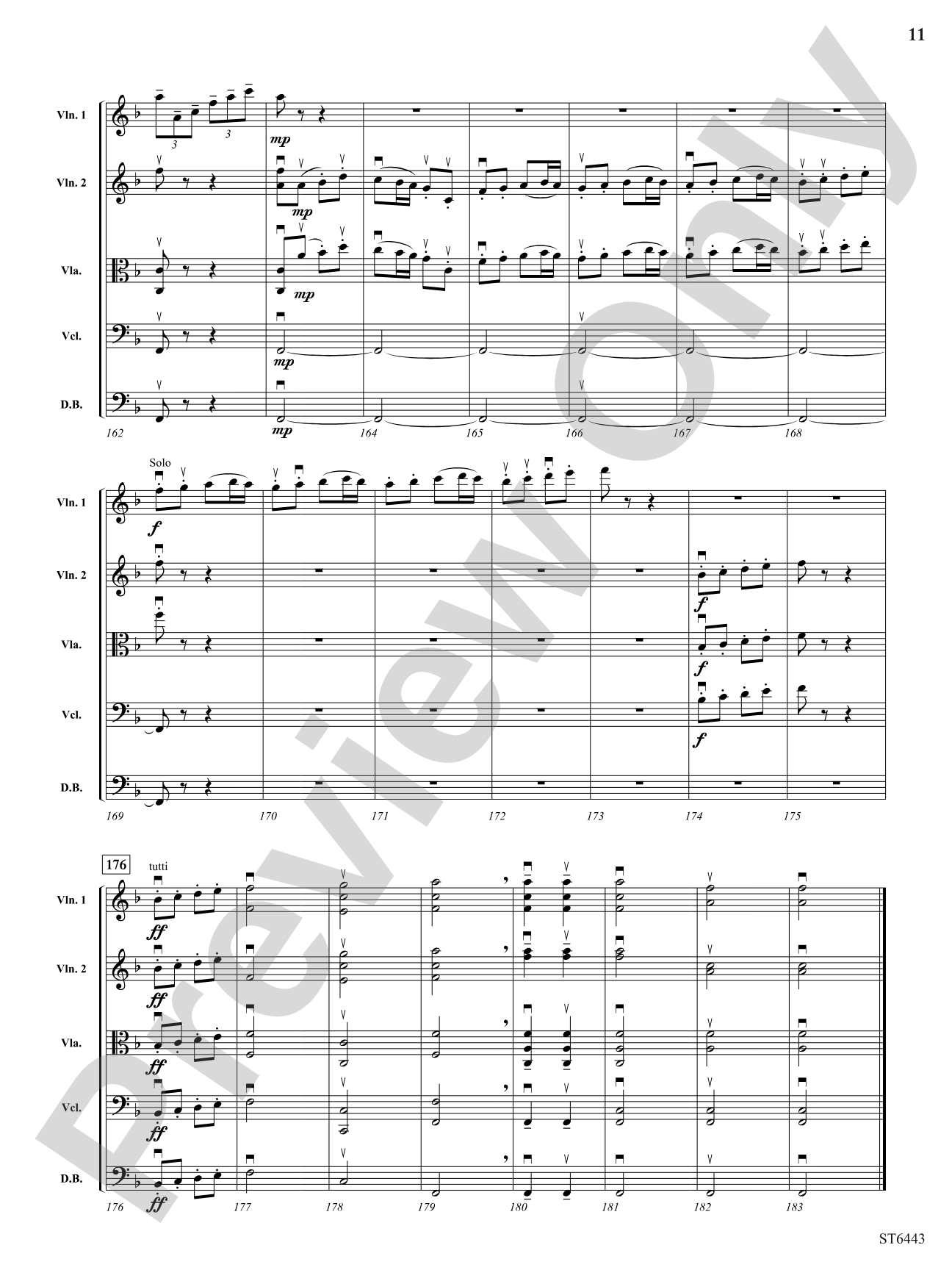

Symphony No 6: Score
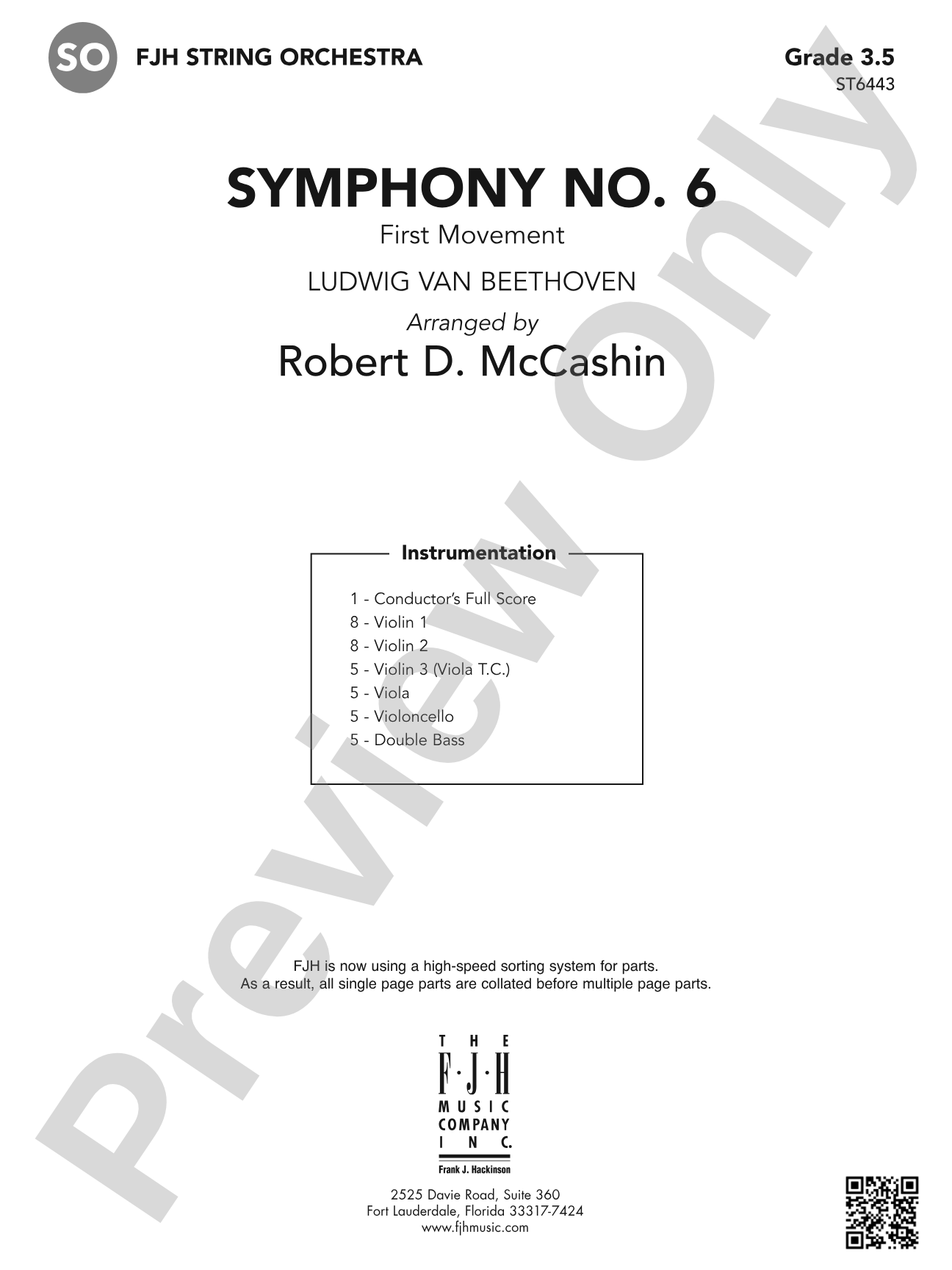
By Ludwig van Beethoven / arr. Robert D McCashin
Grade: 3.5
Item: 98-DST6443S
$5.00
Pickup currently not available
Description
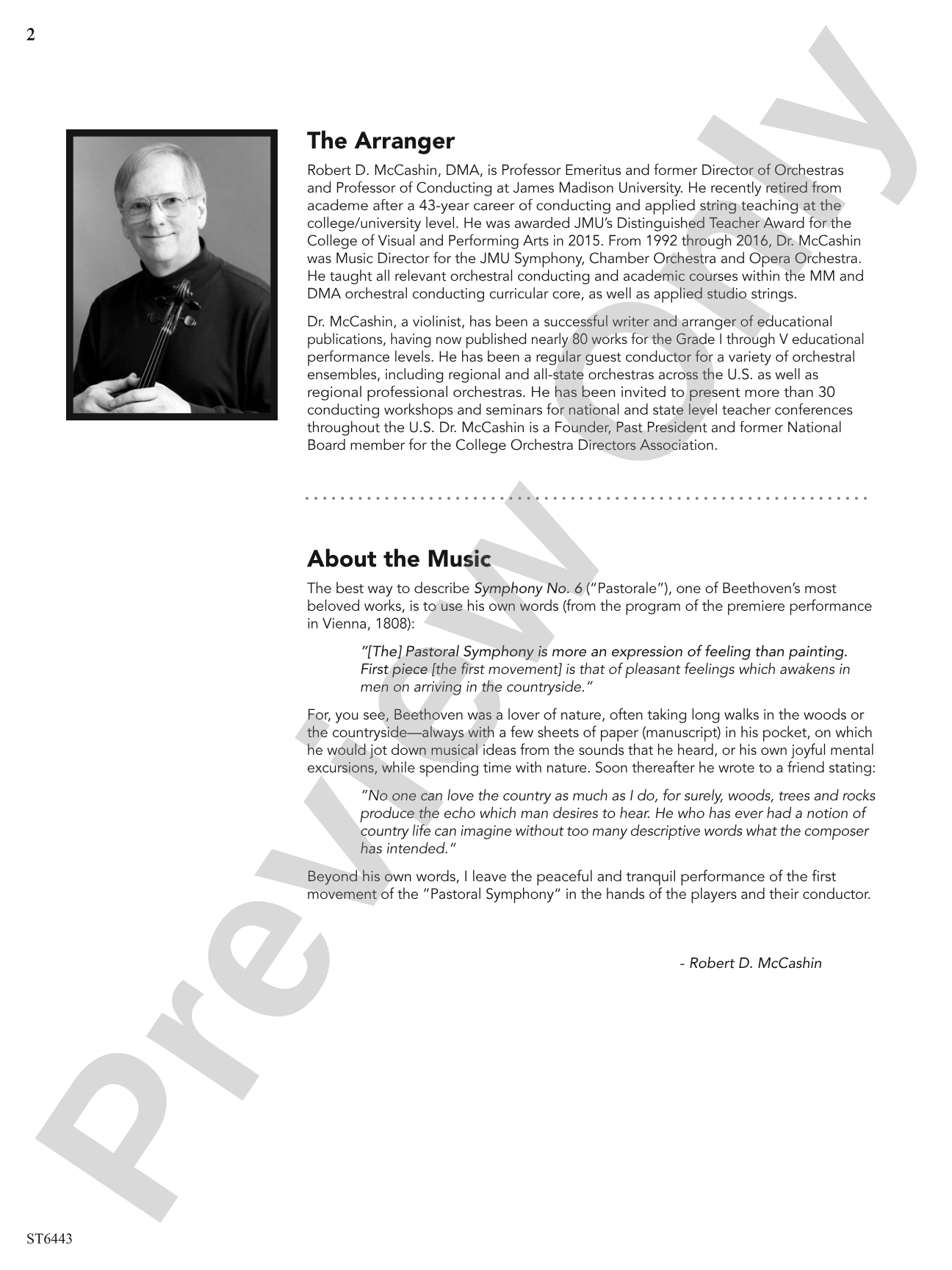
In Beethoven's words, "The Pastoral Symphony is more an expression of feeling than painting... pleasant feelings which awaken in men on arriving in the countryside." A perfect introduction to Beethoven's major works, the music is exquisitely orchestrated to retain the true nature of Beethoven's original masterpiece.


Don't just read it, hear it, play along with it, and watch your students grow with it. In MakeMusic Cloud, Symphony No 6: Score comes alive with professional accompaniment, adjustable tempo, and built-in practice tools that turn solo practice into real progress.
Open in the Player
Jump straight in and assign it today.
Start Your Free Trial
Open this title and explore the full library in minutes.
Sample Audio
1
Audio File
--:--
0:00
0:00
Sample Video
Additional Details
Series:
FJH String Orchestra
Publisher:
The FJH Music Company, Inc.
SKU:
98-DST6443S
More about this title
About the Composer: Ludwig van Beethoven
Ludwig van Beethoven (1770-1827) stands as one of music history's most transformative composers, a figure who bridged the Classical and Romantic eras while fundamentally expanding what orchestral music could express. Deaf for much of his career, he channeled profound emotional and philosophical depth into works that moved far beyond the conventions of his time, influencing generations of composers who followed.
Why we love this
McCashin's arrangement captures the intimate charm of Beethoven's Pastoral without overwhelming young string players, making one of the repertoire's most beloved symphonies genuinely accessible. The Grade 3.5 scoring preserves the orchestration's character while sitting comfortably within reach of developing ensembles, and its contest-ready status means you can program it with confidence at festival season.
What to expect
The music unfolds like a peaceful walk through open countryside, painted in warm colors and gentle light. Beethoven's distinctive melodic gift shines throughout, creating moments of quiet joy, playful interaction between instruments, and occasional stirring emotion that feels earned rather than manufactured.
Who it's for
String orchestras at the intermediate level (roughly grades 6-8 and lower high school ensembles) will find this arrangement both musically rewarding and technically manageable. Conductors seeking a masterwork that challenges students musically without overwhelming them technically will return to this piece repeatedly.
How to get the most out of it
- Shape the opening theme with a gentle, singing tone; this is countryside contentment, not grandeur. Encourage long, connected phrases that breathe naturally.
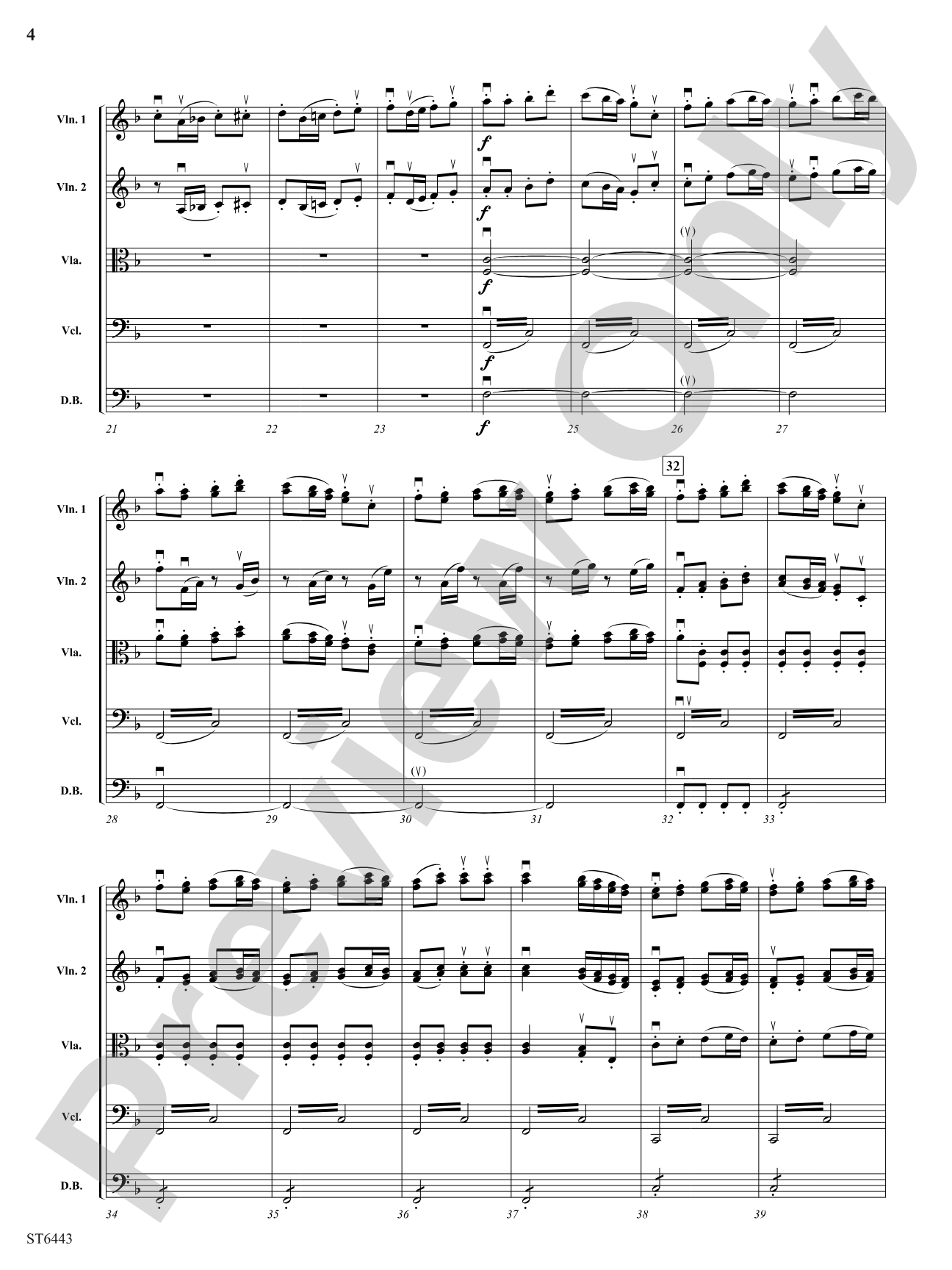
- Balance between sections matters enormously in this work. Keep inner voices audible without drowning the primary melody, especially in the densely voiced passages.
- Attend carefully to the dynamic markings, which describe specific moods and scenes rather than serving as mere structural signposts. A well-controlled diminuendo can be as evocative as a crescendo.
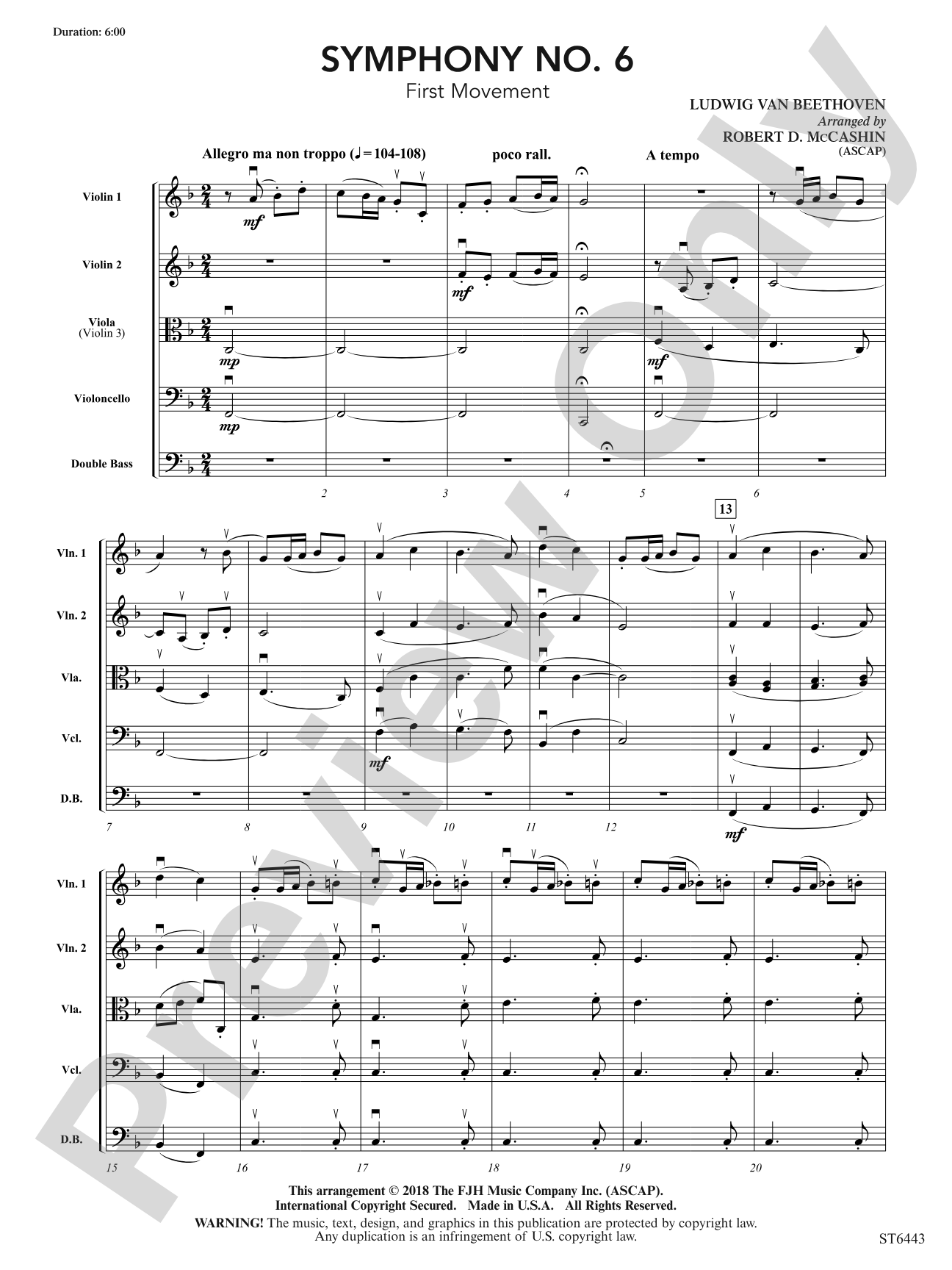
- Use the score to observe Beethoven's orchestration choices. Notice how he moves melodic material between first violins, violas, and cellos to create narrative and depth; this awareness elevates ensemble musicianship.
How to use it
This arrangement works beautifully as a concert centerpiece for an all-masterworks program, or paired with lighter contemporary works to frame a more eclectic season. Its accessibility and broad appeal also make it ideal for a festival or competition where a developing ensemble can perform something genuinely substantial without overreaching technically.
Skills your students will build
- Singing, connected phrasing in a lyrical Romantic context
- Balance between principal melody and supporting voices
- Sensitivity to dynamic shaping and its expressive function
- Reading and executing the specific character markings Beethoven uses to convey mood and scene
- Sustaining ensemble intonation across longer phrases