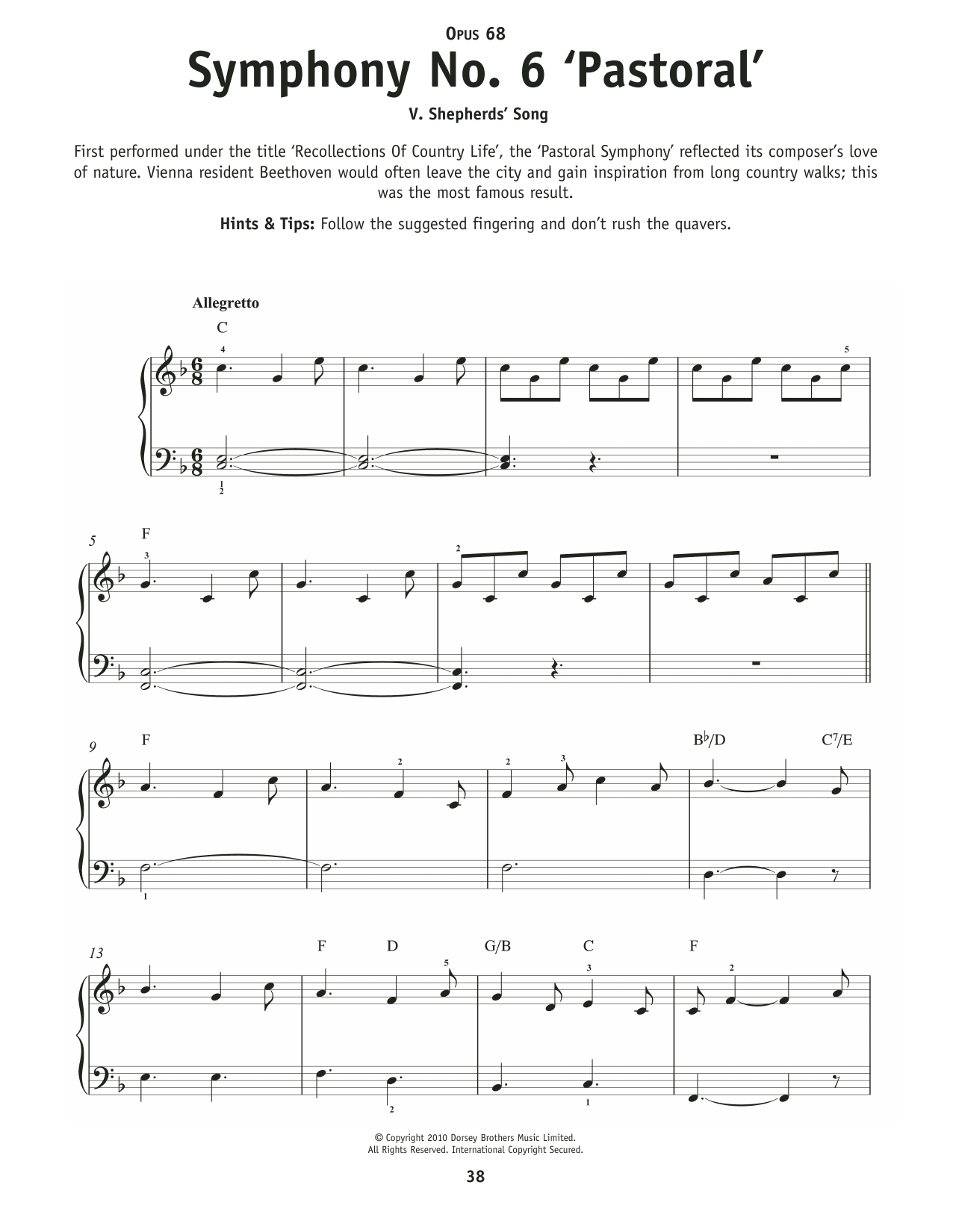
Beethoven fundamentally redefined what a symphony could be. Moving far beyond the elegant structural formulas of his predecessors, he treated the genre as a vehicle for profound human expression, architectural ambition, and revolutionary musical thought. His later symphonies became templates for Romantic composers seeking to balance form with emotional depth.
The Sixth Symphony stands apart even within his output. Written in 1808, it abandons pure abstraction to depict specific scenes from nature. Beethoven called it a "Sinfonia pastoralis," a work that invites performers and listeners into vivid landscapes of countryside life, thunderstorms, and gratitude. It remains one of classical music's most programmatic works, demonstrating that structural rigor and storytelling are not opposed but intimately linked.