
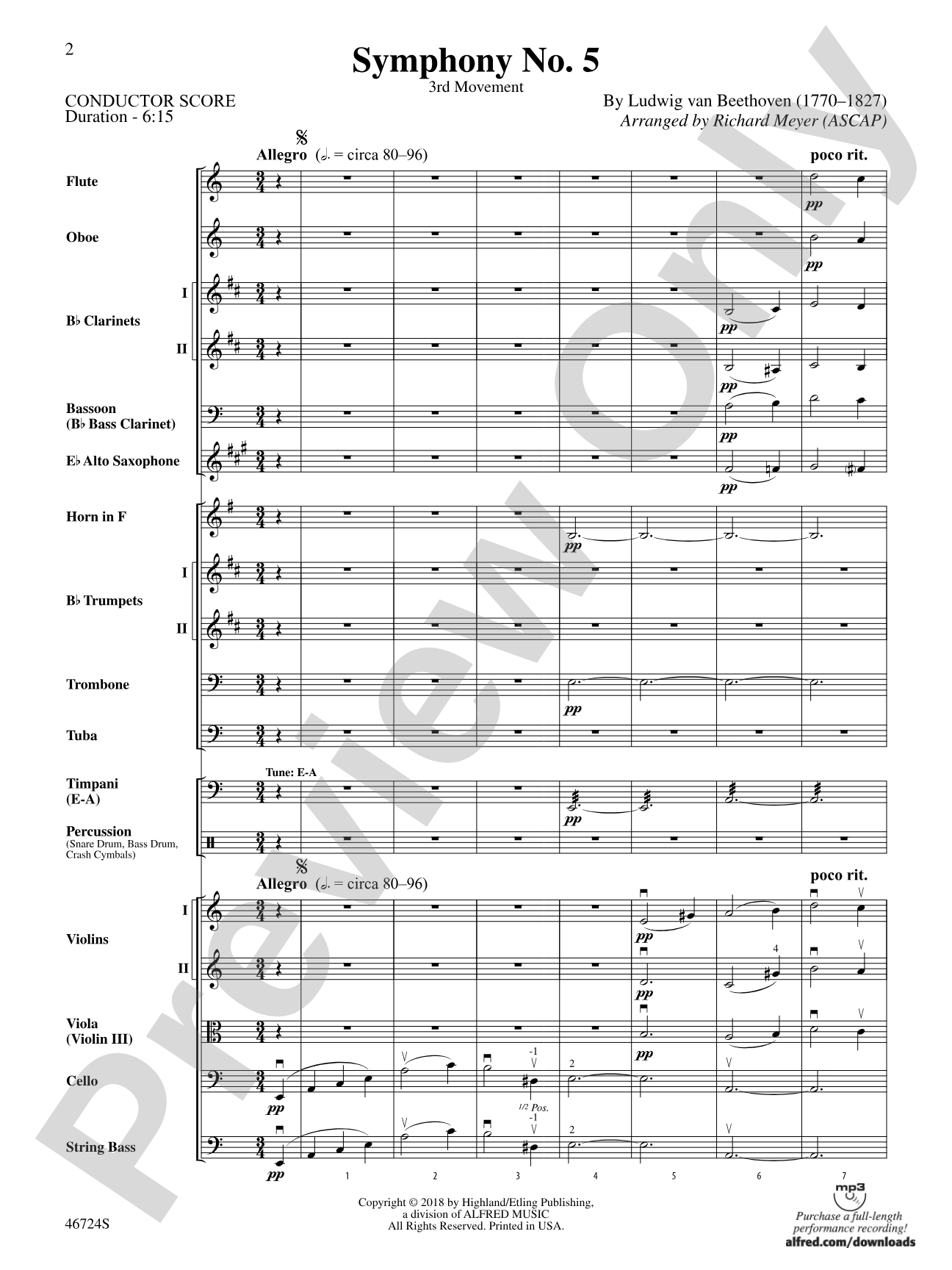
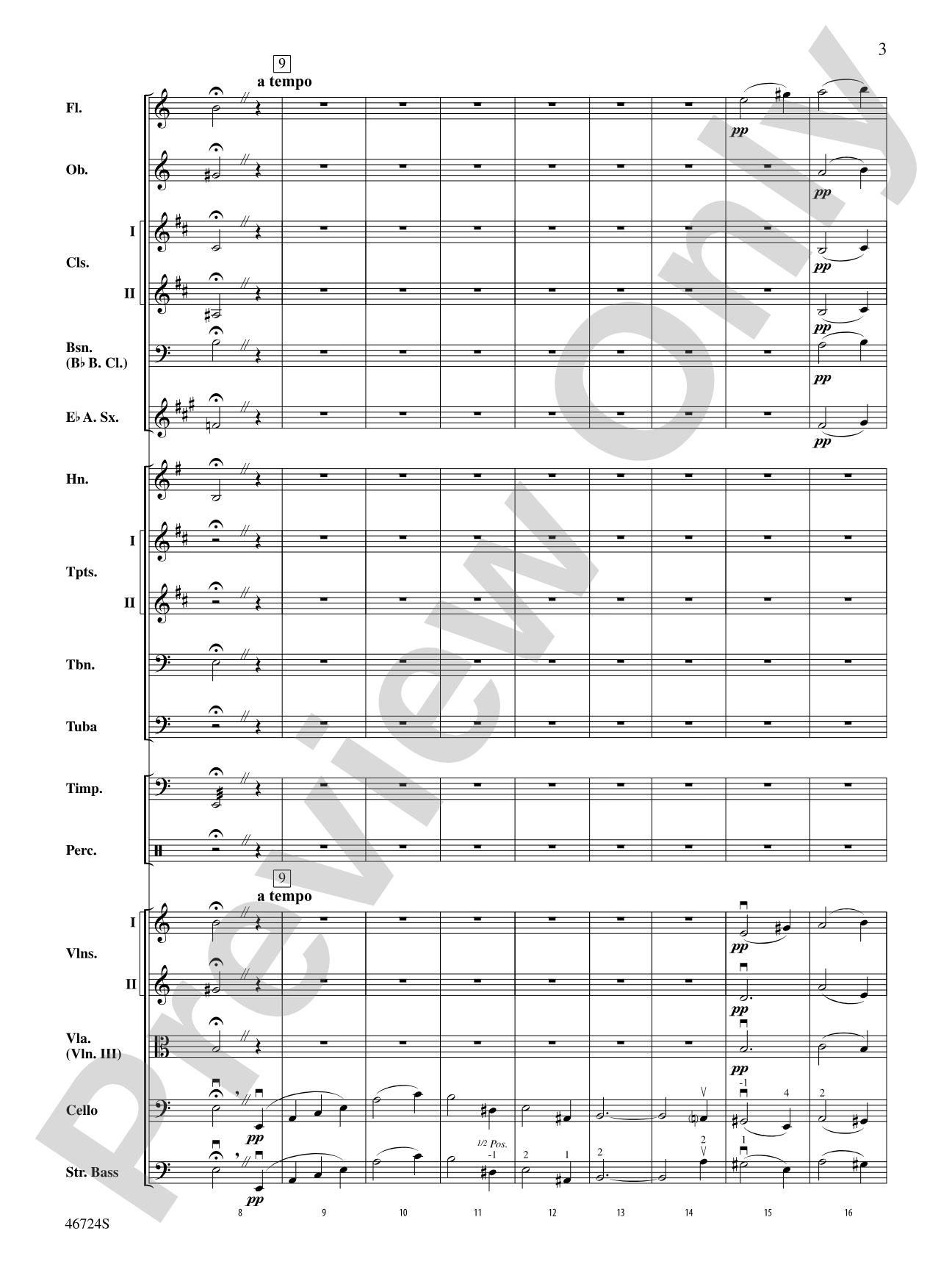
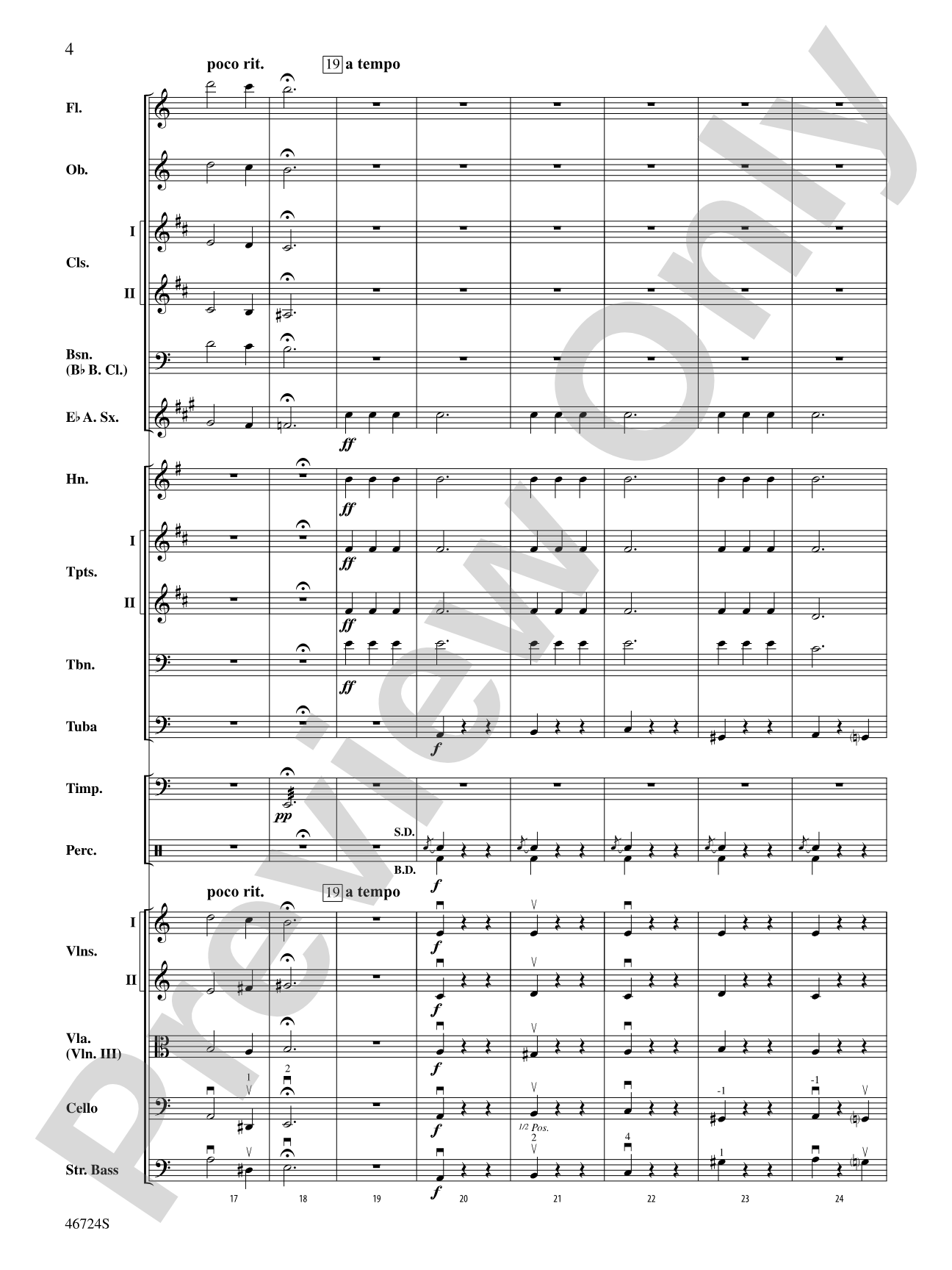
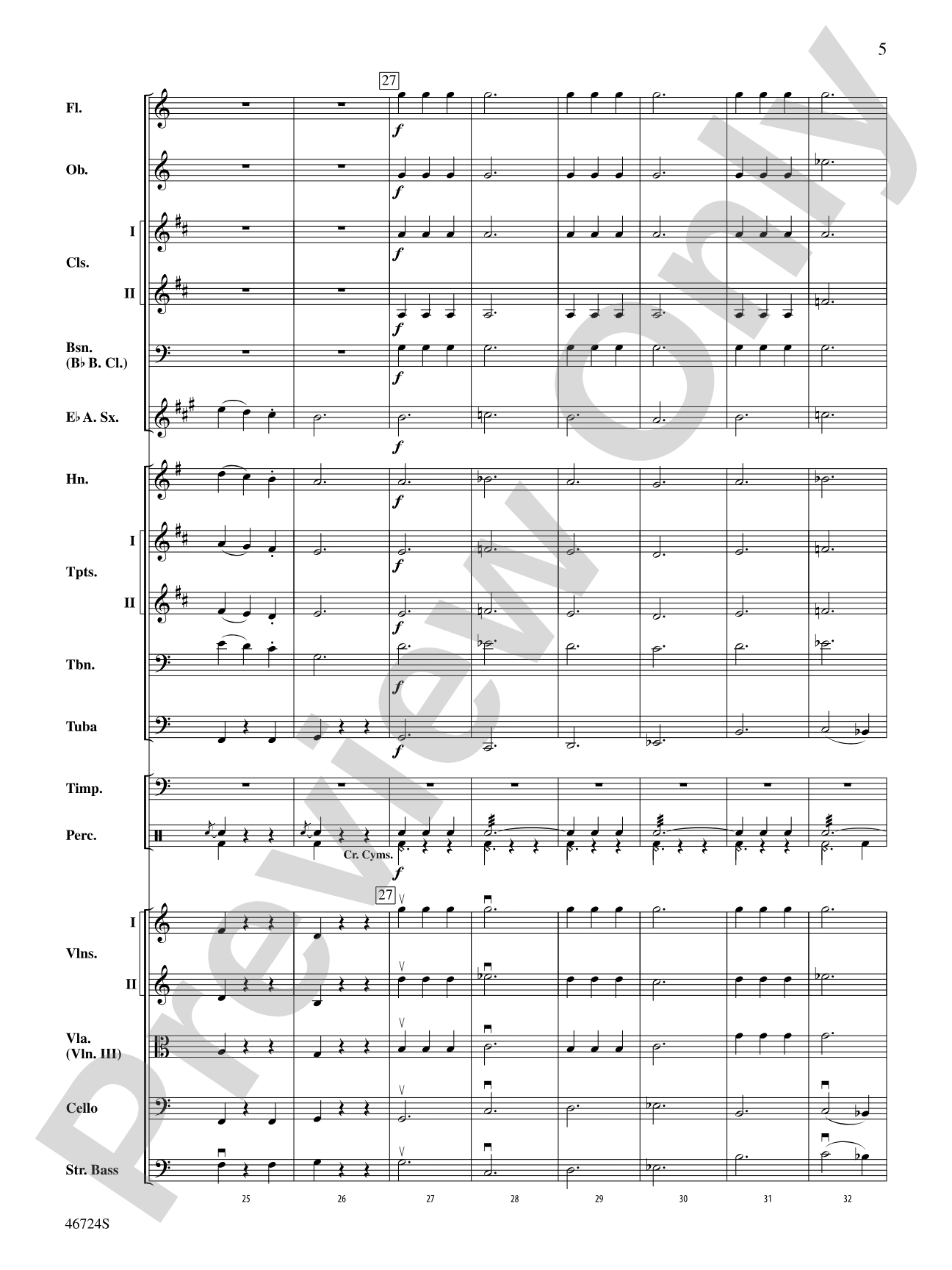
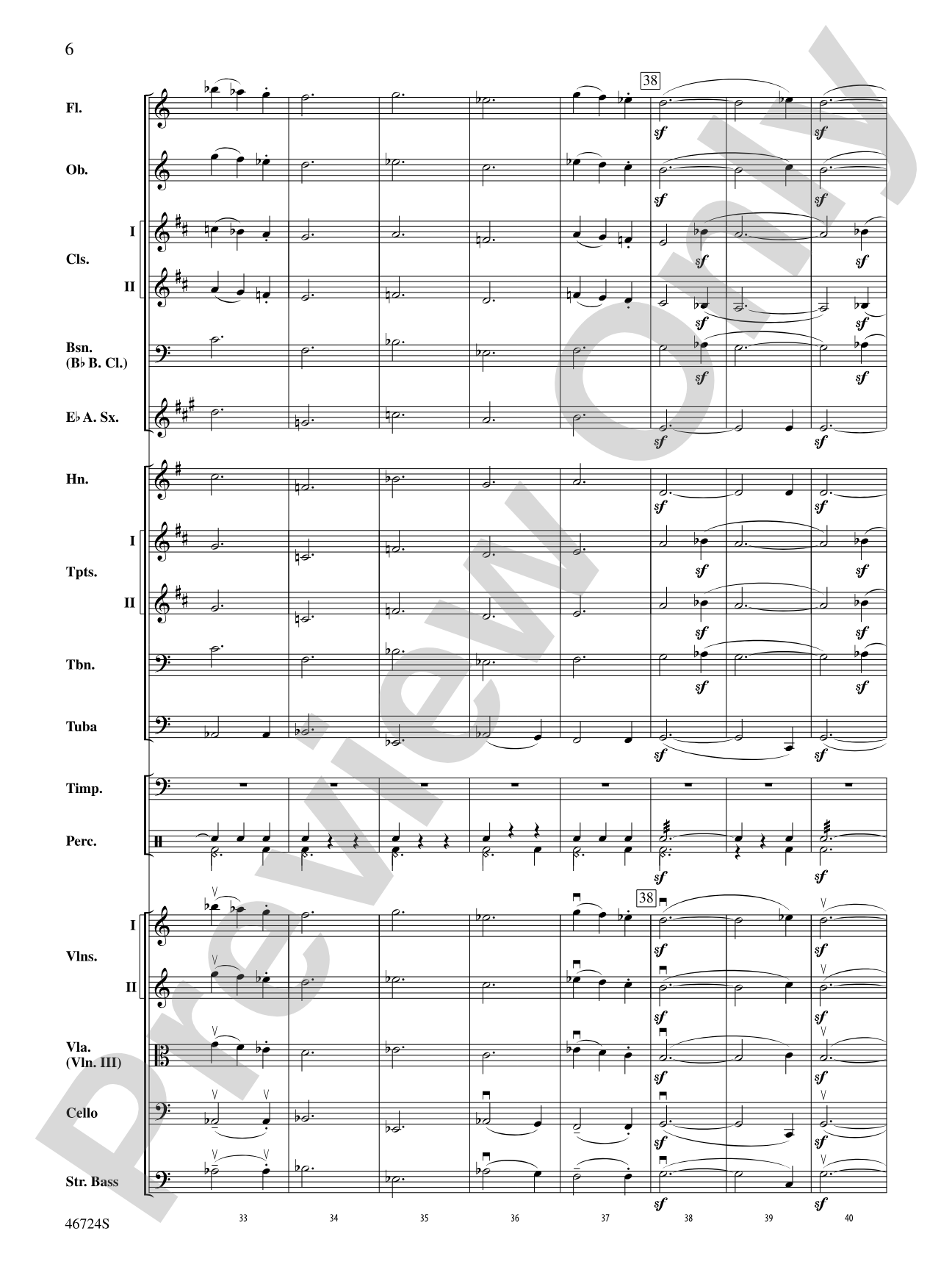
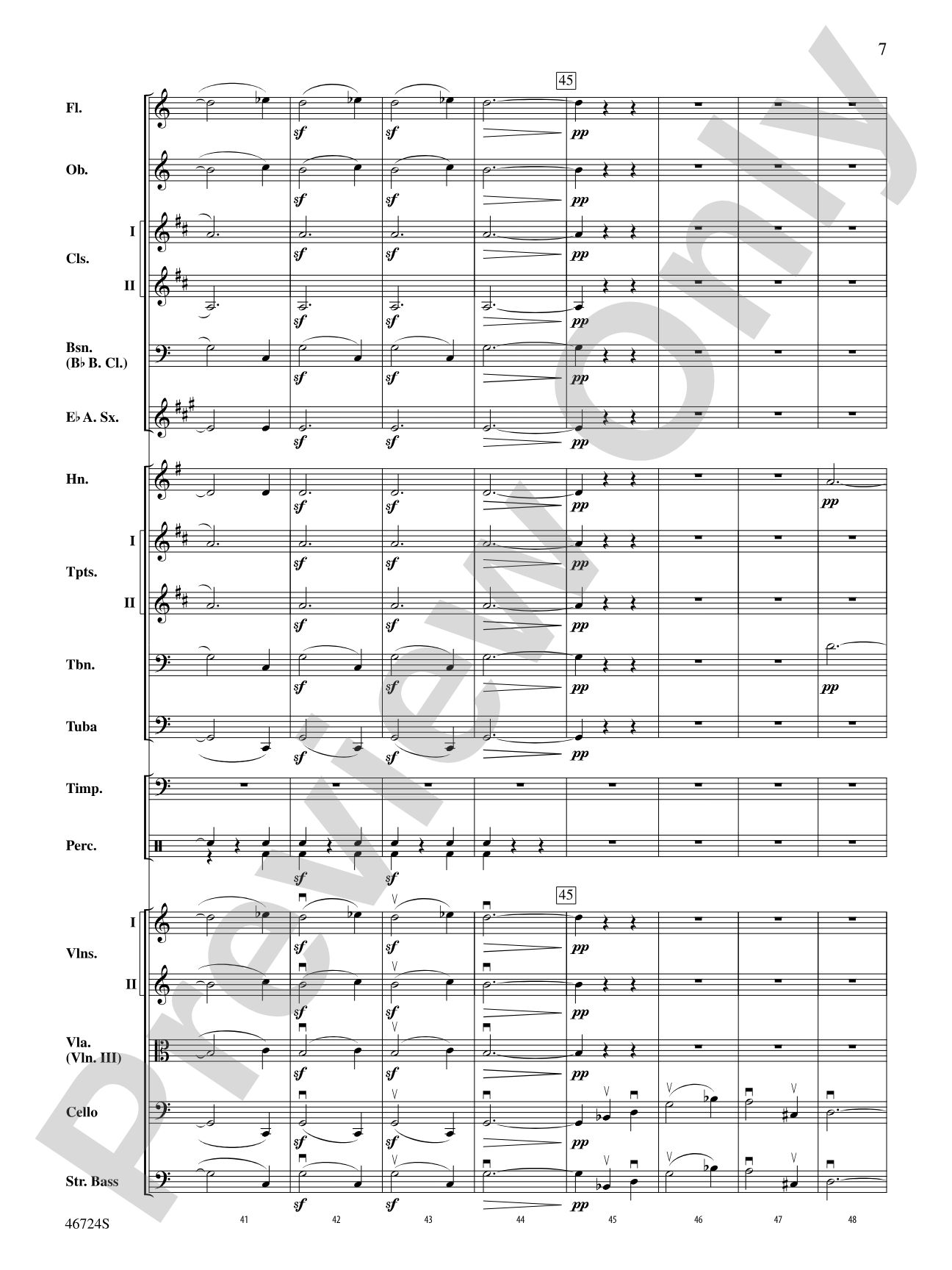
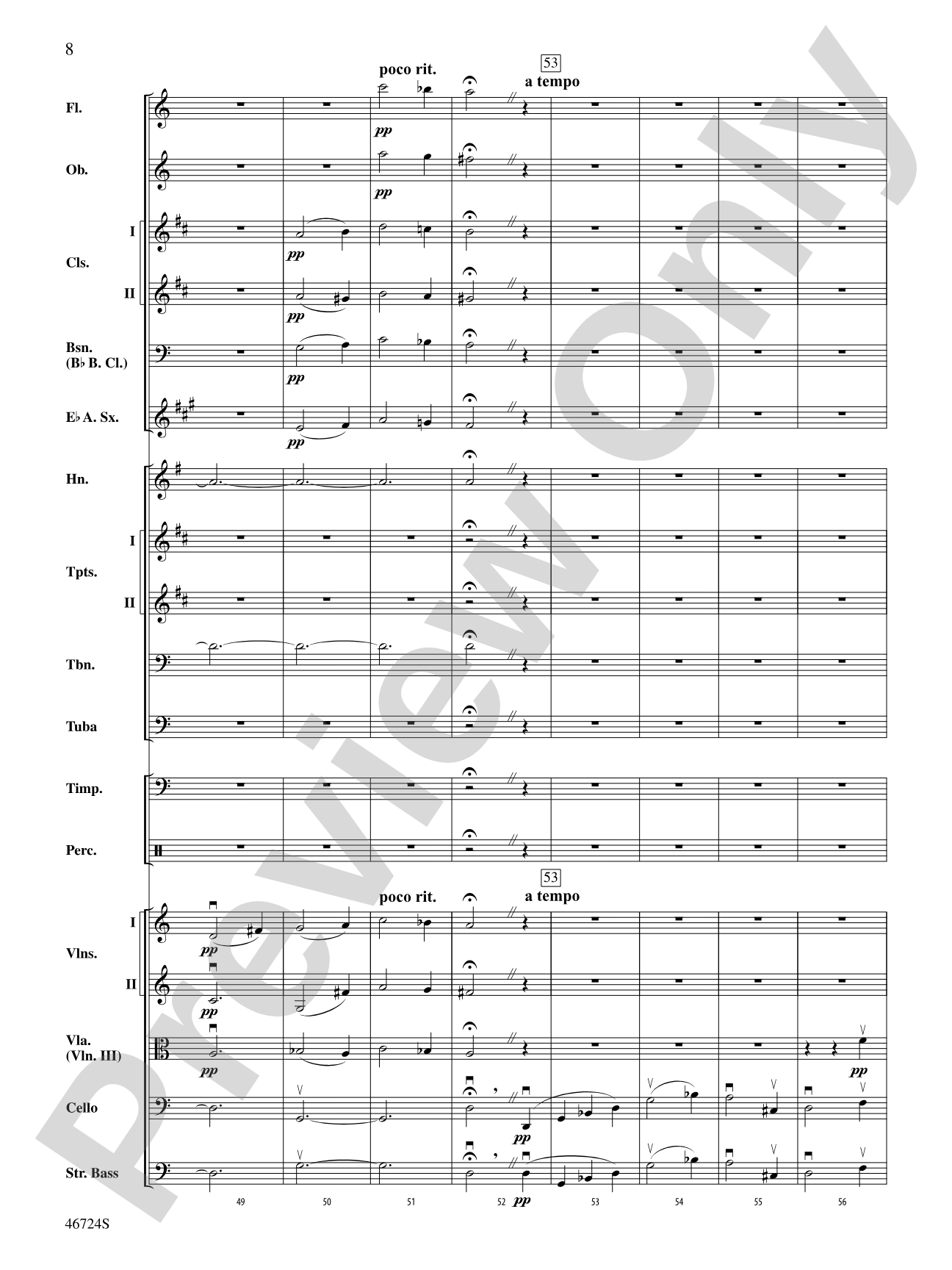
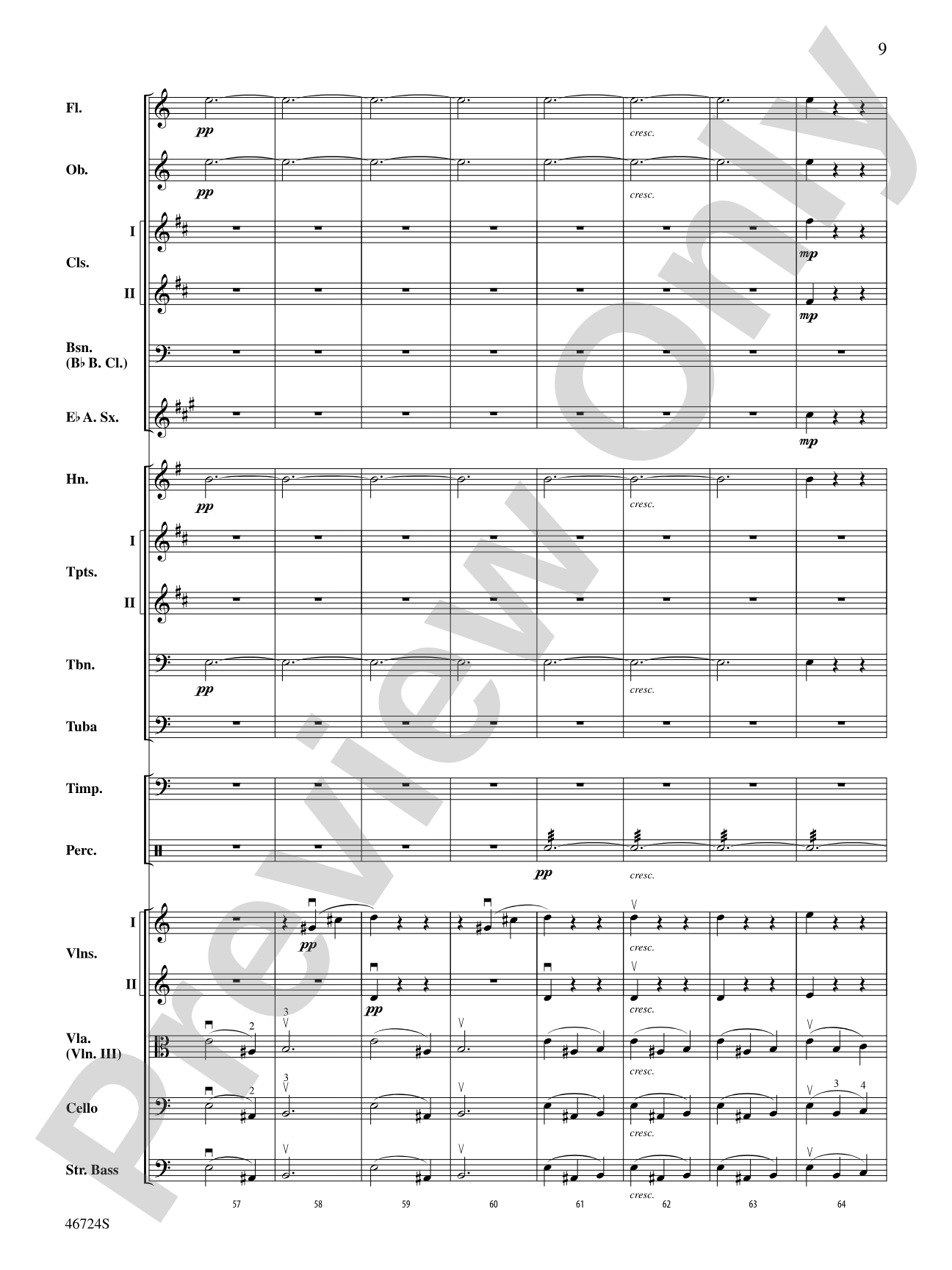
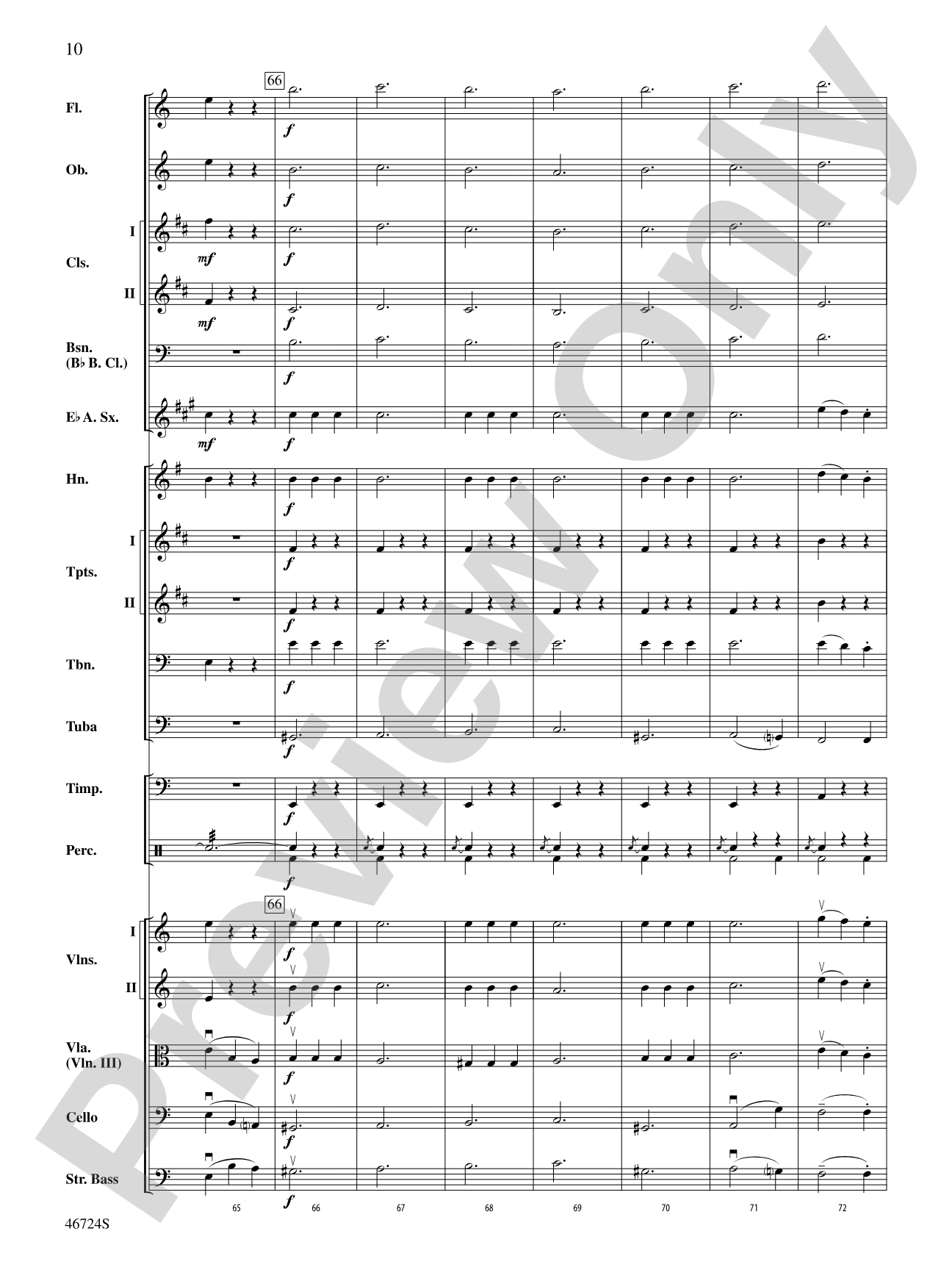
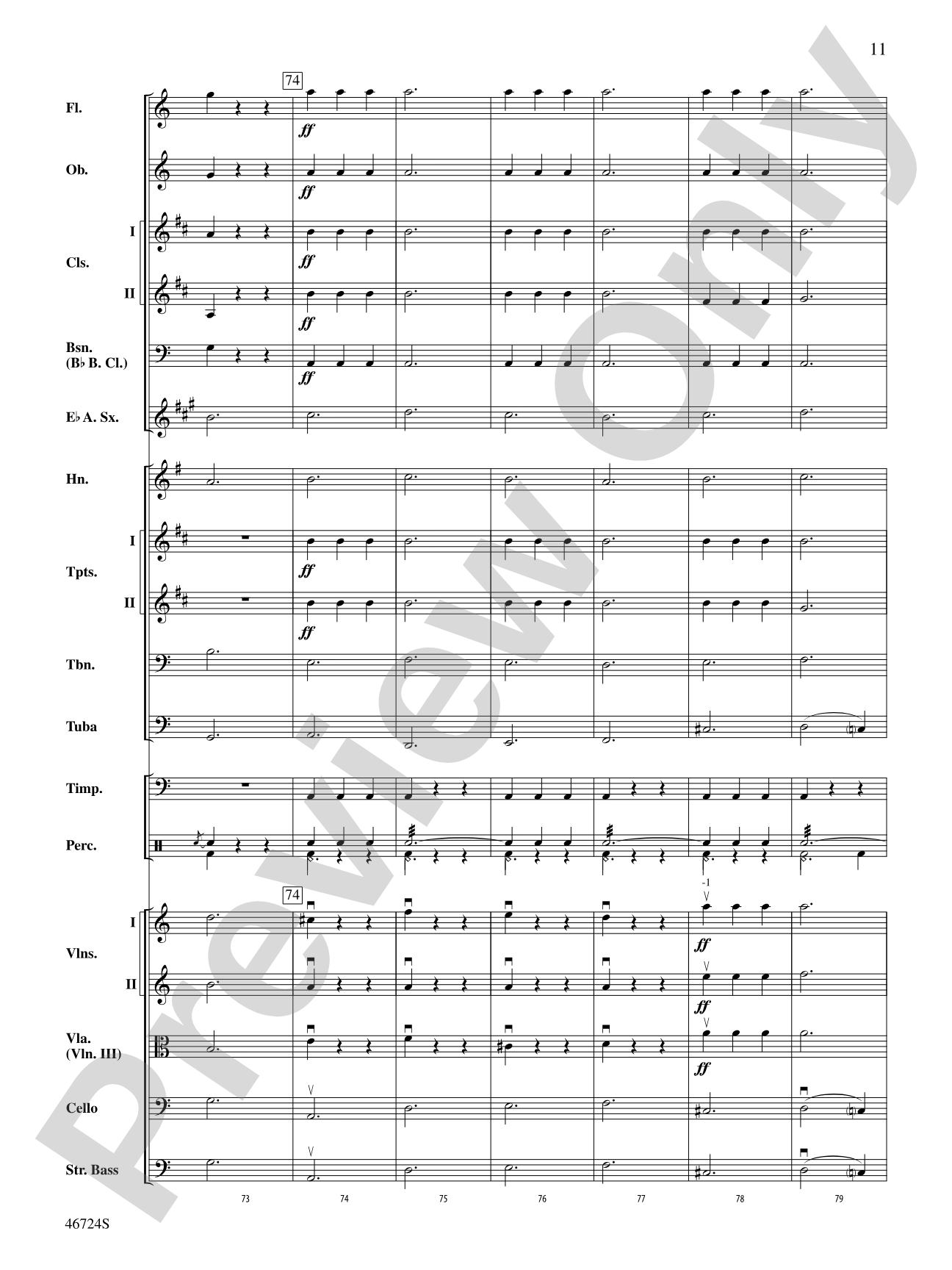
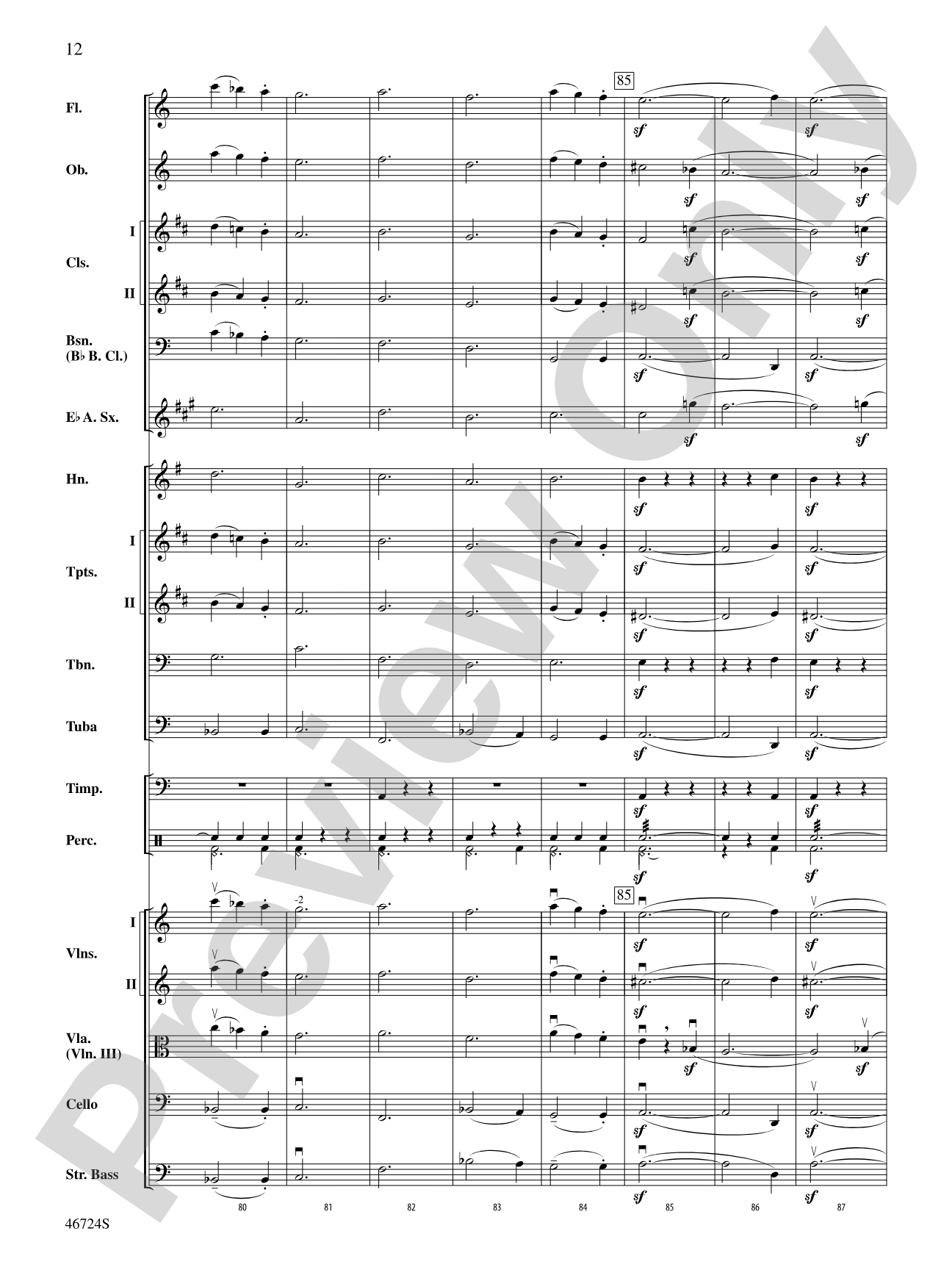
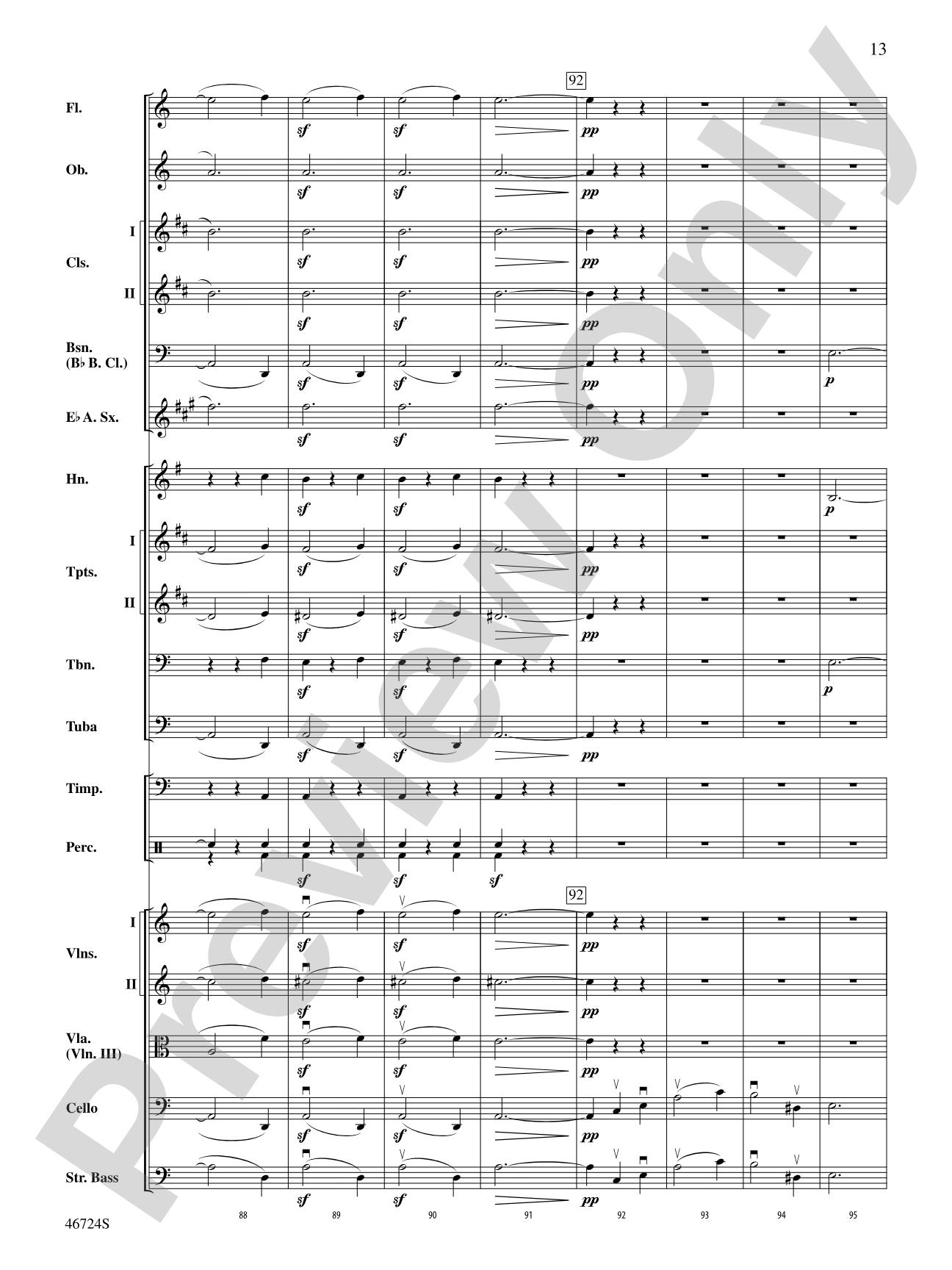
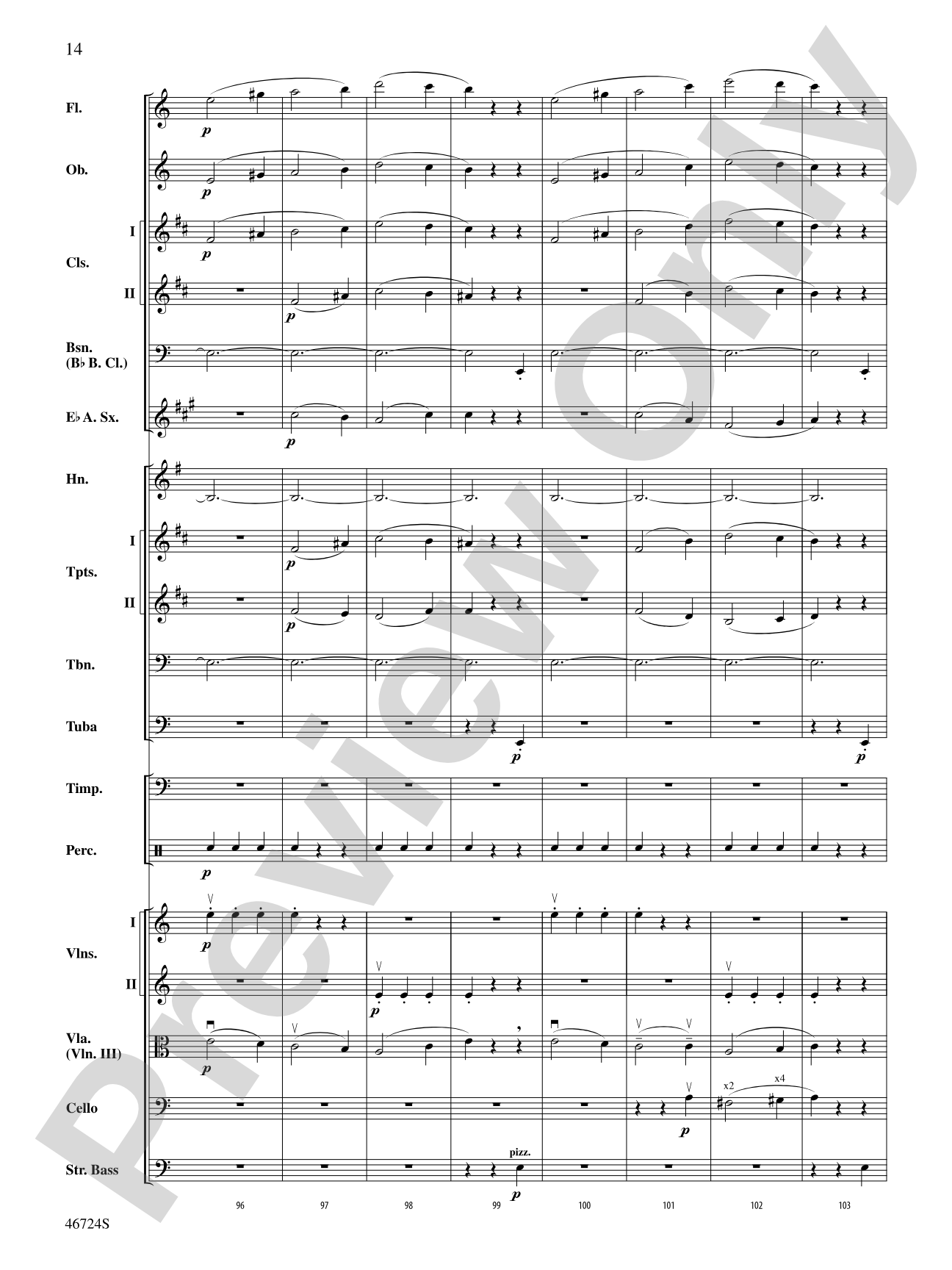
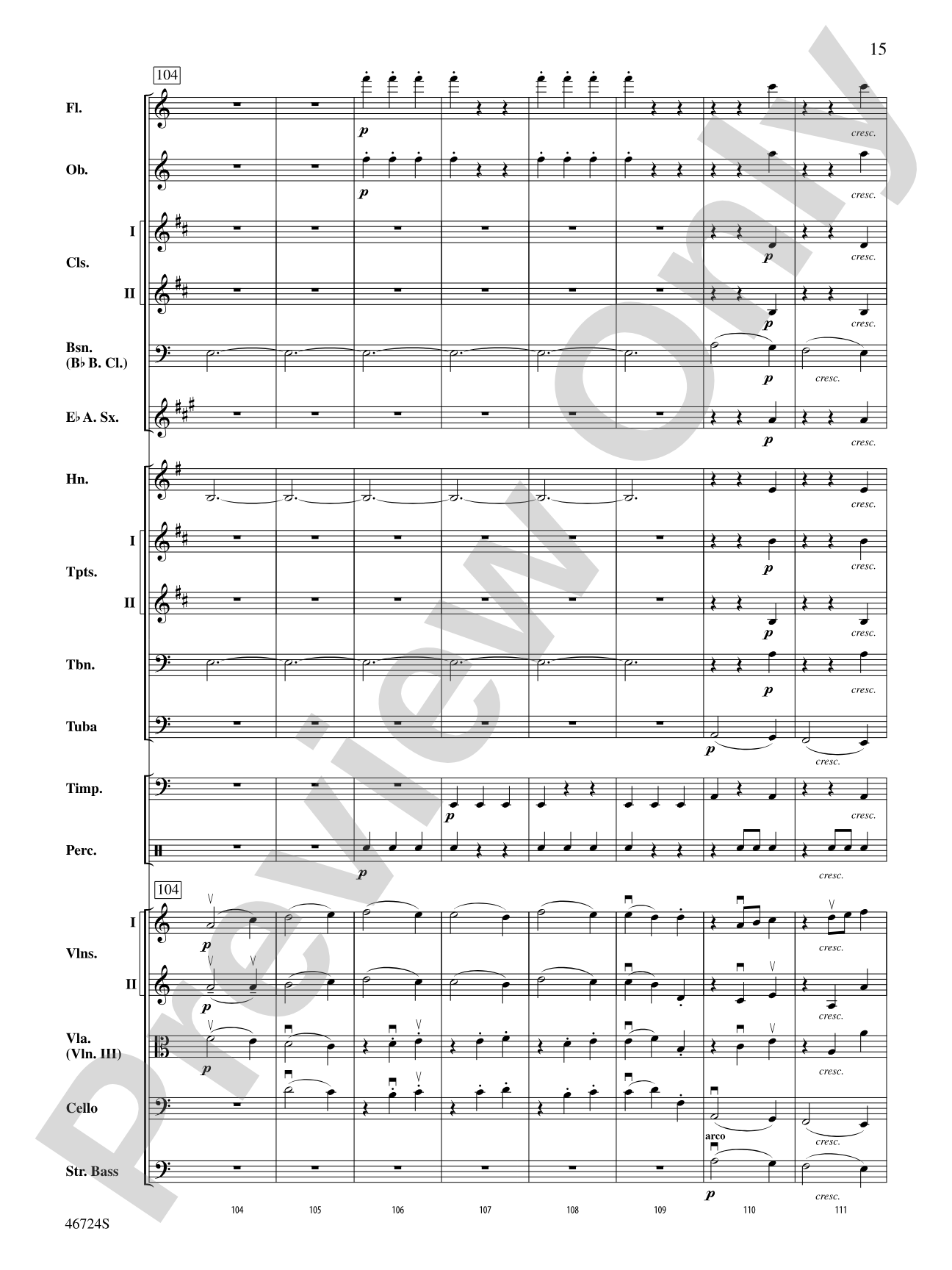
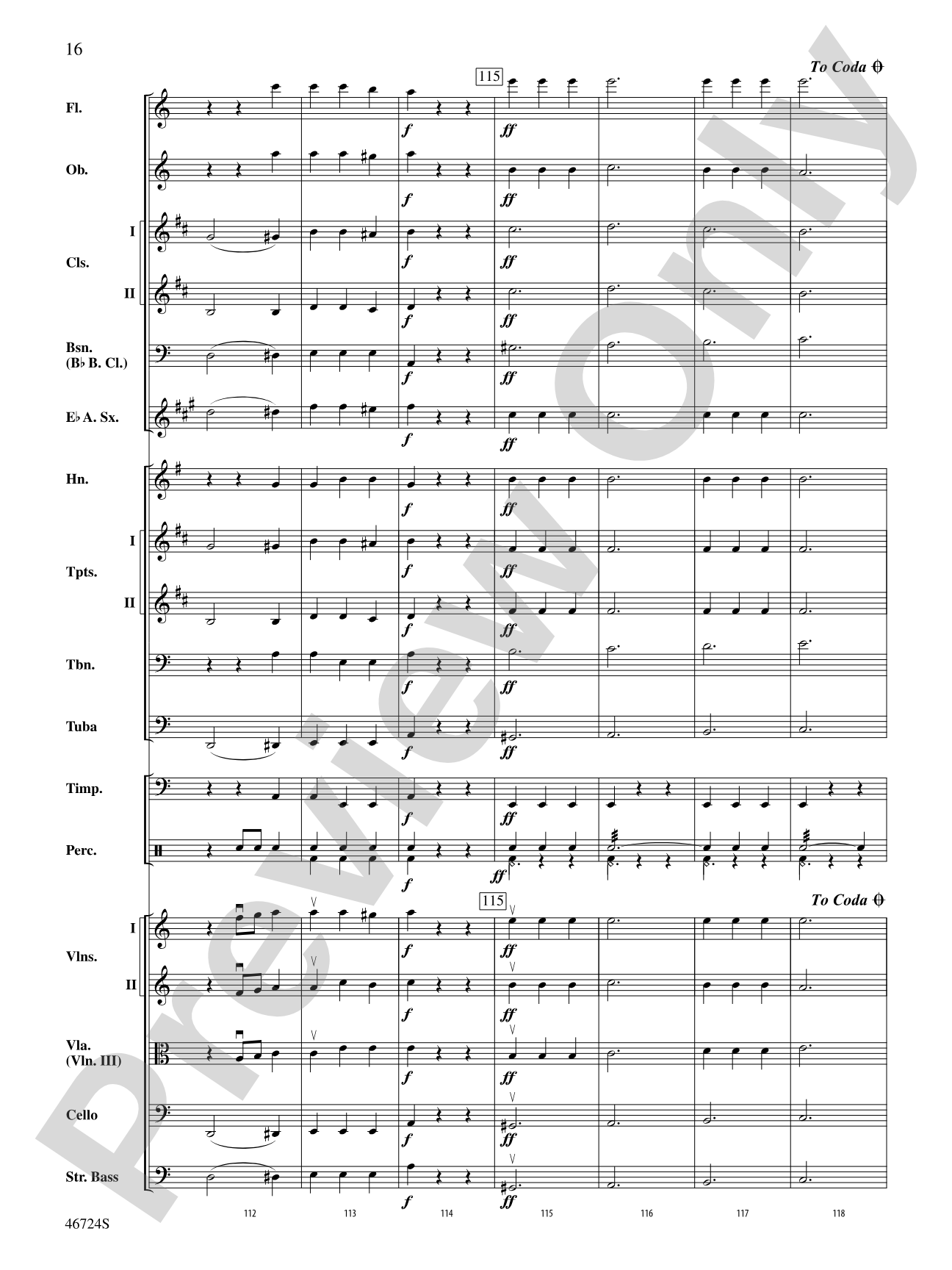
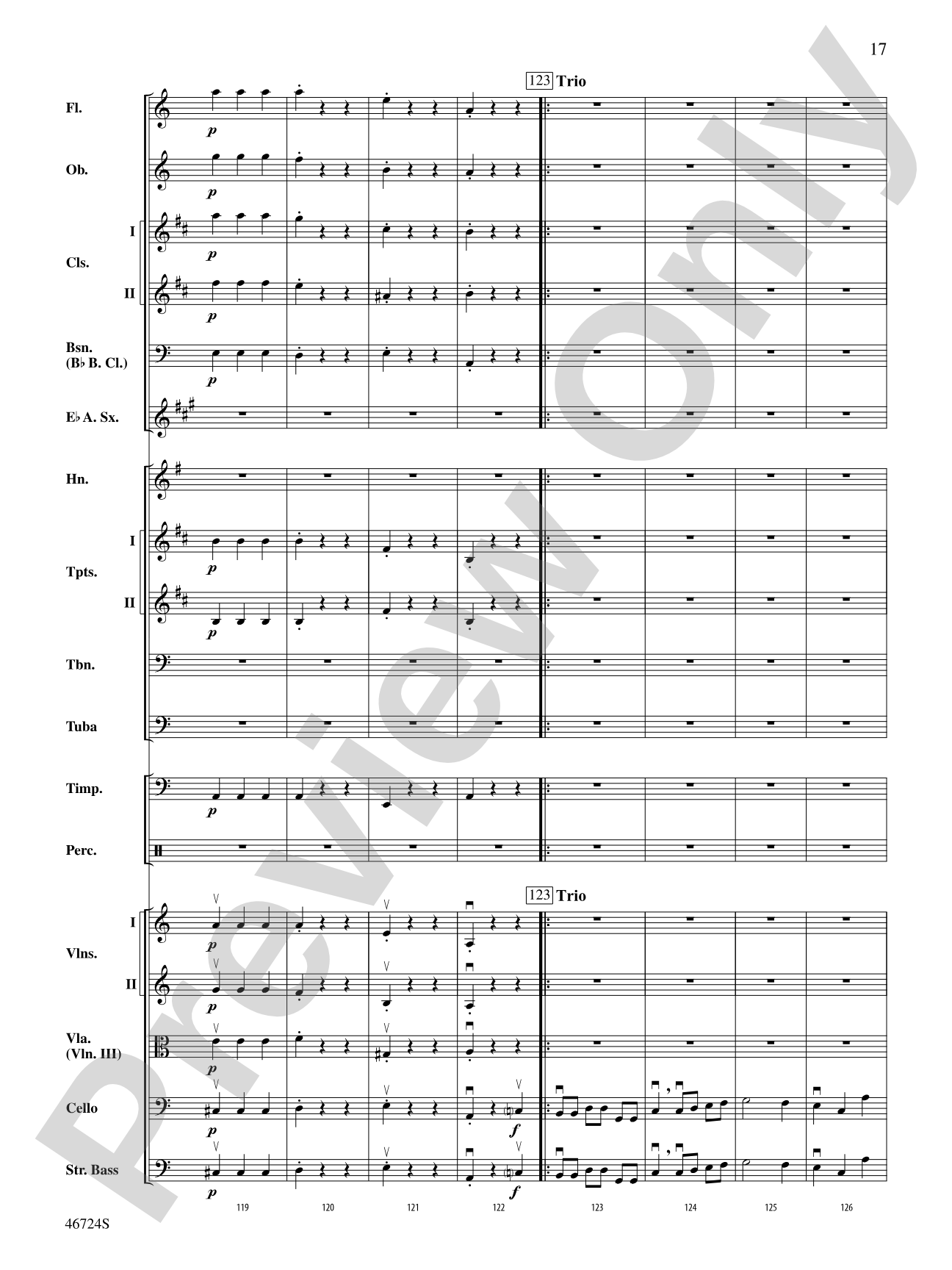
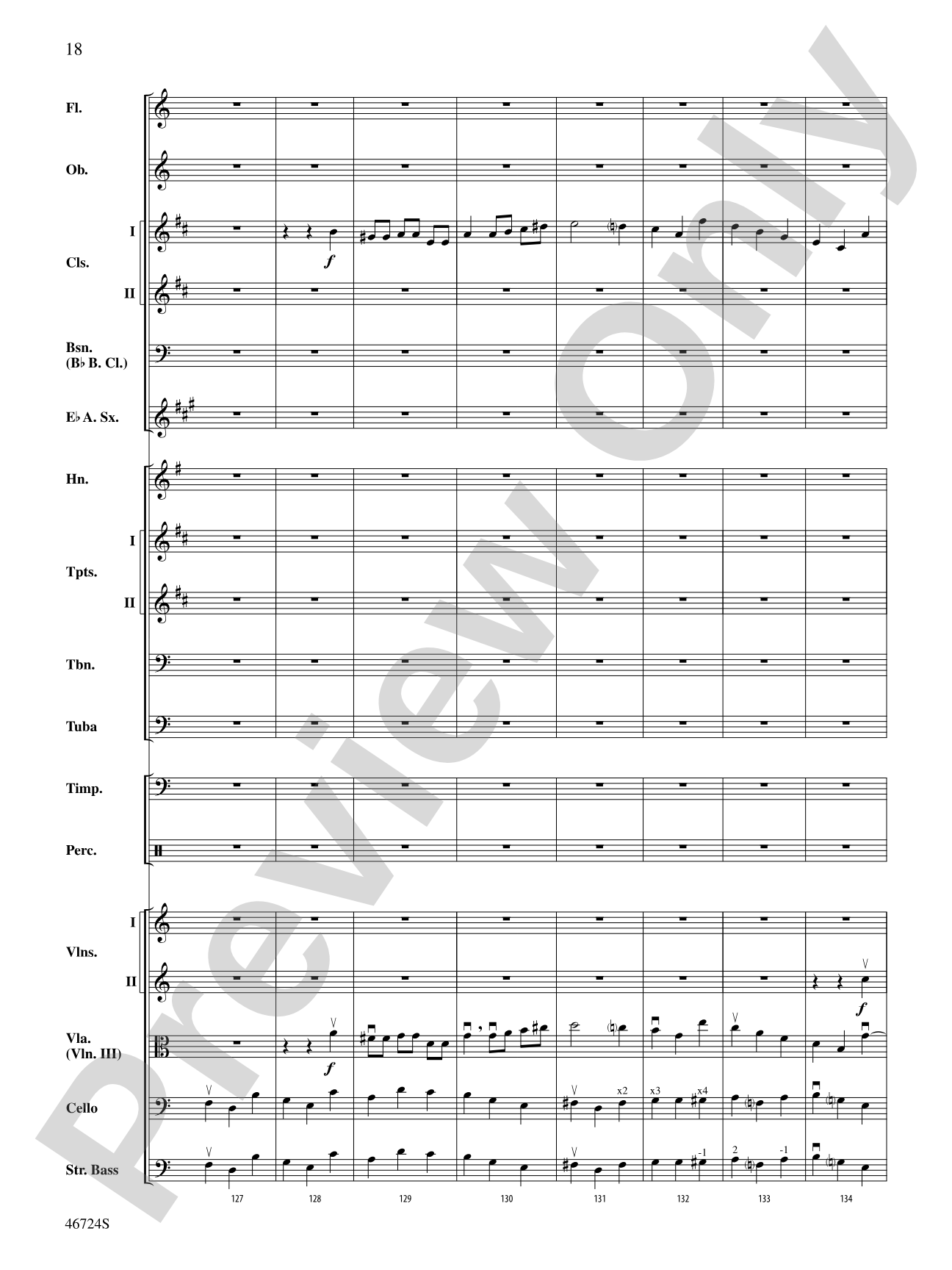
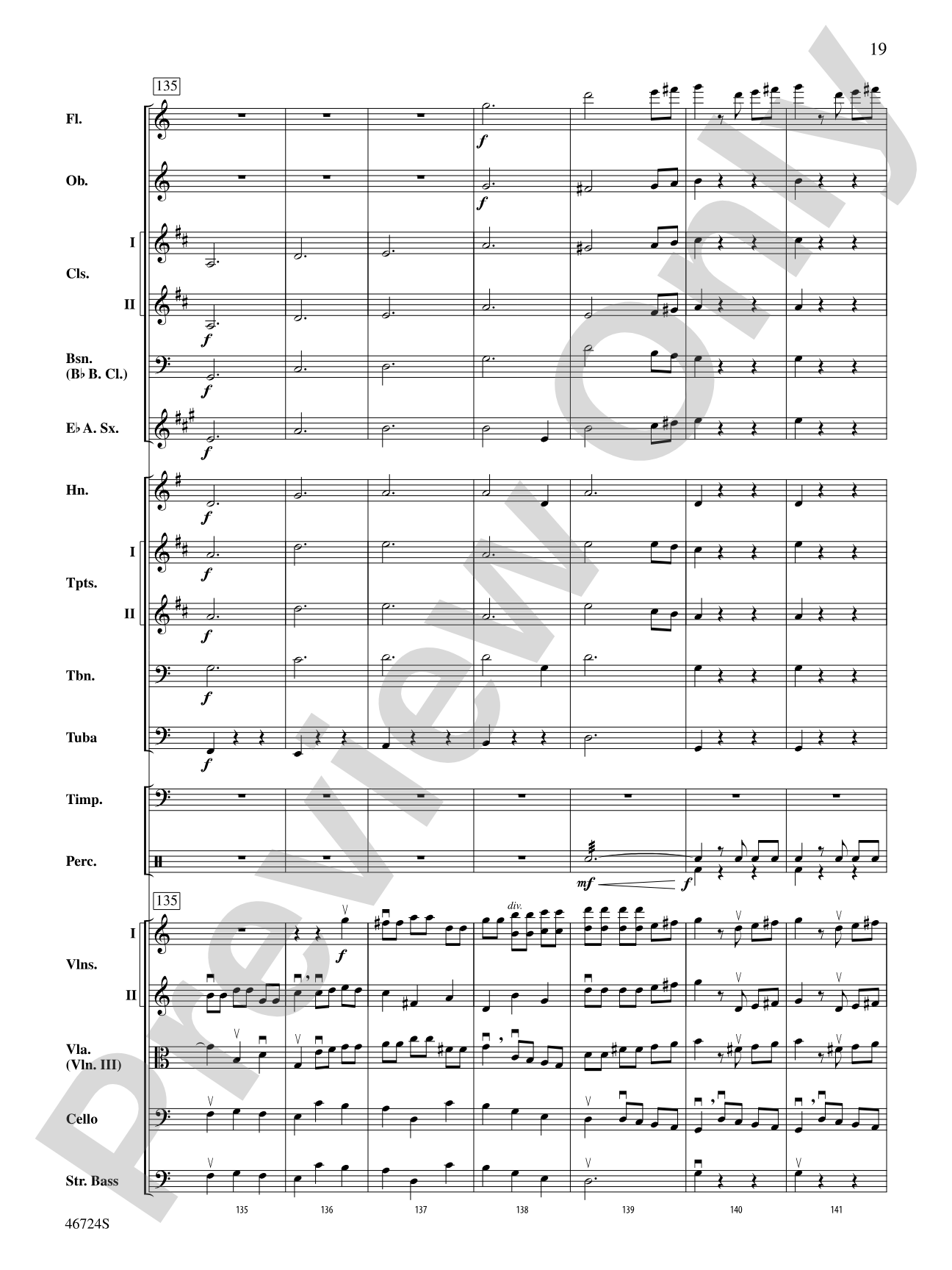
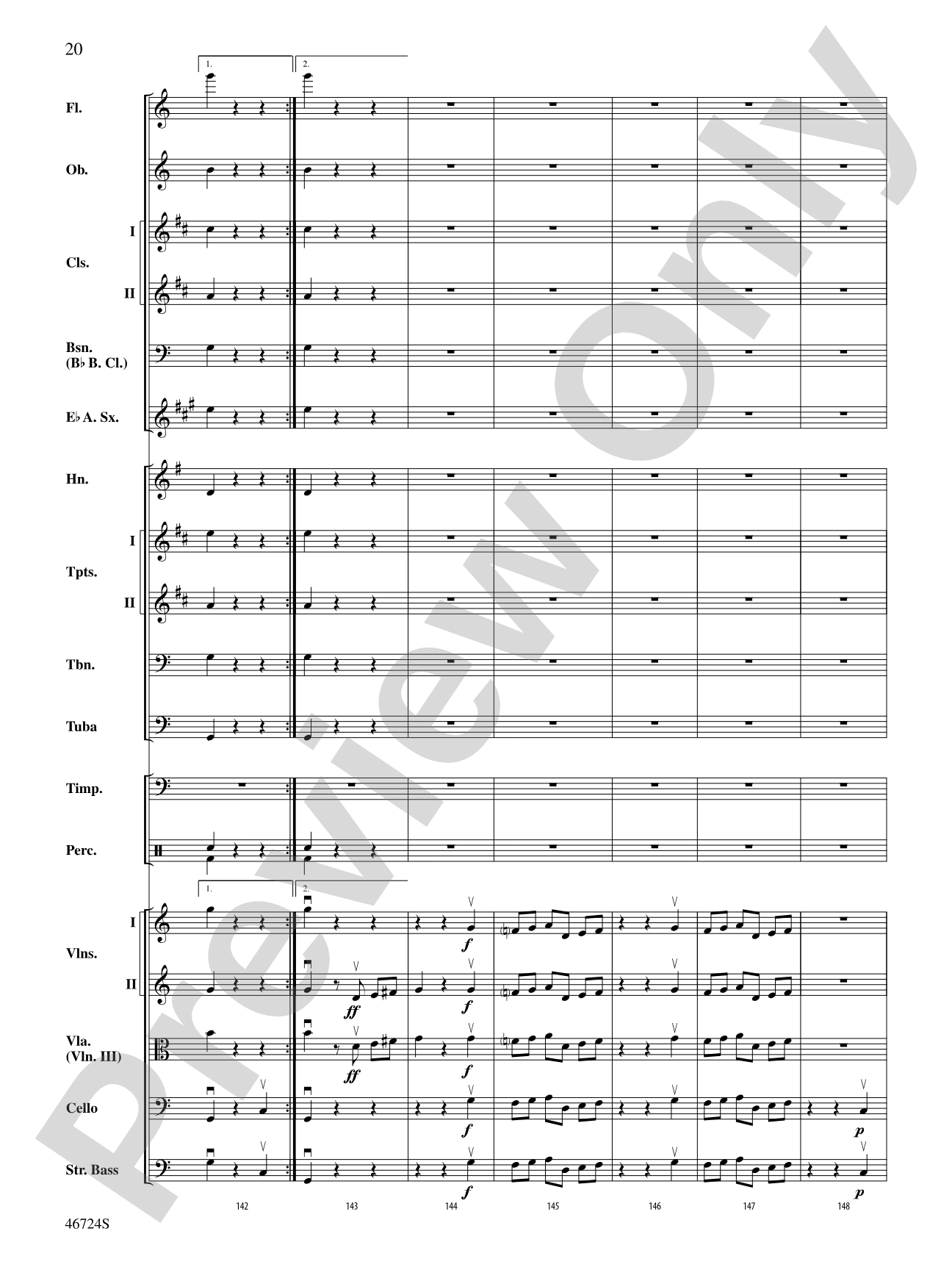
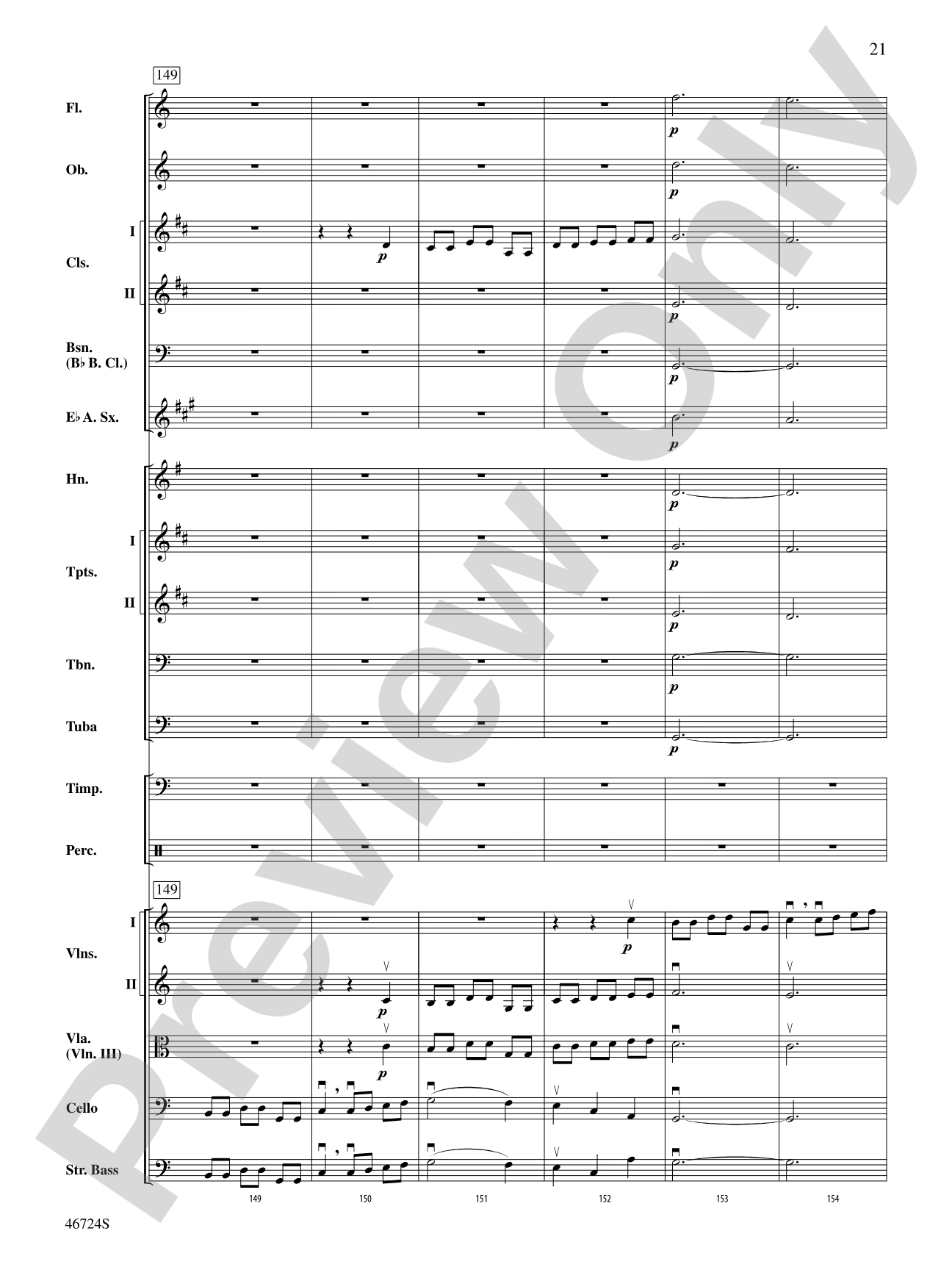
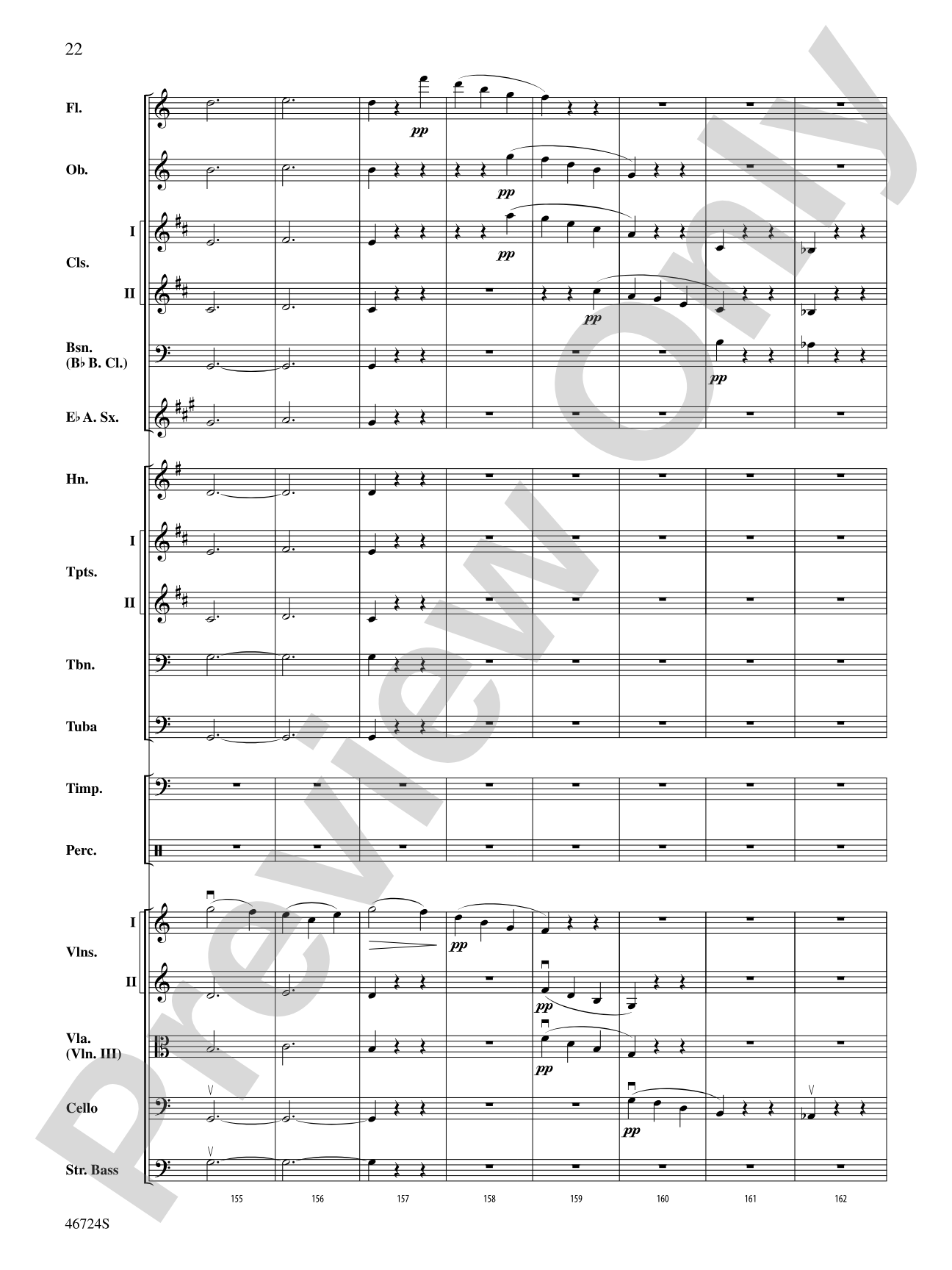
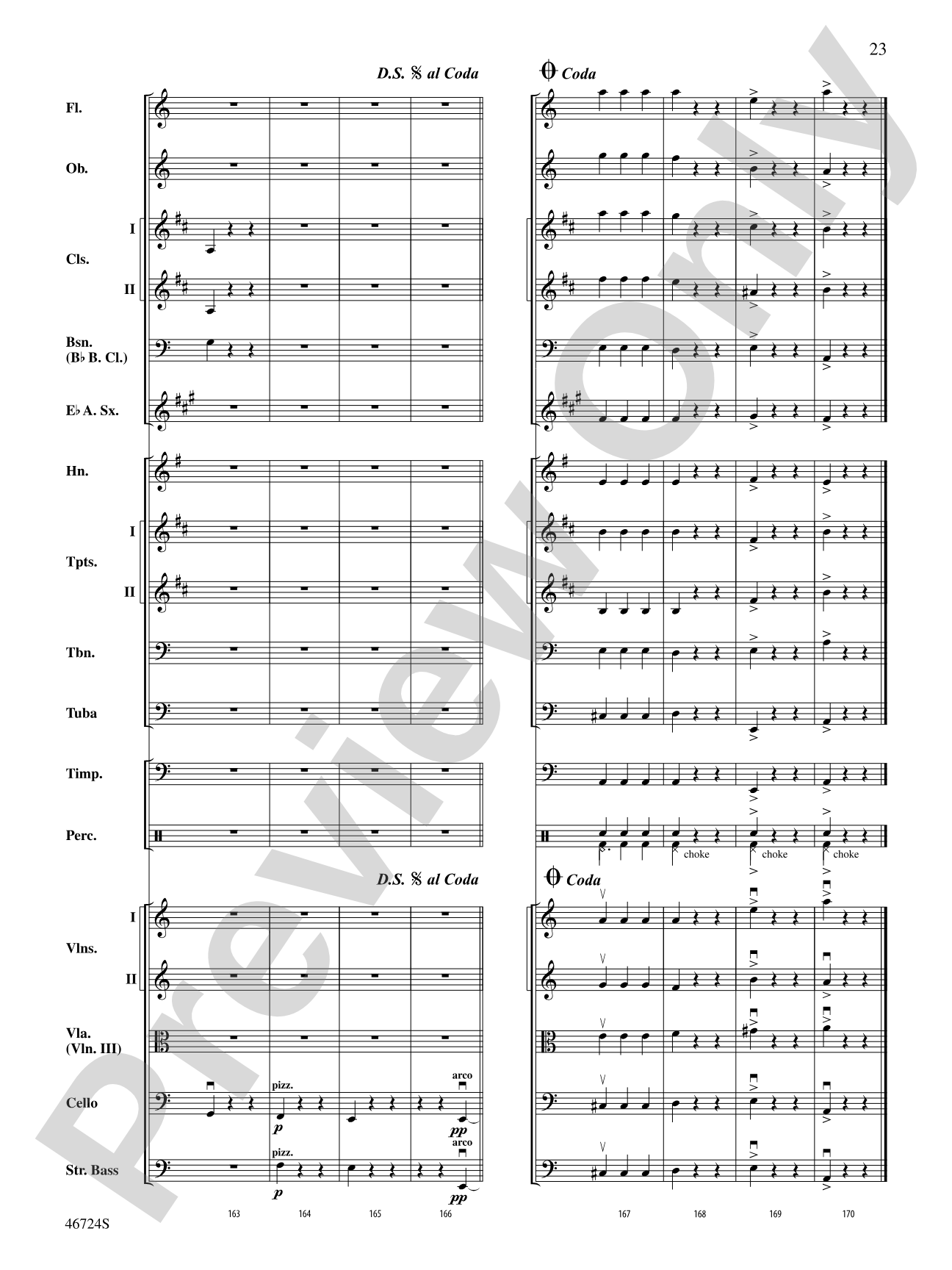

Symphony No. 5: Score
3rd Movement
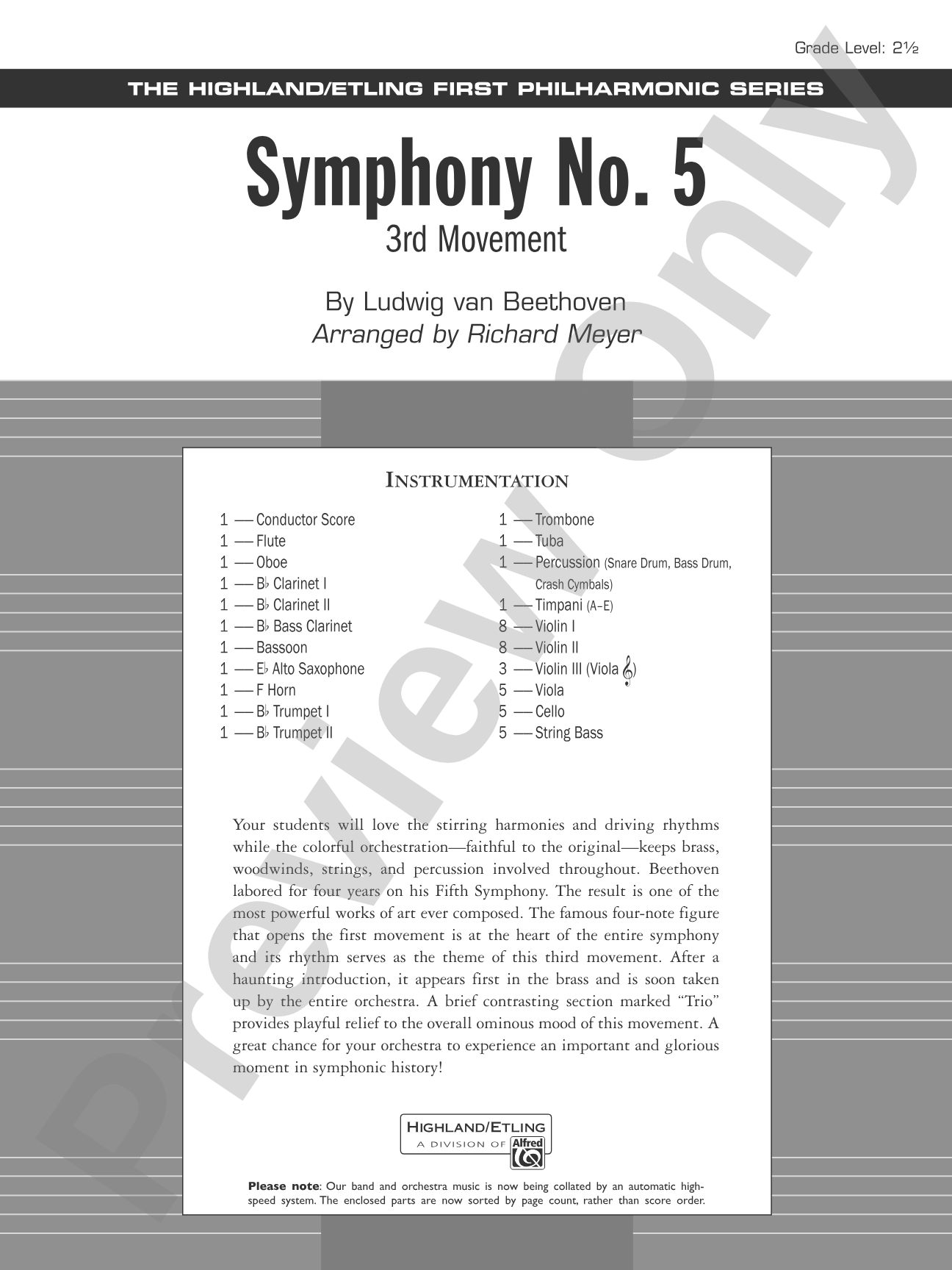
By Ludwig van Beethoven / arr. Richard Meyer
Grade: 2.5
Item: 00-PR-0006068
$10.00
Pickup currently not available
Description
Haunting, ominous, and playful, this Scherzo movement from Beethoven's famous Symphony No. 5, arranged by Richard Meyer, has it all. Your students will love the stirring harmonies and driving rhythms while the colorful orchestration---faithful to the original---keeps brass, woodwinds, strings, and percussion involved throughout. A great chance for your orchestra to experience an important and glorious moment in symphonic history! This title is available in MakeMusic Cloud.


Don't just read it, hear it, play along with it, and watch your students grow with it. In MakeMusic Cloud, Symphony No. 5: Score comes alive with professional accompaniment, adjustable tempo, and built-in practice tools that turn solo practice into real progress.
Open in the Player
Jump straight in and assign it today.
Start Your Free Trial
Open this title and explore the full library in minutes.
Sample Audio
1
Audio File
--:--
0:00
0:00
Sample Video
Additional Details
Series:
Highland/Etling First Philharmonic
Publisher:
Alfred Music
Page Count:
190
SKU:
00-PR-0006068
More about this title
About the Composer: Ludwig van Beethoven
Ludwig van Beethoven (1770-1827) stands at the crossroads of Classical and Romantic music, a composer whose nine symphonies fundamentally transformed what orchestral music could express. His breakthrough came with works like Symphony No. 5, where urgent dramatic gestures and unconventional harmonic language challenged the conventions of his time. For music students, Beethoven represents a pivotal moment when composers began using the orchestra as an instrument of personal vision and emotional truth rather than mere entertainment.
Beethoven's deafness, emerging in his late twenties, paradoxically deepened his compositional genius. Unable to hear his own premieres, he imagined sounds with extraordinary precision and ambition. His symphonies demand orchestra members listen intently to one another, follow a conductor's leadership with care, and commit to dynamics and articulation that shape the architecture of each phrase. These works reward rehearsal investment and teach musicians that technique serves expression.
Why we love this
Meyer's arrangement maintains the architectural integrity of Beethoven's vision while keeping the piece accessible for younger orchestras. The famous opening motif is instantly recognizable, and the rhythmic drive of the Scherzo movement propels students through a performance that feels genuinely symphonic, not simplified. You get authentic Beethoven without compromising the learning experience.
What to expect
The opening strikes like fate knocking at the door, urgent and inescapable. What follows is a Scherzo that bounds forward with playful energy beneath its ominous surface, mixing moments of genuine menace with almost mischievous orchestral color. The movement feels alive with possibility, driven by rhythms that pull the ensemble forward and harmonies that surprise and delight in equal measure.
Who it's for
This score and parts work for intermediate full orchestras at the Grade 2.5 level, including school and youth symphonies with reliable woodwind, brass, and string sections. Conductors seeking to introduce students to a canonical symphonic work will find an arrangement that honors the original while remaining performable by younger musicians.
How to get the most out of it
- Conduct the famous four-note opening motif with absolute clarity and conviction. This gesture sets the dramatic tone for everything that follows, and your ensemble will respond to the energy you bring to it.
- Balance the orchestration so woodwinds and brass can exchange melodic material without drowning the strings. Meyer's faithful arrangement gives every section meaningful work, but clarity requires thoughtful dynamic control in rehearsal.
- Mark the meter and pulse consistently. The Scherzo's relentless rhythm is its heartbeat; students who lock into the conductor's beat will feel the momentum that makes this movement propulsive rather than mechanical.
- Shape the phrases that emerge from the driving rhythmic foundation. Even at a brisk tempo, room exists for breathing and shaping; encourage your musicians to listen for the melodic lines threading through the harmonic texture.
How to use it
Program this as a centerpiece for a concert exploring masterworks in orchestral literature, pairing it with other symphonic excerpts or movements at a similar level. The piece works equally well as a festival or competition selection where the combination of recognizable musical substance and accessible orchestration serves your ensemble's growth. Consider placing it in the second half of a concert where its dramatic intensity can build on earlier repertoire.
Skills your students will build
- Following a conductor's interpretation and response to gestural changes
- Executing precise rhythmic figures across the ensemble in a fast tempo
- Balancing melody and accompaniment across different instrumental sections
- Sustaining dynamic control through extended phrases driven by harmonic tension
- Coordinating articulation and breathing across woodwind, brass, and string sections to shape a unified orchestral line