
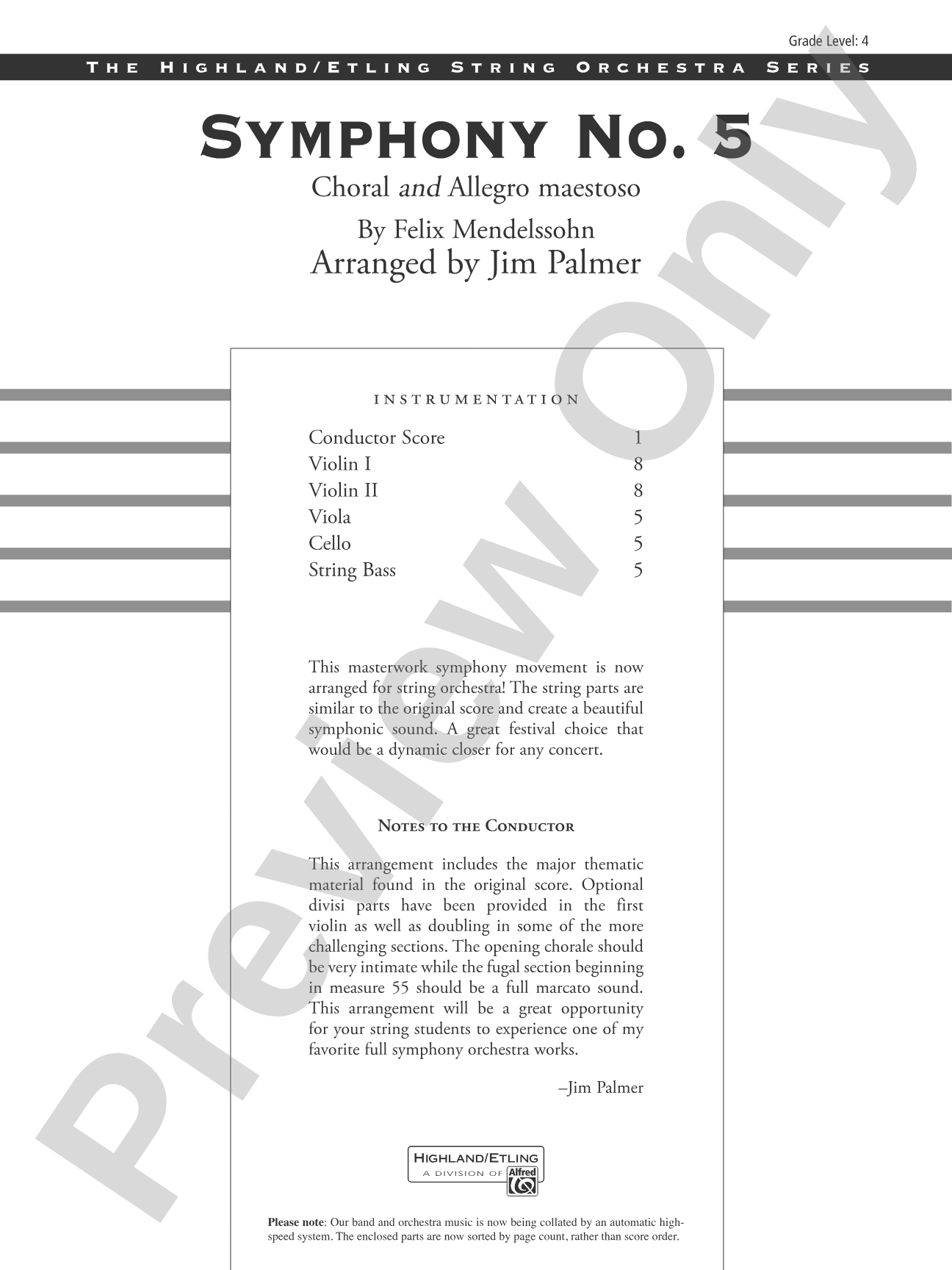
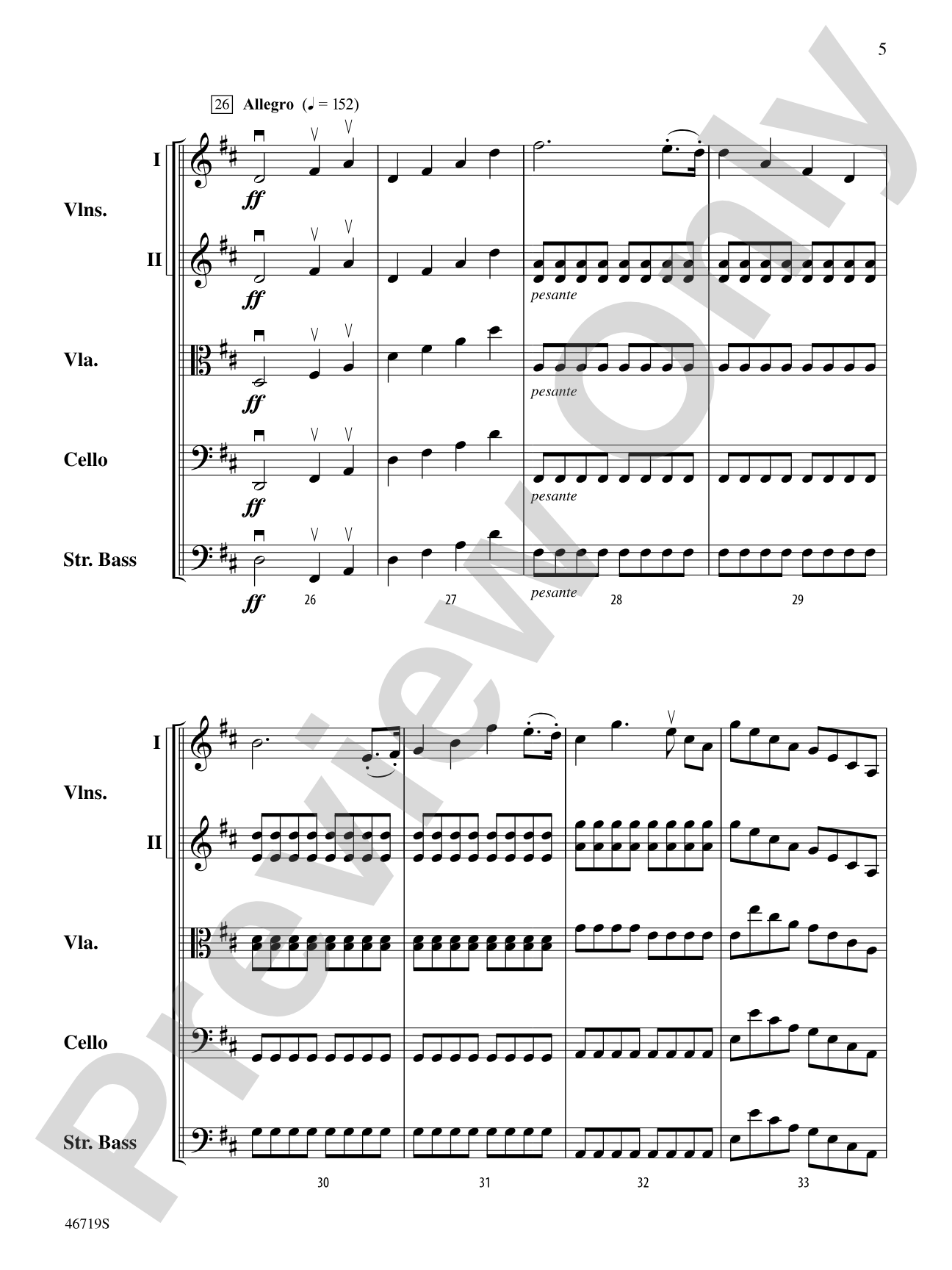
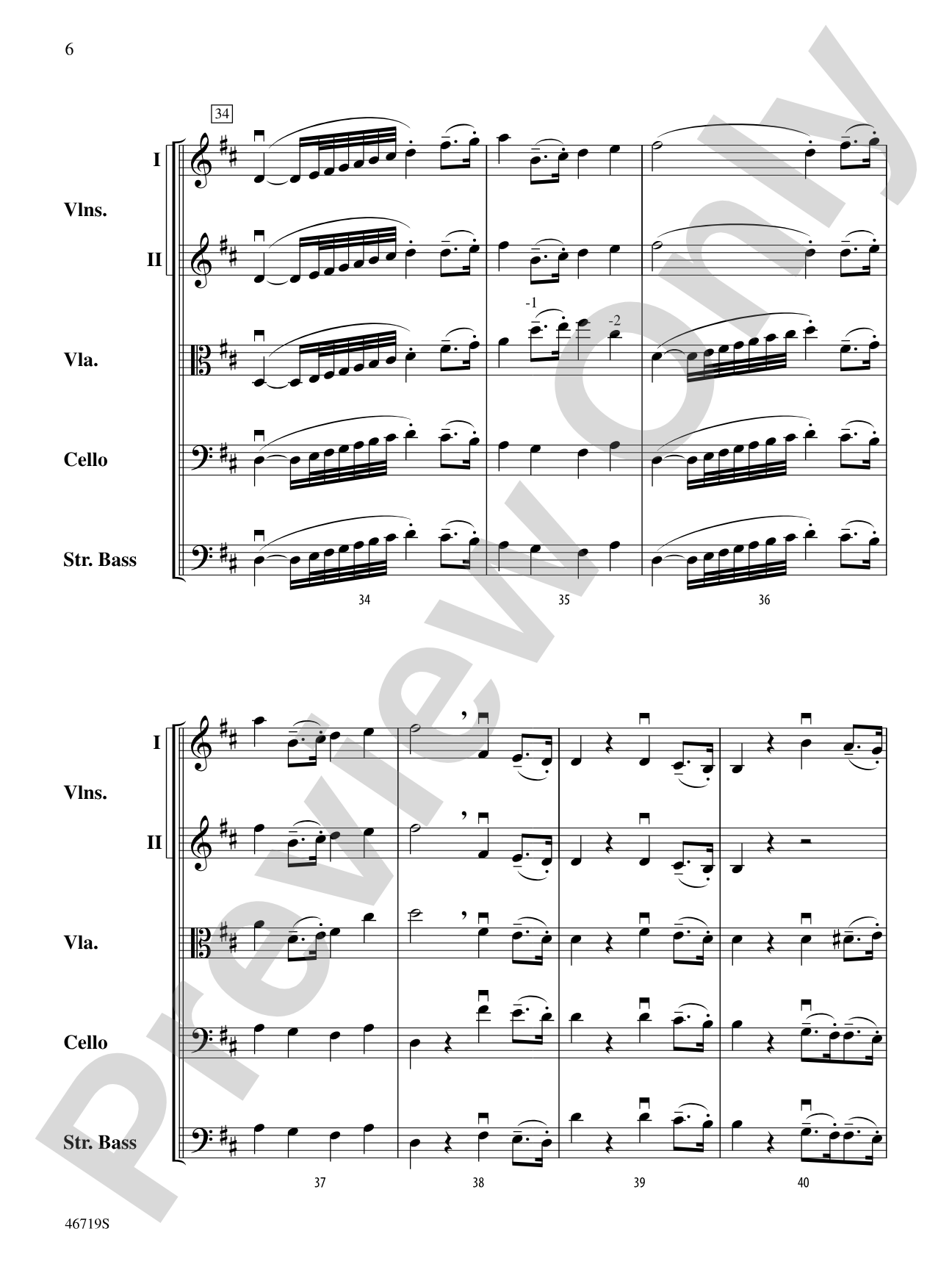
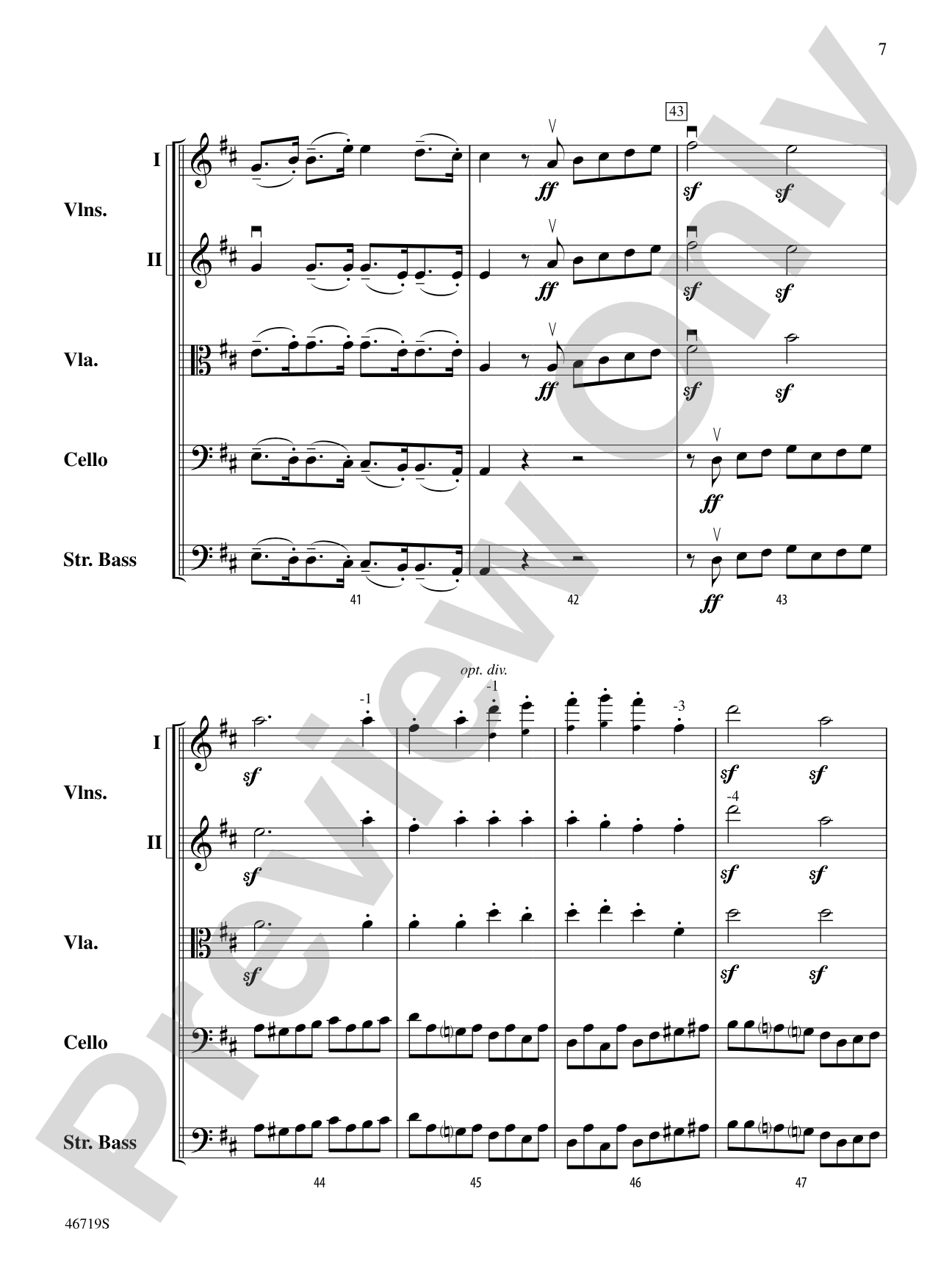
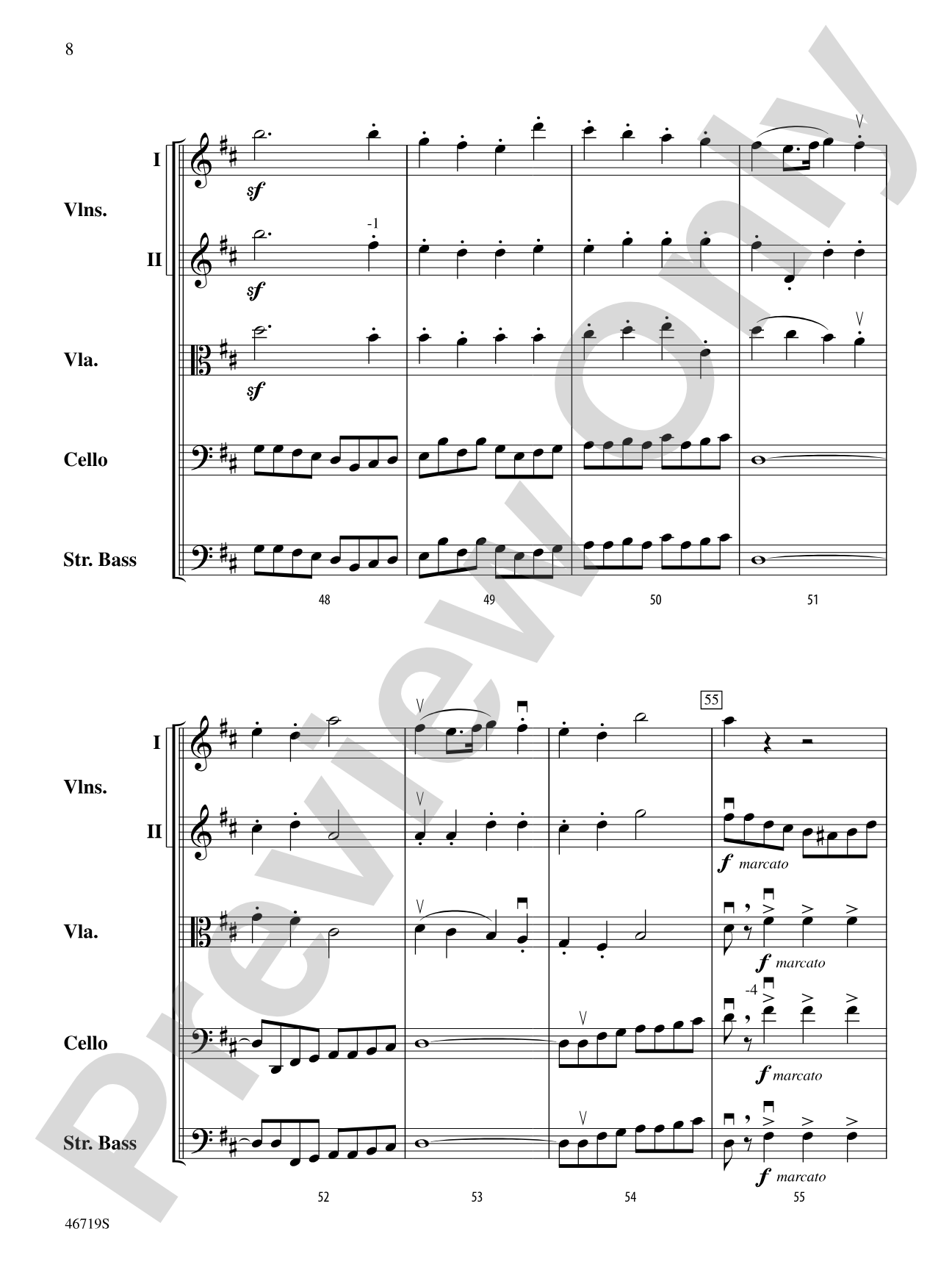
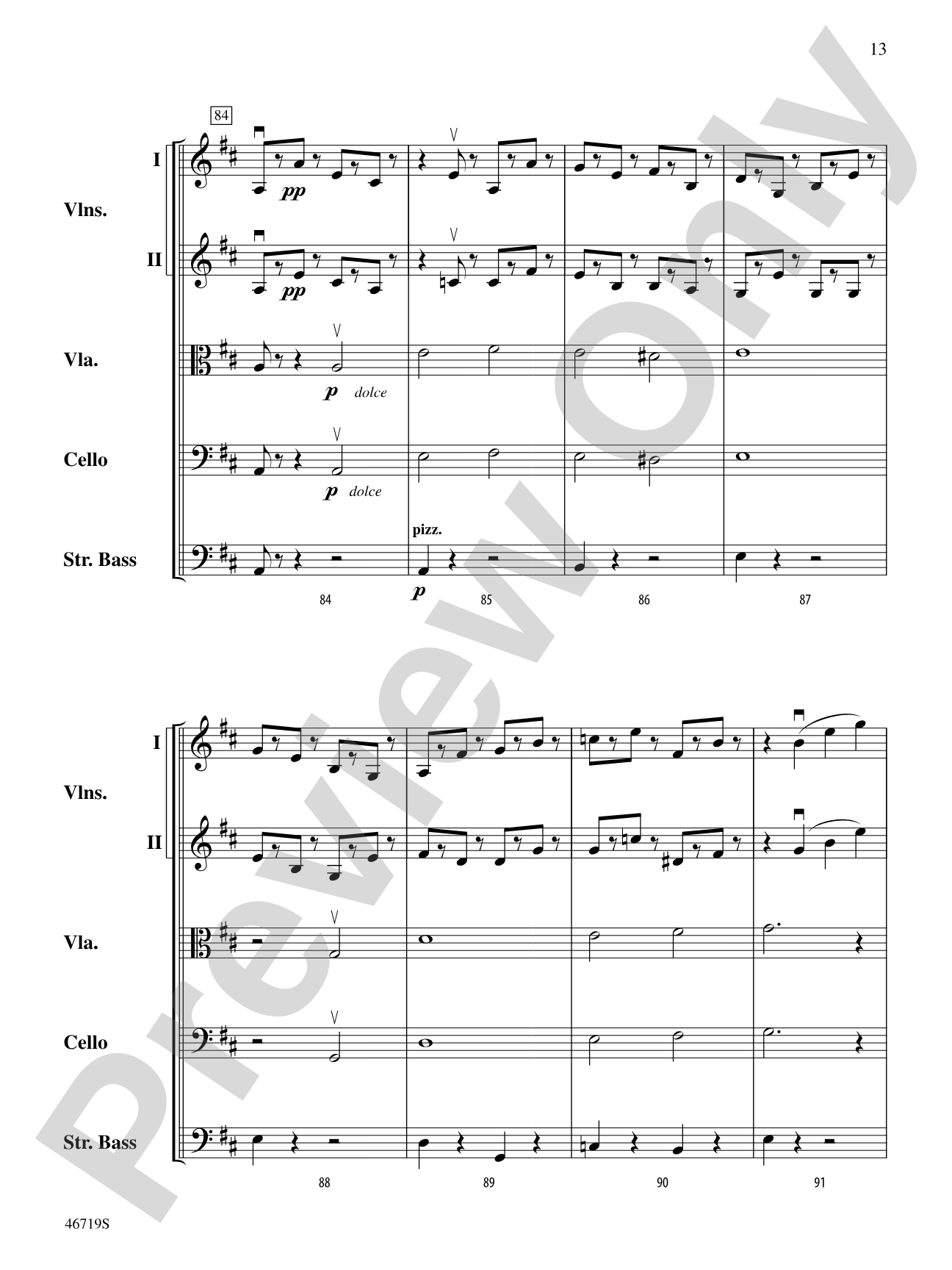
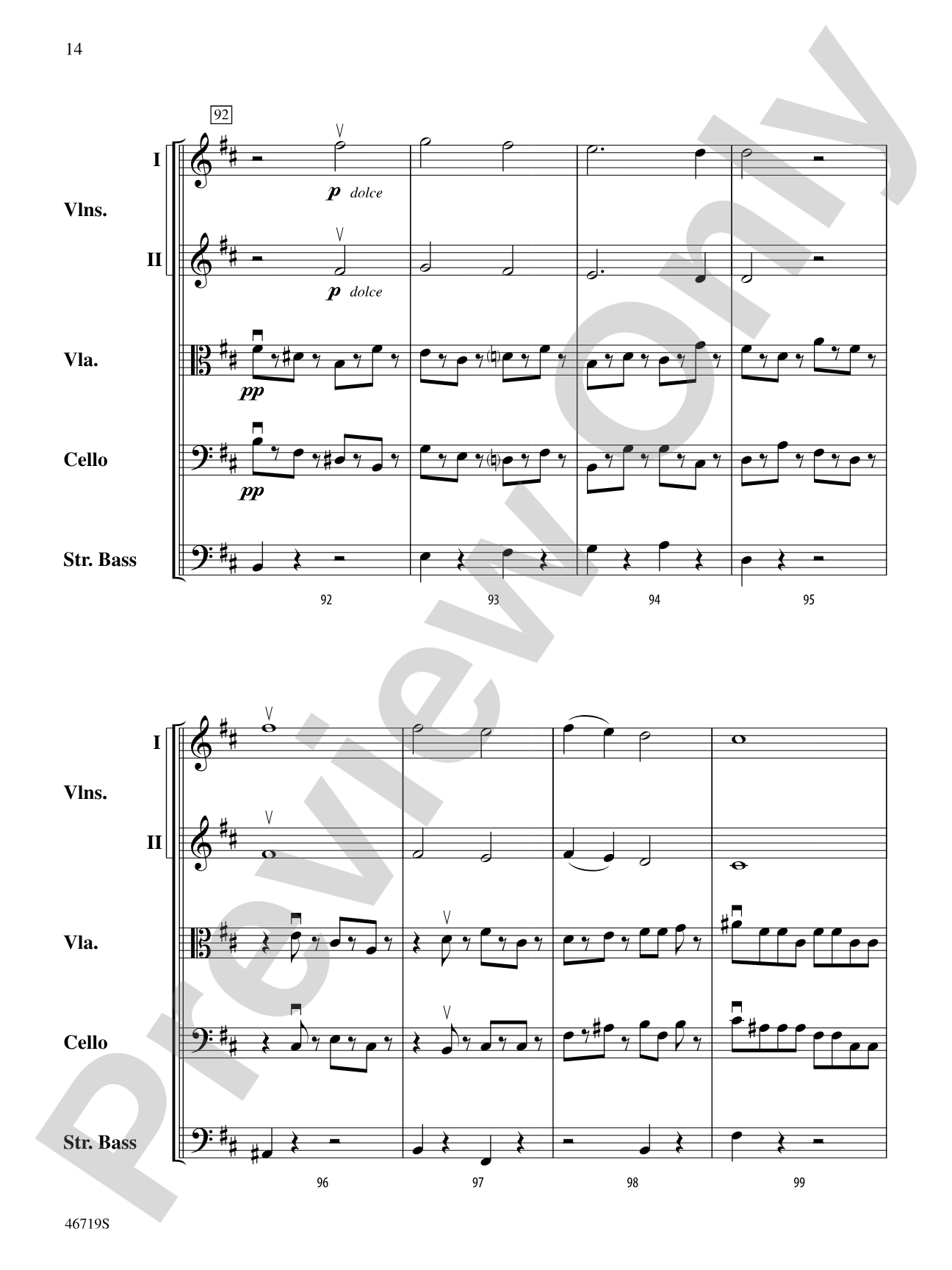
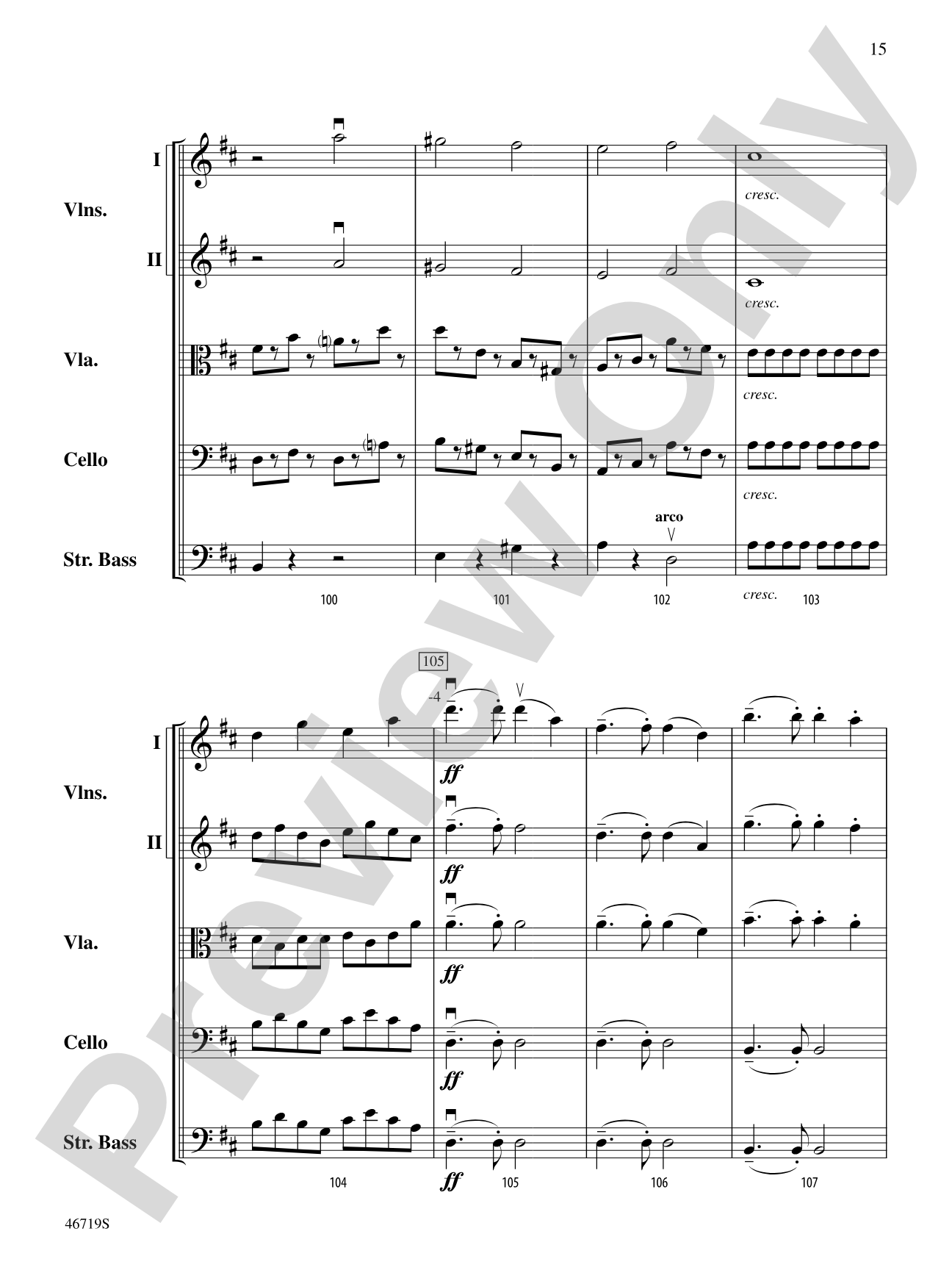
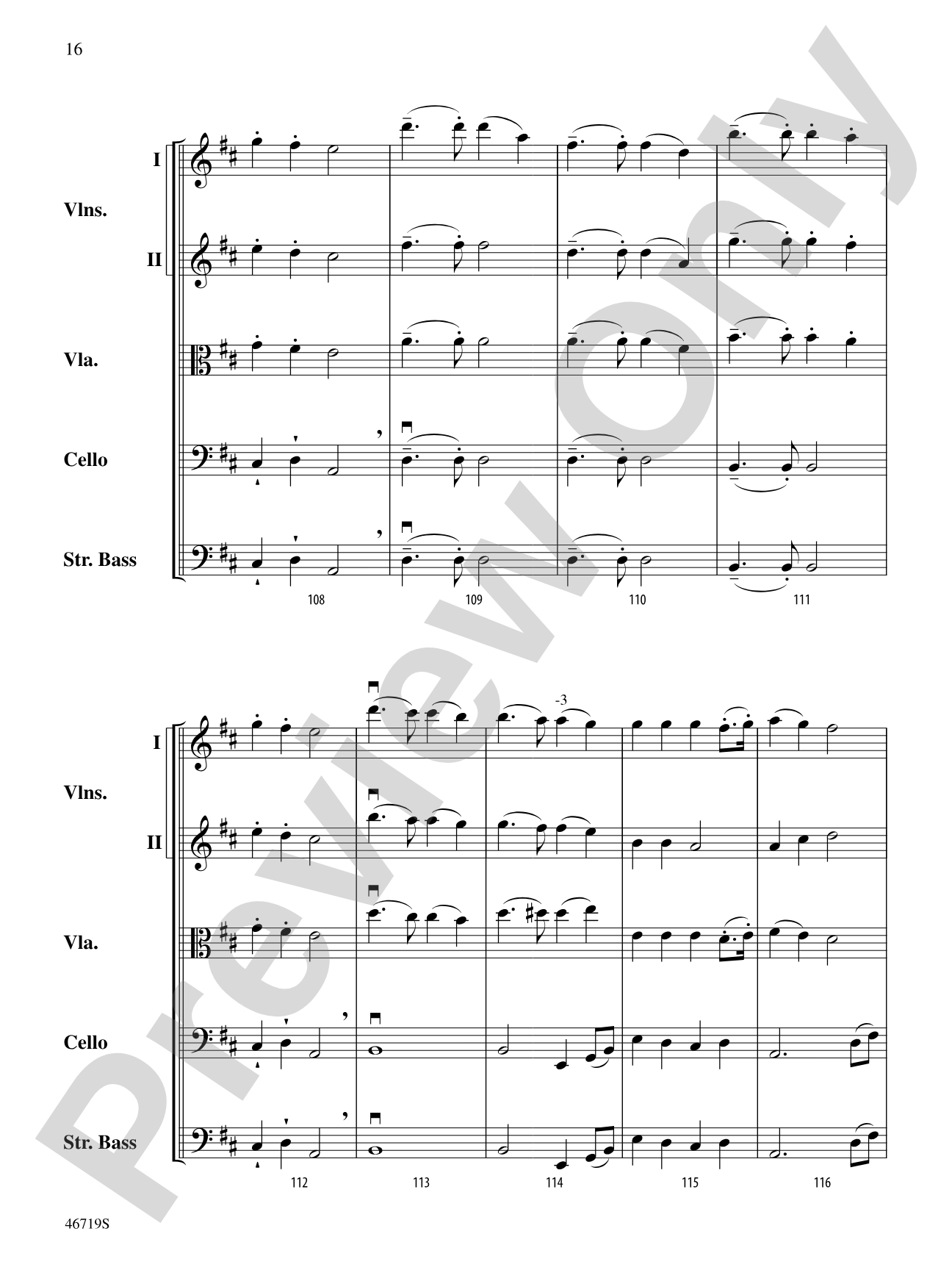
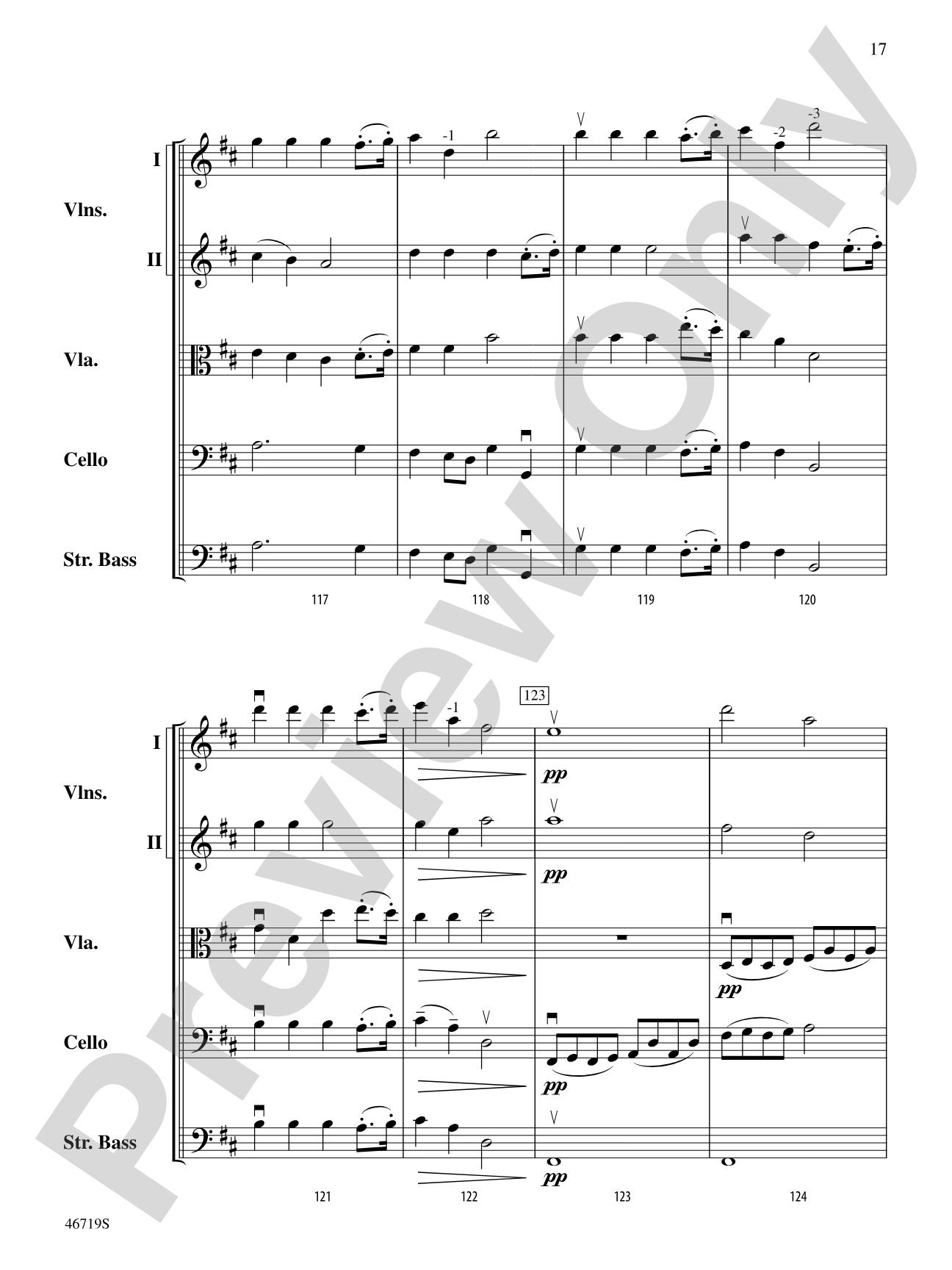
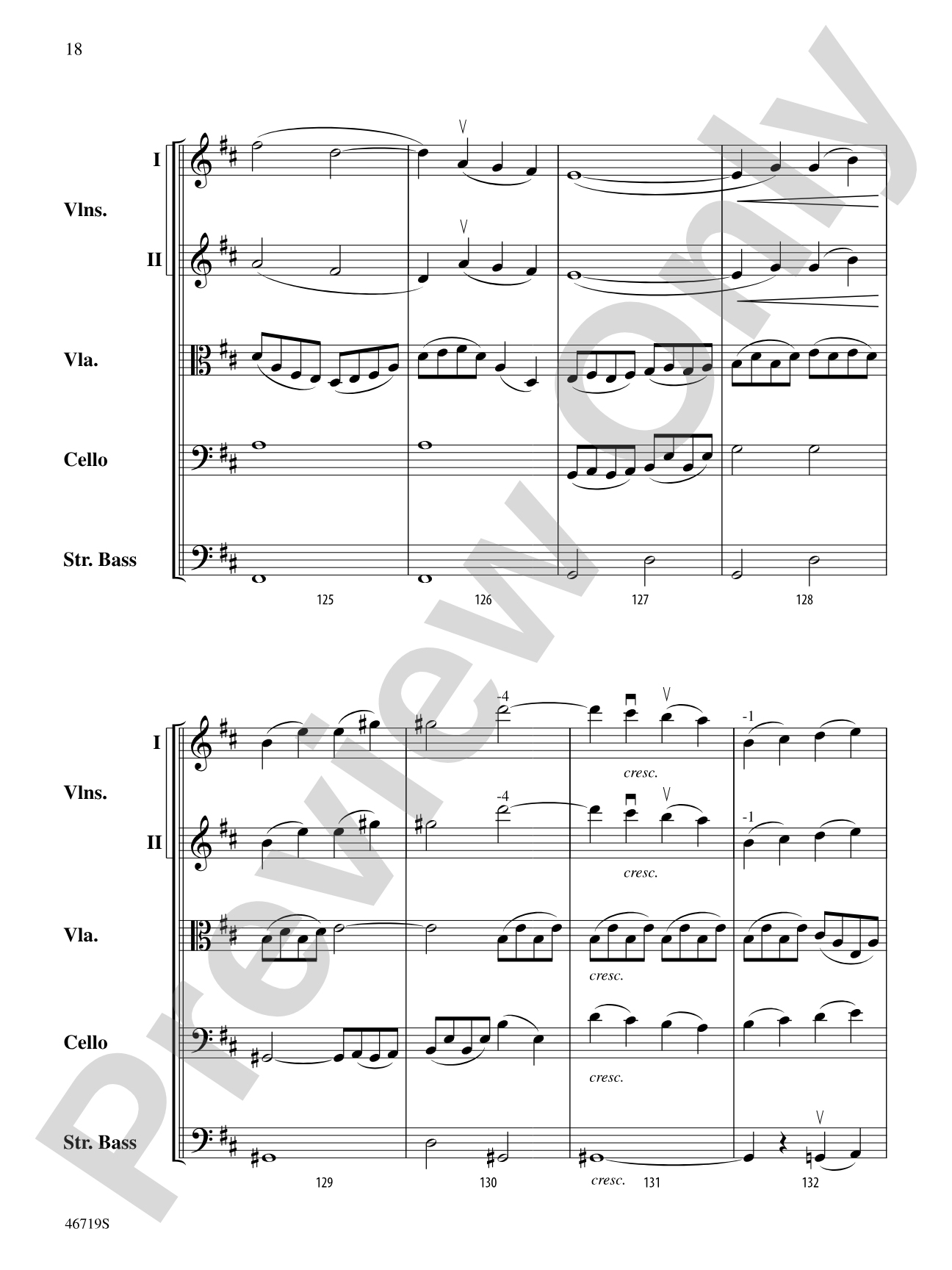
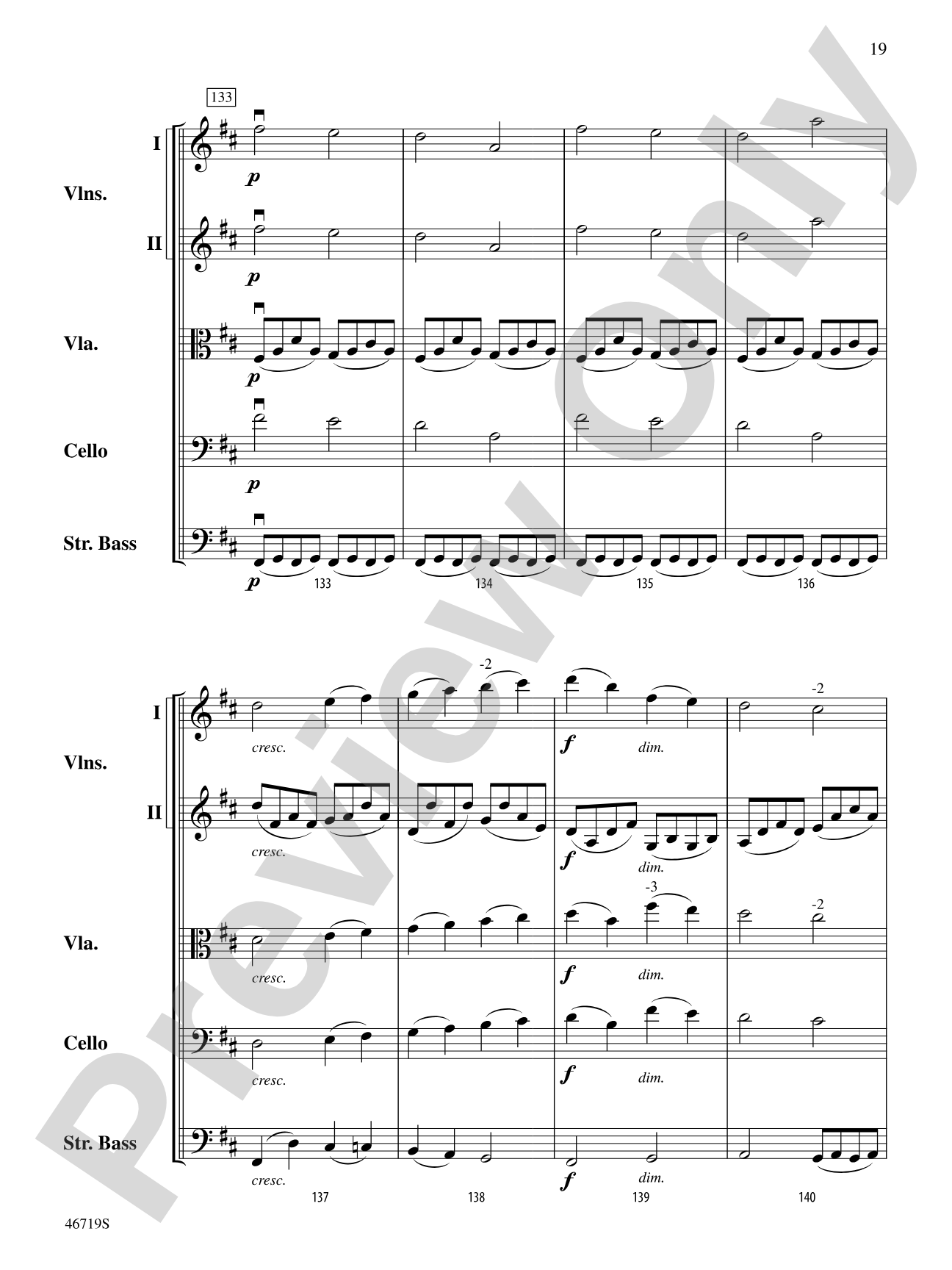
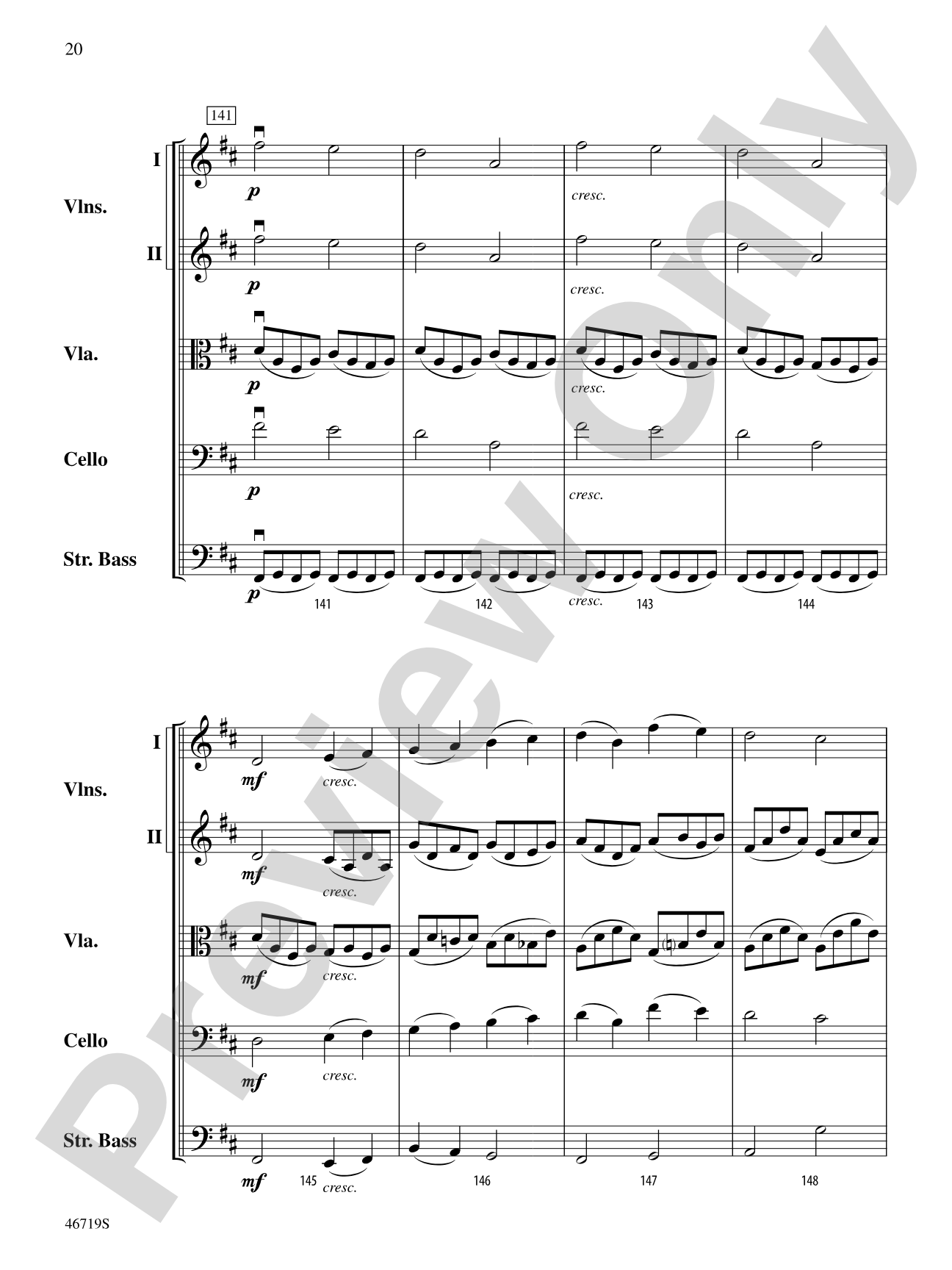
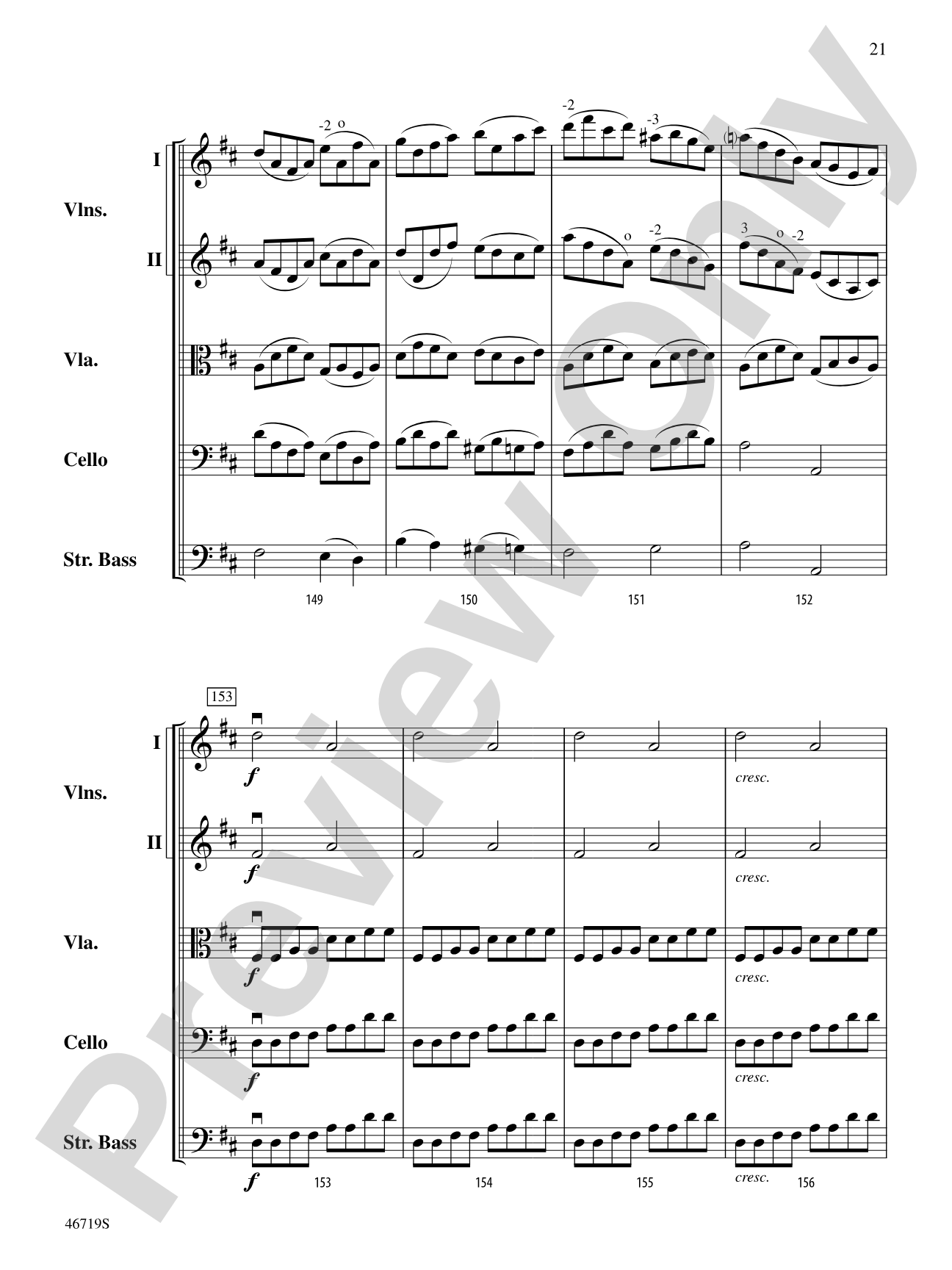
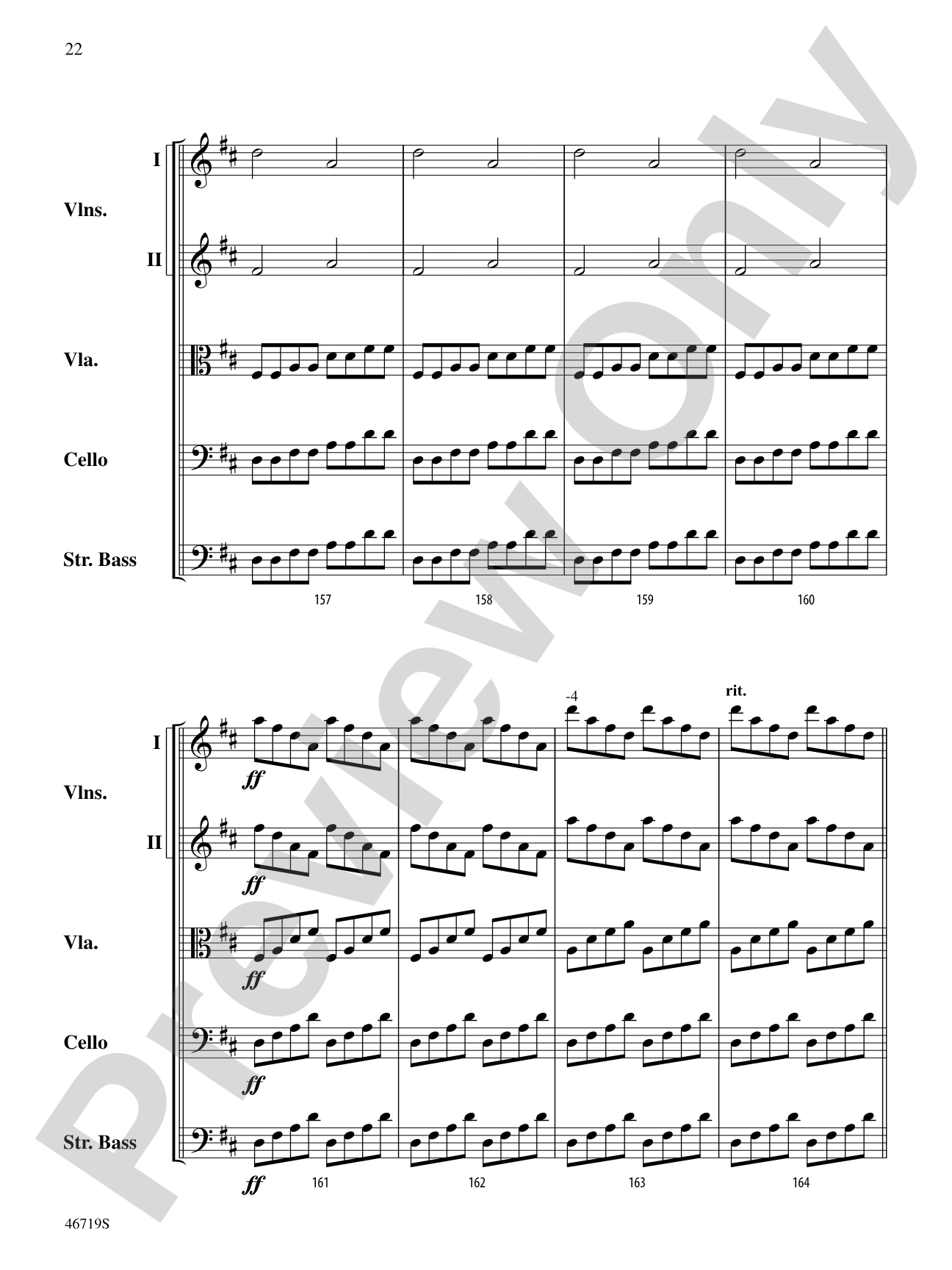
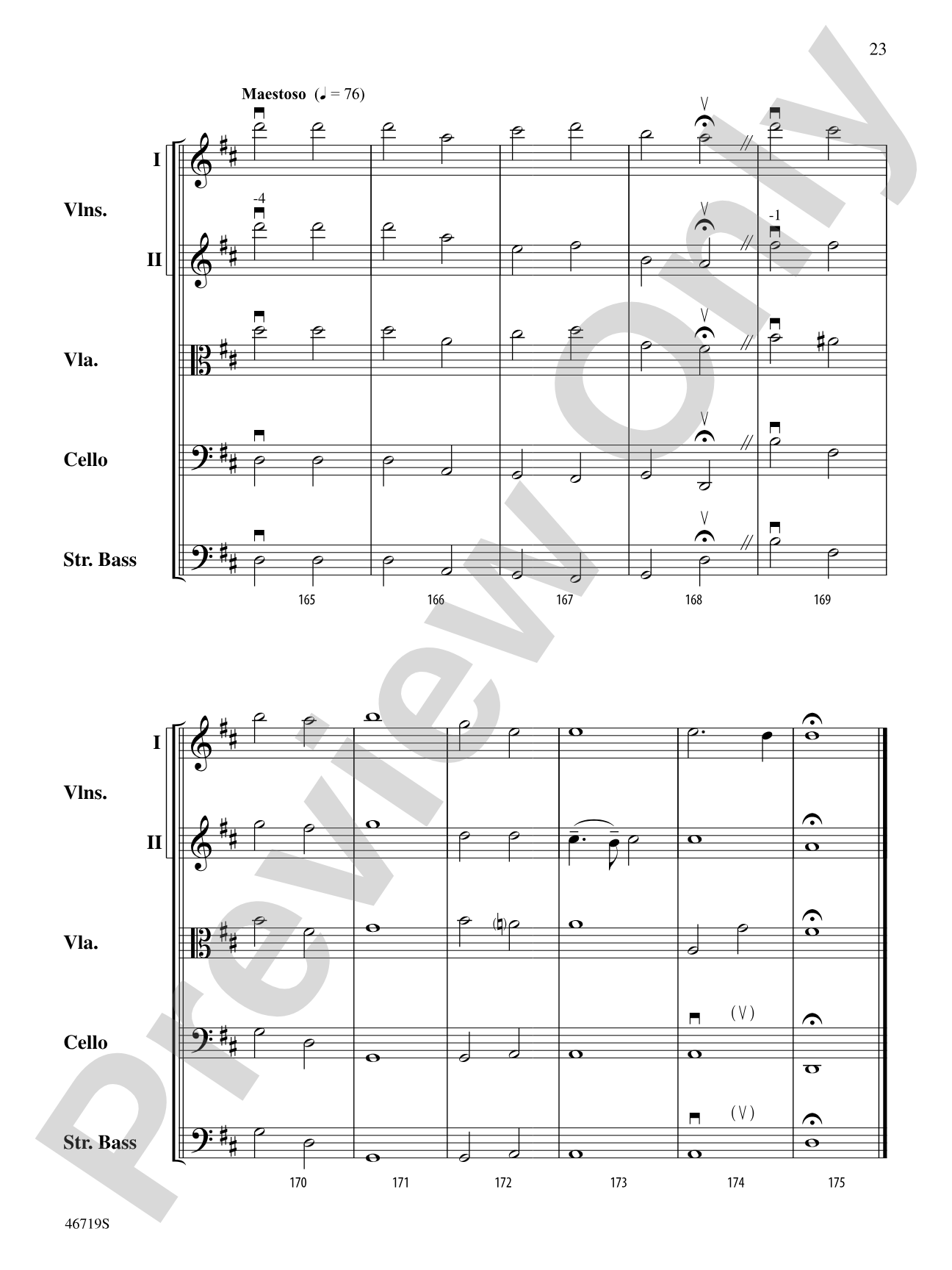

Symphony No. 5: Score
Choral and Allegro maestoso
By Felix Mendelssohn / arr. Jim Palmer
Grade: 4
Item: 00-PR-0006063
$10.00
Pickup currently not available
Description
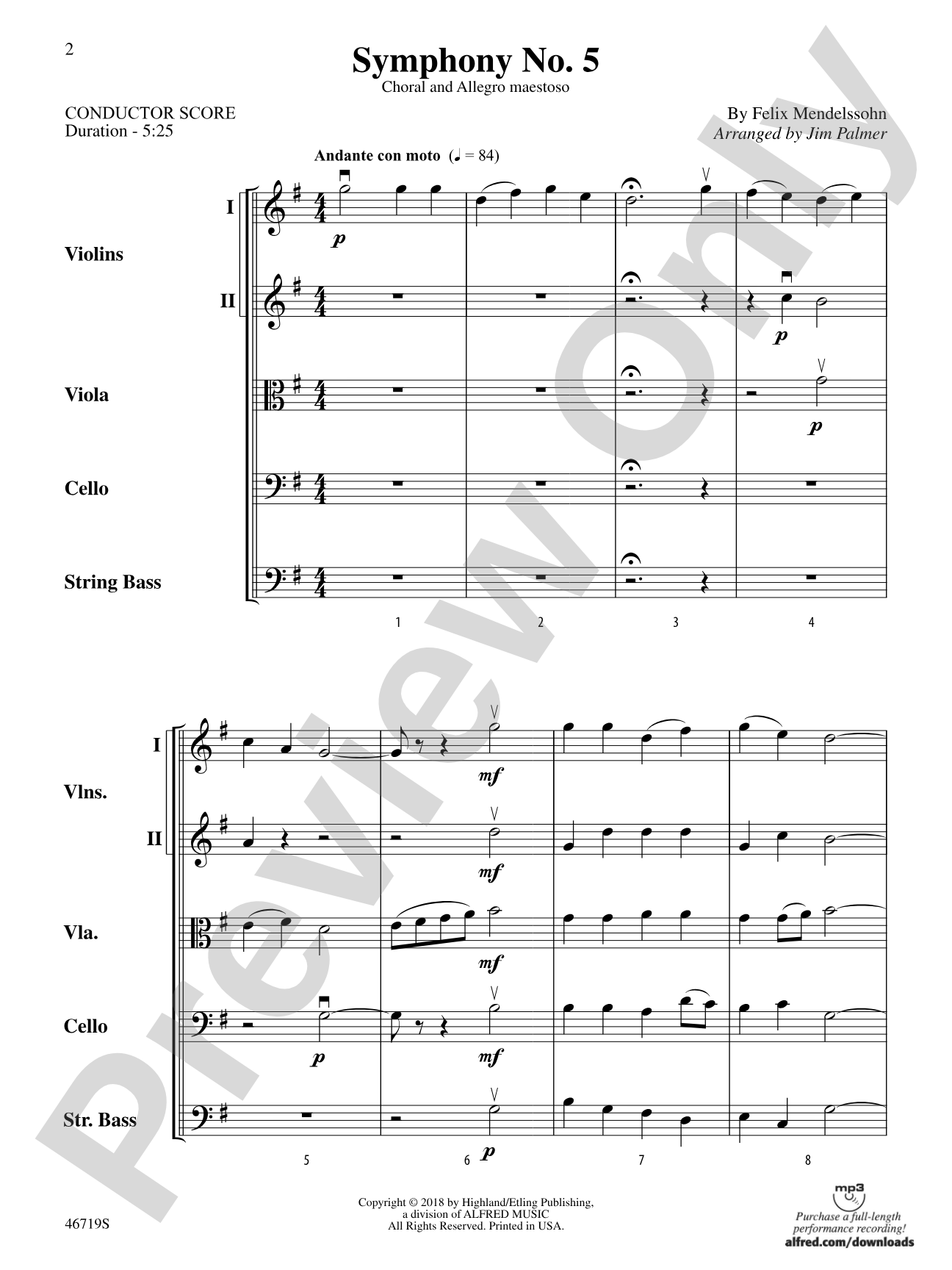
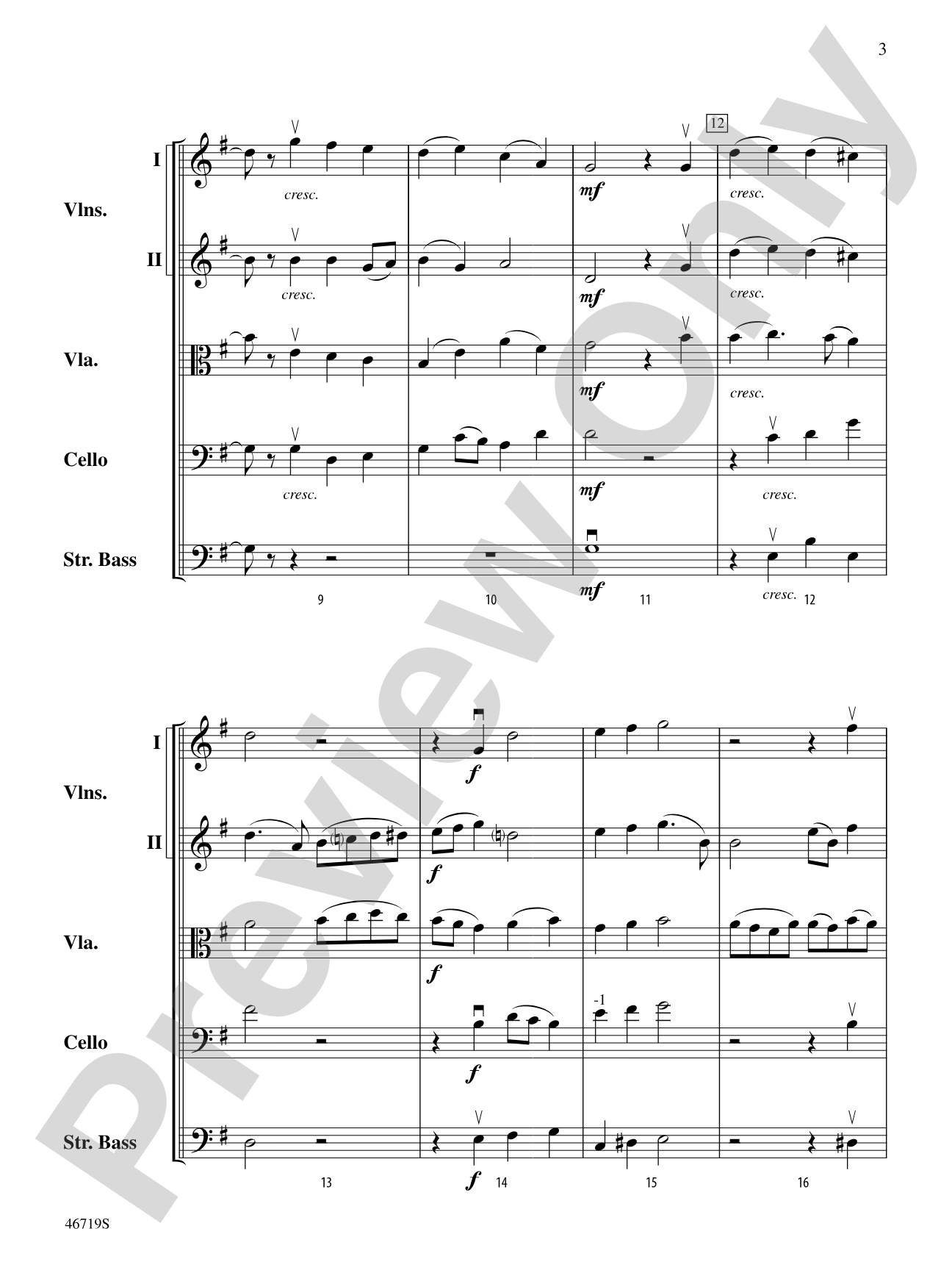
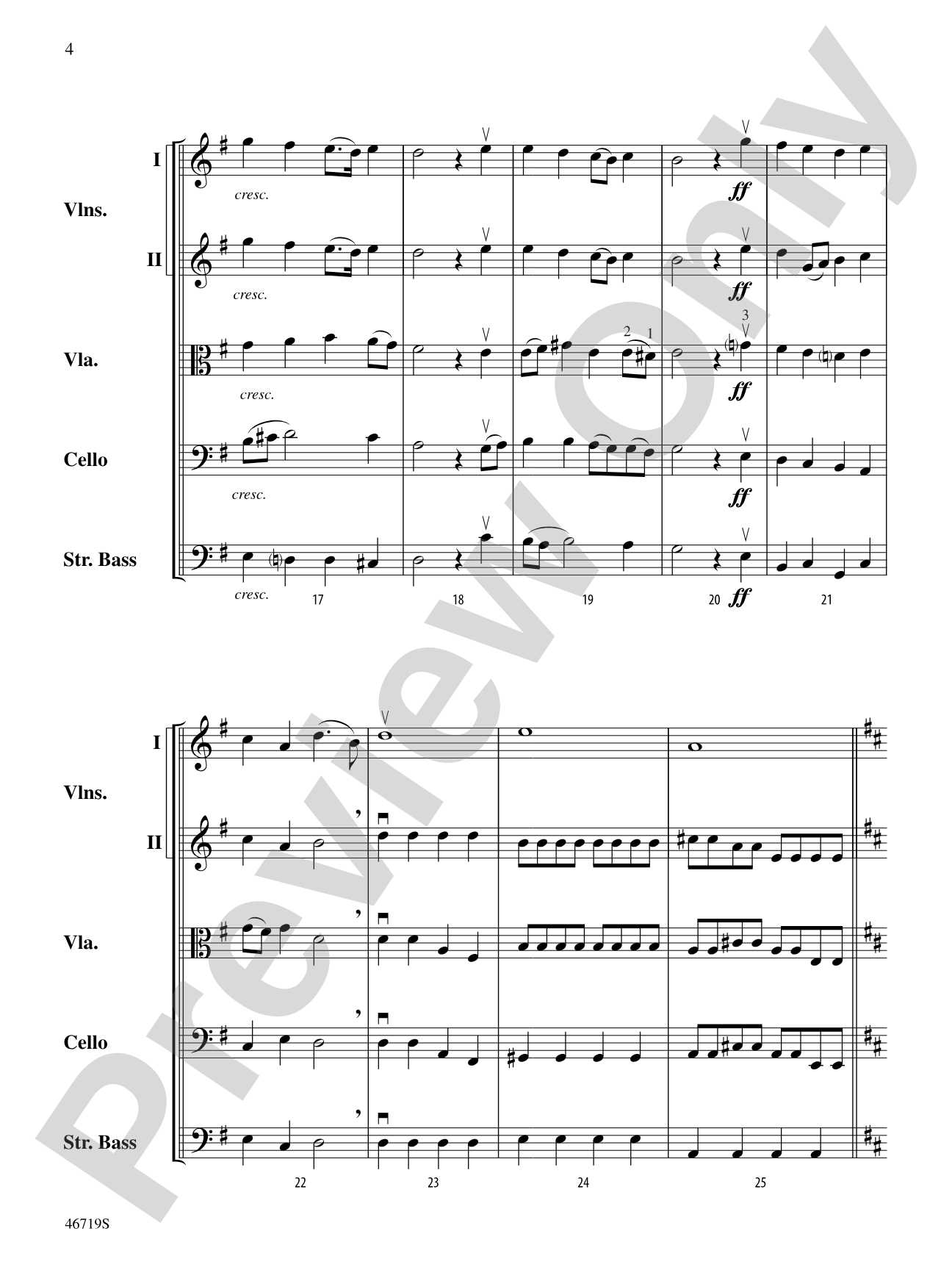
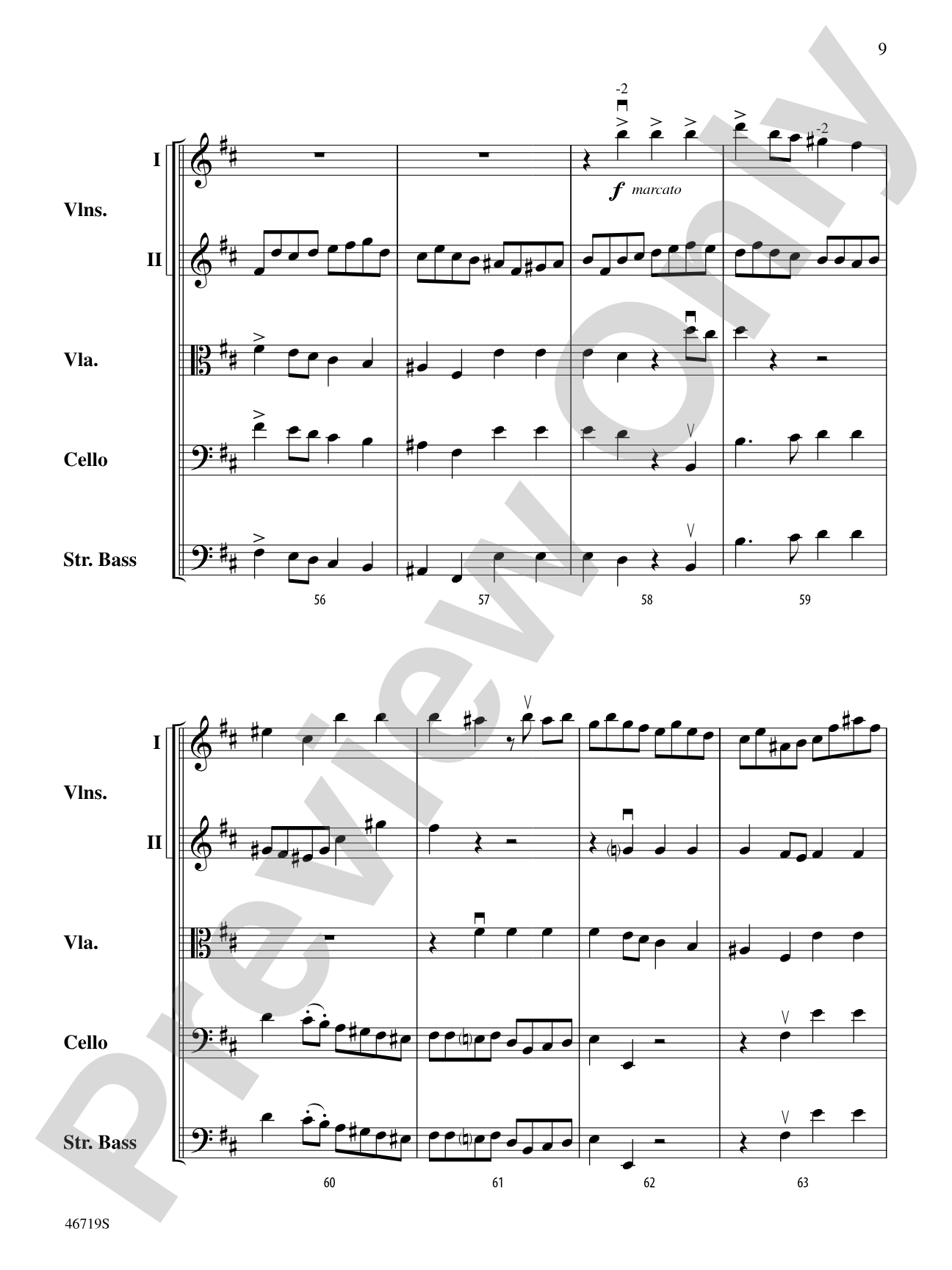
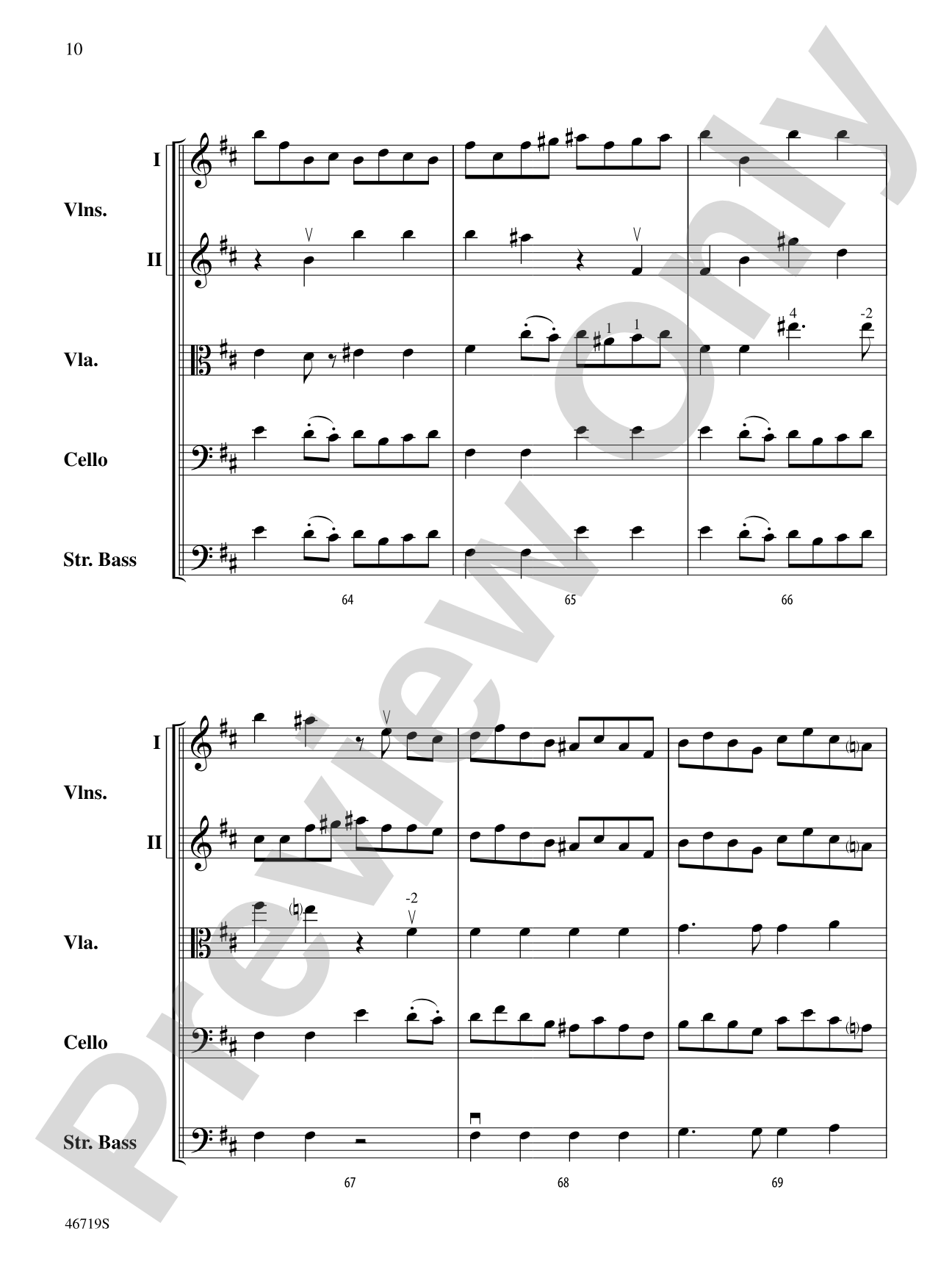
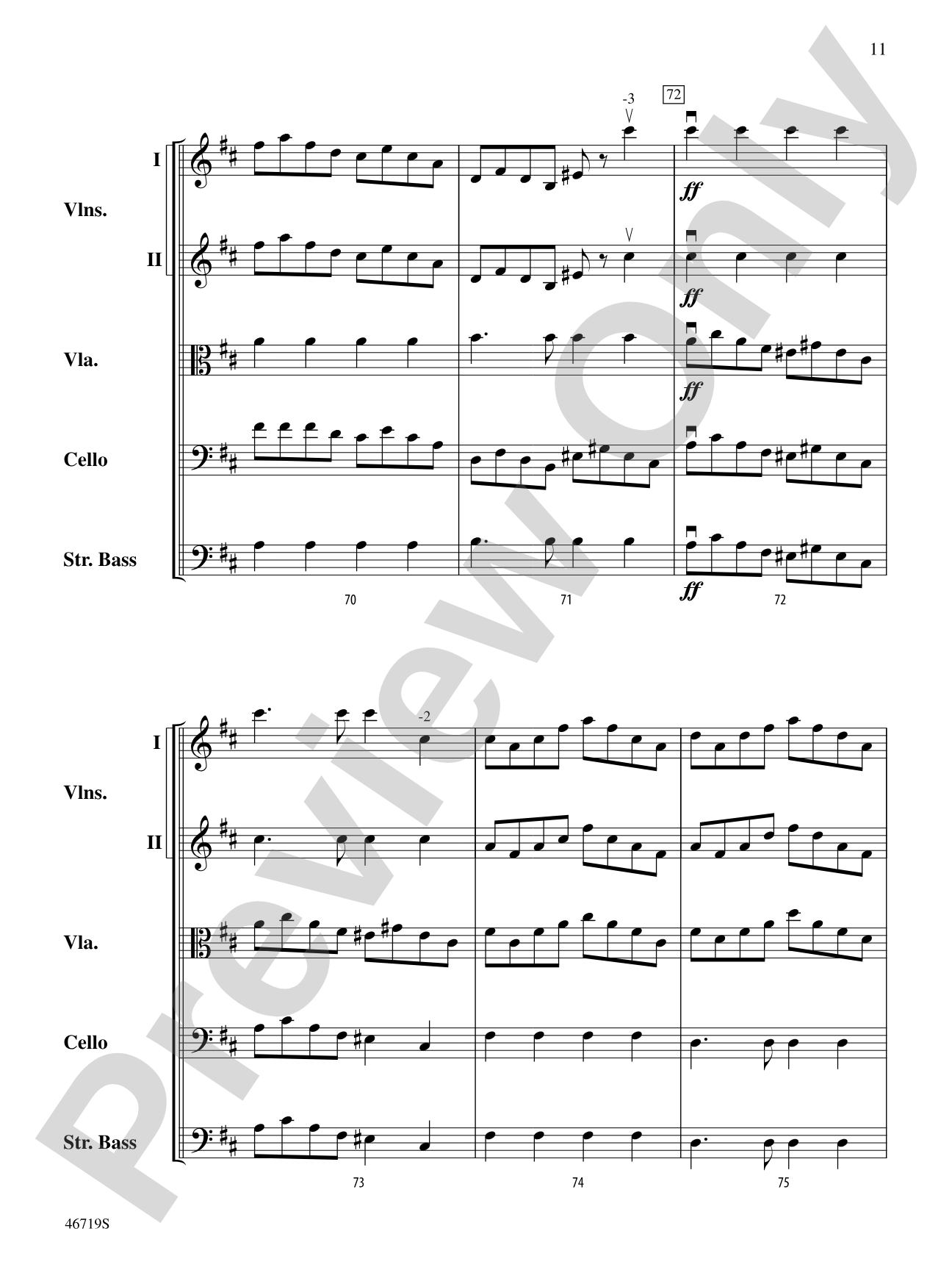
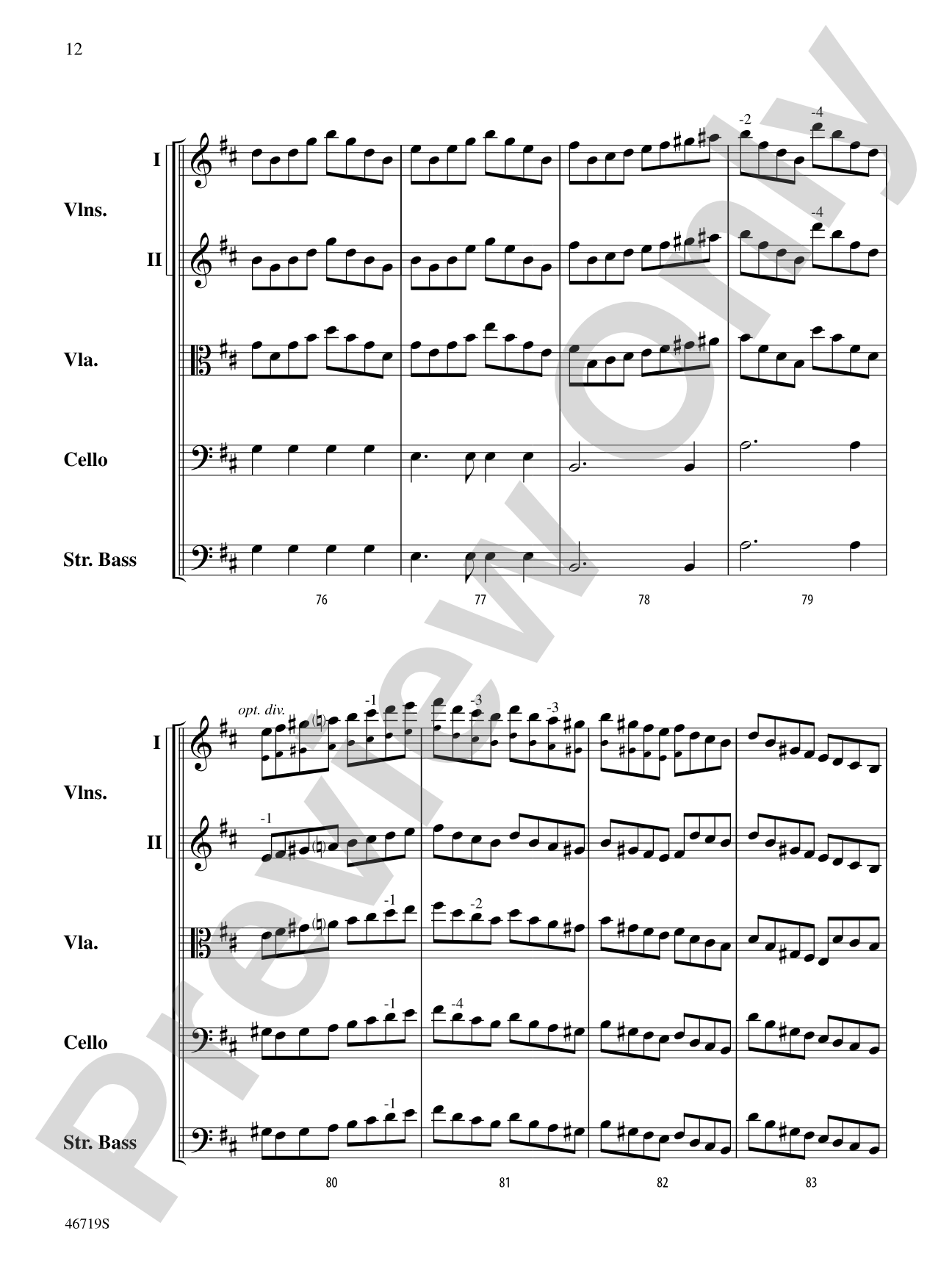
This wonderful string orchestra arrangement of "Choral" and "Allegro maestoso" from Felix Mendelssohn's great masterwork, Symphony No. 5, is arranged by Jim Palmer. The string parts are similar to the original score and will create a beautiful symphonic sound. A great festival choice that would be a dynamic closer for any concert!


Don't just read it, hear it, play along with it, and watch your students grow with it. In MakeMusic Cloud, Symphony No. 5: Score comes alive with professional accompaniment, adjustable tempo, and built-in practice tools that turn solo practice into real progress.
Open in the Player
Jump straight in and assign it today.
Start Your Free Trial
Open this title and explore the full library in minutes.
Sample Audio
1
Audio File
--:--
0:00
0:00
Sample Video
Additional Details
Series:
Highland/Etling String Orchestra
Publisher:
Alfred Music
Page Count:
124
SKU:
00-PR-0006063
More about this title
About the Composer: Felix Mendelssohn
Felix Mendelssohn (1809-1847) was a Romantic-era composer whose gifts for melody and orchestration shaped the symphonic tradition throughout the 19th century. Born into a prominent Berlin family, he traveled extensively across Europe, conducting major orchestras and composing at an extraordinary rate. His five symphonies remain cornerstones of the orchestral repertoire, prized for their architectural clarity and emotional directness.
Mendelssohn's ability to write for strings with particular elegance makes his work ideal for advancing string ensembles. His symphonies balance technical demands with singable, memorable lines that reward both careful phrasing and virtuosic passage work. Teachers and conductors turn to his music repeatedly because it teaches musicianship alongside technique.
Why we love this
Jim Palmer's arrangement preserves the architectural power of Mendelssohn's original while making the work accessible to Grade 4 ensembles without sacrificing the symphonic sweep that makes this such an effective concert finale. The "Choral" movement's soaring melodic lines play naturally across the string sections, and the subsequent "Allegro maestoso" builds to genuine excitement without requiring the full orchestral forces of the original. This is the kind of arrangement that lets students experience masterwork repertoire at their level.
What to expect
The opening "Choral" unfolds with hymn-like serenity, allowing the listener time to absorb Mendelssohn's gift for pure melodic beauty. The transition into "Allegro maestoso" ignites the energy with forward-driving rhythms and brilliant figuration, creating the kind of dramatic arc that leaves an audience energized and satisfied.
Who it's for
String orchestras at Grade 4 level seeking substantial repertoire with real symphonic character. This arrangement welcomes ensembles with developing musicians who can handle longer lines and complex textures while delivering the architectural confidence of a major Romantic masterwork.
How to get the most out of it
- Balance the first violin's expressive melody in the "Choral" against warm, supportive harmony from the inner voices; this isn't a solo vehicle but a collective statement.
- Establish a clear harmonic foundation with the cellos and basses early; their steady pulse anchors the string texture and creates room for the upper voices to sing.
- Shape the transition into "Allegro maestoso" with purpose by gradually lifting the tempo and intensity rather than shifting abruptly; Mendelssohn wrote these movements to flow together.
- Refrain from over-vibrato on the sustained chords in the "Choral" section; let the harmonic progression speak through clarity and blend.
How to use it
Program this as your concert finale to leave the strongest possible impression; the "Choral" gives audiences a moment of reflection before the "Allegro maestoso" sends them out with excitement. It also works well in a festival or contest context where a single substantial work can anchor your entry.
Skills your students will build
- Sustaining long melodic lines across multiple phrases without losing tone quality
- Balancing individual voice parts within a complex harmonic texture
- Reading through key modulations and harmonic movement typical of Romantic symphonies
- Managing tempo flexibility and expressive rubato within a structured form
- Ensemble coordination in passages with independent rhythmic figures across sections